




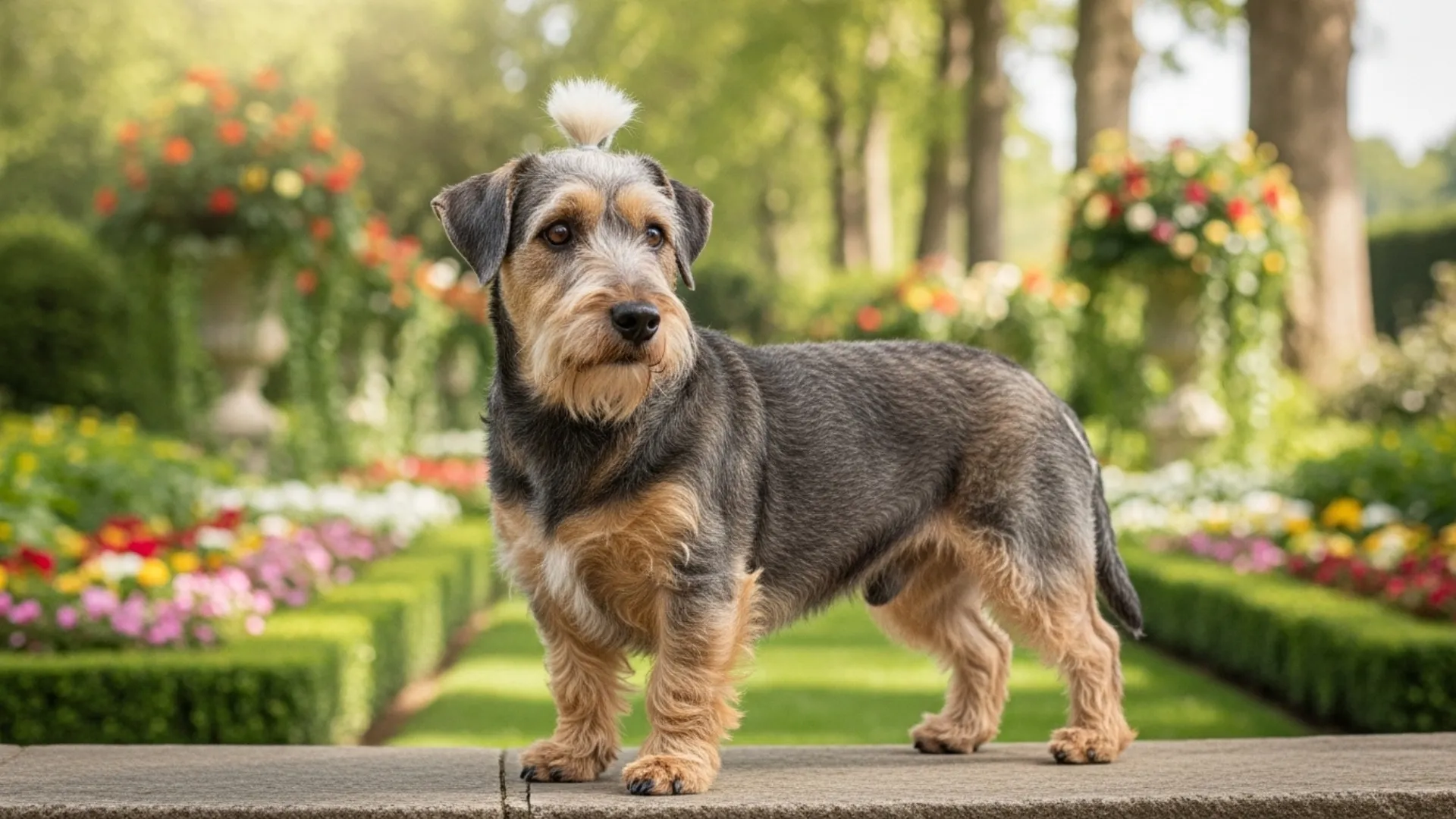
Looking to add a truly unique breed to your life? Not all dogs are created equal, and some of the rarest breeds in the world are not only stunningly beautiful but also carry fascinating histories and personalities that set them apart.
While everyone knows the usual crowd of popular pups, there’s a hidden world of exotic dogs that many people have never even heard of—dogs that have been carefully preserved by dedicated enthusiasts, sometimes for centuries.
Believe it or not, there are breeds so rare in the U.S. that fewer than a hundred puppies are registered each year, making them true treasures for dog lovers who want something extraordinary.
If you’re ready to explore the more exotic side of the canine world, get ready to meet some of the rarest and most breathtakingly beautiful dogs you’ve probably never seen. These pups aren’t just eye-catching—they carry fascinating histories, unique traits, and personalities that make them truly one-of-a-kind.
Key Takeaways
Explore 10 rare and exotic dogs, from the elegant Azawakh to the charming Bolognese, each with a unique story.
Meet the Norwegian Lundehund, Cesky Terrier, and other breeds with one-of-a-kind traits.
Discover which dogs make loyal companions, playful pals, or calm lapdogs.
Learn their personalities, care needs, and quirks to find your perfect match.
Exotic Dog Breeds That Are Rare, Yet Stunningly Beautiful
1. Skye Terrier
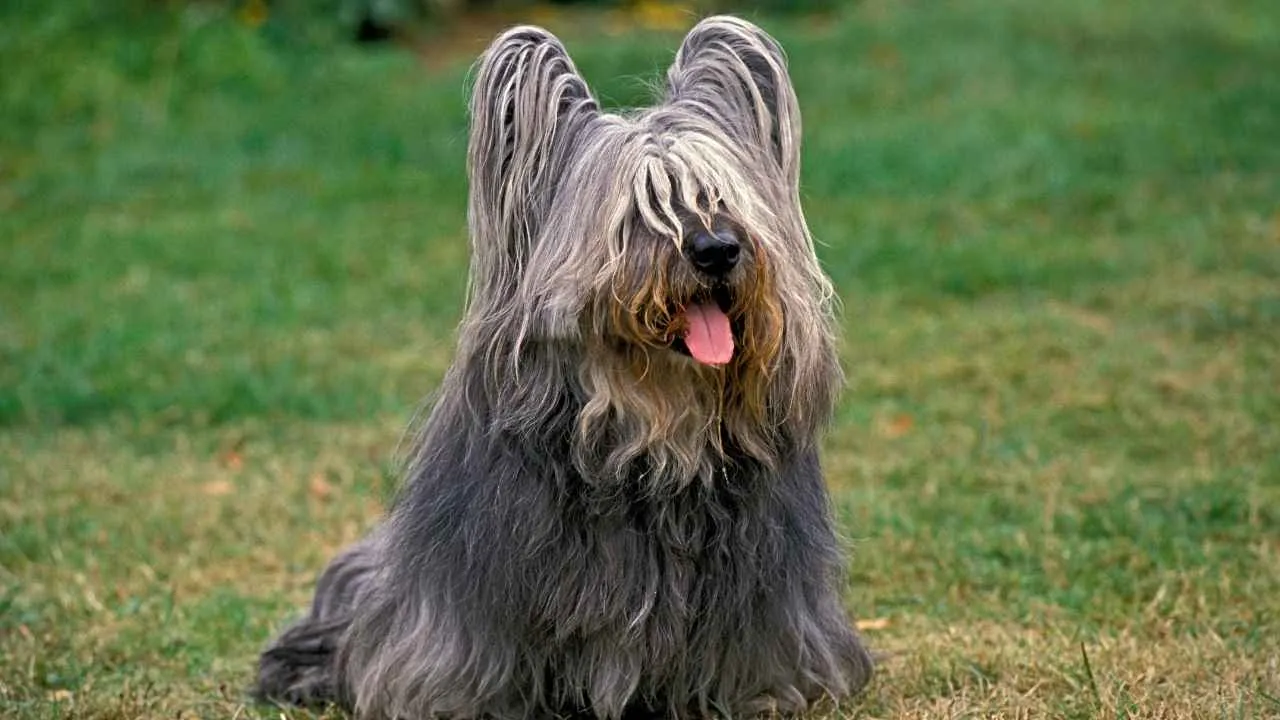
Hailing from the misty Isle of Skye in Scotland, the Skye Terrier is a rare and stunningly beautiful breed. Known for courage, loyalty, and intelligence, this little dog has a big heart.
Once a favorite of nobility, the Skye Terrier combines elegance with a fearless spirit, making it a true standout among exotic dog breeds.
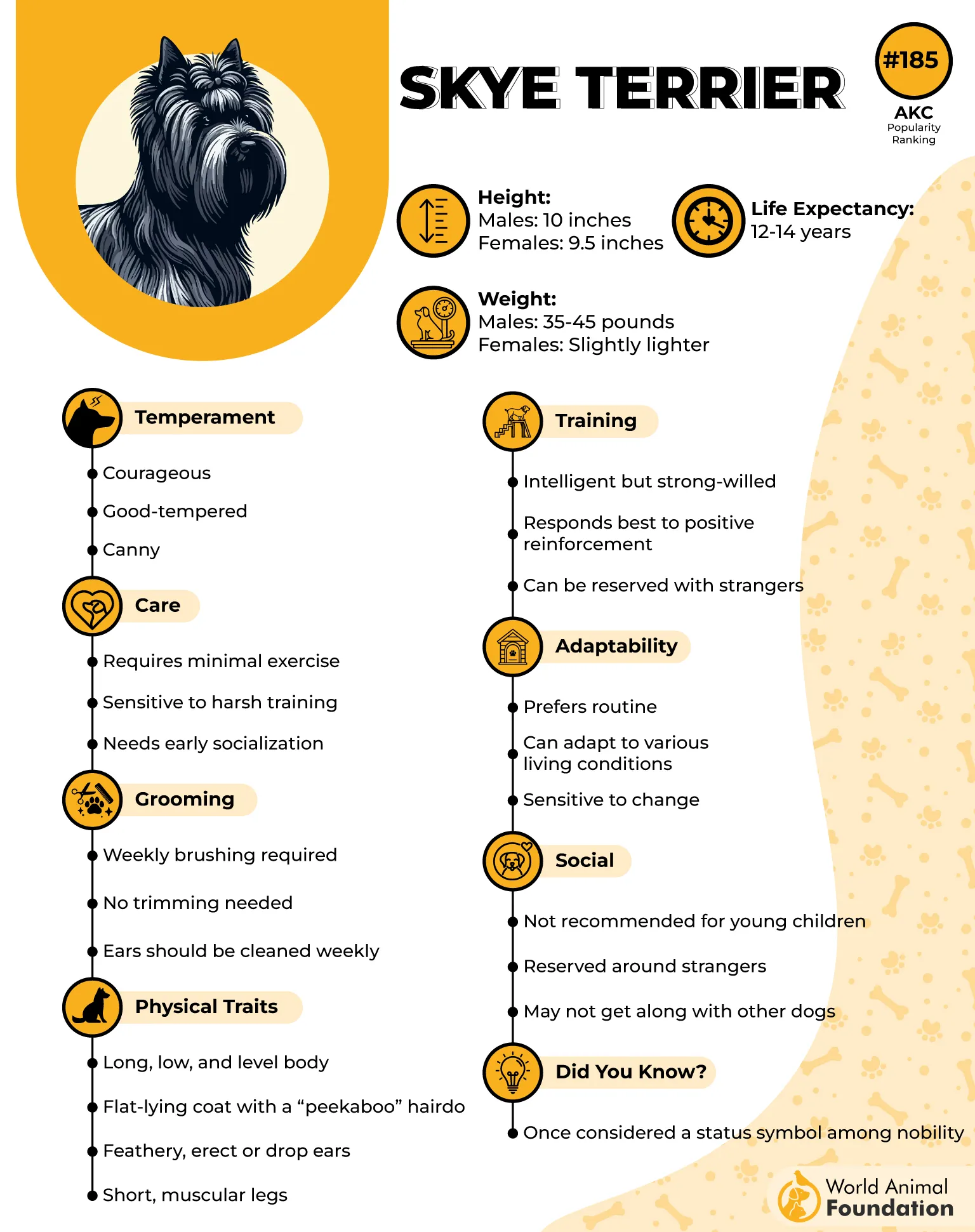
The Skye Terrier’s long, flowing coat and unique ears—either upright like bat wings or graceful drop ears—give it a striking, aristocratic appearance. Despite their refined look, Skyes are playful, protective, and deeply devoted to their families. They need attention, love, and early socialization to thrive.
Key Traits of the Skye Terrier
Long, straight double coat in colors like black, blue, fawn, cream, and platinum
Sweet, affectionate, and loyal personality
Playful and energetic; enjoys games and agility exercises
Reserved with strangers; needs early socialization
Sensitive to harsh training; responds best to gentle, consistent methods
The Skye Terrier originated in the 1600s when Maltese dogs from a shipwreck were bred with local Scottish terriers. Initially, farm dogs hunted vermin and endured harsh weather with their sturdy bodies and thick paws. Queen Victoria later made them a favorite among nobility.
Today, Skyes adapt well to both city and country life, but they thrive on companionship, regular play, and consistent training.
2. Dandie Dinmont Terrier
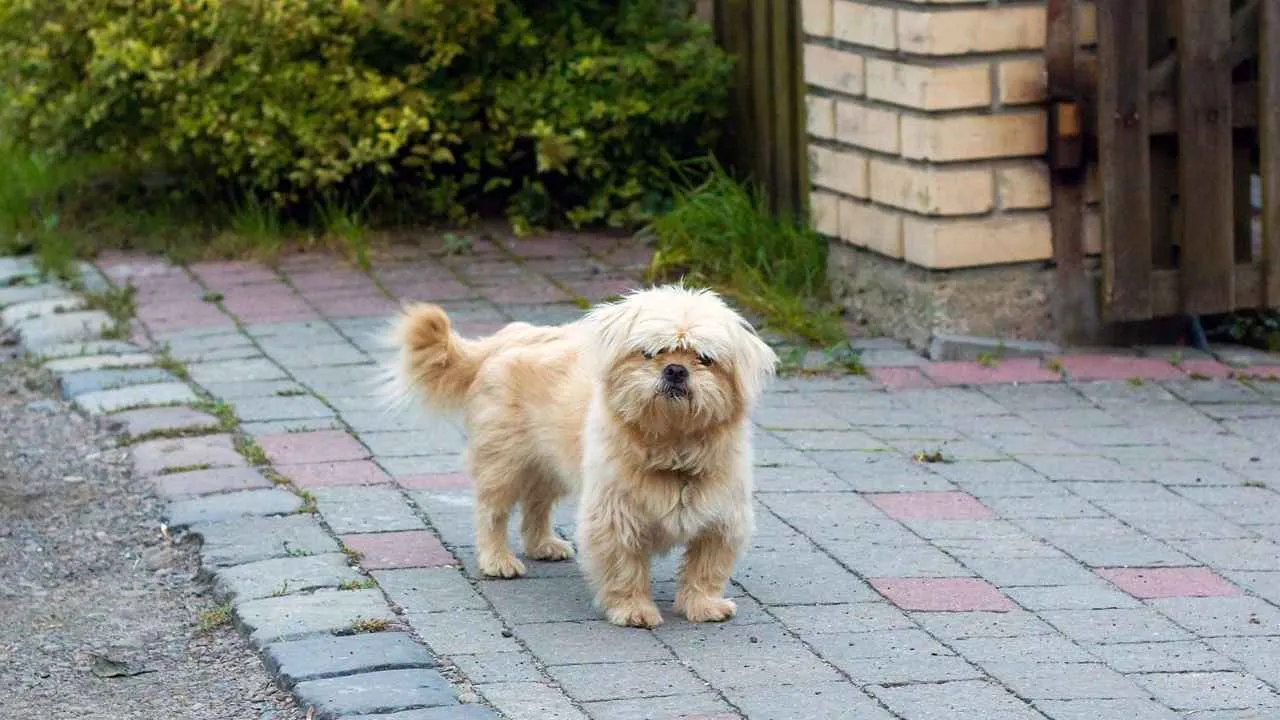
The Dandie Dinmont Terrier hails from the border of England and Scotland. With its long, low body, silky topknot, and big expressive eyes, this little terrier is instantly recognizable.
Known for courage, intelligence, and independence, Dandies are affectionate with their families and make loyal, entertaining companions.
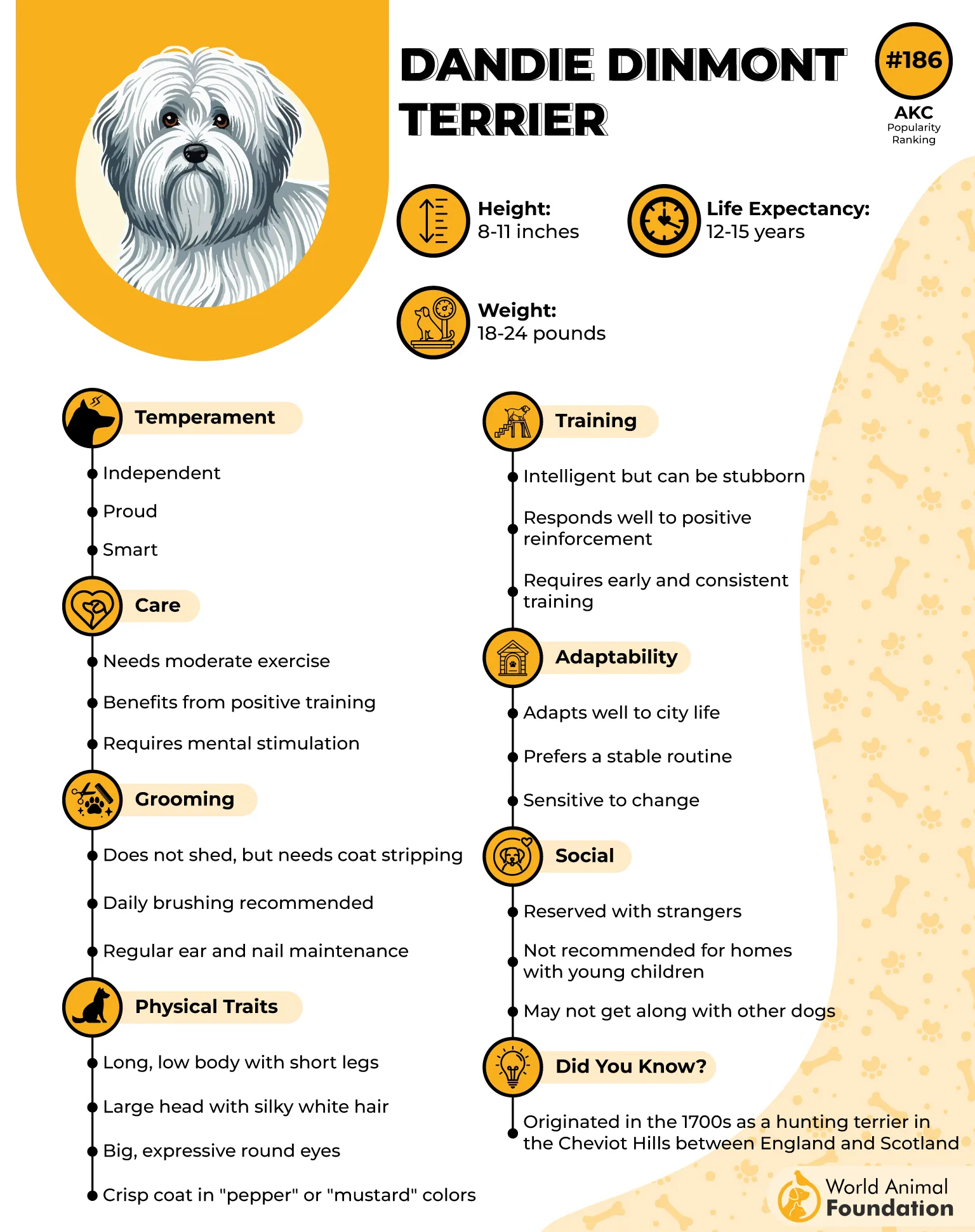
The Dandie Dinmont Terrier was originally bred as a farm dog to hunt vermin. Though they no longer work in the fields, they still retain their hardworking and tenacious spirit.
Dandies are friendly, calm, and playful, enjoying both romping outside and cuddling indoors. They are alert but not overly excitable, making them well-suited for both city and country life.
Key Traits of the Dandie Dinmont Terrier
Long, low body with short legs and expressive eyes
Silky topknot and long ears; coat colors in pepper or mustard
Affectionate, loyal, and devoted to family
Active and intelligent; needs daily exercise and mental stimulation
Independent and strong-willed; responds best to positive, gentle training
Dating back to the 1700s, Dandies were valued as hunters and hardworking farm companions. Today, they are beloved as family pets and show dogs, keeping their independent spirit and playful nature.
While they usually get along with children and other pets, their prey drive means introductions to smaller animals should be handled carefully. With attention, early socialization, and consistent positive training, the Dandie Dinmont Terrier is a rare, exotic, and charming companion.
3. Finnish Spitz
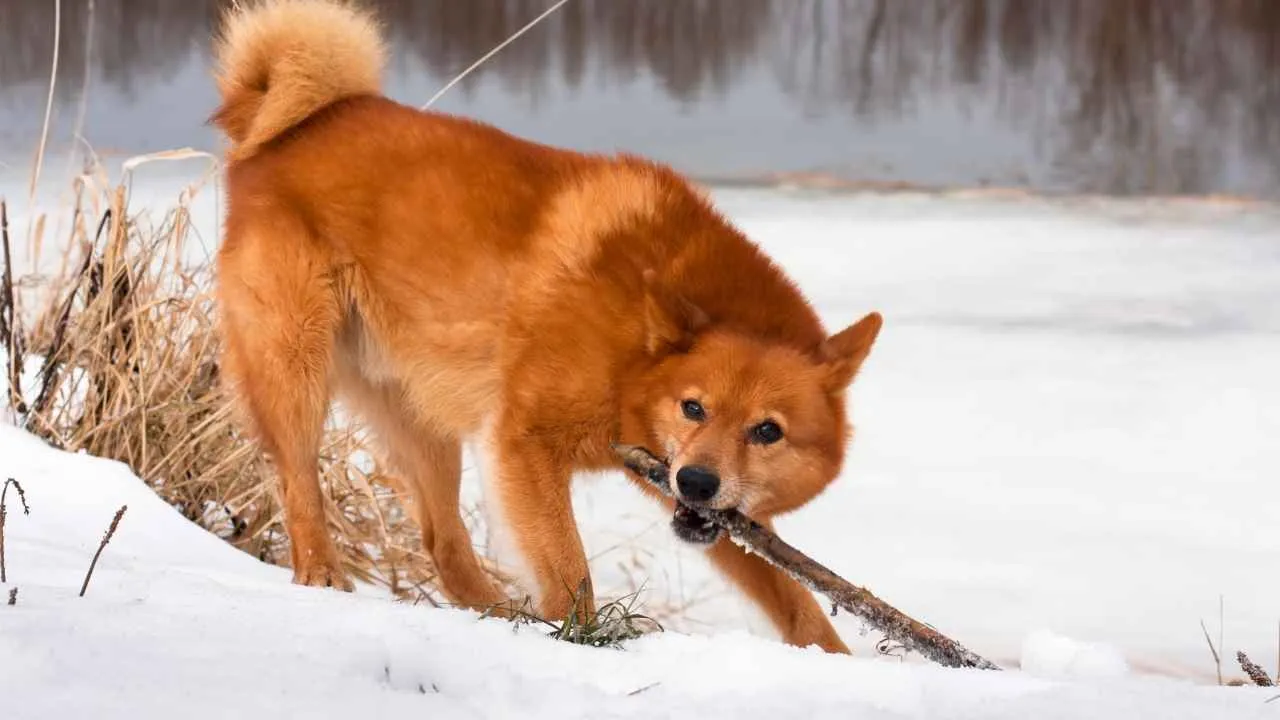
The Finnish Spitz, also called the Finkie, is from the “Land of 60,000 Lakes.” With its foxlike face, pricked ears, and curled plume tail, this breed is instantly recognizable. Finnish Spitzes are devoted to their families and make alert, entertaining, and exotic companions.
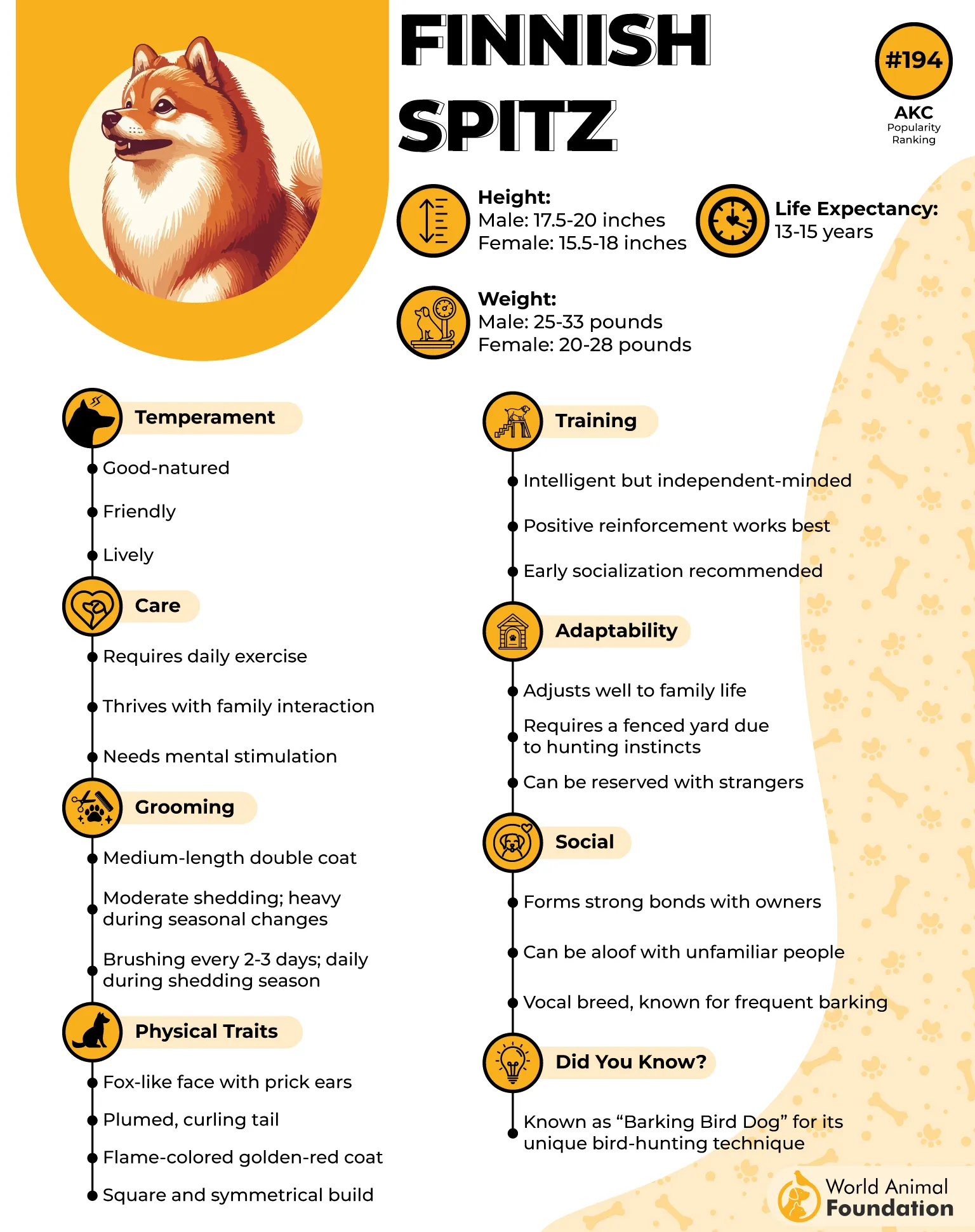
Originally bred as hunting dogs for game birds, Finnish Spitzes were trained to bark to alert their owners to prey. While they no longer hunt in most homes, they retain their bold, curious, and energetic personality.
These energetic dogs love exercise, play, and social contact, and require positive, consistent training to manage their talkative nature.
Key Traits of the Finnish Spitz
Foxlike face with pricked ears and a curled plume tail
Dense, golden-red double coat that requires regular brushing
Lively, intelligent, and bold personality
Loyal and affectionate with family, reserved with strangers
Active and social; needs daily exercise and mental stimulation
Dating back thousands of years in Finland, Finnish Spitzes were all-purpose hunting dogs before specializing in bird hunting. Introduced to the U.S. in the 1960s, they became part of the AKC’s non-sporting group in 1988, as mentioned by Britannica.
Known as the “Barking Bird Dog,” the Finkie’s alert nature, captivating looks, and playful, devoted personality make it a rare and exotic breed cherished by dog lovers worldwide.
4. Cesky Terrier
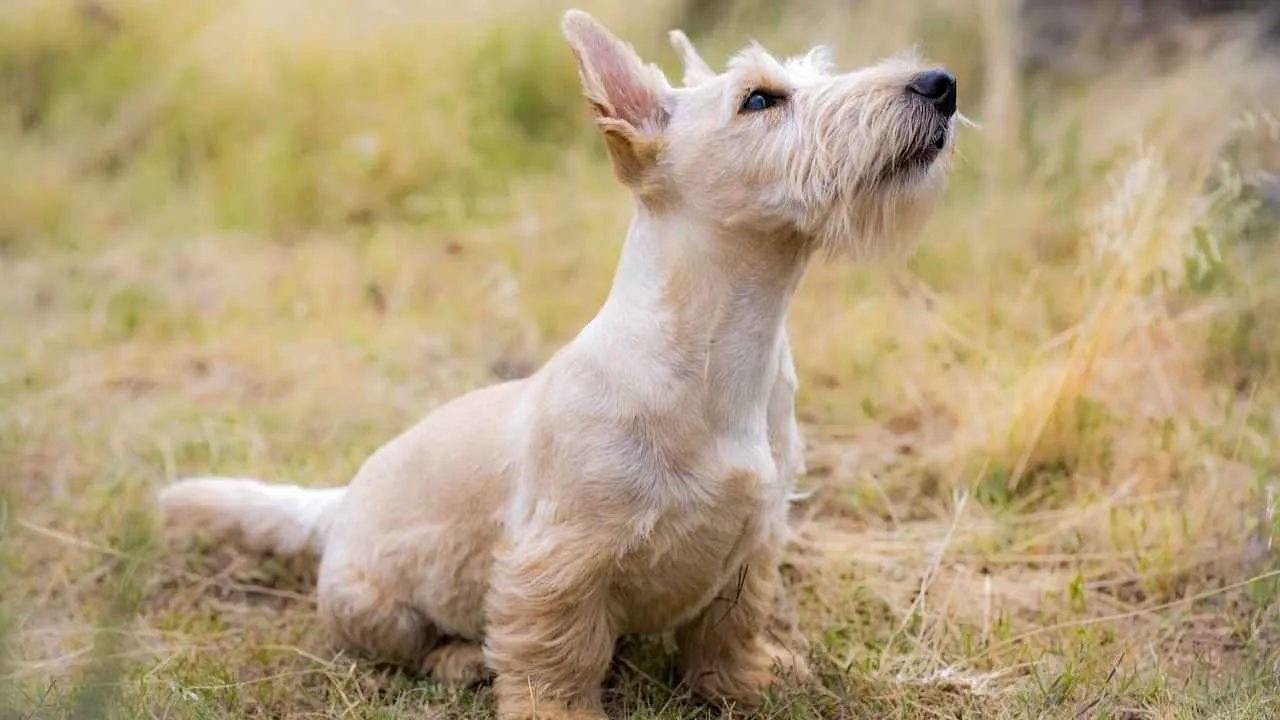
The Cesky Terrier, also called the Bohemian Terrier, stunningly beautiful small rare dog breed from the Czech Republic.
With its long, slightly wavy coat, rectangular body, and expressive face, this amazing dog stands out as both elegant and athletic. The Cesky Terrier makes a devoted family companion and is one of the most distinctive breeds.
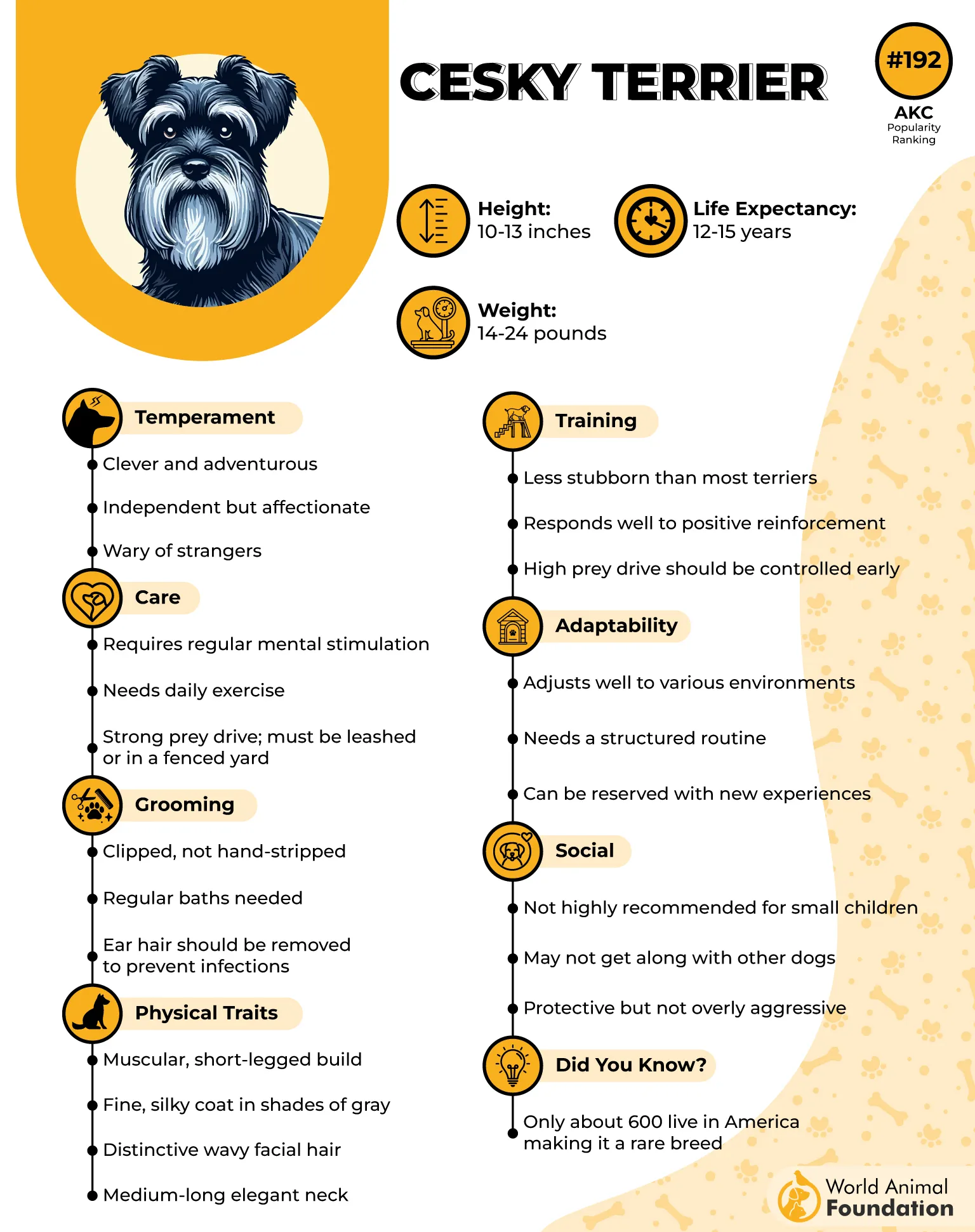
Bred originally for hunting, the Cesky Terrier is calm, obedient, and playful. While it retains the tenacity and prey drive of a working terrier, it is generally more laid-back than typical terriers.
Cesky Terriers enjoy daily walks, playtime, and mental challenges, and with early socialization, they are friendly with children and other pets.
Key Traits of the Cesky Terrier
Long, slightly wavy coat in shades of blue-gray or light coffee brown
Muscular, short-legged body with a rectangular outline
Loyal, affectionate, and gentle with family
Intelligent, trainable, and eager to please
Alert and protective; reserved with strangers
Developed in 1949 by geneticist Frantisek Horak, the Cesky Terrier was created by crossing Scottish and Sealyham Terriers to make a stronger hunting dog, as stated by PetMD.
The breed quickly became popular for its cleverness, agility, and gentle temperament. Today, Cesky Terriers are rare, with only a few hundred in the U.S., making them a unique and captivating companion for dog lovers who value beauty, loyalty, and a calm yet adventurous spirit.
5. Polish Lowland Sheepdog
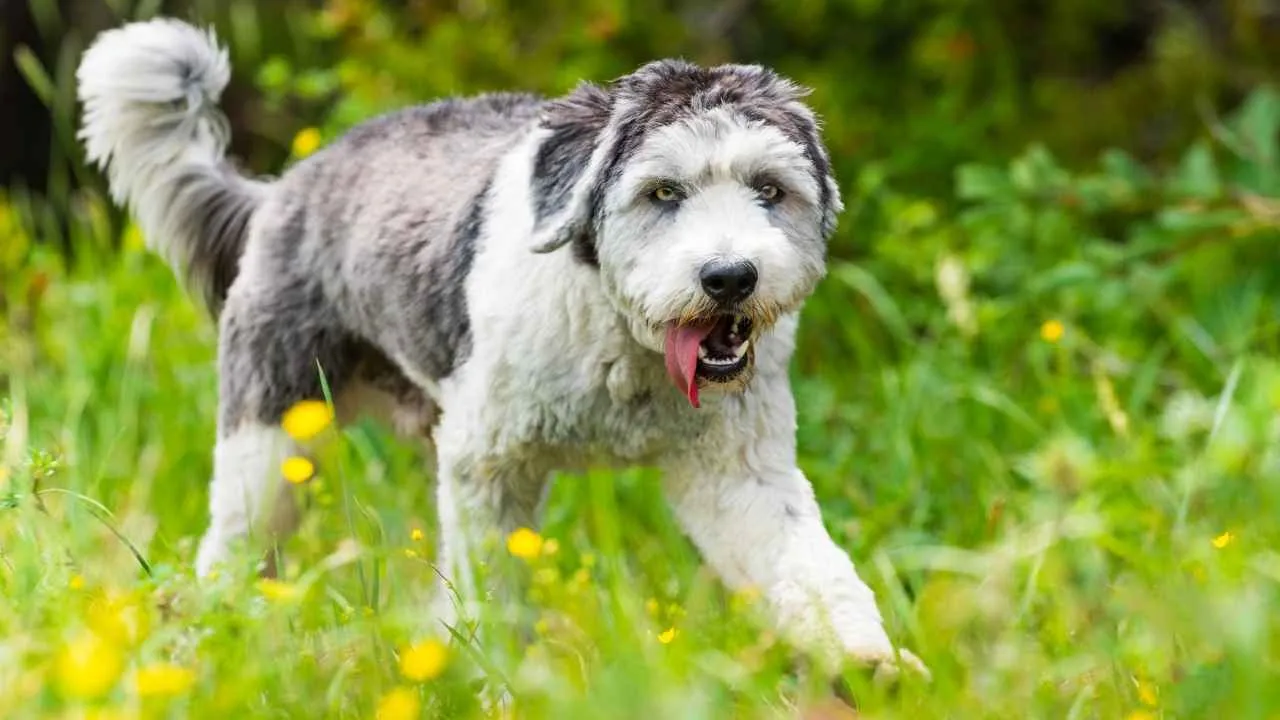
The Polish Lowland Sheepdog, also called PON (Polski Owczarek Nizinny), is a herding breed from Poland. With its long, shaggy coat and alert, expressive eyes, this dog is as charming as it is clever. Loyal, confident, and lively, the Polish Lowland Sheepdog makes a devoted family companion and a standout exotic breed.
Originally bred to herd and guard sheep, PONs are intelligent, active, and independent. They thrive on daily exercise, mental stimulation, and having a job to do.
While affectionate and loyal to their family, they may be cautious with strangers and benefit from early socialization. Their thick, double coat requires regular grooming to prevent tangles and maintain its protective qualities.
Key Traits of the Polish Lowland Sheepdog
Shaggy double coat with long top layer and dense undercoat
Intelligent, confident, and active personality
Loyal and affectionate with family
Alert watchdog; reserved with strangers
Needs daily exercise, mental stimulation, and interactive play
Dating back centuries in Poland, the Polish Lowland Sheepdog was valued for its herding ability, intelligence, and loyalty.
Descended from the Hungarian Puli and other regional herders, the PON has a natural talent for working closely with humans. Today, they are rare outside Poland, but cherished worldwide for their exotic looks, herding instincts, and playful yet devoted temperament.
6. Russian Toy
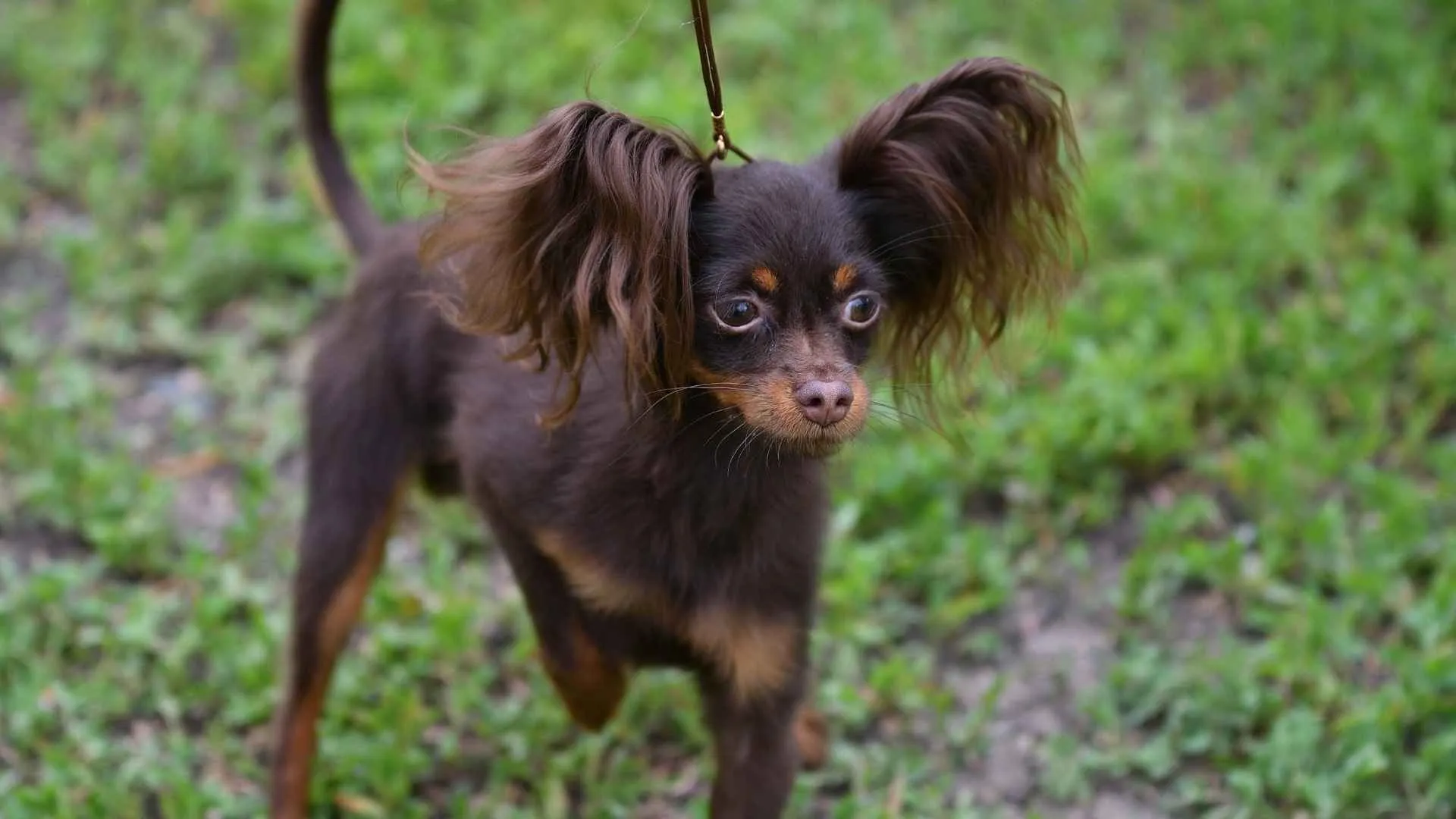
The Russian Toy is a rare, elegant, and lively toy breed with a big personality in a small frame. With pricked ears, expressive eyes, and either a smooth or long silky coat, this tiny dog is as charming as it is active.
Russian Toys thrive on human companionship and enjoy being involved in family life. They are cheerful, affectionate, and alert, making excellent watchdogs despite their small size.
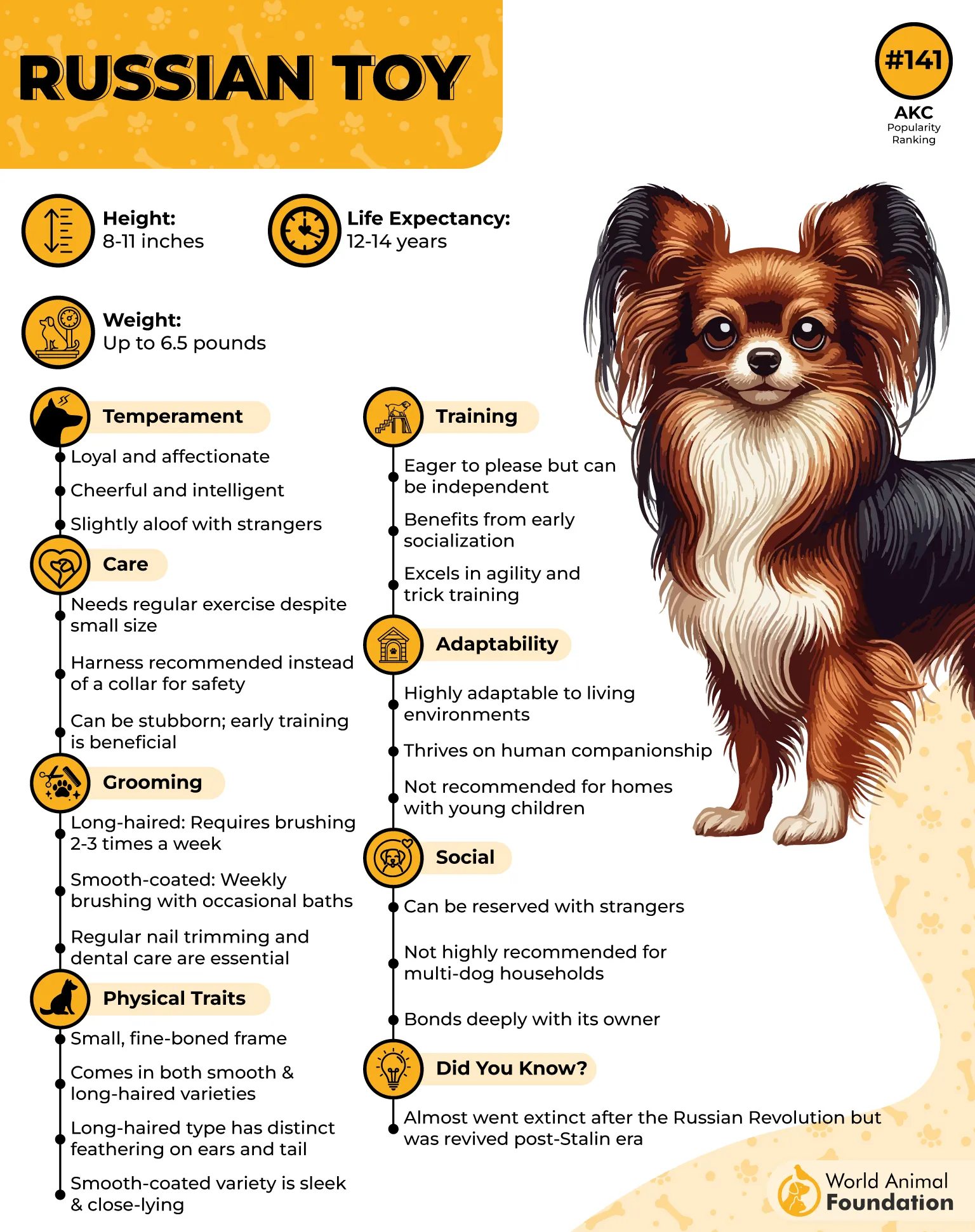
Smooth-coated Toys are sleek and energetic, while long-coated ones carry delicate feathering on their ears, tail, and legs, adding elegance to their playful personality. Both varieties share a bold, spirited nature and love interactive games and training.
Key Traits of the Russian Toy
Two coat types: smooth and long-haired with feathering
Lively, intelligent, and eager to please
Loyal and affectionate nature with family; reserved with strangers
Alert watchdog with a spirited personality
Thrives on exercise, playtime, and interactive training
Dating back several hundred years, the Russian Toy has aristocratic roots in Russia and was originally bred as a companion and ratter. The modern breed was stabilized in the 1950s, and today it is prized for its elegance, charm, and playful intelligence.
Though small, the Russian Toy is full of character, making it a rare and captivating addition to any household that can offer love, attention, and daily activity.
7. Lowchen
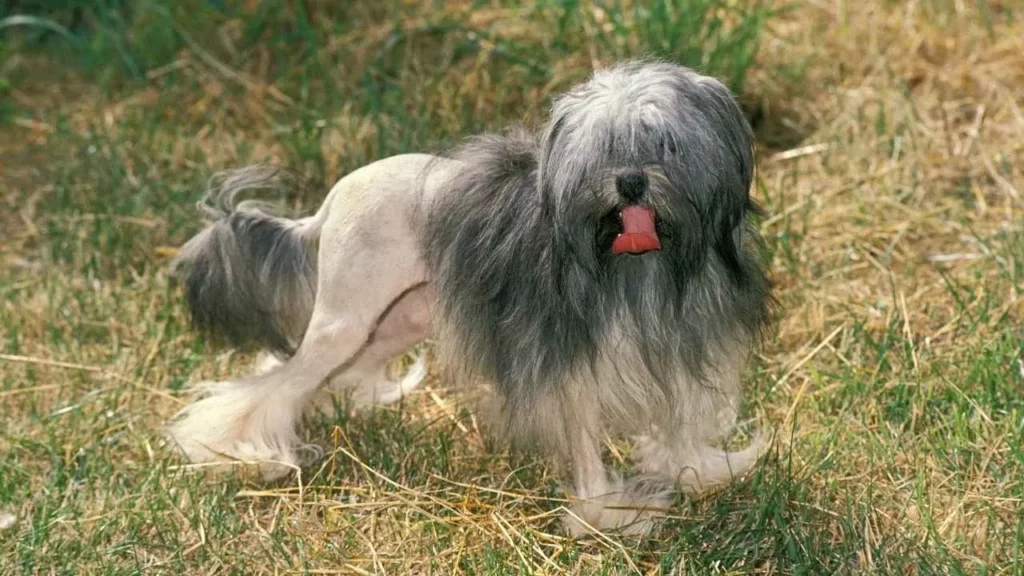
The Löwchen, whose name means “Little Lion” in German, is a small, elegant breed with a playful and affectionate personality. Easily recognized by its signature lion cut—with clipped hindquarters and a full mane and plumed tail—this charming dog has been a cherished companion for centuries.
Friendly, intelligent, and devoted, the Löwchen thrives on human companionship and makes a perfect lapdog or active family companion.
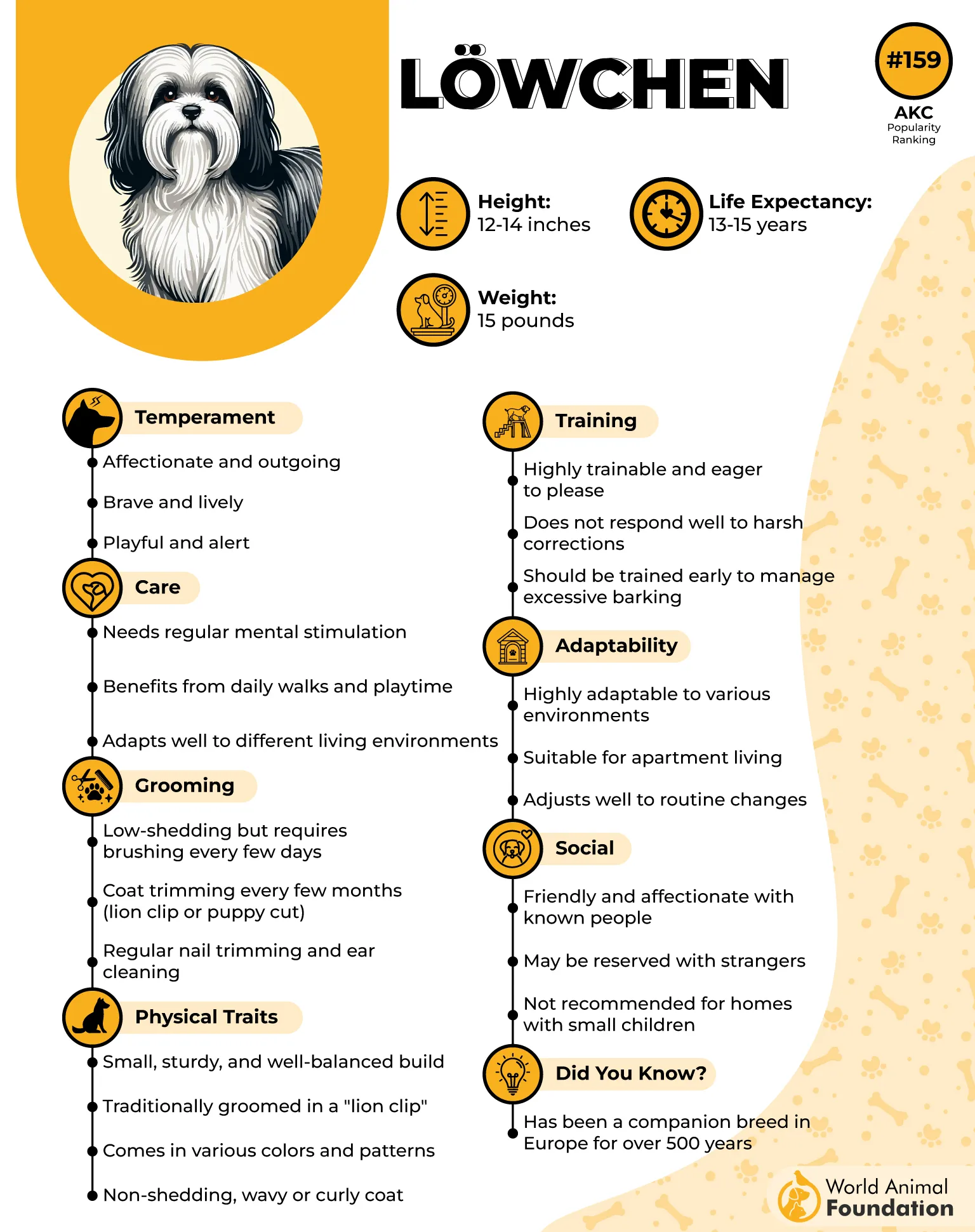
Löwchens are cheerful, adaptable, and love to please. They are happiest when close to their family, whether curled up on the sofa or exploring the outdoors on a walk. They enjoy playtime and interactive games, but are also calm and relaxed indoors.
Alert and attentive, they make excellent watchdogs without being overly noisy. Early socialization ensures they get along well with strangers, children, and other pets.
Key Traits of the Löwchen
Small, elegant breed with lion-style haircut
Friendly, loyal, and affectionate with family
Intelligent and quick learners, excelling in obedience and agility
Alert watchdog with moderate barking
Moderate exercise needs; happy with walks and playtime
The Löwchen has a long and noble history, appearing in European art as far back as the 16th century and traditionally kept as a companion of the elite. By the mid-20th century, the breed’s numbers had dwindled, but careful breeding efforts restored its population.
Today, Löwchens are rare but highly valued for their charming personality, adaptable nature, and affectionate companionship, making them a perfect choice for those seeking a small dog with a big heart.
8. Norwegian Lundehund
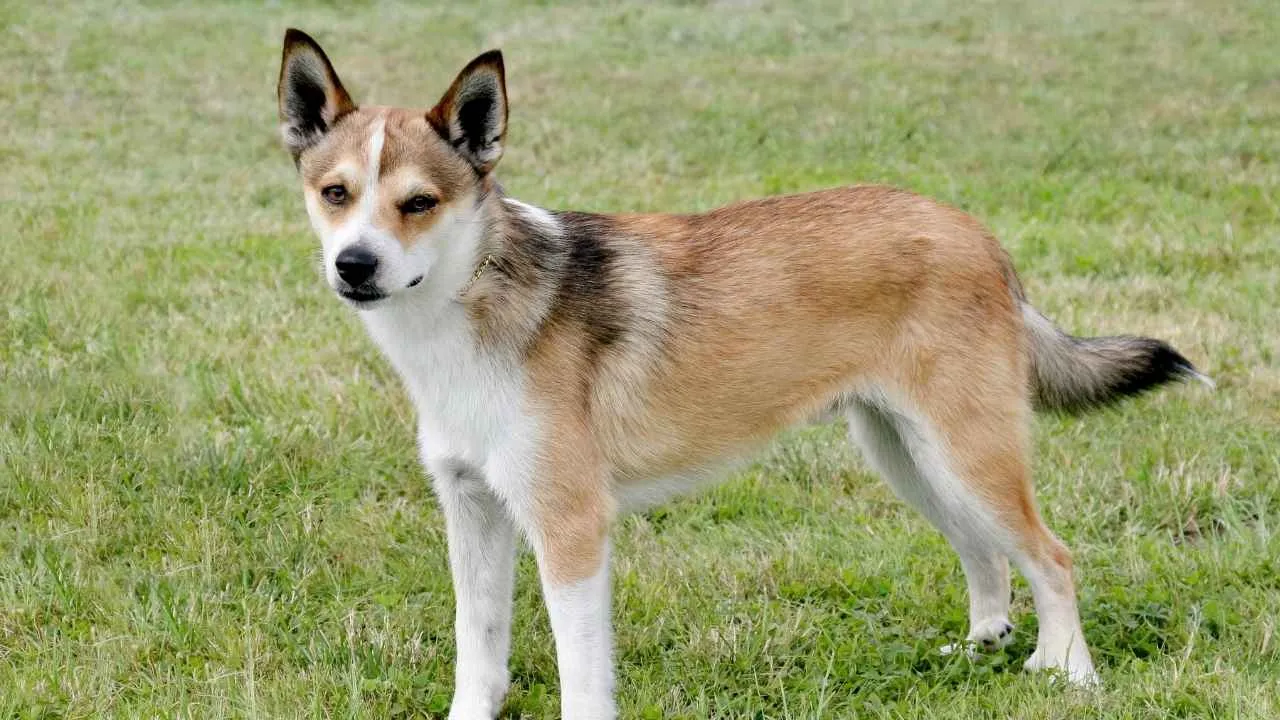
The Norwegian Lundehund is a small, athletic Spitz-type dog with a history as unique as its appearance. Historically bred in Norway’s Lofoten Islands to hunt puffins in rocky cliffs and seaboards, according to Royal Canin, this breed is perfectly adapted for agility and endurance in challenging terrain.
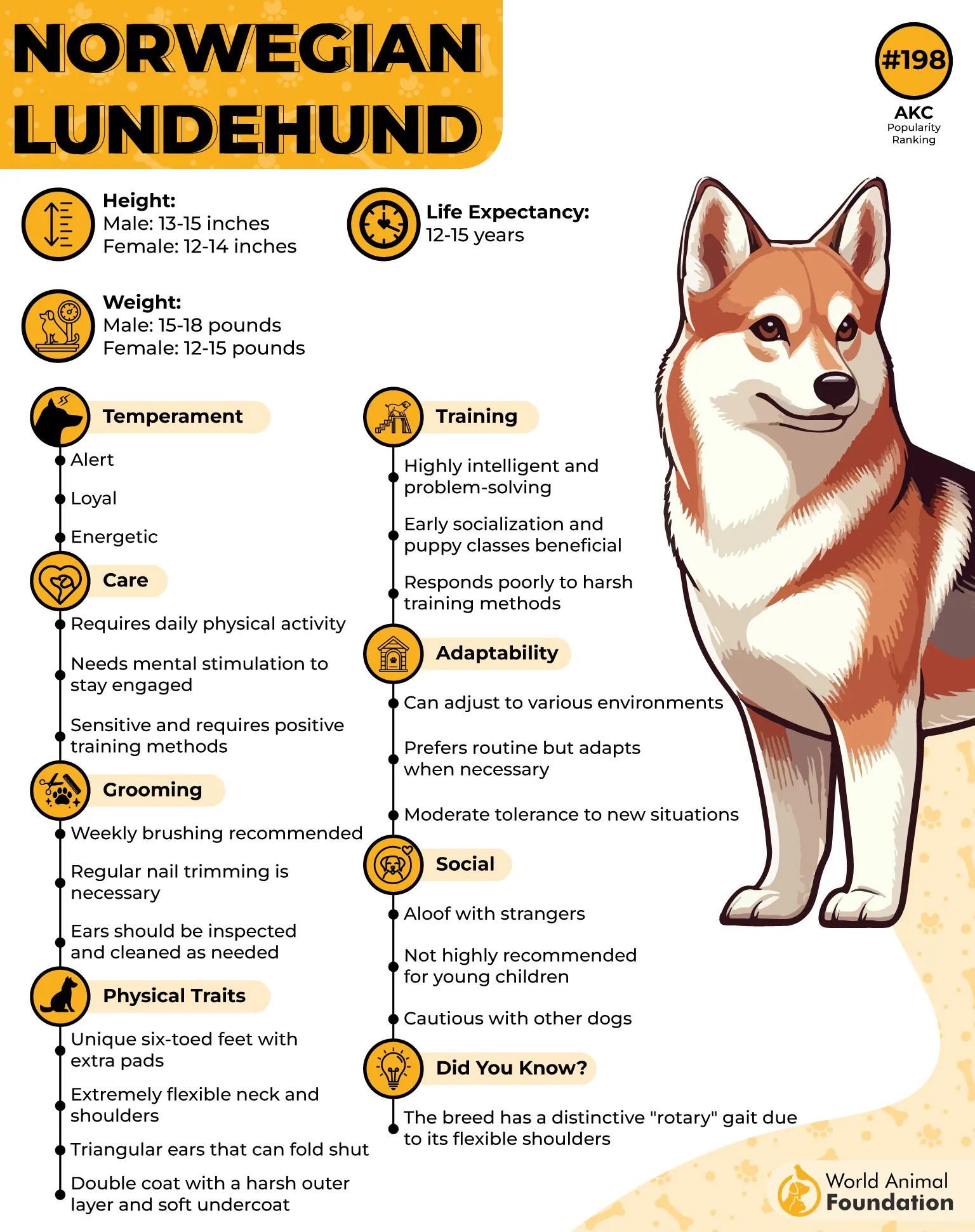
Lundies are alert, independent, and curious, with a playful and loyal nature. They enjoy being part of an active household, thriving on walks, hikes, and mental challenges.
While they can settle indoors and adapt to apartment living, regular exercise is essential to prevent boredom. Early socialization helps them get along with children and other pets, though they may remain reserved around strangers.
Key Traits of the Norwegian Lundehund
Small, rectangular Spitz-type breed (12–15 inches tall, 12–18 pounds)
Unique physical adaptations: six toes, flexible spine and shoulders, foldable ears
Alert, intelligent, playful, and independent
Moderate exercise needs; enjoys walks, hikes, and playtime
Minimal grooming, but susceptible to some gastrointestinal issues
The Norwegian Lundehund is a breed with a fascinating history and rare lineage. Once nearly extinct, the modern breed descends from just a handful of dogs, giving them remarkable uniformity.
With proper care, nutrition, and training, Lundies make devoted and entertaining companions for experienced dog owners who appreciate their independence, intelligence, and distinctive personality.
9. Bolognese
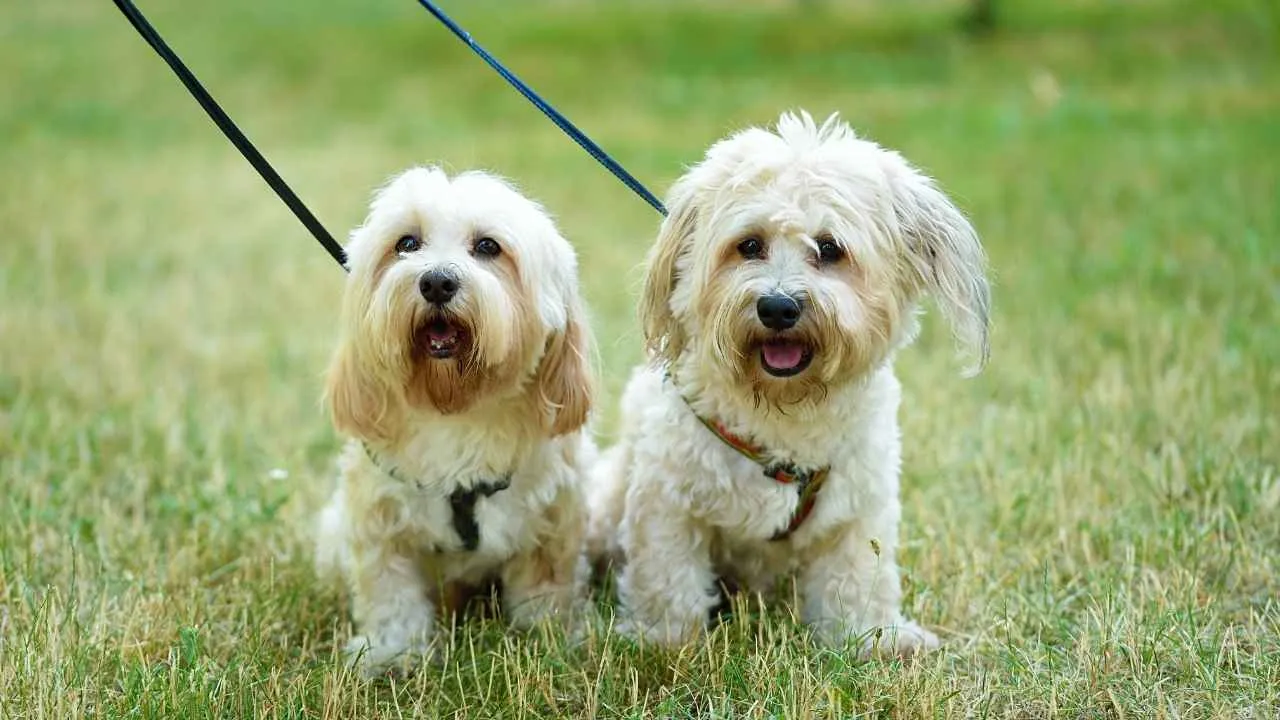
The Bolognese is a small, charming companion dog from Bologna, Italy, historically treasured by Italian nobility. Known for its fluffy, pure-white coat and compact, square build, this little dog has been a loyal family companion for centuries.
Related to other Mediterranean Bichon-type breeds like the Maltese and Havanese, the Bolognese is affectionate, intelligent, and calm.
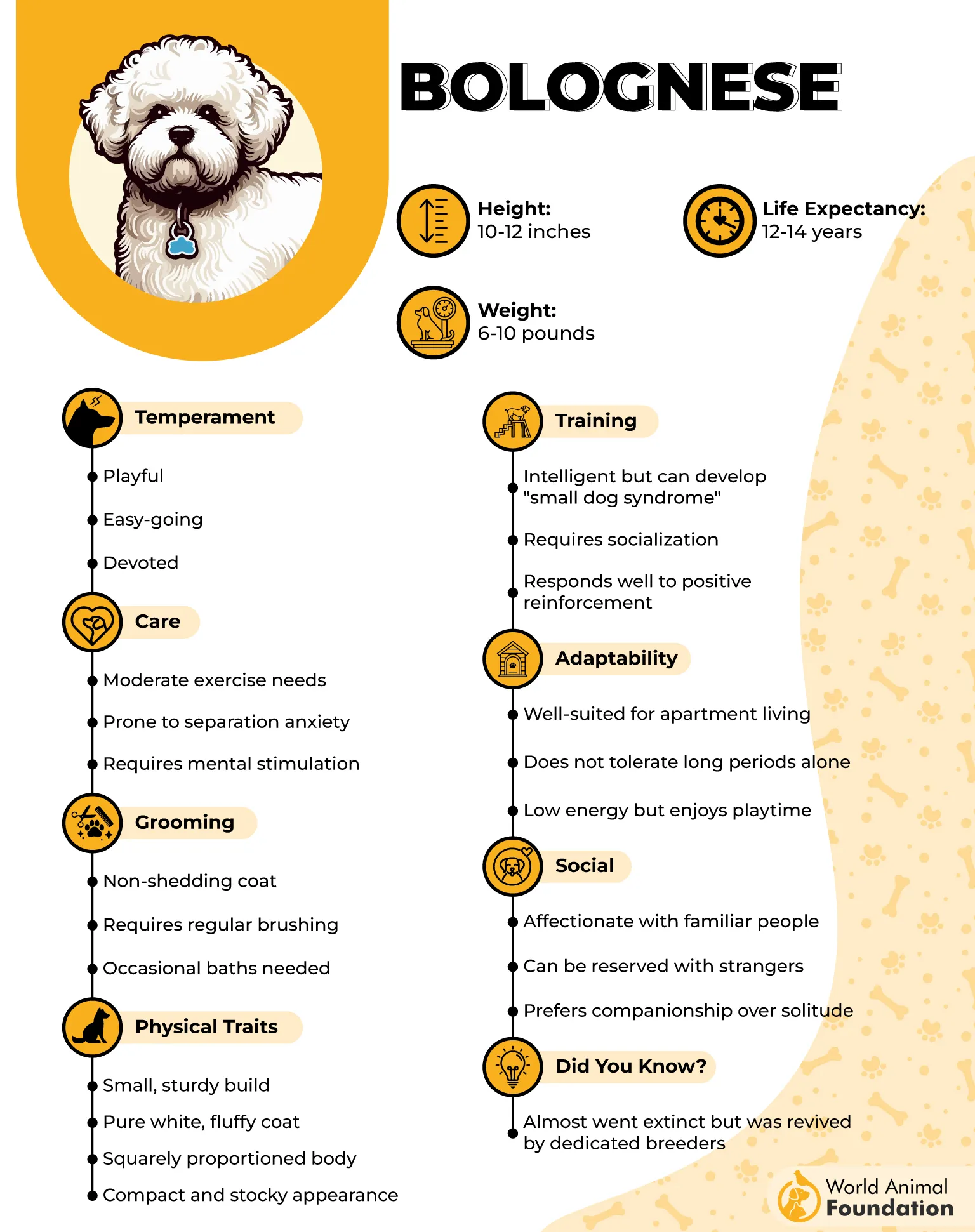
These dogs are gentle and loyal, forming strong bonds with their human families. While they may be reserved with strangers, early socialization ensures they become confident and friendly around new people and pets.
Bolognese are playful but not hyperactive, happy to join in walks and games or relax on a lap. Their keen intelligence makes training enjoyable, especially with positive reinforcement.
Key Traits of the Bolognese
10–12 inches tall, 6–10 pounds
Calm, affectionate, loyal, intelligent
Moderate energy levels; enjoys short walks and play sessions
Near-daily brushing, occasional trimming, tear-stain care
Generally healthy; lifespan 12–14 years
With their charming looks, loyal nature, and adaptable personality, Bolognese dogs make perfect companions for families, seniors, or anyone seeking a small, devoted pet. They thrive when included in daily life and form lasting bonds with their human family.
10. Azawakh
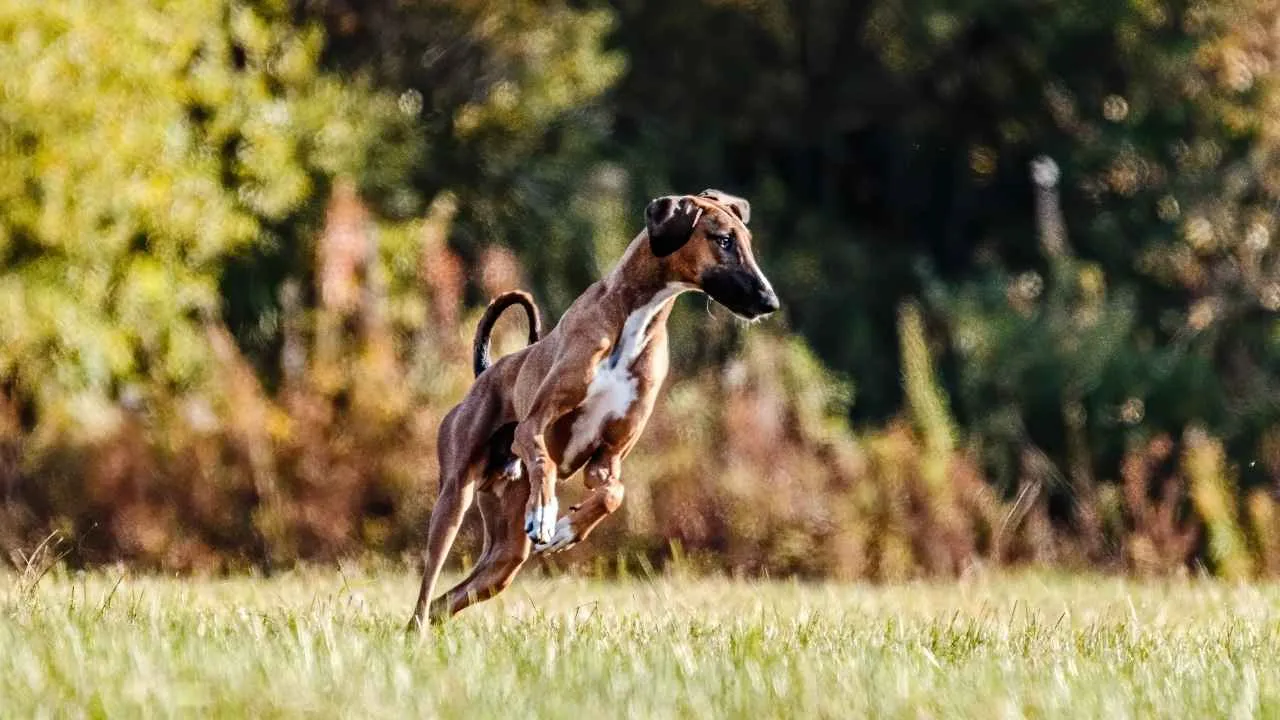
The Azawakh is a tall, elegant sighthound from West Africa, known for its lean, athletic build and graceful movements.
With a short, glossy coat that comes in a variety of colors and patterns, the Azawakh combines beauty with function, having been bred for centuries as both a hunter and a guardian. This intelligent and alert dog forms strong bonds with its family but is often reserved with strangers.
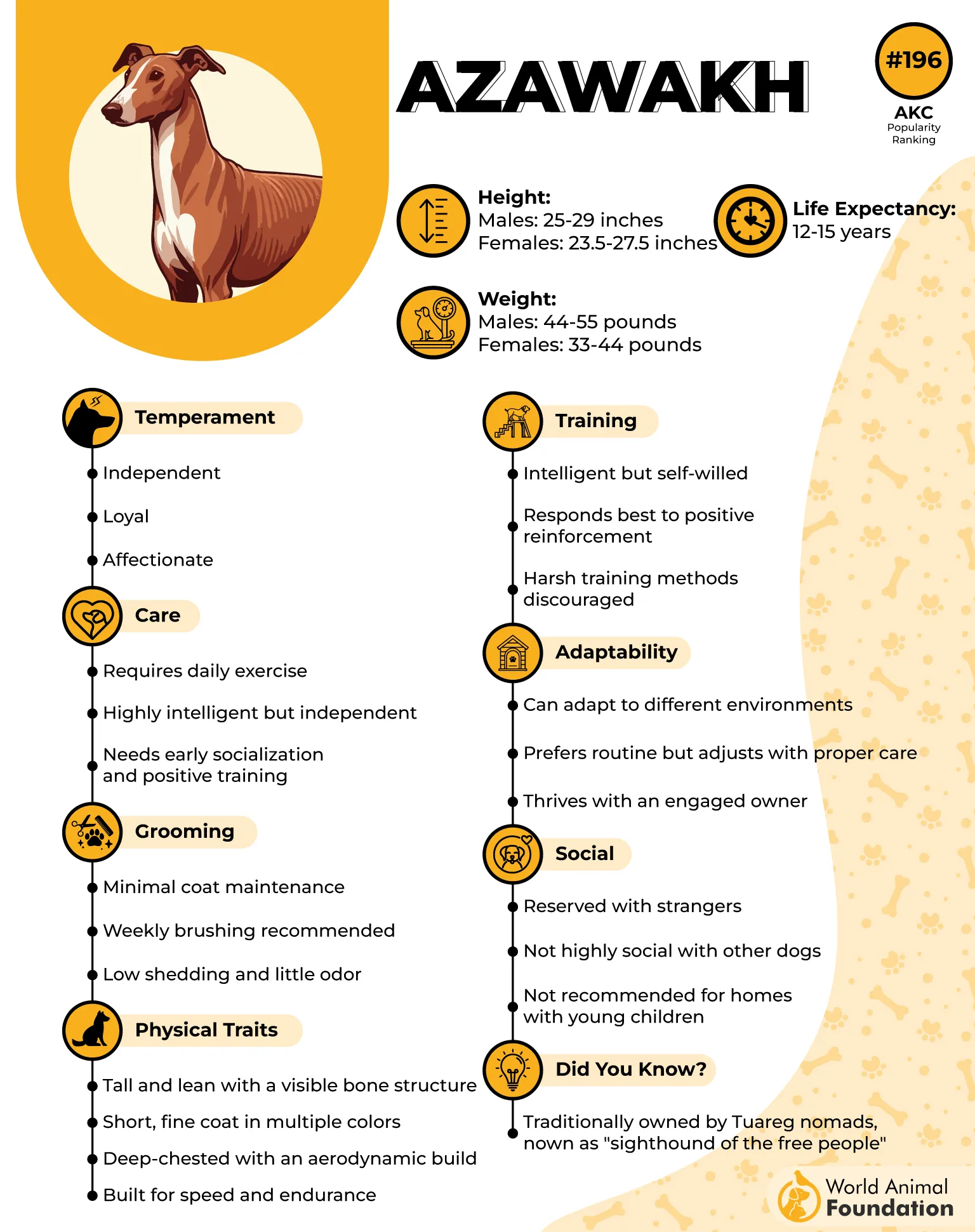
Originating in the Sahel region of sub-Saharan Africa, the Azawakh has been relied upon by tribes in Mali, Niger, and Burkina Faso for hunting gazelle and protecting camps.
Their fine bone structure, deep chest, and long legs make them incredible sprinters, while unique physical traits such as folded ears and a slight curve in the tail add to their elegance.
Lean and tough, this breed thrives when given a job or regular activity, reflecting its heritage as a desert hunter and guardian.
Key Traits:
23–29 inches tall, 33–55 pounds
Intelligent, alert, loyal, reserved with strangers, affectionate with family
High exercise needs; thrives on running, hiking, lure coursing, or active play
Requires consistency, patience, and positive reinforcement; thrives with structured activities and clear boundaries
May chase small pets; benefits from early socialization
Azawakhs are strikingly elegant yet durable dogs that excel as companions for active families or individuals who can meet their physical and mental needs.
They are quiet indoors, low-maintenance in grooming, and form deep, loyal bonds with those they trust. With proper socialization, exercise, and training, the Azawakh makes a devoted, athletic, and attentive family member.
Conclusion
Whether you’re drawn to the sleek elegance of the Azawakh, the playful charm of a Bolognese, or the rare and spirited personality of the Cesky Terrier, each of these breeds brings something special to a home.
From loyal companionship and gentle affection to alert watchfulness and athletic energy, there’s a dog to match nearly every lifestyle, space, and personality. Understanding their traits, needs, and quirks is key to building a happy, lasting relationship with your four-legged friend.
Every dog has a story and a personality waiting to enrich your life—sometimes, the perfect match is just waiting for you to discover it.
Looking for more unique dog breeds? You can also check out the Bedlington Terrier, Canaan Dog, Biewer Terrier, Grand Basset Griffon Vendéen, Bergamasco Sheepdog, English Foxhound, Pyrenean Shepherd, Pharaoh Hound, and Belgian Laekenois.
