




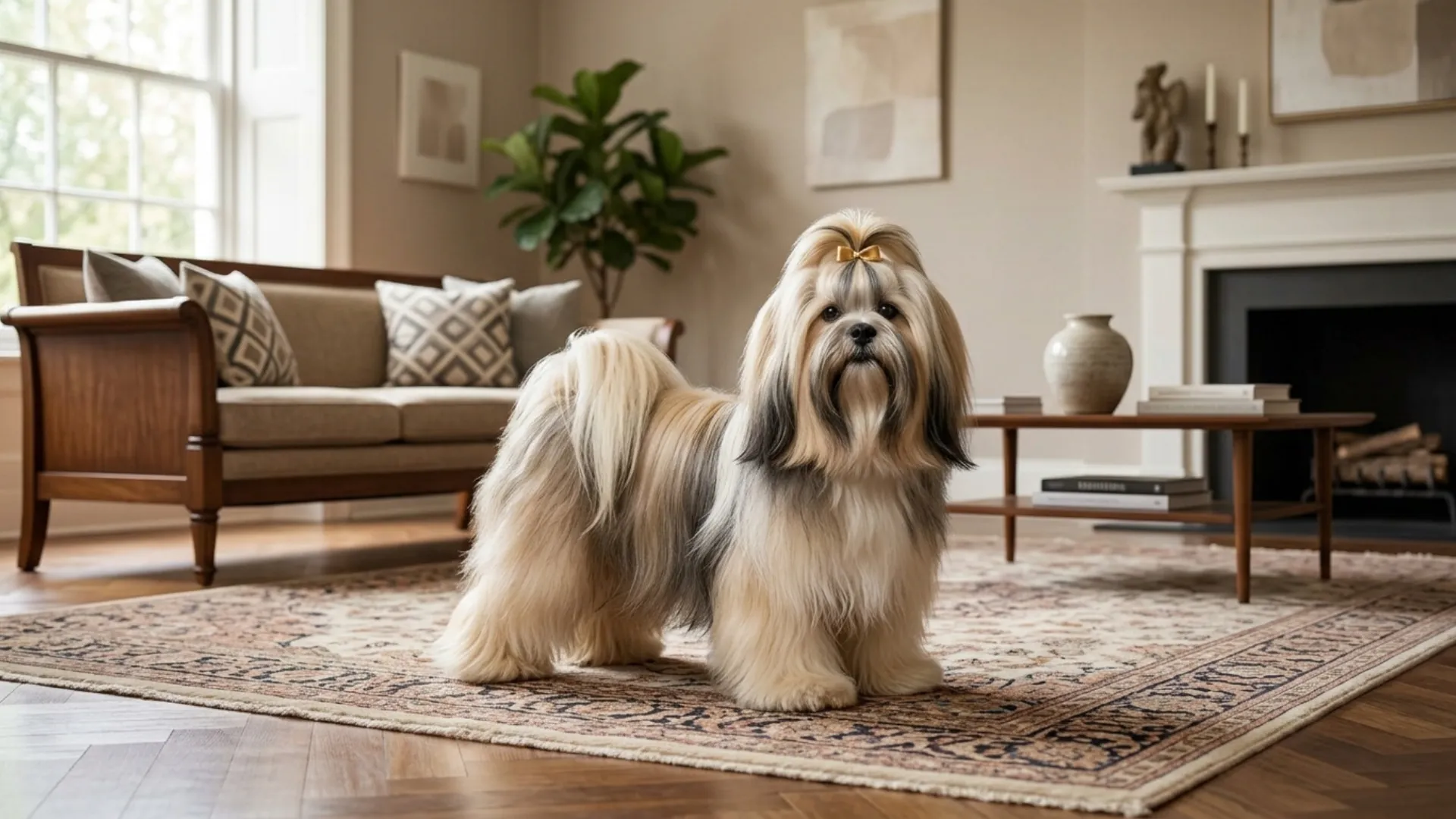
You love your dog.
You also have a job.
And right now, those two things are having a serious conversation every single morning when you grab your keys and head for the door.
The guilt is real. The worry is real. You are barely out of the driveway, and you are already imagining your pup sitting by the door, staring at it like it personally betrayed them.
But…
Not every dog falls apart the moment you leave. Certain breeds are born for alone time. They are calm, self-sufficient, and honestly, some of them prefer it.
Separation anxiety is a real issue in many breeds.
Destructive behavior, excessive barking, total emotional meltdowns… those are signs of a dog that was not wired for solo hours.
But independent dog breeds exist.
Dogs that can handle long stretches without you hovering. Dogs that will find a sunny spot, sleep for four hours, and greet you at the door like a chill roommate who didn’t even notice you left.
These are the best dog breeds that can stay home alone.
Best Dog Breeds That Can Stay Home Alone
1. Maltese
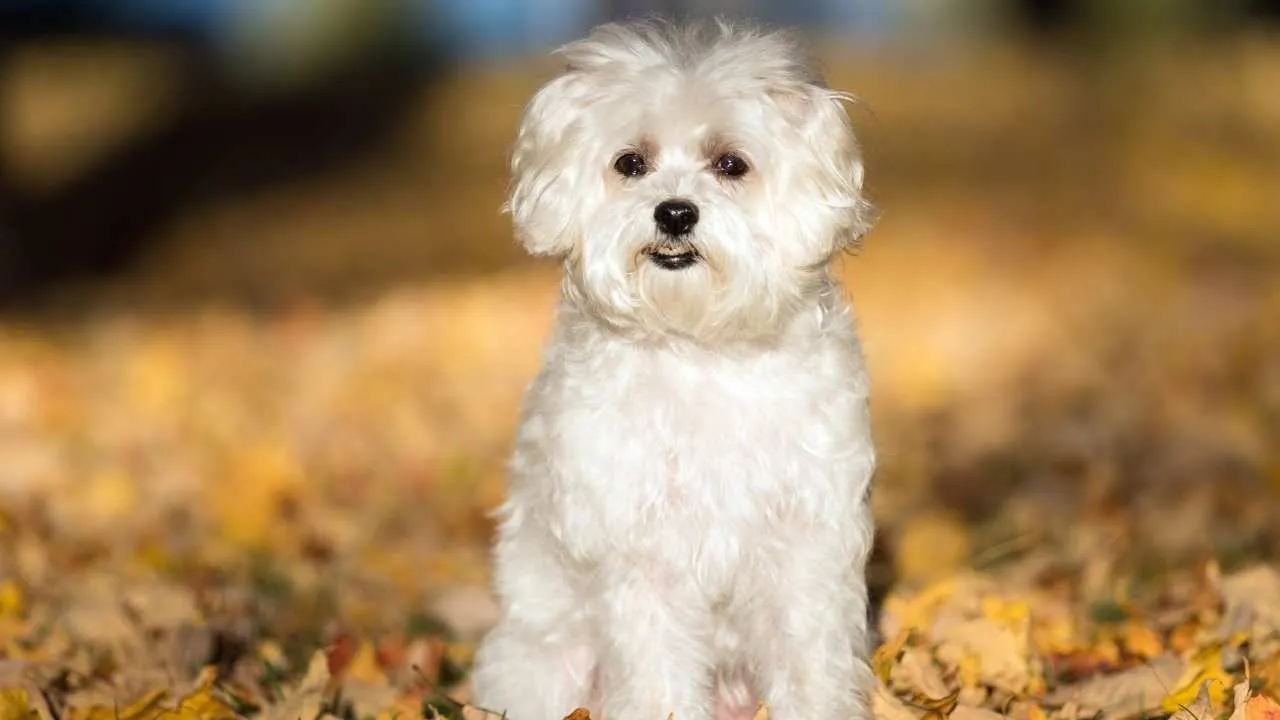
Wait. The Maltese? The tiny, fluffy lap dog?
Yes. Actually, YES.
The Maltese has a reputation for being a velcro dog, and honestly, that reputation is not entirely bad.
But adult dogs of this breed adapt well to off-time (some hours alone) when trained correctly from an early age, Pawlicy Advisor noted.
They are small dogs. They don’t need as much exercise as larger breeds. And they are perfectly content to curl up on the couch and sleep through your entire workday.
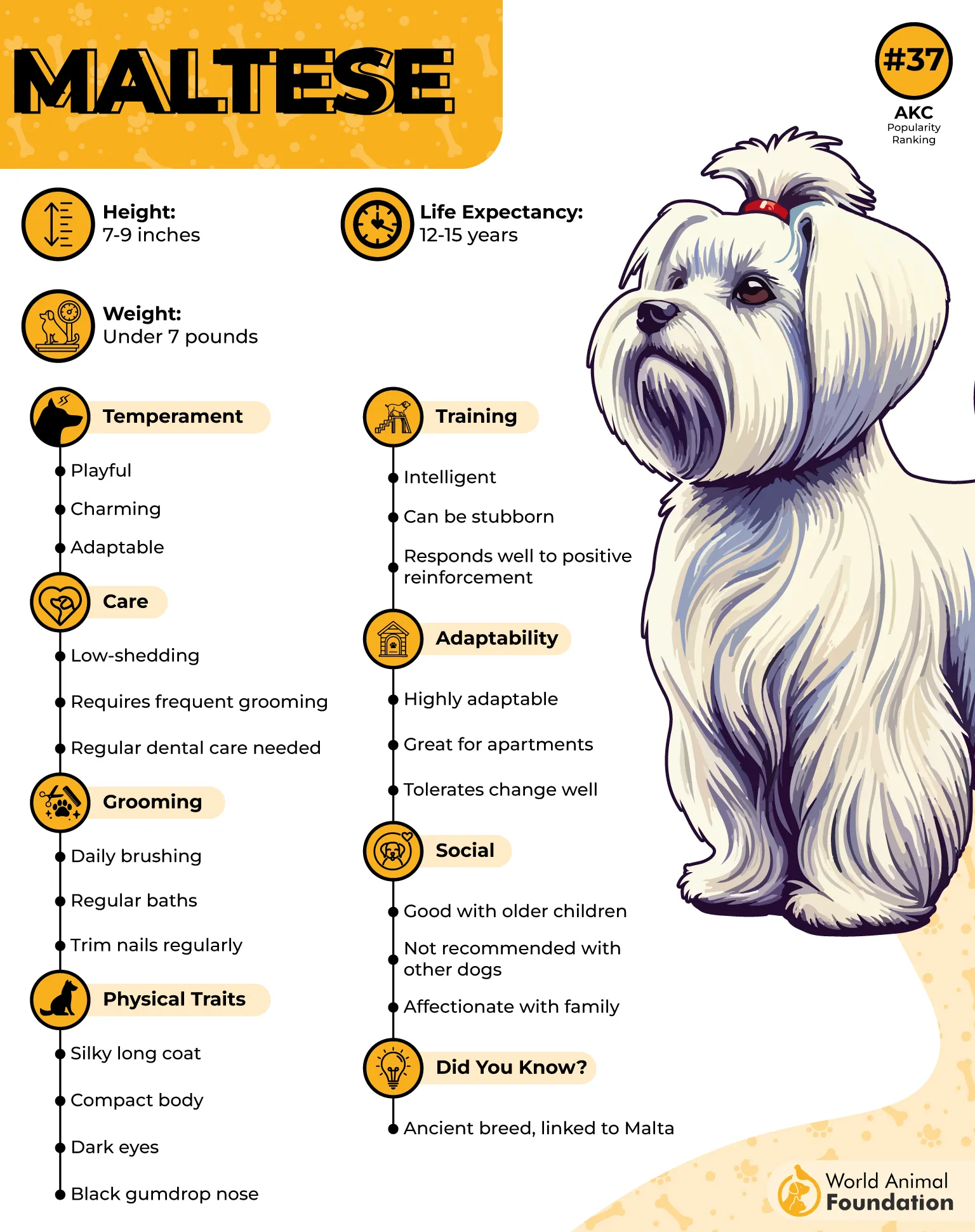
The key with this small white dog is consistent training.
Build the routine when they are young. Create a comfortable, safe space that they associate with calm. Leave them with toys and mental stimulation, because a bored Maltese WILL find something to do, and you might not like what they pick.
They are not prone to the kind of explosive, destructive behavior you see in high-energy breeds.
They are small, quiet, and generally chill when their needs are met.
For busy households in smaller spaces, this calm small dog is an underrated choice.
2. Lhasa Apso
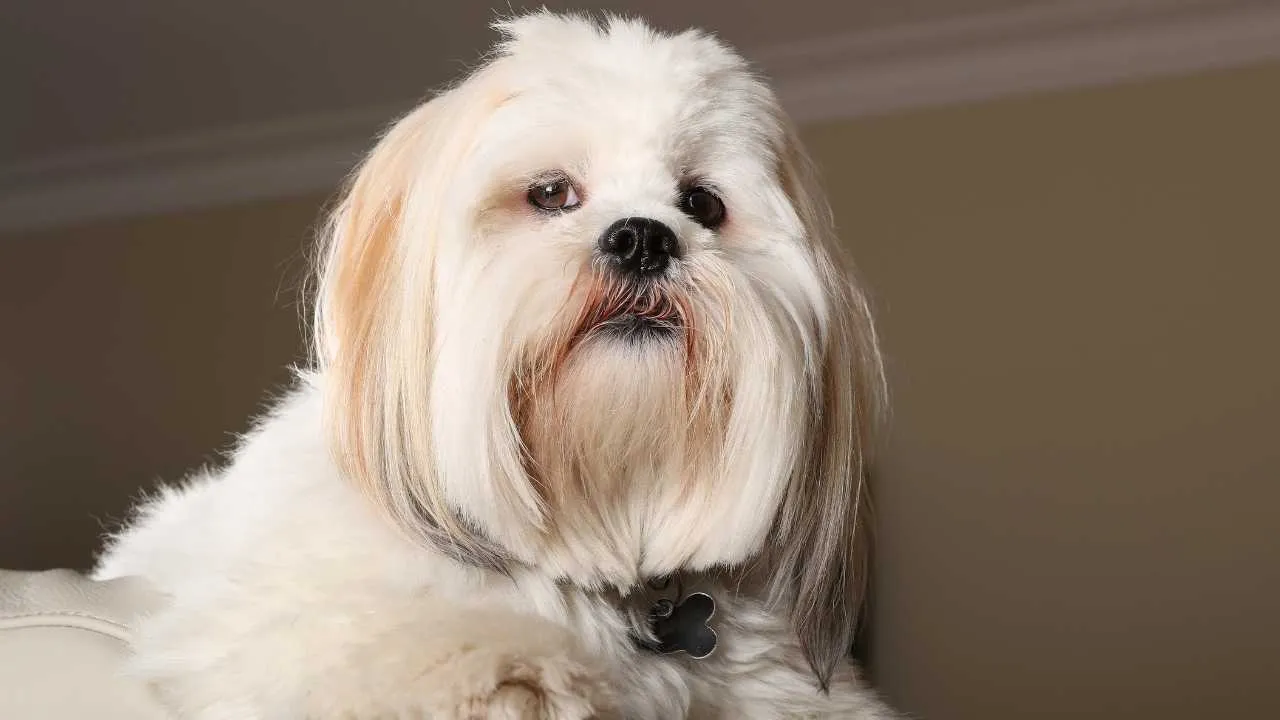
The Lhasa Apso was literally bred to be an independent watchdog in Tibetan monasteries. Alone time is basically in their DNA.
This is a dog that does not need constant company to feel okay about life.
These long-haired dogs are confident, self-contained, and have a personality that leans more toward cat than clingy puppy. They observe, sit, and do their own thing. And, they are completely fine with you doing yours.
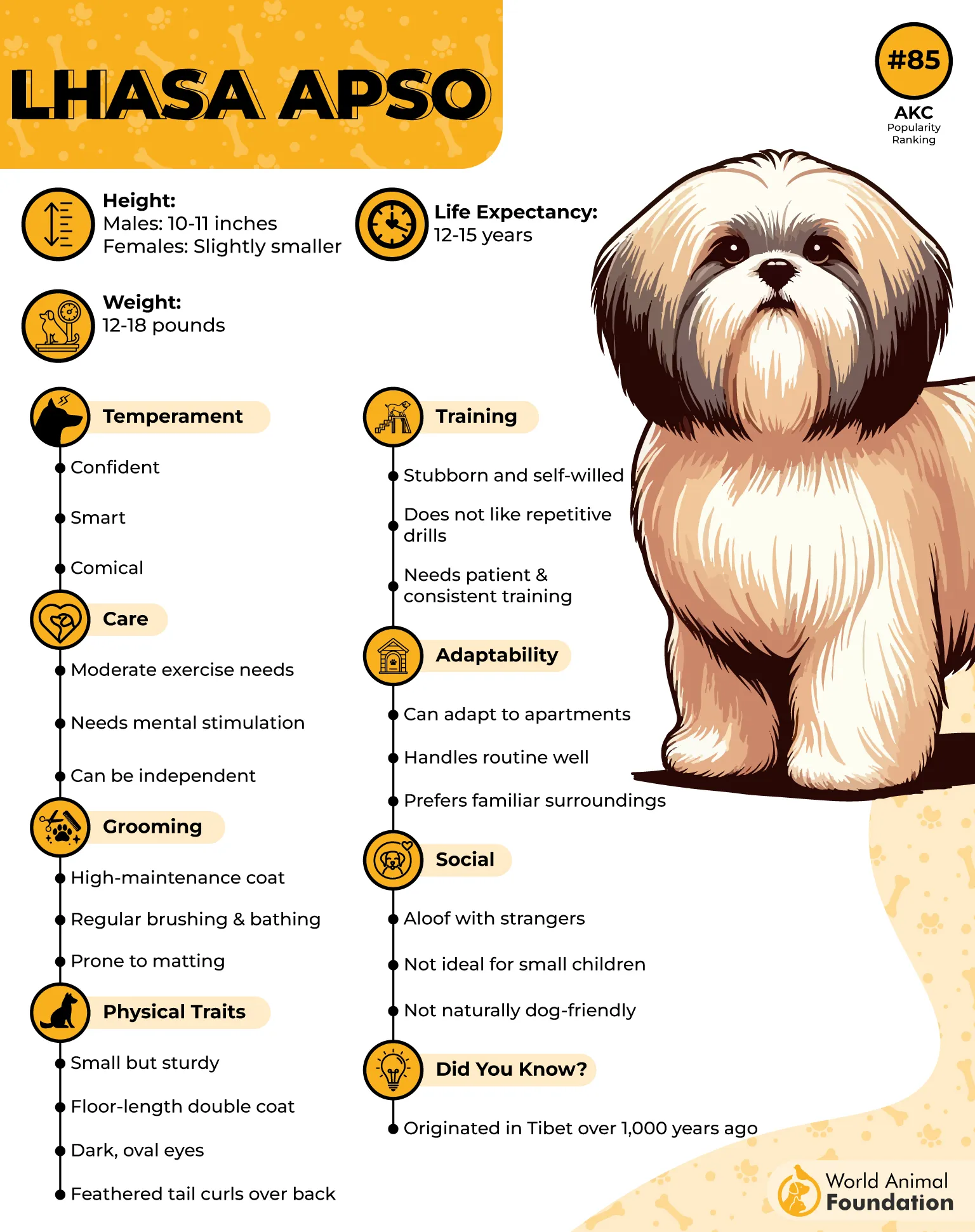
The Lhasa Apso is not the most energetic dog. A walk, some mental stimulation, and a comfortable spot to guard the living room from imaginary threats.
That is their ideal day.
They don’t need hours of exercise or constant interaction. They tolerate being left alone without spiraling, and that is rare in small breeds.
And yes, PetMD deems them as the great family dogs.
For busy households that want a small, independent breed with personality, the Lhasa Apso belongs on your radar.
3. Basset Hound
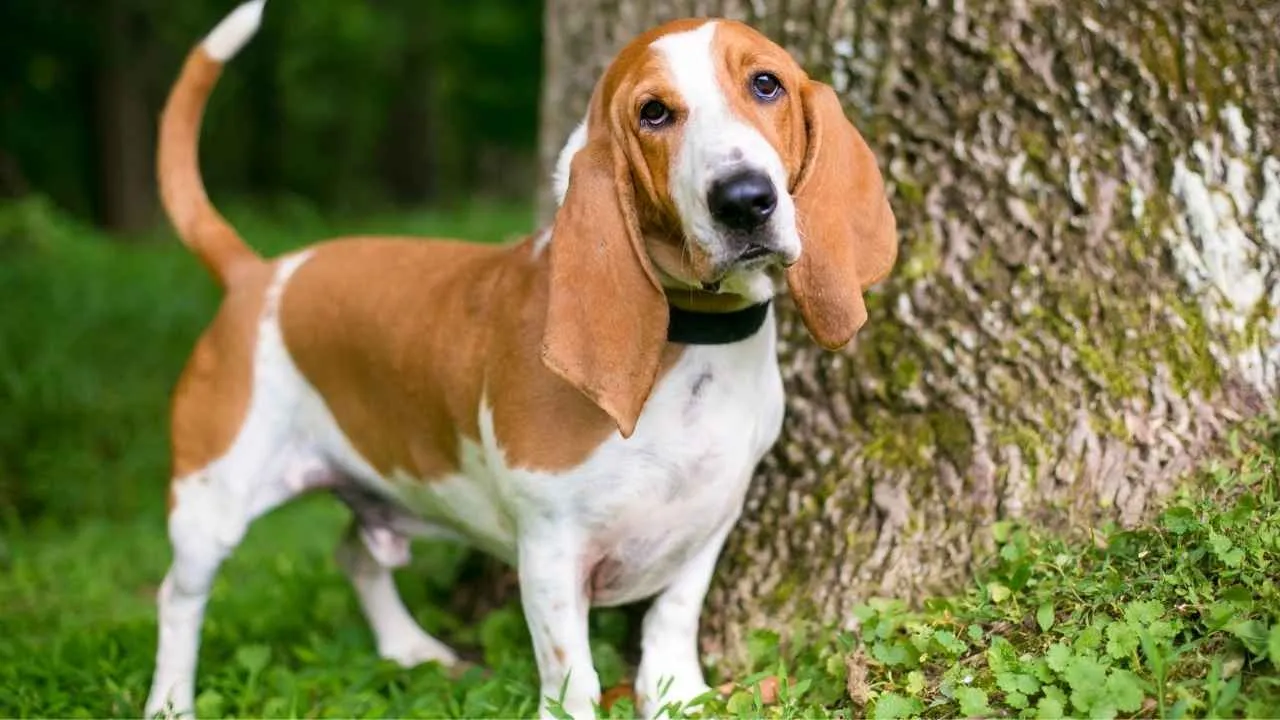
The Basset Hounds were born for one job.
To follow a scent with slow, methodical, and unbothered energy.
They were not born for panic.
Separation anxiety? Generally not in this dog’s vocabulary. But still, every dog needs proper socialization and training to be actually independent.
These hound dogs are famously low-key. They sleep a LOT. They are not high-energy, they are not destructive without reason, and they are content to sprawl across the floor and snore while you are at work.
The only concern with the Basset Hound and alone time is boredom barking. They have a loud, iconic howl, and if they are not mentally stimulated, they will use it.
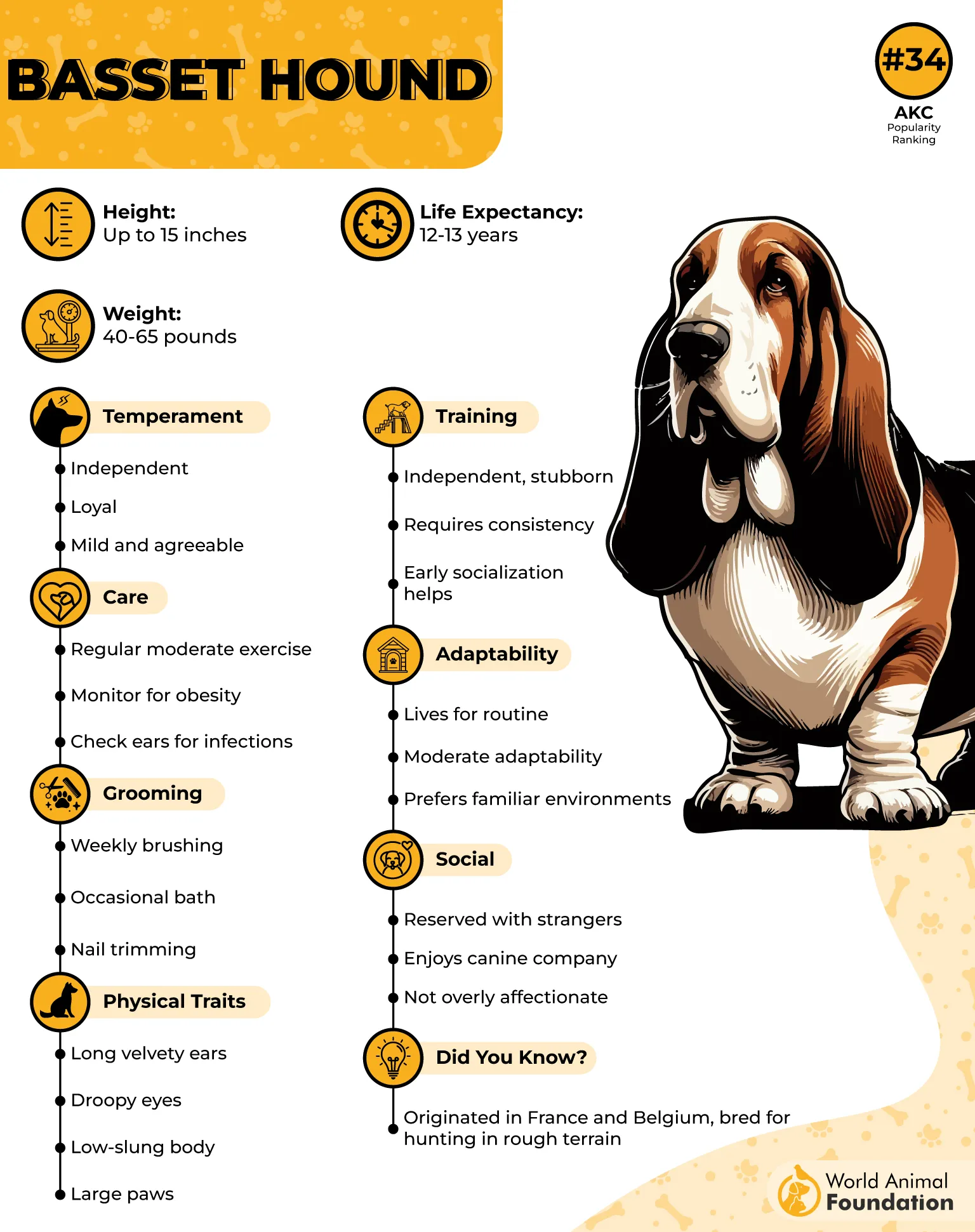
Puzzle toys, a good walk before you leave, and a consistent routine go a long way.
But as far as independent nature goes, the Basset Hound is a naturally low-maintenance dog you can own. They are not sitting by the door in emotional turmoil. They are on the couch, asleep, unbothered, living their best life.
4. Miniature Schnauzer
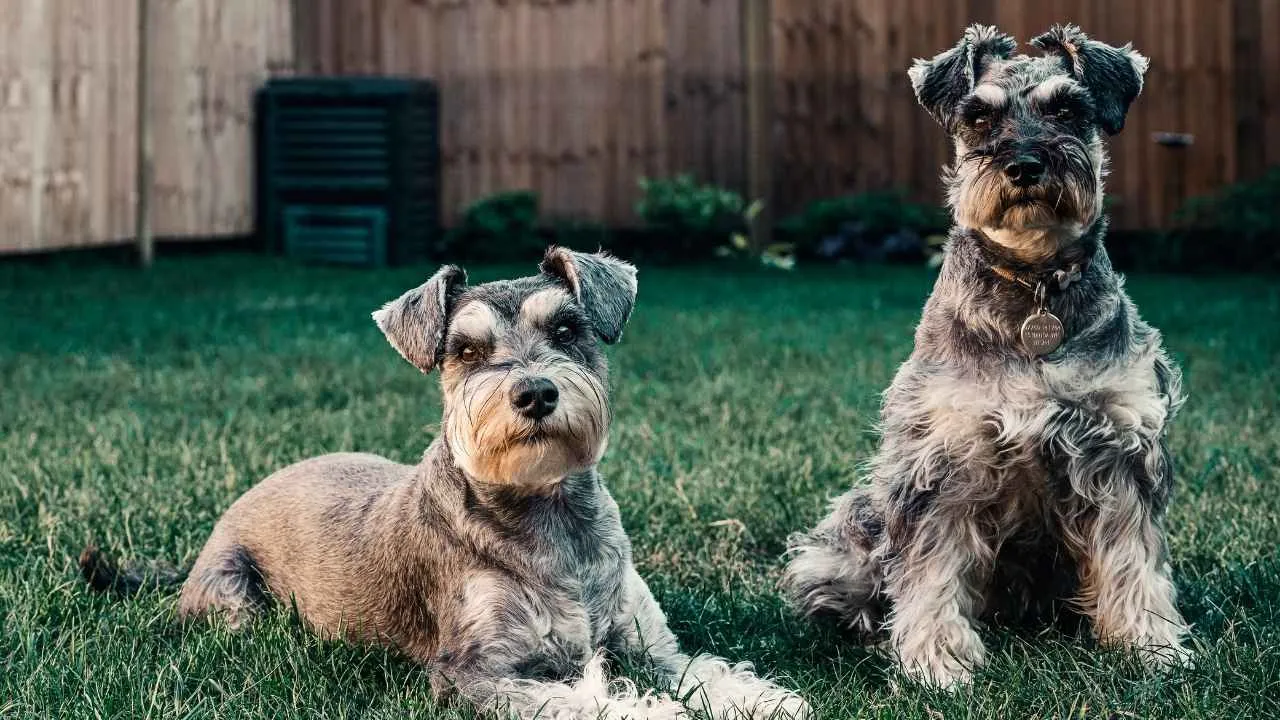
The Miniature Schnauzer is smart. Impressively smart, given their size.
And smart dogs can handle alone time well, if that intelligence has somewhere to go.
This is not a dog that zones out and stares at walls. These small dogs need mental stimulation. Give it to them before they leave, and they will manage the rest of the day just fine.
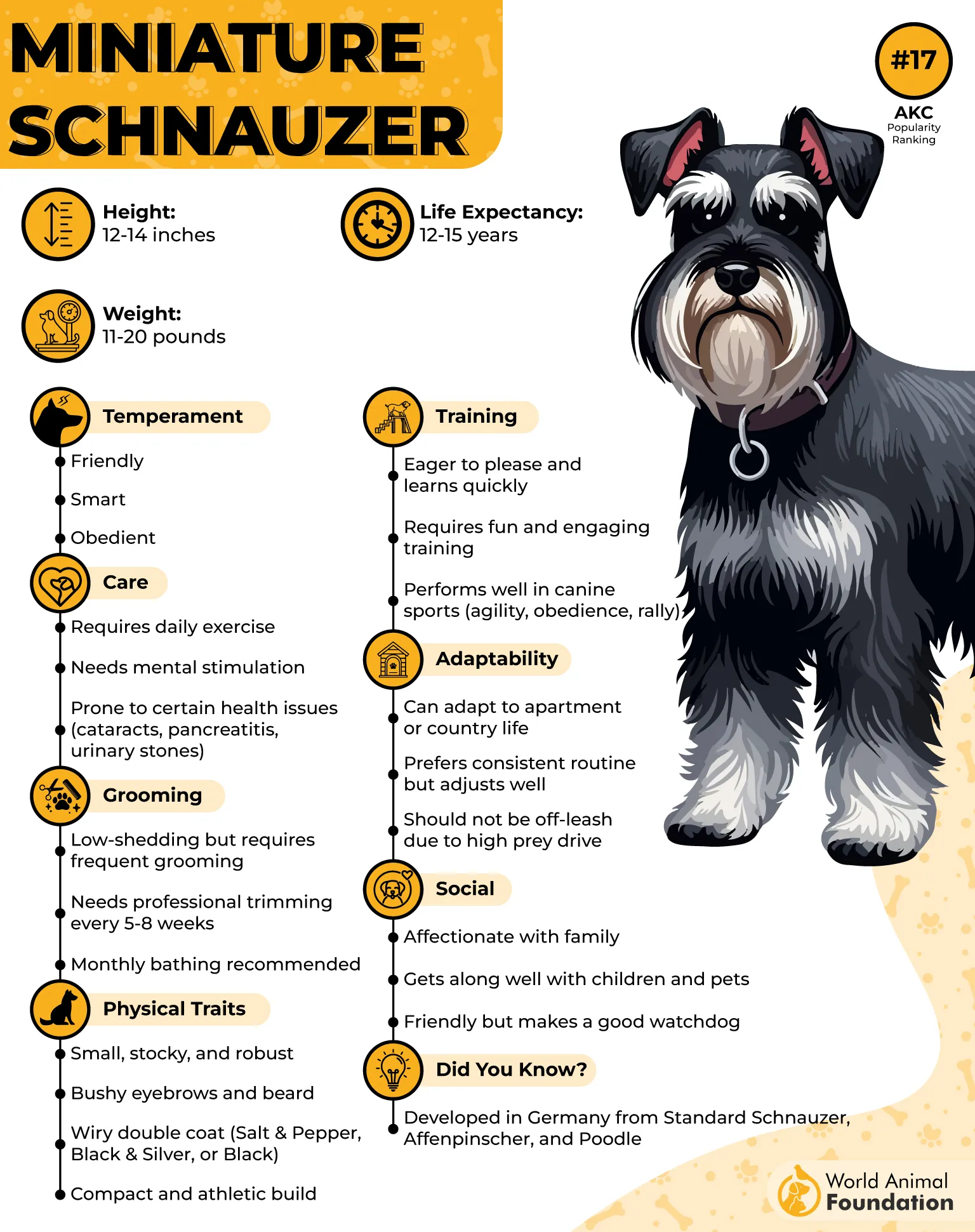
Miniature Schnauzers don’t react to their owners leaving them alone the way some other dogs do. They are alert, energetic in short bursts, and then perfectly happy to settle.
They do well in apartments, they don’t need massive amounts of exercise, and they are adaptable to a SOLO schedule when trained properly.
The keyword here is proper training techniques.
Toys are important. Hills Pet mentions that these dogs can get mental stimulation through puzzle toys. Rotate them, keep things interesting, and this intelligent dog will be at peace.
5. Boston Terrier
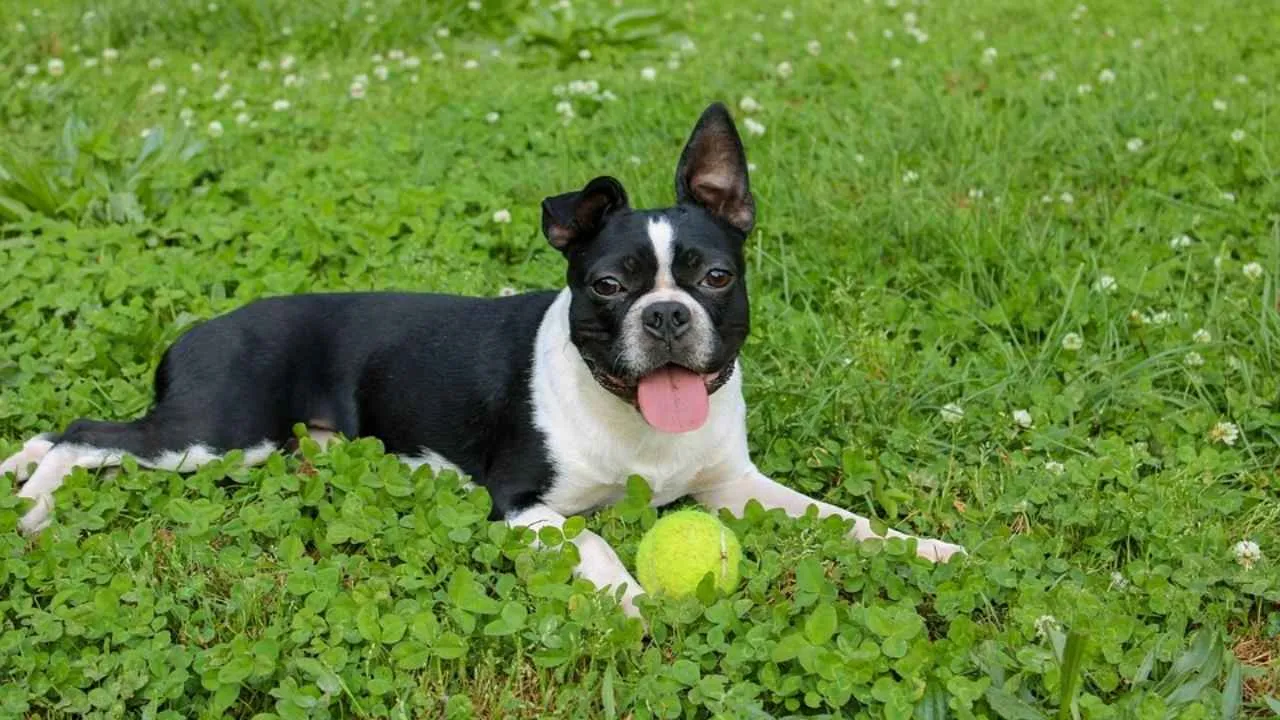
The Boston Terrier is one of those breeds that gets labeled as needy, and that is not entirely fair.
Yes, they love their owners. Yes, they are companion dogs by nature. But they are also adaptable, and adult dogs of this breed handle alone time better than most people expect.
They are not high-energy dogs. They like to play, nap, and are fine cycling between the two while you are gone.
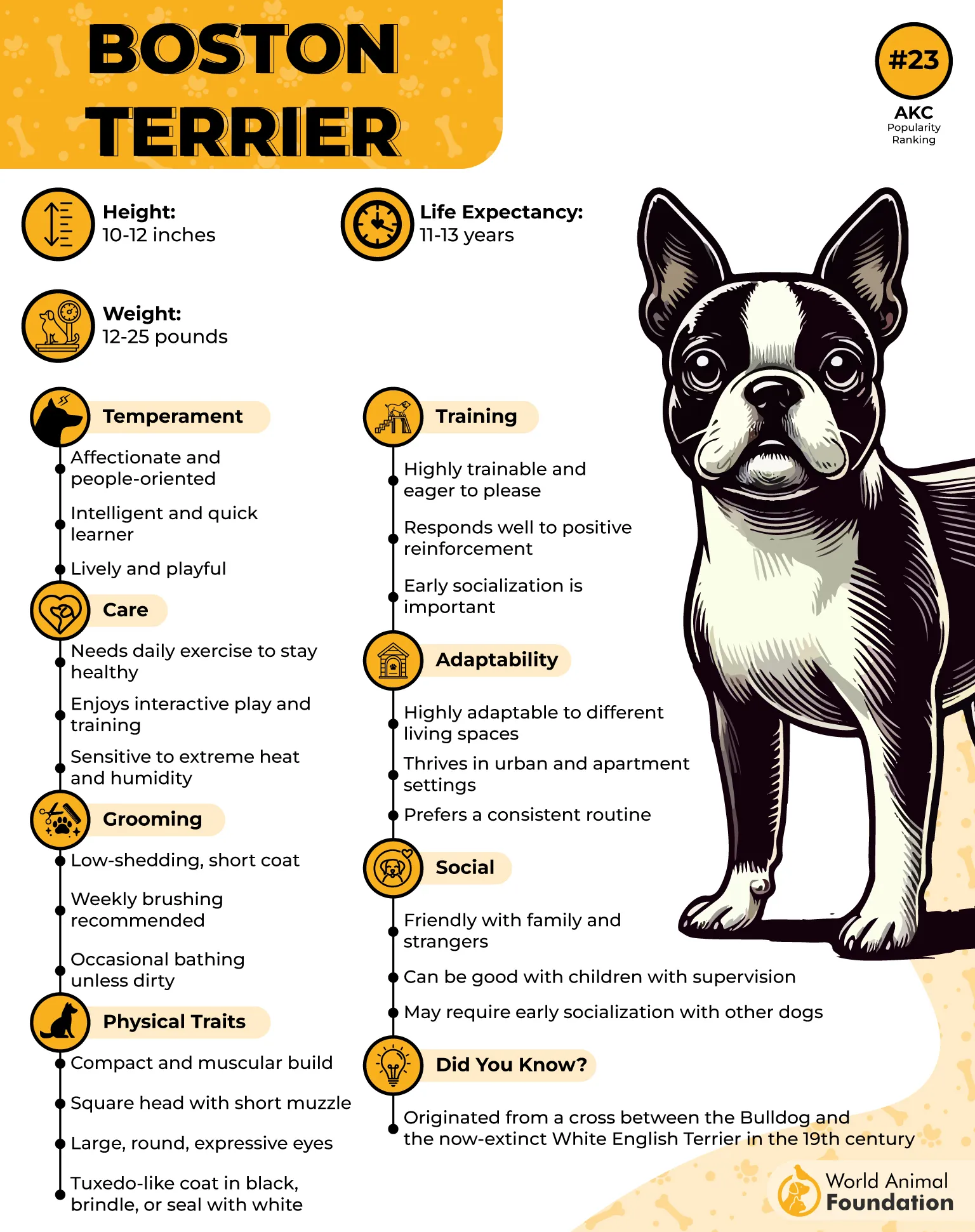
A good walk before you leave, a comfortable spot on the couch, and a couple of toys; that is all a Boston Terrier needs to go through a few hours solo.
They are not prone to destructive behavior when you cover their basics.
Fastidiously clean and quiet (ish) for a Terrier, these dogs are compact and easy to manage in most living situations, as Pedigree noted.
“American Gentleman”, eh?
For busy houses that need a friendly, fun puppy that doesn’t fall apart the moment the door closes, Boston Terriers deserve a spot on this list.
6. Basenji
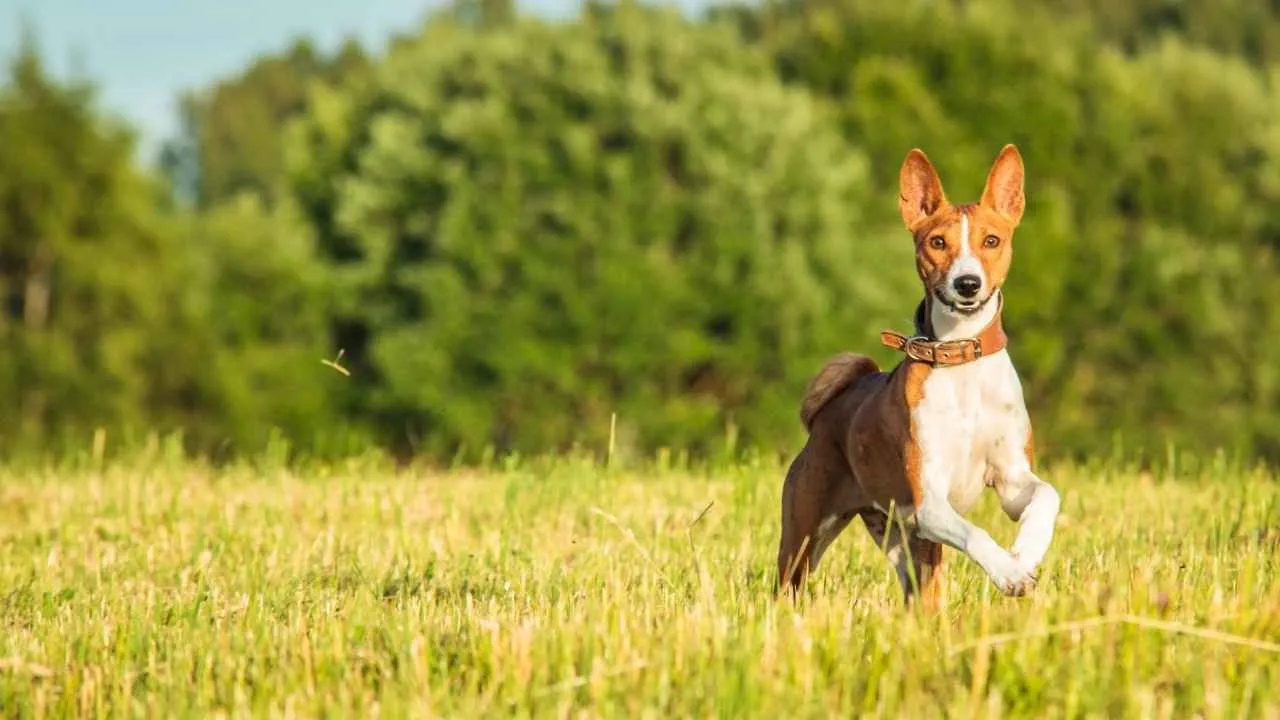
The Basenji grooms itself like a cat, does not bark, and has an independent nature that makes most other dogs look emotionally exhausting by comparison.
This is a dog that does NOT need you hovering. It prefers you don’t.
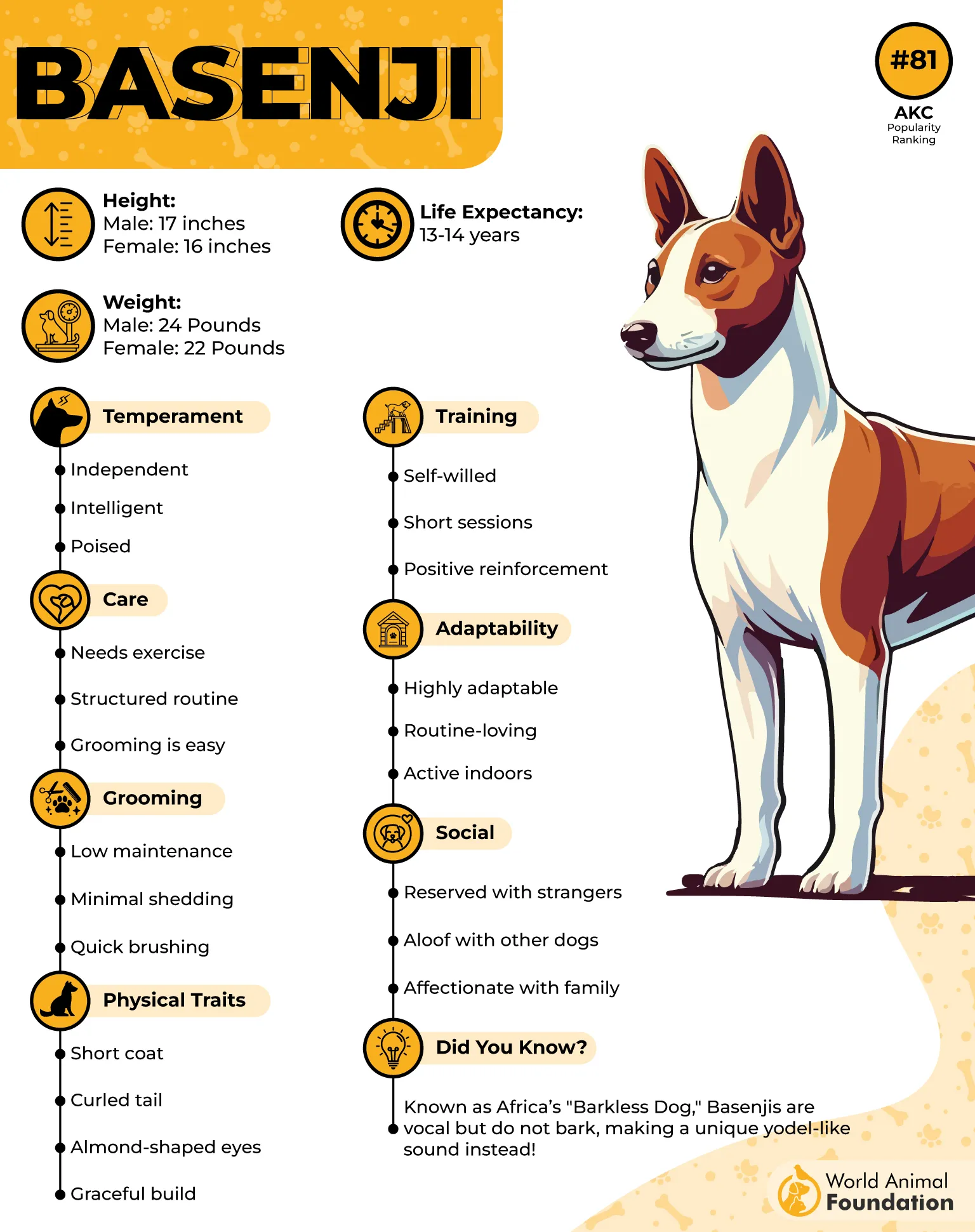
These hunting dogs handle alone time with ease. No separation anxiety, minimal destructive behavior when properly exercised, and an independent spirit that makes long periods solo a non-issue.
A good walk, some mental stimulation before you go, and this dog is set.
That trade-off is that “baroo” their wild yodel-howl, and a personality that makes training an exercise in negotiation.
They can easily tend to their own devices when you are gone.
7. Chow Chow
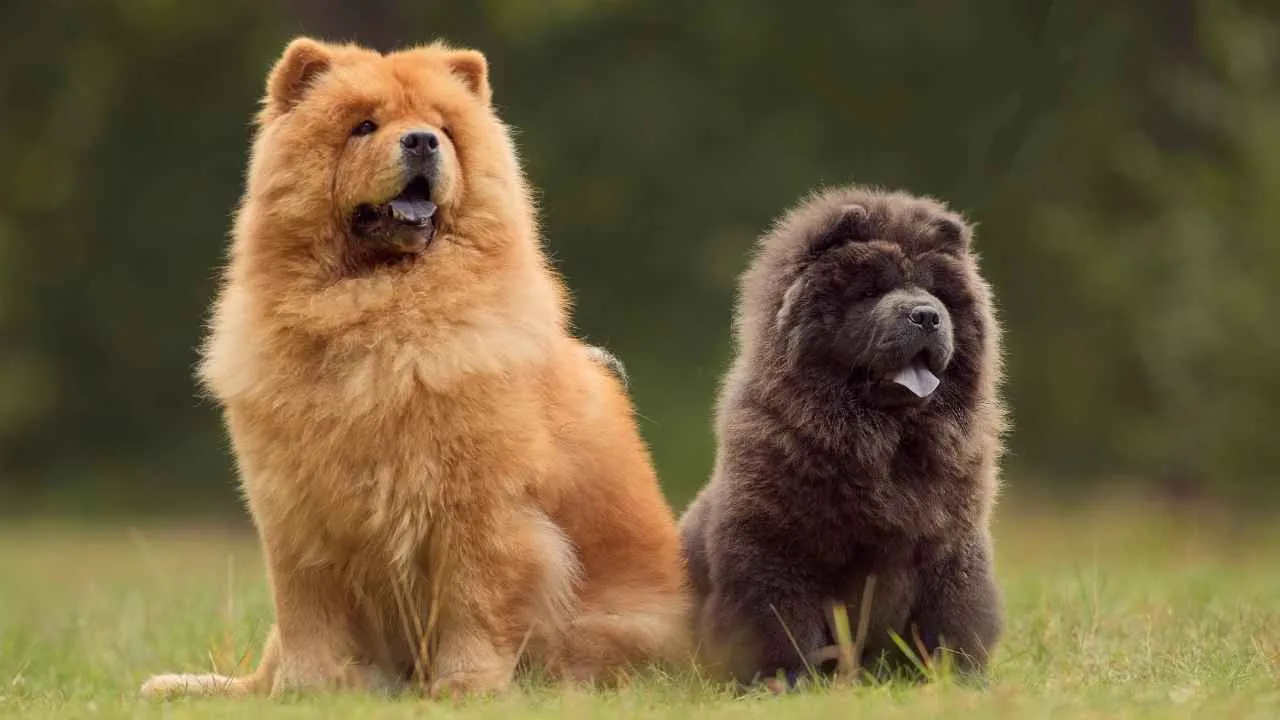
The Chow Chow is not a Velcro dog. Not even a little.
Chewy describes them as having an aversion to you touching them at all times. NAH, they don’t want that.
This is a dog that loves its family deeply but does not need to be attached to them every second. They are naturally aloof and cat-like in their independence.
The Chow is not going to sit by the door for six hours, vibrating with anxiety. They are going to find their spot, guard it with dignity, and wait for you to return. So, you can totally leave this dog alone.
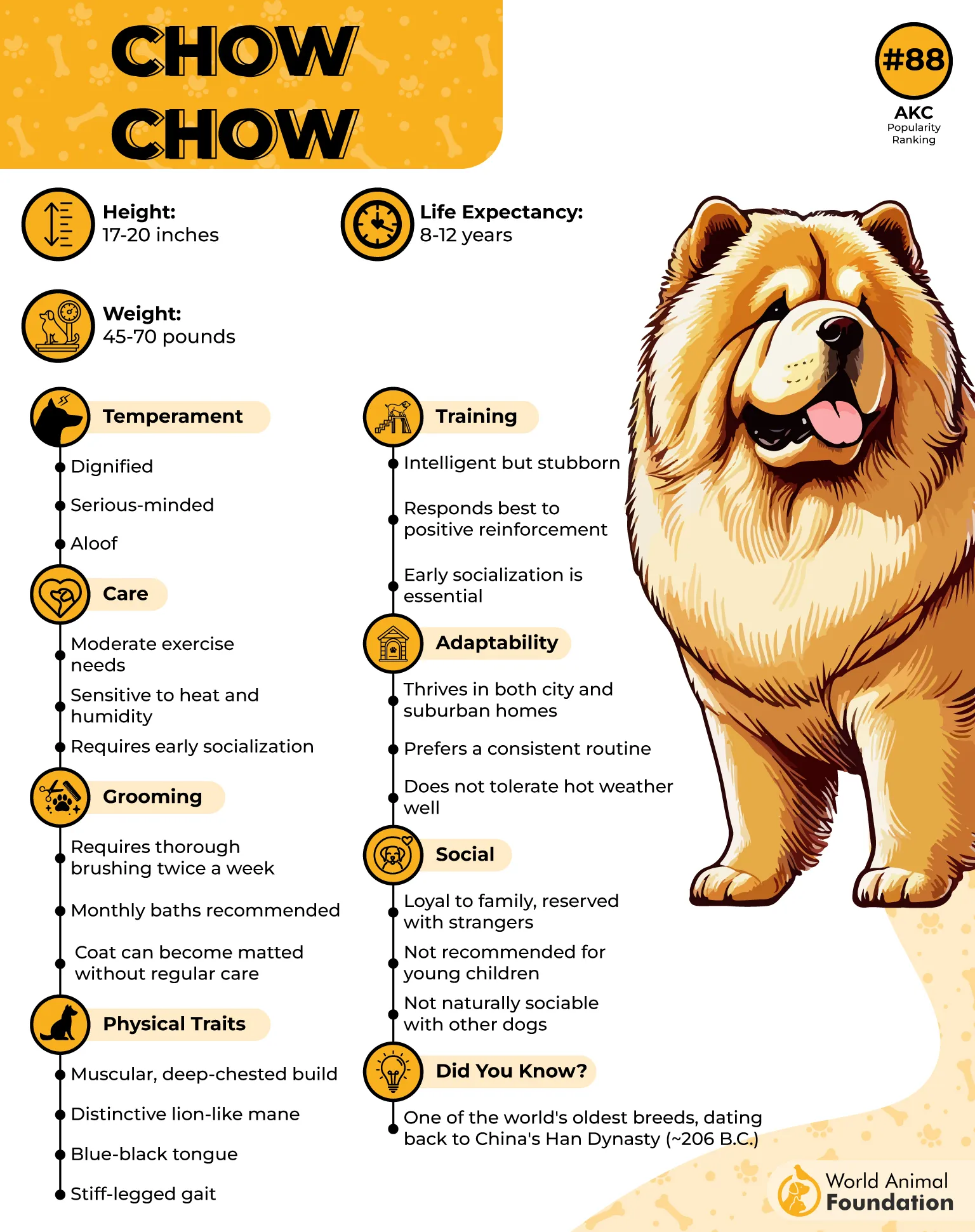
These are low-energy dogs indoors and don’t need intense exercise to stay calm.
They are not prone to destructive behavior when their needs are met. They are clean, quiet, and unbothered by alone time.
Some owners might find that unsettling.
If you want a dog that respects your schedule as much as you do, the Chow Chow gets it.
8. Chinese Shar-Pei
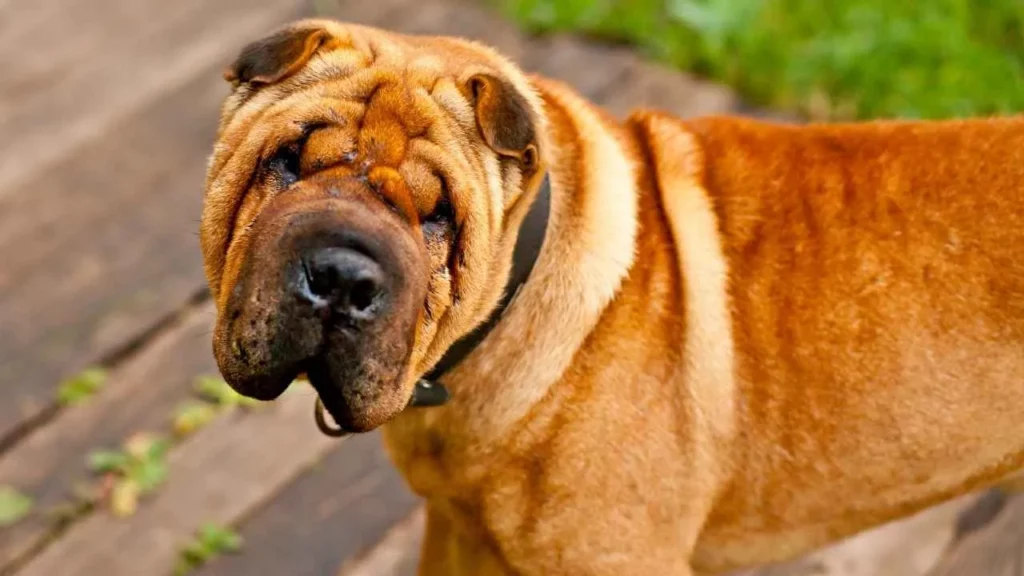
The Chinese Shar-Pei operates on its own schedule and always has been fine with that.
This is a naturally independent and active breed. Not aloof to the point of cold, but certainly not needy. They are calm, clean, and easy to leave home alone for a few hours. They do not spiral, but rather, they adapt to the world as it is.
This wrinkly dog is not high energy, and that works in everyone’s favor here.
Their exercise needs are moderate, their indoor energy is calm, and their independent nature means alone time doesn’t register as a crisis.
They are also not big barkers, which is important if you have neighbors.
Training is important with this breed. They are smart dogs and can be stubborn, and a Shar-Pei that has been taught good boundaries is a very easy dog to leave home alone.
9. Shiba Inu
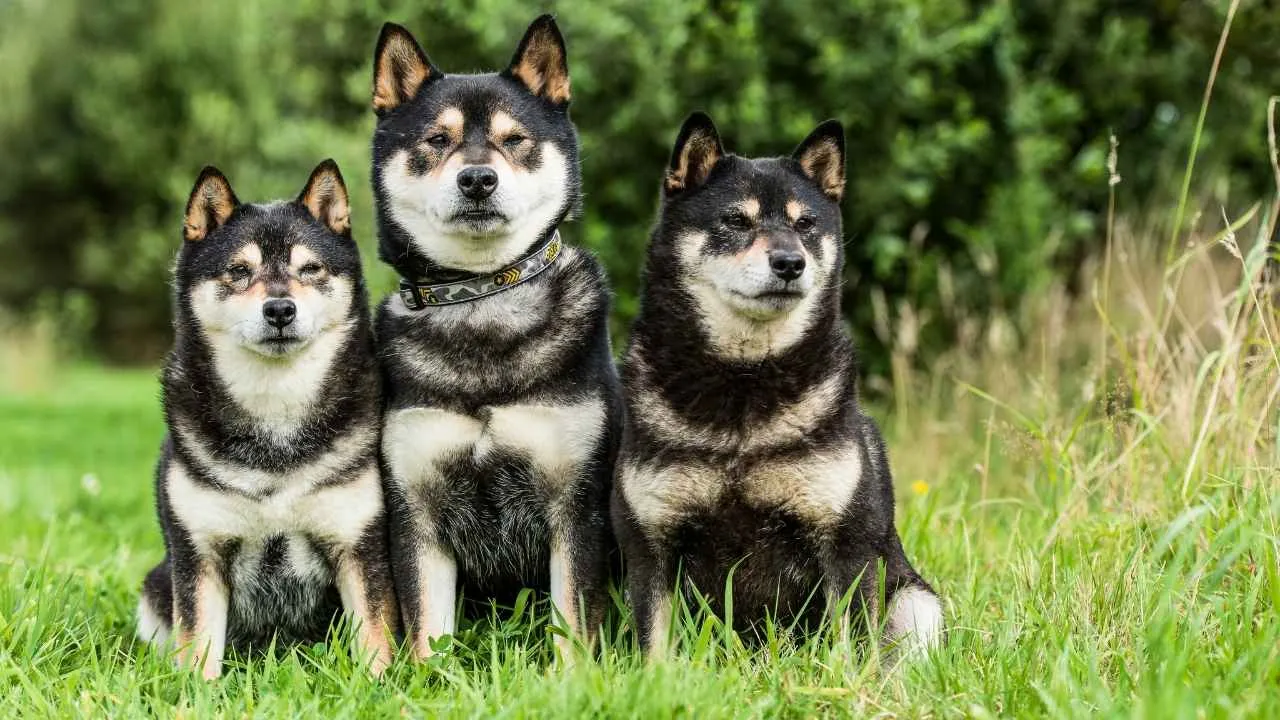
The Shiba Inu has the confidence of a dog that has never once needed your validation, and it shows.
This Spitz dog breed is famously independent.
They are clean, quiet indoors, and they carry themselves with a self-possessed energy that makes separation anxiety almost foreign to them.
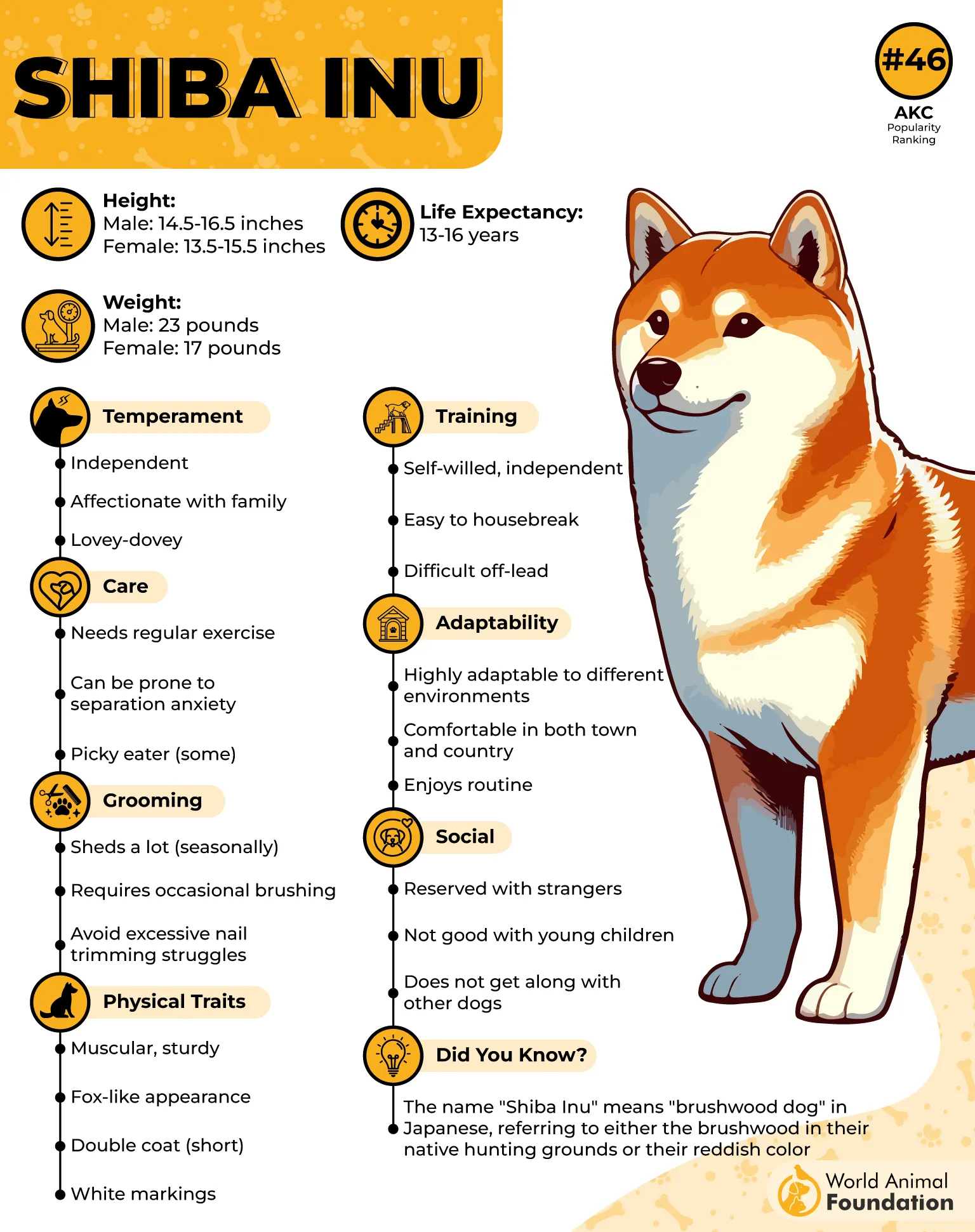
Left alone, the Shiba Inu typically does fine. Purina mentions that they can live up to 8 hours alone.
They are not destructive without cause and are not excessive barkers inside. They find a comfortable spot and exist contentedly until you walk back through the door.
These Asian dogs do need exercise. A good walk or run before alone time keeps things calm. Skip the exercise, and that independent nature can turn into restlessness.
For people who want a smart, beautiful, and low-drama dog that handles solo hours like a pro, the Shib Inu is the one.
10. Greyhound
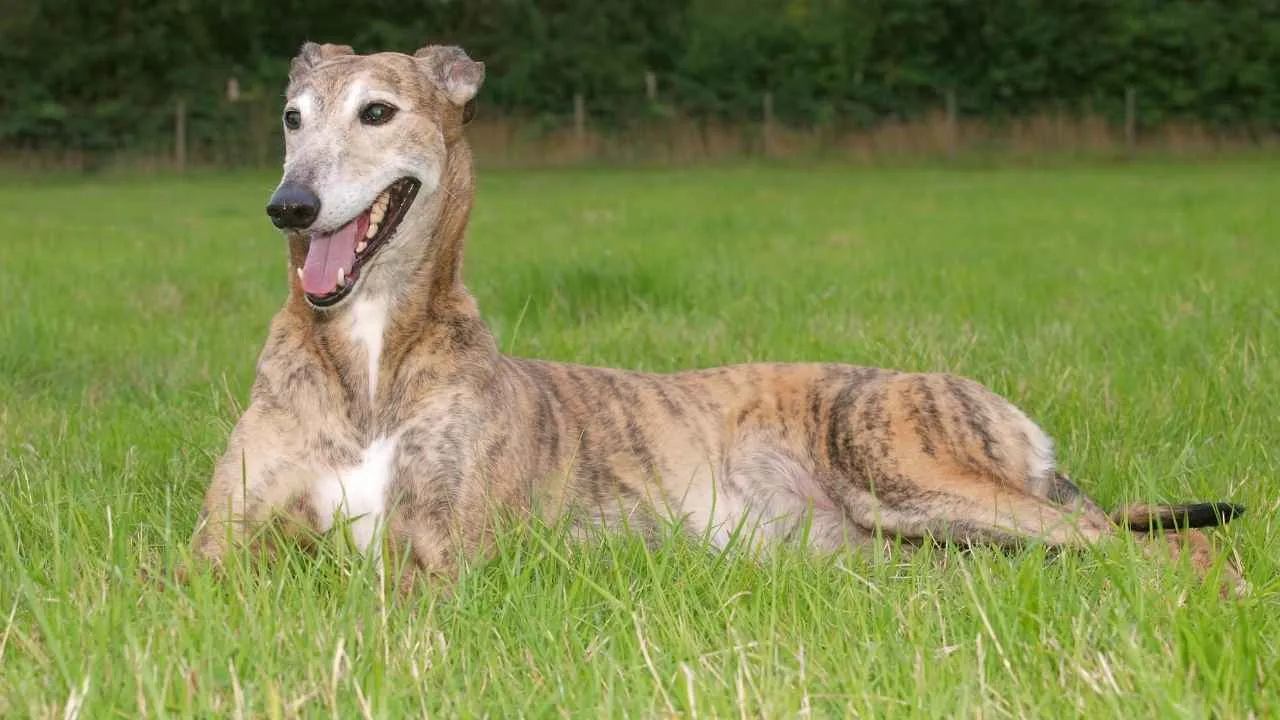
This one surprises everyone. Every single time.
Greyhounds look like athletes. They are athletes. And the assumption is always that high-energy dogs need constant human company, stimulation, and activity.
Well, not Greyhounds…
They are professional nappers. These fast dogs, yes.
World-class couch occupants. These dogs can sleep up to 18 hours a day. And they are completely, deeply, happily okay to be left alone while you do your thing.
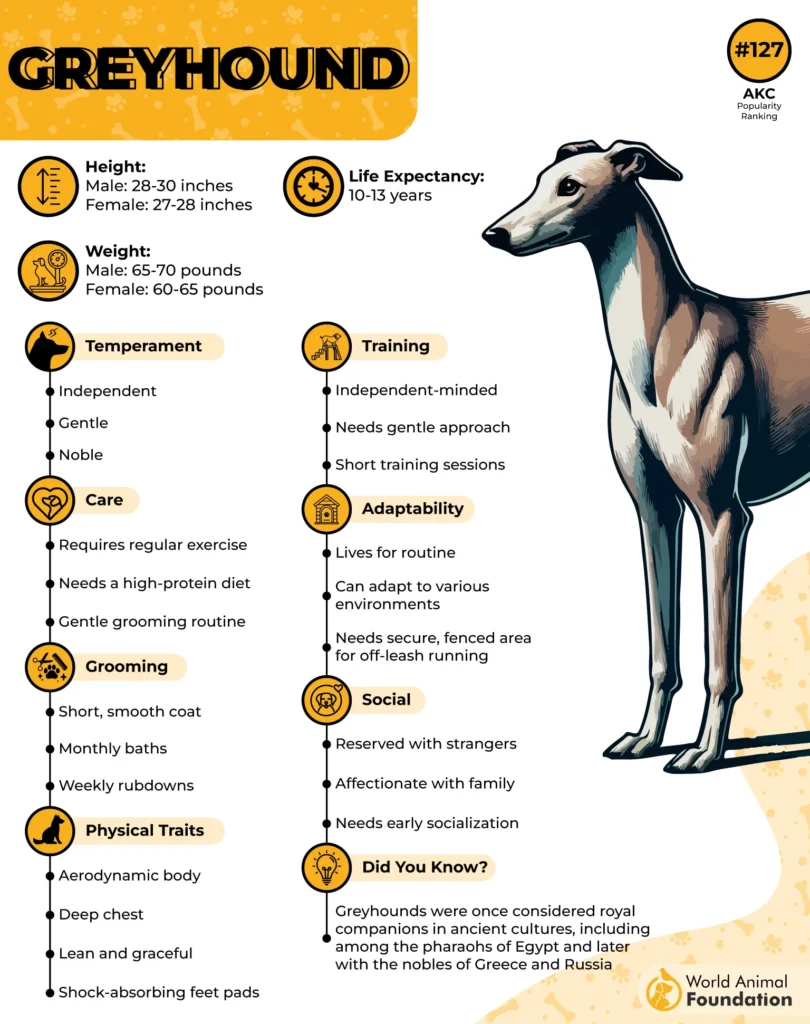
Greyhounds, the retired racing Greyhounds, are remarkably calm indoors.
They have their bursts of energy, and then they are DONE.
Back on the couch. Back asleep.
They are gentle, quiet, and not prone to destructive behavior when their basic exercise needs are met.
One good run or a brisk walk, and a Greyhound is set for the day.
They are large dogs, but they adapt to apartment life better than most small breeds. They don’t bark much, and they don’t chew through your belongings out of spite.
They… rest. Peacefully.
While you earn the money that pays for their kibble.
Conclusion
Leaving your dog home alone does not have to mean a guilt spiral every single morning.
These breeds prove it.
Different sizes, personalities, energy levels.
But all of them share one thing: the independent nature to handle alone time without turning your home into a disaster zone.
A good walk, a puzzle toy, a consistent schedule… those things are important no matter what breed you own.
Even certain larger dogs handle solo hours with the right training techniques in place.
Get the right breed, build the routine, make them your friends, leave the food and the guilt at the door.
Your pet is fine. Go to work.
