




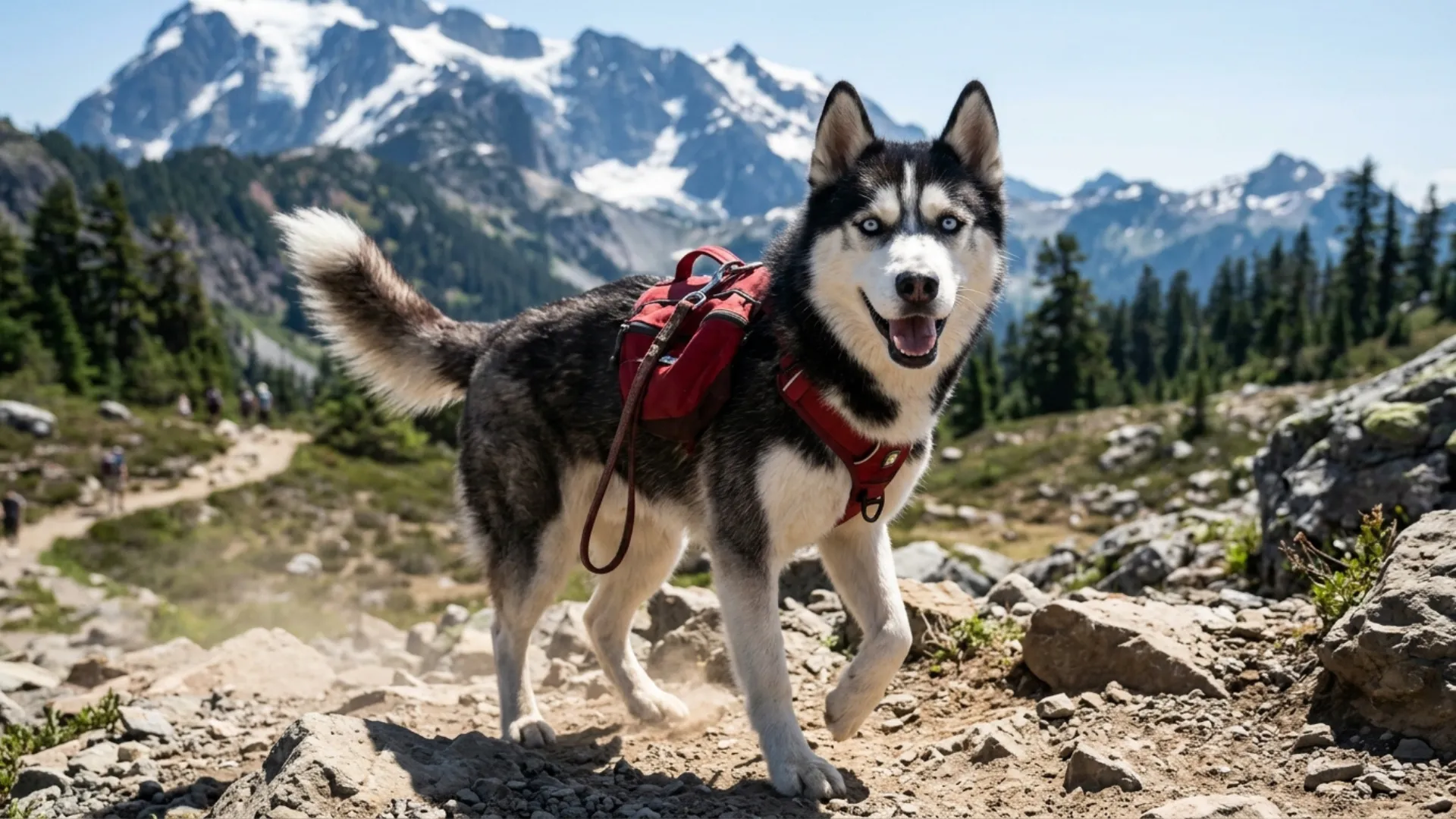
For people who spend their free time hiking, trekking, camping, or exploring unfamiliar landscapes, a canine companion needs more than enthusiasm for a walk around the neighborhood.
Athletic construction, stamina, adaptability, and a willingness to stay active can make certain breeds particularly suitable for demanding outdoor routines. Many of these dogs were shaped by occupations that required them to work for hours while coping with changing terrain and weather.
A fascinating aspect of these breeds is how closely their physical abilities are tied to their original jobs. Their modern appeal to adventurers is therefore rooted in practical abilities developed generations ago.
Even a naturally rugged breed needs appropriate preparation before joining strenuous excursions. Conditioning should increase gradually, while hydration, temperature, terrain, paw protection, and recovery time deserve attention. Individual age, health, and fitness also matter, so never treat a breed’s reputation for endurance as a reason to push a dog beyond its limits.
Robust Dog Breeds for Outdoor Enthusiasts and Explorers
1. Australian Cattle Dog
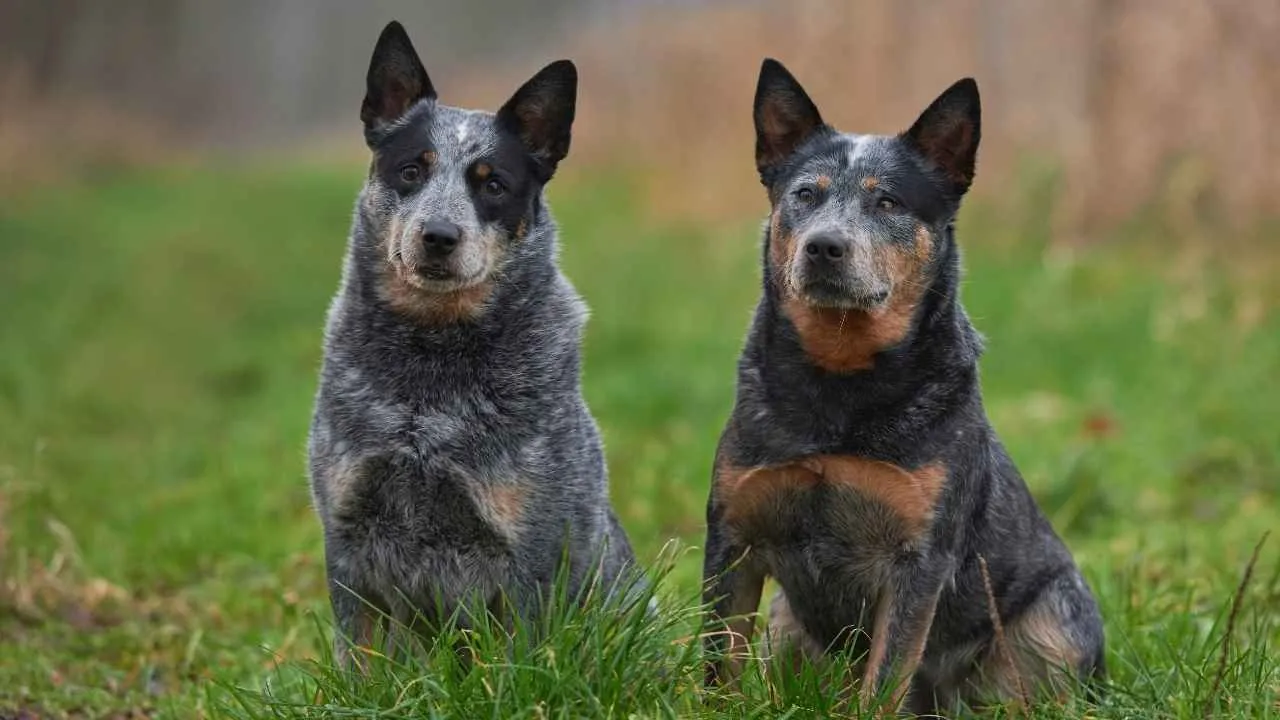
The Australian Cattle Dog was developed in Australia to help ranchers control cattle across expansive properties.
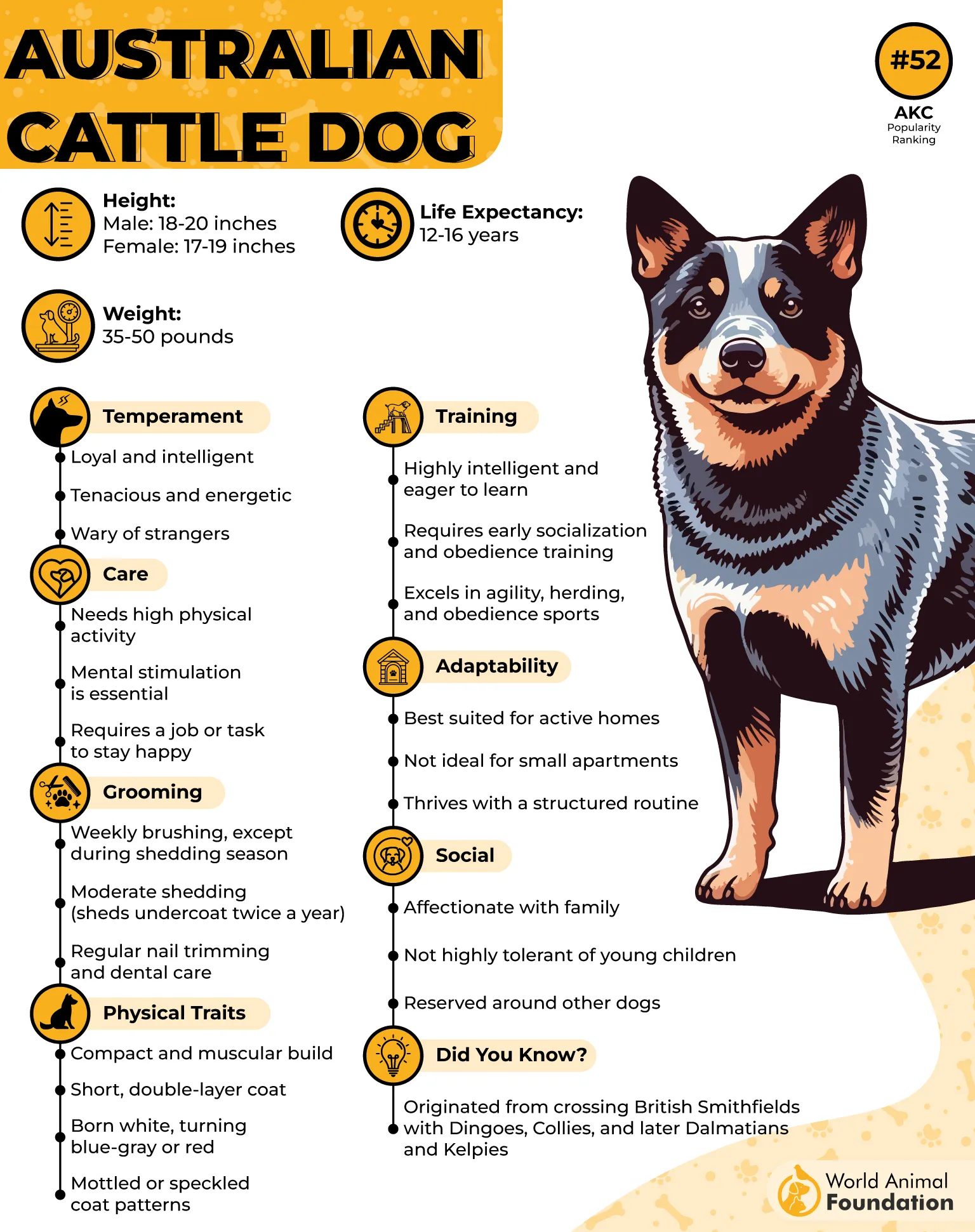
Early breeders combined imported herding dogs with Dingoes and other breeds to create a worker capable of tolerating the country’s demanding climate and terrain. The resulting dog became known for persistence, endurance, and an ability to remain focused during long days of ranch work.
A Practical Coat and Serious Exercise Needs
Its short double coat is relatively easy to maintain, with routine brushing helping remove loose hair and keep the skin healthy. Grooming needs increase somewhat during seasonal shedding.
This breed requires substantial daily activity, and long walks, trail outings, running, structured games, and training exercises can help meet its considerable physical and mental demands.
A Durable Companion for Long Days Outside
The Australian Cattle Dog’s ranching heritage gave it an impressive capacity for sustained activity. It can cover significant distances while remaining attentive to its surroundings and handler.
Its agility is useful on uneven trails, but reliable recall and good trail manners are essential because its natural curiosity and working drive can encourage independent exploration.
2. Siberian Husky
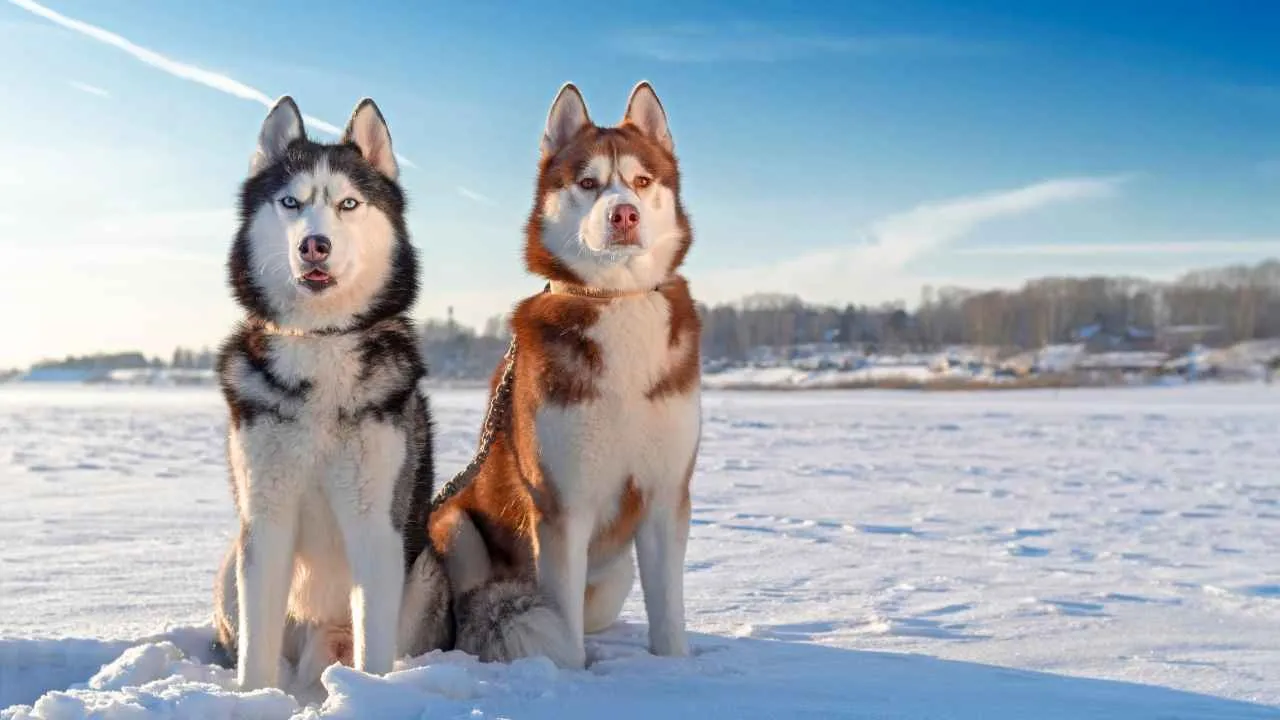
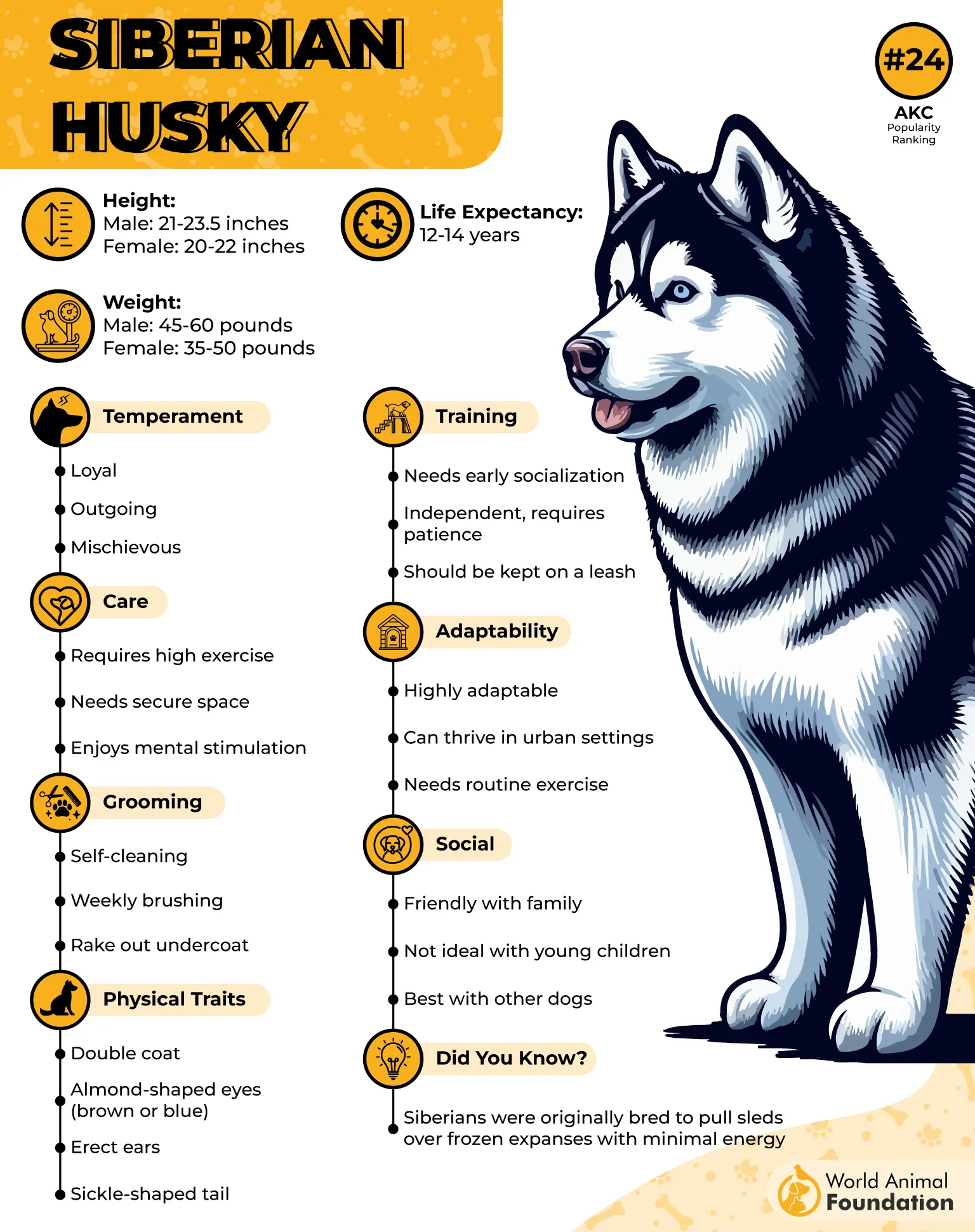
The Siberian Husky was developed by the Chukchi people of northeastern Siberia as a sled dog capable of transporting people and supplies across Arctic terrain.
Rather than relying solely on brute strength, these dogs were valued for efficient movement and the ability to travel considerable distances. Their northern heritage remains evident in their endurance and distinctive cold-weather coat.
An Insulating Coat Built for the Cold
The Siberian Husky has a dense double coat that provides substantial protection against low temperatures.
Regular brushing helps manage loose fur, with seasonal shedding often requiring much more attention. Its exercise requirements are high, and running, hiking, pulling activities, and extended outdoor play can provide appropriate outlets when weather conditions are suitable.

Exceptional Stamina for Extended Adventures
Long-distance sled work helped shape the Husky into an endurance-oriented athlete. It can maintain a steady pace over considerable distances and often approaches physical activity with enthusiasm.
Adventurous owners should remember that this stamina can be paired with a strong desire to roam, making secure equipment and dependable training especially important.
3. Australian Shepherd
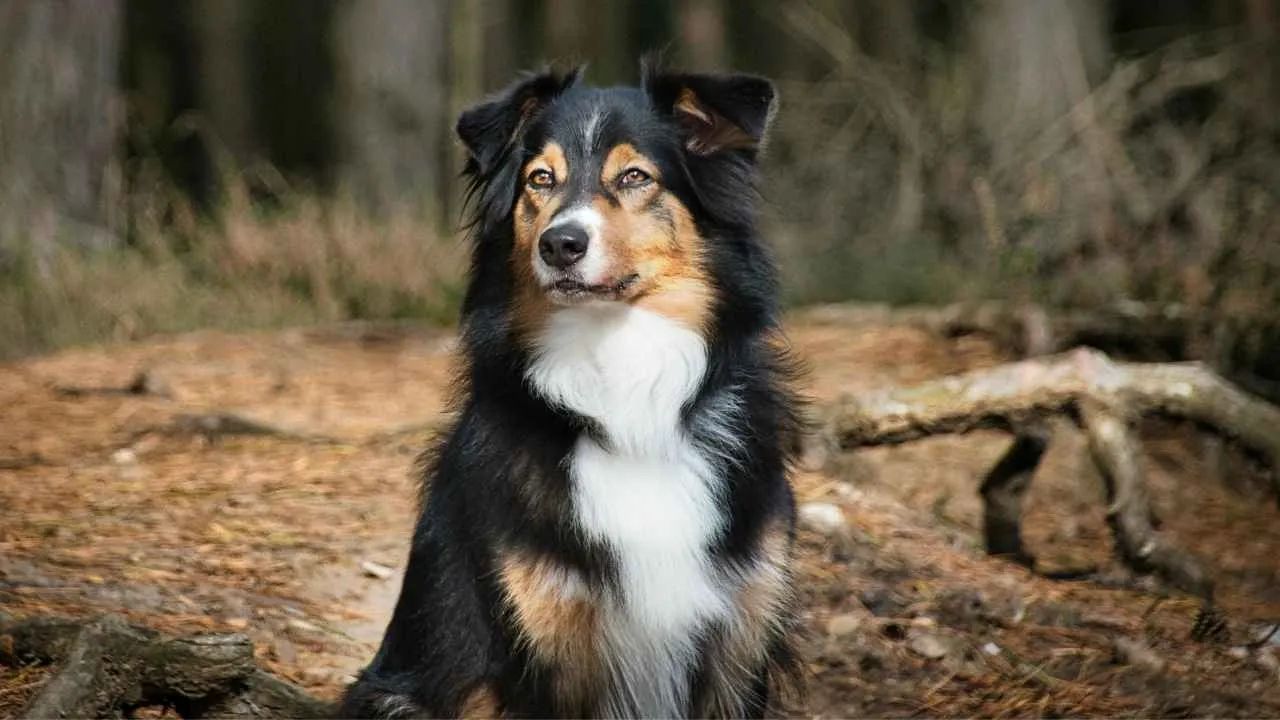
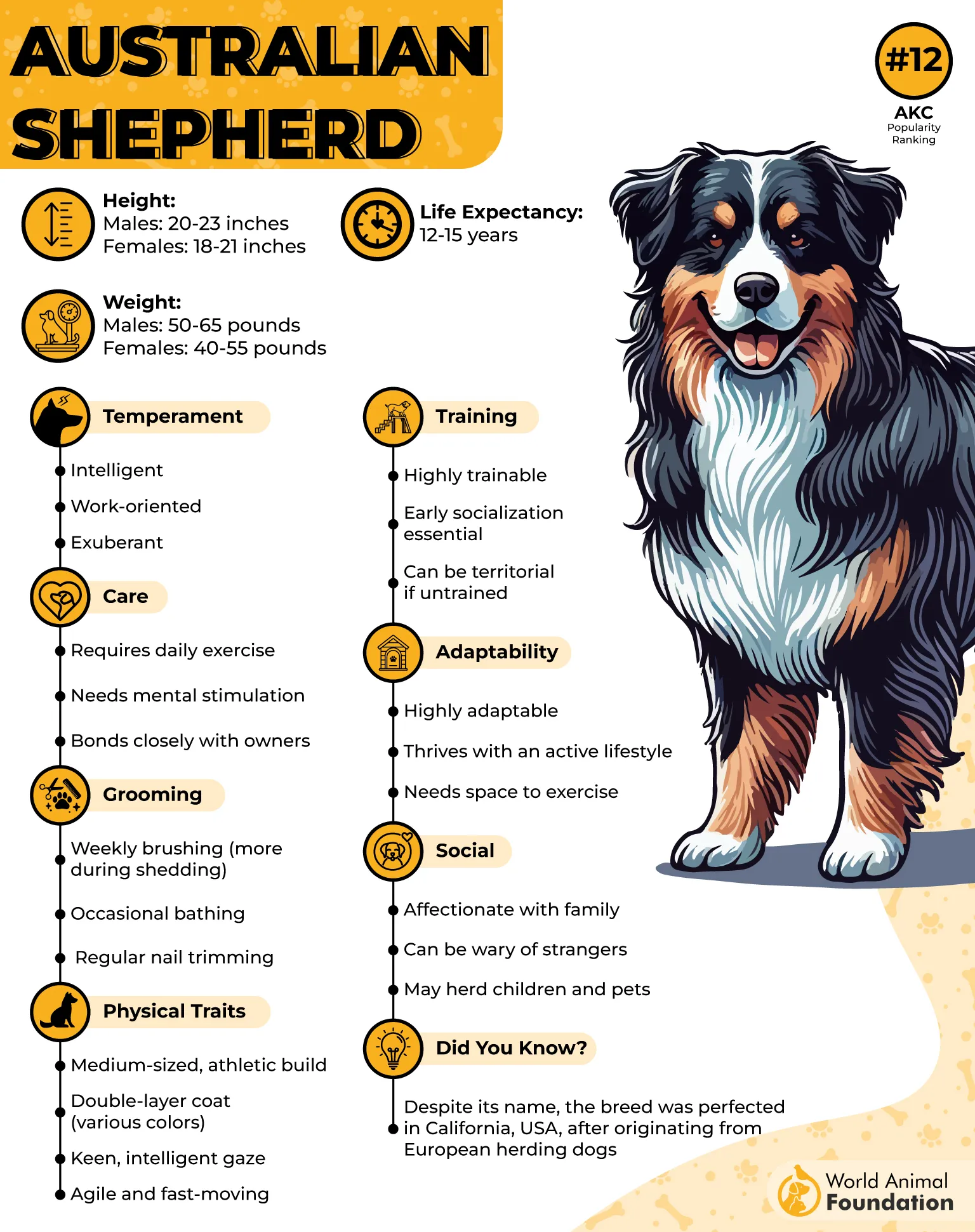
The Australian Shepherd was developed in the United States, despite the breed’s name, as per Purina. It became closely associated with ranches in the American West, where versatile herding dogs were needed to manage livestock. Breeders favored intelligence, agility, responsiveness, and endurance, creating a highly capable working dog that could adapt to demanding ranch conditions.
A Feathered Coat With Regular Brushing
The Australian Shepherd’s medium-length double coat benefits from frequent brushing to remove loose hair and prevent tangles.
Seasonal shedding can be substantial and may require additional grooming. Its active temperament calls for daily exercise through hiking, brisk walks, running, training, and mentally challenging activities that prevent its considerable energy from becoming boredom.
An Agile Trail Partner With a Working Mind
Australian Shepherds combine athletic movement with strong responsiveness to their handlers. Their herding background required them to make rapid adjustments while navigating changing surroundings.
This can translate well to outdoor recreation, particularly when owners provide structured opportunities to explore rather than relying solely on repetitive exercise.
4. German Shorthaired Pointer
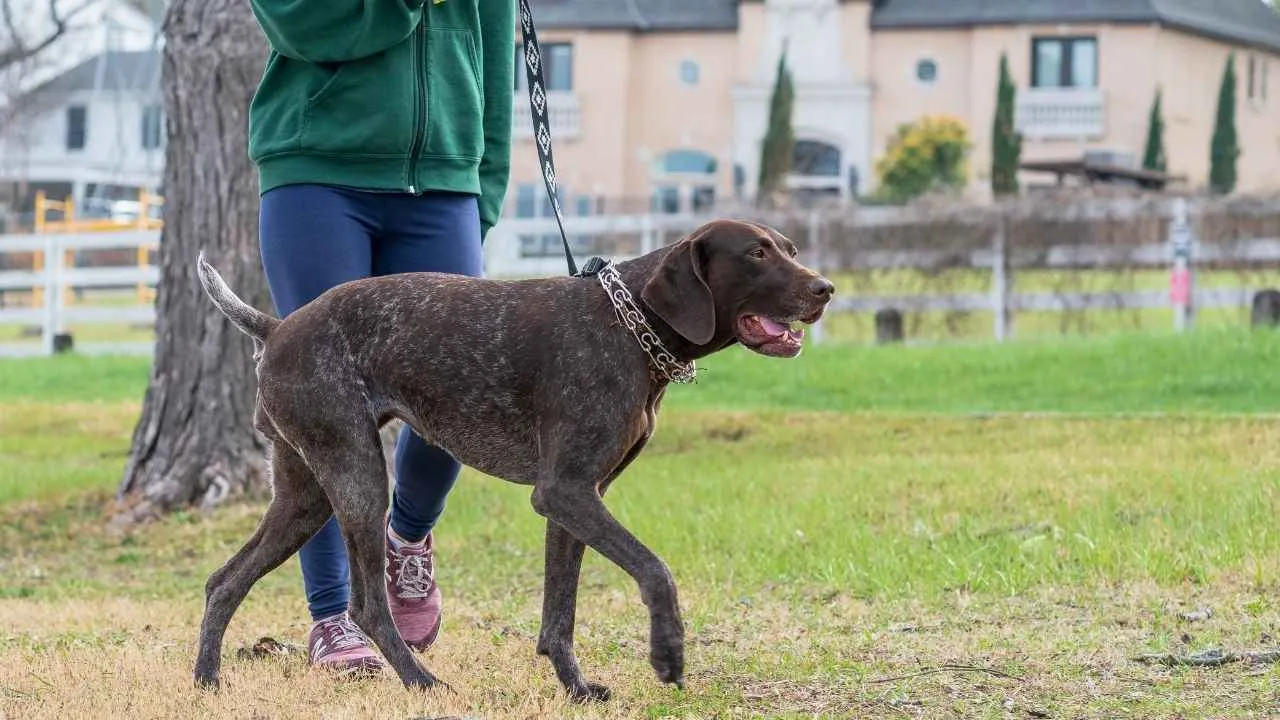
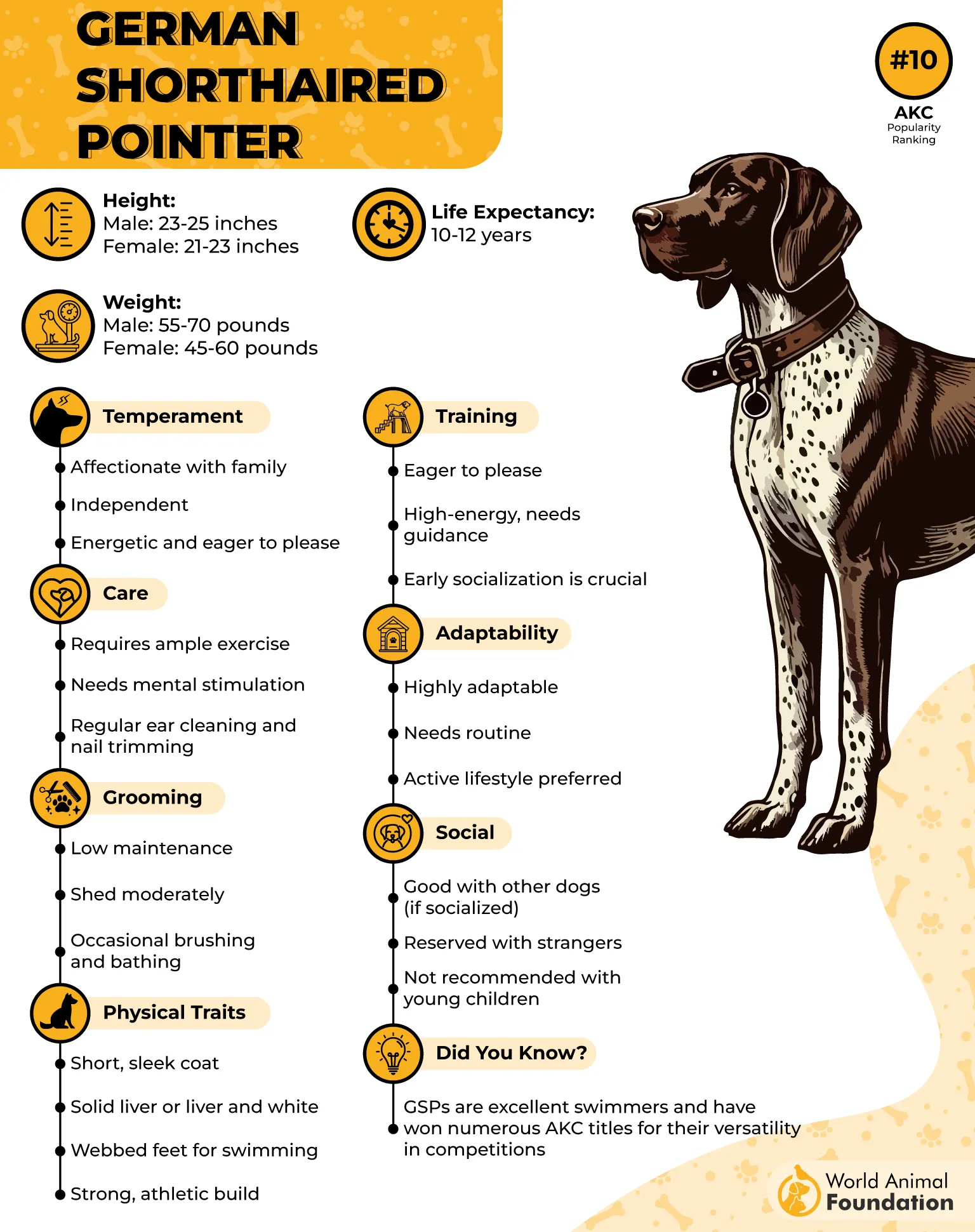
The German Shorthaired Pointer originated in Germany as an adaptable hunting dog capable of performing several tasks in the field.
Breeders sought a dog that could point game, retrieve, track, and work around water. This versatile background produced a highly athletic breed whose physical abilities and eagerness to work remain prominent characteristics.
A Sleek Coat With Minimal Fuss
The breed’s short coat is easy to maintain and generally requires only occasional brushing. After wilderness outings, checking the ears, paws, and skin is still worthwhile, especially following trips through dense vegetation or water.
German Shorthaired Pointers need vigorous daily exercise, with hiking, swimming, running, retrieving, and other active pursuits fitting their natural abilities.
A Field Athlete Ready for Variety
The German Shorthaired Pointer was not designed for a single type of terrain or task. Its hunting heritage encouraged it to move across fields, cover ground efficiently, and remain engaged with its handler.
That versatility can make it suitable for explorers who enjoy changing their activities rather than following the same route or routine every day.
5. Border Collie
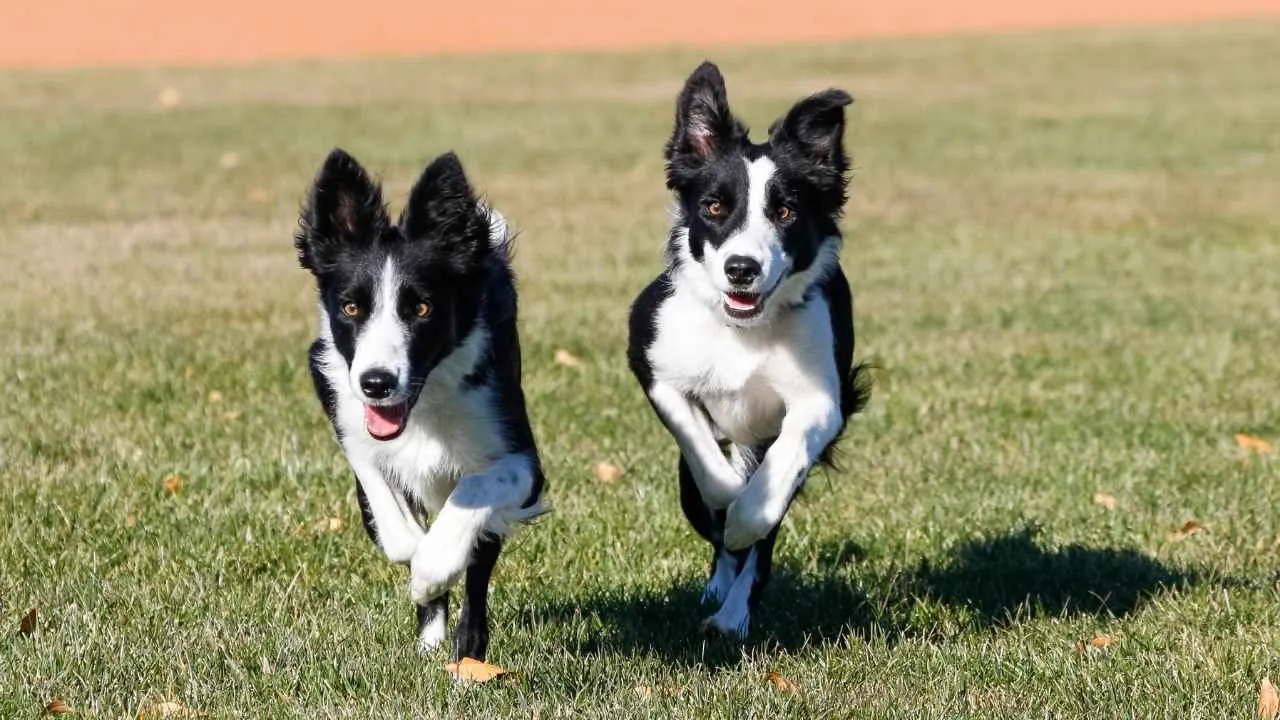
The Border Collie originated in the border country between Scotland and England, where shepherds needed dogs capable of controlling sheep across expansive landscapes, as per PetMD.
Generations of selective breeding emphasized intelligence, stamina, responsiveness, and precise movement. The breed became renowned for its ability to work closely with people while independently managing the details of a demanding task.
A Coat That Handles Outdoor Conditions
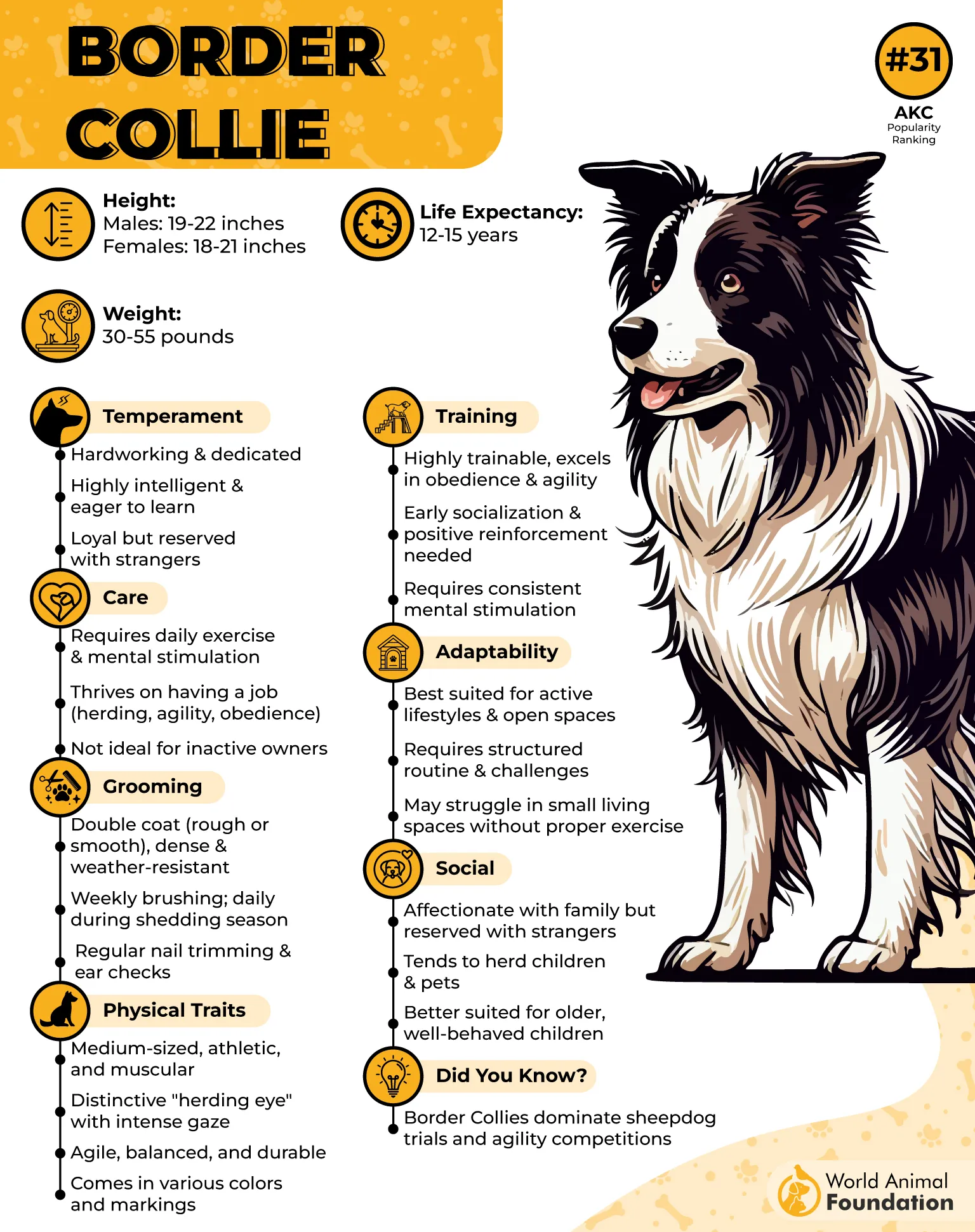
Border Collies come in rough and smooth coat varieties, with both requiring regular brushing. Outdoor adventures can leave burrs, dirt, and plant material caught in the coat, so post-hike checks are useful.
Their energy level is exceptionally high, and they benefit from hiking, running, agility, advanced training, and activities that require problem-solving.
Intelligence That Enhances Exploration
The Border Collie’s greatest asset for an outdoor enthusiast may be the combination of athleticism and responsiveness.
It can learn directional cues, trail manners, and complex commands while remaining eager to participate. Simply adding more mileage is not always enough for this breed; challenging its mind can be just as important as exercising its body.
6. Labrador Retriever
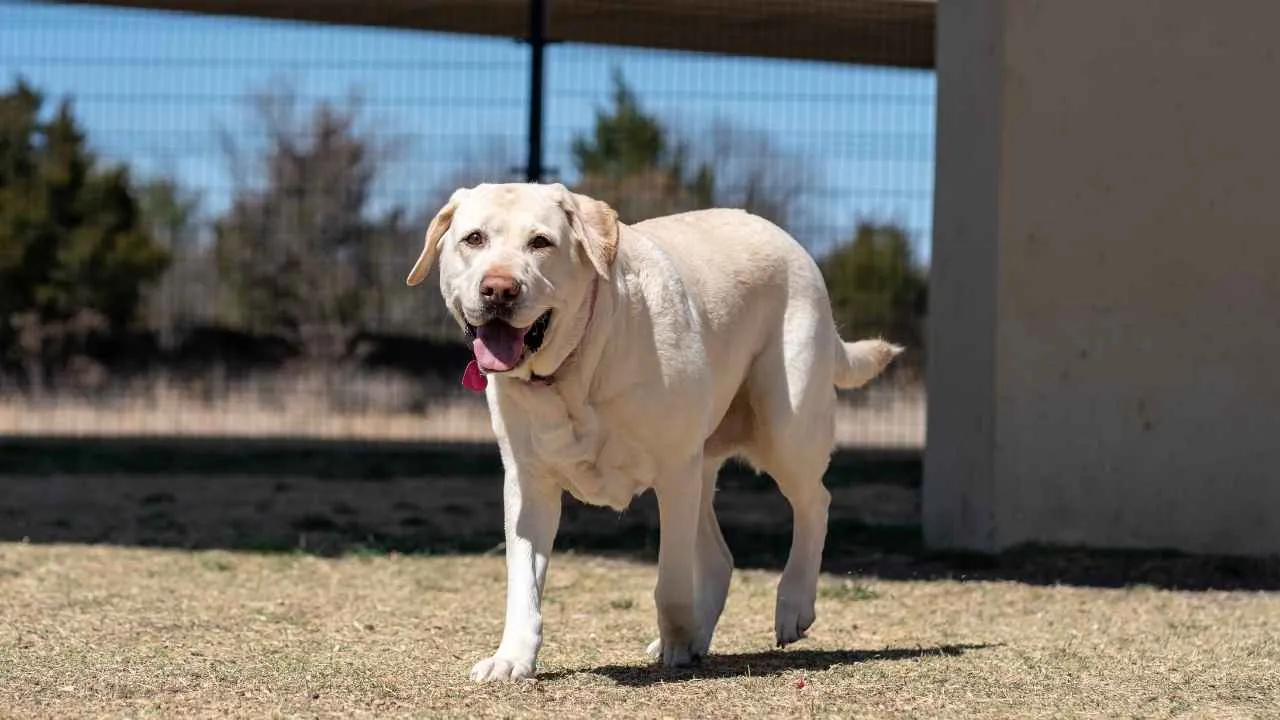
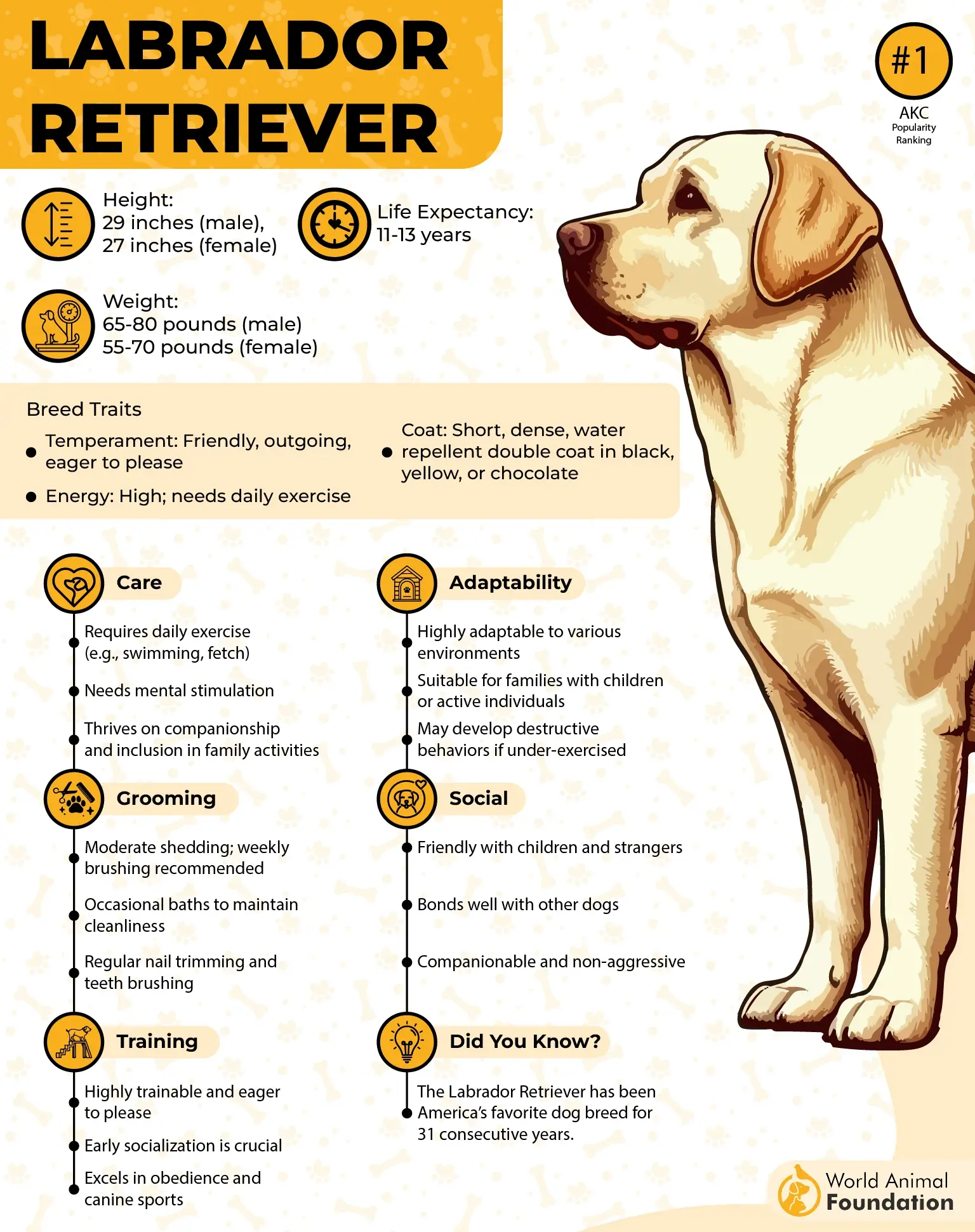
The Labrador Retriever traces its roots to Newfoundland, where related working dogs assisted fishermen by retrieving fish, nets, and lines from the water.
British breeders later refined these dogs into the Labrador Retriever recognized today. Its history gave it a strong retrieving instinct, water confidence, and a cooperative nature that have helped make it a remarkably versatile sporting companion.
A Dense Coat Made for Water
The Labrador’s short, dense double coat offers protection and has water-resistant qualities suited to its working background. As per the AKC, regular brushing can help control shedding, especially during seasonal coat changes.
Labs need regular exercise, and swimming, hiking, retrieving games, long walks, and outdoor play can all contribute to a balanced routine.
An Adaptable Companion for Land and Water
Few outdoor activities are limited to one environment, and the Labrador’s versatility can be an advantage. Its history includes working in and around water while remaining closely connected to people.
A well-conditioned Labrador can enjoy trails, lakes, camping trips, and retrieving activities, provided its activity level is matched to its age and physical condition.
7. Vizsla
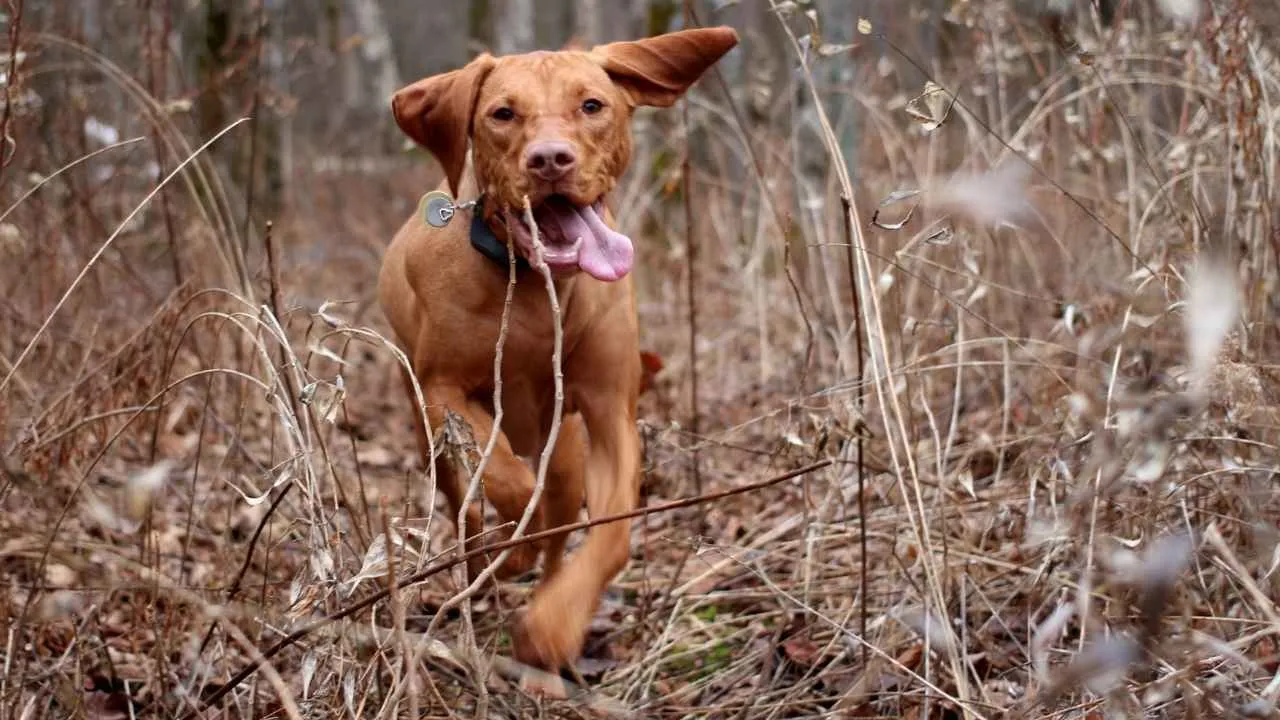
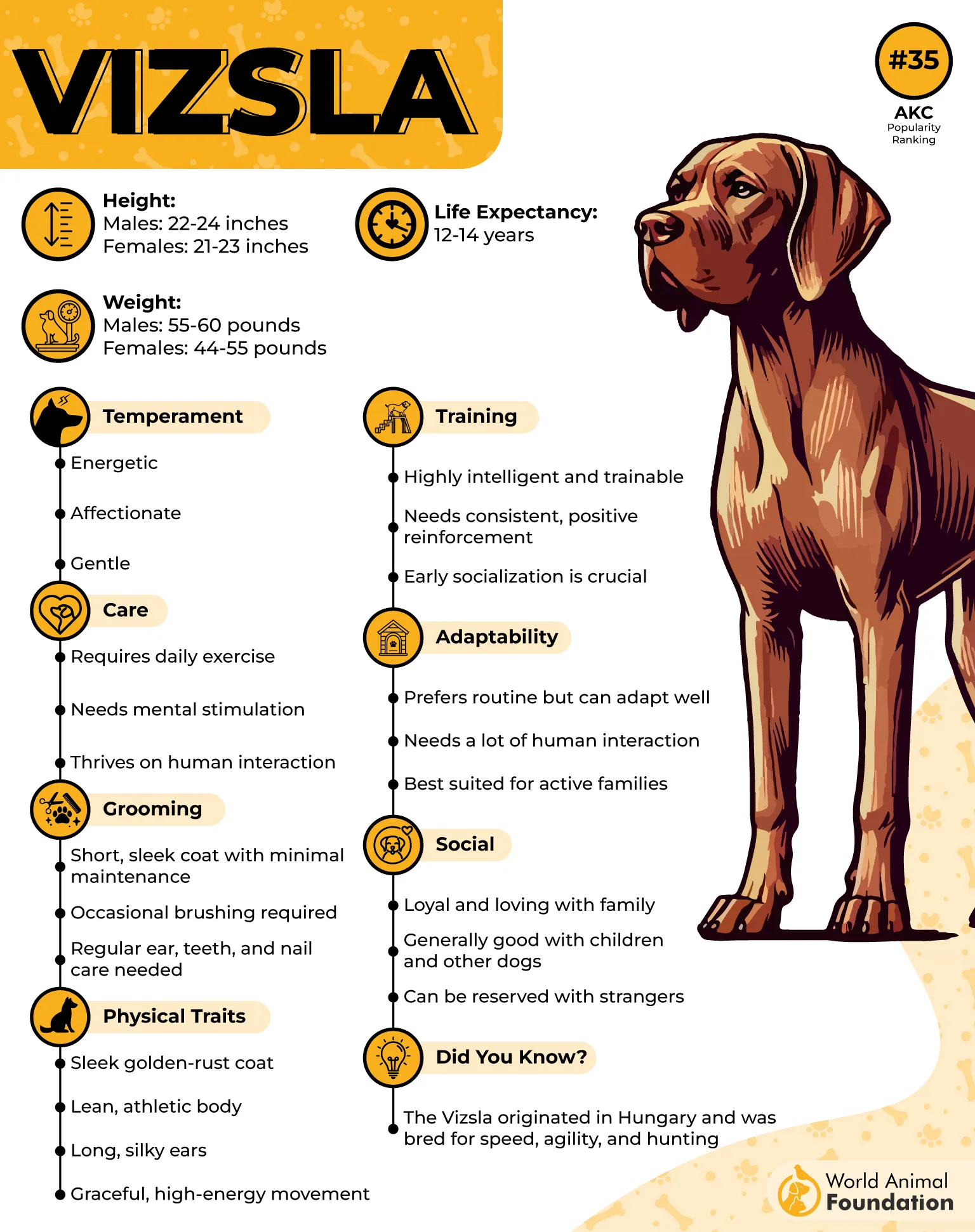
The Vizsla originated in Hungary and was developed as a versatile hunting companion. Its early role involved locating and pointing game while working closely with hunters across open country.
The breed was valued for speed, agility, and cooperation, eventually becoming known for combining athletic ability with an affectionate, people-oriented personality.
A Short Coat With Straightforward Maintenance
The Vizsla’s smooth coat requires little grooming compared with many long-haired breeds. Occasional brushing can remove loose hair, while ears, paws, and skin should be inspected after time spent outdoors. Its high energy level makes it well suited to running, hiking, swimming, retrieving, and other vigorous activities that allow it to stay physically engaged.
A Fast and Close-Keeping Explorer
Vizslas are athletic without being solely focused on independent work. Their hunting heritage encouraged them to cover ground while maintaining awareness of their handlers.
This combination can be useful on outdoor excursions where responsiveness matters, although owners should develop dependable recall and gradually condition the dog for longer distances.
Conclusion
The working histories of all the best dog breeds explain why these breeds often enjoy having a purpose. Ranch dogs were expected to cover large properties, sled dogs traveled across difficult Arctic routes, herding breeds responded to constantly changing livestock movements, and sporting dogs worked across fields and waterways. Modern outdoor recreation can provide satisfying outlets for some of those inherited tendencies when activities are introduced appropriately.
For outdoor enthusiasts, the most suitable dog is one whose temperament, fitness, and exercise requirements align with the owner’s lifestyle. Gradual conditioning, adequate hydration, weather awareness, paw care, parasite checks, and sensible rest periods should remain part of every adventure. With thoughtful preparation, an athletic dog can turn hiking trails, campsites, and wilderness routes into opportunities for shared exploration.
