




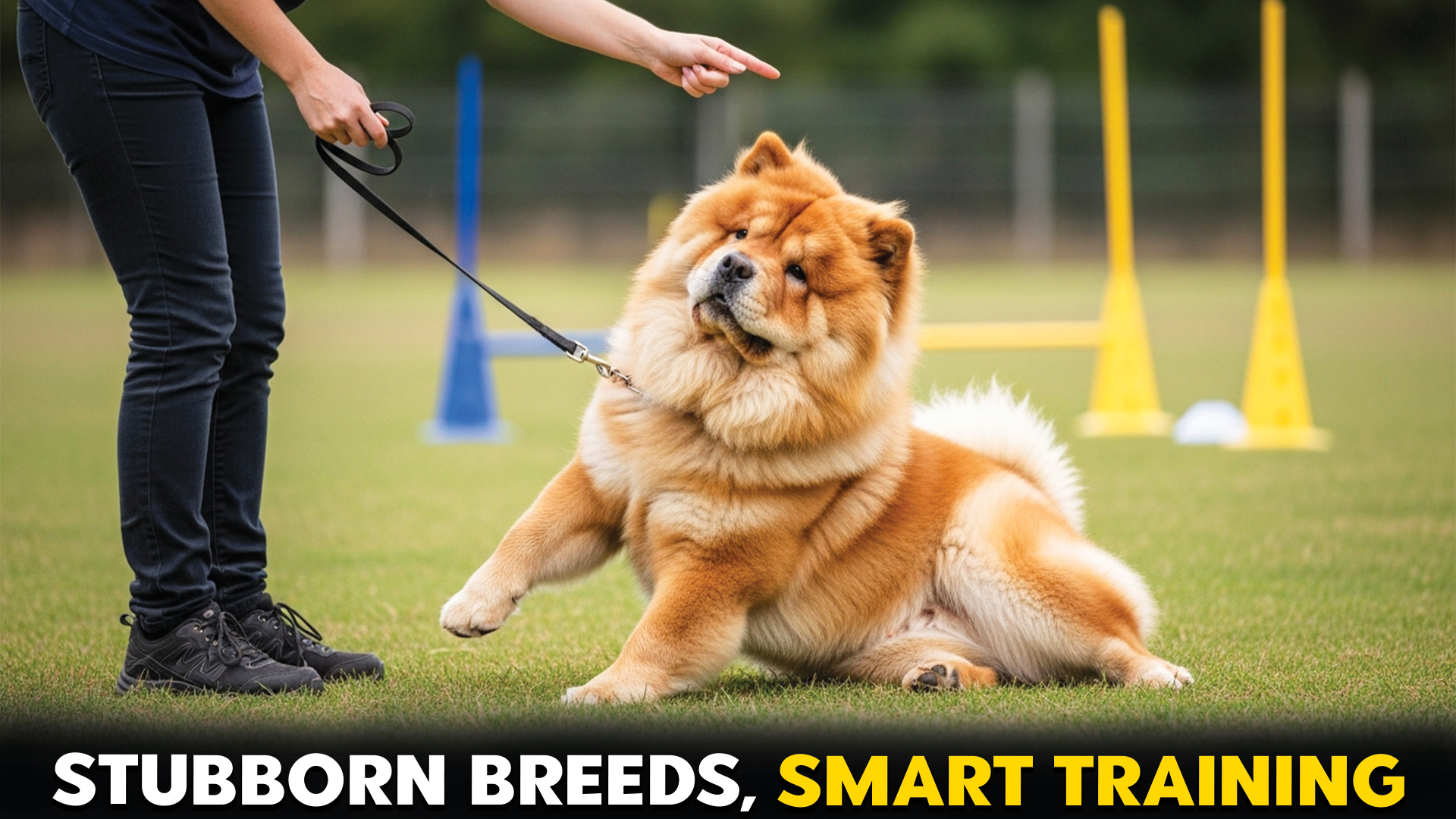
Not all dogs are alike—each breed has its own unique personality and temperament. Some dogs are eager to please, love to play, and naturally enjoy being around people. Others are more independent and prefer doing things their own way. While they may seem a bit unruly at times, that doesn’t make them bad dogs—it simply means they are strong-willed, confident, and self-reliant.
Unruly dog breeds are often misunderstood. They are originally bred for jobs that require quick and sharp decision-making without human intervention. Moreover, they have to assess the situation by using their strong instincts and intelligence.
This guide is all about the stubborn dogs and the training challenges the handler goes through. It will also enlighten you about how to make them from the disobedient dog to the obedient one through different training techniques like positive reinforcement and mental engagement.
Most Unruly Dog Breeds: Training Tips for the Least Obedient
1. Chow Chow
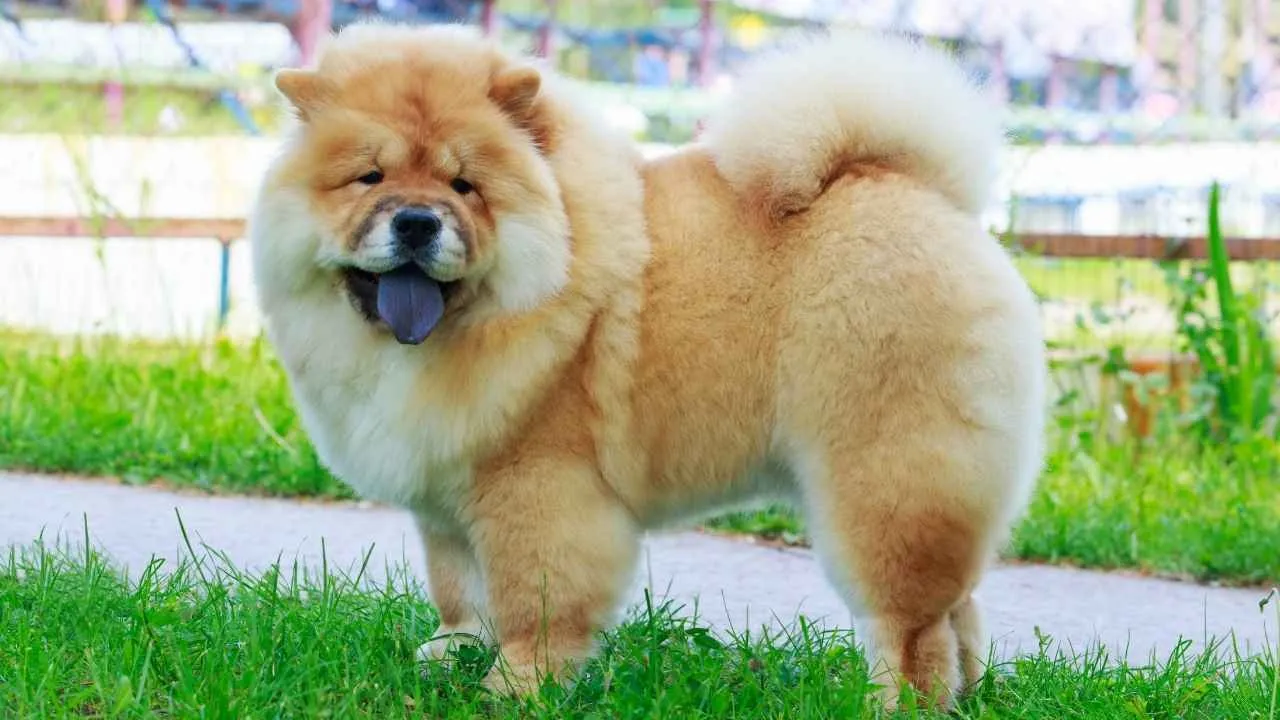
Chow Chow is one of the world’s oldest dog breeds, with a lion-like mane and a compact and brawny frame. It is perhaps the most popular blue-tongued dog breed. It was bred in China as a versatile working dog, e.g. puling carts, hunting, and guarding.
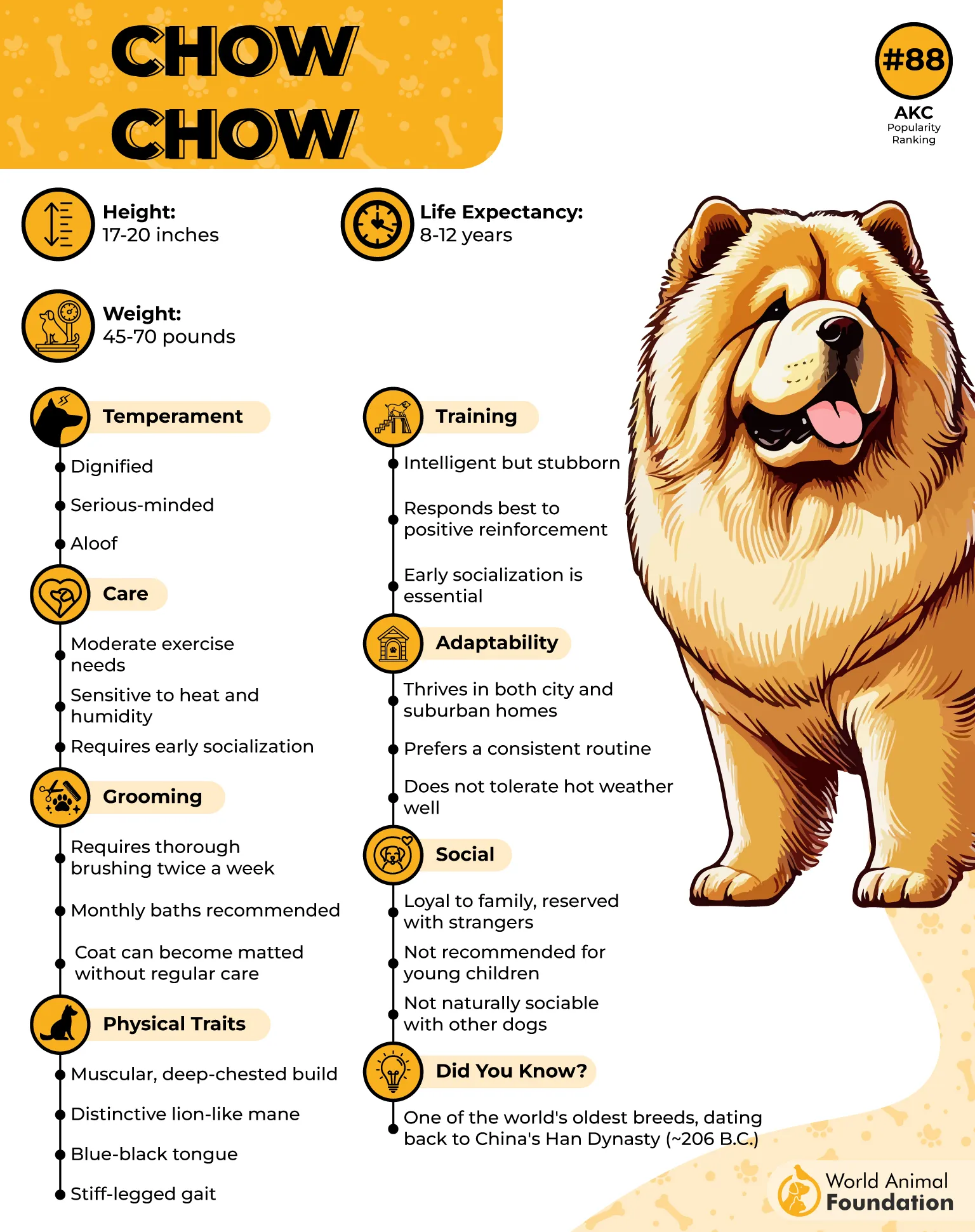
It is deeply loyal to the family but remains aloof and is not a people pleaser. It is calm but can be a dominant and stubborn dog without proper training. Being strong-headed, it does not obey the commands when it sees no purpose. Undoubtedly, it is one of the most difficult dogs to manage because of its aggression issues.
Short, purposeful sessions are effective as it gets bored with repetition. Puppy socialization is imperative to curb it from becoming extra dominant. The training process with positive reinforcement is helpful.
2. Scottish Terrier
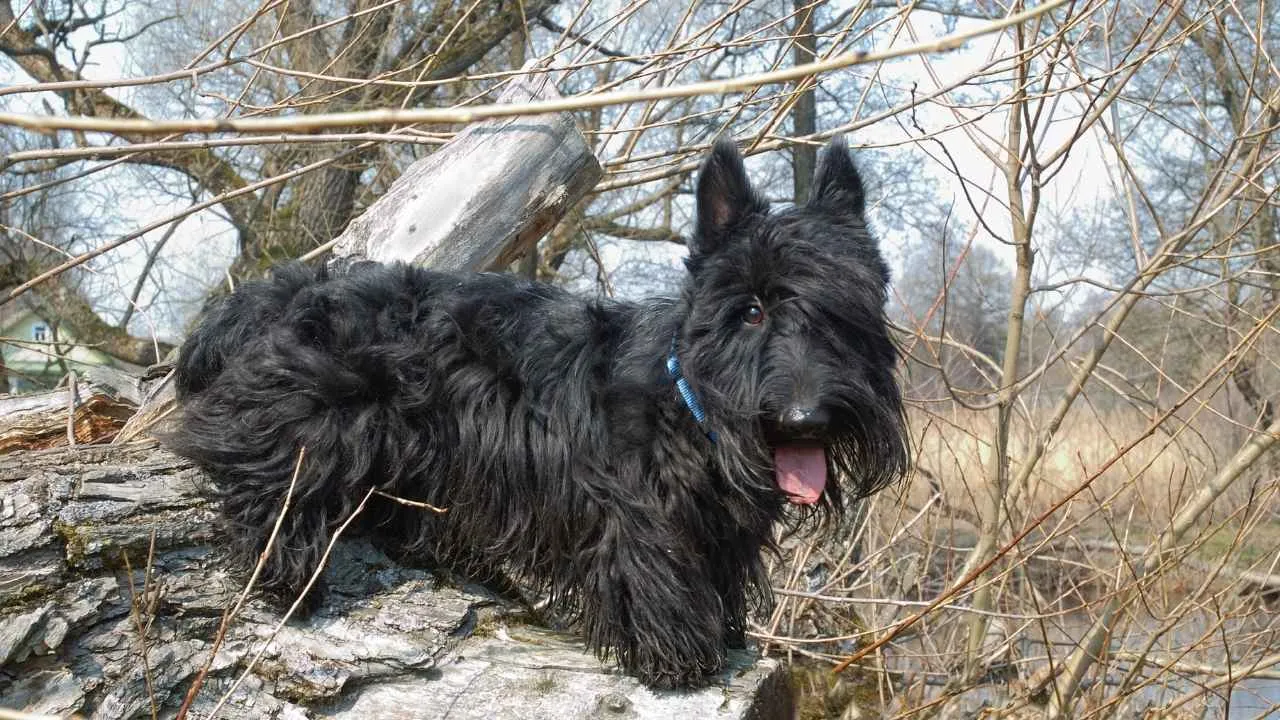
Scottie is a small but powerful dog with a low-to-the-ground build, a wiry coat, and a dense inner coat. The Scottish Terrier originated in Scotland as a vermin hunter. It is loyal and devoted to the family but reserved with strangers. According to PetMD, being small does not mean that it wants to stay indoors, but it likes to be mentally stimulated through exercise.
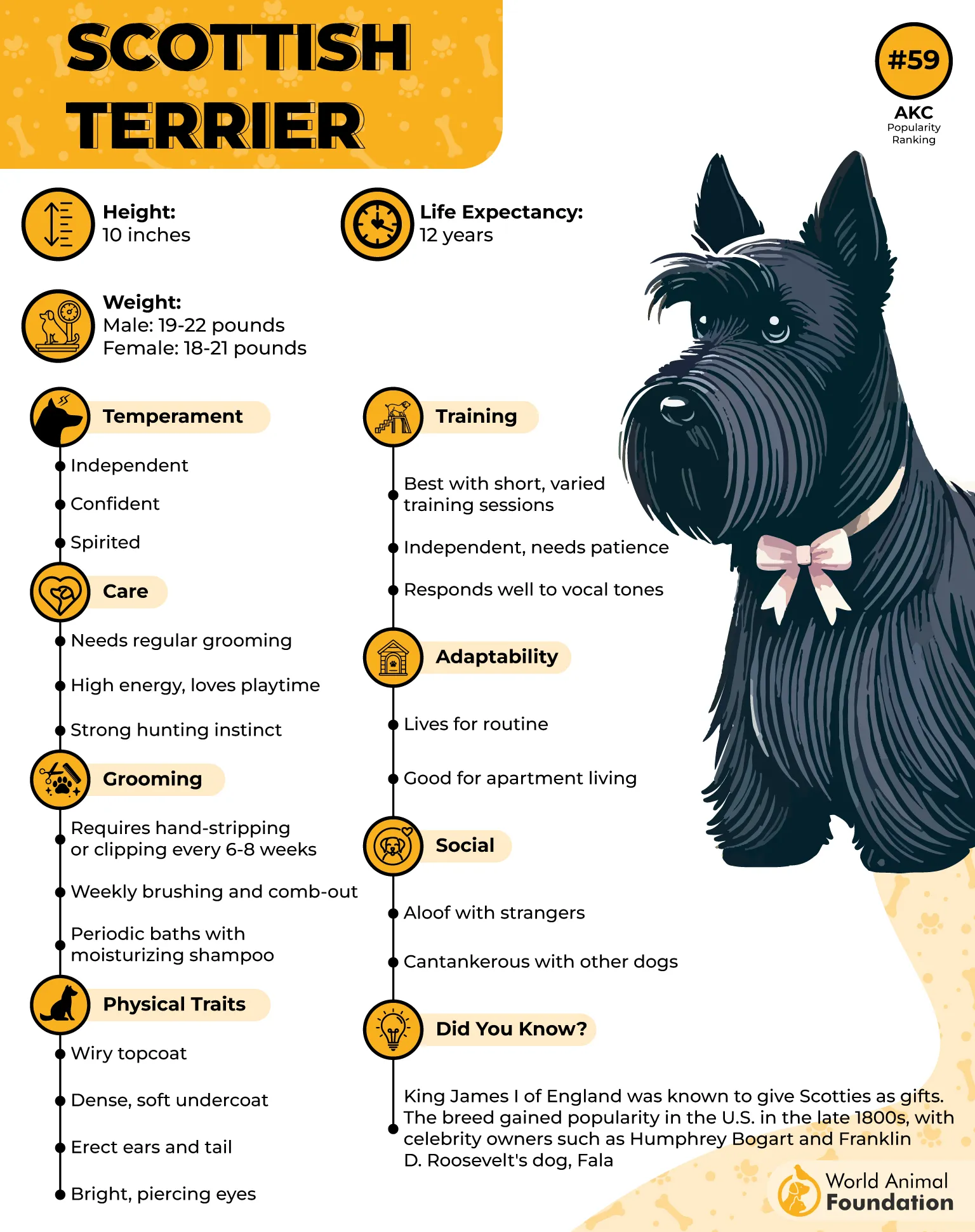
Scottie is bold, confident, and a fearless dog. Since being a hunter, it makes its decision on its own and is quite resistant to obedience. If training lacks proper structure, then it does not pay heed to listen to the commands due to its ultra-confident personality and strong territorial instincts.
A firm, patient, and consistent training with reward is necessary to make this terrier a well-behaved dog. Positive reinforcement in the form of food or treats works better than verbal praise. It becomes aggressive, so punishment should be avoided.
3. Borzoi
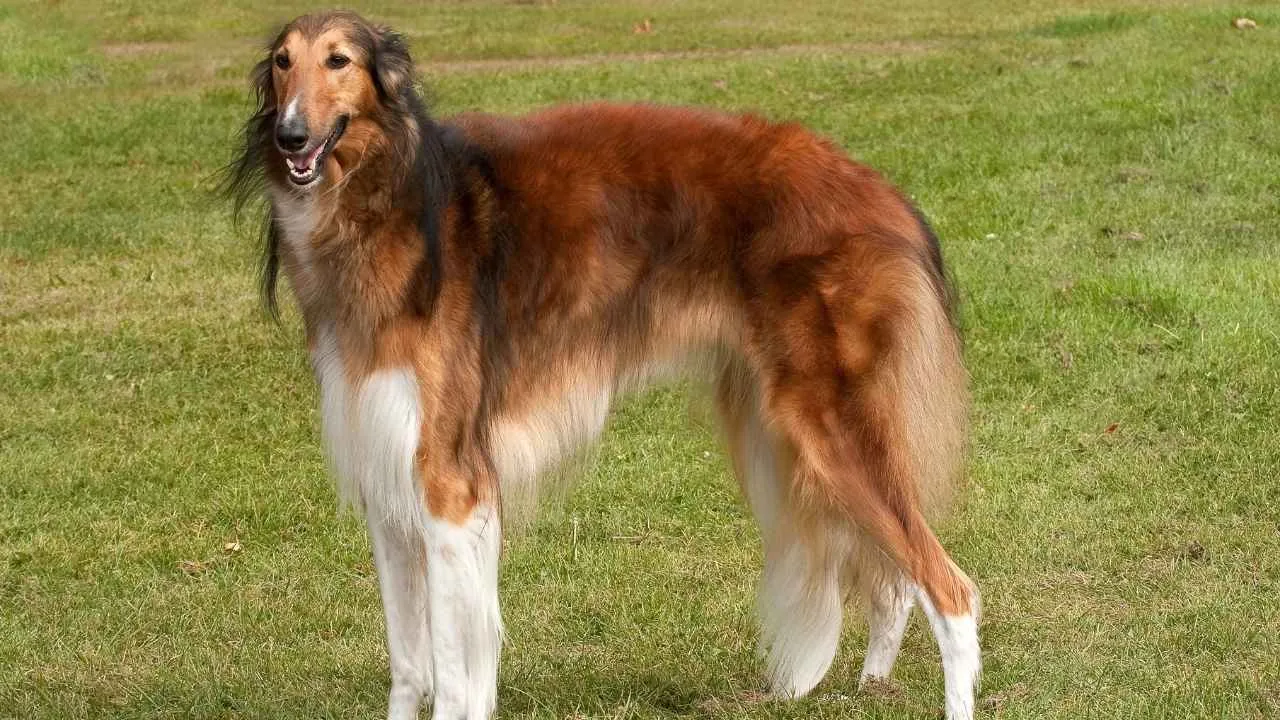
Borzoi was developed in Russia to hunt wolves and large game. It is a tall, slender dog with an athletic body and a long, silky coat. It has a high prey drive and is an independent thinker, which is why it is misunderstood as being disobedient. As stated by the American Kennel Club, although it is a sighthound, it can be taught to detect scents.
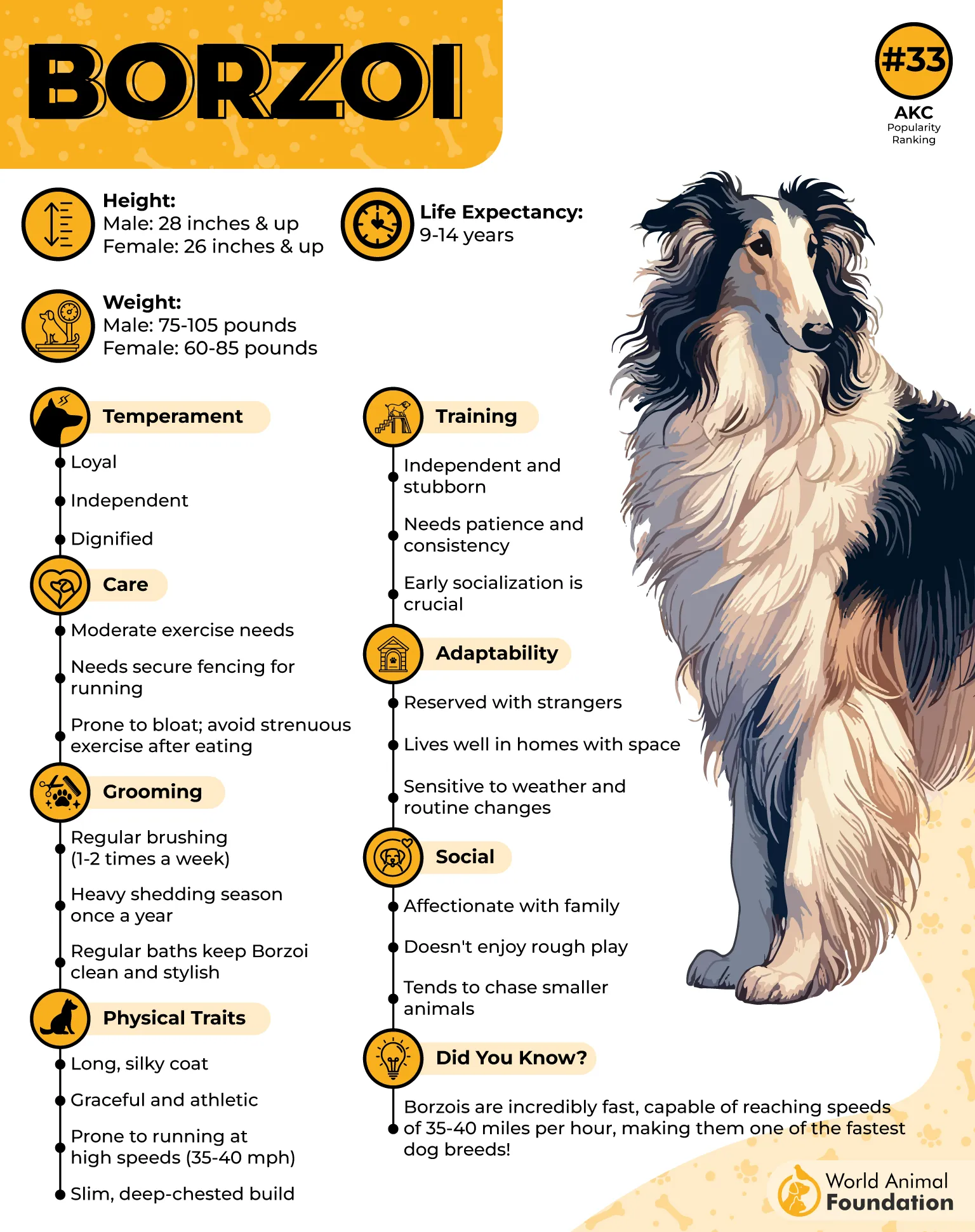
It develops a strong bond with the family and remains gentle indoors. It is wary of strangers and not eager to please everyone. While intelligent, it is a selective listener and ignores the commands that do not match its instincts.
However, it can be trained to be a compliant companion with professional training. One has to have a lot of patience while obedience training. Controlled exercise is also necessary for mental stimulation. Moreover, it does not respond to harsh methods.
4. Dachshund
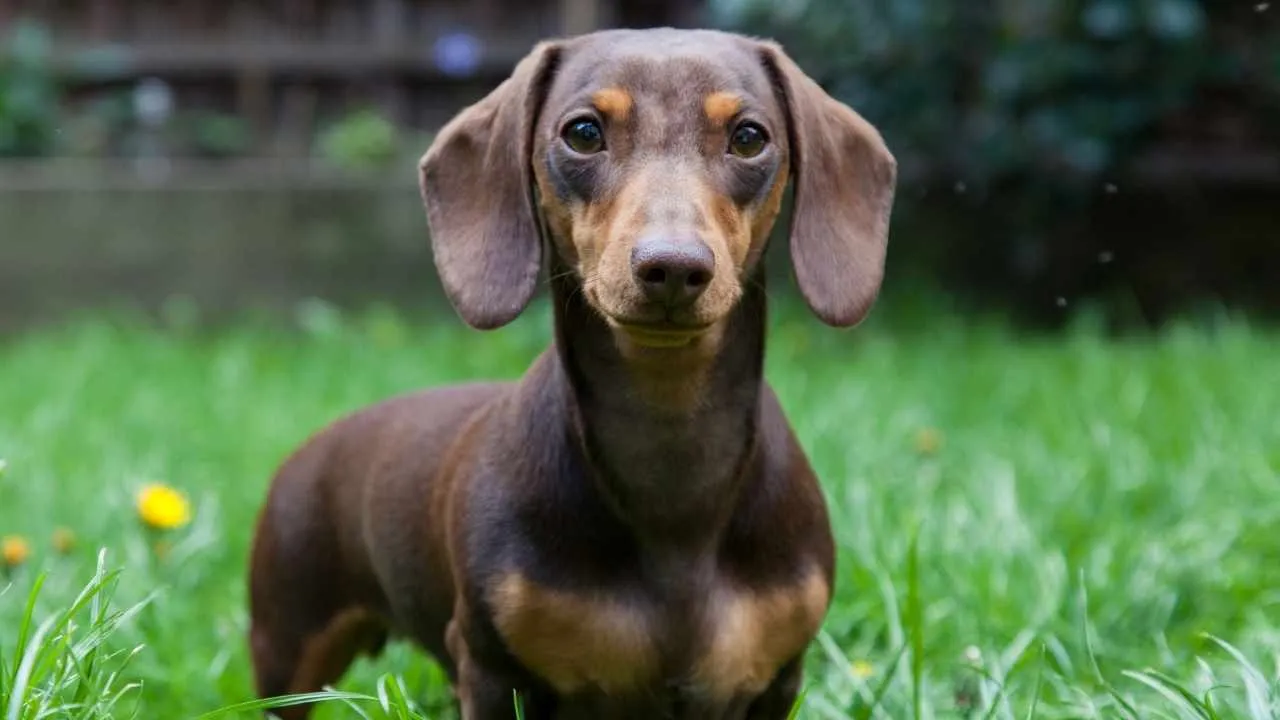
It is a dog breed with a small but elongated body, floppy ears, and muscular legs. It was bred in Germany to hunt badgers and foxes. It is on the list of hunting dog breeds, but unlike large breeds, it takes advantage of its small body and can easily locate the holes of prey and flush them out. Although it is a pint-sized dog, but one of the most headstrong breeds in the world.
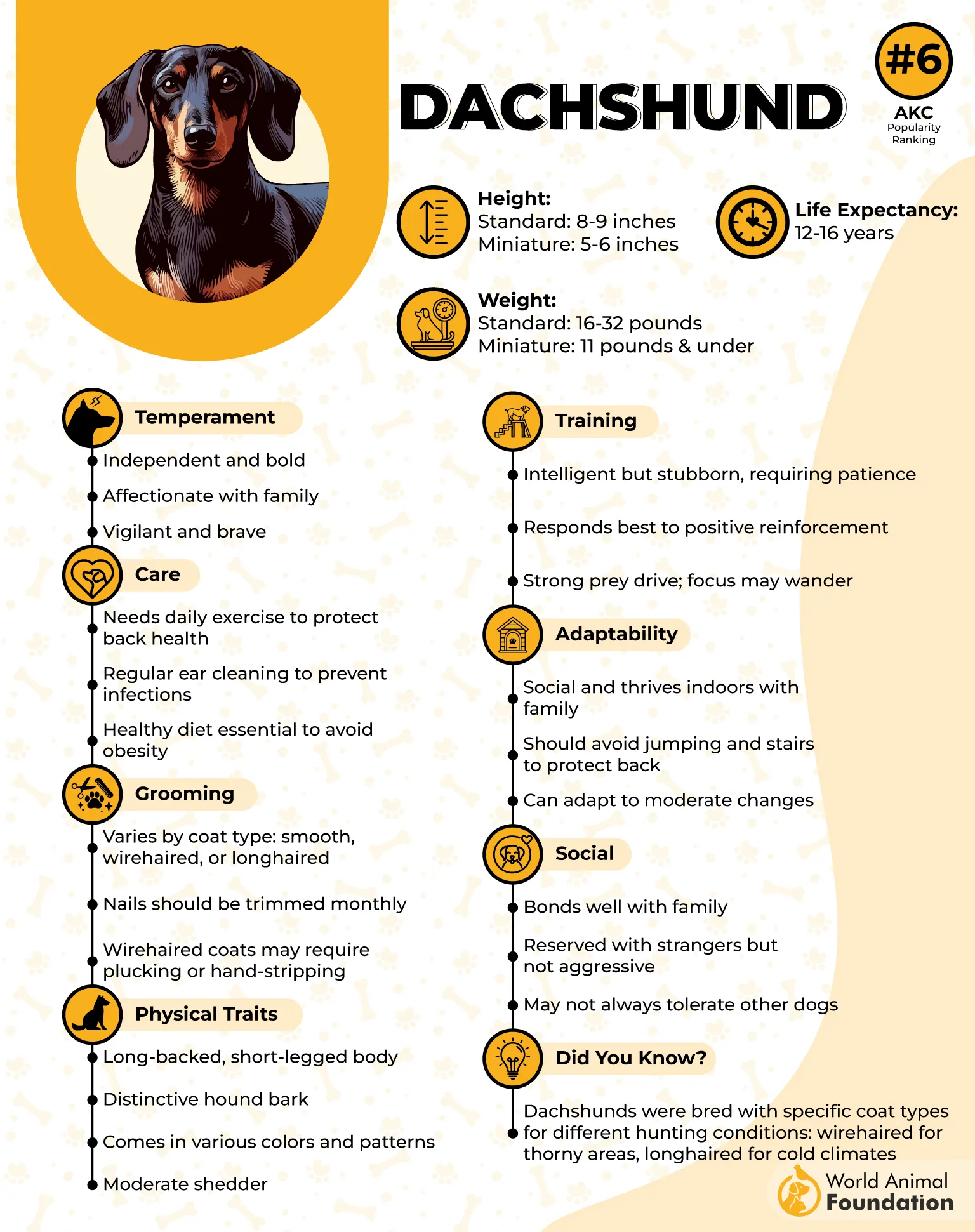
It is playful and affectionate with the owners, but a lot stubborn and brave. Due to a high level of intelligence, it learns quickly but only if it wants to comply with the basic commands. Its defiant behavior is a matter of concern for dog owners. Dachshunds are also known for excessive barking if not properly trained.

Inconsistent training cannot bring desired behavior, so it has to be a regular, structured session. If it is unable to be trained by an owner, then professional help can be sought to reduce stubbornness. Further, avoid jumping during training to protect its back as it is prone to injury.
5. Basset Hound
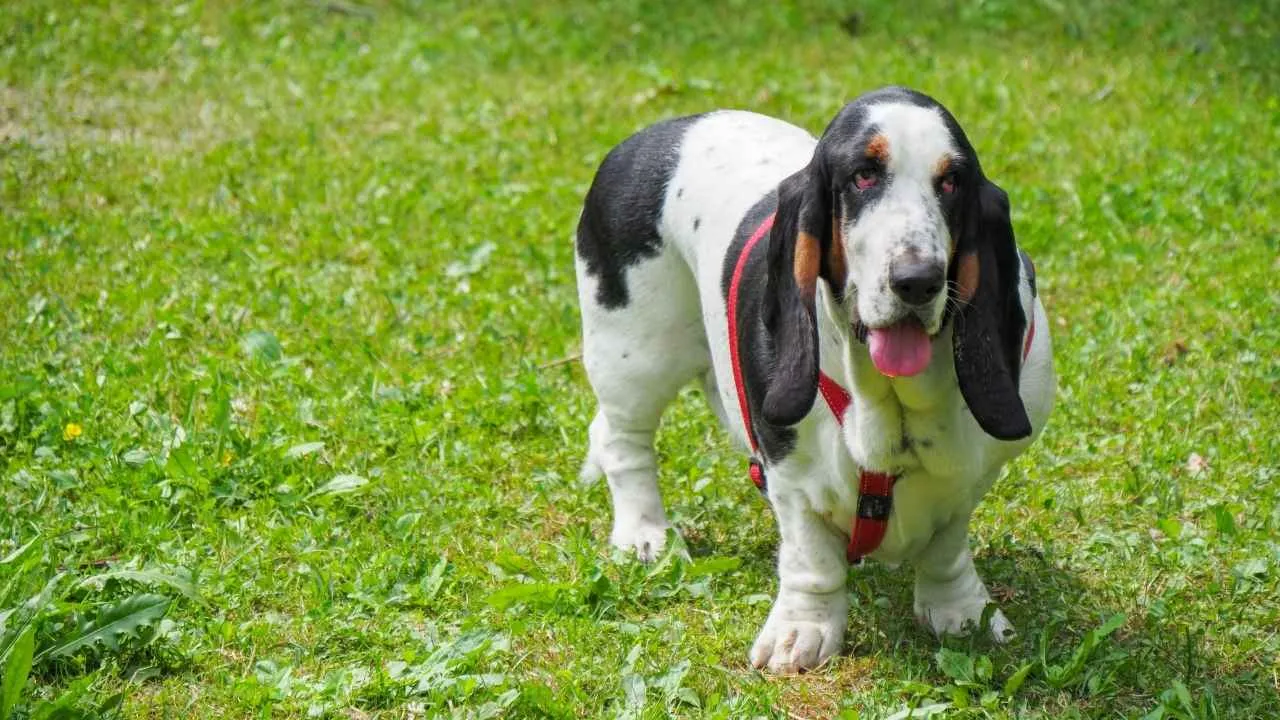
It is also known as a scent hound that was developed in France for hunting rabbits and small game. It is a dog with a short and long body, long ears, loose skin, and droopy facial features. Beneath its calm personality and good behavior always lies a stubborn streak. However, once the exercise needs of a Basset are met, it becomes a lazy dog, and is the classic example of it.
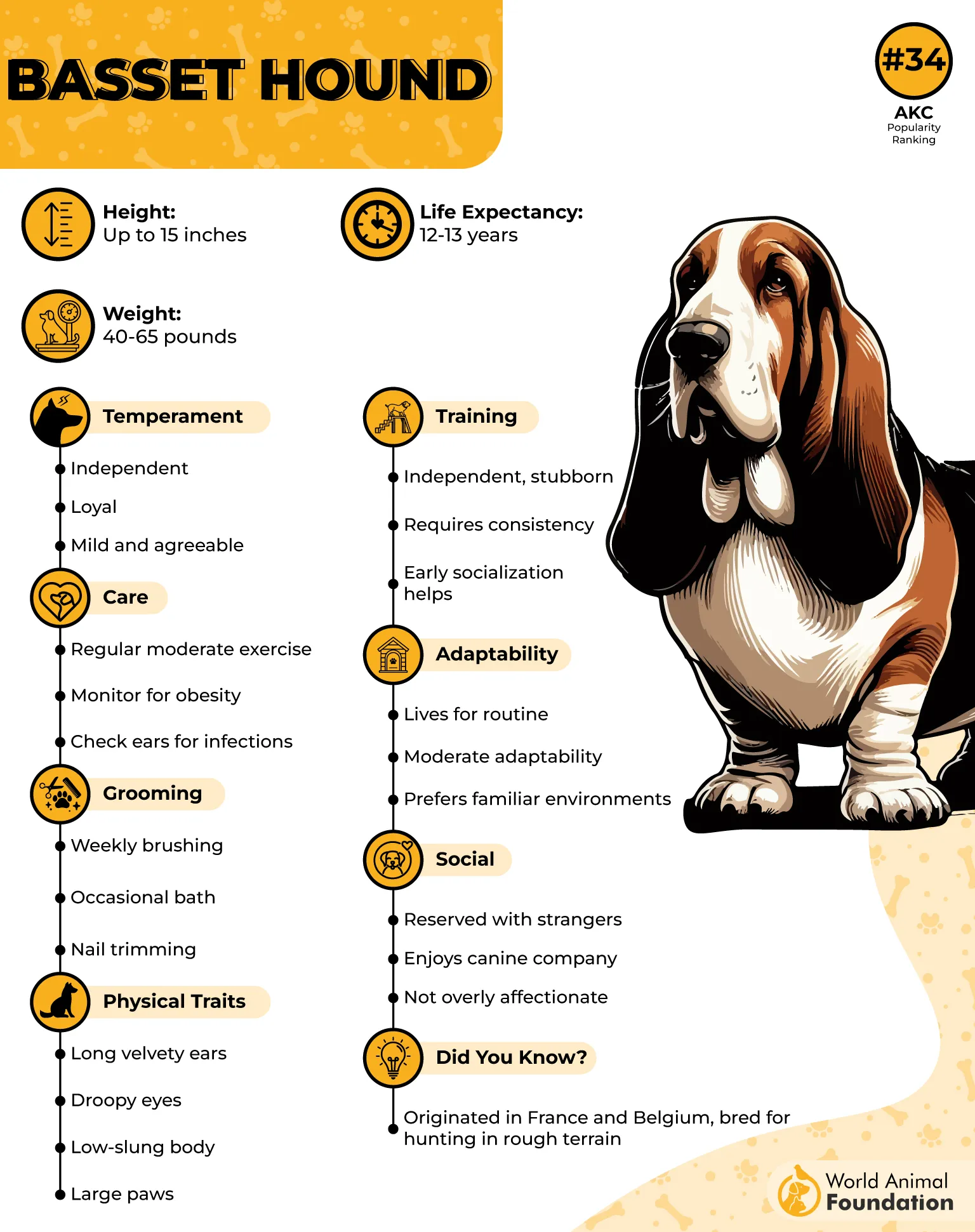
It is highly people-oriented, gentle, and affectionate with the family. It is also amiable with other dogs. Interestingly, it likes to follow the scents but not your commands. It does not follow the orders if it is not in the mood. When it is left alone for a long time, it develops separation anxiety and displays attention-seeking behavior like excessive barking.
Early training is important to manage strong head tendencies. If being trained in a safe space, then still use a leash to prevent it from becoming distracted. Short sessions are useful to make training interesting.
6. Beagle
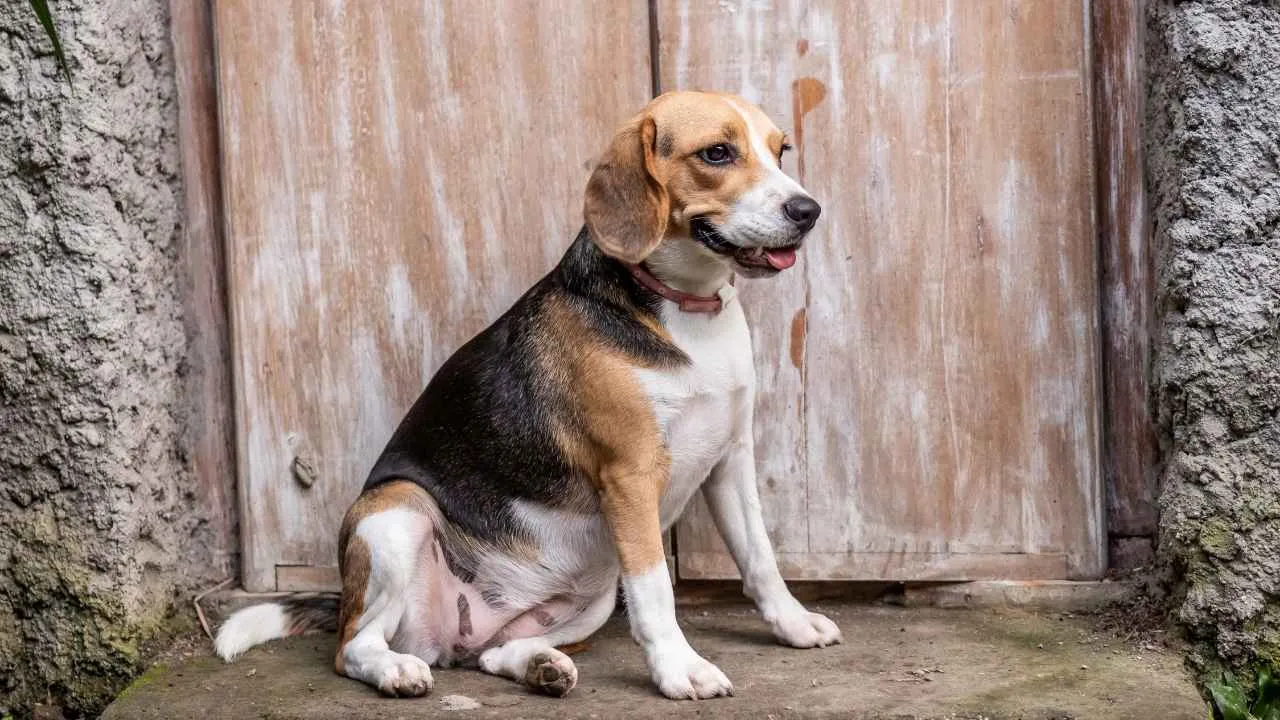
Beagle is a small to medium sized dog with a sturdy build and long, floppy ears. It was originally developed in England for tracking small game like rabbits and hares. It is a highly independent and intelligent canine breed.
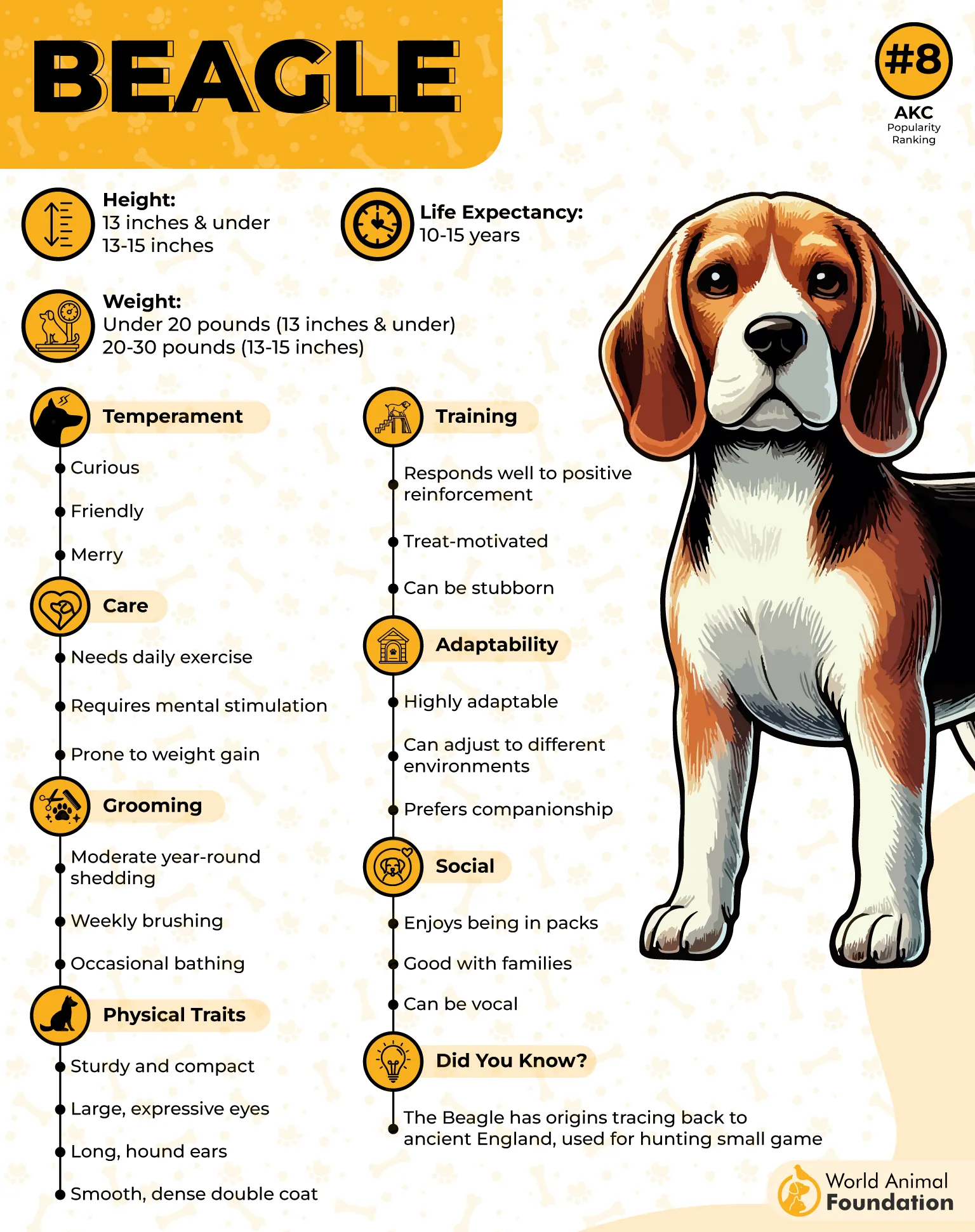
Beagle is an excellent family dog which is quite affectionate. However, it is stubborn and can be easily distracted when its nose is engaged. Its obedience training is quite troublesome because once it follows its nose, it ignores the commands as if they do not matter to it.
Off-leash training is not recommended. To begin with the training, gentle methods should be used to make them listen to you, and most importantly, the trainer has to show patience. Positive reinforcement is imperative so that it feels rewarded for performing a task and can repeat it in the future.
7. Bloodhound
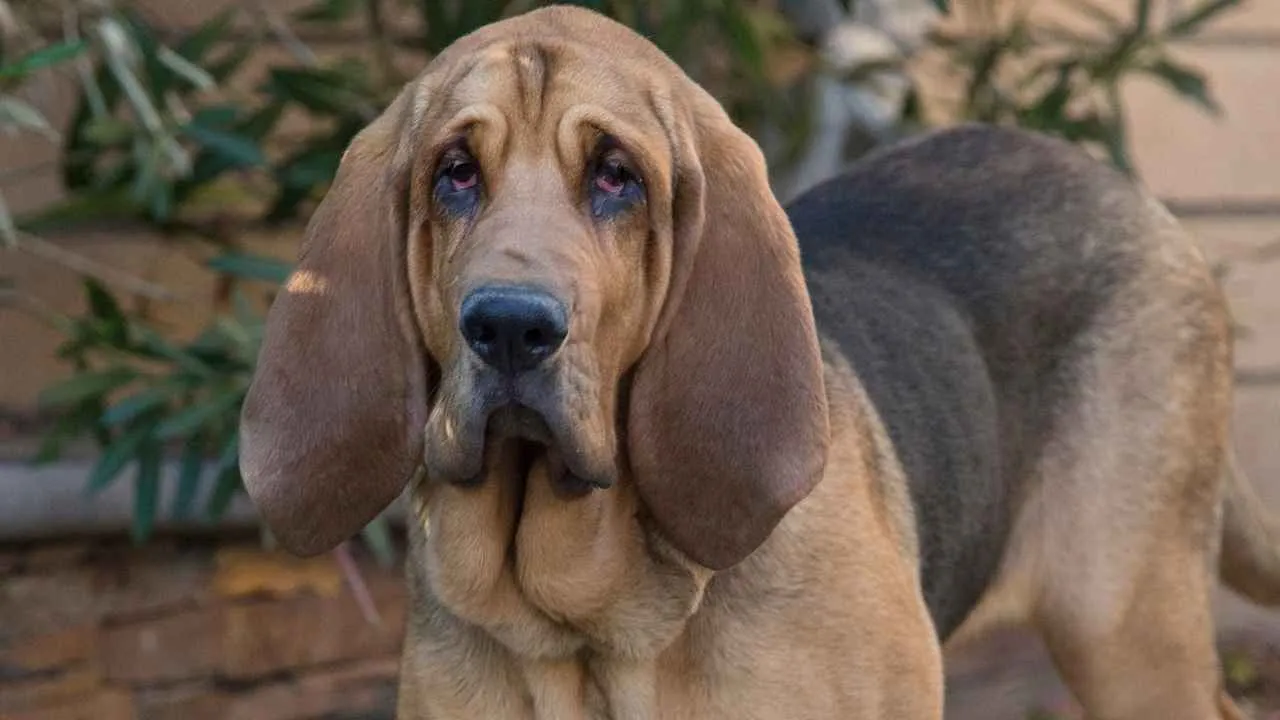
Bloodhound has a large, powerful body with loose skin and deep wrinkles. Its long ears help it track. It is an ancient scent hound from Belgium and France, and was developed for long-distance scent tracking. According to Purina, due to its strong sense of smell, it is good at finding people who are lost or hiding.
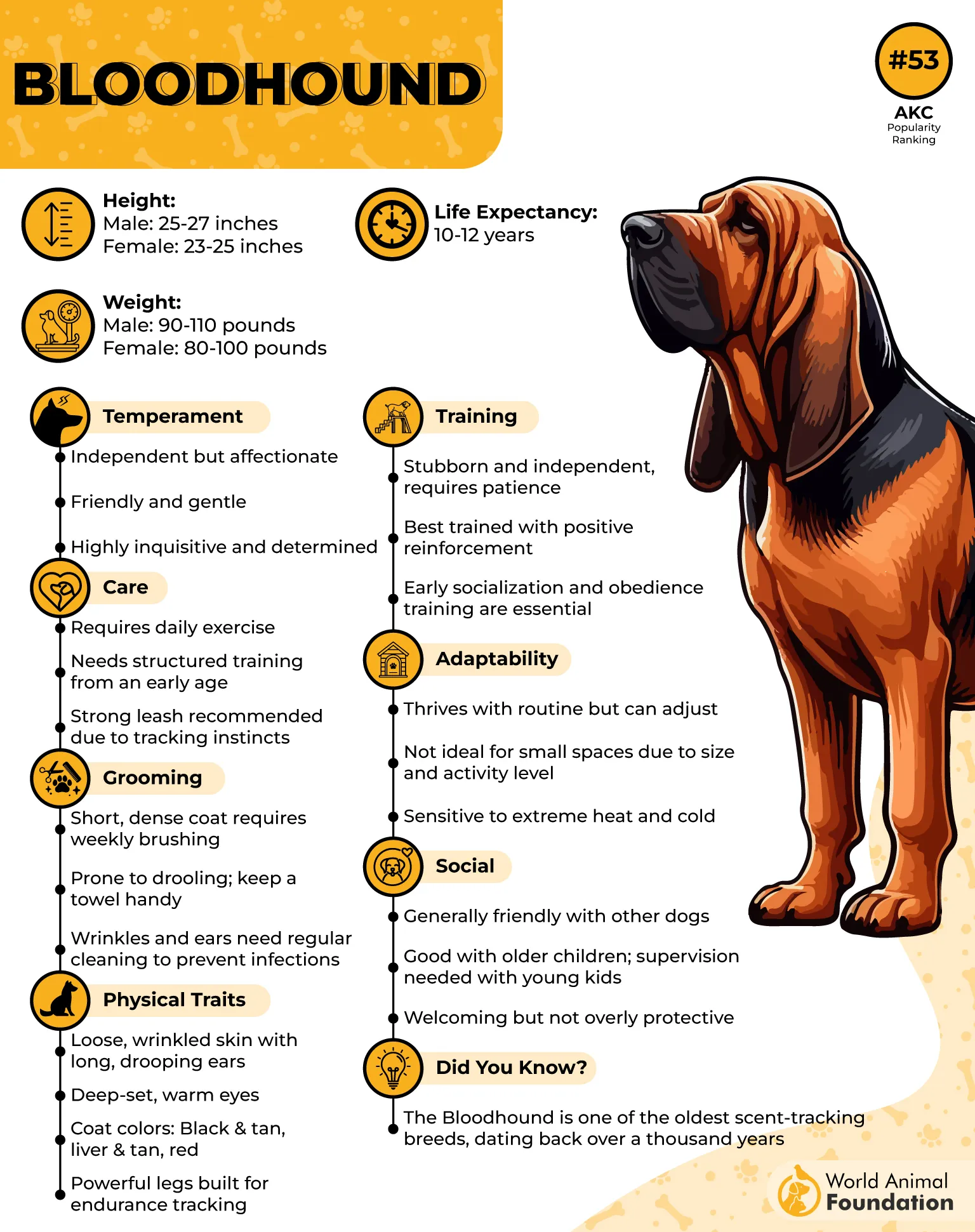
The Bloodhound is gentle and affectionate, especially with the children. Amazingly, it is also amiable with strangers. Nonetheless, it is dominant, and once its nose is involved and senses the scent, it distracts quickly as if it did not listen to the owner. Its intense focus is sometimes misunderstood as strong-willed.
Obedience training should start from an early age. Train it in a low-distraction environment to make it learn the best. Mental stimulation is also imperative to stop it from becoming unreasonable.
Conclusion
In a nutshell, an unruly dog does not mean that it is totally disobedient and will never listen to you. Since they have a hunting or tracking history, they are habituated to make their own decisions. They like to use their instincts and intelligence to assess the situation.
Moreover, they like autonomy over human commands. Due to this, traditional training methods generally fail, and the owners feel frustrated for not being listened to by the dog. Therefore, effective training will always serve the cause.
To make the training sessions fruitful, patience and consistency are key. Rewards, structured methods, and mentally stimulating activities are good to make them obedient. When training aligns with their natural abilities, then they actually listen to you. Therefore, with the right approach, stubborn dogs can be made well-compliant.
