




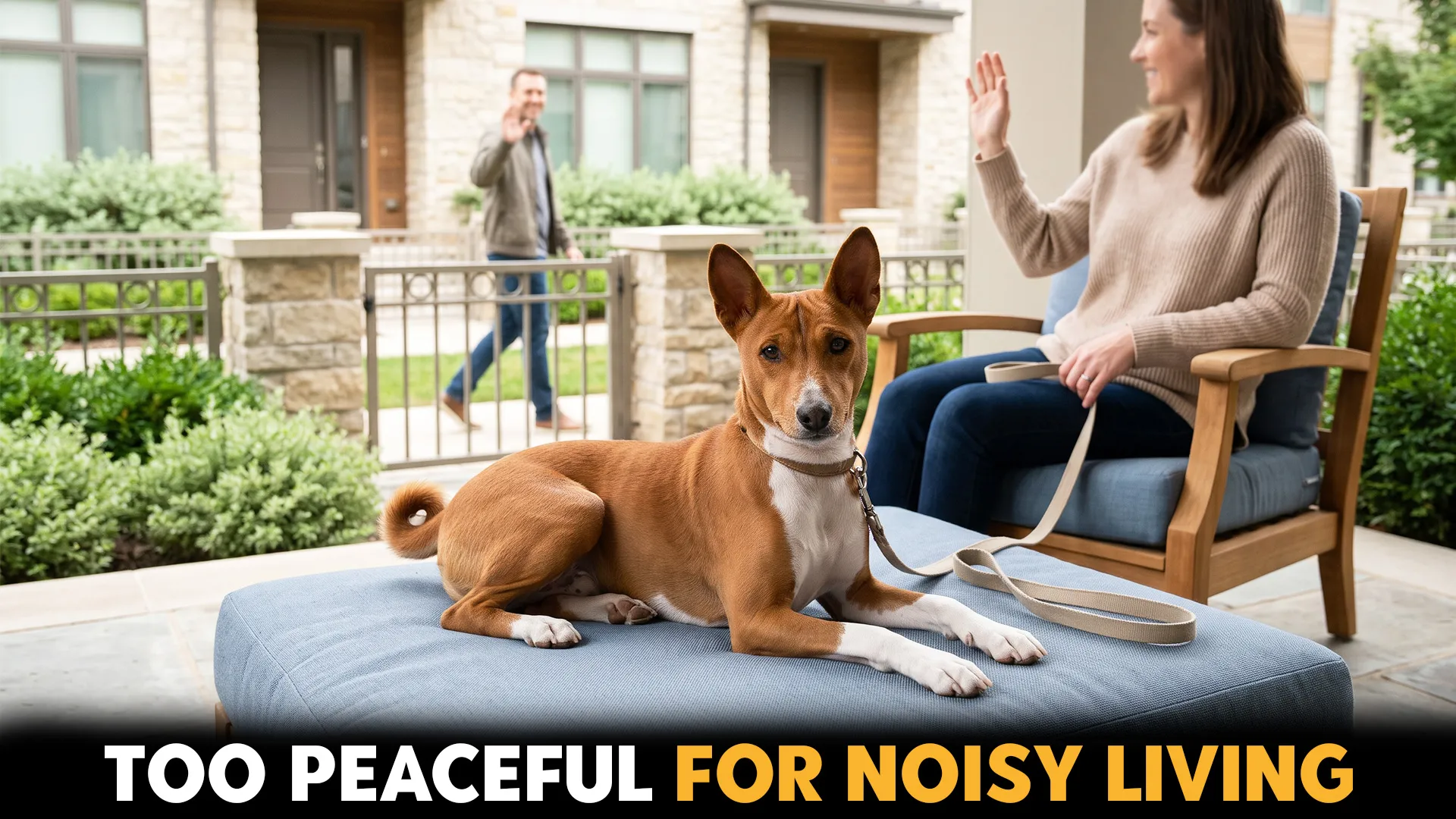
Thin walls, noisy hallways, and a furry alarm system that reacts to every footstep? That’s hardly the recipe for a peaceful home! If you share a building with neighbors, choosing from the top low-barking dog breeds is a sensible first step toward quieter apartment living.
Some dogs prefer cozy naps, gentle play, and human cuddles over announcing every visitor. Others communicate through unusual sounds instead of barking in the traditional sense. These personalities appeal to apartment dwellers, families, and individuals who simply crave a little more peace.
Meet seven quiet dog breeds with different personalities, activity needs, and grooming routines. From the charming French Bulldog to the graceful Greyhound, these companions offer plenty of affection without a reputation for constant barking.
Top Low-Barking Dog Breeds That Won’t Disturb Your Neighbors
1. French Bulldog

Those bat ears, squishy cheeks, and little waddling steps make the French Bulldog a certified heart-stealer. Happily, this affectionate companion also has a reputation for being generally quiet, making shared-wall living more comfortable for owners who prefer a calmer home.
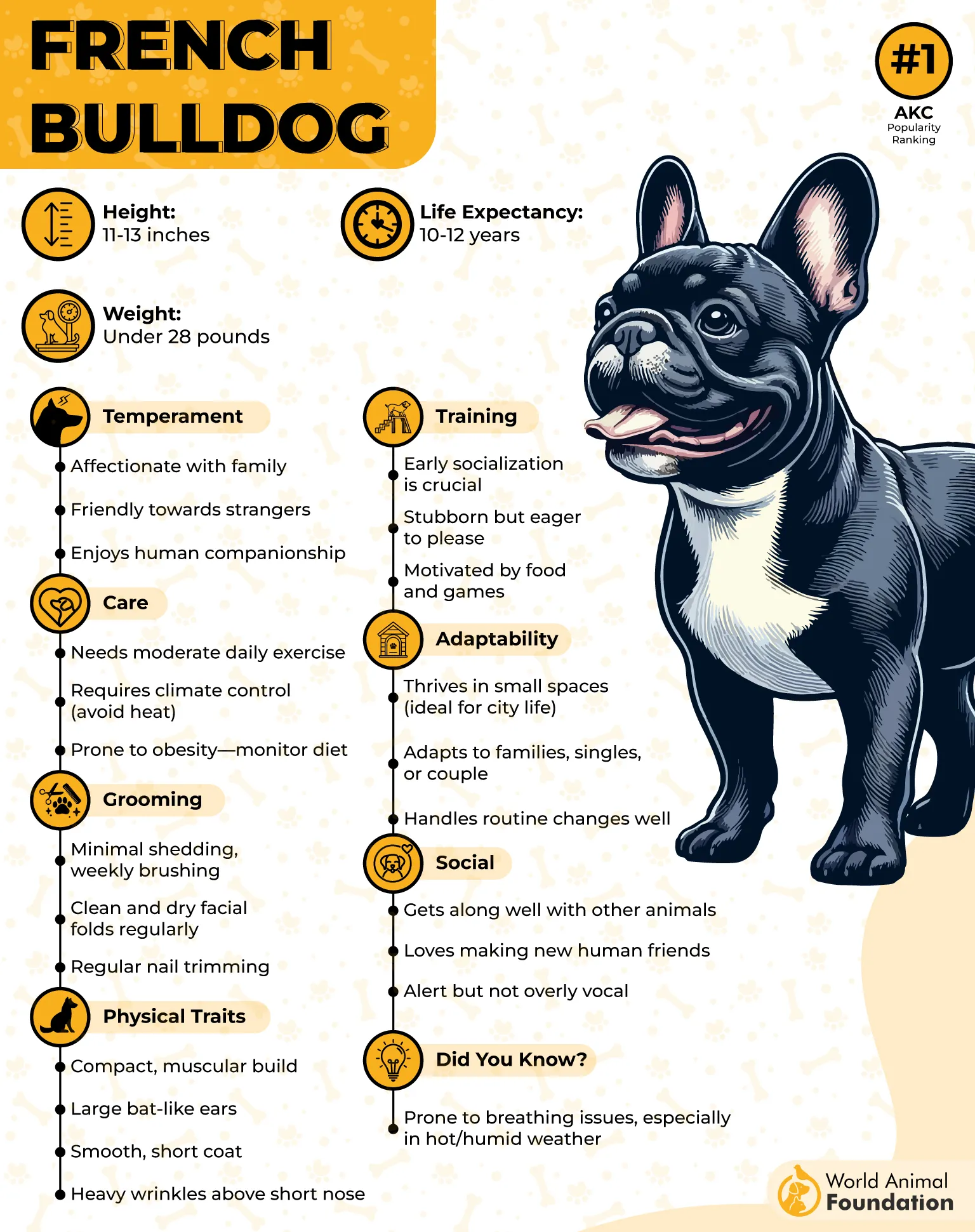
According to the AKC, Frenchies adore human company and enjoy lounging beside their favorite people. Their playful antics bring plenty of giggles, but they don’t need marathon workouts to feel content. Short walks, indoor games, and cozy cuddle breaks suit their everyday routine. Their cheerful personality also makes them great family pets when introductions to children and other pets receive proper supervision.
Don’t mistake their quiet nature for complete silence, though. French Bulldogs still bark when excited or seeking attention, and their signature snorts and grunts add plenty of character.

Maintenance Tips
Schedule short walks and gentle play sessions. Avoid strenuous activity in hot weather because their short muzzles increase the risk of overheating and breathing difficulties.
Brush the short fur weekly and gently clean facial folds, keeping them dry.
Early socialization and reward-based training help them respond calmly to hallway noises and visitors.
2. Basenji

Meet the Basenji, a clever little character with upright ears, a tightly curled tail, and a famously unusual voice. Nicknamed Africa’s barkless dog, this distinctive hunting breed stands out among quiet companions because it doesn’t bark in the traditional sense.
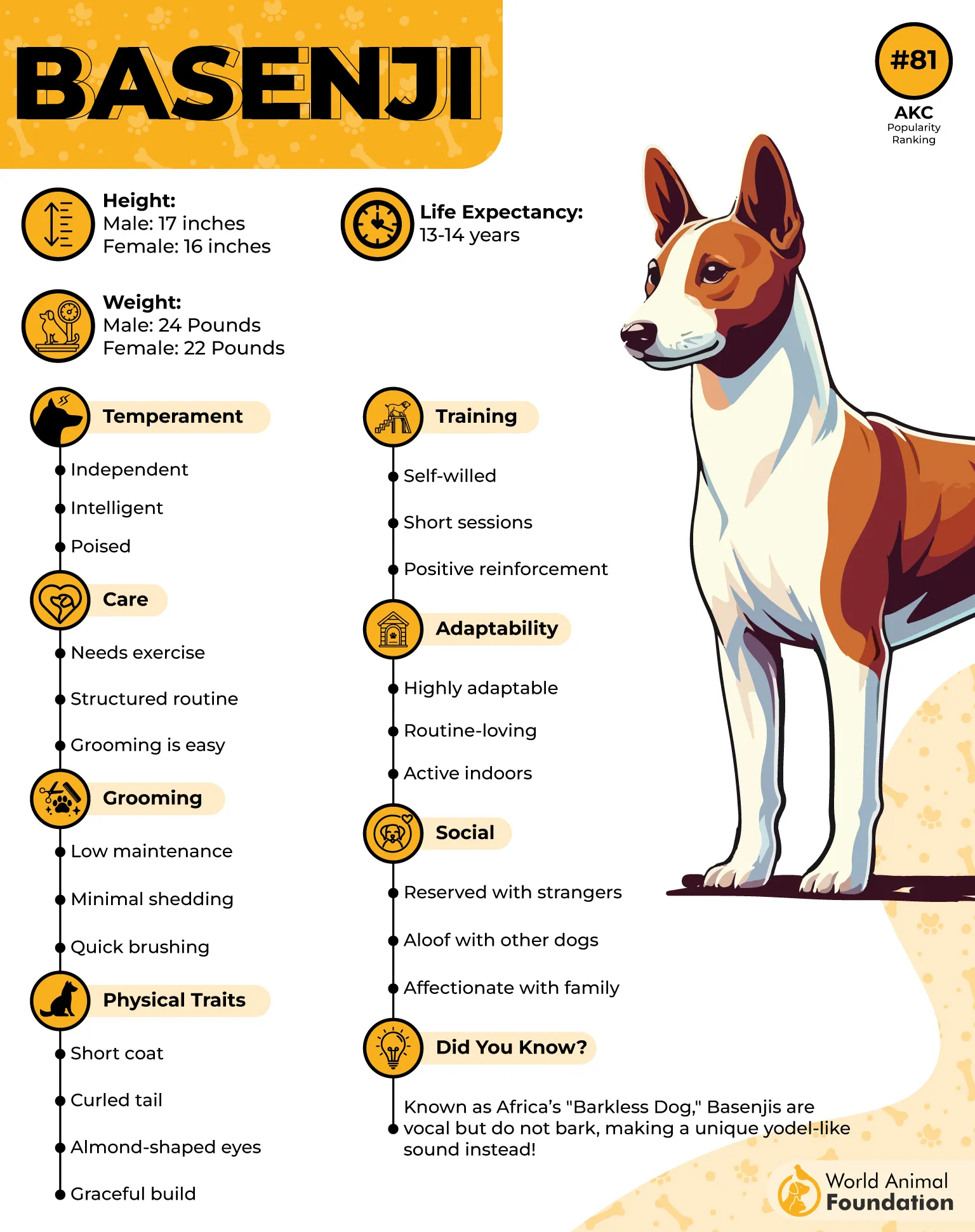
Its sleek coat and wrinkled forehead give the Basenji a wonderfully expressive appearance. These intelligent and independent dogs also groom themselves with cat-like care, keeping everyday coat maintenance fairly simple. Their curious minds and strong instincts make them fascinating companions for confident owners who enjoy an independent personality.
But here’s the fun twist: barkless doesn’t mean soundless. Purina mentions that Basenjis produce yodel-like calls, chortles, and other noises to express excitement or frustration. Their hunting instincts also run deep, so squirrels and other small animals might spark a speedy chase.
This breed suits active people who enjoy a dog with a mind of its own. Short, reward-based training sessions help hold the Basenji’s attention. Daily activity and interesting scent games also prevent boredom from turning into mischief.
Maintenance Tips
Provide daily walks, interactive games, and secure spaces for exploration.
Brush the short coat weekly and trim nails regularly.
Use positive reinforcement, varied activities, and secure fencing. Keep your Basenji leashed outdoors because its prey drive is strong.
3. Whippet

Built like a sprinter and cuddly like a favorite pillow, the Whippet has a delightful double life. This graceful hound loves bursts of speed outdoors, then happily settles down for a long sofa session once exercise is over.

Its narrow face, deep chest, long legs, and smooth coat create an elegant silhouette. Orvis states that Whippets have a gentle temperament and rarely bark without a reason, making them an excellent choice for quiet households. Despite their athletic build, these hounds are surprisingly low energy indoors when their activity needs are met.
Daily walks, safe opportunities to sprint, and close family companionship help them feel content. Their sensitive personalities respond best to patient handling and reward-based training. Harsh corrections tend to unsettle these gentle companions, so patience goes a long way.
Keep their hunting instincts in mind, especially around rabbits, cats, and other small animals. A secure fenced area is the safest place for off-leash running. Their relaxed indoor habits also make them worth considering for families seeking a larger companion without excessive noise.
Maintenance Tips
Brush the short coat weekly with a soft mitt and check the ears regularly.
Offer a warm, padded bed. Their fine coat and lean bodies provide limited protection against cold weather.
4. Bolognese
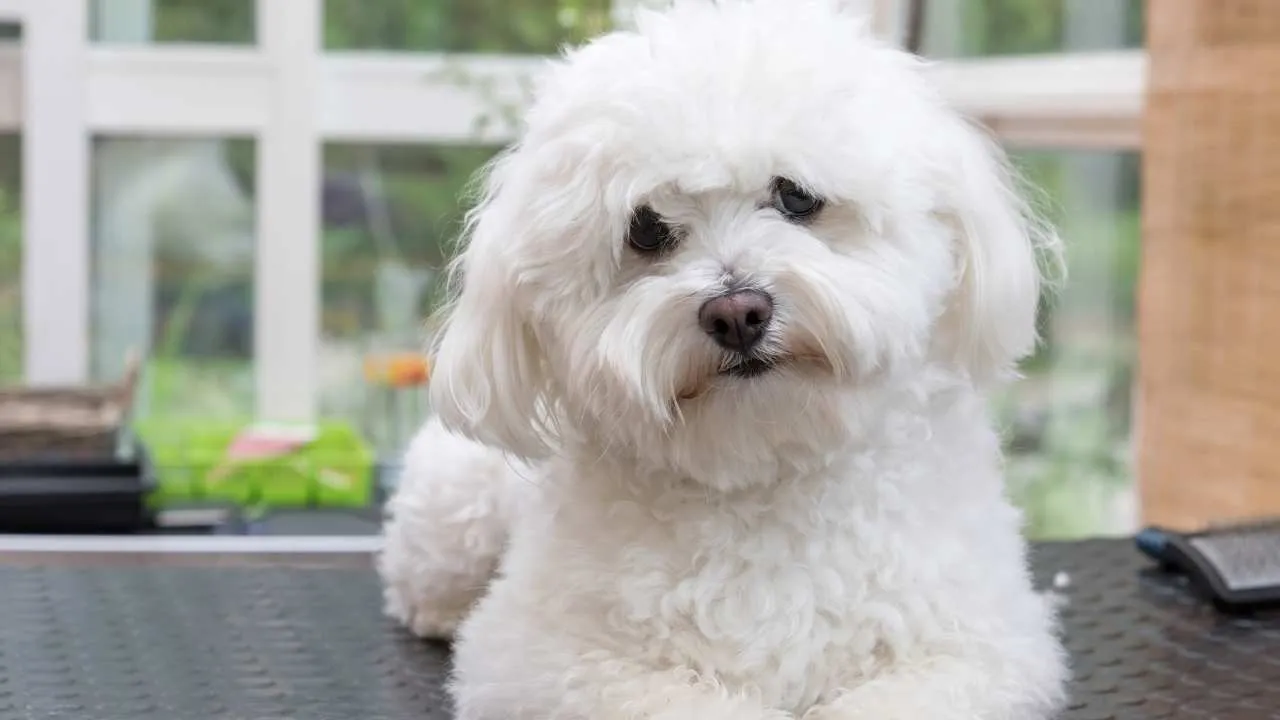
A fluffy white cloud with four little paws? That’s the Bolognese. This charming Italian companion has dark round eyes, a soft coat, and an affectionate personality that fits beautifully into a home built around cuddles and companionship.
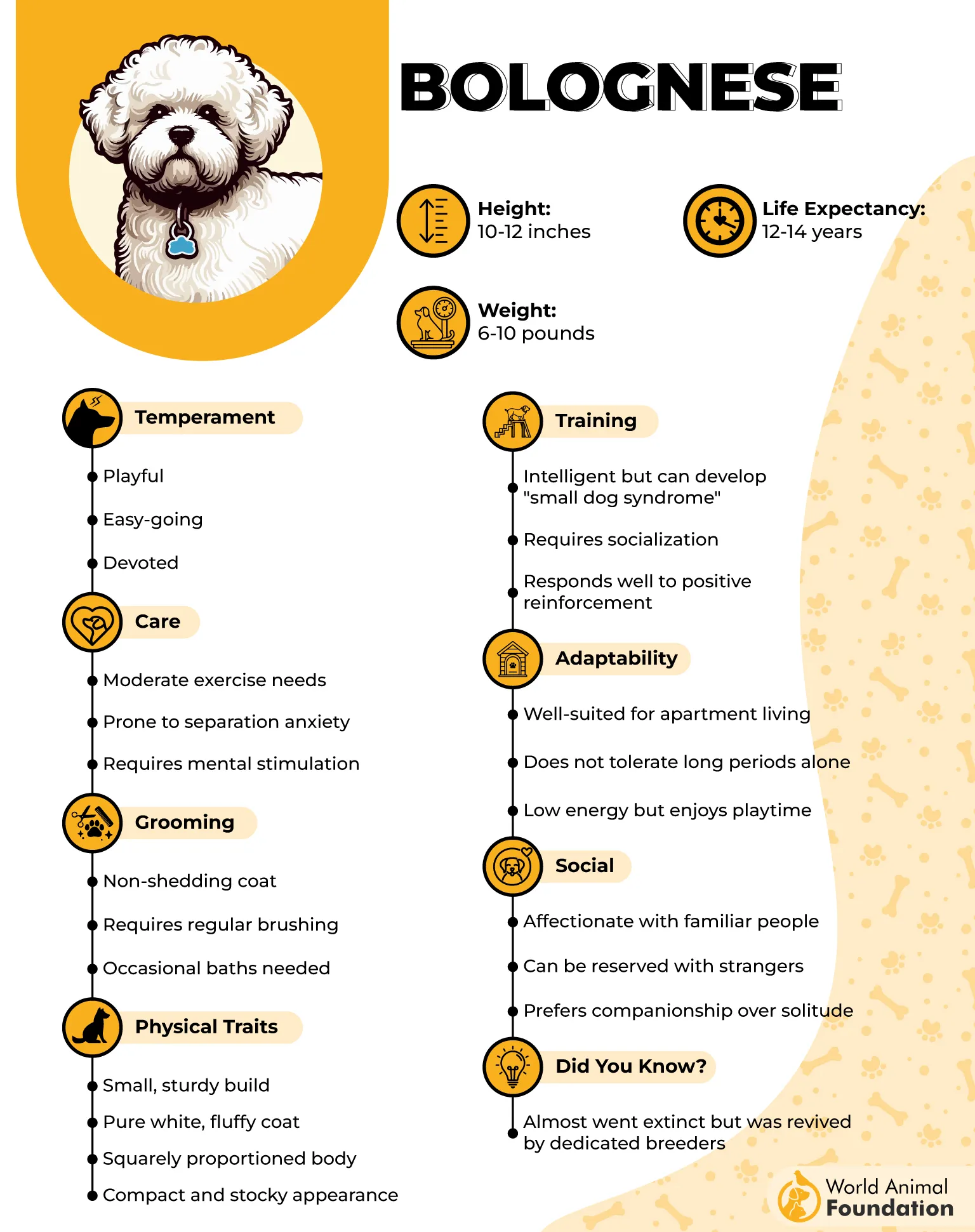
Bolognese dogs enjoy staying close to their families, playing gentle games, and curling up in a favorite resting spot. Their compact size suits apartment living, and their generally quiet temperament appeals to people who prefer a peaceful indoor routine. Unlike highly active working breeds, these little companions usually appreciate a balanced schedule of gentle play and rest.
Still, their devotion comes with a tender catch. These people-focused pups might feel distressed during long periods alone, leading to whining or barking. Gradual alone-time practice helps build confidence and reduces stress. Reward calm responses to doorbells and hallway sounds rather than scolding your dog for communicating.
Their fluffy appearance also calls for regular attention. Tangled fur feels uncomfortable, so grooming belongs on the weekly to-do list. Keep playtime engaging and offer short walks to support healthy movement.
Maintenance Tips
Brush the coat several times a week to prevent mats, and arrange trimming when needed
Provide daily walks, indoor play, and short training sessions.
Begin with brief separations and increase them gradually. Offer safe toys and a cozy resting place.
5. Japanese Chin
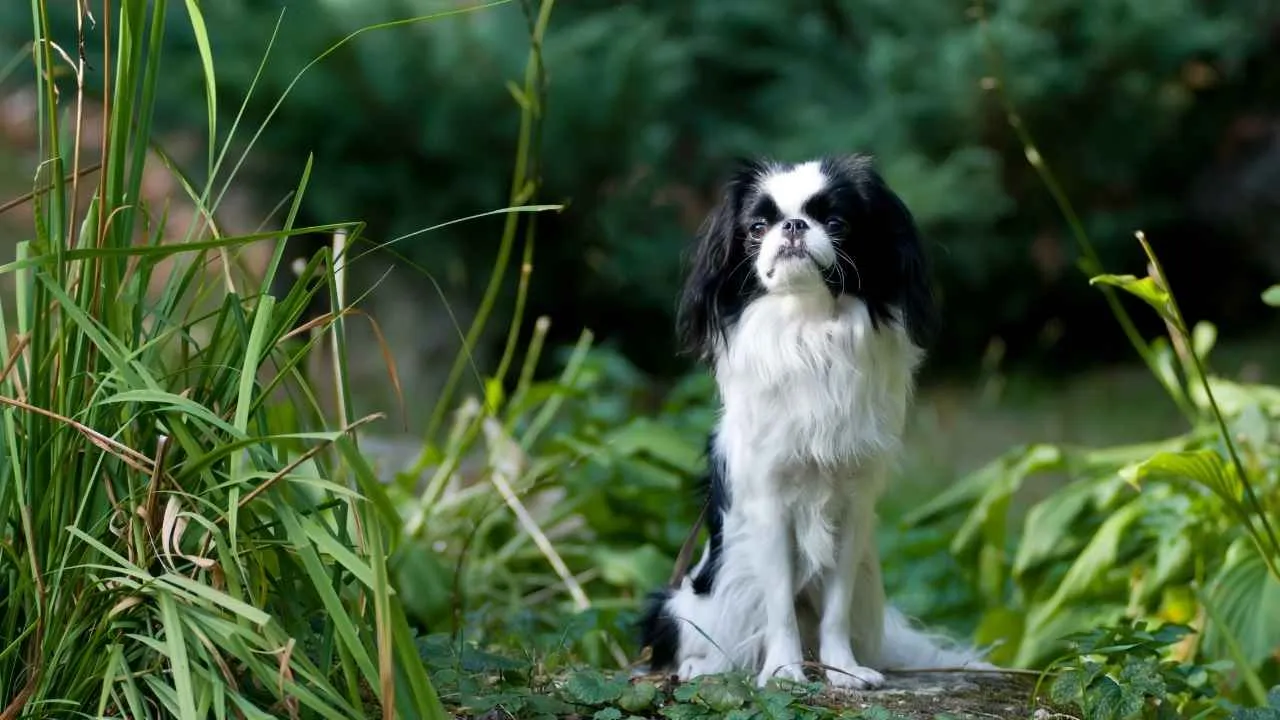
With a silky mane, wide-set eyes, and an expression of permanent surprise, the Japanese Chin looks ready to preside over a tiny royal court. This graceful small companion has a relatively quiet personality and a fondness for comfortable indoor living.
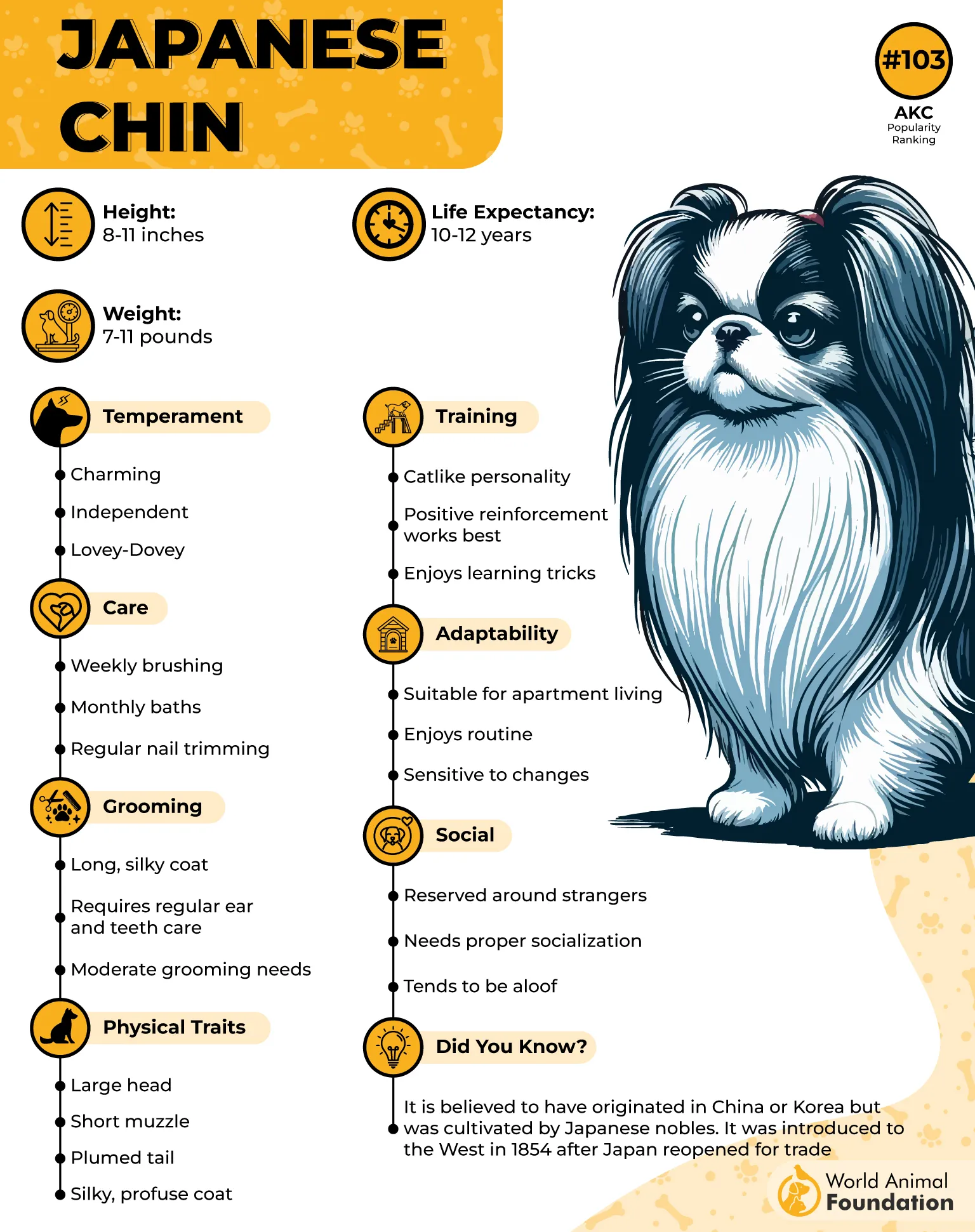
Japanese Chins have a distinctly cat-like side. They enjoy observing household activity, exploring their favorite spots, and settling beside trusted people. Their modest activity needs suit smaller homes, especially for owners who appreciate gentle play rather than an endless game of fetch. Their adaptable nature also helps them settle into peaceful environments with predictable routines.
Don’t let those dainty looks fool you into expecting perfect silence. An unfamiliar visitor or sudden sound might prompt a bark. Early socialization, calm introductions, and reward-based training help develop polite responses to new experiences.
Their short muzzle deserves special attention, too. Hot weather and strenuous exercise raise concerns about overheating and breathing difficulties, so keep outings comfortable and watch for signs of distress.
Maintenance Tips
Brush the silky coat several times a week, especially around the ears, legs, and tail.
Plan gentle daily walks and indoor games. Avoid strenuous activity in hot weather.
6. Clumber Spaniel
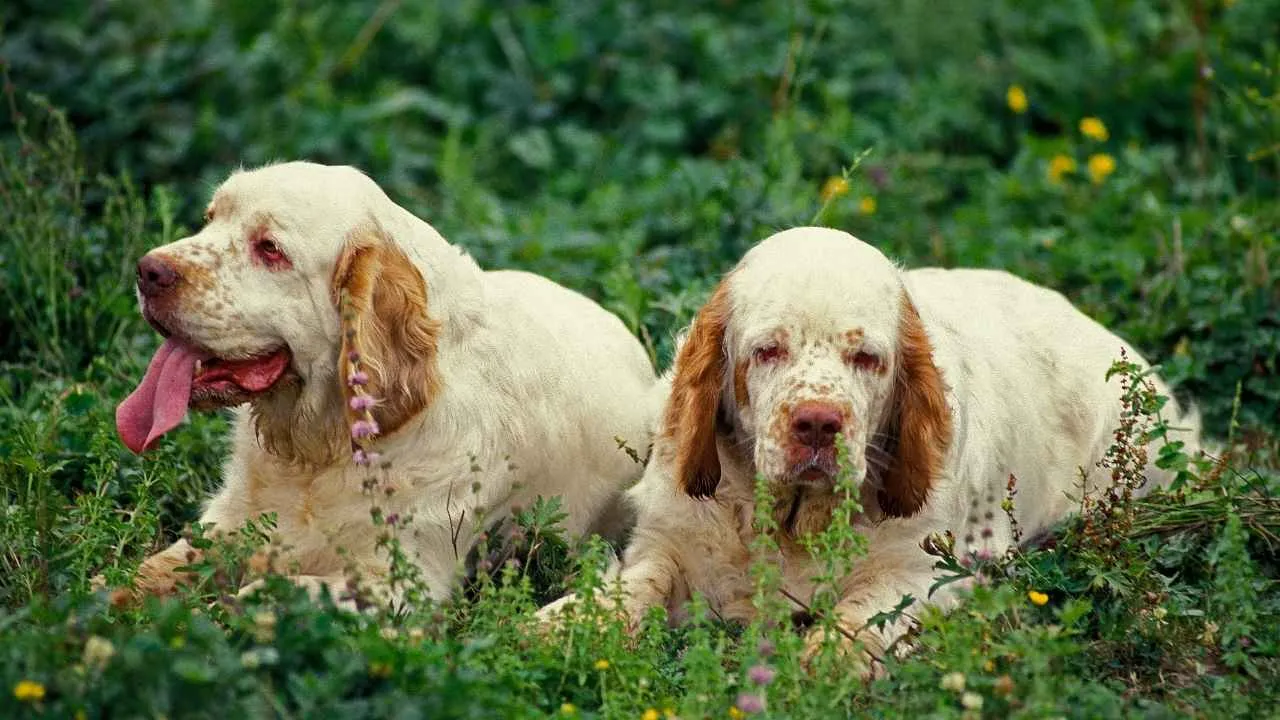
Big paws, soulful eyes, and a wonderfully unhurried expression give the Clumber Spaniel the charm of a cuddly old soul. This sturdy sporting breed offers a larger alternative to tiny lapdogs, with a mellow personality suited to people who enjoy a relaxed household.
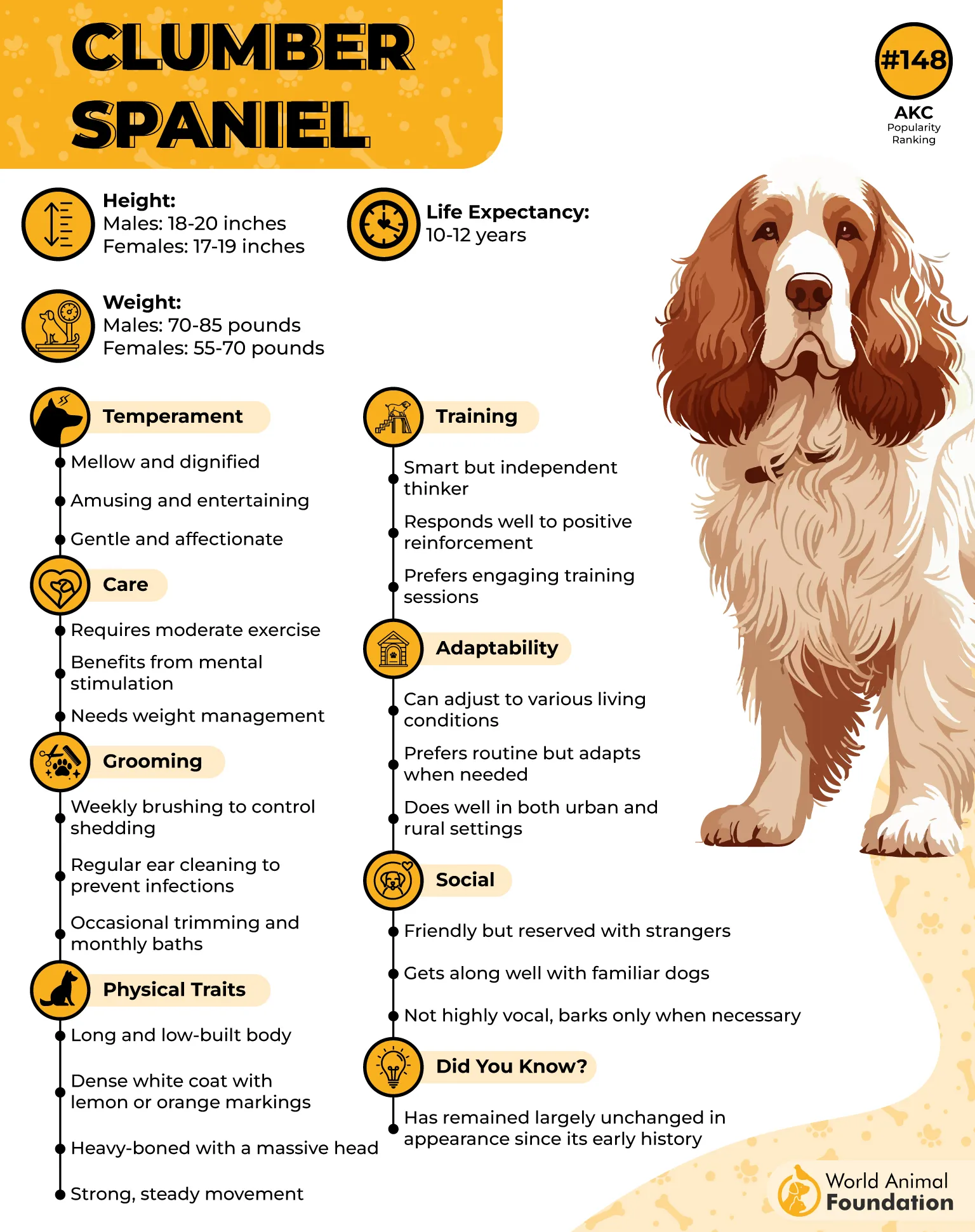
Originally bred to flush game, Britannica says that Clumbers have a keen nose and enjoy following interesting scents. At home, they appreciate leisurely walks, gentle games, and spending time near their families rather than constant commotion. Their calm demeanor makes them worth considering for owners seeking a peaceful companion with a substantial build.
Their easygoing nature doesn’t eliminate the need for training or activity. Boredom and excitement still trigger barking, so offer daily enrichment and consistent guidance. Supervise interactions with children and other pets, especially during introductions.
That handsome white coat, frequently marked with orange or lemon, needs regular care. Clumbers also tend to drool, shed, and gain excess weight without sensible portions and suitable exercise. Their sturdy frame makes healthy weight management particularly important.
Maintenance Tips
Brush several times a week to manage shedding and tangles. Wipe facial folds when needed.
Offer daily walks and scent games suited to your dog’s fitness.
7. Greyhound
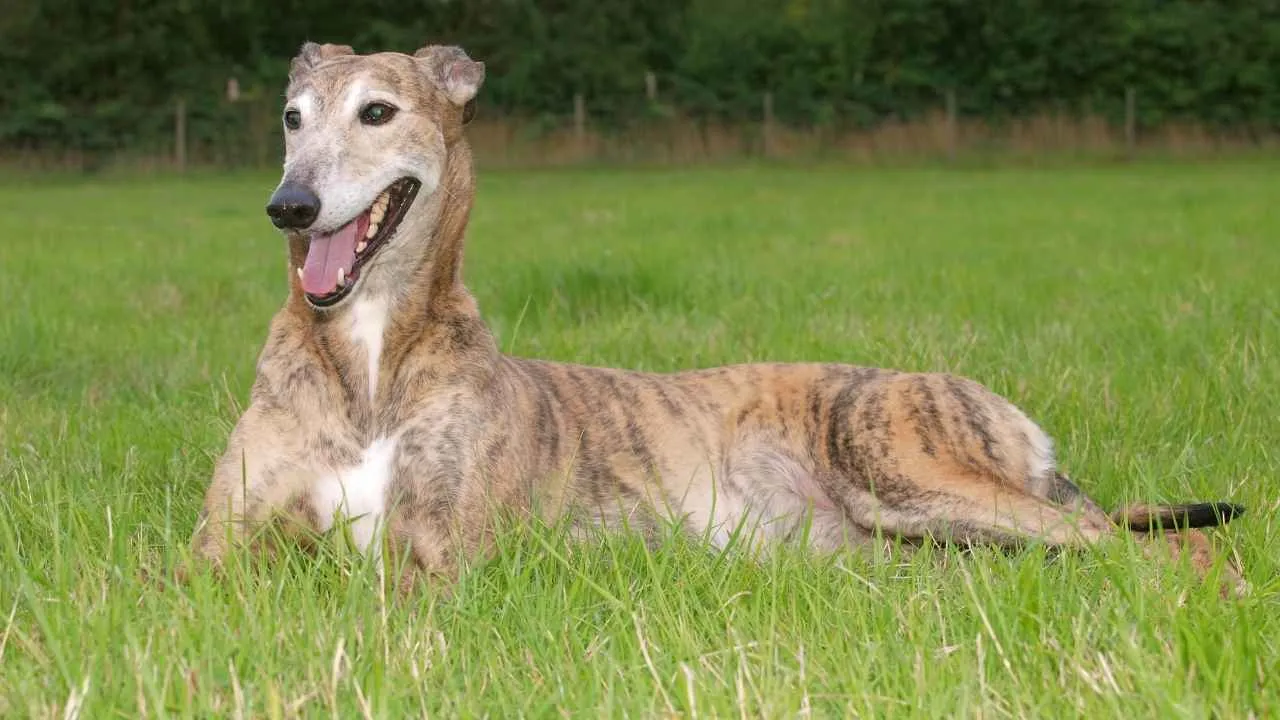
Who knew a racing champion could be such a sofa sweetheart? The Greyhound pairs remarkable speed with a relaxed home personality, making this elegant hound a lovely option for people who appreciate quiet evenings and a little extra room for a long-legged cuddle.

Its narrow head, deep chest, slim waist, and smooth coat give the Greyhound a distinctive silhouette. Despite its athletic background, this breed enjoys resting after activity and typically has a gentle, reserved temperament. Many Greyhounds are calm indoors and appreciate a cozy place to stretch out after their daily adventures.
Greyhounds generally have a low-key approach to barking, but they still need regular walks and opportunities to stretch their legs. Their prey drive deserves attention around rabbits, squirrels, and small pets. Keep your companion leashed in open areas and allow off-leash running only in securely fenced spaces.
Many retired racing Greyhounds settle into family life beautifully, provided their individual needs match the household. Give them a comfortable resting area and introduce children or other pets thoughtfully.
Maintenance Tips
Brush the short coat weekly and check the ears regularly.
Schedule daily walks and safe opportunities to run.
Provide padded bedding and warmth during chilly weather. Trim nails regularly and brush teeth to support everyday health.
Conclusion
A quieter home starts with understanding what makes your dog feel safe, settled, and content. Give your companion enough exercise, gentle guidance, and a cozy place to unwind. Remember, low barking doesn’t mean zero noise, and every dog has a voice of its own.
Focus on the habits that suit your household, respect your neighbors, and make daily life calmer for everyone. The sweetest companion is one whose personality fits your home as naturally as a familiar routine.
