





So you are eyeing a new dog, but you already have a cat, a rabbit, or a cage full of small pets at home. That one nagging question keeps popping up: will your new best friend see your other pets as family, or as prey?
Prey drive is simply a dog’s instinct to notice, chase, and sometimes even kill small, fast-moving animals. Hunting dogs, herding dogs, terriers, and scent hounds tend to have it wired in deep, while other breeds barely register the urge at all.
Multi-pet homes are more common than you might think. According to Forbes, over one third of Americans now own more than one pet, which means plenty of dog owners are navigating this exact question every single day.
Here is the good news for dog owners who want peace at home. Not every breed comes loaded with strong hunting instincts, and a little research goes a long way before you bring home your next dog. Keep reading to meet the breeds built for calm coexistence, not chaos.
Dog Breeds With Remarkably Low Prey Drive
1. French Bulldog
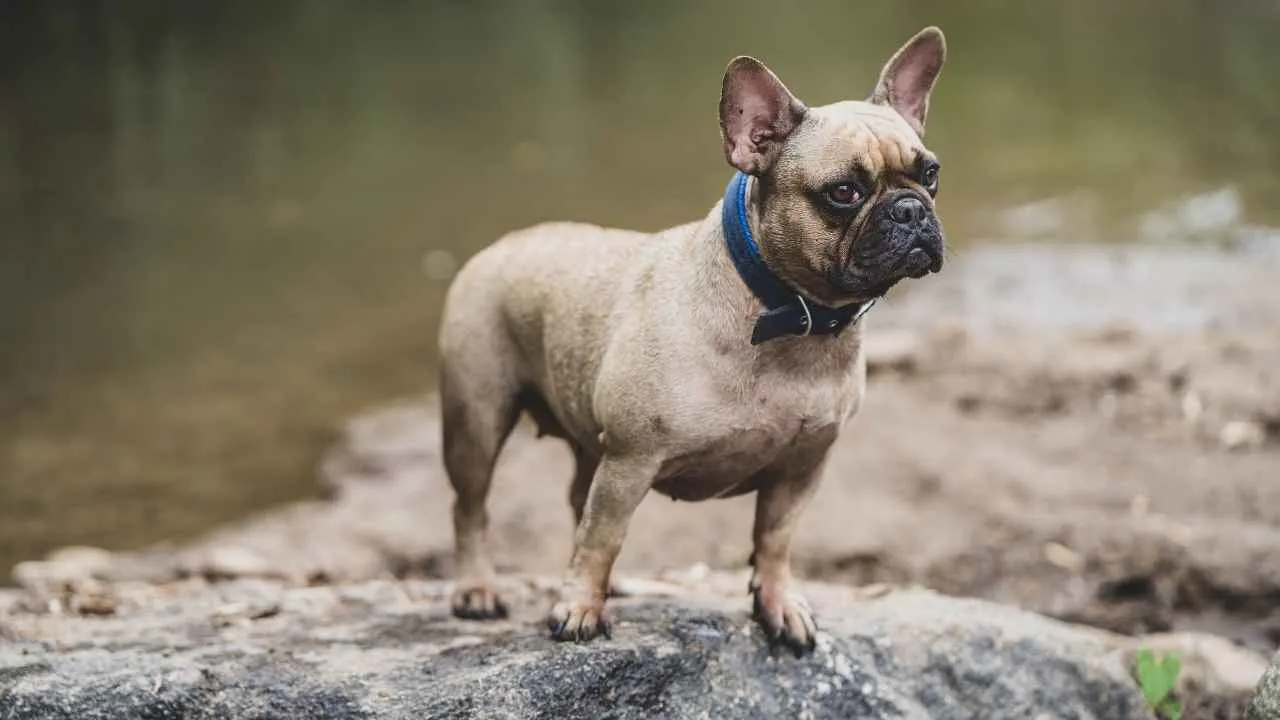
The French Bulldog is one of the most popular small dog breeds, and a surprisingly gentle one. Early Frenchies were bred from tiny English Bulldogs and ratting terriers in France, then reshaped purely for companionship. That shift traded hunting instinct for a spot on your lap.
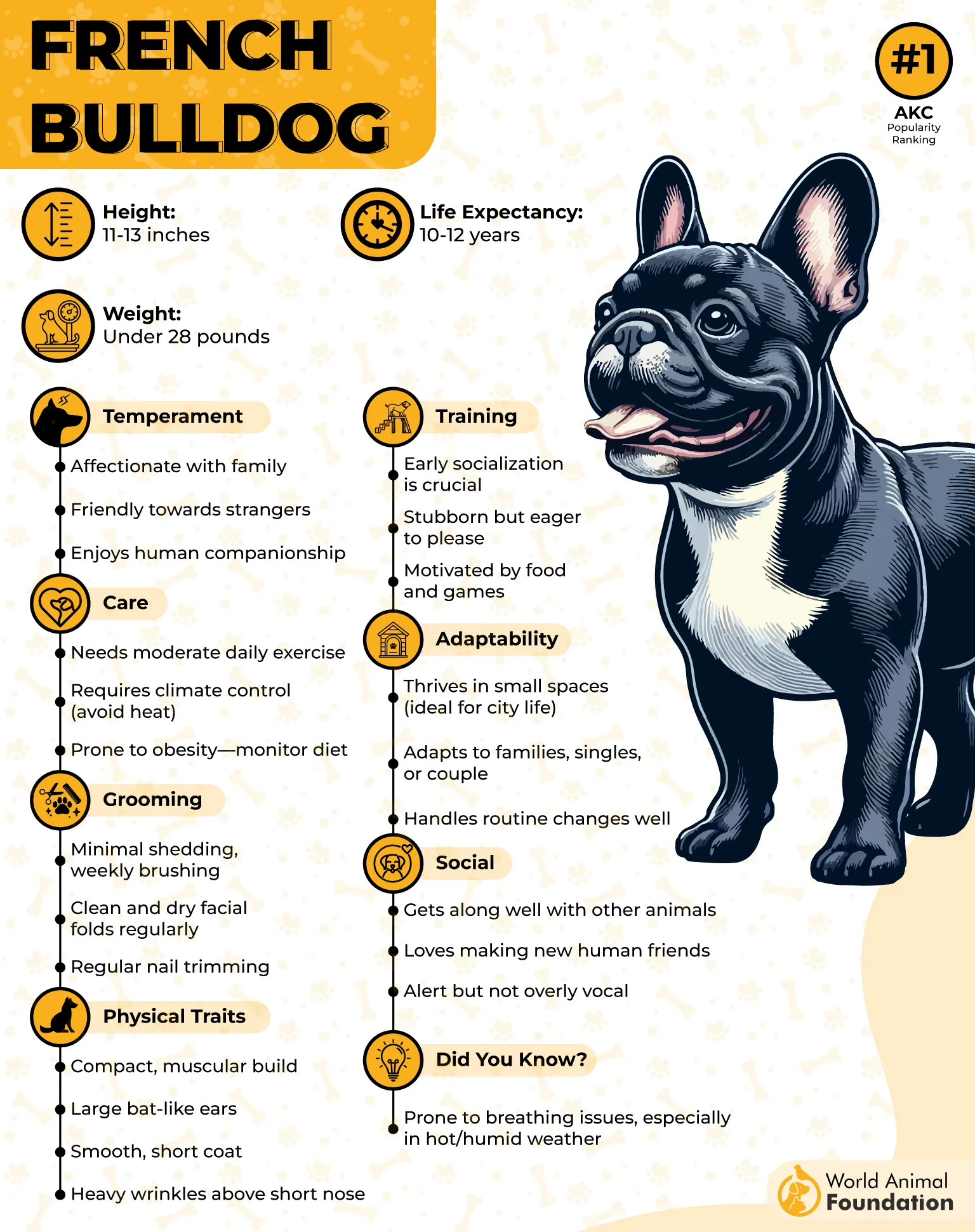
Most French Bulldogs treat cats and small pets like curious neighbors, not prey. The AKC calls the breed playful, alert, and adaptable, traits built for chasing attention, not animals. Some individual dogs still get nosy around guinea pigs or birds, so proper socialization matters.
A Frenchie is a great choice for apartment living, needing moderate exercise and plenty of time with family.
Fun fact: This breed was once the fashionable pet of choice for Parisian artists and socialites. Adopt one, and you gain a loyal, low-key couch companion.
2. Cavalier King Charles Spaniel
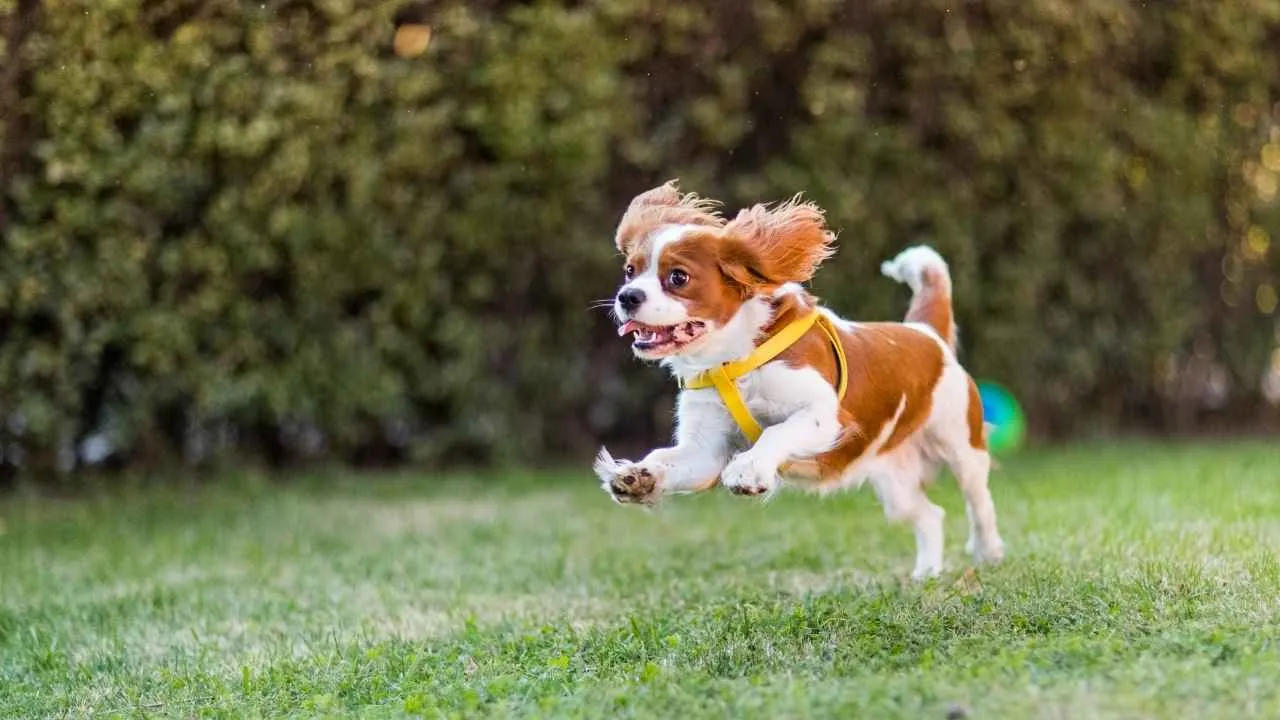
The Cavalier King Charles Spaniel is a small dog with royal roots and a gentle heart. Centuries ago, breeders favored the toy-sized, lap-loving pups from each litter over their sturdier field hunting cousins. That preference for cuddles over the chase shaped the breed you know today.
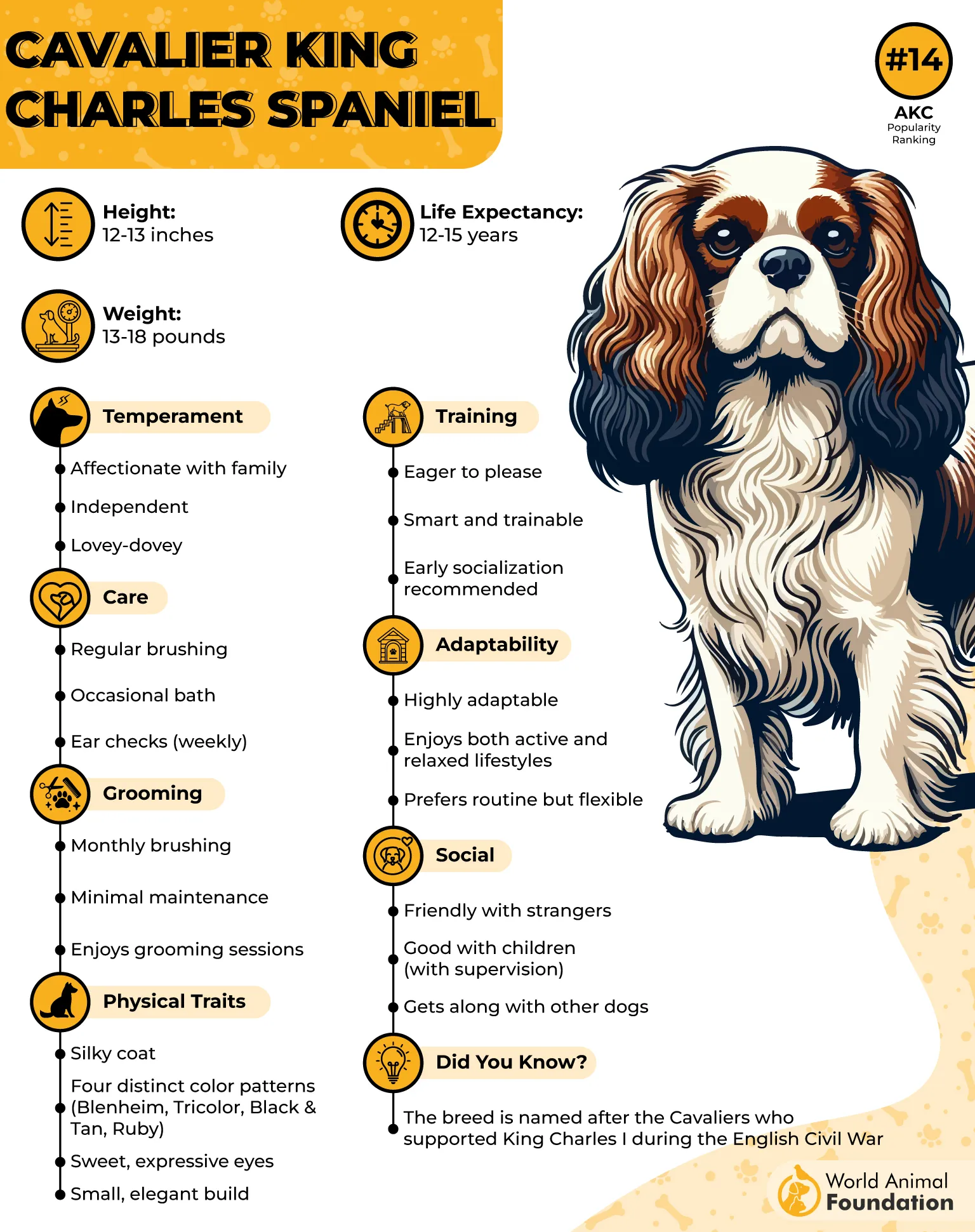
VCA notes Cavaliers make loving, entertaining companions that are extremely good with children and other pets. Most get along beautifully with cats and small animals, especially when raised together. A little curiosity toward birds can still pop up, so a secure yard helps.
This breed is a great choice for families who want a dog that is equally happy on a hike or curled up on the couch.
Fun fact: Cavaliers are popular therapy dogs thanks to their calm, affectionate nature. They tend to bond closely with every family member.
3. Bichon Frise
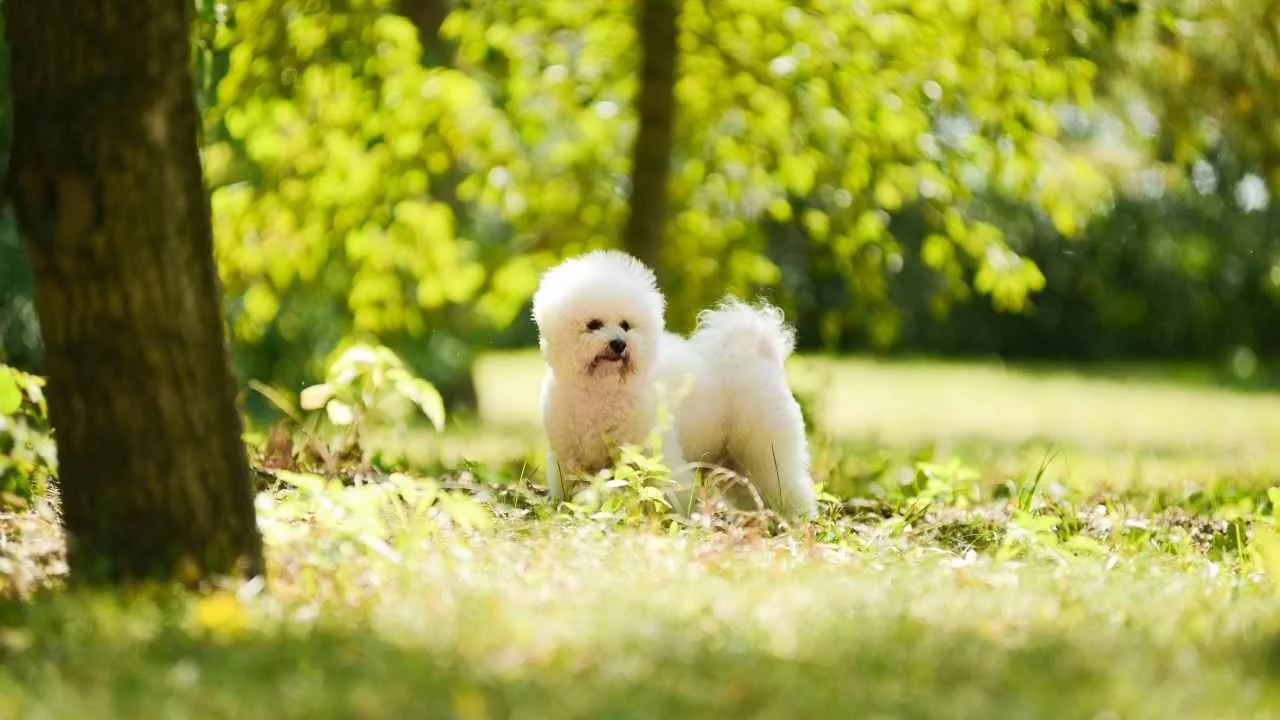
The Bichon Frise looks like a cloud and acts like a courtier. This breed’s purpose, according to Orvis, was a companion to nobility and royalty, never a working hunter. That royal lapdog job description left little use for a serious prey drive.
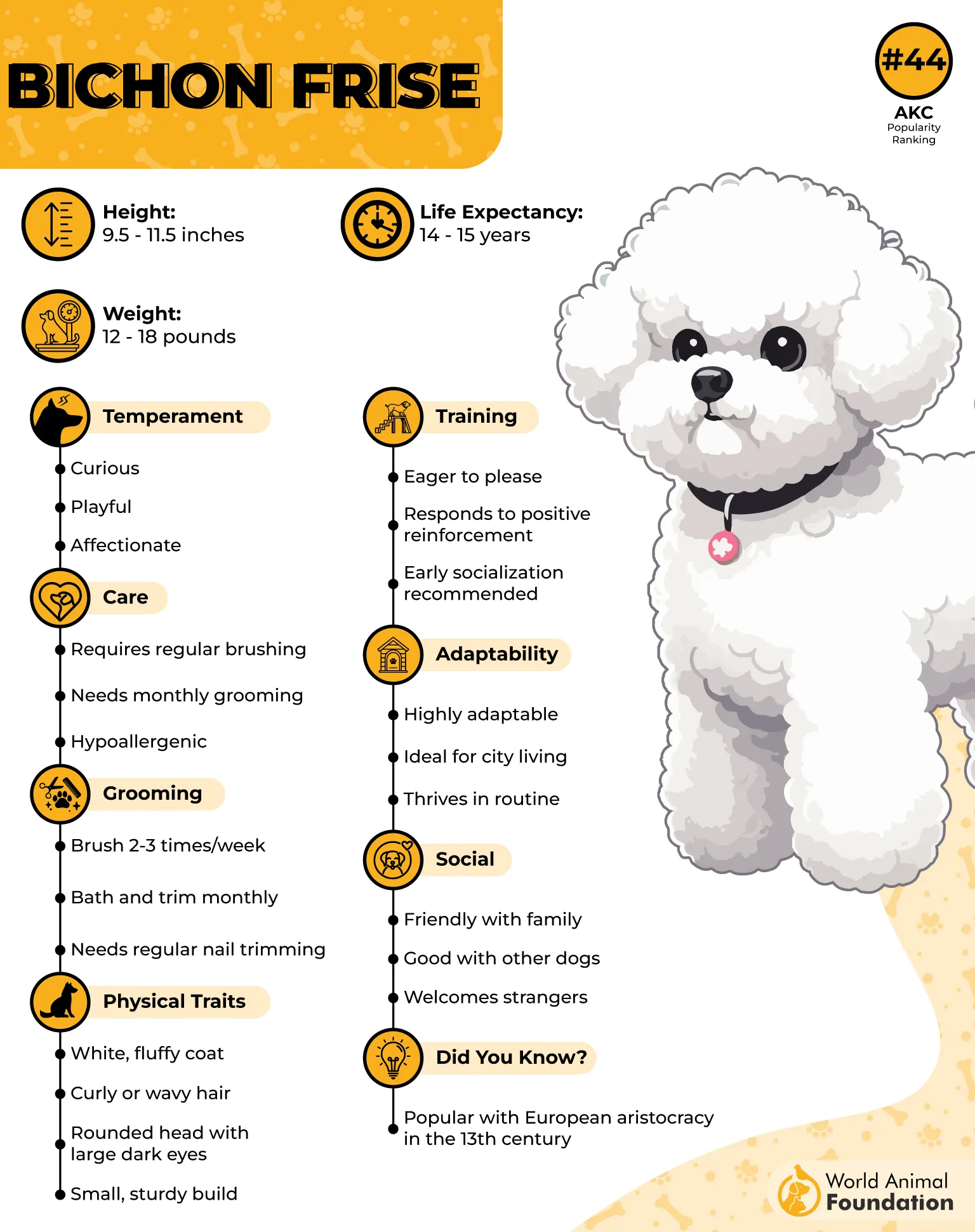
Most Bichons live happily alongside cats when introduced slowly, treating them more like playmates than prey. This breed is not a hunting dog by nature, though an individual pup might still nudge a curious cat for fun. Early socialization keeps that playful streak in check.

A Bichon Frise is a great choice for small apartments and big families alike, needing moderate exercise and lots of attention.
Fun fact: These curly companions once performed tricks in European circuses. They still act like the star of the show today.
4. Havanese
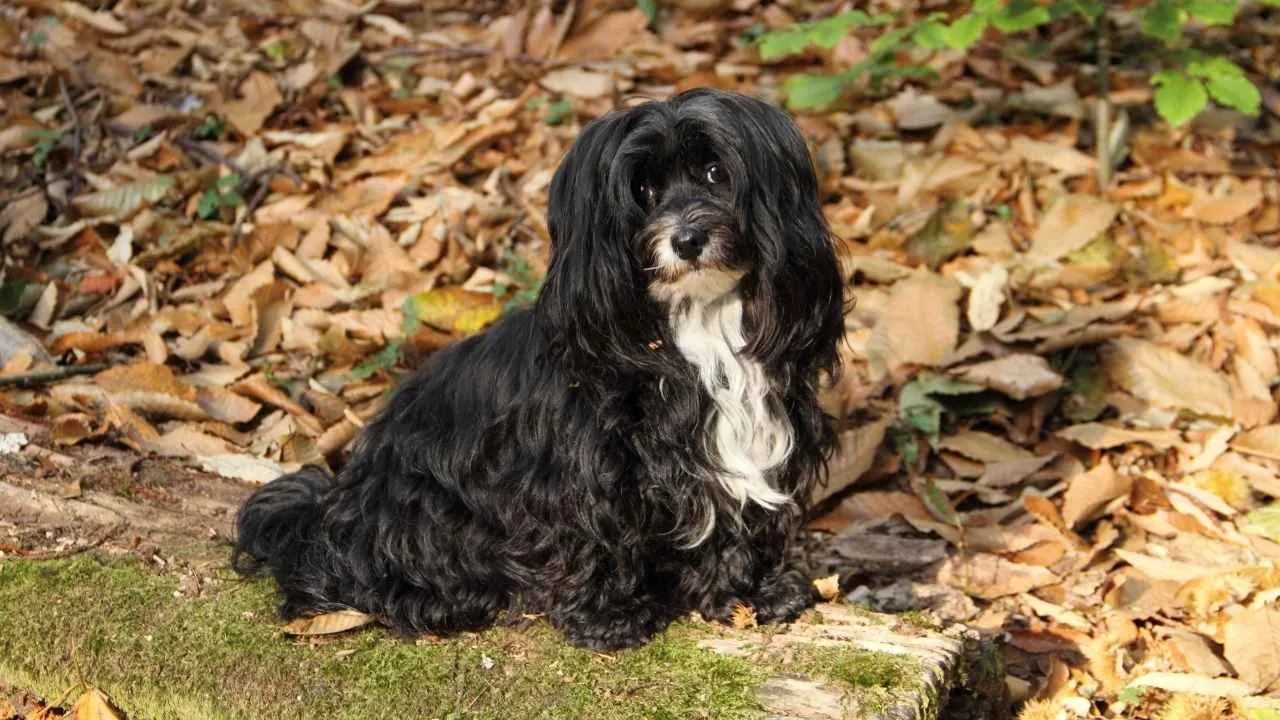
The Havanese is Cuba’s only native dog breed, and a proud lapdog through and through. Wealthy Cuban families kept these pups purely for company, never for hunting or herding work. That companion-first history is exactly why the Havanese carries such a low prey drive.
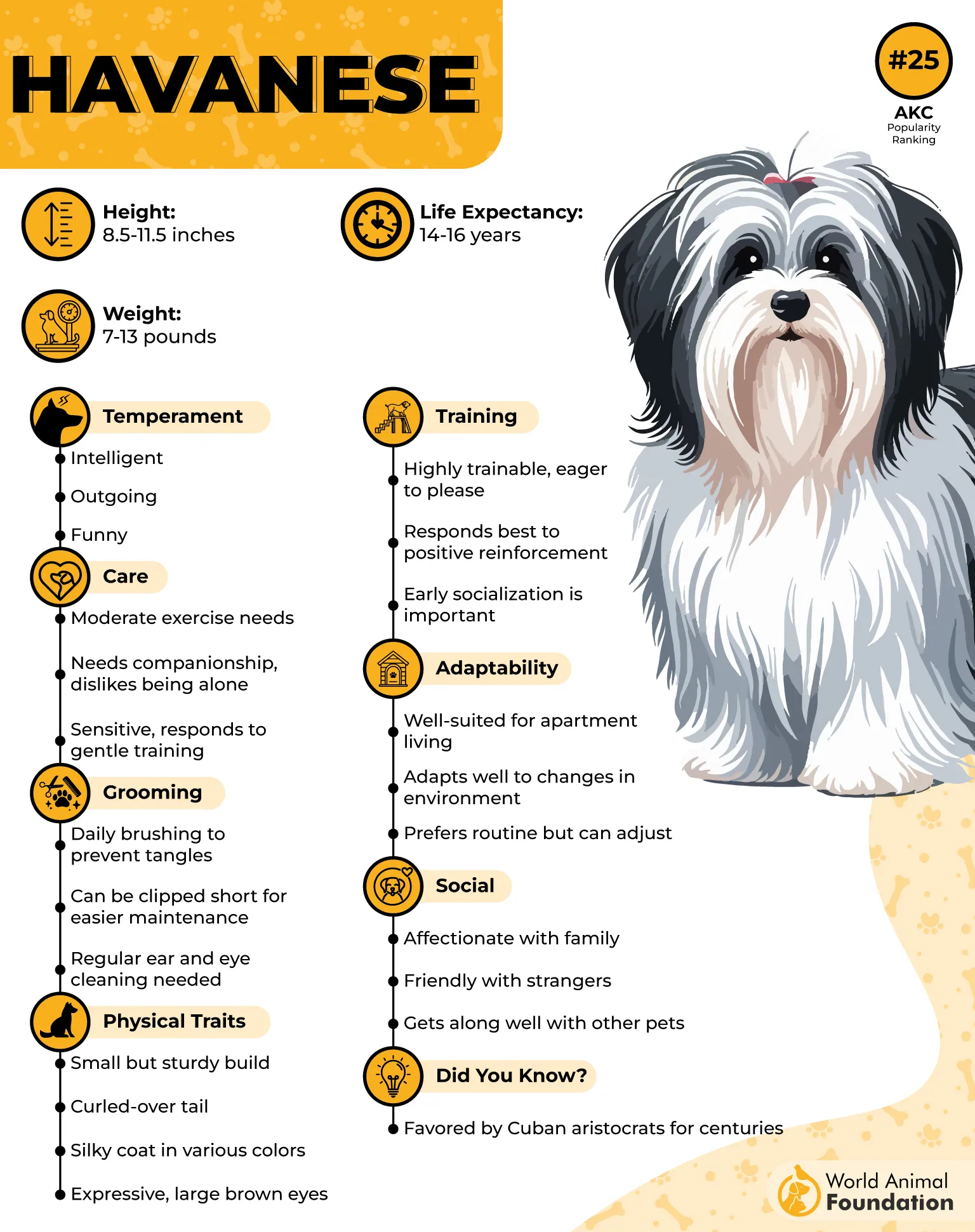
Havanese pups tend to see cats and small pets as potential playmates, not targets. Most will simply want to romp and follow their new roommate around the house. A few individual dogs may still chase something small and fast, so a leash outdoors is smart.
This breed is a great choice for anyone wanting a playful, adaptable companion who loves attention.
Fun fact: Every Havanese in America today traces back to just a small group of dogs that made it out of Cuba. They make loyal, velcro-like family pets.
5. Maltese
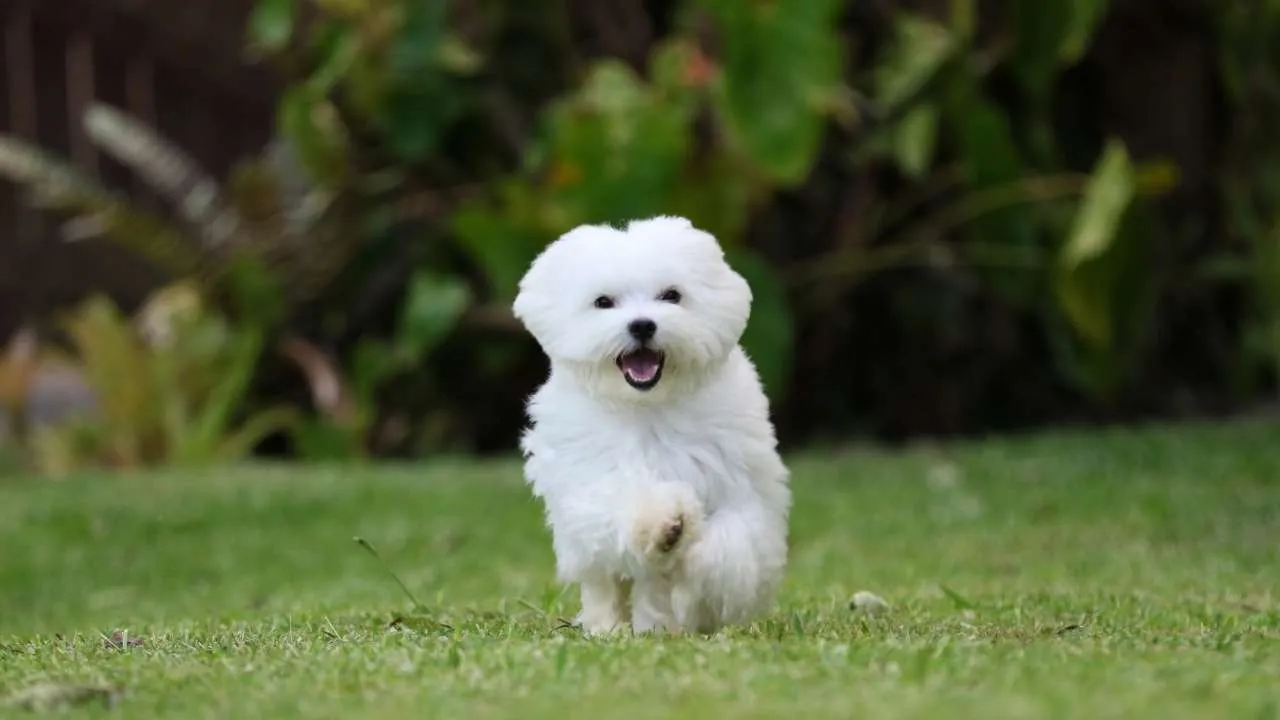
The Maltese has been a lapdog for thousands of years, adored by ancient royalty long before dog shows existed. This breed was bred purely for companionship, with no hunting job ever attached to its silky frame. That pampered history is why its prey drive stayed low.
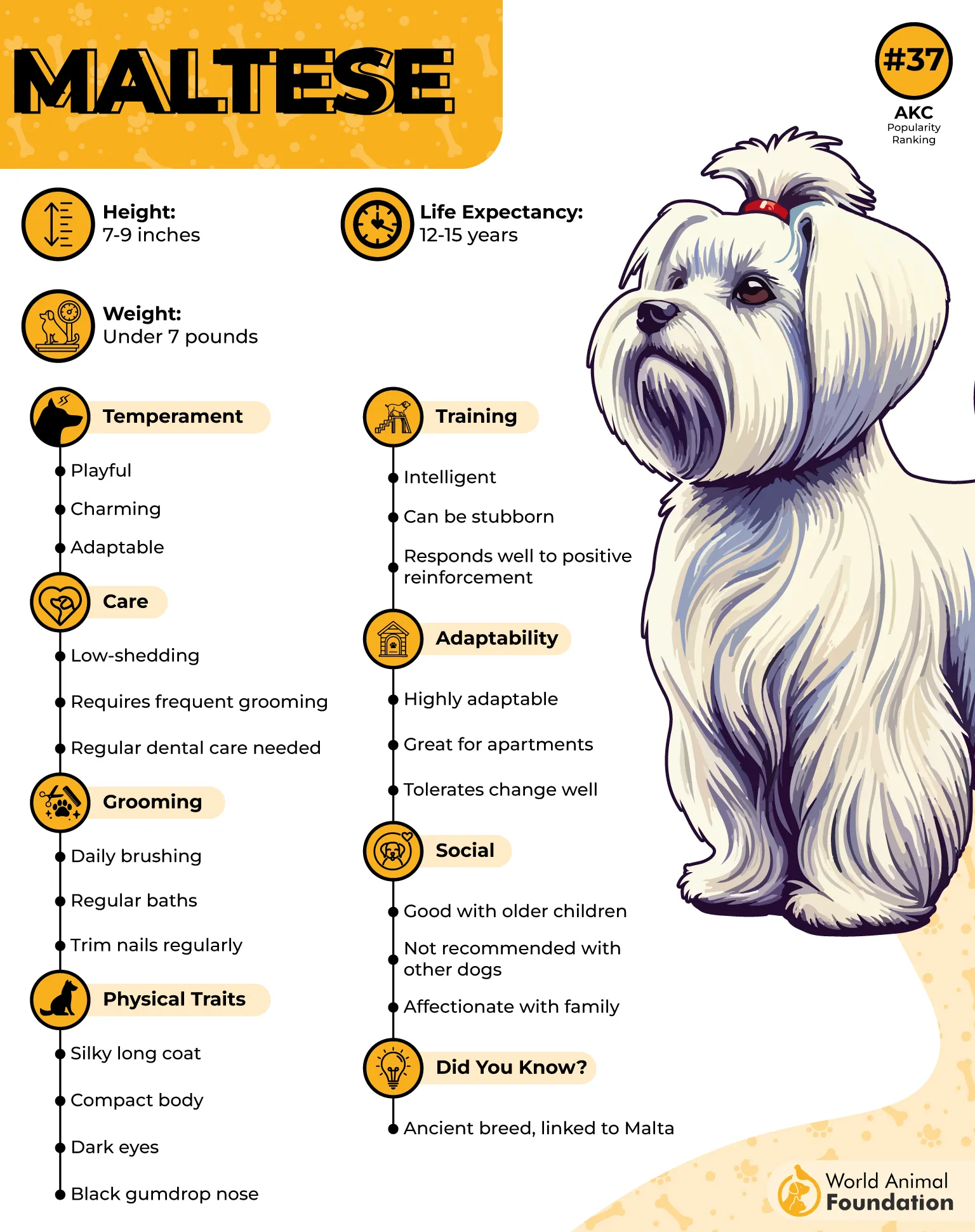
Maltese dogs typically get along well with cats and small pets, especially when raised together from puppyhood. According to Pawlicy Advisor, the breed arrived in the U.S. in the late 1800s and has stayed a beloved companion ever since, never bred for hunting work. Any chasing is usually just excitement, not real prey drive.
This breed is a great choice for families or singles who want a small, affectionate companion.
Fun fact: Legend says the philosopher Aristotle once called the Maltese perfectly proportioned. They still strut around as if they know it.
6. Shih Tzu
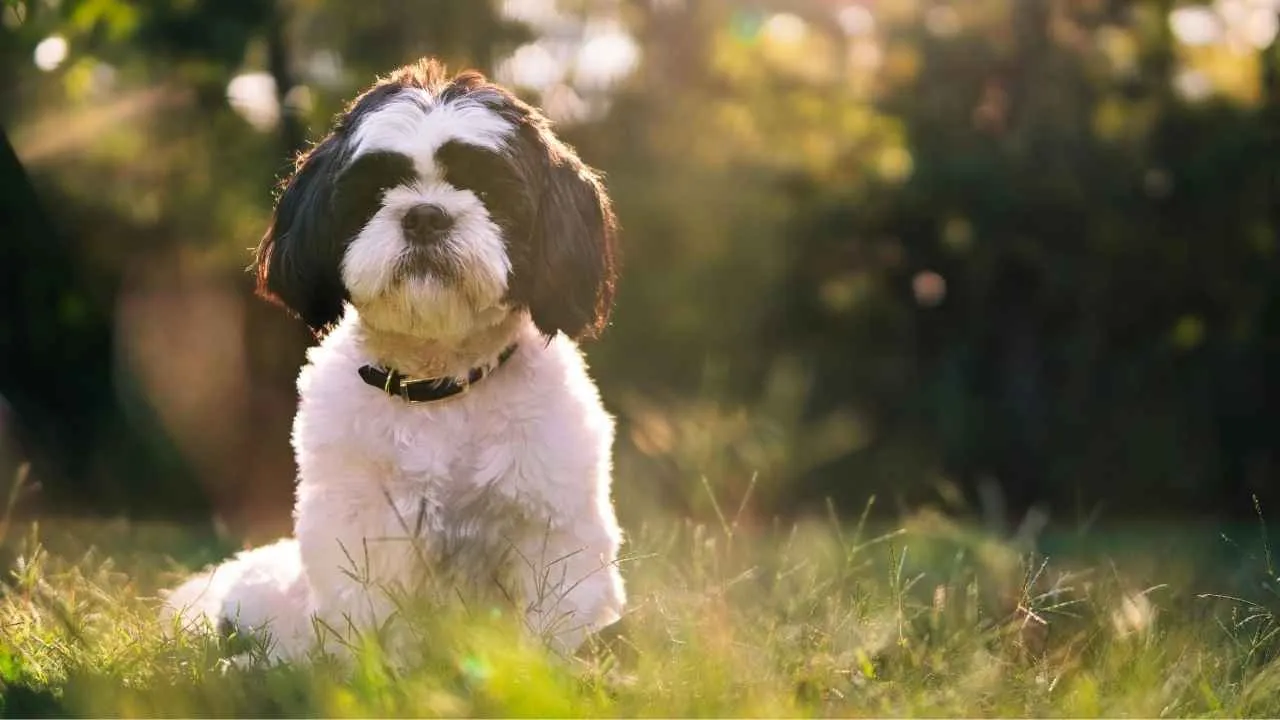
The Shih Tzu was bred inside Chinese palaces to keep emperors company, nothing more. Its ancestors were never asked to hunt, guard livestock, or chase anything across open ground. That pampered palace past is exactly why this toy breed carries such a low prey drive today.
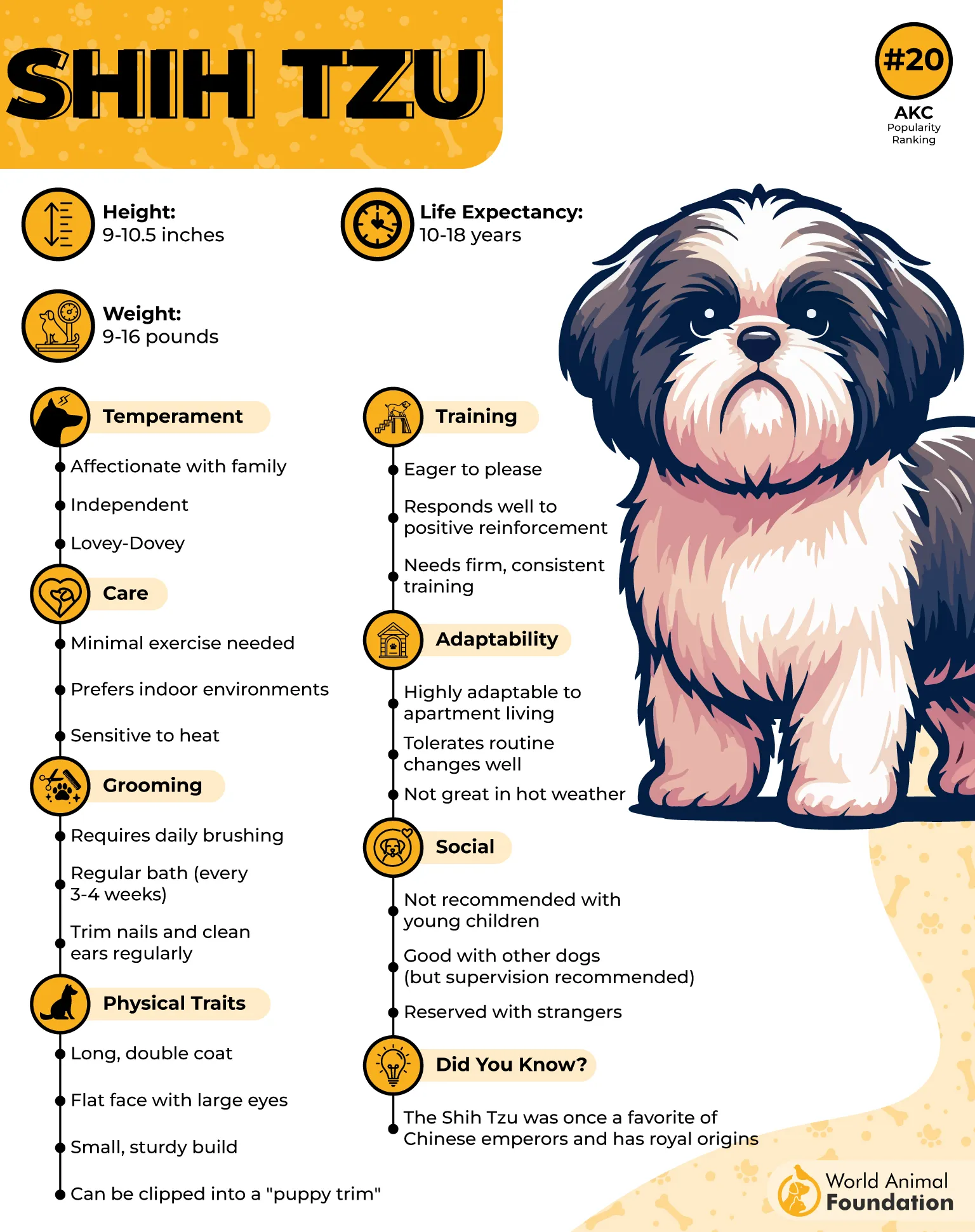
According to WebMD, Shih Tzus adapt well to humans and other pets because they are naturally social little dogs. Most coexist peacefully with cats, especially in homes where introductions happen slowly and gently. Their small size means play should still be supervised around tiny pets.
This breed is a great choice for apartment living, since it needs minimal exercise and just craves company.
Fun fact: Legend says Marco Polo once described dogs like these keeping company with an emperor’s pet lions. Now they are content just guarding the couch.
7. Pug
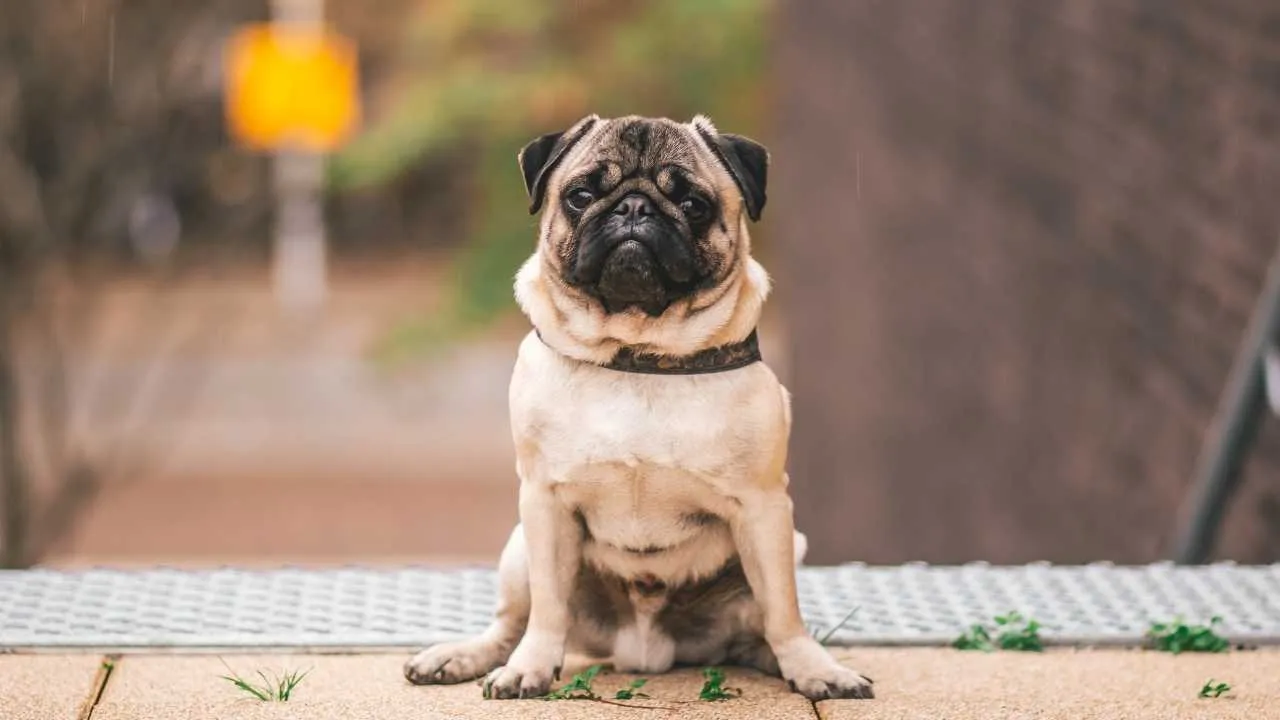
The Pug has one job description in its entire history, and it is simply to be loved. Chinese emperors kept these dogs purely as companions, never for hunting, herding, or guarding anything. That single purpose is why the Pug ranks among the calmest, lowest prey drive dogs around.
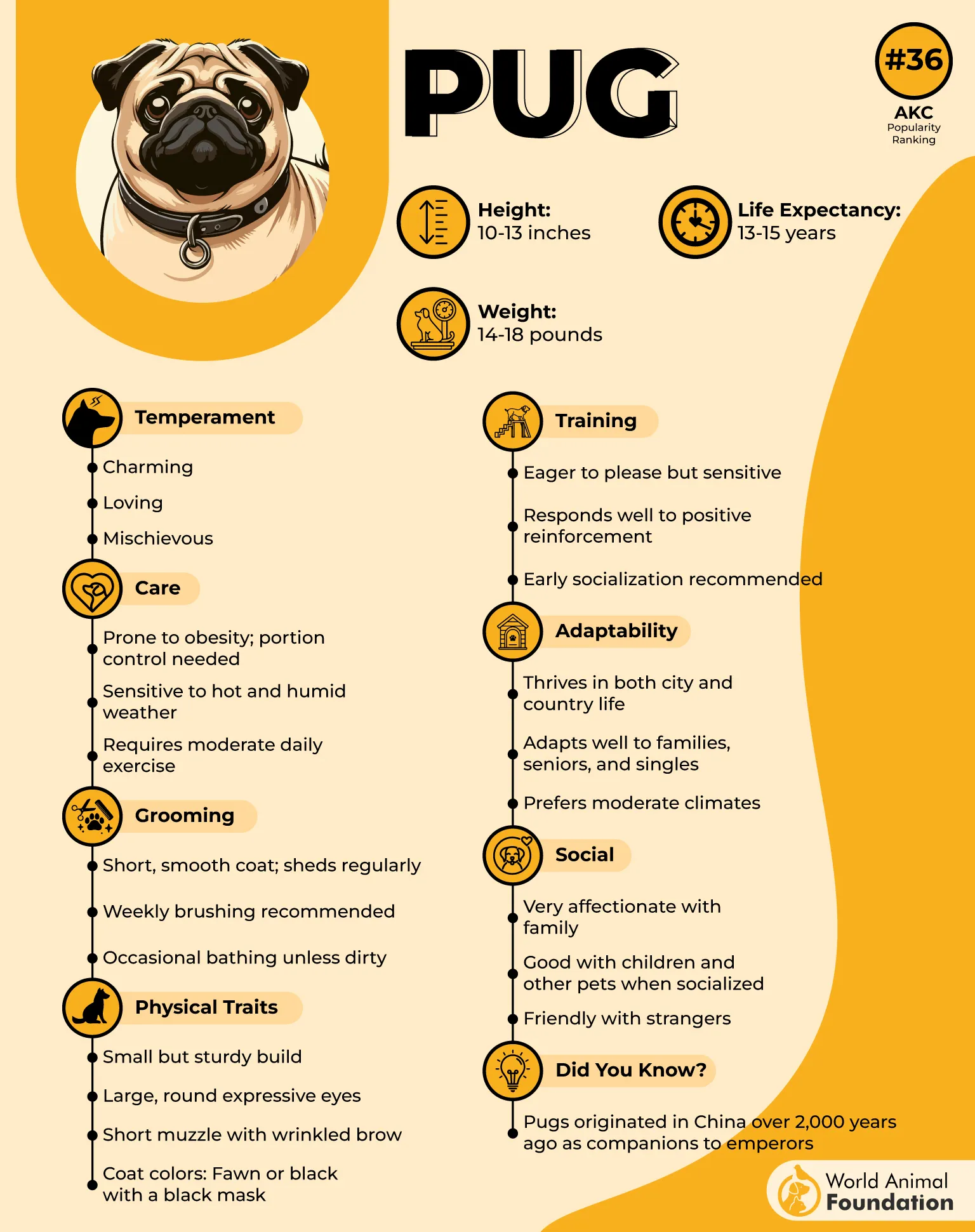
Pugs rarely chase cats or small pets on instinct, since hunting was simply never part of the job. Most will happily share a couch with a cat, a rabbit, or another dog. Proper socialization as a puppy still helps every new pairing go smoothly.
This brachycephalic breed is a great choice for families or first-time dog owners who want a low-key, affectionate companion; just make sure to keep them safe in hot, humid weather.
Fun fact: One famous Pug reportedly bit Napoleon on his own wedding night. This breed has been stealing the spotlight ever since.
Conclusion
Not every breed is built to chase, and these seven prove that low prey drive and big personality can absolutely coexist. From the Pug’s palace-pampered past to the Bichon’s circus-star charm, these small dog breeds make great choices for homes with cats, rabbits, or other small pets already in the mix.
Just remember, every individual dog is still an individual, so proper training and early socialization always help. When you are ready to bring home your next dog, talk to a reputable breeder or rescue about temperament, then go meet your future best friend.
