




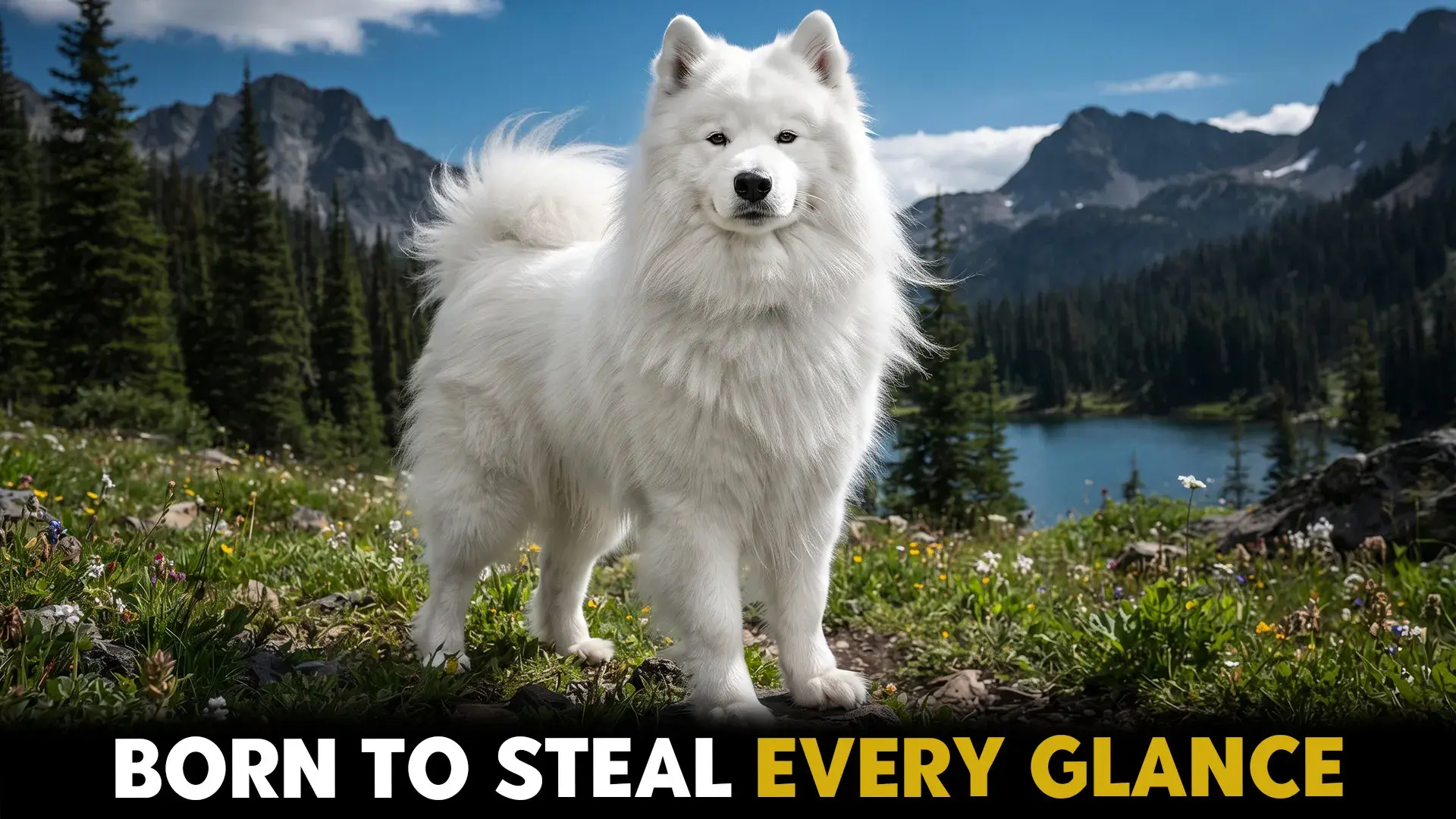
Have you ever seen a dog so striking that you couldn’t help but look twice? Beautiful coats, expressive eyes, elegant features, and graceful movement can make some dogs truly unforgettable. While every dog has its own charm, some naturally stand out from the crowd.
But beauty is not just about appearance. A gorgeous coat may need regular grooming, while certain features can come with specific care needs. A dog’s personality, energy level, and lifestyle needs matter just as much when choosing a companion.
So, what makes a dog’s appearance so captivating? Facial features, coat texture, colors, proportions, and overall structure can all play a role.
In this article, we’ll explore some of the most beautiful dog breeds and the traits, temperaments, and care needs that make them special.
Key Takeaways:
Meet seven stunning breeds, from the striking Siberian Husky to the elegant Afghan Hound.
See why the Samoyed’s fluffy coat and cheerful smile come with dedicated grooming needs.
Discover what makes the Dalmatian, Australian Shepherd, and Irish Setter stand out beyond their looks.
Find out how exercise, training, grooming, and health needs shape the right breed for your lifestyle.
Top Dog Breeds with Mesmerizing Looks
1. Siberian Husky
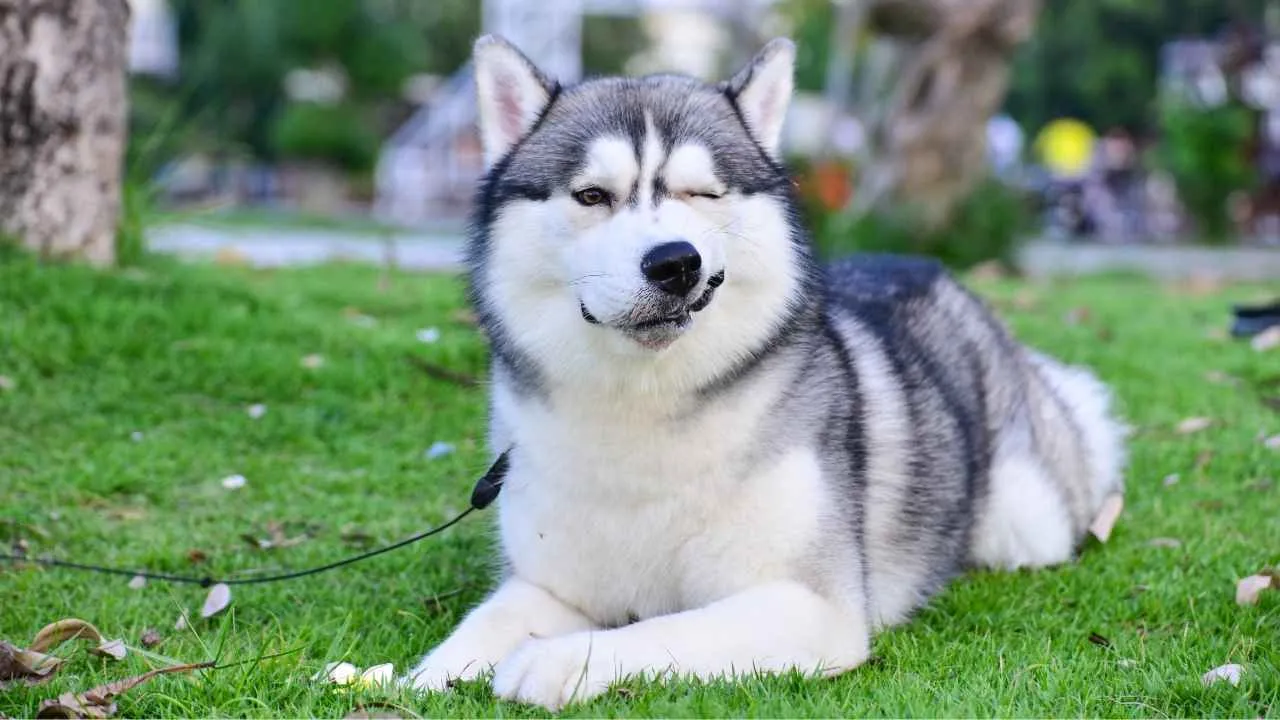
Siberian Huskies are known for their striking looks, with bright blue or bicolored eyes, erect ears, thick double coats, and plume-like tails. Their coats come in several colors and often feature distinctive facial markings.
Originally bred by the Chukchi people in Siberia, they worked as sled dogs and companions, according to Britannica. Their speed and endurance later made them famous in Alaska, especially after the 1925 “Great Race of Mercy.”
Personalities & Care
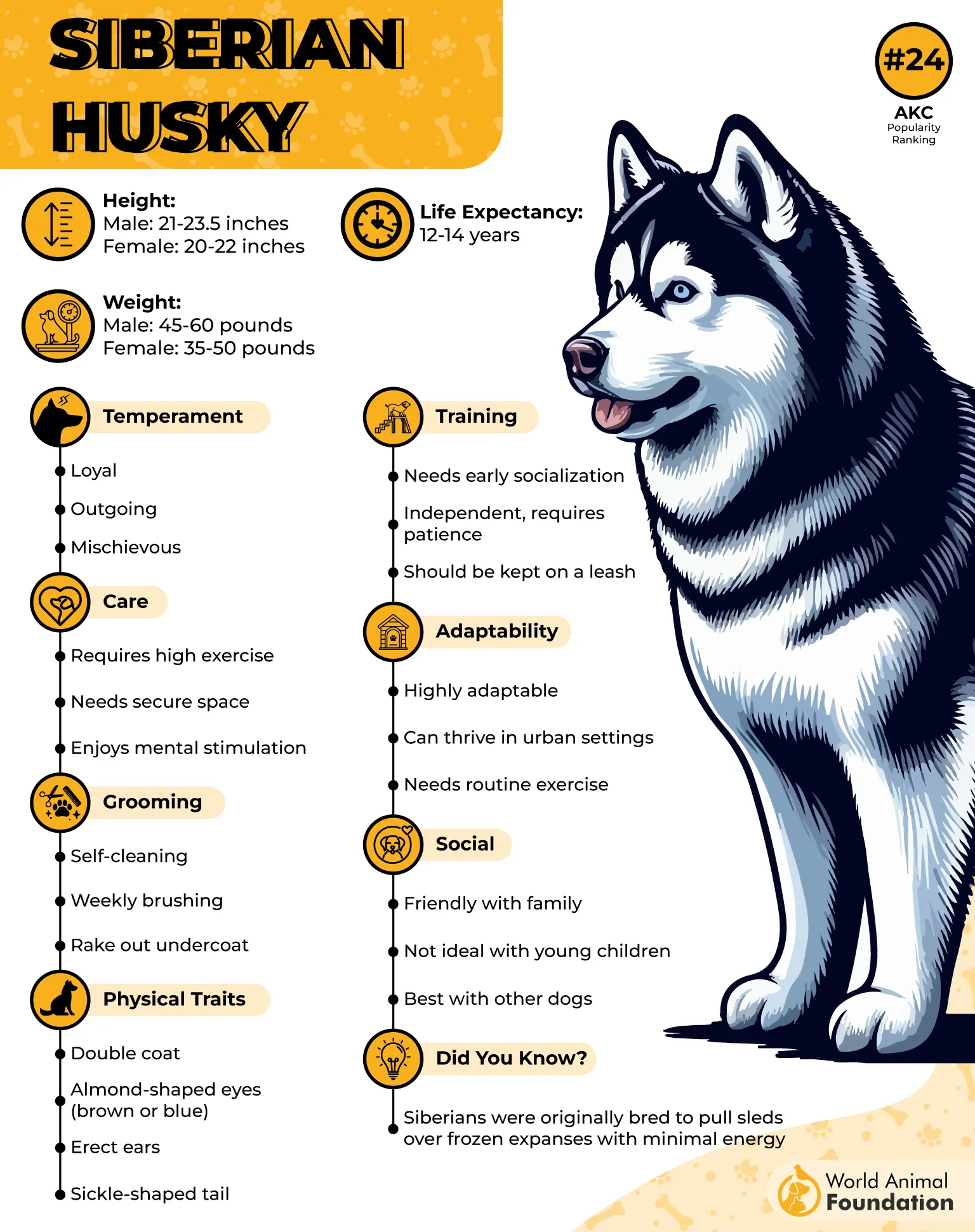
These dogs are active, playful, social, and intelligent, but their independent nature can make training challenging. They need plenty of exercise and mental stimulation, with activities such as running, hiking, agility, canicross, and skijoring being good choices.
Their thick coats need regular brushing, especially during heavy shedding seasons. They can also be very vocal and are known for their escape skills, so secure spaces are essential.
Health & Grooming
Huskies are generally hardy but can face eye disorders, urinary stones, zinc-responsive dermatosis, joint problems, and certain inherited conditions.
Regular veterinary checks and suitable health screening can help manage these risks. A balanced diet, good hydration, daily activity, and consistent grooming support their overall well-being.
2. Afghan Hound
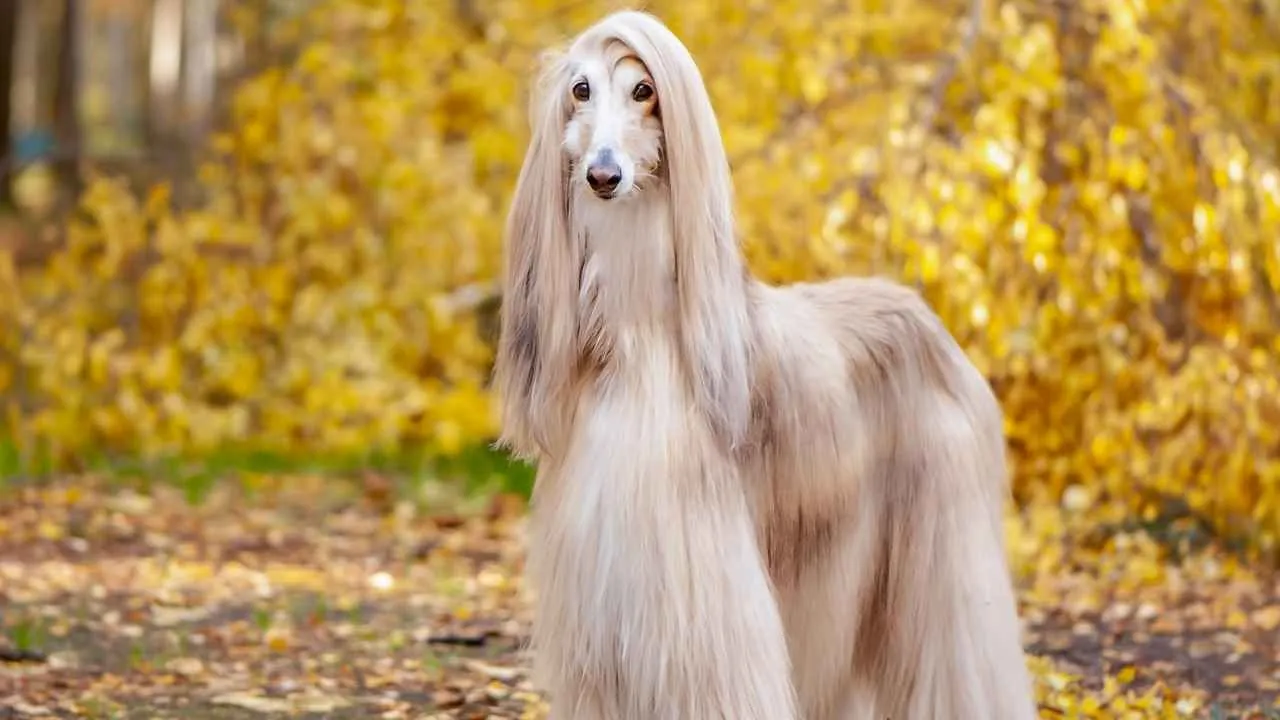
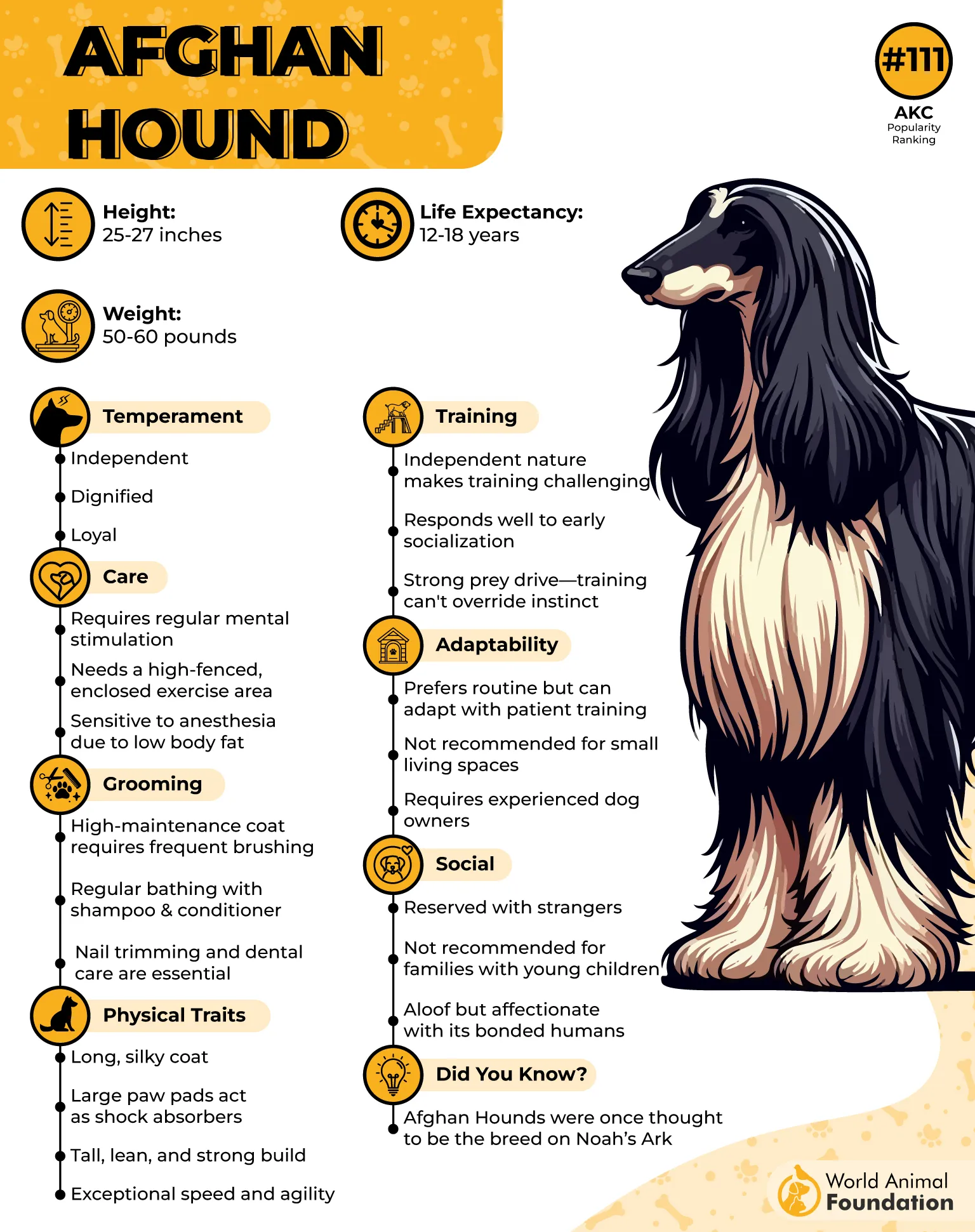
Afghan Hounds are instantly recognizable for their long, silky coats, elegant topknots, and graceful appearance. Their slim tails and proud carriage add to their aristocratic look.
They originated in the hill country of Afghanistan, where they were valued as sight hunters. They were used to chase fast prey across difficult terrain. The breed later reached Europe with British soldiers in the late 19th century.
Personalities & Care
Afghan Hounds are confident, independent, dignified, and often reserved around strangers. They can also be playful and humorous with people they trust. Their strong prey drive means they need secure, fenced areas outdoors.
They need regular exercise, including walks, running, hiking, swimming, or lure coursing. Training takes patience, consistency, and positive reinforcement because they can be stubborn.
Health & Grooming
Their long, fine coats need frequent brushing to prevent tangles and mats. Regular baths, ear checks, nail care, and dental care are also important.
Afghan Hounds shed relatively little, but their grooming needs are still high. They can be prone to allergies, hip dysplasia, and hypothyroidism.
3. Samoyed
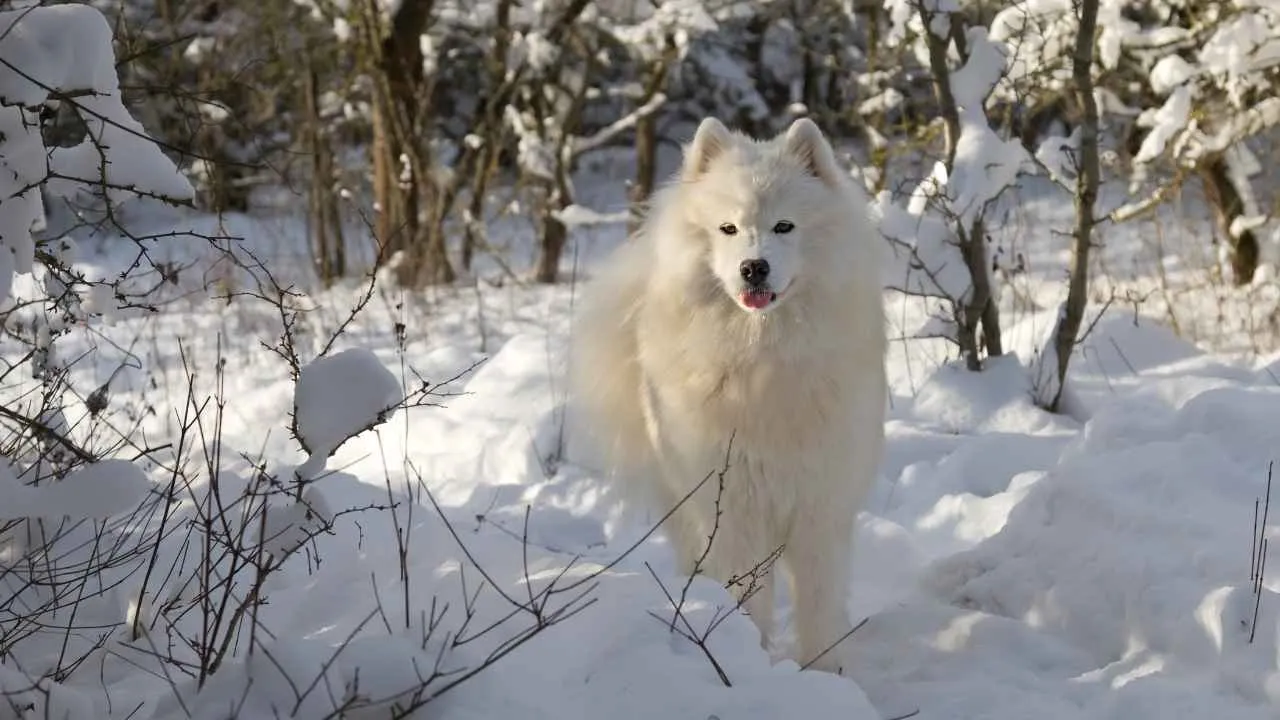
Samoyeds are famous for their sparkling white coats, fluffy appearance, plumed tails, and signature “Sammie smile.” Their thick double coats were built for Siberia’s freezing climate. The Samoyede people used them to herd reindeer, hunt, and pull sledges.
They also slept close to their families for warmth and companionship. Later, their strength made them valuable during polar expeditions.
Personalities & Care
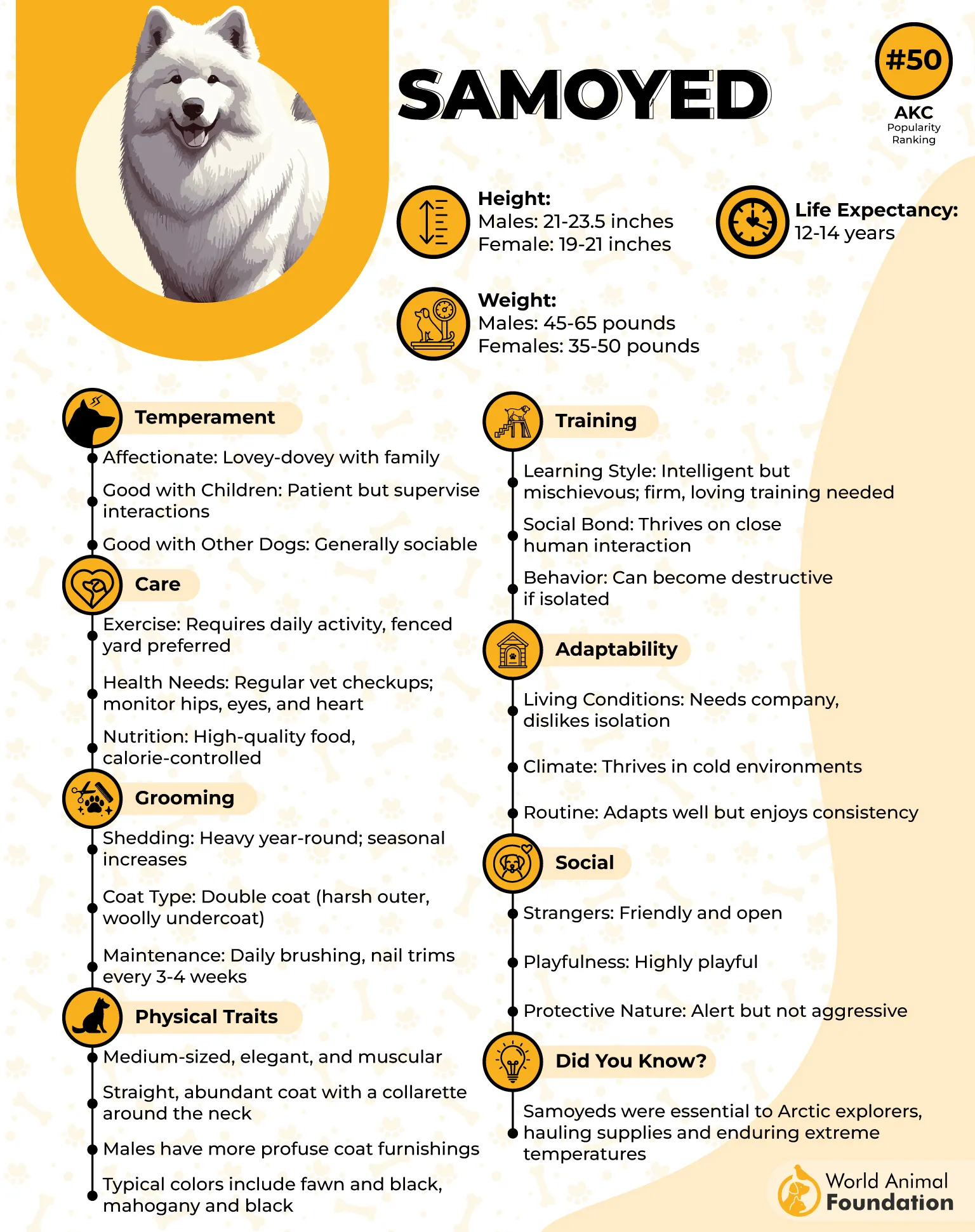
Samoyeds are gentle, intelligent, friendly, and highly social. They usually enjoy people, children, dogs, and pets they grow up with. However, they can be independent, vocal, and easily bored when left alone.
Daily exercise and mental activities such as agility, tracking, herding, or sledding help keep them happy. Early training takes patience because they can dislike repetitive tasks.
Health & Grooming
Their beautiful white coats need frequent brushing to prevent mats and keep them looking their best. Samoyeds can be prone to hip dysplasia and gastric torsion, although they are generally hardy dogs. They also dislike hot weather and need cool places during warm days.
With regular exercise, grooming, companionship, and gentle training, their striking appearance and cheerful nature make them wonderful family companions.
4. Dalmatian
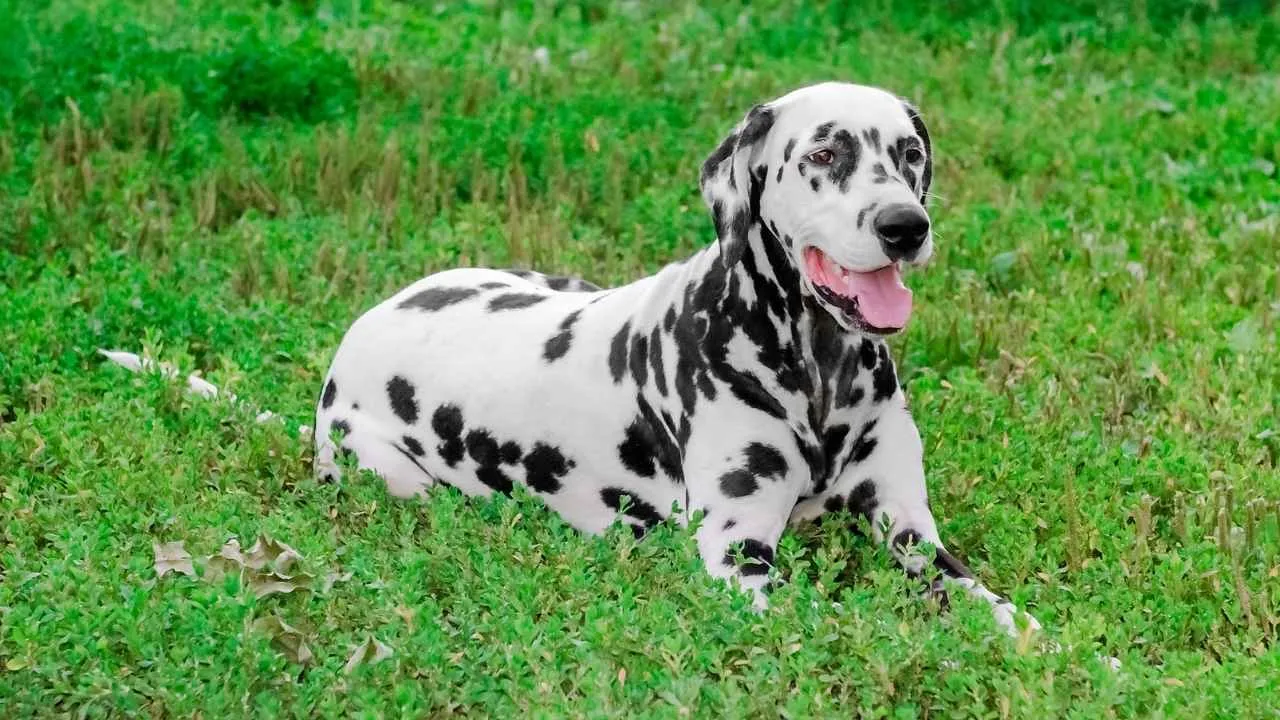
Dalmatians are famous for their distinctive white coats covered in black or liver-colored spots, athletic builds, and impressive endurance.
They were originally bred as coach dogs to run alongside horse-drawn carriages and guard them. Later, they became closely associated with firehouses, helping protect horses and clear roads for fire engines.
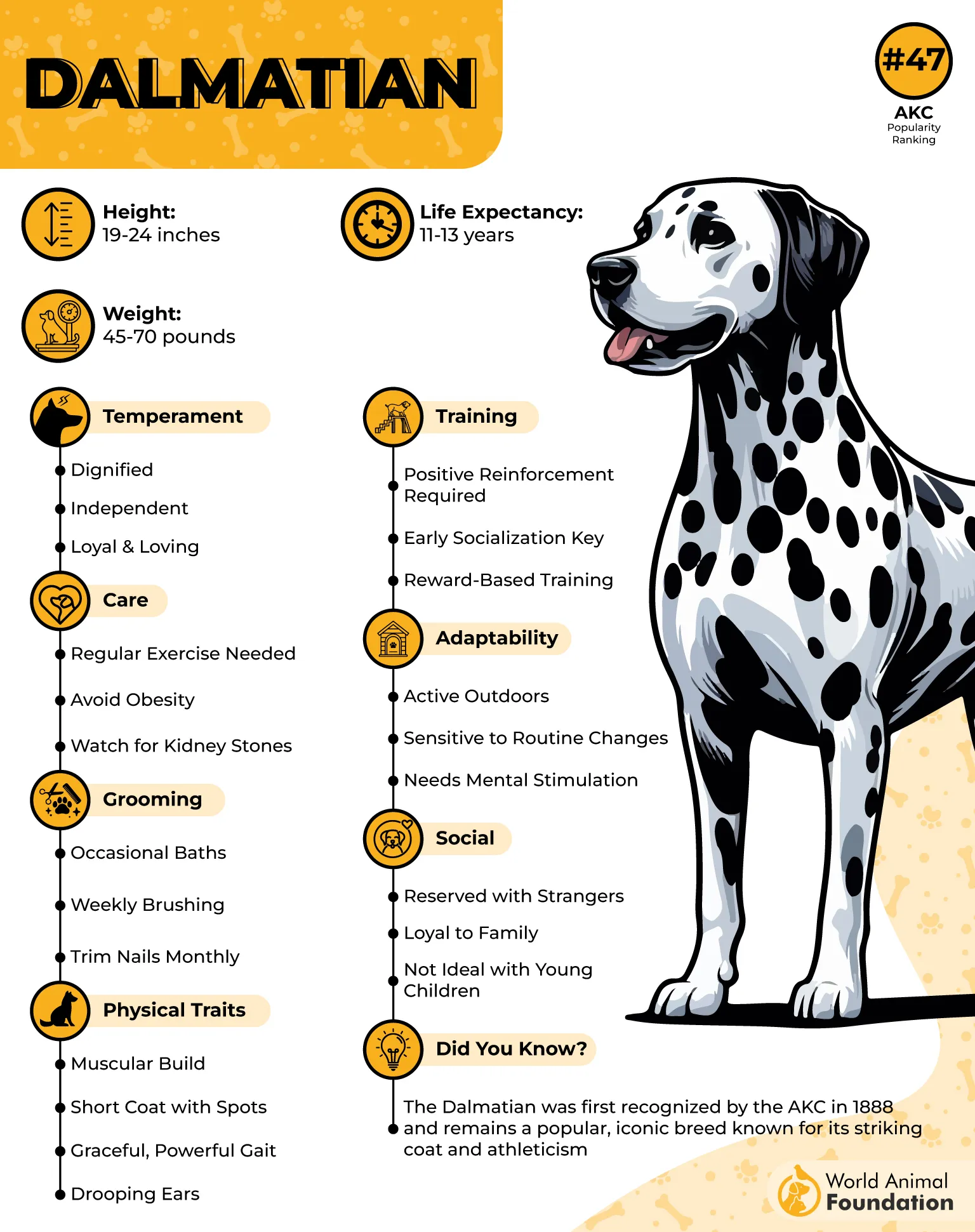
Personalities & Care
Dalmatians are intelligent, energetic, affectionate, and devoted to their families. Orvis mentions that they are naturally alert and protective, making them good watchdogs.
Daily exercise such as running, hiking, agility, tracking, or obedience helps keep them happy. Early training and socialization are important because they can be strong-willed and become destructive when bored.
Health & Grooming
Their short, sleek coats are relatively easy to maintain, although Dalmatians shed regularly and benefit from weekly brushing. They can be prone to deafness and kidney stones, so responsible breeding and regular veterinary care are important.
With plenty of exercise, consistent training, proper care, and companionship, their unique appearance and lively personality make them rewarding family companions.
5. Australian Shepherd
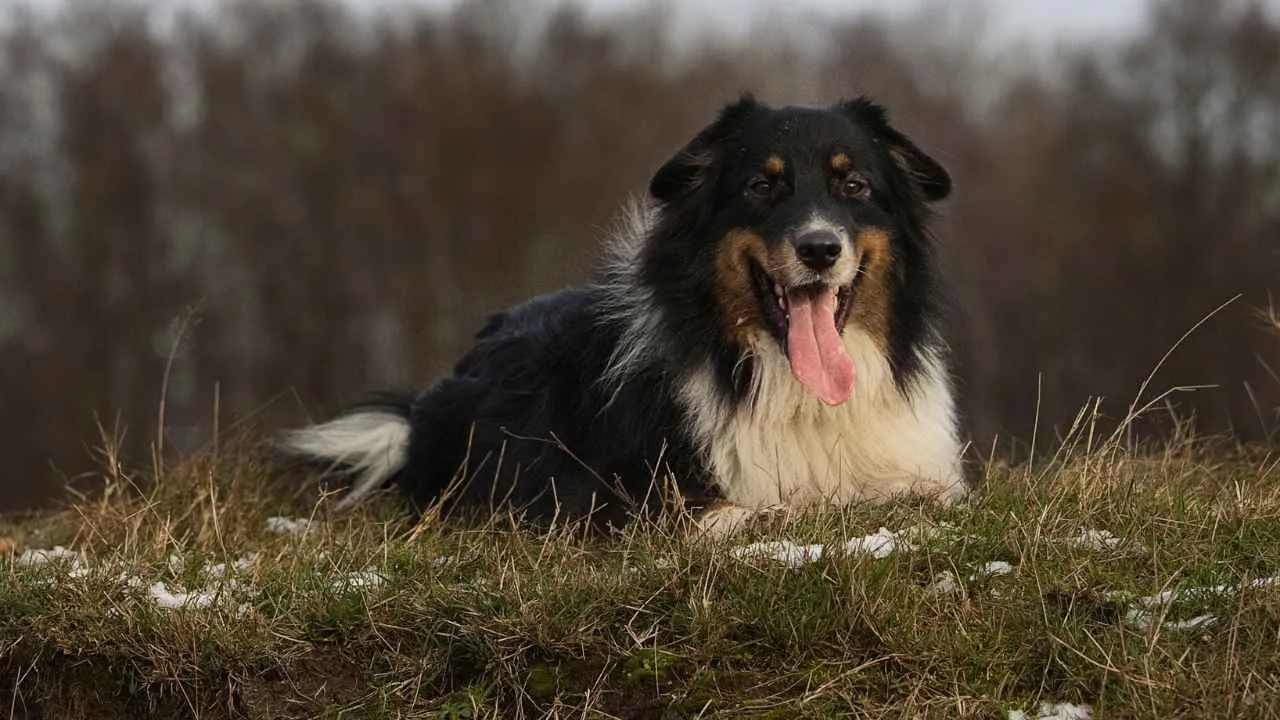
Australian Shepherds are medium-sized herding dogs known for their athletic builds, striking coats, and natural working instincts. Despite their name, they were developed in the western United States and became closely associated with ranches and rodeos.
Their intelligence, agility, and willingness to work have also made them useful in activities such as search and rescue and therapy work.
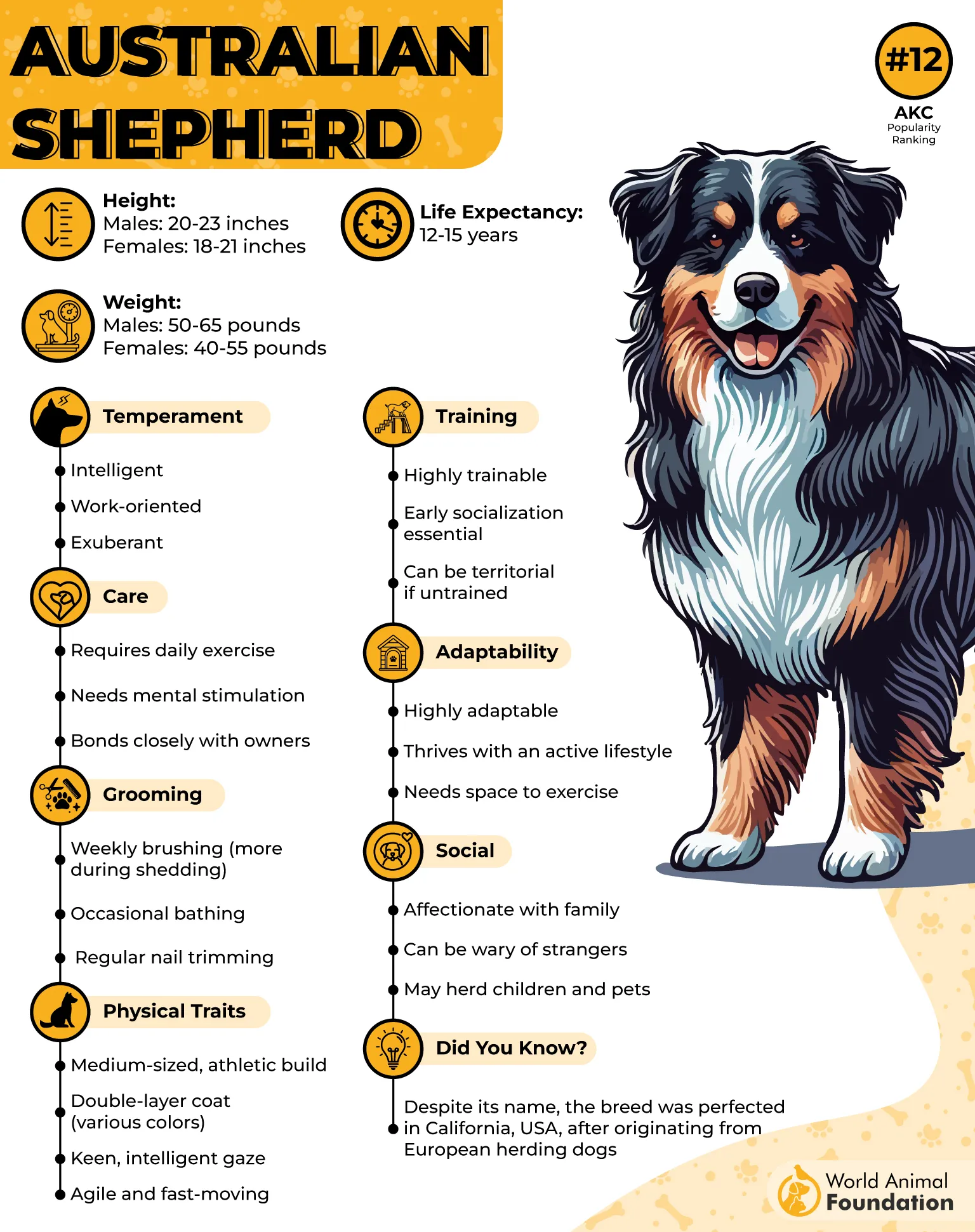
Personalities & Care
Australian Shepherds are intelligent, loyal, playful, and highly energetic. They enjoy staying close to their families and need plenty of physical and mental stimulation every day.
Activities such as hiking, running, agility, herding, tracking, fetch, and obedience can keep them engaged. Early training and socialization are important because their strong herding instincts may lead them to chase or herd children and other animals.
Health & Grooming
Their medium-length double coat needs weekly brushing, with more frequent grooming during shedding seasons. Australian Shepherds can be prone to hip dysplasia, cataracts, epilepsy, and other eye problems, so regular veterinary care is important.
With regular exercise, mental stimulation, grooming, and positive training, these active dogs can become devoted and rewarding family companions.
6. Irish Setter
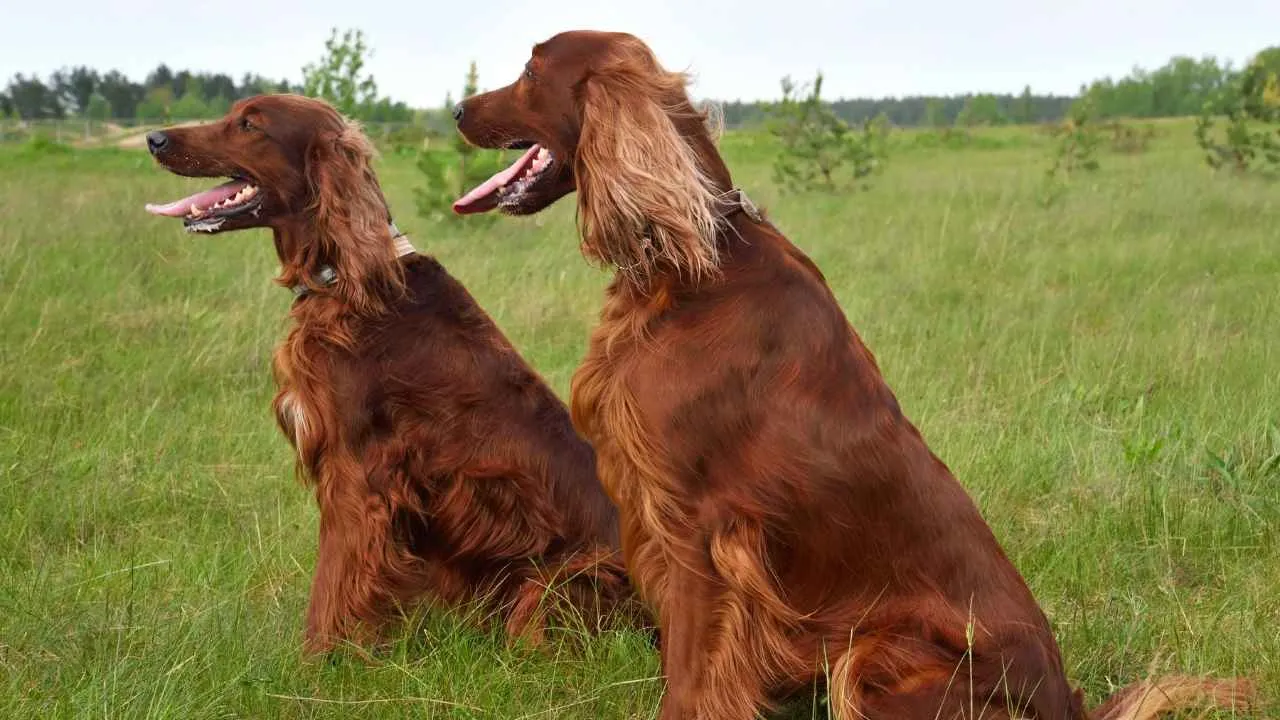
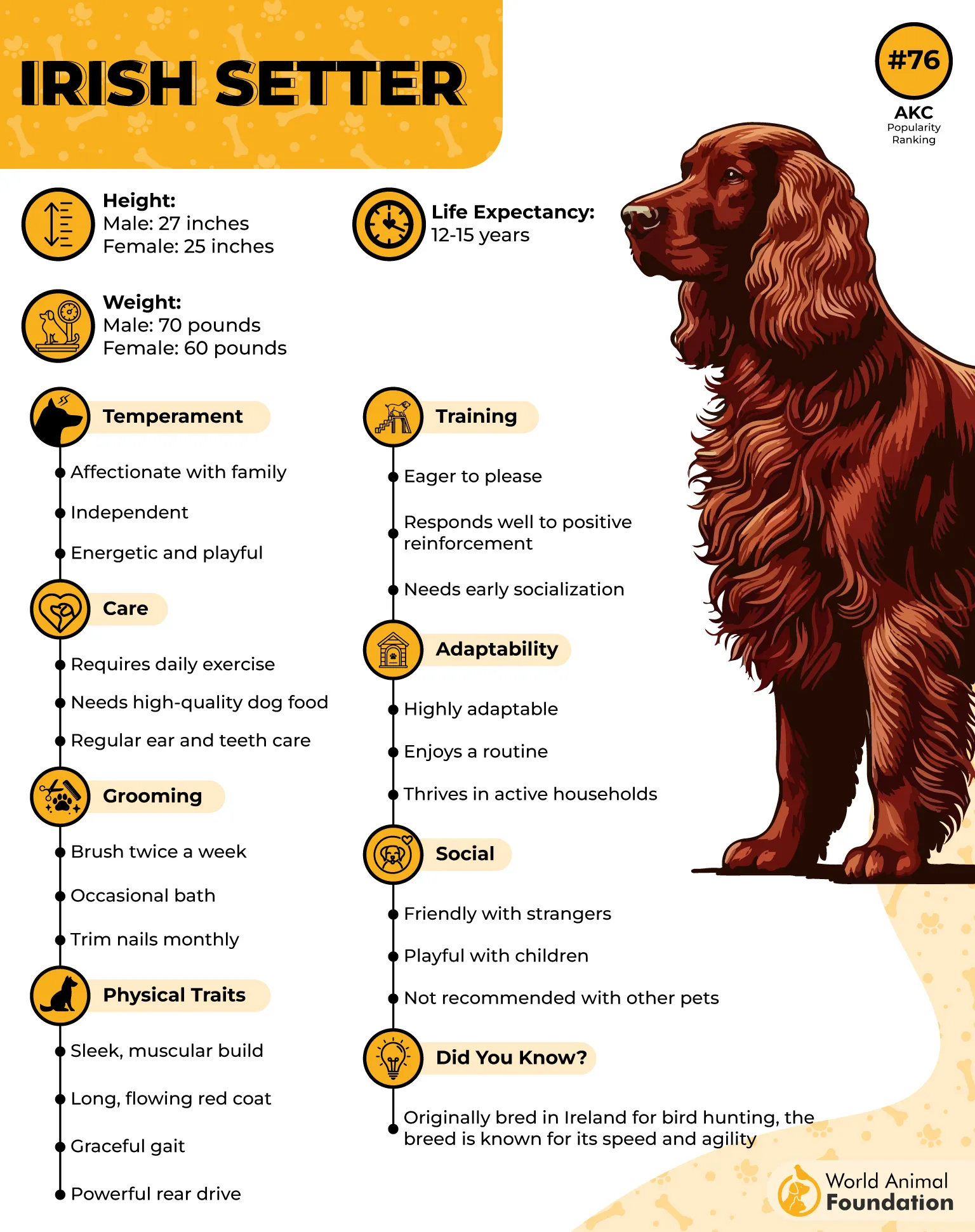
Irish Setters are known for their striking mahogany-red coats, elegant build, long legs, and graceful appearance.
Originally developed as hunting dogs in Ireland, they were bred to work across rough terrain and locate game birds. Their athletic build and keen sense of smell made them valuable working companions.
Personalities & Care
Irish Setters are playful, affectionate, intelligent, friendly, and highly energetic. They enjoy spending time with their families and generally get along well with people and other dogs.
However, their enthusiasm can make them rambunctious, especially when young. They need plenty of daily exercise, interactive activities, and positive training to stay happy and well-behaved.
Health & Grooming
Their beautiful medium-length coat needs regular brushing, ideally two to three times a week, to prevent mats and remove debris.
Their floppy ears should also be checked and cleaned regularly. Irish Setters are generally hardy dogs that can live around 12 to 14 years, but their active nature means they need regular exercise, proper care, and plenty of companionship.
7. Bernese Mountain Dog
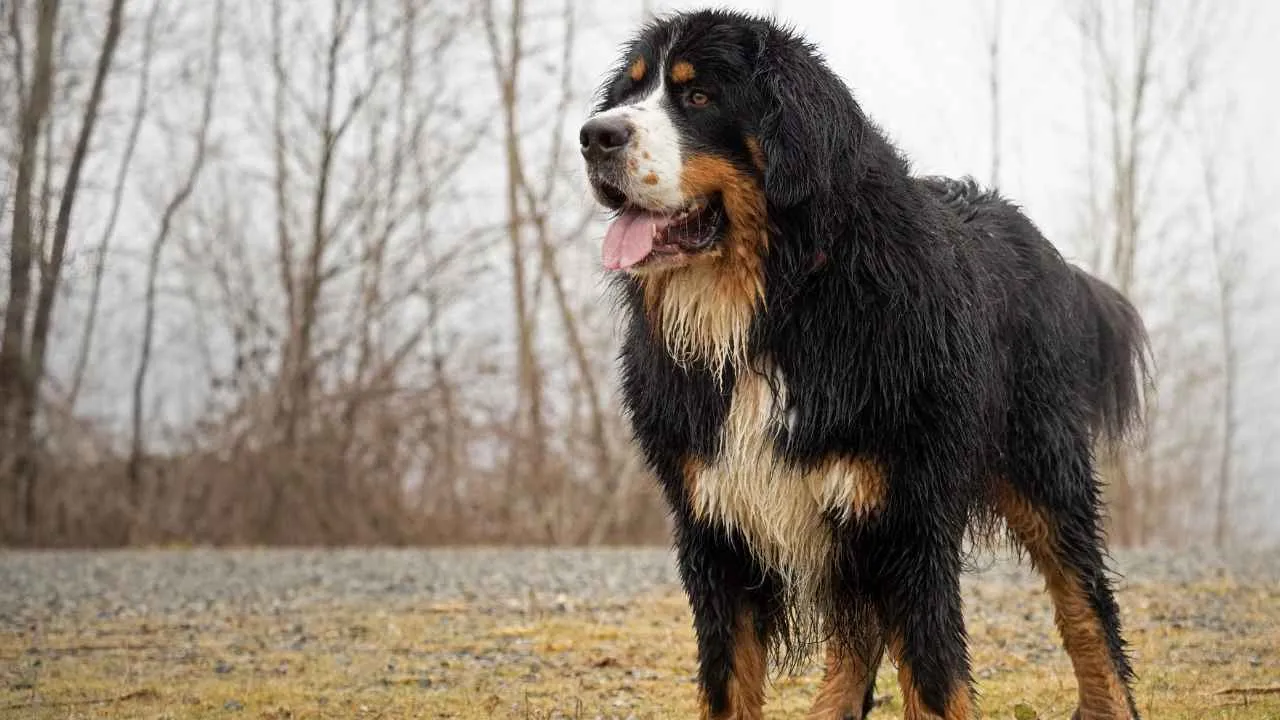
Bernese Mountain Dogs are known for their striking tricolour coats, large size, sturdy build, and gentle expression.
Originating in Switzerland, these hardworking dogs were bred to help farmers drive cattle, guard property, and pull carts loaded with milk and cheese. Their strength and adaptability made them valuable working companions in the Swiss countryside.
Personalities & Care
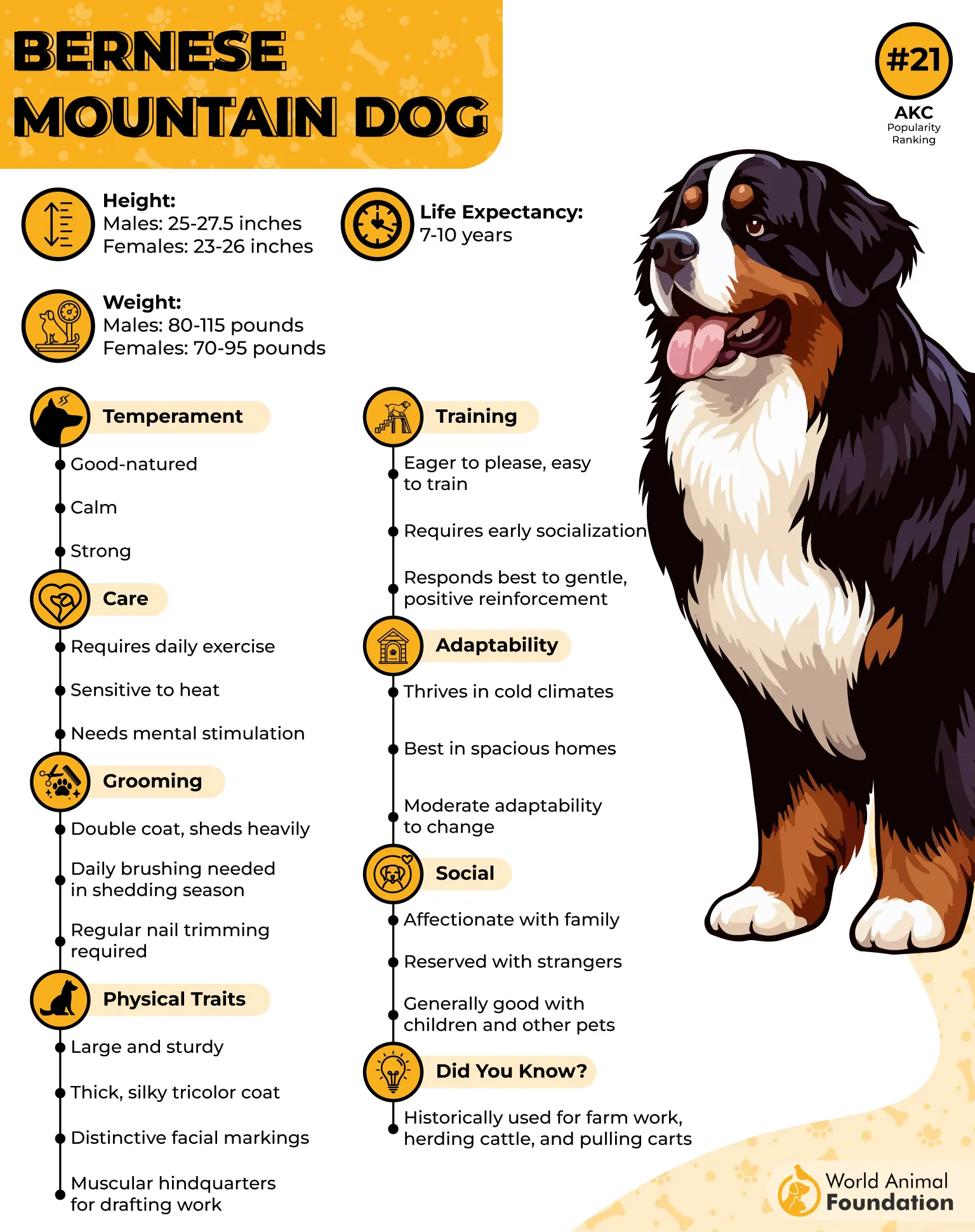
Bernese Mountain Dogs are affectionate, intelligent, gentle, and eager to please. According to Hill’s Pet, they generally enjoy children, other dogs, and pets when properly socialized. Although they are large and strong, they are often calm and easygoing at home.
They thrive on companionship and enjoy activities such as hiking, walking, cart pulling, nose work, and obedience training. Positive reinforcement and early socialization help them become well-mannered companions.
Health & Grooming
Their thick, medium-to-long double coat requires regular brushing several times a week, with daily brushing often needed during seasonal shedding.
Bernese Mountain Dogs can be prone to gastric torsion, hip dysplasia, and certain tumors, and their lifespan is typically around 7 to 10 years. They are also sensitive to heat, so they need a cool environment and exercise during cooler parts of the day.
Conclusion
From energetic herders and playful hunting dogs to gentle family companions, each breed brings its own unique mix of personality, exercise needs, grooming demands, and care requirements.
Understanding these differences can help you choose a dog that truly fits your lifestyle.
Before bringing a new dog home, consider the breed’s energy level, training needs, grooming routine, size, and health concerns. The right match can make life with your four-legged companion more enjoyable and rewarding for years to come.
