




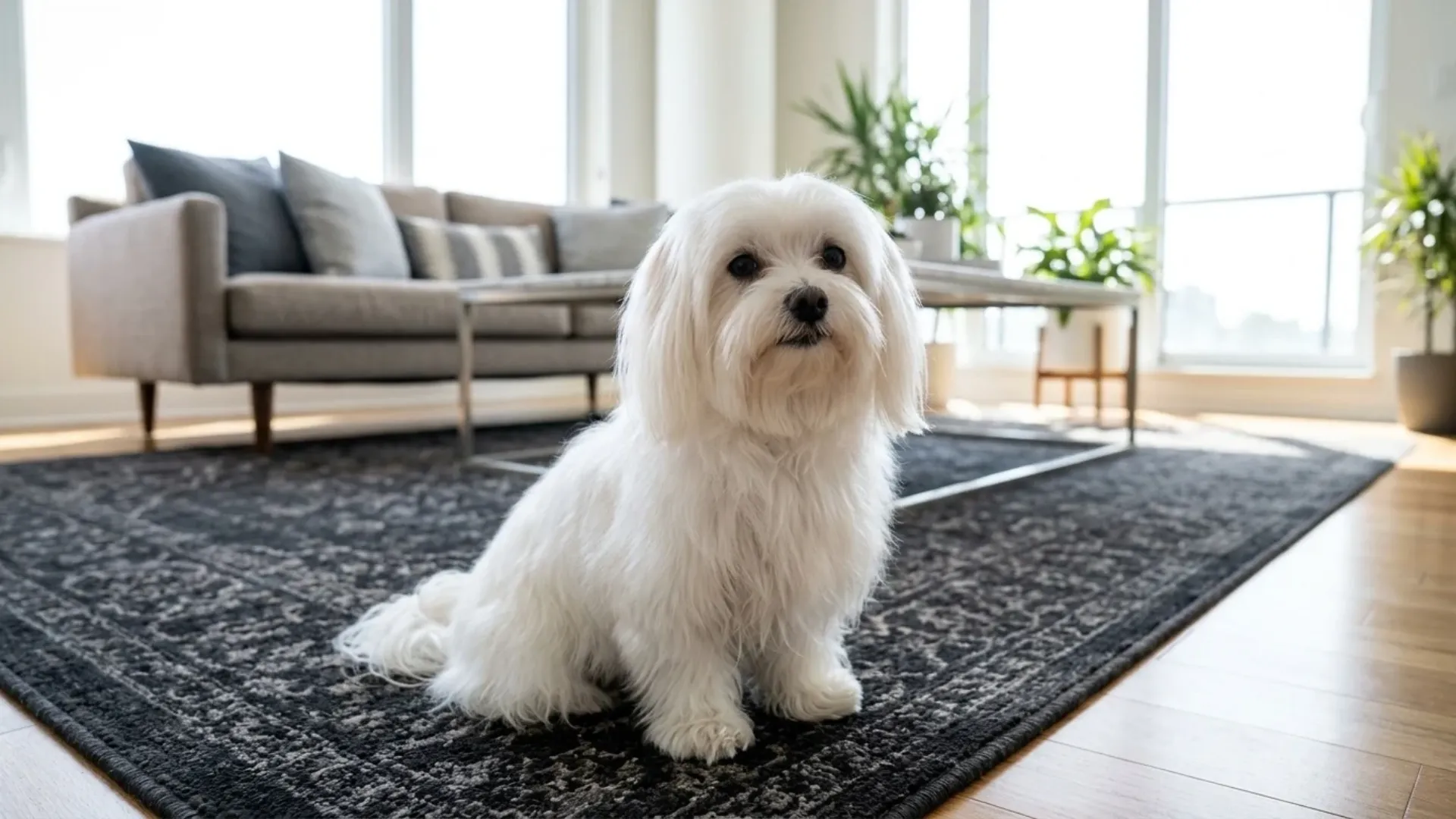
Love dogs but hate finding hair on your floors, clothes, and furniture?
You don’t have to choose between a furry friend and a tidy home! Some dog breeds shed far less than others. Their coats often trap loose hair instead of spreading it around. Poodles and Bichon Frises are popular examples.
Many small companion dogs also bring love, charm, and joy. However, less shedding does not mean less work. These dogs still need regular brushing and coat care. Shorter haircuts can also make grooming much easier.
Allergy concerns matter when choosing a furry friend, too. No dog is completely hypoallergenic, even with little shedding. So, which breeds make good choices for cleaner homes?
Let’s explore seven dogs with different coats and care needs. This guide will help you find a companion that fits your home and lifestyle.
Best Dog Breeds for a Tidy Home: Little to No Shedding
1. Coton De Tulear
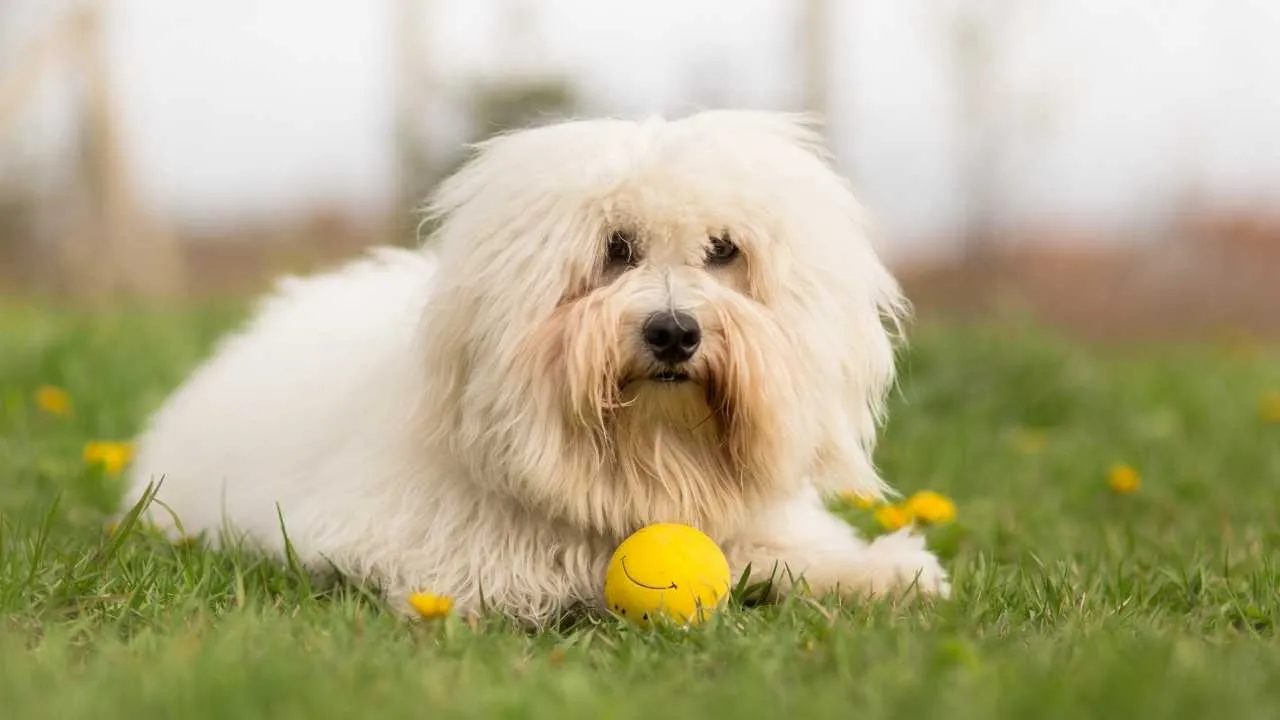
The Coton de Tulear comes from Madagascar. This charming white dog breed has a soft, cotton-like coat. Its coat traps loose hair, making it a low-shedding dog. This trait appeals to people who enjoy tidy homes. The breed also has a long history as a companion.
It loves spending time with its family. According to PDSA, Cotons are loyal, loving dogs. They thrive on family life and make excellent pets. They are also intelligent and keen to learn. This makes training relatively easy.
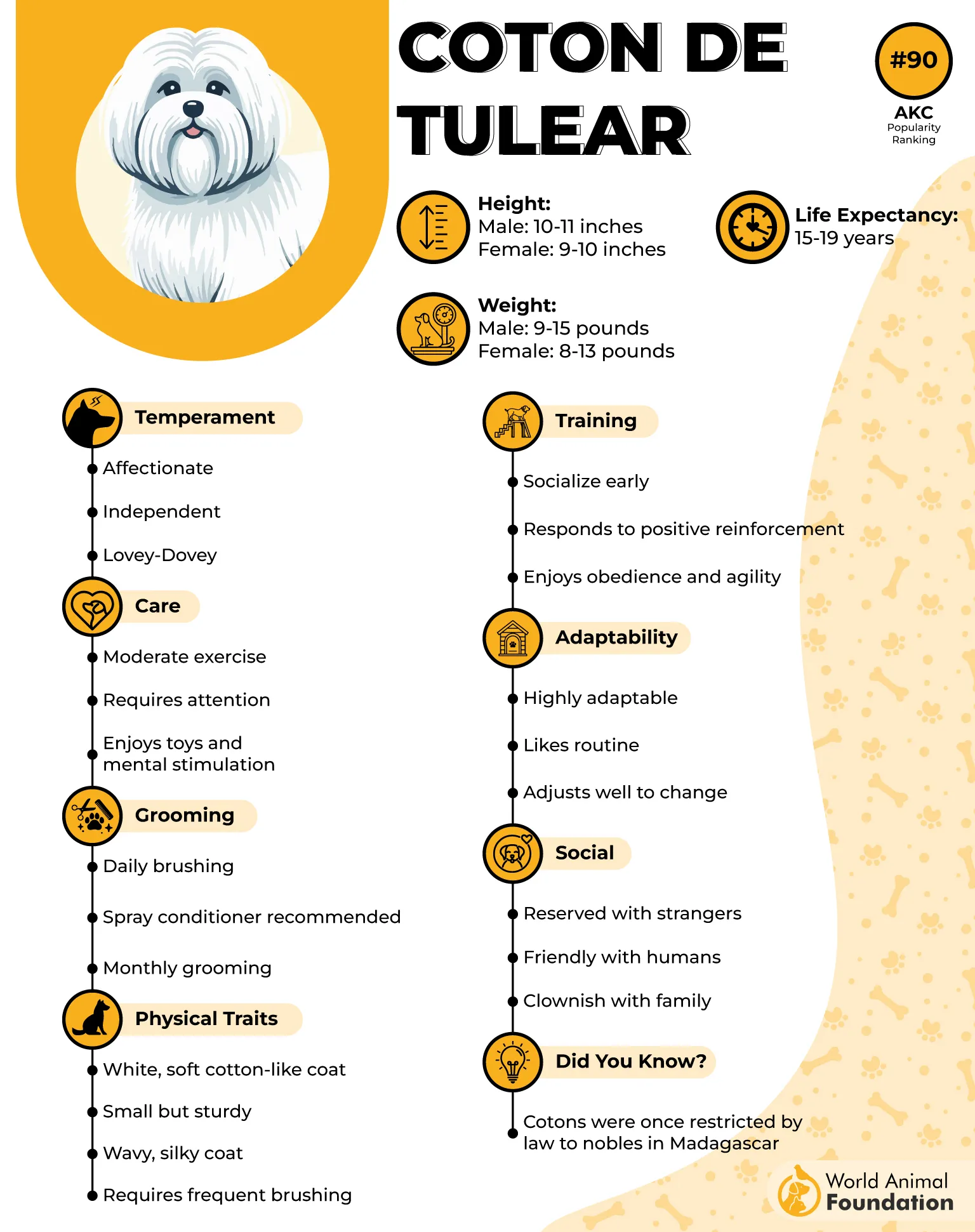
Their fun-loving nature brings joy to daily life. However, their fluffy coats need regular grooming. Daily brushing helps prevent knots and painful tangles. Professional trimming also keeps their coats neat.
What Makes the Coton de Tulear Special?
Friendly nature: They often welcome guests with warmth.
Playful spirit: They enjoy games and family activities.
Training: Reward-based methods help build good habits.
Daily routine: They enjoy company more than long periods alone.
Allergy note: No dog is fully hypoallergenic, despite low shedding.
Note: This breed may suit families seeking companionship. However, it may not fit every busy lifestyle.
2. Maltese
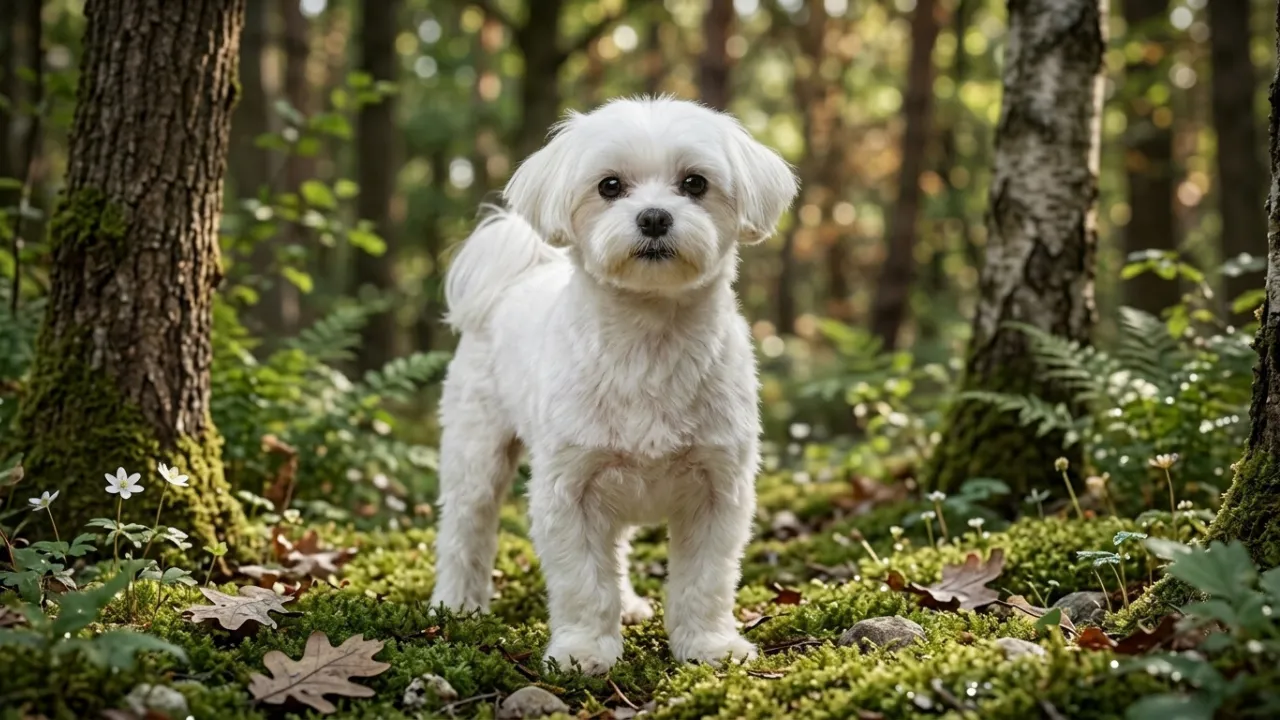
The Maltese is an ancient companion breed with charm. Its long, silky coat gives it a graceful look. This low-shedding dog breed leaves little loose hair. Its coat also grows much like human hair. Daily brushing helps prevent matting and painful tangles.
Regular baths keep its white coat fresh and clean. A shorter haircut can also simplify their grooming needs. According to Hill’s Pet, Maltese dogs are gentle, smart, and trusting.
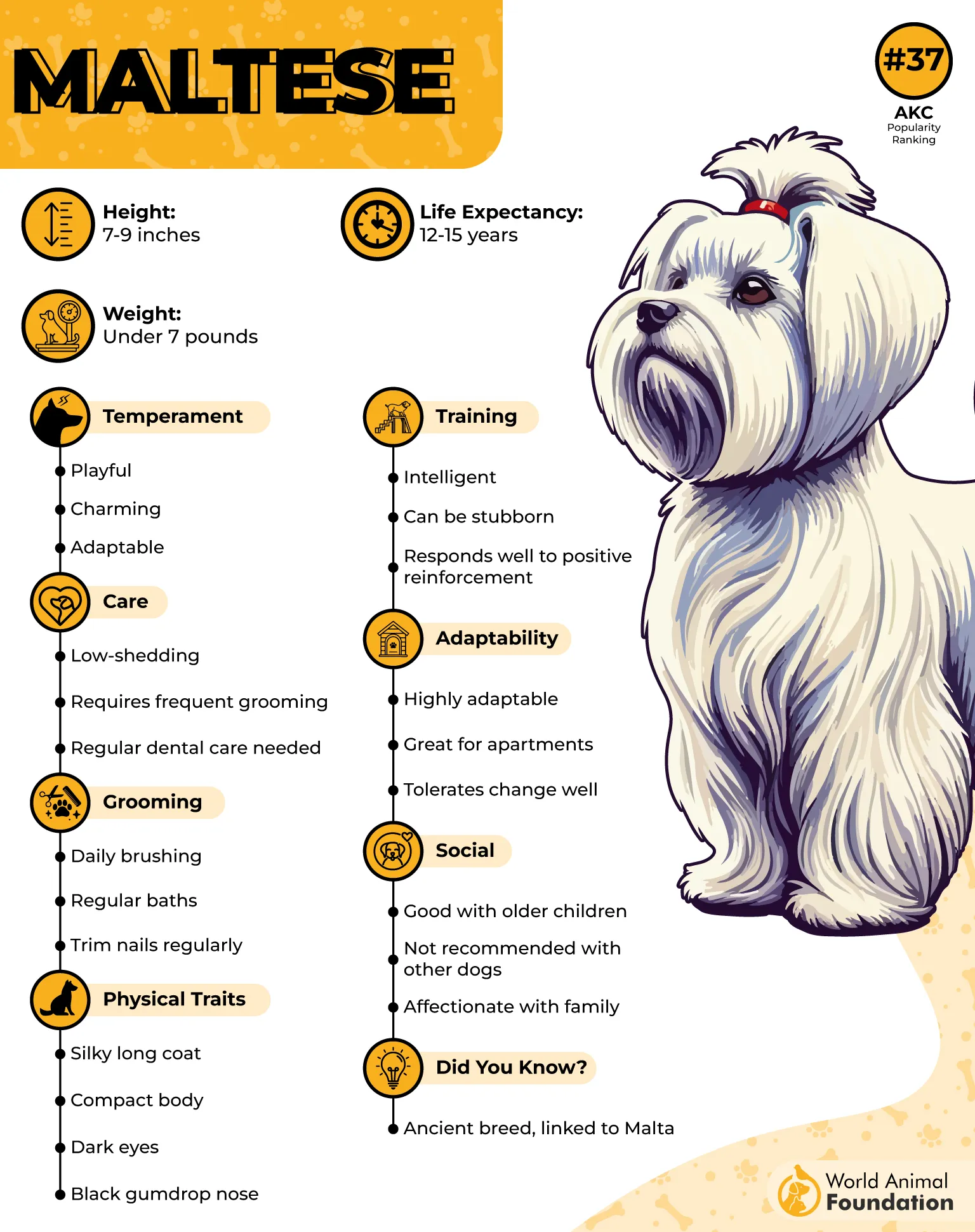
Their affectionate nature makes them lovely family companions. They also enjoy learning tricks and staying active. Their small size makes apartment living easier. However, no hypoallergenic dog is completely free of allergens.
What Makes the Maltese Special?
Family life: Supervise play with young children.
Other pets: Early socialization encourages friendly relationships.
Mental stimulation: Teach tricks and offer fun games.
Dog sport: Try simple activities suited to their size.
Alert nature: They often bark at unfamiliar sounds.
Note: Maltese dogs suit owners seeking close companionship. However, they need attention and consistent care.
3. Basenji
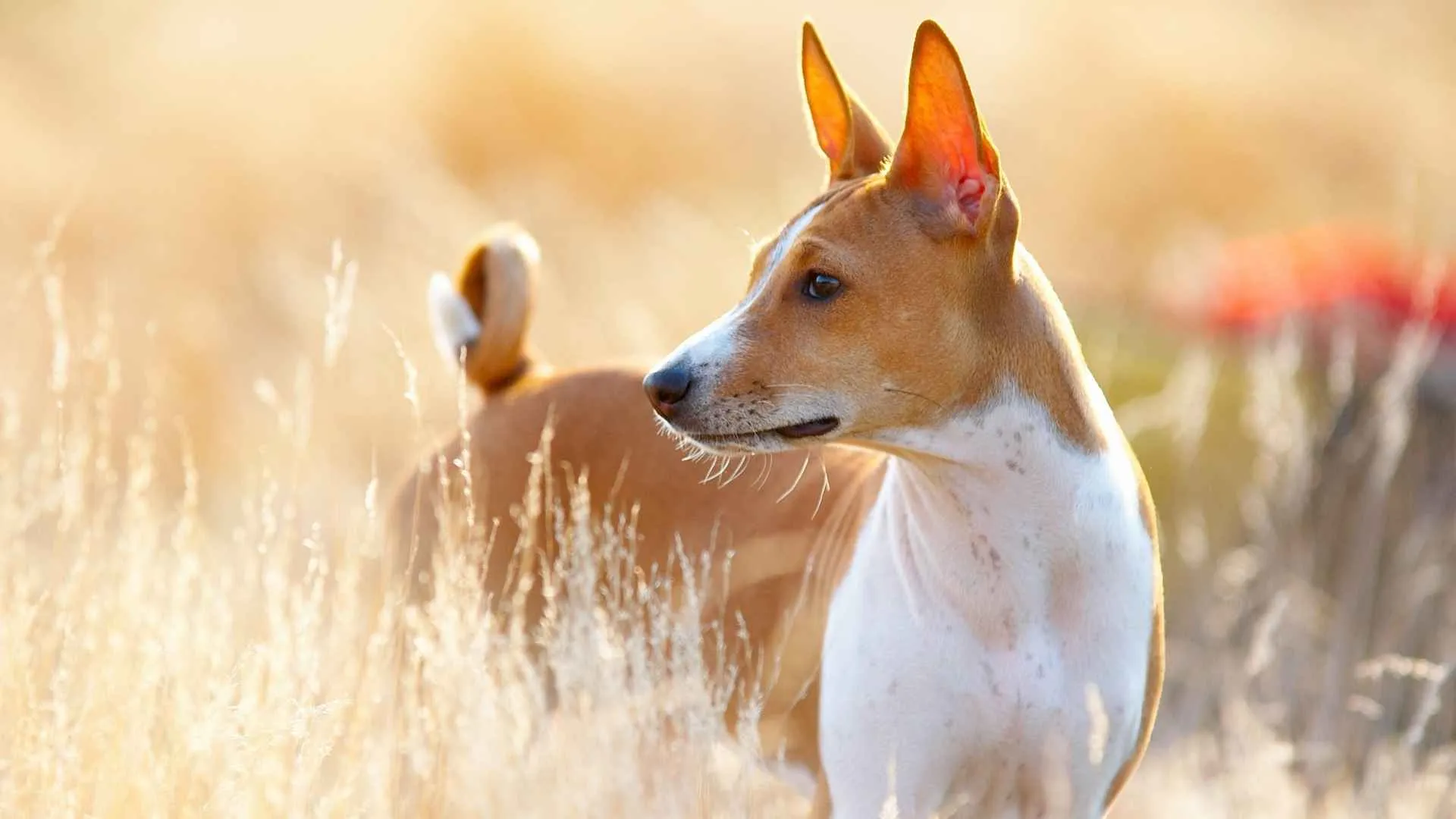
The Basenji is an ancient hunting dog breed from Africa. This small dog has a short, fine coat. It sheds very little, making it a low-shedding breed. Its short hair also needs little daily care. Basenjis often clean themselves much like cats.
Their coats also have very little natural odor. Purina calls this breed the “Barkless Dog.” Instead of barking, it makes a unique yodel sound. Basenjis can seem distant around strangers at first. However, they are affectionate and alert with their families.
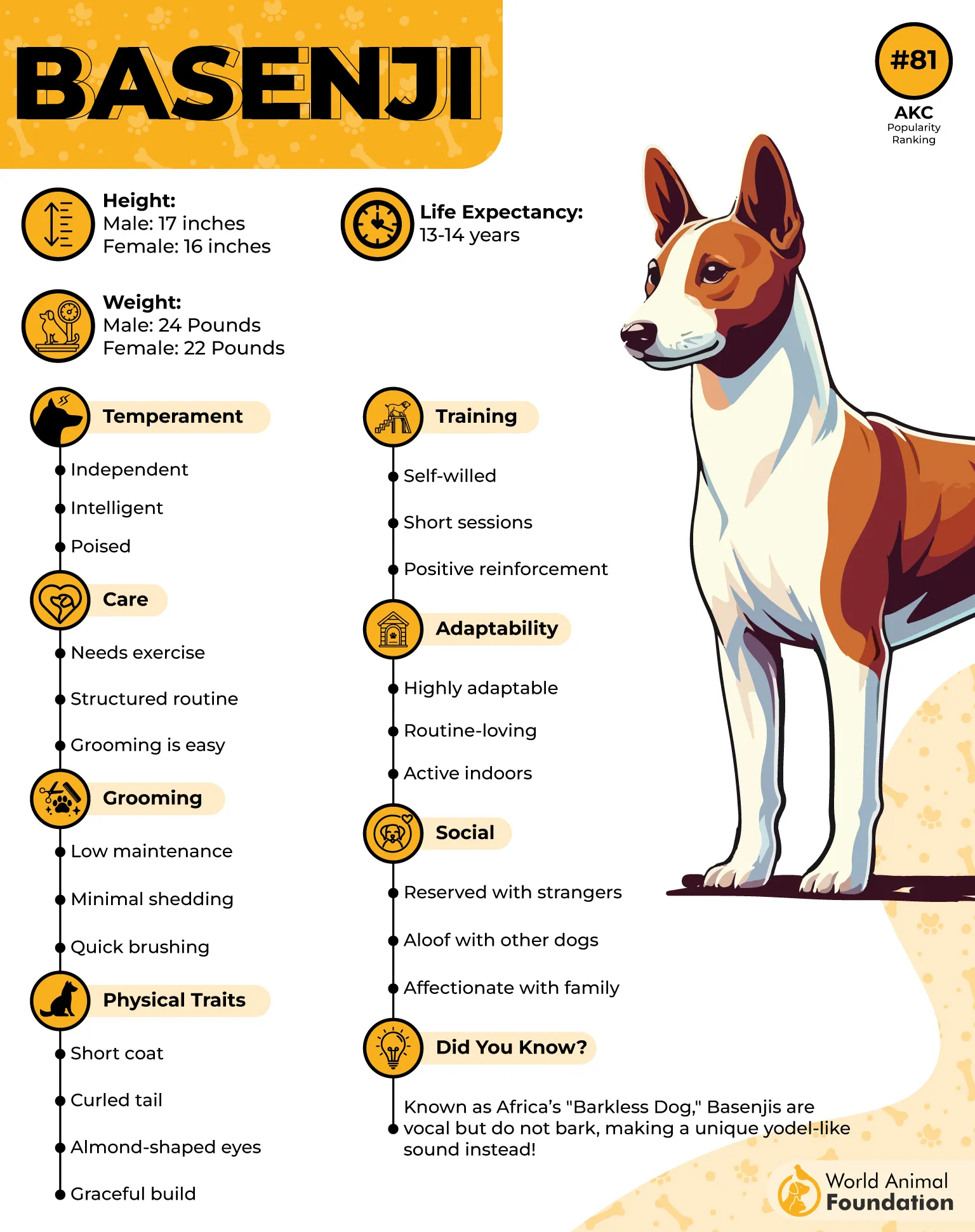
Their active nature makes them lively home companions. Pet parents should provide regular exercise and play. Occasional brushing removes loose hair and keeps the coat neat. Still, no dog is truly non-shedding.

What Makes the Basenji Different?
Independent mind: They often enjoy making their own choices.
Strong prey drive: Small animals may trigger their chase instinct.
Secure spaces: Use fences to prevent sudden escapes.
Mental challenges: Puzzle toys help keep their minds busy.
Training: Short, reward-based sessions work best.
Note: Basenjis may suit active pet parents. However, their hunting instincts need careful management. Their independence may challenge first-time dog owners.
4. Shih Tzu
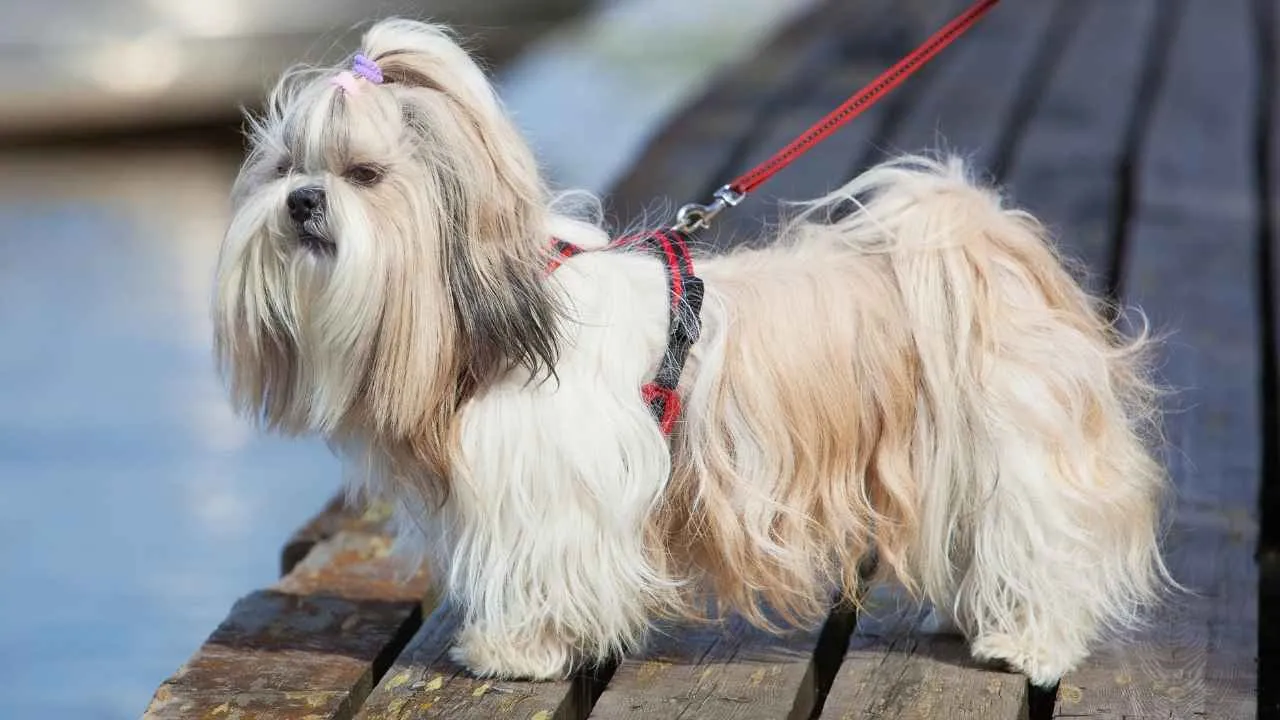
The Shih Tzu has a rich history rooted in Tibet and China. This small breed developed more than 1,000 years ago. Britannica explains that it descended from the Pekingese and Lhasa Apso. Chinese royalty received these dogs as treasured gifts. Their name means “lion dog,” inspired by their facial hair.
Today, their flowing coat remains a familiar feature. This long coat sheds less than many other dog coats. However, it needs regular grooming and frequent brushing to prevent tangles. Some owners choose a shorter puppy cut for easier care. Shih Tzus are devoted family members who enjoy close bonds.
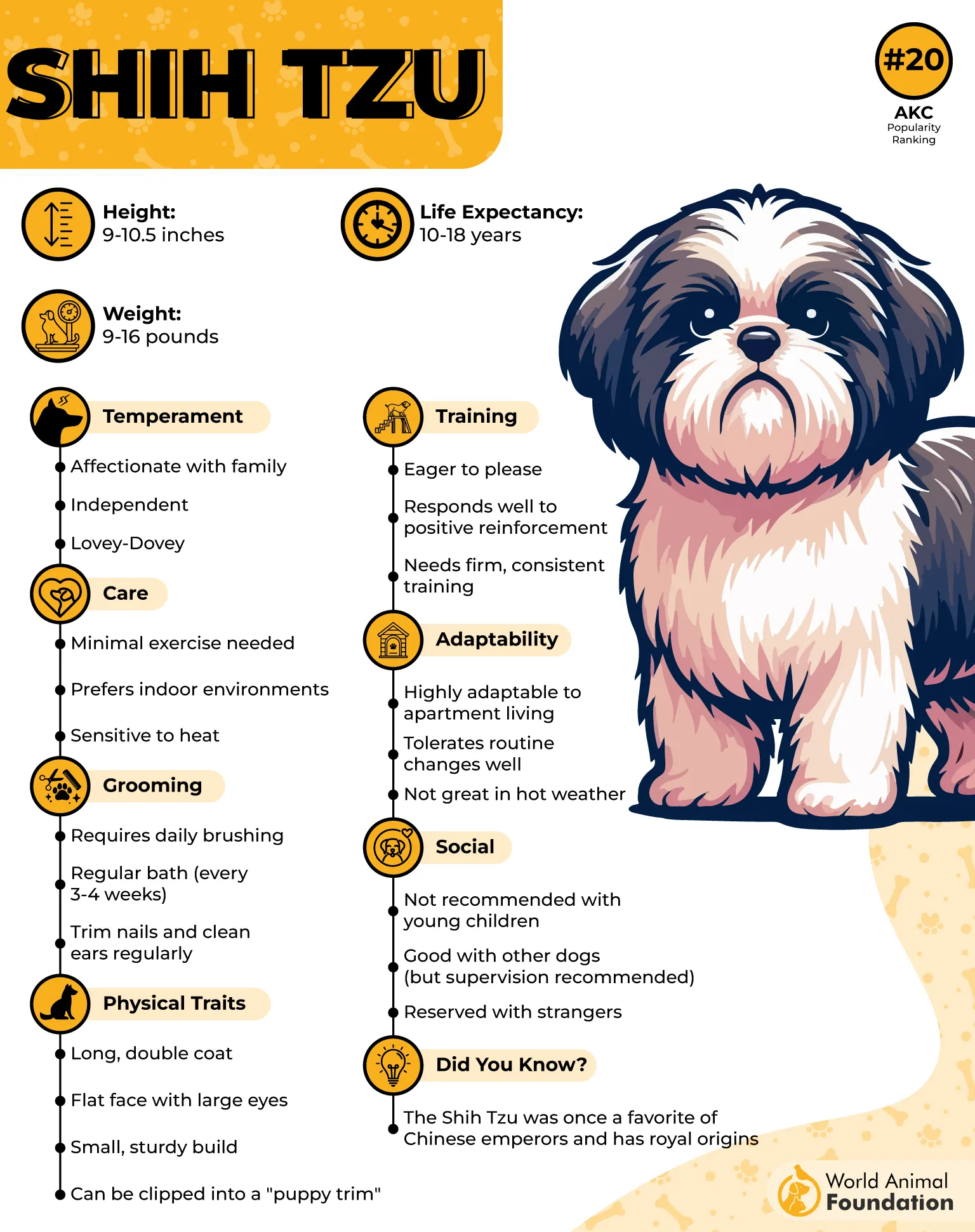
They can adapt to apartments and larger homes alike. Their friendly nature helps them live with another dog. However, they may develop separation anxiety when left alone. No hypoallergenic dog breed is completely allergy-free, so allergy sufferers should spend time with one before choosing.
What Makes the Shih Tzu Special?
Royal roots: Their history adds a unique cultural connection.
Facial care: Wipe away tear stains with a damp, soft cloth.
Eye health: Watch for redness, discharge, or signs of irritation.
Indoor comfort: They enjoy relaxing near their favorite people.
Warm weather: Avoid strenuous activity during hot conditions.
Note: Shih Tzus can suit many household types. However, their facial structure requires attentive care.
5. Xoloitzcuintli

The Xoloitzcuintli has ancient roots in Mexican history. This breed held cultural importance among early Mexican communities. Its name means “dog of the god Xolotl.” PetMD describes the Xolo as a calm, loyal, and loving companion. It is also a highly intelligent dog breed.
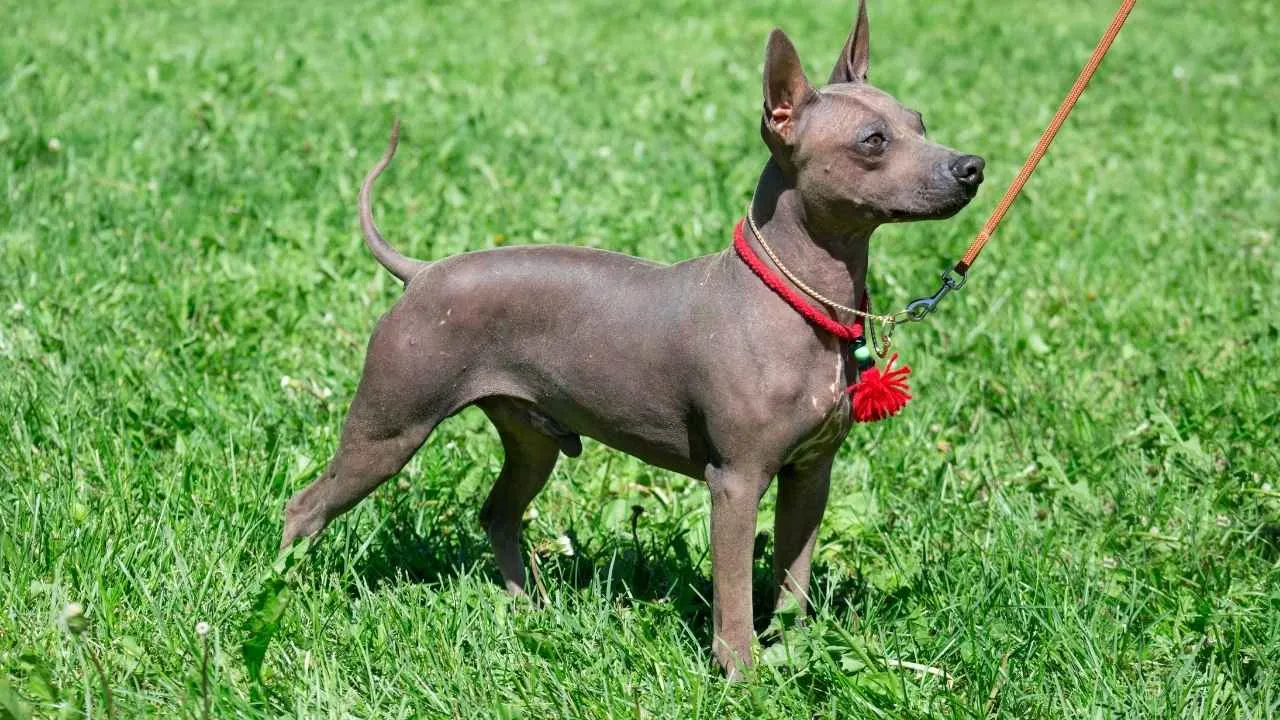
The Xolo comes in three sizes: toy, miniature, and standard. It has both hairless and coated varieties. The hairless type leaves little loose hair around the home.
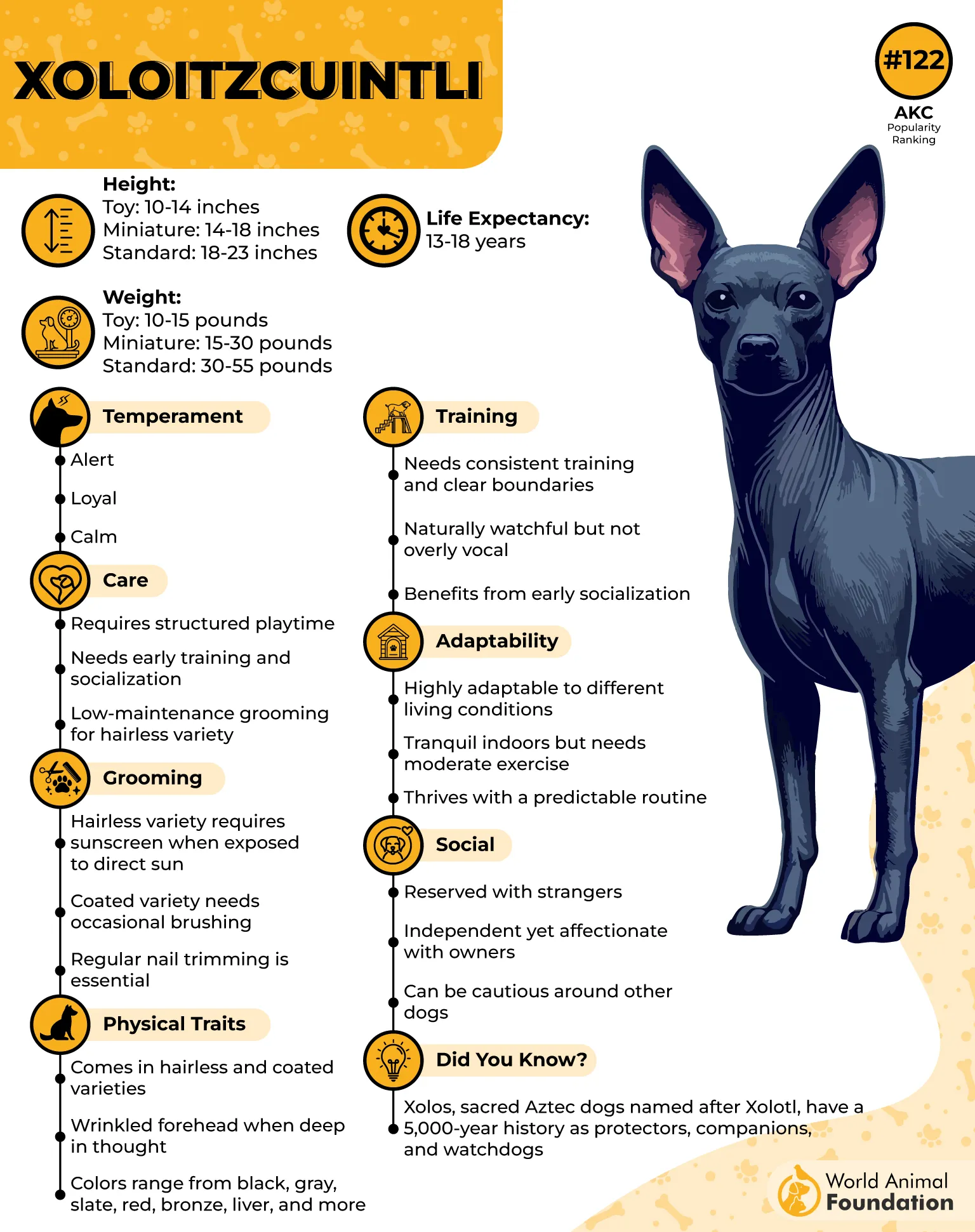
This makes it a low-shedding dog breed. However, no dog is truly non-shedding. Dogs produce dander, even when they lack fur. Skin care replaces much of the usual coat care. Owners should apply dog-safe sunscreen outdoors. Cold weather also calls for warm clothing.
What Makes the Xoloitzcuintli Special?
Ancient symbolism: The breed has links to Mexican art and tradition.
Quiet presence: Many Xolos observe their surroundings calmly.
Close bonds: They often form strong connections with their chosen people.
Home security: Their alert nature can make them watchful companions.
Care routine: Check the skin for dryness, irritation, or spots.
Note: The Xolo may suit owners seeking a low-maintenance breed. However, its skin still needs regular attention.
6. American Hairless Terrier
The American Hairless Terrier is a companion dog from the United States. It developed from naturally hairless Rat Terriers, as noted by Wikipedia. This breed comes in hairless and coated varieties. The hairless type has smooth skin instead of fur.
It leaves very little dead hair around the home. However, coated dogs have a short, dense coat. Some sources describe it as a short double coat. Like other breeds, they may shed loose hair. Their lively nature makes them fun household companions.
These curious dogs enjoy games, learning, and daily interaction. They often thrive with owners who offer an active lifestyle. Their playful energy also makes training enjoyable.
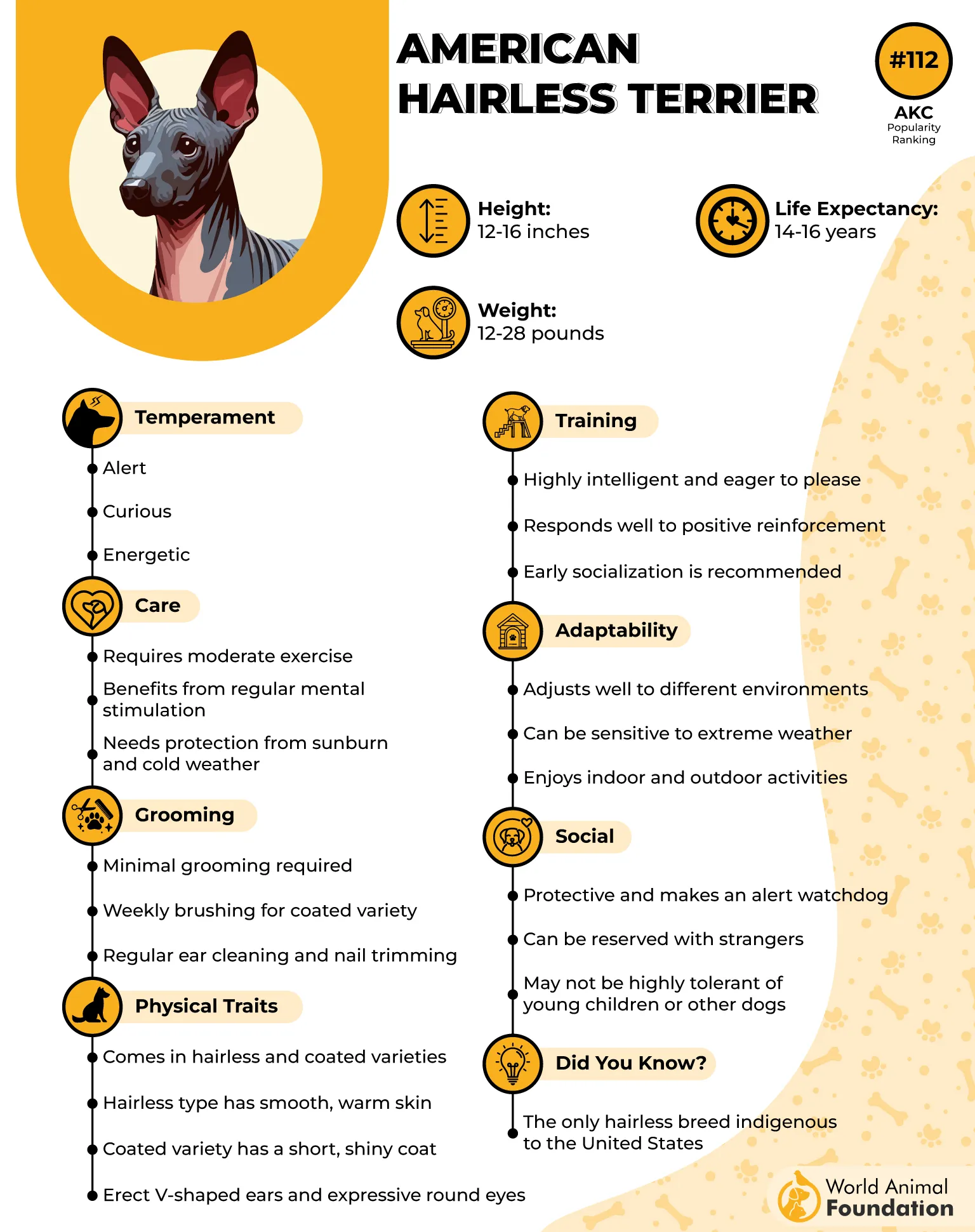
Hairless dogs need sunscreen during sunny outings. Regular bathing and skin checks help maintain healthy skin. Although often grouped with hypoallergenic dogs, no breed prevents all allergic reactions.
What Makes the American Hairless Terrier Special?
Low maintenance breed: Its hairless variety needs no coat trimming.
Indoor games: Try hide-and-seek and simple scent activities.
Social learning: Early introductions can build confidence around visitors.
Weather awareness: Use warm layers when temperatures drop.
Skin protection: Avoid harsh products that may irritate.
Note: This breed can suit active households. However, its energy and skin care needs require daily attention.
7. Dachshund
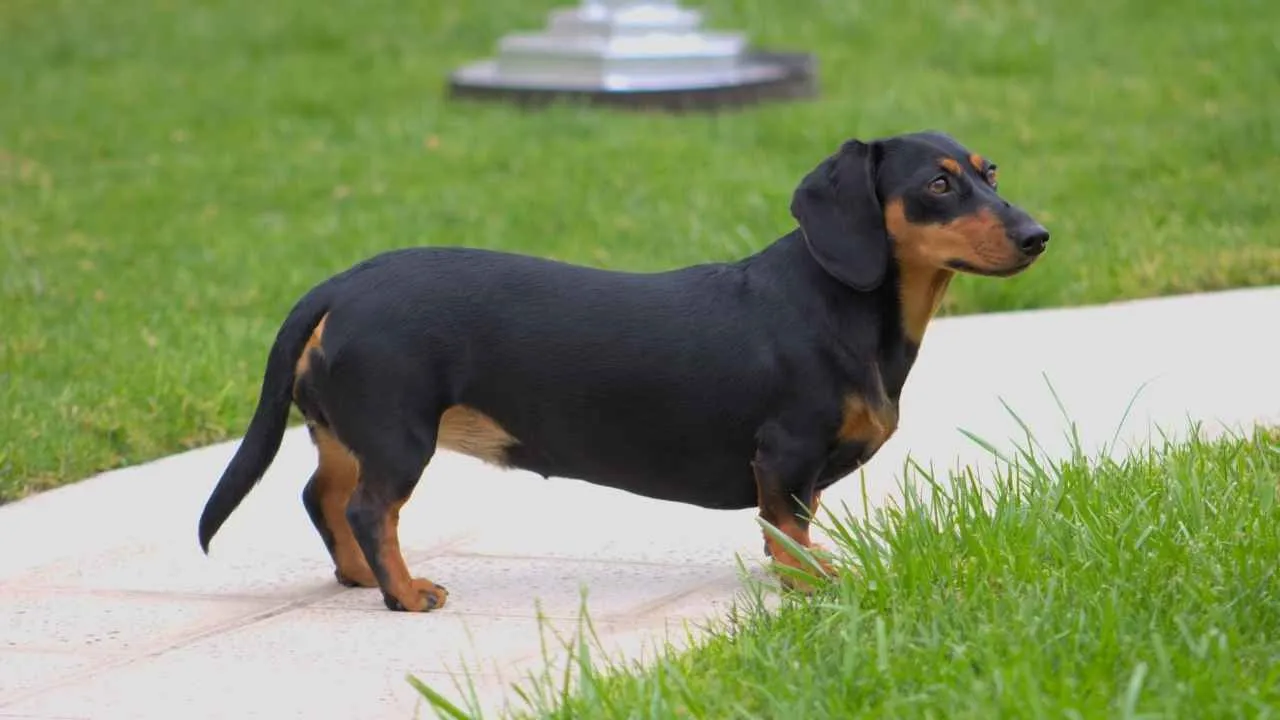
The Dachshund began in Germany as a determined hunting dog. Its long body and short legs helped it pursue prey underground. The American Kennel Club recognizes two sizes and three coat types. These include smooth, long-haired, and wire-haired varieties. Each type brings different grooming needs.
Smooth coats need less brushing than longer coats. Long-haired Dachshunds need frequent brushing to prevent tangles. Wirehaired coats benefit from regular grooming and occasional hand-stripping.
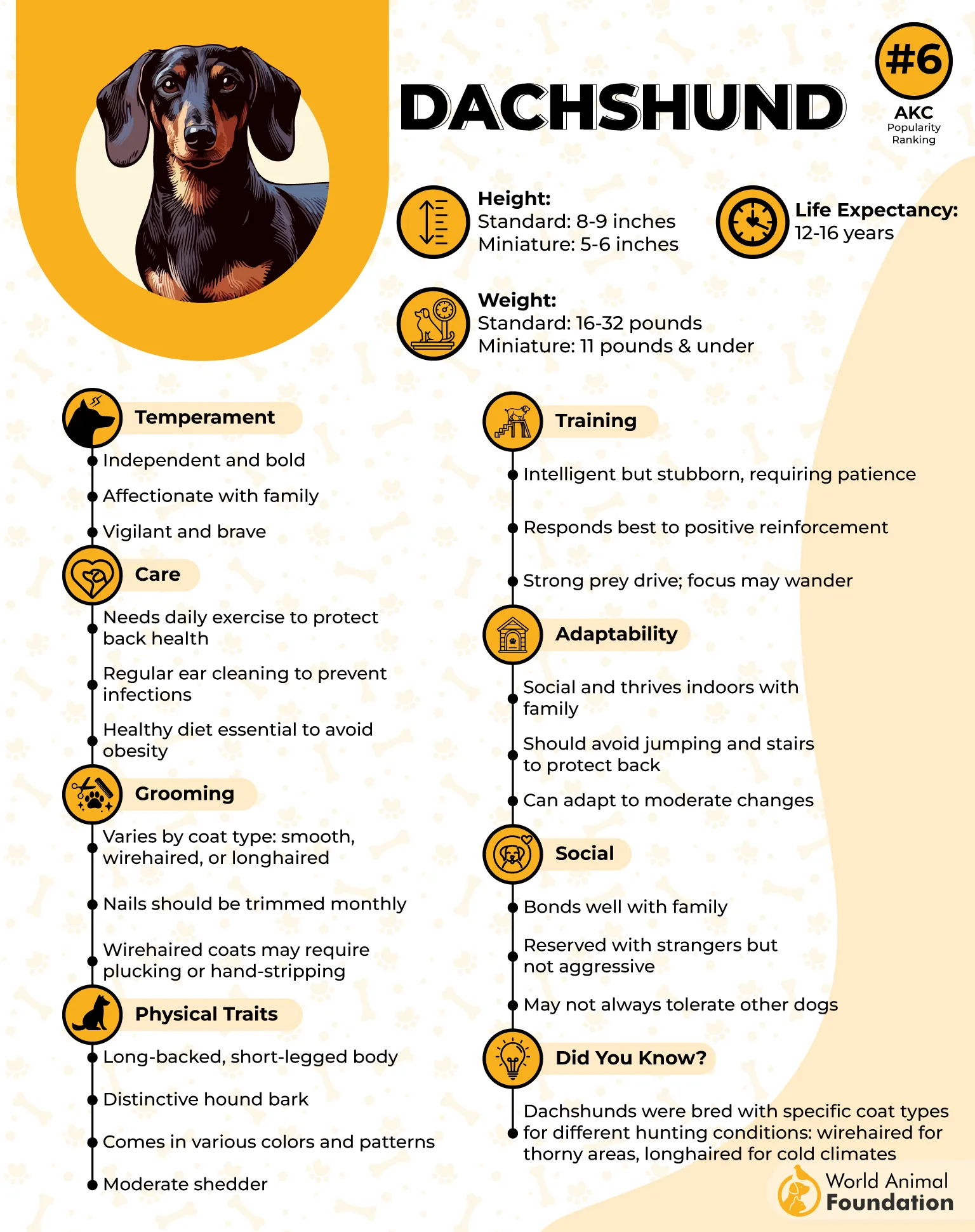
Even minimal shedding does not mean hair lying around disappears. Loose hair can collect on furniture and clothing. Pet dander can also trigger allergic reactions. No Dachshund has a hypoallergenic coat. Still, this loyal companion can suit many human families.
What Makes the Dachshund Special?
Bold personality: Their confidence often exceeds their small size.
Watchful nature: A deep bark can alert owners to visitors.
Independent thinking: Patient, consistent training helps manage stubborn habits.
Back care: Limit repeated jumping from furniture and high places.
Exercise needs: Short walks and gentle play support a healthy weight.
Note: Dachshunds can suit active families who enjoy daily walks and play. However, their backs need careful protection.
Conclusion
Choosing a dog for a tidy home takes careful thought. These seven breeds offer different coats and personalities. Some dogs shed very little, while others need more cleaning. A low-shedding breed can reduce hair lying around. However, most dogs still need regular grooming.
Brushing helps keep the coat healthy and removes loose hair. Long, silky hair and curly coats may need professional grooming. Hairless breeds also need proper skin care. Remember, no hypoallergenic dog is completely free of allergens.
Dog allergies can involve dander, saliva, and other triggers. Consider your household, daily routine, and each breed’s health issues. Use reliable grooming tips and check what dogs regularly need.
Responsible adoption helps dogs thrive in suitable homes. The right match brings lasting companionship and a happier home.
