




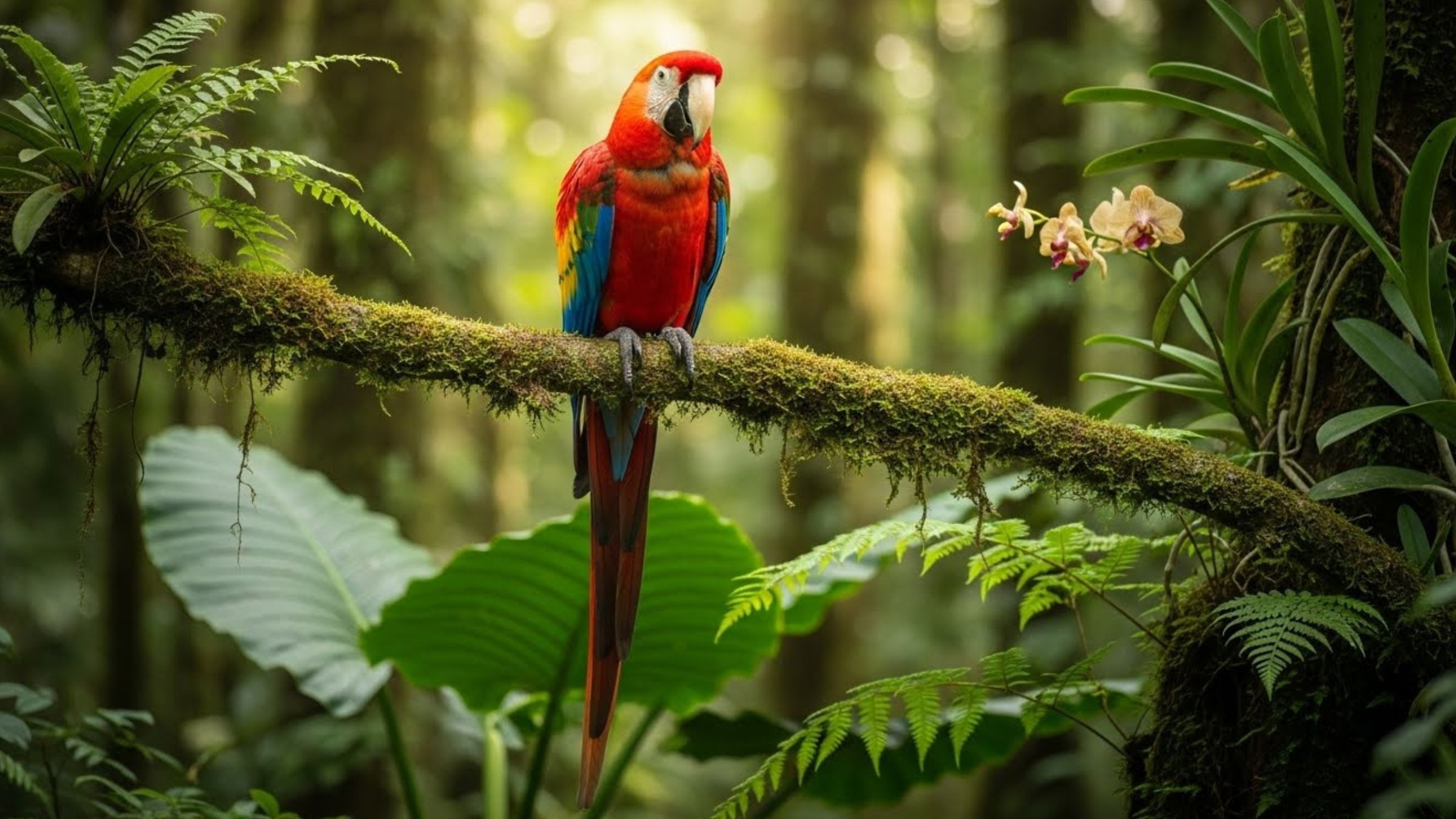
Birds are full of surprises, and one of the biggest is how long some of them can live. Unlike humans, birds don’t show obvious signs of aging—no grey hairs, no wrinkles, no slow shuffle with time—so their true age often remains a mystery.
Scientists use methods like banding and long-term observation to uncover their lifespans, but even then, it’s not always straightforward. What we do know is that certain birds are masters of longevity. Some species can outlive dogs, cats, and in some cases, even their human caretakers.
A bird’s lifespan is shaped by its size, lifestyle, and habitat, along with the care it receives if raised in captivity. While tiny species may only live a handful of years, larger birds can keep soaring for decades—sometimes close to a century.
Whether you’re simply fascinated by long-lived wildlife or thinking about bringing home a feathery companion, understanding avian longevity helps you appreciate just how remarkable these creatures truly are. Let’s explore the birds known for standing the test of time.
Key Takeaways
Uncover the secrets of birds that live longer than most pets and even people, from Scarlet Macaws to Pink Cockatoos.
Meet incredible birds like the Kakapo and Wisdom the Laysan Albatross, the oldest wild bird ever recorded.
Find out how species such as the Andean Condor use unique lifestyles to live for decades and beyond.
See why these long-lived birds are true symbols of strength and survival.
Birds Known for Their Longevity
1. Kakapo
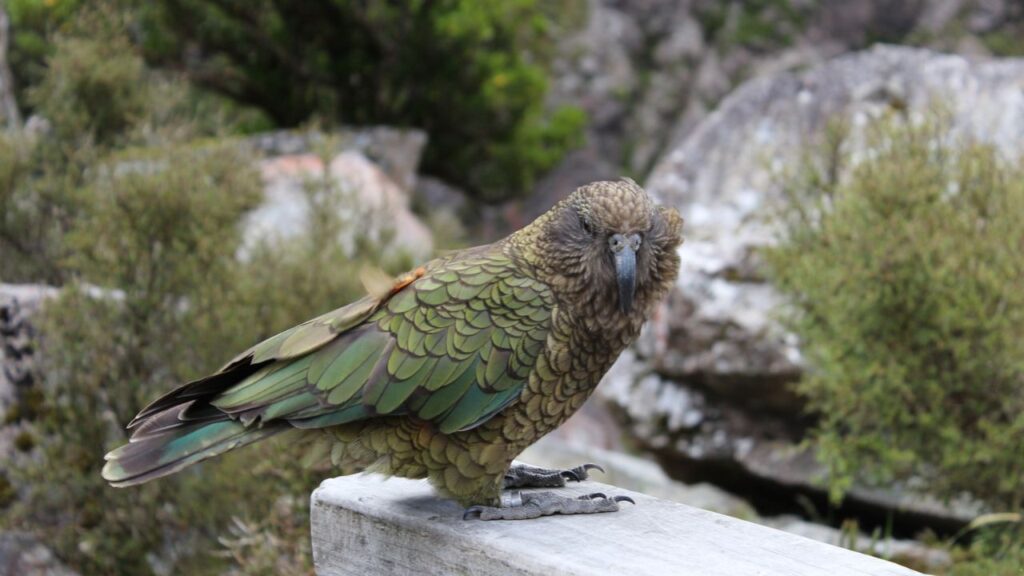
The kākāpō is one of the world’s most unique birds and holds the title for the longest-living bird species. These endangered parrots can live up to 90 years, and some are believed to reach or even pass 100. One well-known individual, Richard Henry—captured as an adult in 1975—became a symbol of hope for the species.
A Species Brought Back From the Brink
Once widespread across New Zealand, the kākāpō population crashed after predators arrived with humans. By the mid-1990s, only about 50 birds were left. Conservationists then moved the entire population to predator-free islands and began intensive monitoring.
This long-term effort has helped the population slowly rise, although some birds still struggle in captivity due to stress, which can shorten their lifespan.
What Makes the Kākāpō So Unique
Nocturnal and flightless
Moss-green plumage and an owl-like face
Lek breeders—males gather and create booming calls that travel far
Females nest in ground hollows and raise chicks alone
Considered a taonga (treasured) species by the Ngāi Tahu Māori
2. Scarlet Macaw
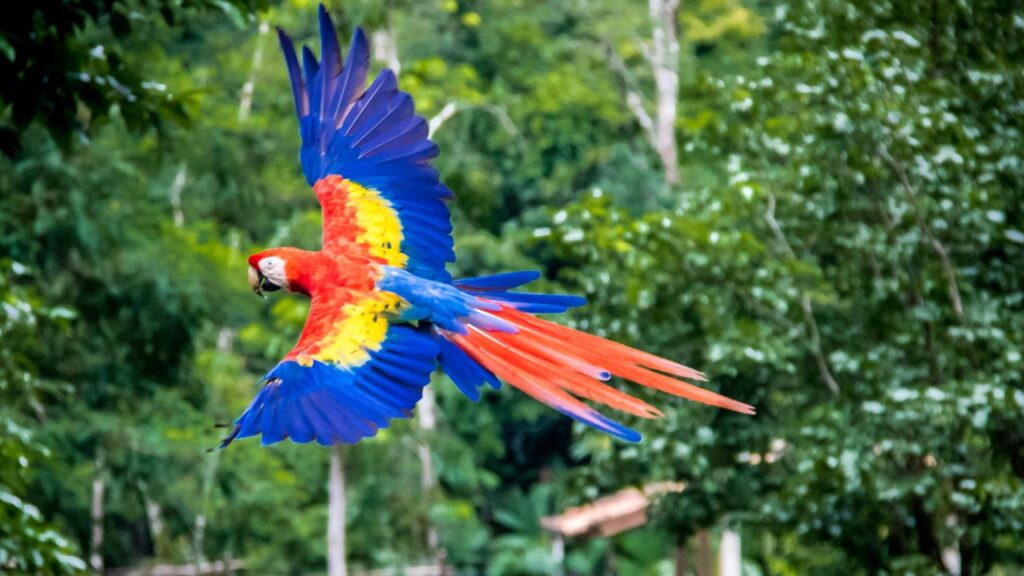
The scarlet macaw is one of the most colorful and longest-lived birds in the Americas. In captivity, some individuals have reached 75 years or more, and there are claims of a few living close to 90.
Most scarlet macaws typically live 40 to 50 years when given proper care, good nutrition, and regular veterinary checkups.
A Vibrant Icon of the Rainforest
Native to the tropical rainforests of Central and South America, this parrot is famous for its brilliant red, yellow, and blue plumage. Its creamy white, nearly featherless face can even blush when the bird is excited.
Scarlet macaws are highly intelligent, energetic, and known for their bold personality. Sadly, many populations have declined due to capture for the pet trade, though reintroduction programs are helping them return to protected areas.
What Makes the Scarlet Macaw Stand Out
One of the most recognizable parrots in the world
Strong beak adapted for cracking hard rainforest nuts
Deep, throaty calls that travel long distances
Often seen in pairs flying with slow wingbeats and long tail feathers
Known as capable escape artists with playful and “sassy” behavior
3. Pink Cockatoo
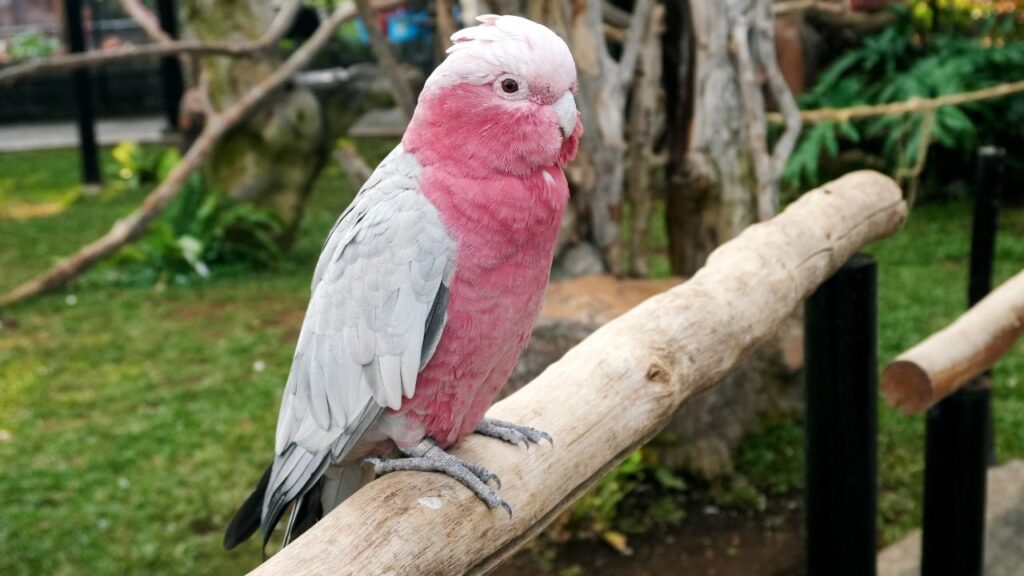
The pink cockatoo, also known as Major Mitchell’s cockatoo, is one of the longest-living parrots ever recorded. Most individuals live around five to six decades, but one remarkable bird named Cookie lived to be 83.
Hatched in 1933 and later moved to Brookfield Zoo in Illinois, he became a beloved celebrity and was recognized by Guinness World Records as the oldest living parrot before his death in 2016.
A Rare and Little-Studied Species
Despite its popularity, very little research exists on the pink cockatoo, especially in Queensland. This species is native to inland Australia and prefers dry woodlands and arid regions.
Populations have declined due to land clearing, which has reduced the number of natural nesting hollows. These habitat changes make the bird even more vulnerable, highlighting the need for further study and conservation.
What Makes the Pink Cockatoo Unique
Pale pink and white body
Large, striking crest with red and yellow bands
Pink underwings are visible during flight
Often seen feeding on the ground near roads
Distinctive, high-pitched, or stammering calls
4. Andean Condor
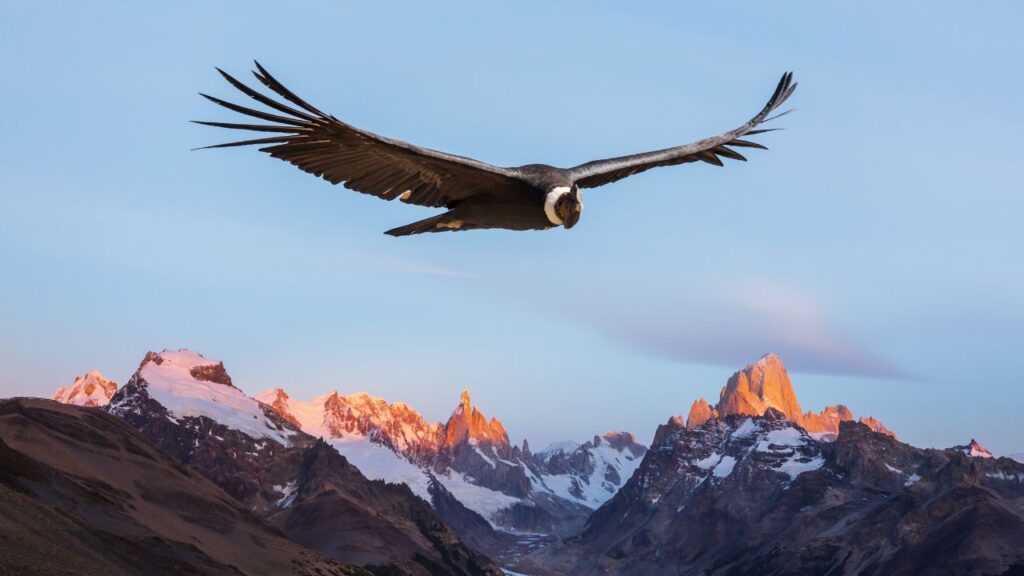
The Andean condor is one of the world’s longest-living birds of prey and a symbol of endurance. These birds commonly live beyond 50 years in the wild. In captivity, they can reach even greater ages.
According to GBIF, the oldest confirmed individual was Thaao, a male born in 1930 who lived at the Beardsley Zoo in Connecticut until his death in 2010 at the age of 79. He was born in the wild and became part of some of the earliest bird-tracking history.
A Species Built for Long Life
Native to the mountains of South America, the Andean condor benefits from having very few natural predators. It also has strong resistance to harmful bacteria, which helps it thrive on a diet of carrion.
These factors contribute to its impressive longevity. Although wild data is limited, researchers believe many individuals live well past 50 years in natural conditions.
Conservation Efforts and Key Traits
Supported by long-term research programs across Ecuador, Chile, Bolivia, and Argentina
Conservation groups focus on monitoring, captive breeding, and community education
Known for its powerful presence and long gliding flights
Often seen soaring over mountain valleys and open landscapes
5. Laysan Albatross
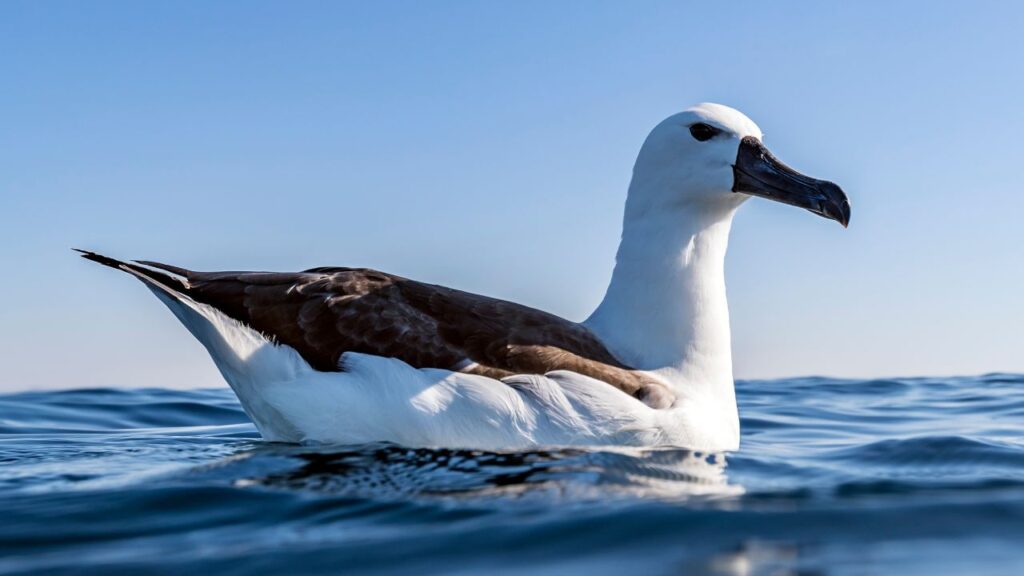
The Laysan albatross is one of the longest-living seabirds in the world. Famous for its graceful soaring over the Pacific Ocean, this bird spends most of its life at sea, coming to land mainly to breed.
The oldest known wild Laysan albatross is a female named Wisdom. She was banded in 1956 and is estimated to be over 74 years old as of 2025, making her the longest-living wild bird ever recorded.
Wisdom’s Remarkable Journey
Wisdom has been a symbol of resilience and longevity. Since being banded as an adult, she has laid around 50-60 eggs and raised about 30 chicks.
Despite her age, Wisdom continues to breed, laying eggs well into her late 60s and beyond. Over her lifetime, she has flown more than 3 million miles across the North Pacific.
Key Facts About the Laysan Albatross
Native to the Hawaiian Islands, with smaller populations near Japan and Mexico
Known for long-distance soaring with minimal wing flaps
Faces threats like longline fishing, plastic pollution, and introduced predators
Conservation efforts have helped its population recover, now estimated at 2.5 million
Classified as Near Threatened, but numbers are growing
6. Chilean Flamingo
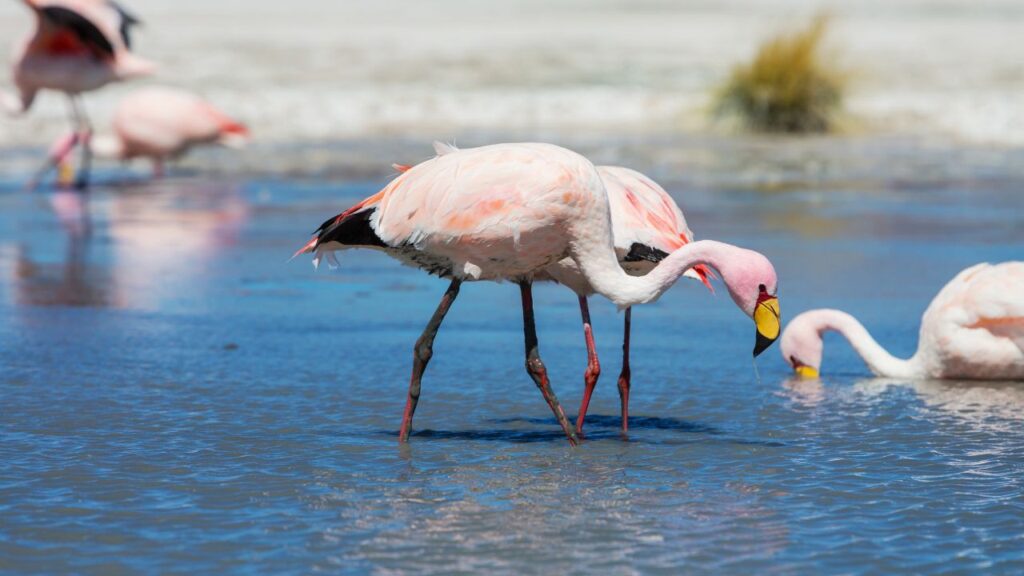
The Chilean flamingo is known for its elegant appearance and, in some cases, impressive longevity. One famous flamingo named Chile lived at a zoo in Australia from the 1970s until she died in 2018. While her exact age is uncertain, she was believed to be in her 60s, which is remarkable for a captive flamingo.
Longevity in the Wild vs. Captivity
Chilean flamingos generally live long lives in the wild. However, their lifespan tends to be shorter in captivity, where conditions differ greatly from their natural habitat.
These birds are often found in shallow lakes and lagoons across South America, from the high Andes to coastal waters, thriving in saline environments.
What Makes the Chilean Flamingo Unique
Pale pink plumage with a salmon-pink “bustle.”
Gray legs with bright pink “knees” and red feet
Faster foraging pace, often stirring water to feed
Distinctive honking calls that carry over long distances
They act as ambassadors in zoos, helping people connect with wildlife conservation
7. Bald Eagle
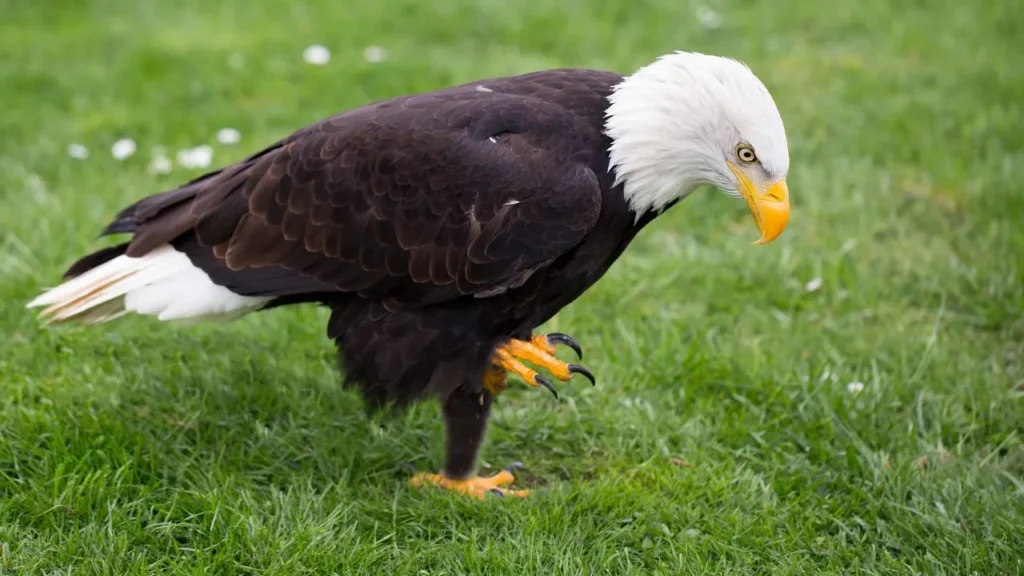
The bald eagle is not only a powerful symbol of freedom but also one of the longest-living birds of prey. While most wild bald eagles have an average lifespan of 15 to 20 years, some can live much longer.
The oldest recorded bald eagle lived to be 38 years old, setting a national longevity record before its death in 2015.
A Stunning Comeback Story
The Center for Biological Diversity states that the Bald Eagle population once dwindled to just 417 breeding pairs in 1963. Thanks to dedicated conservation efforts, their numbers have soared to over 300,000 today.
The eagle that lived to 38 was banded as a chick in Minnesota and later became part of New York’s Bald Eagle Restoration Program, helping to bring the species back from the brink.
Key Traits and Facts
Adult plumage features a white head and tail with a brown body
Juveniles have mottled brown and white feathers until maturity
Known to feed on carrion and sometimes steal food from other birds
Once endangered by hunting and pesticides, now thriving under protection
Often seen soaring alone or gathering in large groups during winter
Conclusion
Birds have some of the most surprising lifespans in the animal world. While few birds reach extreme old age, the oldest birds ever recorded prove that many species tend to live far longer than expected.
Their long lifespan is shaped by food availability, annual risk, and reproductive success, with some—like the longest living parrot species—reaching a maximum age that rivals other animals we usually think of as long-lived. Even baby birds from seasonally monogamous species like common terns can grow into adults that live the longest when conditions are right, and food scarcity is low.
In captivity, factors like climate change, proper veterinary care, and responsible pet shop practices also influence how long birds live on public display. Striking coloration, strong instincts, and adaptability help many birds thrive well past the years we expect.
There are more birds that have long life expectancies. These include the African Grey Parrot, Blue-and-Yellow Macaw, Sulphur-Crested Cockatoo, and Greater Flamingo.
