





Chickens are probably the most highly consumed protein source on earth, and also the most badly abused farm animals, with the worst management practices. There are several billion chickens worldwide, but we still turn a blind eye to their treatment, factory farming abuse, and the cruel slaughter process.
I enjoy a nice roasted chicken as much as the next person, but after learning how mass production has influenced the quality and quantity of chickens being raised in factory farming setups, I am seriously considering a veggie roast instead.
There are several billion chickens raised specifically for human consumption, either as meat or egg-laying hens, to meet the world’s domestic chicken needs. But how many chickens are in the world?
And if you think I’m exaggerating, here are a few shocking statistics about the domestic chicken population of the world and what fate awaits how many chickens each day.
10 Most Insightful Chicken Stats
- As of 2024, There Are Almost 27.68 Billion Chickens in the World
- The US Is the Leading Country of Chicken Production, With 9.33 Billion Chickens
- The Leading State in Egg Production Industry Is Iowa
- There Are 3.1 Chickens per Person on the Earth
- 305 Million Hens Are Used Annually to Lay Eggs
- As per 2024 stats, The Number of Organic Poultry Livestock in the UK is 4.9 Million
- Europe Has 2.55 Billion Chickens
- Half of World’s Chickens Population resides in Asia
- Africa Has 2.5 Billion Chickens
- Almost 9 Billion Chickens Are Slaughtered for Their Flesh
How Many Chickens Are in The World
Chickens are one of the most populous animals on the planet, and their numbers continue to rise every year. In 2000, there were 13.9 billion chickens. By 2022, this number jumped to 26.56 billion. And, in 2024, we have around 27.68 billion chickens worldwide.
According to the 2024 statistics, there were almost 27.68 Billion Chickens in the World (FAO)
Ultimately, the Food and Agriculture Organization (FAO) statistics show that there is a global chicken population of 27.68 billion chickens alive on earth on any given day.
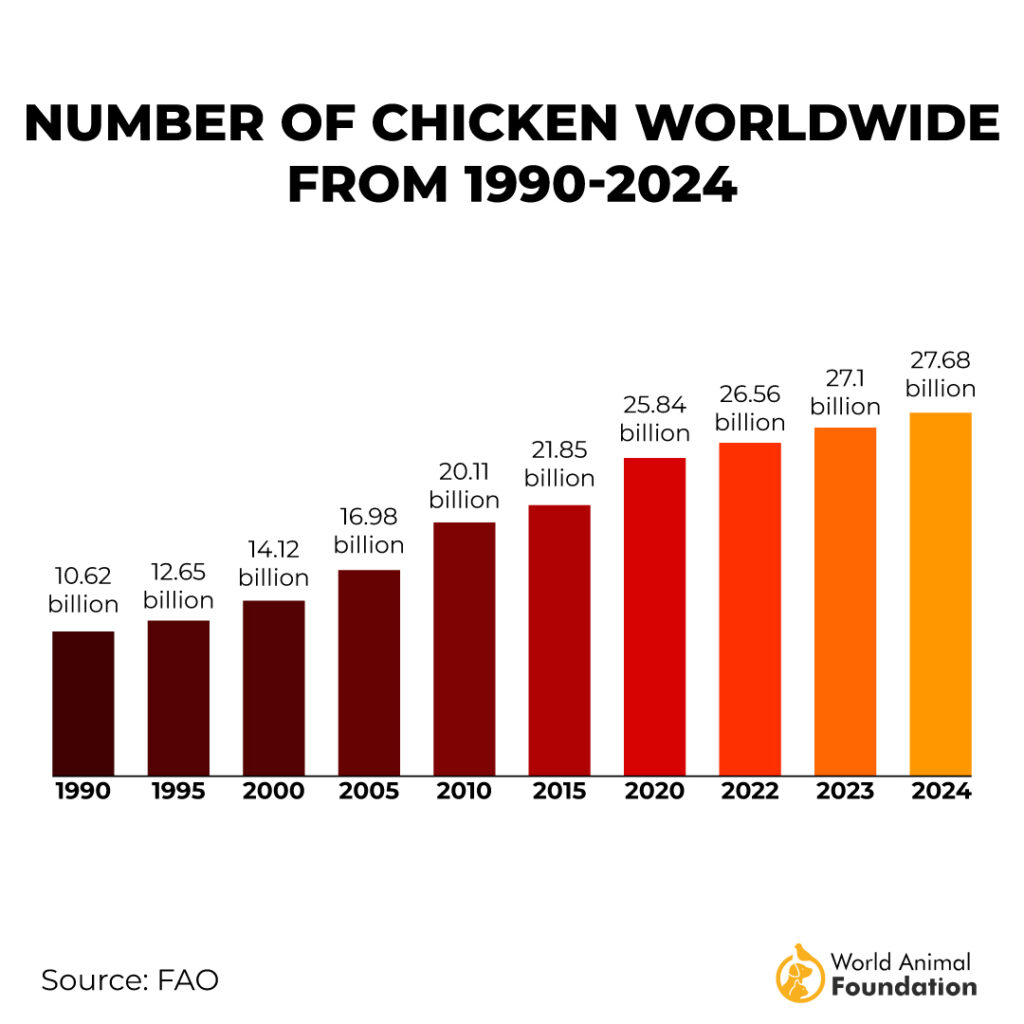
The global chicken population reached an astounding 26 billion, according to the Food and Agriculture Organization. The global poultry market is expected to grow by 2.5% to 3% in 2025.
This number is subject to some flexibility as new chickens are hatched, raised, and slaughtered each day. The chicken factory farming industry is a never-ending machine that keeps satisfying global production needs for slaughtered chickens.
The Latest Stats Show the US Is the Leading Country in Broiler Chicken Production, With 9.33 Billion Chickens (USDA)
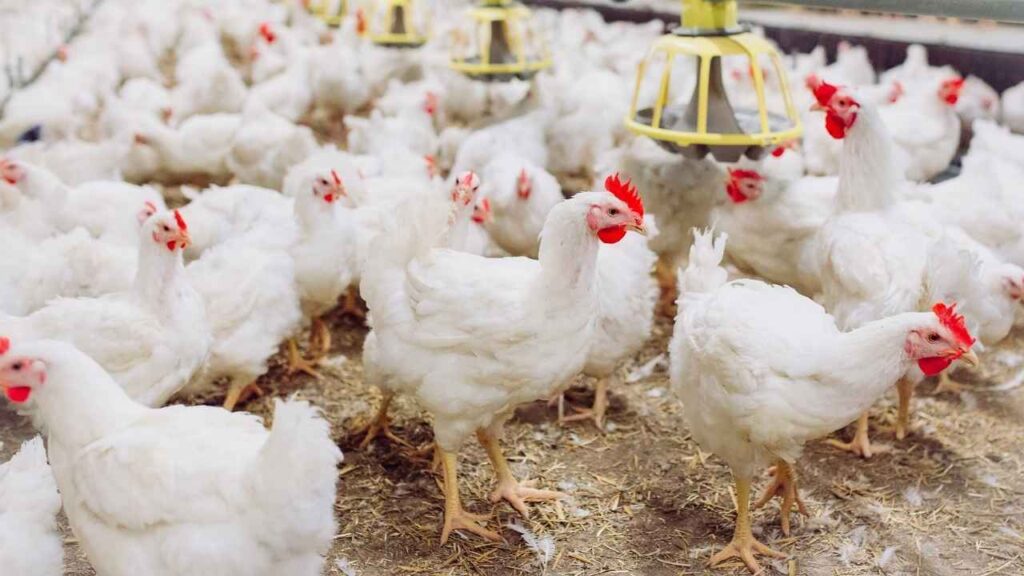
Most of the US chickens account for the meat production in the US chicken industry. Most of the chickens get slaughtered within 40 to 42 days; therefore, at any given time, there exist 9.33 billion chickens in the US, which together produced 61.07 billion pounds of meat, meaning each chicken contributed on average about 6.5 pounds of meat.
In 2024, 142.5 million chickens (excluding broilers) were sold for slaughter in the United States, reflecting the scale of non-broiler poultry turnover.
A large number of chickens are kept in factory farms, so the figure doesn’t quite cover backyard chickens or small-scale farmers.
The US Chicken Availability Per Person Has More Than Doubled Since 1980 (USDA)
Chickens are now being slaughtered at a much younger age than before (previously, these 40-day-old chickens were considered immature and without enough meat on the bone). In 1980, chicken availability averaged 32.7 pounds per person (boneless, edible basis). By 2021, that figure had climbed to 68.1 pounds per person, more than doubling over four decades.
And since the demand for chicken has increased by double in the US. Chickens are being fattened up much quicker with growth hormones and protein-rich feeds to satisfy the growing demand.
305 Million Hens Are Used Annually to Lay Eggs (Peta)
Laying hens such as the golden comet (which is a specialized breed) produce about 300 eggs each per year, with the US’s egg consumption resting at 92.6 billion eggs in 2022 on United Egg’s charts. U.S. table egg production totaled 93.1 billion in 2024, down one percent from 2023.
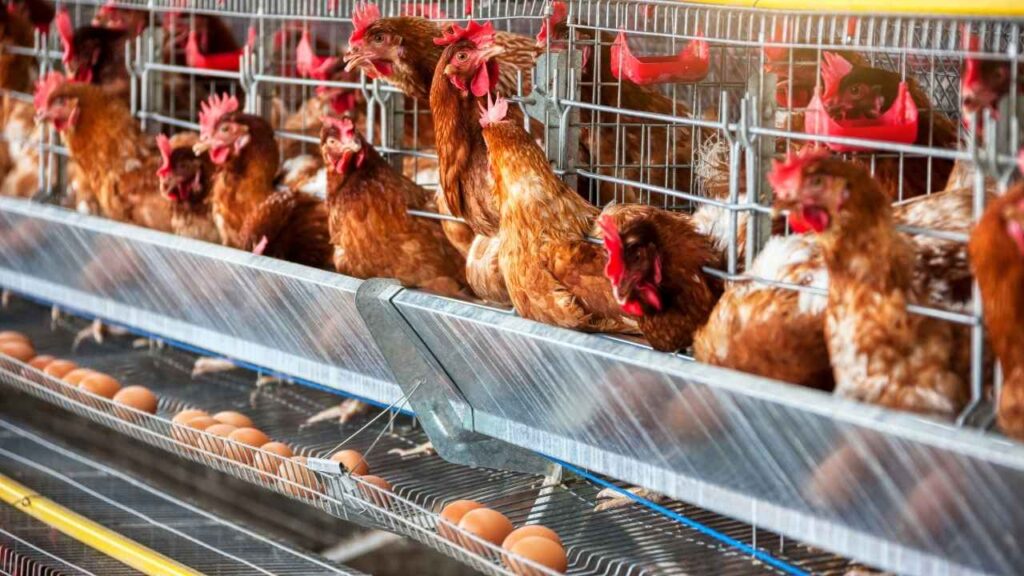
Of course, laying hens are placed on a double light cycle to ensure the hens lay more than one egg per day, cutting the 301 eggs per year figure in much less than a year.
But hens only have the capacity to lay a finite number of eggs in their lives, after which it’s slaughter for these hens that are “layed-out.”
Europe Has 2.55 Billion Chickens (FAO)
Europe produces 2.55 billion chickens per year across countries like France, Russia, Italy, Belgium, and others.
While these countries don’t rival the US in chicken consumption, when they are totaled, the figure is frightening and can only be measured in tons. In the 2024/2025 period, the European Union contributed 11.73 million metric tons of chicken meat, accounting for an 11% global share.
EU chicken meat production was forecast to grow by 2.7% in 2024, with Poland remaining the largest producer, supplying over 22% of total EU output. Overall, EU poultry meat production reached a record high of approximately 14.1 million tonnes in 2024.
France Has 229.3 Million Chickens (FAO)
With France averaging 229.3 million young chickens consumed per year, it’s no surprise that domestic chicken has become more popular on the plate compared to beef and sheep.
Only pork is consumed in larger quantities than chicken.
Russia Has 508 Million Chickens (FAO)
Russia consumed 508 million chickens in 2024 as its population relies on chicken for 60% of its dietary protein, as reported in MSP magazine.
Meat and poultry by-products accounted for 48% of the structure of Russian exports.
As per the 2024 Statistics, The Number of Organic Poultry Livestock in the UK is 4.9 million (FAO)
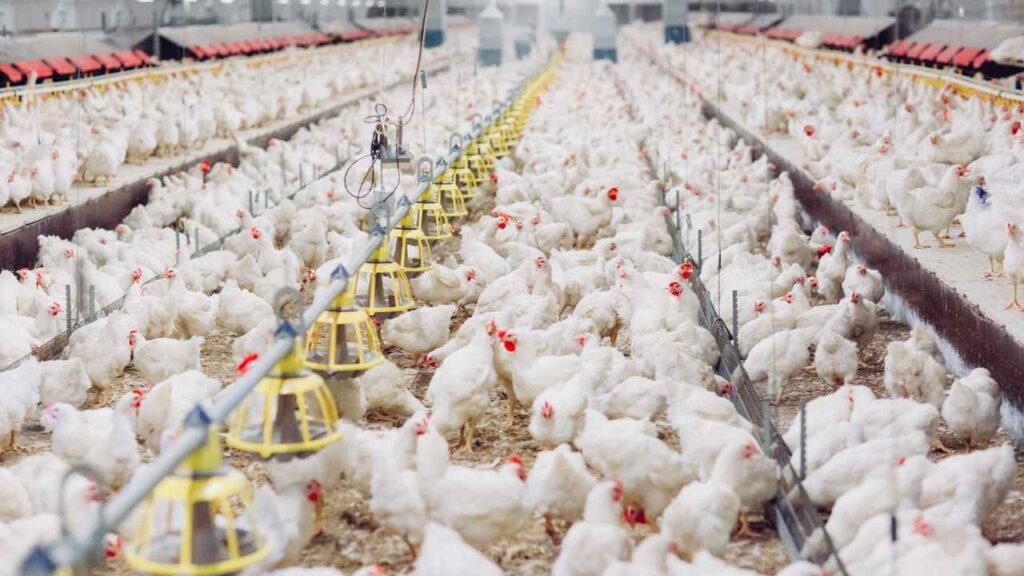
Organically raised poultry in the UK increased by 11% to 4.9 million birds, making up 2.8% of the total poultry population. In 2024, the United Kingdom had about 166.9 million chickens in total.
Despite the apparent drop in consumption due to avian bird flu scares, chicken still accounts for 47% of Britain’s meat diet.
Other top chicken producers in Europe, according to ChickenFans, include:
- Ukraine at 202.5 million chickens produced per year
- The Netherlands raises 109.1 million chickens annually
- Belarus produces 45.9 million chickens
- Finland has 8.5 million chickens raised, despite the freezing temperatures
46% of the Chickens of the World Are in Asia (FAO)
Vietnam and countries from Southeast Asia, as well as Japan, Korea, and China, produce a bulk total of 16.8 billion chickens per year to meet their own massive food and agriculture needs. When added up, this accounts for 46% of all the chickens populating Asia.
These are all heavily populated countries where there is a reliance on chicken as a source of affordable protein. The Center for Market Education found that Asians each consume 110 pounds of chicken per year.
Australia Has 108.5 Million Chickens (FAO)
The land of Oz produces over 100 million chickens per year. SafeFood found that Australians produced 1.2 million tons of chicken between 2019 and 2020.
While Australians don’t export chickens worldwide as much as other countries, the consumption is high at 121 pounds of chicken per year per Australian.
New Zealand Contains 24.6 Million Chickens (FAO)
New Zealand chips in with 24.6 million of the world’s chicken population bred for slaughter and laying of eggs annually, and each New Zealander consumes 20 chickens per year, according to Pianz.
Their 24.8 million chickens are bred on 180 factory farms and several free-range farms.
Before Covid-19, 8% of US Households Owned a Chicken (FAO)
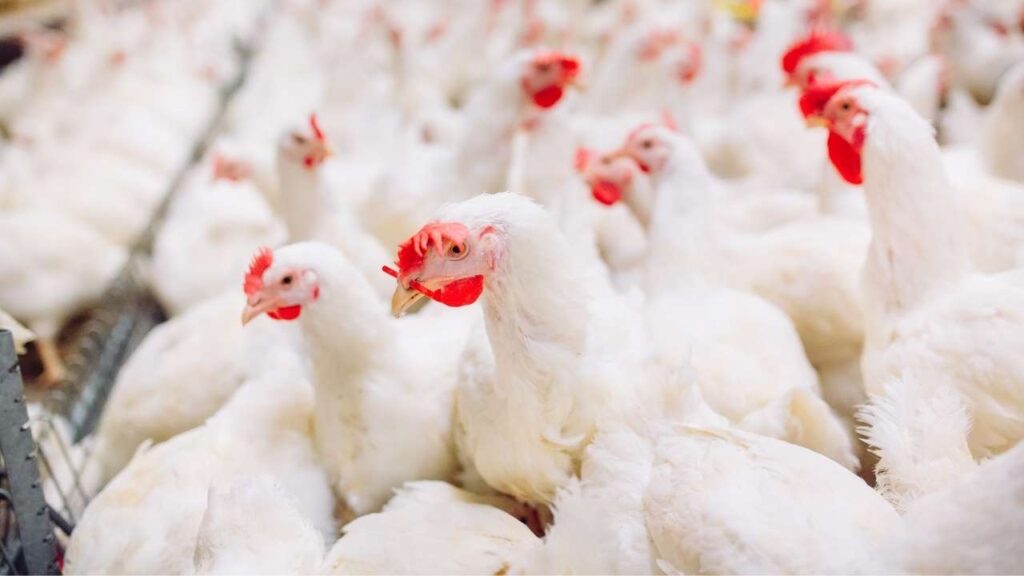
Before the pandemic hit, only an average of 8% of US households had their own chickens; however, following the coronavirus pandemic, this number has increased significantly, and the current rise in egg prices will surely see this trend continue.
CoopedUpLife writes that at least 13 million US households have their own flock of backyard chickens, and they can keep these anywhere in the US, with 93% of densely populated cities allowing chickens to be kept.
Backyard chickens can, at times, create an unknown variable in chicken numbers, but there is a definite upward trend in people keeping their own flocks for home slaughter and egg production in the US.
Despite the Global Bird Flu Crisis, the Number of Backyard Chicken Flocks Has Increased by Half As Much in 2018 (FAO)
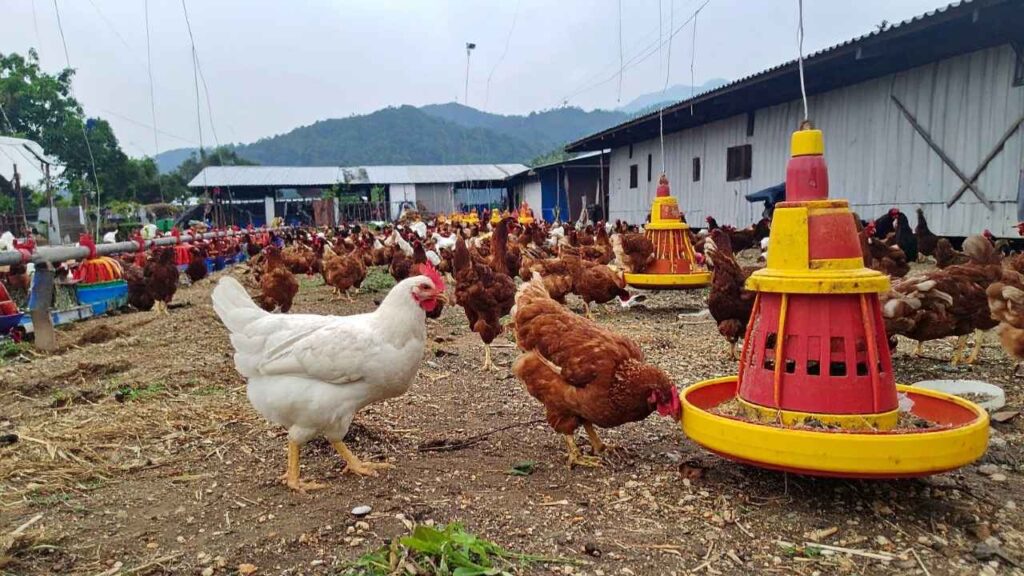
Even the global bird flu crisis and rising grain costs have not deterred Americans from keeping their own backyard chickens, with the number of chickens kept domestically increasing by half from 2018.
Around 40 million chickens and turkeys were slaughtered due to the avian bird flu outbreaks from 2004; yet, backyard flocks continue to thrive.
Meanwhile, commercial chicken factory farms have been hard hit, leading to an egg shortage in the US, which makes me wonder why all these “so-called” healthy, medically treated mass-produced chickens are so susceptible to bird flu.
There Are 3.1 Chickens per Person on the Earth (FAO)
By 2024, the ratio declined from 4 to 3.1 chickens per person.
I find it quite ironic that chickens most closely resemble dinosaurs, yet we have outnumbered ourselves by at least three to one (chickens to humans) by breeding more and more chickens for slaughter and to produce eggs.
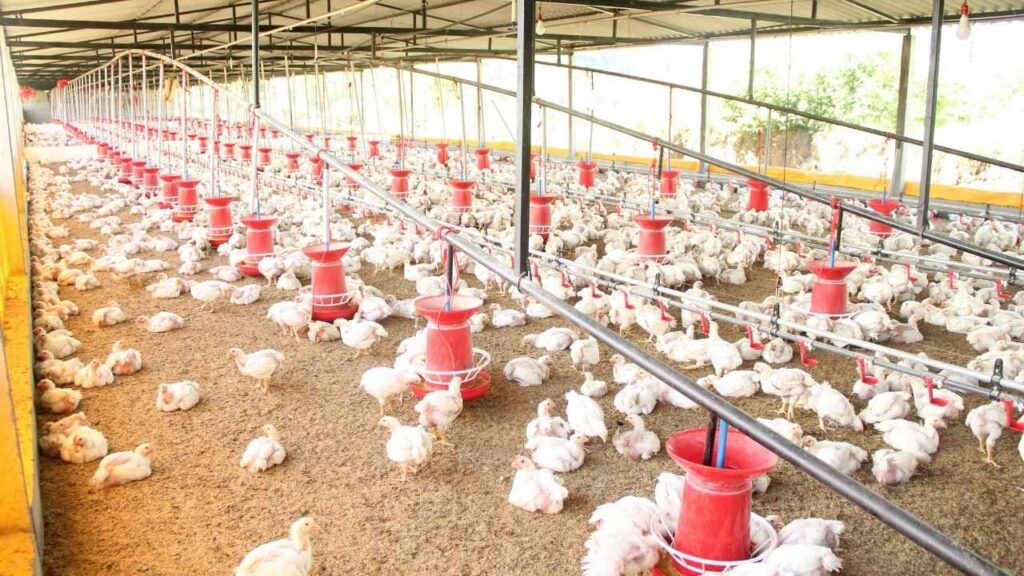
We should be grateful that chickens are much smaller than their prehistoric cousins.
Simply put: If we all ate three chickens each on the same day, the world’s chicken population would become endangered. Yet all these chickens, millions of birds in the poultry industry, can’t seem to satisfy global hunger or meet the continuous demand for protein production.
With some people, like pollotarians, only eating chicken and other poultry, the ratio of humans to chickens in the entire world will soon be turned around. Pollotarians eat mostly chicken, and Healthline finds chicken to be a healthy meat source.
For a Total of 8.161 Billion Persons, 26 Billion Chickens Were Available in 2024 (FAO)
Domestic chickens outnumbered the human population by a ratio of 8.161 billion people to a global population of 26 billion chickens in 2024.
Chickens are forced to keep up with human needs, and where a chicken laid 83 eggs a year in the 1900s, it now needs to lay as many as 325 eggs annually.
How Many Chickens Are In The US
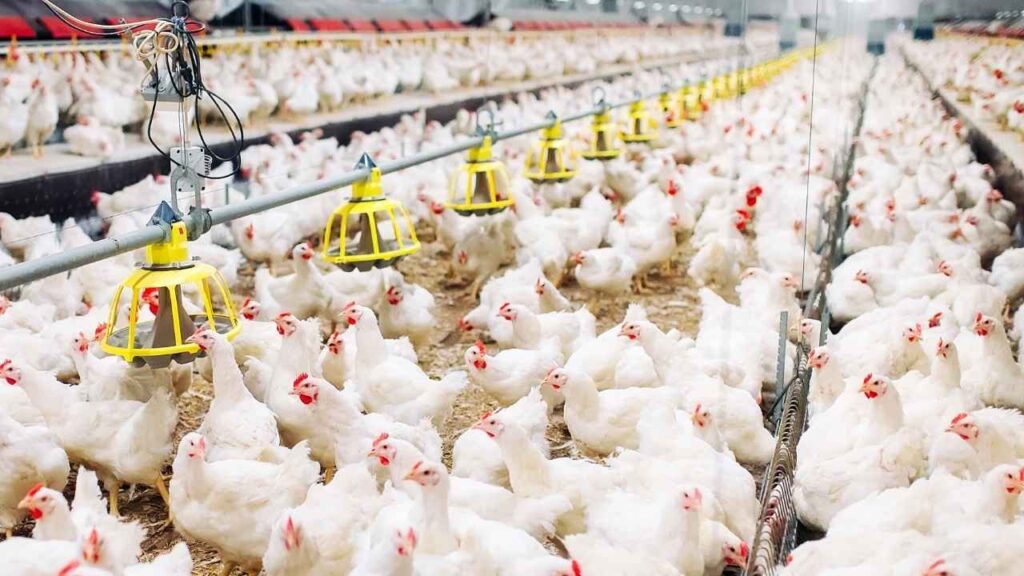
As of 2024, the United States boasted the world’s largest population of chickens, with a staggering 1.56 billion birds raised each year for their meat and eggs.
This impressive number speaks to the widespread popularity of chicken as a source of protein, but it also sheds light on the challenges facing the industry when it comes to animal welfare.
The Leading State in Egg Production Industry Is Iowa, With More Than 43.8 Million Laying Hens (FAO)
The East Coast of the US has the densest chicken population in the country at just less than 1,000 chickens per 621 miles (1,000 kilometers).
As of 2024, Iowa leads the U.S. in egg production, with about 43.8 million laying hens. However, it is not the top state for overall chicken farming, which also includes chickens raised for meat. That number means there are roughly 14 chickens for every person living in Iowa.
For Every Living Iowan, There Are 14 Chickens (FAO)
In 2024, Iowa had about 43.8 million laying hens, which equals roughly 14 chickens for every person in the state. Despite being so proud of their chicken heritage, a recent incident in Iowa made headlines with over 5 million chickens roasted alive in a large factory farm in Iowa due to an outbreak of bird flu (US News).
According to a USDA Report, There Are 311 Million Egg Laying Chickens in the US (USDA)
There were more than 311 million egg-laying hens in the US at the end of 2024, down 3% from 2023, according to the USDA Chickens and Eggs report, which predicts the future totals of eggs and chickens for slaughter in the US poultry production industry.
Broiler Hatching Eggs Are Produced by 62.5 Million Hens in the US (FAO)
The USDA reported numbers to ensure egg production is sustained: 62.5 million egg-laying hens are bred in the US each year, which produce 8.10 million broiler-type pullets (fertilized eggs) for the next generation for rearing.
Asia Chicken Population Statistics
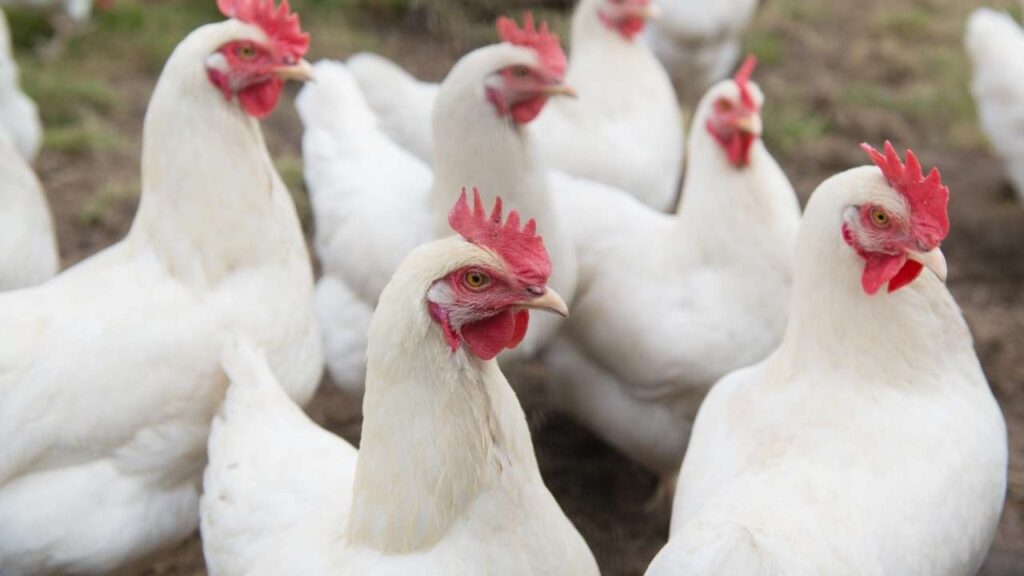
Did you know that Asia is home to the largest population of chickens in the world? With billions of birds raised each year for meat and eggs, it’s clear that chicken plays a significant role in the region’s food system.
Half of the World Chicken Population Resides in Asia (FAO)
With 2.073 billion broiler chickens bred for slaughter in Asia, the chicken population in Asia continues to rise, despite global pandemics like bird flu. Almost half of the world’s total chicken population (46%) is raised in Asia.
47.1 million tonnes Chicken meat is Produced by Asia (FAO)
47.1 million tonnes chicken meat is produced by Asia annually, all thanks to those early sailors who domesticated chickens and took them on board sail ships.
The region’s thriving food culture, where chicken is a staple protein source, fuels the demand for chicken production. The availability of suitable land, diverse climates, and a variety of agricultural practices contribute to the region’s capacity for large-scale chicken production.
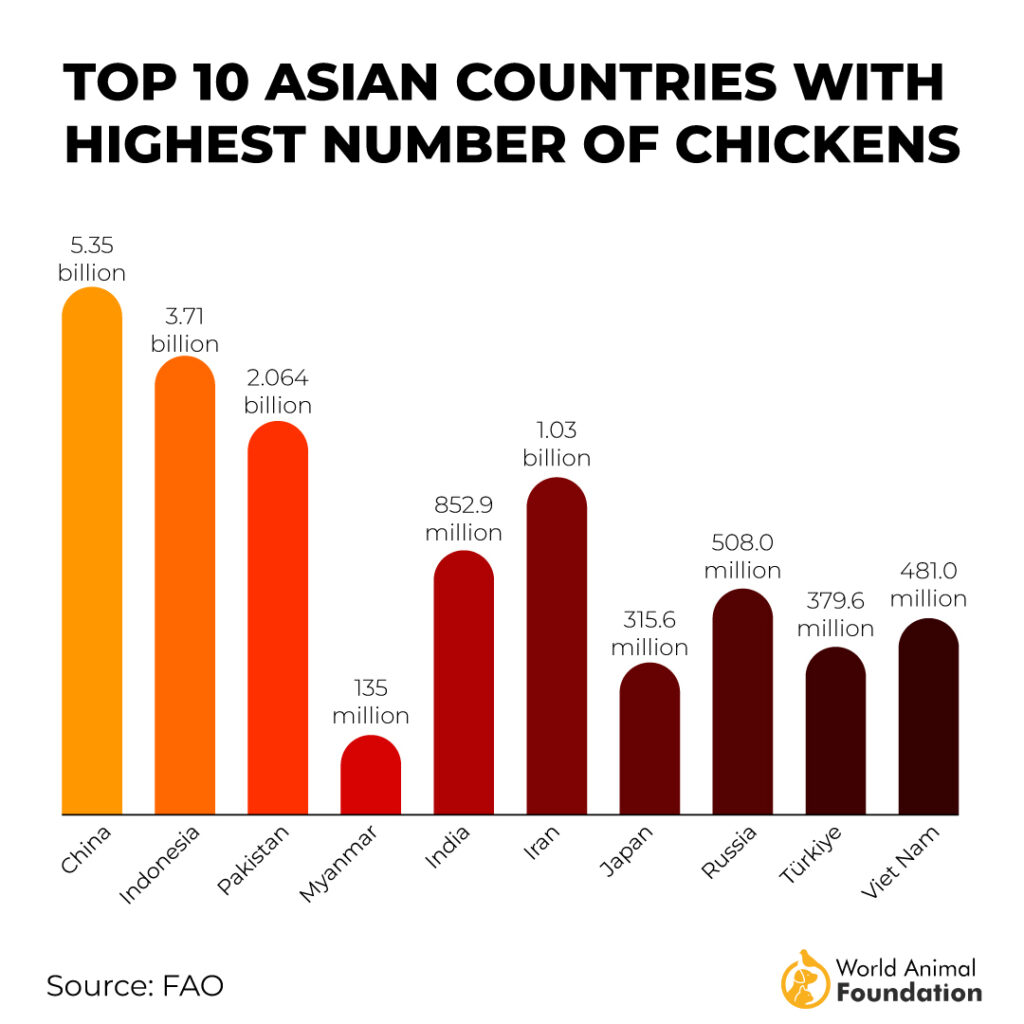
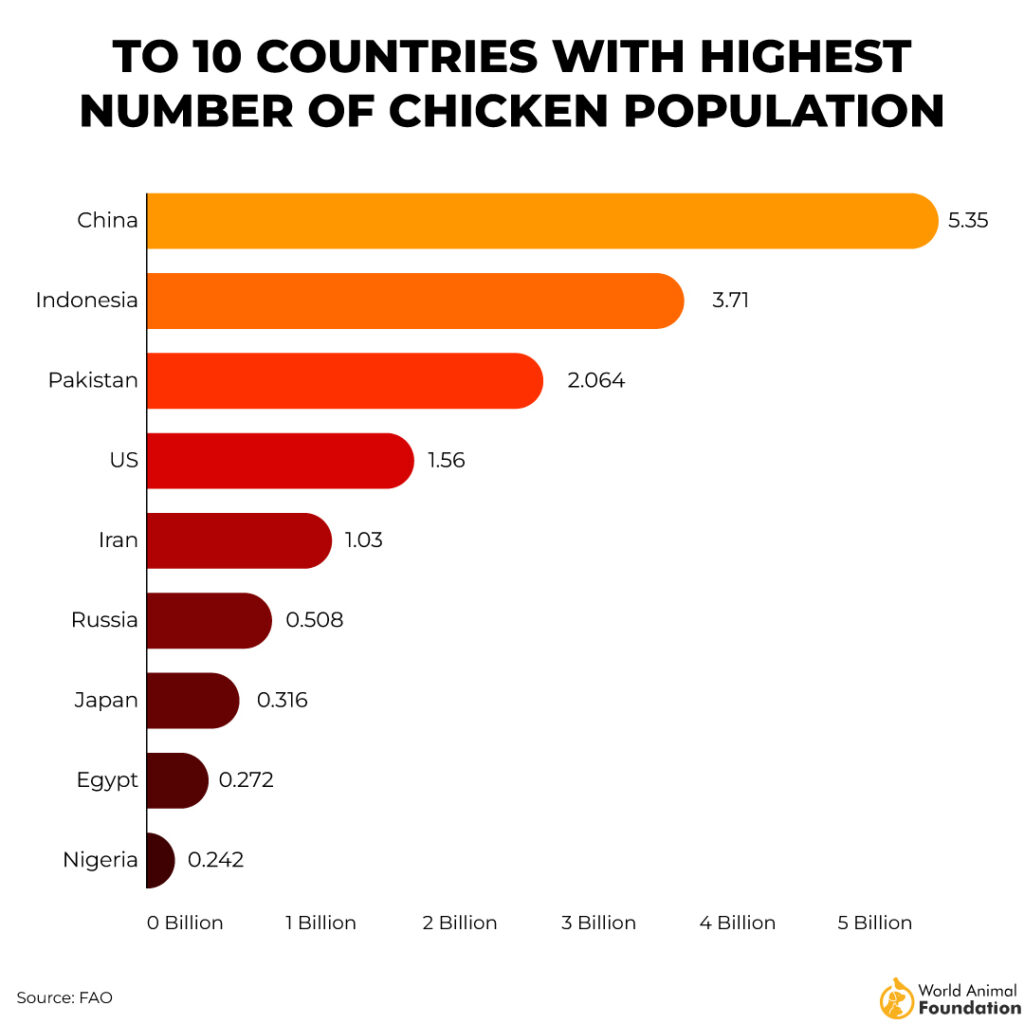
11.127 Billion Chickens Are Living in China, Indonesia, and Pakistan (FAO)
11.127 billion chickens are living in China, Indonesia, and Pakistan, which is more than the over 9 billion killed broiler chickens in the US, according to FAO.
- China produced 5.35 billion chickens
- Indonesia produced 3.71 billion chickens
- Pakistan produced 2.064 billion chickens
- Myanmar bred 135 million chickens
Africa Chicken Population Statistics
Africa may not be the first continent that comes to mind when you think of chicken production, but did you know that it is home to a rapidly growing chicken population?
Africa Has 2.5 Billion Chickens (FAO)
Africa isn’t far behind in raising chickens, as it’s a favored meat source and a cheap form of protein.
Overall, Africa produces 2.5 billion broiler chickens each year for slaughter in the commercial chicken industry. However, Africa has many more backyard chickens and small-scale private chicken farming setups that produce even more chickens that aren’t accounted for.
Morocco Has the Highest Number of 233 Million Chickens in Africa (FAO)
Morocco has roughly 233 million chickens annually, but these African countries aren’t far behind in their yield of pullets and slaughter or broiler chickens:
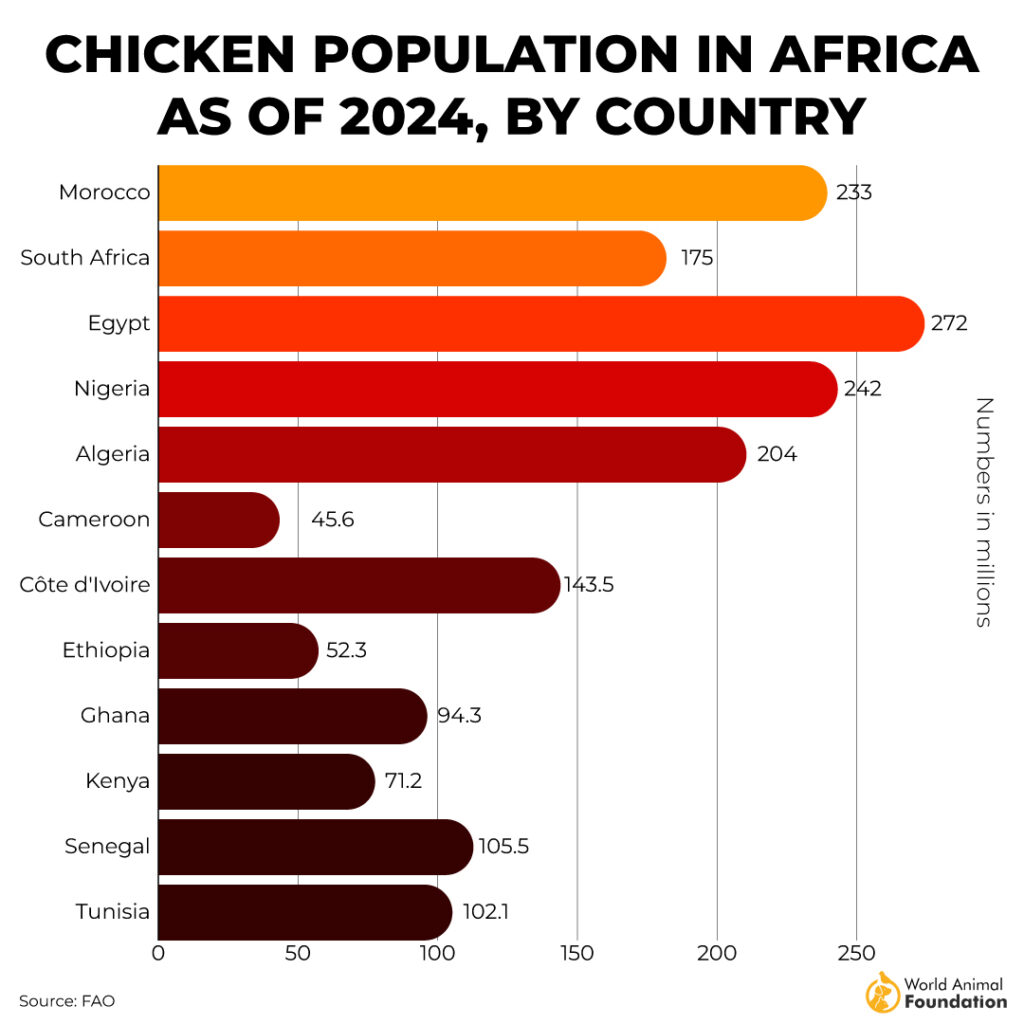
- South Africa produces 175 million chickens per year
- Egypt, with 272 million chickens raised per year
- Nigeria raises 242 million chickens annually
- Algeria has 204 million chickens
Poultry Production and Consumption
Poultry is a vital part of our global food system, with billions of chickens raised each year for their meat and eggs. In fact, poultry is the world’s most widely consumed meat, and it’s not hard to see why – it’s versatile, affordable, and packed with protein.
In Asia, China Has the Highest Number of Chicken Production, With More Than 5.14 Billion Chickens (FAO)
China, with its large human population and massive protein requirements to feed its people, raises more than 5.14 billion chickens each year. This does not even begin to cover the 586 billion eggs laid each year in China, a leading producer, and other Asian countries.
In fact, eggs are almost more popular than broiler chickens in Asia—as evidenced by the Netflix series Gudetama: An Eggcellent Adventure, which shows the near reverence held for eggs in Asia.
Chicken meat is less popular than in other countries, as the average Chinese person only consumes 17.69 pounds of chicken a year.
The Leading Egg Producer State Is Iowa (CoopedUpLife)
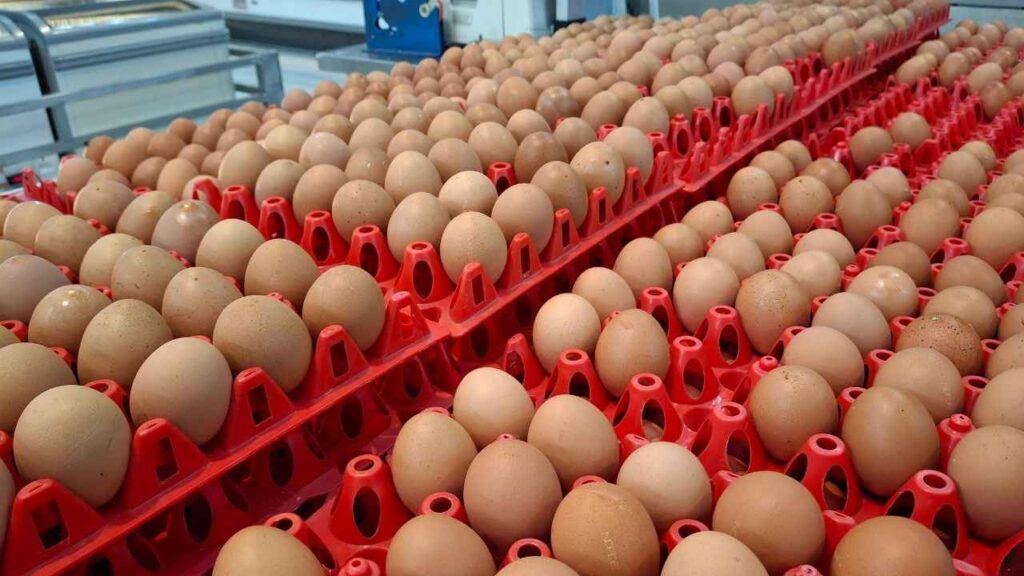
Of all the US states, Iowa has the highest chicken population and is a leading producer with the most eggs at 17.1 billion eggs produced annually, which is 15% of the total US egg production. Just in February 2022, this state produced a whopping 1.07 billion eggs. (source)
One in six eggs is from Iowa in the US, and Iowa boasts 58,195,000 layer hens to produce these eggs, as boasted by the Iowa Egg Council. Each 100 layers has to produce at least 81 eggs daily. Wonder what happens to the 19 hens that don’t lay on a particular day?
The Top Producer of Broiler Chicken in the World Is the US (USDA)
Laying hens make up 389 million animals of the US’s total chicken production for 2021. These hens don’t all produce table eggs, and many lay fertilized eggs to hatch broiler chicks, which are reared for meat and slaughter. (source)
The HumaneLeague reports that 9.2 billion broiler chickens were slaughtered in 2021 in the US, which is only a part of the chickens in the world.
In 2020, 111.6 Billion Eggs Were Produced in the US (Sentient Media)
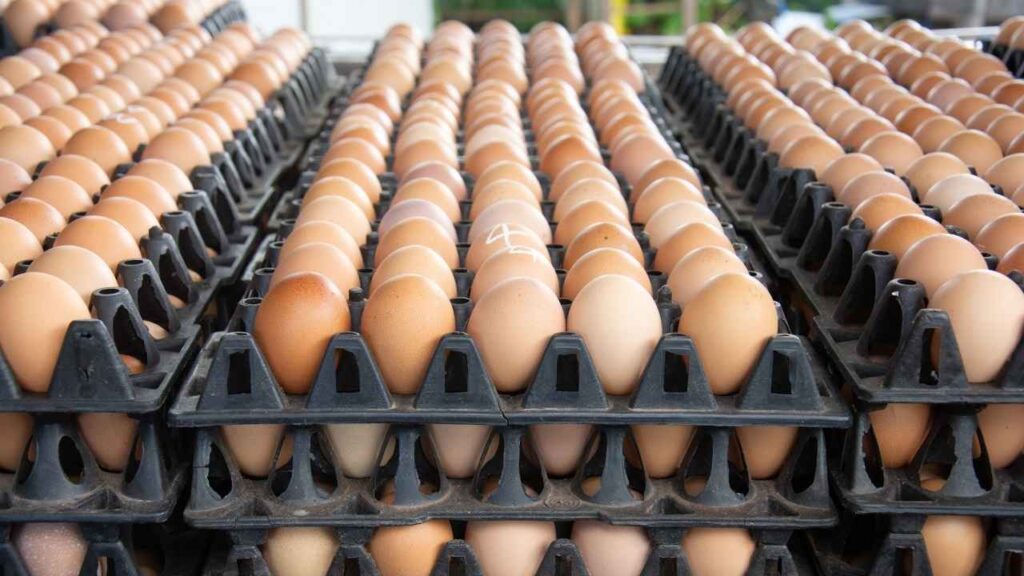
America produced a total of 111.6 billion table eggs in 2020, while 2021 saw this drop to 96.9 billion.
Table eggs are unfertilized eggs, and the layer hens produce these in a production line setup of cages where each hen is stuffed in a small cage where they eat and drink on one side, with the eggs dropping onto a conveyor belt on the other end for collection. The hen can’t move her wings, and her health suffers.
Eggs that are intended for hatching (aka fertilized eggs) are rarely hatched by hens; these eggs are instead placed in large egg-hatching machines where a constant temperature is maintained to ensure more eggs hatch successfully.
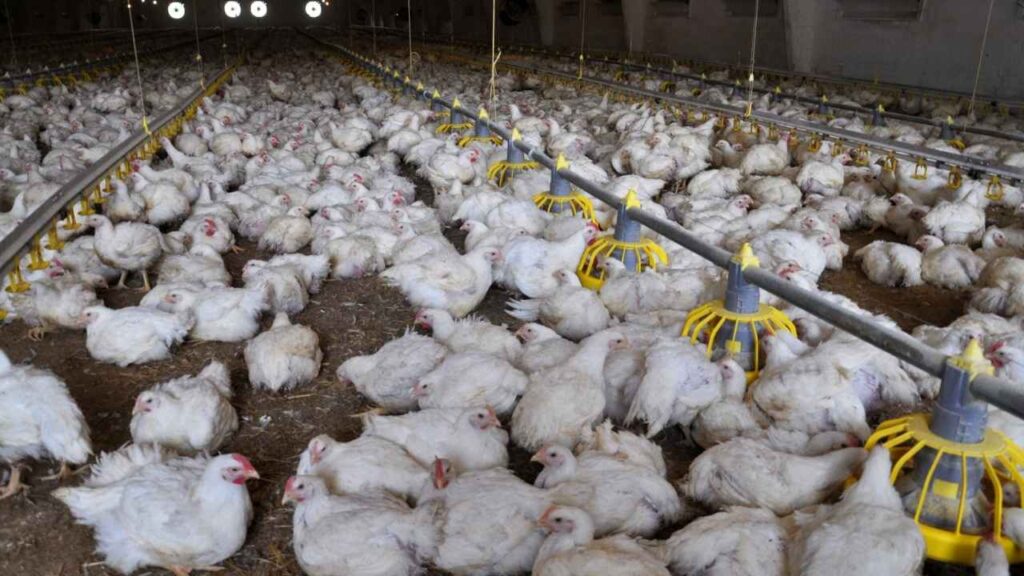
Chicken hatchlings are kept in large sheds with UV lights, where they are fed a high-protein feed to encourage maximum growth in as little time as possible.
Chicken Abuse and Slaughter
The reality of chicken abuse and slaughter is a dark and troubling aspect of our food system that is often hidden from view.
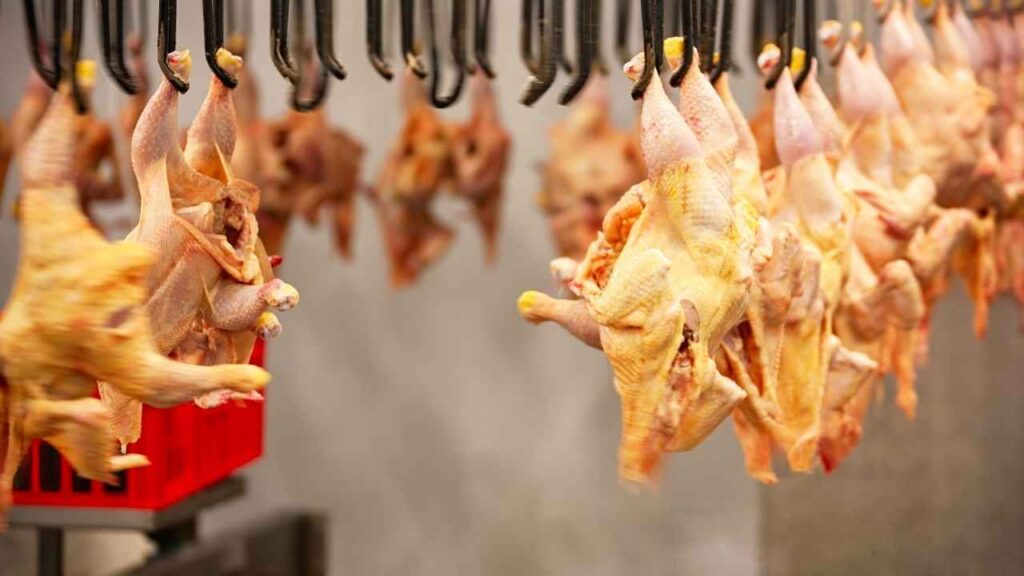
Almost 9 Billion Chickens Are Slaughtered for Their Flesh (Peta)
With over 25,000 factory farmers producing 95% of the US’s chicken meat and egg production, the US slaughtered chickens to the count of 9 billion broiler chickens per year. According to ThankChickens, 24 million young chickens are slaughtered a day in the US. Broilers live short lives in small enclosures where they are fed high-protein feed for maximum gain or fattening up for slaughter. (source)
The Number of Young and Mature Chickens Slaughtered Is up 7% and 13%, respectively (USDA)
The USDA reports that more chickens are being slaughtered, with the biggest increase in slaughter among young stock (less than 10 weeks old).
Broiler chickens aren’t a breed of chicken, but rather a mixed breed of Cornish chickens and other chicken breeds.
These chickens are killed once they reach an optimal weight in as short a time as possible. Broiler chickens are usually slaughtered at the age of six weeks at a weight of 4-5 pounds, according to AnimalWelfare.
The Lifespan of Young Chickens Before Getting Slaughtered Is Just 40 Days (CIWF)
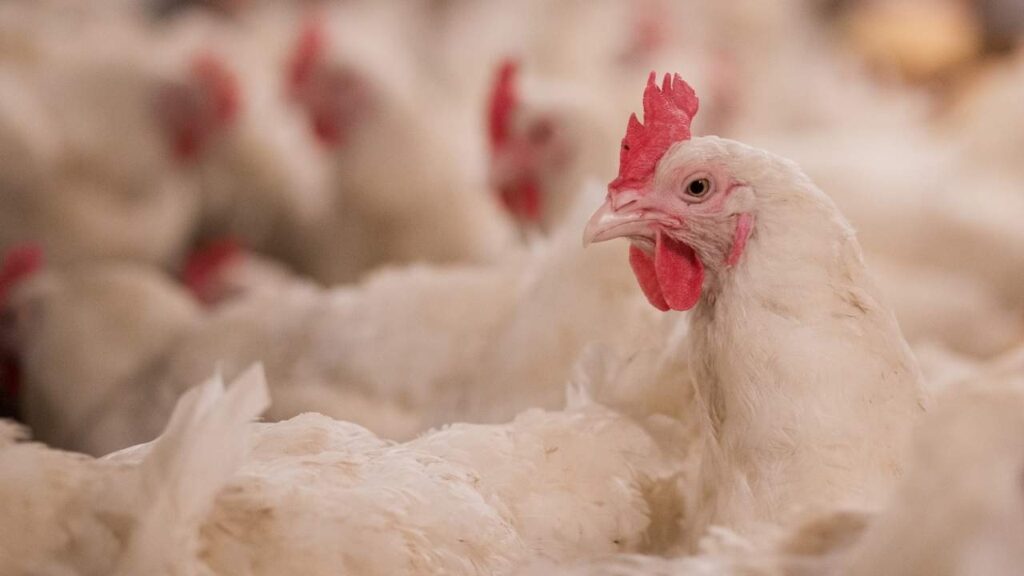
In the early 1900s, it took a chicken 120 days to reach ideal weight, but today, these chicks are fattened up to 4-5 pounds in just around 40 days (and even less) and then slaughtered. (source)
The Factory Farmed Chickens Are Forced to Expose Under Artificial Light, and They Are Kept in the Dark for Less Than 4 Hours (World Animal Protection)
Chickens grow more during daylight hours and lay more eggs during the “day,” as this is when they eat and are physically active. The layer hen’s brain is triggered by 14 hours or more of light to produce eggs, says BackYardHomeSteadHG.
As a result, most chickens are kept in sheds with artificial light set to timers, which tricks chickens into thinking days pass faster (and they are exposed to less than 4 hours of “nighttime,” reports the World Animal Protection Organization).
The result is increased egg production and more grazing of young chickens, which fattens them up for slaughter at an increased rate of feed-to-body weight ratio.
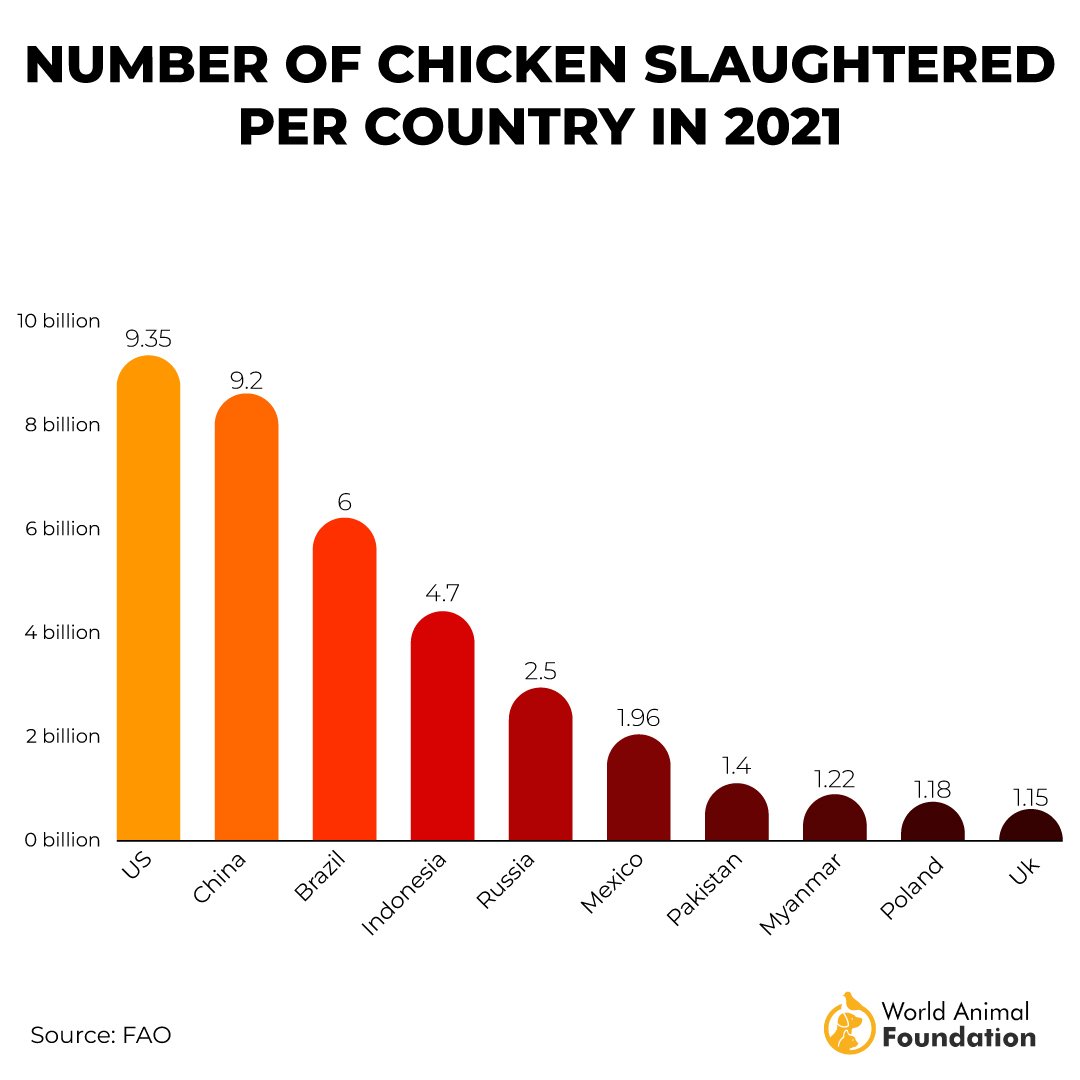
China Slaughtered 9.29 Billion Chickens in 2021
China slaughtered 9.29 billion chickens in 2021, but they aren’t alone in the mass global slaughter of chickens. Other countries feature too:
- The US slaughtered 9.35 billion chickens during 2021
- Brazil came in third with 6 billion chickens killed for meat production
- Indonesia produced 4.7 billion chickens for meat consumption
- India raised 2.63 billion chickens for slaughter
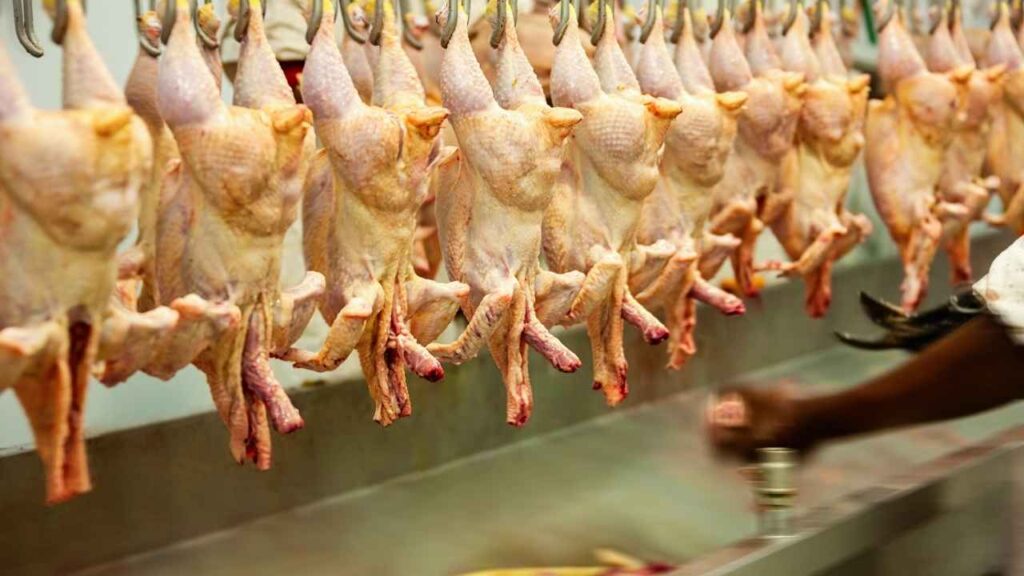
The majority of these chickens are slaughtered in factory farms where they are suspended by their legs in what is known as a “live shackle slaughter” system.
Mechanical shackles are attached to the chickens’ legs before they are submerged in an electrified bath to stun them, and their throats are cut, so they supposedly bleed out.
Often, chickens suffer great cruelty as they are not unconscious when their throats are cut. Some have not bled out when they are thrown into a boiling hot bath to remove their feathers.
Bear in mind that all of this is done at speed, as an average chicken factory farm slaughters 371,600 chickens per year in the US (25,000 factory farms slaughtering 9.29 billion chickens per year) (source).
In simple terms, more than a thousand chickens are killed at each of these farms per day, and if an outbreak of avian flu happens, all the chickens are summarily slaughtered.
Countries With the Highest Chicken Population Statistics
Let’s take a closer look at the countries with the highest chicken population statistics and how they are contributing to the global food system.
China Produced 5.3 Billion Chickens in 2023 (FAO)
With a growing demand for cheap meat, the poultry industry continues to expand at an exponential rate. In 2023, there were over 5.3 billion chickens living in China, a higher amount than in any other country in the world.
A Total of 10.6 Billion Chickens Are Present in China, Indonesia, and the US (FAO)
The total population of chickens around the world has more than doubled each year for the last decade.
By my guess, based on the upward trend of chicken populations to meet the increasing global demand for affordable protein, meat, and per capita egg consumption may continue increasing.
- China: 5.35 billion chickens
- Indonesia: 3.71 billion chickens
- United States: 1.56 billion chickens
Interesting Chicken Statistics
Chicken is the main source of meat or protein for many populations of the world. Here are some interesting stats on the global number of chickens in the world you may not know:
- Chickens were domesticated 8,000 years ago (source)
- Chickens don’t require a lot of space to keep, and they provide meat and eggs as protein sources
- There are many different chicken breeds that offer more meat or better egg-laying hens
- Chickens are one of the fastest-growing animals, ready for slaughter in only 40 days
- Chickens could live up to 20 years, according to Guinness World Records, with the average being 5-8 years, but they are slaughtered as young chickens at 40 days
FAQ’s
Should I Be Concerned About Antibiotics Used in Chicken Farming?
While the poultry and chicken industry insists that no chicken meat in the US contains antibiotics, as animals aren’t allowed to be killed for meat within a specific time after administering antibiotic medication for diseases, the reality (and statistics) isn’t that simple.
While antibiotics have a lifespan during which they should leave a chicken’s body, traces remain, which have been known to cause antibiotic resistance in humans, leading to severe illness and bacterial infections that won’t clear up since the usual antibiotics no longer work on humans.
What Is the Impact of Large-scale Chicken Breeding, Such as Factory Farming, on the Safety of Egg Production?
Eggs can become contaminated with any growth hormones that are administered to egg-laying hens to speed up their growth process and egg production.
While a hen is meant to lay one egg a day, a laying hen at a factory farm produces an average of two eggs daily due to the artificial lighting systems, increased feed, and hormone supplementation. Of course, these medications all make their way into the eggs we consume.
Is It Better to Buy Cage-free Chicken?
Not only is it better to buy a free-range or cage-free chicken because they are raised more naturally and cruelty-free—looking after animal welfare—and these chickens also have better quality meat and less exposure to disease that results from such high-density chicken breeding operations as at factory farms.
Wrap Up
While the entire world depends on larger quantities of meat production to satisfy their protein needs, raising chickens in the world (all 34.4 billion chickens worldwide) shouldn’t lead to suffering from horrendous production methods to give us large quantities of meat (but not quality).
When was the last time you ate a truly delicious chicken? Today, chicken meat tastes plastic and lacks real nutritional value due to mass production methods that see birds less than five weeks old being slaughtered.
You can learn more about chicken facts, demand, and consumption globally after knowing how many chickens are killed each year.
The US is the leading producer of chickens worldwide, with more than 9 billion chickens produced annually. You may wonder how many chickens are really produced. Most of these chickens are laying hens, while broiler chickens make up the rest and are slaughtered to the tune of more than 25,000 chickens killed daily in factory farms.
To maintain such massive chicken flocks, huge amounts of feed, medication, water, and space are required to raise chickens, prevent disease outbreaks, and ensure speedy growth. Ultimately, our greed for chicken flesh will cause our downfall if we don’t understand our responsibility in animal welfare and management.
