




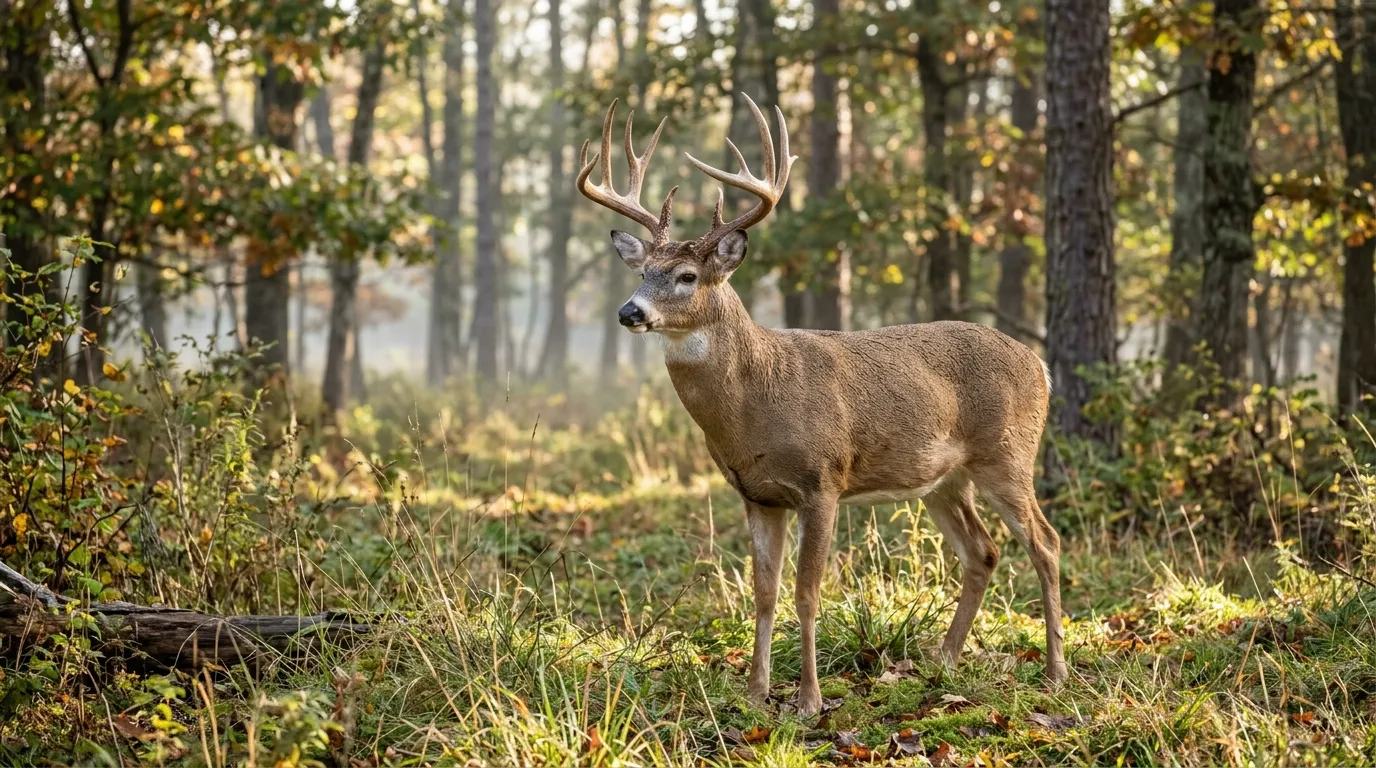
Americans and Canadians share six deer species and subspecies that roam the land from the east to the west coast. Some people believe wild deer are a beautiful part of nature, while others see the deer population as a fun sport and a hunt.
Since deer move, some experts predict 1.5-2.1 million accidents yearly. Other sources suggest that deer collision statistics are much higher. There are an estimated 60,000 to 70,000 deer-vehicle collisions that occur throughout New York State each year. Scary, right!
A popular car magazine points out that the seasonal clock change also impacts deer-vehicle collisions. The magazine’s source pegs deer accidents even higher at 2.1 million, with a 10 billion dollar price tag and nearly 26,000-59,000 injuries.
On average, 200-440 people die. There were over 1.7 million animal collision insurance claims in the U.S. in one year, and State Farm reported 1.1 million deer collisions. On top of deer-vehicle accidents, deer hunters kill at least 6 million white-tailed deer yearly.
Top 9 Most Disturbing Stats
- Hunters Kill Around 6 Million White-Tailed Deer Every Year
- Car-Deer Accidents Cause Approximately 175–200 Fatalities and Over 10,000 Injuries
- In the US, the risk of hitting a Deer or Animal by Car Is 1 in 139
- For more than a decade, West Virginia Had the Highest Number of Deer-Car Accidents
- Almost 120 People Are Killed Annually by Deer
- In the US, There Are 35 to 36 Million Deer
- Approximately 80% of the Hunting Population Hunts Big Game
- Texas Had the Highest Buck Harvest of 425,529
- The Worst State for Harvesting Deer Is Georgia
How Many Deer Are Killed Each Year – Deer Accidents Statistics
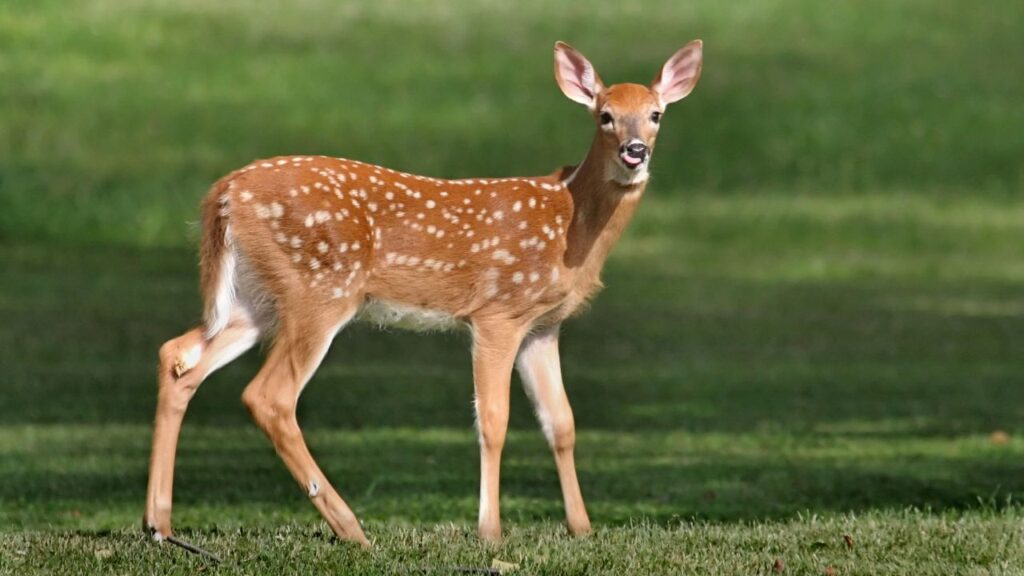
We’ve all seen carnage on the road when a vehicle kills a deer. Quite often, the sight attracts scavenger birds. West Virginia has the highest likelihood of having deer-vehicle collisions. Pennsylvania filed the highest number of insurance claims.
The number of animals killed each year is difficult to calculate. American deer hunters bagged 223,304 deer in 2024-25. The deer harvested included antlerless harvest (deer without antlers (seasonal shedding) or antlers less than 5″) and the antlered buck harvest.
The buck harvest totaled over 3 million (the most in 25 years). Hunters are taking fewer yearling bucks.
Quote from Kip Adams, NDA’s Chief Conservation Officer, “We’re killing older bucks and more bucks than ever in America.” These numbers don’t include any poaching figures.
Unmistakably, humans in cars and deer crossing their habitat are bound to collide. As cities and towns sprawl, suburbia is encroaching on forests and farmland. The IIHS (Insurance Institute for Highway Safety) (1975-2000s) stated collisions with animals steadily increased based on deer accident statistics.
The Incidence of Deer-Car Accidents Is Higher During Dawn (6 -9 PM) in Winter, according to Deer-Car Accidents Statistics (Consumer Reports)
Insurance companies see a drastic increase during autumn, peaking in November, according to an IIHS spokesperson. Specific insurance claims data (2006-2020) highlighted that November experienced twice the average deer-vehicle collisions. This number is 3.5 times higher than the claims filed in August.
Deer begin a seasonal migration between winter and summer feeding ranges and are actively mating in the fall. However, deer and animal-related fatalities during spring and summer are increasing. Driving during dusk and dawn is also a peak animal moving time; beware of deer crossing signs.
Car-Deer Accidents Cause Approximately 175–200 Fatalities and Over 10,000 Injuries (West Bend Insurance)
Wild animals on the road might react irrationally. Most drivers panic or don’t see the fast-moving animal approach. Many drivers react by swerving to spare the animal’s life. Hence, approximately 175 to 200 deaths occur due to car-deer accidents. Driving experts suggest slowing the speed of the vehicle safely without causing collisions with other vehicles.
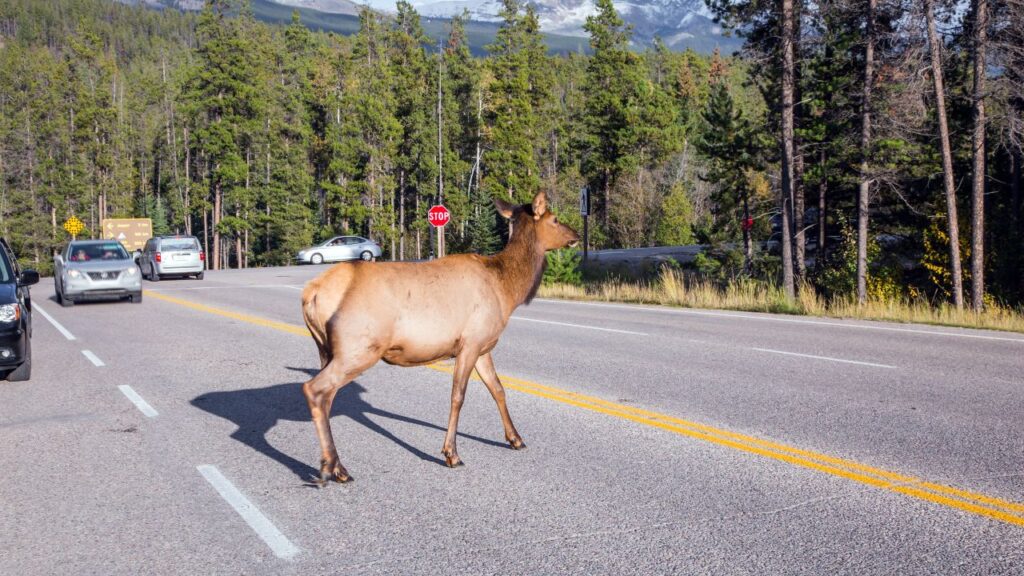
By slowing your speed and staying in your lane (even if it means hitting the deer), you might prevent a massive and severe collision. Slowing your velocity also allows the animal that split second it needs to get out of harm’s way. It might even spare the life of an endangered animal.
Latest Stats from 2023 Revealed, In the US, the Odds of Hitting a Deer or Animal by Car Are 1 in 139 (State Farm Insurance)
The fear of hitting a wild animal while traveling is real. Driving with extreme caution is the driver’s responsibility. American drivers have more than 1.7 million animal-related accident insurance claims. Some are preventable, and others end the lives of the driver and the animal. West Virginia has the highest animal-deer collision rate.
Interesting odds at a glance:
- 1 in 215 odds of having a date with a millionaire
- 1 in 220 odds of becoming a NY Times bestseller
- 1 in 175 odds of having your taxes audited
- 1 in 250 odds that your child is a gifted genius
West Virginia Has Had the Highest Number of Deer-Car Accidents for more than a decade (State Farm Insurance)
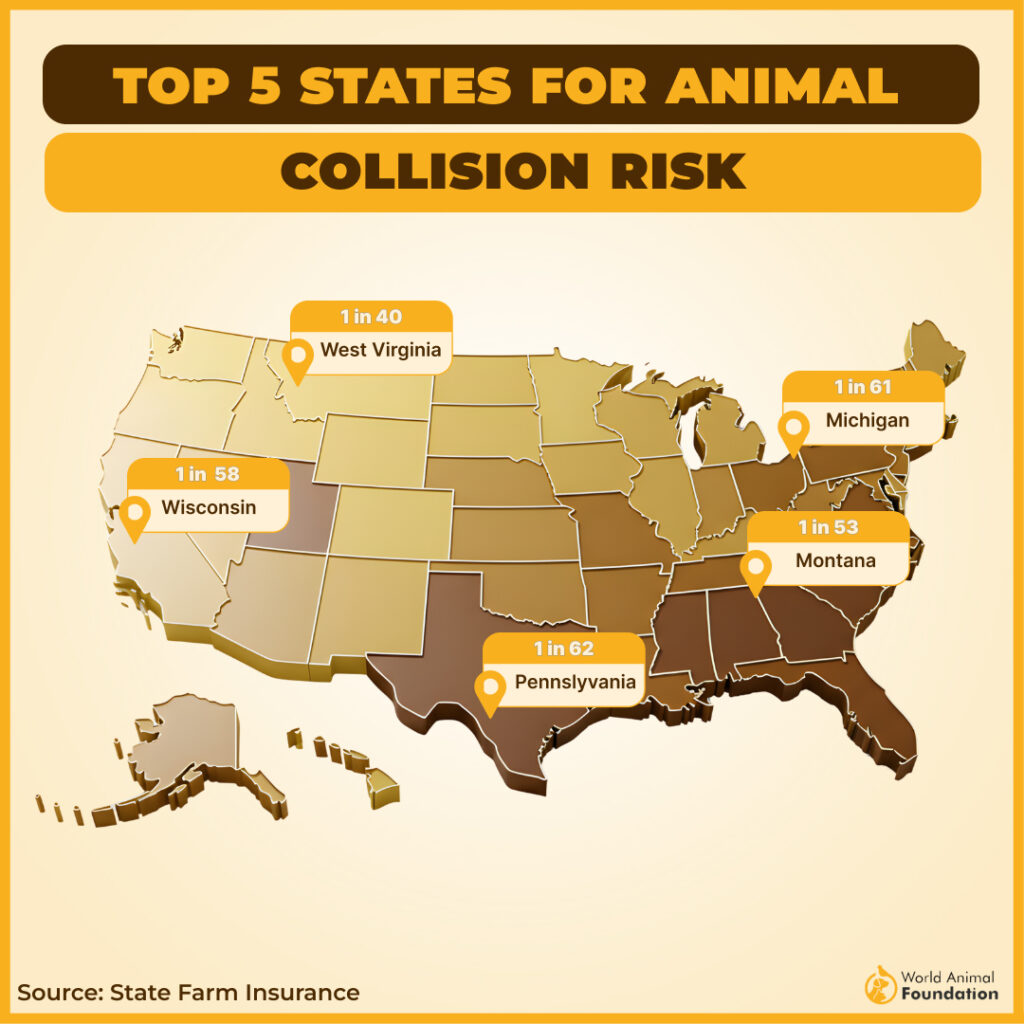
West Virginia continues to be the riskiest state for animal collisions and has held the top spot for more than a decade.
It’s not surprising, considering West Virginia’s geography. The state has lush forests and state parks where deer move freely. Although deer-vehicle collisions occur less frequently, with a 7.5% decline, drivers in West Virginia face a 1 in 40 chance of hitting a deer.
The following chart shows the top ten states with the greatest likelihood of an animal-vehicle collision in the US.
The Worst State for Harvesting Deer Is Georgia (Deer Association)
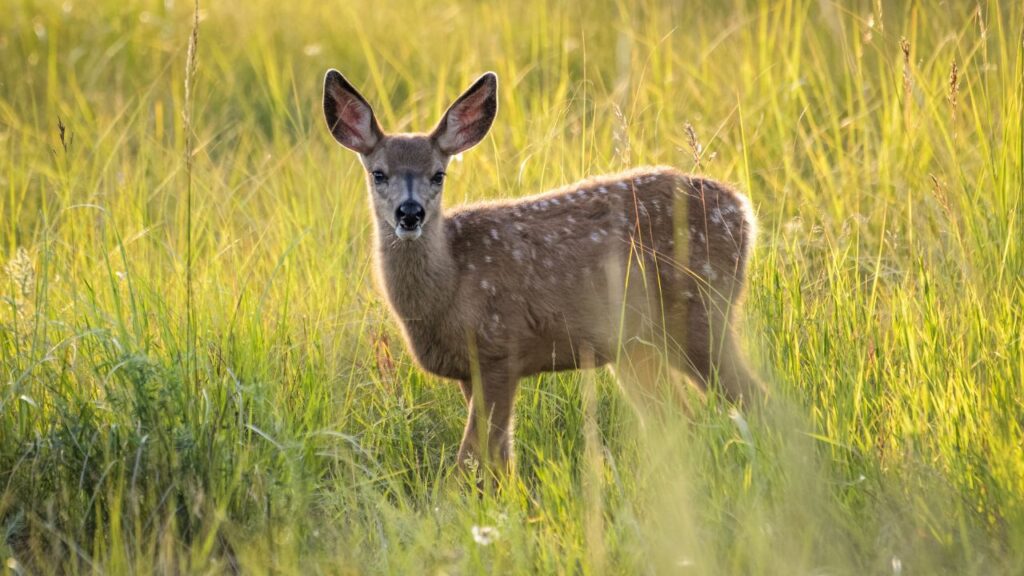
Georgian hunters harvested an estimated 15,000 deer during the 2025 hunting season,far more than in any other state. This suggests deer-related crop damage or population pressure is especially high there.
There Were More Than 1.8 Million Deer Accidents from July 2022 to June 2023 (State Farm)
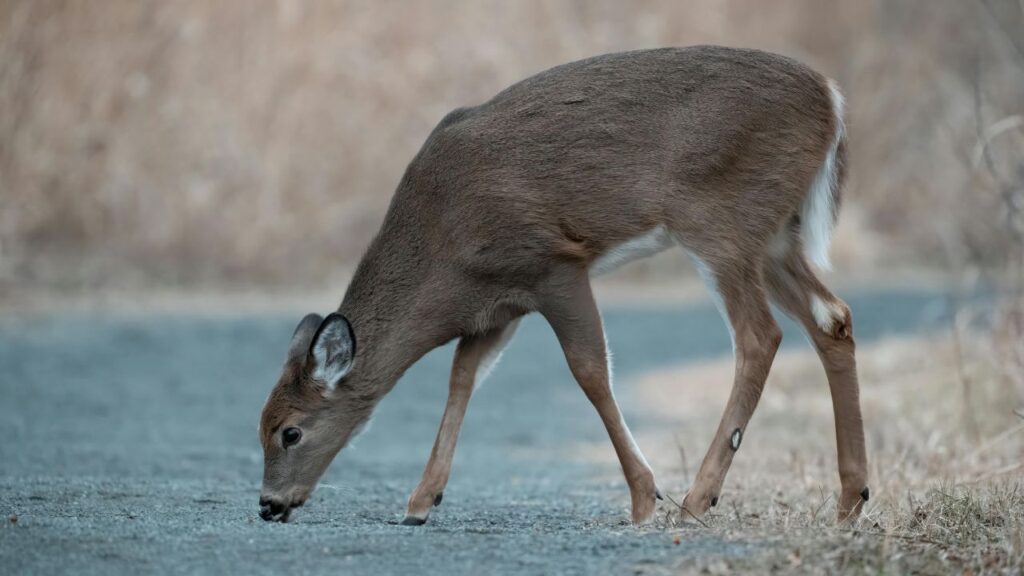
Animal collisions declined from 2017 to 2018, from 1.34 million to 1.33 million, despite an additional 4 million new drivers. The odds of hitting a moose, elk, caribou, or deer are 1 in 139. Eyes on the road, people!
Almost 120 People Are Killed Annually by Deer (ICB)
A significant number of people, almost 120, die from deer-vehicle collisions. The number of animals killing people in the USA is 1 in 1.4 million. Deer are considered the deadliest animal in America because of car fatalities. Seldom is someone gored.
In One Year, the Cost of Deer-Related Accidents Increased From $5,000 to $5,620 (Money Geek)
In 2024, average claim costs in high-risk areas rose to $5,620, up from $5,000 in 2023. Repairs typically cost between $4,000 and $11,000, depending on the damage.
The truth is that the actual number of deer-vehicle collisions is down, according to insurance claims. However, the cost of the claims rose significantly. This fact is primarily due to newer vehicles on the road, increased medical costs, and the value of the cars.
How Many Deer Are In The US
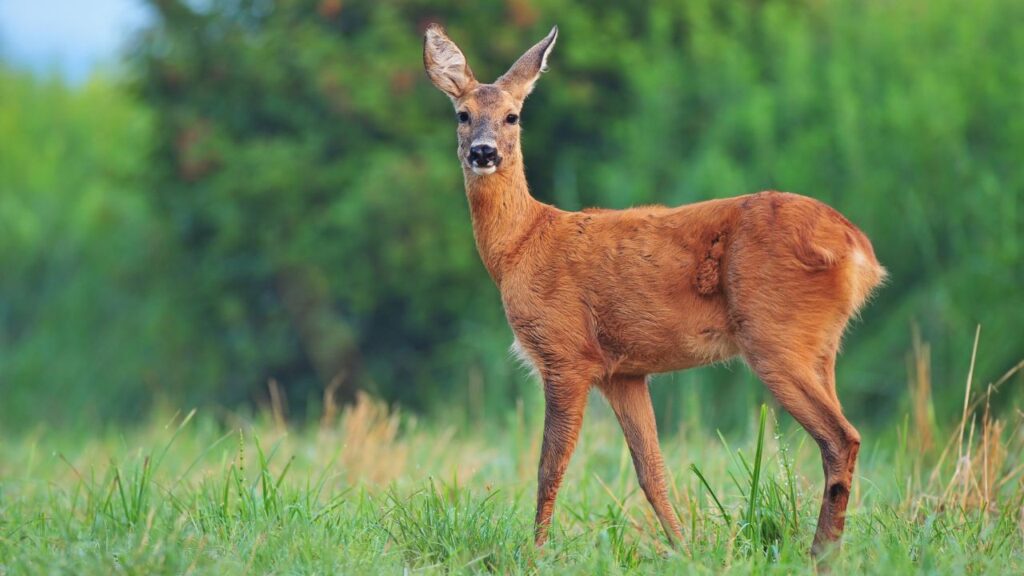
Deer come in 50 species, though most live in Asia. Cervids are hoofed mammals and cud-chewing animals that forage on plants.
- White-tail deer
- Mule deer
- Caribou
- Moose
- Elk
- Brocket deer
Many of these animals are part of trophy hunting for sport, and many more become victims of hunting.
Latest Stats Show In the US, There Are 35 to 36 Million Deer (Wild Life Informer)
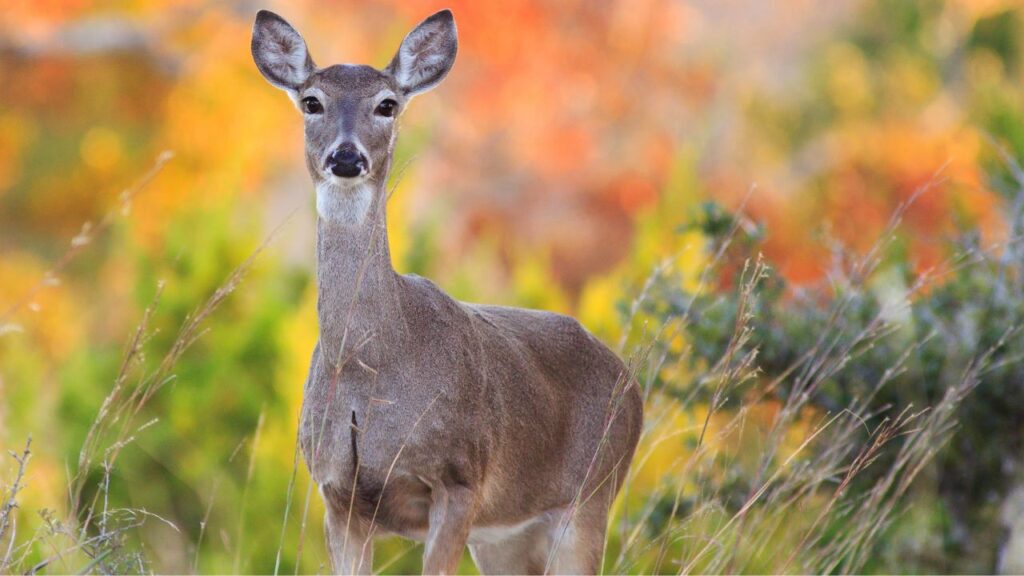
Deer roam from Canada to South America. The total number of deer living in the US is estimated to be 35-36 million.
Estimates suggest that by overhunting and poaching, the deer population fell to 50,000 just a hundred years ago and came close to extinction. Extensive government programs and activist intervention saved the deer population, and through restocking, it’s up to about 1 million.
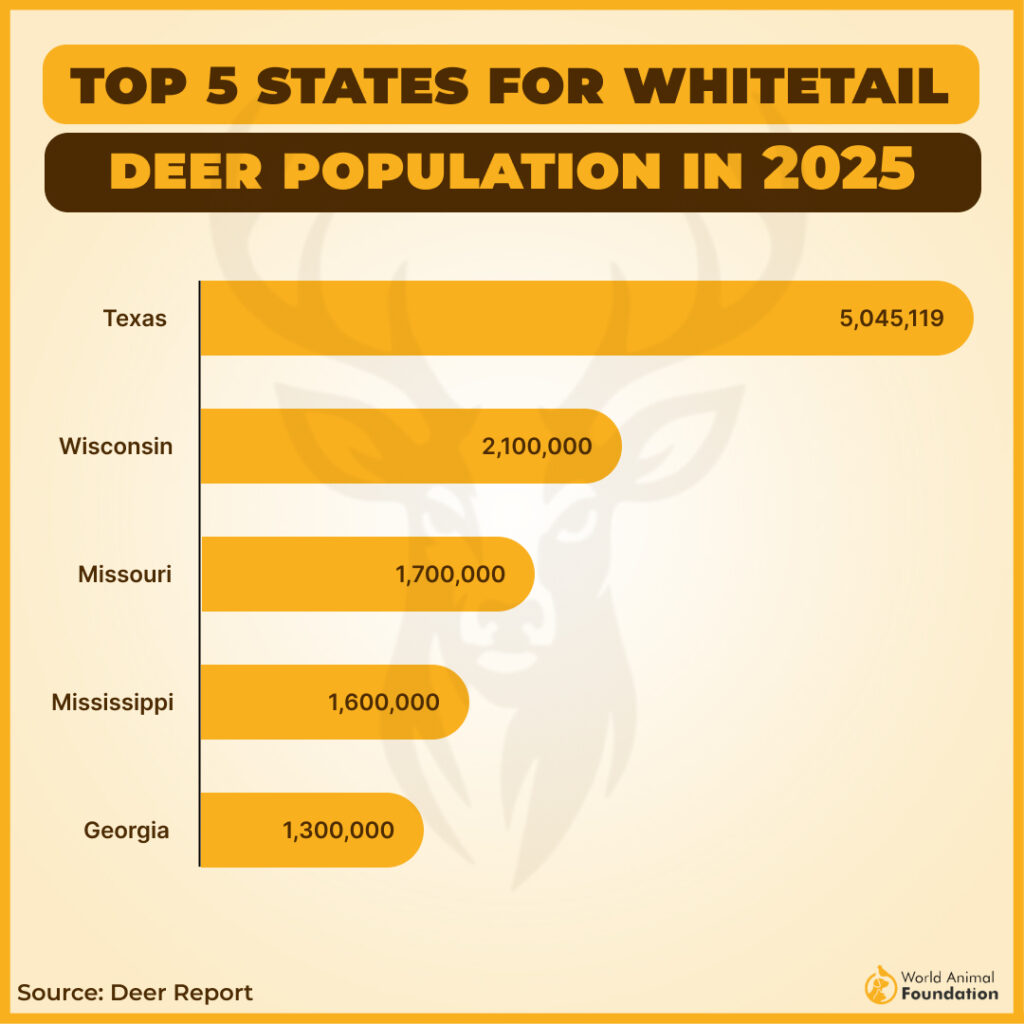
Texas has the highest estimated white‑tailed deer population in 2025, with over 5 million deer.
Currently, the White‐tailed deer population is 5.8 deer/km²(Research Gate)
Congrats people! Animal preservation works. Deer populations are thriving. White-tailed deer populations in the United States have rebounded to around 30 million. In areas where deer are present, their population and density were 17.15 million and 3.6 deer/km² in 1982, and 29.93 million and 5.4 deer/km² in 2003.
Deer are adaptable, and since we diminished the deer’s natural predators, like wolves, cougars, and grizzly bears, the balance is off. Deer have found a way to live in urban and suburban neighborhoods. Farmland and gardens also provide a source of food.
Deer Hunting Facts and Statistics
Below are some deer population hunting stats and facts.
Hunters Kill Around 6 Million White-Tailed Deer Every Year (Deer and Deer Hunting)
They do it in the name of conservation, trophy hunting, and getting the biggest stag. Active hunters bag 6 million white-tailed deer yearly. They also legally trophy hunt for moose, elk, and other wild animals. Poach hunting kills many more.
Despite the heavy death toll, deer populations can double every year.
Approximately 6.1 million deer were harvested in 2025. (Deer Association)
The harvest of antlered bucks (aged 1½ years or older) exceeded 3 million, marking a historically high figure and only the third time it has surpassed the 3 million mark in the past 25 years. Similarly, the antlerless harvest exceeded 3.1 million, which is 5% higher than the average of the past five years.
According to Stats, Hunters Purchased More than 15.9 Million Hunting Licenses in 2023 (Statista)
Americans (between 4-5% of the population) have had a long love affair with hunting, trophy hunting, and poaching. What is poaching? Although there are license requirements for most hunters, poaching is a problem when individuals hunt and kill animals without the legal right to do so.
Texans lead the pack with the most licenses (more than 1 million). Seniors and youths get a discount on permits in 46 states.
Approximately 80% of the Hunting Population Hunts Big Game (FWS)
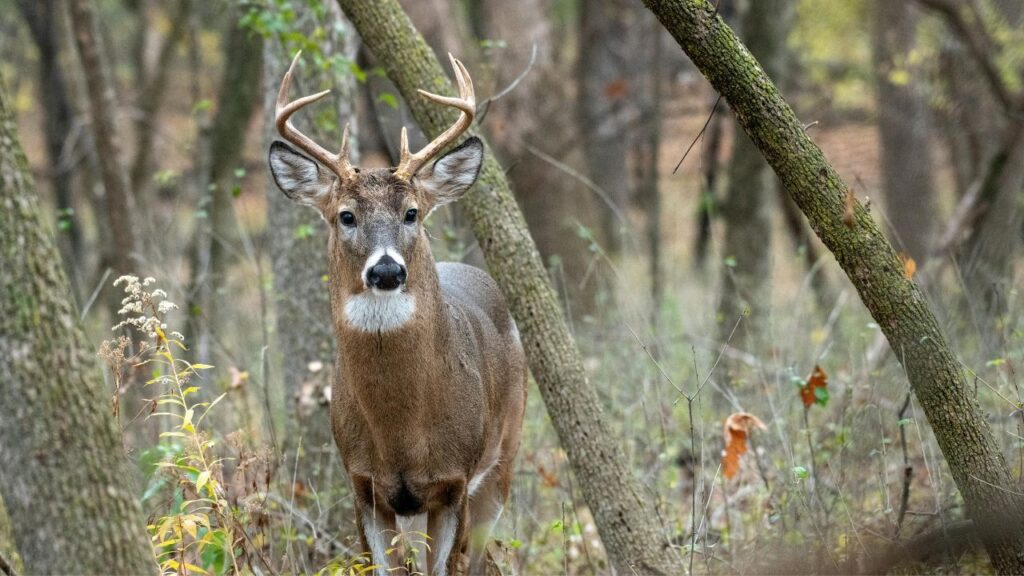
Hunting is part of the tradition for many American families. Most hunters in the U.S. prefer big game hunting. In 2022, 80% of hunters, 11.5 million out of 14.4 million, went after big game. Texas had more deer hunters than any other state in 2024: 765,180 in total.
In 2024, firearm hunters (rifles and shotguns) accounted for 66% of the total deer harvest, while crossbow hunters accounted for 25%. (Deer Association)
Further, the Deer Report found that hunters killed 66% of their trophies with a firearm, 25% took out the archery equipment, and 9% took out the muzzleloader in 2024.
Also, almost half of crossbow hunters (46%) say their hunting activity has stayed about the same over the last 5 years.
48 People From 11 States Face Charges for Violating State Hunting Laws in One of the Sensational Poaching Cases in Wisconsin (goHUNT)
Fill out a form, pay the license fee, and you can hunt. It’s that easy. However, Adam Lee Lawinger thought he was above the law. The Blue River, Wisconsin, resident and poaching leader organized a baiting and hunting ring between 2002 and 2005.
Several members of the ring faced charges. Lawinger got two years in jail and a $73,534 fine.
Three teenagers are facing multiple misdemeanor charges for allegedly poaching and shining deer and raccoons in Waupaca and Portage counties. The judge set $1,000 signature bonds for each of them. Fuhs admitted to investigators that he used a pistol to shoot at about 12-15 deer since spring 2025.
South Carolina had the Highest Rate of Antlered Buck Killing, i.e., 70 per 100 Hunters in 2024 (Deer Report)
Maybe it’s about bragging rights, but South Carolina hunters shot a vast majority of bucks with a score of 70 out of 100. South Carolina hunters had a 60% success rate during the 2024 deer season and harvested 90,670 antlered bucks. Man, do those antlers look good on a wall?
US Buck Harvest Statistics
Stags and bucks are male deer. Stags are adult, while bucks also refer to immature male deer. Females are does.
The Highest Buck Harvest of the Century Was Recorded in 2020 (NDA’s Report)
In 2020, hunting license applications increased by 5% over the previous year, which means 500,000 more whitetails went home in body bags. This number also raised the antlerless deer harvest above the buck harvest. Hunters reported seeing more mature bucks.
Here is a graphical representation of the Oklahoma whitetail harvest from 1999 to 2020.
According to the New Deer Report, Texas Had the Highest Buck Harvest of 425,529 (Deer Report)
Everything in Texas is big. The boots, the trucks, the 10-gallon hats. According to the Deer Report, trophy hunters took home a total of 425,529 bucks.
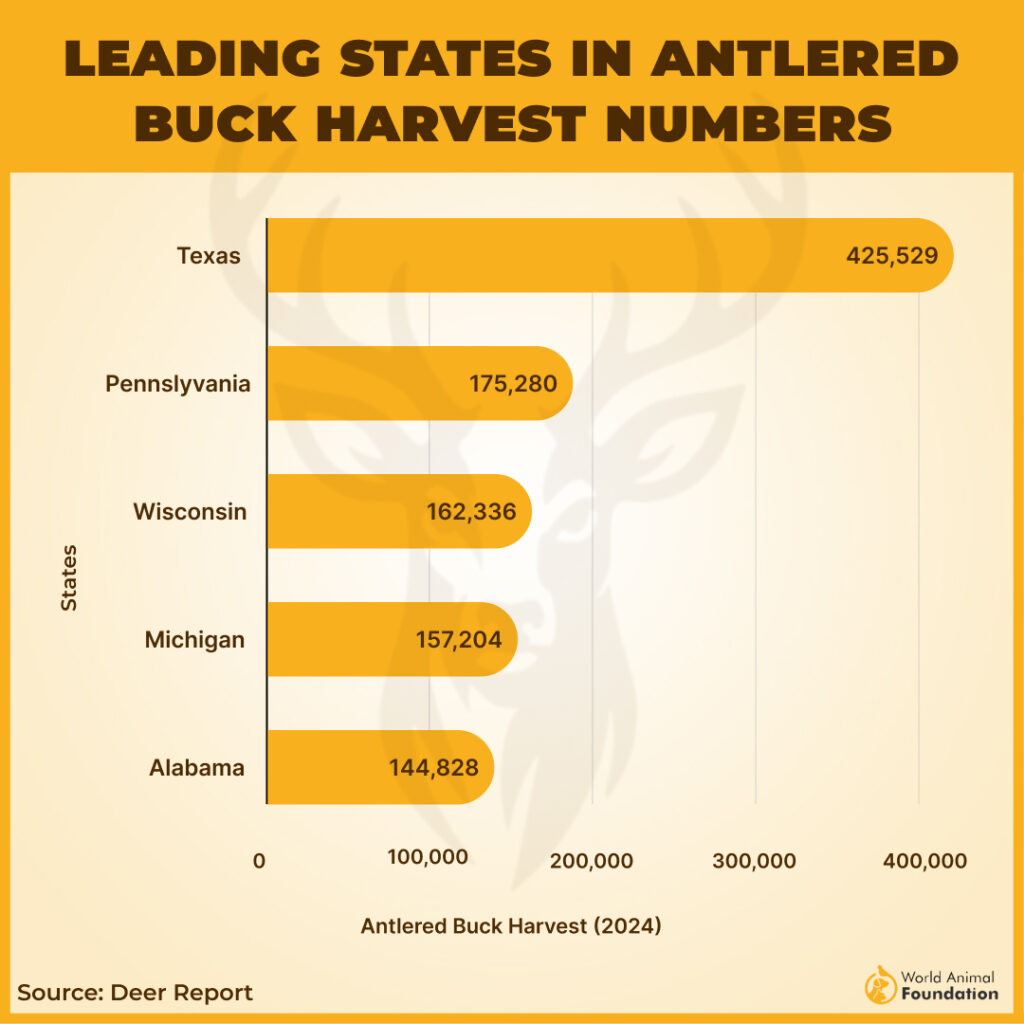
This was followed by Pennsylvania with a harvest of 175,280 bucks. It is worth noting that the number of bucks harvested varies from state to state and is affected by factors such as population size, hunting regulations, and environmental conditions.
Florida has the Highest Buck Harvest, with a 35% Increase Over the Previous Season (Deer Report)
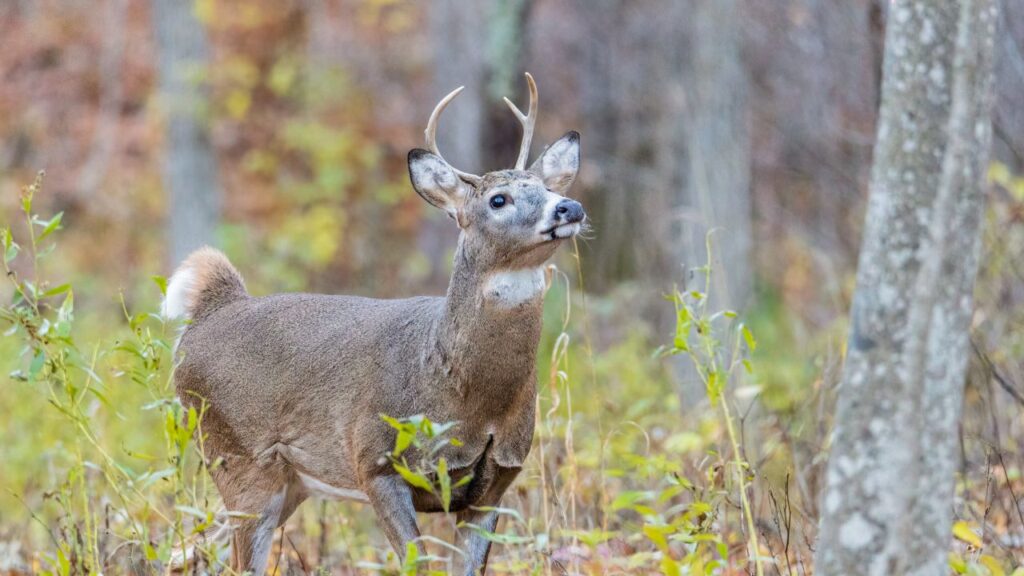
Photo Courtesy of WIKIMEDIA COMMONS
Florida had the most significant increase of any state; hunters killed slightly more bucks than usual. No doubt, hunting conservationists hope to balance the wildlife population and cull healthy and sick deer.
Pennsylvania Took Top Spot in the Buck Harvest per Square Mile (Deer Report)
Pennsylvania (3.9 bucks per square mile) had the highest harvest density, meaning hunters there harvested more bucks relative to land area than anywhere else. Hunters also tagged more bucks per square mile than in any other state. Maryland (3.3) followed, also showing a strong harvest rate.
A Few More Interesting Deer Statistics
The Largest Deer Species, Moose and Elk, Weigh up to 1,300 and 1,100 Pounds, Respectively, and the Average Deer Weighs Between 155 and 203 Pounds (ESF, Biology Insights)
Moose and elk are formidable and majestic creatures. The largest male moose was killed in 1897 and stood at 7.6 feet at the shoulders.
Whitetail and mule deer are much smaller, and most mature deer weigh in at 155-203 pounds, while does are much lighter at 200 pounds.
The Average Lifespan of a white-tailed is 4.5 Years (Grand View Outdoors)
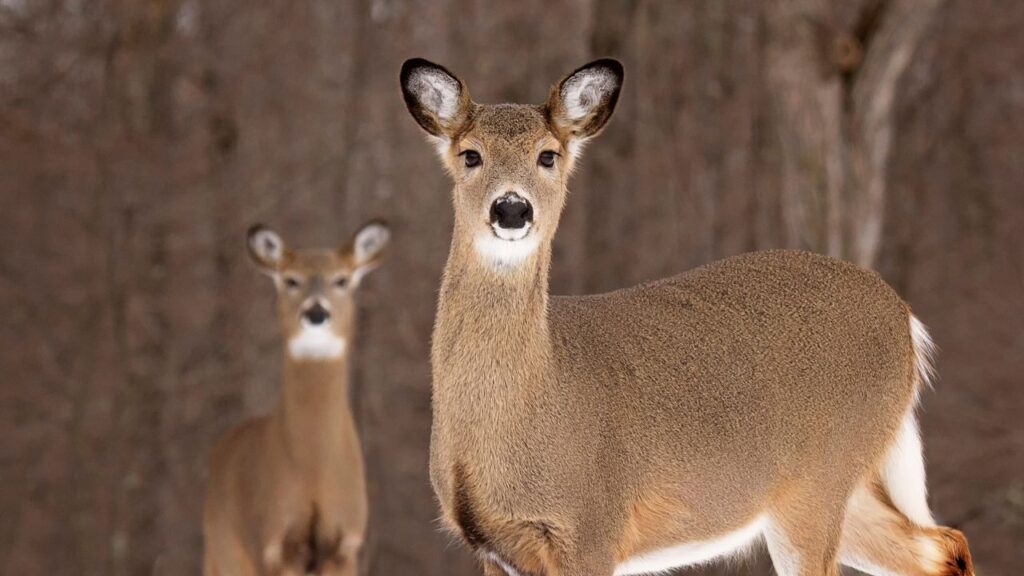
Photo Courtesy of @yrjö jyske on Flickr
The life of a wild white-tailed deer is fraught with danger from hunters, predators, cars, and trains. In captivity, a deer’s life ranges from 6 to 14 years, with some notable exceptions.
In the wild, that lifespan is cut short to 4.5 years. Disease is another element that impacts the population and survival.
Deer Kept in Captivity Can Live Up to 23 Years (Grand View Outdoors)
Every once in a while, something has to change the statistics. A handful of deer have made it to 23 years old. Others, including a doe from Vermont, reached the ripe age of 19 years. Males typically die younger.
Baby Deer Called Fawns Can Weigh As Little as 5 Pounds at Birth (mom.com)
Fawns are tiny at birth. On average, they weigh just six to eight pounds at birth to have a good chance at survival. Their moms nurse them with four servings of doe milk to reach their 60-70 pound winter weight.
Fawns Are Usually Born Between April and June, and Many Does Give Birth to Twins and Triplets (Wildlifecenter)
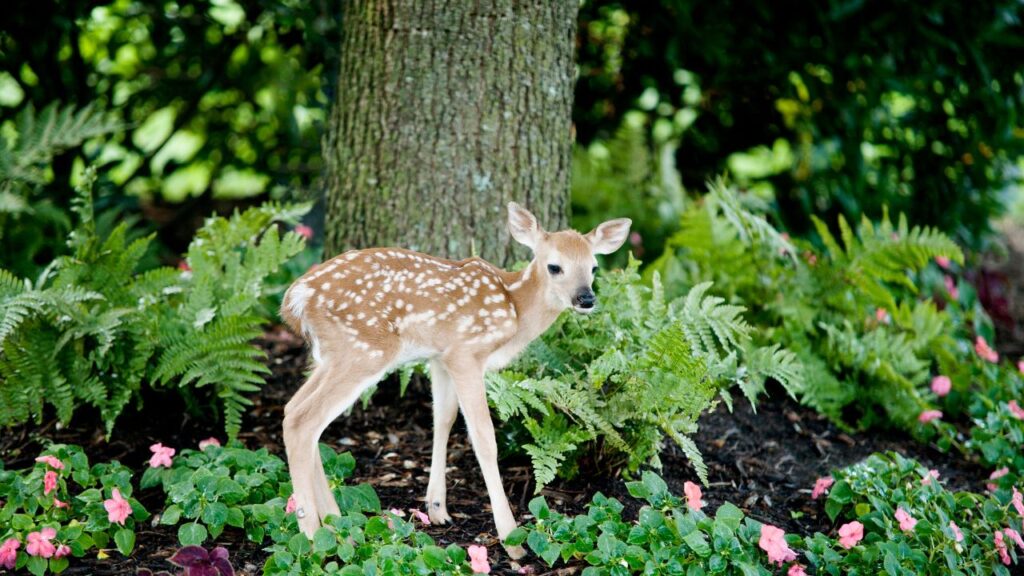
True story. Twins and triplets are pretty common. Most do give birth in mid-spring to early summer. Does typically disguise their offspring in shrubs and tall grass to forage for food. She also does it to deter predators by leading them away. Moms feed generously at dusk and dawn.
Deer Have a 310-Degree Vision (Grand View Outdoor)
Whitetail deer have a unique facial structure. This makes it challenging to focus on a point. However, they have incredible night vision. They’re more active at dusk and dawn and can hear high-frequency sounds better.
Deer Travel 3,000 Miles in a Year (Minnesota Zoo)
As soon as a fawn is born, it must learn to stand for its survival. Although it’s wobbly, fawns learn to walk within minutes of birth. It’s been reported that a nomadic reindeer (Deer) has traveled up to 3000 miles; that’s like walking across America to search for food during harsh winters.
Some Deer Herds Have 100,000 Members (ADW)
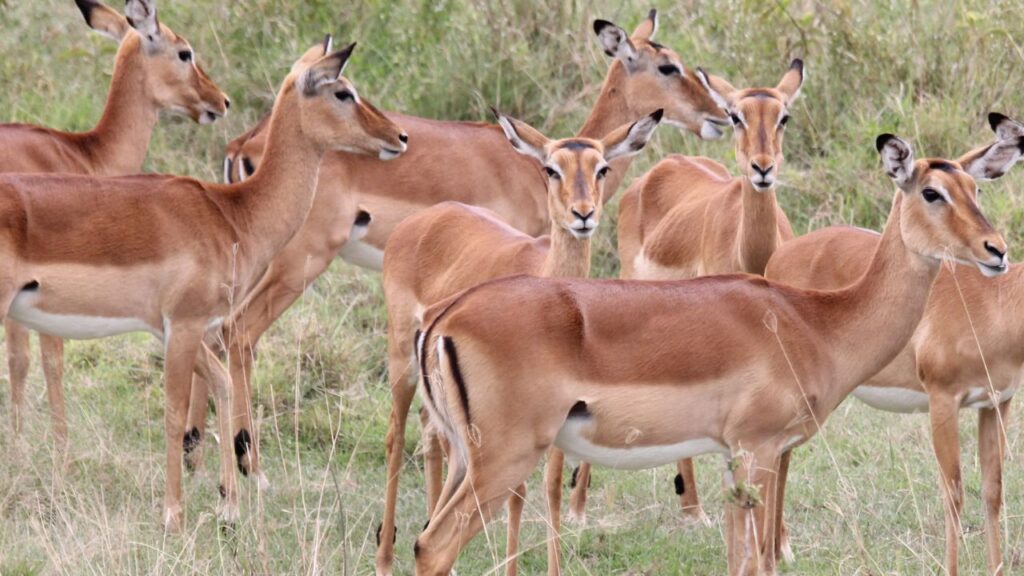
Have you heard? Some deer herds have up to 100,000 members. Deer are social animals that interact and like to graze and move together. It’s common to see a group of bucks or a bunch of does.
1 in 20,000 Deer Are Born Albino, According to Deer (World Deer)
Albinism is a rare genetic autosomal recessive inheritance pattern where people or animals don’t have any melanin. Albino deer are rare. At Seneca Falls, the white deer herd has a protected status. The deer population has since grown to about 700 head, approximately 300 of which are white, making it the largest herd of white deer in the world.
FAQs
How Many Car Crashes Occur by Deer?
Statistics suggest deer cause 1.5 million accidents.
What Animal Causes the Most Car Accidents?
Deer causes the most accidents for several reasons. There are at least 30 million of them trying to cross the road.
Where do deer sleep at nighttime?
Deer habitats are areas protected by shrubs or trees; sometimes, they hide in tall grass or an open field.
Can Deer Sleep Standing Up?
Few can sleep standing up, but most lay down as they lose muscle control when they fall asleep.
At What Time of Day Are the Most Deer Killed?
Most deer collisions happen at dusk and dawn.
How Are the Deer Harvest Numbers Estimated?
It’s a complicated process where many (30) teams venture into the deer processing stations and count the sex and age of the animals being butchered.
They also record feedback from hunters and wildlife conservation organizations. They check about 25,000 deer each fall. They compare counted numbers against hunted numbers and extract an estimate.
Can Deer Kill a Man?
A male deer can gorge a person or trample a small person. Attacks are very rare. But since moose also fall into the deer category, they’re dangerous during rutting season.
Wrap Up
It’s difficult to imagine a world without deer in it. Deer cause conflict when they trespass onto roads or railway lines, although they are very docile creatures.
Some communities in North America have a living relationship with their deer population. They are a sight to behold when you look out your window, and there they are.
