




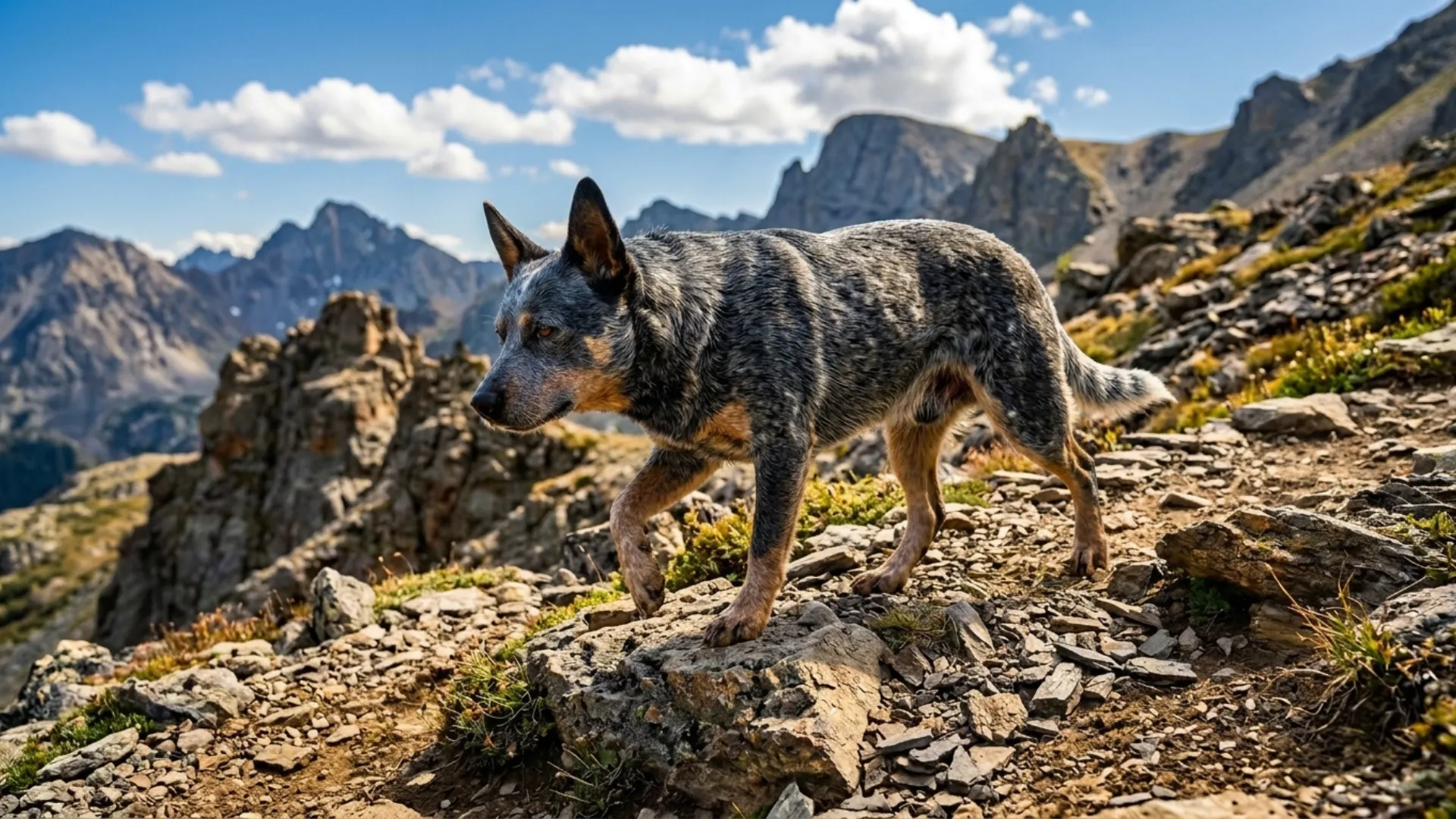
Some dogs seem perfectly happy when the weather turns nasty. Snow, heat, rough trails, long working days- no matter how rugged the situation, these dog breeds are forever ready.
These rugged breeds were shaped by real jobs in demanding environments, where stamina, resilience, and practical working abilities mattered far more than looking cute in a dog bed.
Many were originally bred for hauling, hunting, tracking, or protecting livestock. Their bodies and instincts reflect those jobs, from insulating coats made for cold weather to athletic builds designed for covering difficult ground.
That doesn’t mean every tough-looking dog belongs in extreme climates today. At home, they can be patient and easygoing rather than headstrong all the time.
Each breed has different needs, and responsible ownership still comes down to choosing the right dog for your lifestyle.
Rugged Dog Breeds That Thrive in Extreme Conditions
1. Alaskan Malamute
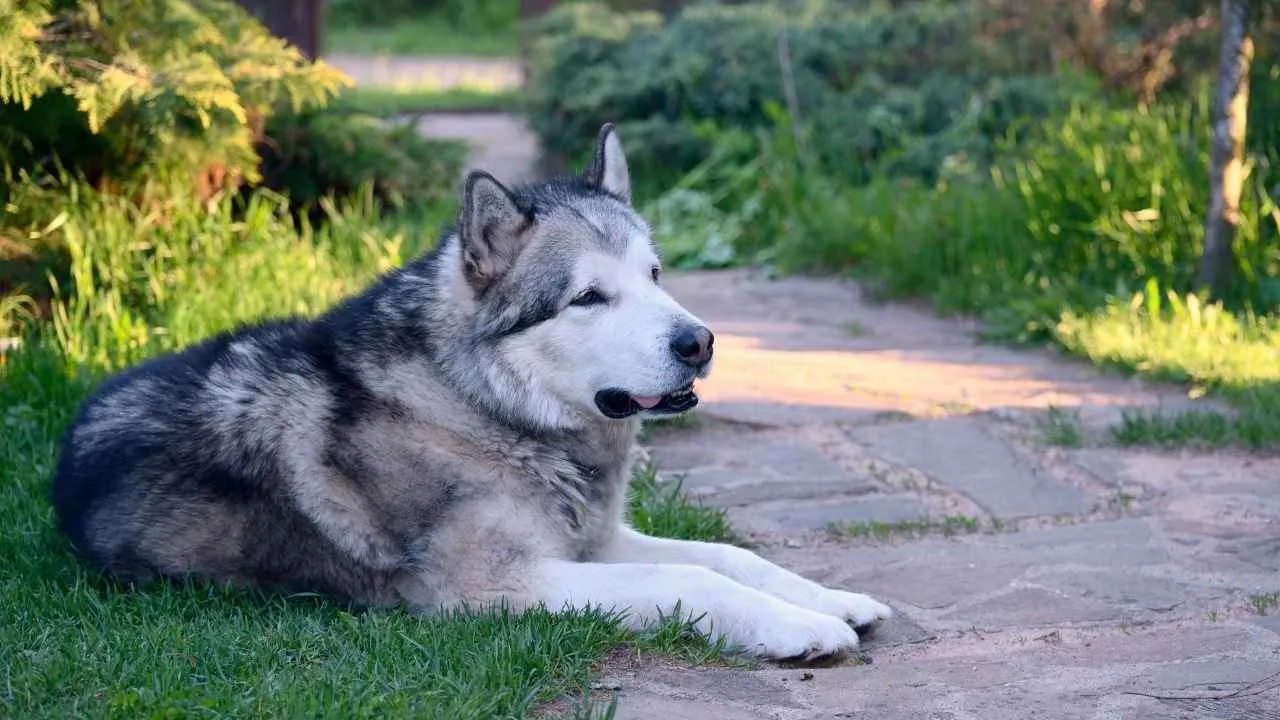
The wolf-like breed, the Alaskan Malamute, can make a snowy morning look like an invitation rather than an inconvenience. The Malamute people of Alaska developed this Arctic powerhouse to haul heavy loads across frozen landscapes. Unlike sled racers built around speed, they were valued for strength, endurance, and the ability to keep moving steadily.
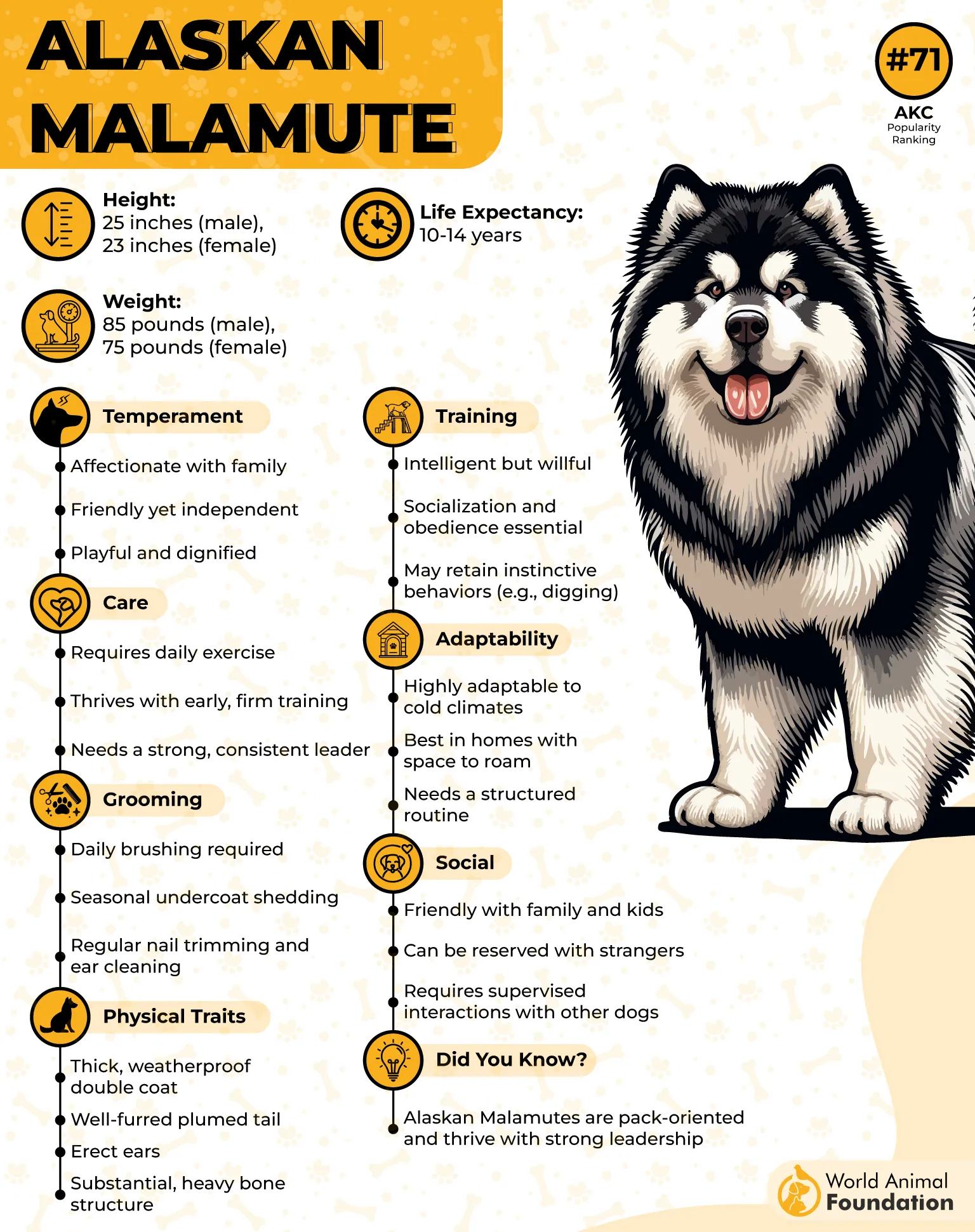
This spitz-type breed carries plenty of personality underneath all that fluff, too. A Malamute can be playful, affectionate, and wonderfully goofy with their family. They are also independent-minded, so life with one tends to work best when an owner understands their working background.
Why the Alaskan Malamute Thrives in Tough Conditions
Their thick double coat provides serious insulation against freezing temperatures. Broad paws help with traction on snow.
The powerful shoulders and a muscular frame allow them to pull heavy loads. Their stamina lets them work steadily for extended periods. These qualities make them one of the strongest dog breeds for cold, physically demanding work.
Training & Exercise
Training a Malamute works best when sessions feel purposeful rather than repetitive. Purina added that these service dogs need to learn to walk on a lead and harness to overcome their sled-pulling history.
Long walks, hiking, pulling sports, and interactive games can provide plenty of physical activity. Puzzle toys and obedience exercises can add mental stimulation, too.
2. Siberian Husky
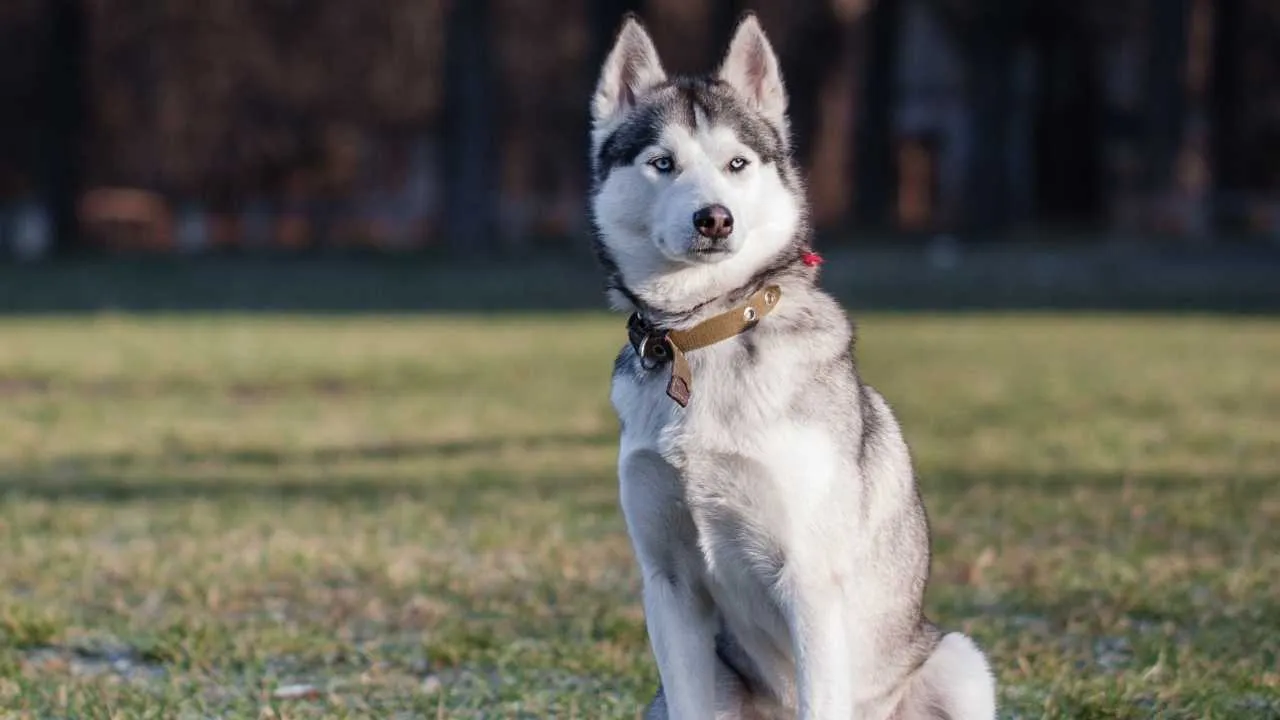
The Siberian Husky has the energy of a dog that was never told the adventure was over. Developed by the Chukchi people of Siberia, they used to pull lighter sled loads over considerable distances. Efficiency mattered because they needed to travel far without wasting precious energy.
Modern Huskies still carry that restless explorer spirit. They are outgoing, smart, and generally loyal to their family members.
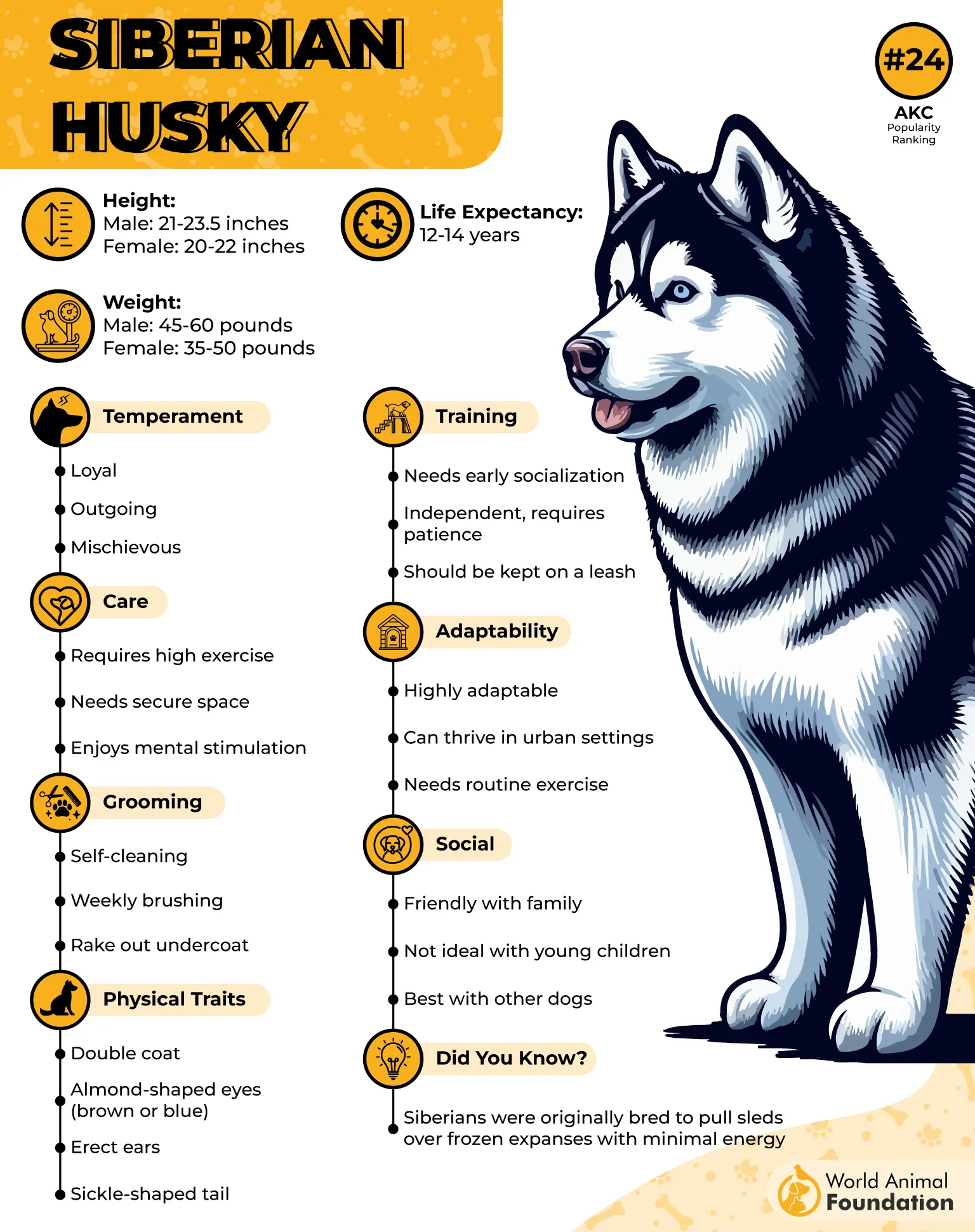
Why the Siberian Husky Thrives in Tough Conditions
Their dense coat provides insulation against severe cold, while their compact body helps conserve warmth. An efficient gait allows them to cover long distances without tiring quickly.
Their remarkable endurance made them dependable sled workers in freezing environments.
Training & Exercise
A short stroll may barely scratch the itch for a dog that enjoys running, hiking, and active games. They are also clever enough to turn a fence into a personal puzzle when boredom arrives, so secure fencing is important.
Mental stimulation matters just as much because this intelligent breed can quickly become bored with repetition. Positive reinforcement and consistency are useful, particularly when teaching recall and leash manners.
3. Great Pyrenees
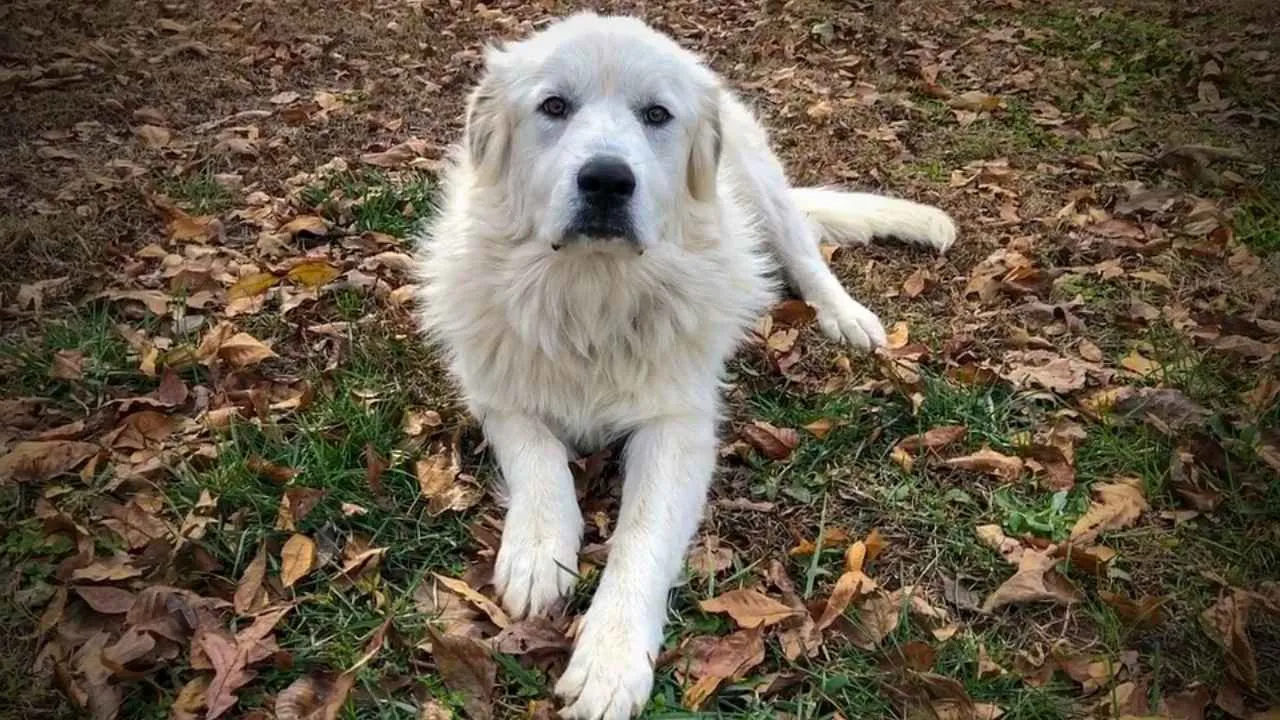
Picture a huge white dog standing quietly beside a flock while the wind sweeps through a mountain pasture. That was everyday life for the Great Pyrenees.
Rather than driving sheep from one place to another, this incredibly strong breed was expected to guard livestock and make their own decisions when predators appeared.
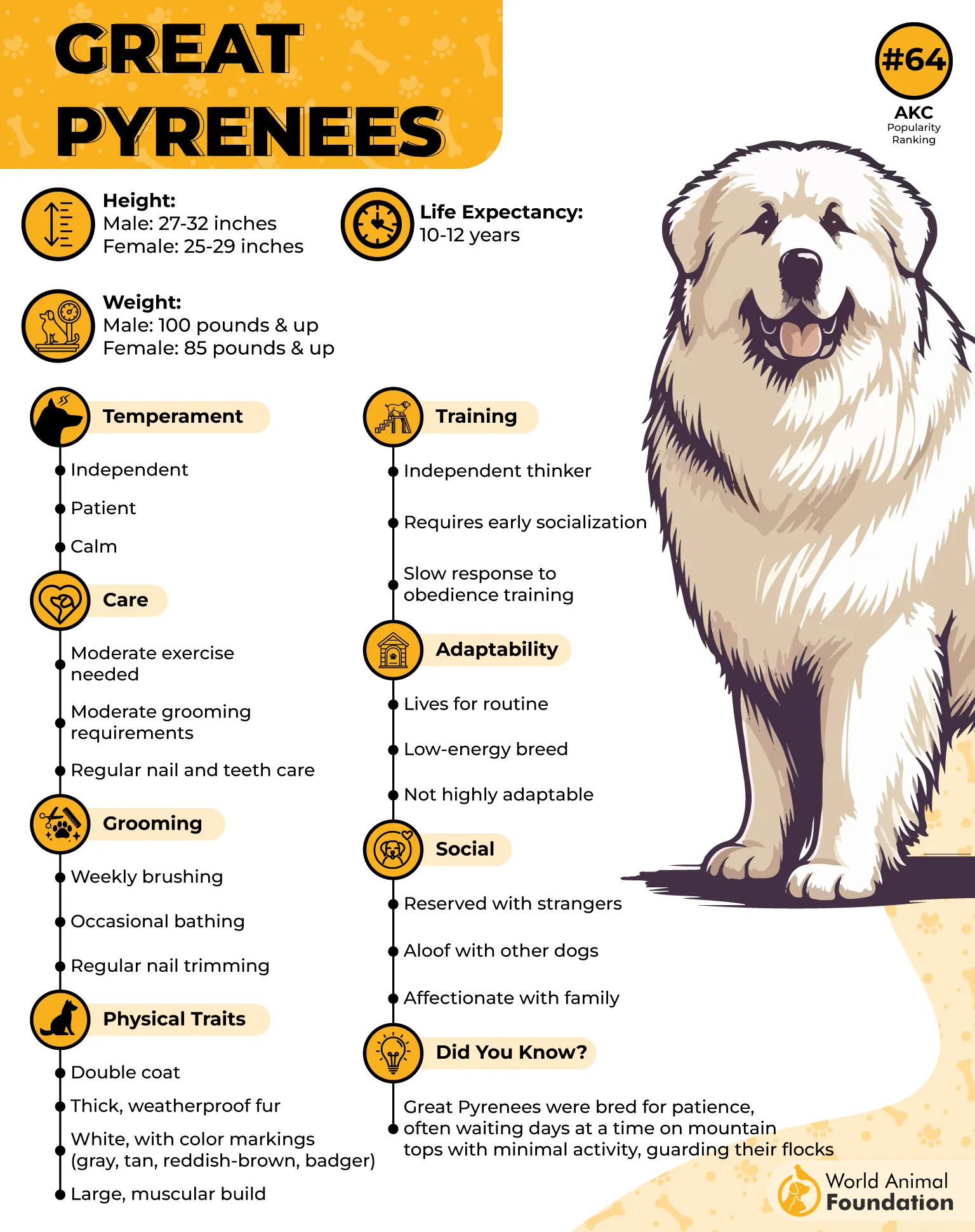
That history explains their composed personality. At home, they can be a gentle giant with a calm temperament around their people. They remain watchful when something unfamiliar enters their space.
PetMD notices that Great Pyrenees are low-energy dogs that tend to appreciate a relaxed lifestyle. They value their alone time more and would love to retreat for time away from other pets.
Why the Great Pyrenees Thrive in Tough Conditions
Their thick coat protects them from snow, wind, and freezing temperatures. Their substantial frame provides strength on rugged mountain ground.
Their stamina allows them to remain with livestock for long stretches. Their independent guarding instincts were especially valuable in isolated areas.
Training & Exercise
Moderate daily walks and supervised outdoor time usually suit them better than intense workouts. Mental stimulation through simple obedience exercises and purposeful tasks can keep them engaged.
Because these large dogs were bred to make decisions independently, owners should focus on reliable manners rather than expecting instant obedience.
4. Rhodesian Ridgeback
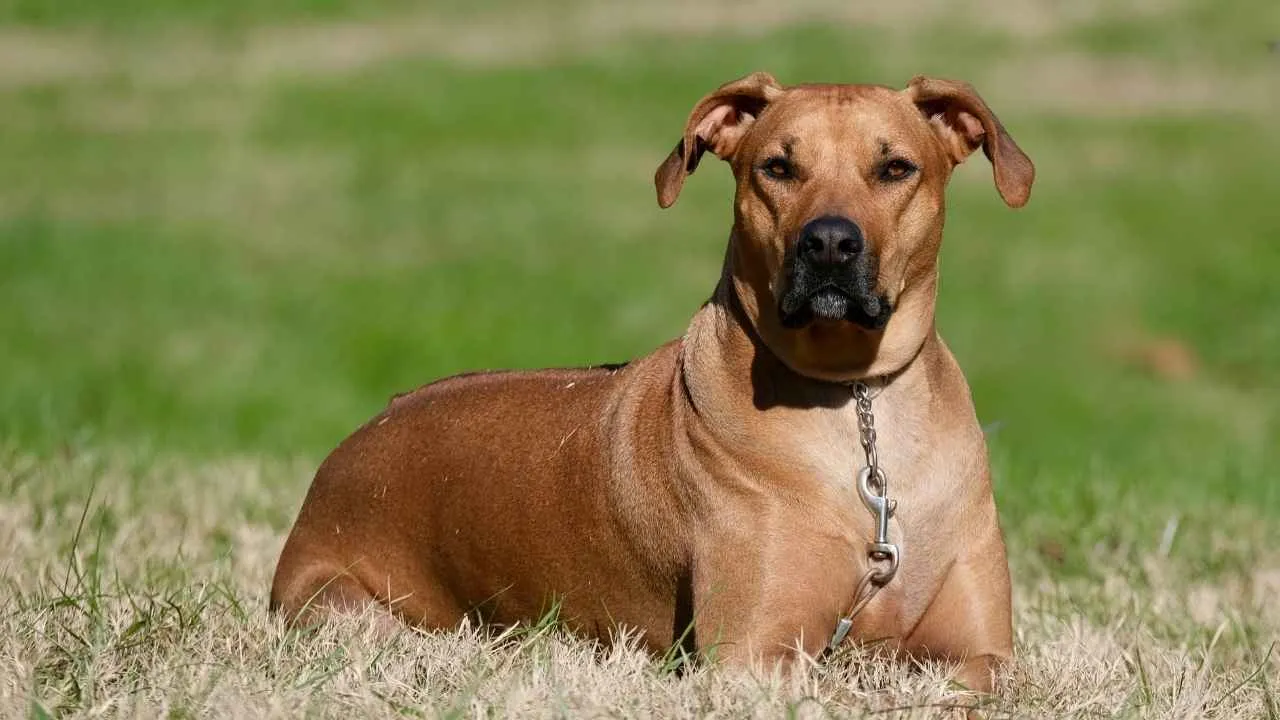
The Rhodesian Ridgeback has a fascinating resume: hunter, farm dog, protector, and endurance athlete. Developed in southern Africa, they worked across demanding terrain and became associated with hunting large game.
This working dog breed has a sleek, athletic presence and tends to form a strong bond with their household. They are affectionate and protective with family members while maintaining a more reserved attitude around strangers.
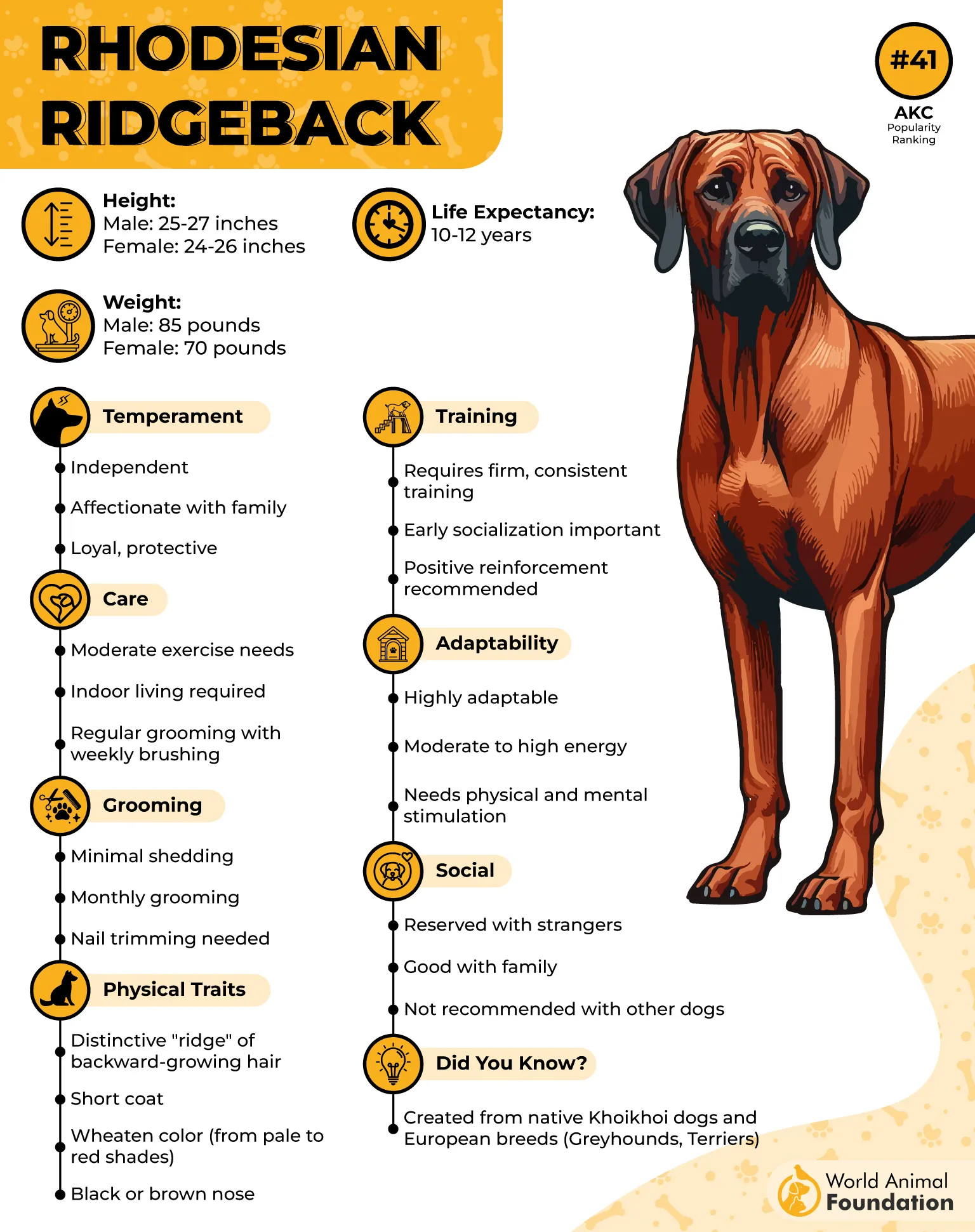
Why the Rhodesian Ridgeback Thrives in Tough Conditions
Their short coat suits warm environments, and their lean frame supports efficient movement. Strong legs and endurance helped them travel across challenging African landscapes during lengthy hunts.
Historically, they could even help hunt lions. This type of work required courage, speed, and stamina.
Training & Exercise
A Ridgeback needs regular physical activity to stay happy. Long walks, agility, obedience, tracking, hiking, running, and structured outdoor games can suit their athletic nature.
Training should begin early and remain consistent, with positive reinforcement helping build cooperation. Their independent streak means they may test boundaries occasionally, so clear household rules are useful.
Due to their high prey drive, Omlet recommends early socialization to help them become comfortable around unfamiliar people, cats, and other dogs.
5. Weimaraner
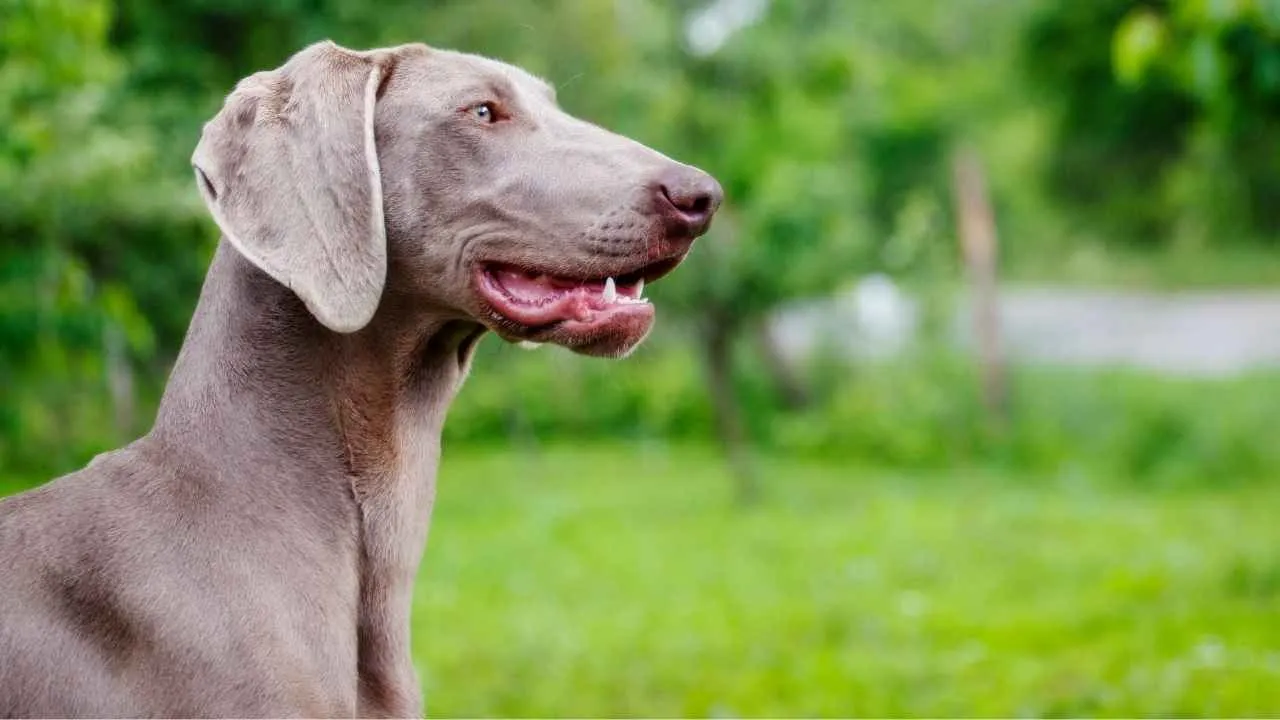
A Weimaraner can turn an ordinary day into an excuse to go somewhere. Developed in Germany as a hunting companion and sporting dog, they were expected to track, pursue, and work alongside hunters.
Their personality can be equally lively. Orvis says that a Weimaraner wants to stay close to their people and participate in whatever is happening. Without enough activity, their high energy can quickly become household restlessness.
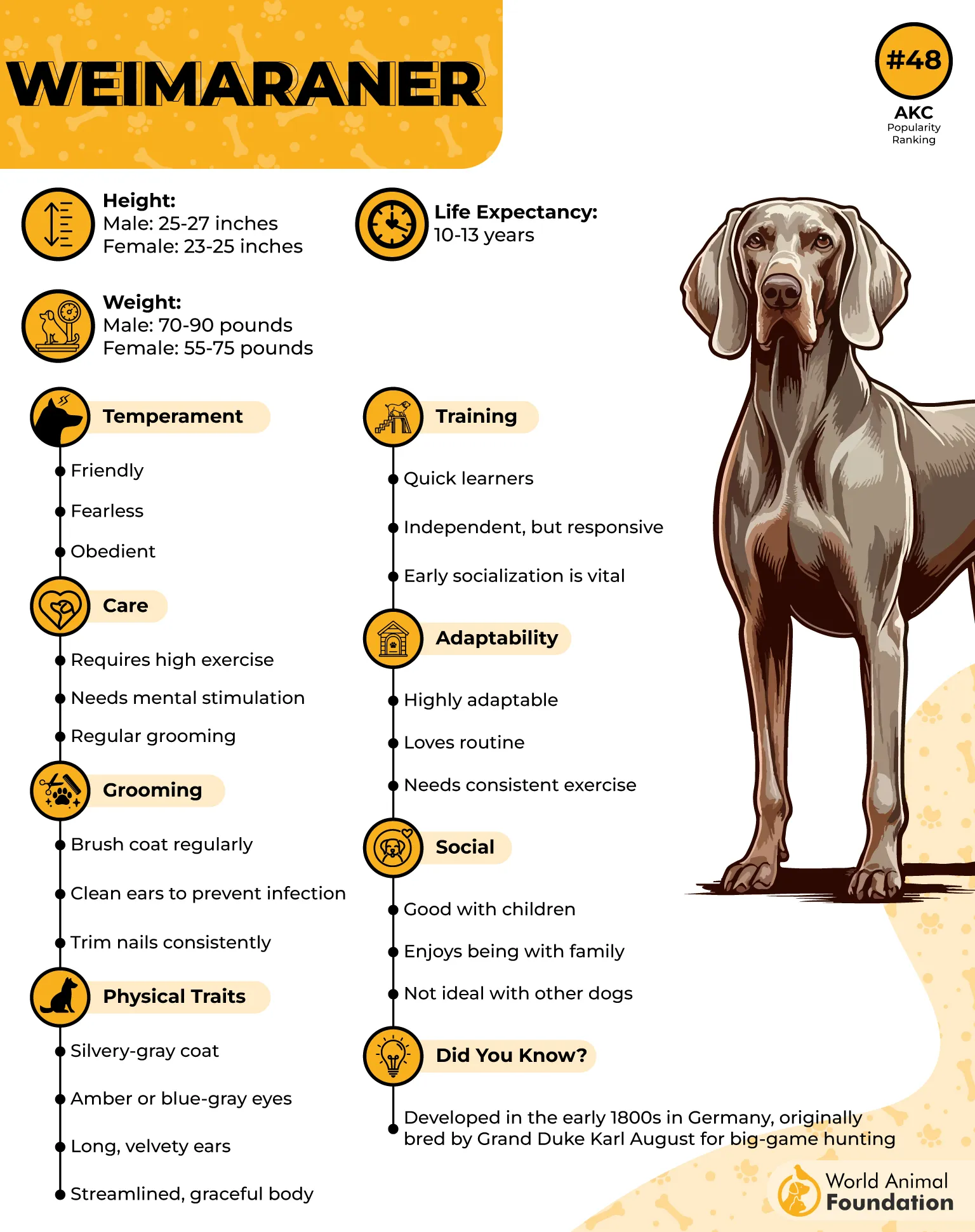
Why the Weimaraner Thrives in Tough Conditions
Their streamlined frame and muscular build help them move quickly over varied ground. This dog breed’s considerable stamina allows them to remain active during prolonged hunting sessions.
Their short coat is practical for outdoor work. Their hunting history also gave them determination and adaptability.
Training & Exercise
Weimaraners need a healthy mix of physical and mental stimulation. Running, hiking, retrieving, swimming, and canine sports can give their athletic side plenty to do.
Training sessions should be engaging because repetition can quickly lose their attention. Obedience work, scent games, and problem-solving activities can keep their intelligent minds occupied.
Early socialization and consistent guidance are helpful because their enthusiasm can otherwise become a little too much for a household that prefers peaceful afternoons.
6. Australian Cattle Dog
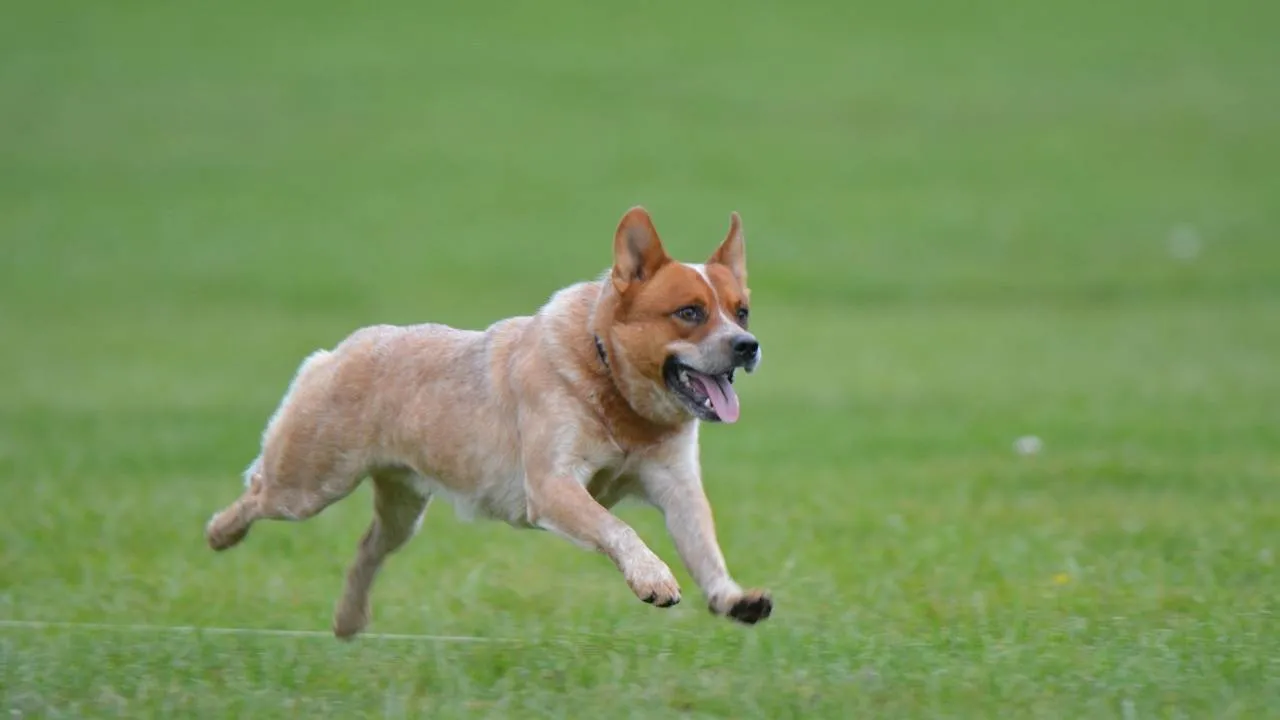
The Australian Cattle Dog is known for a ready-set-go attitude and an exceptionally smart mind. Their original job involved moving cattle across vast Australian properties in heat, rough terrain, and long distances.
That background created a dog with a serious work ethic and plenty of brainpower. They like having something to accomplish and can become inventive when life gets boring.
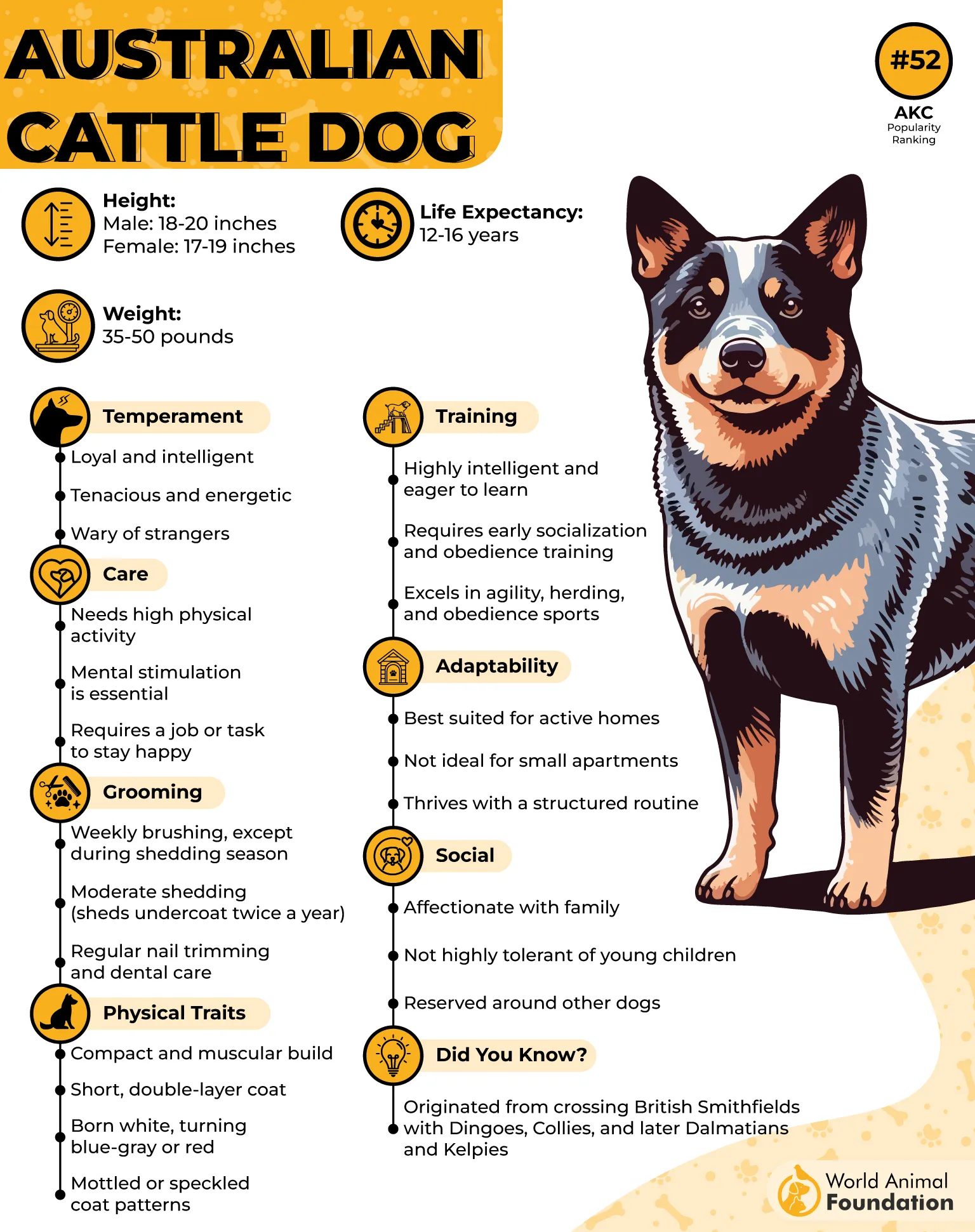
These high-energy dogs bond fiercely with people they love and are generally sweet with their owners.
Why the Australian Cattle Dog Thrives in Tough Conditions
Their medium-sized body provides endurance without making them cumbersome, while their weather-resistant coat helps protect them outdoors.
Strong feet and agile movement help on rough ground, and their intelligence lets them react quickly around animals. Long working days shaped their stamina and resilience.
Training & Exercise
This breed thrives when exercise feels like a job rather than a chore. Hiking, agility, herding activities, running, and interactive games can help them use their energy productively.
Mental stimulation is equally important, so puzzle toys, scent work, and obedience training can keep their sharp minds occupied. They respond well to clear boundaries and consistent training.
Without enough activity, their intelligence can lead them toward creative forms of mischief that no owner particularly ordered.
7. Bloodhound
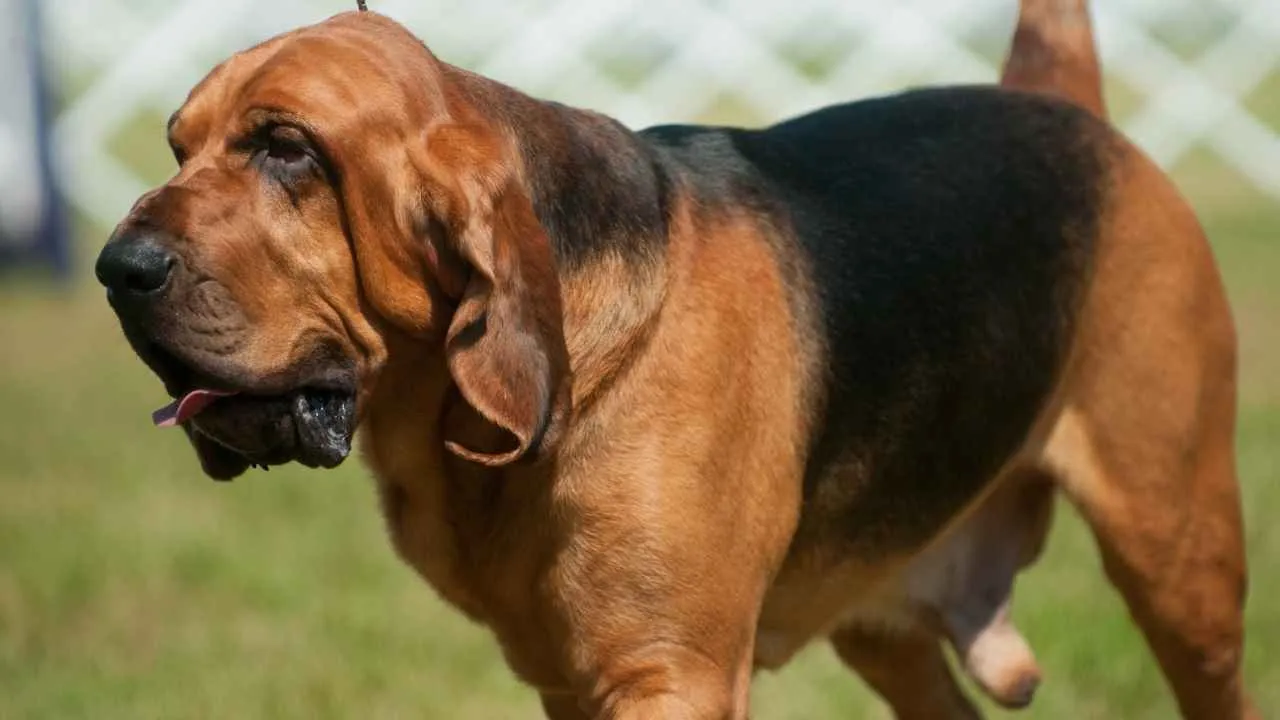
A Bloodhound doesn’t need a map when their nose already has an itinerary. This famous large scent hound has been valued for centuries for tracking human scent, earning a reputation as one of the most capable tracking breeds around.
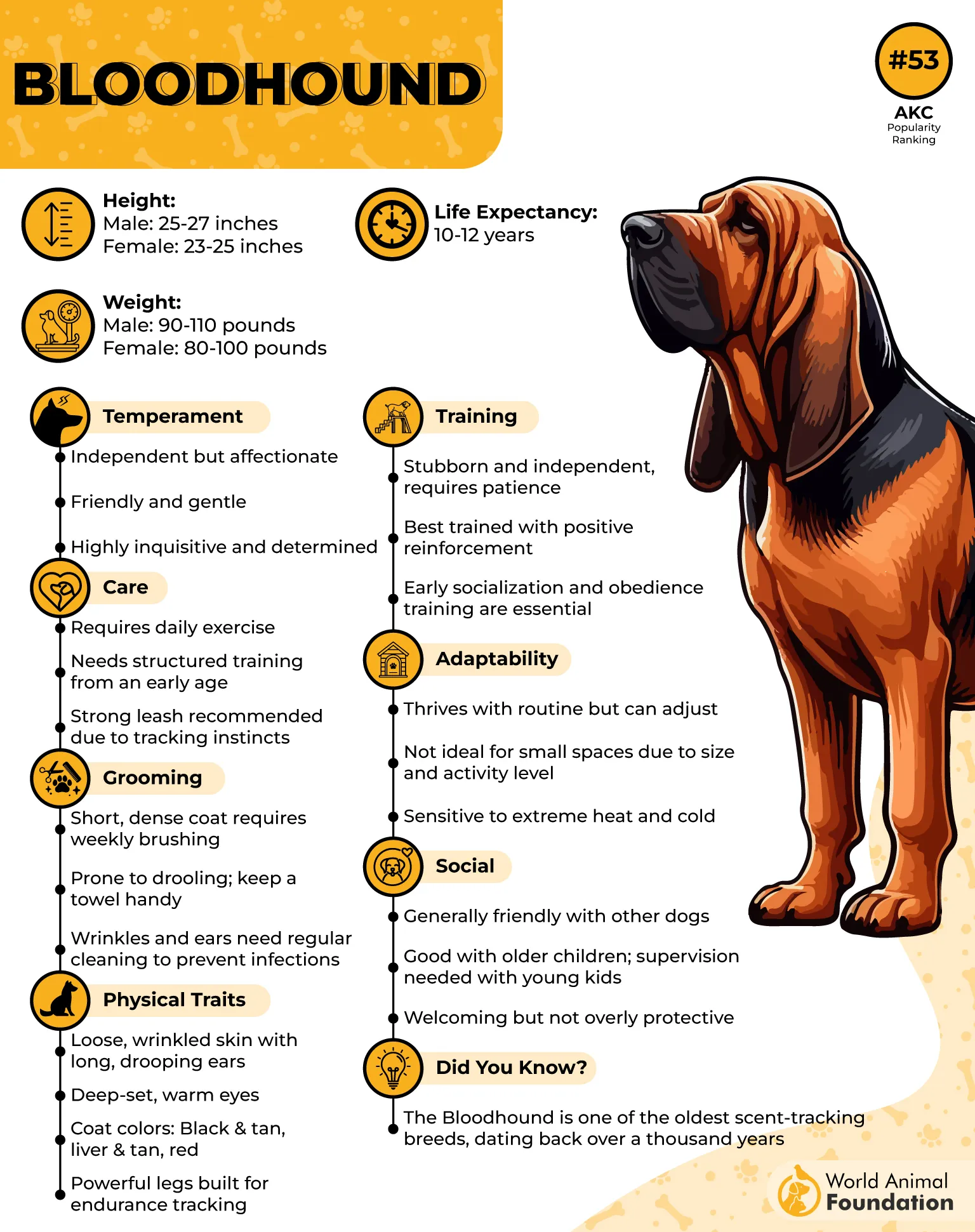
Their serious working skills come with a softer personality at home. A Bloodhound can be patient, loving, relaxed, and surprisingly sweet, making them suitable for families with children.
Why the Bloodhound Thrives in Tough Conditions
Their powerful body and strong legs support prolonged tracking. Their extraordinary sense of smell allows them to follow scent across complicated terrain.
Large paws help them handle different surfaces, and their determination keeps them working when a trail becomes difficult. Their greatest strength is consistency rather than speed.
Training & Exercise
Bloodhounds benefit enormously from activities that let them use their famous noses. Scent games, tracking exercises, leisurely walks, and supervised exploration can provide both physical activity and mental stimulation.
Training requires patience because following an interesting smell can suddenly become much more exciting than listening to their owner.
Reliable leash manners and recall are especially important. Short, rewarding sessions can work better than demanding repetitive drills for this determined scent specialist.
8. Redbone Coonhound
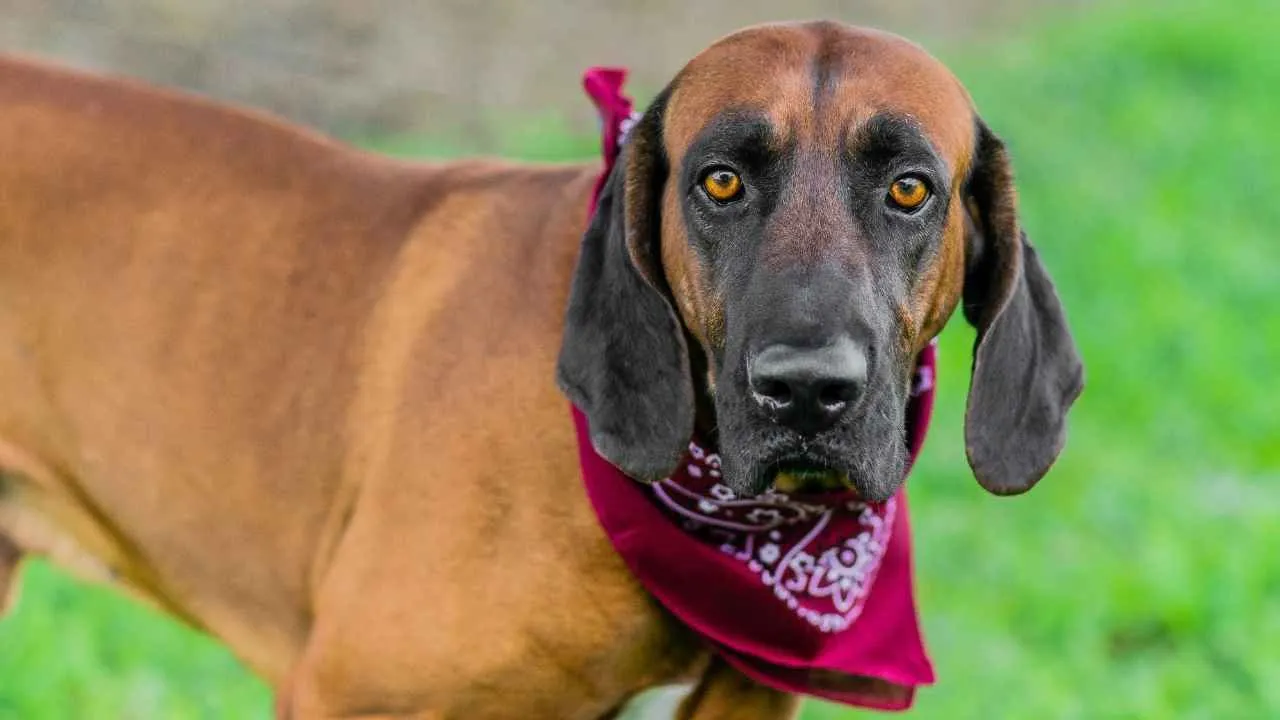
The Redbone Coonhound with signature deep red coat looks as though someone designed them specifically for a woodland adventure. Their American hunting history backs up that impression. This scent hound was developed to follow game through forests and rough country while keeping pace with hunters.
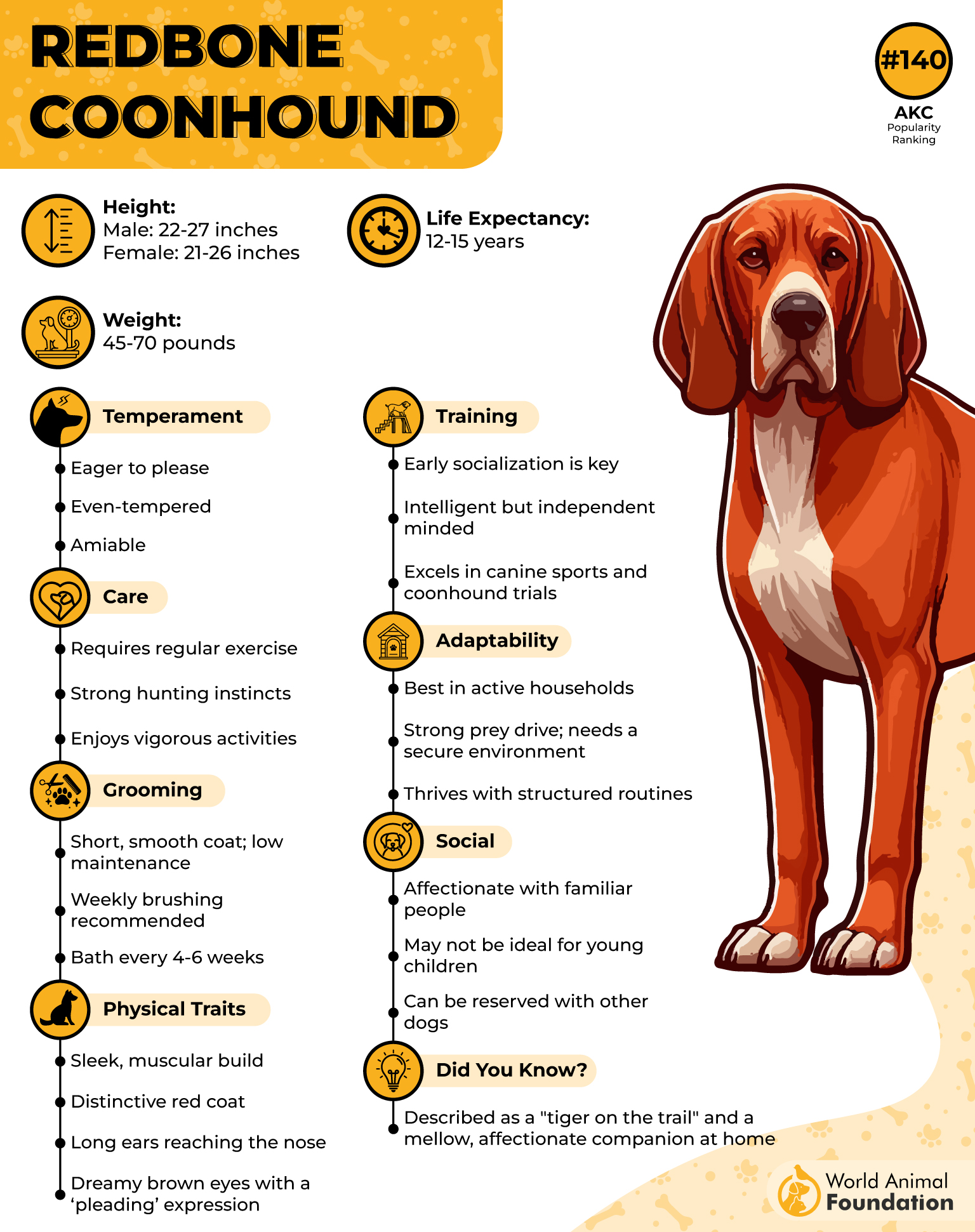
At home, they are known for their friendly temperament and loyal nature. can settle into a much quieter rhythm and enjoy being around their people.
Why the Redbone Coonhound Thrives in Tough Conditions
Their athletic body helps them cover ground efficiently, while strong legs provide the stamina required during lengthy hunts. This makes them an ultimate versatile dog.
A highly developed nose allows them to follow trails through dense woodland and uneven landscapes. Their working background demanded persistence when conditions became complicated.
Training & Exercise
Redbones are intelligent and thus enjoy having plenty of opportunities to explore safely. Without sufficient exercise, A Coonhound can be prone to barking.
Hiking, swimming, long walks, scent games, and tracking activities keep their bodies moving while giving their noses a job.
Training should be upbeat and consistent because an interesting scent can easily steal their attention. Secure areas are useful during outdoor activities, as following a trail may become more tempting than returning immediately.
9. Black and Tan Coonhound
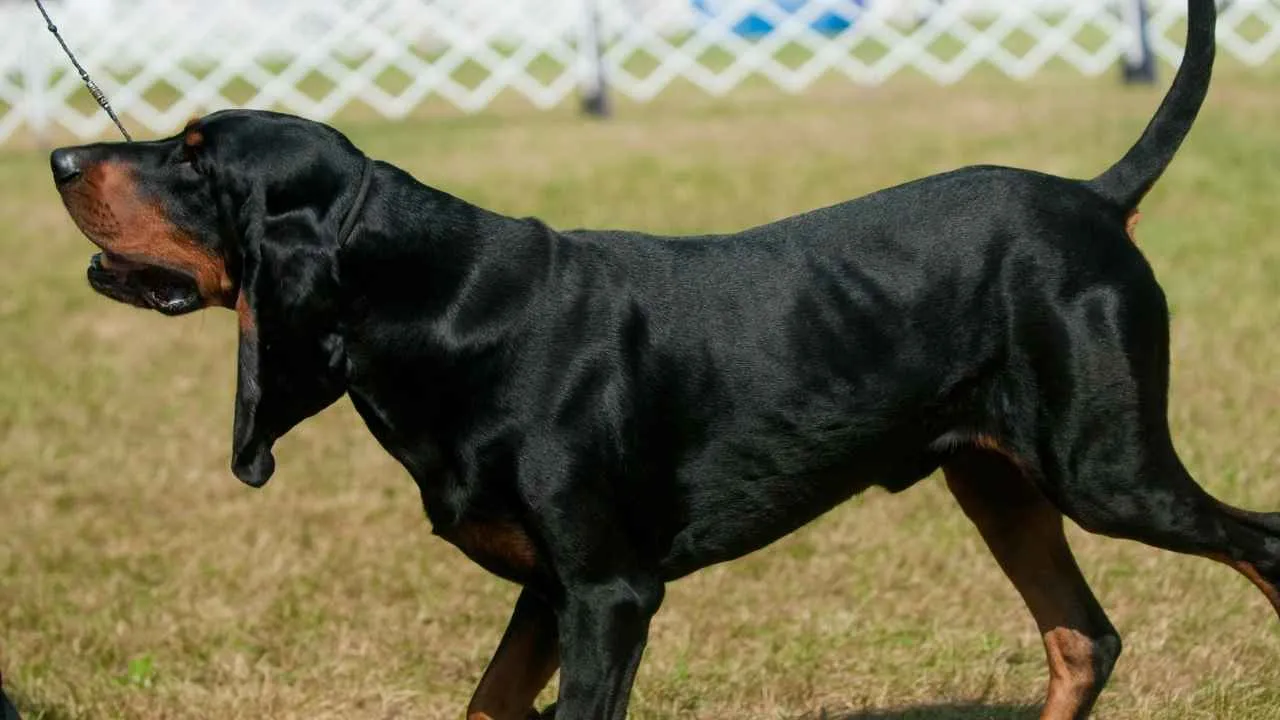
The Black and Tan Coonhound was made for trails that refuse to behave. Developed in the United States as a scent hound, they traditionally followed raccoons through forests and rugged terrain and were also used in pursuit of other large game.
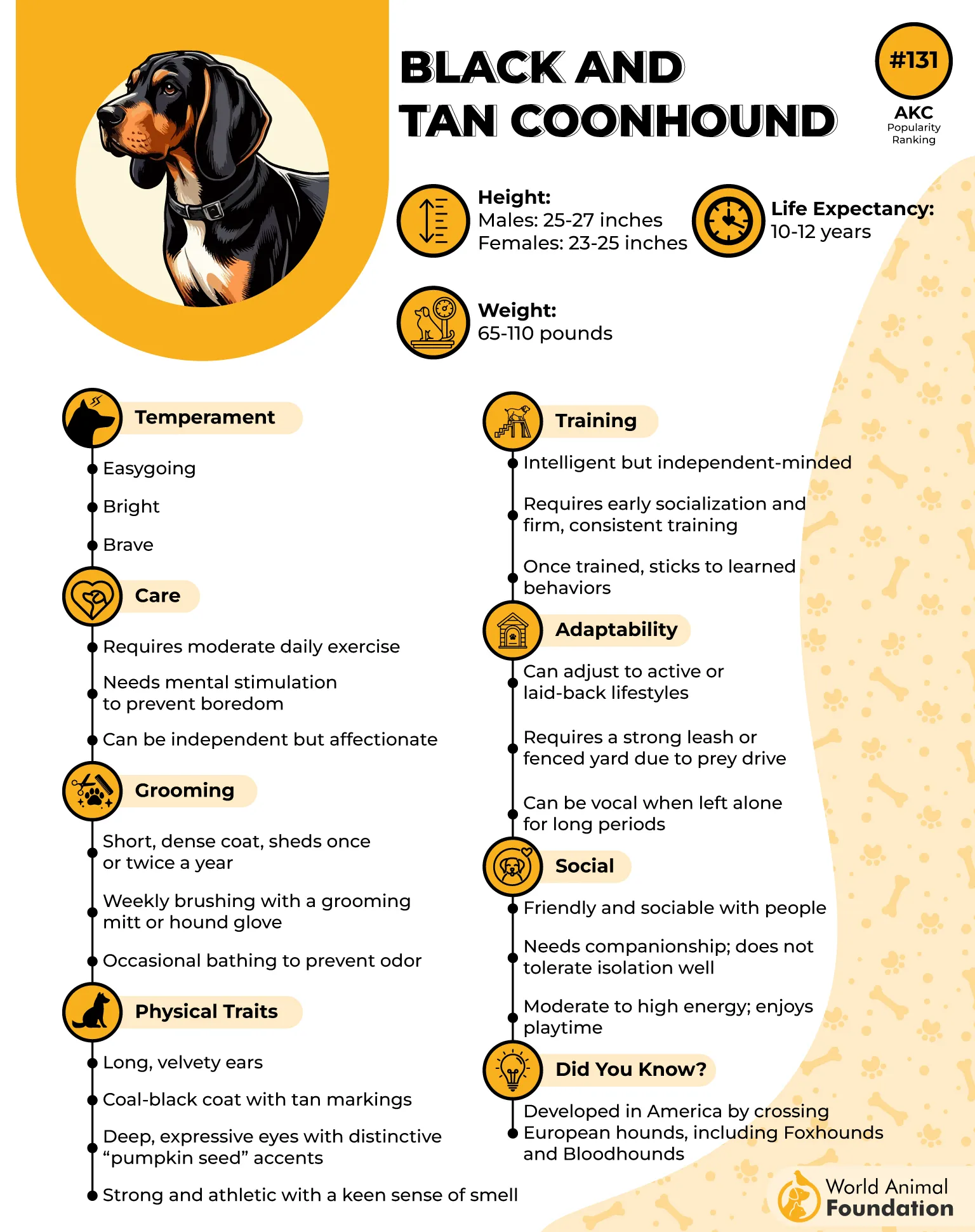
Despite that serious outdoor history, this breed can be quite the sweetheart at home. They have a calm demeanor when relaxing in their household. However, their nose can quickly take charge once an intriguing scent appears.
Why the Black and Tan Coonhound Thrives in Tough Conditions
Their strong nose allows them to maintain scent trails across difficult landscapes, while long legs and a sturdy body support extended movement.
Their breed standard recognizes their ability to work in both hot and cold weather. Endurance was essential to their hunting role. Persistence helped them follow trails over considerable distances.
Training & Exercise
Black and Tan Coonhounds need regular exercise that gives their bodies and noses something worthwhile to do. Long walks, hiking, tracking games, and supervised exploration can suit them well.
Training should be patient and consistent because their scenting instincts can be incredibly distracting. Early socialization and reliable leash skills are useful, especially outdoors.
They don’t necessarily need nonstop intense exercise, but a bored Coonhound can become quite creative about finding their own entertainment.
Conclusion
Living with a rugged breed is less about having the toughest dog on the block and more about understanding what makes them tick. Their working backgrounds often shape dogs that are capable, determined, and happiest when life gives them something meaningful to do.
Give them the care, boundaries, and activity that fit their individual needs, and their strength can become one of the most rewarding parts of the relationship.
