





Ever noticed how some dogs turn bath time into a full-on drama scene? One second, they are fine, and the next, they’re slipping, squirming, hiding, or looking at you like you’ve betrayed them. It’s funny to watch, but for many dogs, bath time genuinely feels overwhelming rather than refreshing.
The truth is, not every dog enjoys water the same way. While some happily jump into tubs, pools, or even muddy puddles, others find the whole experience stressful and confusing.
The noise, the wet feeling, and being held in place can all make them uncomfortable, leading to those classic dramatic reactions we all recognize.
That’s why understanding your dog’s personality matters so much. Some breeds are simply more sensitive to water and grooming routines, making bath time a regular battle.
If you’ve ever struggled with a reluctant bather, you’re definitely not alone—and what comes next might explain exactly why some dogs react so dramatically.
Key Takeaways
Bath time isn’t drama for no reason—each reaction comes from instinct, comfort, and how a dog is built
Body shape, coat, and breathing all decide how a dog feels about water, not just behavior
Huskies, Beagles, and Pugs show how different breeds react in very different, often dramatic way
Once you know why it happens, every splash and struggle starts to make a lot more sense
Dog Breeds Known For Dramatic Bath Time Reactions
1. Siberian Husky
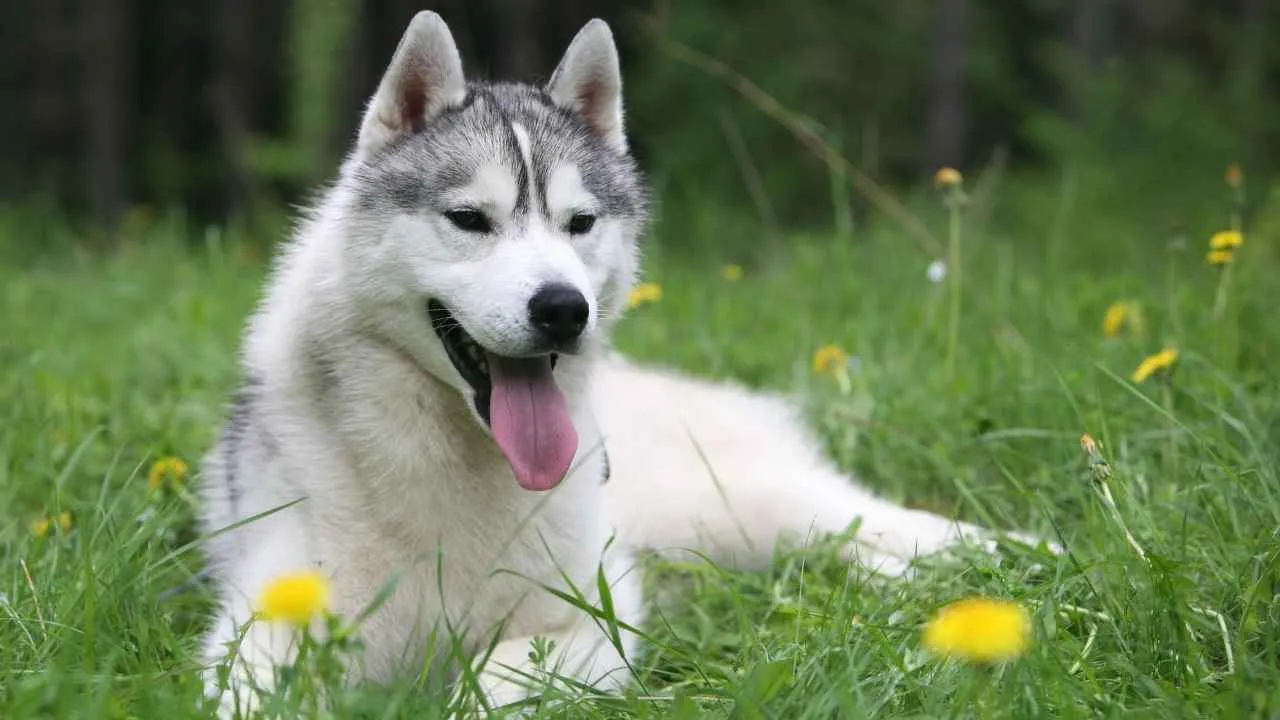
Siberian Huskies are not known for loving water or bath time. Their Arctic origins explain a lot. They were bred as sled dogs in freezing, snowy climates where swimming was not part of life.
In such extreme cold, getting wet could be unsafe. Because of this background, Huskies are not naturally drawn to water and can often seem suspicious or uneasy during baths.
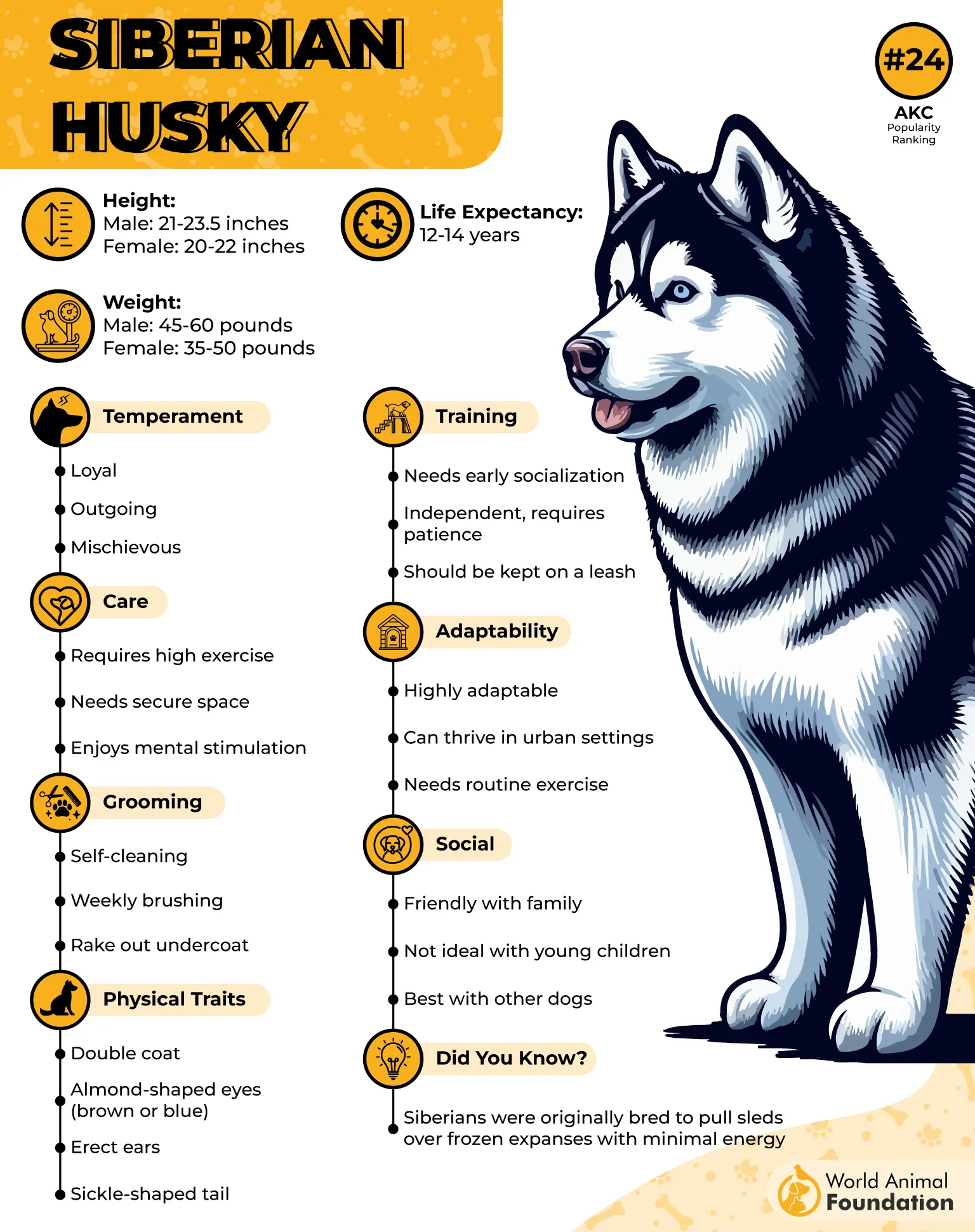
Natural Habits and Personality Traits
Huskies often keep themselves clean in a cat-like way. Their coats have natural oils that help repel dirt. This is why they do not need frequent baths like many other breeds.
Since they are not used to getting wet often, bath time can feel strange and uncomfortable for them. They may react with hesitation, resistance, or dramatic behavior when placed in water.
Energetic, Independent, and Sometimes Dramatic
Siberian Huskies are active, playful, and independent dogs. They enjoy social life and usually get along well with other dogs and people. However, they are strong-willed and not always easy to train.
Britannica mentions they rarely bark, but they are very vocal in their own way, using howls, chirps, and “woo” sounds. Their intelligence is sharp, but they choose when to listen. Because of this mix of independence and sensitivity, bath time can quickly turn into a dramatic scene if they are not in the mood.
2. Beagle
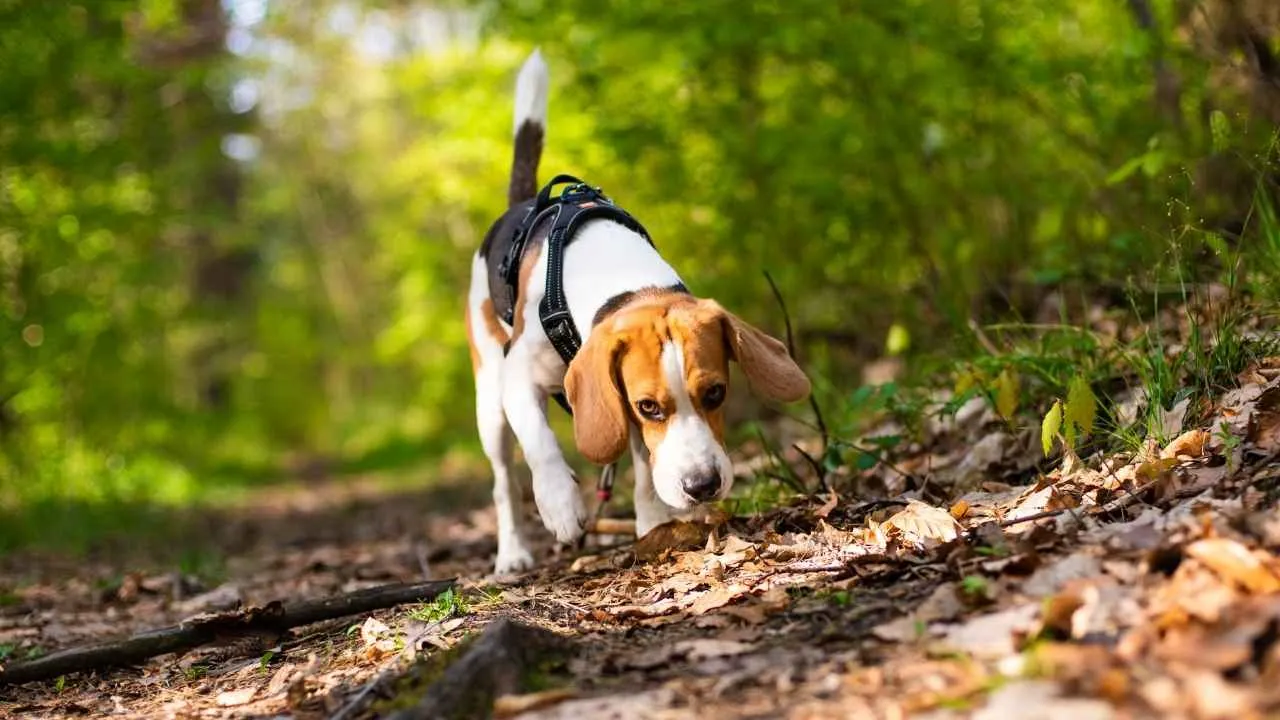
Beagles were originally bred for hunting in large packs across different terrains. Their work depended heavily on scent tracking. Because of this, water is not something they naturally enjoy.
It can interfere with their ability to follow scents, which makes them feel disoriented. For a scent-driven dog, that loss of smell feels confusing and uncomfortable.
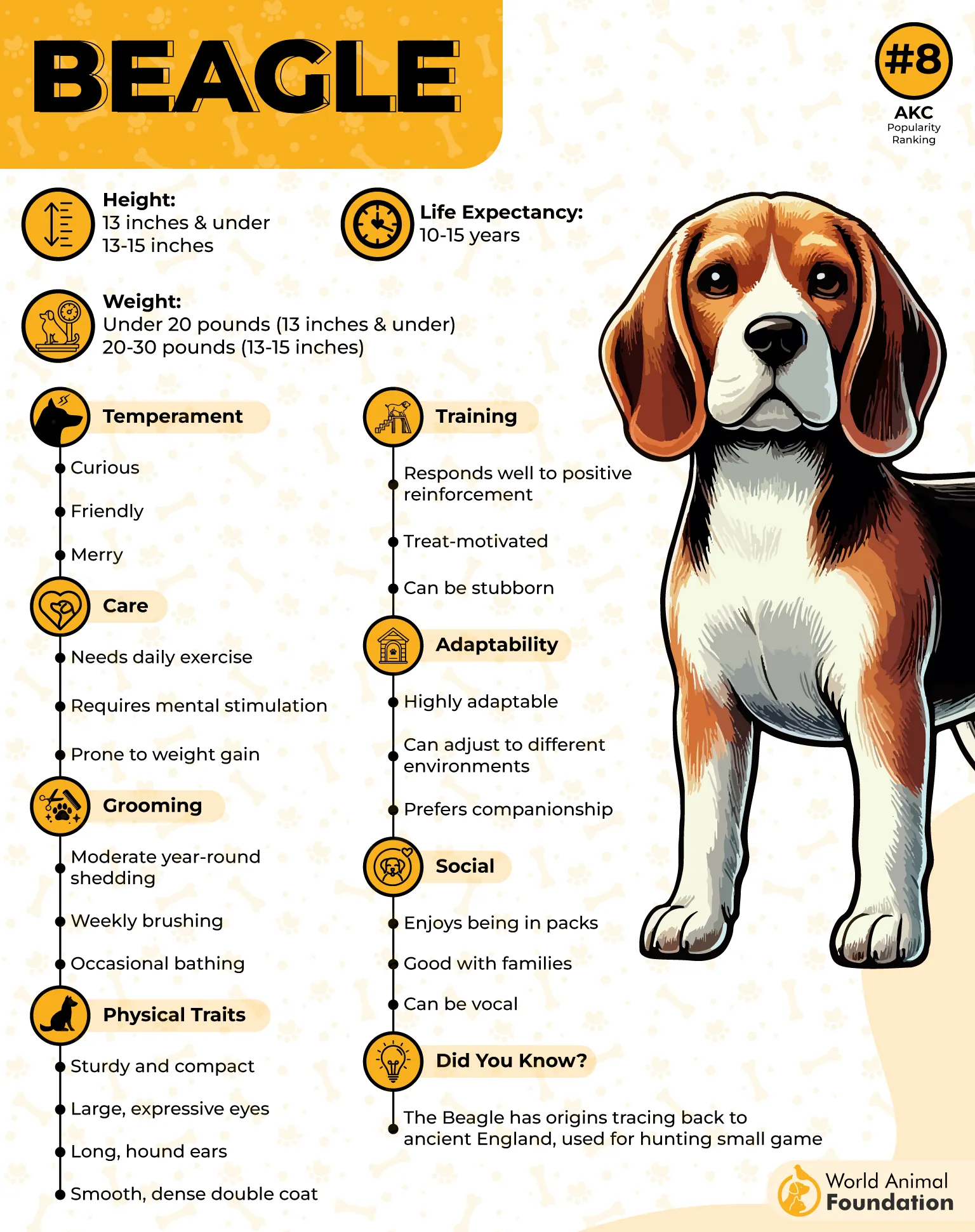
Natural Instincts and Sensitivity to Water
Beagles are scent hounds, so their noses are their most important sense. When they are in or near large bodies of water, their ability to smell is reduced. This is why many Beagles are uneasy around water.
While a few may enjoy swimming if introduced early, most prefer to stay dry. Their reaction can range from hesitation to clear avoidance during bath time.
Energetic, Social, and Sometimes Dramatic
Beagles are cheerful, outgoing, and full of energy. They make great family pets and enjoy being around people and other animals. However, they can also be mischievous and easily distracted, often following their nose into trouble.

They need regular activity, structured meals, and proper care for their ears, which are prone to infections. They can also gain weight easily, so balanced feeding is important. When left alone or put in stressful situations like bath time, they may become vocal, stubborn, or dramatic in their reactions.
3. Dachshund
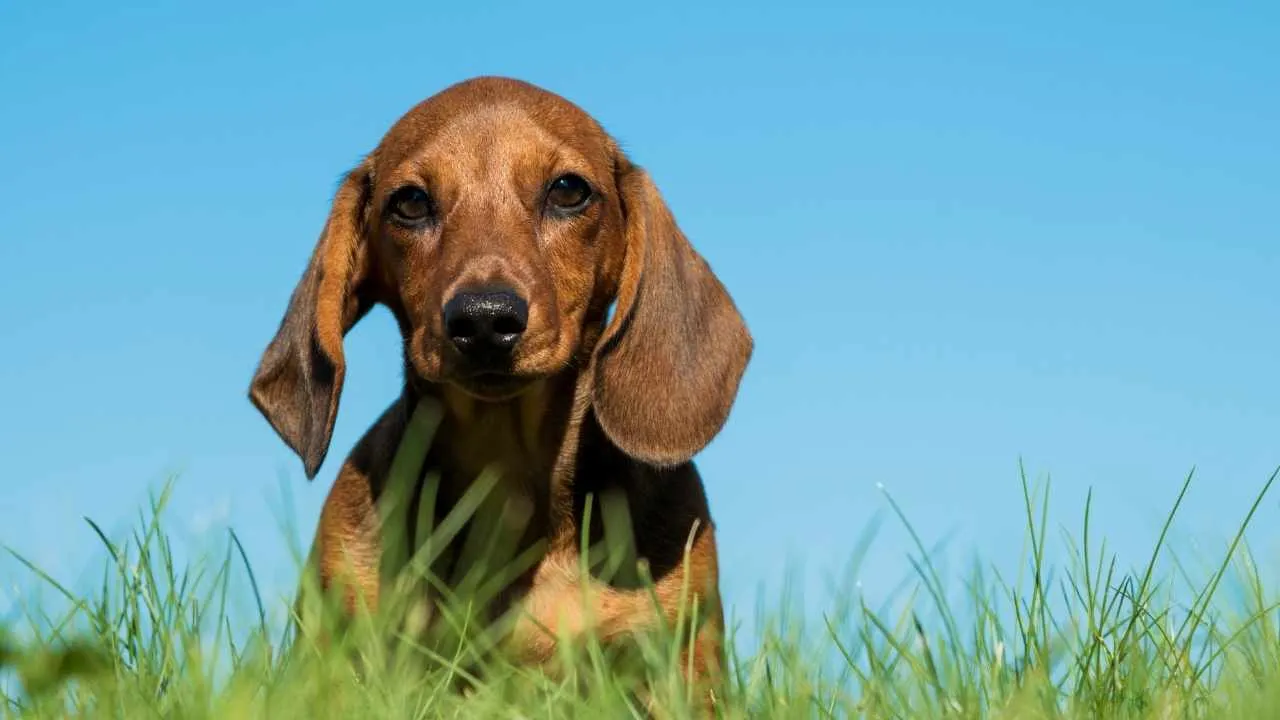
Dachshunds are often called “Wiener dogs” because of their long bodies and short legs. This unique body shape is the main reason they are not comfortable in water. Swimming can be difficult for them, especially in deep areas where they cannot easily touch the bottom.
Their structure makes staying afloat harder than it is for many other breeds, which can quickly lead to stress or fear during bath time or swimming.
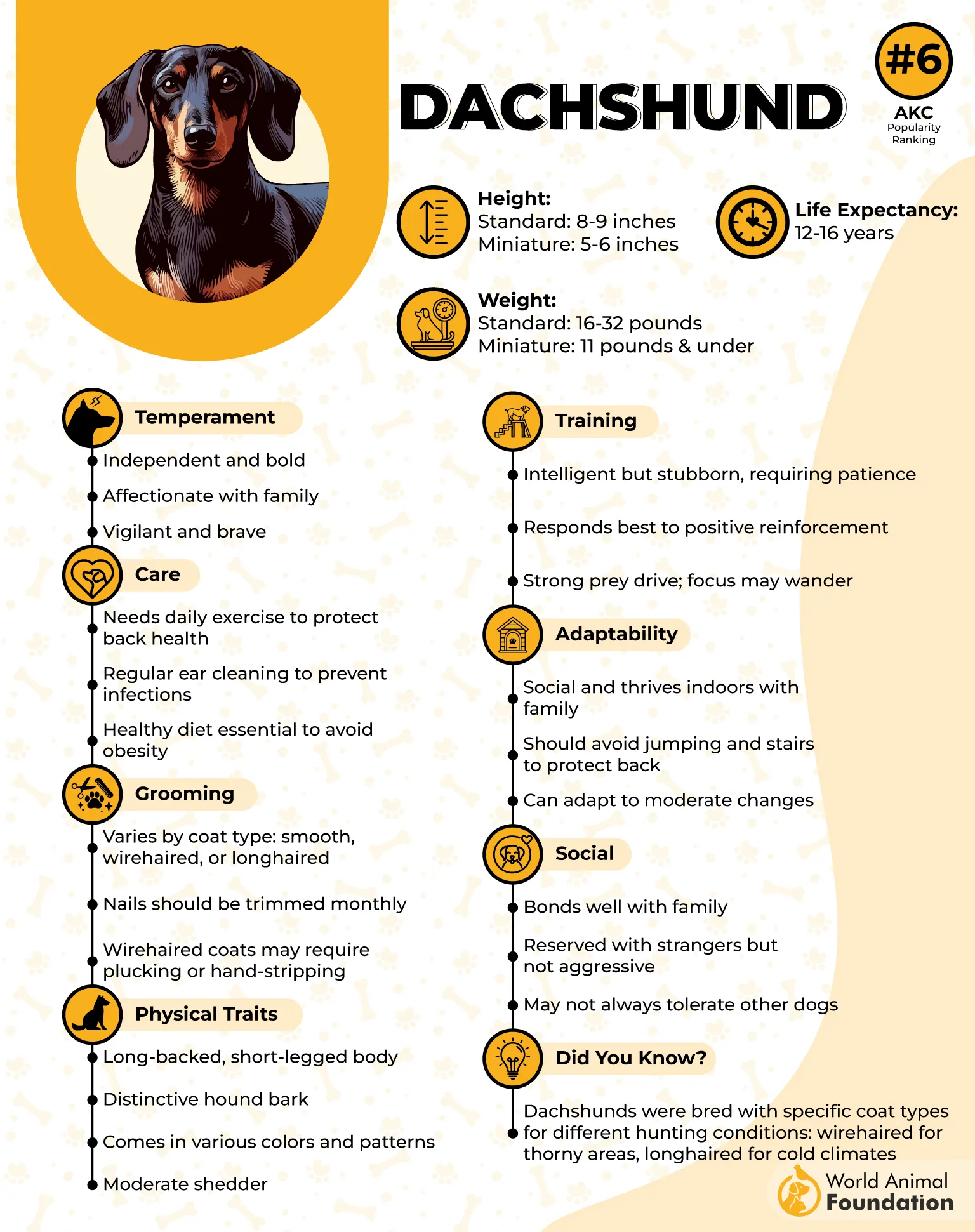
Body Structure, Confidence, and Water Safety
Because of their long, low build, Dachshunds have to work much harder to swim. They can learn to enjoy water, but only if they are introduced slowly and carefully.
Sudden exposure to deep water or pools with drop-offs can make them anxious. Their comfort depends a lot on how gently they are introduced to water from a young age, as confidence plays a big role in their reaction.
Brave, Alert, and Full of Personality
Dachshunds were originally bred in Germany to hunt badgers, which explains their bold and fearless nature. They are alert, energetic, and always on the lookout for anything unusual around them. This makes them excellent watchdogs with a strong voice for their size.
At the same time, they are playful, stubborn, and full of character. Their bravery and independence are impressive, but these same traits can also make bath time a dramatic challenge when they decide they are not in the mood.
4. Chihuahua
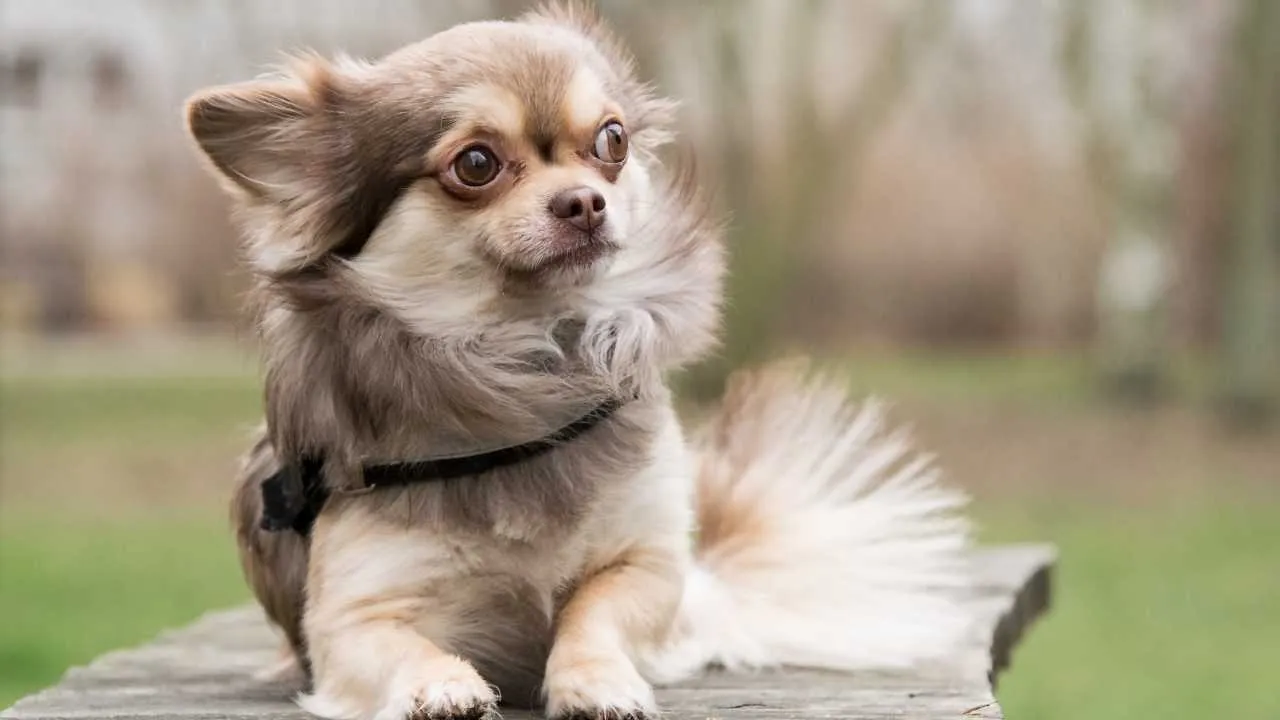
Chihuahuas are not natural water lovers. Their very small size makes them uncomfortable in pools, lakes, or even bathtubs. They can lose body heat quickly, which means they get cold fast in water. This makes bath time feel more stressful than fun for them, especially if they are not used to it from a young age.
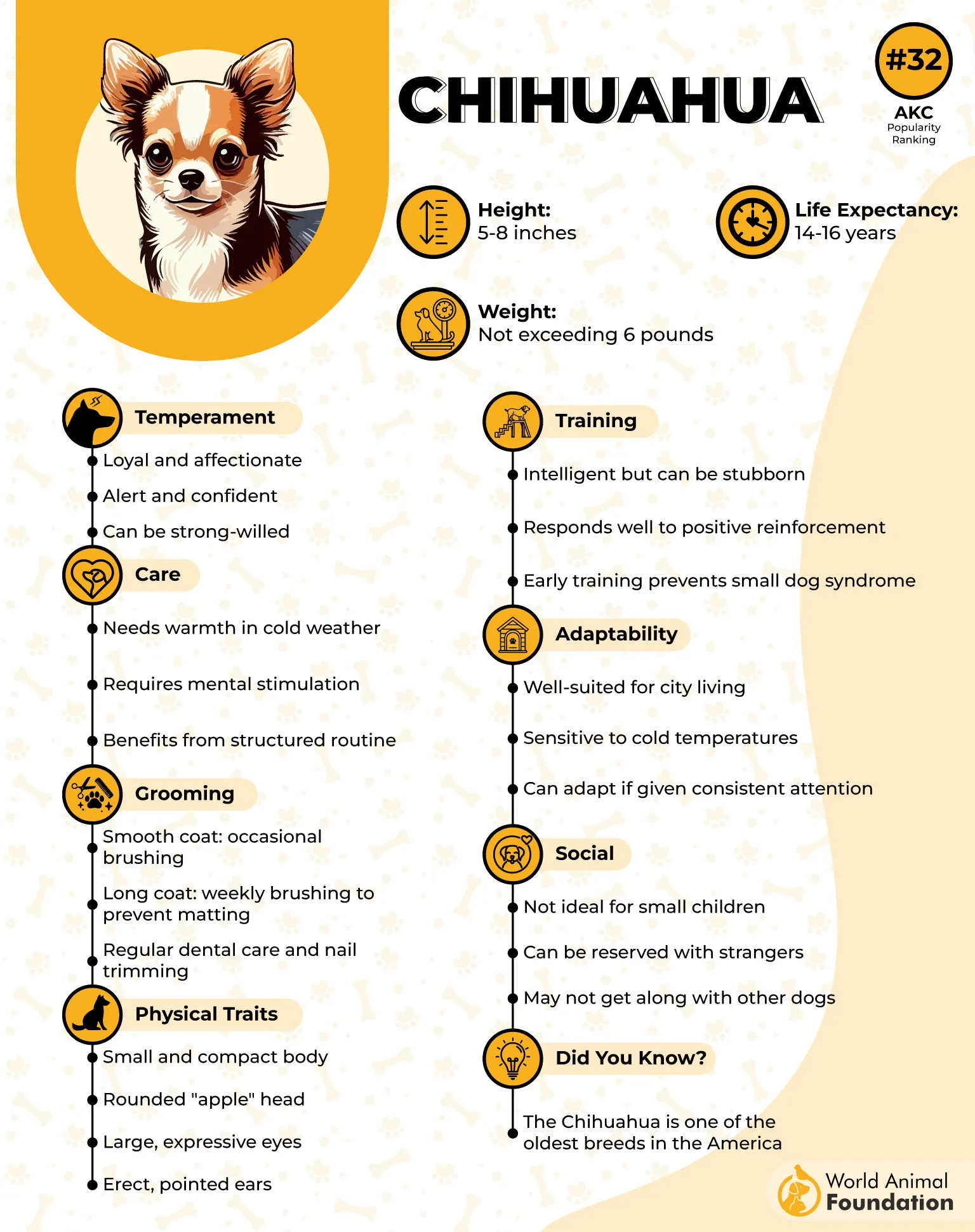
Tiny Bodies, Big Reactions
Even when dry, Chihuahuas are known for trembling, and water can make this reaction stronger. They usually prefer staying close to their humans rather than being placed in water.
Despite their size, they often act like they are much bigger than they are, especially when they feel nervous energy. This mix of sensitivity and strong attachment can lead to dramatic bath time behavior.
Bold, Loud, and Full of Personality
Chihuahuas may be tiny, but their personalities are anything but small. They are playful, alert, and very expressive. They love attention and often form strong bonds with their families.
At the same time, they can be vocal and quick to react when they feel unsure or unsafe. With early socialization and gentle training, they can become more relaxed, but bath time can still bring out their dramatic side if they are not in the mood.
5. French Bulldog
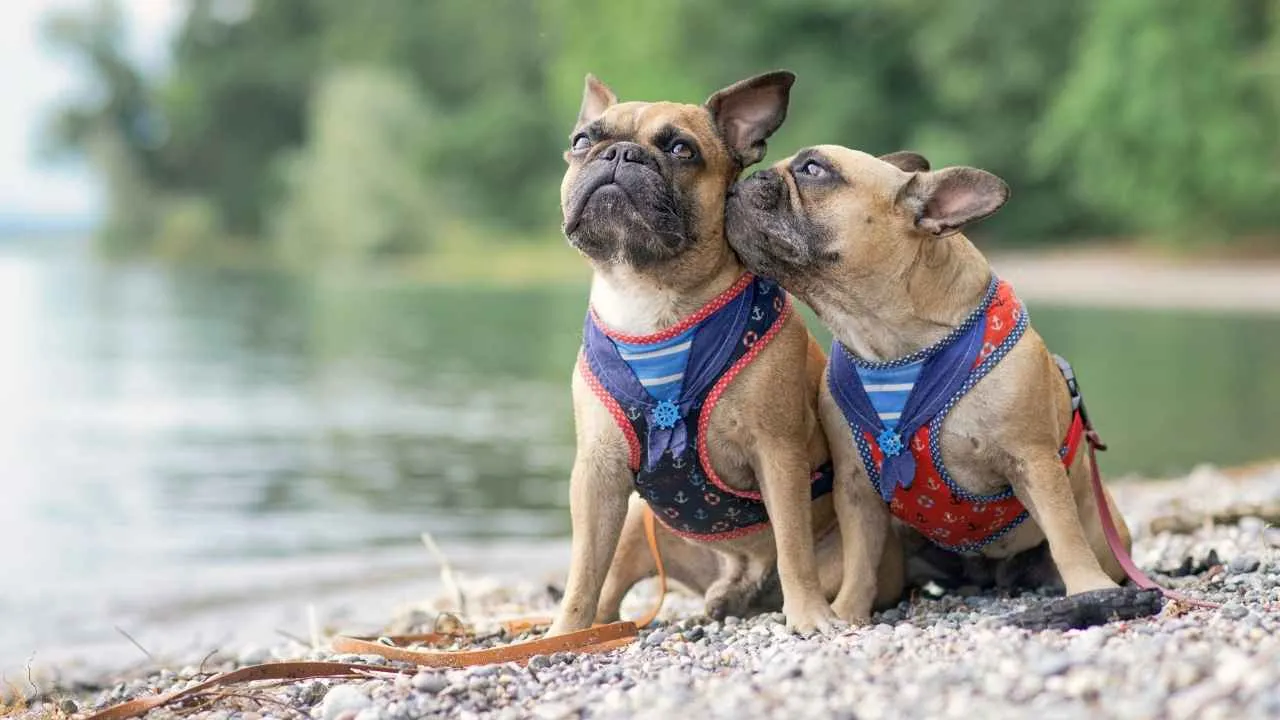
French Bulldogs are not natural swimmers. Like other short-snouted breeds, they often feel uncomfortable in water.
Their body structure makes swimming difficult, and they are not eager to jump into pools or baths. In general, water activities can feel stressful for them, so they usually prefer staying dry and safe on solid ground.
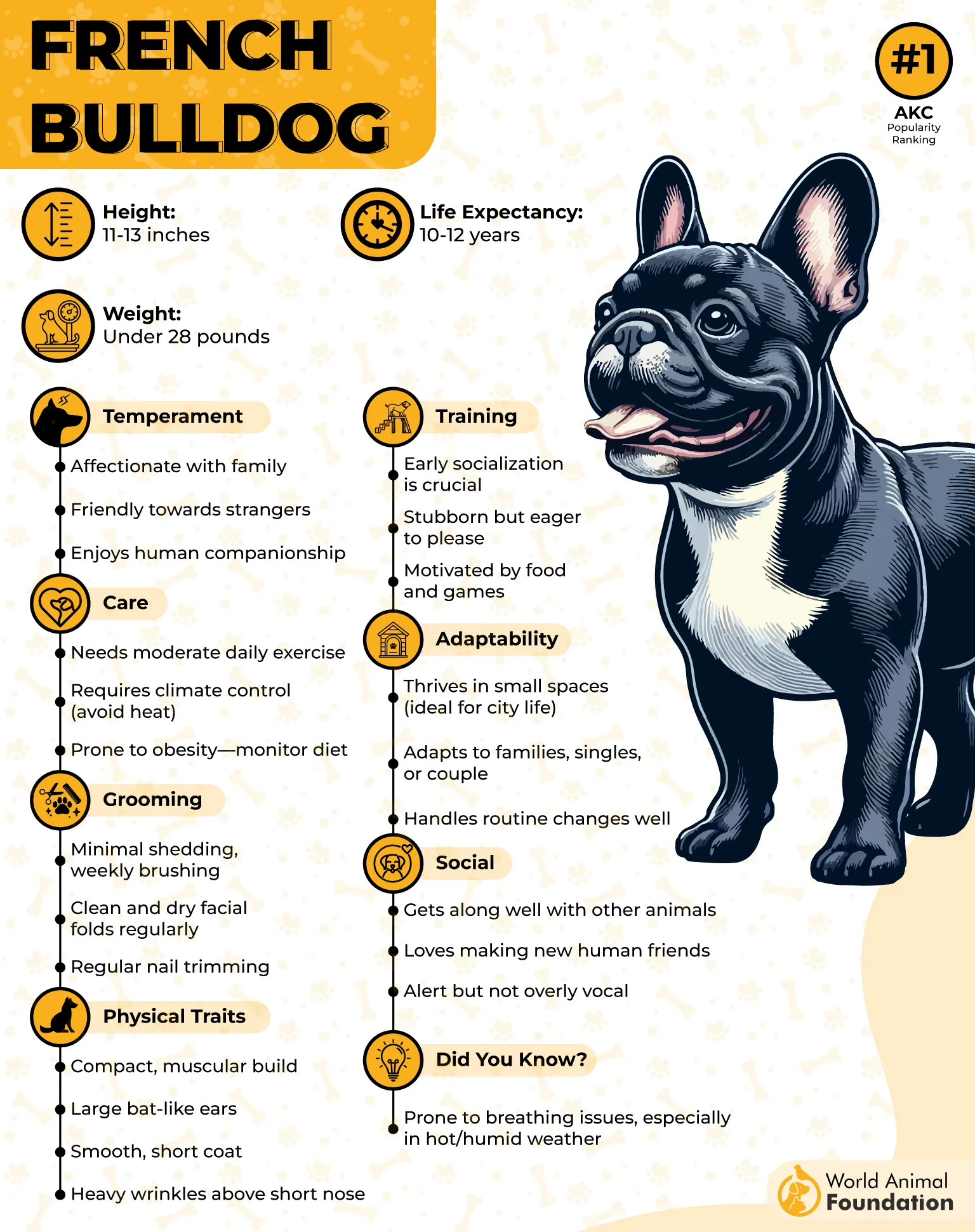
Physical Traits and Water Safety Concerns
Because of their short noses and compact build, French Bulldogs can struggle in deeper water. Even light swimming can feel tiring or unsafe for them.
They may be able to manage gentle water therapy with support, but extra care is always needed. In many cases, safety tools like life jackets are used to make sure their heads stay above water, and they feel secure.
Calm, Friendly, and Sometimes Stubborn Personalities
French Bulldogs are affectionate, playful, and very adaptable. They make great companions for individuals, couples, and families, especially in apartment living. They enjoy attention and get along well with other pets and people.
While they are not very active or loud, they can be a bit stubborn during training. Their easygoing nature changes quickly when they feel uncomfortable, and bath time can easily become one of those moments where they show their dramatic side.
6. Pug
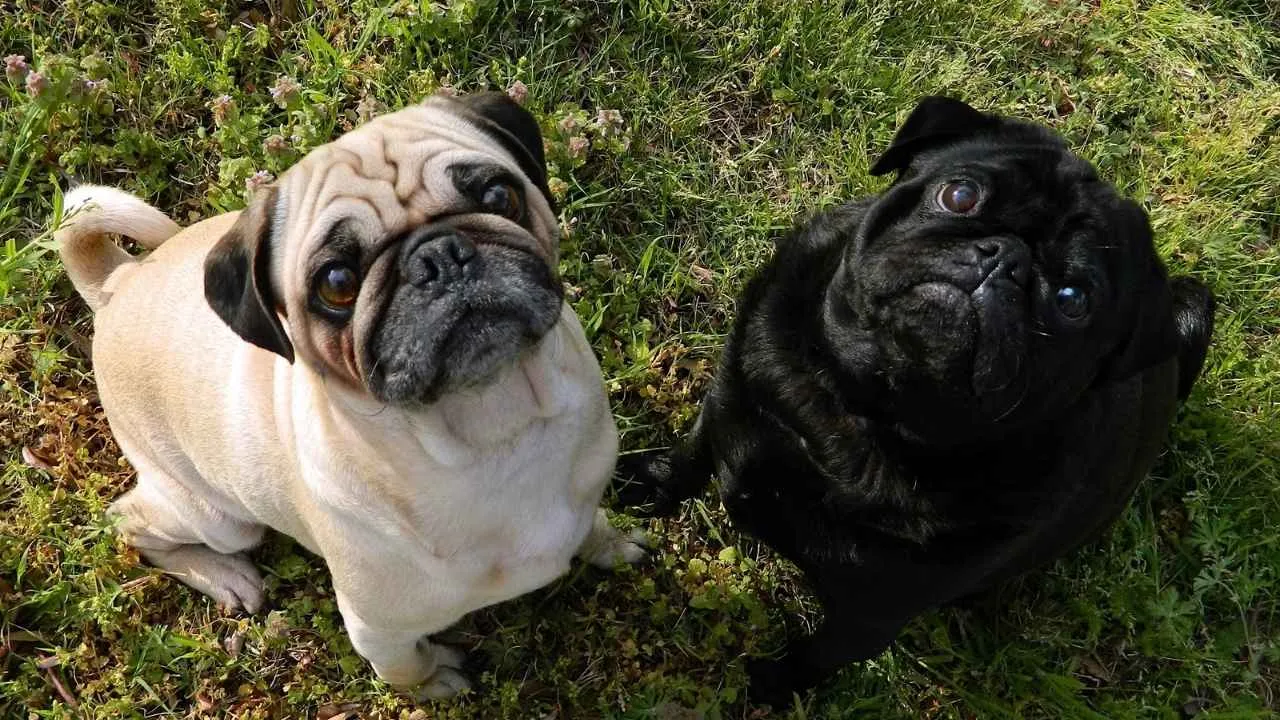
Pugs are not natural swimmers. Their short snouts make breathing harder, especially during physical activity like swimming. Because of this, water can quickly feel overwhelming for them. Many Pugs may panic or avoid swimming altogether, while only a few might enjoy it if they are gently introduced early.
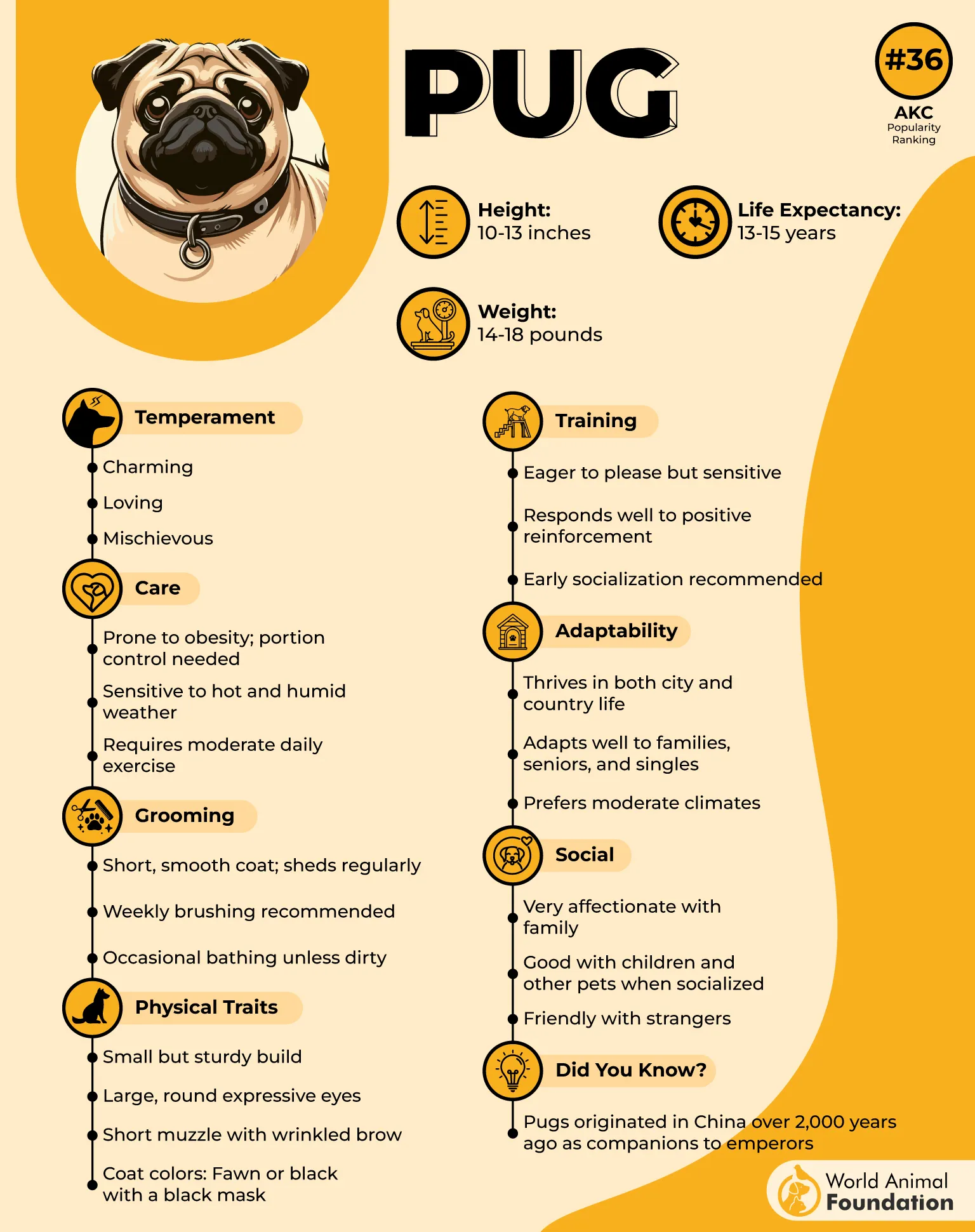
Breathing Challenges and Water Comfort
Due to their flattened faces, Pugs often face breathing difficulties linked to narrow airways and a longer soft palate. These features make it harder for them to handle exertion, and swimming adds extra strain.
They can also overheat easily, which makes water activities tricky. Even light swimming can feel stressful, so many need close supervision and support if they are ever near water.
Friendly, Funny, and Attention-Loving Personalities
Pugs are affectionate, social, and full of charm. They love attention and enjoy being part of family activities. They are playful with children and usually get along well with other pets.
While they are not overly noisy, they are expressive in their own way through snorts and snoring. They can be a little stubborn, but overall, they are loving companions.
7. Basset Hound
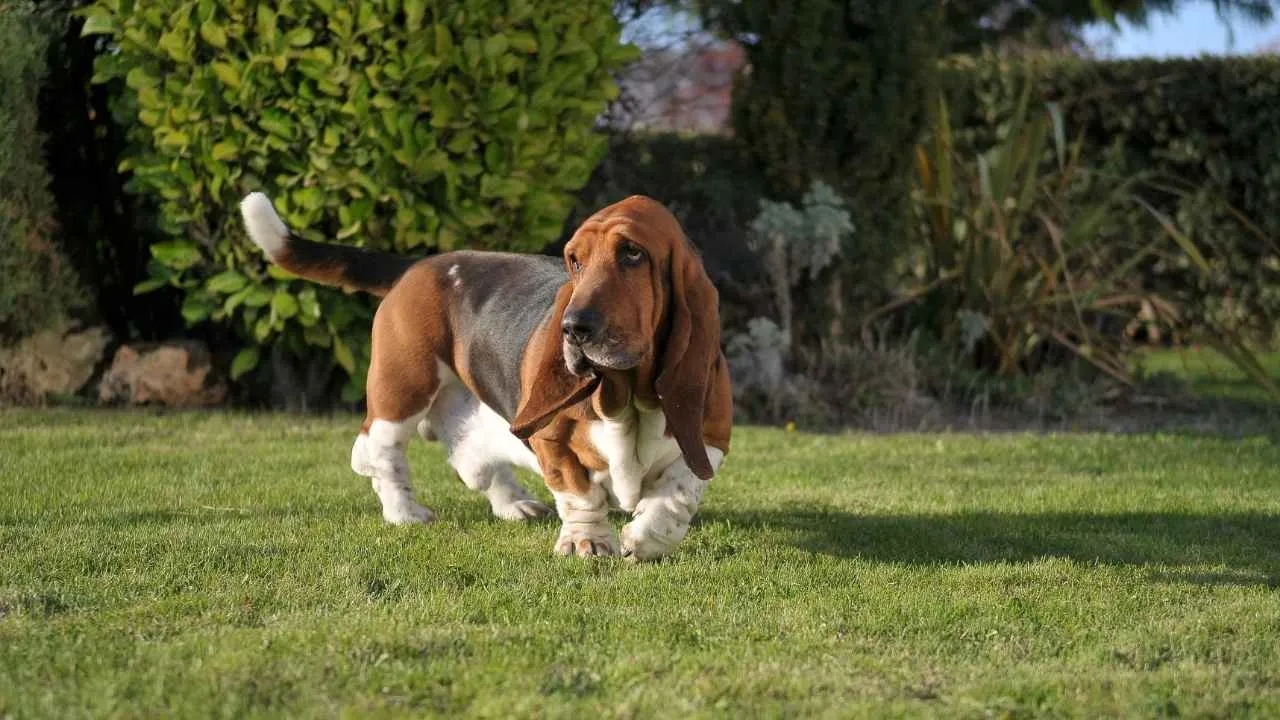
Basset Hounds are not strong swimmers, mainly because of their body shape. Their long bodies and short legs make it hard for them to move smoothly in water.
While they may not completely dislike water, they are not built for swimming. Their body balance often makes them float in an awkward position, which reduces their control and comfort.
Body Structure and Water Difficulties
In water, a Basset Hound’s back end tends to sink while the front stays higher. This creates a vertical position that makes swimming difficult and tiring.
They struggle to stay in a proper horizontal position, which affects their movement and stamina. Because of this, even short swims can become challenging, and they require close supervision near pools, lakes, or beaches.
Calm, Social, and Easygoing Personalities
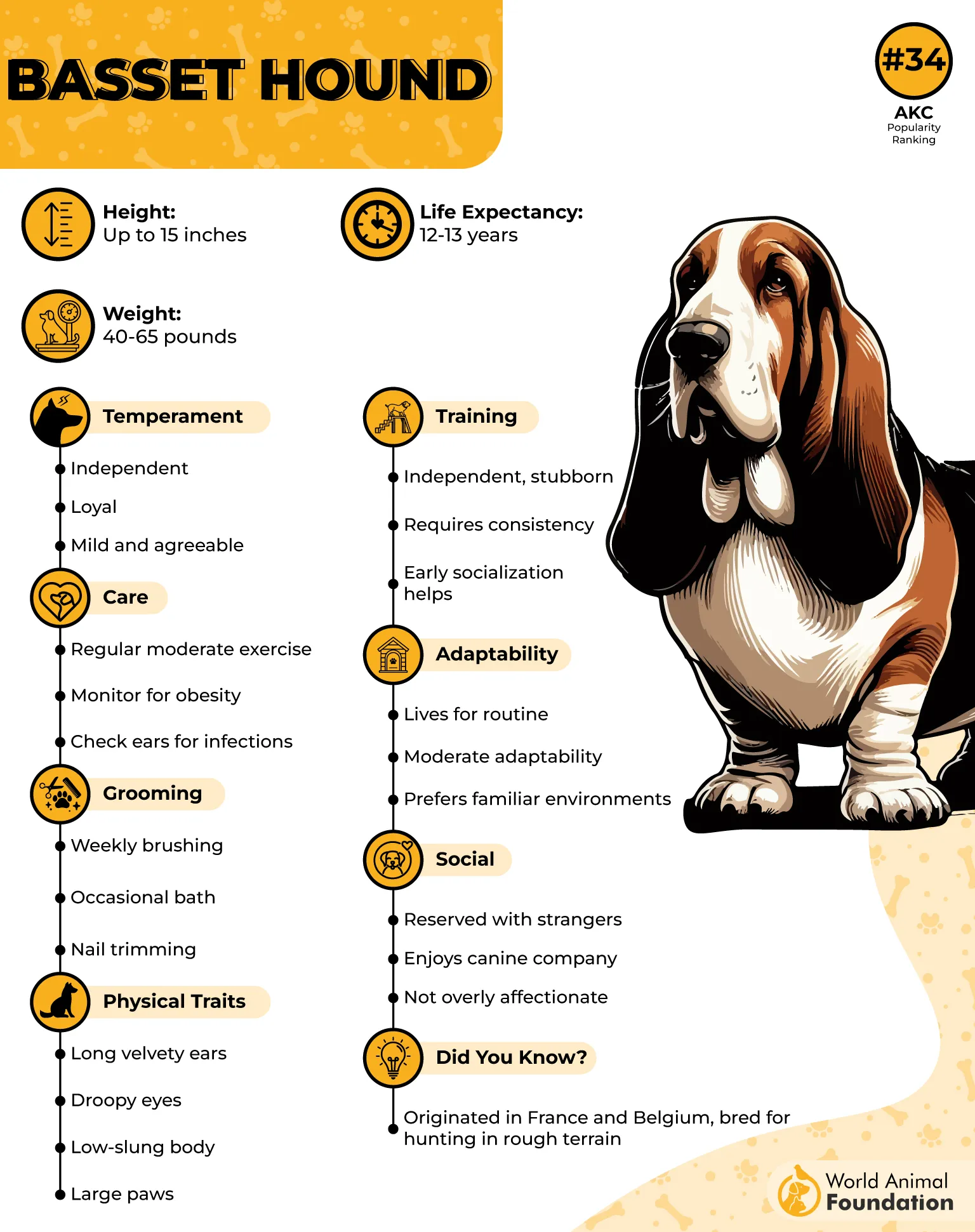
Basset Hounds are gentle, friendly, and very social dogs. They are calm by nature and enjoy spending time with people and other dogs. Originally bred for hunting, they now mostly live as companion pets. They can be a little lazy and need encouragement to stay active and healthy.
Purina says they dislike being left alone and prefer company. While they are affectionate and easygoing, bath time or swimming can still feel awkward for them, sometimes leading to slow, reluctant, or slightly dramatic reactions.
8. Cocker Spaniel
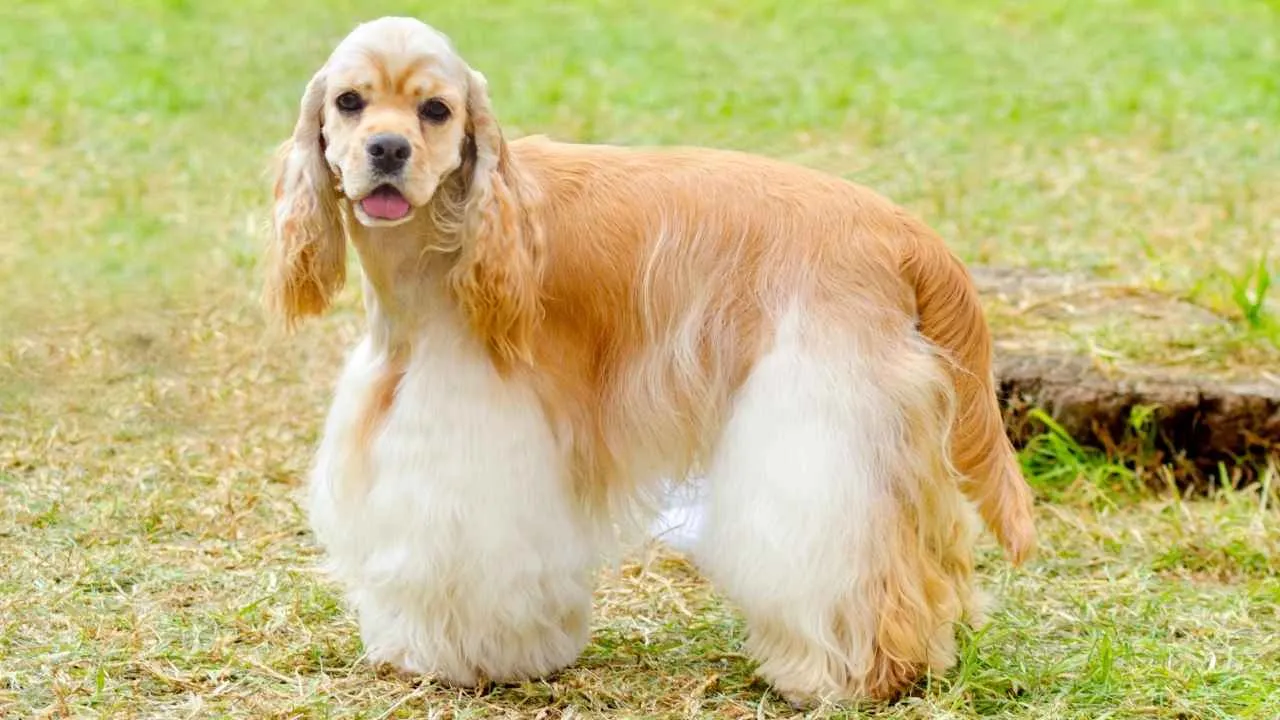
American Cocker Spaniels are gentle dogs, but they are not always confident around water. While they enjoy outdoor play, bath time, or swimming can feel unfamiliar or uncomfortable for them.
Their sensitive nature means they often need gentle handling and positive reinforcement before they feel safe in water.
Physical Traits and Comfort Levels
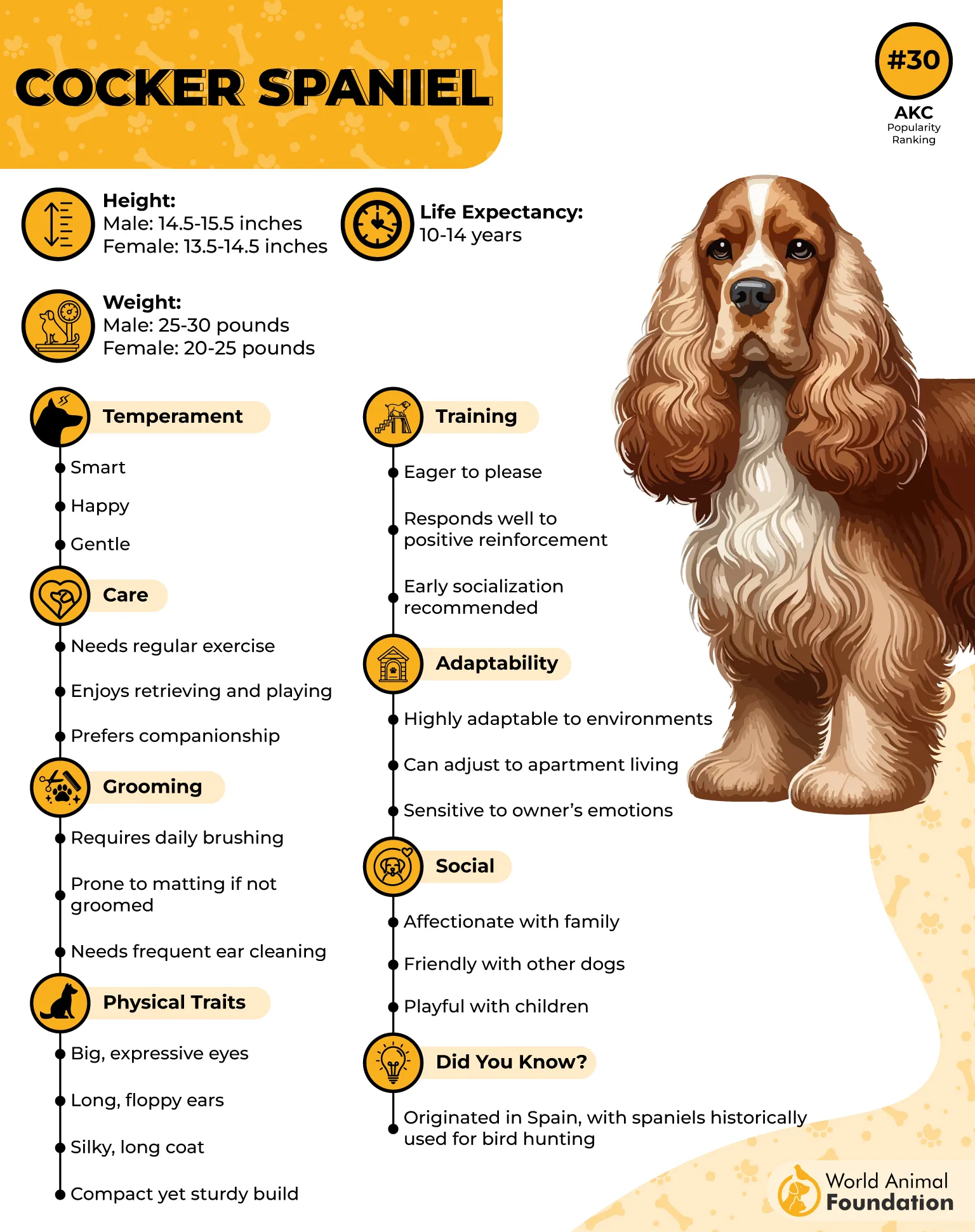
These dogs were originally bred as hunting companions, but their long, floppy ears and soft coats require extra care. Water can feel heavy and overwhelming on their coat, and their ears need special attention to avoid discomfort.
Because of this, many Cockers are not instantly eager to jump into baths or pools and may show hesitation if not introduced carefully.
Friendly, Emotional, and Human-Loving Personalities
Cocker Spaniels are cheerful, loving, and very people-oriented. They enjoy being close to their families and do not like being left alone for long periods.
They are playful but also sensitive, which means they respond strongly to new or stressful situations. While they can enjoy outdoor activities and light sports, bath time may still bring out a more cautious or dramatic side if they feel unsure or overwhelmed.
9. Shiba Inu
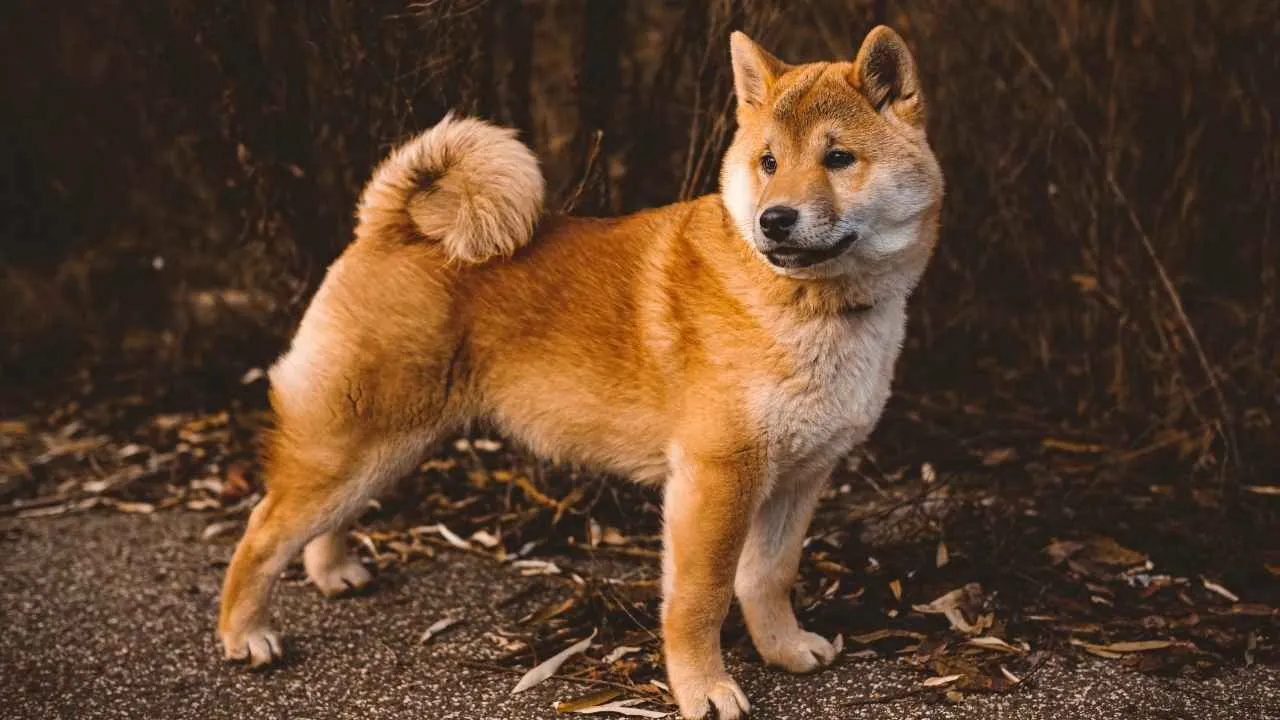
Shiba Inus are bold, ancient Japanese dogs originally bred for hunting small game and birds. Despite their confident nature, they are not naturally fond of water.
Bath time or swimming can feel uncomfortable for them, especially if they are not introduced slowly. Their independent personality often shows up as resistance when they are placed in situations they do not enjoy.
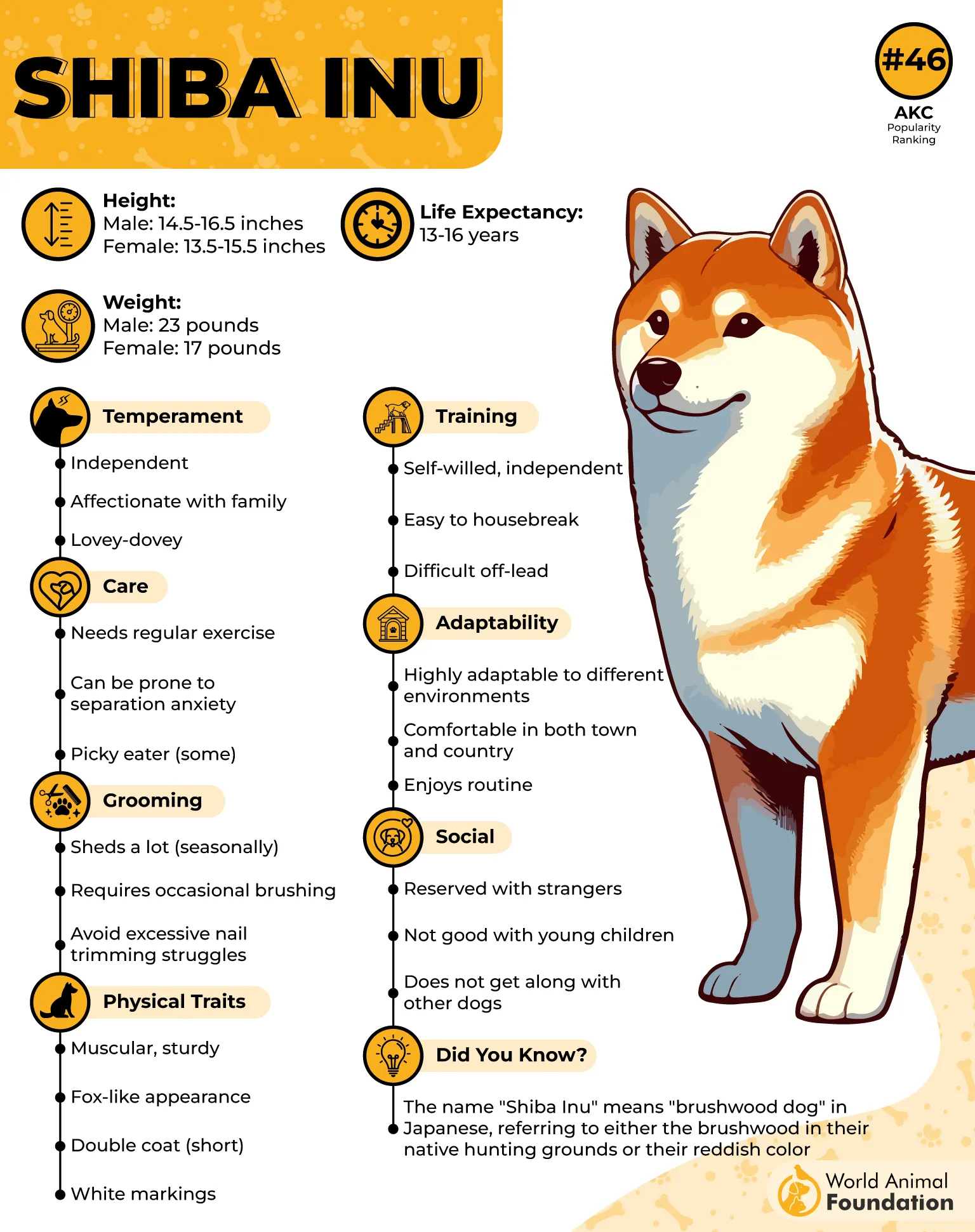
Clean Coats and Strong Independence
Shiba Inus have a thick double coat that helps protect them in different weather conditions, but it also makes bathing a more involved process. They are naturally clean dogs and often groom themselves, which reduces their need for frequent baths.
However, when they do need one, they may show strong opinions about it. Their alert and intelligent nature means they quickly notice anything they dislike and may respond with vocal or dramatic behavior, especially under stress.
Confident, Energetic, and Strong-Willed Personalities
Shiba Inus are energetic, alert, and very independent dogs. They are known for being loyal but also quite stubborn, which can make training a challenge for inexperienced dog owners.
They enjoy daily exercise and mental stimulation but prefer doing things on their own terms. Their strong prey drive means they should not be trusted off-leash in open areas.
10. Shih Tzu
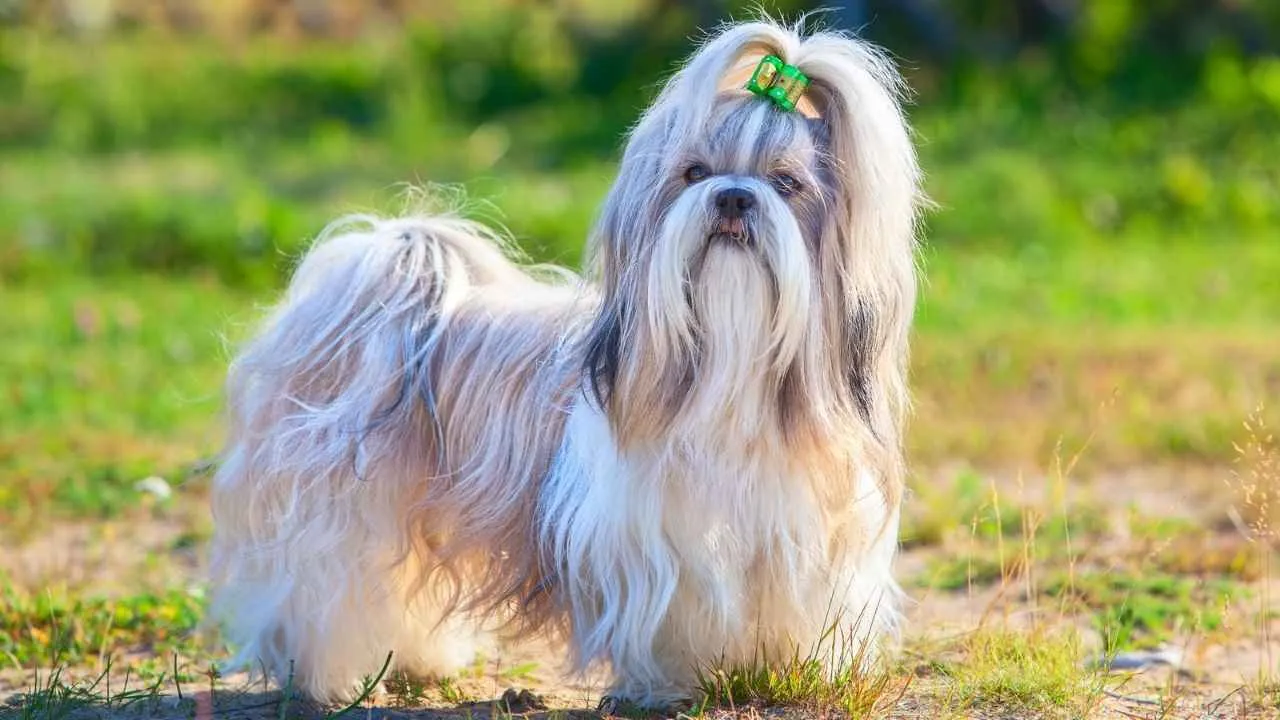
Shih Tzus are not natural swimmers, and water can be tricky for them. Their small bodies make it hard to stay balanced in deeper water, and they struggle to keep their head above the surface.
This alone can make swimming feel stressful or unsafe. While some may tolerate water, many prefer to stay dry and avoid it altogether.

Heavy Coats and Sensory Discomfort
Their long coats can make water even more difficult to manage. When wet, the fur becomes heavy and can cover their face, making it harder to breathe and see properly. Even their ears can become uncomfortable when wet, often irritating.
Because of this, bath time can feel overwhelming, especially if their coat is not trimmed. Some Shih Tzus may enjoy water therapy, but only in controlled and gentle conditions.
Friendly, Proud, and People-Loving Personalities
Shih Tzus were bred as companion dogs, and they love being close to people. They are cheerful, playful, and social with both humans and other animals. They enjoy attention and do not like being left alone for long periods, as mentioned by Orvis.
While they are generally sweet and easygoing, they can develop habits like barking or digging if not properly socialized. They also need careful grooming and moderate exercise, as they can easily gain weight.
Conclusion
Bath time doesn’t have a one-size-fits-all reaction in the dog world. As we’ve seen, some breeds struggle due to body shape, others due to breathing issues, coat type, sensitivity, or simply instinct and personality.
What looks like drama is often just discomfort, confusion, or insecurity in an unfamiliar situation. Understanding these reactions helps us see our dogs more clearly instead of expecting them to “just deal with it.”
The key takeaway is simple: patience and the right approach make all the difference. Gentle introductions, high-value treats, non-slip mats, and a calm bath time routine can turn stressful bath times into manageable ones over time.
And most importantly, respecting each dog’s natural comfort level builds trust. After all, a happy, stress-free bath isn’t just about getting clean—it’s about making your dog feel safe while it happens.
