




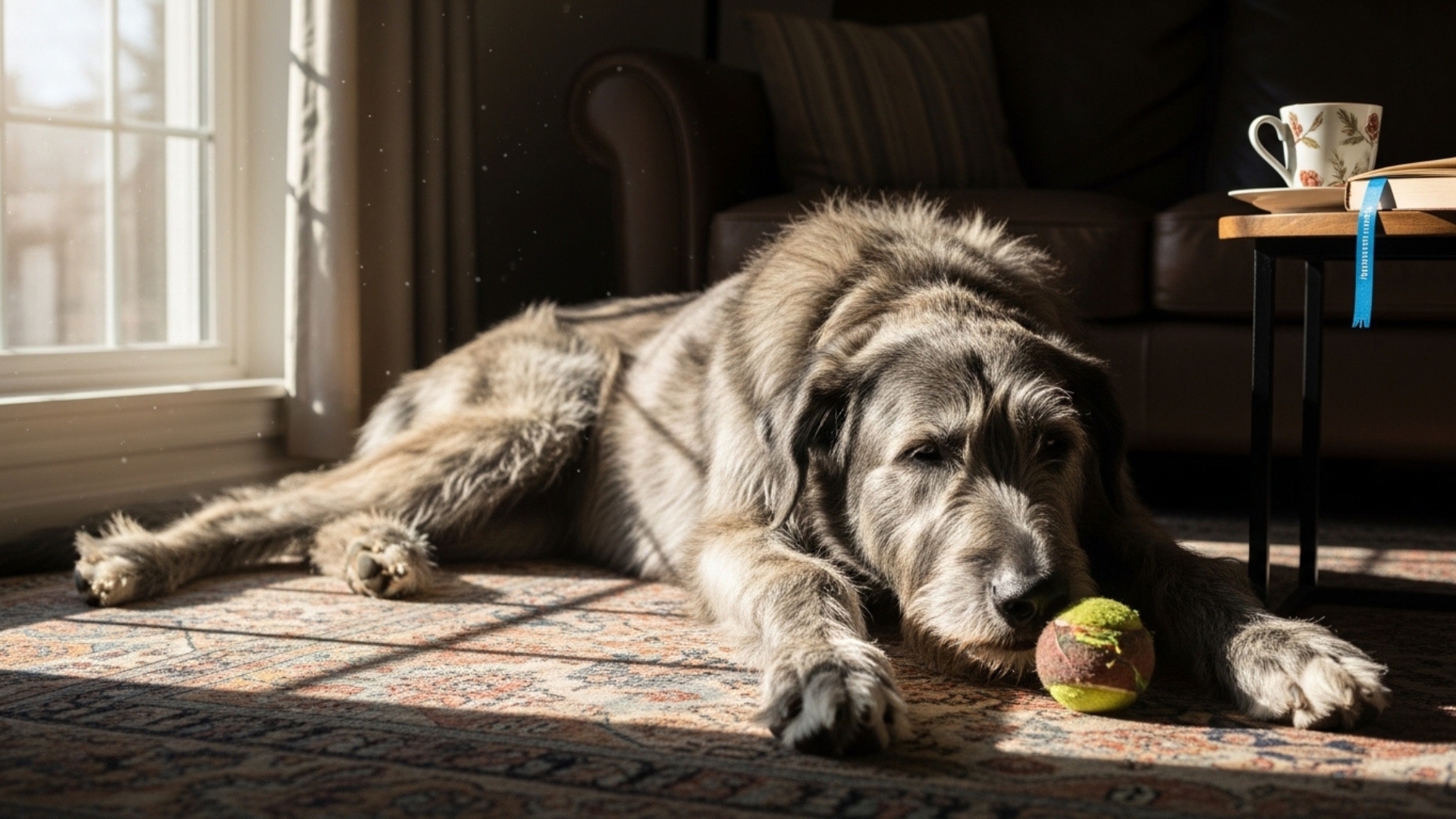
Ever dreamed of having a big dog who looks powerful and impressive—but acts more like a gentle roommate than a nonstop athlete? You’re not alone. While many people assume large dogs are always bursting with energy, the truth might surprise you.
Some big dog breeds that are not too energetic are naturally calm, adaptable, and wonderfully easygoing. They’re the kind of companions who enjoy a short daily walk, happily lounge at your feet, and aren’t known for constant barking or bouncing off the walls.
Of course, every dog is an individual. Age, training, socialization, and even their parents’ temperament all play a role in shaping their personality. Even low-energy dogs still need daily exercise, mental stimulation, grooming, and lots of love.
“Low maintenance” never means “no maintenance.” But if you’re looking for a big-hearted, loving companion who prefers couch time over chaos, you’re in the right place. Ready to meet some gentle giants who bring calm confidence instead of constant commotion? Let’s dive in.
Key Takeaways
Meet Irish Wolfhounds and Saint Bernards, gentle giants who are calm and family-friendly.
See why Greyhounds and Great Pyrenees are big dogs with surprisingly low energy.
Learn how Great Danes and Newfoundlands love lounging but still enjoy walks.
Discover Bernese Mountain Dogs, patient giants perfect for relaxed homes.
Big Dog Breeds You Won’t Find Too Energetic
1. Irish Wolfhound
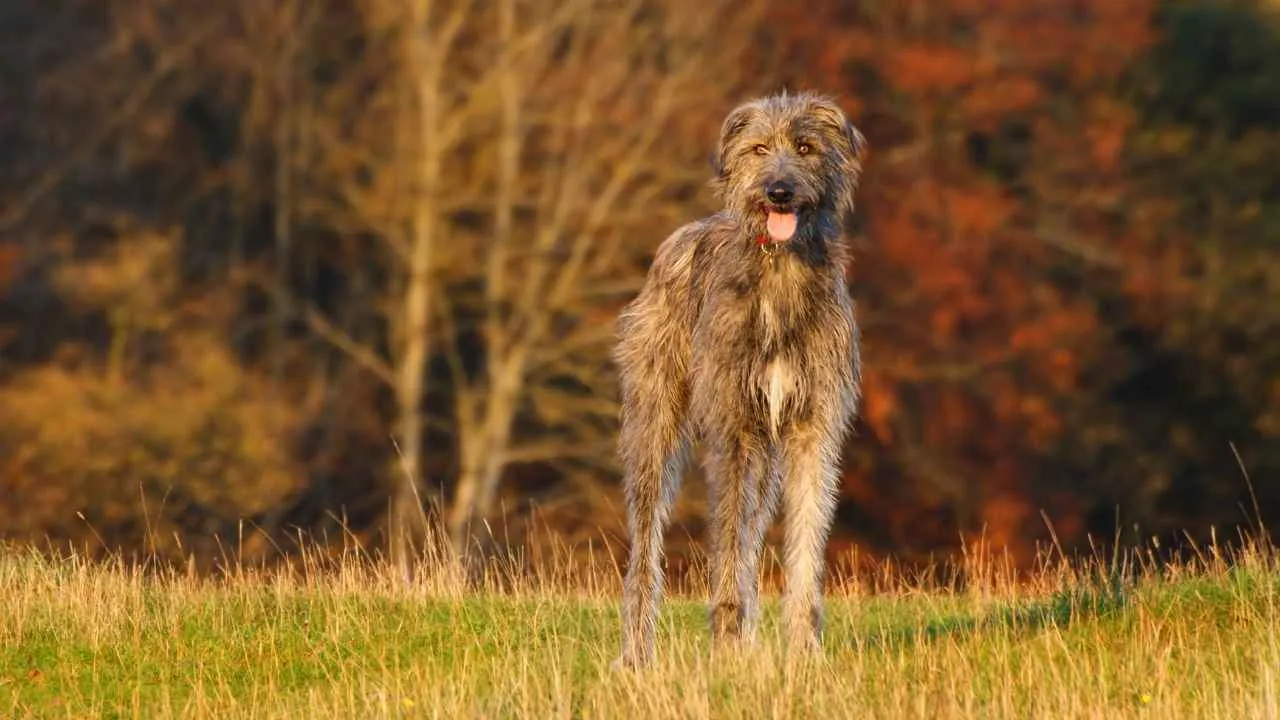
They may look large and in charge, but the Irish Wolfhound is truly sweet and serene at heart. This old dog breed from the Greyhound family was once a superb athlete, fierce hunter, and endurance runner.
Despite that powerful history, they are alert and courageous without being aggressive or territorial. Their affectionate and trusting nature makes them wonderful family companions.
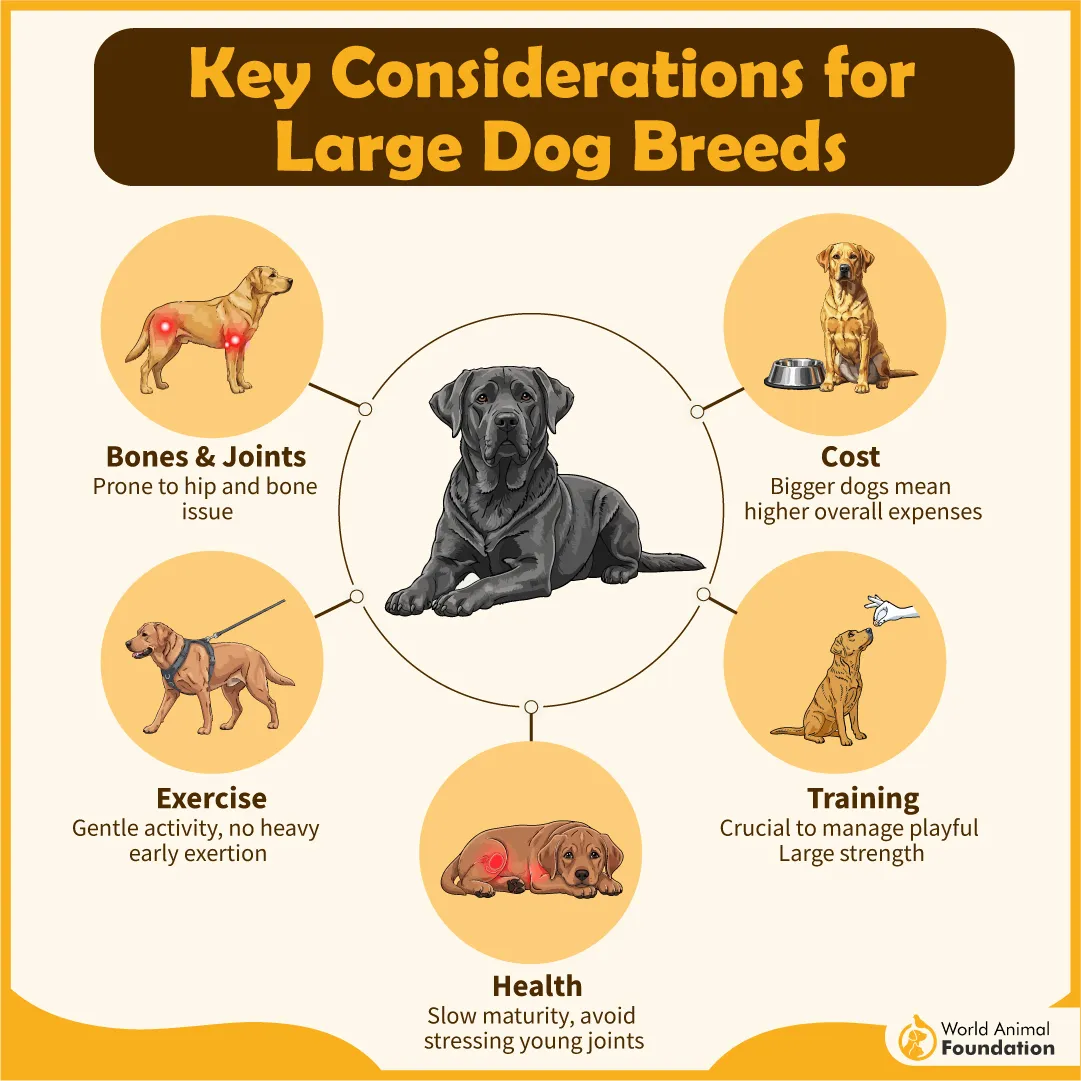
As puppies, they can be playful rascals and even a little destructive. The American Kennel Club notes that early training is important. With guidance, they grow into calm and sensitive adults.
Many become true lazy loungers later in life. Still, these calm dogs need daily walks and a spacious area to stay healthy and nimble. Their harsh coat also needs regular brushing.
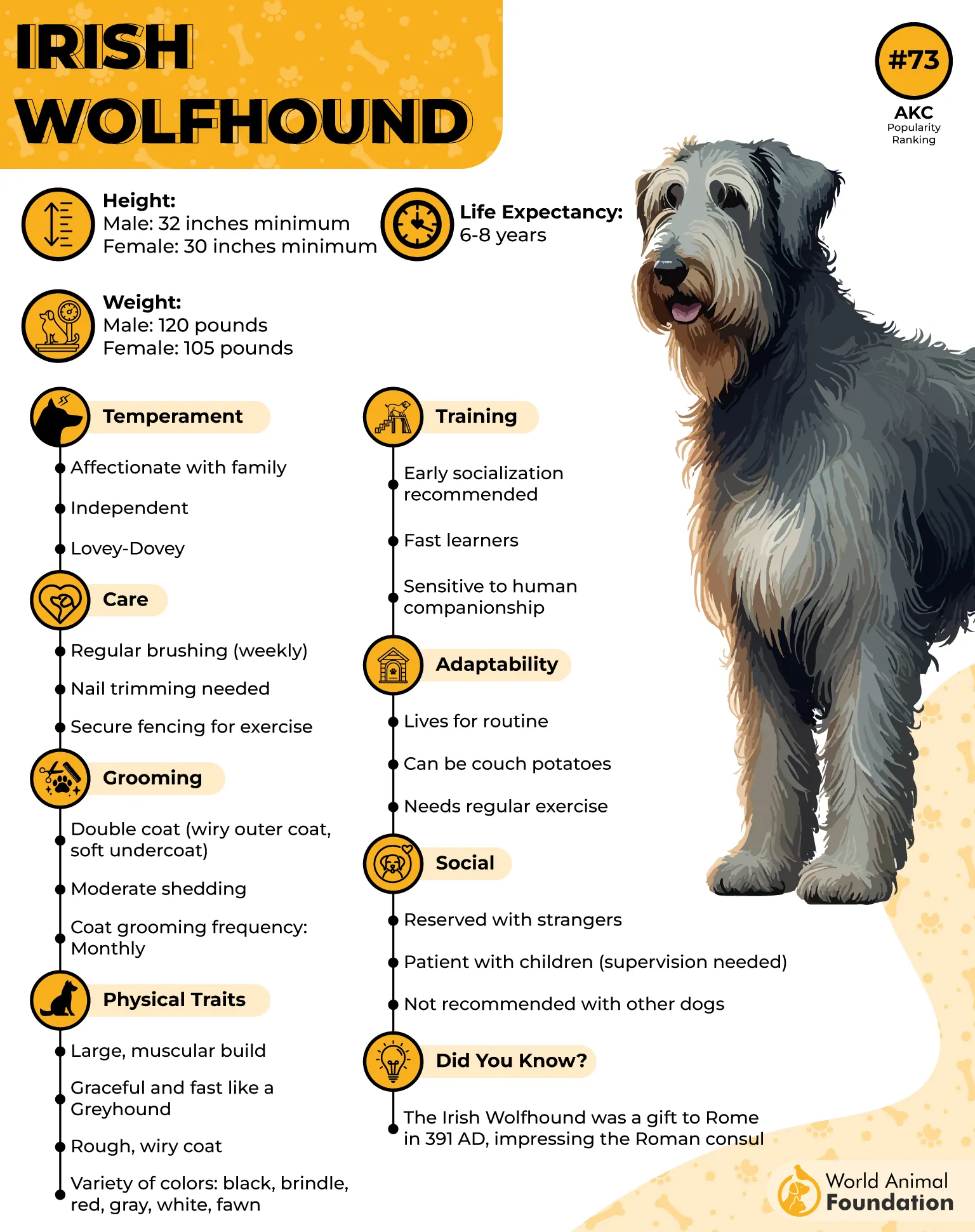
Why They’re Not Too Energetic:
They are commonly described as low-energy despite their size.
They are happy to lounge at home for long periods.
They can match an active lifestyle but do not demand it.
They prefer calm family time over constant activity.
Irish Wolfhounds are intelligent and quick to learn. They are deeply in tune with their family’s emotions and are naturally gentle and caring. These breed characteristics make them great pets and even therapy dogs.
It’s no surprise that famous owners have included Anne Boleyn, Herbert Hoover, Conan O’Brien, and Sting. Even one of the biggest dogs can be one of the calmest companions.
2. Saint Bernard
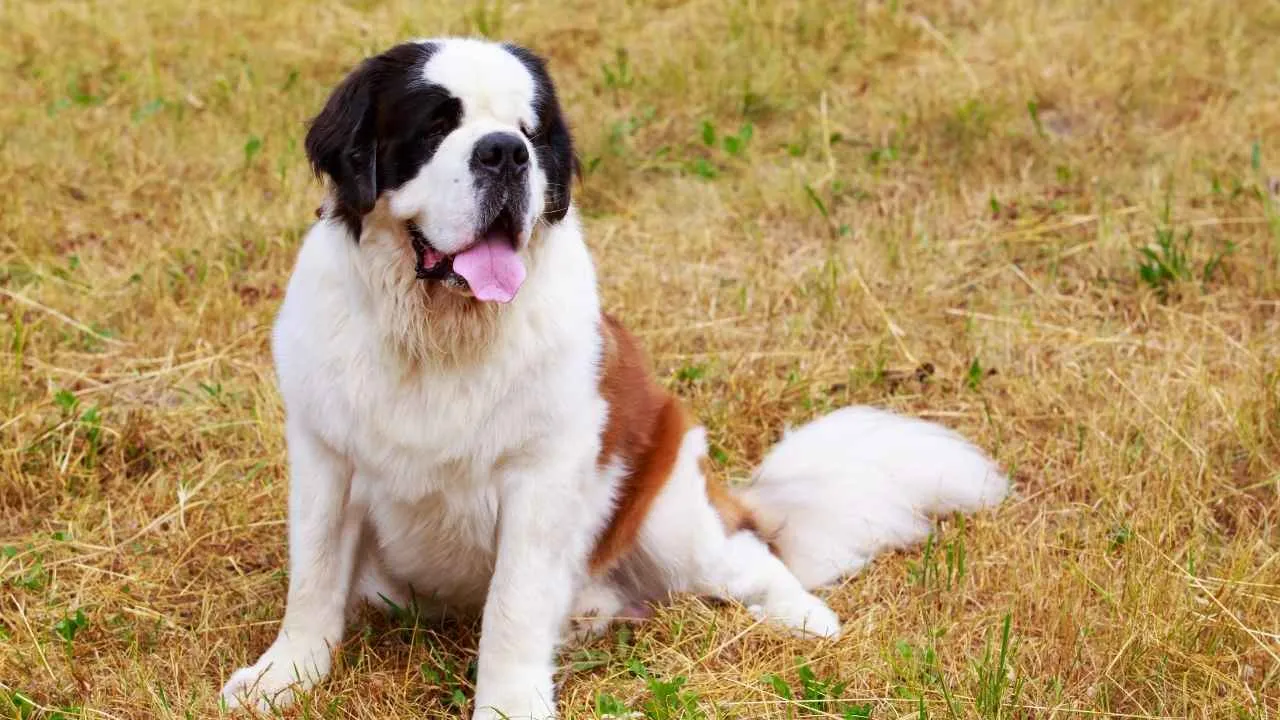
Nicknames like “Gentle Giant,” “Patient Pup,” and “Cuddly Canine” fit the Saint Bernard perfectly. Despite their massive size, they are calm, affectionate, and deeply family-oriented.
They are especially known for being excellent with children. Their laid-back nature makes them one of the calmest giant dog breeds.
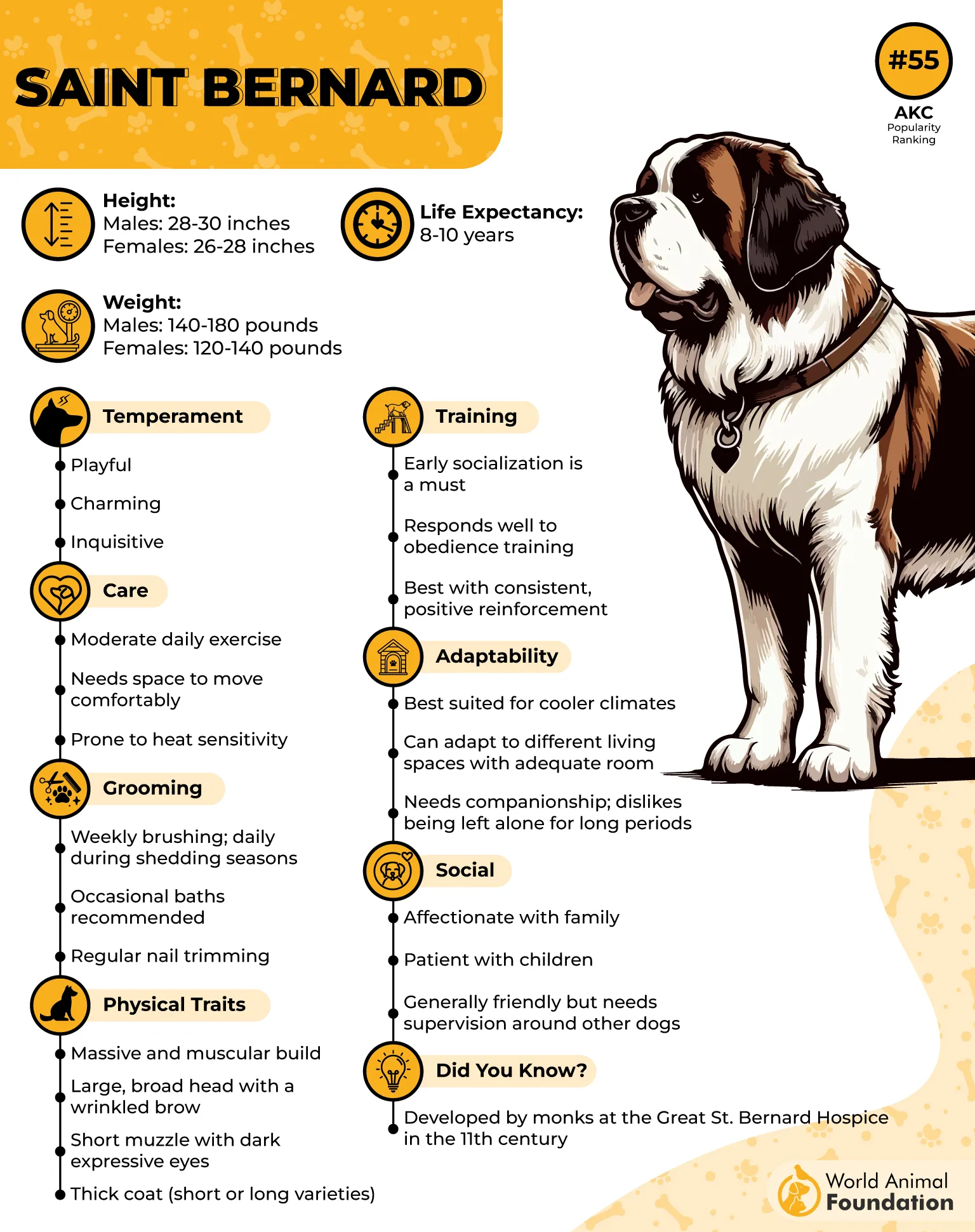
As puppies, they can be rambunctious and strong, so firm training should start early. The Saint Bernard Club of America reminds us that this breed began as a mountain rescue dog, saving lost travelers. They are working dogs at heart and love having direction.
While they can be stubborn, they respond well to training and usually obey commands once properly taught. They need moderate daily exercise, sometimes up to an hour, and may require longer walks than some other calm breeds.
They drool—a lot—and the more active they are, the more they drool. Their thick coat also needs grooming more than once a week, and they do shed heavily.
Why They’re Not Too Energetic:
They have reasonable, low energy for their large size.
They enjoy relaxing indoors with their family.
They have a low tendency to bark.
They are happy with moderate daily walks.
Saint Bernards are sociable, inquisitive, and love attention. They thrive in homes with space to stretch out and families who can give them time and care.
Though they enjoy outdoor time, inside the house, they are often furry, lazy companions who prefer lounging close to their people. Calm, devoted, and gentle at heart, they prove that even the biggest dogs can be wonderfully mellow.
3. Greyhound
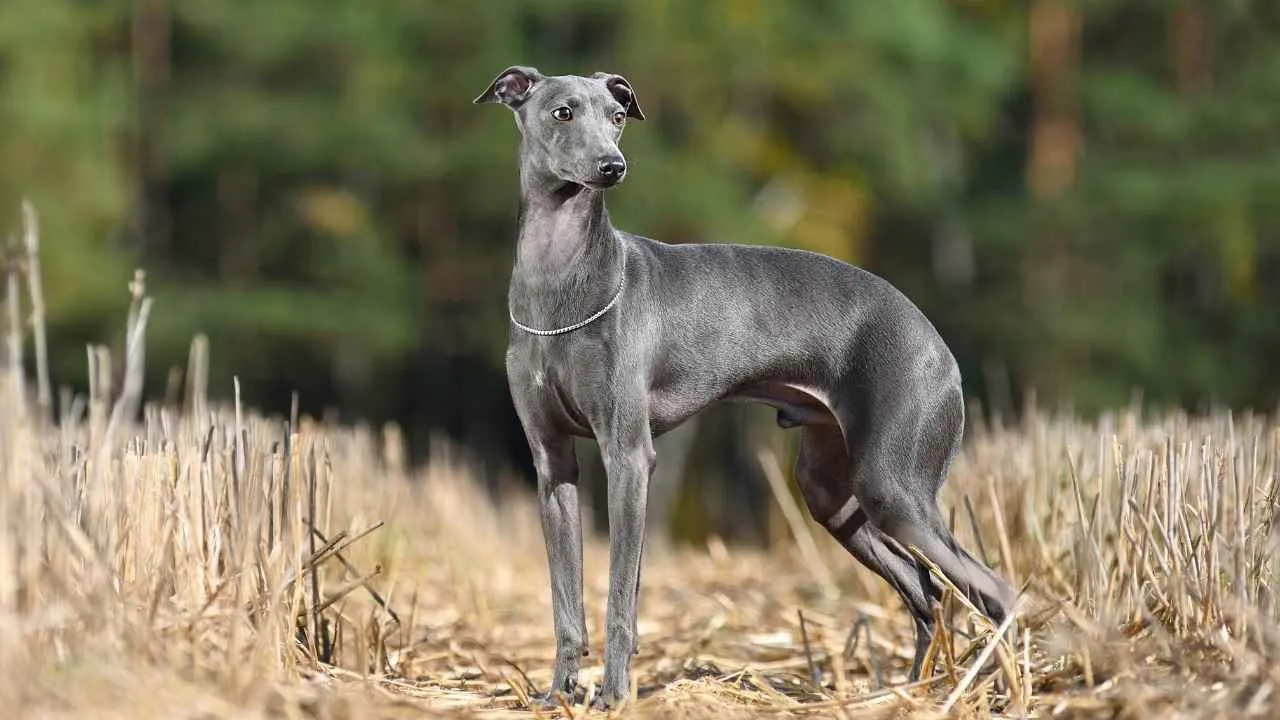
Bred for speed, the Greyhound may seem like an odd choice for a low-energy list. But looks can be deceiving. They are gentle and independent dogs.
At home, they are calm, quiet, and often true couch potatoes. Many people are surprised to learn that this famous racing dog actually prefers lounging most of the day.
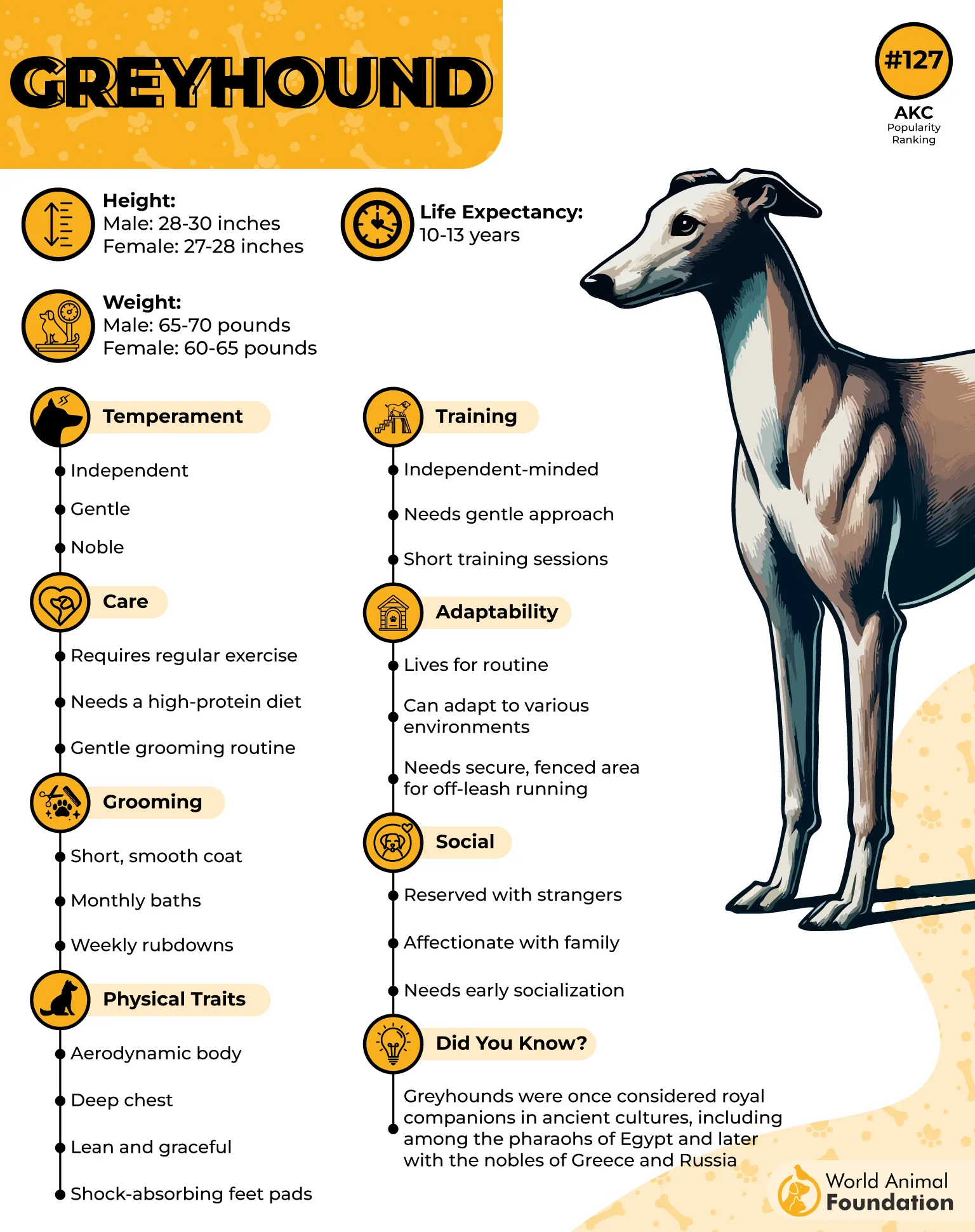
Greyhounds love short bursts of speed, not constant activity. A brief daily walk or an occasional sprint in a fenced area is usually enough. After that, they are happy to nap for hours. They can adapt well to apartment living, which is rare for larger dogs.
They do have a high prey drive, so they may not always get along with cats. Grooming is simple with weekly brushing. They can also be left alone for short periods if trained. Adopting a retired racing Greyhound is a wonderful way to give a hardworking dog a relaxed, loving home.
Why They’re Not Too Energetic:
They prefer short sprints over long workouts.
They spend most of the day resting.
They are content with a brief daily walk.
They thrive in calm, quiet homes.
Greyhounds are calm, sensitive, and gentle companions. They enjoy cuddling and relaxing with their family. While they need a daily outlet for energy, they are far from hyperactive.
If you want a big dog that saves its speed for special moments and spends the rest of the time chilling, this laid-back athlete is a perfect fit.
4. Great Pyrenees
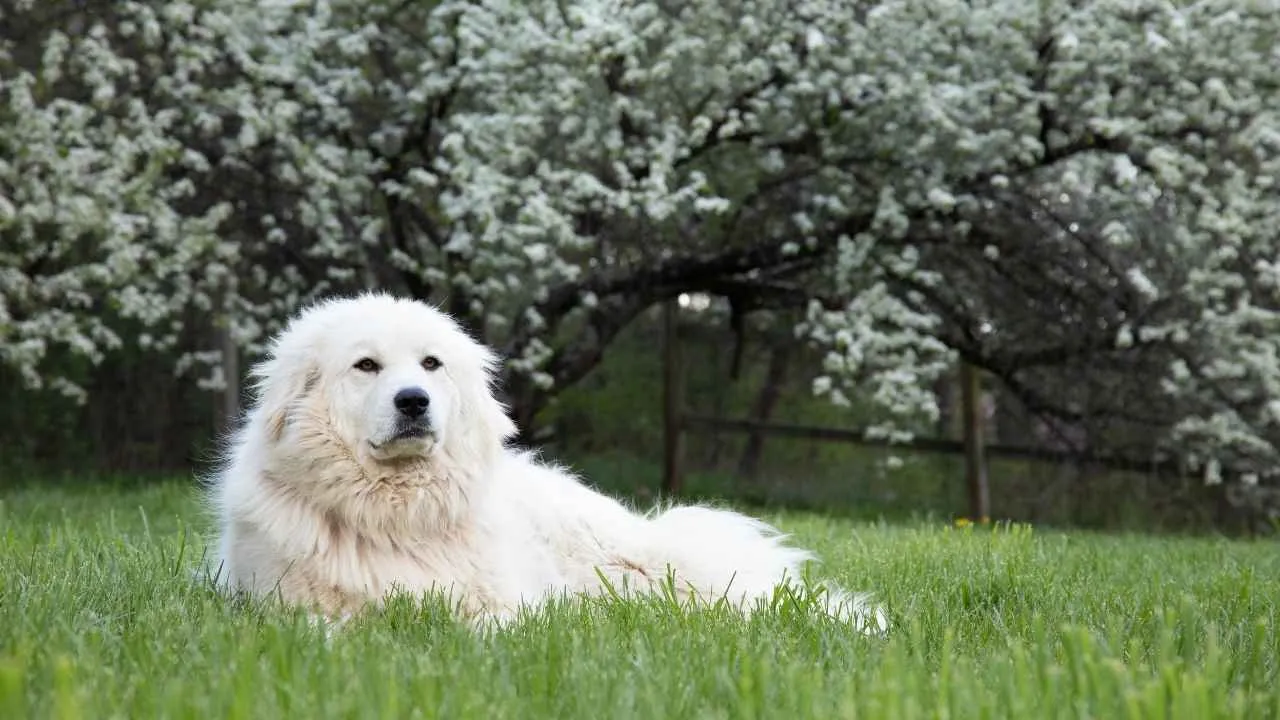
Pensive, strong, patient, and relaxed—that perfectly describes the Great Pyrenees. Bred as a mountain livestock guardian, this regal white dog was raised to protect rather than chase or herd.
The Great Pyrenees Club of America highlights one of their most unique traits: complete intolerance toward predators, yet extraordinary patience and kindness toward their flock. With their families, they are calm, gentle, and deeply devoted.
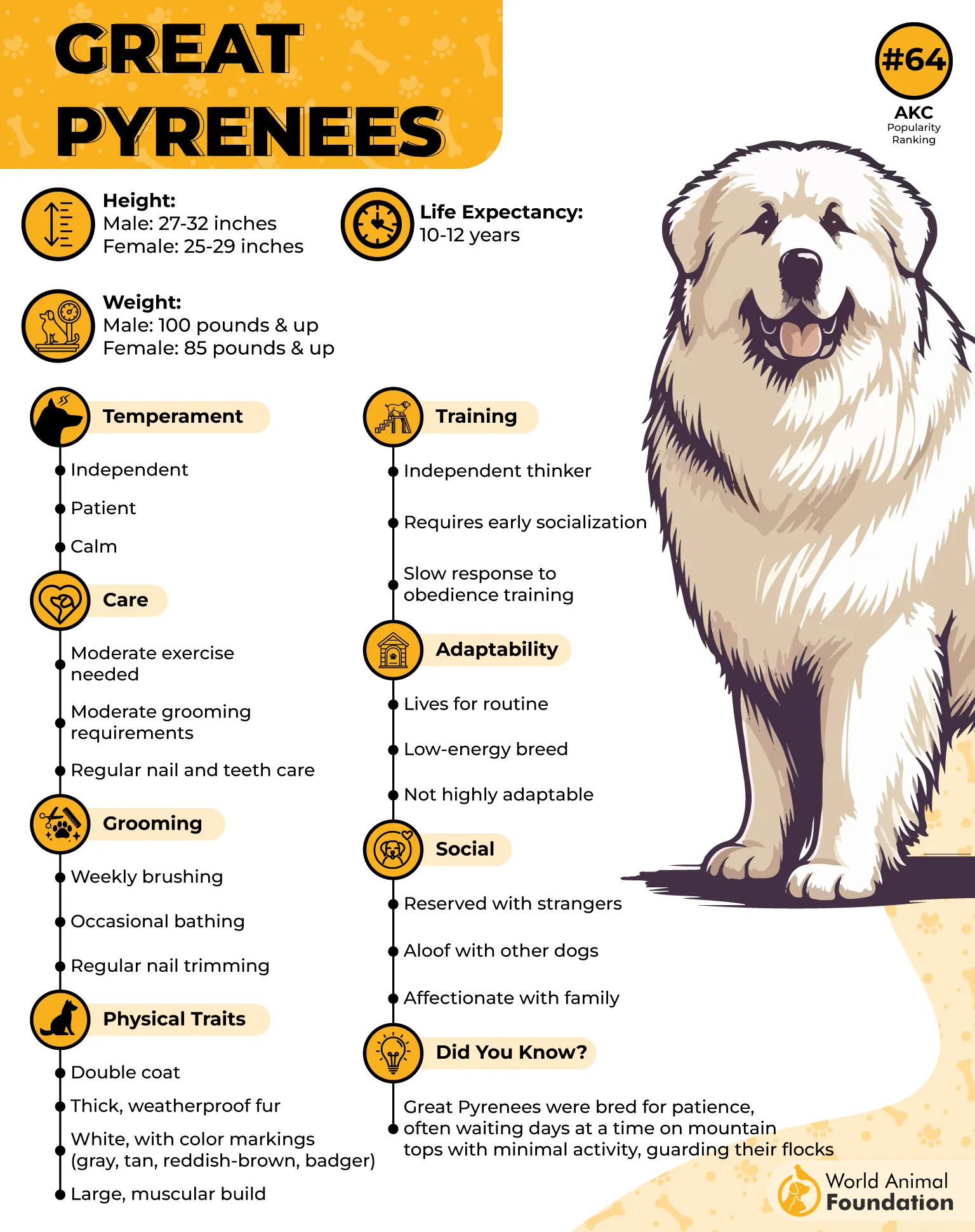
Despite their large size, they do not need excessive exercise. They are naturally mellow and were bred to watch quietly for hours. Daily walks or playtime in a fenced yard are enough to keep them healthy. They are intelligent but independent, which can make obedience training a little slow.
They may respond to commands at their own pace, especially if bored. Early socialization and training are very important due to their size and territorial instincts toward strangers and other dogs.
They also benefit from large-breed nutrition, and puppies need a large-breed puppy formula for the first two years since they mature slowly.
Why They’re Not Too Energetic:
They were bred to guard calmly, not run constantly.
They are naturally mellow and steady.
They are content with simple daily walks.
They prefer observing over constant activity.
The Great Pyrenees is smart, loyal, and fiercely protective without being overly active. They make wonderful family dogs when properly trained and socialized. If you want a big guardian who stays calm and composed instead of bouncing off the walls, this relaxed mountain protector is a perfect match.
5. Great Dane
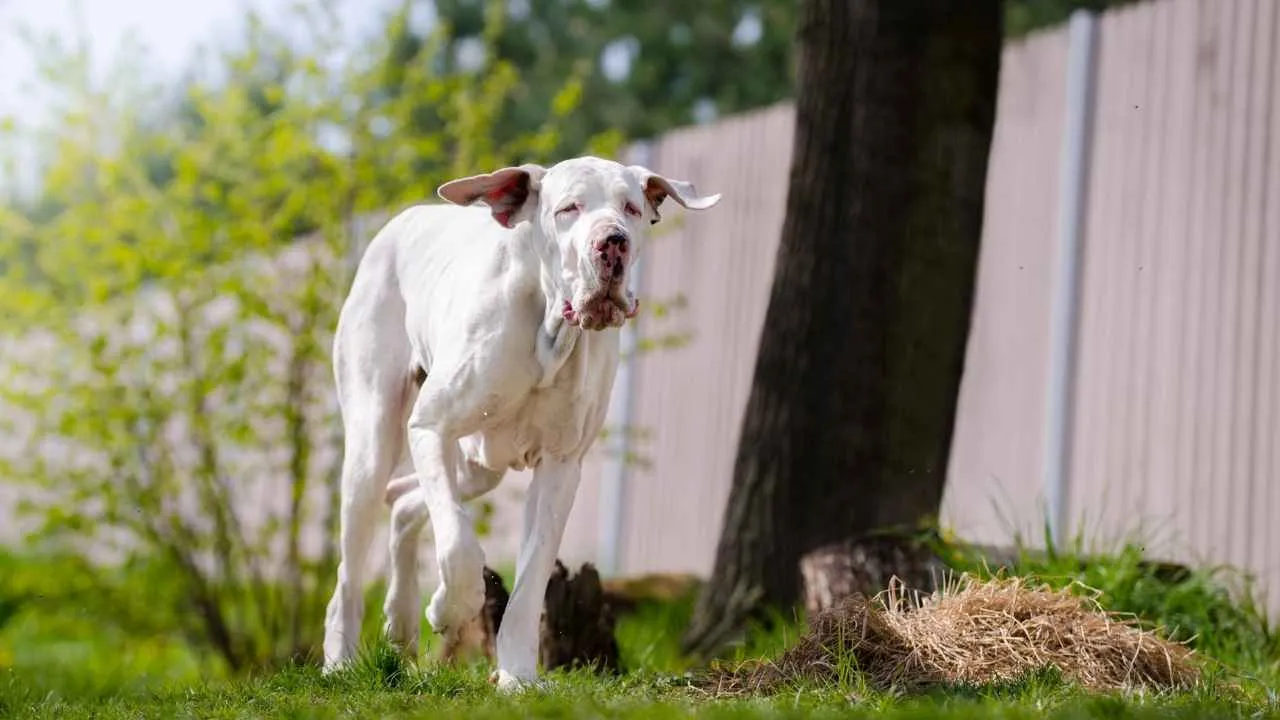
The Great Dane may look imposing, but beneath that towering frame is a sweet and calm companion. They are protective of their home and family, yet not aggressive without reason.
Often called a “gentle giant,” this elegant breed has hunting roots but is deeply affectionate. Around their loved ones, they are patient, friendly, and surprisingly relaxed.
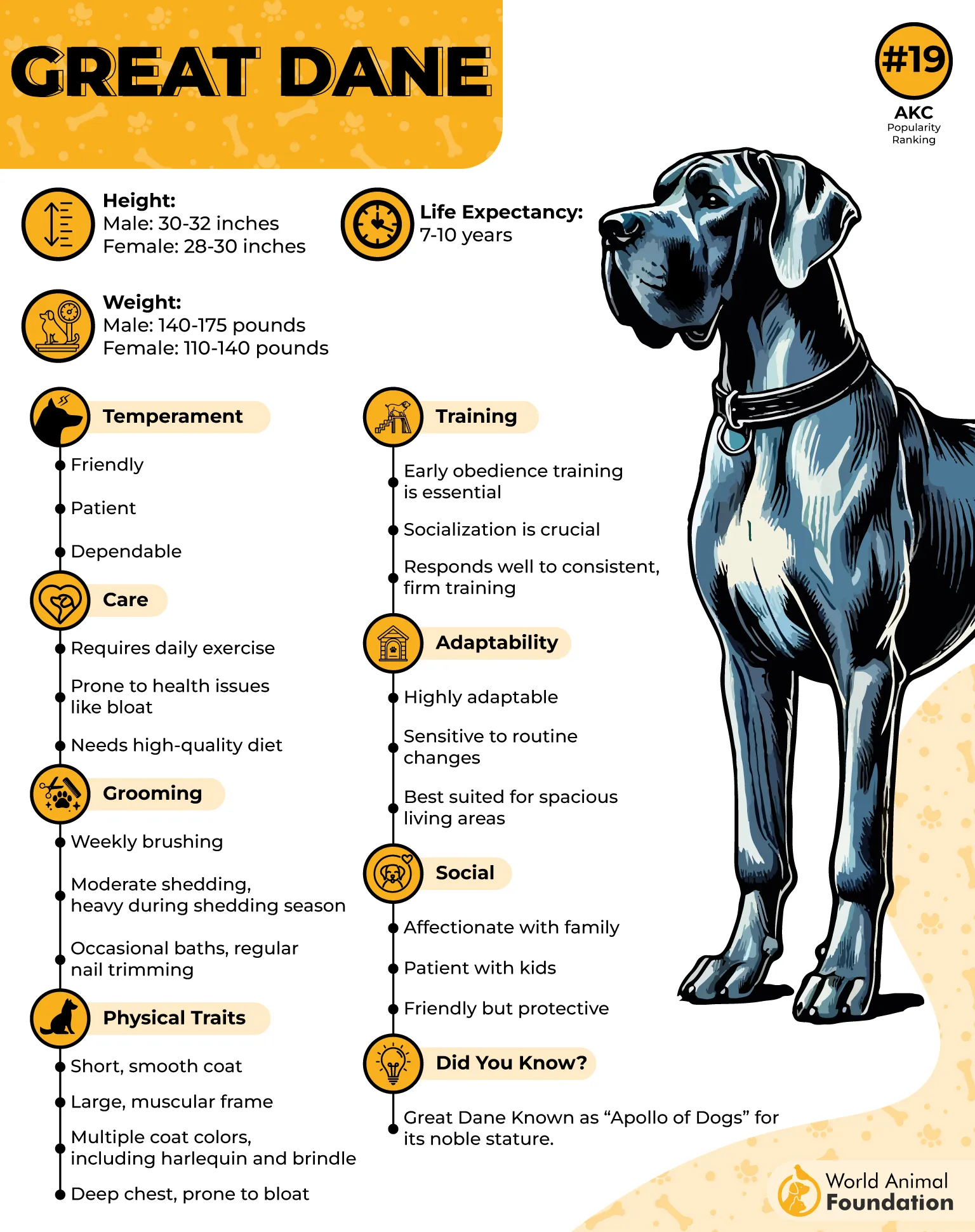
As puppies, early socialization and training are essential. A dog of this size must learn good manners, especially around children. While they are not lazy, they are not overly active either. Their exercise needs are moderate compared to many other large breeds.
They enjoy a healthy romp outdoors and can keep up on a jog if needed. But at home, they love to cuddle, hog the couch, and stretch out for long naps. Because of their size, they do best in homes with plenty of space to move and sprawl comfortably.
Why They’re Not Too Energetic:
They prefer lounging indoors once exercised.
Their energy needs are lower than those of many big breeds.
They enjoy calm family time over constant activity.
They settle into majestic, relaxed companions when their needs are met.
Great Danes are affectionate and family-friendly dogs who adore being close to their people. If you want a huge dog without the heavy coat or extreme slobber of some other giants, this breed makes a mellow pet.
6. Newfoundland
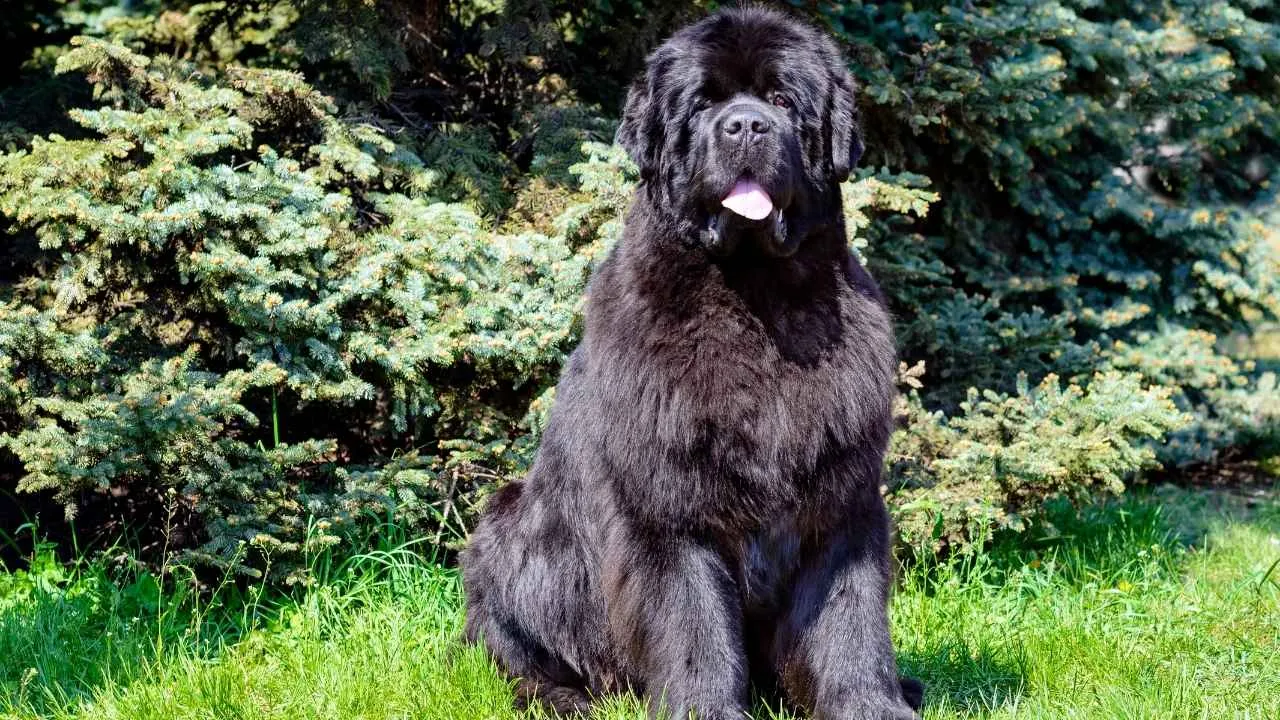
An absolute sweetheart, the Newfoundland is a true gentle giant. Bred in coastal Canada for heavy work and water rescues, this powerful dog is calm, loyal, and incredibly patient.
Newfoundlands are especially known for being wonderful with children, often earning the nickname “nanny dog.” They don’t bark much and have a sweet, watchful nature that makes them excellent family companions.
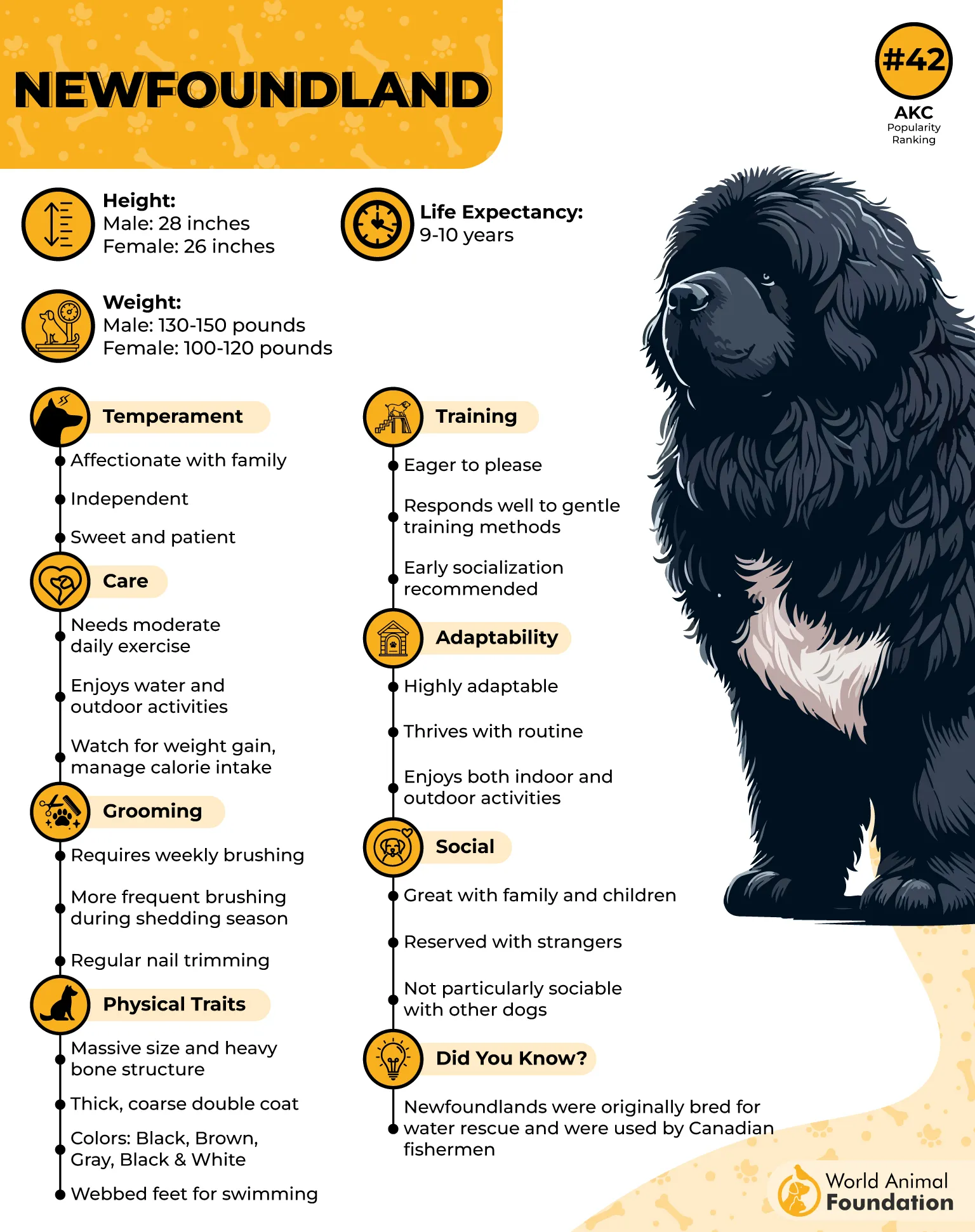
Because of their size, early training and socialization are important. Thankfully, they love to learn and respond well to gentle guidance. Though they are low-energy indoors and adore long naps, they do enjoy outdoor activity.
Daily walks, occasional hikes, or a swim help keep them healthy and prevent obesity. They are natural water dogs and appreciate cold weather. Their thick, water-resistant coat requires daily grooming, and yes—they can be slobbery. They are social dogs and may develop separation anxiety if left alone too often.
Why They’re Not Too Energetic:
They are calm and relaxed inside the home.
They have a low tendency to bark.
They are content with moderate daily exercise.
They prefer family time and naps over constant motion.
Newfoundlands are devoted, affectionate, and deeply social. They get along well with children, small pets, and other dogs, though supervision is always wise due to their size.
Trusting and trainable, they thrive in families who enjoy a laid-back lifestyle. Big, noble, and gentle at heart, this sweet swimmer proves that massive dogs can also be wonderfully mellow companion animals.
7. Bernese Mountain Dog
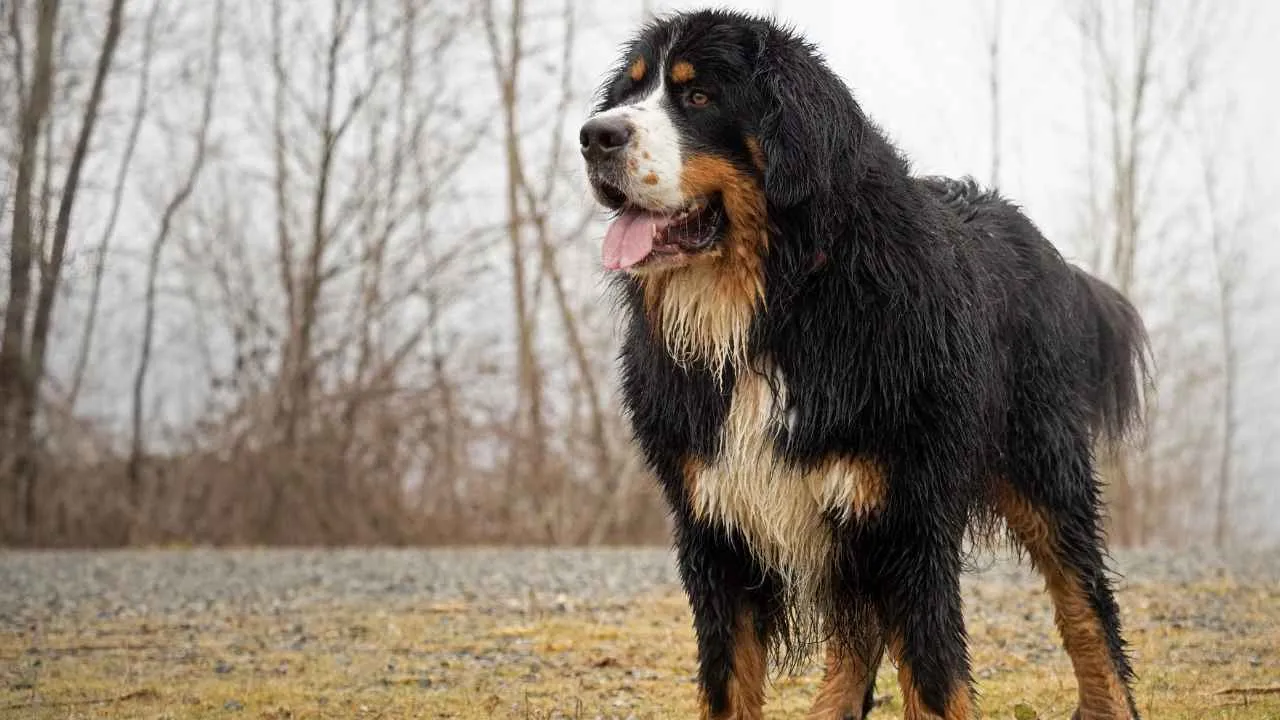
Don’t let the strength of the Bernese Mountain Dog fool you. This breed began as a hardworking farm dog in Switzerland.
Today, they are companion dogs at heart. They prefer staying close to their family and love being involved in daily life. With their even temper and cheerful nature, they are true gentle giants.
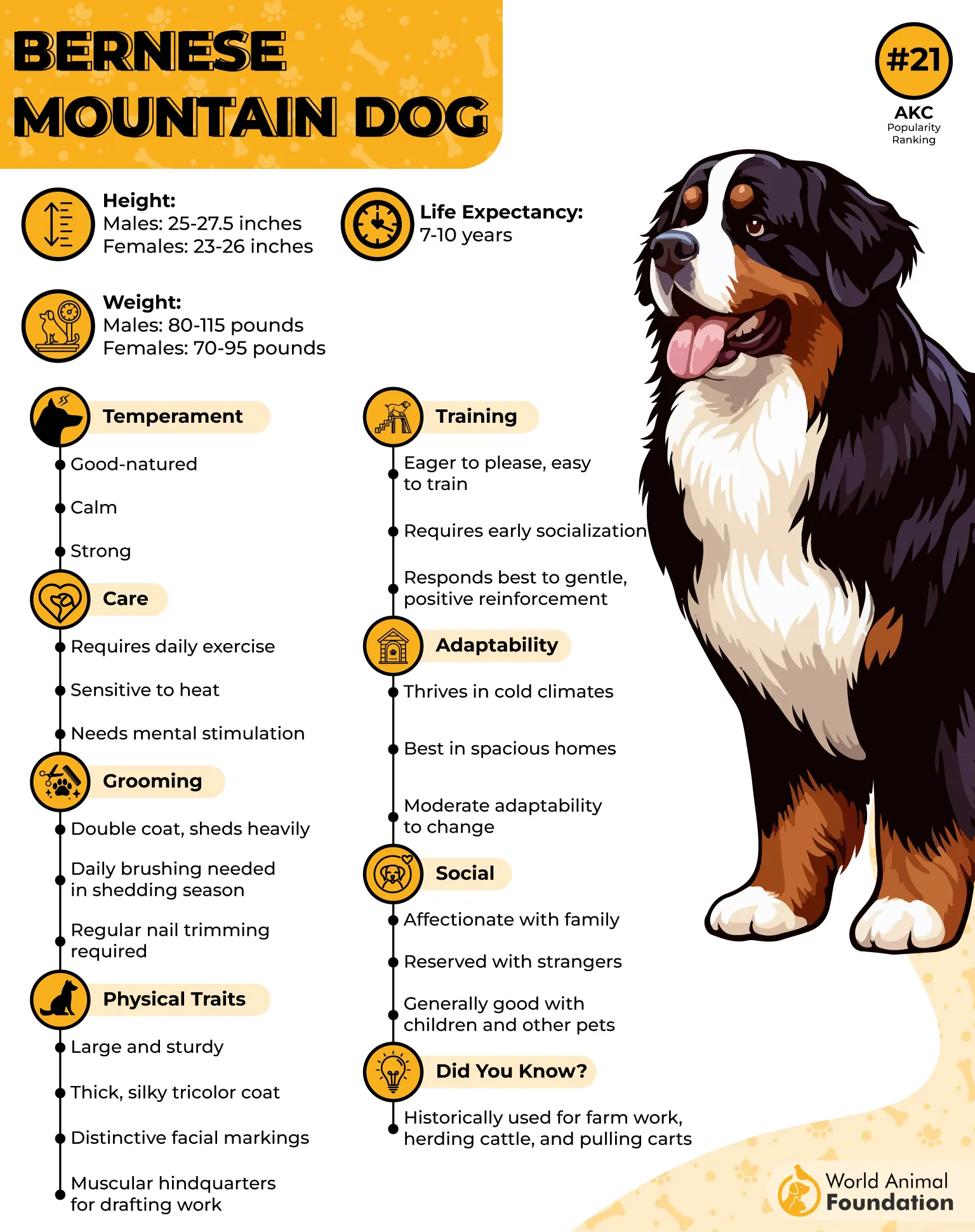
Though they come from the herding group and once helped manage livestock, most Bernese Mountain Dogs now enjoy a much slower pace. They are not particularly active or built for tough exercise. In fact, many would rather spend the day stretched out on a sofa or cushy bed.
They do well with children and are patient and good-natured with their human family. While they tend to drool less than some other giant breeds, their thick double coat needs grooming more than once a week. Because of that heavy coat, they can overheat easily, so exercise should be gentle and done carefully in warm weather.
Why They’re Not Too Energetic:
They prefer lounging over intense activity.
They are calm and even-tempered.
They are content with moderate daily walks.
They thrive in cooler weather and relaxed homes.
Bernese Mountain Dogs are loving, intelligent, and family-focused. They happily play when invited, but are just as pleased leaning in for affection. If you want a big dog who looks strong but lives for sofa time and family cuddles, this majestic Swiss breed is a perfect match.
Conclusion
When it comes to big dogs, size doesn’t always mean nonstop energy. These dogs prove that you can have a large, impressive companion without the constant hustle and high exercise demands often associated with big breeds. They are loyal, loving, and surprisingly low-maintenance for their size—perfect for households that want a gentle giant to share quiet moments with.
If you’re considering adding a big dog to your family, take the time to match their personality and energy level with your lifestyle. Think about your space, your routine, and the type of companionship you want.
Remember, even the calmest of giants thrives with love, attention, and a bit of daily activity. Choose the right breed, and you’ll have a devoted, mellow friend who makes every day a little more relaxed—and a lot more heartwarming.
