




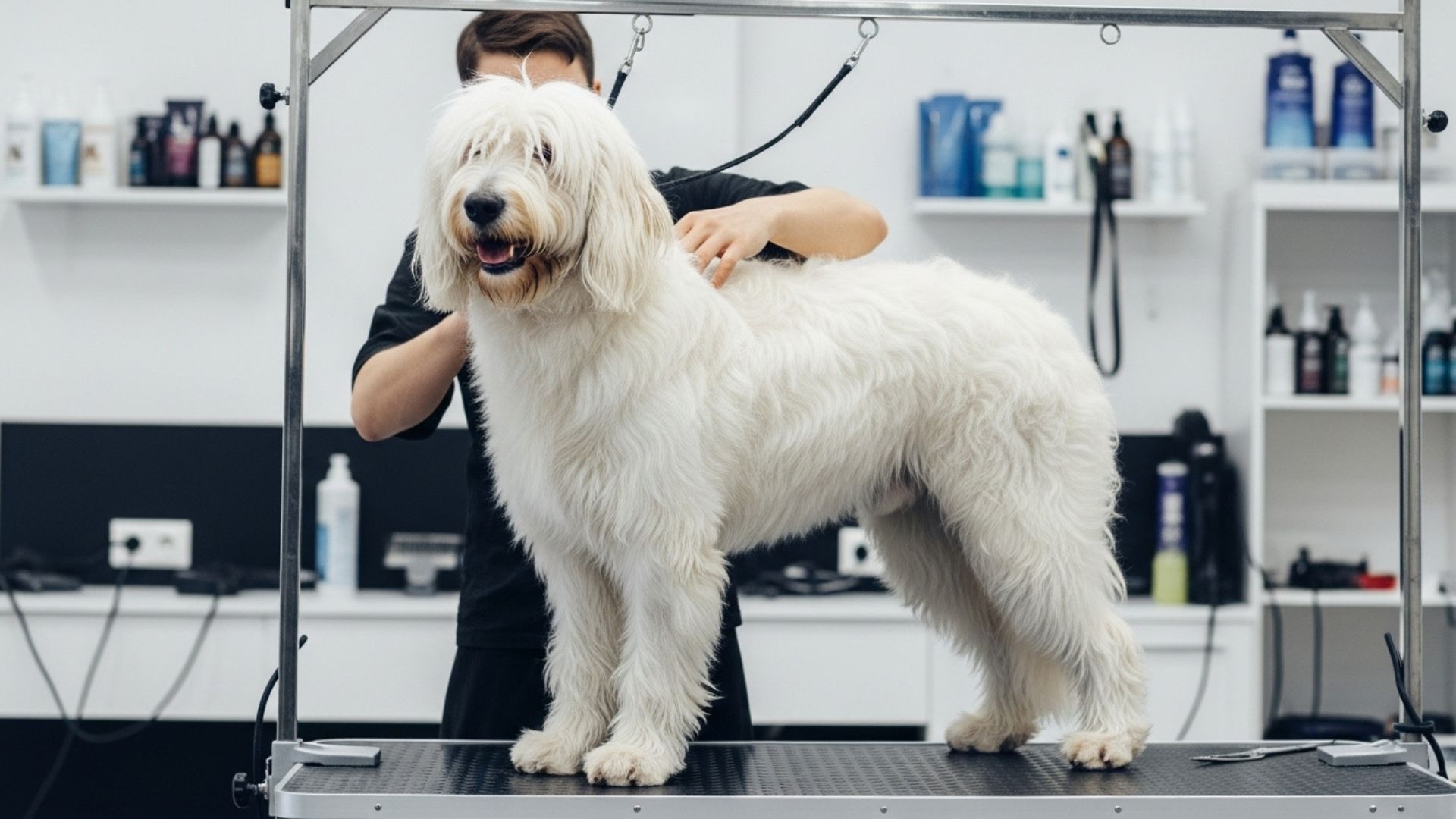
Keeping your furry friend clean, comfortable, and well-groomed does more than just make them look good—it supports their overall well-being across various dog breeds.
According to the American Kennel Club, regular grooming helps remove dirt, loose hair, and debris while distributing natural oils, which keep a dog’s coat shiny and skin healthy. Grooming also allows pet owners to spot early signs of health issues, prevent painful mats and tangles, and maintain a dog’s comfort during seasonal shedding.
Long-haired breeds and high-maintenance breeds particularly benefit from professional grooming services, as their coats require consistent care to prevent matting and keep them looking their best.
In this article, we’ll explore dog breeds’ essential grooming for happy pets, offering helpful tips and insights for pet owners.
Whether you have a silky-coated companion or a thick double-coated friend, these essential grooming tips will help ensure your dog, and other dog breeds that require frequent care, stay healthy, happy, and well-cared for
Dog Breeds: Essential Grooming for Happy Pets
1. Komondor
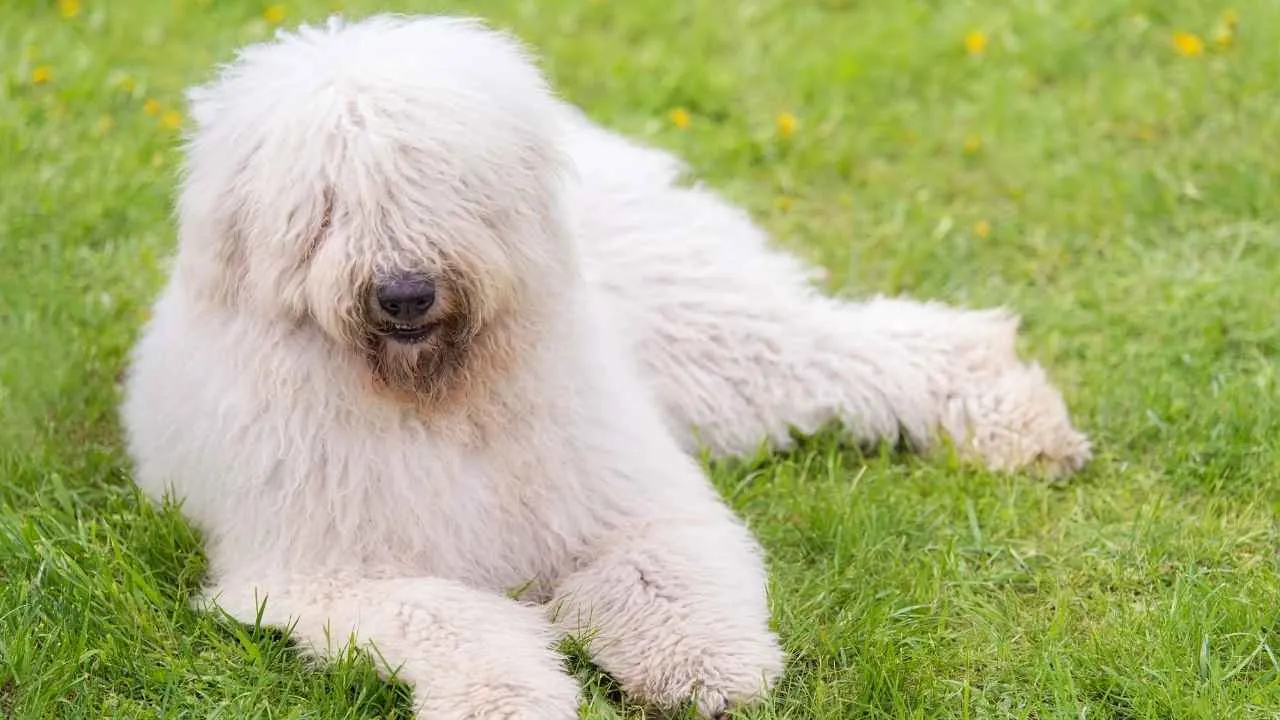
The Komondor is a striking, long-haired breed known for its thick corded coat and natural guarding instincts. Their cords give them a mop-like appearance but require careful attention to keep them healthy.
According to PetMD, regular grooming is essential not just for appearance, but also for protecting their skin and supporting their role as livestock guardians.
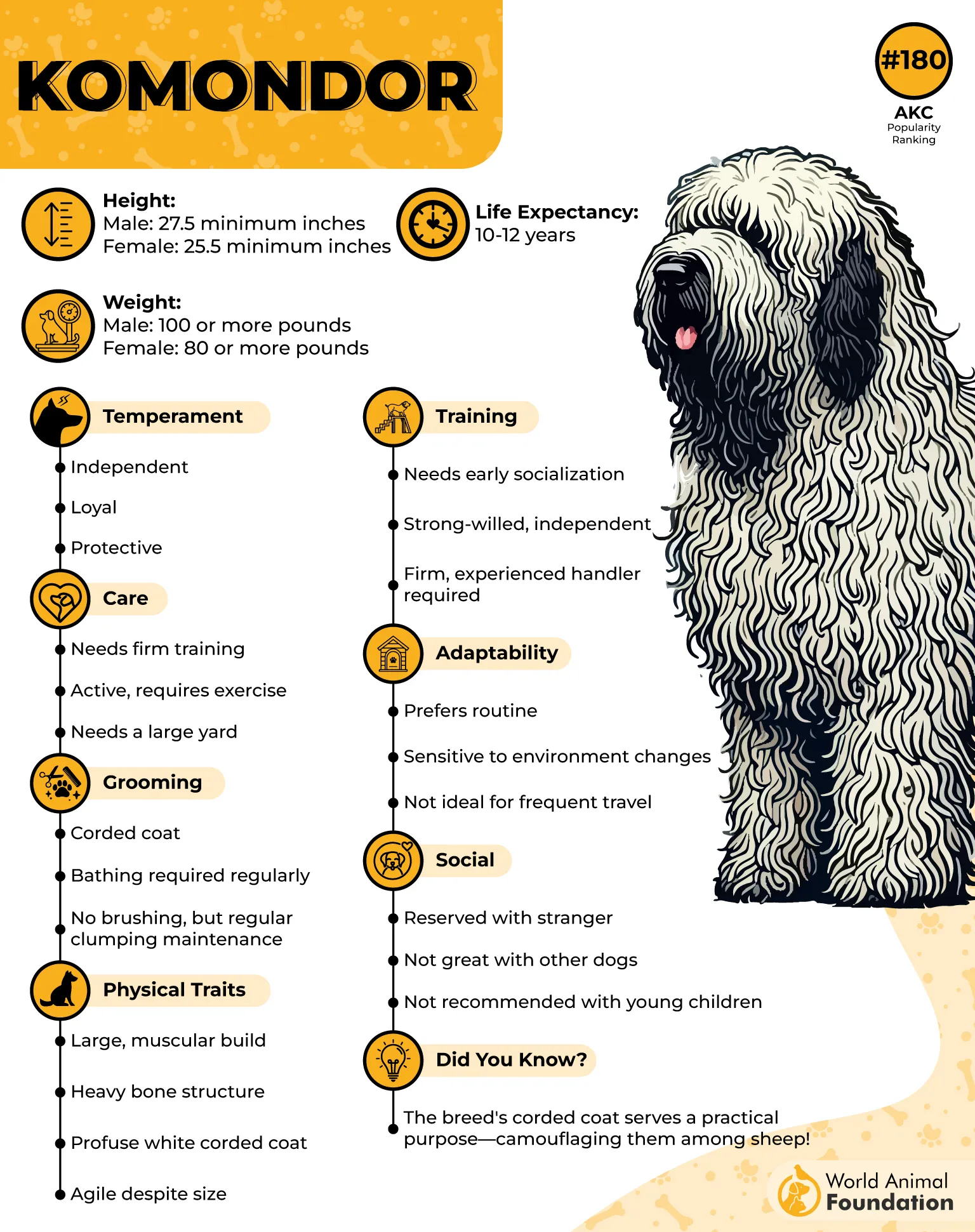
Caring for a Komondor involves more than brushing:
Separate cords carefully: Gently separate cords by hand to prevent tight mats and allow airflow to the skin.
Spot checks for debris: Inspect cords for dirt, ticks, or hidden irritations.
Bathing carefully: Bathe only when needed and ensure cords are fully dried to prevent mildew.
Ear cleaning and nail trimming: Regular checks help prevent infections and maintain overall comfort.
Low-heat drying: After a bath, use fans or gentle heat to ensure complete drying.

Because of their unique coat and protective role, Komondors are considered high-maintenance. Frequent grooming sessions are crucial to keep them comfortable and their coat healthy while they perform their natural guarding duties.
2. Shih Tzu
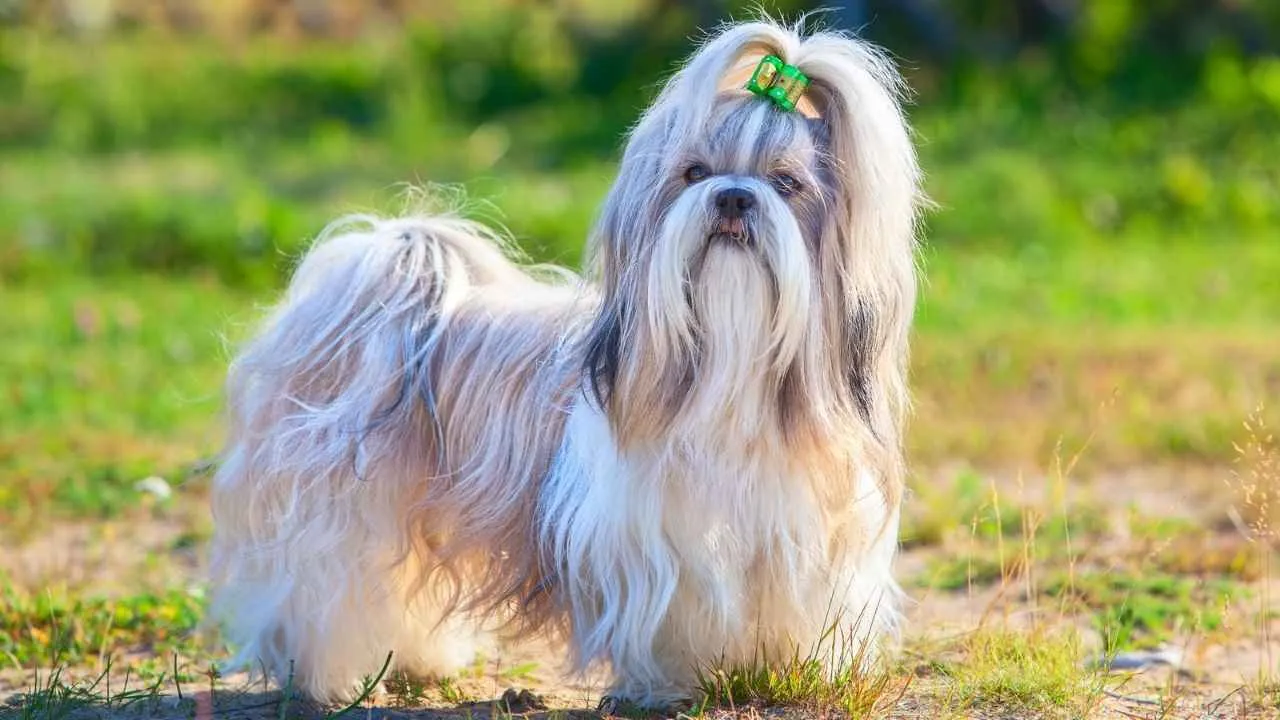
The Shih Tzu is a long‑haired breed that truly shines when its coat is cared for with love and routine. According to Purina, the Shih Tzu’s long, soft, and dense coat requires daily grooming to look its best and stay healthy.
A strong grooming service is essential for pet parents who want a furry friend with soft, silky hair that looks neat and feels comfortable. This routine also allows you to check your dog’s skin and notice any clumps or knots early, which keeps the coat in top condition.
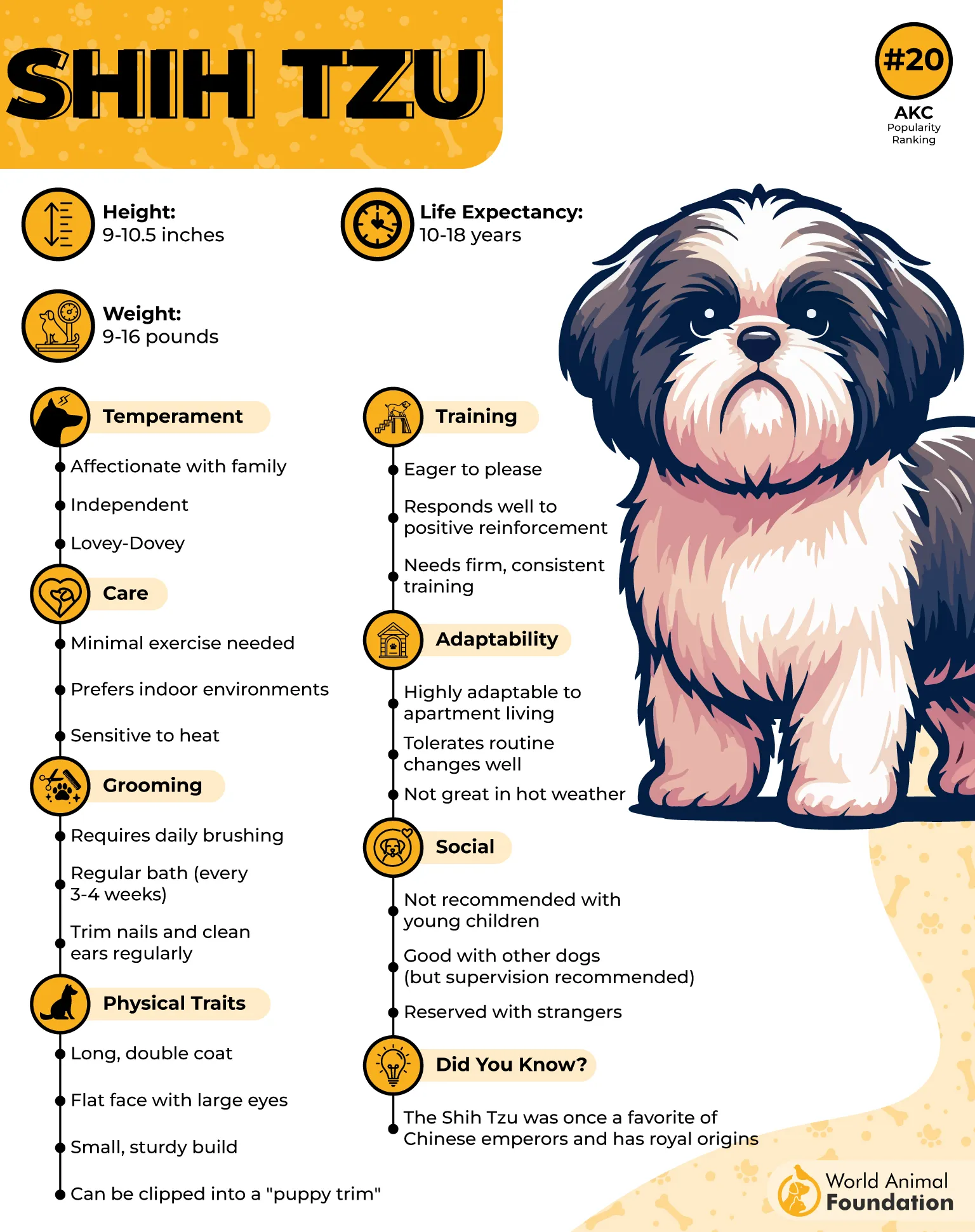
Daily grooming routine for Shih Tzus:
Pin or slicker brush: Gently work through the coat to remove loose fur and prevent knots and tangles.
Detangler spray or conditioner: Helps protect hair and makes brushing easier.
Face trimming: Keep hair around the eyes short to prevent irritation.
Ear cleaning: Wipe gently to remove debris and reduce infection risk.
Nail care: Keep nails trimmed for comfort and mobility.
Daily brushing not only maintains the silky texture but also strengthens the bond between owner and pet. With consistent care, a Shih Tzu’s coat stays soft, healthy, and enjoyable to pet.
3. Puli
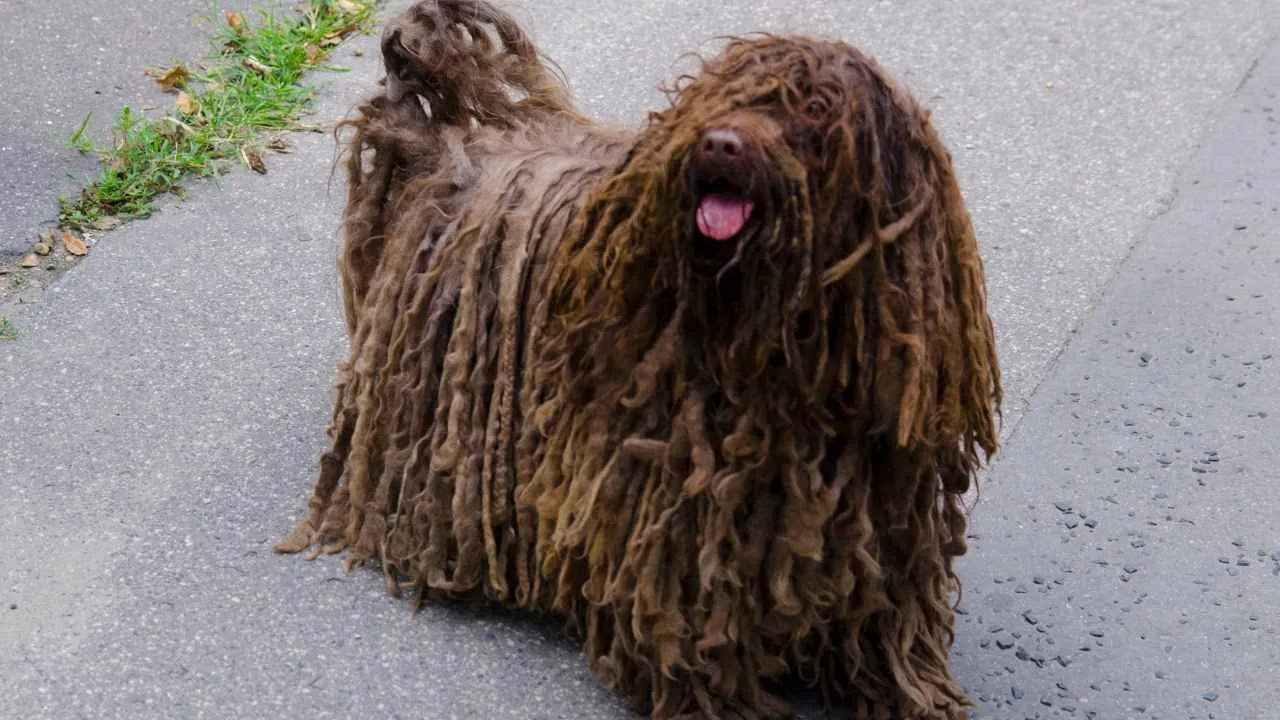
The Puli is an energetic herding dog with a unique corded coat that makes it stand out. While their rope-like cords resemble Komondors, Puli have higher energy needs and thrive when given a job or space to run. Their grooming is just as much about maintaining health as it is about preserving their striking appearance.
Instead of focusing on daily cord separation, Puli owners can keep their dogs’ coats healthy with a routine that suits their lifestyle:
Undercoat maintenance: Use an undercoat rake to gently remove loose hair and dead hair trapped near the skin, reducing the risk of mats.
Bathing only as needed: Frequent washing can strip oils, so limit baths to when dirt accumulates.
Drying carefully: After swimming or washing, ensure cords dry completely with airflow or low-heat drying to prevent mildew.
Activity alignment: Regular exercise complements grooming by keeping skin healthy and coat in good condition.
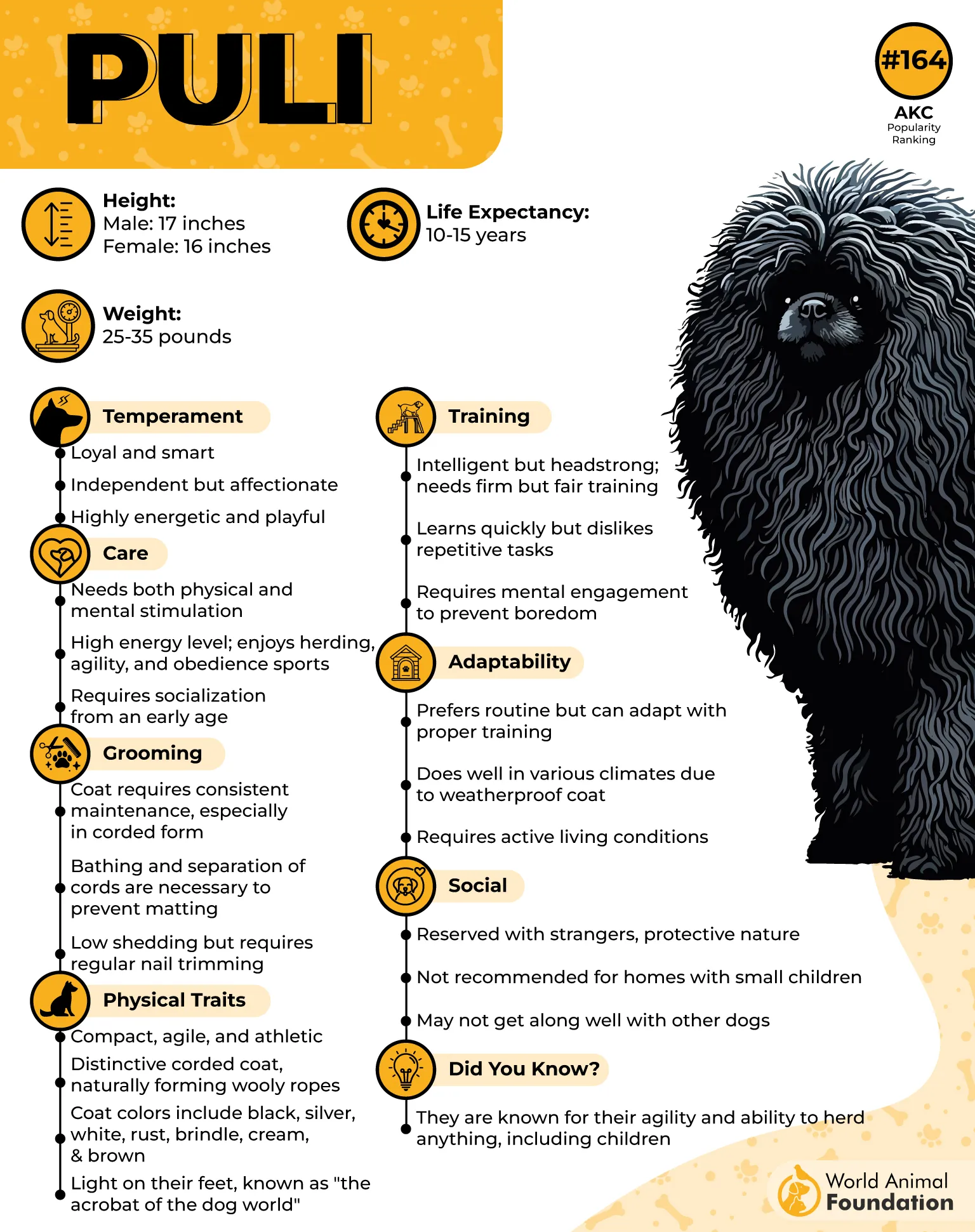
This approach ensures a Puli’s coat remains functional for herding while supporting their natural guarding instincts and energy levels.
4. Afghan Hound
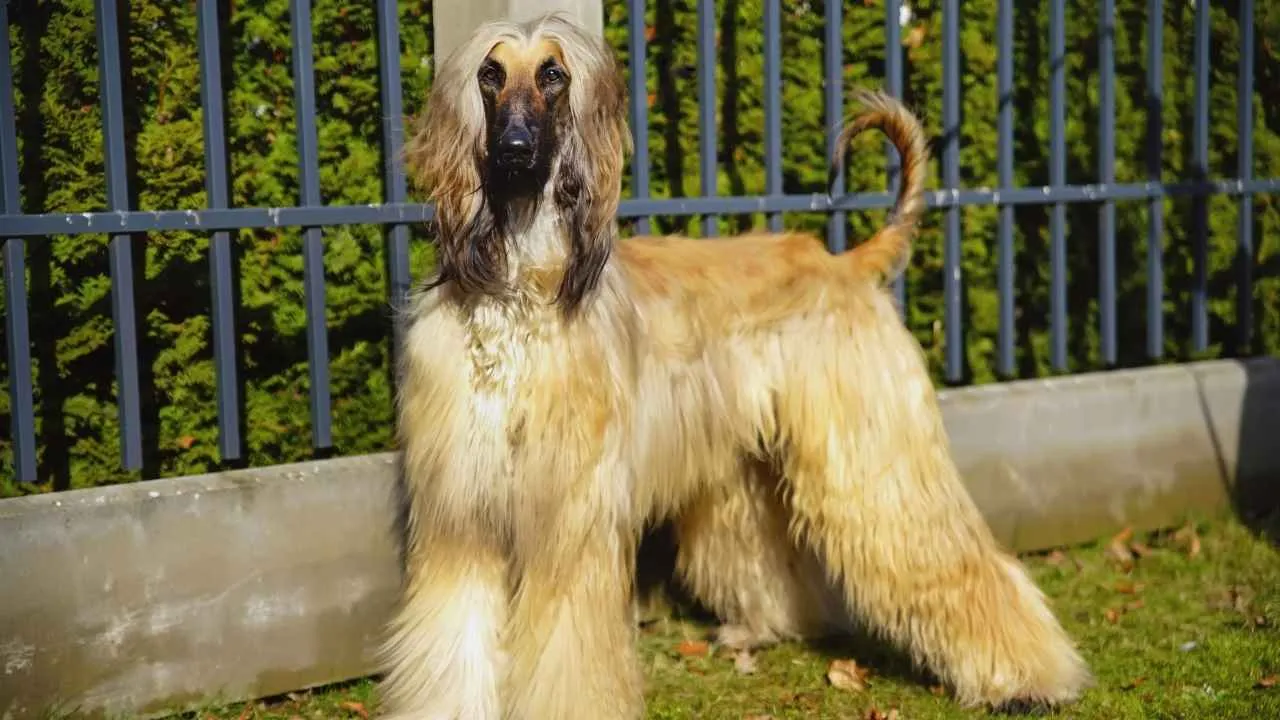
The Afghan Hound is famous for its long, silky, and flowing coat, which gives the breed its signature elegance. According to Orvis, maintaining this luxurious fur requires more than basic brushing—it calls for professional grooming and thoughtful home care to prevent tangles and mats.
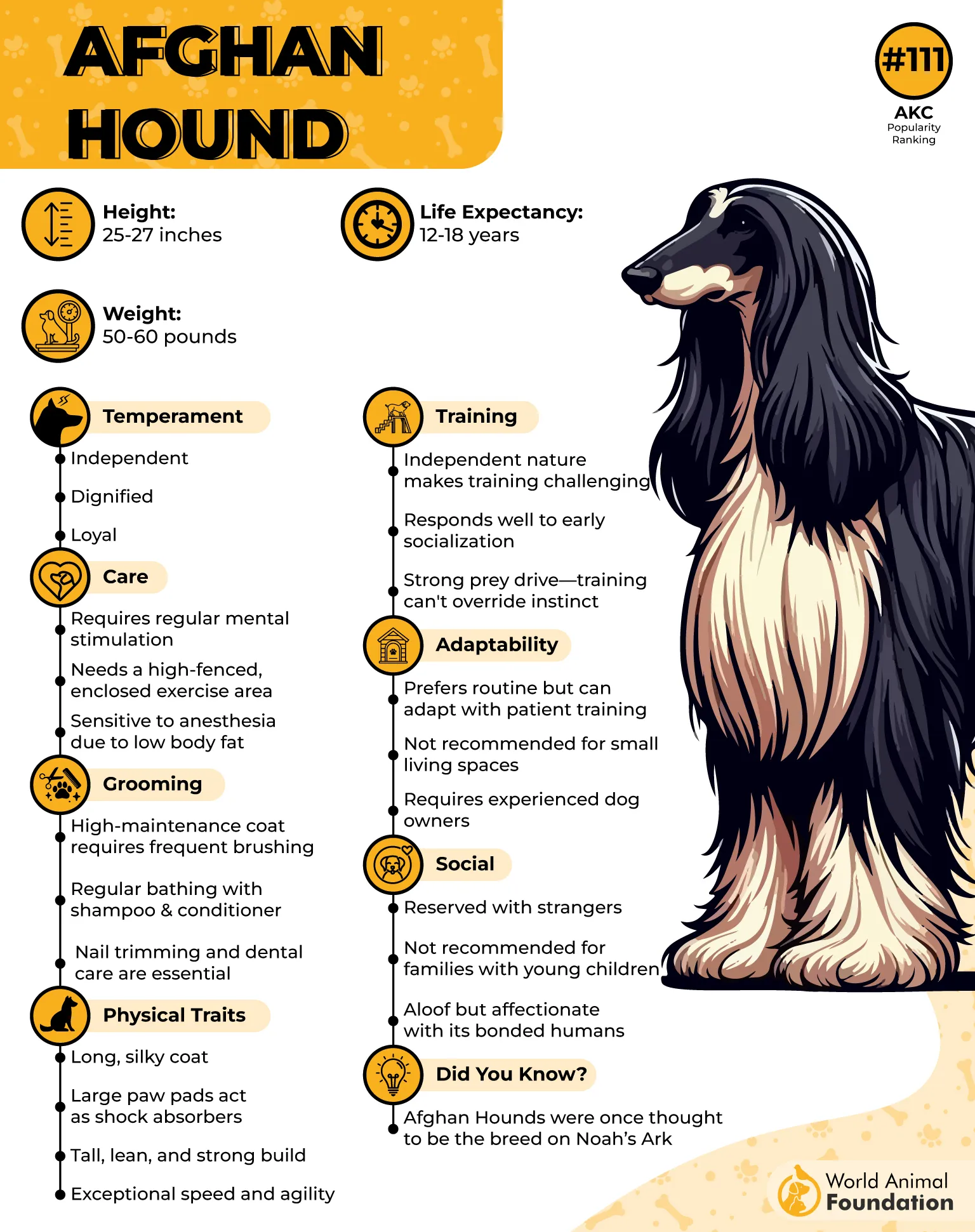
Afghan Hound grooming goes beyond basic grooming, focusing on precision care to preserve coat health and shine:
Comb and trim: Focus on feathered areas such as legs, tail, and ears to maintain proper coat care, keep strands untangled, and prevent split ends.
Conditioning treatments: Use dog-safe conditioners during brushing to enhance softness and manageability.
Occasional baths: Bathe only as needed, using gentle products to protect the coat’s natural oils.
Exercise & environment: Afghan Hounds enjoy running and require space to move; a well-cared-for coat allows them to stay comfortable while active.
Professional grooming helps these hounds maintain their signature elegance while ensuring the coat stays healthy, strong, and ready for both play and show.
5. Brussels Griffon
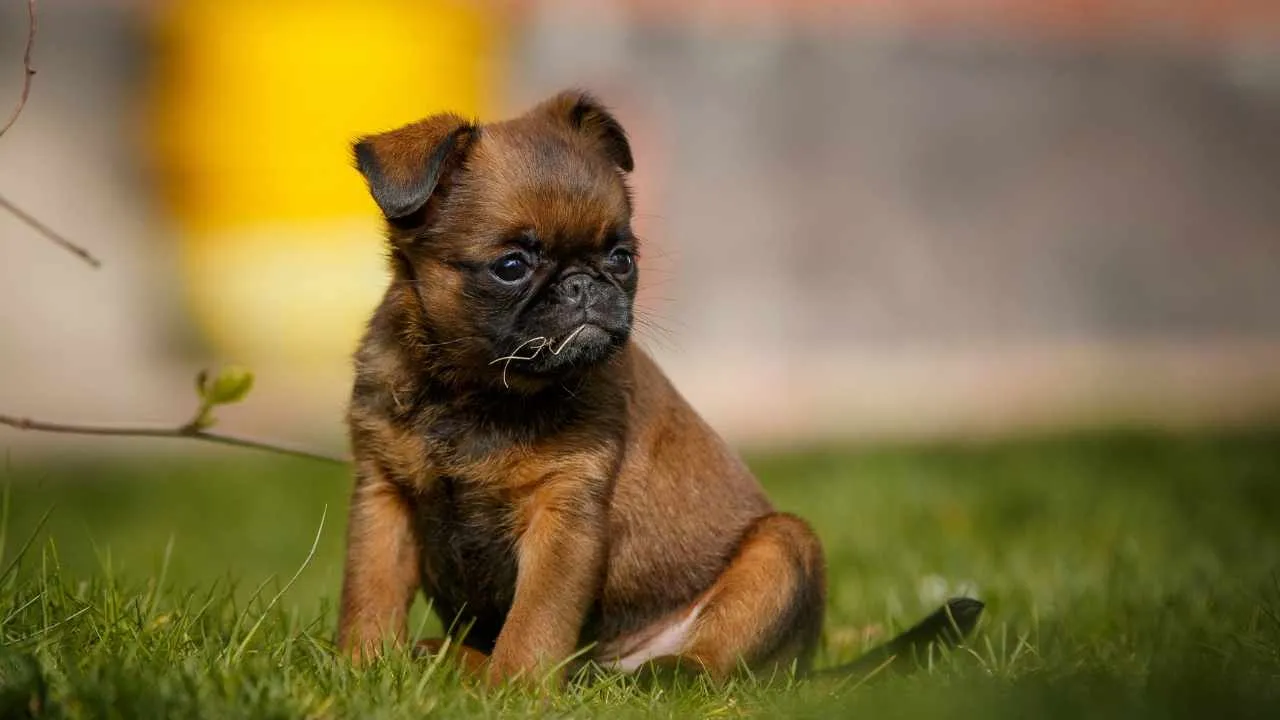
The Brussels Griffon is a small, charming companion dog that comes in two distinct coat types: smooth and rough (wire-haired breed). Each coat type requires different grooming approaches to keep the dog healthy, comfortable, and looking their best.
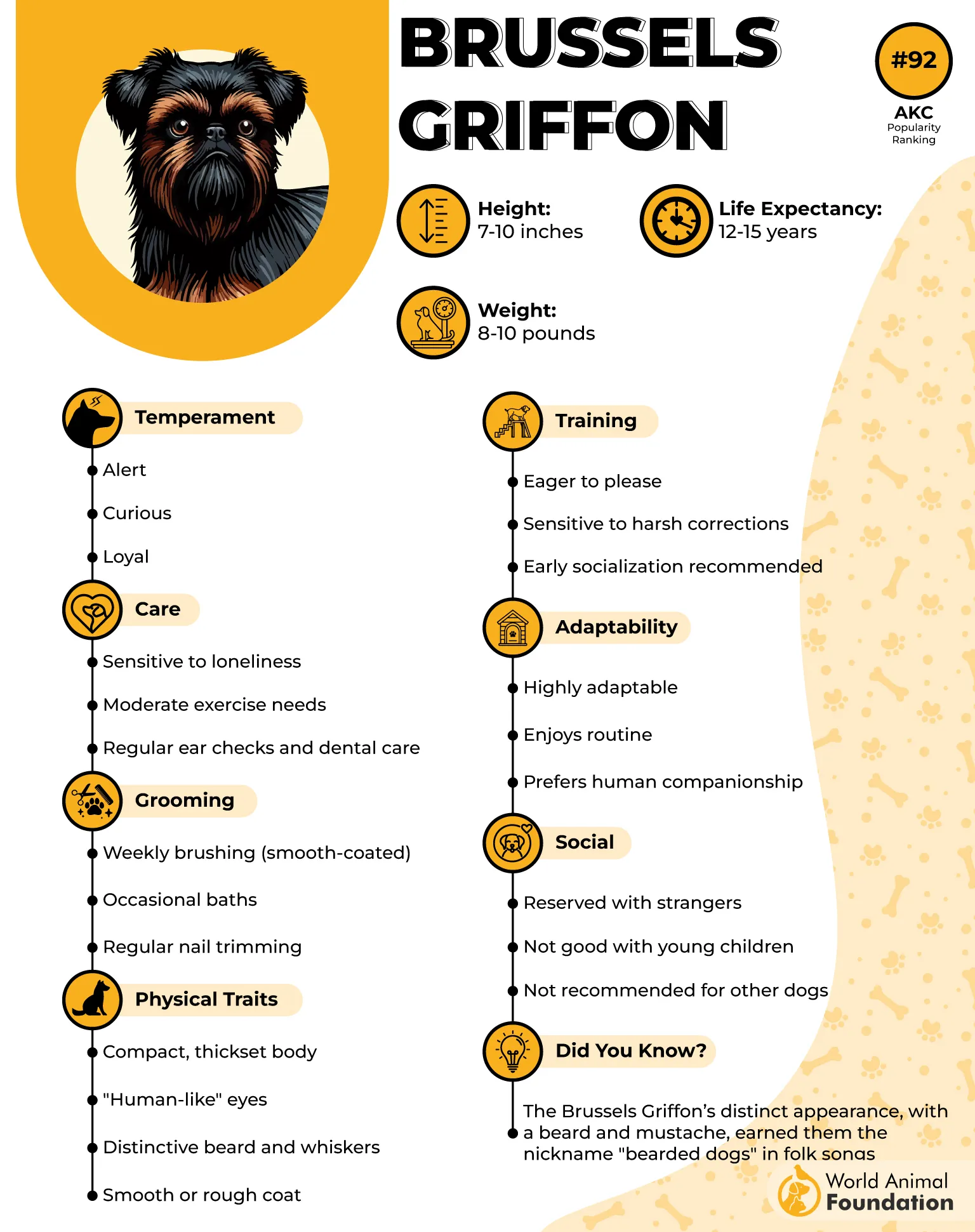
Grooming insights by coat type:
Smooth coat: Short, glossy fur that lies close to the body. Weekly brushing to remove loose hair and maintain shine.
Rough coat (wire-haired): Dense, wiry hair that needs more frequent grooming sessions. Hand-stripping every few months promotes new growth and keeps the texture tidy.
Ear care: Regular checks and cleaning prevent wax buildup and infections.
Nail trimming: Routine maintenance keeps paws healthy and supports walking comfort.
Exercise: Despite their small size, daily walks or play sessions help them stay fit and happy.
Proper grooming for Brussels Griffons improves coat texture, reduces shedding, and keeps them comfortable and lively. Each coat type presents unique needs, making attention to detail important for maintaining its distinctive appearance.
6. Cocker Spaniel
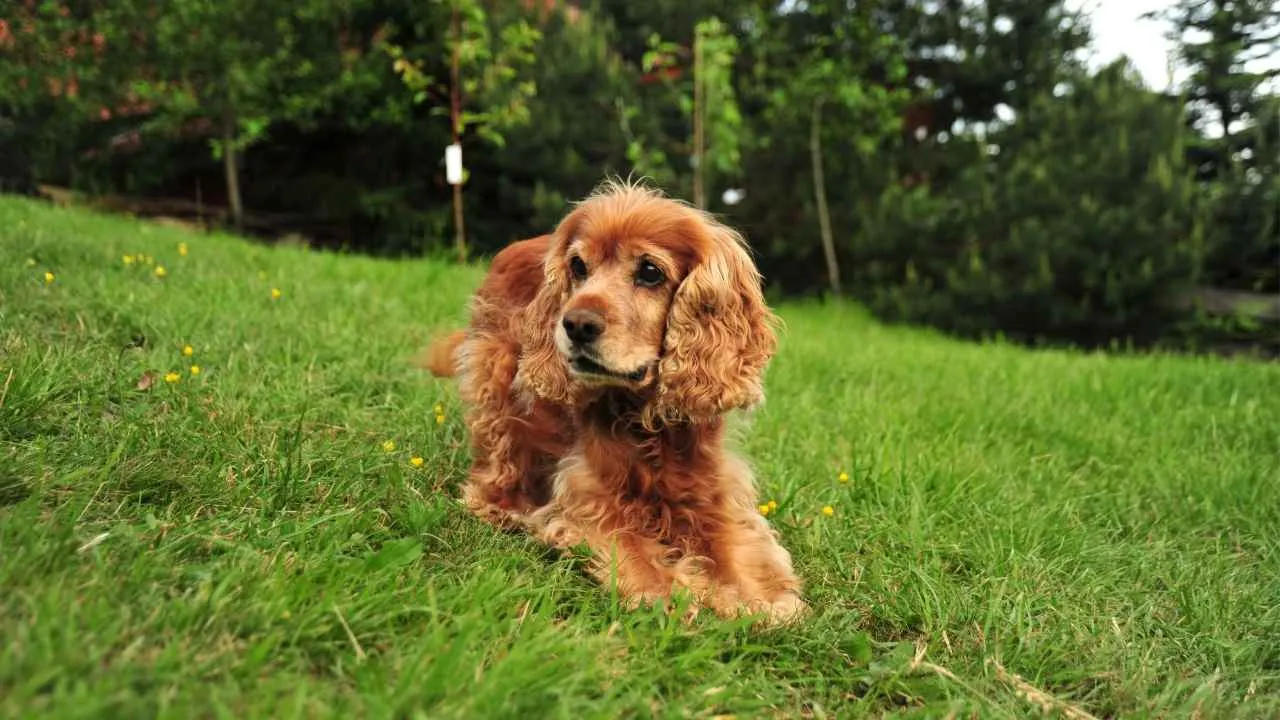
The Cocker Spaniel is a long-haired sporting breed with dense feathering that requires a careful grooming process. Unlike other long-haired breeds, Cocker Spaniels are prone to skin irritations under their dense ears and feathered areas, so grooming isn’t just about appearance—it’s about comfort and health.
Cocker Spaniels were originally bred as hunting dogs in England to flush woodcock from thick brush, and over time, their soft, feathered fur became a hallmark of the breed. Their coat wasn’t developed for ease of care, and today it still needs regular attention to stay healthy and bright.
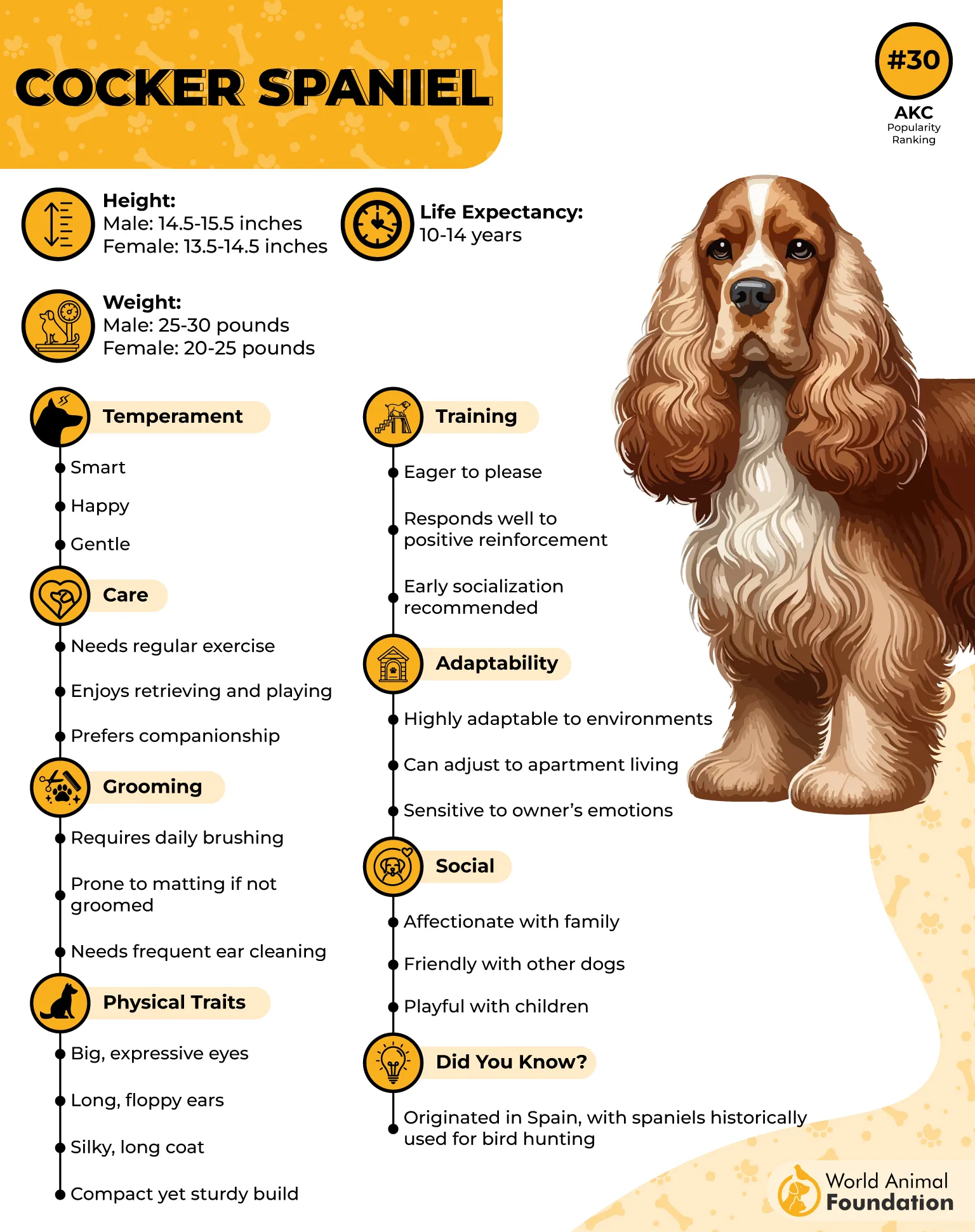
To maintain a Cocker Spaniel’s coat:
Targeted brushing: Focus on feathered areas on legs, ears, and chest, especially during shedding seasons, to prevent knots without over-brushing the body.
Ear checks and cleaning: Long ears can trap moisture; weekly cleaning helps prevent infections.
Trimming & hygiene: Regular trimming of sanitary areas and paw hair reduces dirt accumulation.
Skin observation: While grooming, look for redness or hotspots to catch early skin problems.
Exercise integration: Active play and walks keep their skin healthy and coat vibrant.
Cocker Spaniels combine elegance with energy. Their grooming routine preserves their silky texture, prevents skin issues, and supports their overall well-being and active lifestyle.
7. Poodle
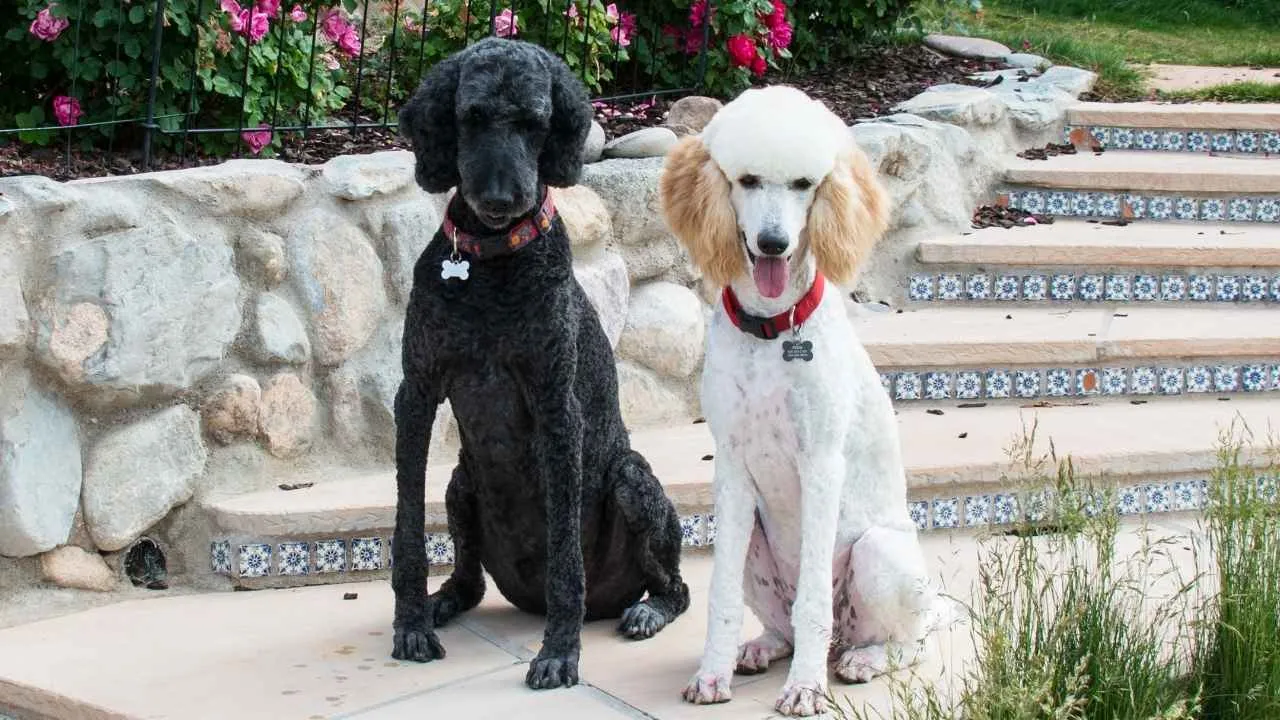
The Poodle is one of the most intelligent and charming dog breeds, instantly recognizable for its dense, curly coat. While it doesn’t shed heavily, the coat requires regular professional grooming services to prevent tangles and mats, maintain comfort, and keep the curls looking neat and stylish.
Curly Coat Grooming Essentials:
Professional grooming appointments: Every 4–6 weeks to maintain the curls and overall hygiene.
Frequent brushing: Daily or every other day with a slicker or pin brush to prevent tangles and mats.
Ear and paw care: Trim around the feet and clean ears regularly to reduce dirt buildup.
Check skin under curls: Regularly inspect for redness, irritation, or trapped debris.
Poodles are highly intelligent, playful, and affectionate, making grooming a perfect opportunity for bonding. With consistent care, this curly-coated breed stays stylish, healthy, and comfortable, ready for both exercise and companionship.
Conclusion
Proper grooming is essential for keeping dogs healthy, happy, and looking their best.
Every breed has unique grooming needs that require attention, time, and sometimes professional care.
Regular brushing, ear cleaning, trimming, and occasional baths not only prevent mats and tangles but also keep coats shiny and comfortable. Consistent grooming strengthens the bond between pet and owner, ensures your dog stays active and fit, and supports their well-being.
Whether you have a long-haired, curly-coated, or dense double-coated breed, investing in proper grooming routines helps your furry friend enjoy a healthy, joyful life every day.
