





The ocean has its own dating shows, and the contestants don’t swipe—they sparkle, paint the sand, hum like tiny engines, and exchange gifts that would make any reality TV producer proud.
Courtship behavior in fish is wildly creative because love in water is complicated: currents pull, predators lurk, and eggs don’t fertilize themselves. So many species evolved dazzling displays to attract mates, signal quality, and improve the chances of successful spawning.
Scientists have observed this romance from Australia to Japan and beyond, and the findings keep reminding us of nature’s inventiveness. Courtship isn’t just cute; it’s a high‑stakes audition with real biology behind it—differences between male and female roles, carefully timed life cycles, and behaviors tuned to water, light, and sound. Some routines last minutes, others days. Some are quiet, others literally hum. And yes, sometimes the male ends up pregnant.
In the following love‑fest, we’ll meet ocean creatures whose courtship displays are famous for originality. Ready to see how fish woo, wow, and win? Let’s dive.
Fish Known for Their Unique Courtship Displays
1. Mandarin Fish
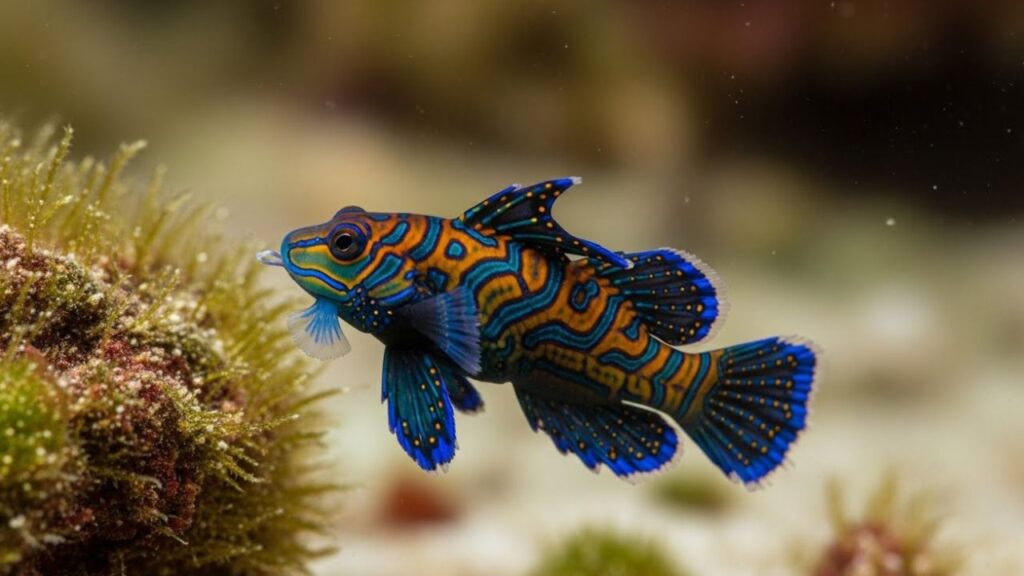
If romance had a color palette, the mandarin fish would own the whole of it. These tiny reef jewels glow neon blues, greens, and oranges—no filter needed.
At dusk, males and females rise from the coral and perform a careful waltz: belly to belly, fins fluttering, tails aligned. The dance peaks when the pair briefly hovers in the water column, releasing eggs and sperm at just the right moment for the currents to carry and fertilize them safely.
Courtship behavior here is about timing and trust. The pair often meets at the same coral “post” every evening, like a standing date. Studies have observed that females assess the male’s body condition and color, both honest signals of health. A male that glows brighter may be better at avoiding parasites and finding food—useful information if you want your offspring to survive.
The performance is short but complicated. Males sometimes try to impress multiple females before the light fades, while females choose carefully; once the eggs are out, there’s no going back. In the world of external fertilization, seconds matter. That twilight rise is also a tactic to avoid predators—higher visibility, but only for a moment.
2. Seahorses
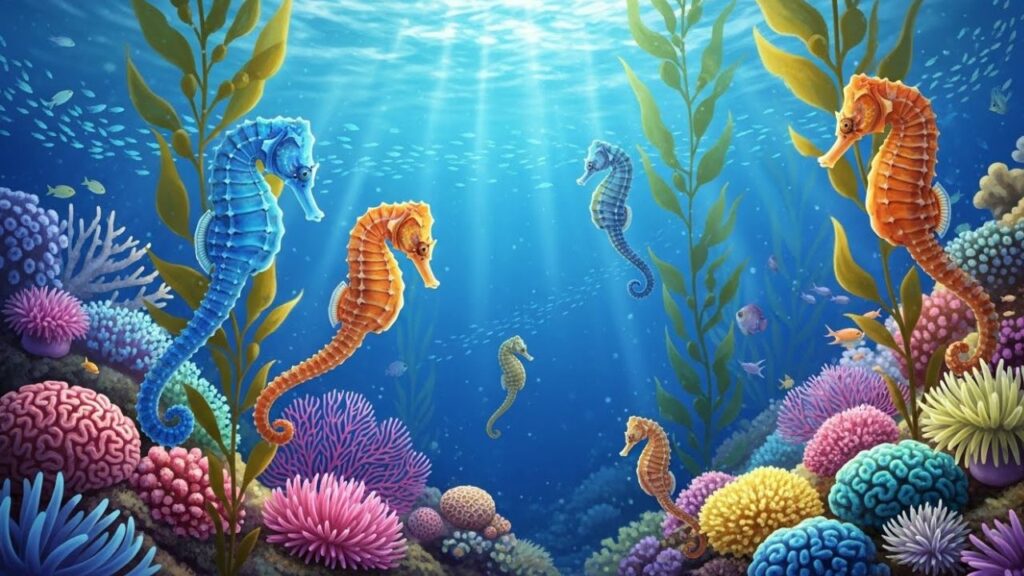
Seahorses turn the love story inside out: the male gets pregnant. Britannica says they swim more slowly than other fish. However, during courtship, a male and female perform an elegant daily dance, syncing movements, changing shade, and sometimes linking tails.
This bonding behaviour may last days, aligning their biology so that when it’s time, the female deposits eggs into the male’s brood pouch.
The pouch isn’t just a pocket; it’s full of organs and tissue that regulate salinity, supply oxygen, and even provide nutrients to the developing embryos. In short, the male’s body creates a controlled environment where he can fertilize and raise the eggs—an underwater NICU with fins. Science has discovered hormones here that mirror mammalian pregnancy signals, a stunning example of convergent solutions in nature.
Why all the dancing? It maintains the pair bond and helps them agree on timing. If the male is still pregnant, the female delays. If he’s empty and ready, the couple executes a longer, more energetic routine before transfer.
Fun tidbit: Many of them live along seagrass and coral edges from Australia to the Mediterranean. They’re masters of camouflage, but during courtship their shades may brighten to impress each other. Also, contrary to the slow vibe, they can be surprisingly quick when a snack floats by—their heads snap forward with a vacuum‑like “pip” sound as they feed.
3. White-Spotted Pufferfish
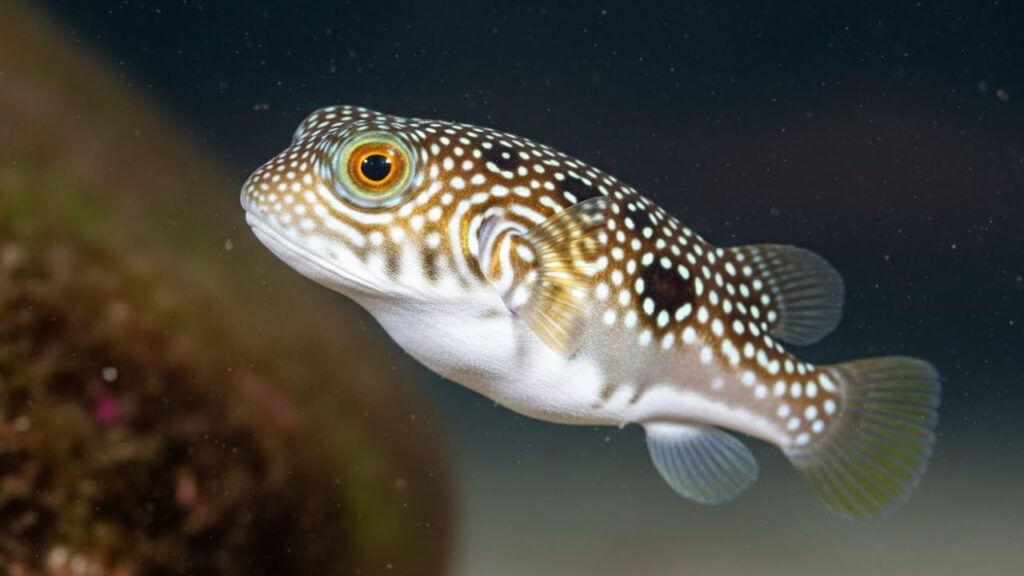
Meet the ocean’s most patient artist. Off the coast of Japan, male white‑spotted pufferfish create a perfect circular structure in the sand—complete with peaks, valleys, and a sculpted center.
The circle can reach over 2 meters in diameter (yes, that big), and it’s made with nothing but fins, body wiggles, and a lot of effort.
The goal is to draw a female and showcase quality. Construction isn’t random; male engineers channel fine sand into a funnel toward the center, creating a soft nest for eggs. He will decorate with shells and bits of coral, like a fishy interior designer adding statement pieces. Researchers who first documented this in a journal post basically found the sea’s version of land‑art courtship.
This courting display is both beautiful and functional. The circular form stabilizes the nest and reduces turbulence so eggs won’t blow away. It also amplifies subtle water flows, keeping the site clean. The male maintains the circle daily; if a storm flattens it, he rebuilds.
4. African Cichlids
The three‑spined stickleback is a tiny fish with a big romantic routine. In spring, the guy turns bright red across the throat and belly—a classic “I’m in peak condition” signal.
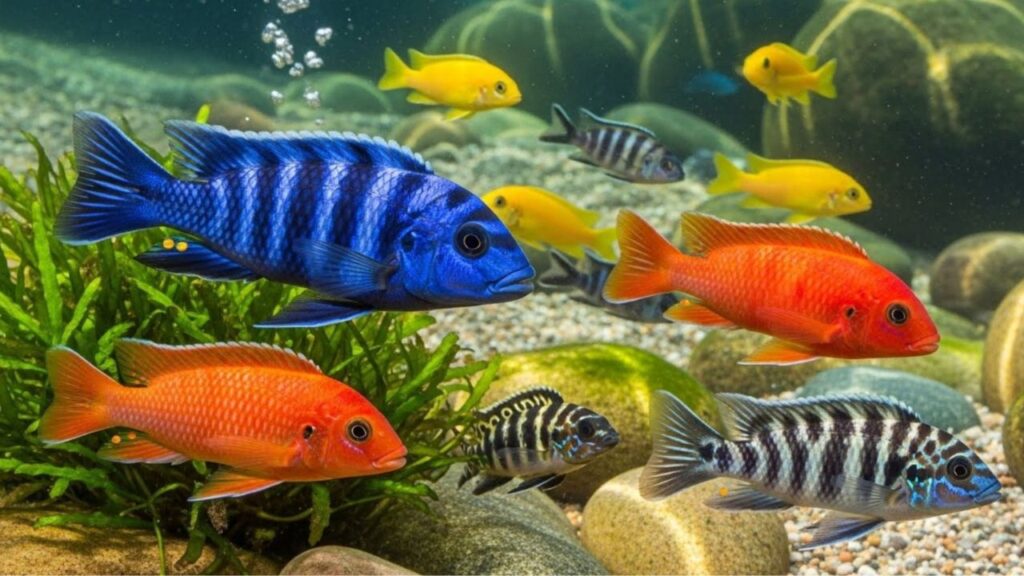
Cichlids are the DIY romantics of the ocean, especially in Africa’s Great Lakes. Many male cichlids build nests—bowls in sand, castles of shells, or even circular arenas—to attract females.
Courtship manners include vivid shade changes, fin flares, and dances that say, “This nest is safe, I am healthy, and your eggs will thrive.”
Some species collect shiny pebbles or shells as “gifts,” arranging them just so to woo passing females. Others maintain “sand gardens,” constantly tidying. Quality construction is a signal of stamina and territory control. In crowded neighborhoods, it’s also a way to avoid fights: the best builders attract mates without constant brawling.
Their displays can be complex. A male may lead a female in a zigzag path to the nest, quiver to point at the exact spot for spawning, and produce soft sounds by vibrating muscles and the swim bladder. Researchers recording these low‑frequency sounds found they help close the deal in murky water where vision isn’t perfect.
Fun tidbit: Mouthbrooding is common—after spawning, the female (and in some species the male) gathers fertilized eggs into the mouth to protect them until they hatch. Imagine carrying your nursery in your cheeks for weeks. It’s one way cichlids raise survival odds in a place full of hungry neighbors.
5. Stickleback
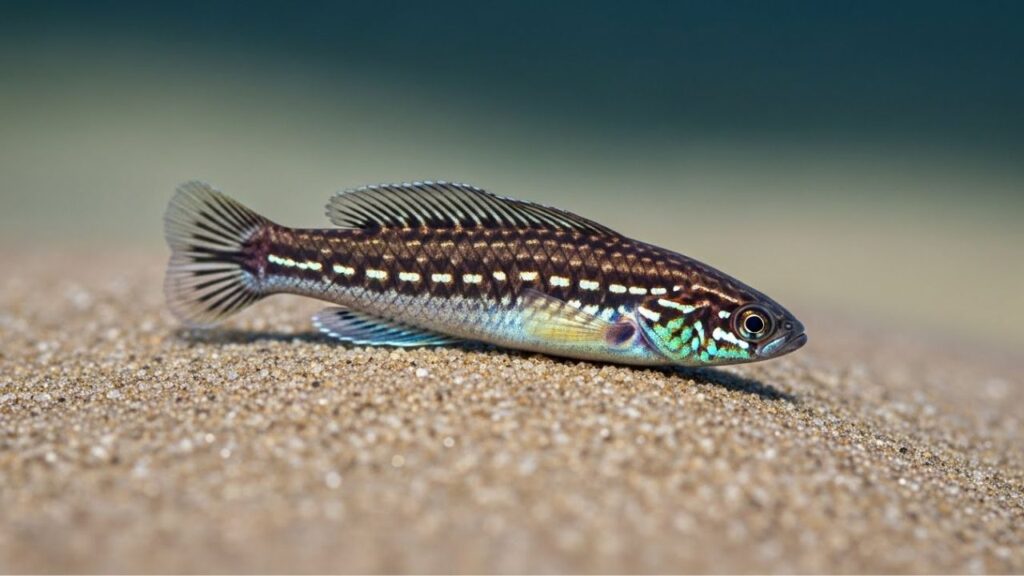
Then he builds a nest by gluing bits of plant and grass together with a special protein he secretes, creating a tidy tube on the substrate.
Courtship involves the famous zigzag dance. The male darts in angled paths toward the female, then back to the nest, essentially saying, “Follow me, please admire the real estate.” If the female approves of the construction and the location, she swims into the nest to lay eggs. The male then fertilizes them and starts full‑time guard duty.
The behaviour here shows clean, testable signals. Colour indicates health; dance shows vigor; nest proves skill and territory. PMC says Scientists love sticklebacks because their courtship is easy to observe and strongly linked to measurable traits—a perfect model for understanding how displays evolve.
6. Cardinalfish
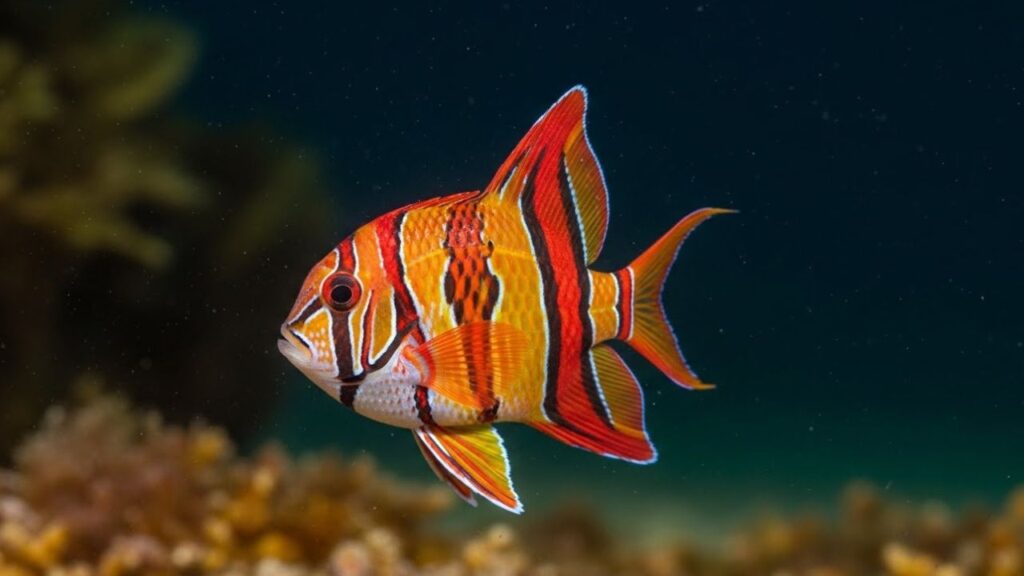
Cardinalfish are night owls with a twist: paternal mouthbrooding. After courtship, the female lays sticky eggs that the guy quickly scoops into his mouth. He’ll carry them—carefully—not swallowing, not feeding much, for weeks until hatching.
Talk about commitment; that’s a longer fast than most New Year’s resolutions.
Courting conduct includes gentle nudges, synchronized swimming, and color shifts that help the pair coordinate in dim light among coral and rock. The female assesses the male’s body size and mouth volume—yes, mouth real estate matters when your partner is going to babysit the brood.
While brooding, males avoid fights and flashy moves to keep the eggs safe. Researchers have observed males choosing quieter corners of the reef and timing broods to avoid peak predator activity. The relationship strategy: stay calm, keep still, raise the kids.
Fun tidbit: Some cardinalfish build stable pairs across multiple breeding cycles, returning to their favorite ledges or coral heads. For divers, a patient watch at night can reveal a male gently “rolling” the clutch to aerate it—an understated display of excellent fish parenting.
7. Anglerfish
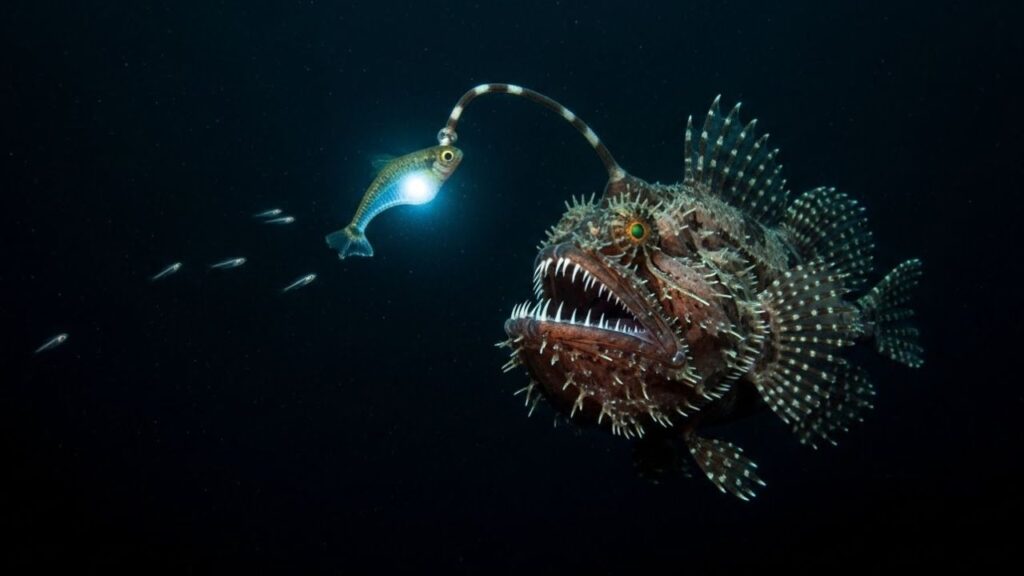
In the deep ocean—where sunlight is a rumor—anglerfish have an odd and extreme love life. Many species show dramatic sexual differences: the female is large and carries a glowing lure (a bioluminescent organ) on her head, while the gentleman is tiny, built for one job: find a female in a vast, dark world.
Courtship here is a search mission. The guy uses an acute sense of smell to locate a female’s pheromone trail. Once he finds her, he bites and fuses to her body, connecting circulatory systems. He becomes a permanent mate, providing sperm on demand while the female handles, well, everything else. It’s biology’s strangest marriage contract.
While this “attachment” looks shocking, it’s a successful solution in a habitat where encounters are rare. If you only meet a potential mate once in your life, better make it a long association. Researchers studying these creatures have discovered immune-system oddities that allow fusion without rejection—deep‑sea love requires deep‑sea science.
Fun fact: National Geographic says that though they are mostly cranky, their glowing lure isn’t just for feeding; it likely plays a role in attracting attention during the mating search.
In some species without permanent fusion, dudes still make careful approaches, using light and touch to avoid becoming a snack before becoming a mate.
Conclusion
Fish courtship is more than a quick fin shake—it’s architecture, dance, colour, sound, and strategy. From the pufferfish’s perfect curl to the seahorse’s morning duet, each display is a message: “I’m healthy, I’m reliable, and our eggs will have the best shot.” That’s the heart of reproduction in water, where timing, location, and presentation make the distinction between success and “maybe next tide.”
These manners help us understand evolution in action. Displays that impress also inform: they tell us about habitat quality, environmental change, and how life adapts. As science peels back more layers, we learn why some rituals persist for generations while others shift with ocean conditions.
If you love the sea, keep your mask clear and your curiosity clearer. Comment to your dive buddies about the sand circle you spotted, share that seahorse tail‑twine video, and celebrate the creativity of nature. Fish romance is everywhere—quiet and utterly captivating. And the next time you see a tiny male fanning a nest or guarding a mouthful of eggs, give a little nod. That’s love, underwater edition.
