




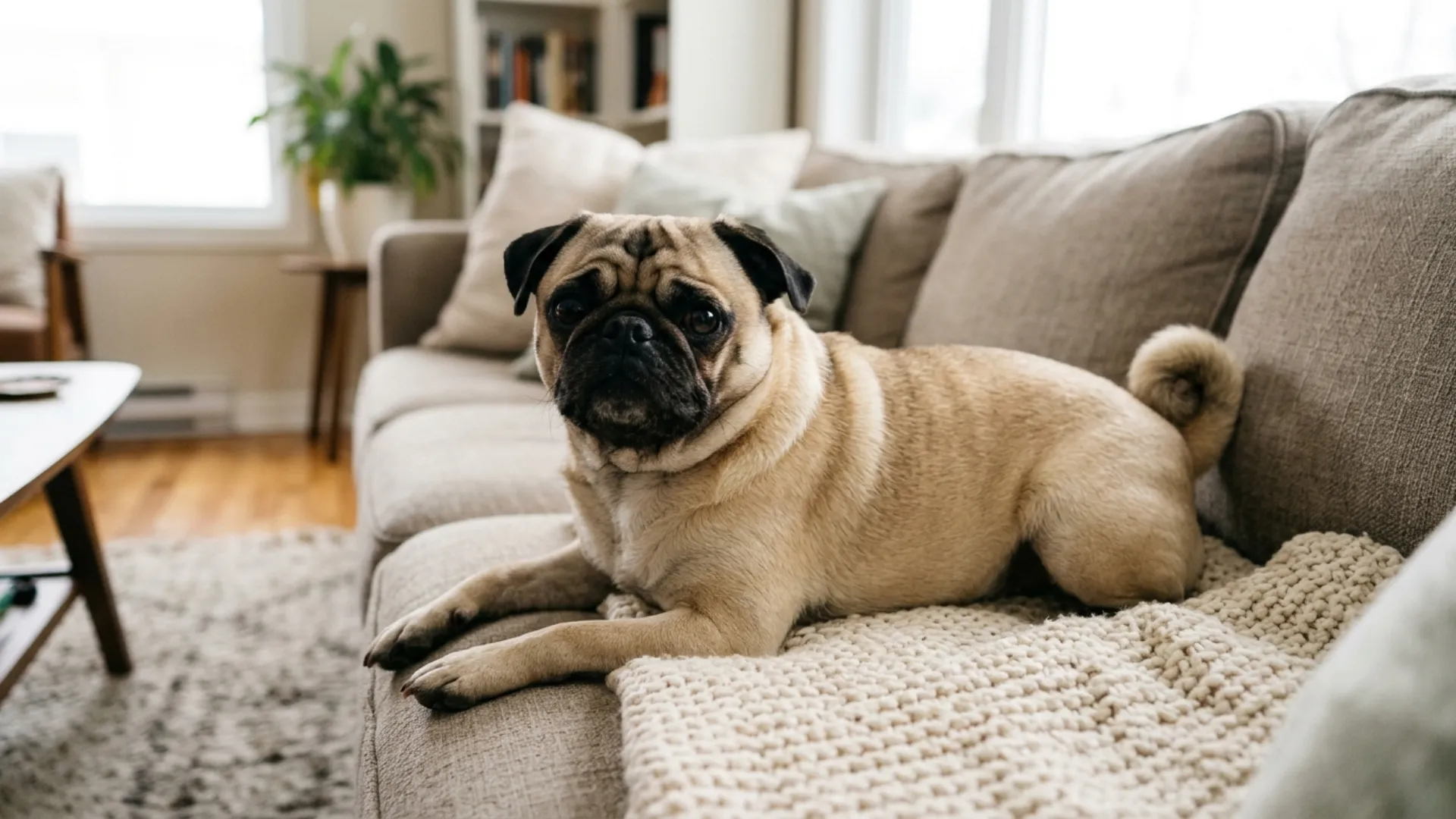
If your idea of a perfect weekend involves oversized blankets, warm tea, and endless lounging, you are not alone—and your ideal furry companion shouldn’t be high-strung either. Enter the world of unenergetic dog breeds, where low-speed snuggles take priority over marathon game sessions.
These naturally calm pups treat resting like a full-time job, seamlessly blending into peaceful households without demanding hours of intense exercise.
Far from being boring, these cozy canine couch potatoes bring a sweet, gentle charm to everyday life. They are perfectly content with quiet mornings, easygoing strolls around the block, and long afternoon naps right by your side.
For anyone looking to trade chaotic game sessions for simple, relaxed companionship, these sweet-tempered breeds deliver all the love with none of the rush.
Unenergetic Dog Breeds Perfect for the Cozy-Home Lifestyle
1. Newfoundland
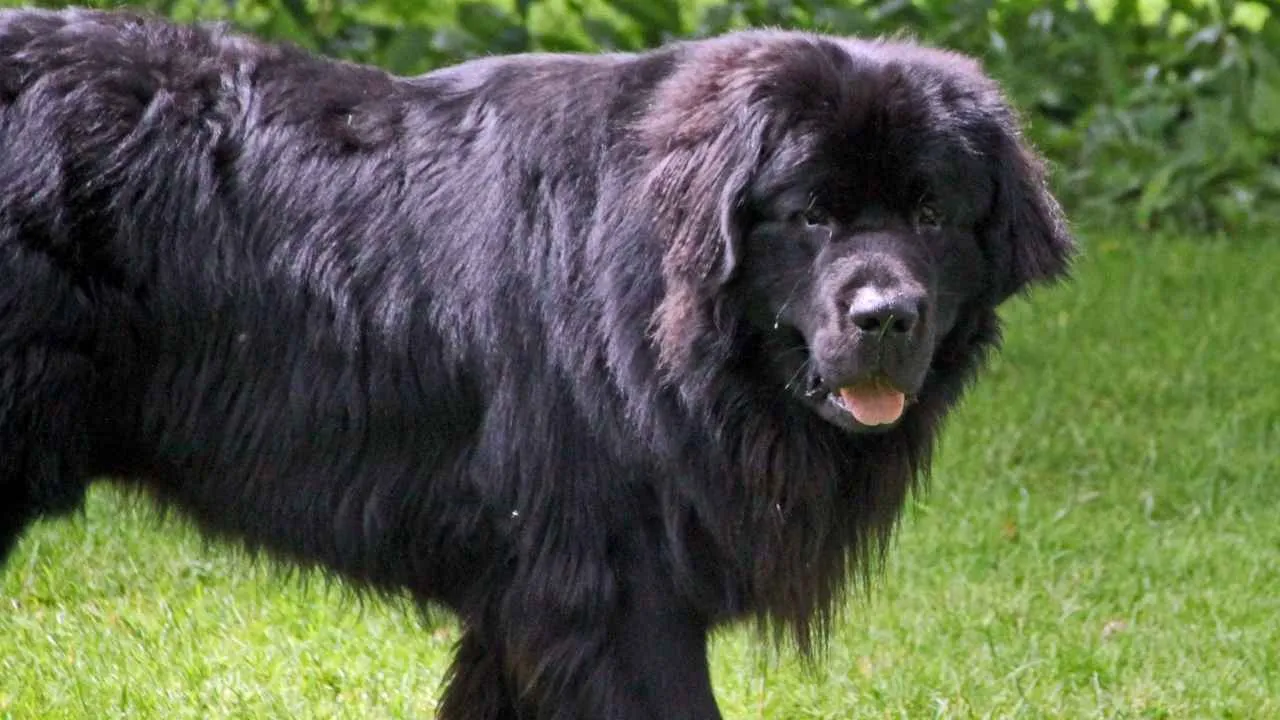
A Newfoundland could probably out-swim an Olympic lifeguard, but ask it to fetch twice, and it will negotiate. 30 minutes of relaxed walking or a splash in the water is really all this gentle giant needs to hit its daily energy floor.
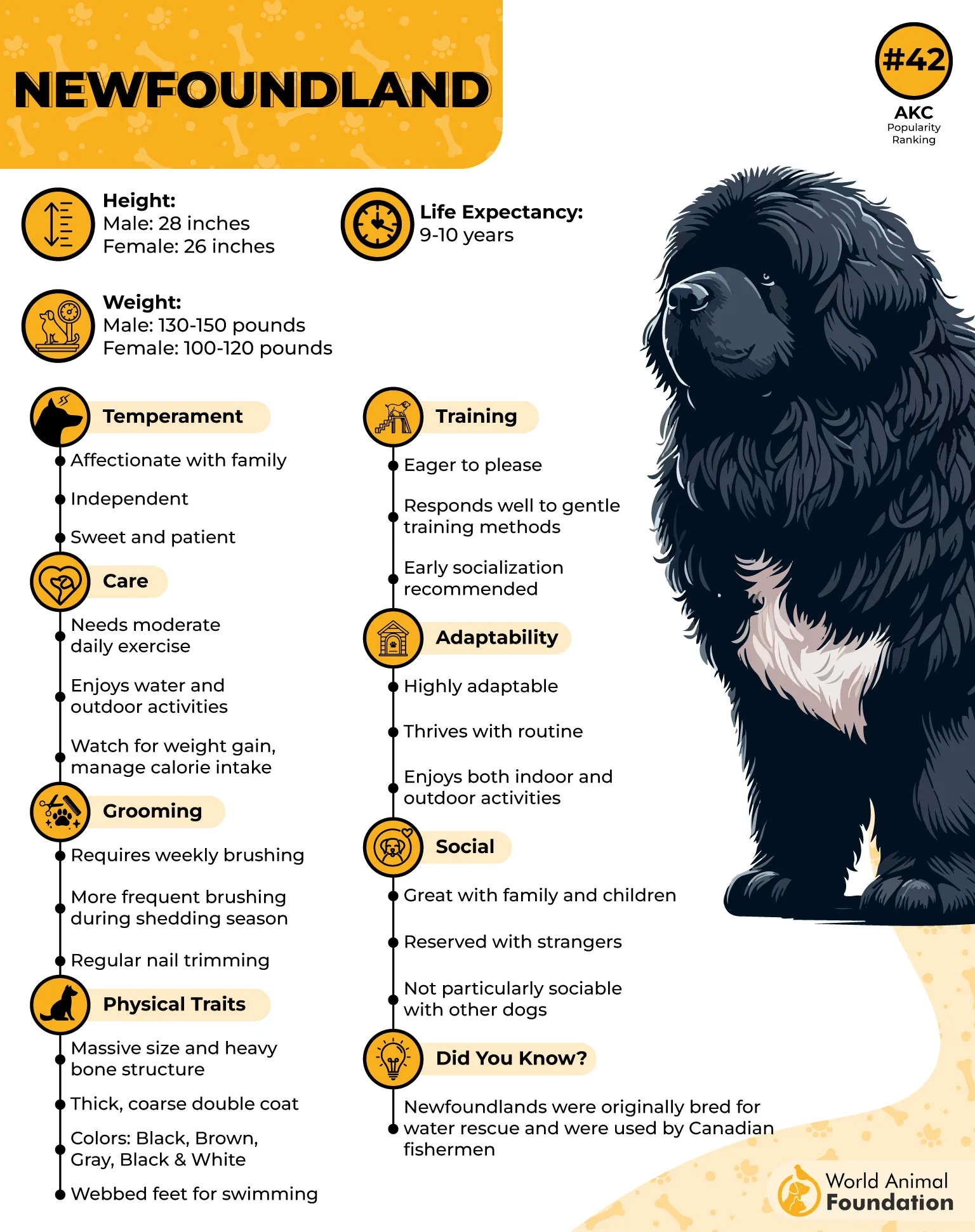
This calm nature comes from temperament rather than any physical limit, since the AKC notes the breed was originally bred for water rescue work and still carries real stamina underneath the laid-back exterior.
Weight gain: A frame this large carries extra pounds badly, straining the heart and hips.
Joint stiffness: Giant joints lock up quickly without regular, gentle movement.
Boredom chewing: An understimulated Newfoundland turns furniture into a personal project.
People assume this quiet breed needs zero exercise because it looks permanently sleepy. Skipping that routine quietly costs a Newfoundland its well-being long before anyone notices, so keeping movement steady matters more than it looks.
2. Clumber Spaniel
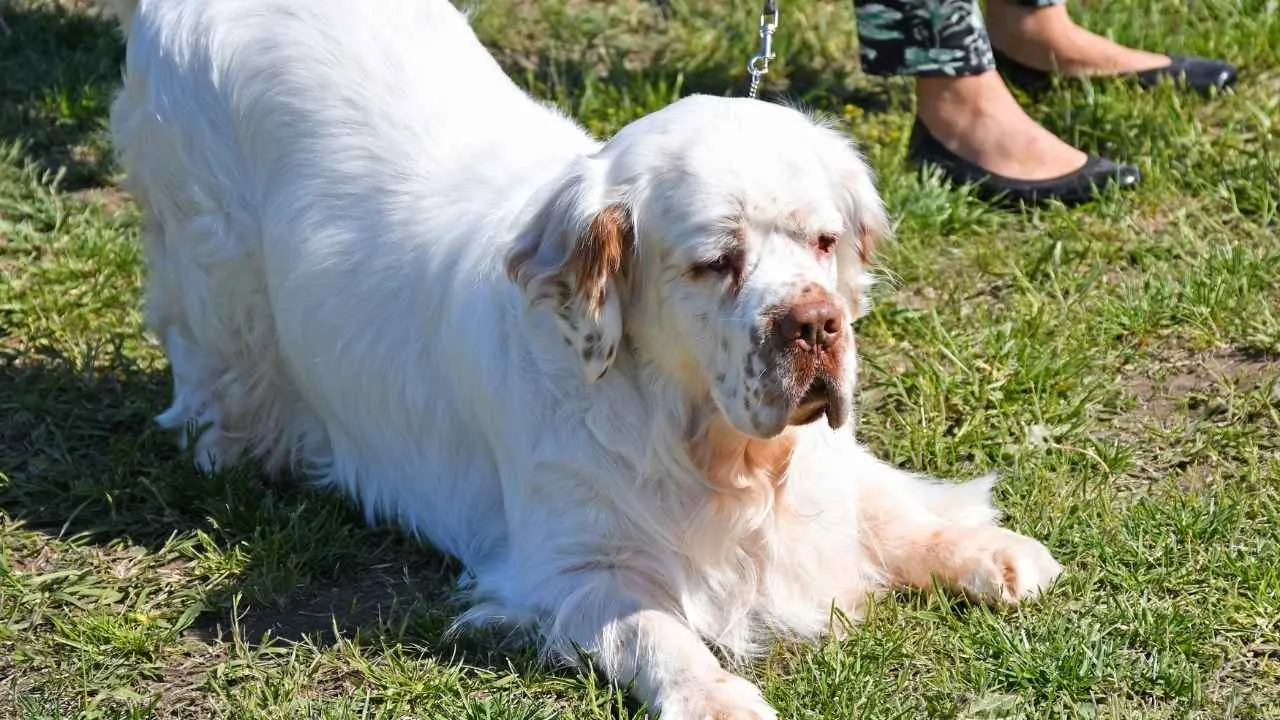
The Clumber Spaniel is technically a sporting dog, yet it moves through life like it is personally offended by hurrying. About 30 minutes of easy walking covers its energy floor just fine.
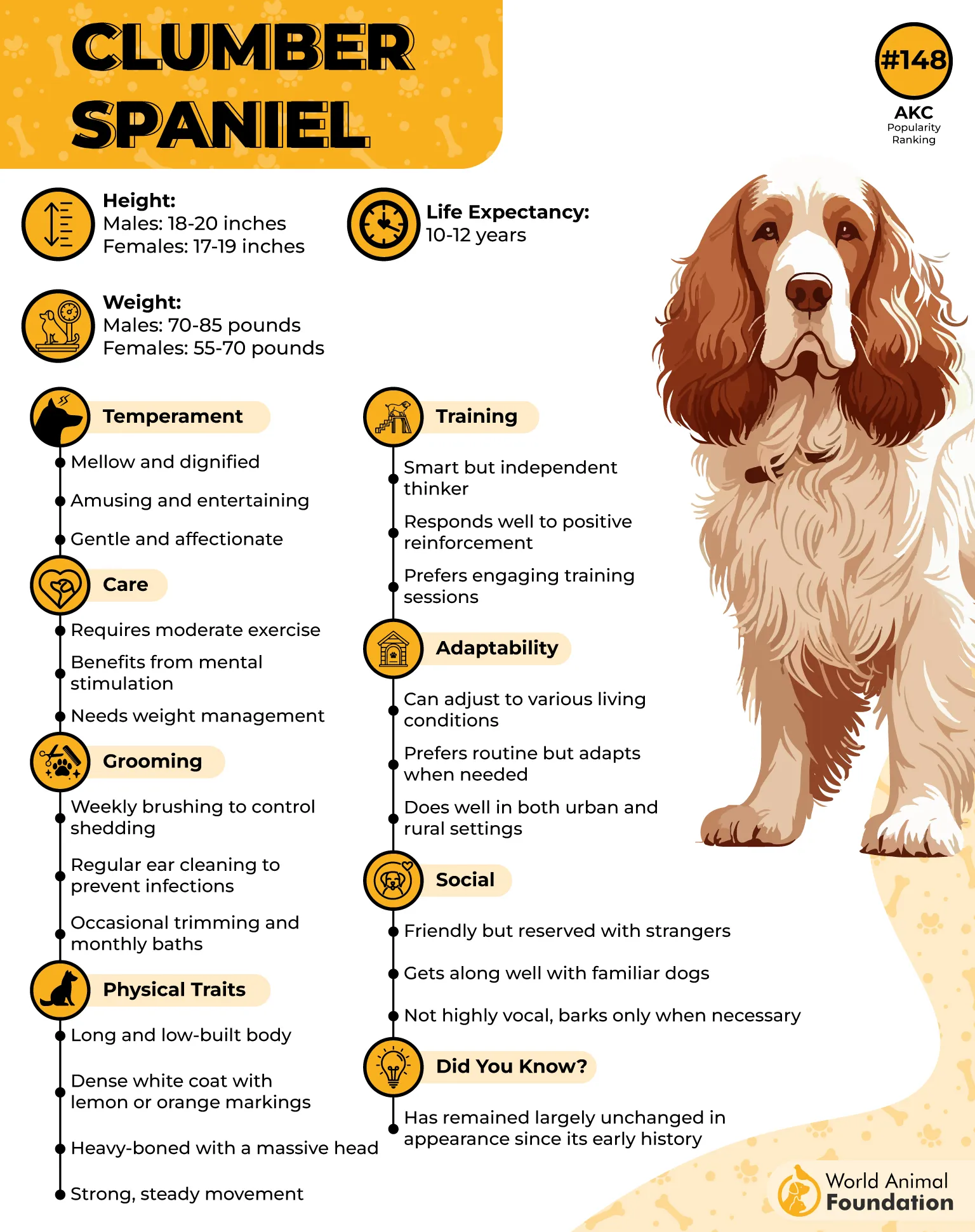
This low drive is mostly temperament, not body design, since the breed was originally bred to plod steadily through fields rather than sprint after game.
Weight gain: A low drive on a stocky build adds up fast around the middle.
Skin issues: Heavy skin folds trap moisture and irritation without regular care.
Low motivation: A Clumber left alone too long simply stops wanting to move at all.
Owners often mistake this breed’s calm for laziness that needs no attention. Underneath the slow pace is still a sporting dog that benefits from a steady daily routine, not an empty one.
3. Pekingese
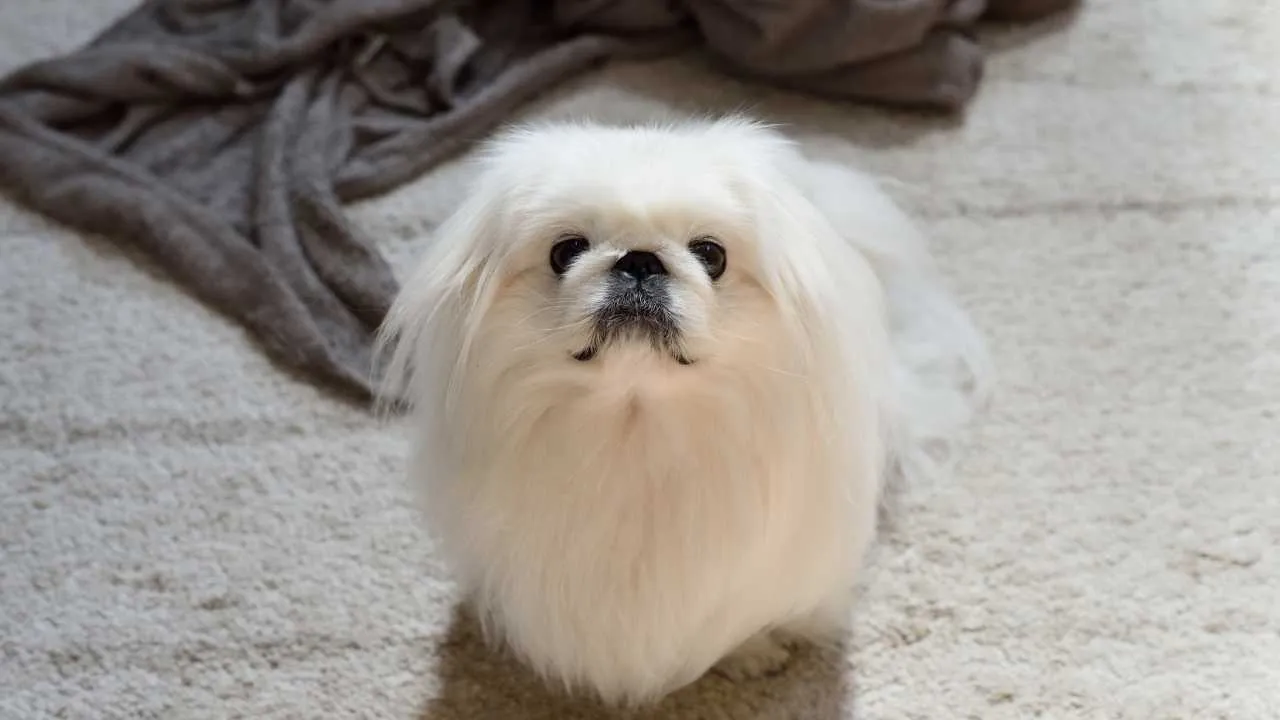
A Pekingese struts around like royalty, because historically, it practically was. 15 to 20 minutes of short, easy walks is plenty to meet this tiny dog’s energy floor.
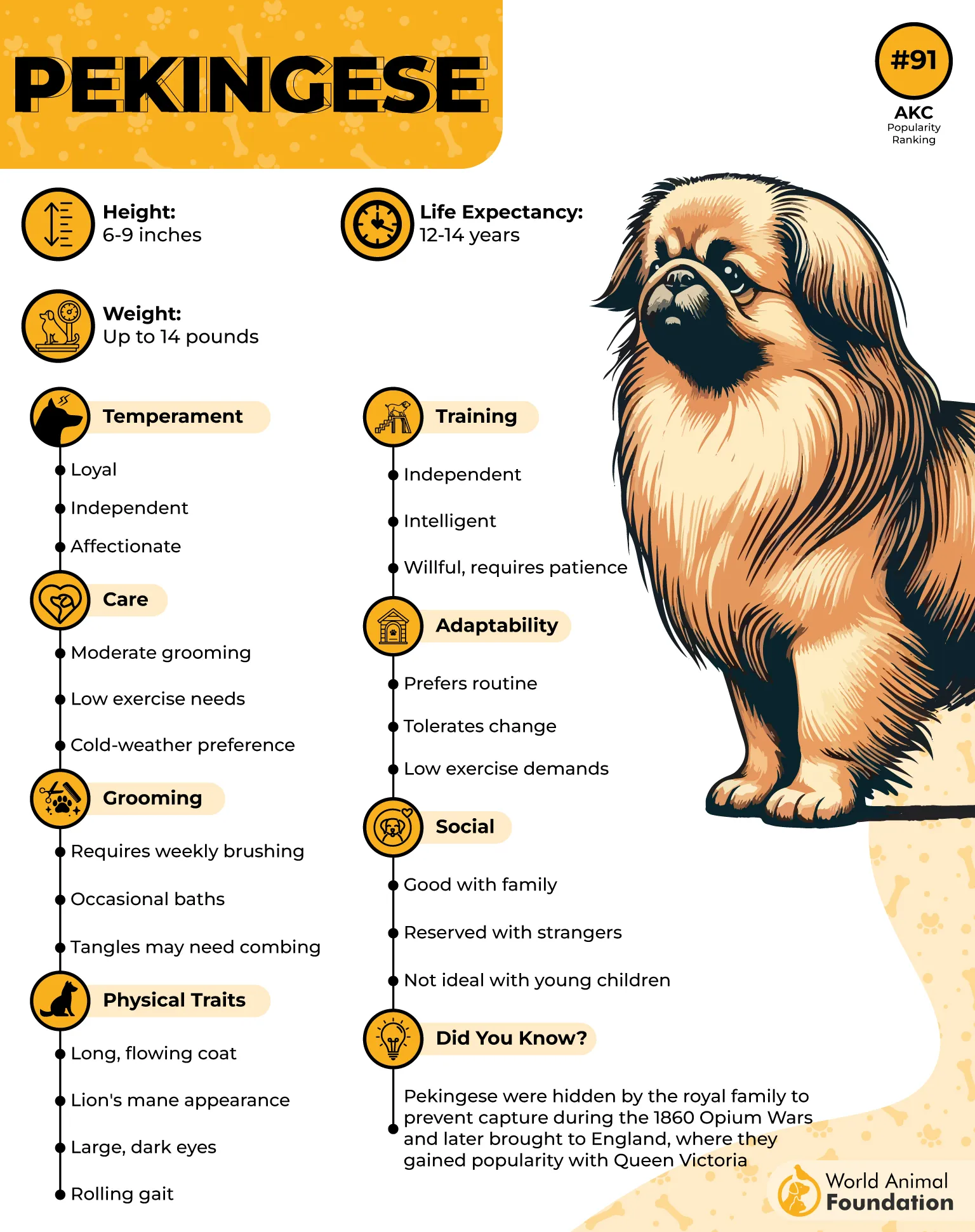
This low energy comes from structure, not attitude, since VCA explains that the breed’s flat face and short airway make heavy exertion genuinely harder on its body. They are perfectly suitable for apartment living.
Breathing strain: A short muzzle leaves little room for heavy panting after exertion.
Weight gain: Minimal movement paired with a small frame tips the scale quickly.
Overheating: Limited airflow makes this breed slow to cool down on warm days.
People assume a lap dog this small must be the easiest breed alive to exercise correctly. The truth is this flat-faced royal still needs a deliberate, gentle routine, not a skipped one.
4. Pug
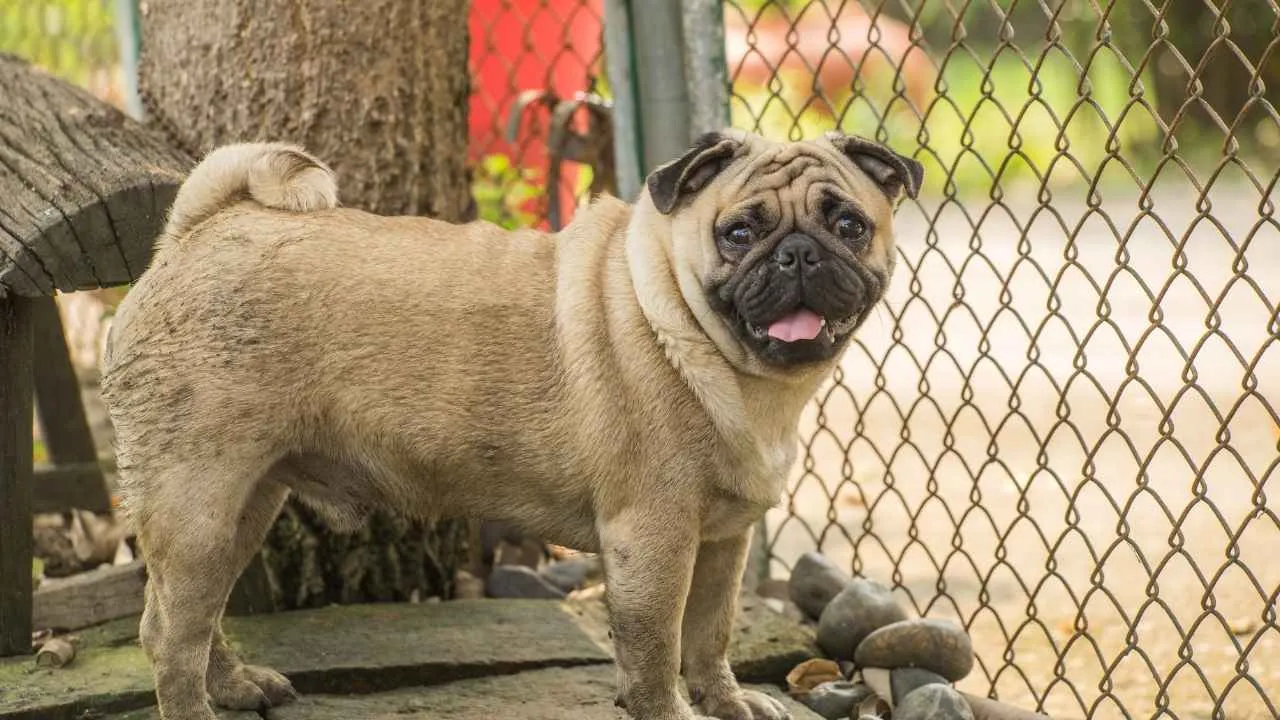
A Pug would happily make the sofa a permanent address, but even this comedian needs a little structure. 20 minutes of gentle daily walking covers its full energy floor.
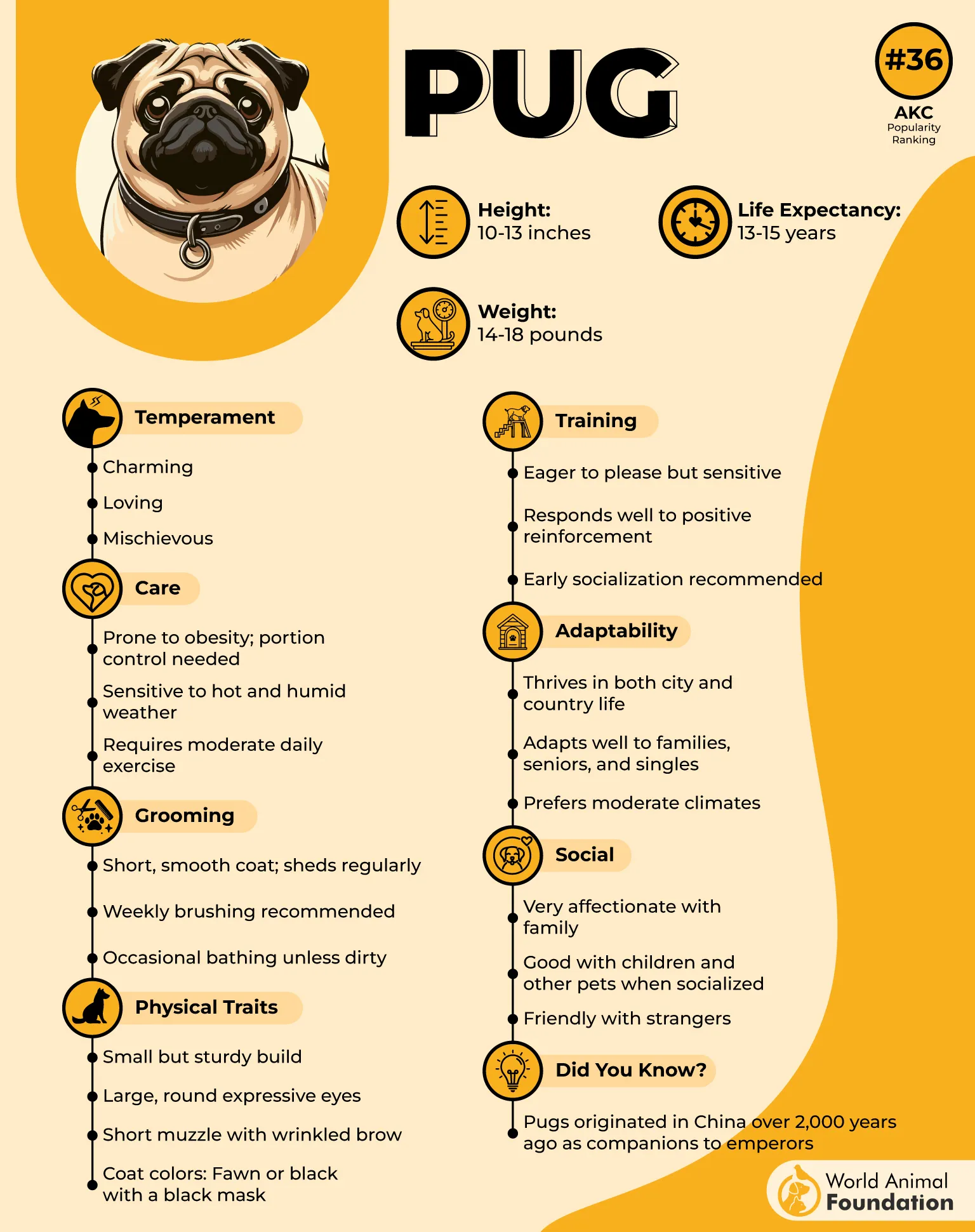
This low drive is structural first, since PetMD points out the Pug’s short snout and compact build make strenuous activity harder and riskier than it looks.
Weight gain: This breed famously struggles with its waistline once movement drops too low.
Joint stiffness: A stocky frame carrying extra pounds wears down the knees and hips fast.
Heat intolerance: Short noses struggle to cool down during anything more than light activity.
A popular myth treats the Pug as a breed that needs basically nothing physical at all. Skipping movement entirely only makes this food-loving comedian’s existing health struggles worse, not better.
5. Japanese Chin
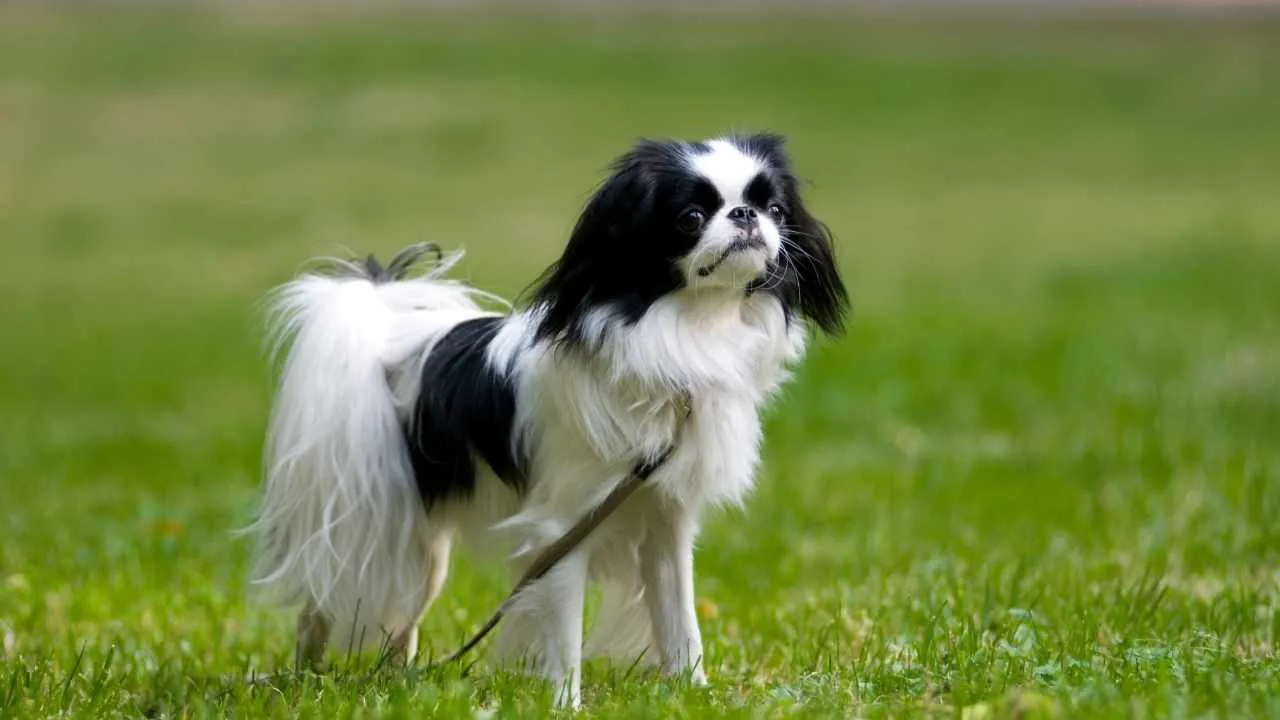
The Japanese Chin behaves more like a cat than a dog, often grooming itself and lounging by choice. About 20 minutes of gentle indoor play and a short walk is all it needs daily.
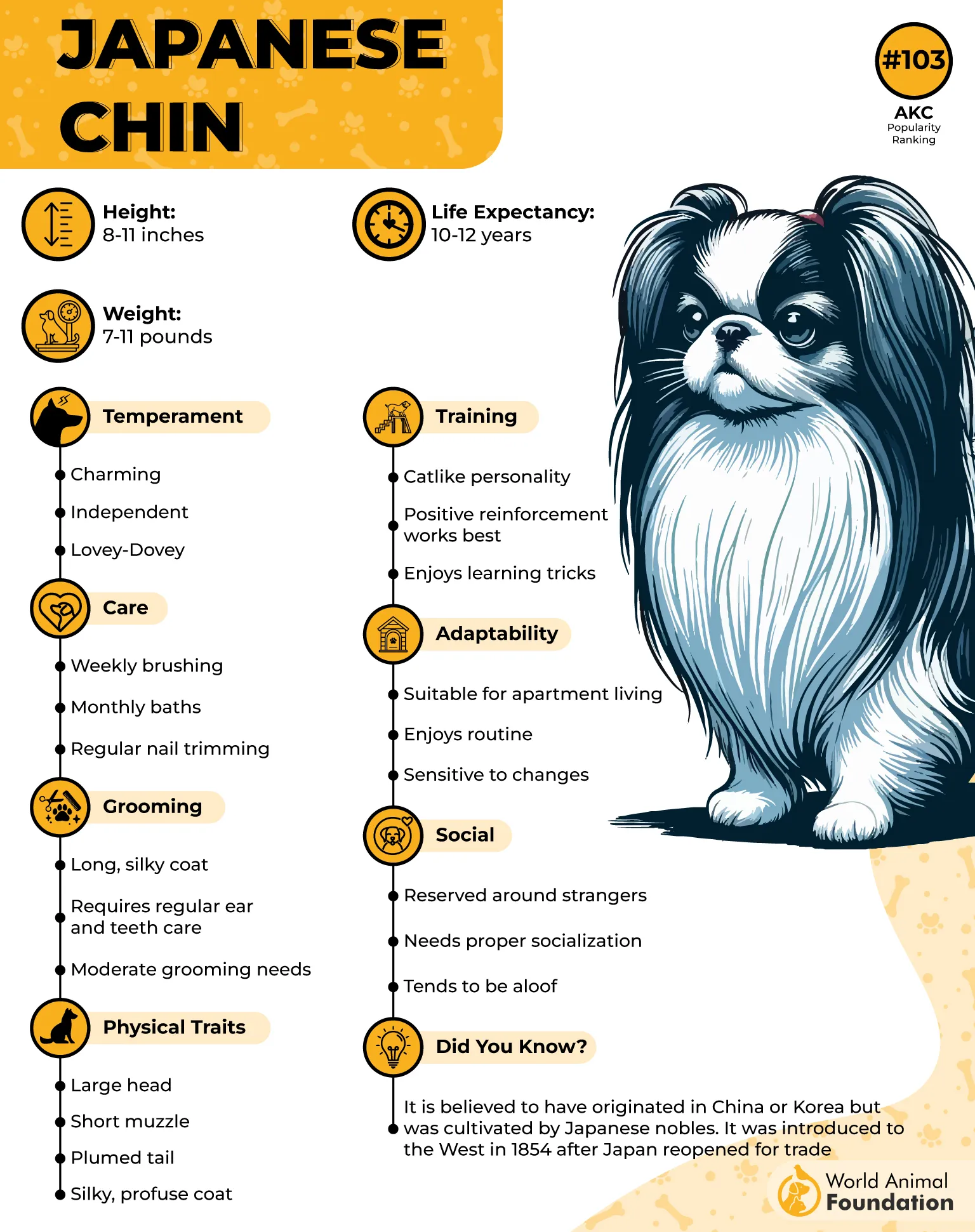
This low-energy nature is temperamental more than physical, since the breed was originally bred purely as a palace companion rather than a working dog.
Weight gain: Tiny portions paired with little playtime can sneak up on this small frame.
Boredom behavior: An under-stimulated Chin turns to excessive barking or clinginess.
Muscle loss: Long stretches without movement weaken this breed’s already delicate frame.
Many owners assume this breed is basically decorative and skip activity altogether. A Japanese Chin still needs light, consistent movement to stay a healthy, perfectly content canine companion.
6. Great Dane
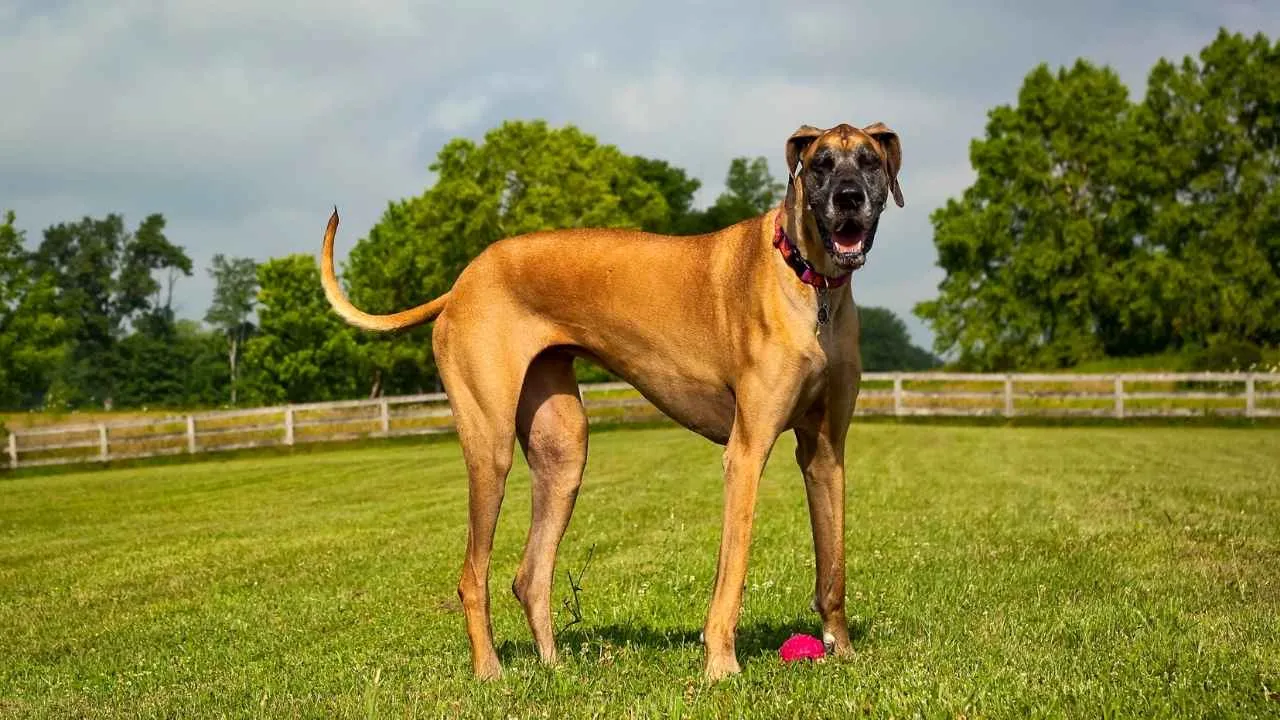
A Great Dane looks like it should run marathons, yet most are happiest taking up the entire couch. 30 to 40 minutes of relaxed walking meets this giant’s energy floor without overdoing it.
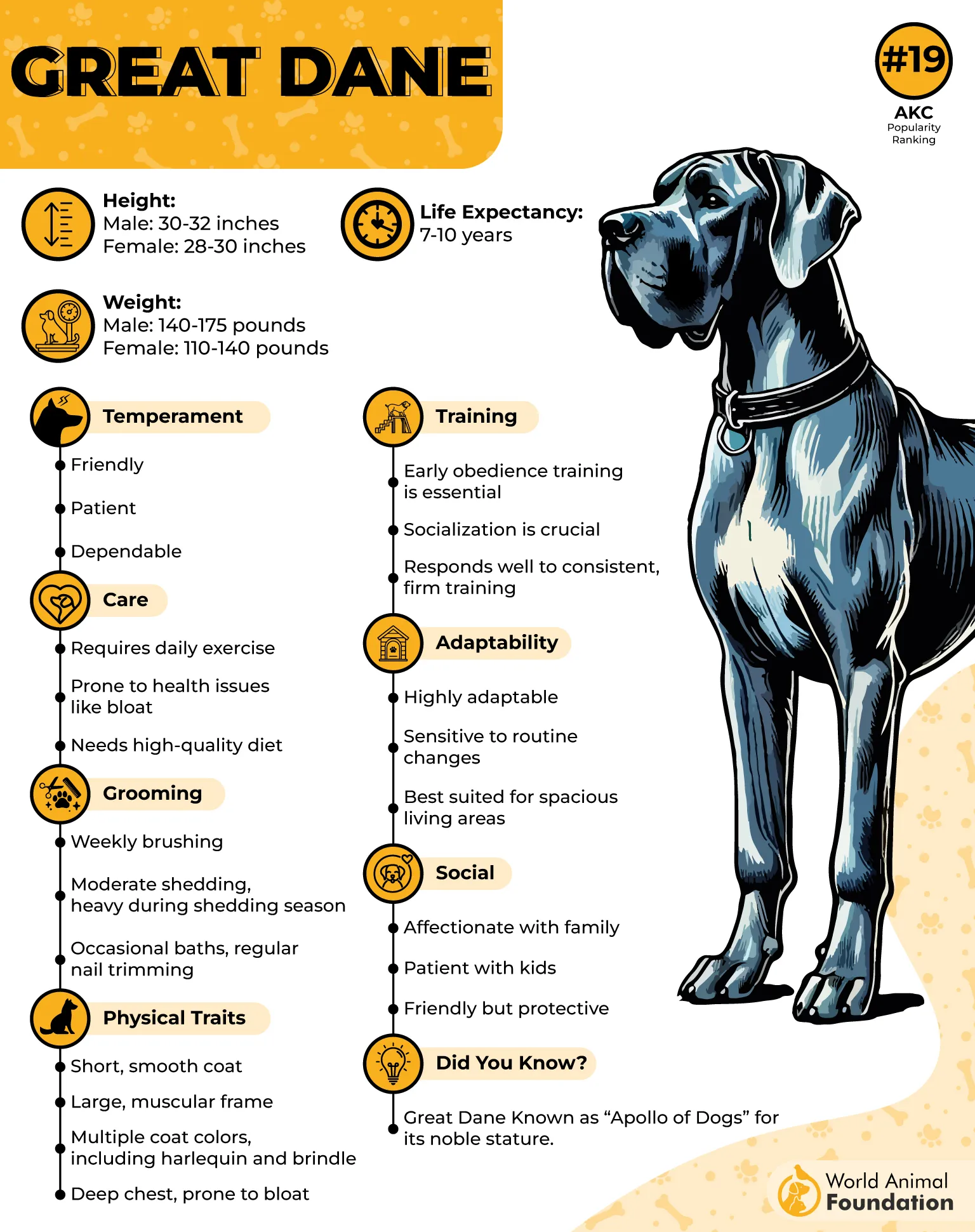
This calm comes from temperament, not frailty, since the breed was originally bred as a confident guardian with plenty of stamina it rarely bothers to use.
Joint stiffness: Rapid growth and heavy bone structure make joint care non-negotiable.
Weight gain: Extra pounds on a frame this size add serious strain fast.
Bloat risk: Low movement combined with poor feeding habits raises a known giant breed danger.
A common myth says giant breeds need giant amounts of exercise. In this Great Dane’s case, moderate exercise matters more than intense exercise, and getting that balance wrong causes real health problems.
7. Tibetan Spaniel
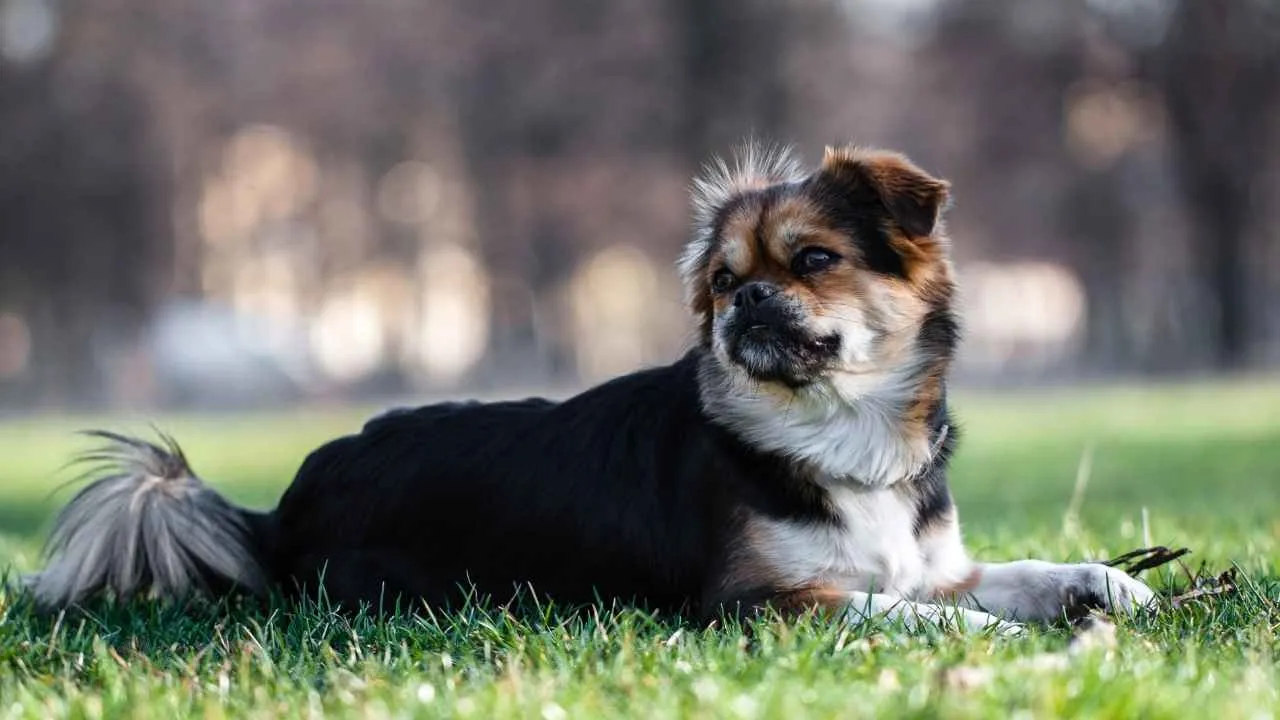
A Tibetan Spaniel would rather watch the house from a windowsill than chase anything across a yard. 20 to 30 minutes of easy walking covers this breed’s full energy floor.
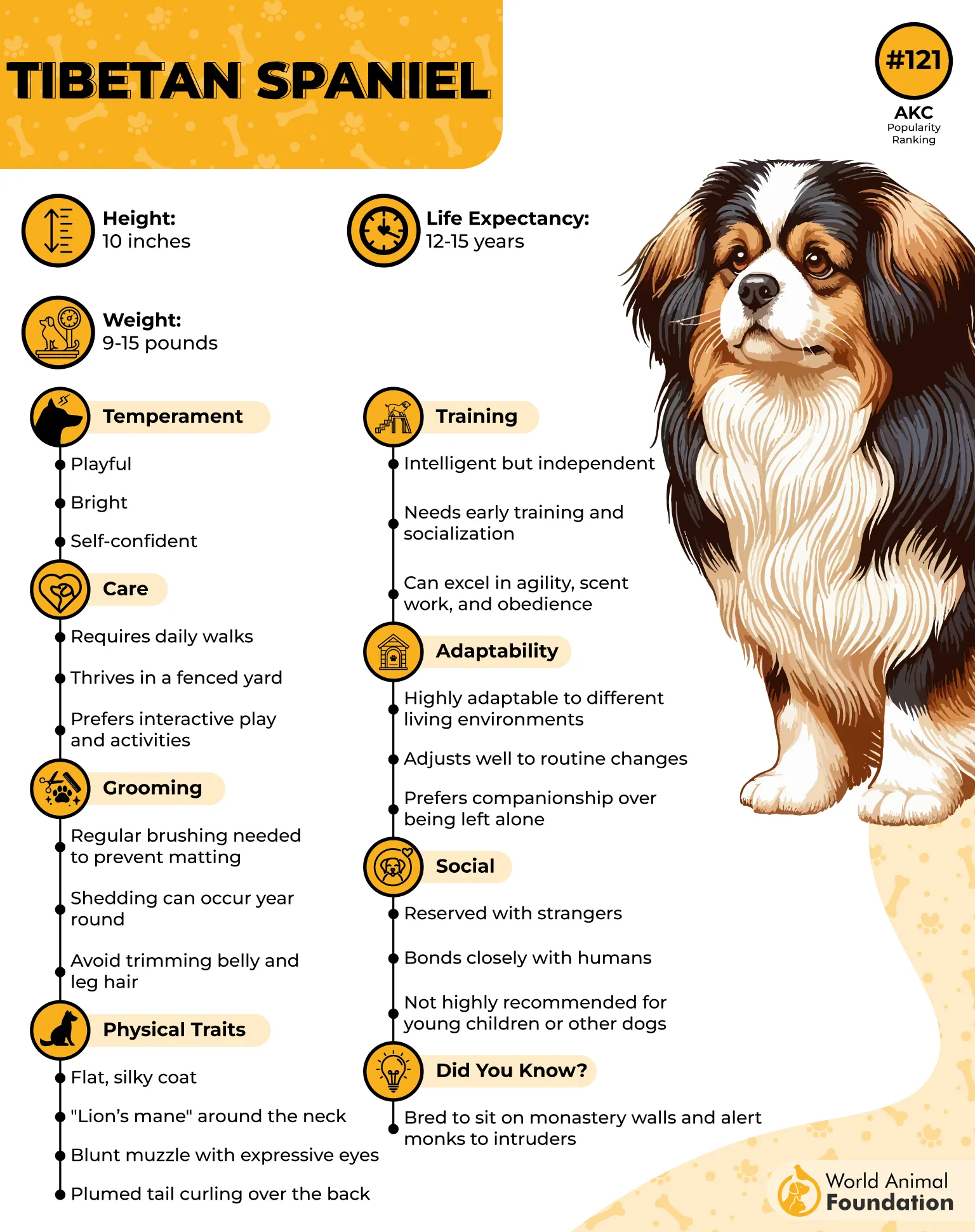
This low drive is temperament-based, not physical, since the breed was originally bred as a watchful temple companion rather than a hunter or herder.
Weight gain: Small meals and minimal activity still add up over time.
Boredom alertness: An under-exercised Spaniel barks more at every little noise.
Muscle loss: Long inactive stretches weaken this breed’s naturally light frame.
People assume a watchful temperament means this breed needs no physical outlet at all. A Tibetan Spaniel still needs daily movement to stay balanced and genuinely content.
8. French Bulldog
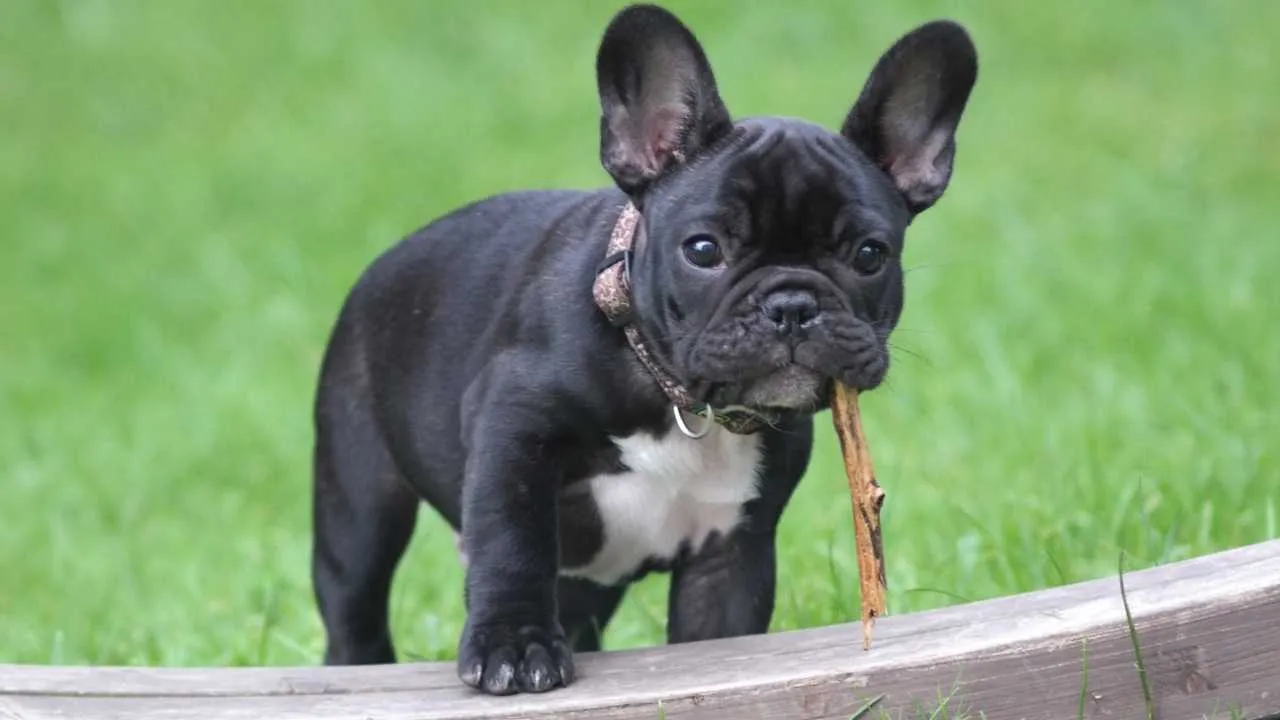
A French Bulldog can turn a 5-minute walk into a dramatic performance, snorts included. 15 to 20 minutes of light activity is this breed’s real energy floor.
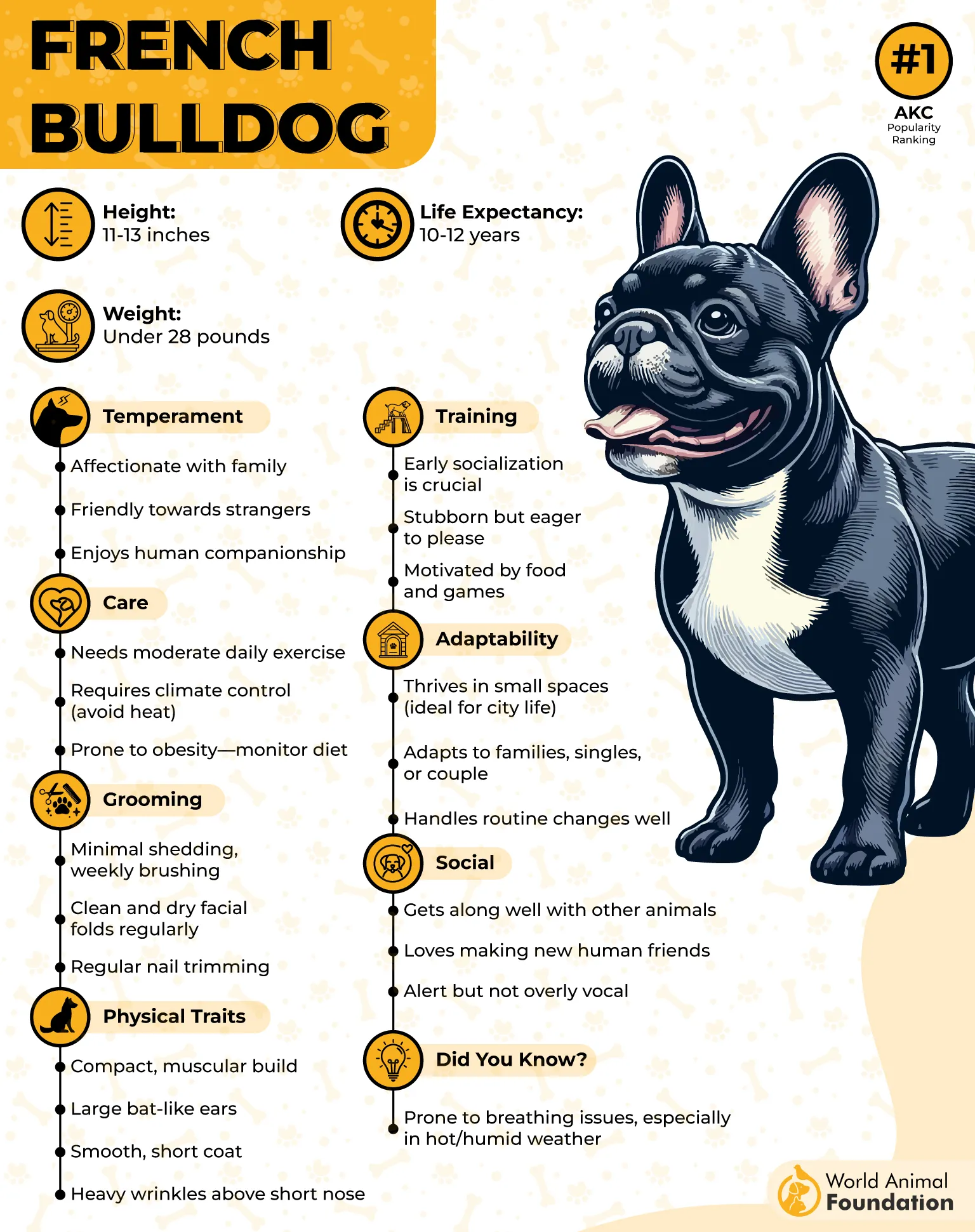
This low energy comes from structure, not stubbornness, since PDSA explains the breed’s short airway restricts airflow even during mild activity.
Breathing strain: Flat faces struggle hardest in heat or after any brisk movement.
Weight gain: A stocky build with low activity gains pounds quickly.
Overheating: Limited airflow makes this breed a poor match for long outdoor time.
A common myth treats this breed’s snorting and slow pace as proof it needs zero exercise at all. Skipping movement altogether only sets this breed up for bigger health struggles down the road.
9. Basset Hound
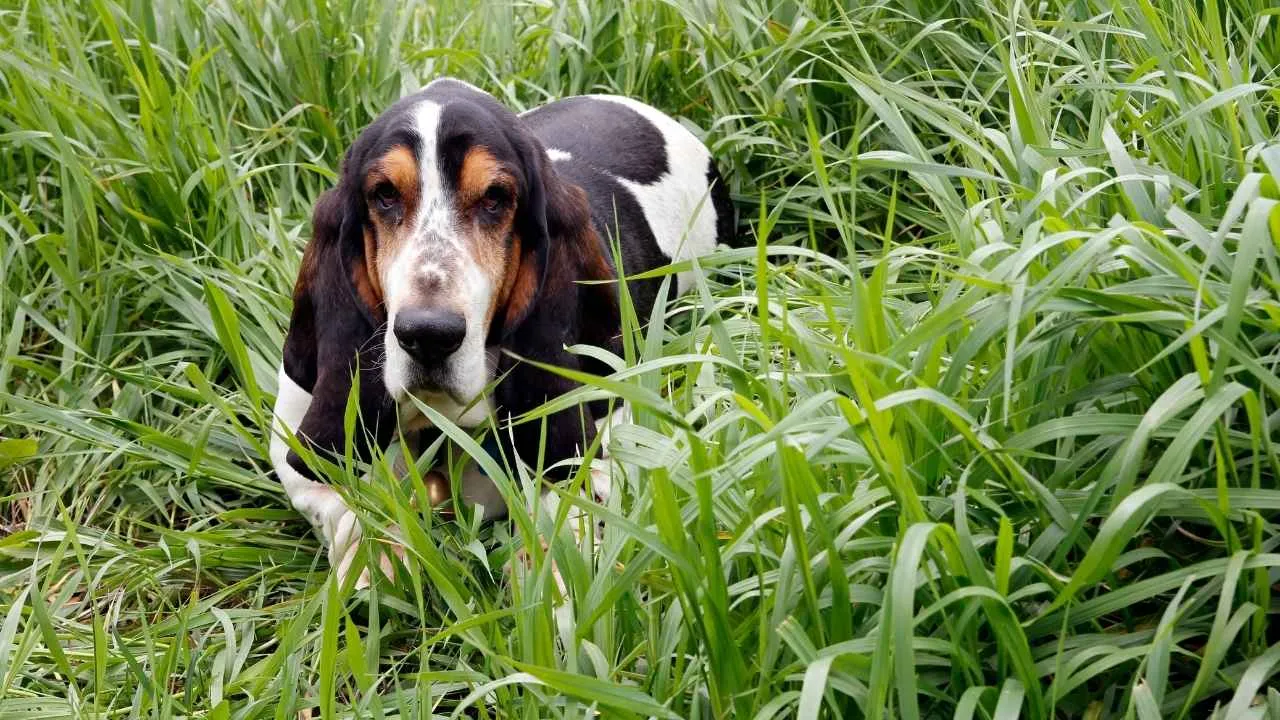
A Basset Hound’s nose could probably track a scent across three counties, yet its legs rarely agree to the trip. 30 minutes of relaxed walking meets this breed’s energy floor comfortably.
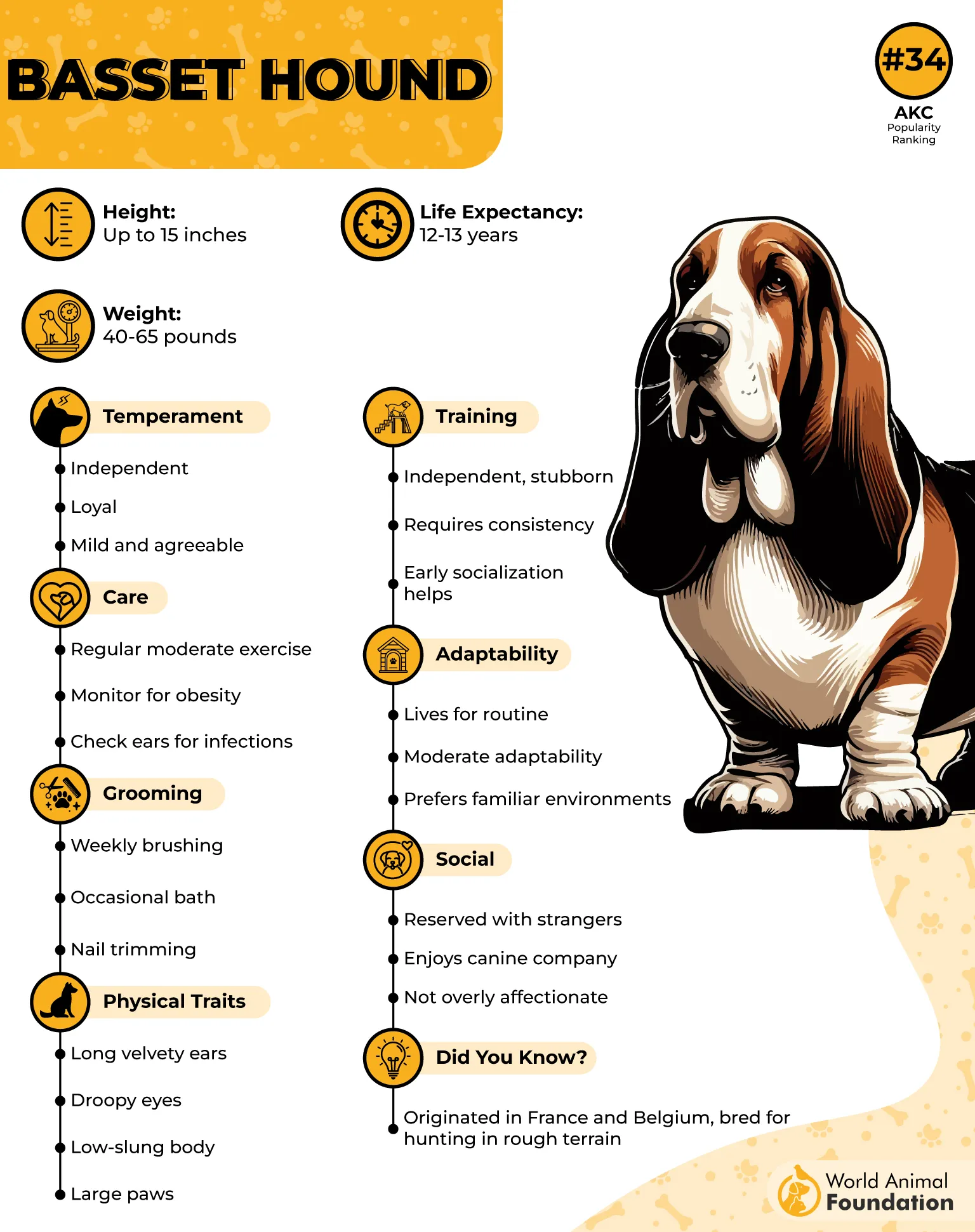
This low drive is partly structural, since short legs and a long, heavy body make fast or prolonged movement naturally more tiring.
Weight gain: Those long ears come with an equally long history of waistline trouble.
Back strain: A long spine carries extra pounds poorly over time.
Boredom chewing: A scent-driven breed left under-stimulated finds its own entertainment.
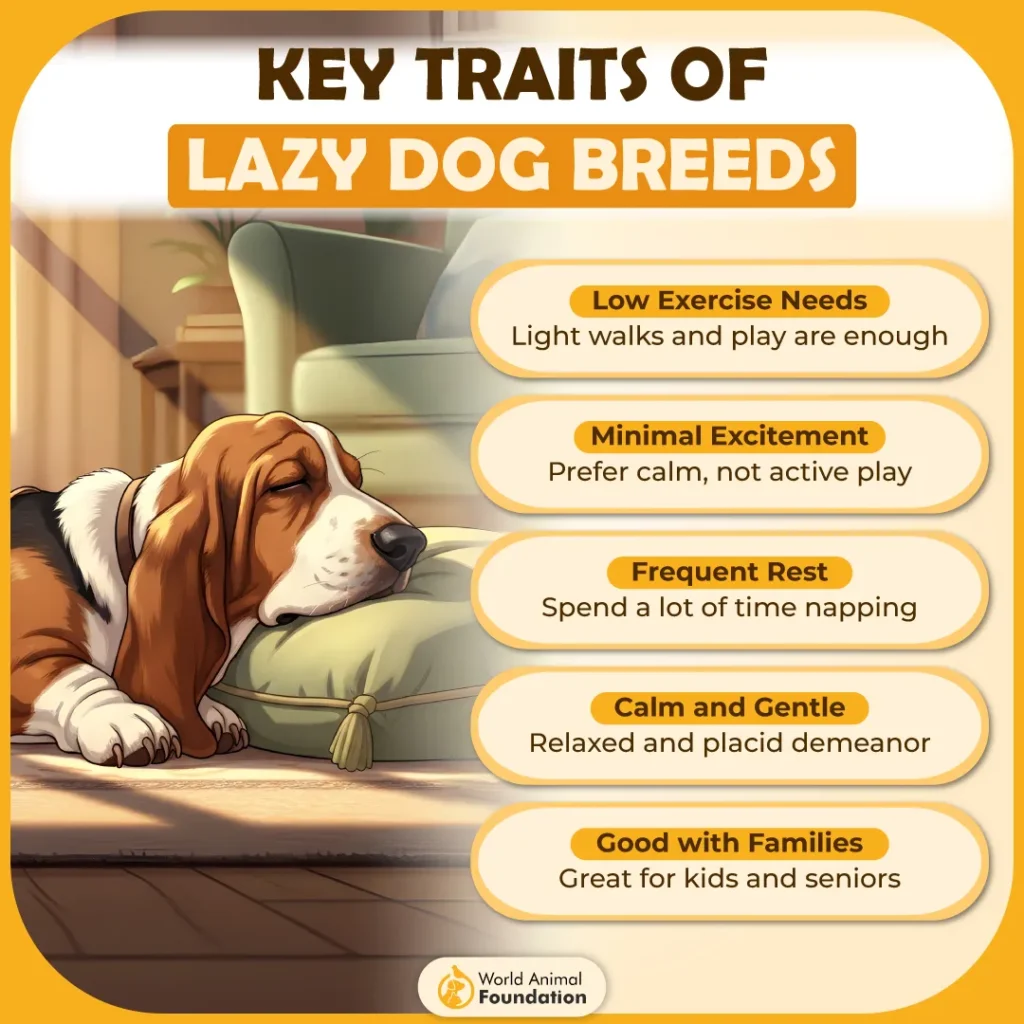
Many assume this breed is simply lazy by nature and needs no real routine at all. A Basset Hound still needs steady, low-impact movement to stay genuinely healthy, not just comfortable.
10. Saint Bernard
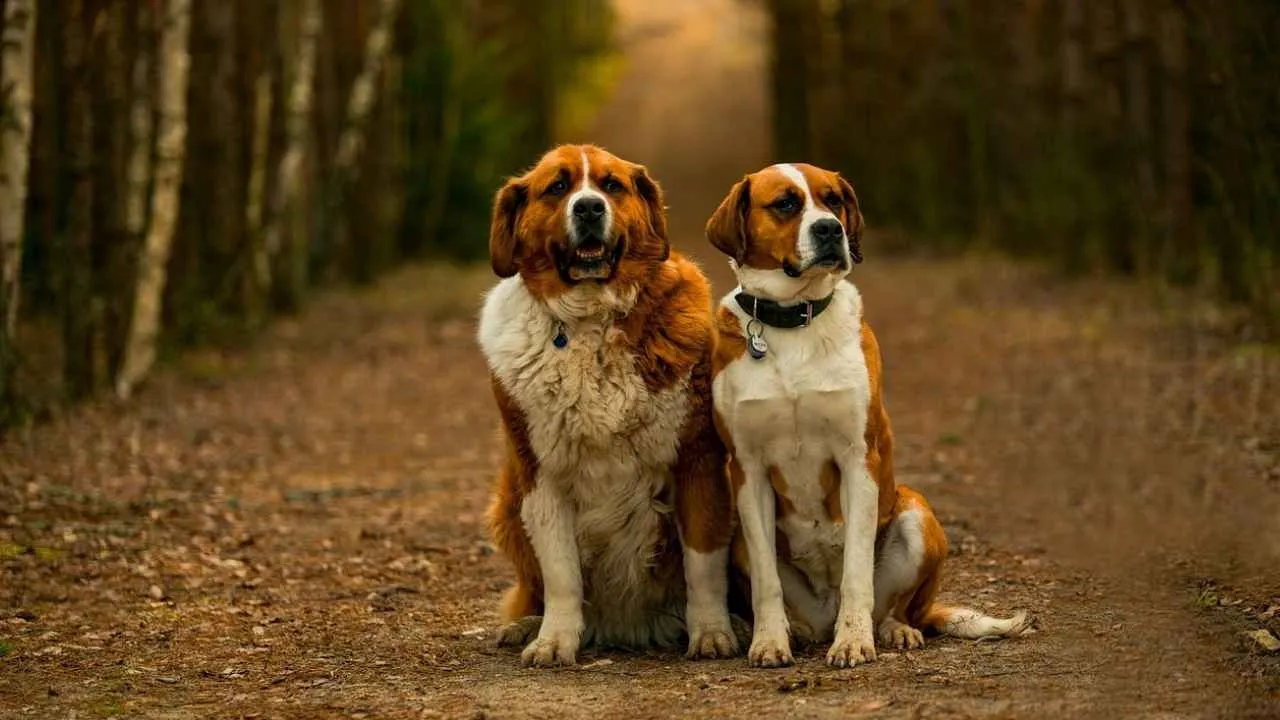
A Saint Bernard looks ready to rescue someone from an avalanche, then flops down the moment the front door closes. 30 to 40 minutes of calm walking covers this giant’s energy floor.
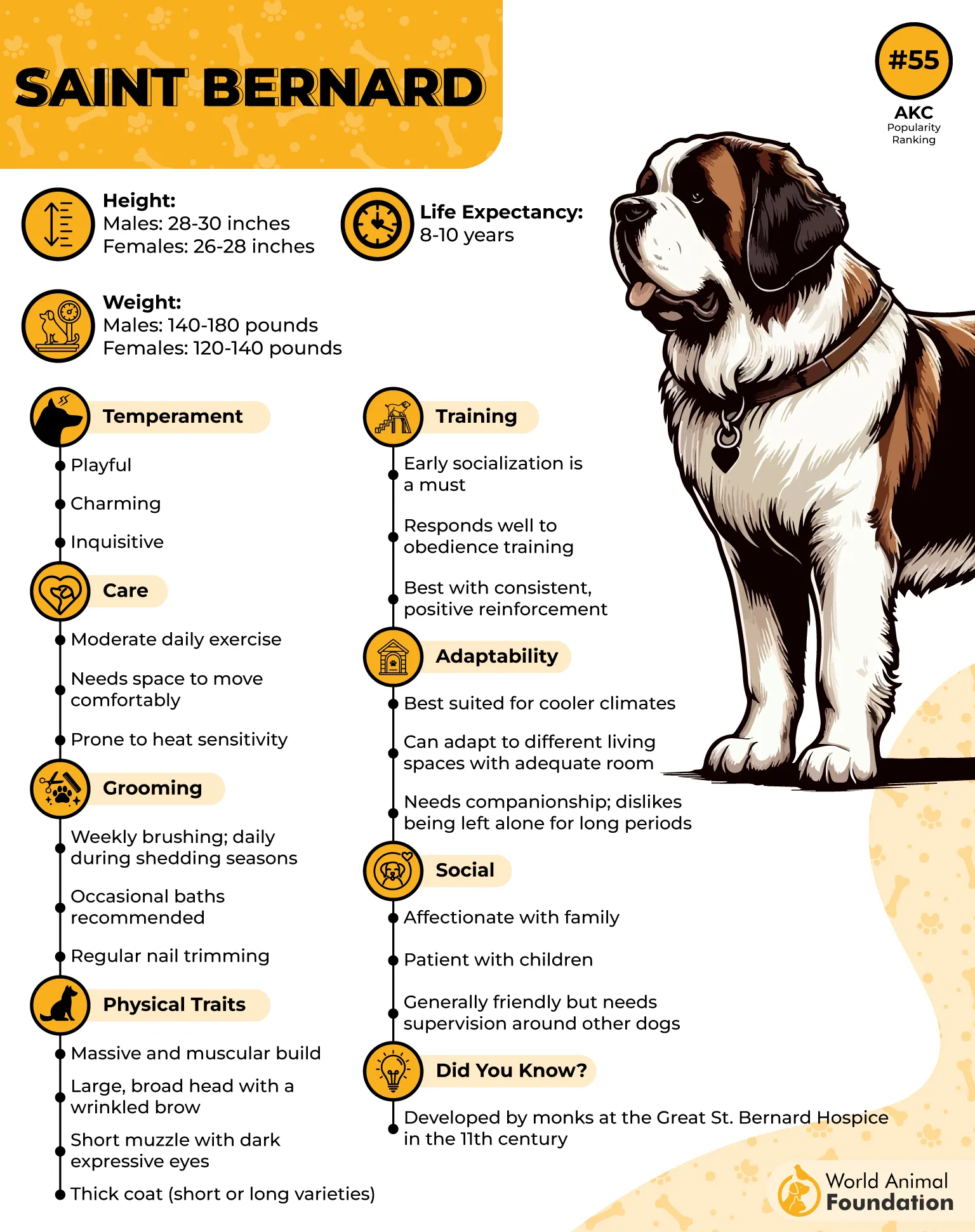
This calm comes from temperament, not weakness, since Orvis notes the breed was originally bred as an alpine rescue dog built for steady endurance, not speed.
Joint stiffness: A massive frame needs consistent movement to keep hips and knees healthy.
Weight gain: Low activity on a giant body adds strain fast.
Drooling and overheating: Heavy jowls and thick coats make this breed prone to overheating indoors.
A popular myth paints giant breeds as needing nonstop exercise to stay healthy. For a Saint Bernard, steady and moderate exercise matters far more than intensity, and skipping it entirely causes real trouble down the road.
Conclusion
Every one of these low-energy dog breeds proves that a relaxed temperament never means an empty routine, no matter how big their personalities are. A true couch potato still carries a small, real energy level worth protecting, from apartment dwellers to big houses alike.
Match your own daily rhythm against that energy floor before you commit, and you’ll end up with one of the most loyal, perfect companions for a sedentary lifestyle. Pick the breed whose minimal activity actually fits your energy level, then go meet your future couch buddy today.
