




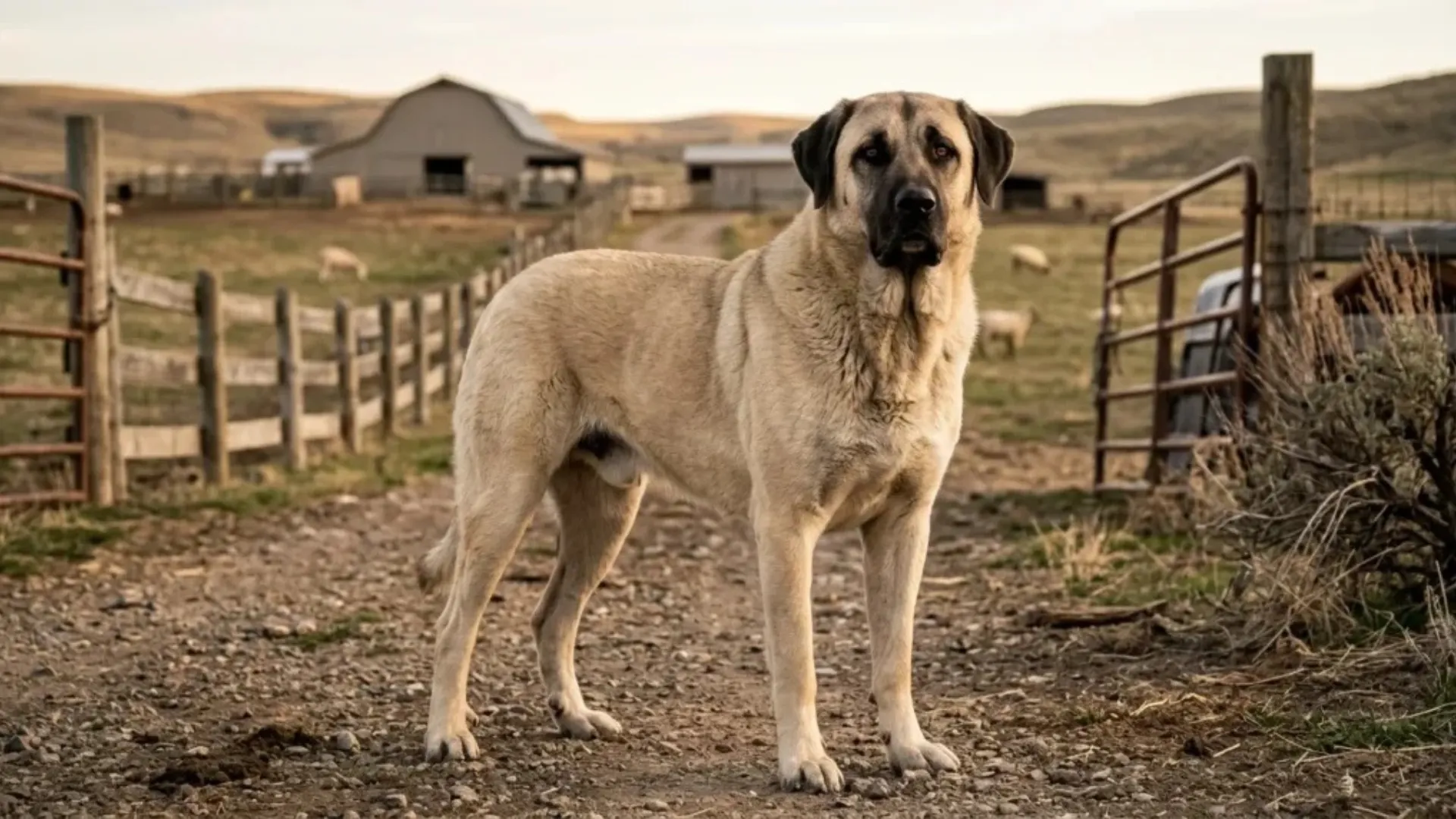
Picture an early morning on a working ranch. Cattle need moving, the fencing requires inspection, and several hours of outdoor work lie ahead.
A capable dog is already on its feet, responding to commands and covering the ground alongside its handler. Its strong shoulders, powerful legs, and athletic build become valuable assets during these demanding hours. Ranch work requires a particular combination of physical ability and practical intelligence.
Dogs may need to run across open pastures, turn quickly around livestock, and maintain enough stamina for repeated activity throughout the day. Their bodies must also be supported by proper conditioning, balanced nutrition, and regular veterinary care. These responsibilities explain why muscular working dogs have long attracted attention among livestock handlers.
This article introduces muscular breeds with qualities suited to different ranch environments and working demands.
Key Takeaways
Ever wondered why some ranch dogs patrol through the night while others spend their days moving cattle across open fields?
The Anatolian Shepherd is known for its independent guarding instincts, and the Great Pyrenees has a history that even includes French royalty.
Then comes the strength of the Bernese Mountain Dog and Rottweiler, followed by the Greater Swiss Mountain Dog, once nicknamed the “poor man’s horse.”
Keep reading to discover the remaining breeds, including a cattle dog with lightning-fast movements and a sheepdog with extra toes on its hind feet.
Ultimate Muscular Dog Breeds for Ranch Work
1. Anatolian Shepherd
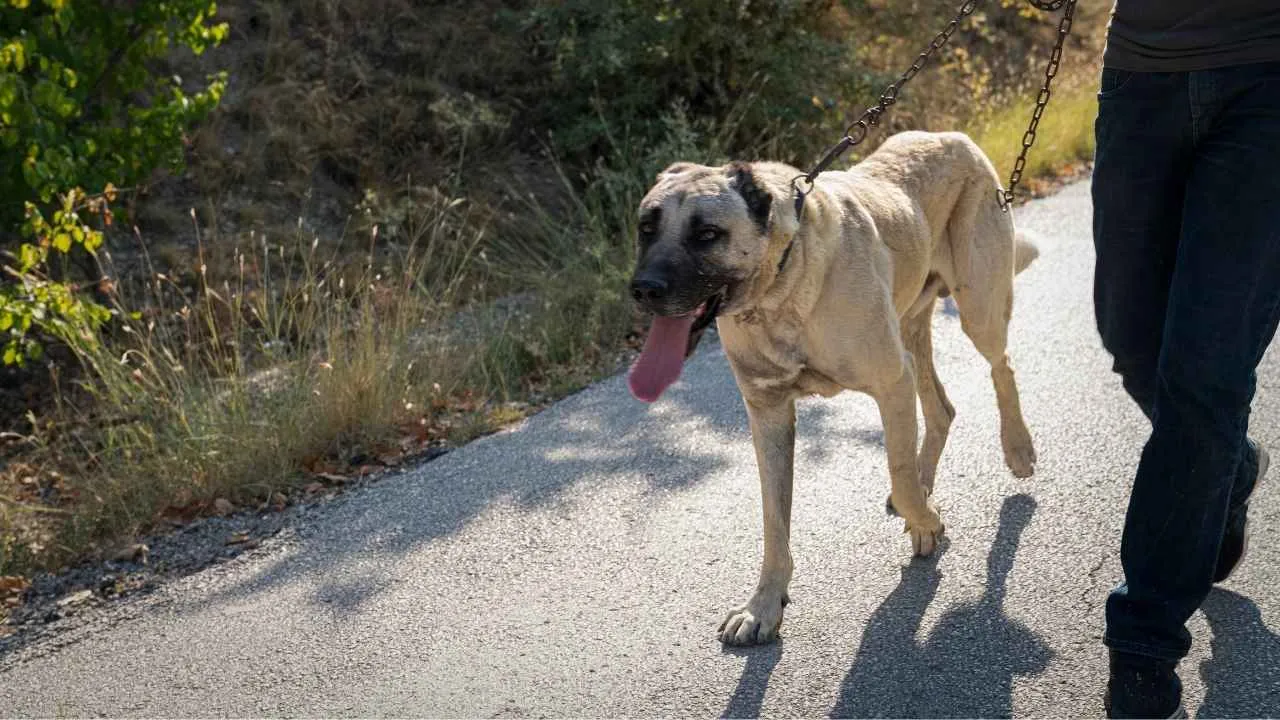
The Anatolian Shepherd has protected livestock for more than 4,000 years in central Turkey’s Anatolia region. Accompanying nomadic shepherds across grazing grounds, these dogs guarded flocks against wolves and bears, relying on their own judgment while working far from human supervision.
A Different Kind of Ranch Worker
Anatolian Shepherds were bred for livestock protection rather than herding, so their job involved locating approaching predators and driving them away before the flock came under attack. Their endurance and independent decisions suit large properties where a guardian must cover considerable ground.
Their working routine includes several distinctive habits:
Patrols fence lines and checks vulnerable boundaries
Uses a deep, booming bark to warn off distant threats.
Becomes especially watchful after sunset.
Independent by Nature
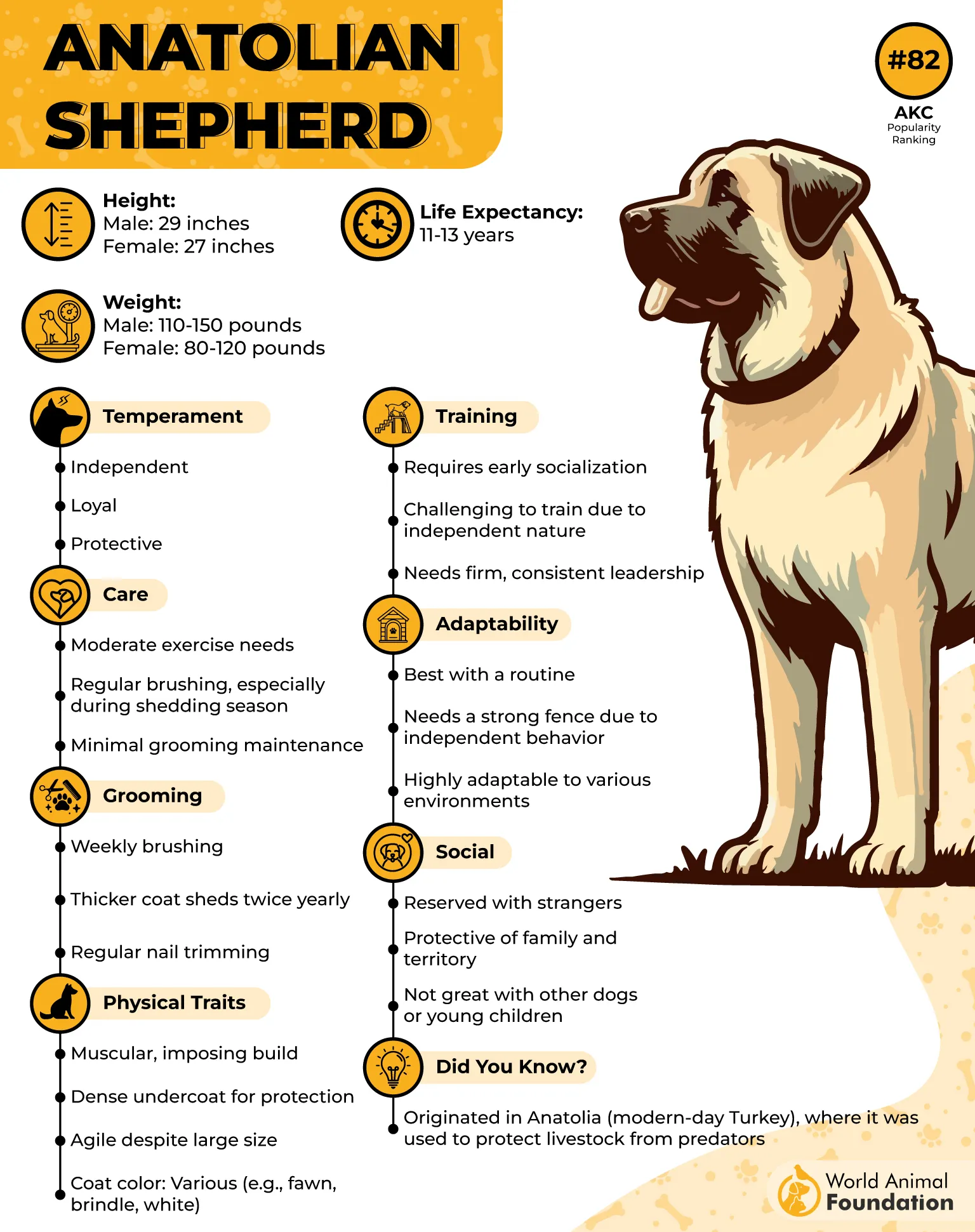
This independent breed often makes decisions without waiting for constant direction, which can make training particularly demanding, as noted in the AKC.
It may test gates or find weak spots in fencing, so secure boundaries, firm but patient handling, and early introductions to unfamiliar people are especially important.
2. Great Pyrenees
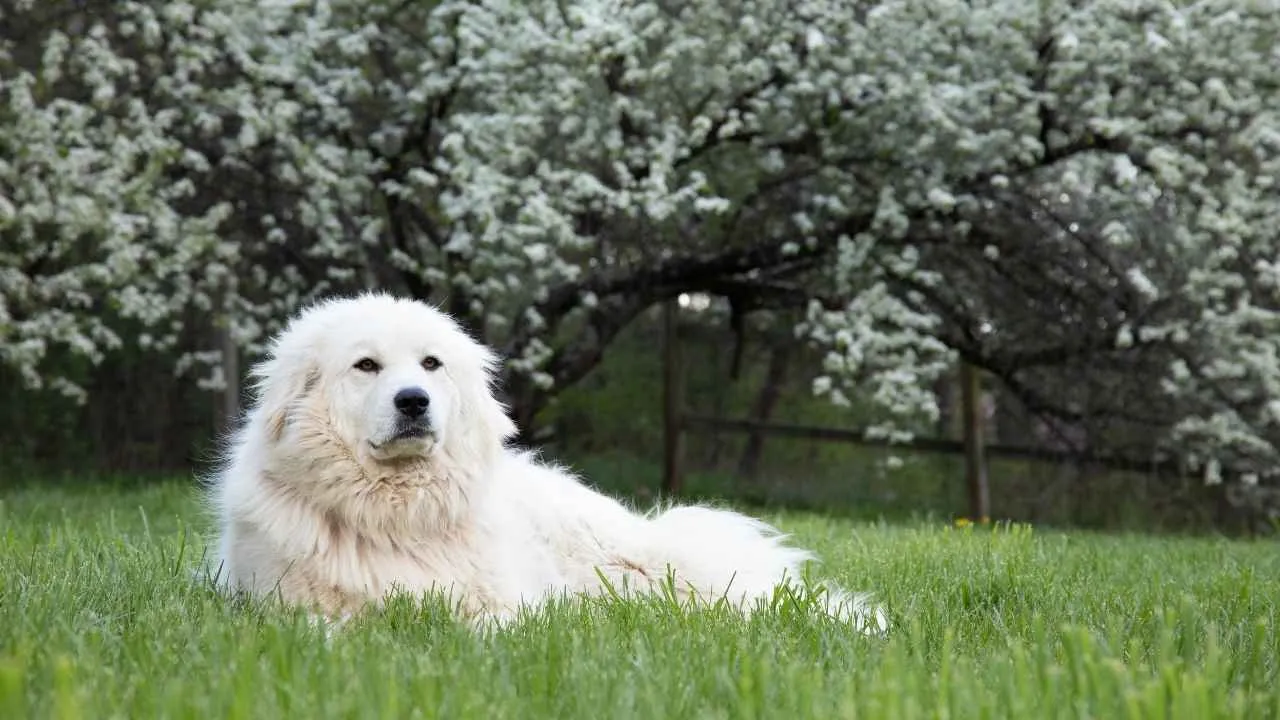
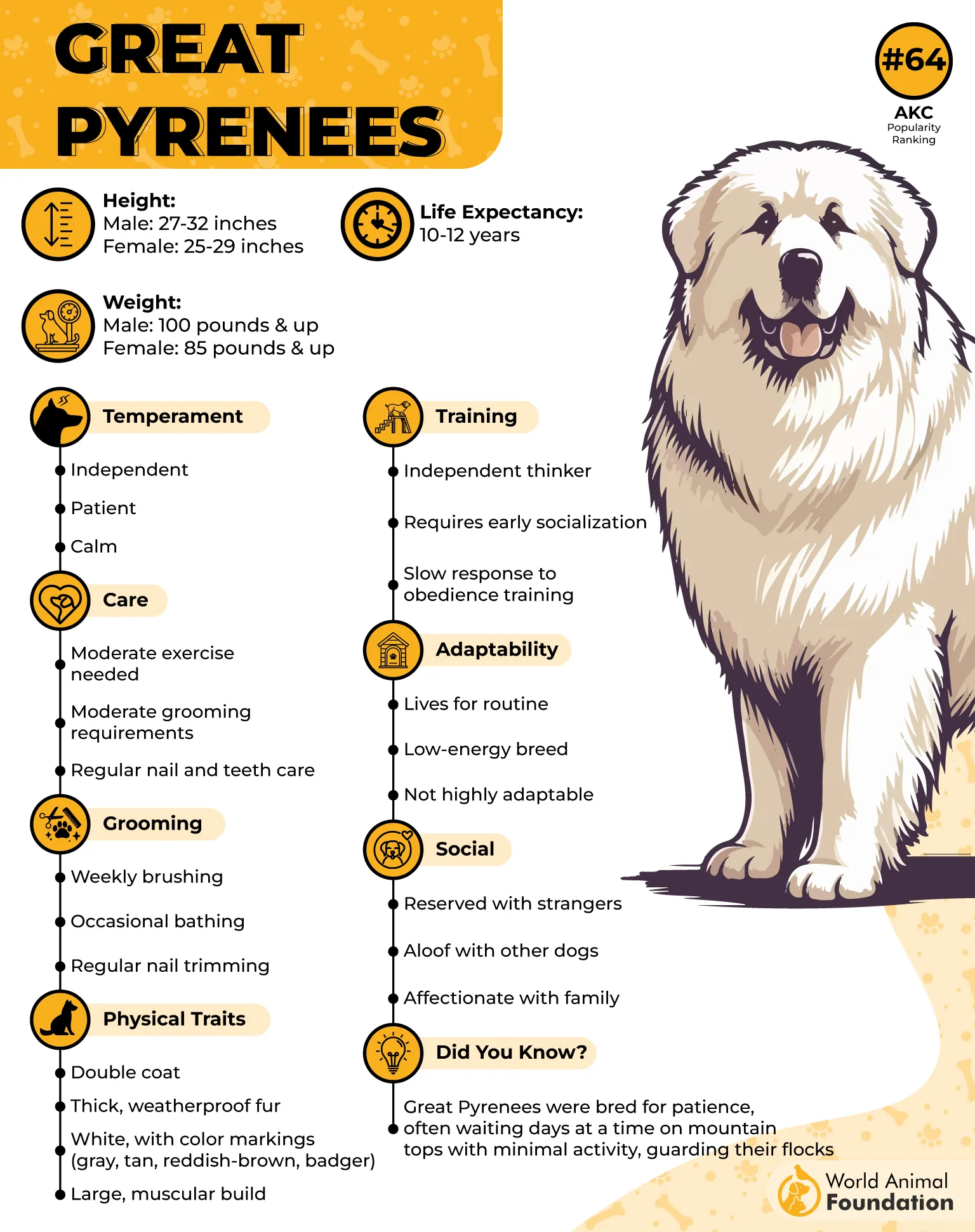
The Great Pyrenees is an ancient mountain breed with deep roots in the rugged Pyrenees region, where local farmers relied on it to guard their sheep and goats.
Once associated mainly with peasant households, it gained royal favor in 1675 when King Louis XIV officially declared it the royal dog of France.
A Natural Guardian of Livestock
The Great Pyrenees has a strong instinct to protect the animals within its territory. Generations of livestock guarding shaped its low prey drive toward familiar farm animals, strong territorial awareness, and calm response to potential threats. It often assesses a situation before deciding how to react.
Its working habits include:
Becomes more watchful after dusk.
Regularly patrols field boundaries and familiar routes.
Uses its imposing stance to discourage approaching threats.
Independent in Mind and Temperament
This farm dog is accustomed to making decisions without constant direction, which can make training challenging for inexperienced handlers.
It learns at its own pace and responds best to calm, patient, positive methods, as Omlet reports. Harsh treatment can undermine the trust needed during training.
3. Boerboel
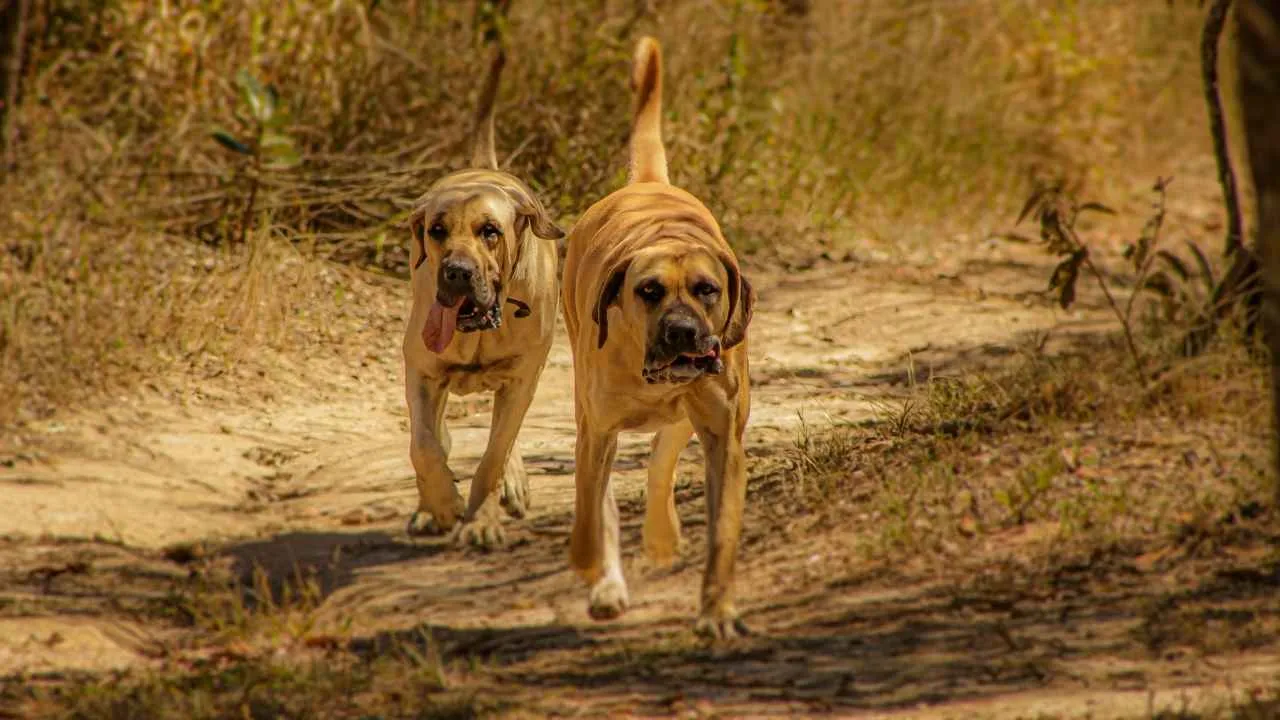
The Boerboel traces its roots to 17th-century South Africa, when Dutch, German, and Huguenot settlers brought large guardian and hunting dogs to the region. These dogs were later bred with other types, possibly including Bullmastiffs, Rhodesian Ridgebacks, English Bulldogs, and native South African dogs.
Built for Demanding Farm Work
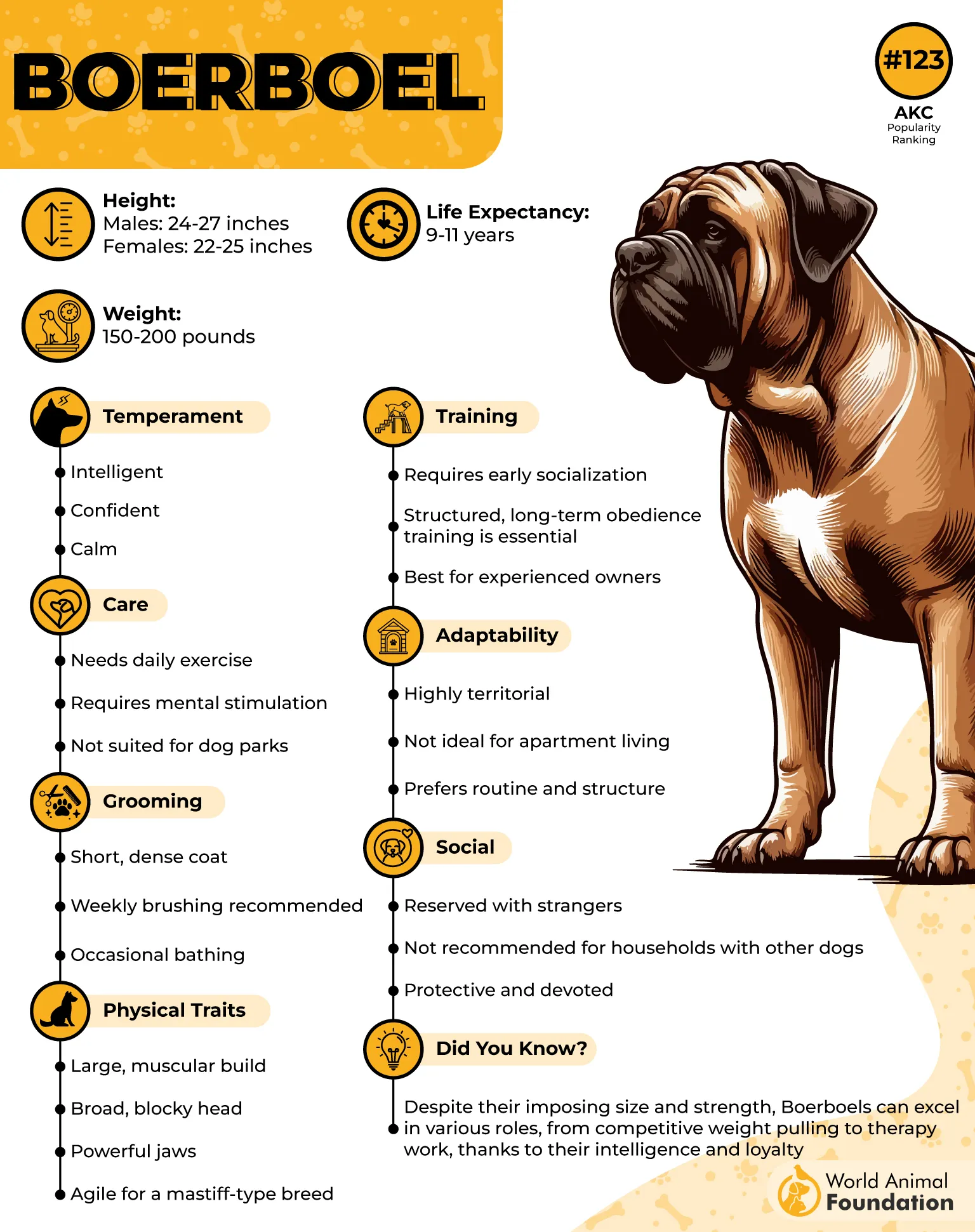
A Boerboel has the substantial frame expected of a powerful working mastiff, with a broad skull, strong jaw, and thick neck supported by muscular shoulders. Its imposing build suited the demands of protecting farms, where physical strength and the ability to deter threats were valuable.

Its working behavior includes several distinctive habits:
Patrols fences, gates, and property boundaries.
Steps between family members and unfamiliar visitors.
Tracks unusual sounds and approaching vehicles.
Calm Until Something Changes
This dog breed can spend quiet periods resting indoors, then become intensely attentive when activity around the property changes, as Chewy claims.
It is highly responsive to familiar household routines and handlers. Its stoic nature may also make injuries harder to notice, so regular physical checks are important.
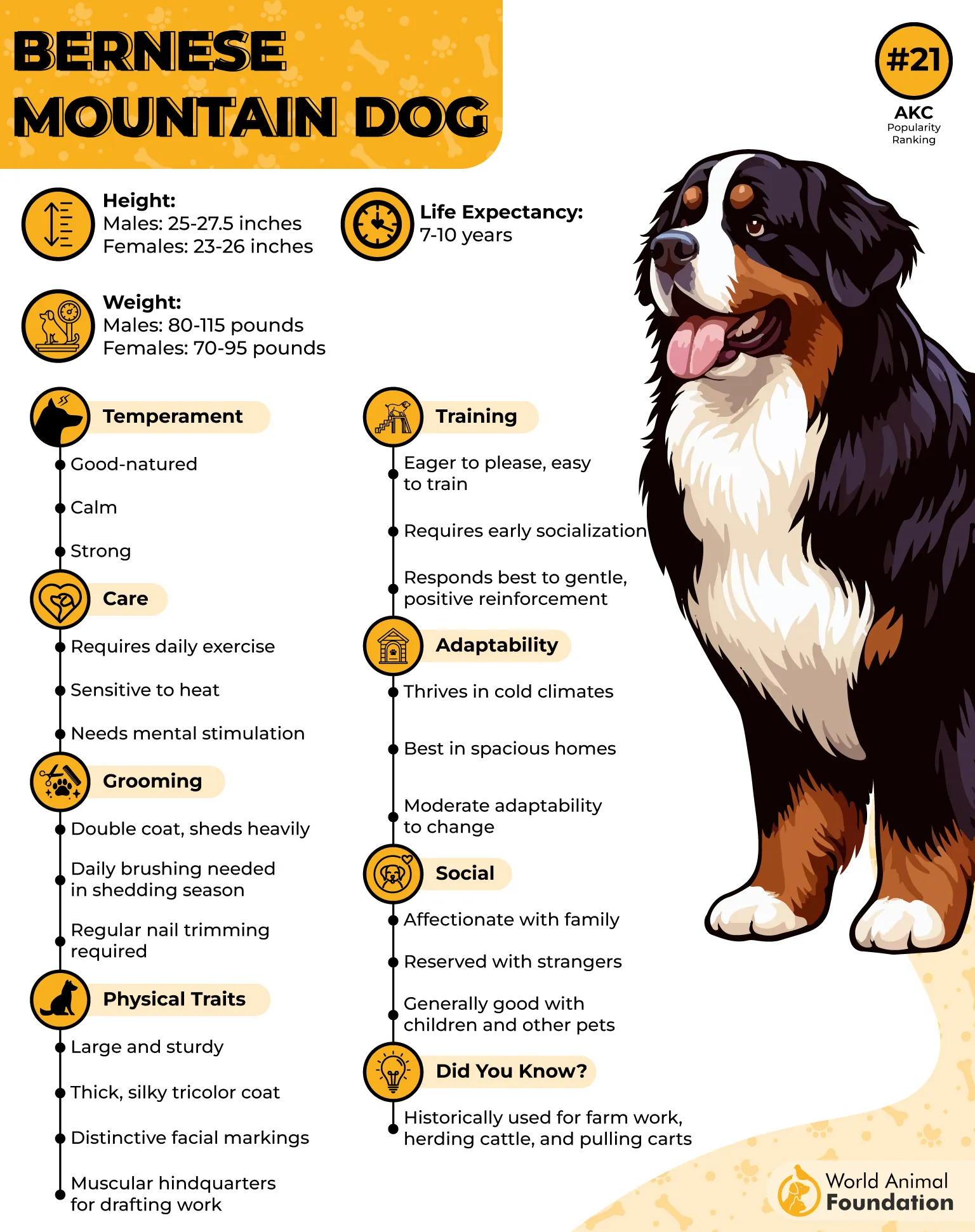
4. Bernese Mountain Dog
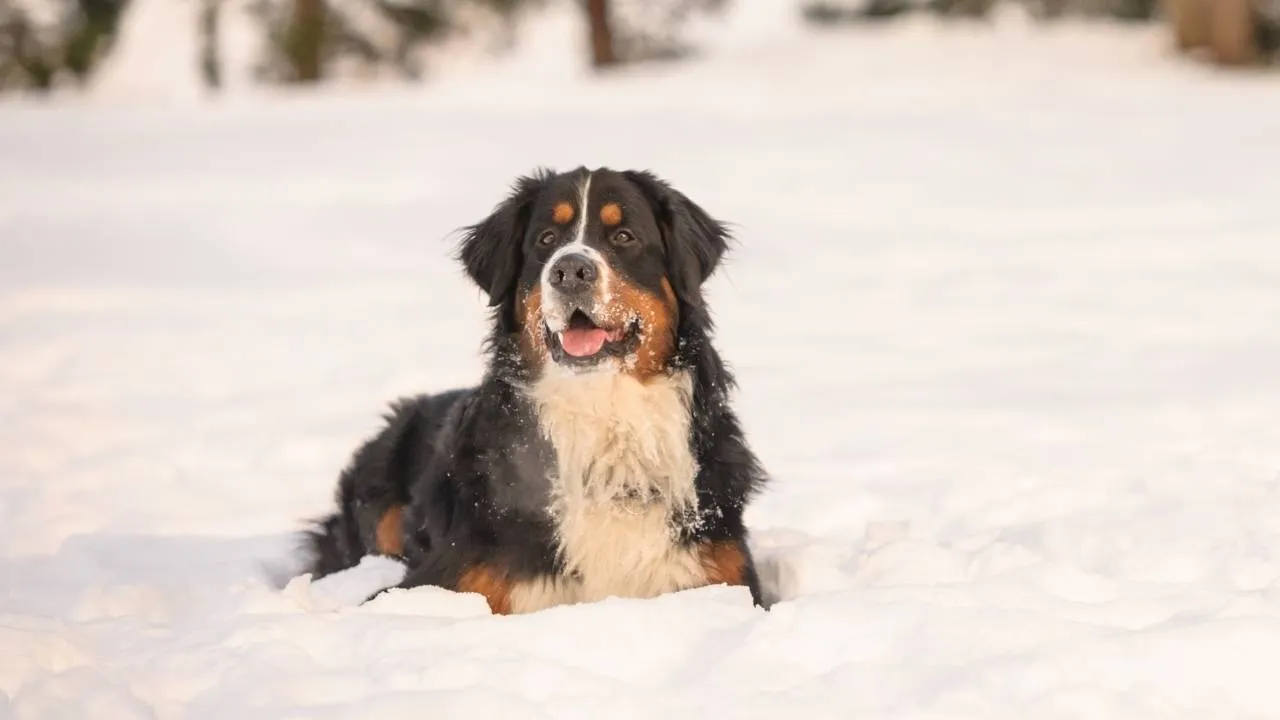
The Bernese Mountain Dog spent centuries working on traditional farms in the Swiss Alps, where it was once known as the Dürrbachler after the Dürrbach area. By the late 1800s, its numbers had fallen dangerously low, prompting dedicated efforts to preserve this historic working breed.
Built for Heavy Farm Duties
A broad chest, powerful hindquarters, and substantial bone give the Bernese Mountain Dog the strength needed for demanding farm tasks. Its muscular frame is particularly suited to pulling loaded carts, a traditional job that required steady traction and physical endurance.
Its farm instincts also appear in other useful ways:
May guide cattle through steady body-blocking and following.
Responds to familiar voices and handling cues.
Can participate in organized cart-pulling and draft trials.
A Steady Working Temperament
Patient and generally calm, this farm dog breed is intelligent and responds well to consistent obedience training. It matures slowly, so training needs to continue through its puppy-like years. Its usual pace is a brief burst of running followed by a slower, steady walk.
5. Rottweiler
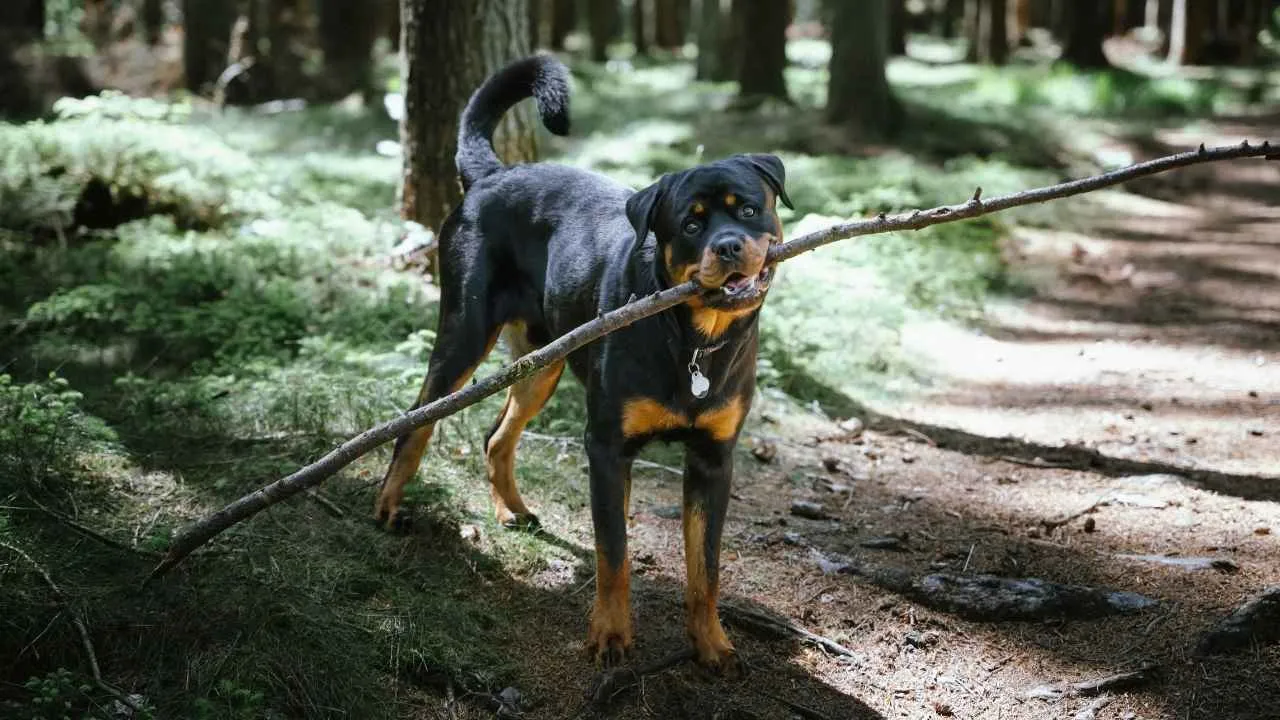
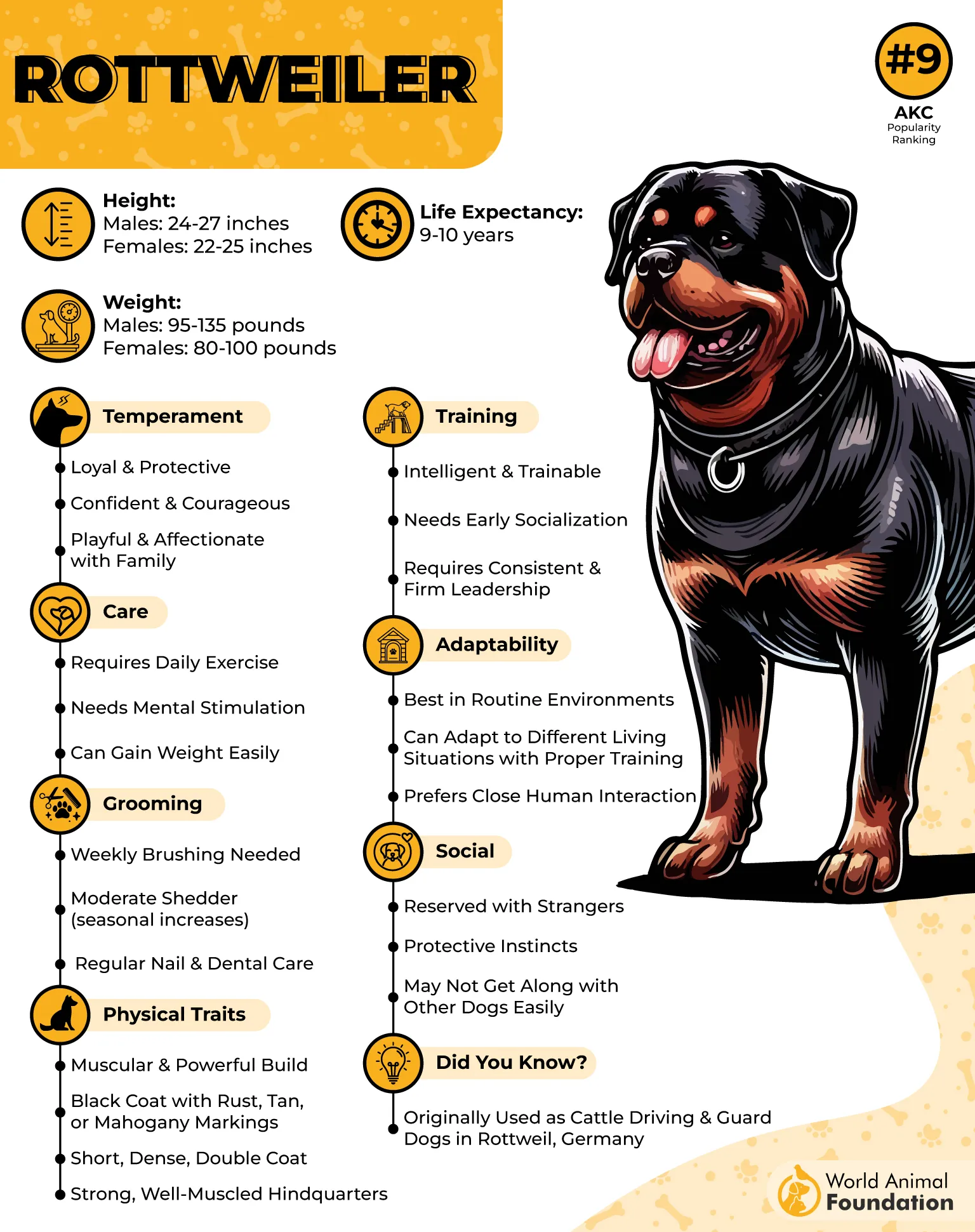
The Rottweiler’s working ancestry is often linked to Roman cattle dogs that accompanied herds across Europe. Its later history took shape in Rottweil, southern Germany, where it helped drive cattle to market, pull butcher carts, and guard valuable goods after trading.
Built for Demanding Farm Tasks
A Rottweiler has the broad chest, sturdy bones, and powerful hindquarters needed for physically demanding work. Its muscular frame suits tasks involving pulling, guarding, and sustained effort, making its strength particularly relevant to traditional ranch duties.
A few other working characteristics are worth noting:
Dense double coat offers protection in cooler weather.
Some retain an instinct to guide moving livestock.
Enjoys tugging and holding objects during structured play.
Affectionate With a Watchful Side
At home, Rottweilers are often affectionate with familiar people and can be good with children when properly supervised. They tend to observe unfamiliar visitors from a distance, while their protective instincts may lead them to position themselves between family members and a perceived threat.
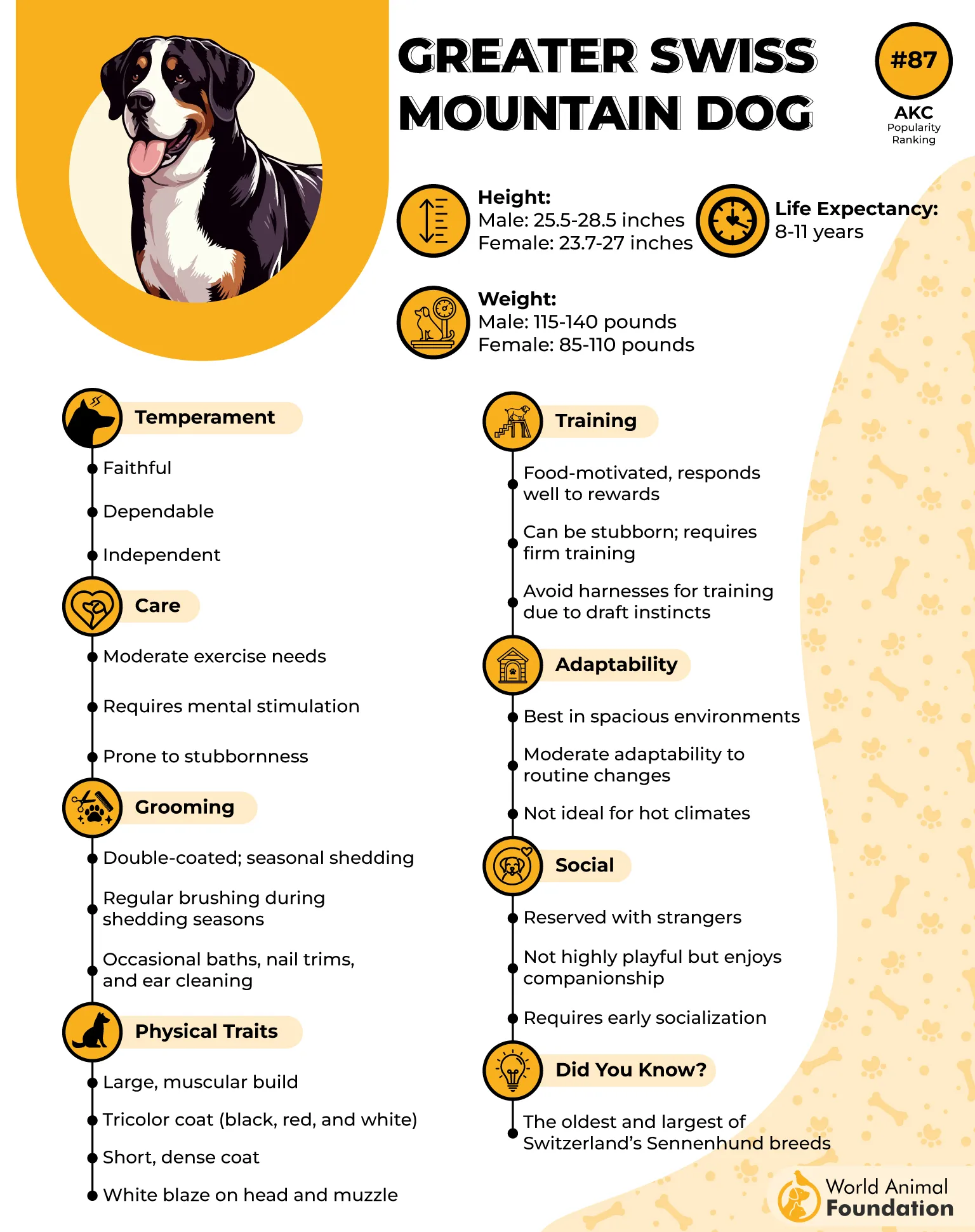
6. Greater Swiss Mountain Dog
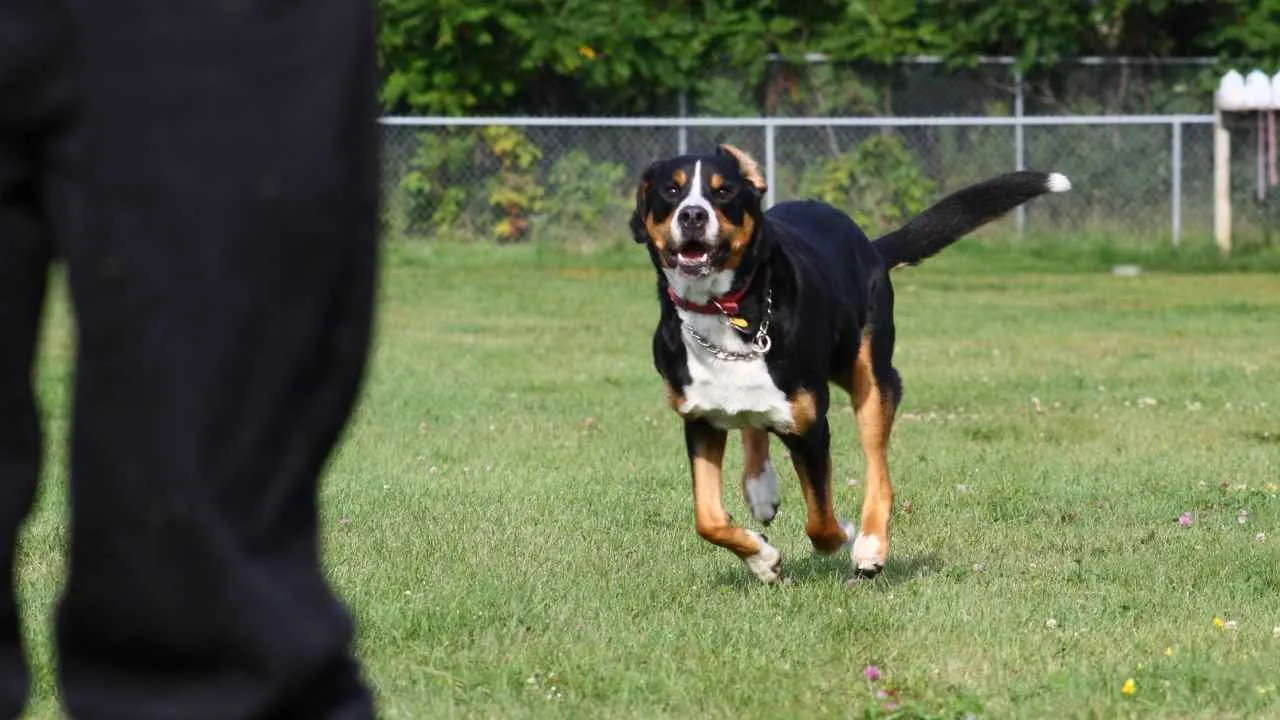
The Greater Swiss Mountain Dog is believed to descend from Roman Mastiffs brought to the Alps around 2,000 years ago, which later bred with local farm dogs.
As the largest of Switzerland’s four mountain breeds, it became a familiar farm worker, earning the nickname “poor man’s horse” for its impressive cart-pulling ability.
Built for Heavy Farm Work
A broad chest, substantial bone structure, and muscular hindquarters give the Greater Swiss Mountain Dog the strength needed for demanding physical tasks.
Its ground-covering trot also suits long hours across uneven farmland, where a steady working pace matters more than quick bursts of speed.
These other features support its working lifestyle:
Dense double coat provides insulation in cool Alpine weather.
Bold facial and chest markings make it easier to recognize at a distance.
Responds well to practical tasks such as harness work and structured training.
A Watchful Farm Companion
This large dog breed has a naturally protective side and may patrol its surroundings with a deep alert bark. With proper socialization, it generally approaches unfamiliar people calmly, while its gentle nature helps it live alongside family members and other household animals.
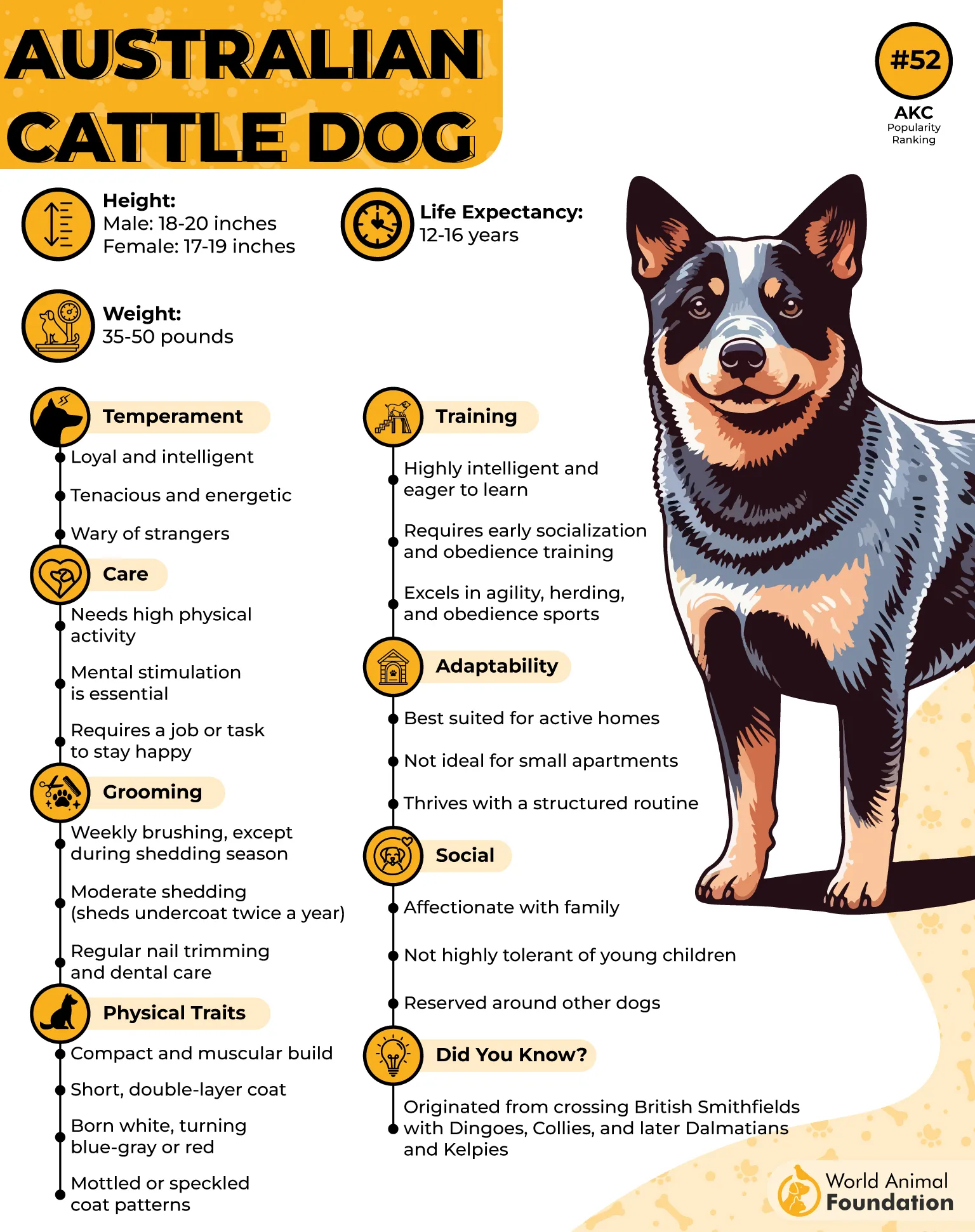
7. Australian Cattle Dog
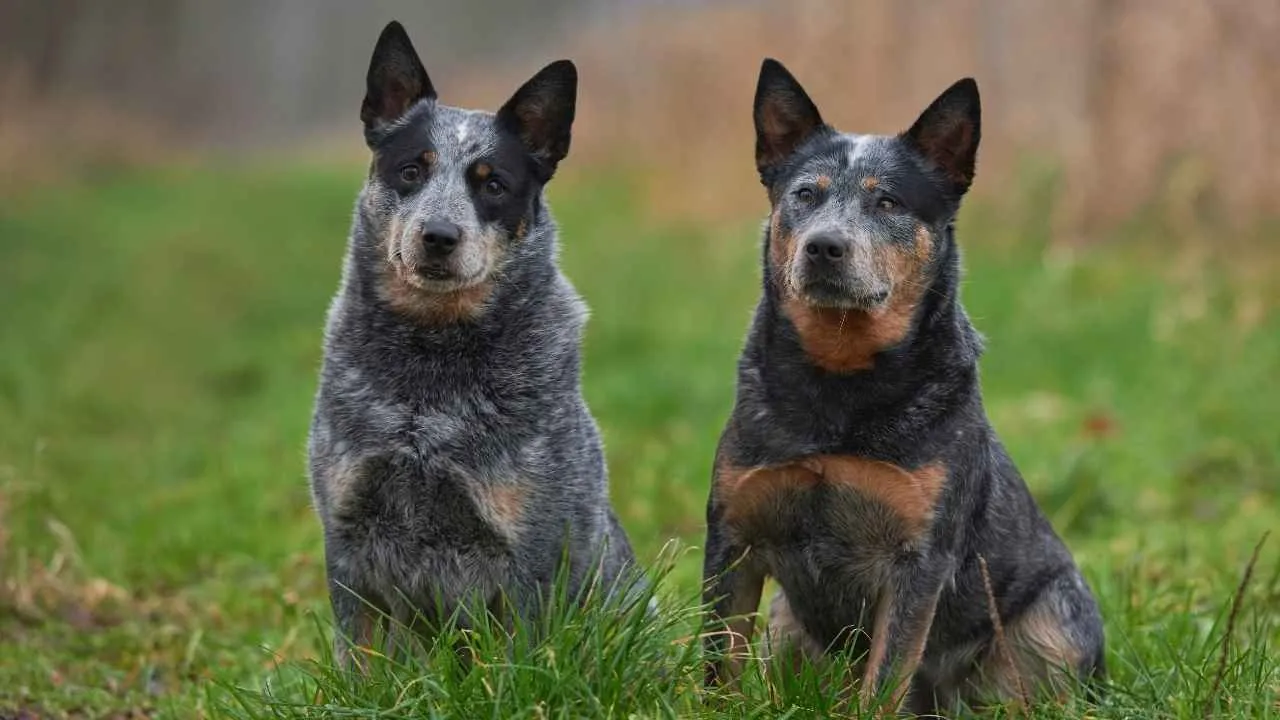
The Australian Cattle Dog traces its beginnings to the early 1800s, when expanding cattle stations needed dogs capable of working across vast grazing areas. In 1840, a cattleman named Hall crossed Blue Merle Highland Collies with tame Dingoes, producing the early dogs known as Hall’s Heelers.
Built for Long Days in the Field
An Australian Cattle Dog has a compact, muscular frame, powerful forequarters and hips, and an efficient gait suited to hours of trotting behind livestock. Its stamina helps it cover rough, uneven ground while keeping pace with cattle across large properties.
Its working technique involves some impressive split-second movements:
Dips low to nip cattle at the heels.
Pivots away quickly to avoid kicks.
Makes independent decisions when working at a distance from its handler.
Always Watching the Handler
This traditional herding dog breed often keeps close track of its main handler, anticipating movements and waiting for the next task.
Around livestock, it may also use its shoulder and chest to nudge animals in the required direction, while moving bikes, balls, or running children can trigger similar herding responses in a home environment.
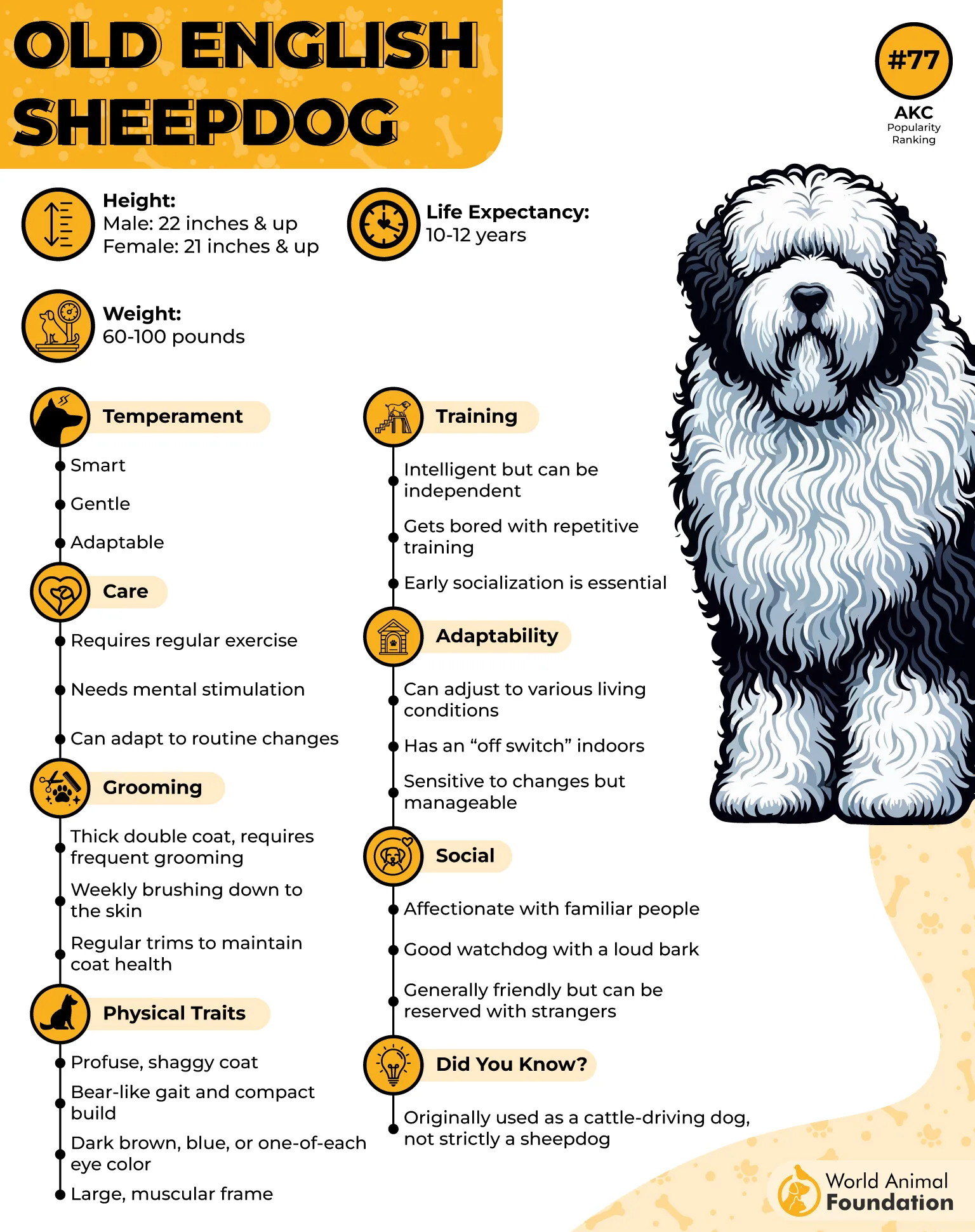
8. Old English Sheepdog
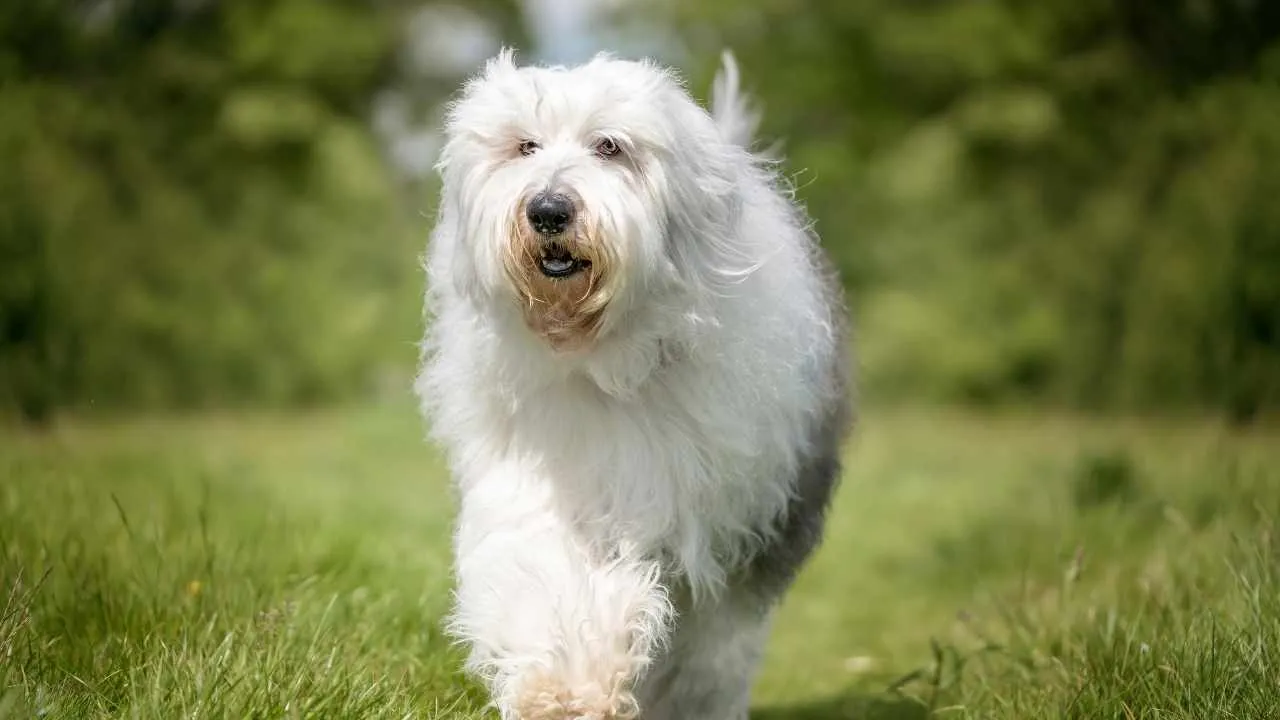
The Old English Sheepdog was originally bred in western England, with records of the breed dating to the late 1700s. Its early role involved protecting sheep and cattle from wolves, while its exact ancestry remains uncertain. It was first exhibited in 1873 under the name Shepherd’s Dog.
A Powerful Presence Around Livestock
The Old English Sheepdog is a large, strong herding dog with a history of working around sheep and cattle. Its original guarding duties required confidence around livestock, while its herding ability still makes working activities such as stock management relevant to its skill set.
Its working nature comes with several practical considerations:
Early training helps manage its boisterous behavior.
Can participate in herding and obedience work.
Responds well to tasks and guidance from its handler.
More Than a Hands-On Worker
This herding breed is known for its playful, sometimes clownish personalities and strong attachment to people. They can be headstrong, particularly when young, so consistent training is important. Agility activities also offer an additional outlet for their willingness to work.
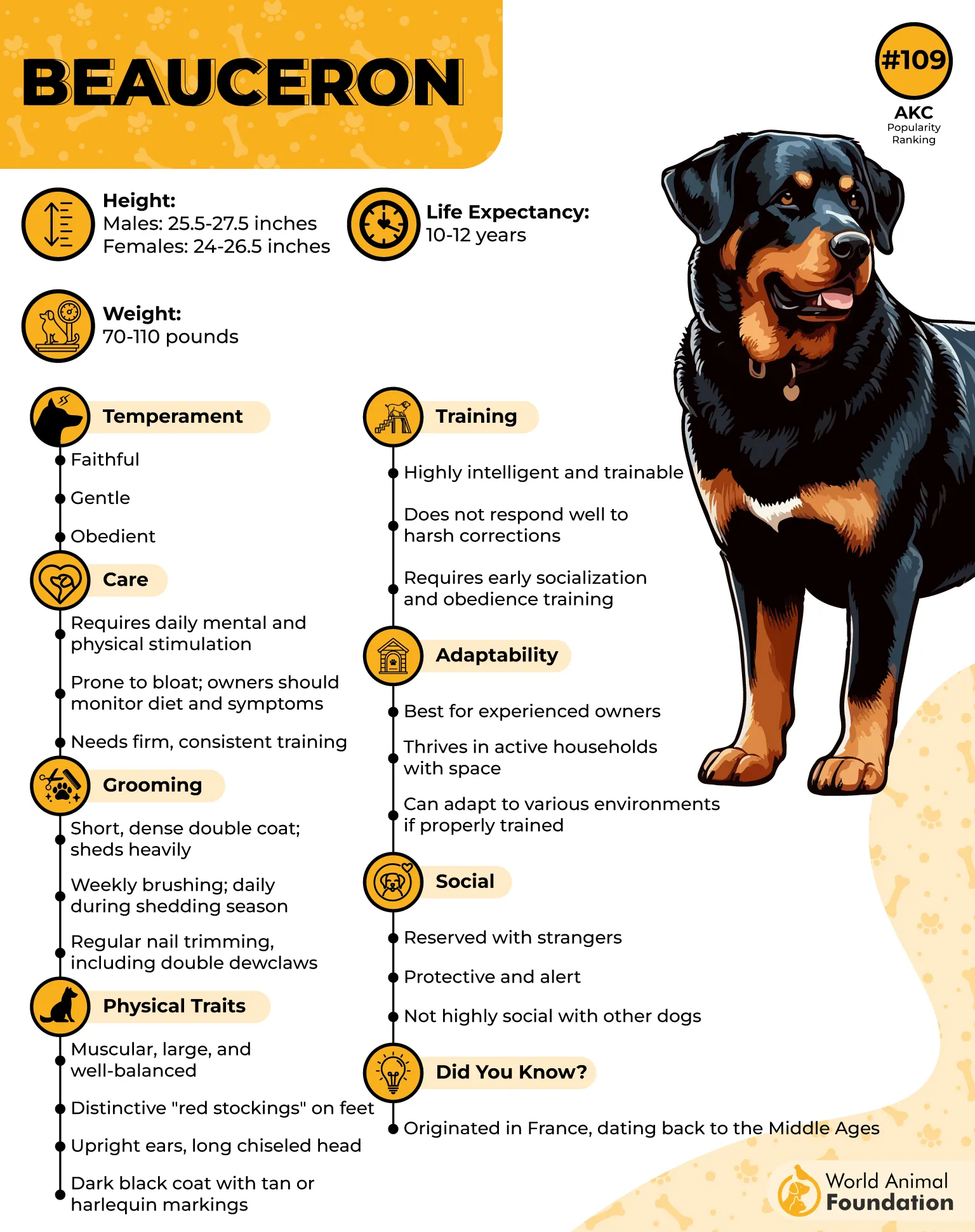
9. Beauceron
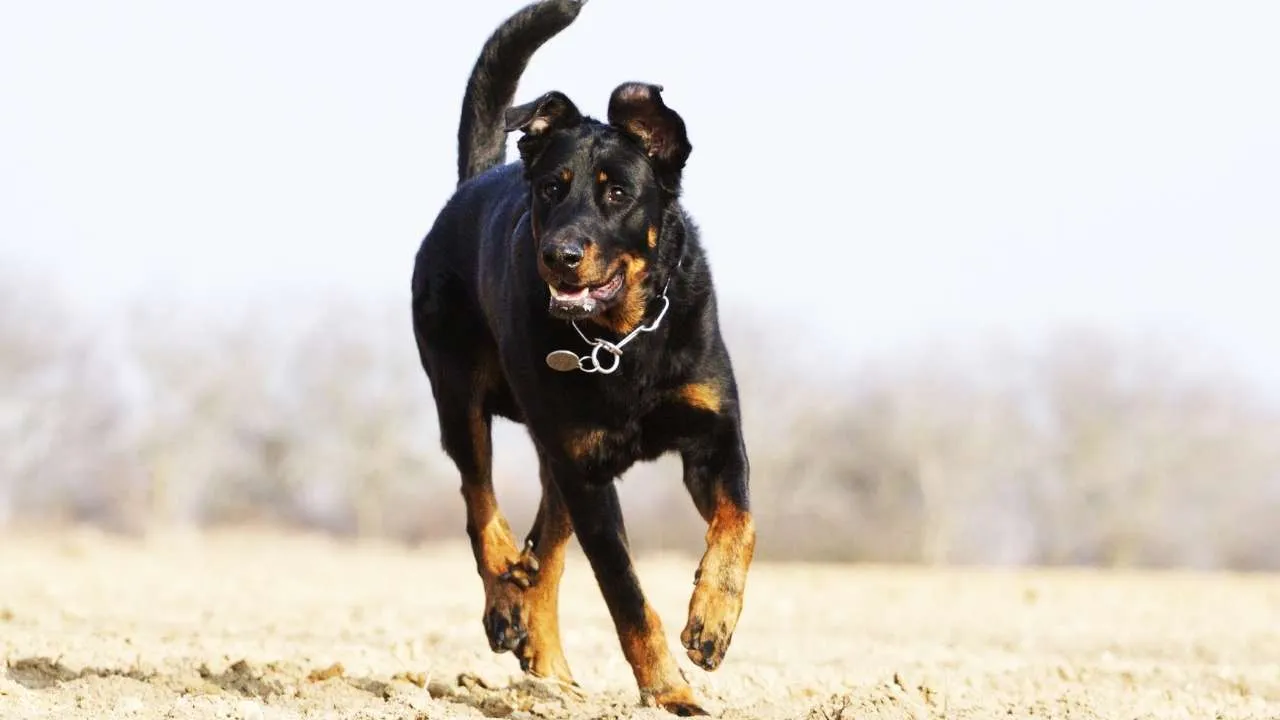
The Beauceron is a French sheepdog with a history dating to the 1500s. It once guarded flocks against predators and helped manage farm animals across the countryside. During World War I, its duties expanded to include delivering messages through trenches and detecting land mines.
Built for Demanding Ranch Work
With its strong hindquarters, athletic frame, and natural herding instincts, this livestock guardian breed is equipped for long hours around livestock. It can maintain a steady pace across open ground, then use controlled body pressure to guide animals through tighter spaces.
Its working style includes some interesting habits:
Circles property boundaries during patrols.
Uses shoulder blocks to direct livestock.
May nip at heels without proper training.
A Useful Advantage Underfoot
The Beauceron’s double rear dewclaws are a distinctive feature of the breed. These extra digits provide additional contact with the ground, which can help with grip and stability during quick turns on uneven terrain. Its short, weather-resistant double coat also suits outdoor farm conditions.
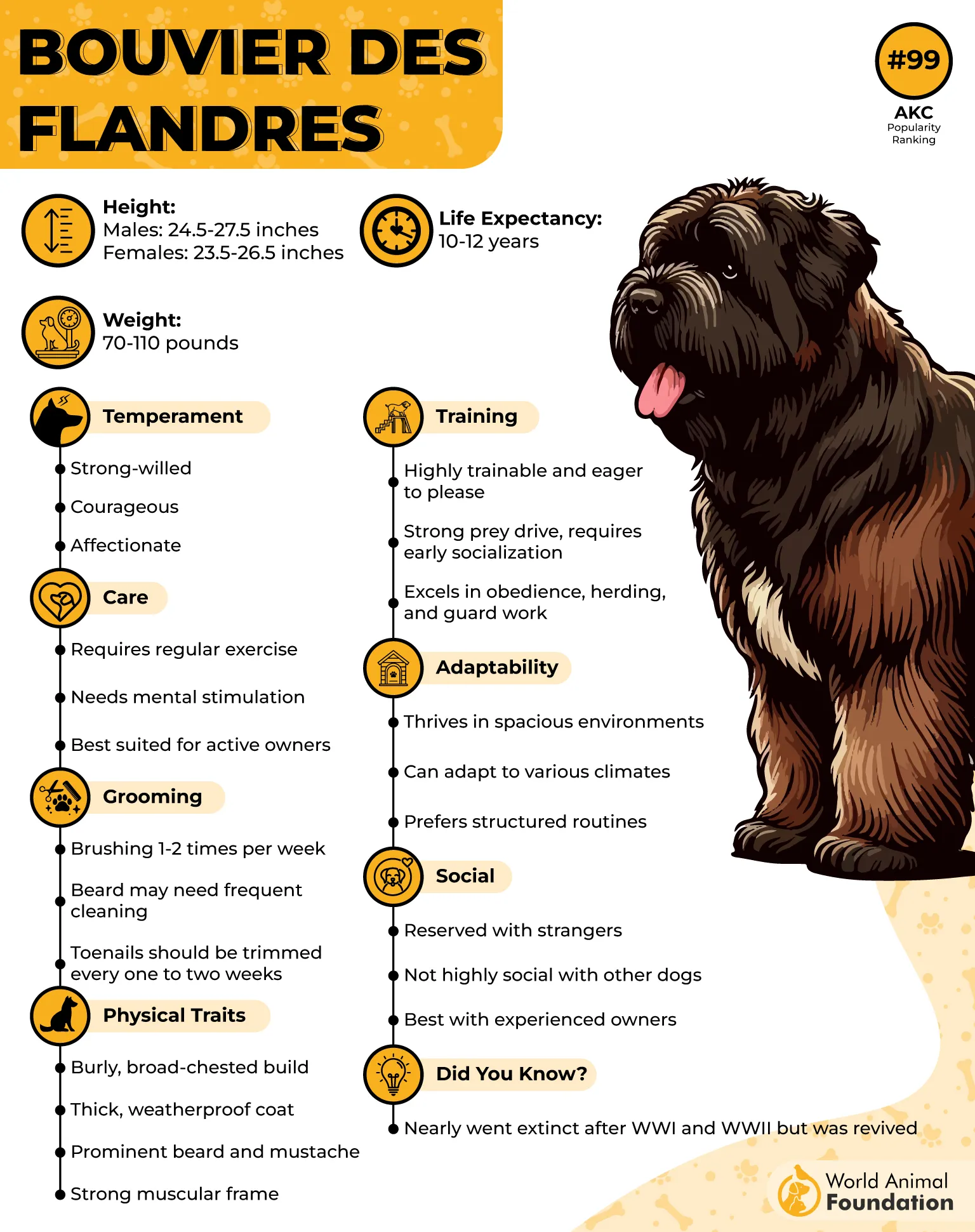
10. Bouvier des Flandres
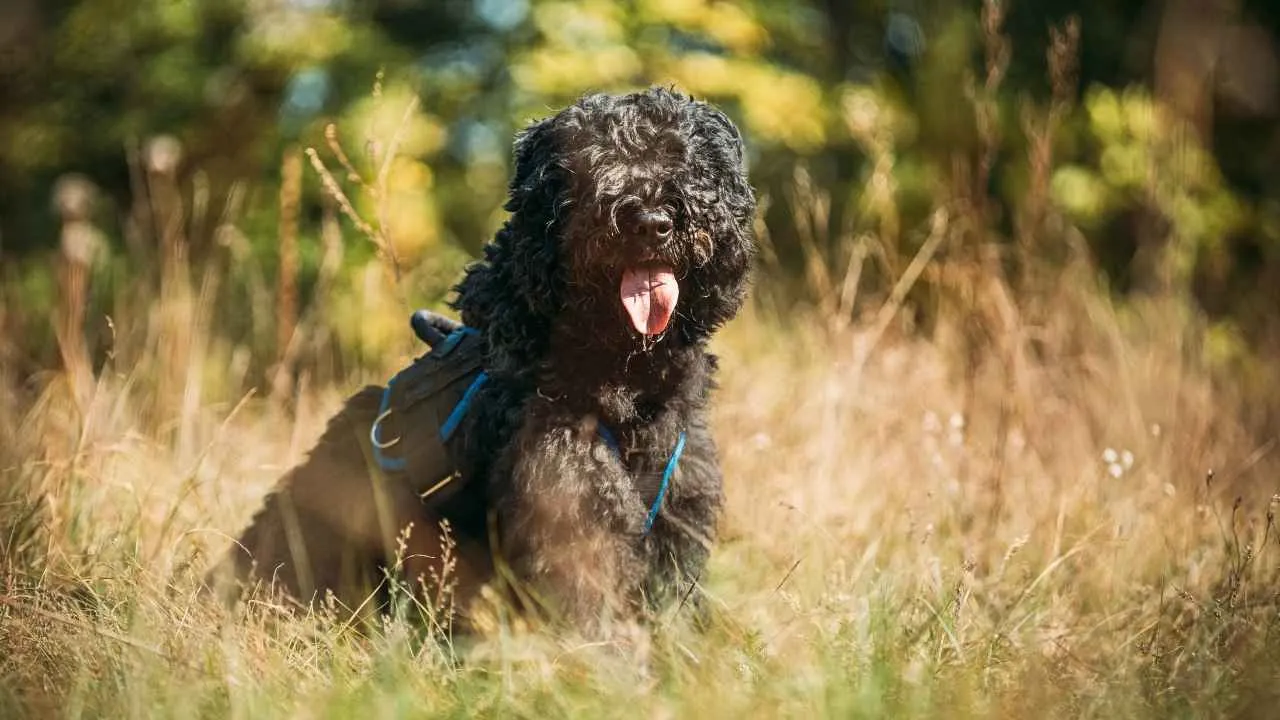
The Bouvier des Flandres originated in Belgium, where monks bred these sturdy dogs for driving cattle and helping with farm work. Its exact ancestry remains uncertain, although Irish Wolfhounds, Scottish Deerhounds, and local farm dogs are believed to have contributed to the breed.
A Confident Cattle Driver
On a ranch, the Bouvier des Flandres uses its size and controlled movements to guide livestock. Rather than relying on wide running circles, it works through body pressure and strategic blocking, encouraging cattle to change direction while keeping close control of the herd.
Its working style includes some interesting habits:
Methodically investigates gates, latches, and possible routes.
May gently nudge or lean against livestock to direct it.
Focuses closely on its handler during assigned tasks.
A Steady Farm Guardian
This energetic dog has a naturally protective temperament and often watches unfamiliar activity quietly before reacting.
Its imposing appearance can discourage unwanted visitors, while early socialization helps it accept guests. It can also live peacefully with children, dogs, and cats when introduced and raised with them appropriately.
Conclusion
The most muscular dog breeds can be useful ranch partners when their abilities match the work required. Some of the best farm dog breeds are suited to guarding property and livestock, while others can guide cattle, pull carts, or cover large areas on foot. Their strong working instincts and temperaments vary, so training needs can differ considerably.
Powerful dogs also require suitable handling, enough room, regular activity, and attention to their health and fitness. They should be properly socialized to behave safely around livestock, visitors, and other animals. Think about your property, the tasks you need help with, and your experience with working breeds. A suitable match can make daily ranch responsibilities easier to manage.
