




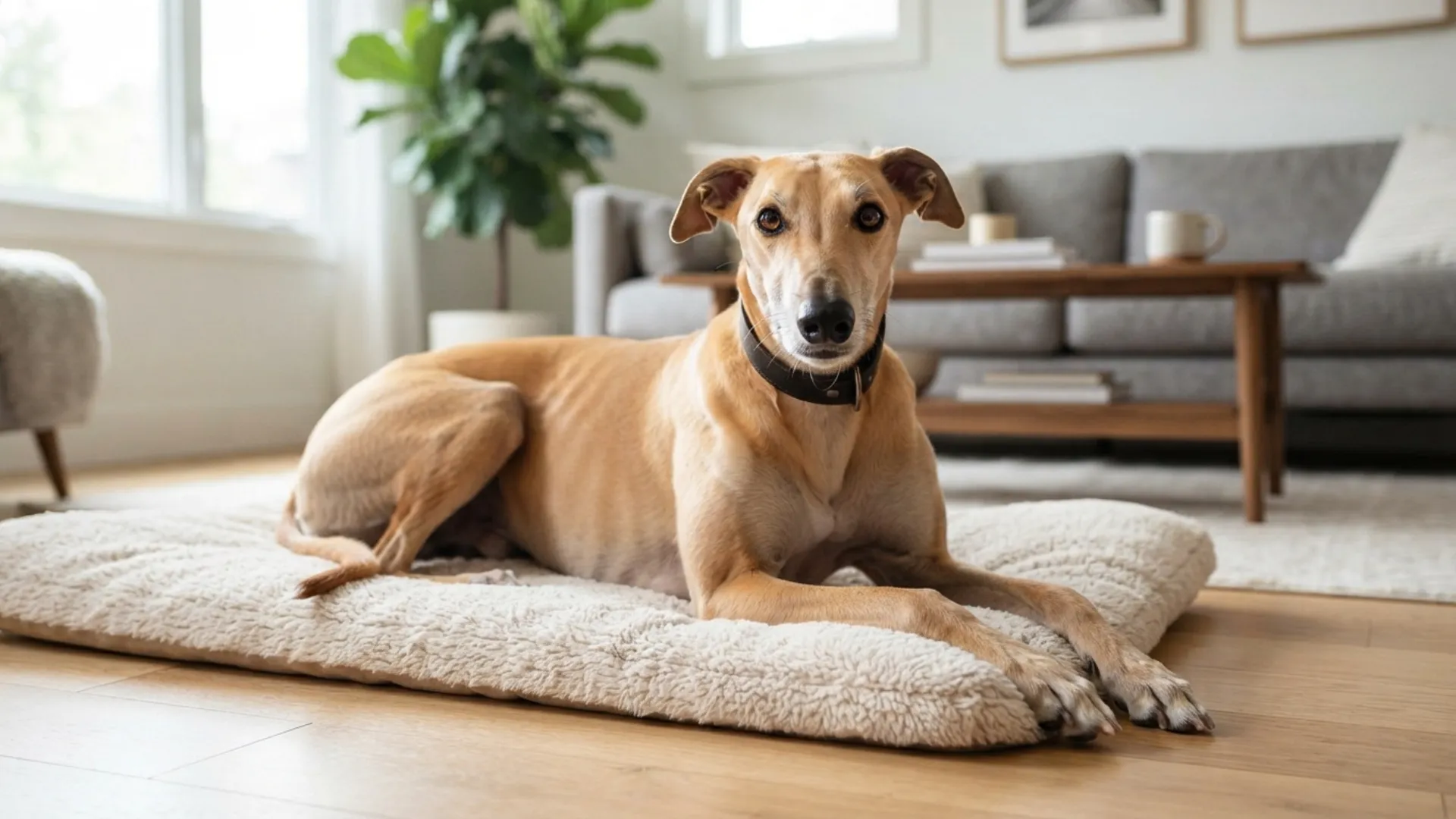
We all love the look of a glamorous dog with silky hair cascading down its body, but let’s be honest, not everyone has the time (or energy) for the daily brushing sessions that come with it.
Brushing and bathing your dog can absolutely be a wonderful bonding ritual, but for some owners, whether busy, less mobile, or simply looking for something more manageable, that’s not always realistic.
For older owners with limited mobility or busy pet parents juggling a lot, low-maintenance dog breeds can feel like a genuine blessing. No dog is completely maintenance-free, of course, but breeds with short coats and low to moderate energy levels are generally a lot easier to care for day-to-day.
If you’re ready to adopt a dog that’s easier to look after, this guide will walk you through some great low-maintenance breeds along with simple care tips to match.
Low-Maintenance Dog Breeds and Simple Care Tips
1. Beagle
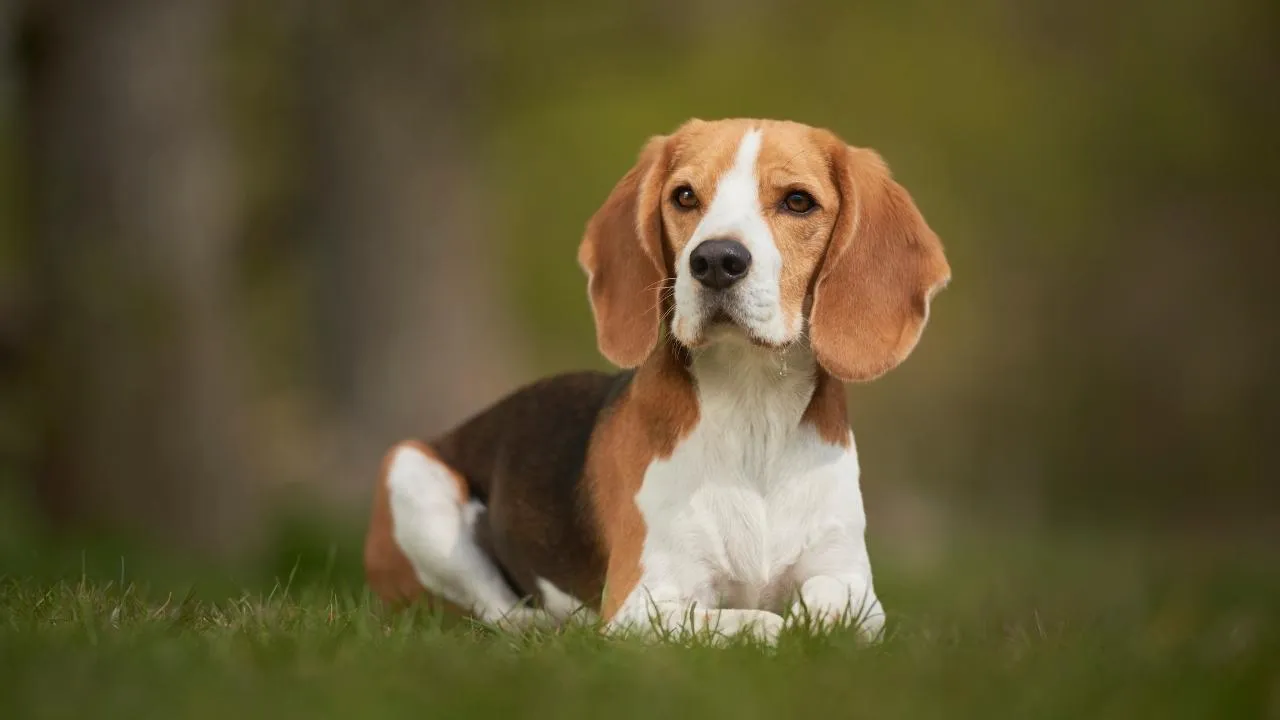
The Beagle has been a favorite among American pet parents for years, and according to the AKC, it’s easy to understand why. This adaptable hound can actually do quite well in apartment living, as long as it’s getting its daily dose of exercise and playtime.
With a history of hunting in packs, Beagles naturally enjoy being around people and tend to form strong bonds with their owners. Their spunky, energetic nature also makes them great playmates for kids, which is a big part of why they’re such popular family dogs.
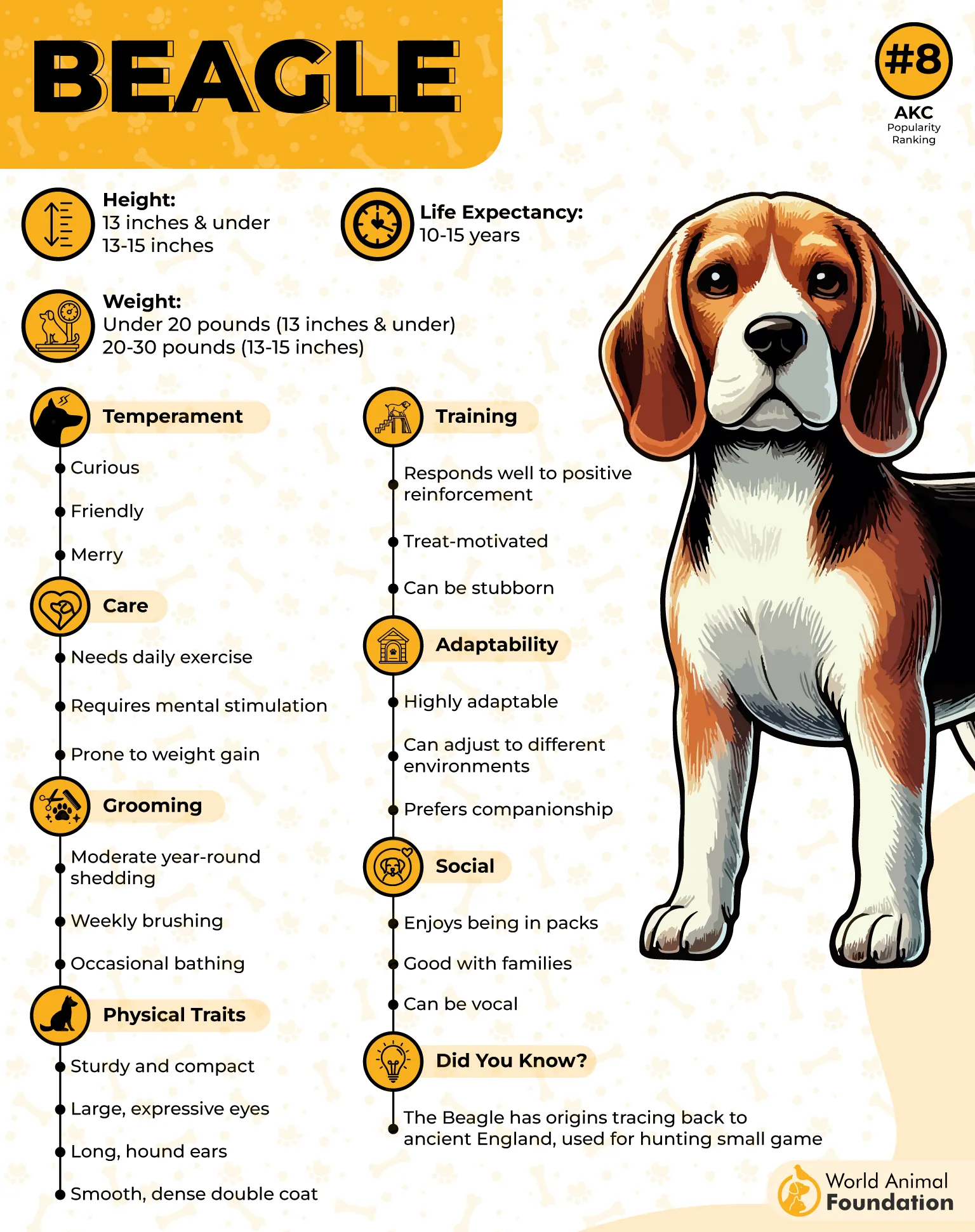
If staying active is part of your lifestyle, a Beagle can make a fantastic companion. These dogs generally need at least an hour of daily exercise and love nothing more than a good outdoor walk, maybe even past a few sidewalk cafes along the way. When it comes to grooming, their short, smooth coat keeps things fairly simple.
Beagles shed most of the year minimally, with a noticeable uptick during shedding season, typically in spring. A weekly brushing session is usually enough to keep their coat in good shape. Thanks to that short coat, they also stay relatively clean and don’t need frequent bathing unless they’ve gotten into something messy.
One area that does need attention, though, is their floppy ears. Dirt and moisture can build up easily, increasing the risk of ear infections, so regular checks and gentle cleaning go a long way in keeping your Beagle’s ears healthy.
2. Whippet
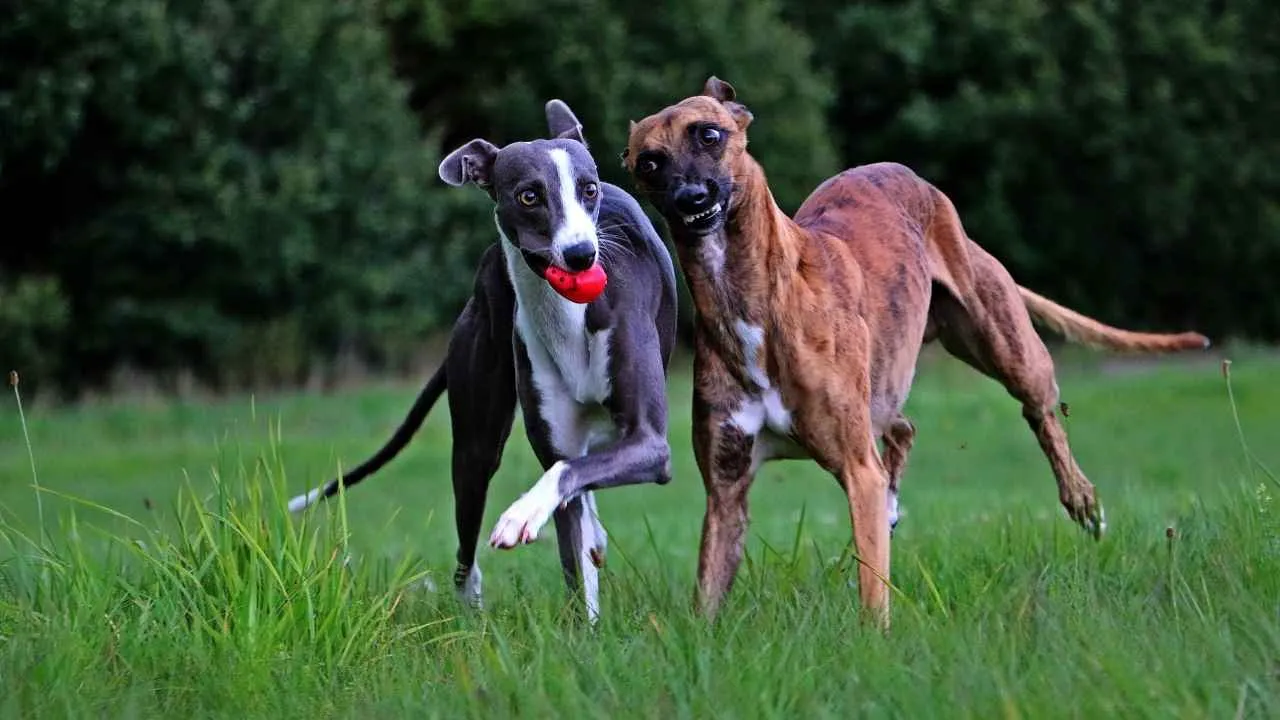
The Whippet, sometimes nicknamed the “Poor Man’s Racehorse,” is a sleek, eye-catching breed known for its deep chest and impressive speed. It shares a strong resemblance to the Greyhound, both in looks and athletic ability, and according to PetMD, Whippets can reach speeds of up to 35 miles per hour.
If you have access to a space where your dog can really stretch its legs and run, this breed is actually pretty manageable to care for.
Despite their love of running, Whippets are just as happy curling up indoors with their favorite people once the energy’s burned off. They do carry a strong prey drive, though, and may chase after small animals if recall training hasn’t been prioritized early on, so solid off-leash training is genuinely important with this breed.
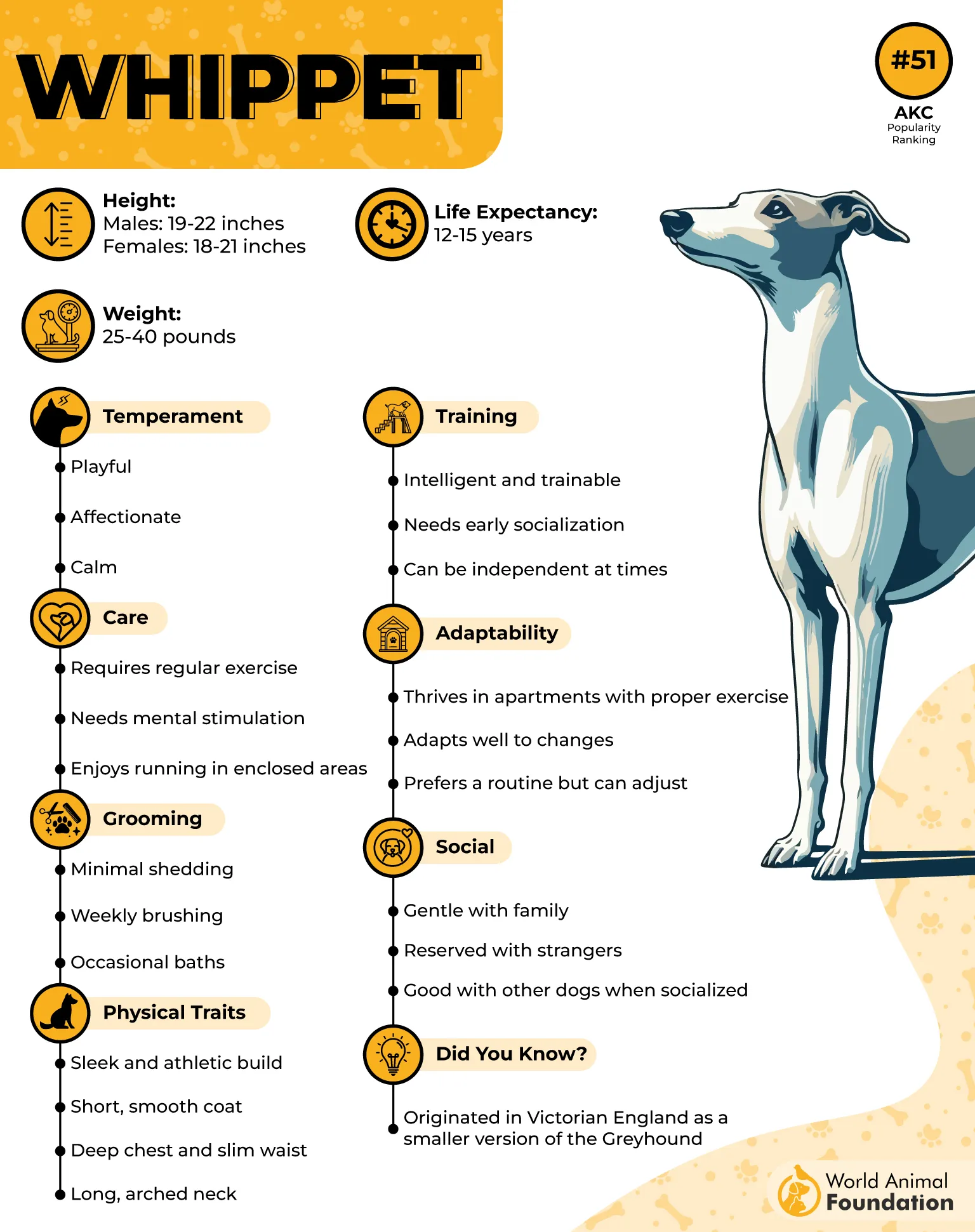
When it comes to coat care, Whippets are wonderfully low-maintenance. Their short, smooth coat only needs occasional brushing, roughly once a week, along with occasional baths. Shedding is minimal too, so you won’t find yourself constantly battling loose fur around the house.
If your Whippet spends a lot of time running outdoors, it’s worth keeping an eye on their nails, since dirt can build up, and regular trimming will help keep their paws healthy.
3. Greyhound
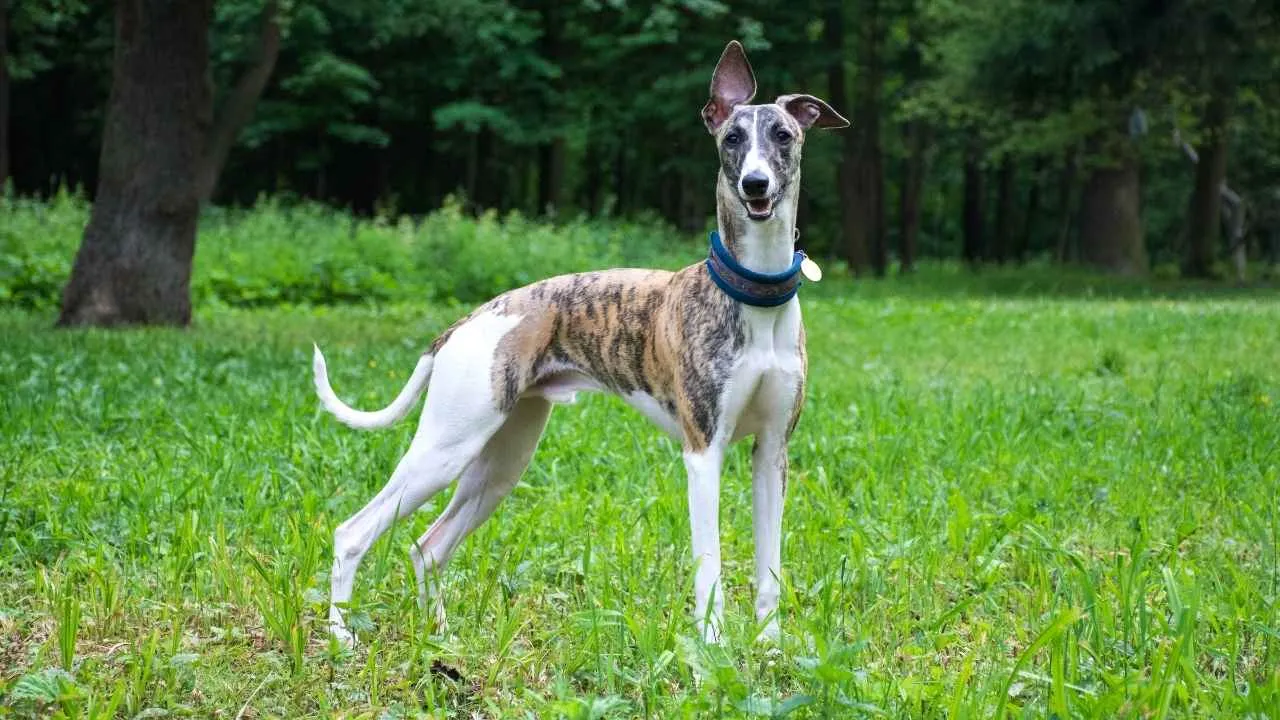
The Greyhound is another remarkably fast breed, and honestly, it might not be the first dog that comes to mind when you think “low maintenance.” With their lean, agile build and that famous curved silhouette, Greyhounds practically look built to chase.
But here’s the surprising part: these dogs are actually quite calm at home and genuinely thrive indoors. Those bursts of speed and energy are usually followed by long stretches of lounging right next to their favorite person.
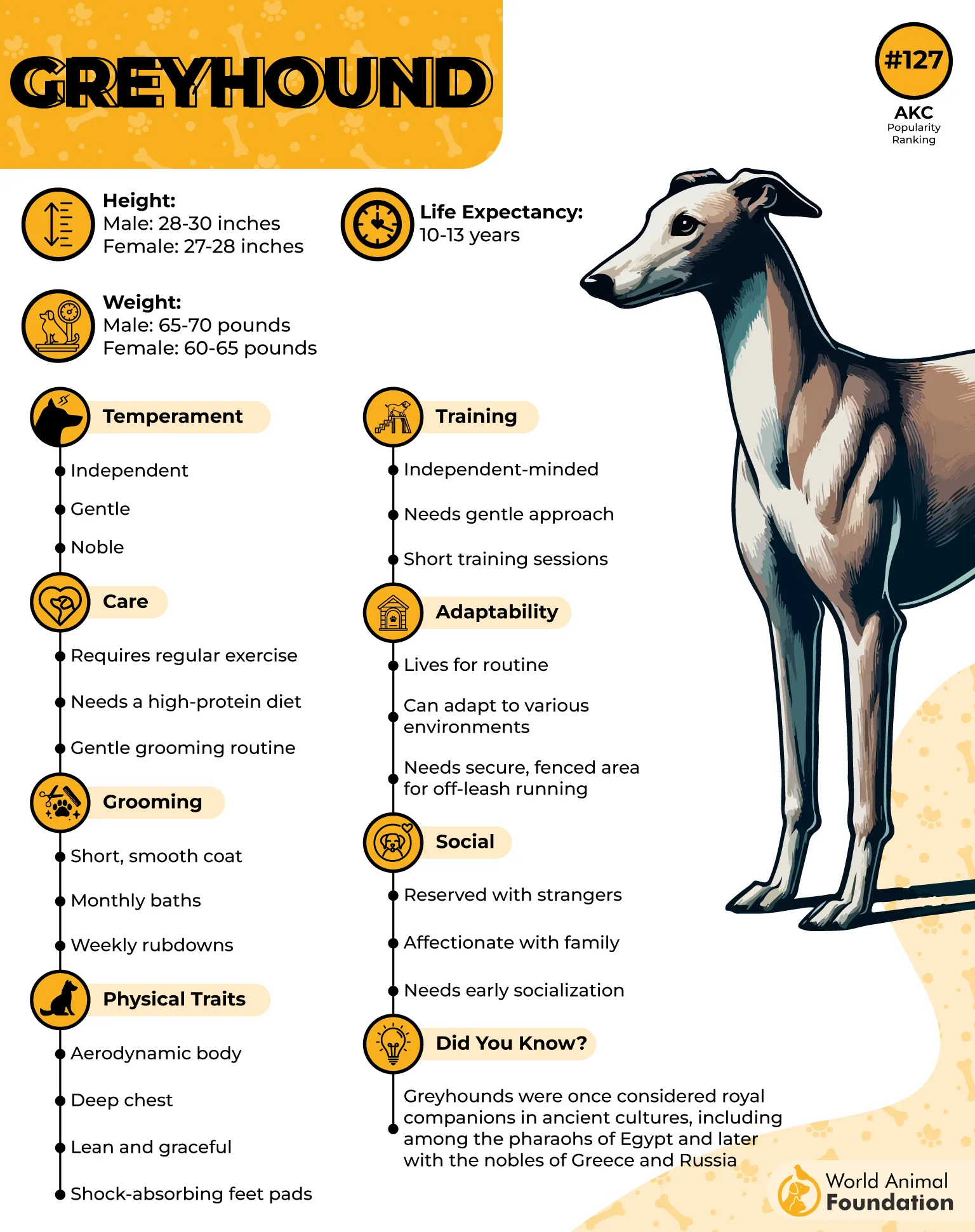
While Greyhounds are known for their speed and strong prey drive, they only need moderate daily exercise to stay balanced, and once that’s done, they’re happy to settle into full couch-potato mode. The good news is that grooming is refreshingly simple. Their short, smooth coat needs just weekly brushing, and a quick wipe with a damp cloth is often enough to keep them clean between baths.
Beyond basic training, early socialization really matters for this breed, helping them behave well around other pets in the household. Greyhounds tend to be independent and can seem a bit aloof around strangers, but with their own family, they’re often deeply affectionate.
4. Chihuahua
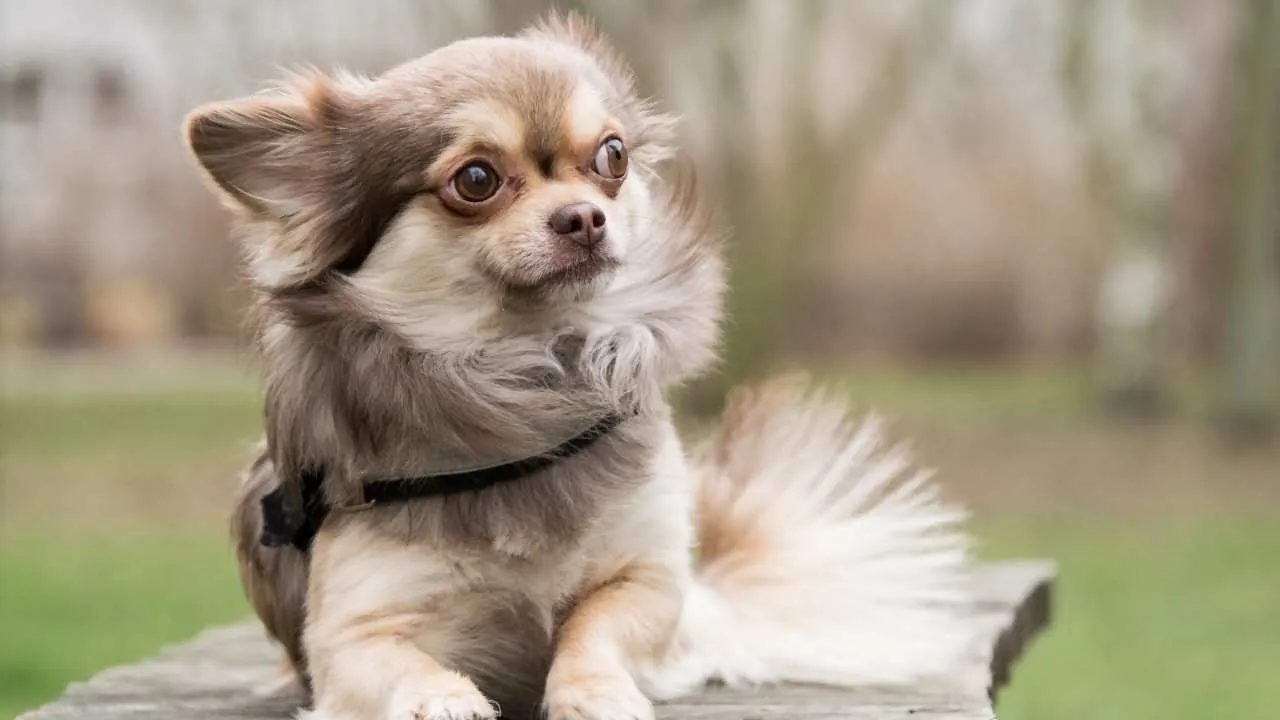
Chihuahuas are the classic “purse dog,” known for packing a huge personality into a tiny frame and a temperament that’s, well, undeniably sassy. If you’ve already brought one home, you probably know exactly what you signed up for.
According to Orvis, Chihuahuas tend to be confident, self-assured, and very much set on doing things their own way. That said, they’re also deeply affectionate dogs, often bonding intensely with one favorite person and craving close companionship.
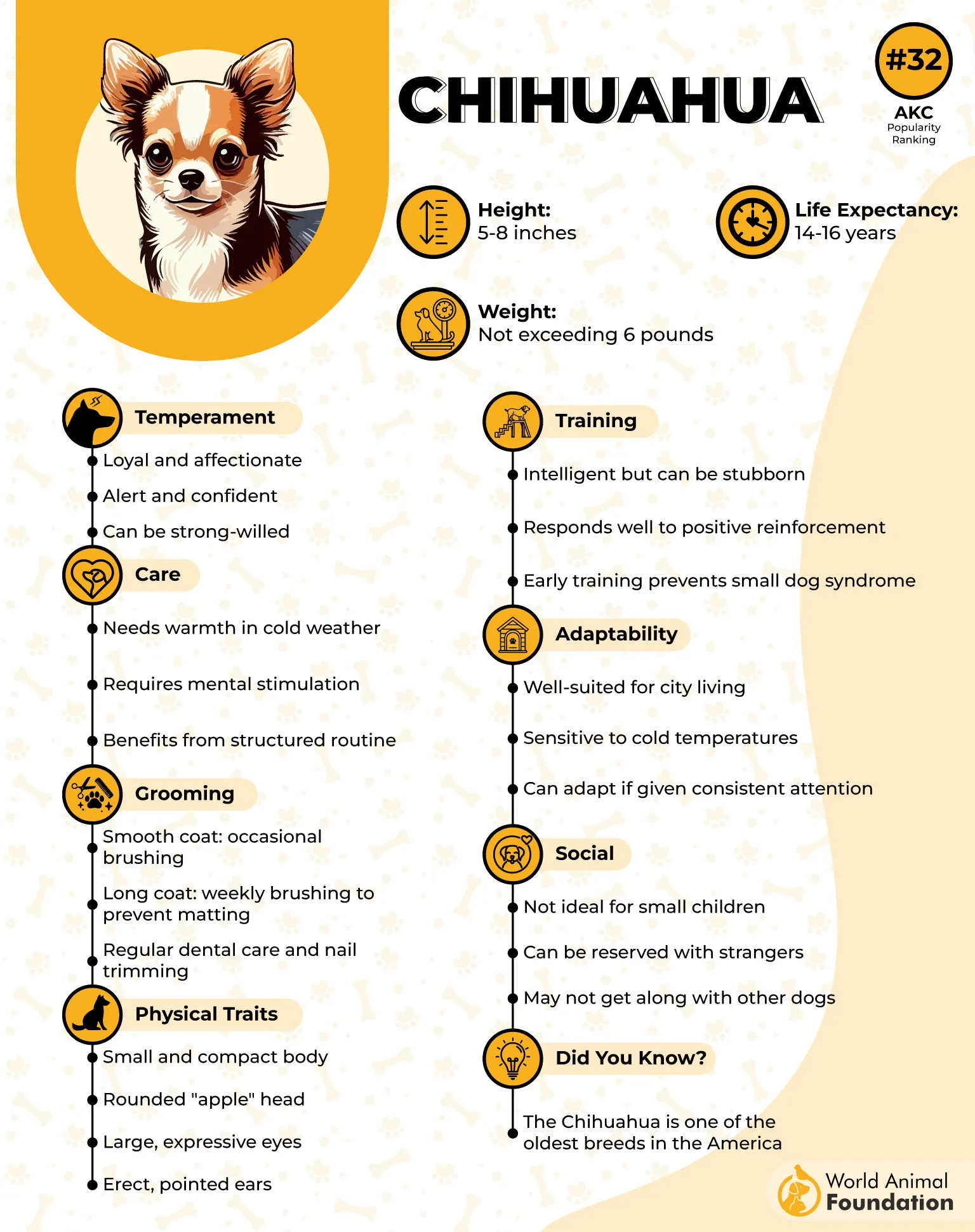
As the National Dog of Mexico and one of America’s oldest breeds, the Chihuahua has plenty of history behind that big personality. With their large, expressive eyes, perky ears, and terrier-like spirit, they’re easy to fall for. Their tiny size makes them perfect for small living spaces, though they can be surprisingly protective of their home and people, often preferring to be the only dog in the household.
Most of their energy gets burned off just following you around the house, and short daily walks are usually enough to keep them healthy and happy. Chihuahuas come in both short- and long-haired varieties, and while grooming needs shift slightly depending on coat length, both are pretty manageable overall.

The smooth-coated variety is about as low-maintenance as it gets, needing just occasional brushing and bathing. The long-haired variety requires a bit more, with weekly brushing and occasional baths, but it’s still a reasonably easy routine to keep up with.
5. Dachshund

The Dachshund is one of the most distinctive small dog breeds out there, instantly recognizable by that long body and short legs. Part of the hound group, this breed was originally developed in Germany to hunt badgers, which is exactly where the name “badger dog” comes from.
This long-bodied scent hound is all about the sniff, and chasing interesting smells comes naturally to it. Dachshunds can make solid pets for first-time owners, especially if they have access to a securely fenced yard to explore. As a hunting breed at heart, they can also be a bit independent and stubborn, so early obedience training really matters here.
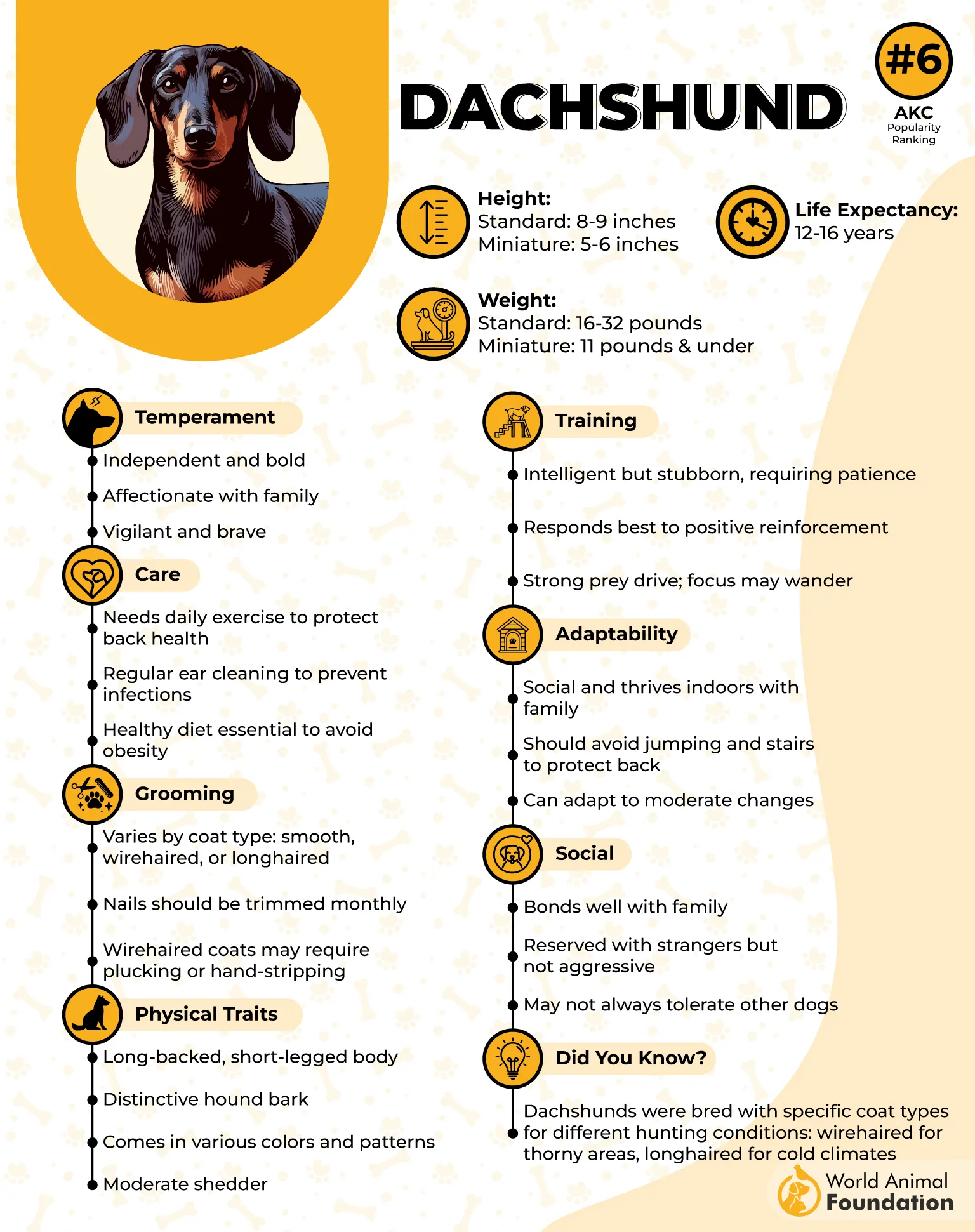
They also make excellent little watchdogs thanks to their alertness and surprisingly strong bark. Dachshunds are deeply devoted to their families, though they do tend to be a bit reserved around strangers.
Despite their small size, these dogs still need moderate daily exercise, like walks and games of fetch. One important thing to watch for is their long spine, which is prone to injury, so it’s best to limit stair climbing and jumping off furniture as much as possible.
Grooming needs vary a bit by coat type. Short-haired Dachshunds require very little upkeep, while the long-haired variety benefits from more regular brushing. Either way, this breed tends to stay naturally clean and doesn’t carry much of a “doggy odor,” so frequent bathing usually isn’t necessary.
6. Rat Terrier
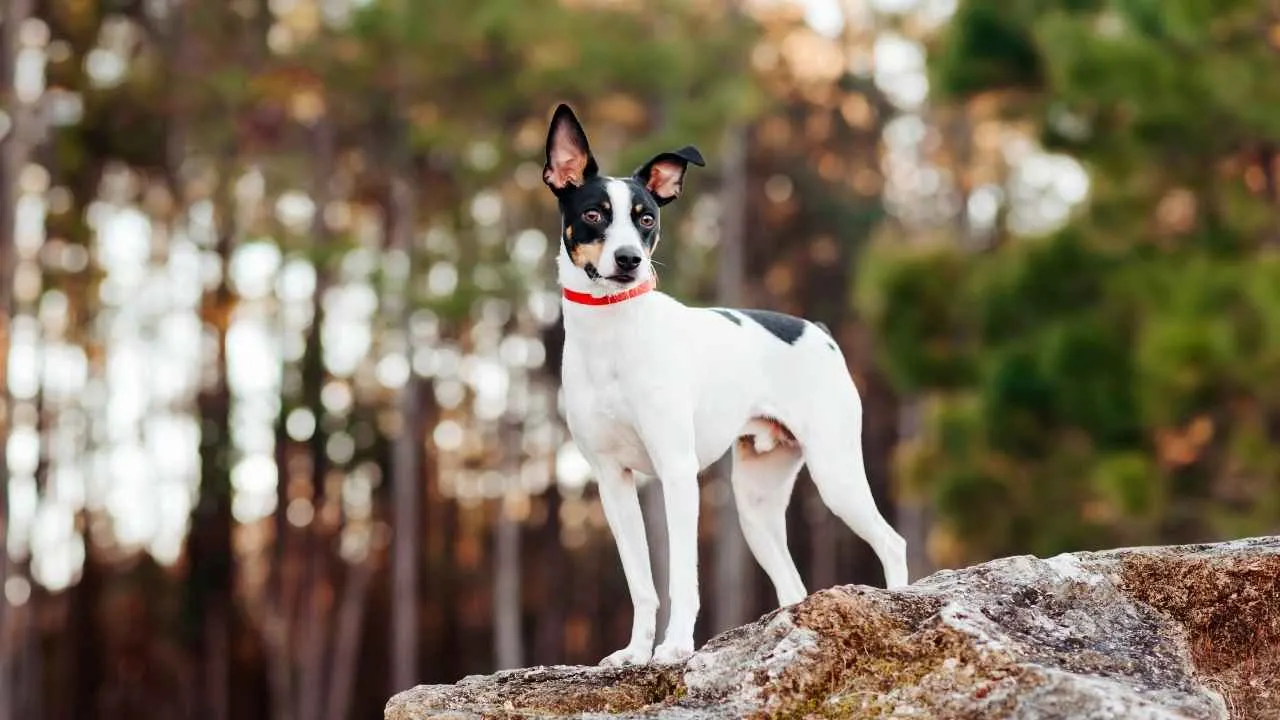
The Rat Terrier is a smart, curious little dog that’s easy to carry around thanks to its compact size. Brave and playful in equal measure, this terrier loves entertaining its people with funny, spirited antics. While they historically worked as independent hunters, Rat Terriers today are genuinely sociable and love tagging along on activities with their favorite humans.
Their coat is thick but short, needing just weekly brushing to stay in good shape, though shedding season can call for a bit more grooming effort. This breed is a great low-maintenance option as long as you can commit to some daily exercise and playtime. Beyond enjoying games indoors, Rat Terriers are just as happy heading out to a dog park for some fresh air and socializing.
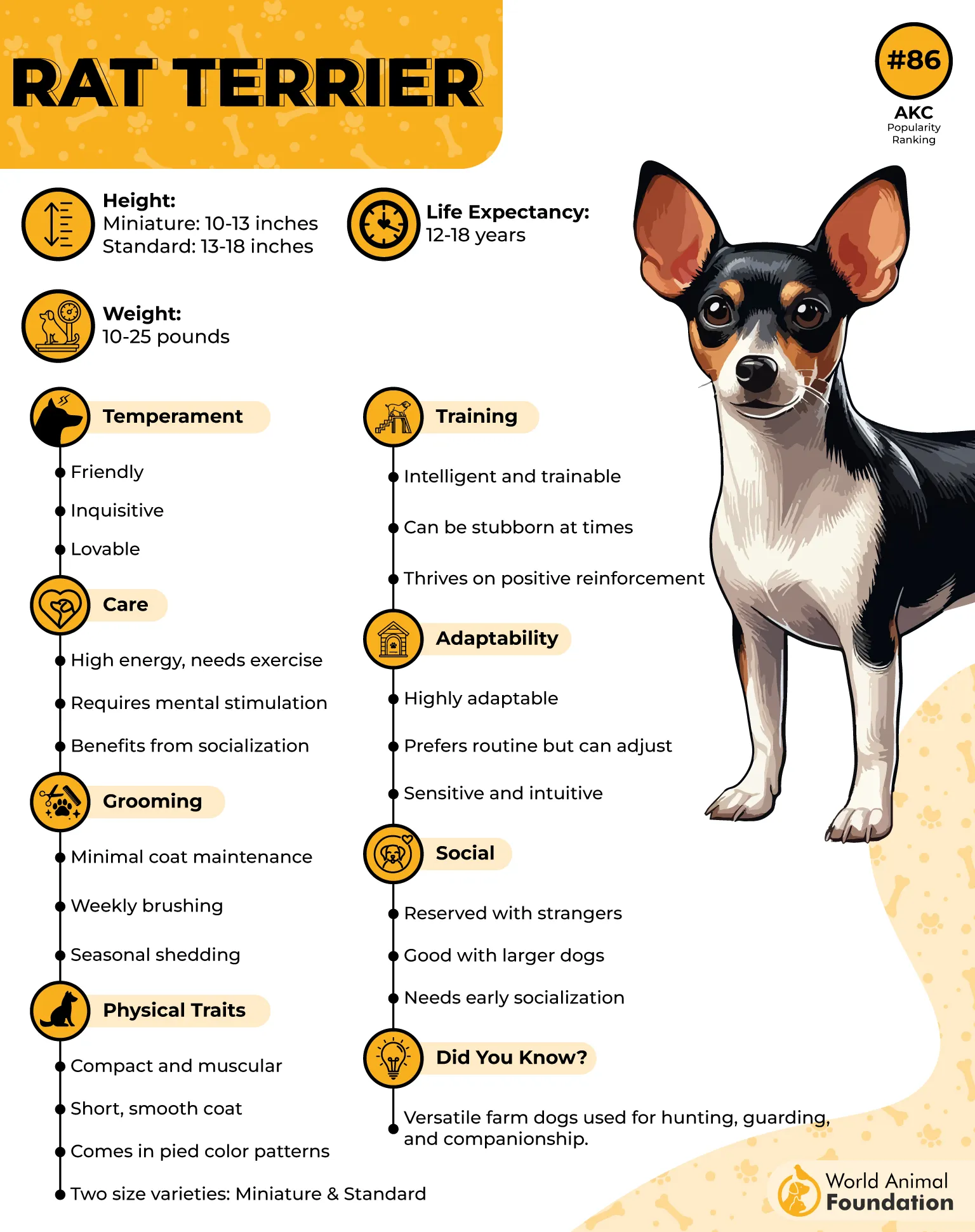
They tend to get along well with other pets, including larger dogs, though their strong prey drive means leash training and early socialization are important.
It’s also best not to leave a Rat Terrier alone in the yard unsupervised, since their intelligence and athleticism make escape attempts a real possibility. Left bored for too long, they can become excessive barkers, but overall, they tend to be well-behaved, easygoing companions.
7. Basenji
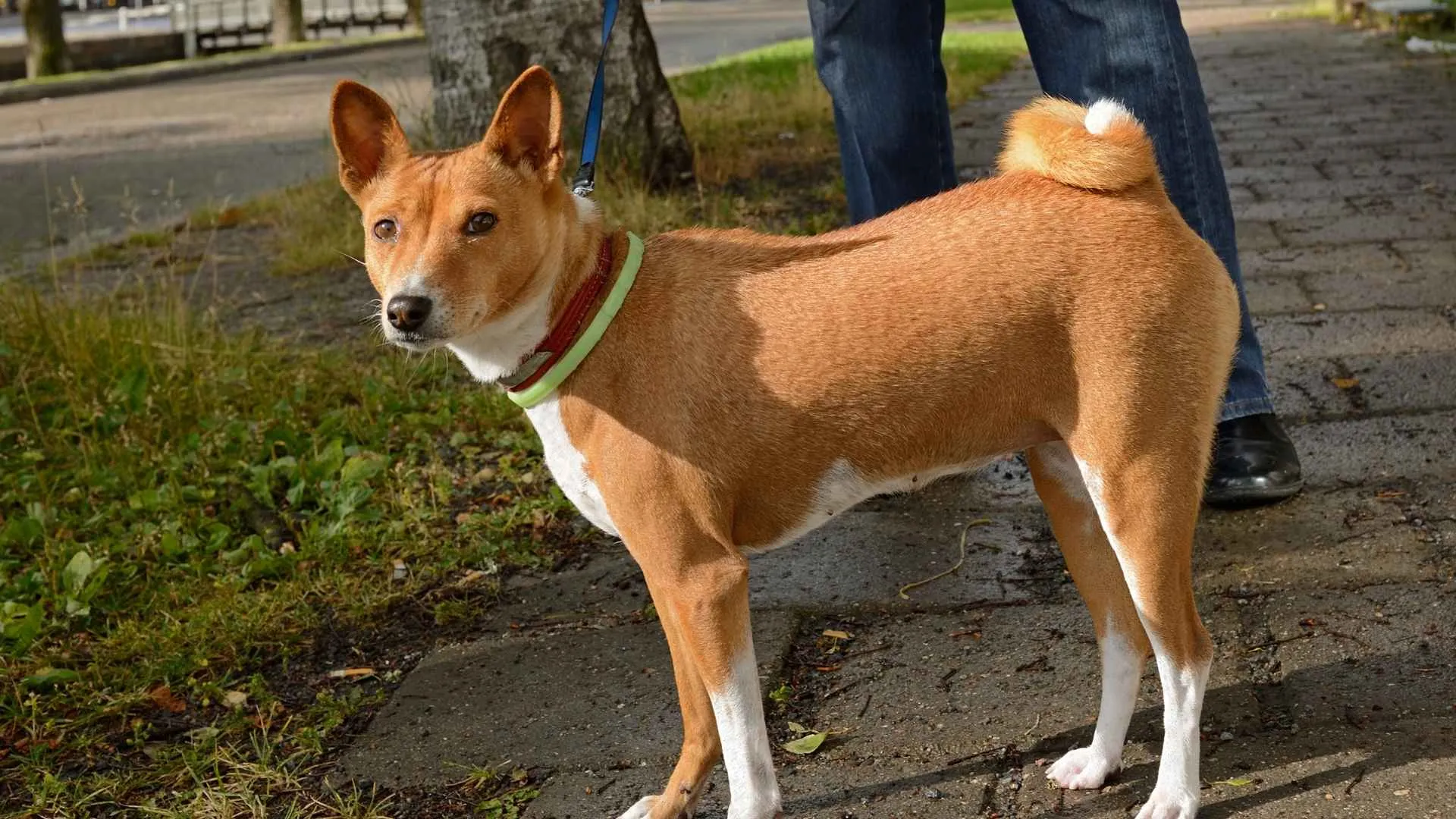
If constant barking isn’t your thing, the Basenji, often called the “barkless dog,” might be exactly what you’re looking for. This elegant, highly intelligent hound has a temperament that’s often compared to a cat’s. While Basenjis don’t bark in the traditional sense, they do have a distinctive yodel-like sound they use to express themselves when the mood strikes.
Basenjis have short coats and, much like cats, tend to groom themselves by licking. They’re also naturally odorless, needing only occasional baths, and a quick weekly brushing is enough to help distribute natural oils through their coat and keep skin healthy.
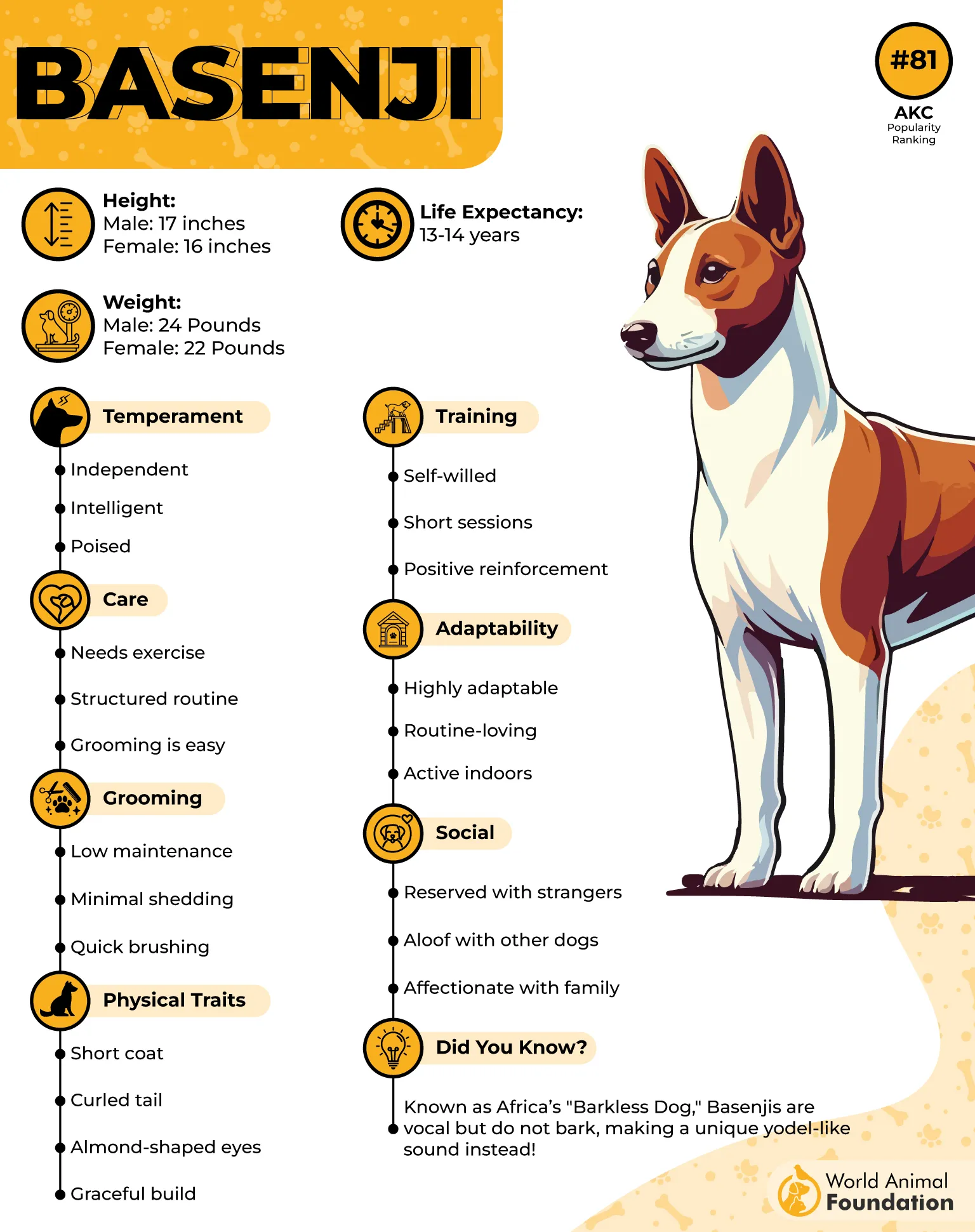
This breed genuinely dislikes boredom and does best with active owners who can commit to daily exercise. Like any dog, Basenjis also need regular veterinary checkups to stay healthy over the long run.
Given their cat-like independence, Basenjis benefit from early, consistent training using positive reinforcement methods. As an energetic breed, quality nutrition also plays an important role in keeping them healthy and thriving alongside their family.
Conclusions
These dogs make wonderful companions and are surprisingly low-maintenance overall, thanks to their short coats and manageable energy levels. That said, even the easiest breeds still need some routine care, minimal grooming, and regular vet visits to stay healthy.
Whether you’re a first-time dog parent or simply juggling a busy lifestyle, it’s worth thinking things through carefully before bringing a new dog home.
Reach out to a reputable breeder or your local rescue shelter to help find the low-maintenance breed that best fits your lifestyle.
