




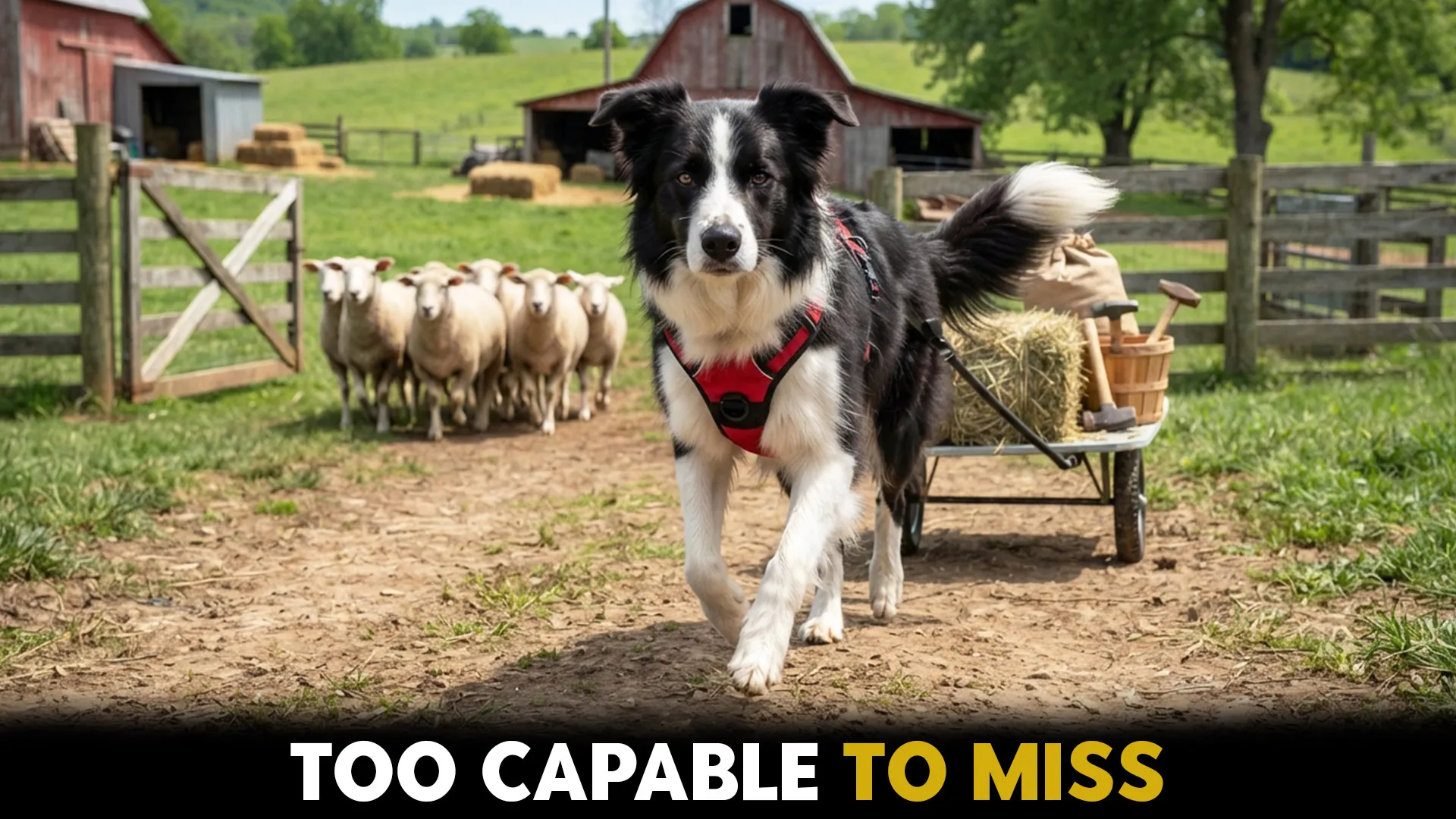
Some dogs are built for jobs that demand more than just obedience. Herding and draft work call for strength, stamina, sharp awareness, and the ability to make quick decisions around livestock.
These dogs can work tirelessly, locating animals, patrolling areas, or working alongside a handler in tough environments. The breeds on this list don’t all do the same job, though. Some are better suited to moving livestock around, others lean more toward guarding, and a few combine herding skills with the energy needed for hard farm labor.
The best farm dog breeds can protect livestock while still making great family pets, and with the right training, they can double as reliable guard dogs too.
Here are seven of the more robust dog breeds worth considering for farms, ranches, and other working environments.
Sturdy Dog Breeds for Draft Work and Herd Management
1. Beauceron
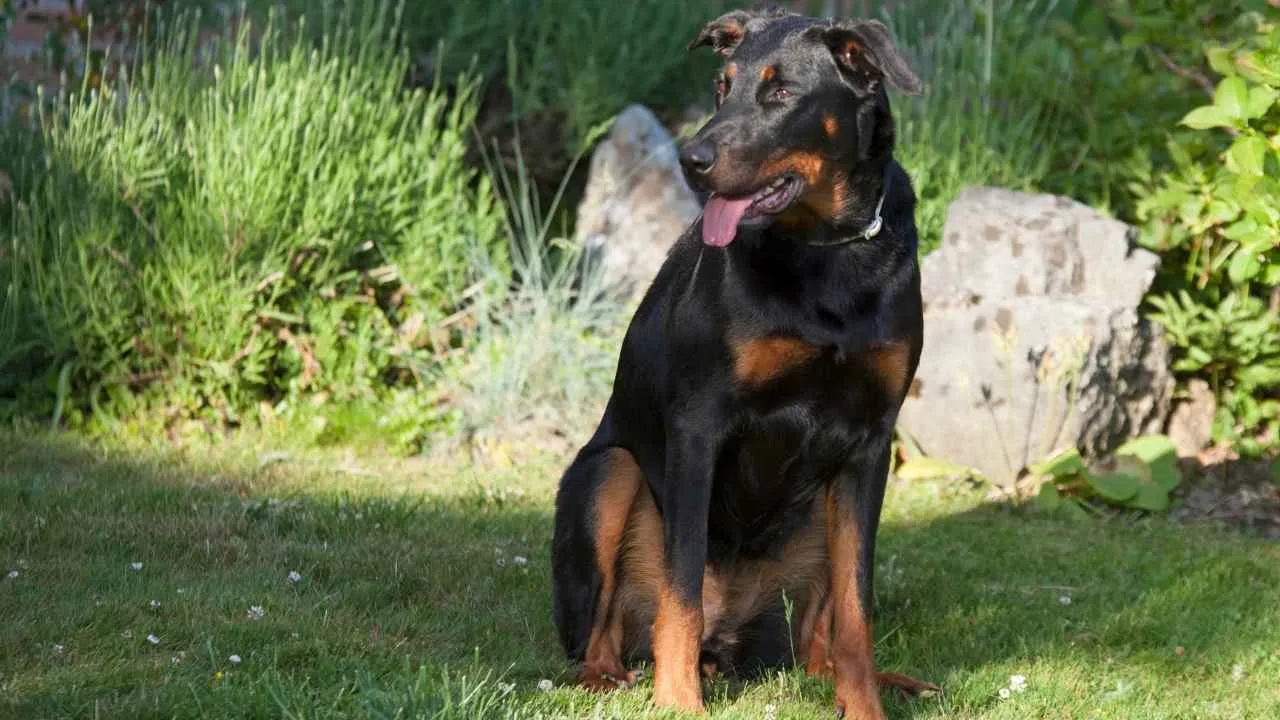
The Beauceron is a strong French herding breed originally developed to look after large flocks. Its size and athletic build let it cover long distances with ease. Unlike a dog bred just to follow orders, the Beauceron was expected to work independently and herd animals on its own judgment. On a working property, that independence can be a real asset, though it can also make training a bit more demanding.
Beaucerons take their work seriously when they’ve got a job to do. They need clear rules and consistent handling, and their intelligence means they tend to get bored with repetitive training fast.
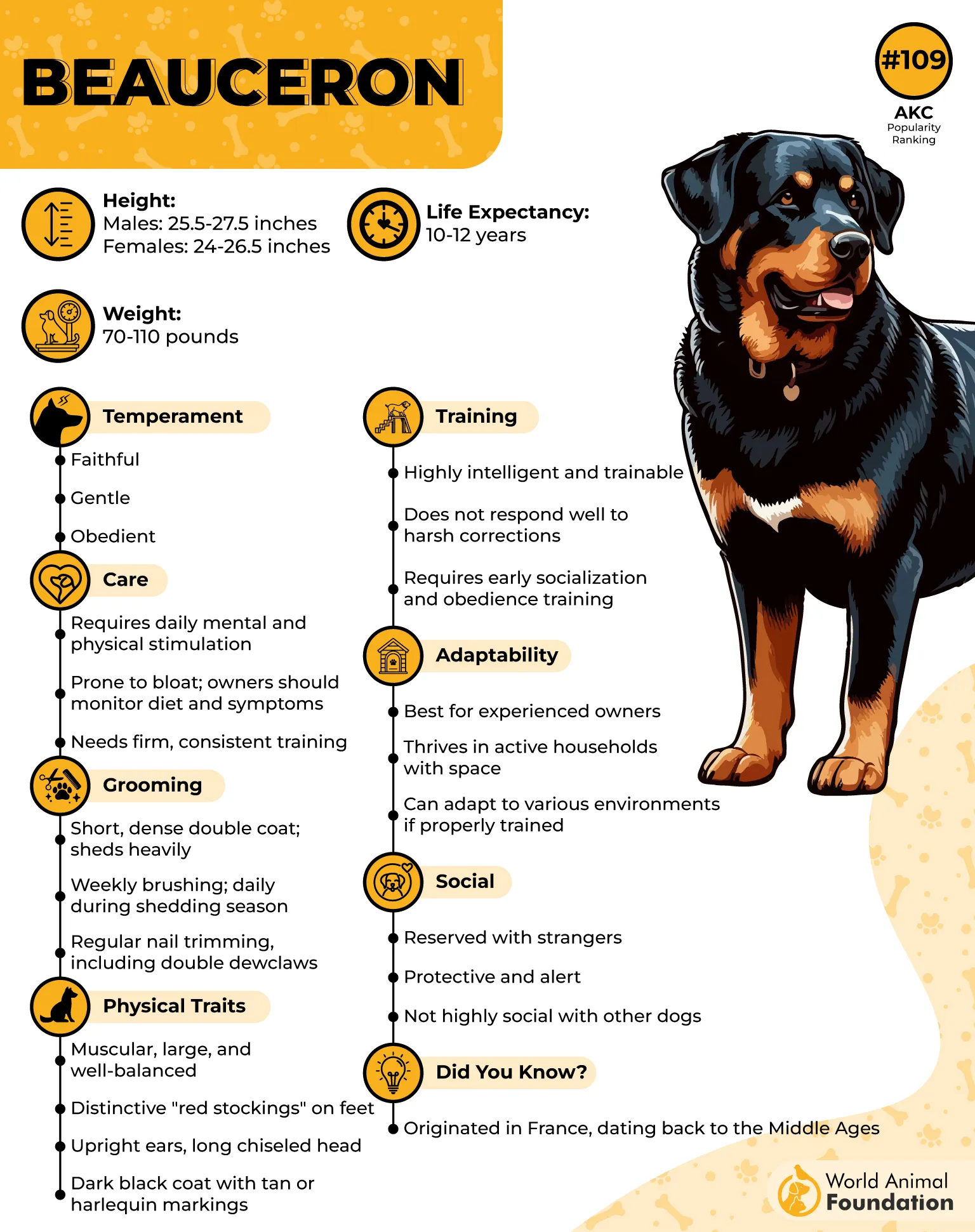
Their double coat holds up well for outdoor work, but according to the American Kennel Club, regular brushing is needed to clear out dead hair and keep the coat free of dirt and fleas. This breed can also be protective of its territory, so good socialization is a must to head off any unwanted behavior.
Altogether, the Beauceron offers a handy mix of strength, stamina, and herding instinct for demanding farm work.
2. Border Collie
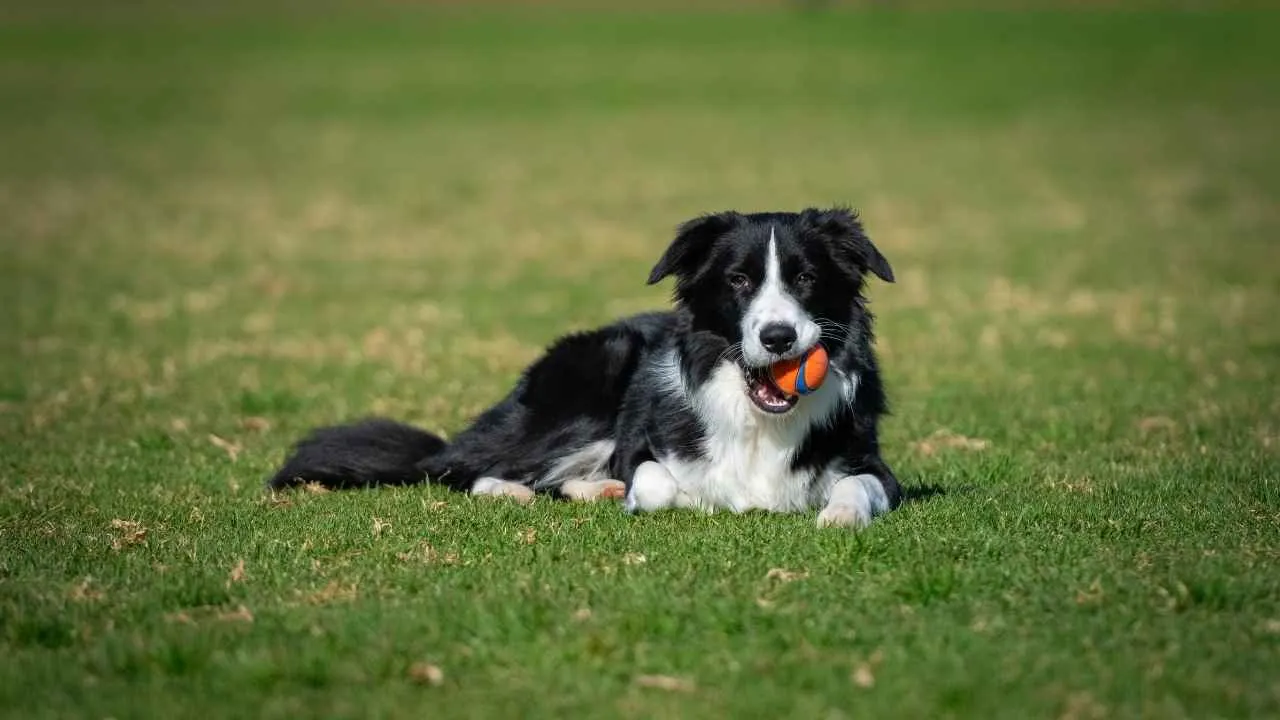
The Border Collie takes a different approach to working livestock. Instead of relying on physical force, it uses movement, eye contact, positioning, and quick responsiveness to guide animals, which makes it especially handy when precision matters.
One of its standout traits is sheer intelligence. A Border Collie can memorize complicated patterns and react to the slightest command from its handler. That same intelligence, though, can be a challenge for the average owner, since mental stimulation is crucial to keeping a Collie happy and content.
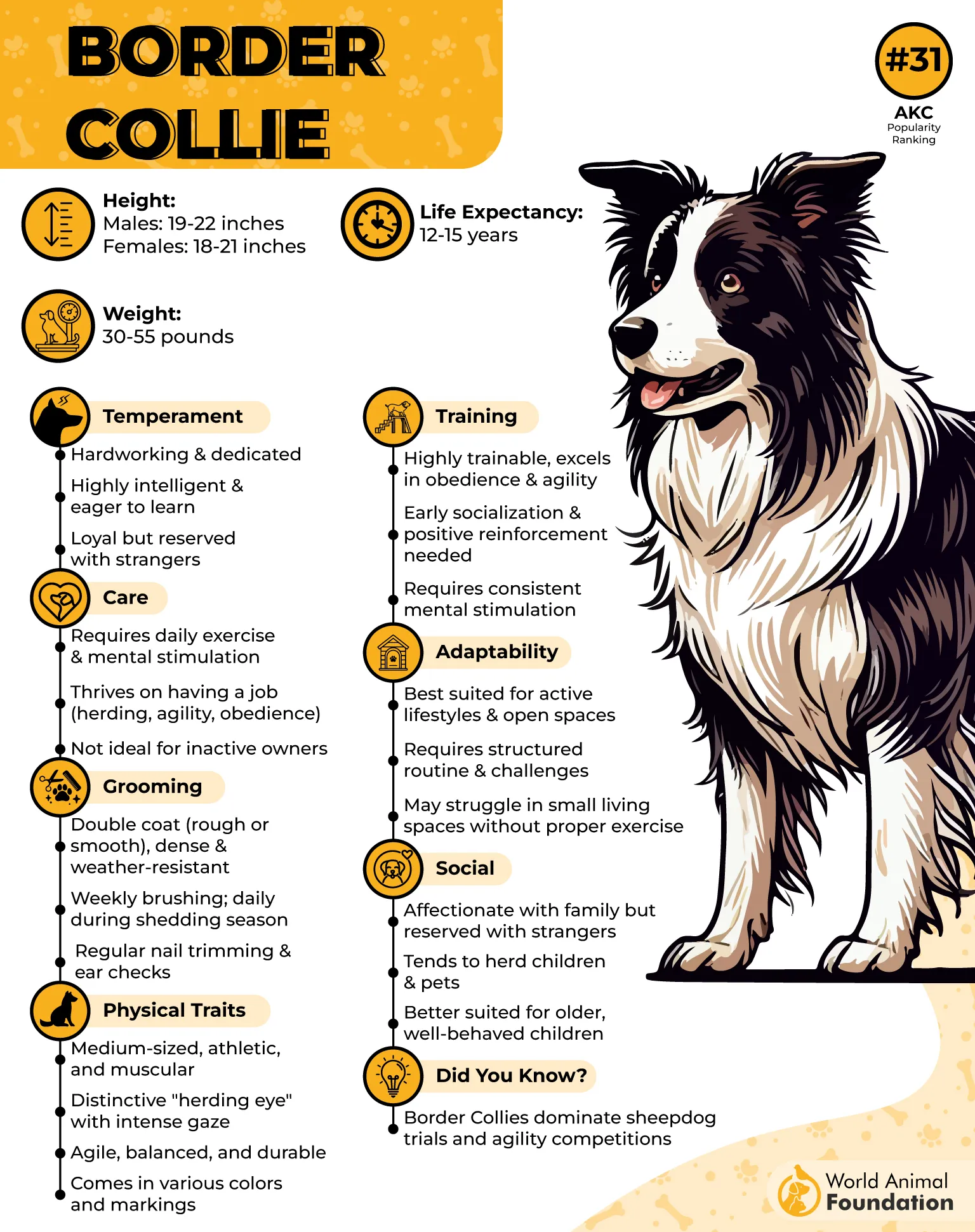
Border Collies are a great fit for owners who genuinely enjoy working alongside their dogs. According to Purina, herding exercises, obedience training, agility, and structured games all make useful outlets for their energy. Their athletic build also lets them work for hours without tiring.
For livestock owners managing large animals across wide areas, this breed is hard to beat.
3. Bergamasco Sheepdog
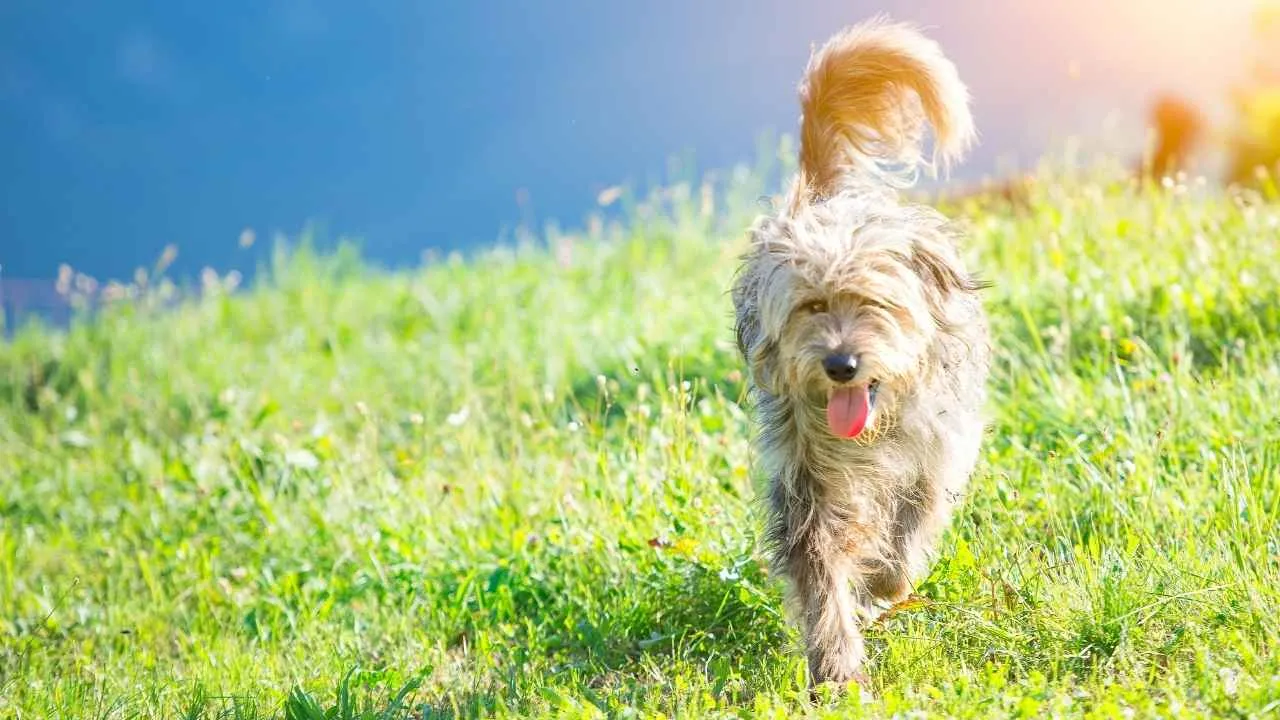
The Bergamasco Sheepdog is easy to identify thanks to its peculiar, one-of-a-kind coat. The coat develops into three different types of hair that naturally form mats and flocks, an adaptation that evolved to protect the breed from harsh weather and predators in mountainous terrain.
Its working history is just as interesting. According to PetMD, Bergamascos were bred to help shepherds manage sheep in the Alps, which meant they had to stay attentive and work well without close supervision.
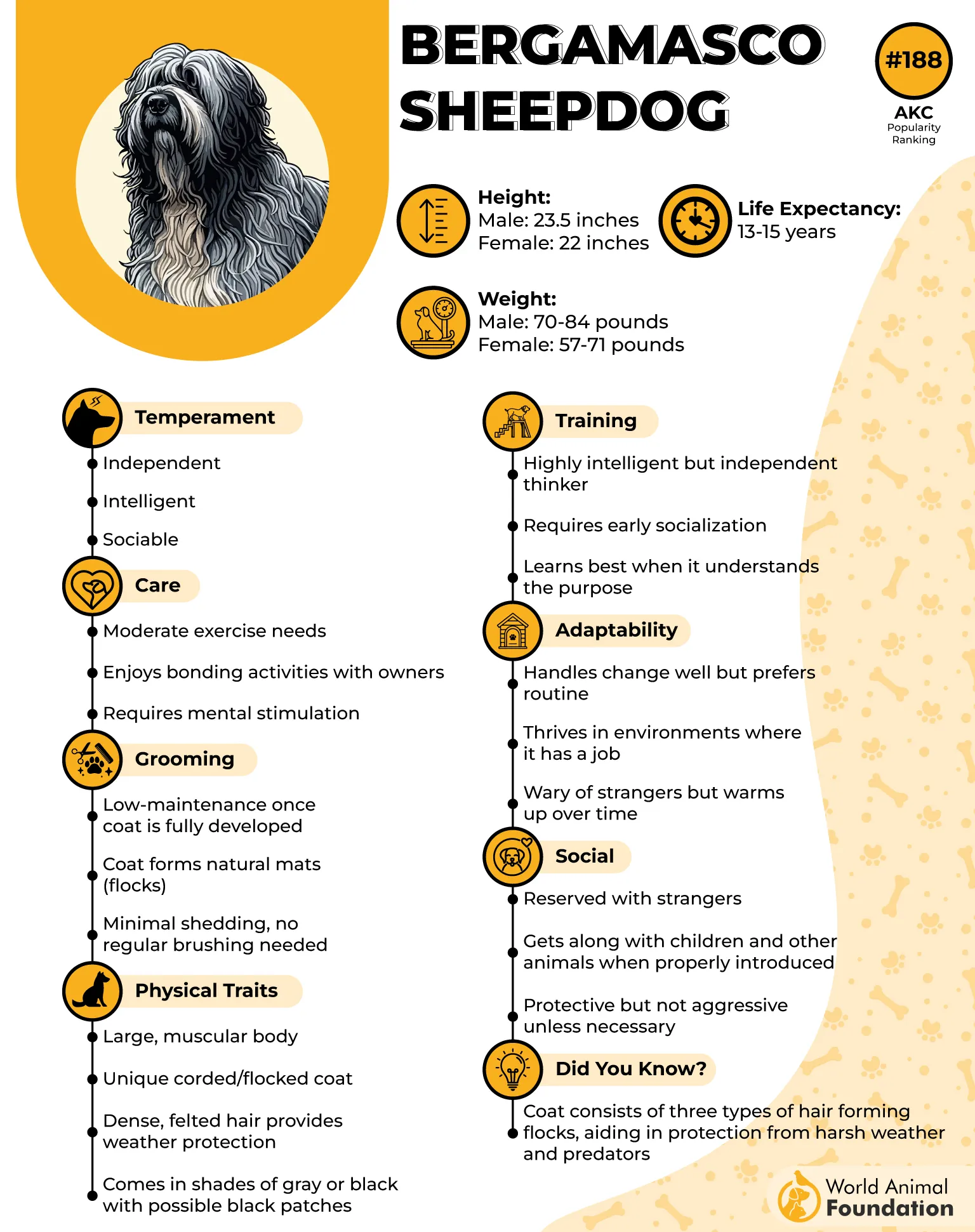
Their temperament is usually described as thoughtful rather than frantic; they tend to size up a situation before reacting. As for the coat, it doesn’t need frequent brushing the way a typical long-haired breed would, but owners do need to understand how the flocks form and grow to keep the coat in proper condition.
All in all, it’s a fascinating breed to consider for owners who need a dog built for tough, unforgiving environments.
4. Bouvier Des Flandres
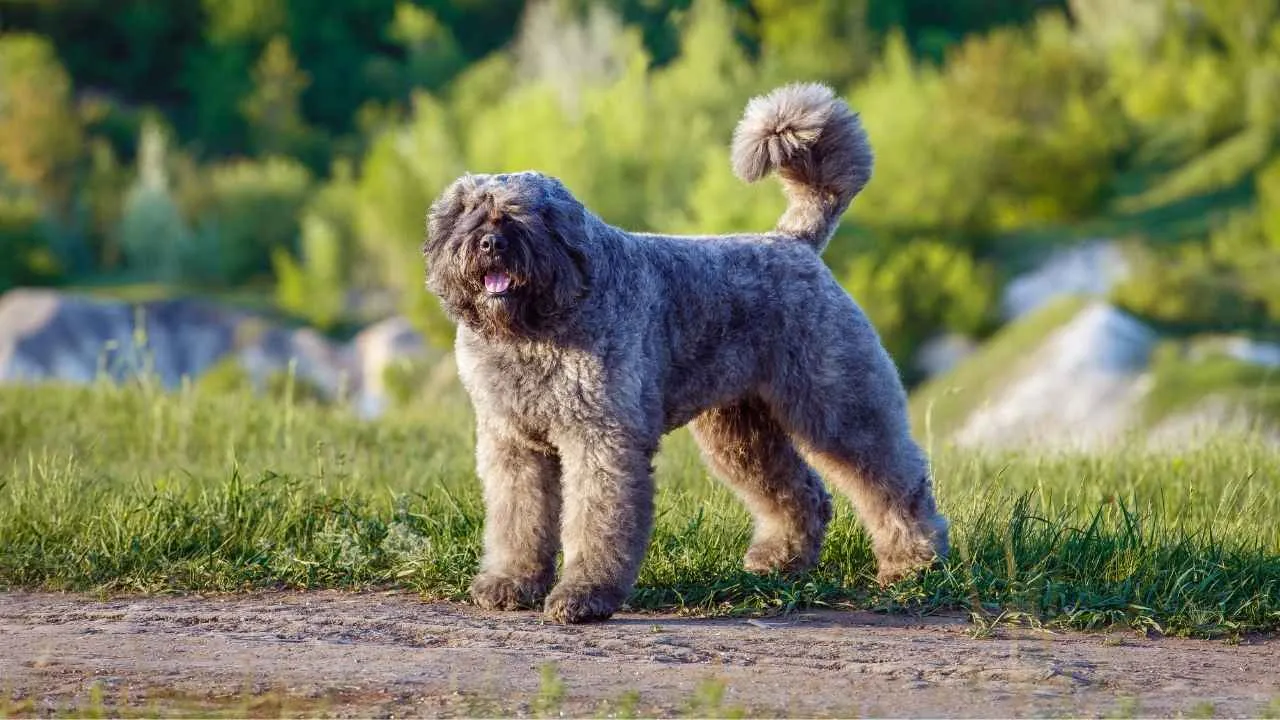
The Bouvier des Flandres was developed as a multi-purpose farm laborer in Belgium and France. It’s closely associated with cattle work, and the breed was also used for other heavy tasks that required real physical strength around the farm.
The Bouvier’s bulky build gives it an edge for demanding physical work, but its temperament isn’t fast or highly reactive like some herding breeds. Instead, they’re stable and focused, which comes in handy around large animals.
The breed’s coarse coat offers good protection during outdoor work, though it does need frequent grooming to stay clean and healthy. These dogs are also natural guardians, protective of their space, and early socialization helps them learn to tell the difference between normal farm activity and actual danger.
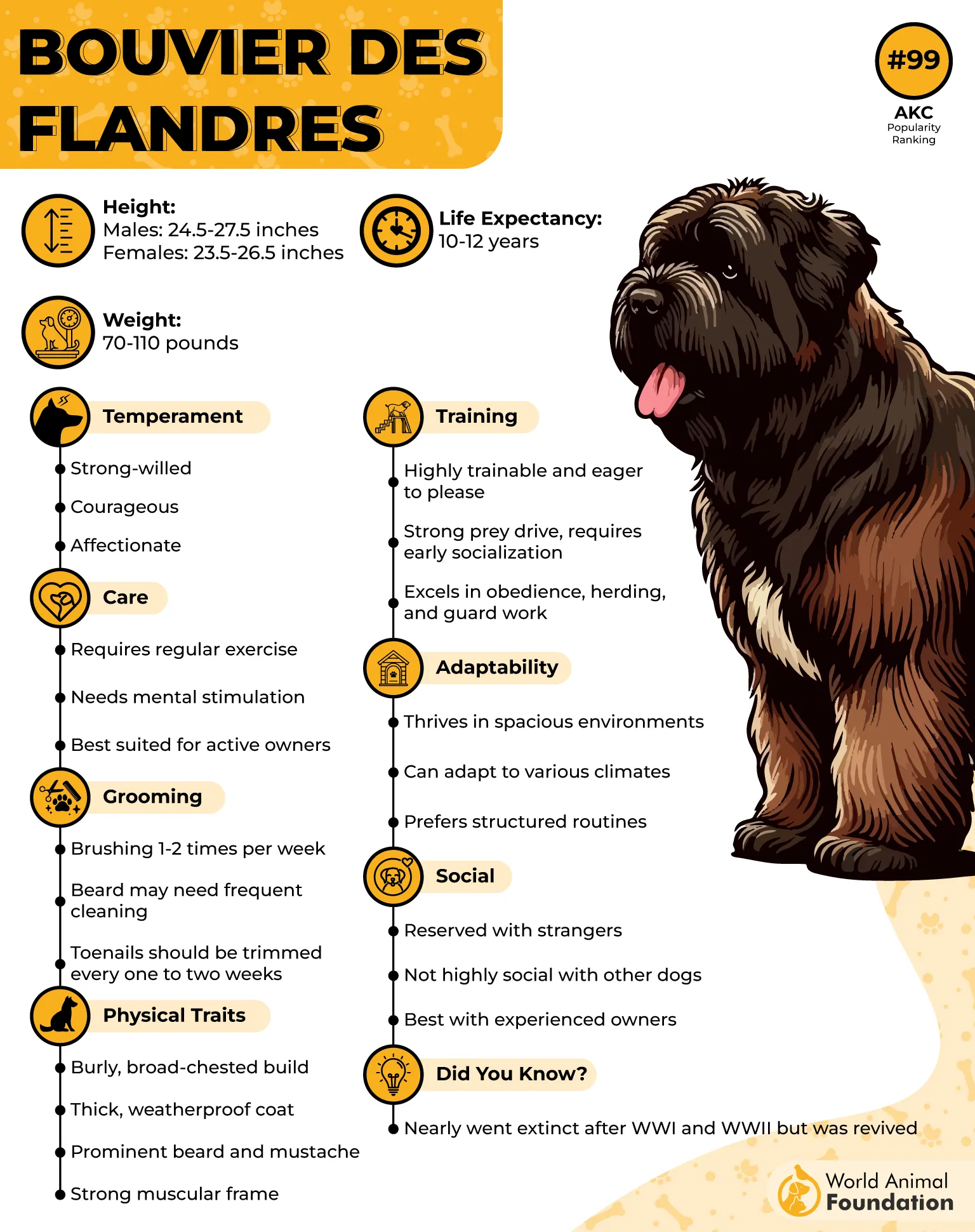
Versatility is one of the Bouvier’s greatest strengths. A well-trained Bouvier can pitch in on a number of jobs rather than being limited to just one task.
5. Briard
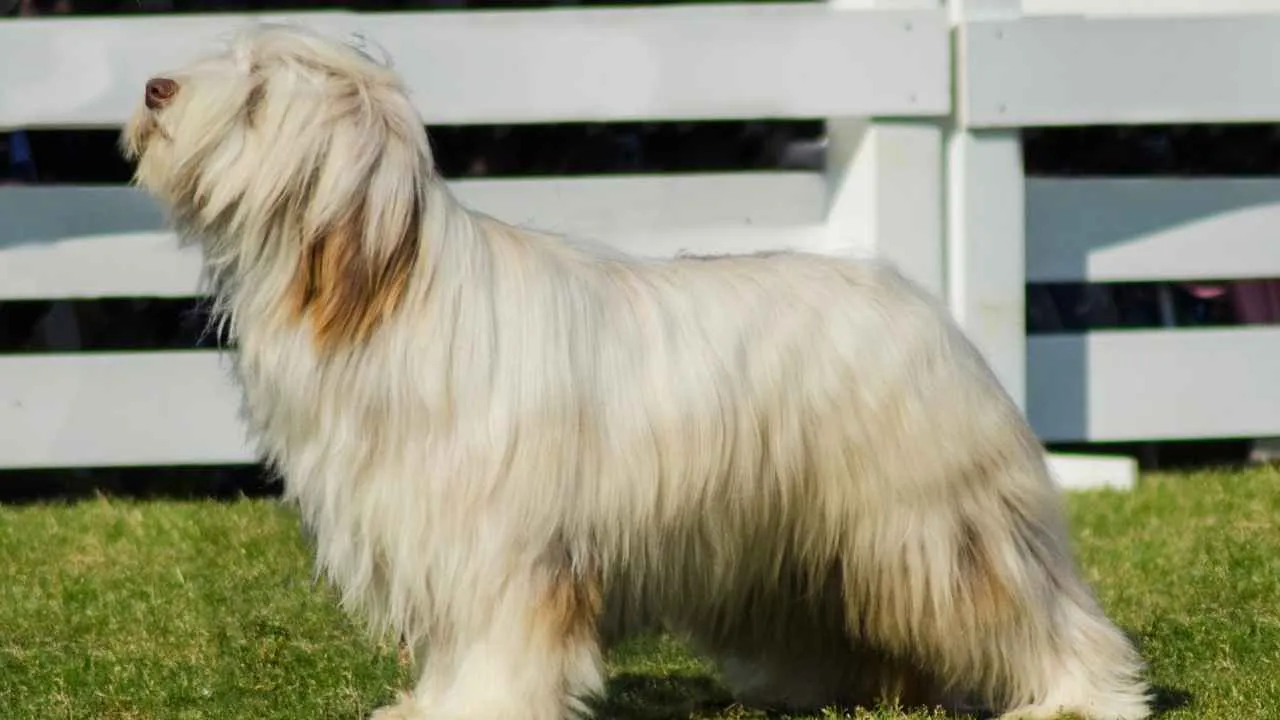
The Briard is an ancient French herding breed, and its job always went beyond simply moving animals around. This dog had to follow the herd, take direction from its handler, and stay alert for the entire working day.
The Briard’s long coat gives it a distinctive look and also offers real protection against the harsh conditions found on farms and ranches. That coat needs regular grooming, though; left unchecked, mats tend to form, especially in spots where friction happens.
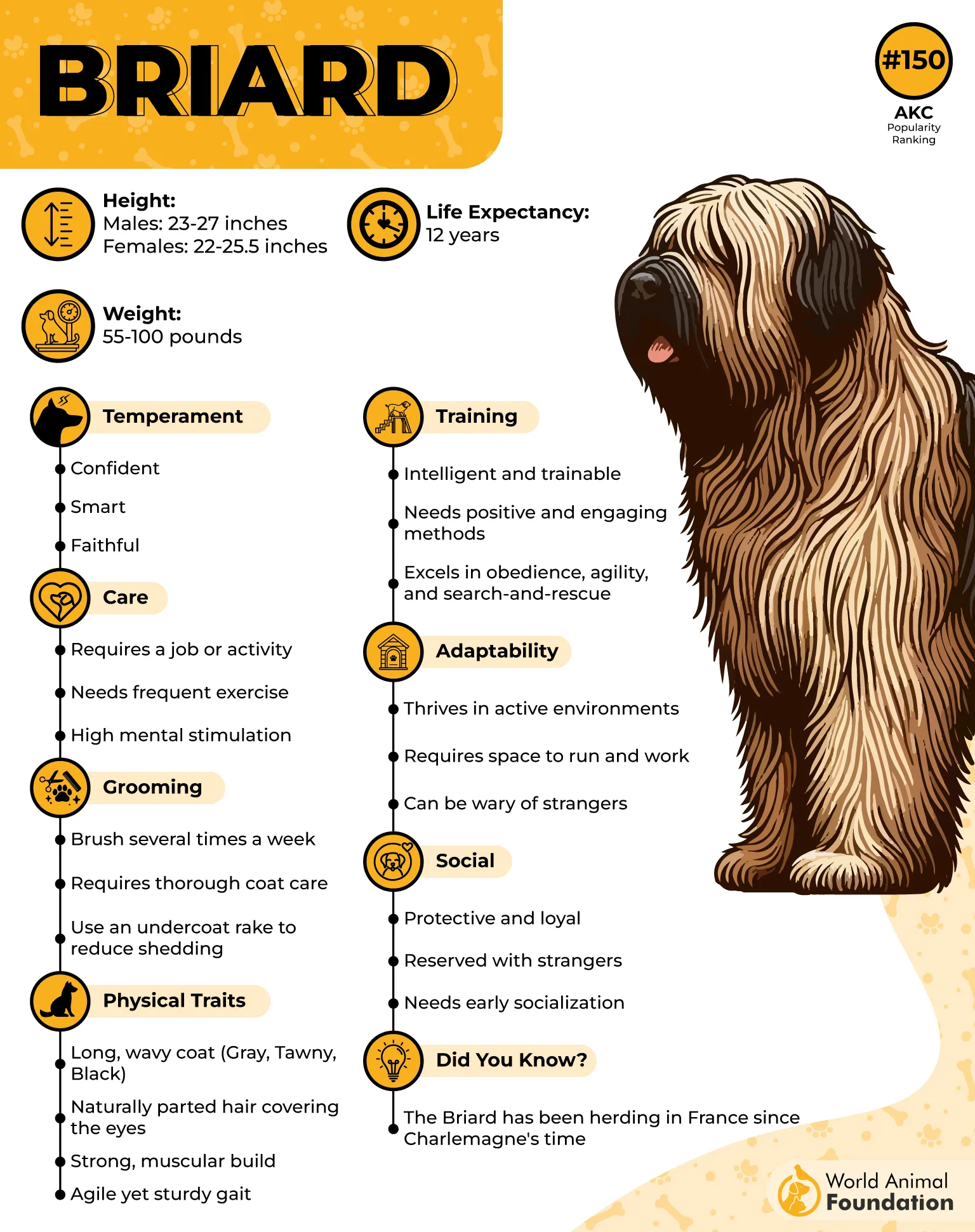
Briards are known for staying close to their owners, which makes training more enjoyable and keeps communication easy even in hectic environments. Exercise should combine both physical and mental activity, whether that’s obedience sessions, structured livestock work, or organized outdoor games.
For a farm owner looking for a strong, bonded working dog, the Briard can be a great fit.
6. German Shepherd
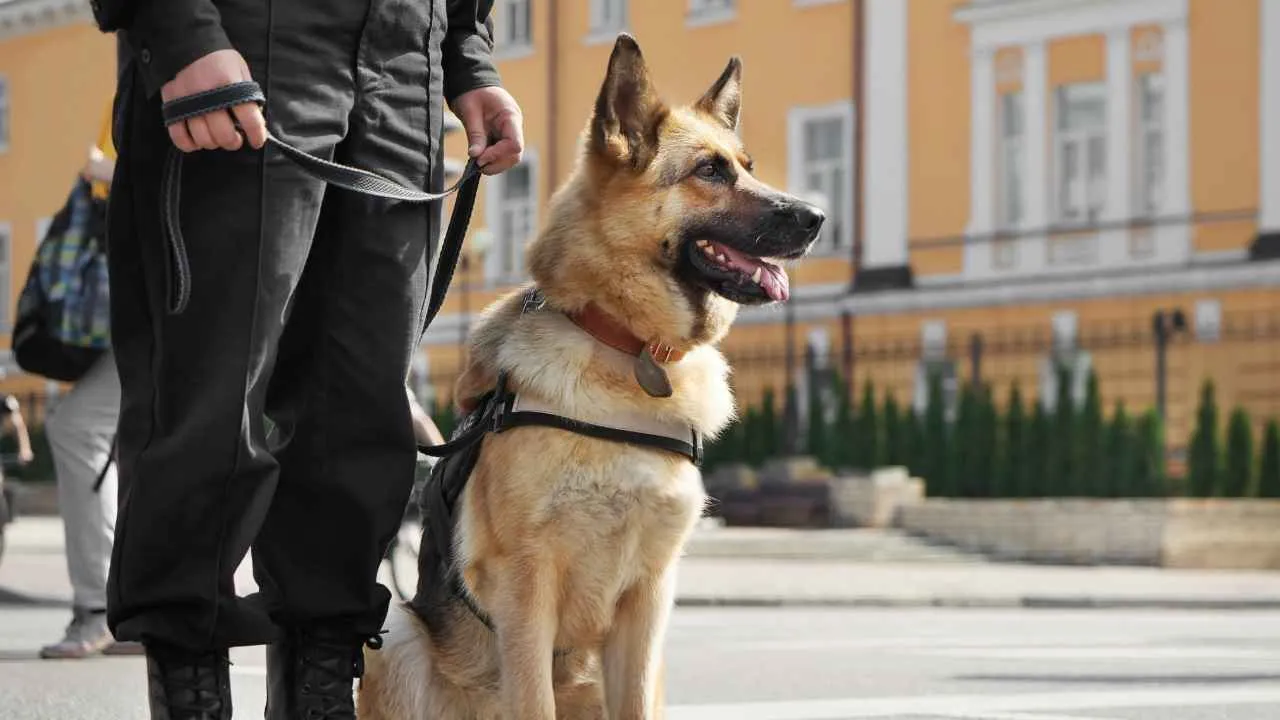
German Shepherds aren’t limited to just one type of work. Their intelligence, athleticism, and versatility make them useful for herding, protection, detection, search work, and service roles alike.
That flexibility comes in handy for modern farm labor too. A German Shepherd can be trained to help out with livestock work while doubling as an alert, responsive guard dog.
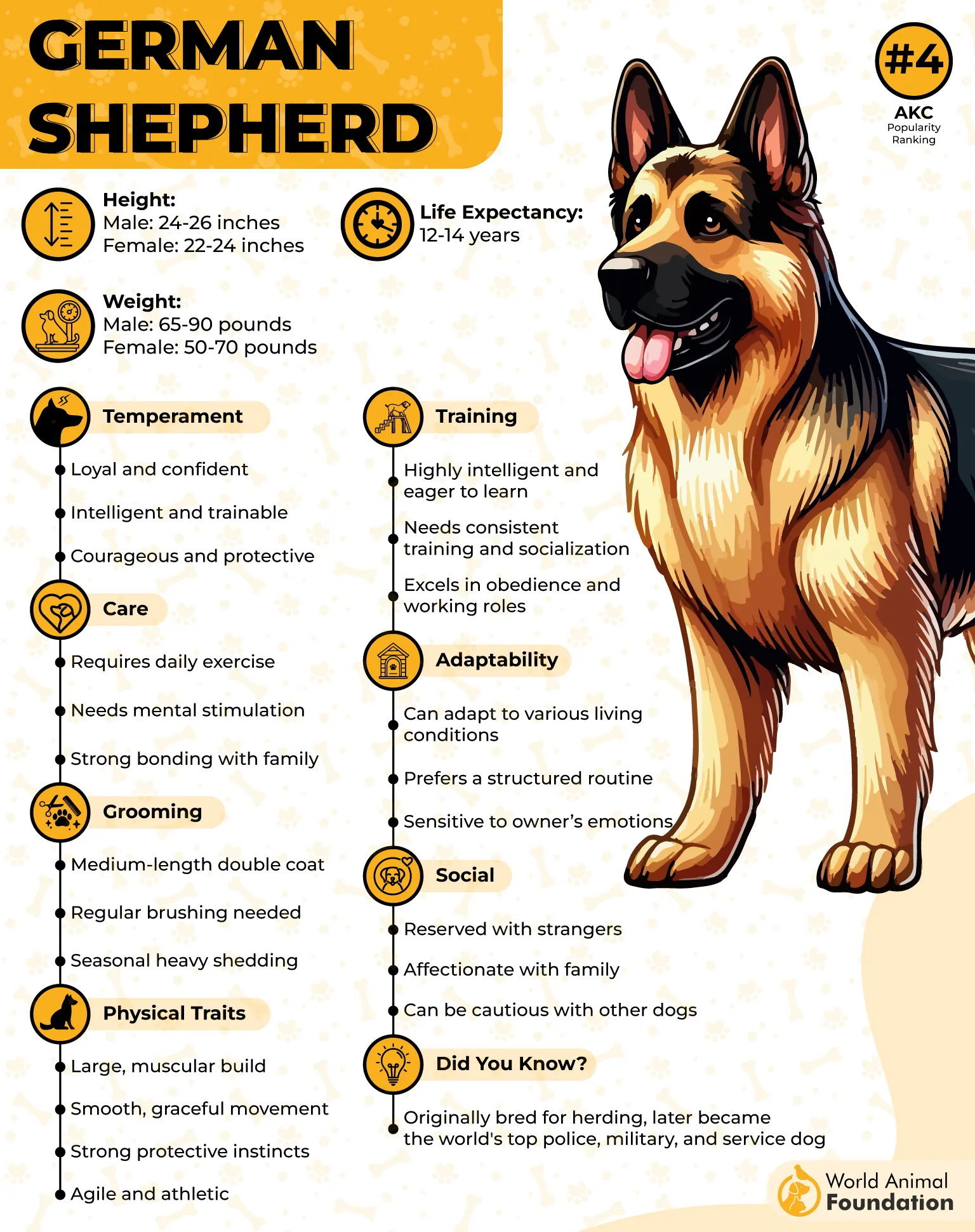
Training should be intentional from the start, since German Shepherds are quick learners and can pick up bad habits just as fast as good ones. They also shed regularly, so frequent brushing is a must, and a good shampoo and conditioner during baths helps keep the coat healthy and tangle-free.
Purposeful activity matters just as much. A couple of casual walks won’t satisfy a dog bred and trained for hard, physical work.
7. Old English Sheepdog
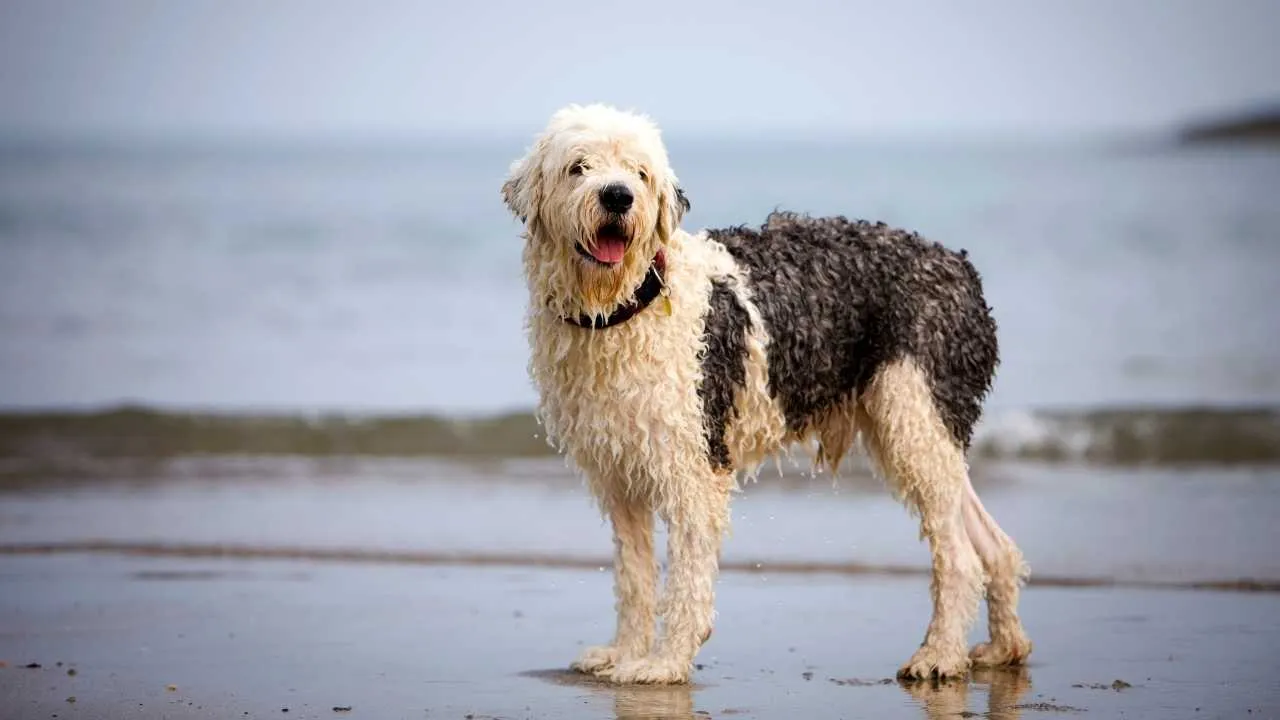
The Old English Sheepdog has a look all its own, but its history is deeply rooted in hard farm work. These dogs helped move cattle across open fields from one place to another, work that demanded real strength and confidence around livestock.
That shaggy coat is the breed’s most distinctive feature, but it also comes with a serious grooming commitment. Regular brushing is a must to avoid painful matting.
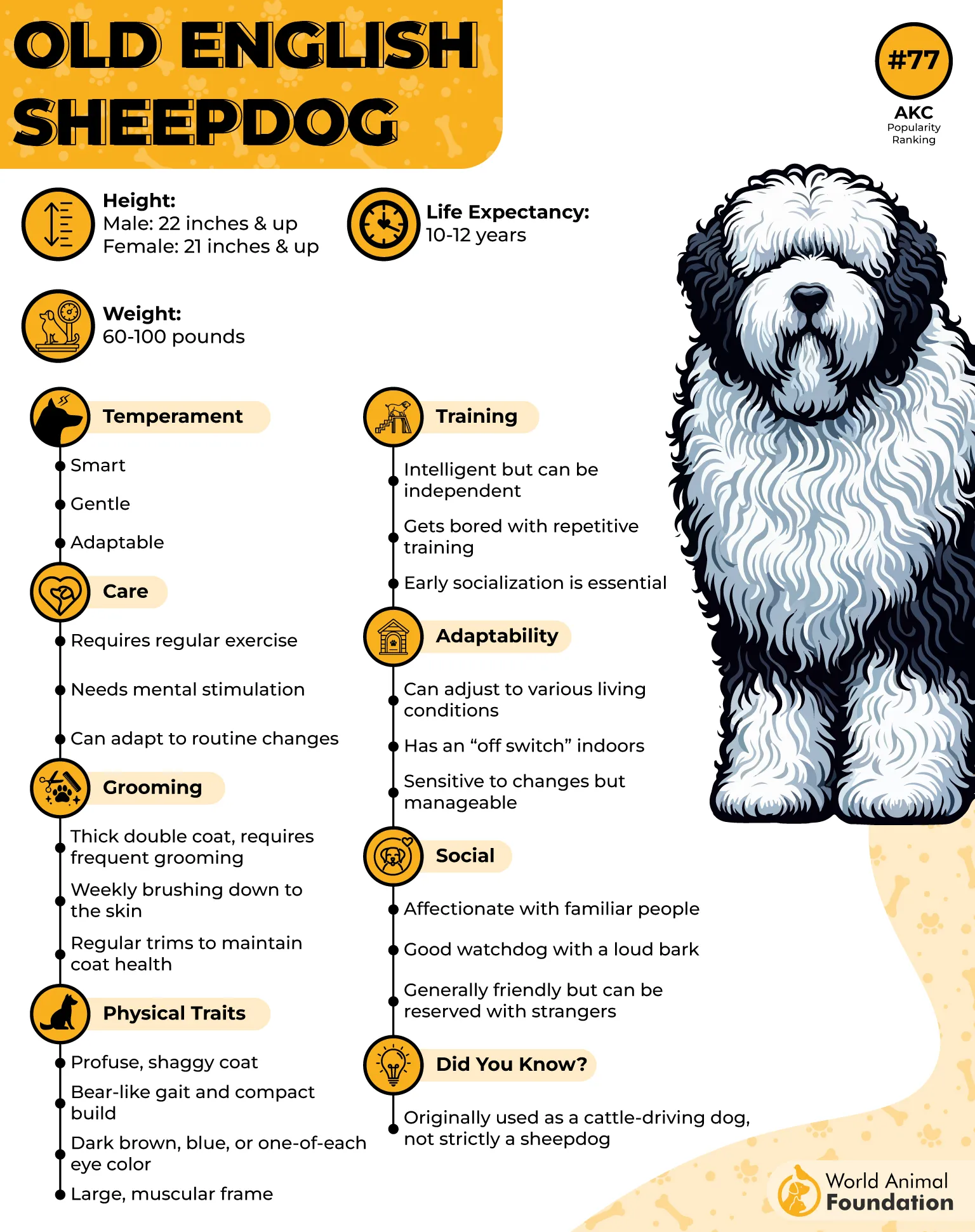
Its large frame gives the breed a strong physical presence that’s genuinely useful when moving livestock around. That said, proper training matters, since these dogs can get stubborn at times and cause a bit of chaos when handling farm animals. Positive reinforcement methods go a long way toward keeping them well-behaved around kids and other pets, whether on a farm or at home.
Overall, this is an adaptable breed for owners who want a large farm dog with traditional droving heritage and plenty of character to match.
Conclusion
Draft work and herd management aren’t one-size-fits-all jobs. The ideal breed depends on the animals being managed, the terrain, the workload, and the experience of the handler. These dogs can be a challenge to train, but with the right techniques, they can grow into loyal family pets that still carry the protective instincts needed to herd animals and manage livestock.
Strength alone isn’t the deciding factor. The real question is whether a breed’s natural working style actually fits the job at hand.
When the right breed is paired with the right task, these dogs become far more than farm companions. They turn into reliable working partners with a clear sense of purpose every day.
