




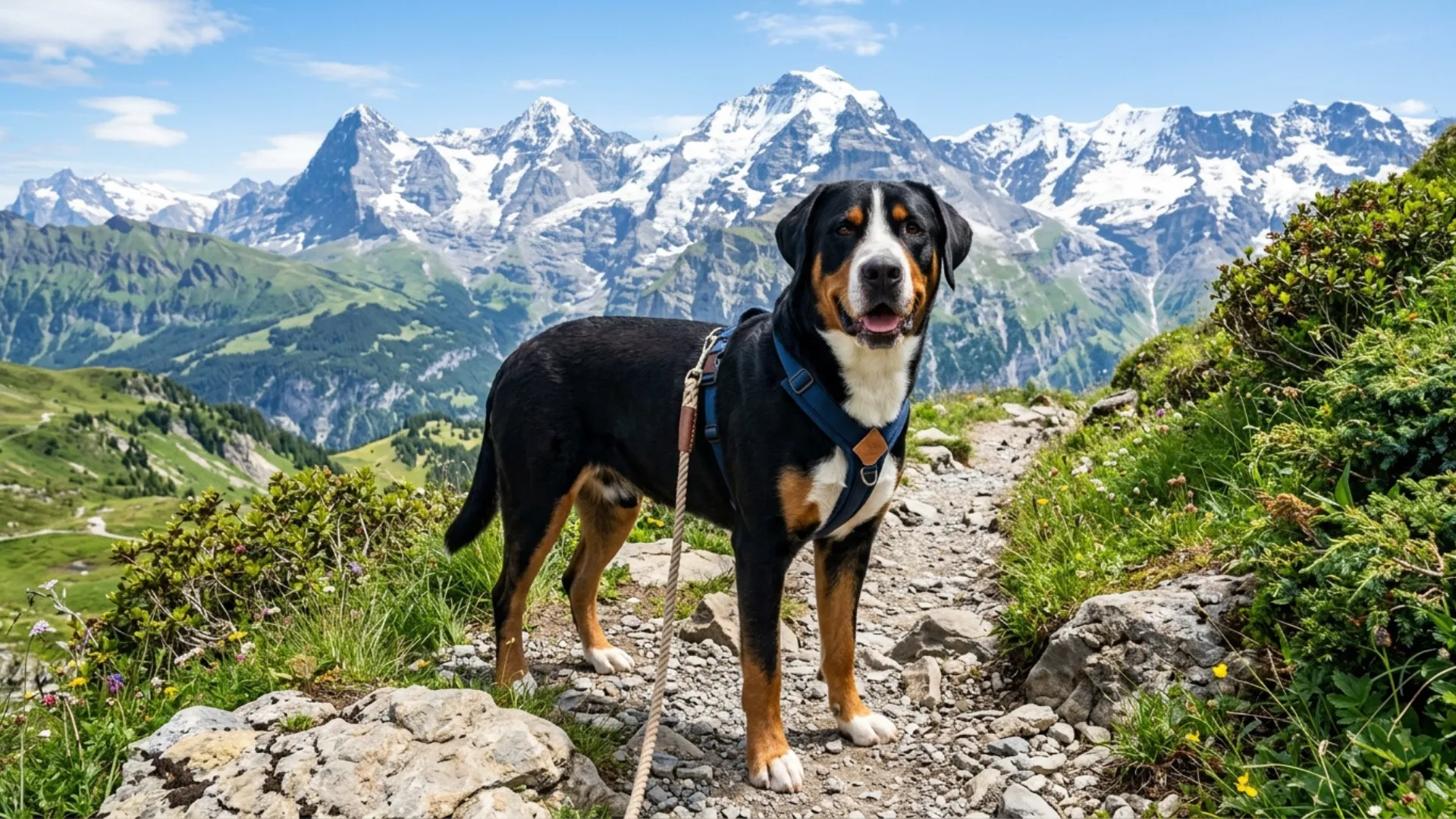
Ever watched a dog charge up a rocky trail like it just received an invitation to an extreme sports competition?
Meanwhile, the rest of us are halfway up the hill, questioning our life choices, searching for water, and wondering whose idea this adventure was in the first place.
Some dogs simply seem built differently. They leap over fallen logs, power through muddy paths, and treat steep mountain terrain like a giant outdoor playground.
While many pets are perfectly happy with a stroll around the block, others are happiest when there’s dirt under their paws, fresh air in their lungs, and miles of wilderness waiting to be explored.
These rugged canine athletes aren’t just energetic—they’re tough, determined, and remarkably capable in challenging environments. Whether it’s dense forests, rocky mountain trails, rolling hills, or remote backcountry routes, these dogs thrive where the pavement ends.
So which breeds are tough enough to handle rough terrain while still being loyal adventure companions by your side?
Sturdy Dog Breeds That Thrive on Rugged Outdoor Terrain
1. Alaskan Malamute
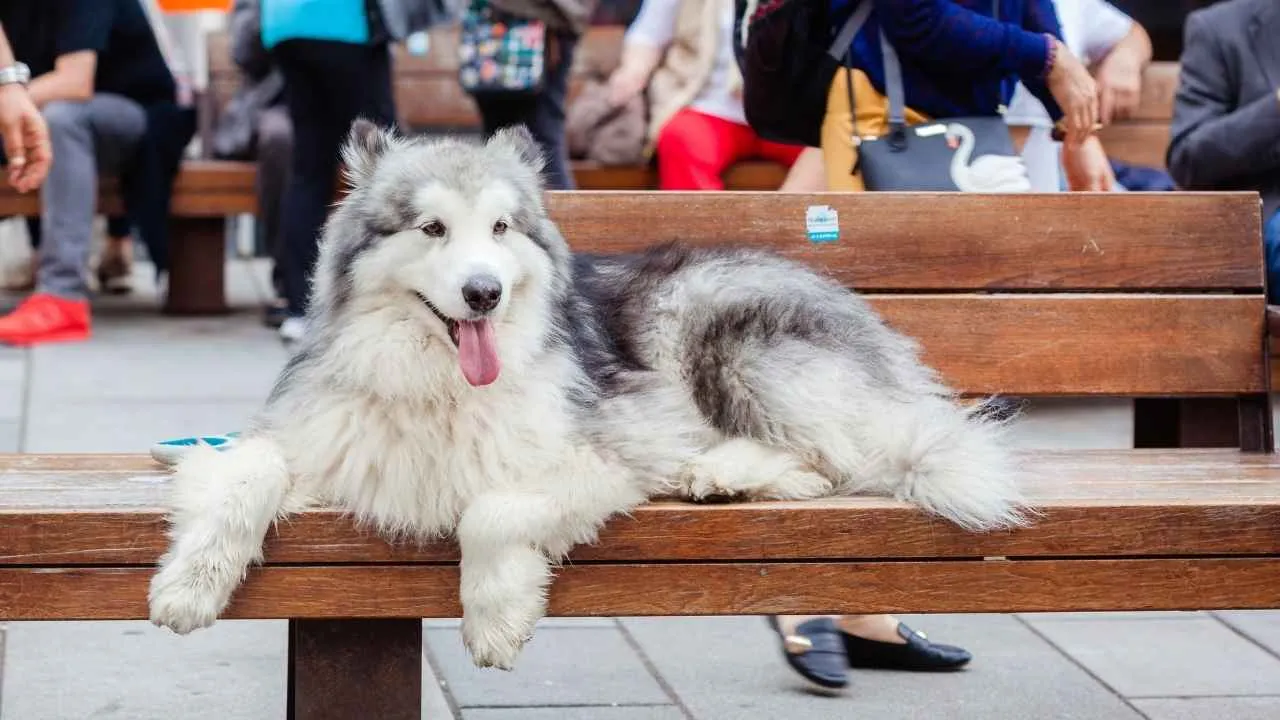
The Alaskan Malamute was developed for something far tougher—hauling heavy freight across frozen Arctic landscapes where deep snow, bitter winds, and long distances were part of everyday life.
That heritage still shows today. With powerful shoulders, dense bone structure, and remarkable stamina, this breed handles rocky trails, snowy backcountry routes, and rugged wilderness treks with confidence, as stated by WebMD.
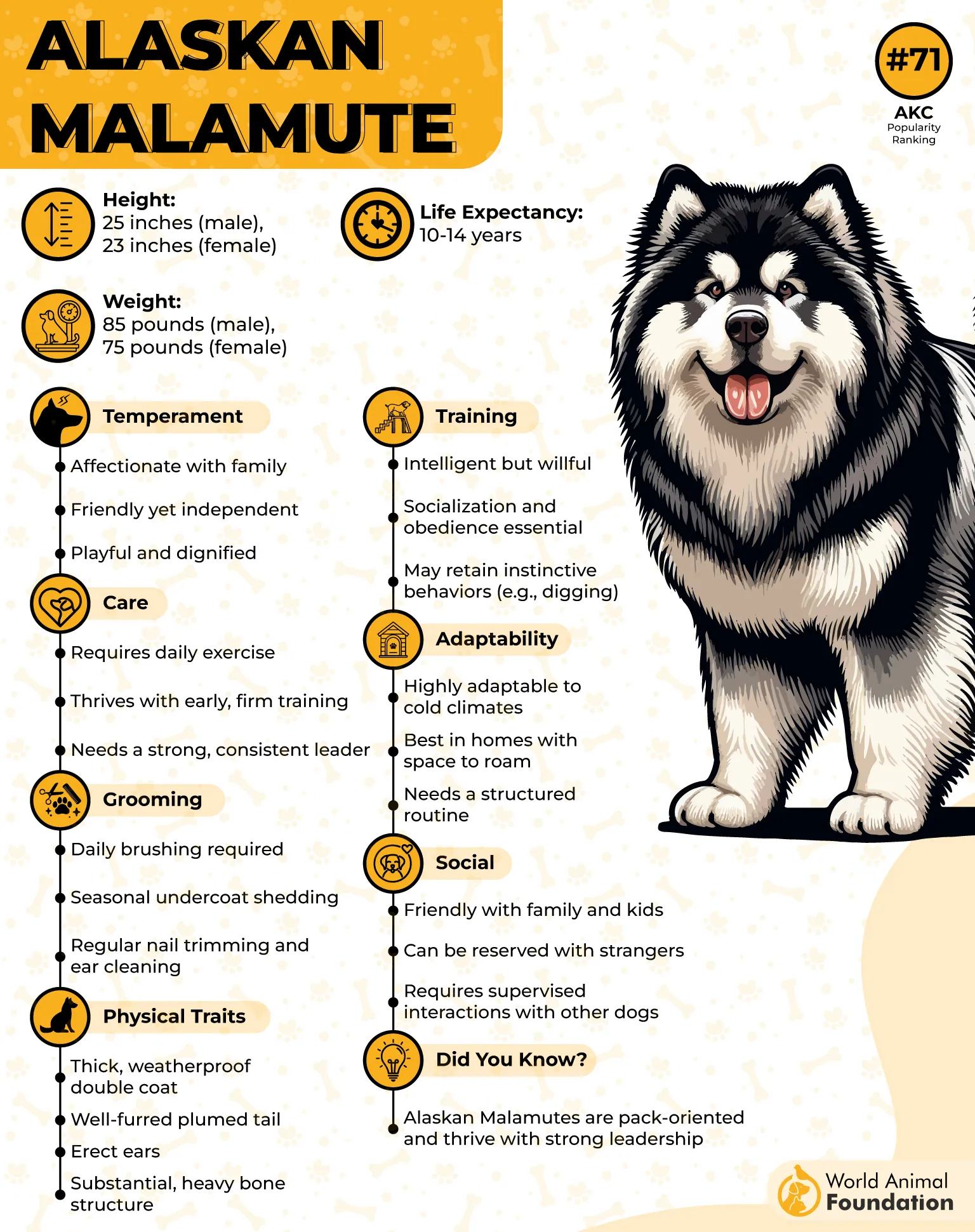
While many outdoor dogs are built for speed, the Malamute excels at steady strength and endurance over challenging terrain.
Its thick double coat provides protection in harsh weather, making cold-climate adventures far more comfortable. One fascinating habit sets this adventurous dog apart from most breeds: when resting in freezing conditions, it curls its fluffy tail over its nose to help warm the air it breathes.
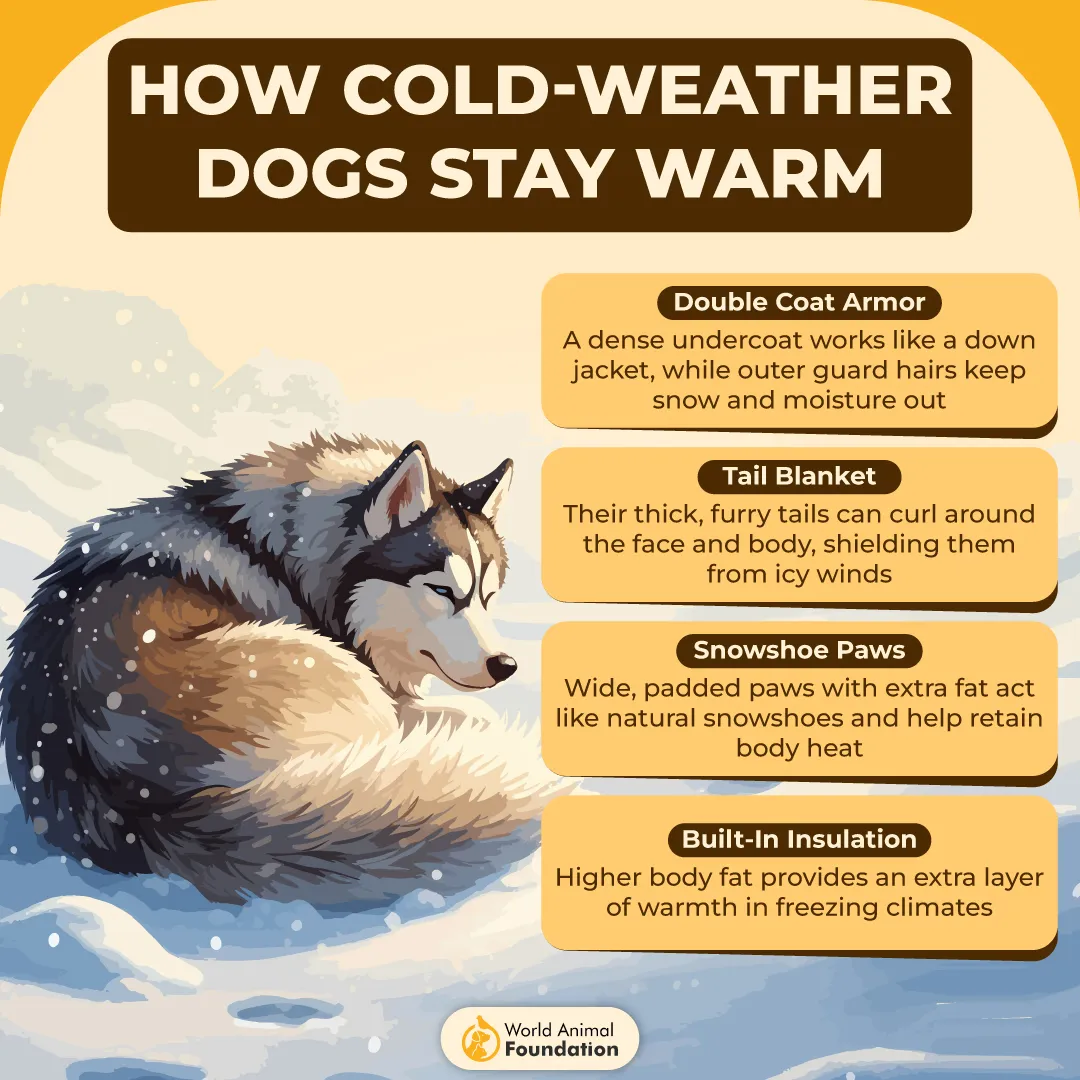
The thick double coat of the Alaskan Malamute requires regular grooming to prevent matting and to keep it healthy, especially during shedding seasons.
Although often mistaken for the Siberian Husky, the Malamute is heavier, stronger, and was historically bred to pull substantial loads rather than race.
For hikers, campers, and explorers who spend time in demanding outdoor environments, this deeply devoted and hardworking companion remains one of the most capable canine partners around.
2. Bernese Mountain Dog
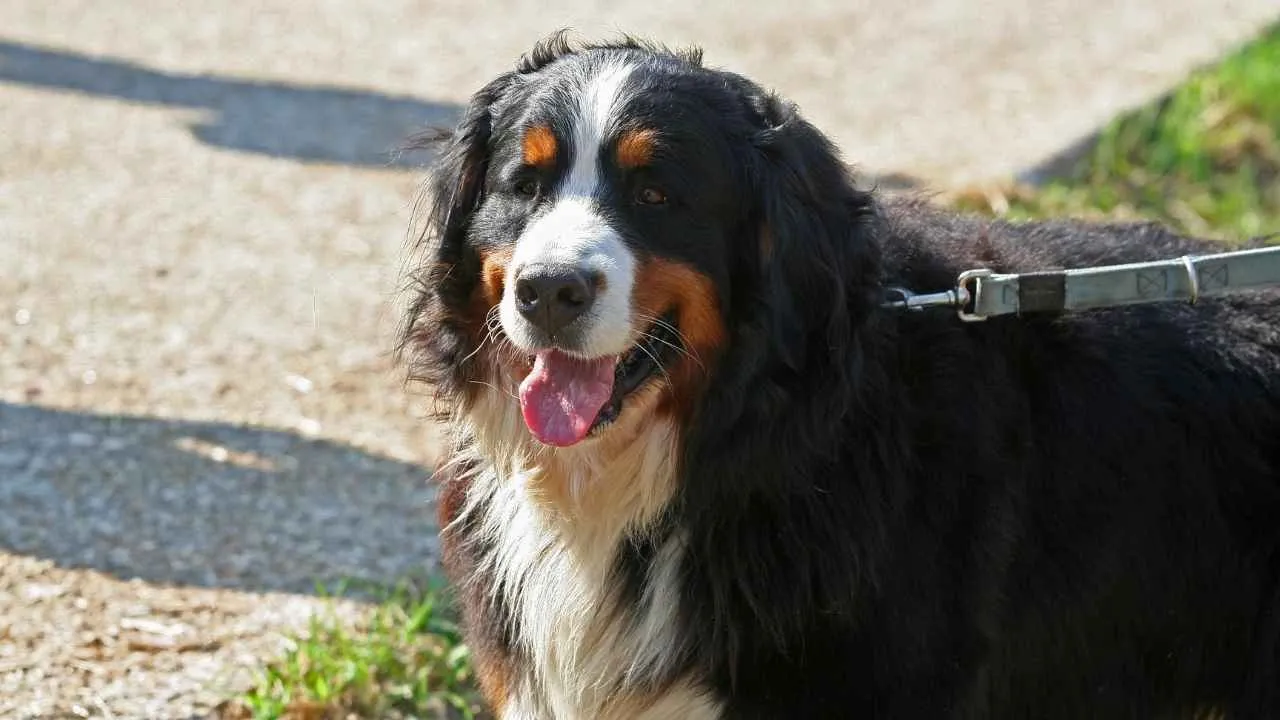
The Bernese Mountain Dog earned its reputation in the rugged Swiss Alps, where it worked alongside farmers, moved livestock, and pulled carts through steep mountain terrain.
Compared with many trail-loving breeds developed for hunting or sledding, the Bernese brings a different advantage.
Its powerful frame, sure-footed movement, and calm temperament make it well suited for long days on uneven ground, forest paths, and hillside routes where stability matters as much as stamina.
The breed’s thick, weather-resistant coat helped it handle cold alpine conditions, allowing it to stay comfortable during chilly mornings and snowy excursions. Unlike other Swiss Mountain Dog breeds, it is the only one with a long, flowing coat, giving it extra protection against harsh mountain weather.
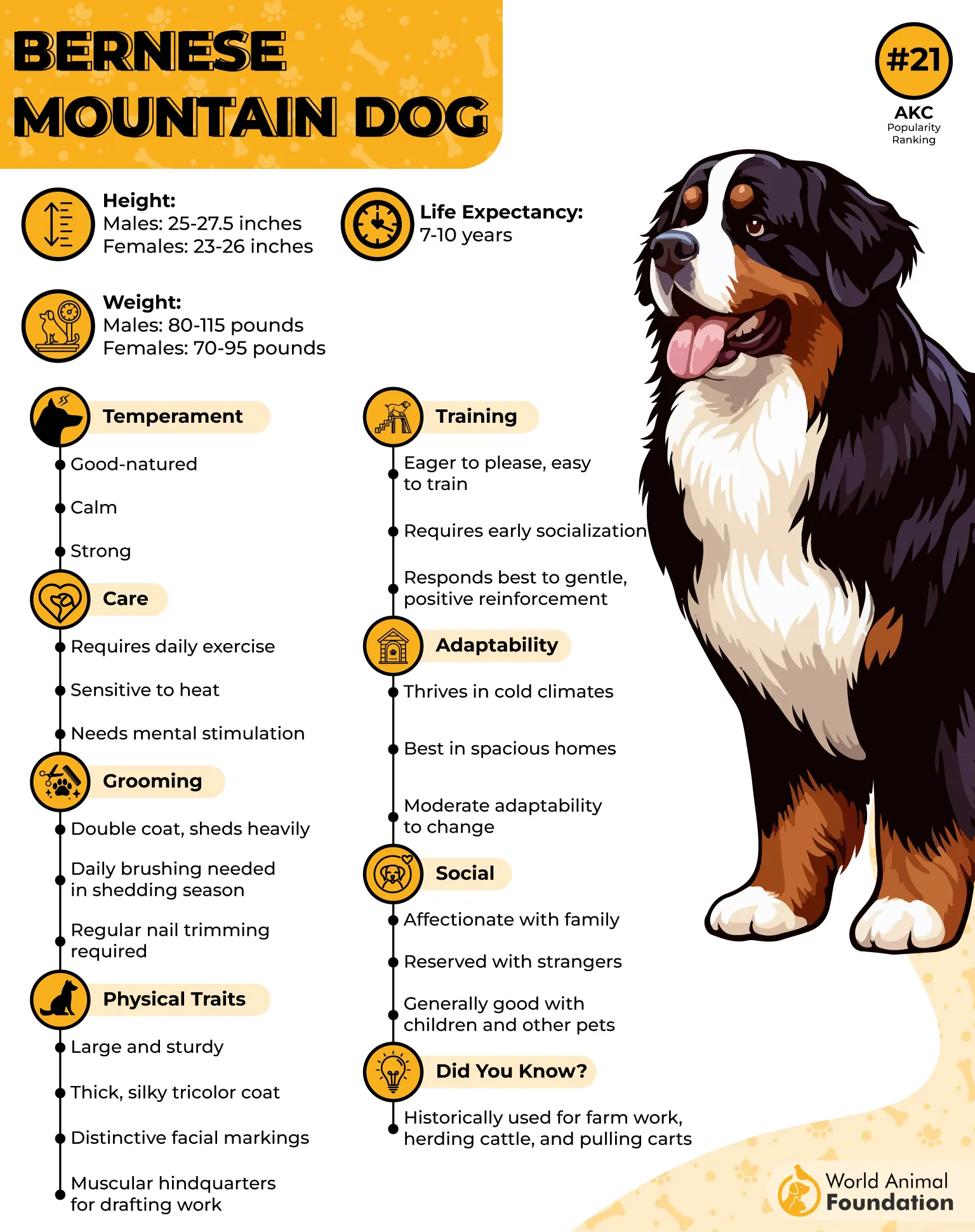
The Bernese Mountain Dog’s long, thick coat needs to be brushed at least weekly to control shedding and to keep the coat healthy and free of mats.
What makes this breed especially appealing is its ability to switch effortlessly from hardworking outdoor partner to gentle family companion.
After spending hours exploring trails or accompanying outdoor activities, it is usually just as happy relaxing beside its people. For adventurers who prefer steady reliability over nonstop intensity, the Bernese is an excellent choice.
3. Norwegian Elkhound
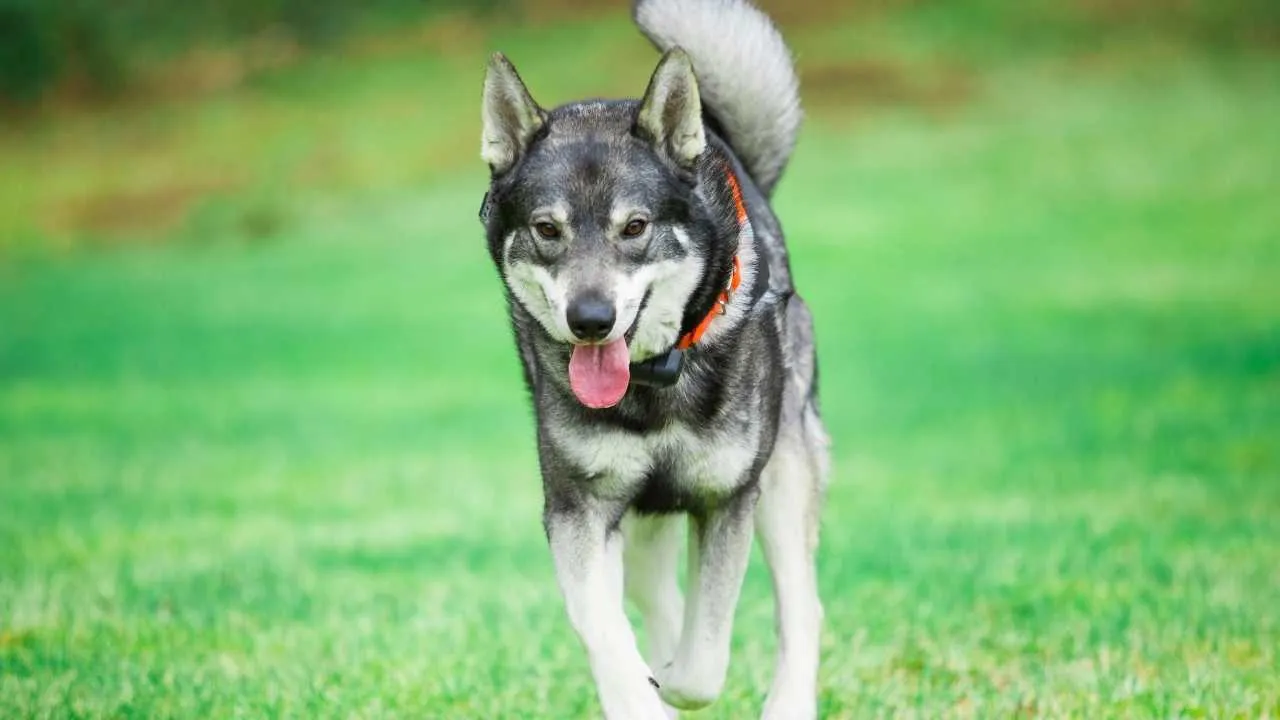
The Norwegian Elkhound was developed for some of the toughest landscapes in Scandinavia, where dense forests, rocky ground, and unpredictable weather were part of everyday life.
While many outdoor breeds were created for herding or hauling, this one built its reputation as a fearless hunter of large game.
For generations, it tracked moose through challenging terrain, covering long distances with determination and impressive stamina.
Its compact yet sturdy build helps it move efficiently across woodland trails, steep hills, and uneven ground where larger dogs can be less agile.
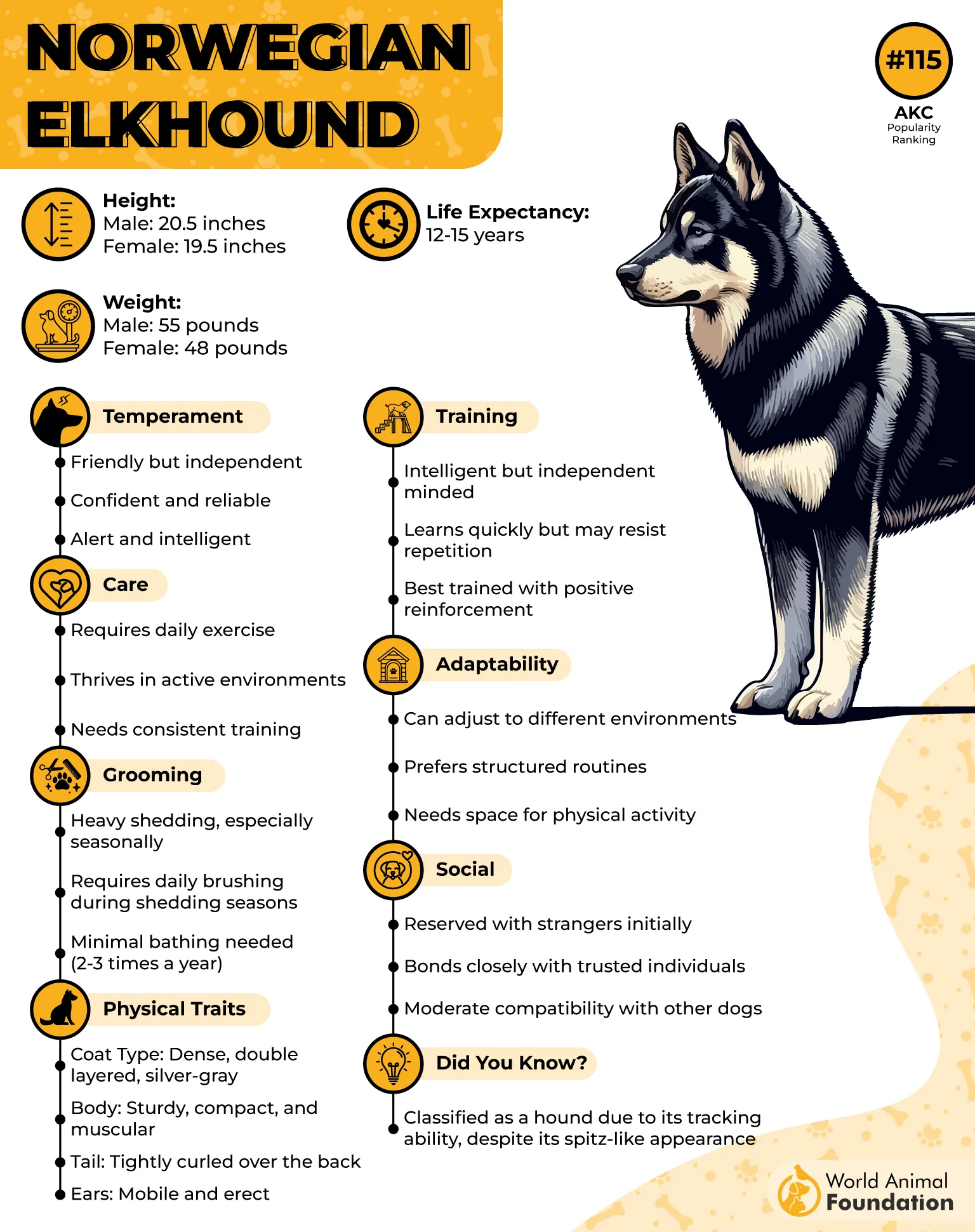
A thick double coat provides excellent protection from cold weather, making the breed particularly well suited for winter hikes, mountain treks, and outdoor adventures in cooler climates. Its alert expression and boundless energy level reflect a history of demanding work in harsh environments.
One remarkable ability helped make this high-energy dog famous. After locating large prey, it would keep the animal occupied while barking repeatedly to guide hunters to the exact spot.
This specialized hunting method has been part of the breed’s heritage for centuries.
Today, the Norwegian Elkhound remains a dependable choice for outdoor enthusiasts who want a tough, confident, and hardworking adventure companion.
4. Greater Swiss Mountain Dog
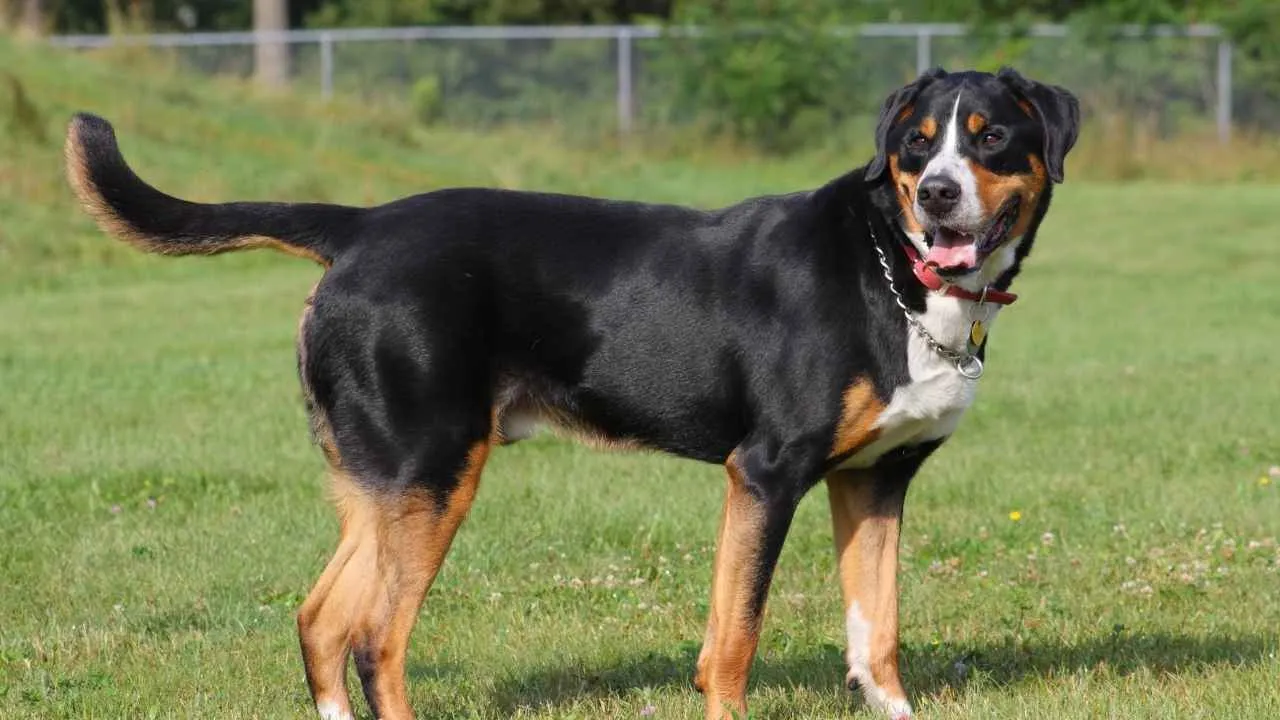
The Greater Swiss Mountain Dog is the kind of outdoor companion that looks as though it was built specifically for rugged mountain landscapes.
Developed in the Swiss Alps, this powerful working breed spent centuries pulling carts, herding livestock, and helping farmers navigate steep, uneven terrain.
Compared with lighter outdoor breeds, this dog brings exceptional strength and stability to demanding landscapes. Whether crossing rocky paths, climbing uneven hillsides, or navigating rough countryside, it moves with surprising agility for such a heavily built working dog.
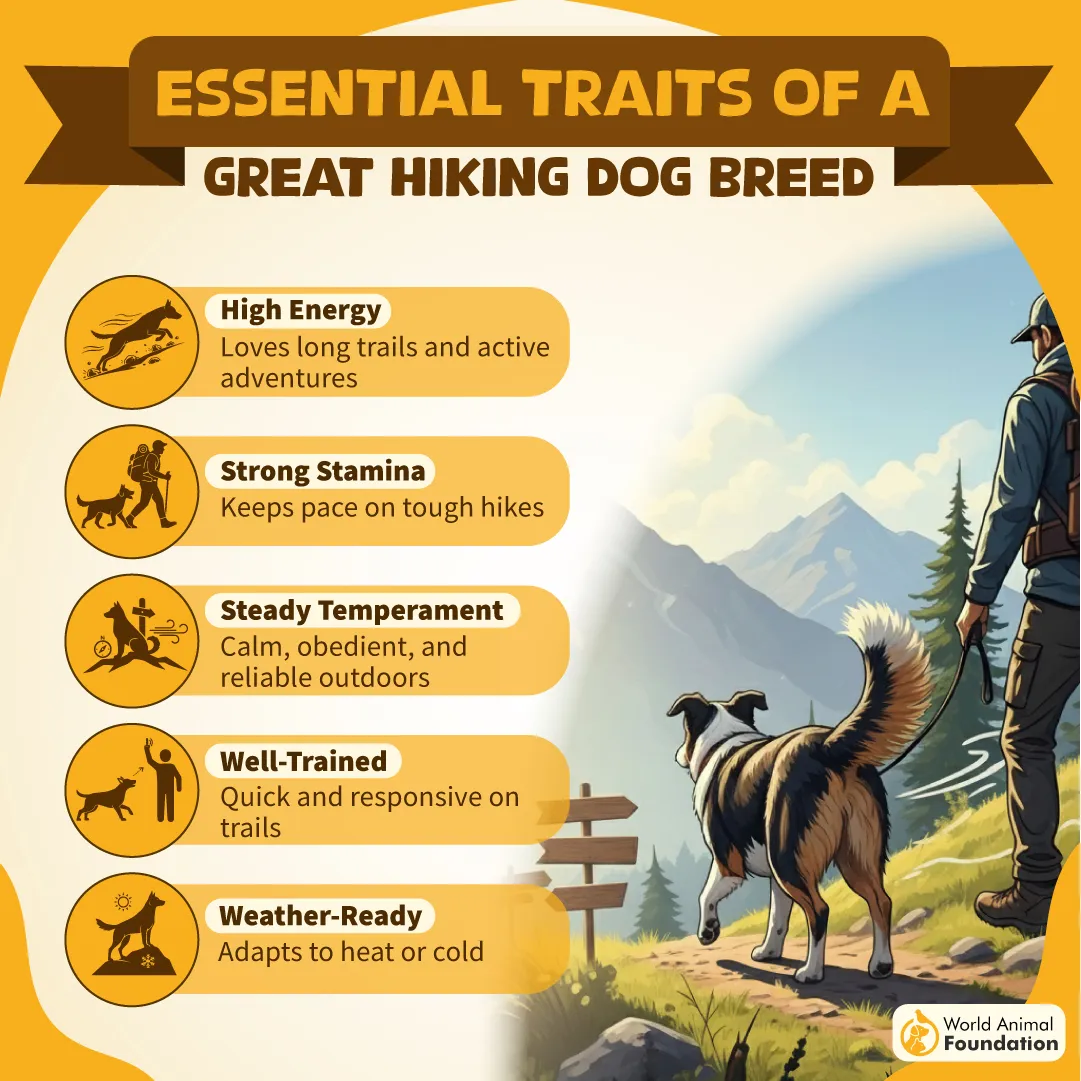
According to Purina, its short, dense coat is practical for outdoor life, providing insulation without collecting as much debris as longer-haired mountain breeds.
Combined with strong muscles and a deep chest, it was designed for long days of physical work in challenging conditions.
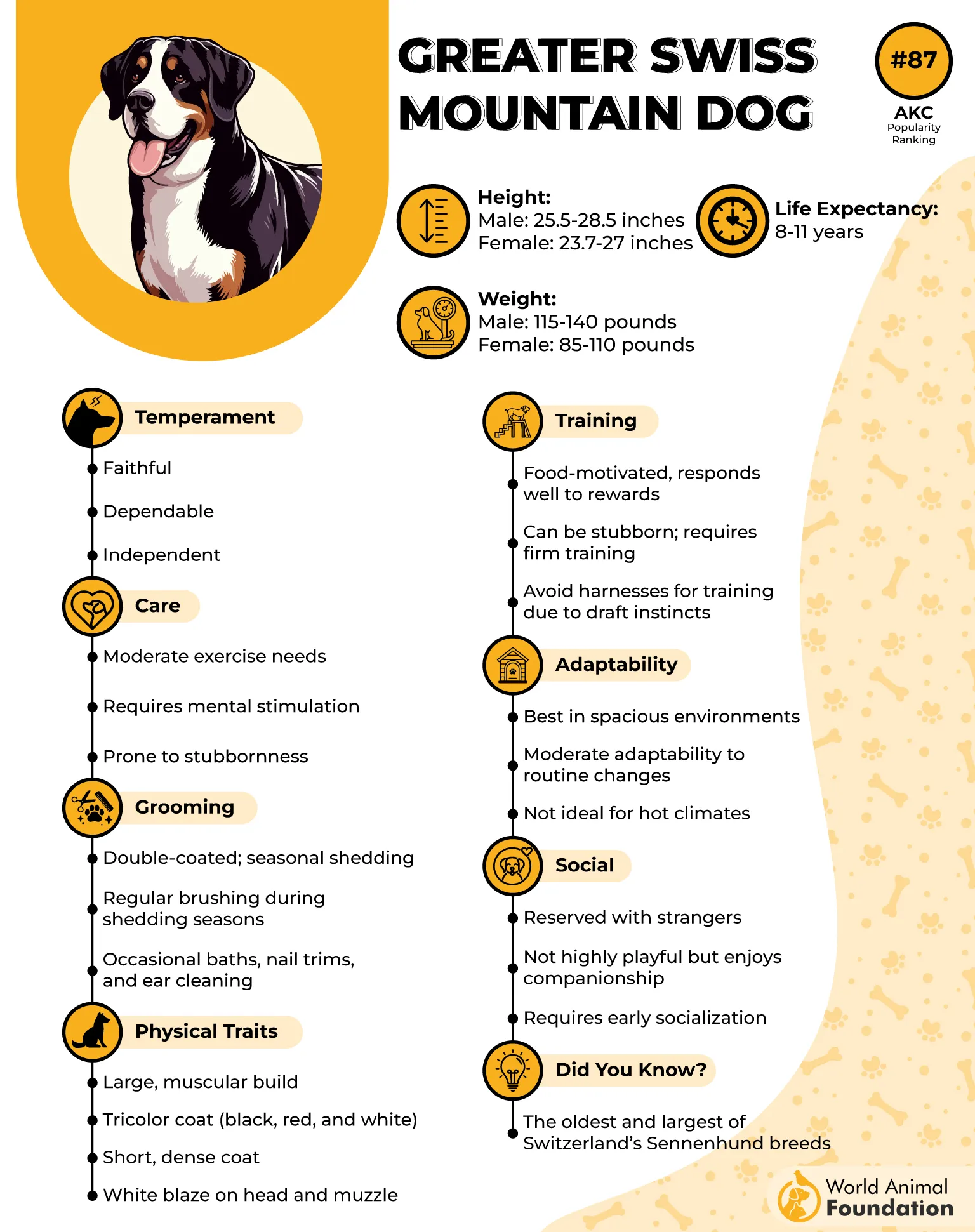
One remarkable part of its history is how close the breed came to disappearing. By the late 1800s, only a handful of true representatives remained in remote Alpine farms. Dedicated efforts by Swiss canine expert Albert Heim helped preserve the breed and restore its numbers.
Today, the Great Swiss Mountain Dog remains a great companion for people who value strength, endurance, and confidence on demanding outdoor adventures.
5. Anatolian Shepherd Dog
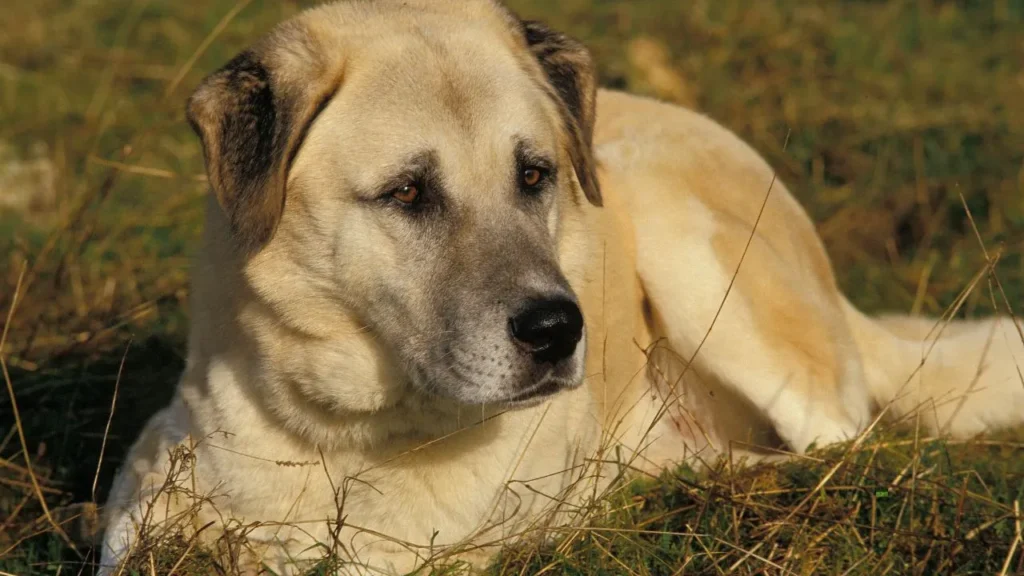
The Anatolian Shepherd Dog was shaped by one of the toughest jobs imaginable—guarding livestock across the vast, rugged landscapes of Turkey.
Unlike many outdoor breeds bred to hunt, herd, or pull, this hardy dog spent centuries protecting flocks from predators in remote regions with little human assistance.
Its combination of strength, agility, and independence allows it to cover rocky hills, dry plains, and uneven terrain with ease.
While some working dogs constantly look to their handlers for direction, the Anatolian was developed to make decisions on its own when facing threats far from home.
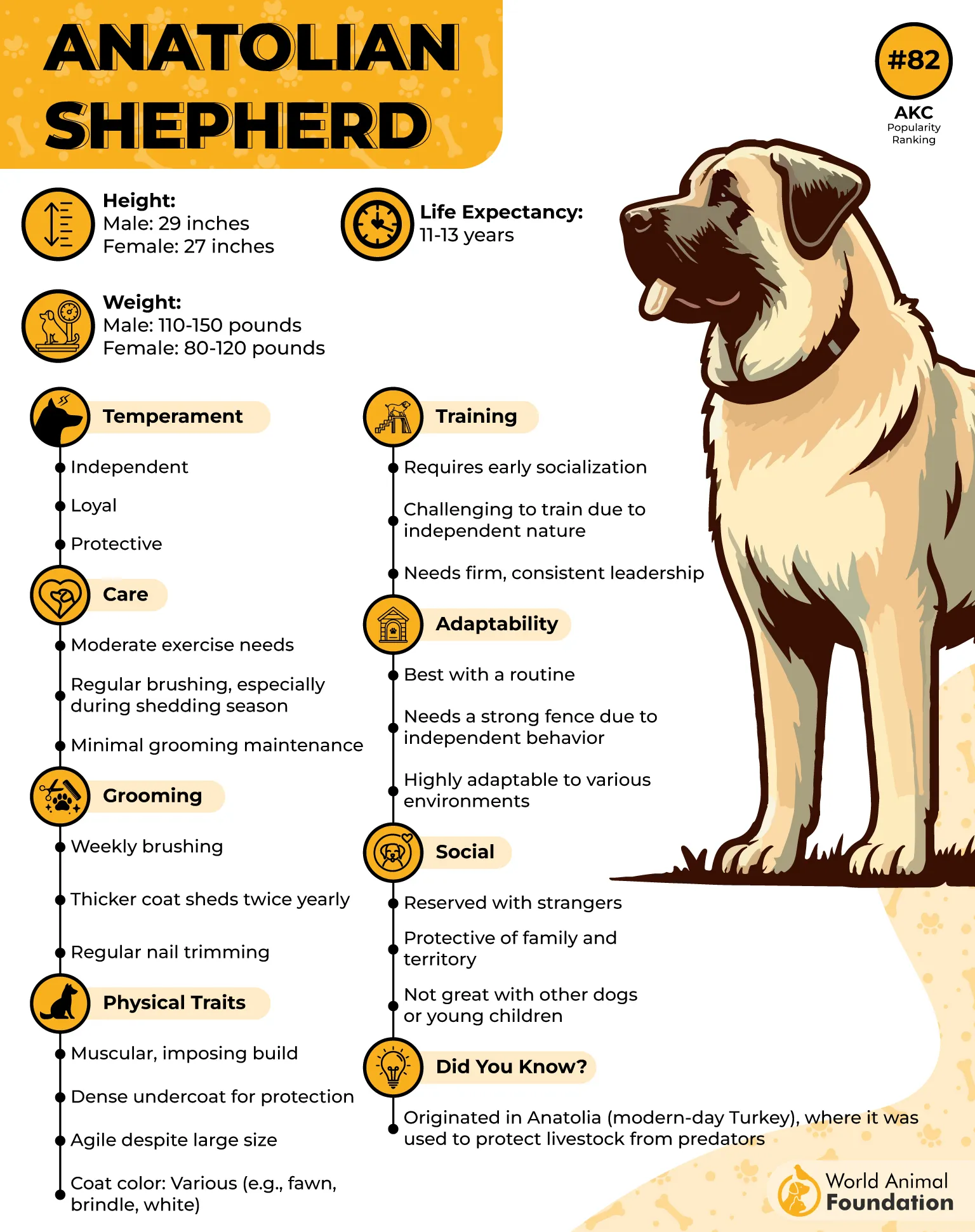
A weather-resistant coat and exceptional endurance help it remain active through changing conditions, whether patrolling open countryside or navigating rough mountain ground. These qualities made it invaluable to shepherds managing livestock across large areas.
One remarkable role sets this breed apart. In several countries, Anatolian Shepherds have been used in livestock conservation programs to protect herds from large predators, including cheetahs, reducing conflicts between farmers and wildlife without harming either.
Today, the breed remains a powerful outdoor companion known for resilience, loyalty, and an unmatched ability to watch over whatever it considers part of its family.
6. Siberian Husky
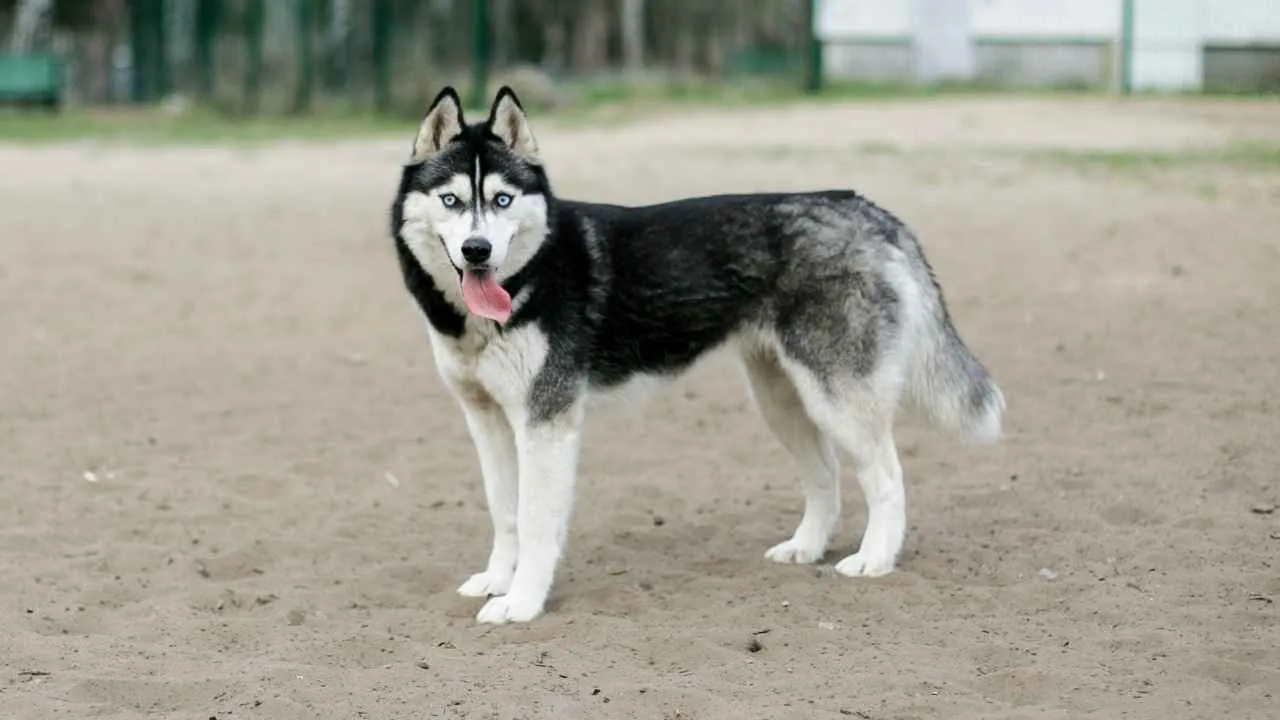
The Siberian Husky is known for its incredible endurance and ability to thrive in harsh Arctic climates, making it a natural fit for outdoor adventures.
The Siberian Husky comes from the frozen landscapes of Siberia, where it was developed by the Chukchi people to pull sleds across endless snow.
Unlike heavier outdoor working dogs built for guarding or hauling heavy loads, this breed was shaped for speed, endurance, and teamwork over long frozen distances.
Its role in history goes far beyond sport. During a severe diphtheria outbreak in Alaska, teams of these dogs helped deliver medicine through blizzards over hundreds of miles, showing how reliably they can perform in extreme cold when every hour matters.
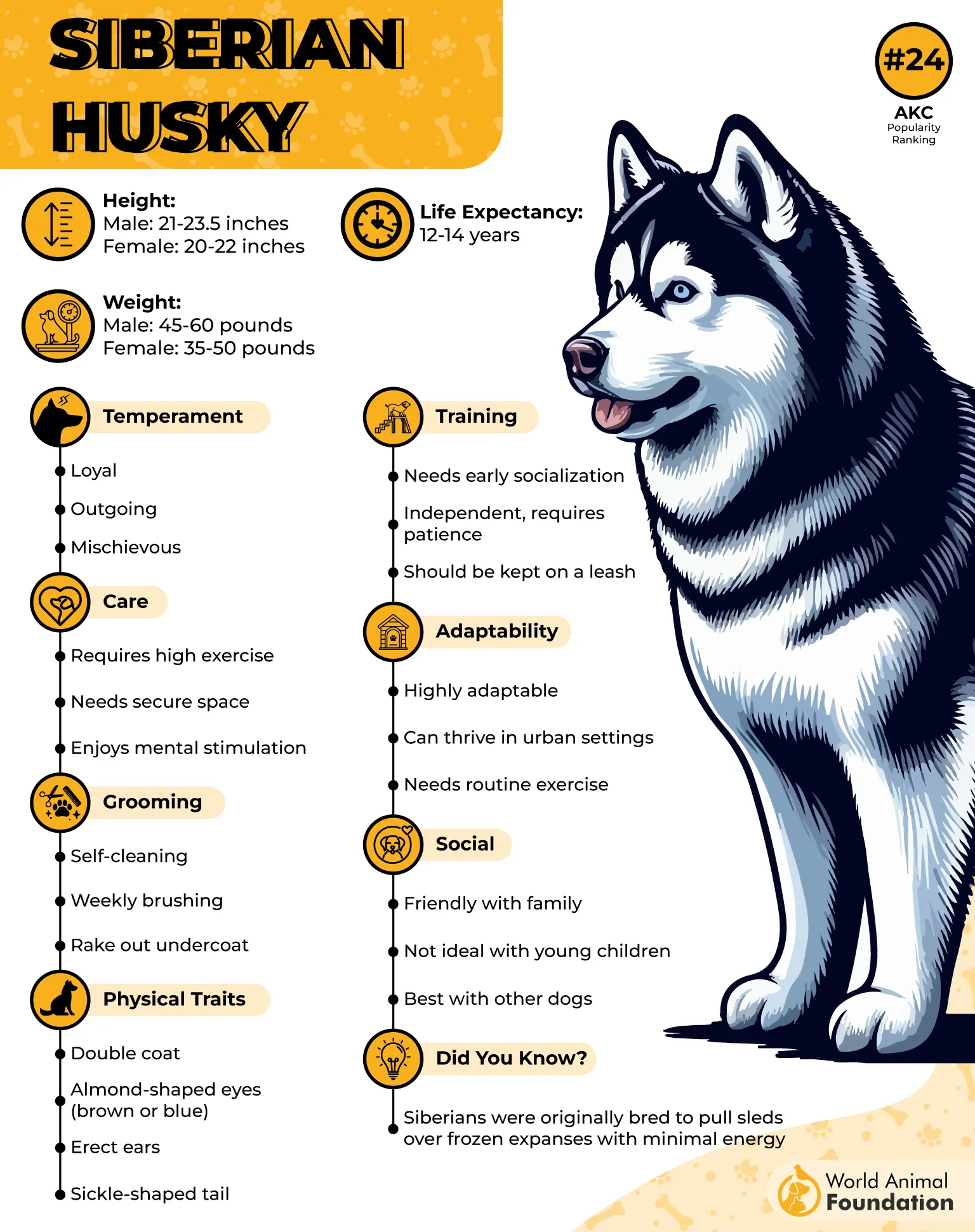
In outdoor terrain, it moves with light, efficient strides that conserve energy across snowfields, icy trails, and open wilderness routes. However, it is not suited for guarding duties or slow-paced companionship, as its independent nature makes it more focused on movement than control.
One unusual trait is its wide range of vocal sounds—rather than barking, it communicates through howls, “talking” noises, and expressive chirps, especially when working in groups.
Today, it remains one of the most recognizable cold-climate endurance breeds, excelling where speed, stamina, and winter survival matter more than protection or strength alone.
7. Appenzeller Sennenhund
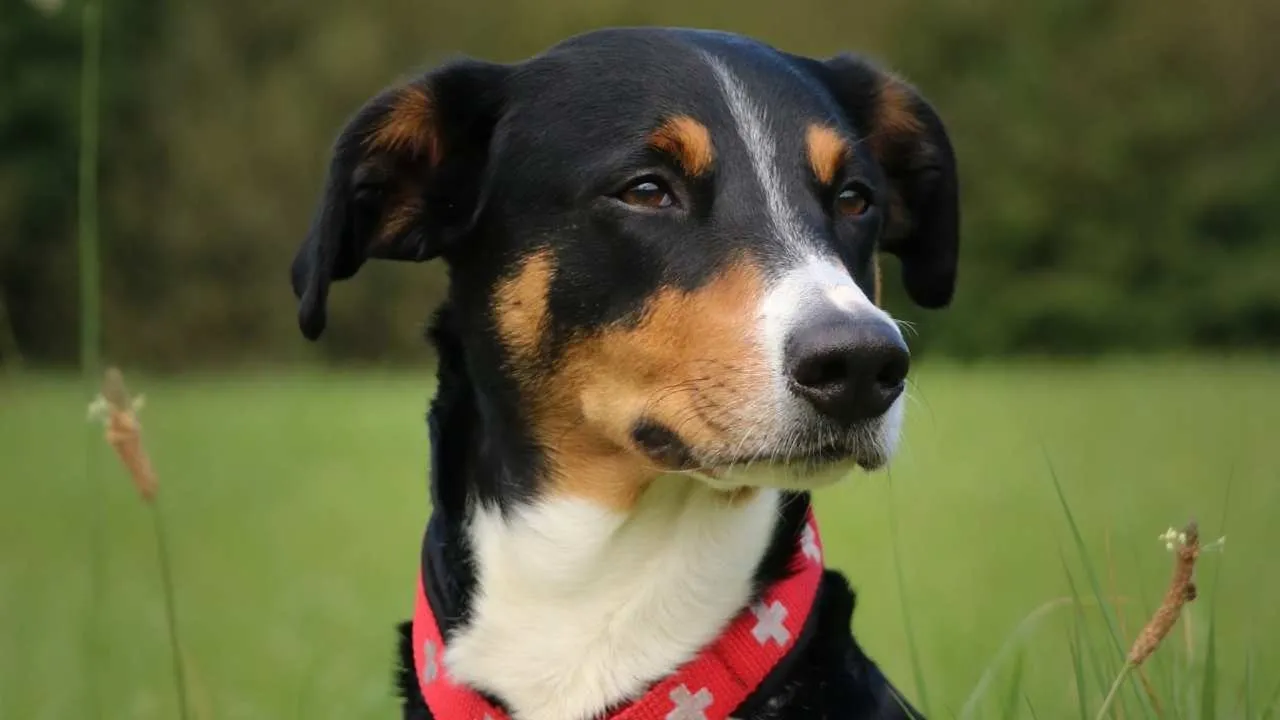
The Appenzeller Sennenhund comes from the Swiss Alps, where farmers relied on a fast, sharp-minded herding dog to herd cattle across steep pastures and guard rural homesteads.
Compared with slower, heavier mountain working dogs, this breed is built for quick direction changes and constant awareness on rough terrain.
It moves with a springy, energetic gait that helps it cover uneven ground efficiently, whether guiding livestock along narrow mountain paths or patrolling farm boundaries.
Its compact, muscular frame gives it an advantage in agility-based tasks rather than slow pulling work.
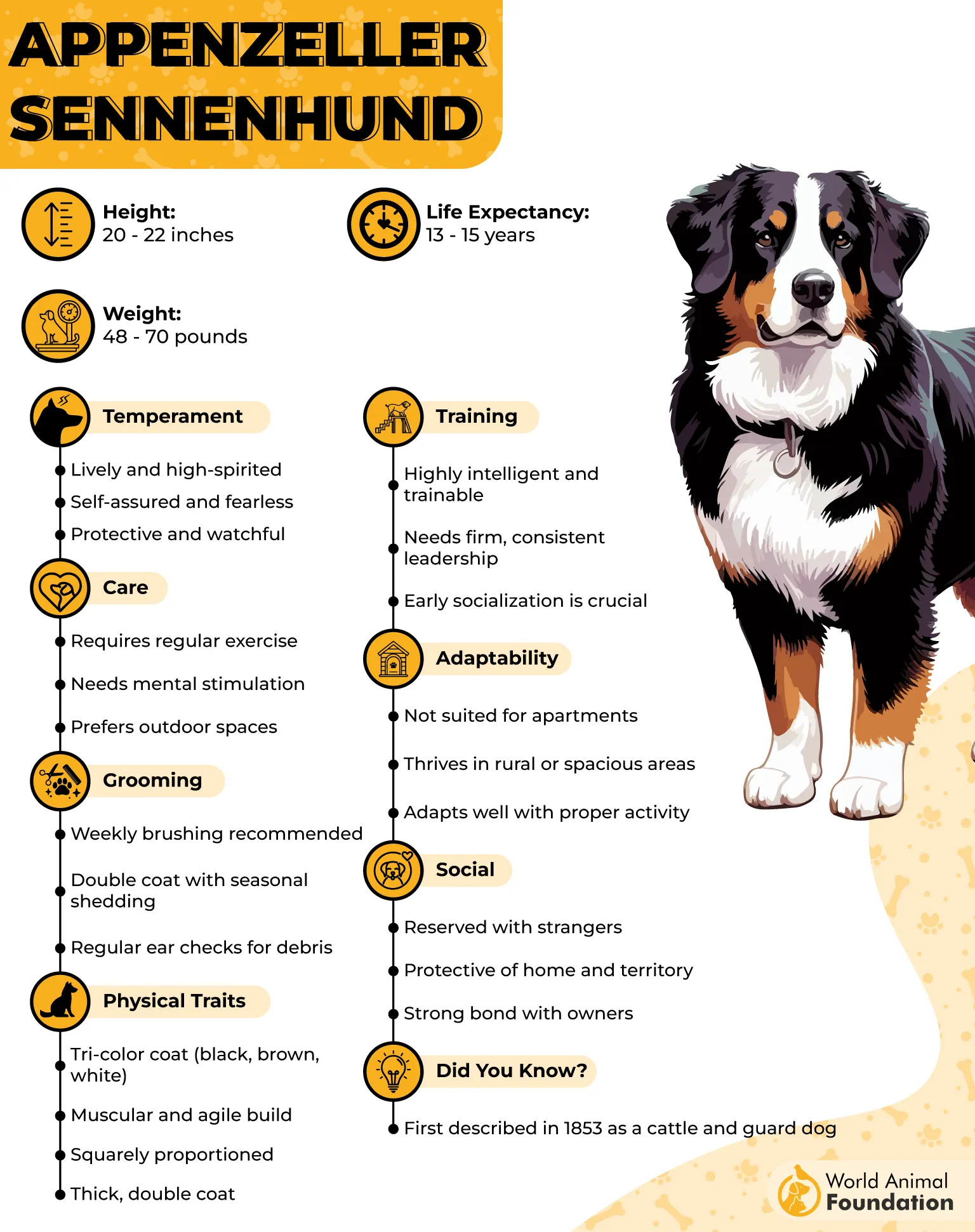
In outdoor conditions, it stays alert and responsive, often scanning its surroundings before reacting. This makes it useful not only for herding but also for watching over property in open countryside where threats can appear suddenly and from a distance.
One unusual behavior seen in the breed is its strong habit of “checking in” during work—regularly circling back to its handler before continuing the task, a pattern rarely as structured in other herding dogs.
Today, it remains a demanding but highly capable companion for experienced handlers who spend time in rugged, active environments and can match its intensity and intelligence.
8. Caucasian Shepherd Dog
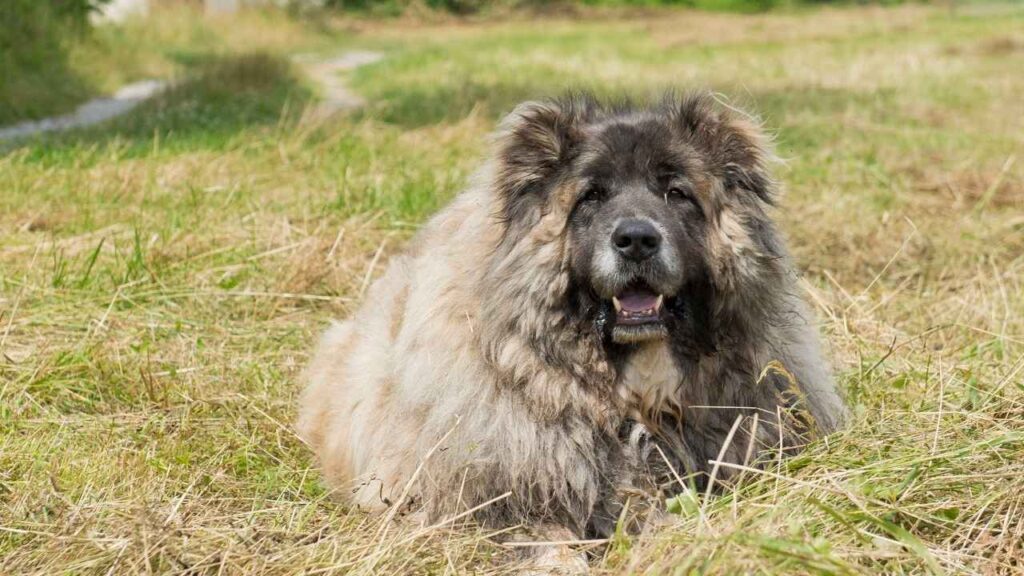
The Caucasian Shepherd Dog comes from the harsh mountain regions between Eastern Europe and the Caucasus, where it was developed to protect livestock and property in isolated, predator-heavy terrain.
Compared with most outdoor working breeds that assist people closely, this dog often operates with far more independence, especially in remote landscapes.
Its body is built for endurance in difficult environments, moving steadily across rocky slopes, snow-covered passes, and wide open grazing land where threats like wolves once shaped its role.
Unlike lighter herding dogs that guide animals, this breed was tasked with standing its ground and confronting danger directly.
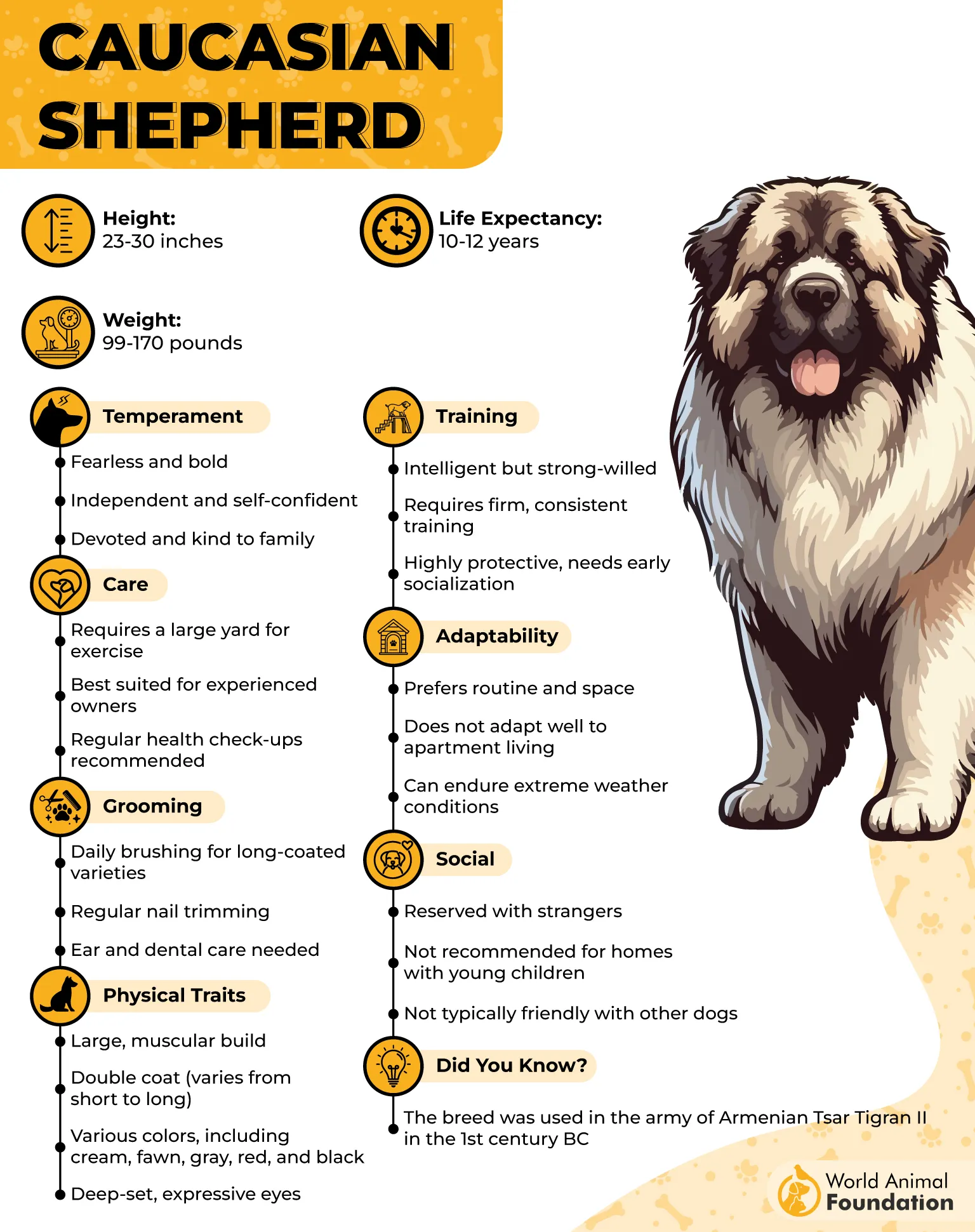
A thick, weather-resistant coat allows it to stay active in freezing conditions, while its calm but highly alert behavior helps it assess situations before reacting. In colder mountain climates, this makes it far more suited to stationary guarding than constant movement.
One interesting aspect of the breed is its strong regional variation, with heavier, long-coated mountain types and leaner, shorter-coated steppe types developing based on geography and workload demands.
Today, it is often compared with other large guardian breeds, but its intense protective nature and deep-rooted livestock defense history keep it firmly tied to rugged outdoor protection roles.
9. Tibetan Mastiff
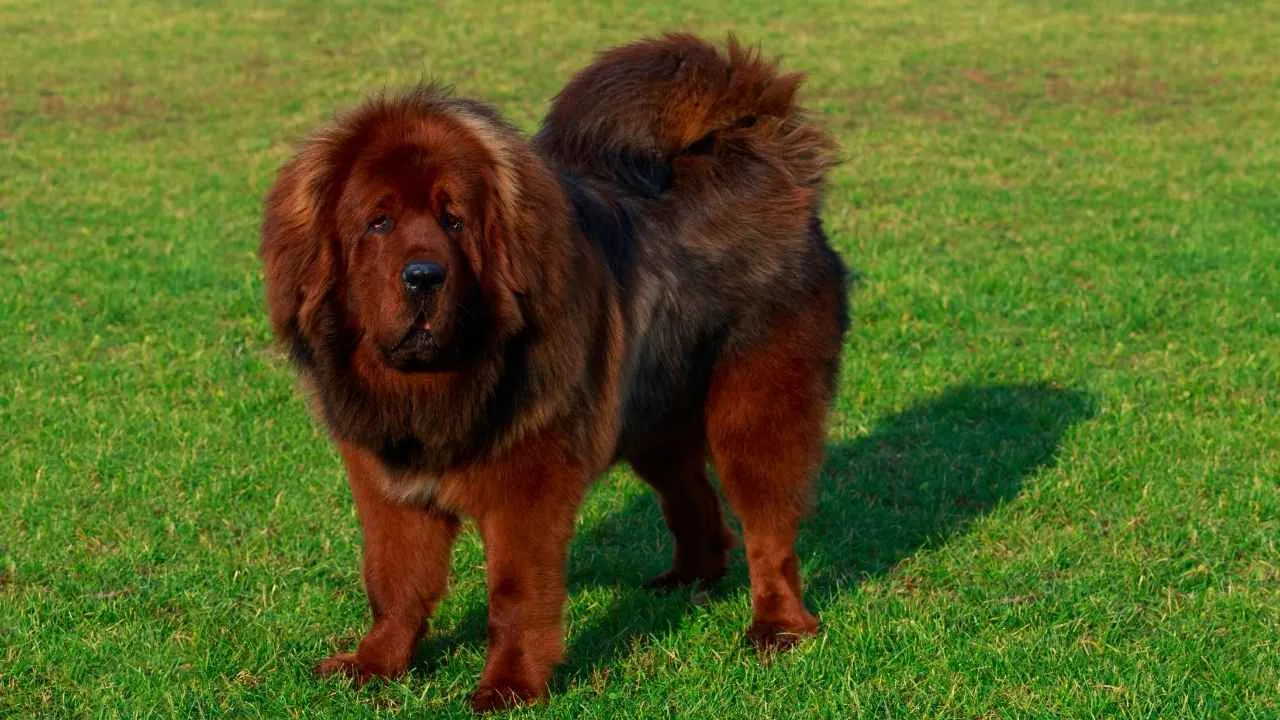
The Tibetan Mastiff is known for its protective nature and loyalty, making it a strong guardian for families, as it was originally bred to protect livestock in harsh environments.
It was developed in the high, cold plateaus of the Himalayas, where it served as a night-time guardian for monasteries, villages, and livestock.
Compared with many rugged outdoor dogs that work in motion—herding or tracking—this breed is known more for holding territory and watching over vast, exposed land.
Its presence alone is often enough to deter threats. Built for harsh mountain climates, it moves with calm confidence across rocky slopes and open high-altitude ground, where temperatures drop sharply after sunset.
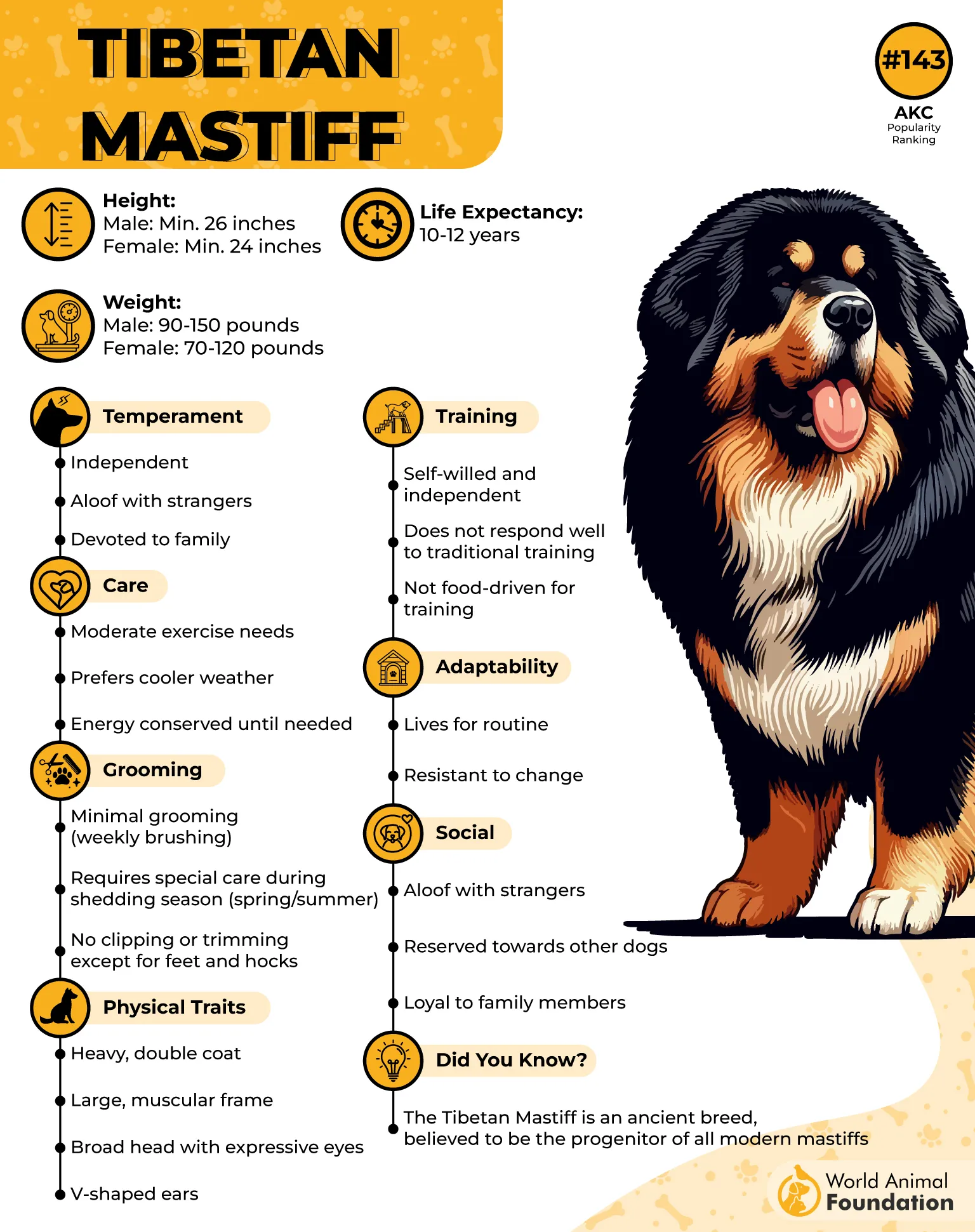
Unlike lighter working breeds that stay active throughout the day, it often becomes more alert as night falls. The Tibetan Mastiff has a long double coat that needs regular brushing to manage shedding and maintain its health, particularly in warmer months.
Its thick double coat helps it handle freezing winds and long winter nights, while its steady, observant nature allows it to monitor surroundings without constant movement. This makes it especially suited for remote outdoor areas where protection is needed more than speed.
One unusual behavior is its strong night-focused guarding pattern, where it becomes significantly more active and vocal after dark, a rhythm shaped by centuries of protecting settlements while people slept.
Today, it is often compared to other large guardian breeds, but its combination of nighttime vigilance and high-altitude endurance keeps it closely tied to extreme mountain environments.
10. Kuvasz
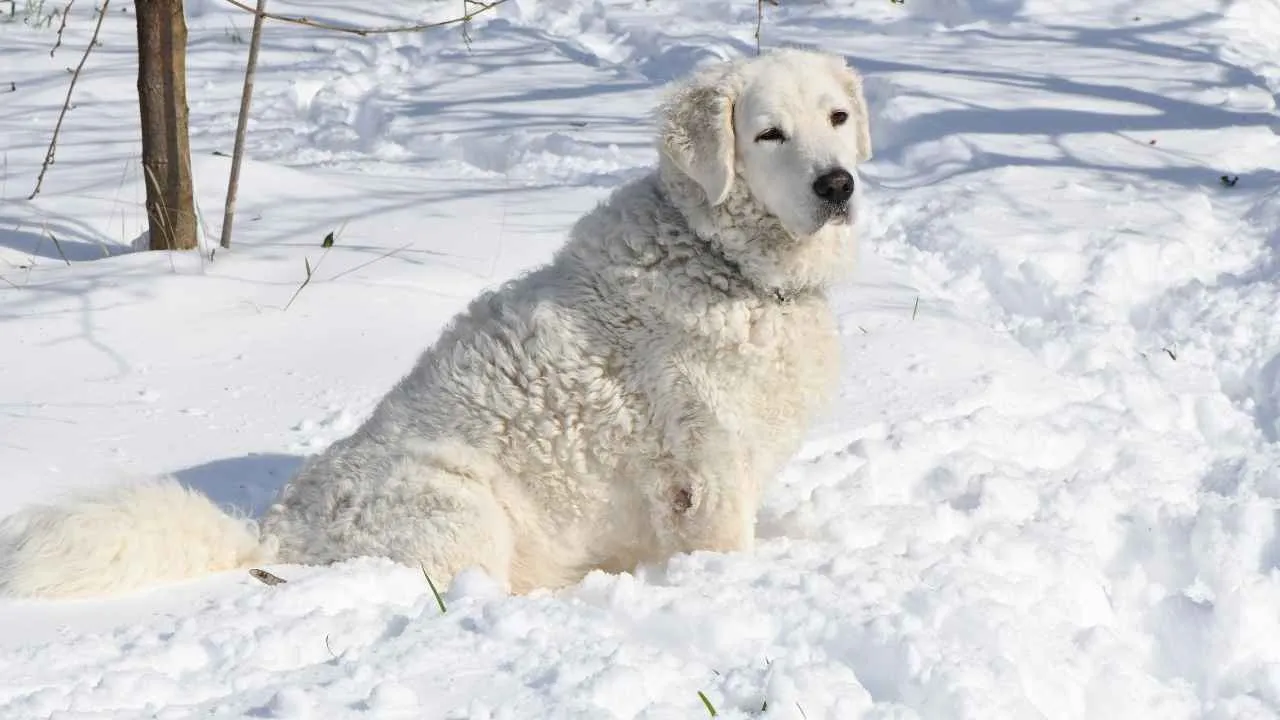
The Kuvasz is an ancient Hungarian guardian breed that once protected livestock and estates for nobility during the Middle Ages.
Unlike many outdoor working dogs developed mainly for herding or pulling, this breed was shaped for independent protection across open farmland and rugged countryside.
According to Britannica, it moves with surprising speed for its size, able to patrol large outdoor areas and respond quickly when something feels out of place.
Compared with more handler-dependent breeds, it often relies on judgment and awareness rather than constant direction, especially in wide, open terrain.
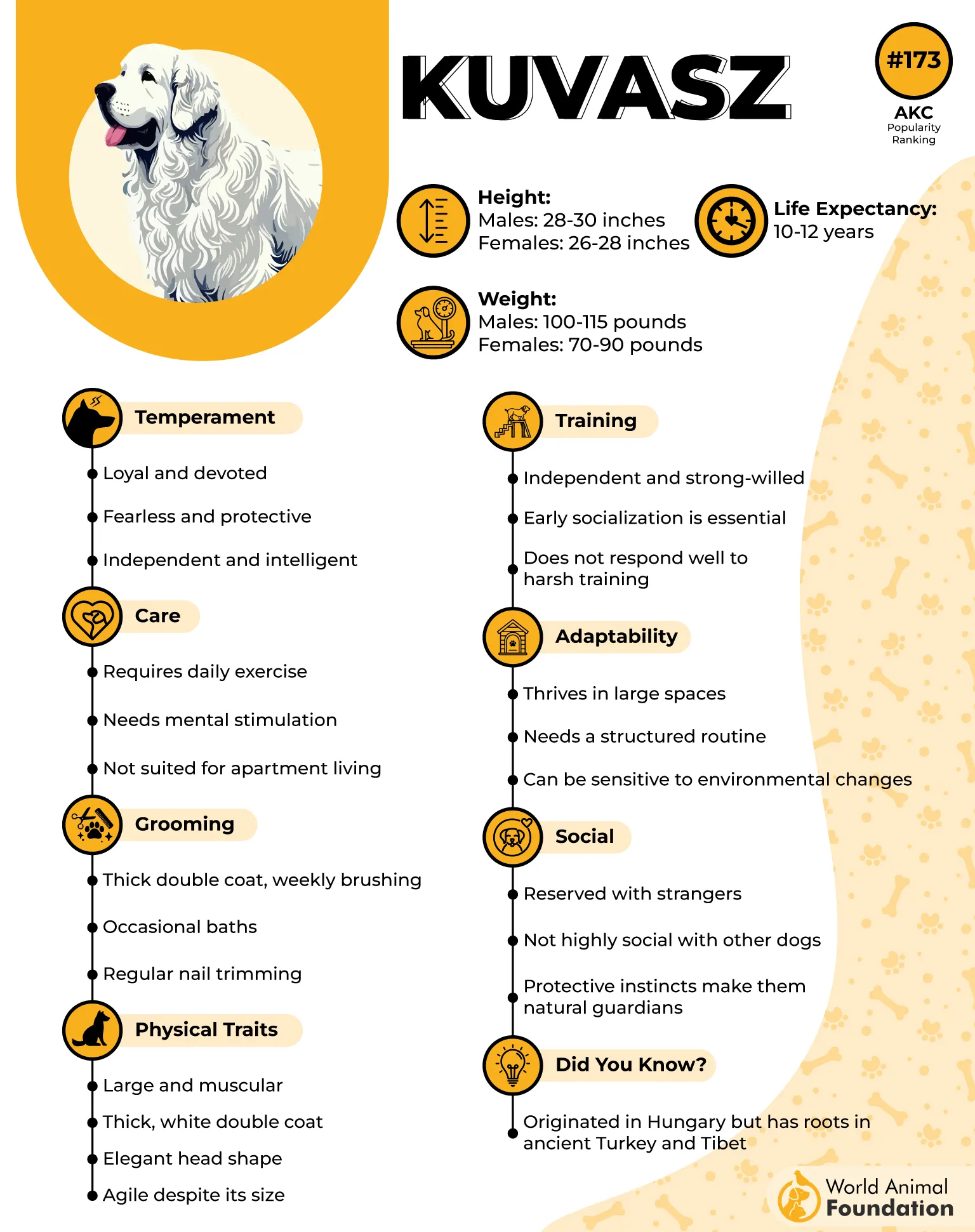
A dense, slightly wavy white coat helped it blend into sheep flocks while also offering protection against harsh weather conditions on long outdoor watch duties. This allowed it to stay close to herds without drawing attention from predators.
One notable behavior is its strong tendency to assess situations quietly before reacting, giving it a calm, watchful presence even when guarding large territories.
Today, it is often compared with other European livestock guardians, but its blend of speed, independence, and quiet authority keeps it closely linked to open-field protection work rather than close-contact herding roles.
Conclusion
Not every outdoor companion is built the same, and that becomes clear when you look at dogs shaped by mountains, snowfields, and wide-open terrain.
Some rely on endurance to travel long distances, while others depend on strength to move through harsh ground or protect what matters most. A few are quick thinkers that handle shifting conditions without guidance, while others prefer steady, watchful roles.
Together, they show how working heritage shapes behavior, stamina, and temperament. For active explorers, these dogs represent reliability, resilience, and a deep connection to demanding natural environments.
