




Picking a dog is not like picking a sofa. You do not just look at colors and move on. You are choosing a living, breathing creature who will follow you to the bathroom and judge your life choices, lovingly, of course. According to the American Pet Products Association, around 95 million U.S. households own a pet, and dogs remain the undisputed favorites.
Being pretty is not enough, especially if you are looking for a life partner. Your lifestyle, needs, and attention span all matter. Whether you want a fluffy cloud of fur or a sharp-eyed athlete, this list covers 10 genuinely stunning breeds that bring more than just good looks to the table.
Buckle up, things are about to get adorable.
Top Stunning Dog Breeds for the Modern Pet Owner
1. Papillon
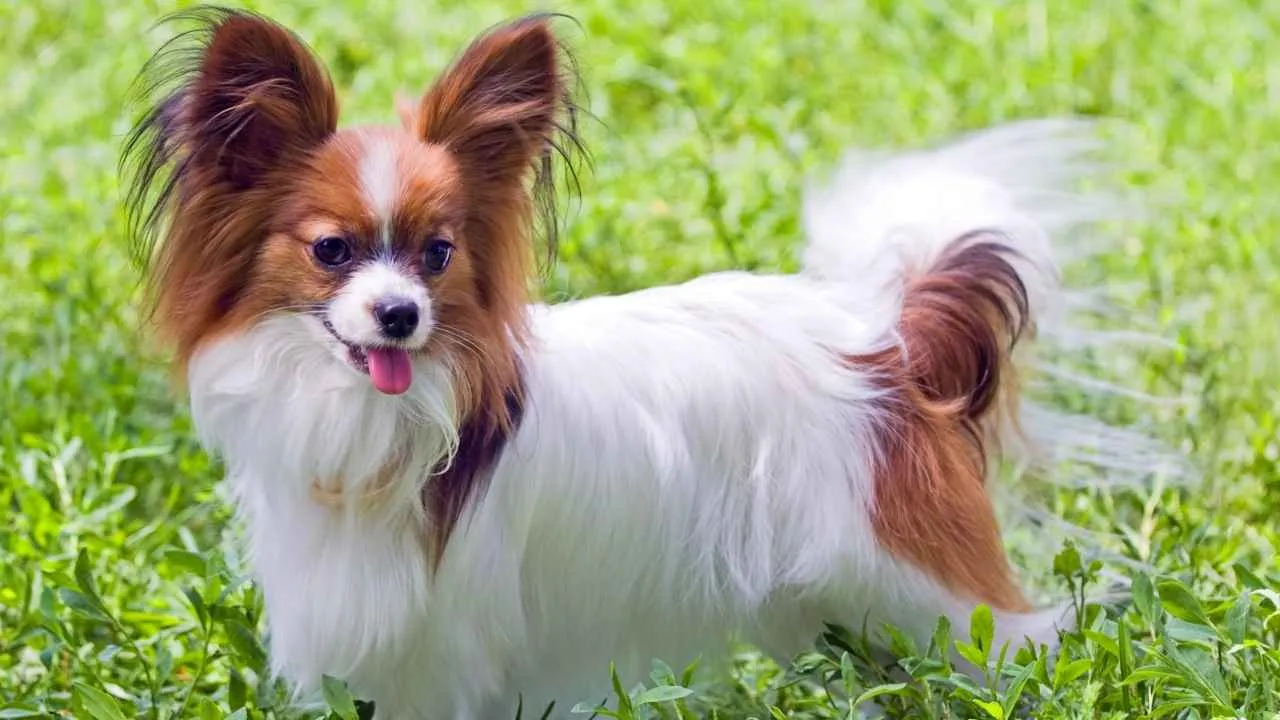
This toy spaniel was originally bred in France or Belgium and was also depicted in the ancient Renaissance paintings. It has been warming the laps of the royalty for centuries and is known to have been carried by Marie Antoinette, according to Purina UK.
The French name ‘Papillon’ is given because of the ‘butterfly ears’ it has. Despite being aesthetic, the ears of this happy dog have a large network of capillaries, which disperse body heat in the compact indoor environment. This is one of the smartest toy breeds, making it highly trainable and obedient. Because of their small size and lower metabolic demands, they significantly cut down food expenses.
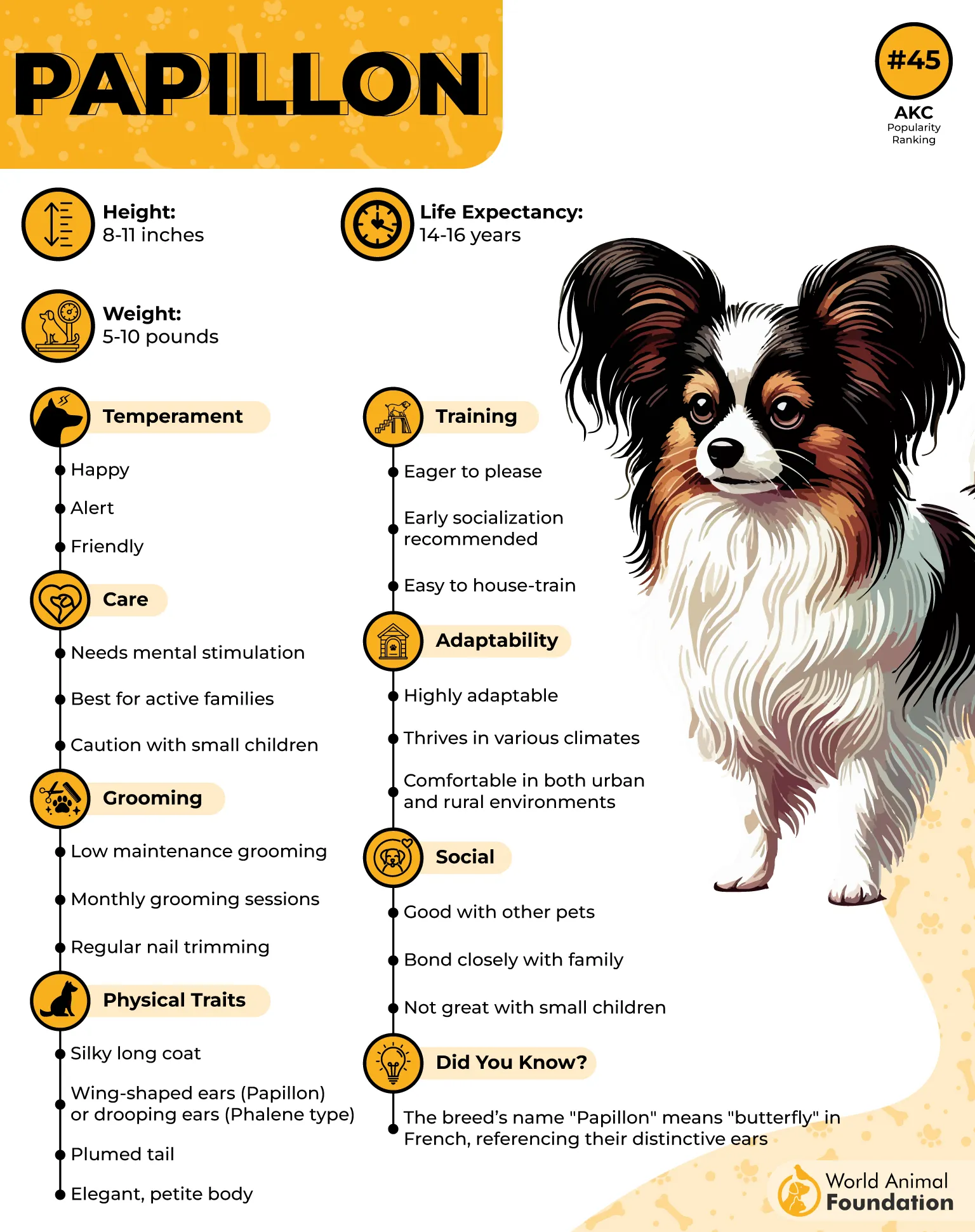
This small dog lacks an undercoat, making it a hypoallergenic breed with zero dog odor. Thus, it requires minimal grooming: regular brushing (2-3 times a week) to avoid mats and tangles. It mirrors human emotions by sensing body language and facial expressions.
2. Boston Terrier
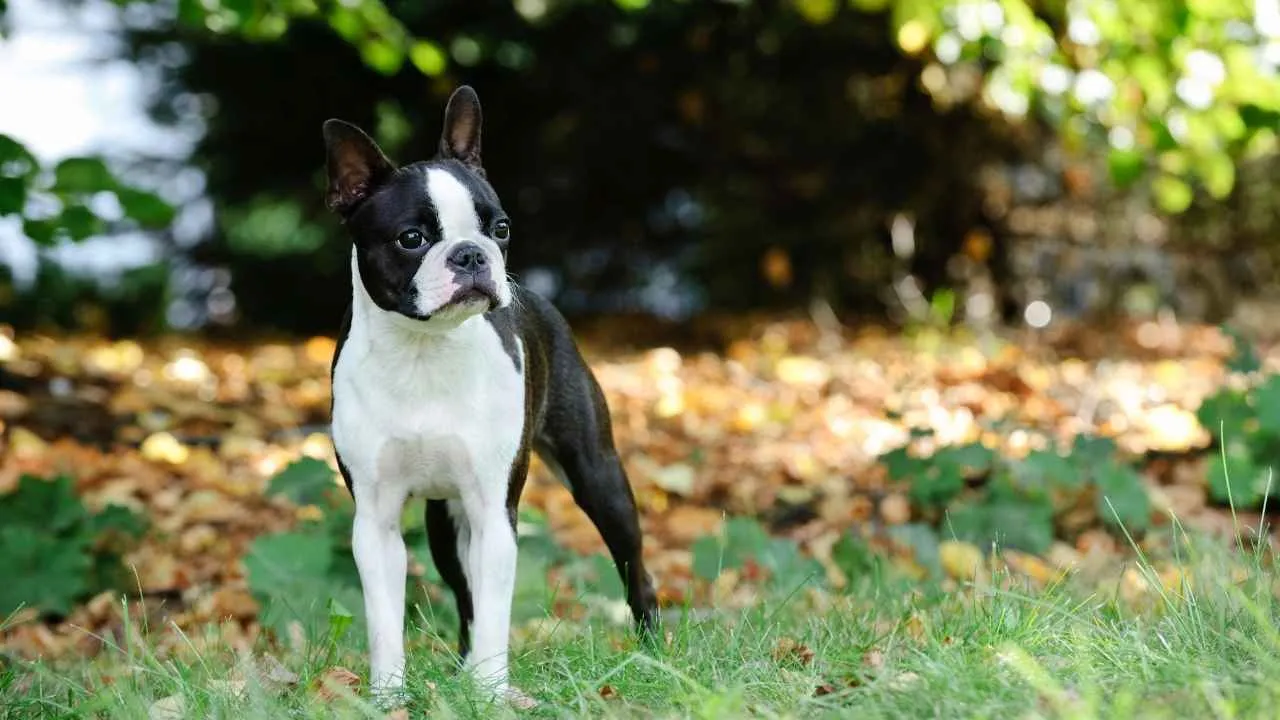
Originating in the United States by Robert C. Hooper in 1870, the Boston Terrier is a non-sporting breed with erect ears and a short tail. Weighing around 10-25 pounds, this loving pet has a well-defined and square body. It also has a single-layered coat with minimal dog odor. Because it is a brachycephalic breed, it has a flat face and narrow airways, and it tends to stay indoors.
It is playful and affectionate towards the owner, and just petting it releases oxytocin (relaxing hormones) in the owner. High intelligence makes it learn complex commands faster and excel in sequential learning patterns with positive reinforcement.
It has a short burst of energy, and zooms through the house and jumps over the furniture for a few minutes before coming back to the resting phase.
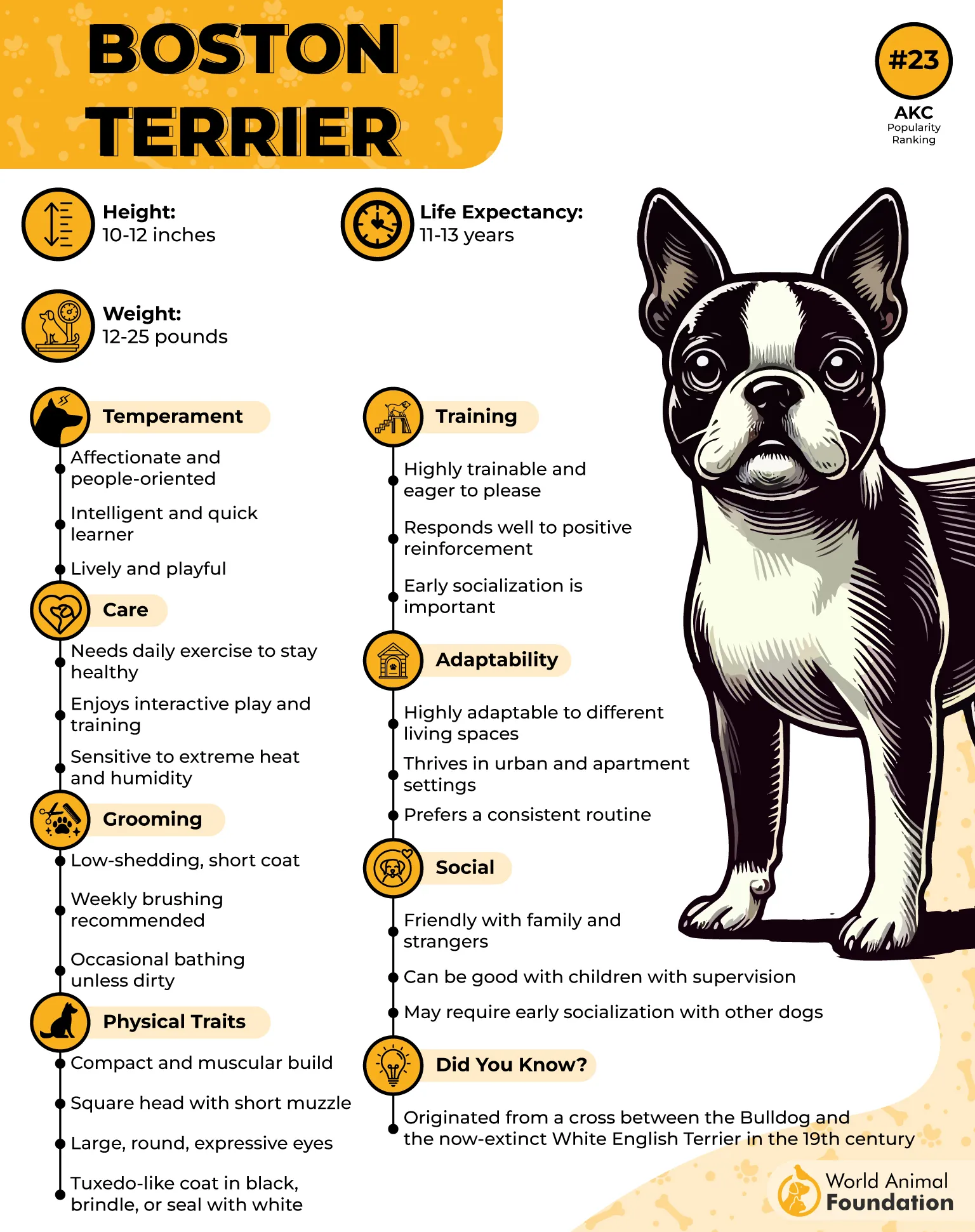
Unlike true terriers, it has a low vocal threshold. This super sweet dog relies on visual alerts and barking when it sees anything strange. Regular grooming is required for the breed: weekly brushing and daily face cleaning are non-negotiable since the dog has a wrinkly face. It has low-to-moderate exercise needs (30-60 minutes): brisk walks, off-leash playtime, and fetching, etc.
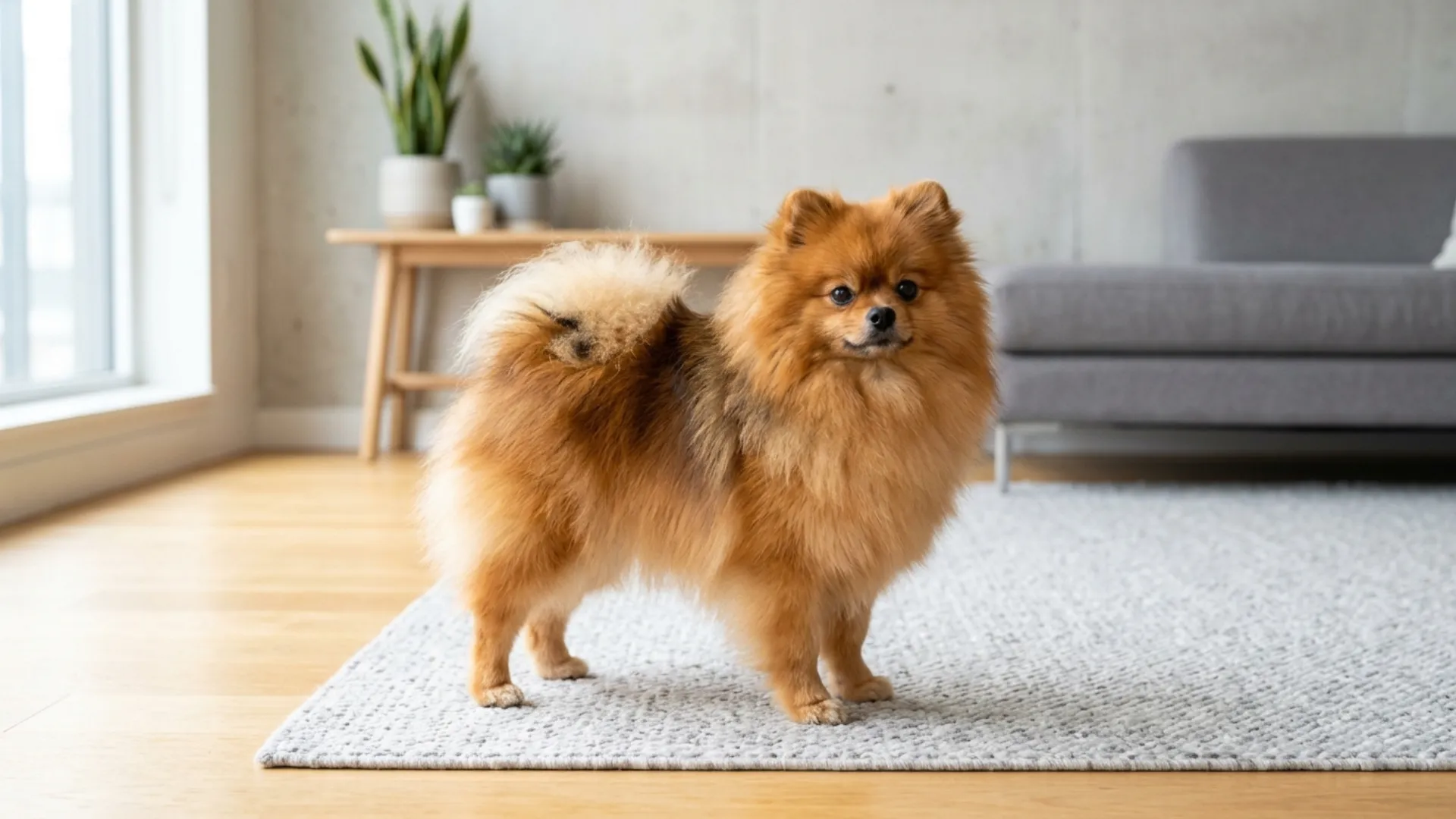
3. Pomeranian
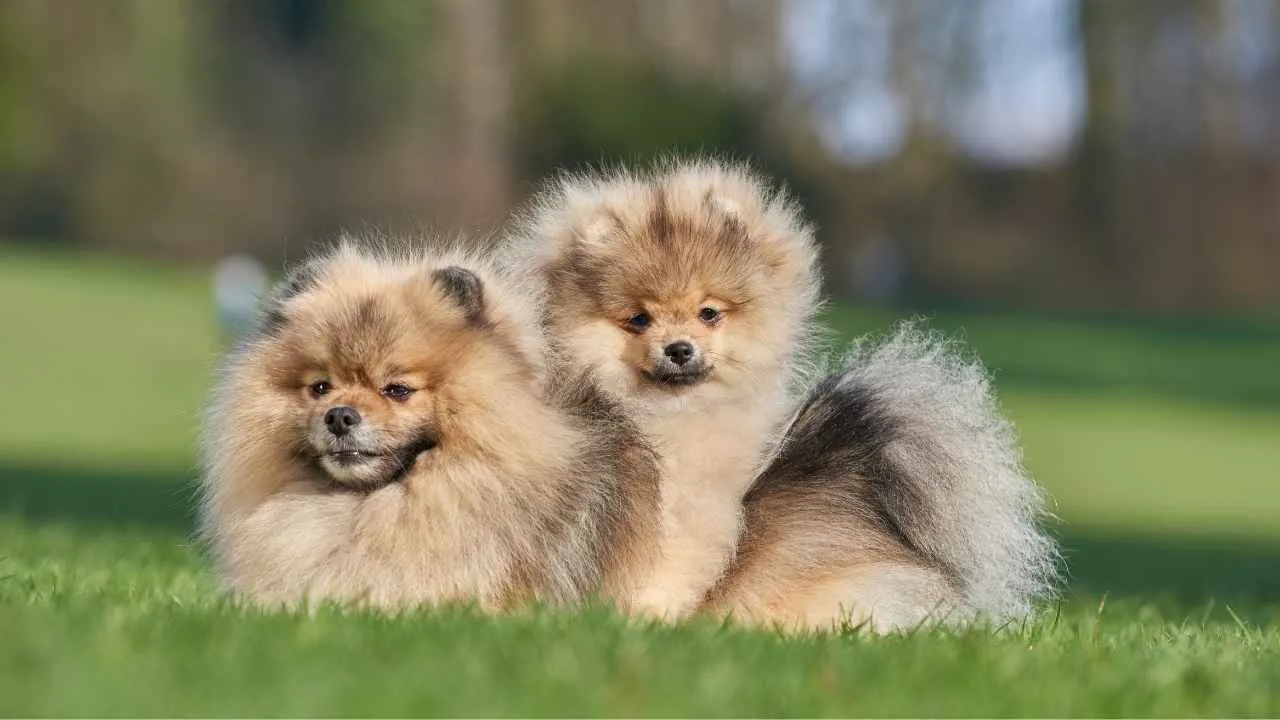
This goofy small dog was bred from the Arctic sled-pulling dogs and is also related to the Samoyed, Keeshond, and Norwegian Elkhound. The gentle and calm breed went through size reduction over time. Modern-day Pomeranians weigh around 3-7 pounds, while the same breed weighed 20-31 pounds at the time of Queen Charlotte.
It has an active central nervous system, making it an excellent watchdog and quickly alerting the owner to a potential threat. Due to their small stature, they require minimal physical activity to burn off energy: 30-60 minutes of daily walks, indoor play, and mental stimulation. It is a velcro dog and needs a constant human companionship, or it will develop separation anxiety.
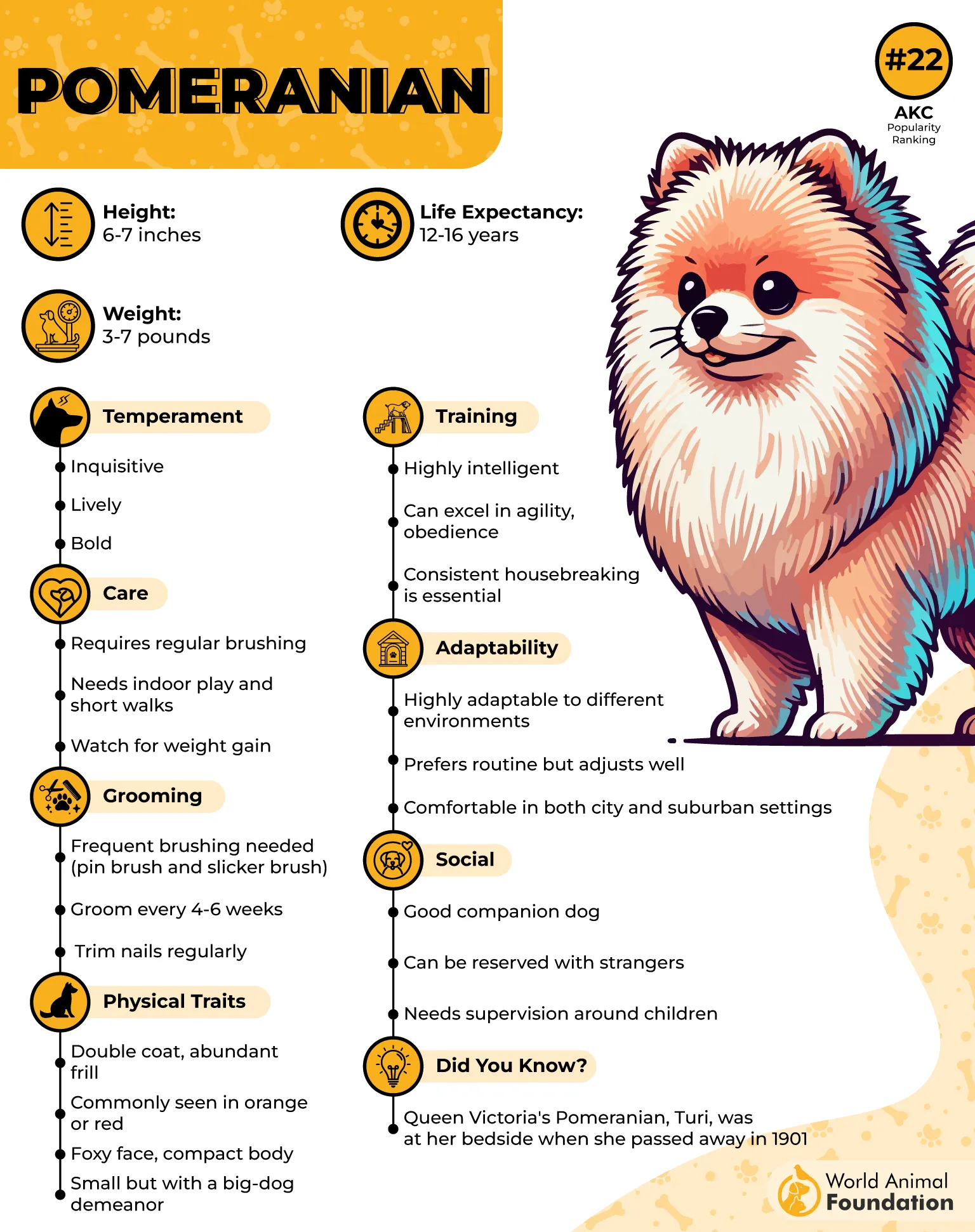
This is a social butterfly and thrives on living with other pets, children, and family members. However, it can bark at strangers if it is not trained properly. The high cognitive ability makes it learn human words; a well-trained Pomeranian can understand around 165–250 words.
4. American Eskimo Dog
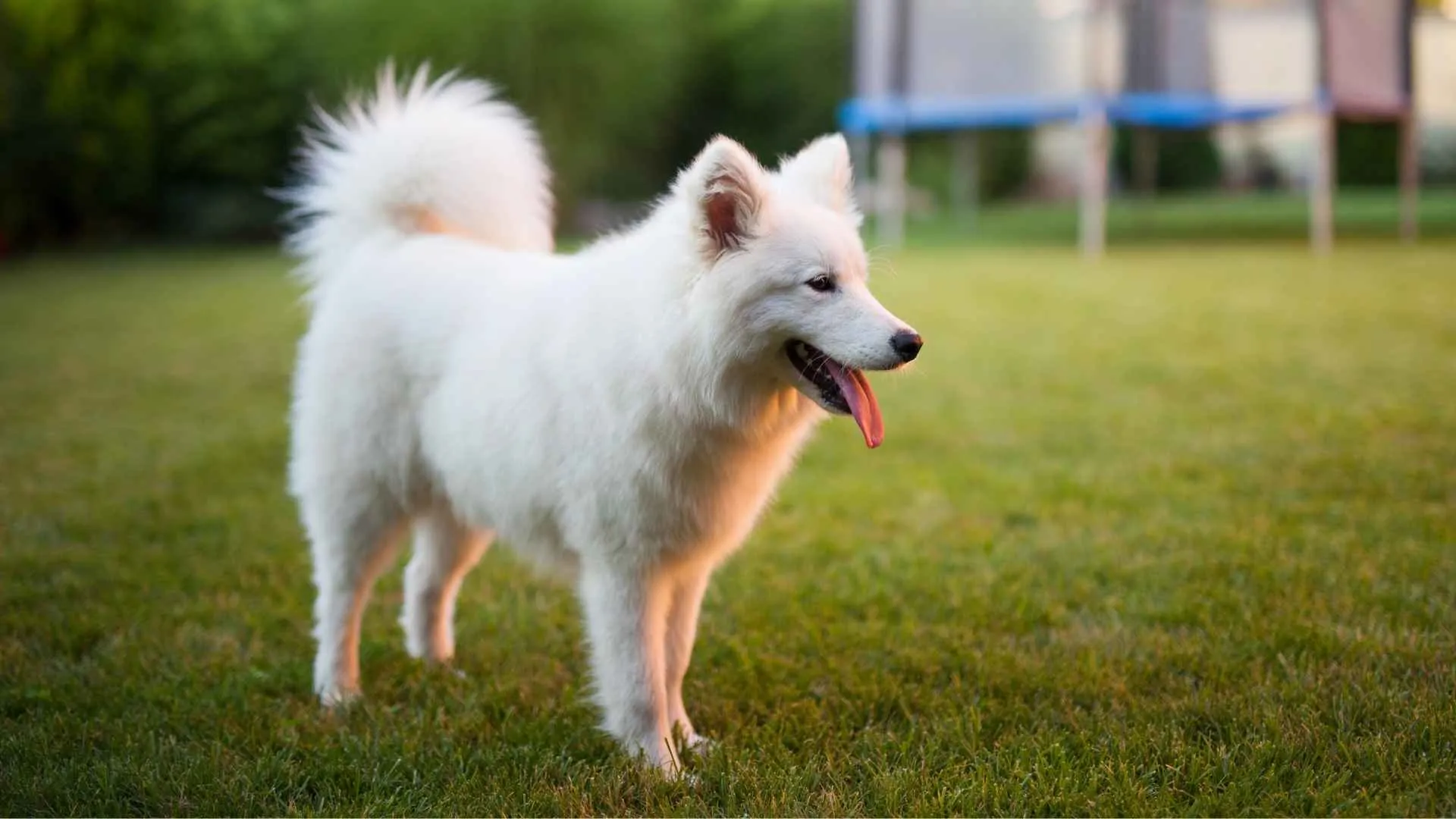
This loyal dog was developed in Germany as a companion dog and gained popularity as a working dog and a circus performer in America later on, as per Wikipedia. This family dog has a plush double coat; the soft undercoat traps air in, providing insulation against harsh climates.
The forebrain has exceptional cognitive mapping and learning abilities. These traits make it an exceptional multitasker. It has a large number of olfactory receptors, making it an excellent watchdog. The breed is eager to please and agile in nature, because of which it was used as a circus performer.
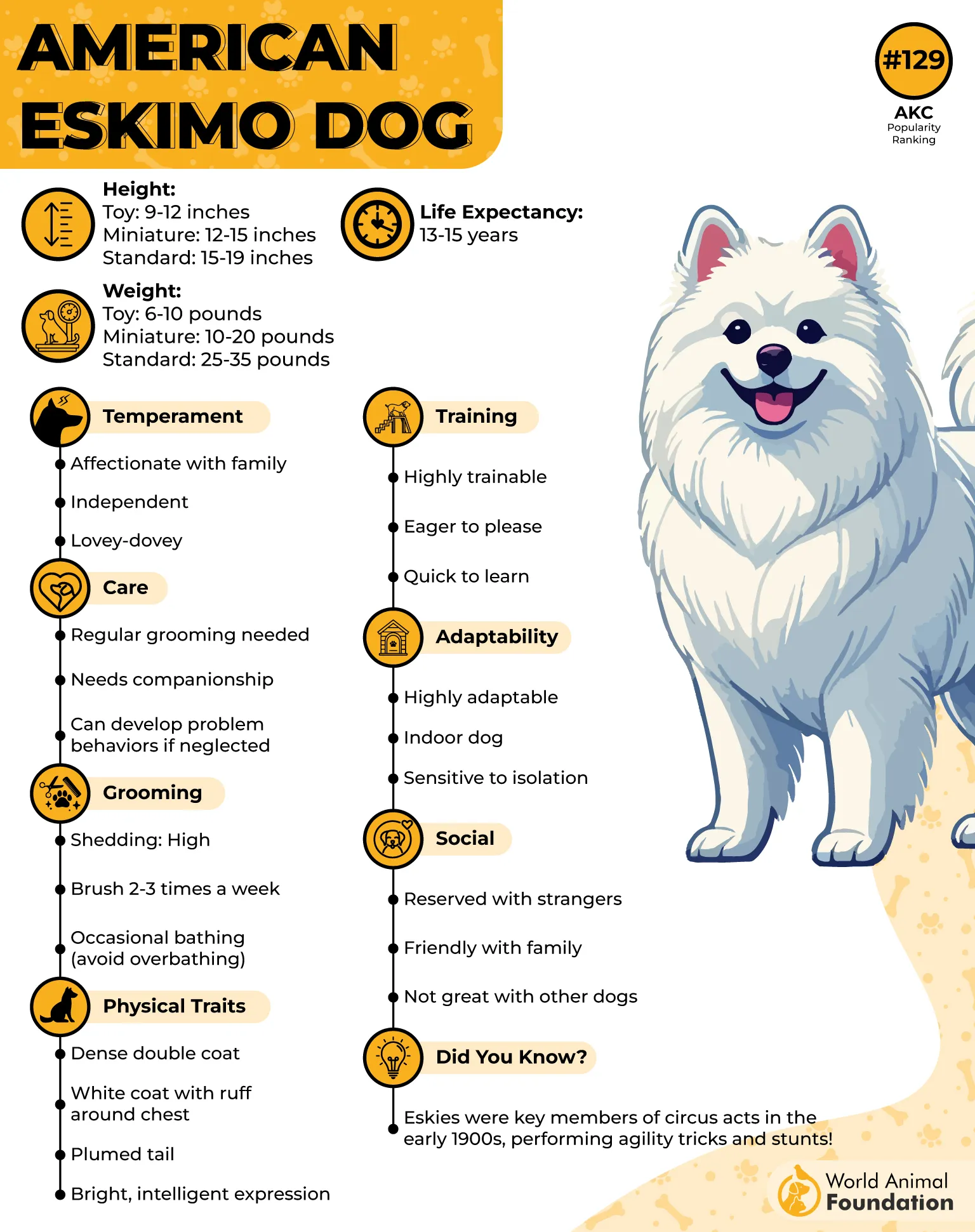
The breed has moderate-to-high exercise requirements (1-2 hours): The white coat needs regular grooming (2-3 times brushing a week) and daily brushing during shedding season (spring and summer). It may have tear stains under the eyes that require gentle cleaning to minimize discoloration.
5. Poodle
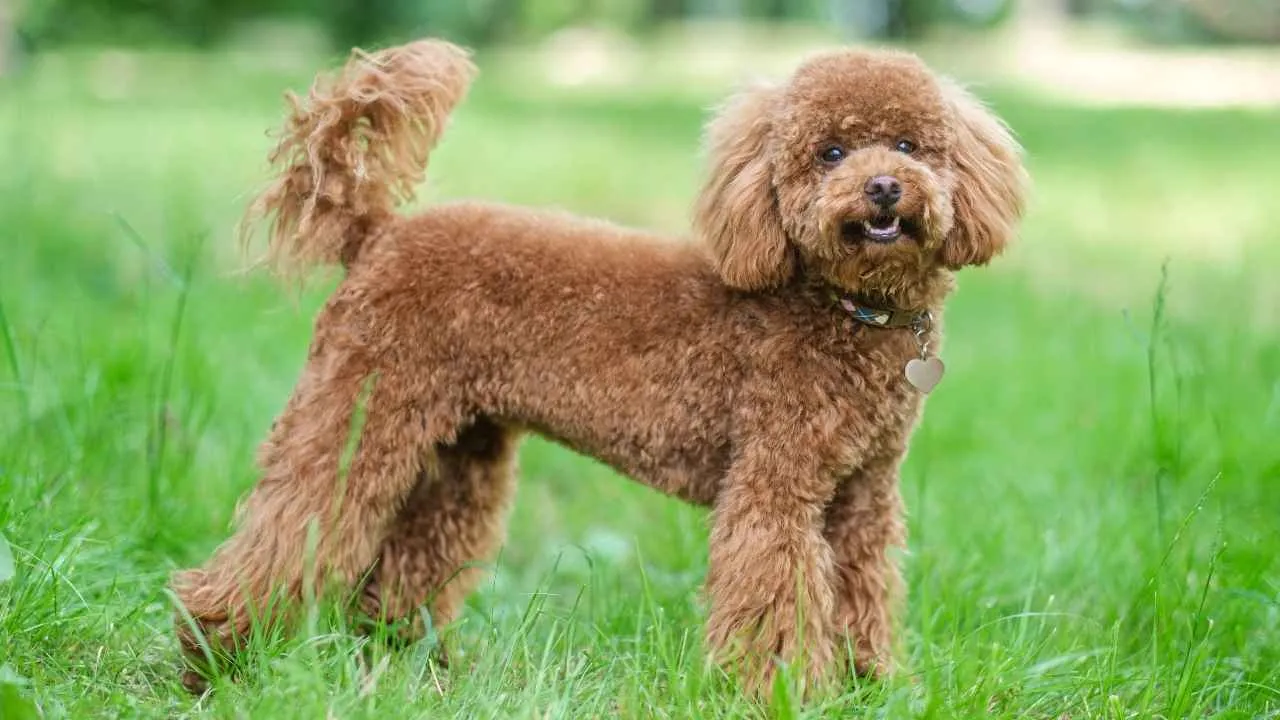
Developed as a water retriever, the poodle is the national dog of France, developed in Germany some 400 years ago. In fact, the breed’s name comes from a German word, ‘pudelin,’ which means ‘to splash.’ Because of the water-resistant double coat and webbed feet, it excels in swimming.
Unlike other double coat breeds that heavily shed seasonally, this breed has a single coat of human-like hair that sheds less. The dander traps in the curly hair, creating less mess, and it is perfect for families with allergy issues. Their cognitive abilities sharpen associative memory, cognitive processing, and problem-solving skills. It learns commands within 5 repetitions only.
The breed is ideal for active families because of the high-impact daily exercise demand (1-2 hours): hiking, jogging, running, and retrieving. Daily brushing is needed to prevent mats and tangles. Professional trimming is recommended after 4-6 weeks.
6. Samoyed
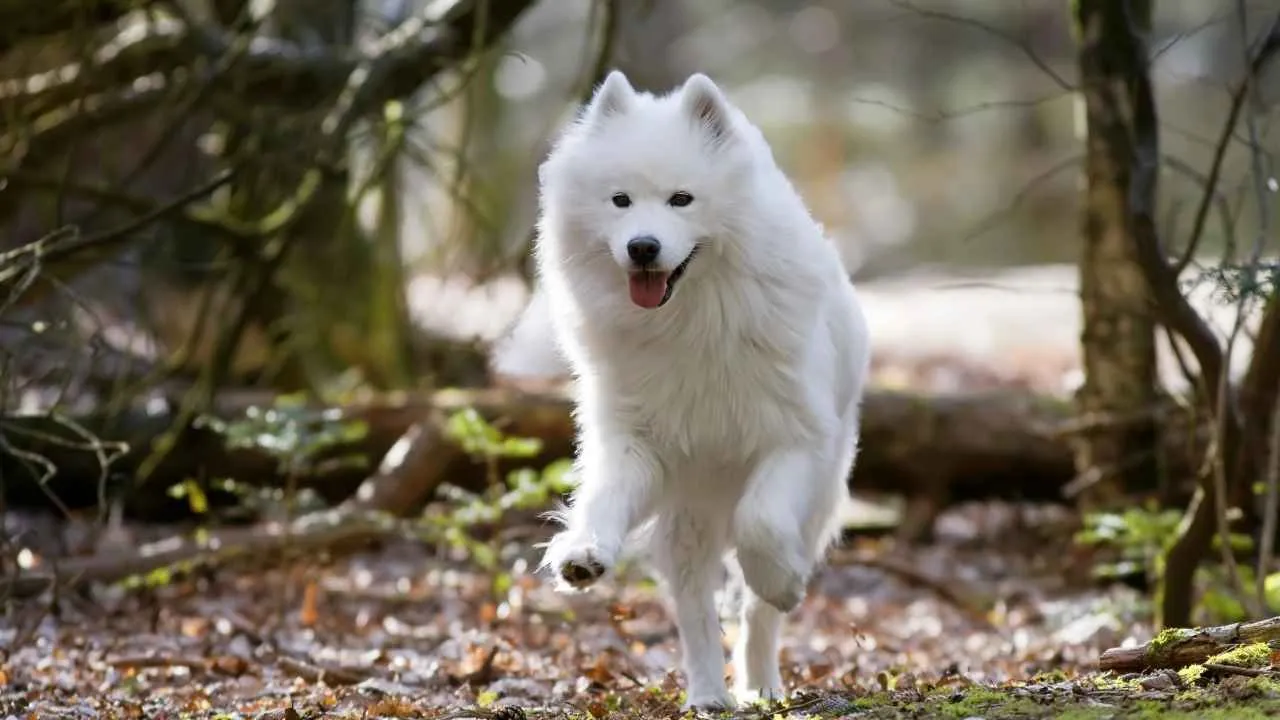
This white breed was developed by the Samoyedic peoples of Siberia as a domesticated herding breed. It was also used for protection, sled-pulling, and hunting. This gentle giant is rarely aggressive and makes everyone a good friend, making it a poor guard dog.
This best dog is known for a ‘Sammie smile,’ where its lips are upturned, showing full teeth, looking as if it is smiling. The dirt and water-repelling coat keeps warm in cold temperatures; however, it needs to be in an air conditioner in summer.
It forms deep pack bonds and is less likely to attack humans. Since it was bred to remain closer to the nomadic tents, it forms a strong bond with the family.
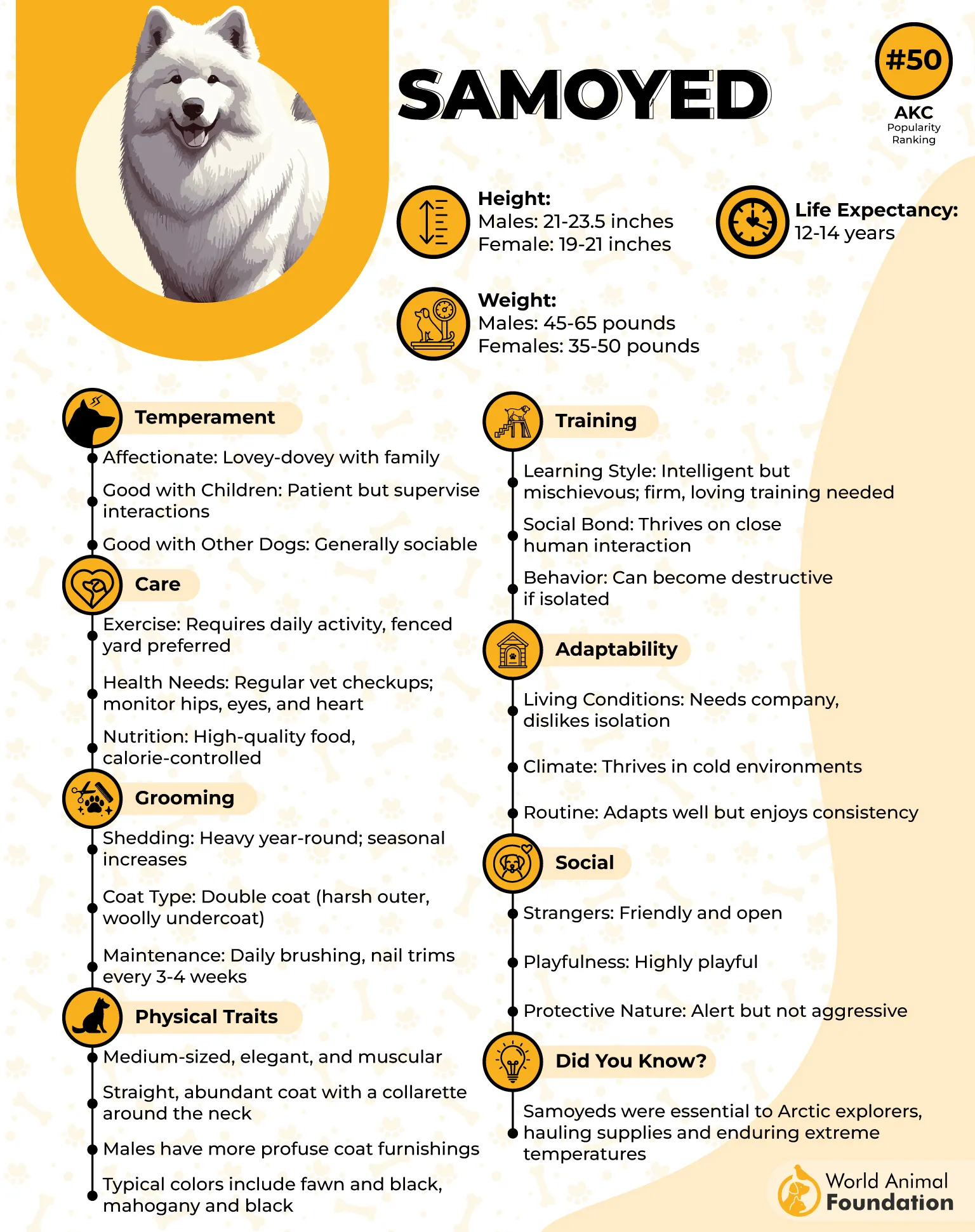
High intelligence makes it read humans’ micro-emotions: vocal intonation, body language, and facial expressions. It has a quick ‘switch-off’ button; once the physical requirements (2 hours daily) are met, it goes back to the resting phase indoors.
7. Golden Retriever
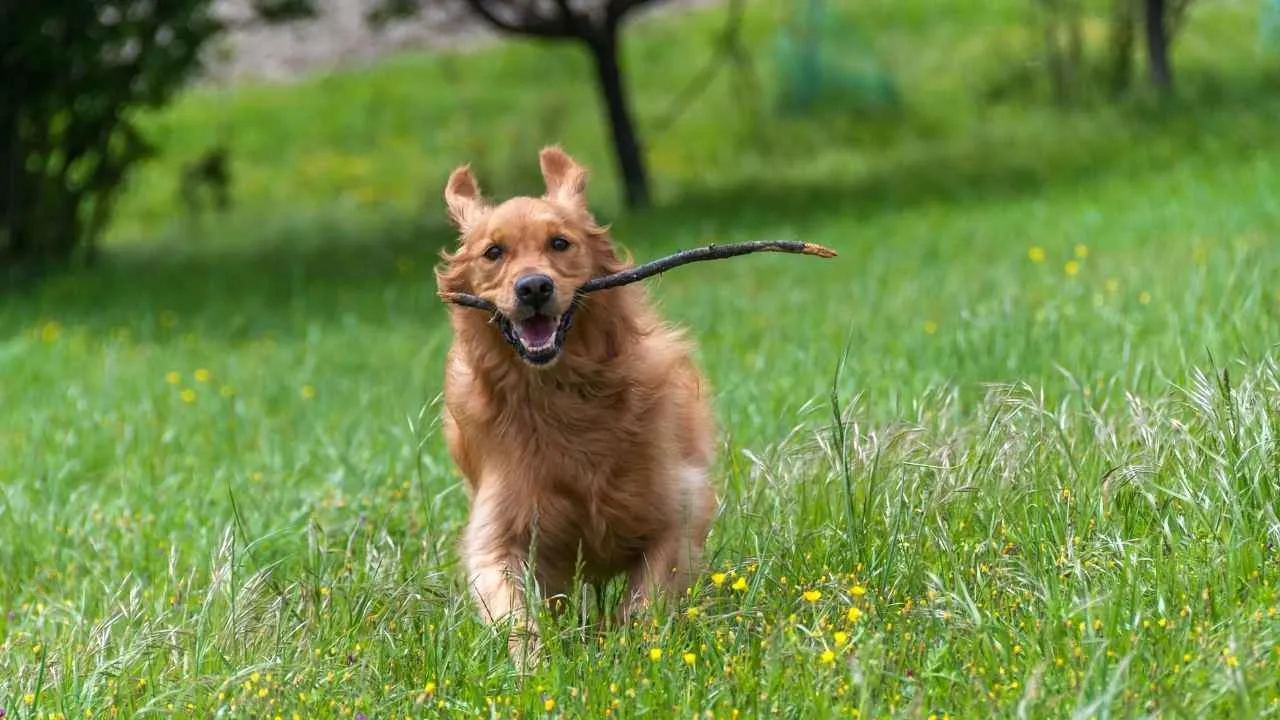
Sir Dudley Marjoribanks took a yellow-colored breed from England and crossed it with a female Water Spaniel. 20 more years of experimentation with the Red Setters, Bloodhounds, and Labrador Retriever resulted in a breed we call the Golden Retriever.
The gentle nature of this breed makes it emotionally sensitive, highly cooperative, and responsive to positive training techniques. Despite having a strong bite force (150-250 PSI), it tends to retrieve the prey with a ‘soft mouth,’ and it does not physically damage them. A broad skull and elongated legs help it endure daily walks.
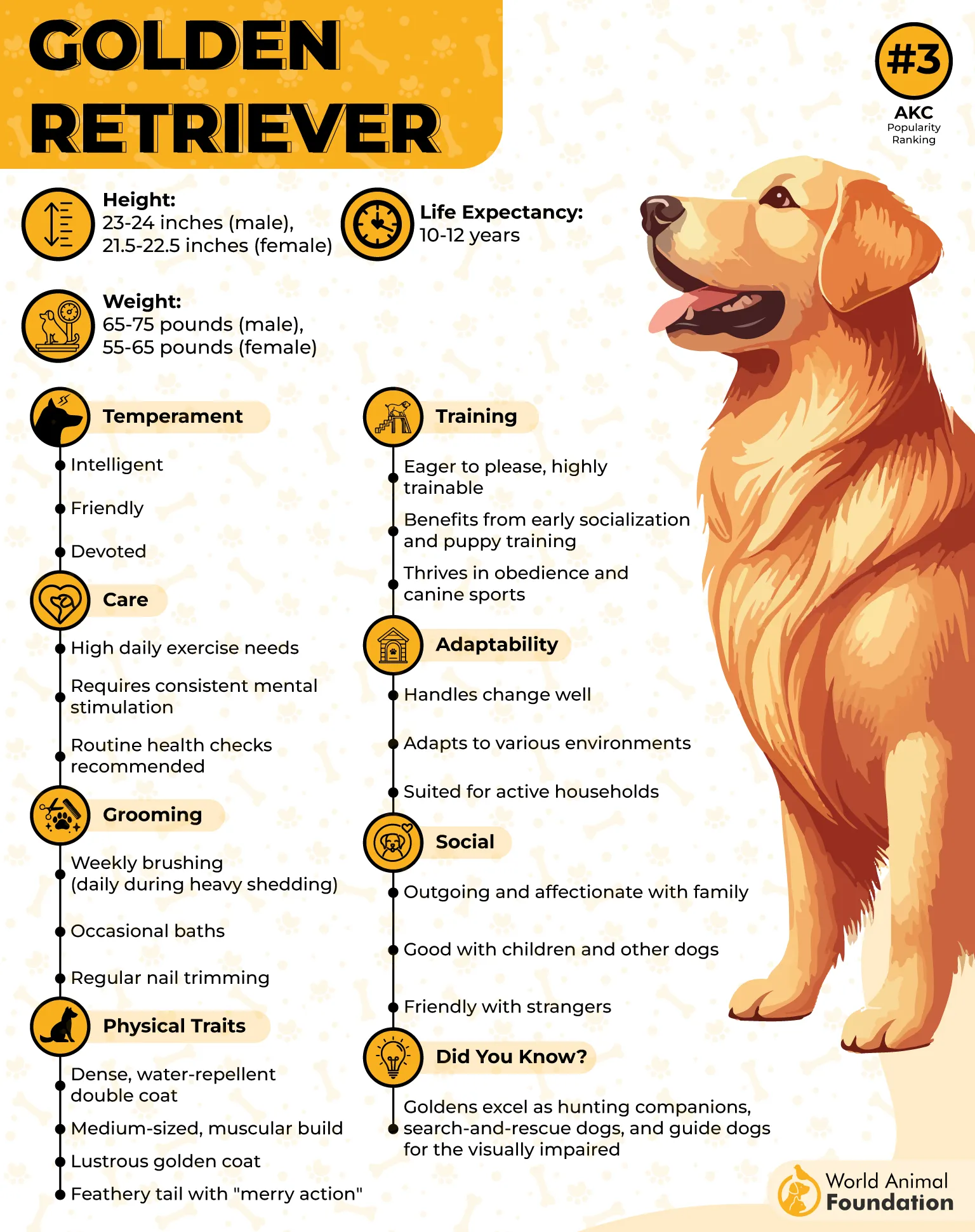
Being the 4th most intelligent breed, this apartment dog excels in learning complex commands. The breed rarely shows aggression and is usually friendly and social. The fine dog has moderate-to-high exercise needs (60-90 minutes): swimming, jogging, and brisk walks. Pups need low-impact exercise since they have developing joints.
8. Border Collie
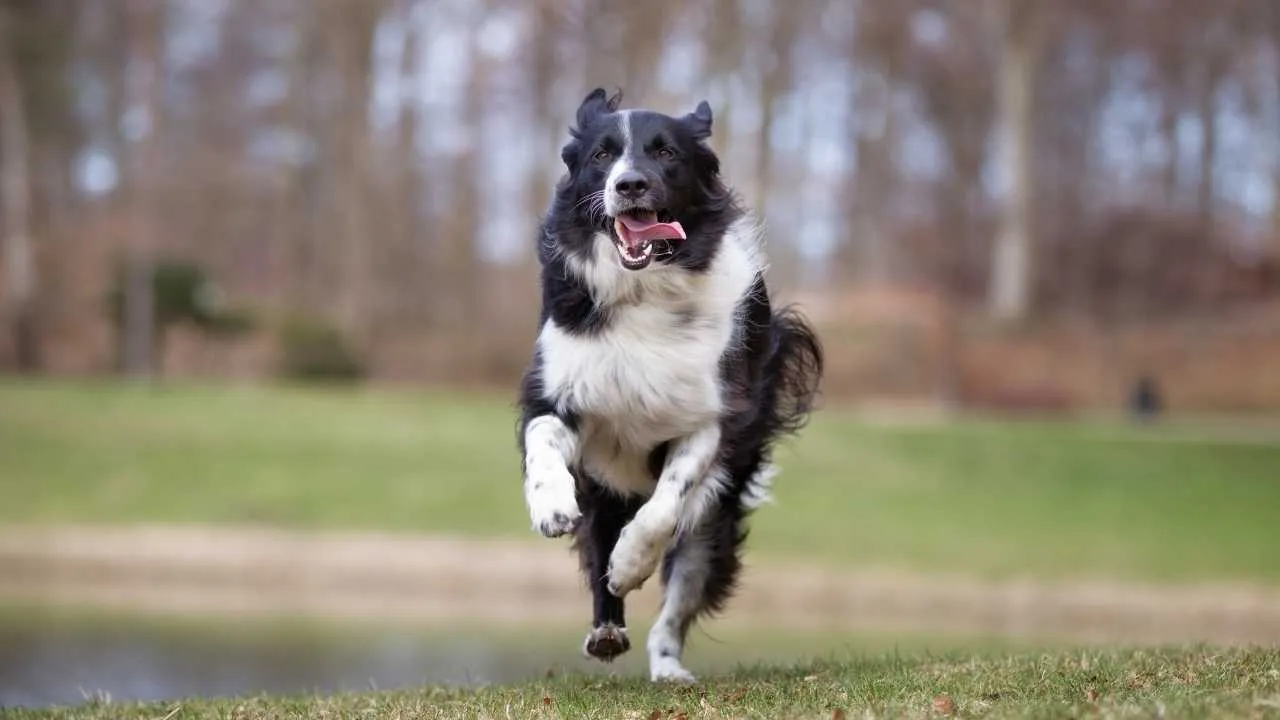
The history of this most intelligent dog breed dates back to the 1700s, when it was used as a herding breed in the border area between Scotland and England. This breed has a dense horizontal band of photoreceptors across its retina, making it detect minor visual changes.
Since the breed was developed to work on the rugged terrain, the Border Collie has a high proportion of fast-twitch and slow-twitch muscle fibers, developed for cardiovascular endurance and high speed (30 mph). The larger brain-to-body ratio helps in cause-and-effect learning.
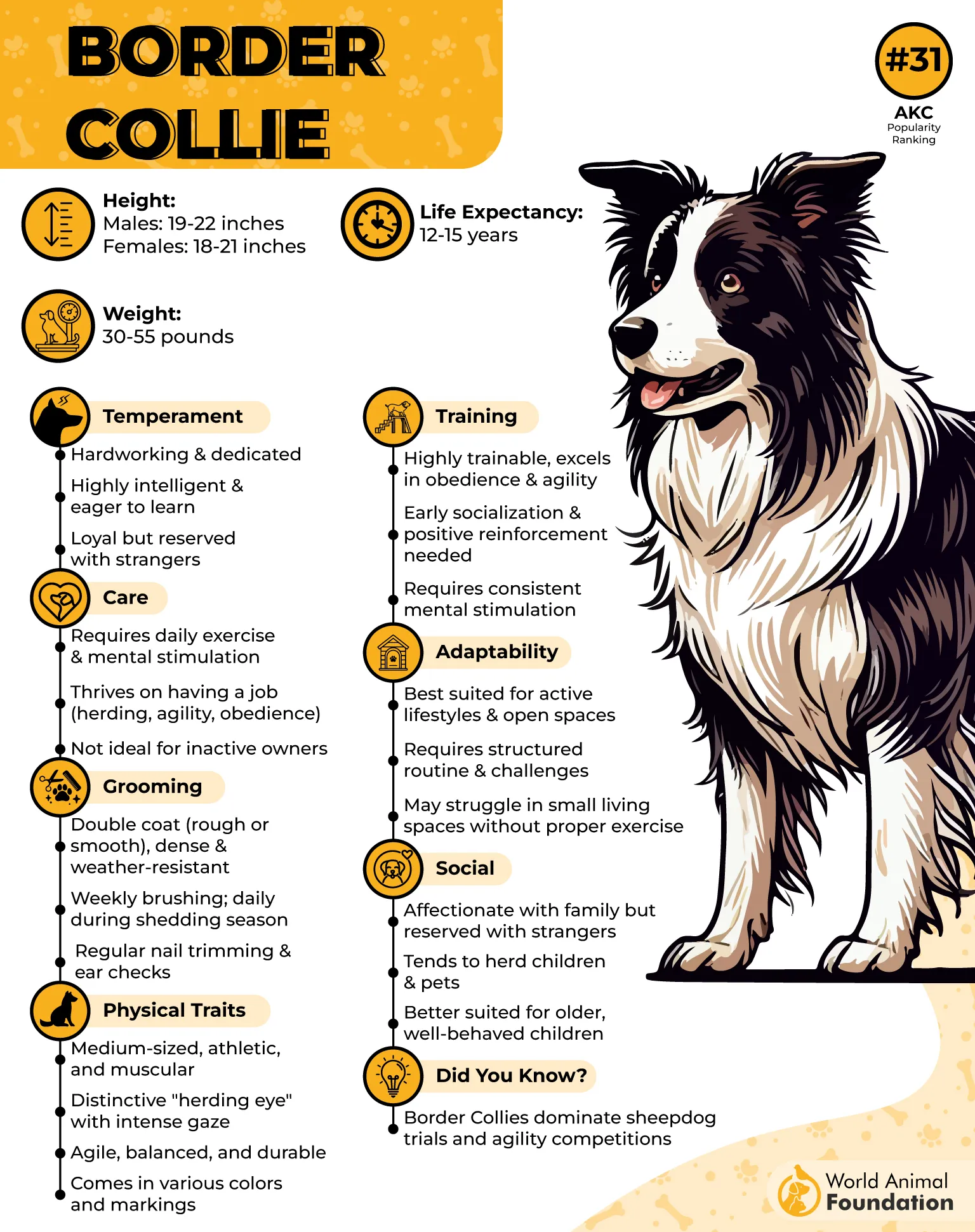
This healthy breed has high intelligence that makes it get the commands accurately in the first attempt 95% of the time, and learning house rules is much easier. Since the breed does not have a natural switch-off button, basic commands like relax, come, sit, and stand must be taught earlier.
9. Siberian Husky
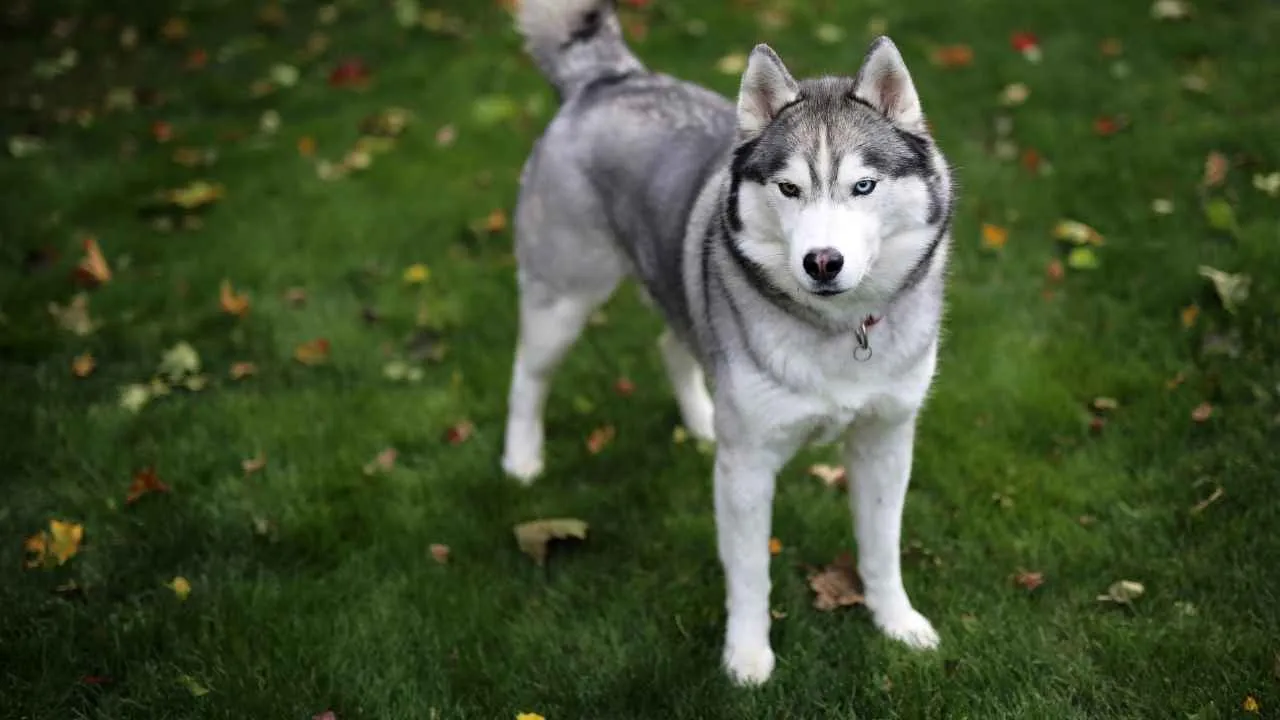
This breed was brought to Alaska by a Russian fur trader, William Goosak, from Siberia, and it made its way to America in 1908. This breed weighs up to 60 pounds and stands 20-23.5 inches tall, says PetMD. Its primary goal was to pull light weight over long distances on icy terrains.
Despite its size, it can work efficiently for longer hours with minimal food intake. Its dense double coat has minimal or zero odor, and the breed has self-cleaning habits: it licks its paws and coat to remove dirt and debris. The coat acts as a thermoregulator: it traps the warm air in winter and reflects the sunlight in summer.
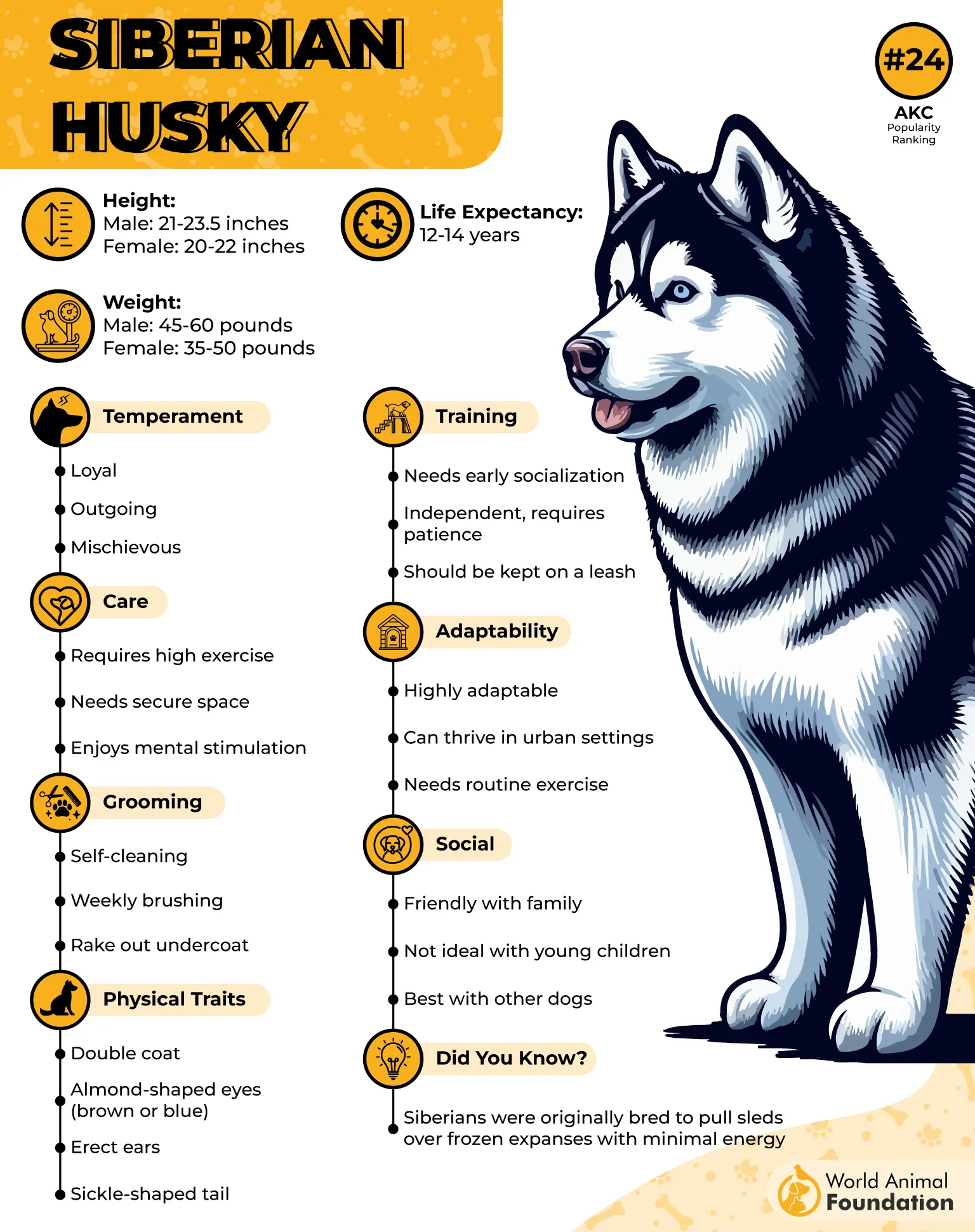
Being an independent thinker, it makes decisions without human supervision. Because Huskies are highly energetic pack dogs, they are extremely prone to separation anxiety. This manifests through destructive chewing, howling, and pacing. This large dog breed has a friendly disposition towards kids, other pups, and even strangers, making it a poor guard dog.
10. Cocker Spaniel

Cocker Spaniels are dogs belonging to two breeds of the spaniel dog type: English Cocker Spaniel and American Cocker Spaniel. It was bred in England as a hunting dog. The breed was modified further in America in the 20th century. It weighs 26-35 pounds and stands 14-16 inches tall.
Just petting the breed releases oxytocin levels in the owner that reduce stress and anxiety. This breed has a low threshold for aggression. It remains active and thrives in outdoor adventures, but it is calm and docile indoors. Daily exercise for 1-1.5 hours is recommended.
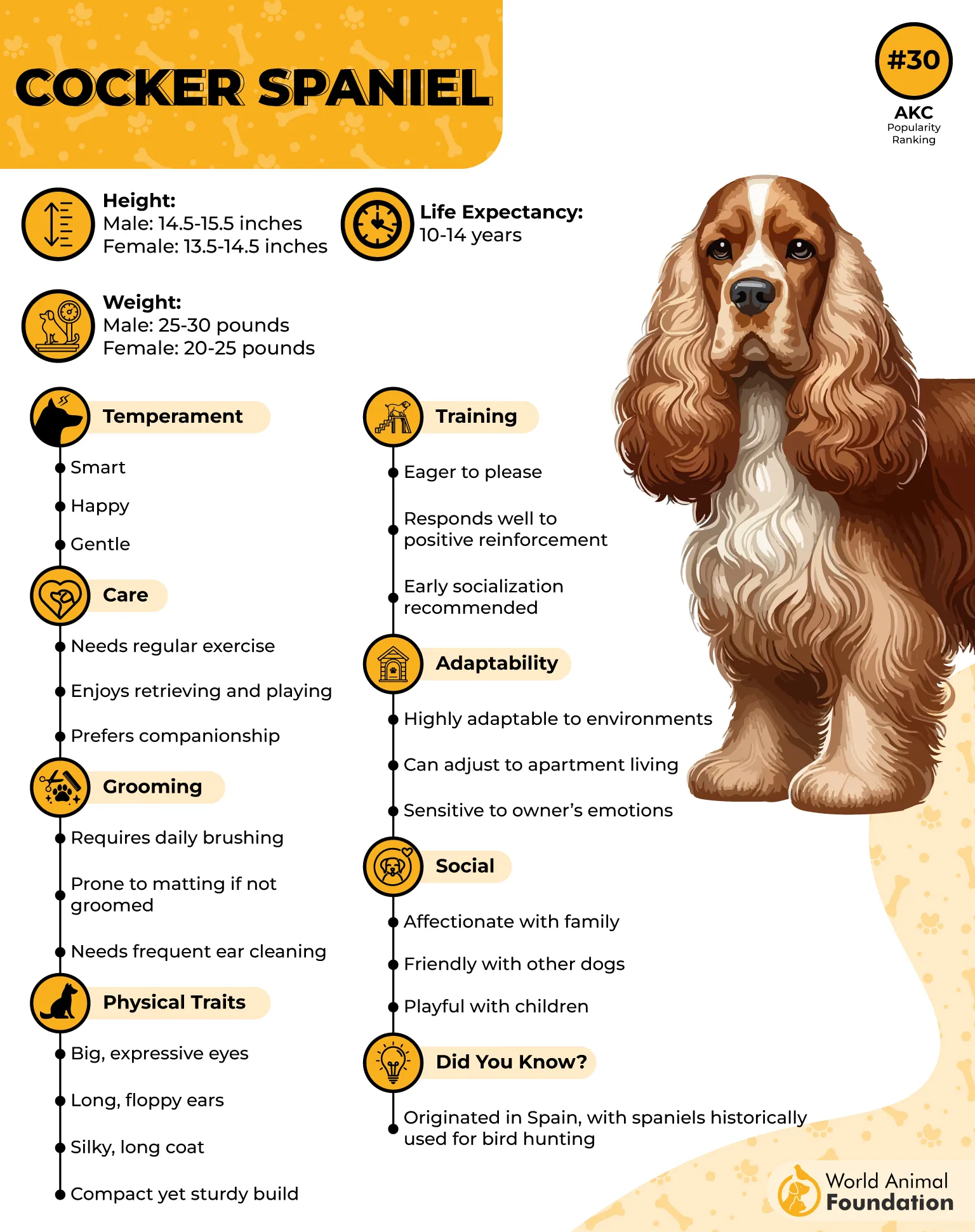
It has a strong associative memory that helps it learn daily commands and map the territory. The brain has 150-300 million receptors that help it cover a vast area of smell. The breed never ‘switches off’ its alert nature.
Conclusion
There is no such thing as a perfect dog, just the perfect dog for you. Whether you are drawn to the butterfly ears of a Papillon or the howling theatrics of a Siberian Husky, every breed on this list brings something genuinely special to the table. And the good news is: you don’t have to be rich to find a perfect, stunning companion.
All you need is commitment, passion, love, and care to give to your little friend. Do your research, match your lifestyle honestly, and then go find the one who will steal your heart and probably your side of the bed, too. Worth it. Every single time.
