




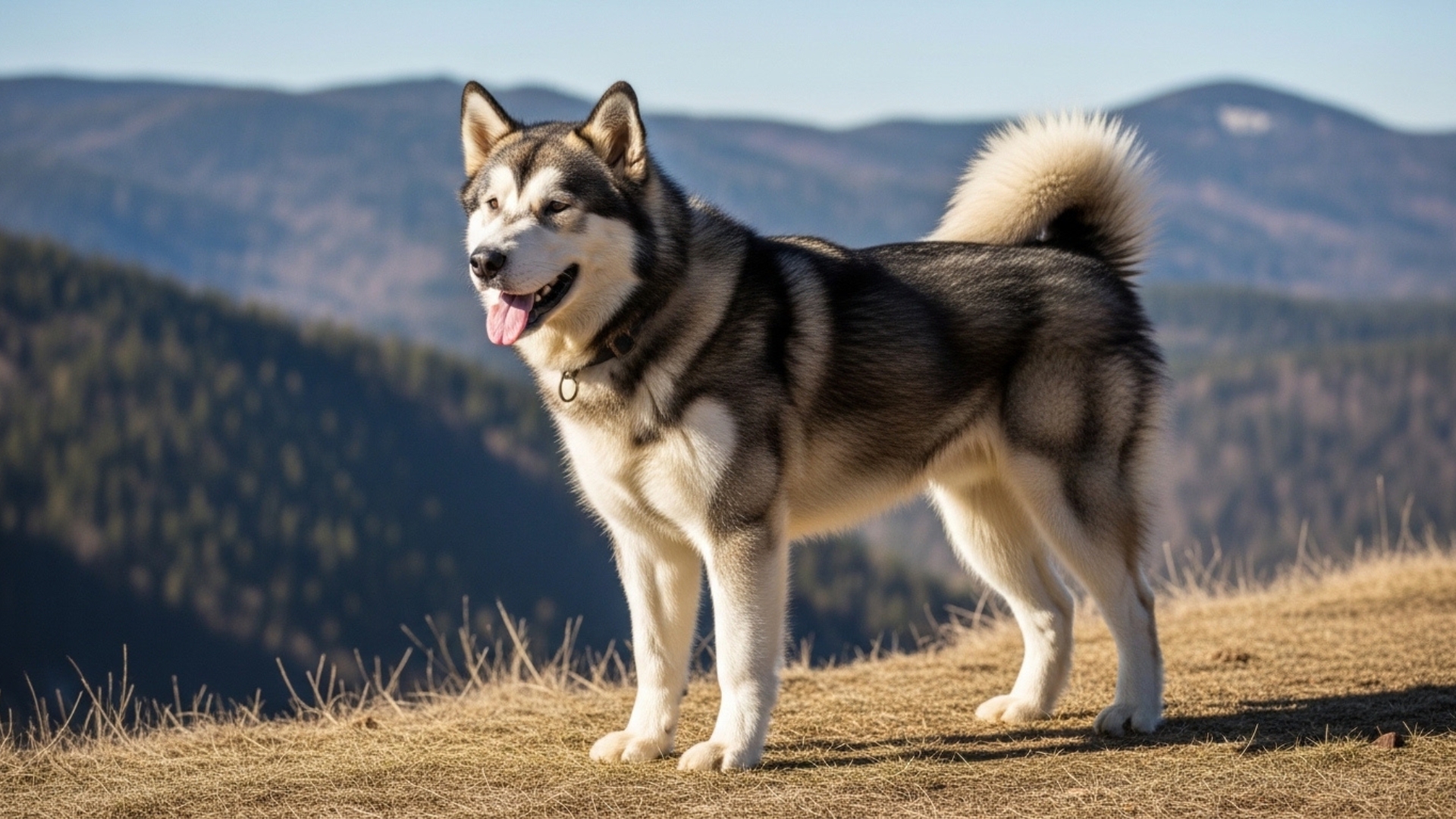
Looking for a four-legged companion to tackle rugged trails and untamed wilderness with you? Certain dog breeds aren’t just pets—they’re adventure partners built for rough terrain, ready to match your stamina and spirit.
Mountain and wilderness environments demand more than enthusiasm—they require strength, resilience, and the ability to navigate harsh conditions. Cold temperatures, uneven terrain, and high altitudes challenge both humans and dogs alike, but some breeds are naturally equipped to conquer these obstacles.
Many of these hardy breeds were bred for work—herding, guarding, or hauling—making them intelligent, independent, and ready to think on their paws. These dogs excel in adventure, offering both protection and boundless companionship for experienced outdoor enthusiasts.
Rough-Terrain Dog Breeds That Excel In Wilderness Sports
1. Alaskan Malamute
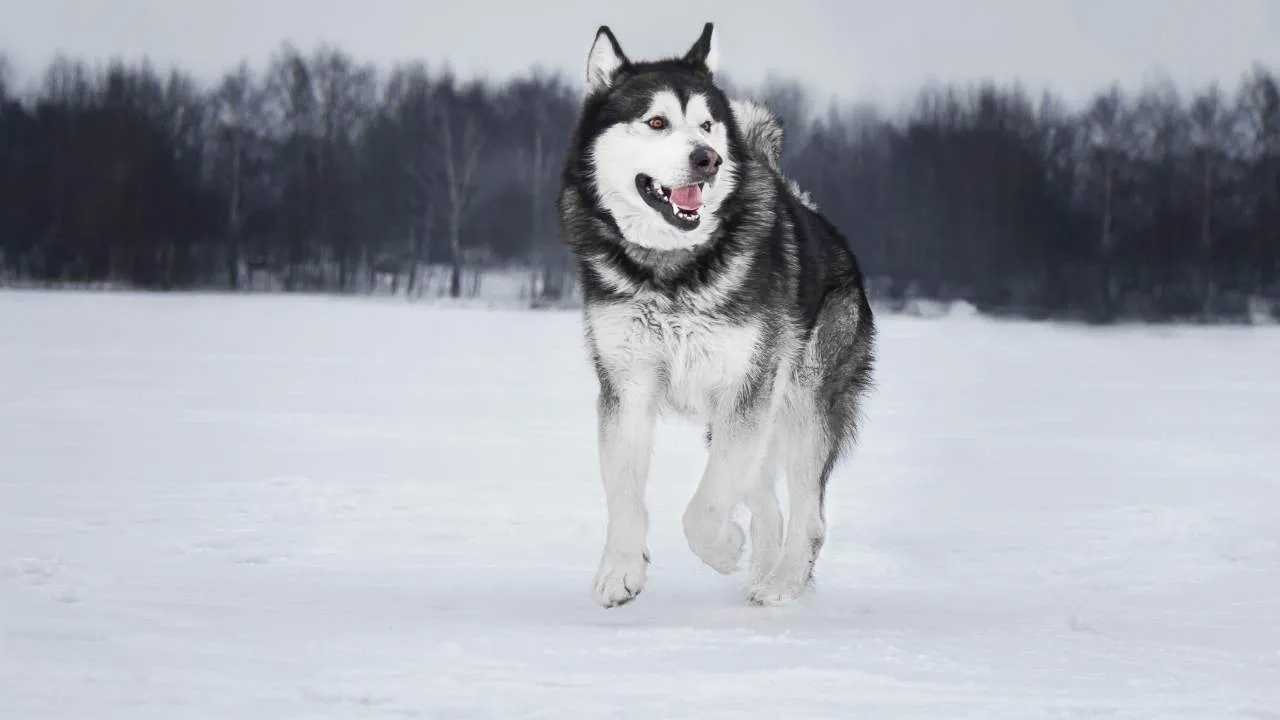
The Alaskan Malamute was developed by the Malemiut people of Alaska as a robust sled dog capable of hauling heavy loads across snowy terrain. Known for its broad head, erect ears, and plume-like tail, this breed is both strong and loyal, as per Purina.
Coat Care and Climate Considerations
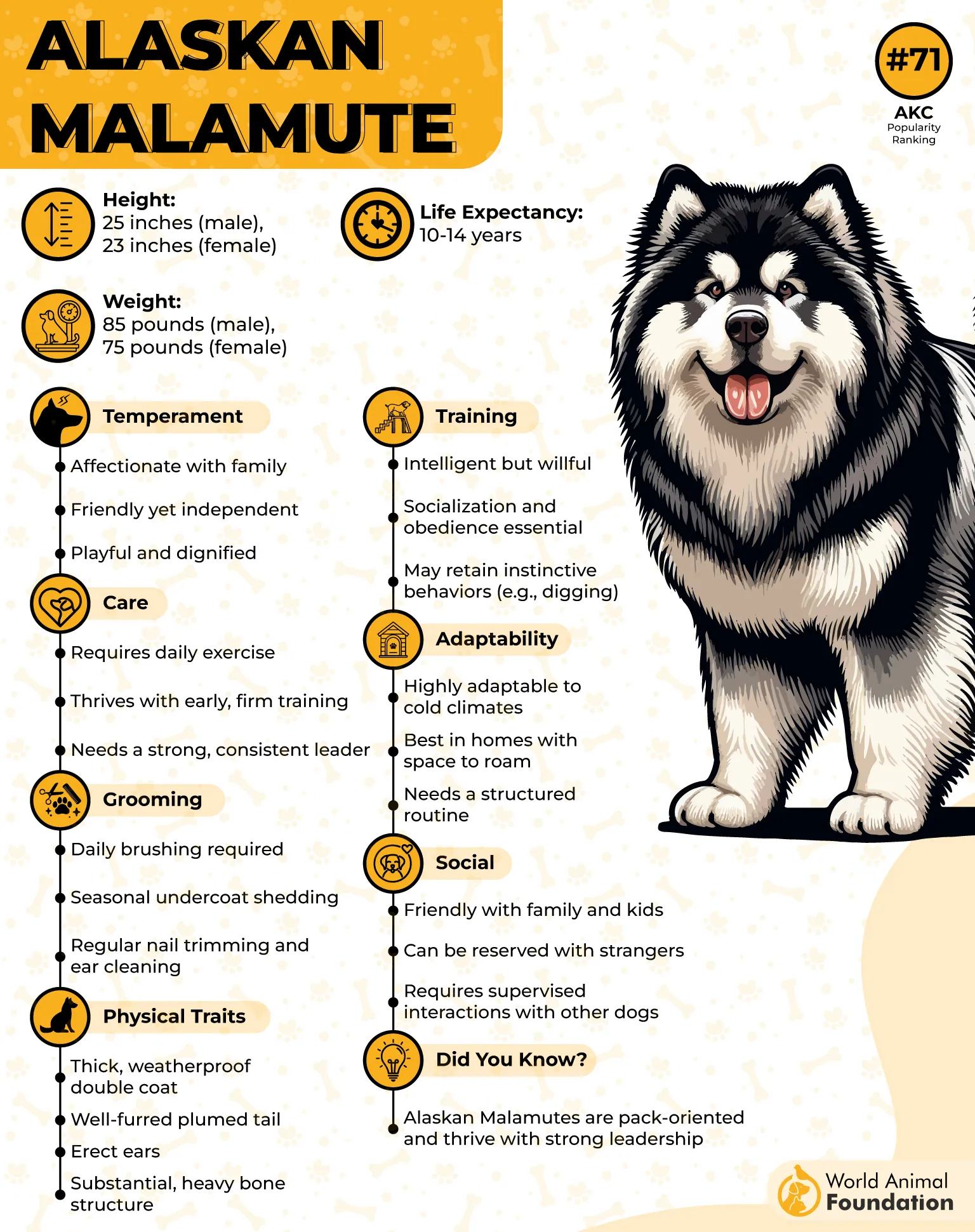
Malamutes sport a dense double coat, usually gray-and-white or black-and-white, which protects them from freezing temperatures. Their fur needs daily brushing, especially during seasonal shedding, and they are sensitive to heat, preferring cold climates.
Energy, Exercise, and Training Needs
These muscular dogs are highly active and thrive on long hikes, sledding, and weight-pulling activities, requiring at least two hours of vigorous daily exercise. Malamutes are intelligent but independent, meaning training takes patience and consistency.
Why They Shine in Wilderness Sports
Incredible endurance for long-distance trekking and sledding
Strong, muscular build perfect for pulling heavy loads
Excellent adaptability to snow and rough terrain
High intelligence for navigating trails and independent problem-solving
Energetic and playful, keeping pace in various outdoor sports
2. Siberian Husky
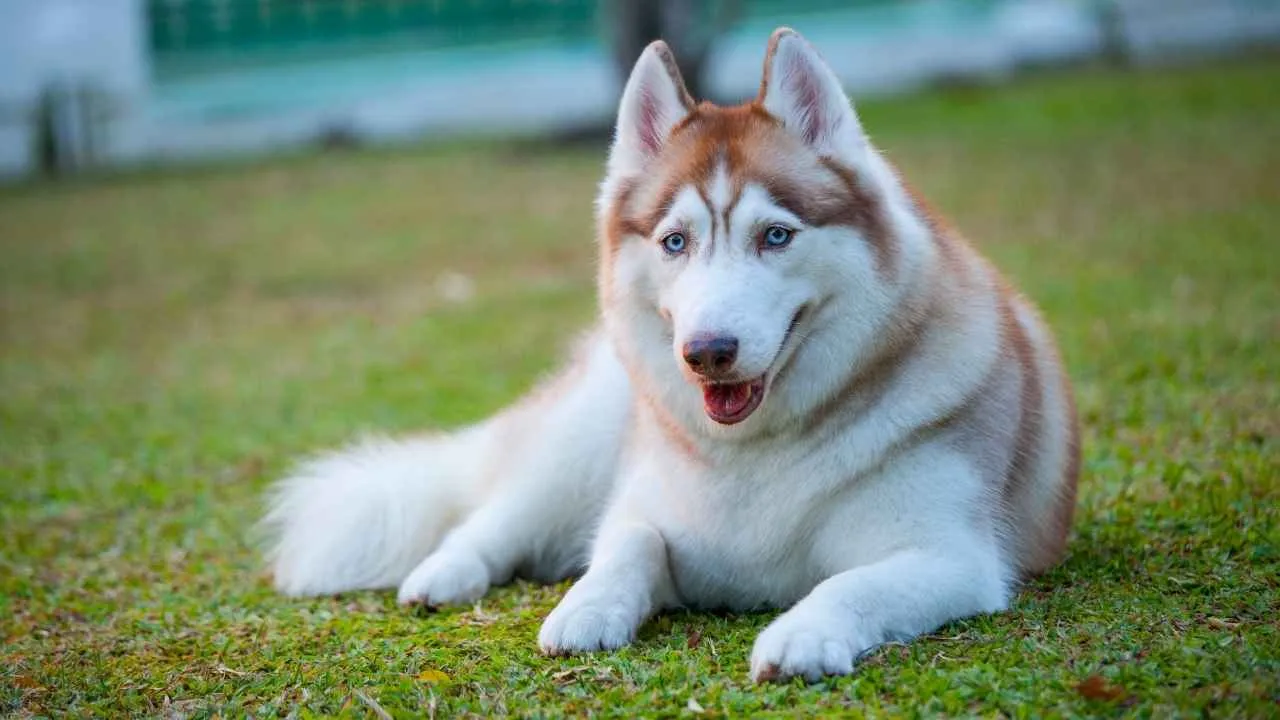
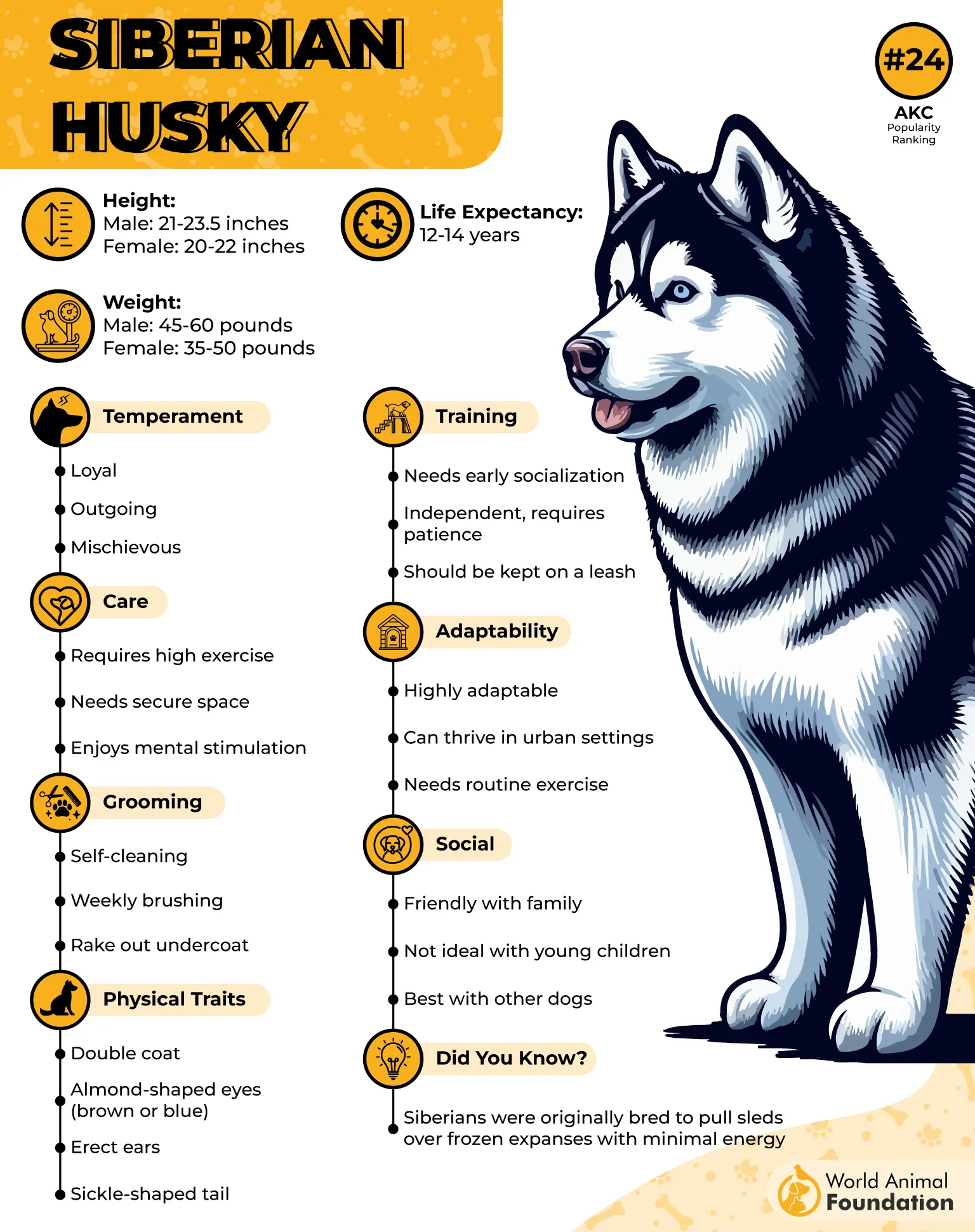
The Siberian Husky was bred by the Chukchi people of northeastern Asia as a compact, endurance-driven sled dog, as per the AKC. Known for their striking almond-shaped eyes and graceful gait, Huskies were designed to pull light loads over vast frozen terrain with minimal effort.
Coat and Care for a Hardy Life
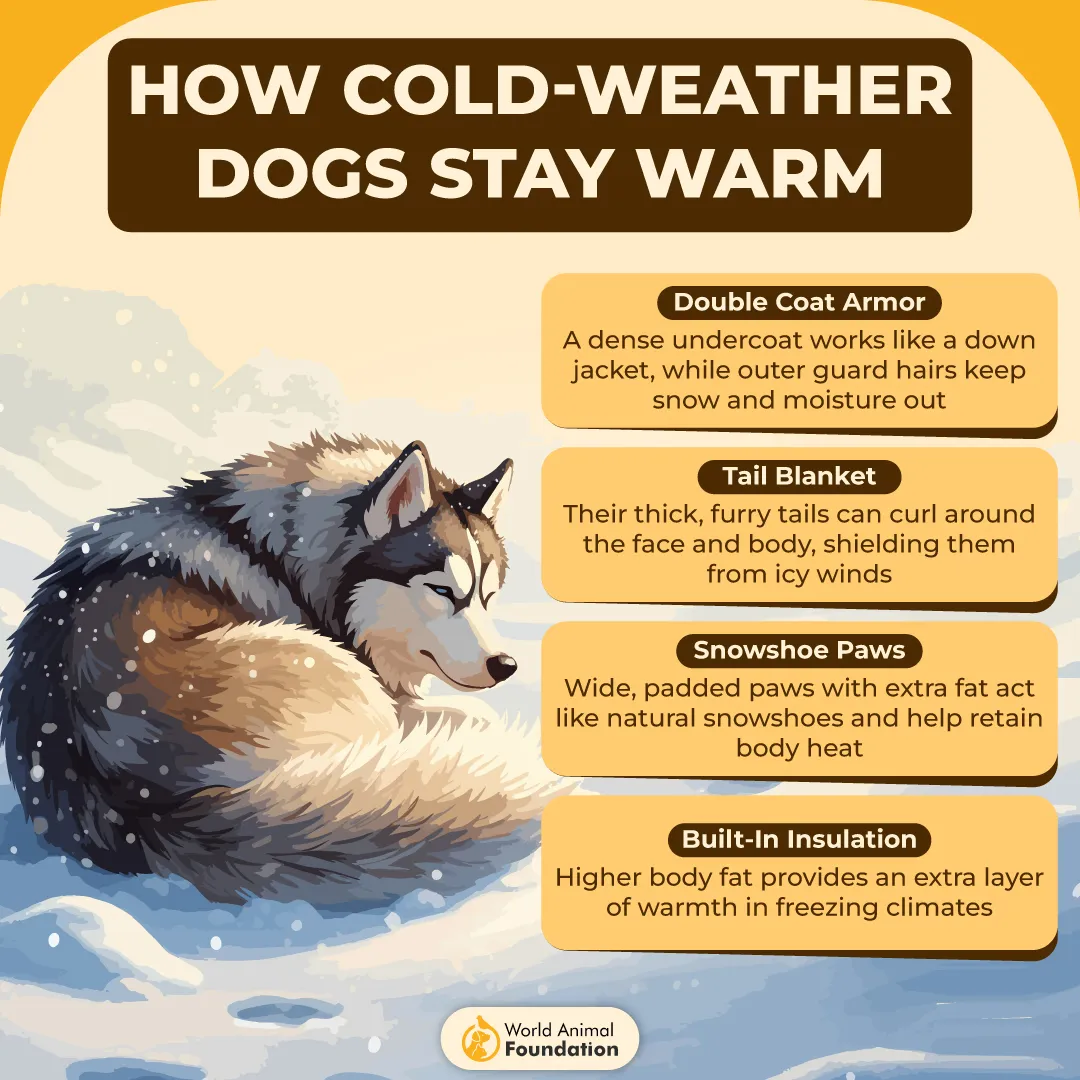
Huskies feature a thick double coat that shields them from sub-zero temperatures while remaining surprisingly clean with little odor. Their fur needs regular brushing, especially during shedding seasons, to prevent mats and distribute natural oils.
Energy, Exercise, and Training Essentials
Siberian Huskies are highly energetic, intelligent, and independent thinkers, excelling in activities like sledding, running, and agility. Early socialization and consistent, positive training are essential to manage their vocal, mischievous nature.
What Makes Them Wilderness Sports Champions
Unmatched endurance for long treks and sled races
Agile and fast, capable of navigating rough terrain with ease
Intelligent problem-solvers, ideal for outdoor challenges
Social pack behavior for teamwork in group activities
Vocal and expressive, keeping owners alert in dynamic environments
3. Vizsla
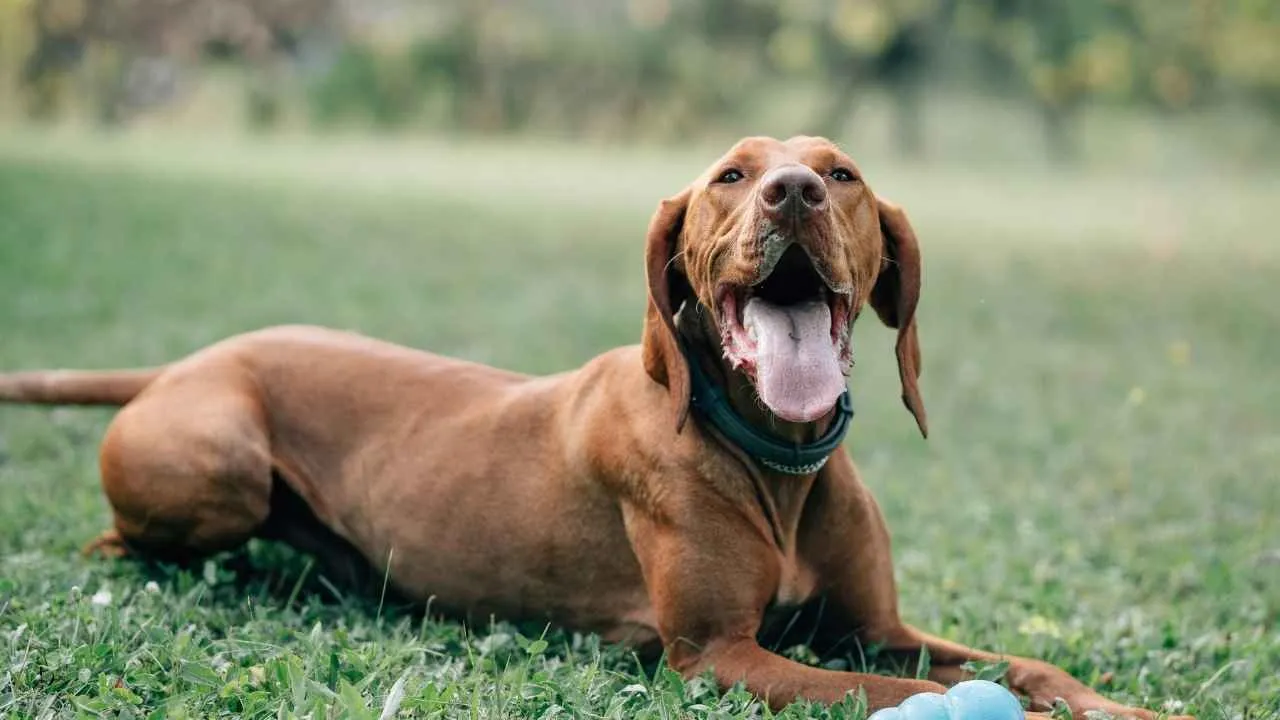
The Hungarian Vizsla traces its origins to 8th-century Magyar tribes, prized for stamina, speed, and courage in hunting. These medium-sized dogs were refined over centuries to become versatile pointers and retrievers, admired by Hungarian noblemen for both skill and loyalty.
Sleek Coat and Care Needs
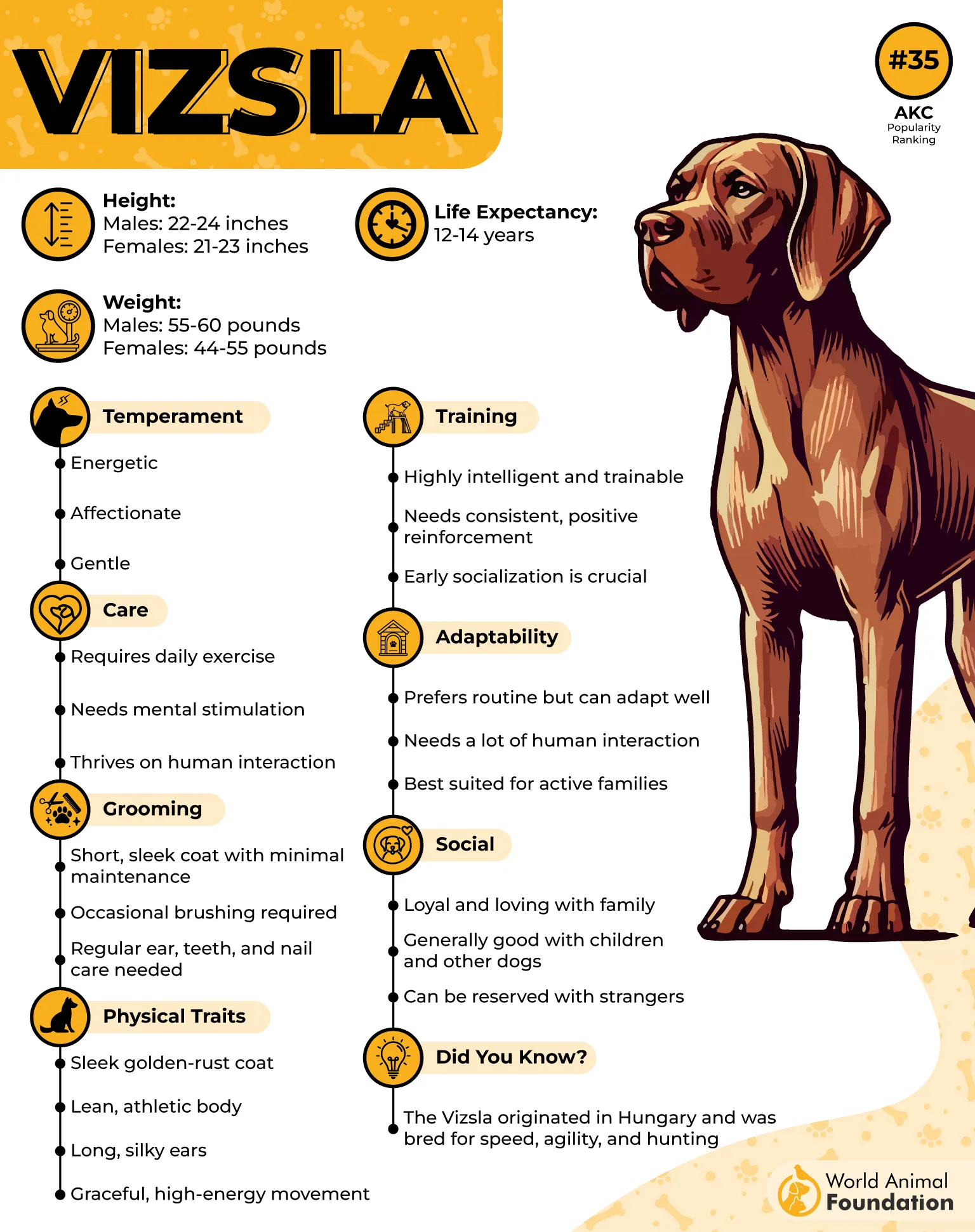
Vizslas have a short, dense coat in russet tones that requires minimal grooming—weekly brushing keeps it shiny and healthy. Without an undercoat, they are sensitive to cold, so swimming or outdoor adventures in chilly weather require extra care.
High-Octane Energy and Training
These intelligent, active dogs thrive on two or more hours of daily exercise, enjoying running, fetch, and agility challenges. Early positive, reward-based training is essential to guide their clever but strong-willed nature.
Why Vizslas Excel in Wilderness Sports
Exceptional endurance for long runs and Canicross
Agile and quick, perfect for uneven terrain and trails
Keen scenting ability for tracking and retrieval games
Highly trainable, excelling in agility and obedience challenges
Strong bond with owners, eager to participate in team activities
4. German Shorthaired Pointer
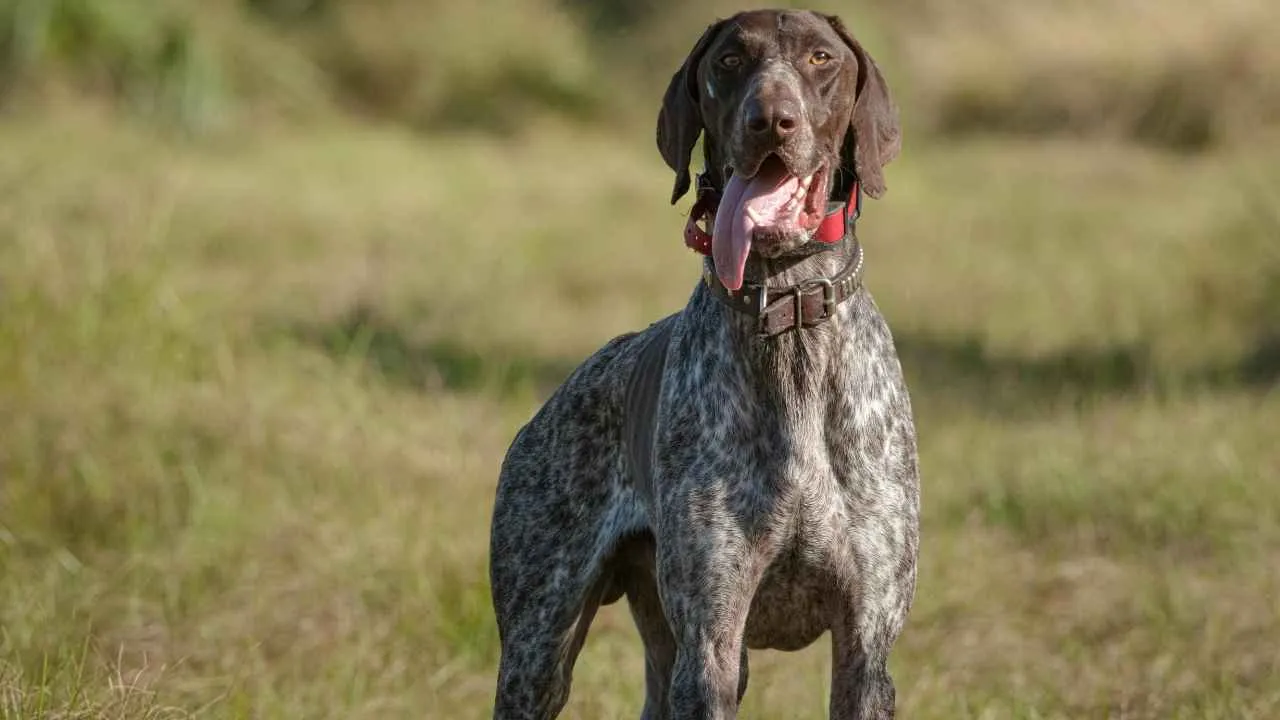
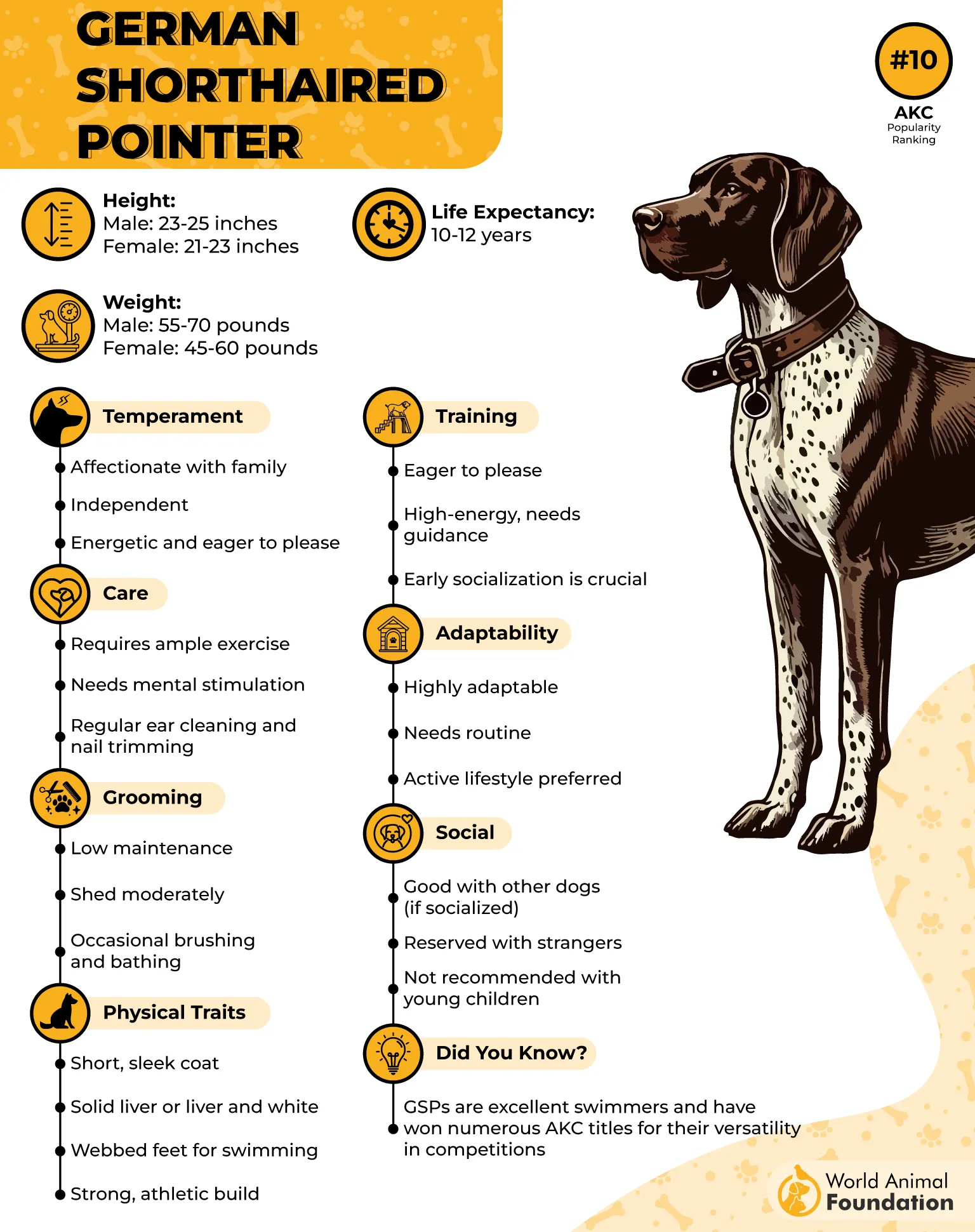
The German Shorthaired Pointer, originally called the Deutscher Kurzhariger Vorstehhund, was developed in 19th-century Germany as an all-purpose hunting companion, as per PDSA. Bred from Spanish pointers and German hounds, these medium-sized dogs were designed for stamina, intelligence, and versatility in the field.
Grooming and Physical Needs
With a sleek, short coat, German Shorthaired Pointers are low-maintenance and require only occasional brushing. They do shed, particularly in warmer months, and need regular nail and ear care. Their medium build allows them to excel at running, swimming, and other high-intensity activities without overwhelming smaller owners.
Energy, Exercise, and Training Essentials
These dogs are highly energetic and thrive on at least two vigorous exercise sessions daily, including fetch, running, and agility work. Their intelligence and eagerness to please make training rewarding, though consistent guidance is key.
Traits That Make Them Wilderness Sport Champions
Exceptional stamina for long-distance running and hunting
Agile and quick, able to navigate varied terrain with ease
Intelligent problem-solvers, responsive to commands in outdoor settings
Versatile skills in tracking, pointing, and retrieving
Loyal and attentive, making them reliable partners on adventures
5. Australian Shepherd
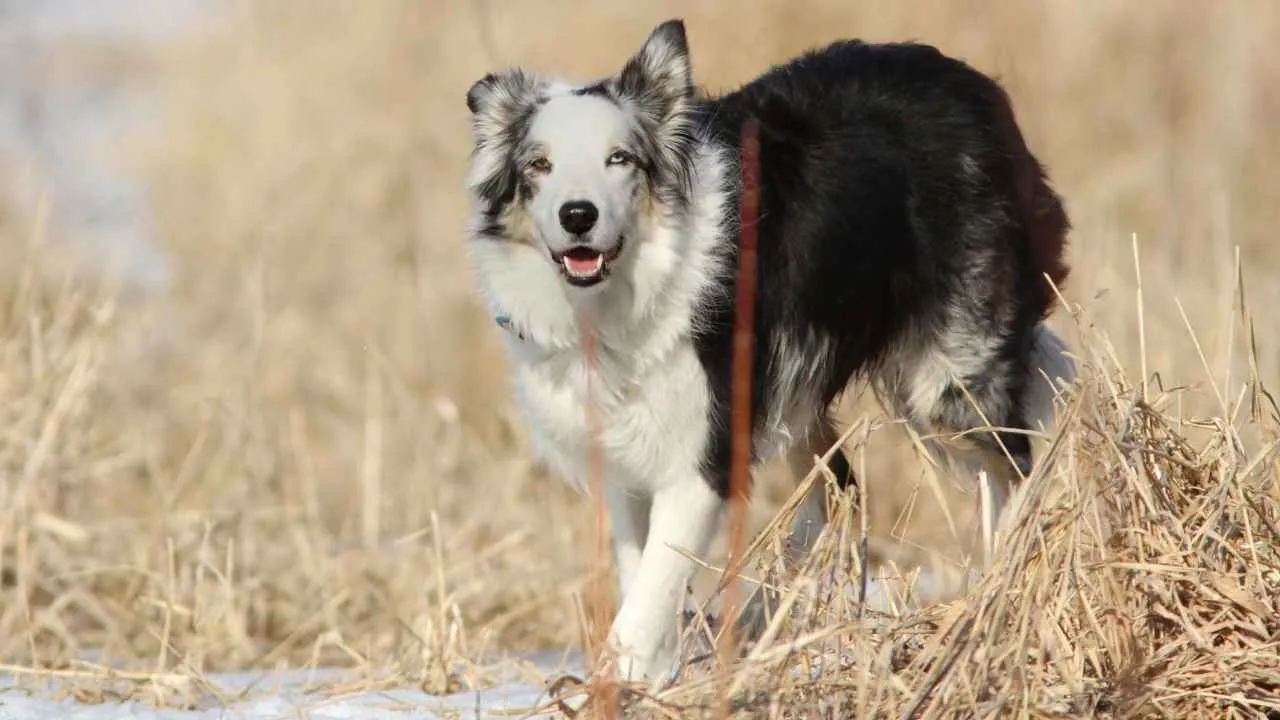
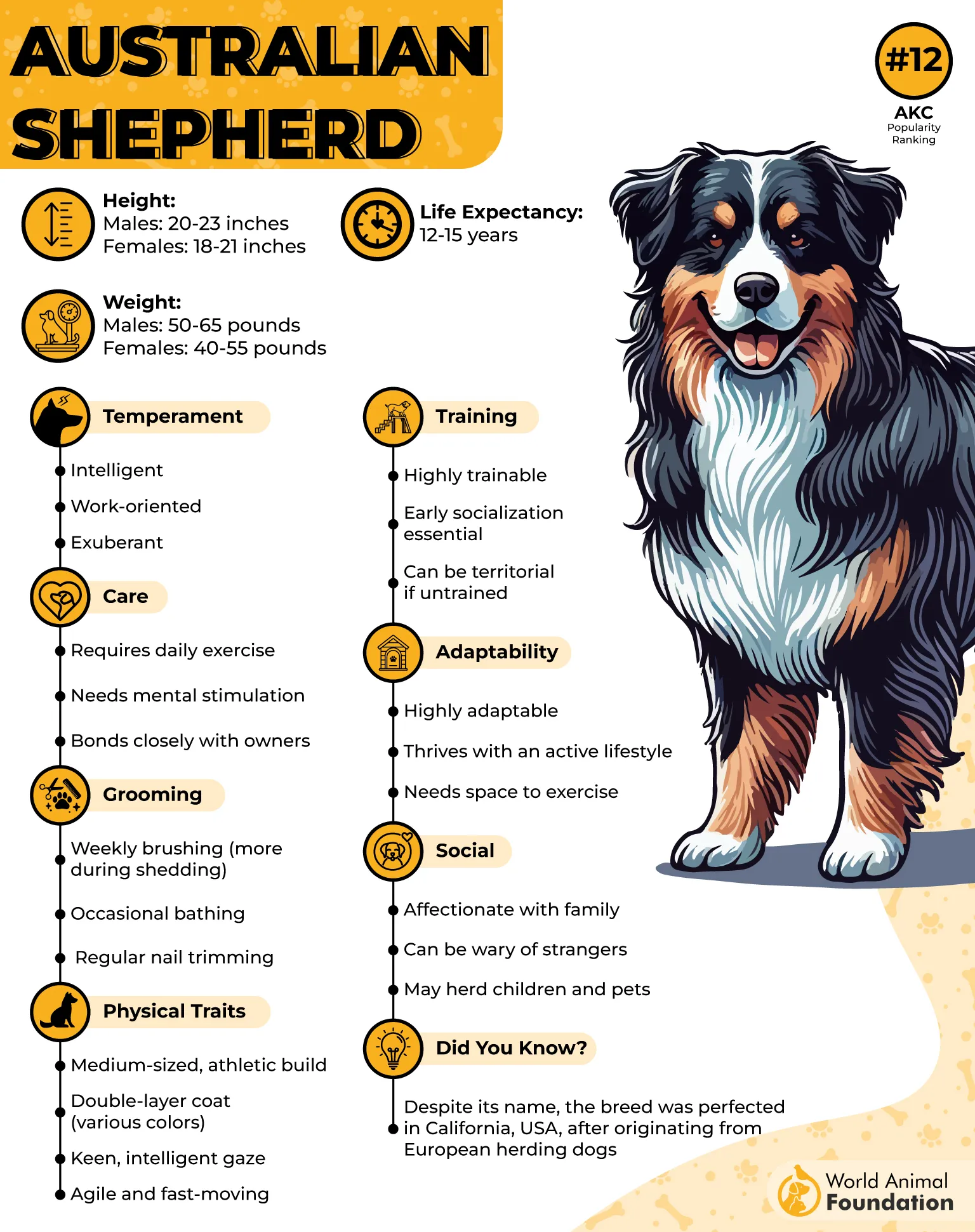
Despite its name, the Australian Shepherd was developed in the American West from European herding dogs, including influences from Spain and the Pyrenees. Known for intelligence, agility, and boldness, Aussies have been used for herding, search and rescue, and therapy work.
Coat Care and Physical Considerations
Aussies have a medium-length, slightly wavy coat that comes in black, red, and merle variations with white or tan markings. Weekly brushing keeps their fur healthy, with extra attention during shedding seasons.
Energy, Exercise, and Training Needs
Australian Shepherds are highly active and require at least two hours of vigorous daily activity, including running, retrieving, and agility challenges. Early, reward-based training and socialization are crucial to manage their herding instincts and independent thinking.
Traits That Make Them Wilderness Sport Champions
Exceptional agility and coordination for outdoor activities
Strong herding instincts paired with alertness and responsiveness
High intelligence, making them fast learners for challenging tasks
Endurance for long treks, swims, and physically demanding adventures
Close bond with owners, thriving in teamwork and adventure settings
6. Rhodesian Ridgeback
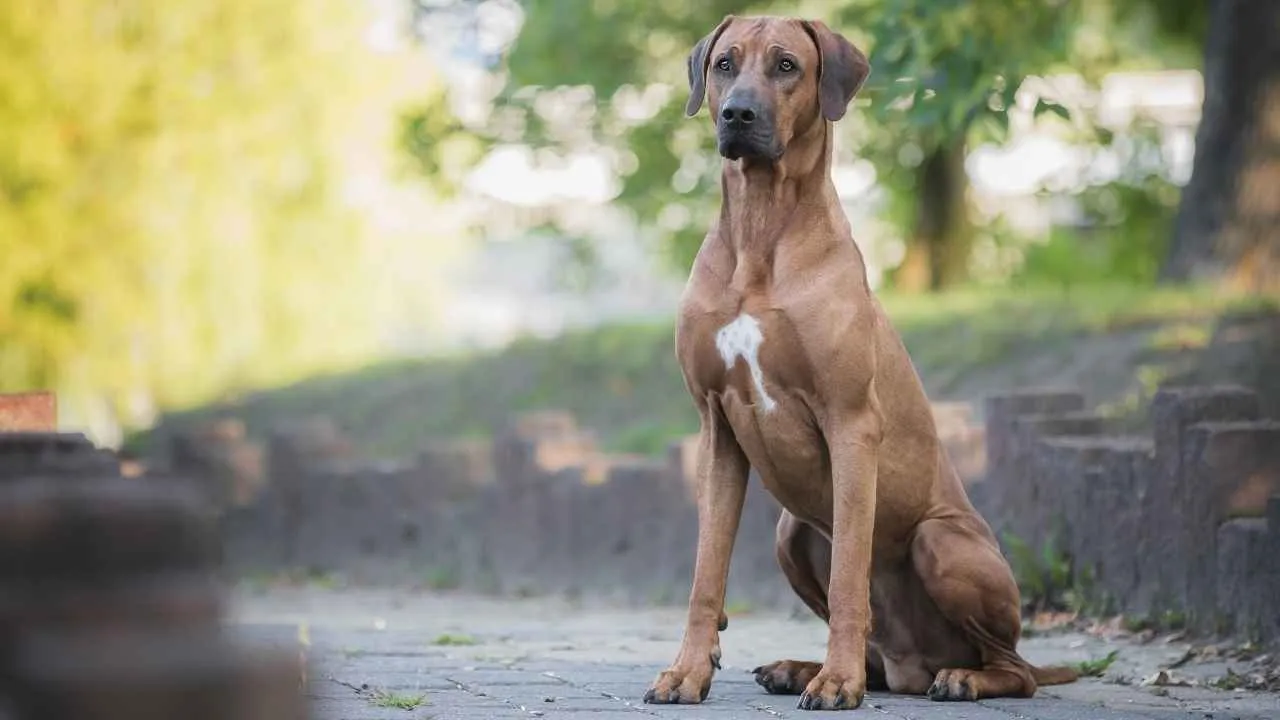
The Rhodesian Ridgeback hails from South Africa, where Boer farmers developed it as a versatile hunting dog in the 16th century. Known for the distinctive ridge of hair along its back, this breed excelled at tracking, holding, and protecting large game.
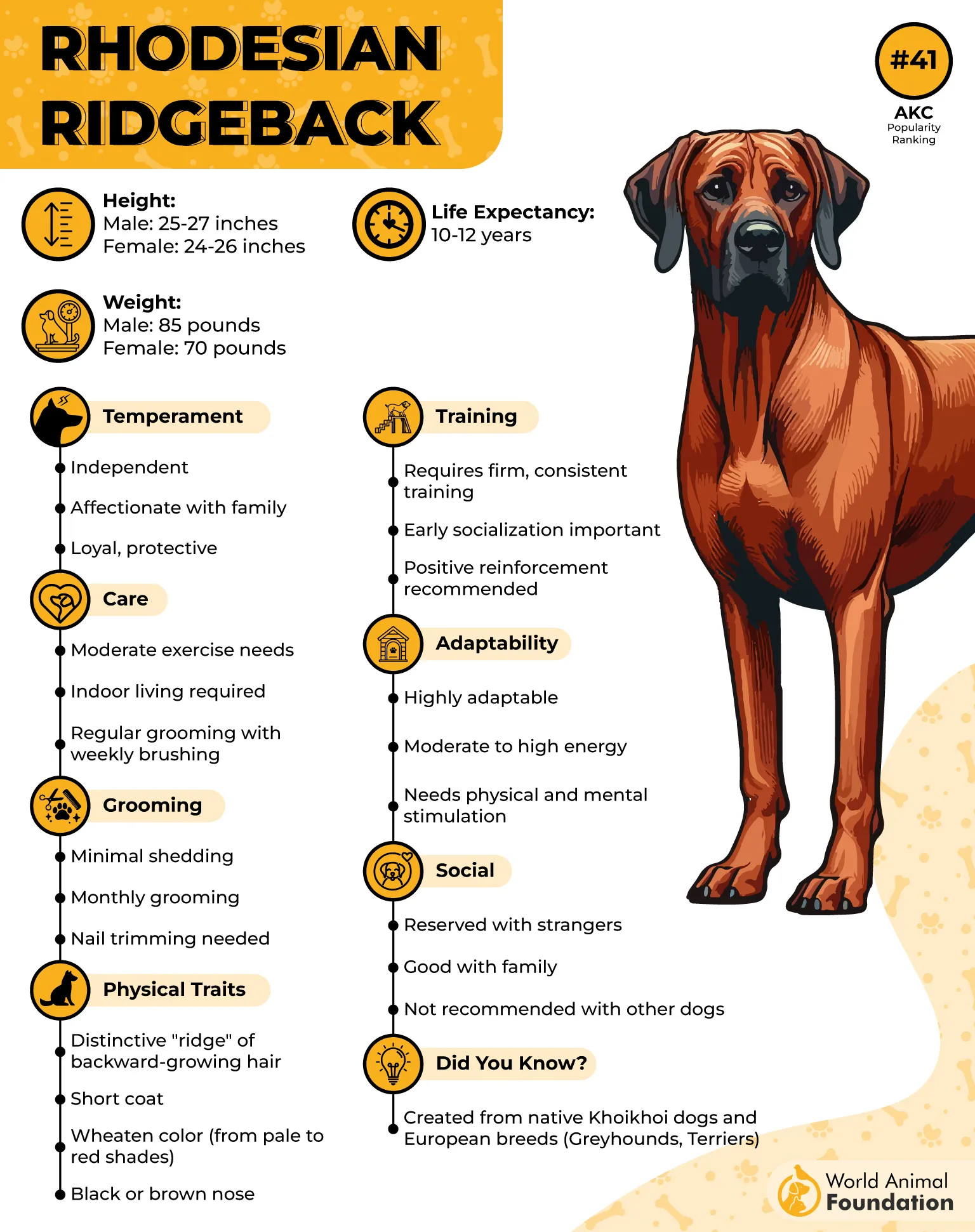
Sleek Coat and Physical Features
Ridgebacks are large, muscular dogs with short coats in shades of light to red wheaten. Minimal shedding and low odor make them surprisingly easy to maintain, though their size and strength require experienced handling.
Energy, Exercise, and Training Needs
Rhodesian Ridgebacks are intelligent, strong, and independent thinkers who require daily vigorous exercise and mental stimulation. Early socialization and consistent, reward-based training are essential to manage their stubborn streaks.
Traits That Make Them Wilderness Sport Champions
Powerful, muscular build for running and tracking
Exceptional endurance in heat and rugged terrain
Agile and alert, perfect for outdoor adventures
Loyal and protective, forming strong bonds with owners
Low-maintenance coat suited to harsh environments
7. Belgian Malinois
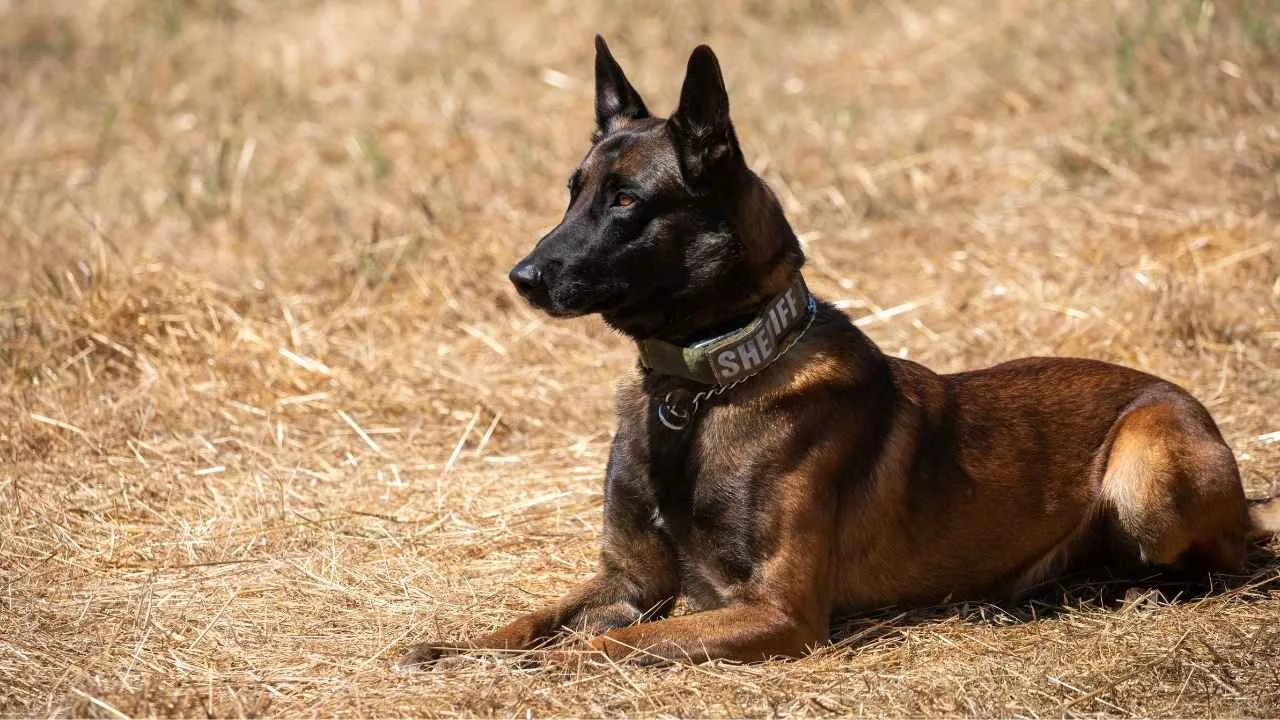
Hailing from the city of Malines in Belgium, the Belgian Malinois was bred as a versatile herding dog with intelligence, agility, and stamina. Over time, their drive and trainability earned them roles in police, military, and search-and-rescue work.
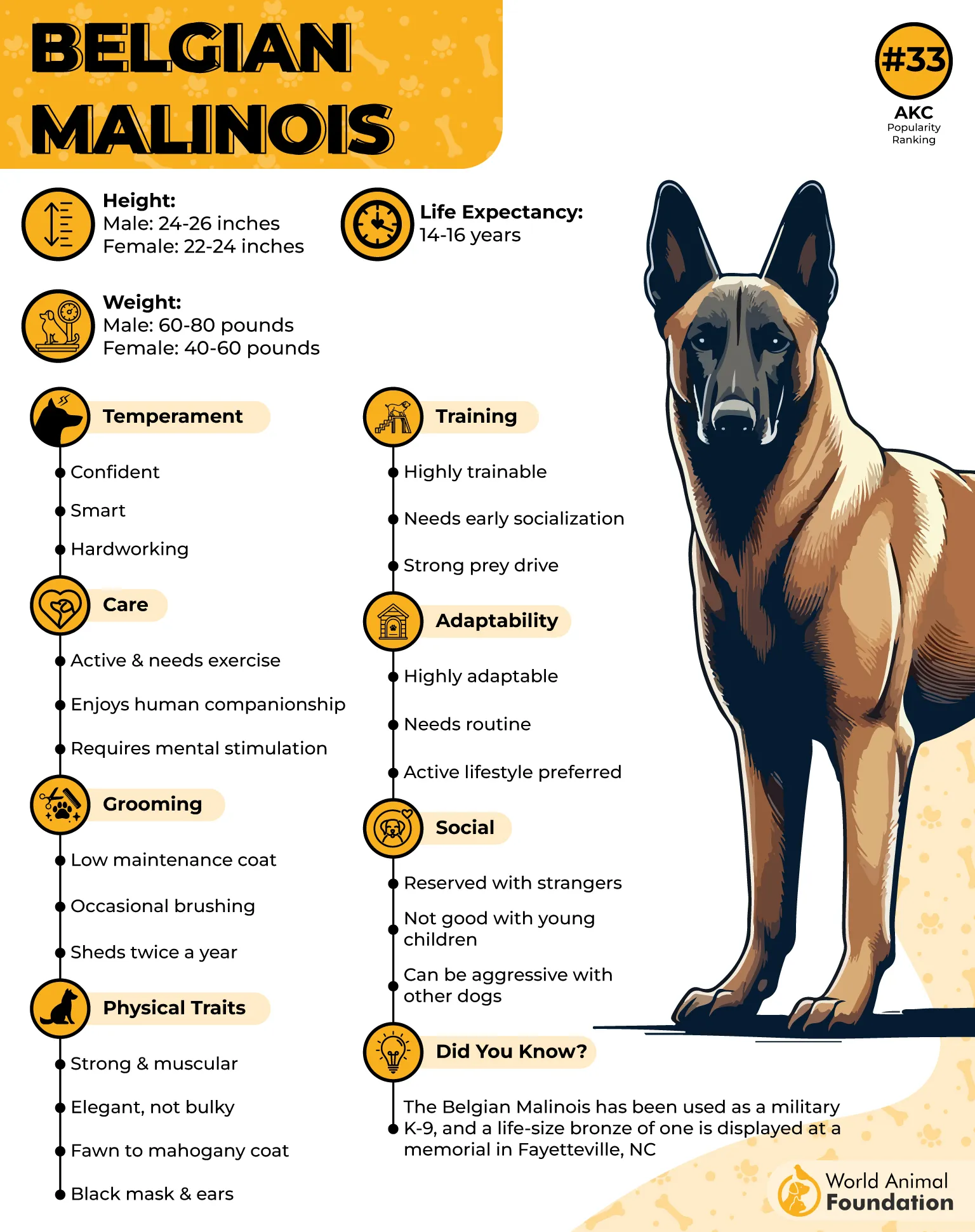
Sleek Coat and Physical Attributes
Belgian Malinois are squarely built, muscular, and elegant, standing 22–26 inches tall with short, waterproof coats in shades of fawn to mahogany, accented by a black mask. Low-maintenance grooming and seasonal shedding make them practical for active owners, while their lean physique allows for incredible speed and endurance.
Energy, Exercise, and Training Essentials
Mals are high-energy, intelligent, and people-oriented, needing long daily runs, hikes, and mentally stimulating tasks, as per WebMD. Reward-based training from an early age is vital to managing their strong prey drive and ensuring they channel their energy positively.
Traits That Make Them Wilderness Sport Champions
Exceptional endurance and agility for running, hiking, and biking
Highly intelligent, quick learners in complex tasks
Strong work ethic and focus on demanding activities
Loyal and bonded, thriving in team-based adventures
Versatile in obedience, tracking, herding, and scent work
Conclusion
Choosing a four-legged companion for your outdoor adventures can transform every hike, run, or trek into a shared experience full of joy and discovery. The right dog brings energy, resilience, and companionship to every rugged path you explore together.
Not every dog is built for extreme conditions, so it’s important to match your lifestyle with a companion suited to your adventures. Dogs with endurance, intelligence, and adaptability thrive in mountains, forests, and trails, making them ideal partners for active explorers.
Embracing the outdoors with an energetic, adventurous dog strengthens your bond while keeping both mind and body active. By choosing a companion built for rough terrain, you open the door to endless exploration and unforgettable memories.
