




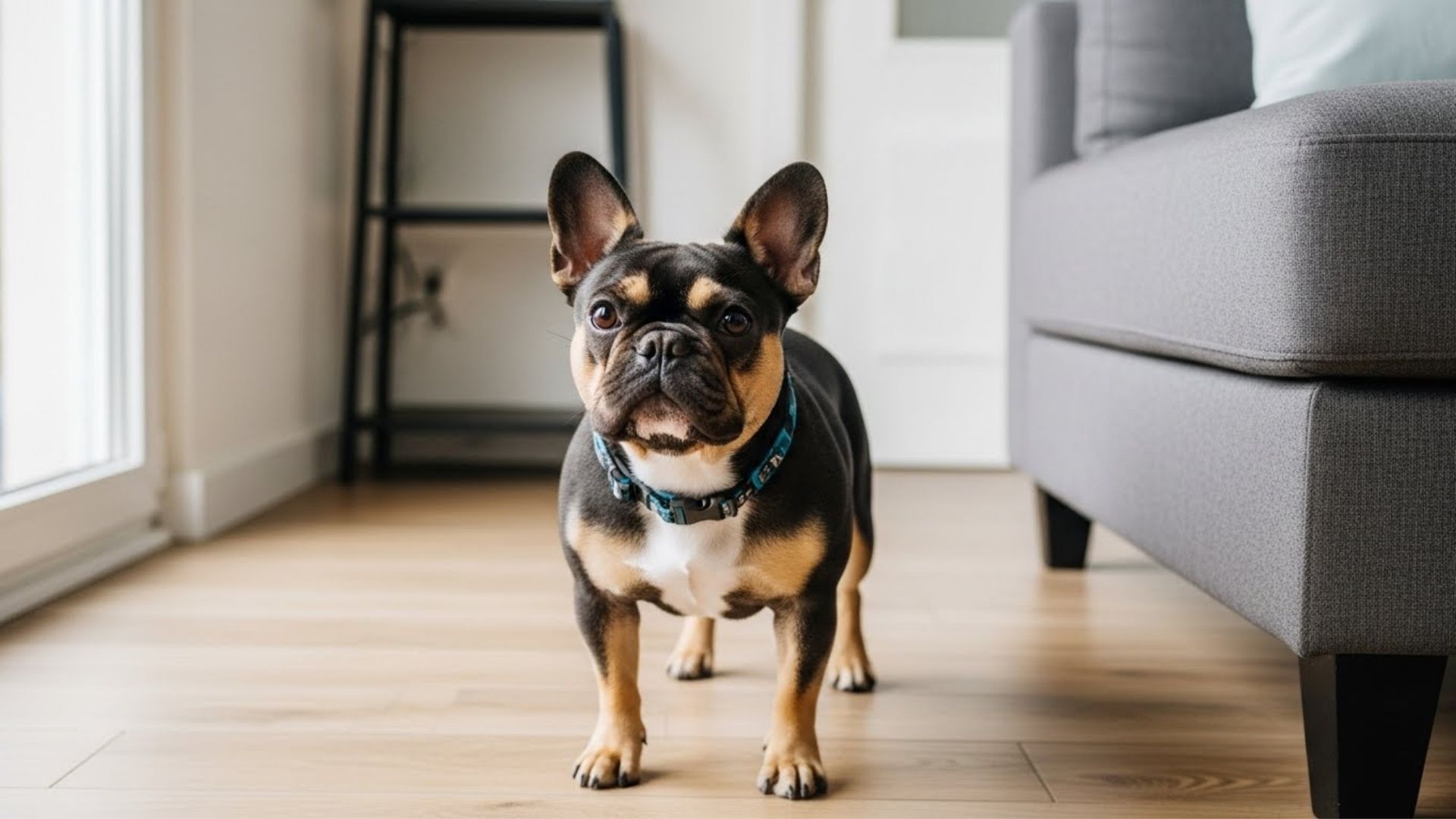
Dogs are known for their loyalty, playfulness, and sometimes, their loud barking. However, some breeds stand out for their calm and quiet nature, making them great companions for apartments, offices, or homes that value tranquility.
Breeds exhibit gentle, serene temperaments, making them excellent choices for families seeking peace. Their quiet demeanor doesn’t mean they lack affection or energy—they simply express themselves in subtle ways.
Choosing a dog with a calm personality can improve household harmony and reduce stress for their owners. Whether for companionship, therapy, or simply a relaxed presence, quiet dog breeds prove that silence can be golden.
Remarkable Dog Breeds Known For Their Quiet Nature
1. Shiba Inu
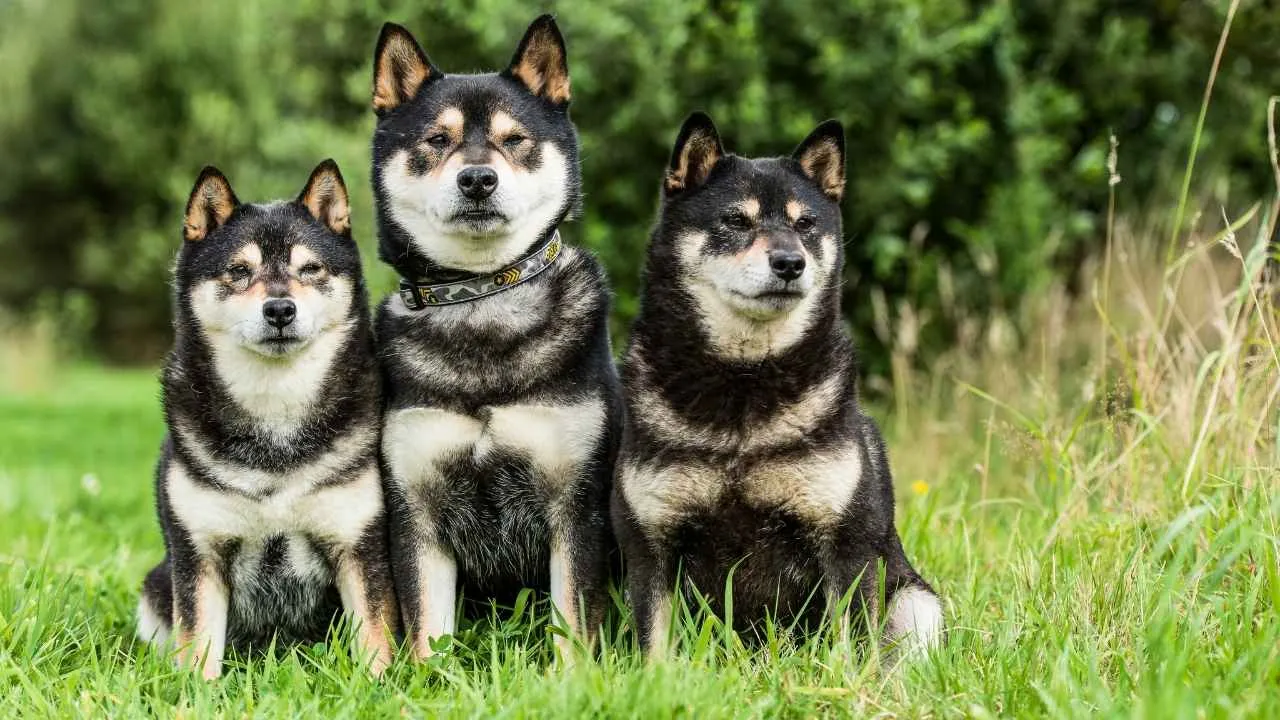
The Shiba Inu is a small but sturdy Japanese breed, originally bred for hunting birds and small game in rugged terrain. Surviving near extinction after World War II, Shibas are now Japan’s most beloved hunting dog and are gaining popularity in the West.
Spirited Yet Subtle Companions
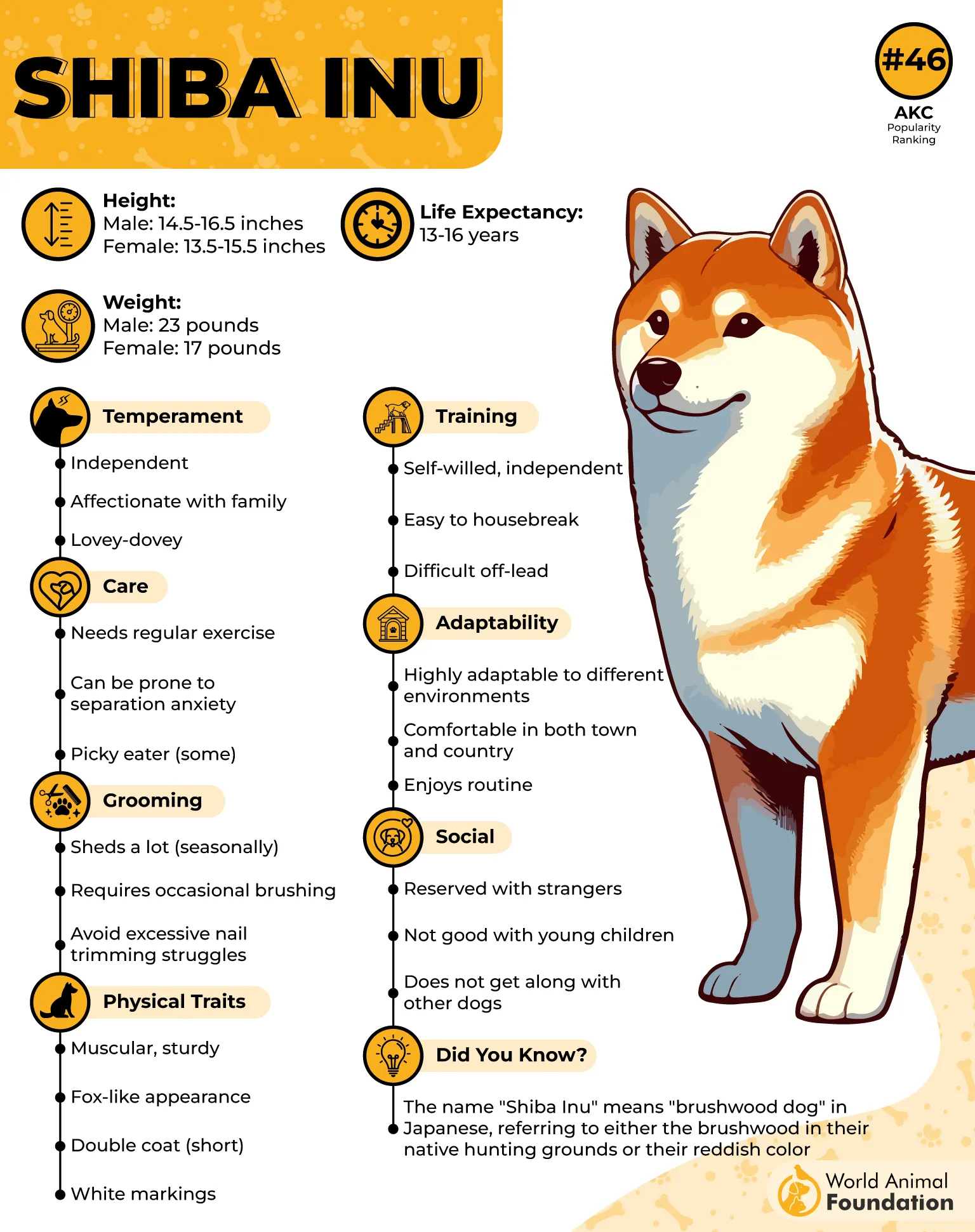
The American Kennel Club mentions that Shiba Inus have a bold and confident personality, yet they express themselves quietly unless provoked. Friendly with familiar people but cautious with strangers, they balance curiosity with independence. Daily scent walks, mental stimulation, and gentle socialization help manage their natural alertness and occasional anxiety.

Clever Minds, Patient Training
Highly intelligent but independent, Shibas learn quickly but may test boundaries if uninterested. Their grooming is simple, with a double coat that requires brushing, and they shed seasonally, making hair management a small, predictable task.
Why Shiba Inus Are Remarkably Quiet
Naturally reserved, they bark only when necessary
An independent temperament reduces constant attention-seeking
Calm indoors when mentally and physically stimulated
Express emotions subtly instead of loud vocalizations
Alert without being disruptive to households
2. Cavalier King Charles Spaniel
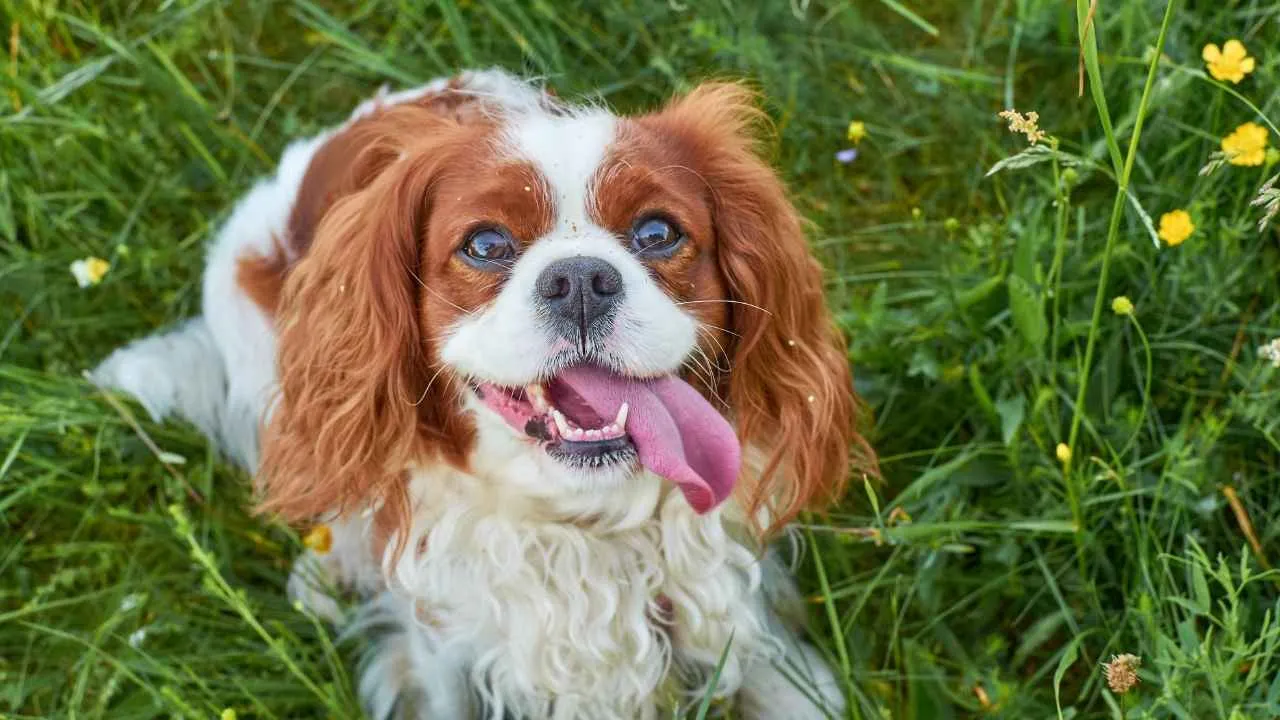
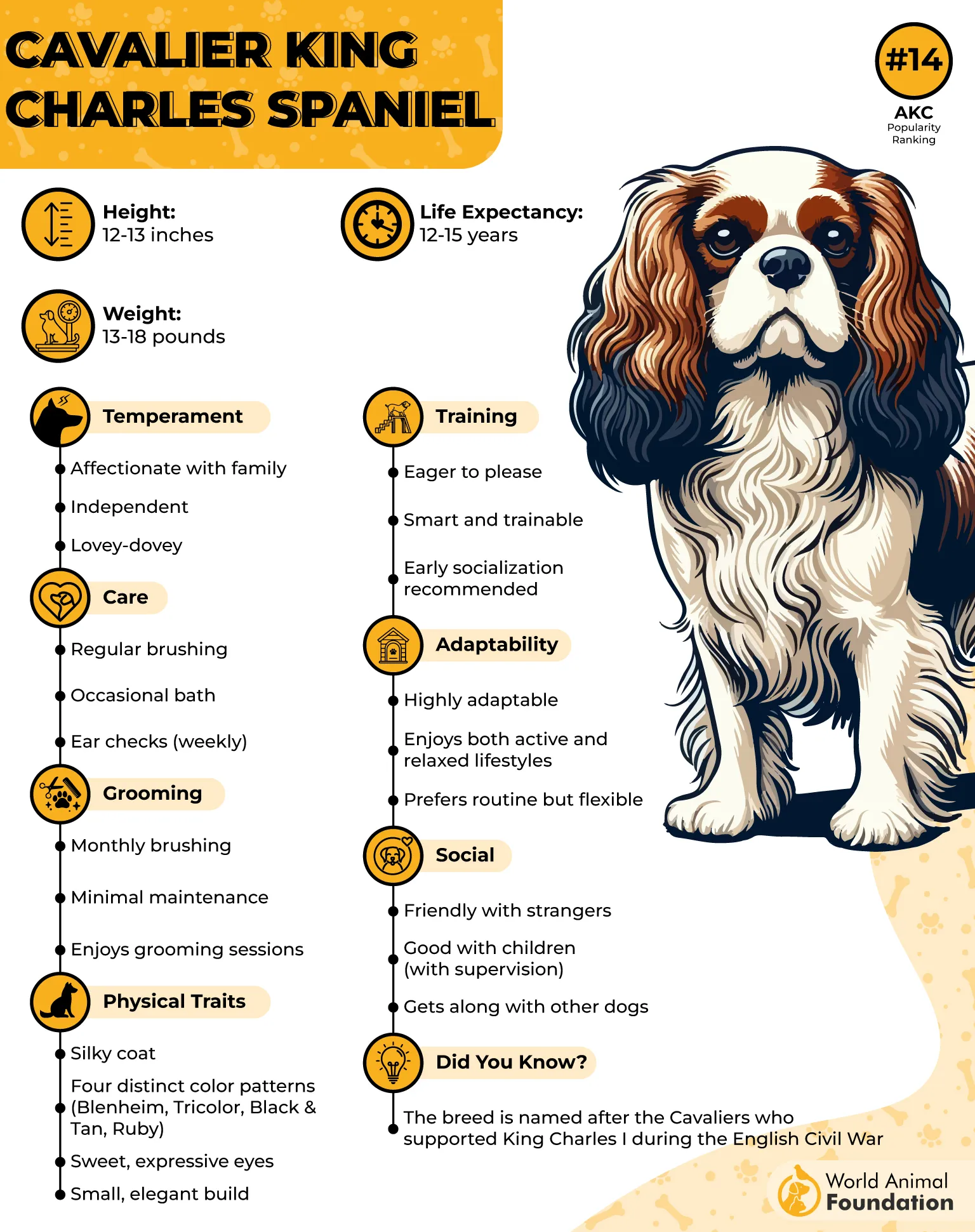
The Cavalier King Charles Spaniel traces its roots to the English Toy Spaniel of the 1600s, refined in the early 1900s to resemble the elegant old-style King Charles dogs. Recognized by the Kennel Club in 1945, this toy breed has since become one of England’s best companions and later gained popularity in North America.
Gentle Hearts with a Calm Presence
Britannica notes that Cavaliers are affectionate, cheerful, and remarkably adaptable, thriving in both city apartments and country homes. Loyal and attentive, they crave companionship and show love without excessive barking, making them ideal quiet household pets.
Smart Pup, Easy to Guide
Eager to please and highly trainable, Cavaliers respond well to consistent, reward-based guidance. Their coats require daily brushing to prevent tangles, and occasional baths maintain their silky sheen, but their overall grooming needs are manageable for committed owners.
Traits That Keep Cavaliers Calm and Quiet
Naturally soft-spoken, rarely barking without cause
A gentle temperament suits calm households
Loyal but non-demanding, reducing noise for attention
Adaptable to indoor living without stress-induced barking
Enjoy companionship, expressing joy subtly rather than vocally
3. French Bulldog
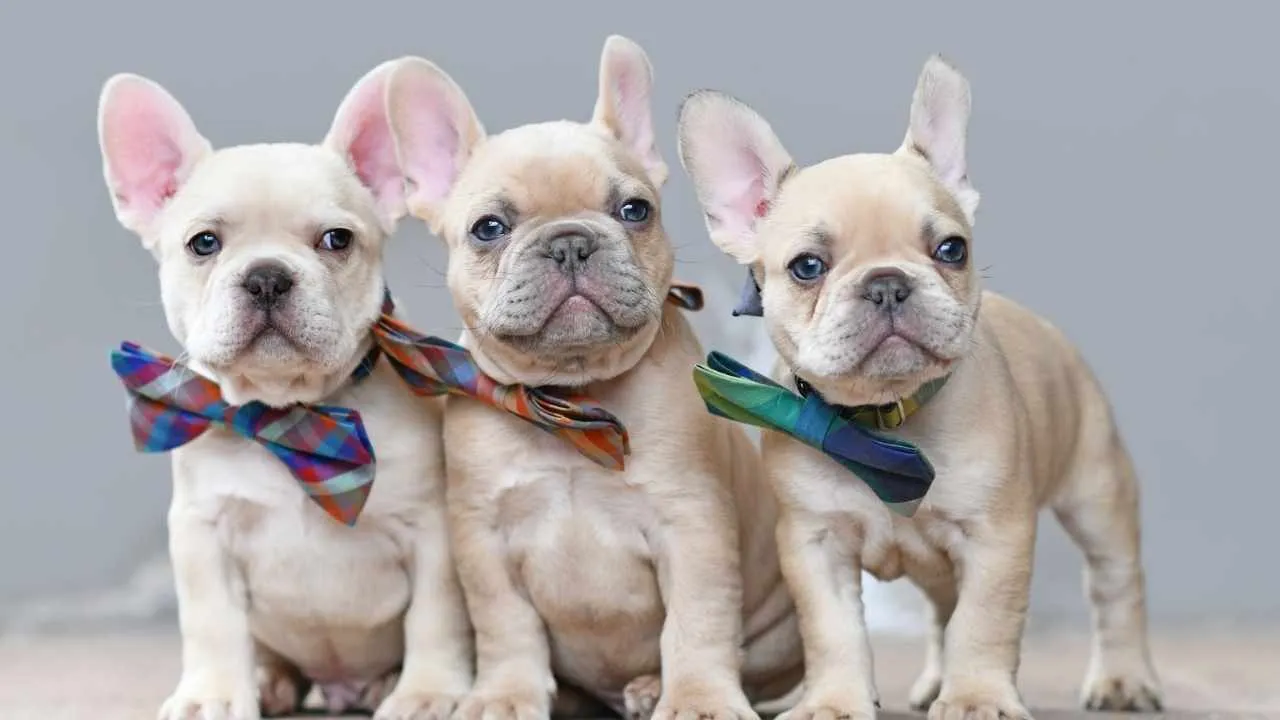
The French Bulldog, or “Frenchie,” originated in the 1800s when English lace workers brought small bulldogs to France as companions. Crossbreeding created the iconic bat ears, and Parisian families soon adopted the breed as city pets.
Affectionate, Calm, and Adaptable
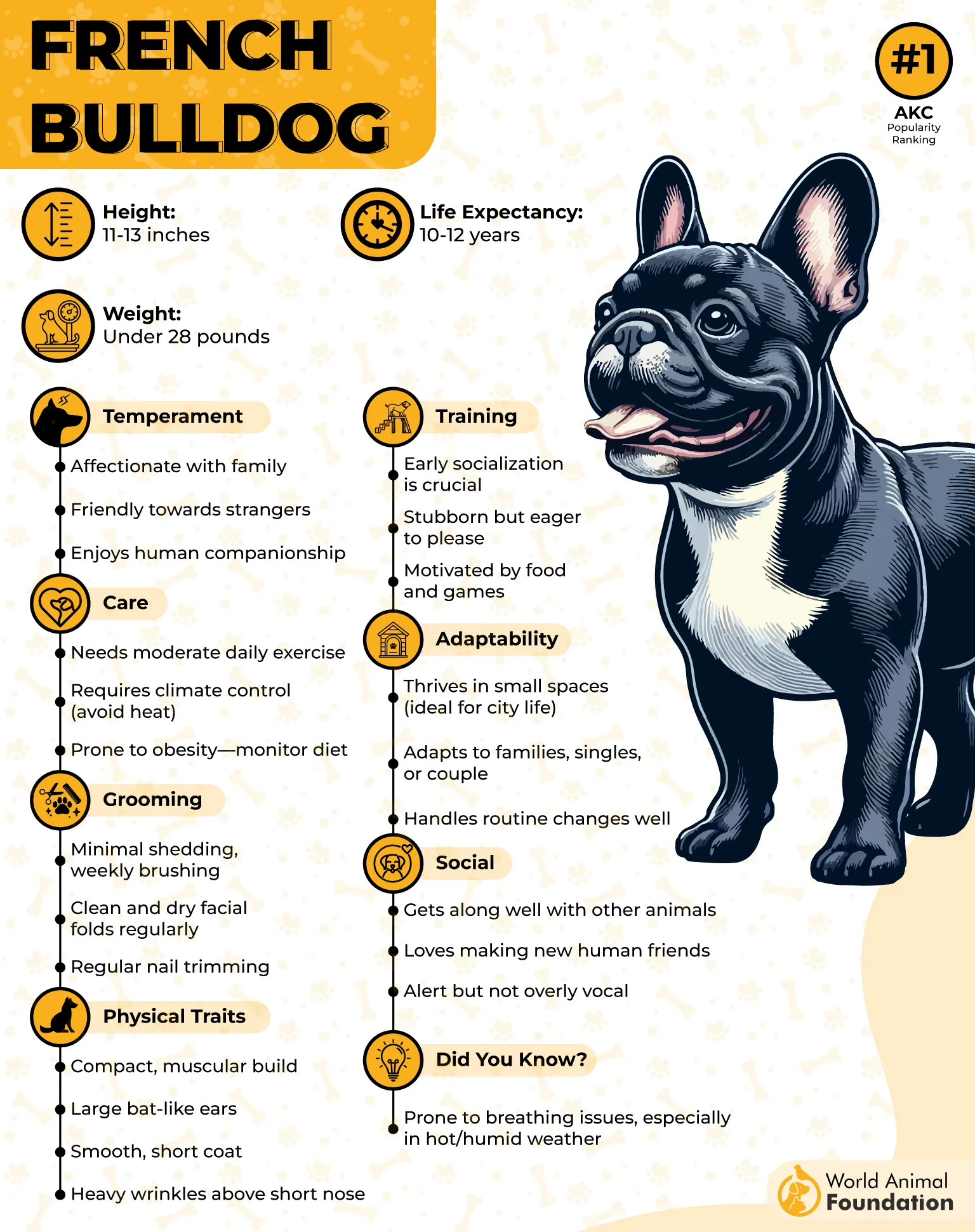
French Bulldogs are cheerful, attentive, and rarely bark without reason, making them ideal for apartment living. They thrive on human interaction and get along well with other pets, enjoying cozy family time.
Easygoing Pup with Simple Needs
Royal Canin mentions that French Bulldogs require minimal exercise, short daily walks, and basic coat care, with occasional attention to facial wrinkles. While they may snort or snore, their low-maintenance personality and indoor adaptability make them perfect for quieter households.
Why French Bulldogs Are Naturally Quiet
Bark only when truly necessary
Calm and steady indoor temperament
Adaptable to apartment or city living
Affectionate without demanding constant attention
Enjoy companionship subtly rather than vocally
4. Great Dane
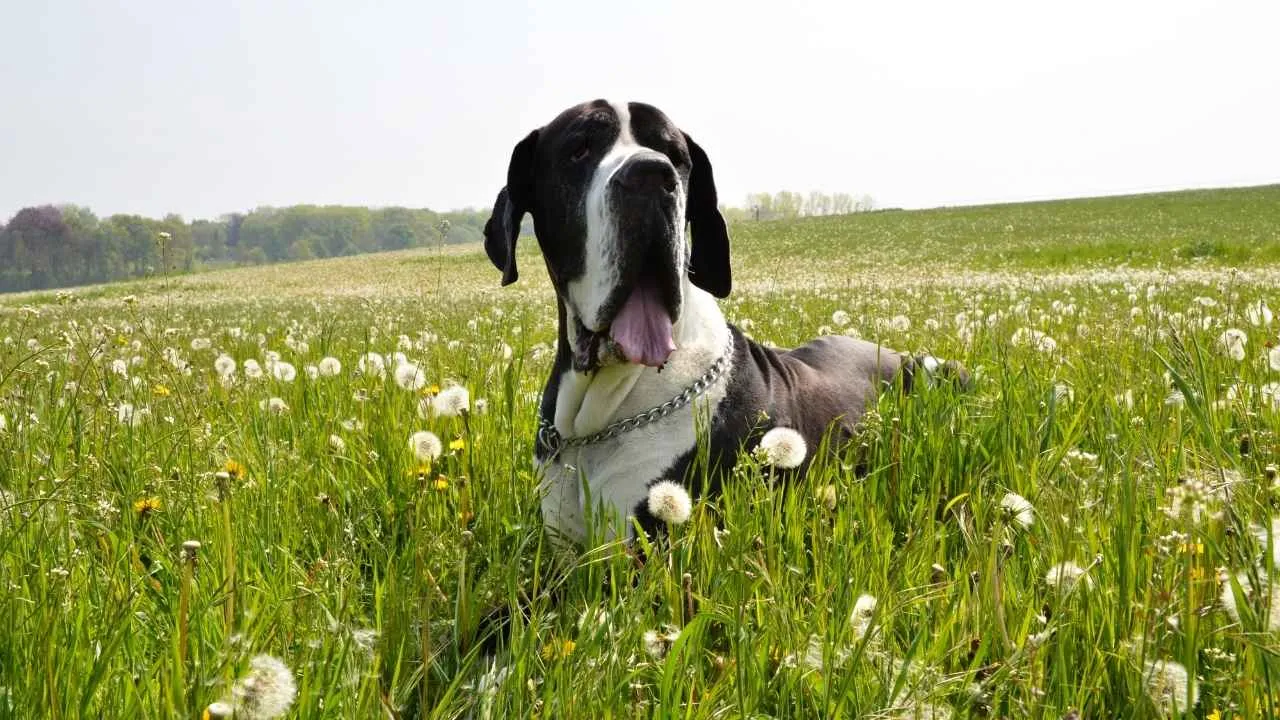
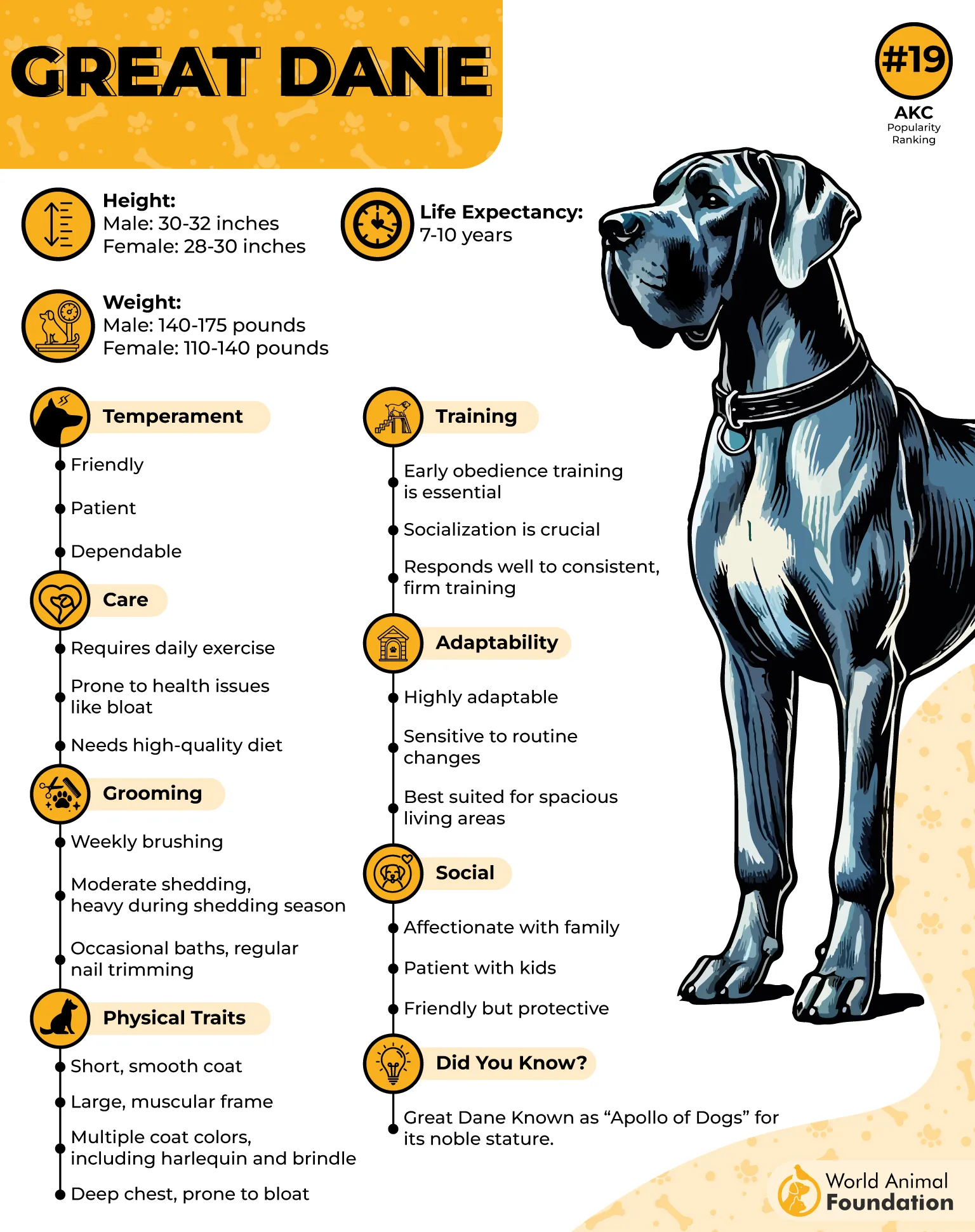
The Great Dane, originally bred in Germany to hunt wild boar, has transformed from a fierce working dog into a calm, affectionate dog. Descended from English Mastiffs and Irish Wolfhounds, this breed became known as the “Apollo of Dogs” for its towering size and dignified presence.
Friendly Giants with Heart
Despite their enormous size, Great Danes are patient, loyal, and remarkably gentle with children and other pets. Their calm, laid-back demeanor makes them excellent indoor companions, alerting to strangers only when necessary without constant barking.
Training Titans with Careful Guidance
Great Danes respond best to early socialization and consistent, positive training to manage their size and strength. Routine exercise, proper diet, and basic grooming keep them healthy, while crate training and leash work help prevent accidents.
Why Great Danes Are Surprisingly Quiet
Bark mainly to alert, not for attention
Gentle and calm indoors despite size
Loyal and affectionate without demanding noise
Good with children and other pets
Low tendency to vocalize unnecessarily
5. Bernese Mountain Dog
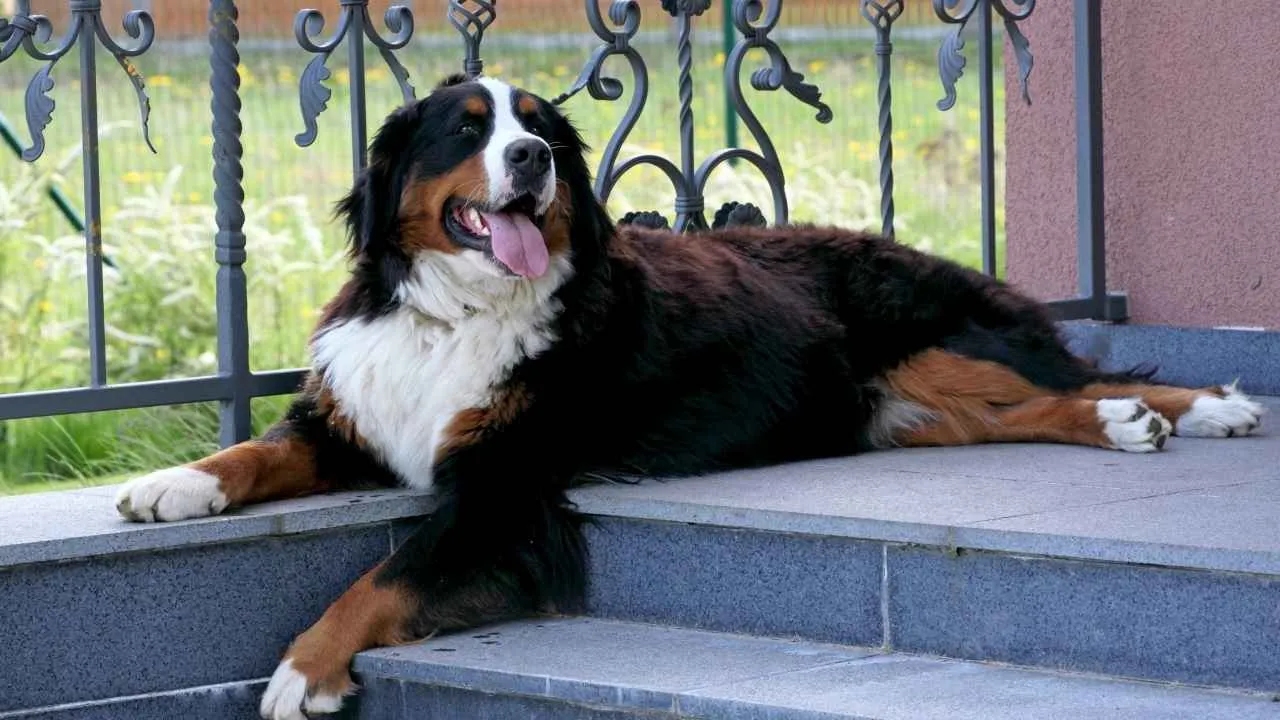
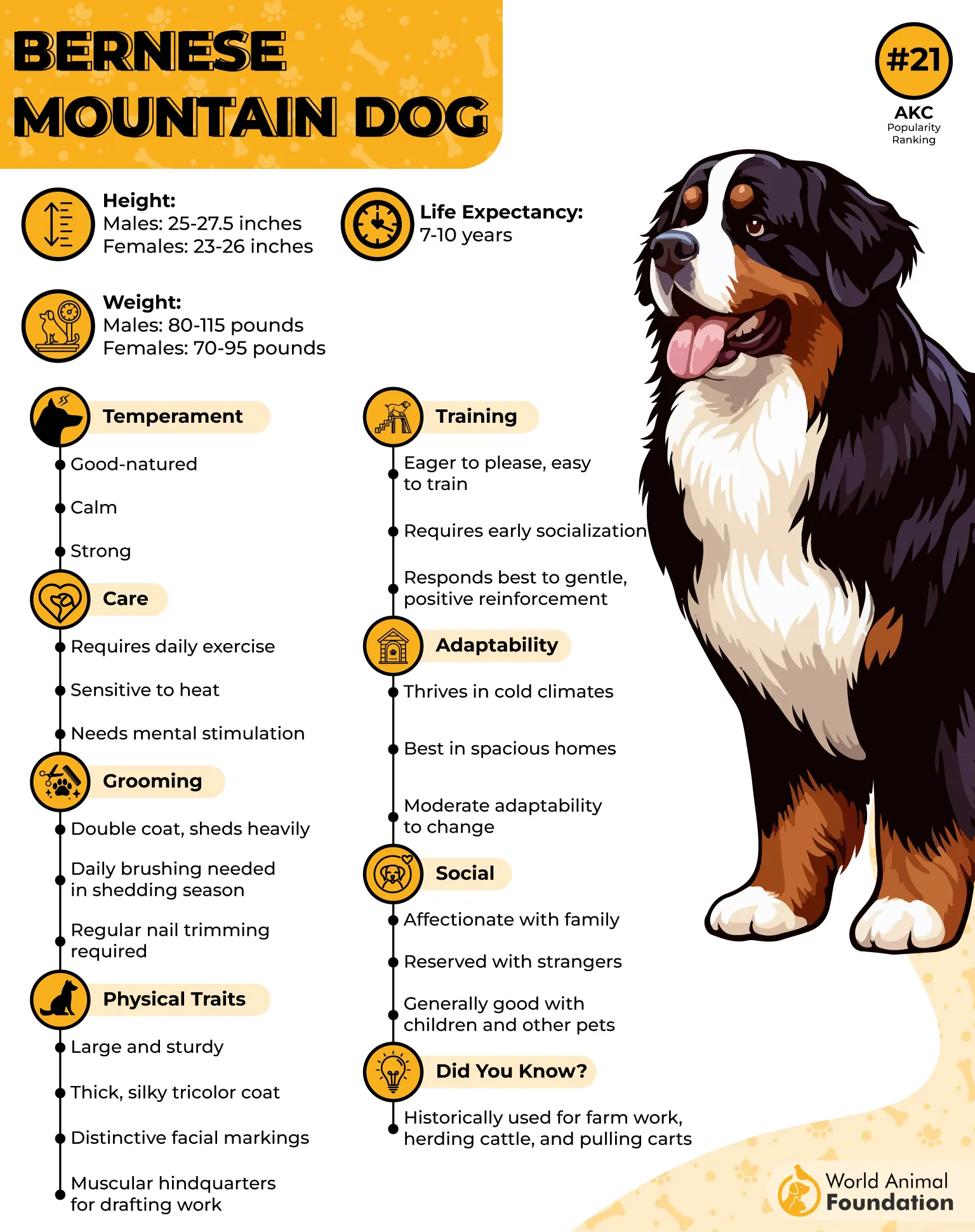
The Bernese Mountain Dog hails from Switzerland, where it worked as a versatile farm dog, guarding livestock, driving cattle, and pulling carts. Known for its striking tricolored coat and broad, muscular frame, the breed earned admiration for both strength and beauty.
Gentle Giants with Loyal Hearts
Despite their impressive size, Bernese Mountain Dogs are affectionate, patient, and especially gentle with children. Their affectionate nature, combined with intelligence and loyalty, makes them ideal household companions who love being part of family life.
Intelligent Pup with Easy Training
Regular walks, mental stimulation, and proper grooming—including brushing their long double coat—keep them healthy and content. Early socialization ensures they remain adaptable, confident, and well-mannered while rarely developing loud or disruptive habits.
Why Bernese Mountain Dogs Are Naturally Quiet
Calm and patient indoors despite large size
A gentle temperament minimizes unnecessary barking
Loyal and affectionate without being demanding
Adaptable to family life and minor stressors
Express emotions subtly rather than vocally
6. Pug
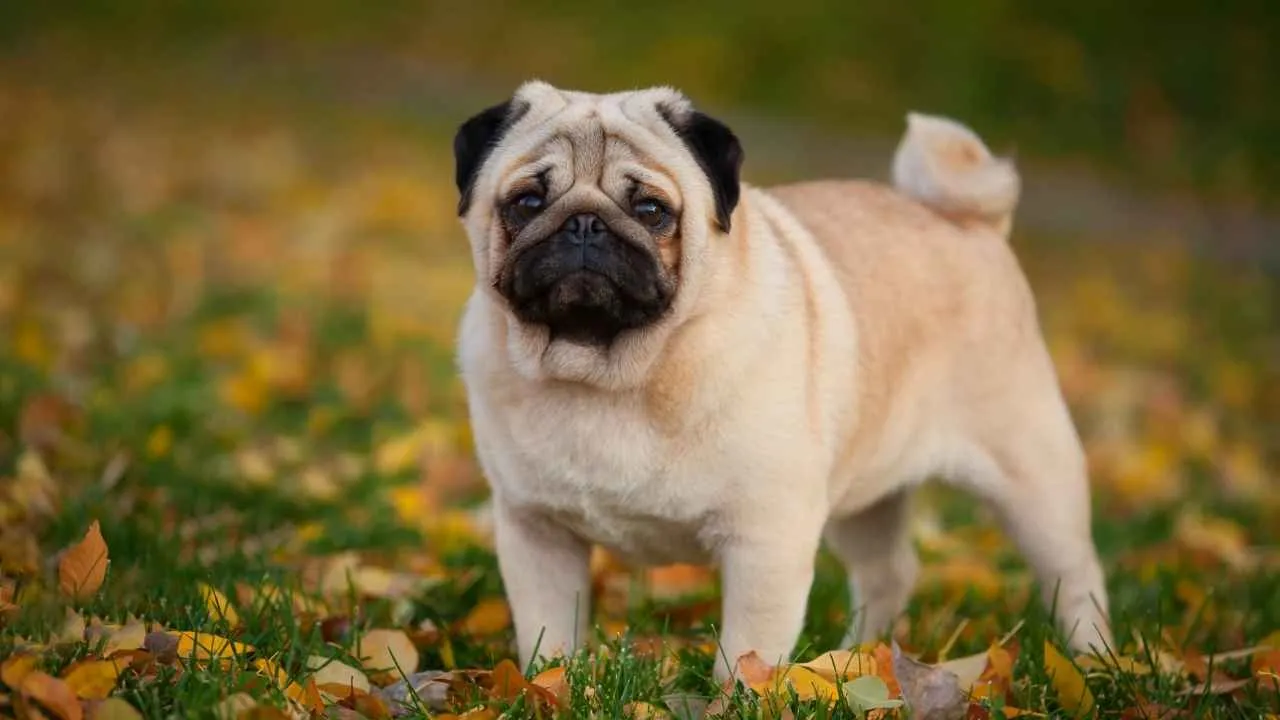
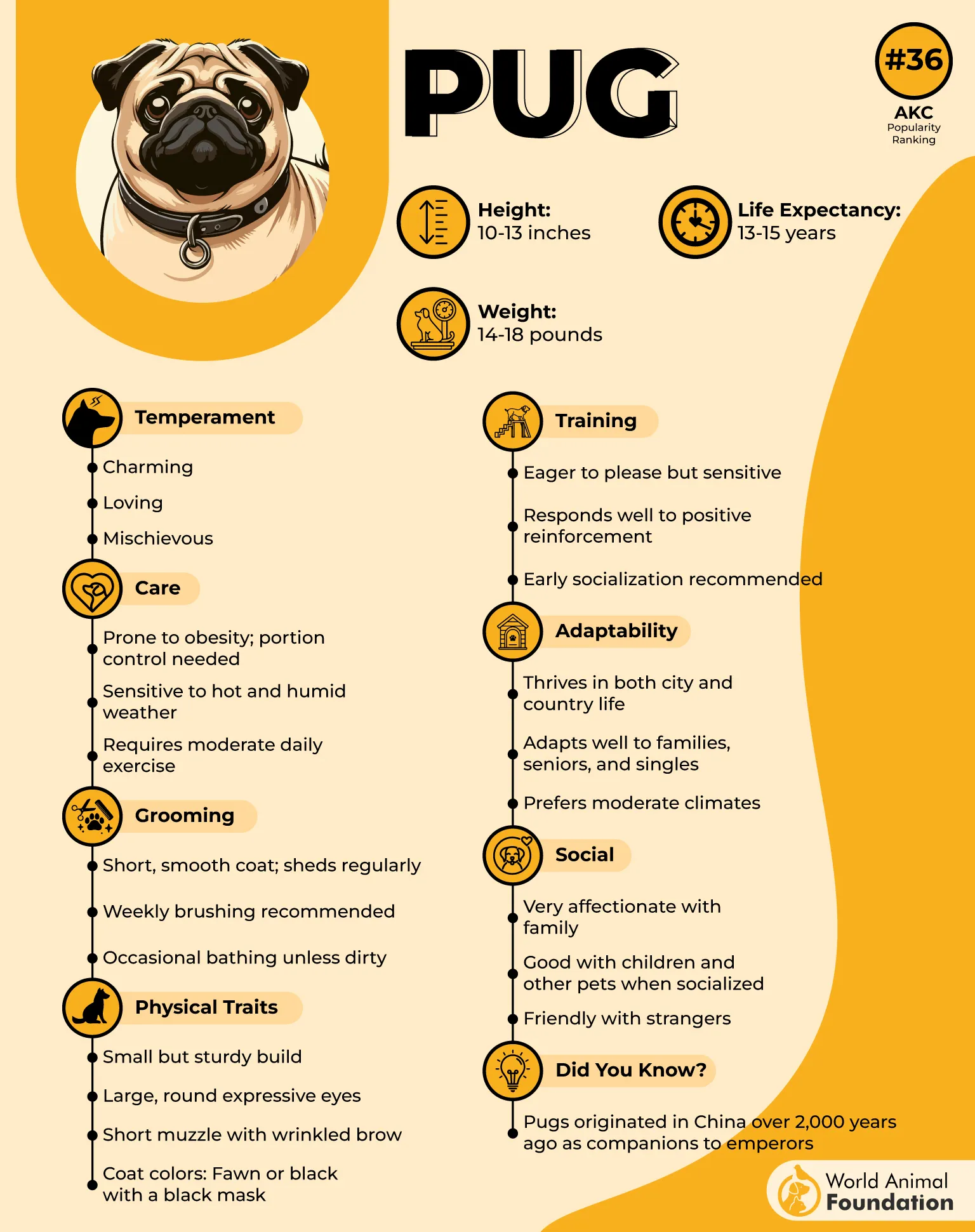
The Pug likely originated in China and was introduced to Europe in the late 17th century, quickly capturing hearts with its distinctive flat face and curled tail. Brought to England by Dutch traders, these small, muscular dogs became prized companions in royal courts and city households.
Playful, Loving, and Easygoing
Pugs are affectionate, cheerful, and highly sociable, thriving on human companionship. Their moderate exercise needs and adaptability make them ideal for apartments and family homes alike, providing loyal companionship without constant barking.
Clever Pup with Gentle Guidance
Although intelligent, Pugs can be stubborn, so early, consistent, reward-based training works best. Regular short walks, mental stimulation, and proper grooming—including wrinkle care—keep them healthy and content. With careful attention to exercise and heat sensitivity, Pugs remain calm, quiet, and affectionate members of the family.
Why Pugs Are Naturally Quiet
Bark moderately, mainly to alert owners
Affectionate without demanding noise
Adaptable to indoor living and family routines
Enjoy companionship subtly rather than vocally
Playful and content without constant vocalization
7. Whippet

The Whippet emerged in England from careful crossbreeding between Greyhounds and terriers, earning the nickname “miniature Greyhound.” Whippets arrived in the U.S. in the late 1800s and were recognized by the AKC in 1888, gaining fans for both their elegance and athleticism.

Gentle Athletes and Loving Companions
Whippets are affectionate, patient, and calm, forming strong bonds with their families while remaining tolerant of other pets. Though capable of incredible bursts of speed—up to 35 mph—they are surprisingly low-key indoors.
Smart Pup with Graceful Training
Their short, smooth coat is easy to care for, and early socialization helps manage their predatory instincts. Calm, loyal, and low-barking, Whippets are peaceful companions who express excitement subtly rather than vocally.
Why Whippets Are Naturally Quiet
Minimal barking; highly peaceful indoors
Affectionate without being demanding
Calm and tolerant with family and other pets
Easily content with moderate activity and attention
Subtle expression of emotions rather than loud vocalization
Conclusion
Remarkable dog breeds known for their quiet nature make perfect pets for apartment dwellers and cozy homes alike. These calm dogs often enjoy long periods of rest, cozy naps, and minimal grooming while still forming strong bonds with their favorite humans.
Certain breeds tend to be highly trainable yet may have an independent nature or stubborn streak, requiring mental stimulation and regular exercise to stay happy. Whether enjoying short bursts of activity or lounging like true couch potatoes, these quiet dog breeds adapt easily to apartment living.
From gentle giants to sight hounds, these dogs are sweet, low-key, and highly adaptable, balancing an affectionate demeanor with moments of high energy. Originally bred for specific tasks, many now serve as excellent companions, forming strong bonds and providing comfort to their humans.
