




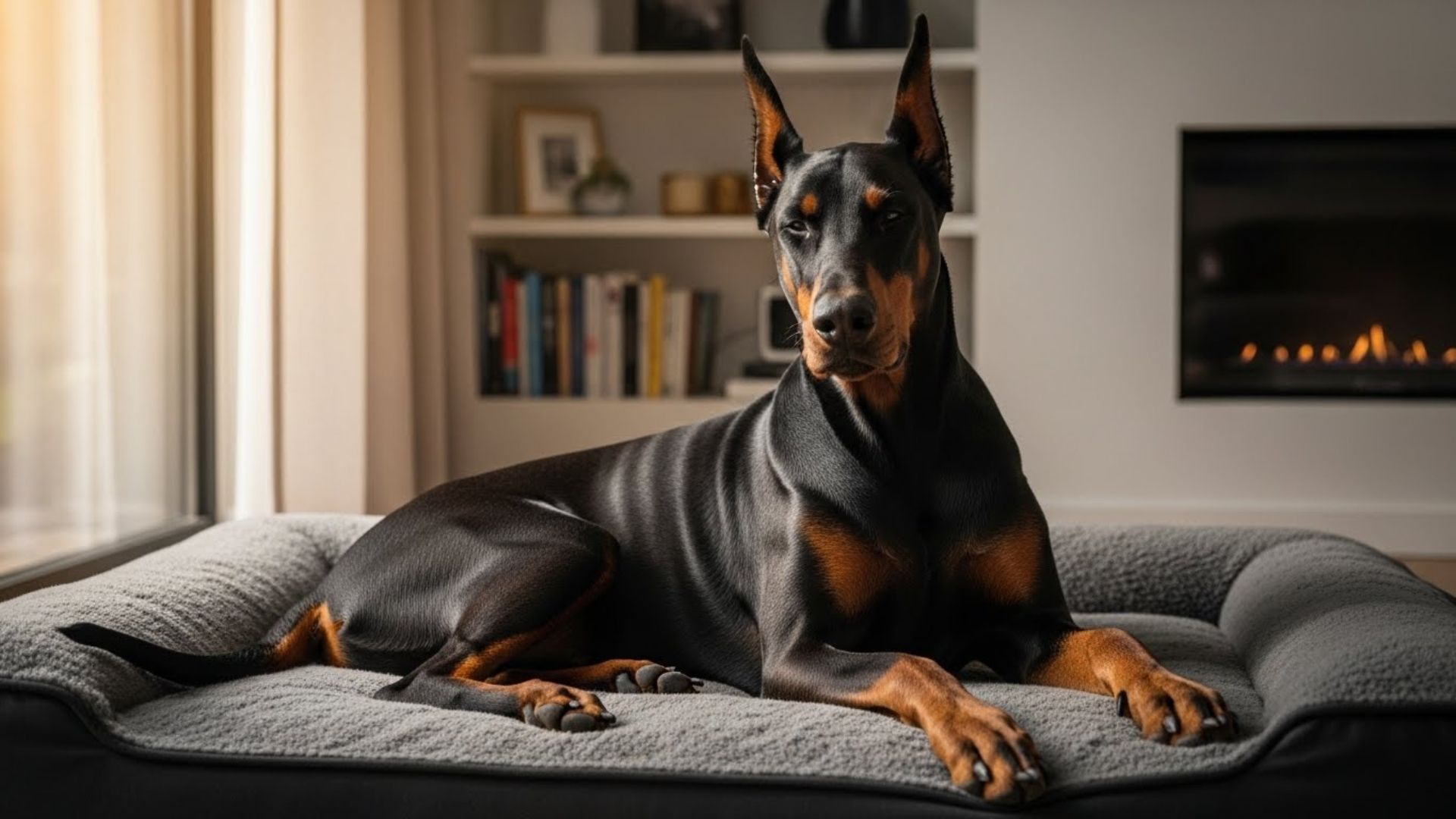
Protection without the chaos is rewriting how we think about guard dogs at home today. Strength does not have to roar, snarl, or dominate every room anymore, everywhere now.
For years, protection has been linked to aggression and intimidation in popular culture. Loyal families now seek guardians who watch quietly, stand confidently, and respond only when it truly matters most.
Relaxed guardians protect through awareness, emotional balance, and deep loyalty every day. Their instincts are natural, not forced, shaped by trust rather than fear or tension within families.
What makes a relaxed guard dog special is self-control at home. Calm confidence, steady nerves, and thoughtful responses often discourage trouble faster than noise ever could alone naturally.
This guide explores protection built on loyalty and presence from the heart. It invites you to rethink safety as something peaceful, dependable, and woven naturally into everyday life together for modern loving households.
Relaxed Guard Dog Breeds: Calm, Loyal, and Trustworthy
1. Doberman Pinscher
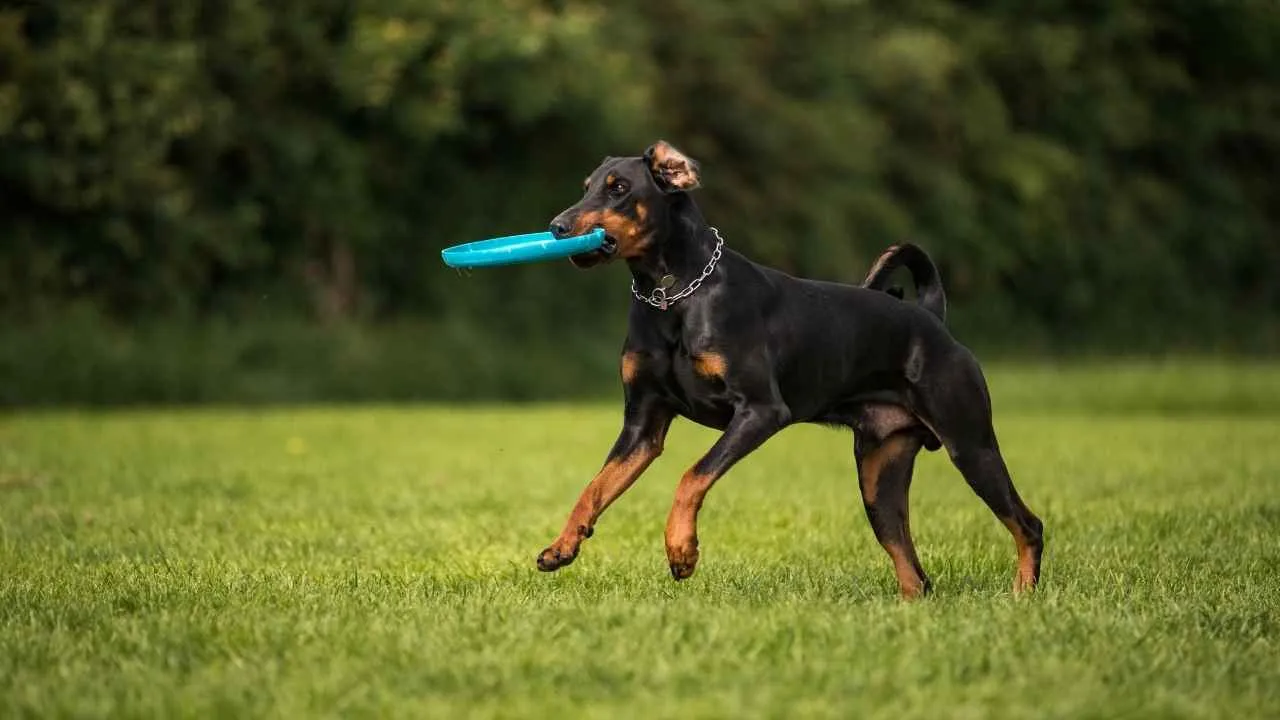
The Doberman Pinscher is what happens when elegance, intelligence, and seriousness all show up on time. Calm at home and laser-focused when needed, this breed understands that real protection is about presence, not theatrics. That steady confidence is exactly why Dobermans excel as long-term, relaxed guard dog breeds.
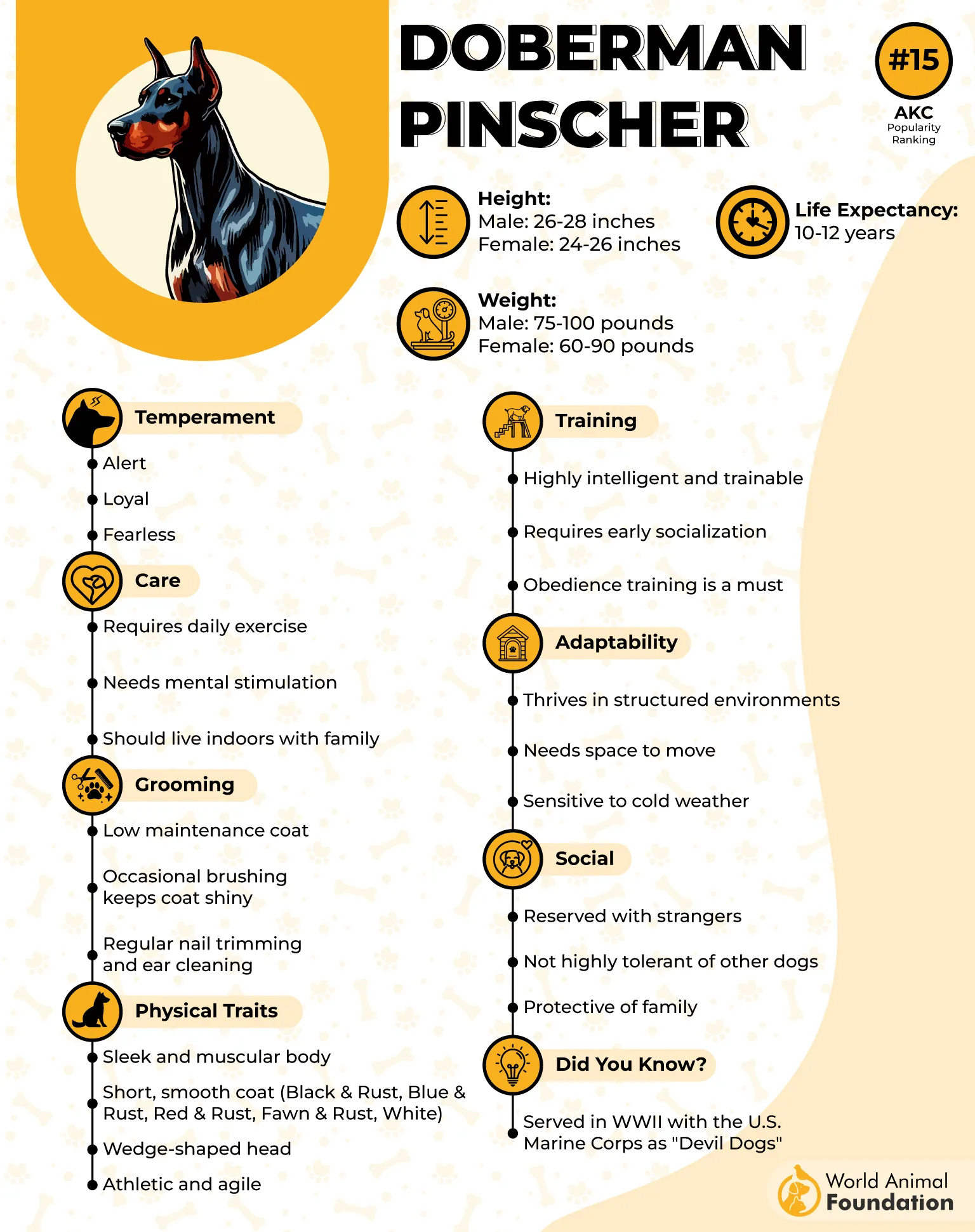
Dobermans bond deeply with their people and tend to pick a “favorite human,” though the whole family benefits. They are intuitive, emotionally aware, and oddly good at reading a room, which makes their loyalty feel personal rather than programmed. Protection here is rooted in connection, not paranoia.
Guarding Style: How They Protect
Silent observation and strategic positioning
Quick response without unnecessary escalation
Strong deterrent through posture alone
Energy Level & Daily Rhythm
Athletic but composed indoors
Thrives on structured routines
Enjoys mental challenges as much as exercise
Training a Doberman is more of a conversation than a command session. Their social intelligence allows them to learn quickly, though they expect consistency and fairness in return. Clear leadership turns them into reliable, calm protectors rather than anxious enforcers.
According to Britannica, originally bred in Germany for personal protection work, the Doberman was designed to guard people, not property. They thrive in homes that offer structure, engagement, and companionship. Protection you can live with feels effortless when the guardian understands you as well as the job.
2. German Shepherd
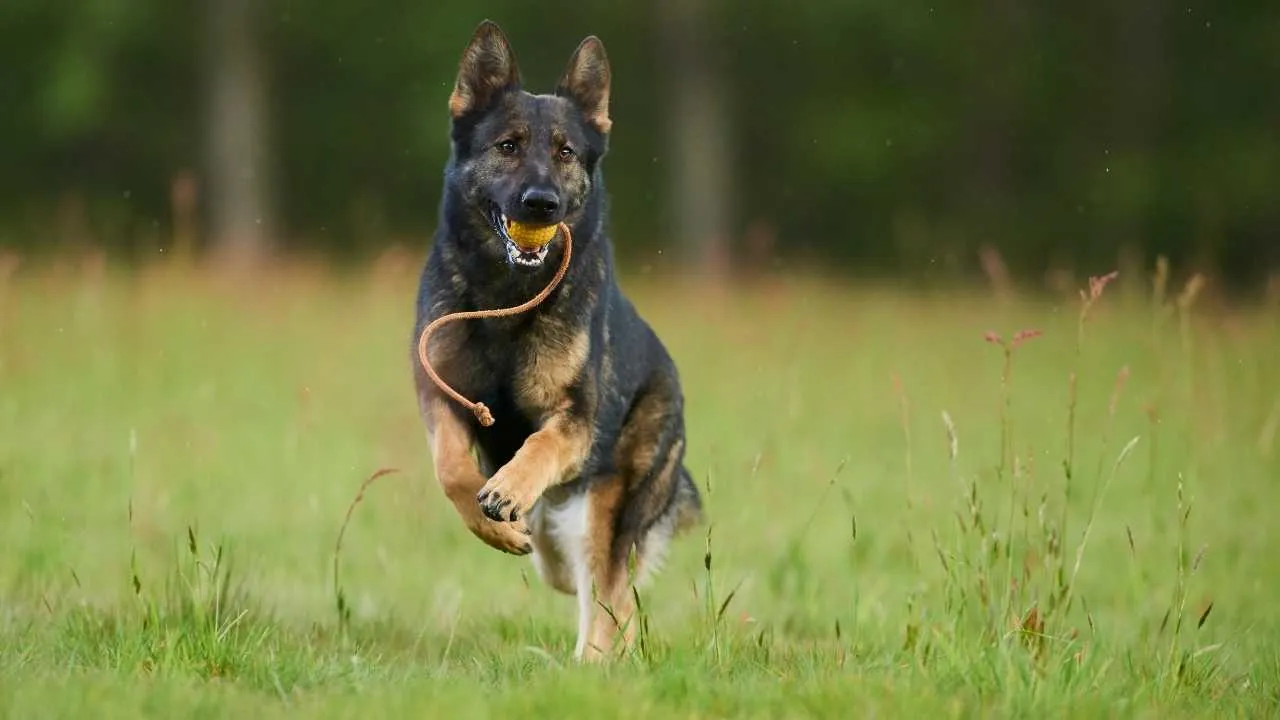
German Shepherds take guarding personally, professionally, and with impressive restraint. Known for their calm vigilance, they balance confidence with adaptability, making them one of the most trustworthy protectors around. This breed proves that relaxed guard dog breeds can still mean serious business.
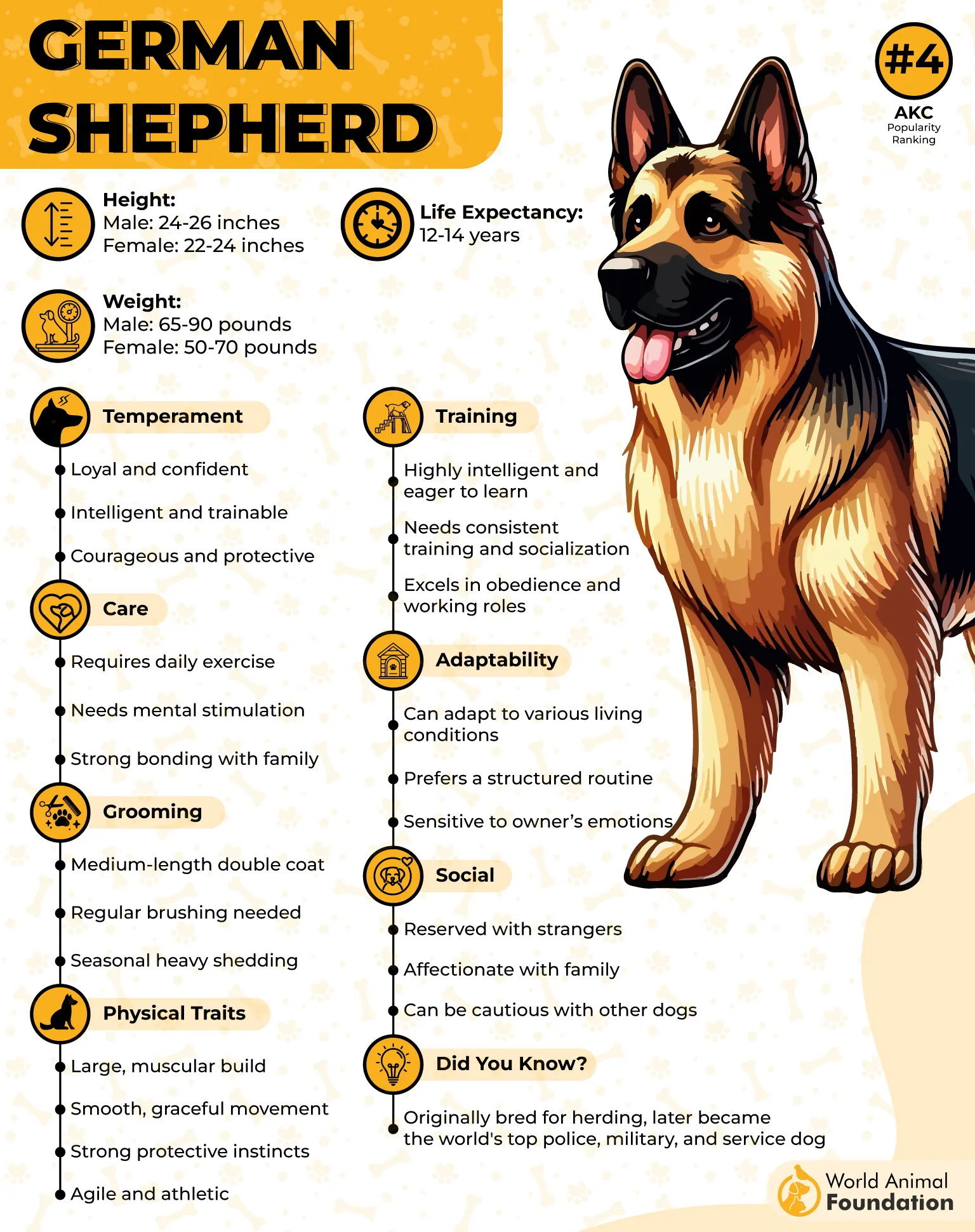
Family loyalty runs deep, and once trust is earned, it is unwavering. German Shepherds are thoughtful with children and reserved with strangers, showing affection without clinginess. Their protective instinct feels deliberate rather than reactive.
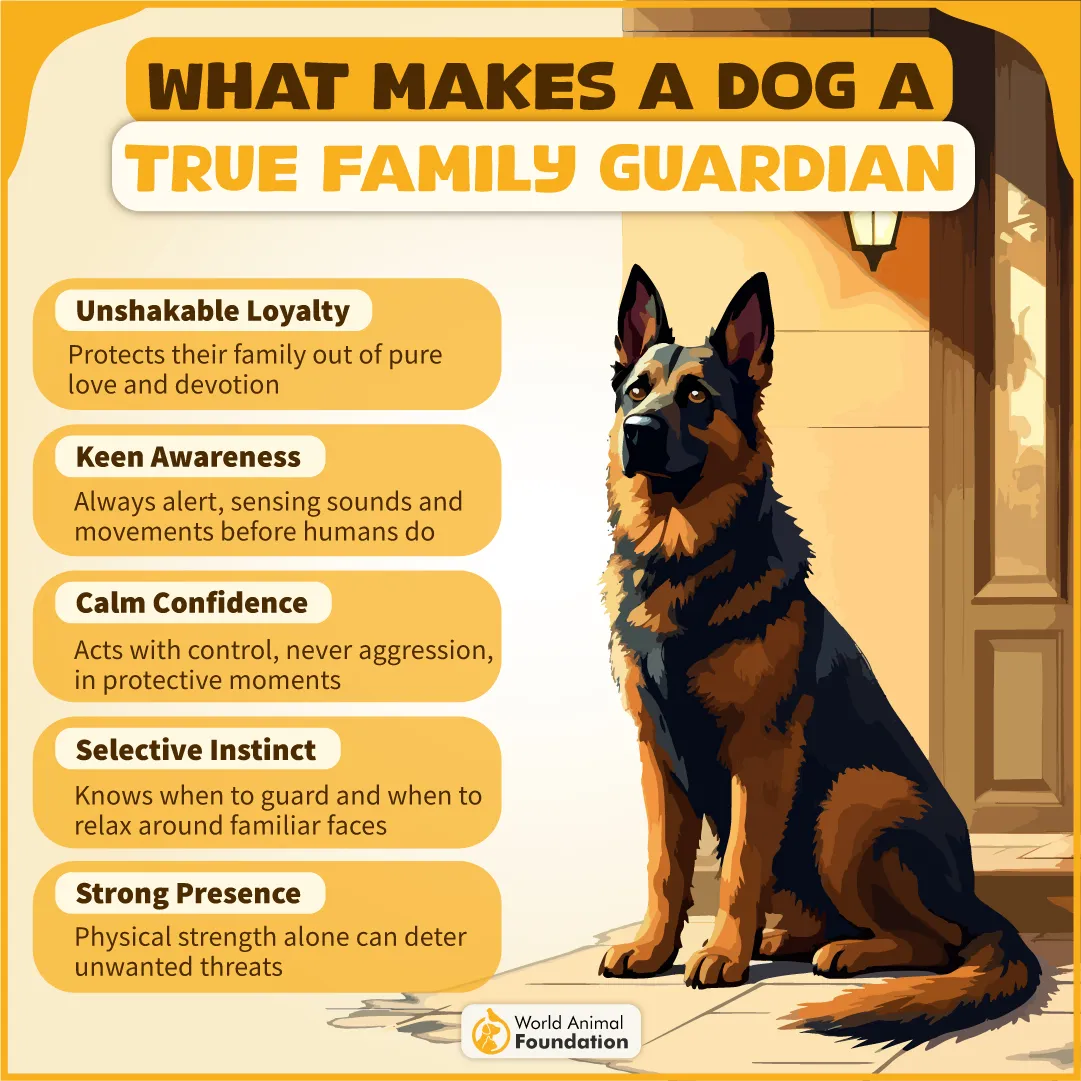
Guarding Style: How They Protect
Alert monitoring with controlled responses
Strong territorial awareness
Naturally authoritative presence
Energy Level & Daily Rhythm
Moderate to high activity balanced by focus
Needs purposeful exercise
Comfortable settling when mentally satisfied
PetMD claims that training is where this breed truly shines. German Shepherds thrive on problem-solving and structured learning, making them good family dogs and ideal for pet owners who enjoy engagement. Social intelligence allows them to distinguish genuine threats from everyday chaos.
With roots in herding and working roles, German Shepherds were bred for stamina and judgment. They flourish in active households that value consistency and interaction. Living with one feels like having a dependable partner rather than a restless watchdog.
3. Boxer
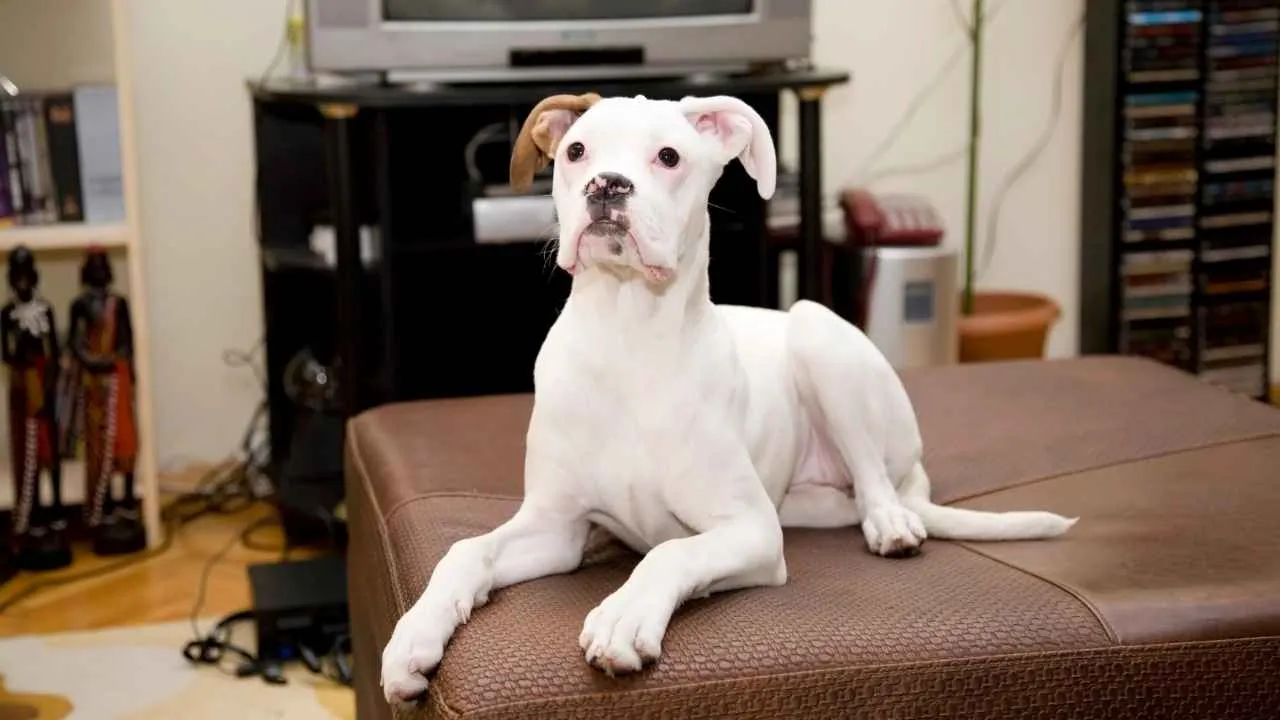
Boxers guard with charm, humor, and surprising emotional depth. Their relaxed approach makes them approachable family companions while still offering solid protection when instincts kick in. Calm confidence wrapped in a playful personality defines this breed.
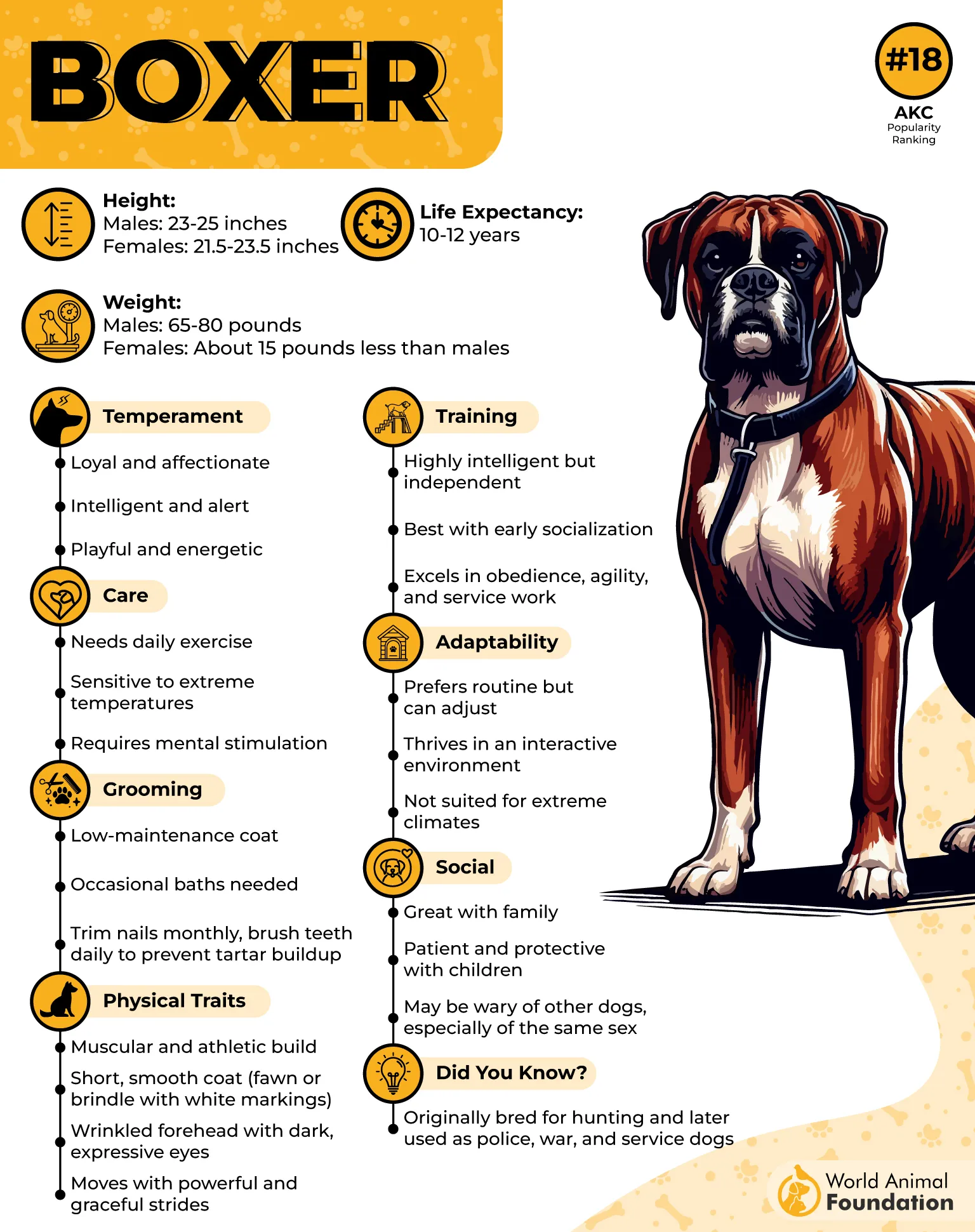
AKC notes that their family bonds are affectionate and enthusiastic. Boxers thrive on inclusion and often consider themselves full participants in household life. Their loyalty shows up as watchfulness paired with warmth, not suspicion.
Guarding Style: How They Protect
Vocal alerts combined with body blocking
Protective instincts triggered by family cues
Deterrence through confidence and presence
Energy Level & Daily Rhythm
Playful bursts balanced with downtime
Enjoys interaction over isolation
Adapts well to family schedules
Training a Boxer requires patience and humor. Their intelligence is real, though they sometimes pretend otherwise. Positive reinforcement and variety keep them mentally engaged and emotionally balanced.
Originally bred for hunting and later guarding, Boxers evolved into versatile companions. They suit families seeking a relaxed guard dog breed with personality. Protection feels lighter when laughter lives in the same house.
4. Cane Corso
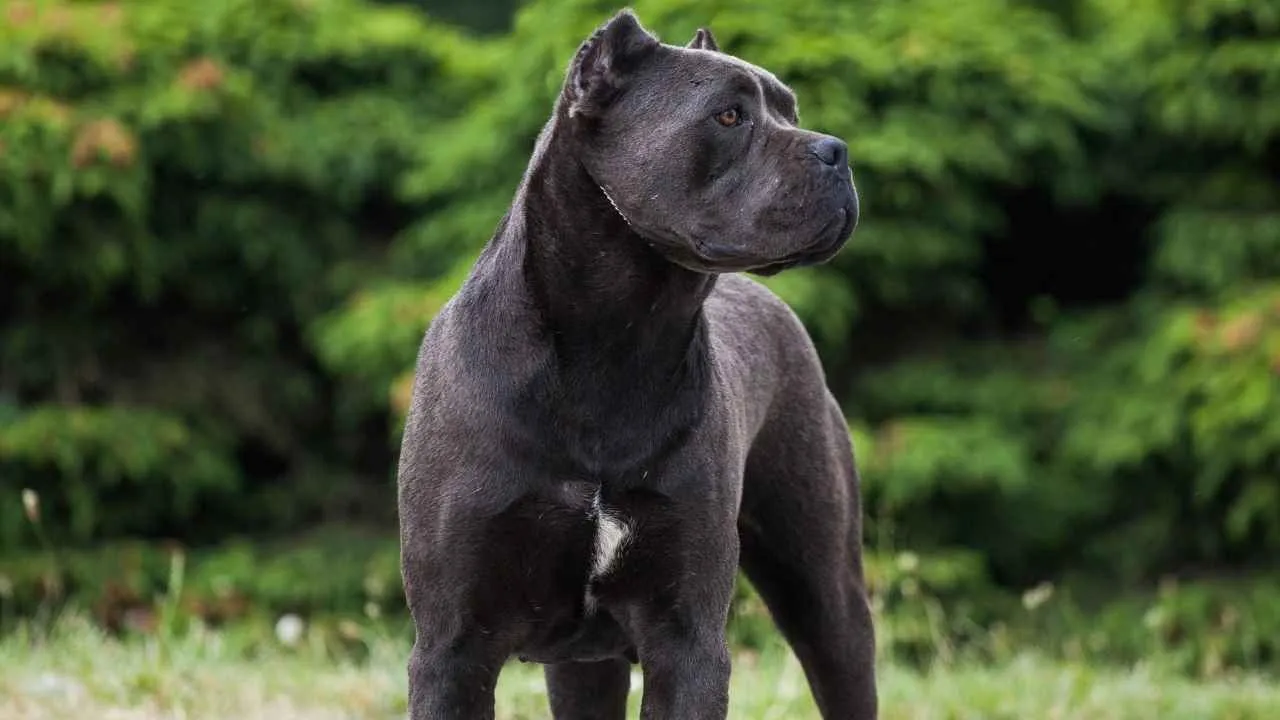
The Cane Corso does not advertise its power; it assumes you already noticed. Calm, reserved, and deeply loyal, this breed protects through quiet authority rather than dramatic displays. Long-term protection works best when confidence replaces chaos.
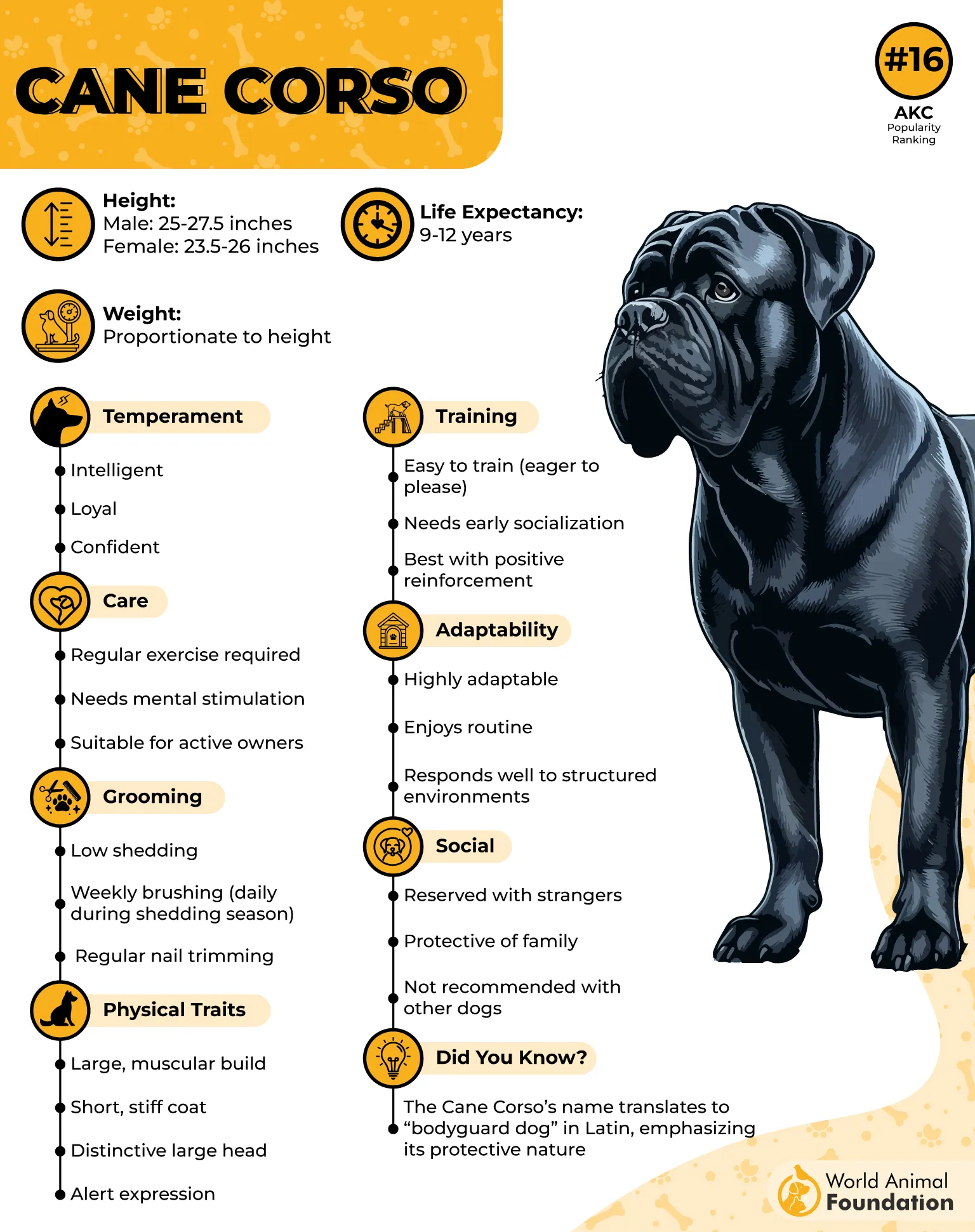
Family loyalty is intense and exclusive. Cane Corsos bond tightly with their household and remain watchful without hovering. Their protective nature feels intentional and measured.
Guarding Style: How They Protect
Controlled territorial guarding
Minimal barking, maximum presence
Assessment before action
Energy Level & Daily Rhythm
Low-key indoors, purposeful outdoors
Thrives on routine and structure
Prefers calm environments
Training focuses on leadership and clarity. Cane Corsos respond well to firm, respectful guidance and social exposure. Emotional intelligence allows them to remain composed in complex situations.
With roots in ancient Roman guardianship, this breed was built for serious protection. Ideal homes offer space, structure, and experienced ownership. Living with one feels secure, grounded, and refreshingly drama-free.
5. Bullmastiff
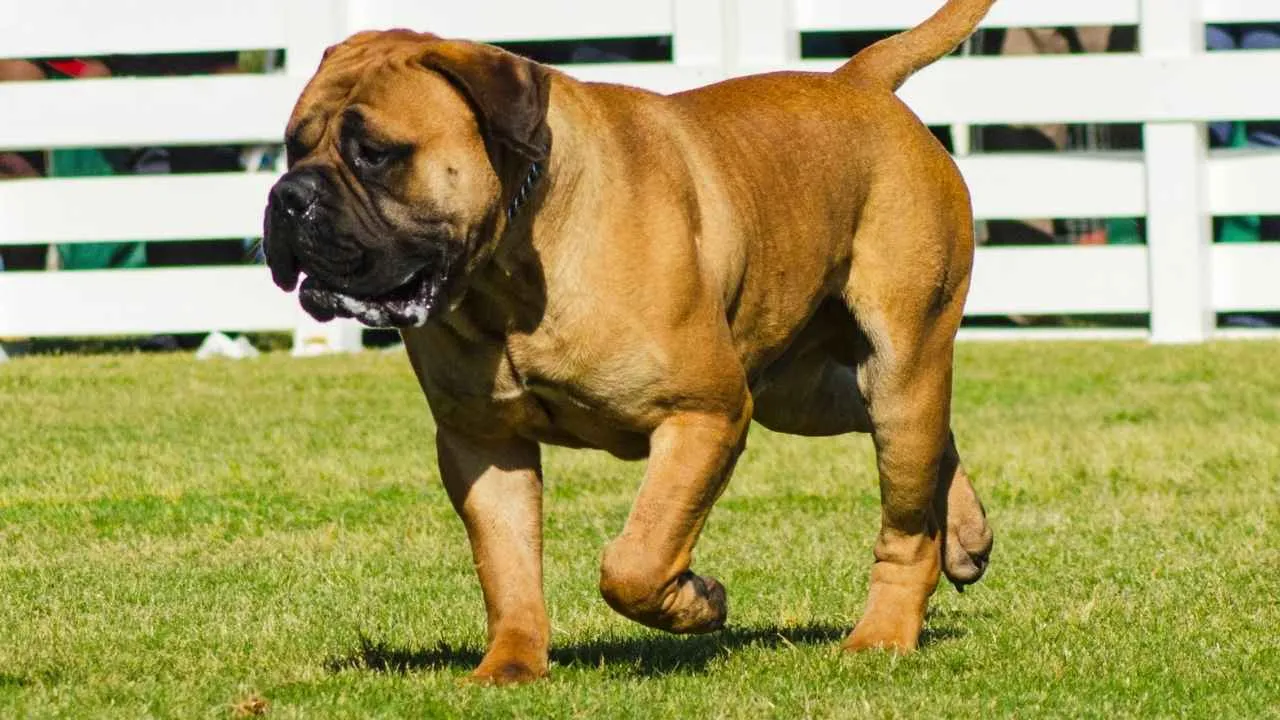
Bullmastiffs specialize in quiet confidence and zero nonsense. Their calm demeanor makes them ideal for households that want protection without constant motion. This is one relaxed guard dog breed that understands restraint.
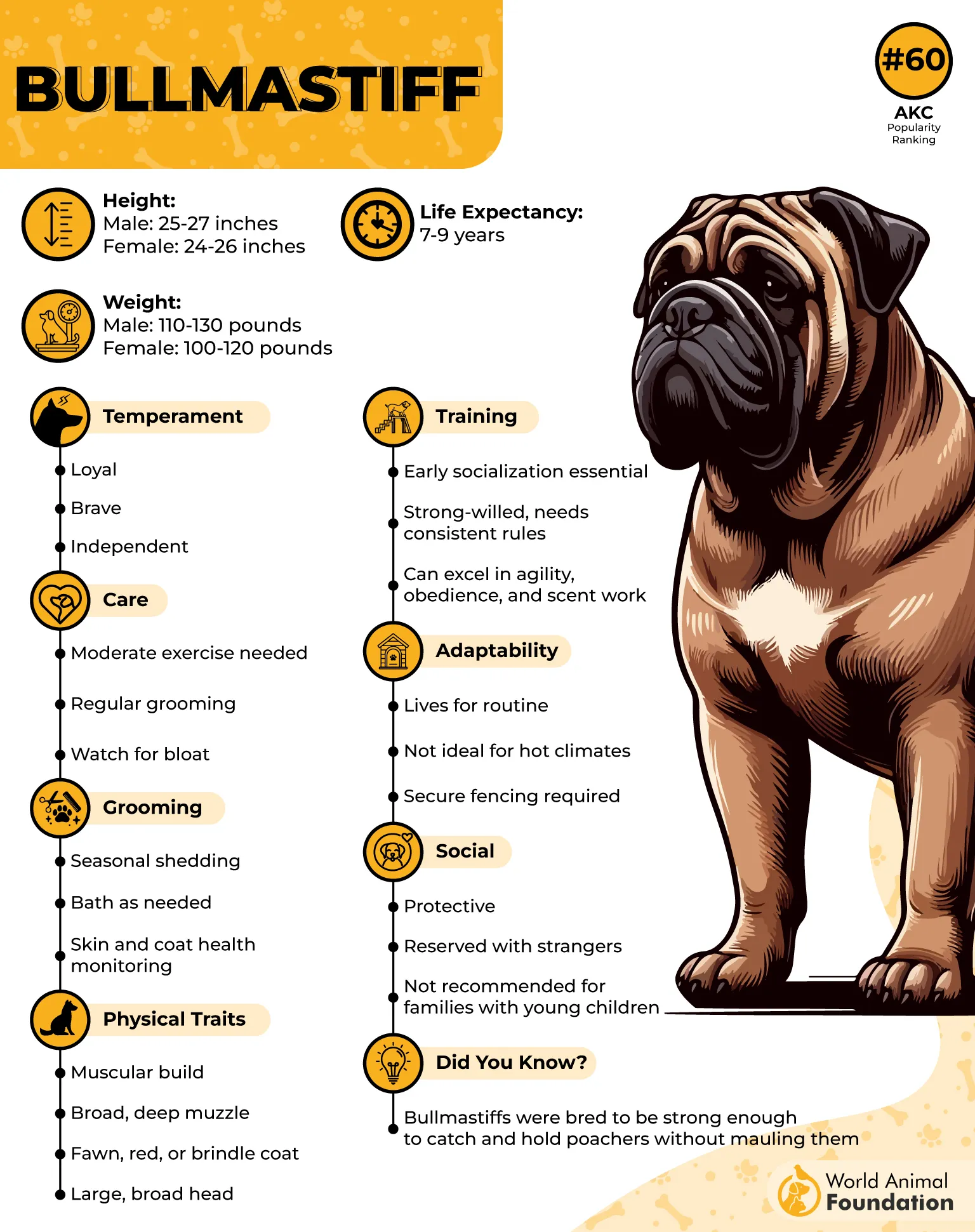
Family bonds are gentle and devoted. Bullmastiffs tend to stay close, offering reassurance through proximity rather than action. Their loyalty is steady and predictable.
Guarding Style: How They Protect
Physical blocking over chasing
Silent observation
Strong deterrence through size
Energy Level & Daily Rhythm
Low to moderate activity needs
Enjoys lounging with purpose
Prefers calm routines
Training works best with consistency and respect. Bullmastiffs are thoughtful learners who value clear boundaries. Social intelligence helps them remain composed in familiar environments.
Bred in England to guard estates, this breed excels in home protection. Ideal homes provide space and calm leadership. Protection here feels solid, quiet, and reassuring.
6. Great Dane
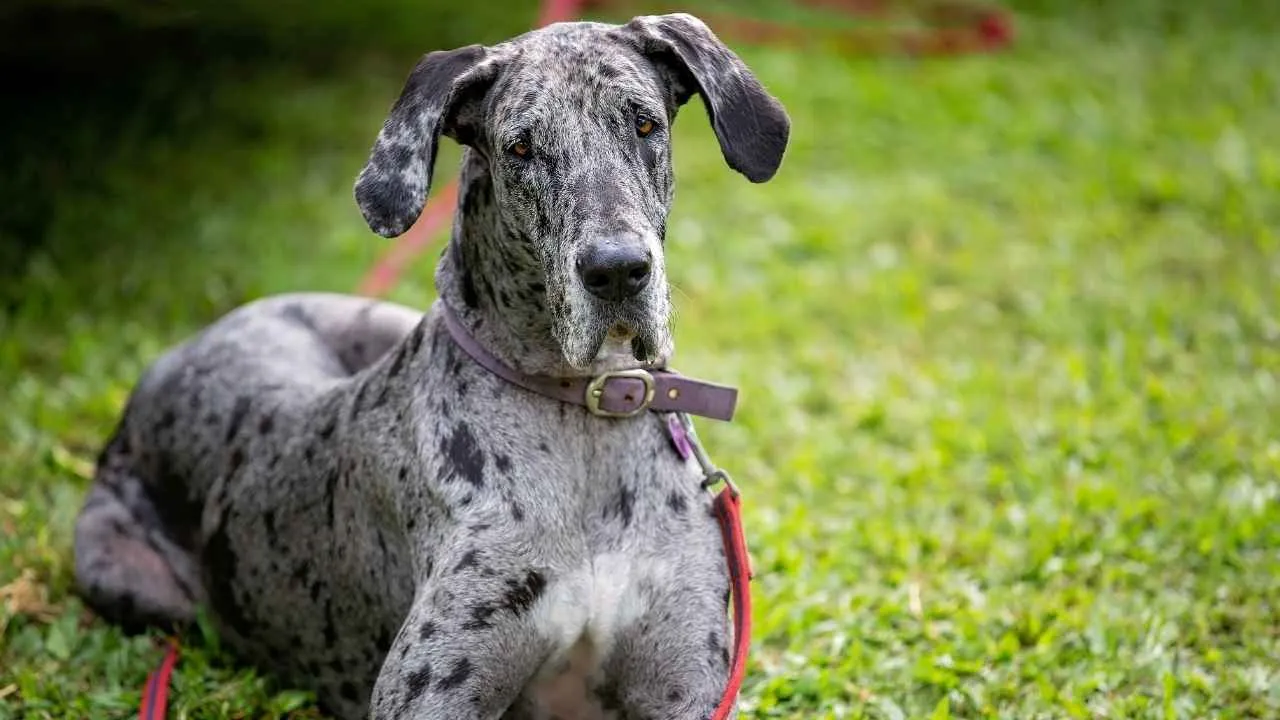
Great Danes protect by existing convincingly. Their size alone communicates authority, while their temperament keeps the peace. Calm, loyal, and observant, they redefine what relaxed guard dog breeds look like.
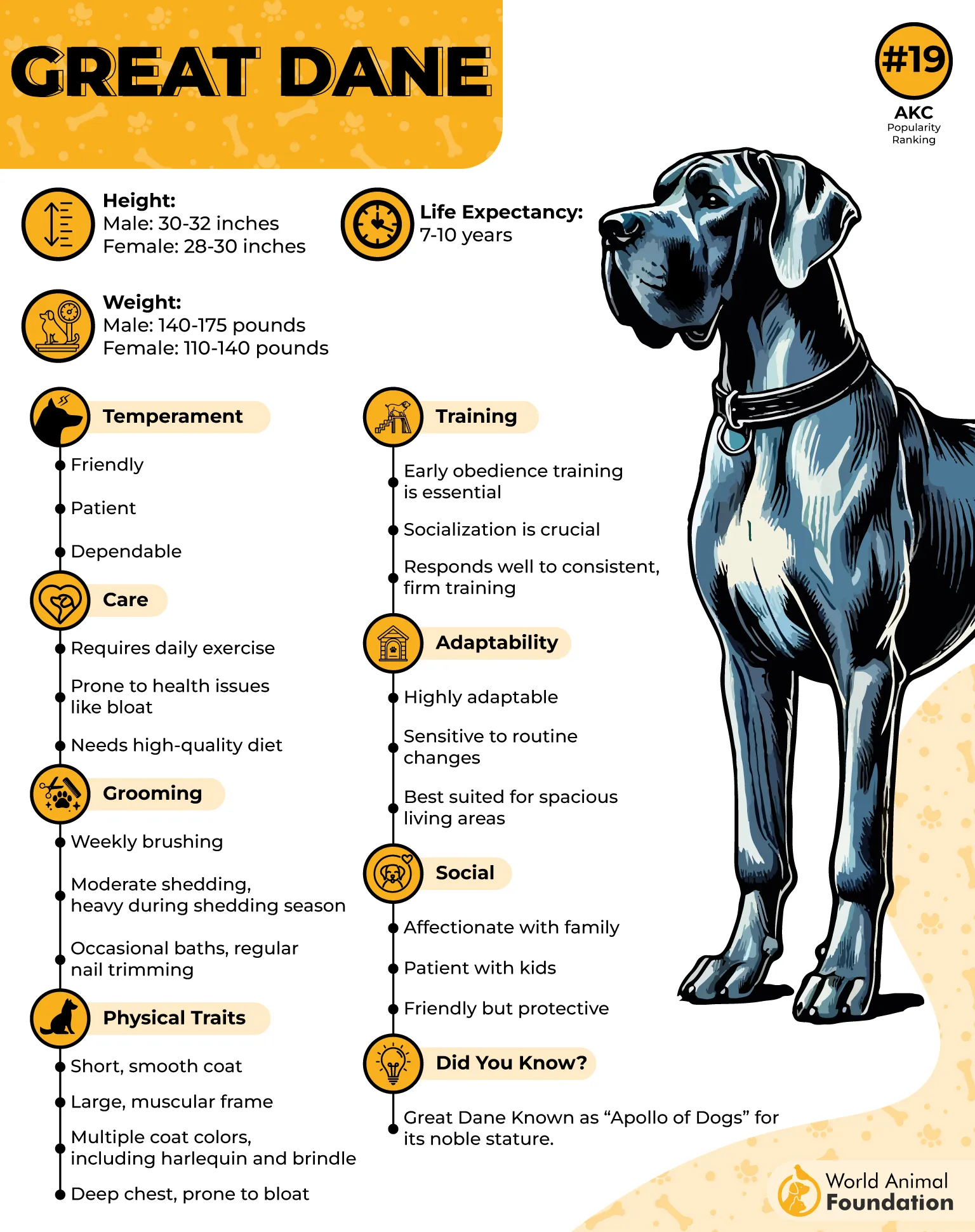
Family bonds are affectionate and surprisingly gentle. Great Danes often behave like oversized companions rather than sentries. Their loyalty shows through attentiveness.
Guarding Style: How They Protect
Visual deterrence
Positioning near family members
Alert reactions when necessary
Energy Level & Daily Rhythm
Moderate activity with long rest periods
Enjoys relaxed indoor living
Thrives on companionship
This Dog training emphasizes manners and confidence. Their intelligence supports steady learning, though consistency matters. Emotional sensitivity allows them to read household dynamics easily.
Originally bred for hunting large game, Great Danes evolved into guardians of home and heart. Ideal homes value calm structure and space. Protection feels effortless when intimidation never needs effort.
7. Great Pyrenees
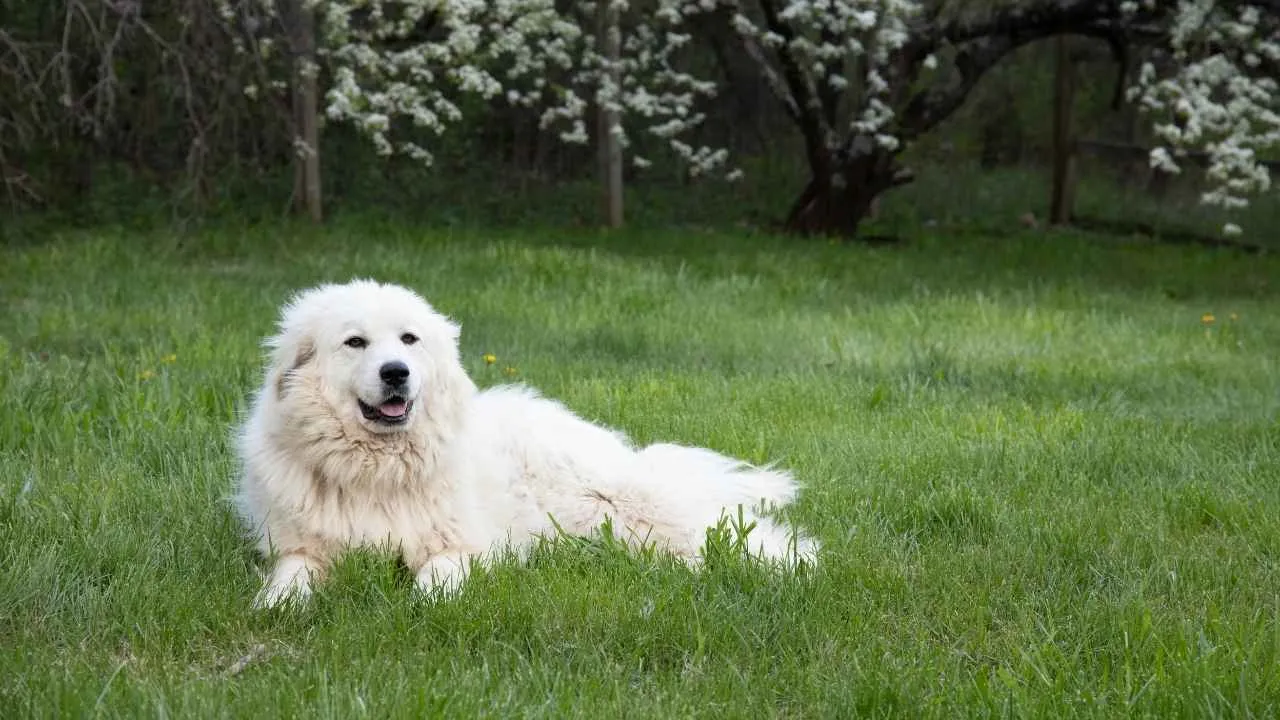
The Great Pyrenees guards with patience and wisdom. Calm to the core, this breed approaches protection as a long game. Relaxed guard dog breeds rarely come more composed.
Family loyalty is deep and nurturing. Great Pyrenees often position themselves as quiet overseers, especially around children. This gentle giant’s protection feels instinctive and constant.
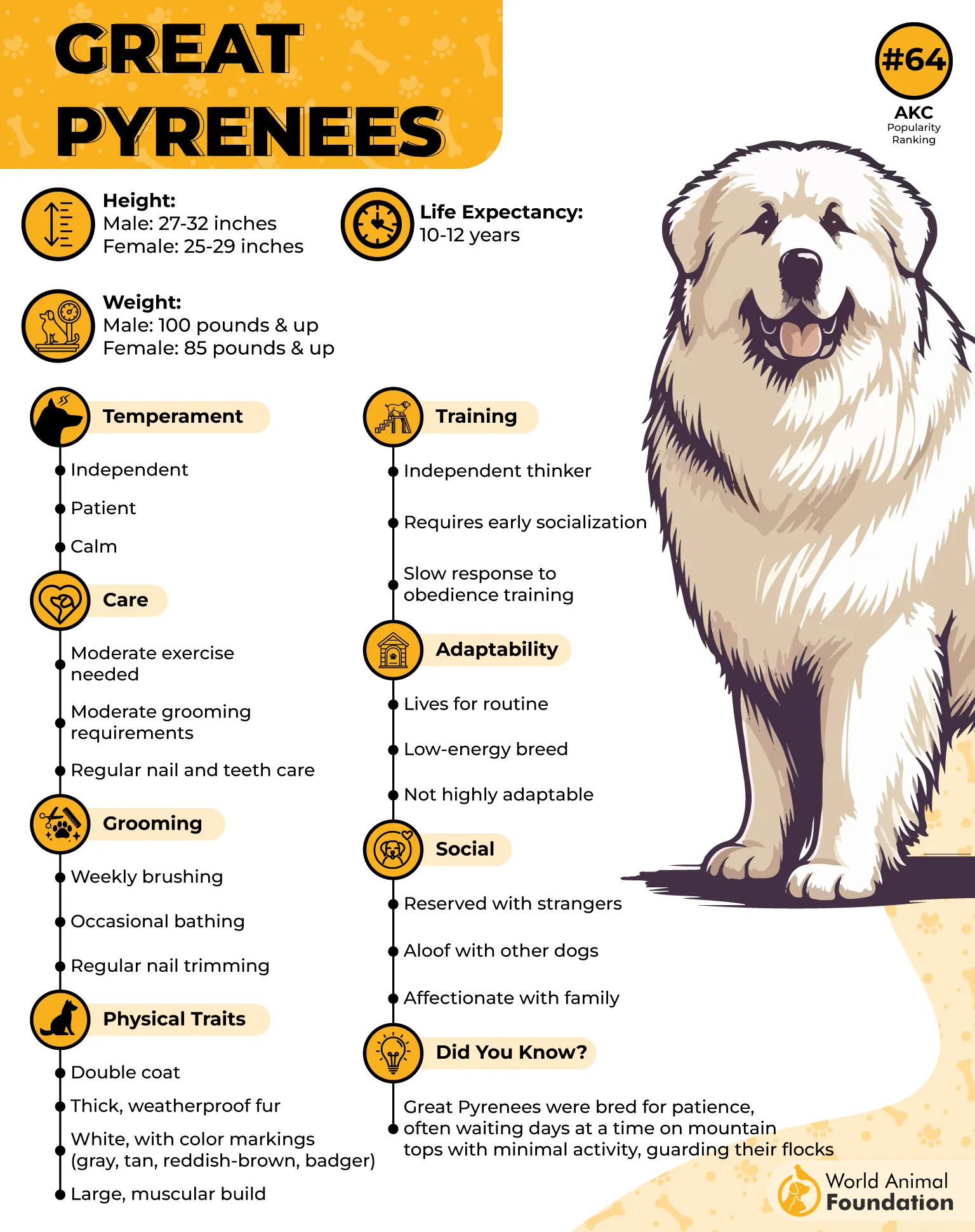
Guarding Style: How They Protect
Perimeter awareness
Nighttime vigilance
Strategic vocal warnings
Energy Level & Daily Rhythm
Low energy with bursts of alertness
Independent but present
Enjoys outdoor access
Training requires respect for independence. Social intelligence allows them to make decisions thoughtfully. Guidance works best through trust-building.
Historically bred to guard livestock, this effective guard dog breed excels in spacious environments. Ideal homes offer room and patience. Protection here feels ancient, steady, and deeply reliable.
Conclusion
The best guard dogs combine calm temperament, instinct, and consistent training, proving that protection does not require chaos. When properly trained, many dogs become excellent guard dogs and excellent family pets through early socialization, proper training, and regular mental stimulation.
Beyond this list, breeds like the Bernese Mountain Dog, Giant Schnauzer, Belgian Shepherd, Belgian Malinois, and Irish Wolfhound also stand out as loyal protectors.
Choosing the right breed means matching imposing size, affectionate nature, and daily routines with your home, other pets, and lifestyle—so the right dog becomes both an effective guard and your best friend.
