




Not every dog is eager to announce every passing car, squirrel, or neighbor at the door. If you love having a dog but could happily live without constant barking, choosing a naturally quieter companion can make a big difference.
Of course, “quiet” doesn’t mean completely silent, and no dog is going to spend the entire day peacefully napping without making a sound. Dogs may bark when they’re excited, bored, worried, or trying to alert you to something unusual.
The good news? Some dogs are naturally less vocal and tend to communicate more selectively, making them a better fit for apartments, shared buildings, or homes where keeping the peace with the neighbors matters.
Ready to find a quieter companion that can handle those long stretches of downtime? Let’s meet seven breeds worth considering.
Quiet Dog Breeds That Handle Long Alone Hours
1. French Bulldog
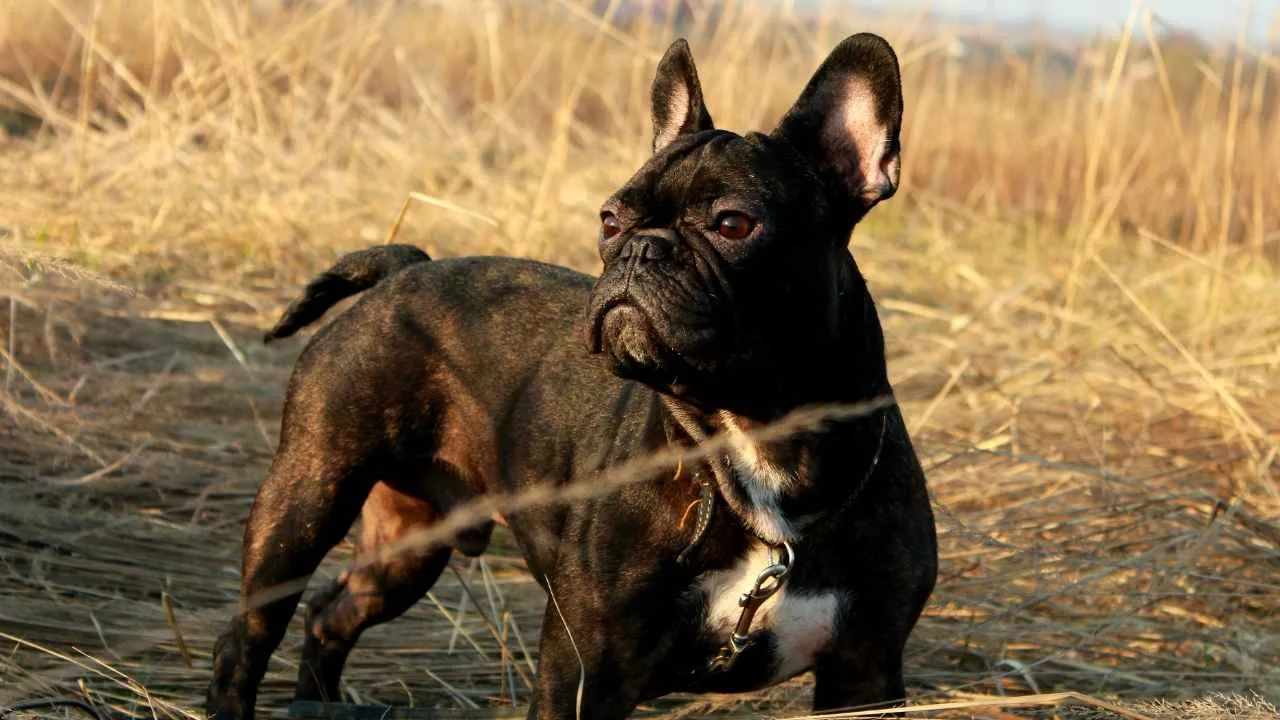
French Bulldogs have a charming history. In the mid-1800s, English lace workers moved to France and brought their small Bulldogs with them. The French soon fell in love with these dogs, especially their upright, bat-like ears.
Smaller Bulldogs were then bred in France and became popular household pets. Their popularity later spread to the United States as American visitors brought them home.
A Quiet, Easygoing Personality
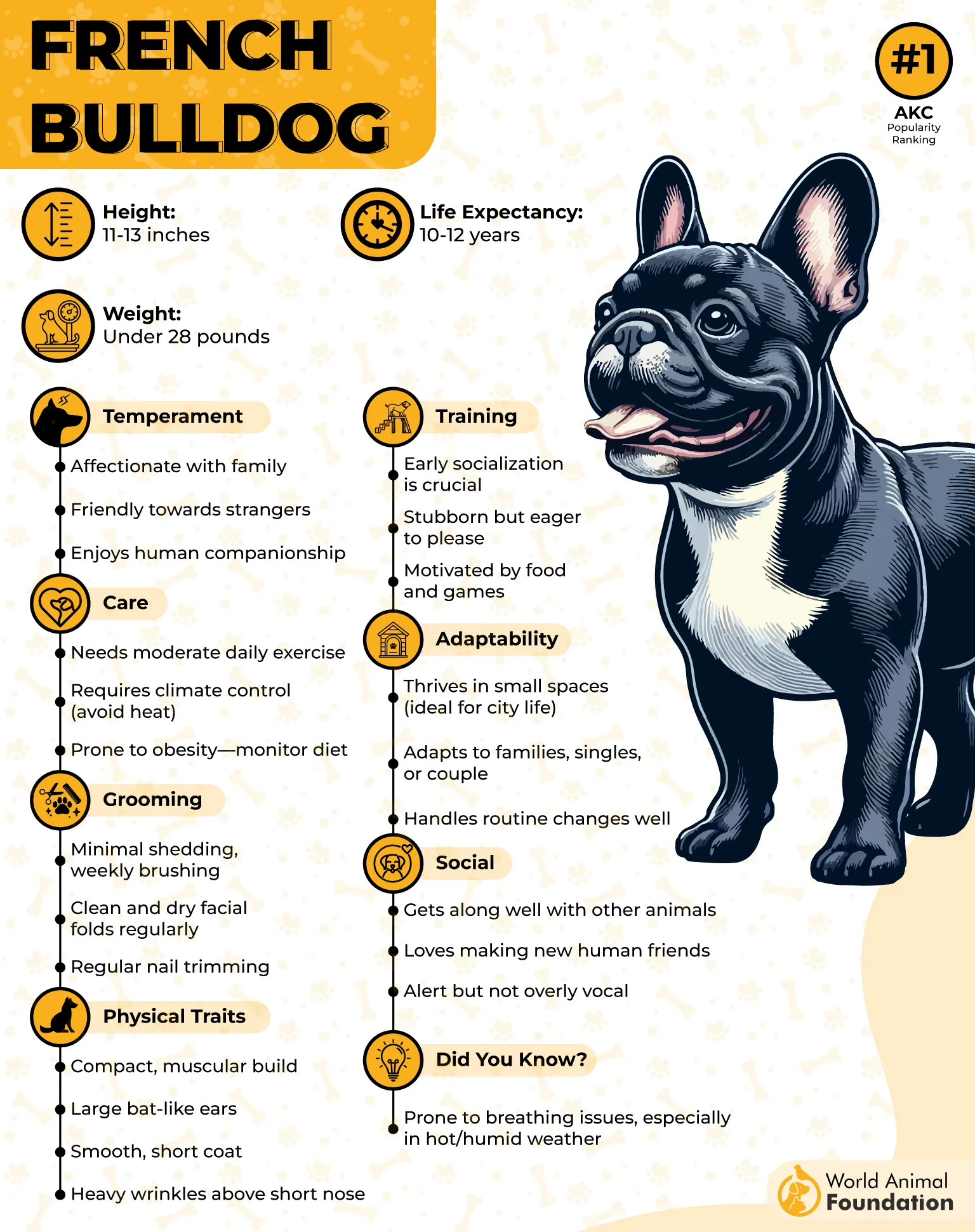
These affectionate dogs enjoy being close to their families and love cuddling just as much as playtime. They usually get along well with children, other dogs, and pets.
Omlet says they can be cautious around strangers at first but often warm up with time. Frenchies are not known for being big barkers, making them a good choice for quieter homes. They are also adaptable and do not need a lot of exercise, which can suit apartment living.
Care and Training
French Bulldogs can be stubborn, so training may take patience. Treats, praise, and affection can make learning easier. Their flat faces make them less tolerant of heat and humidity, so they need care in warm weather.
Their facial folds should also be cleaned regularly. Frenchies are poor swimmers and should never be left unattended near water.
2. Basset Hound

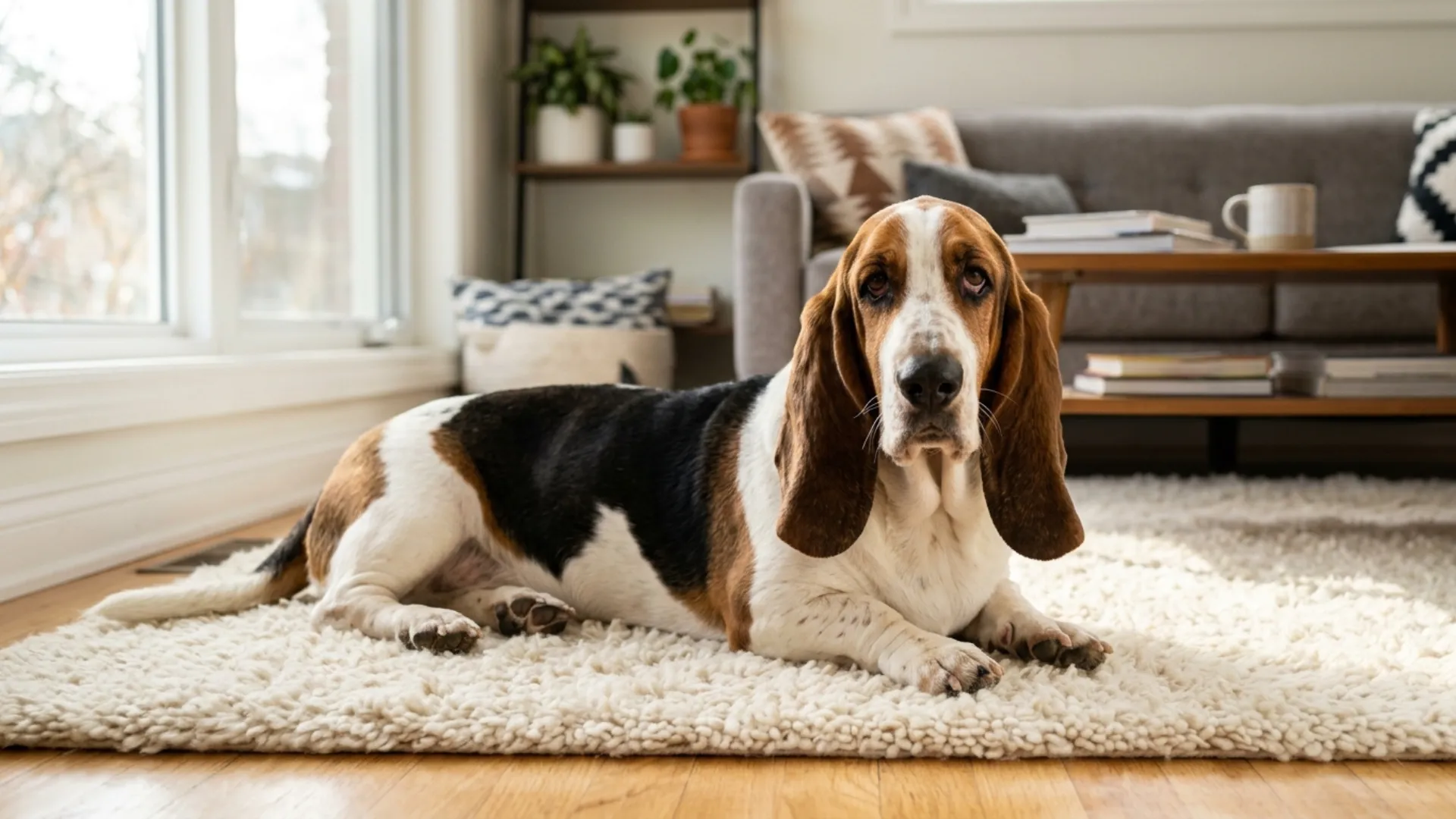
Basset Hounds have roots in France, where they were bred to hunt rabbits and hares. Their name comes from the French word “bas,” meaning low or short.
They descended from the now-extinct St. Hubert Hound and were later crossed with Bloodhounds to increase their size. The breed reached Britain in the late 1800s and quickly became a favorite.
Calm and Easygoing Companions
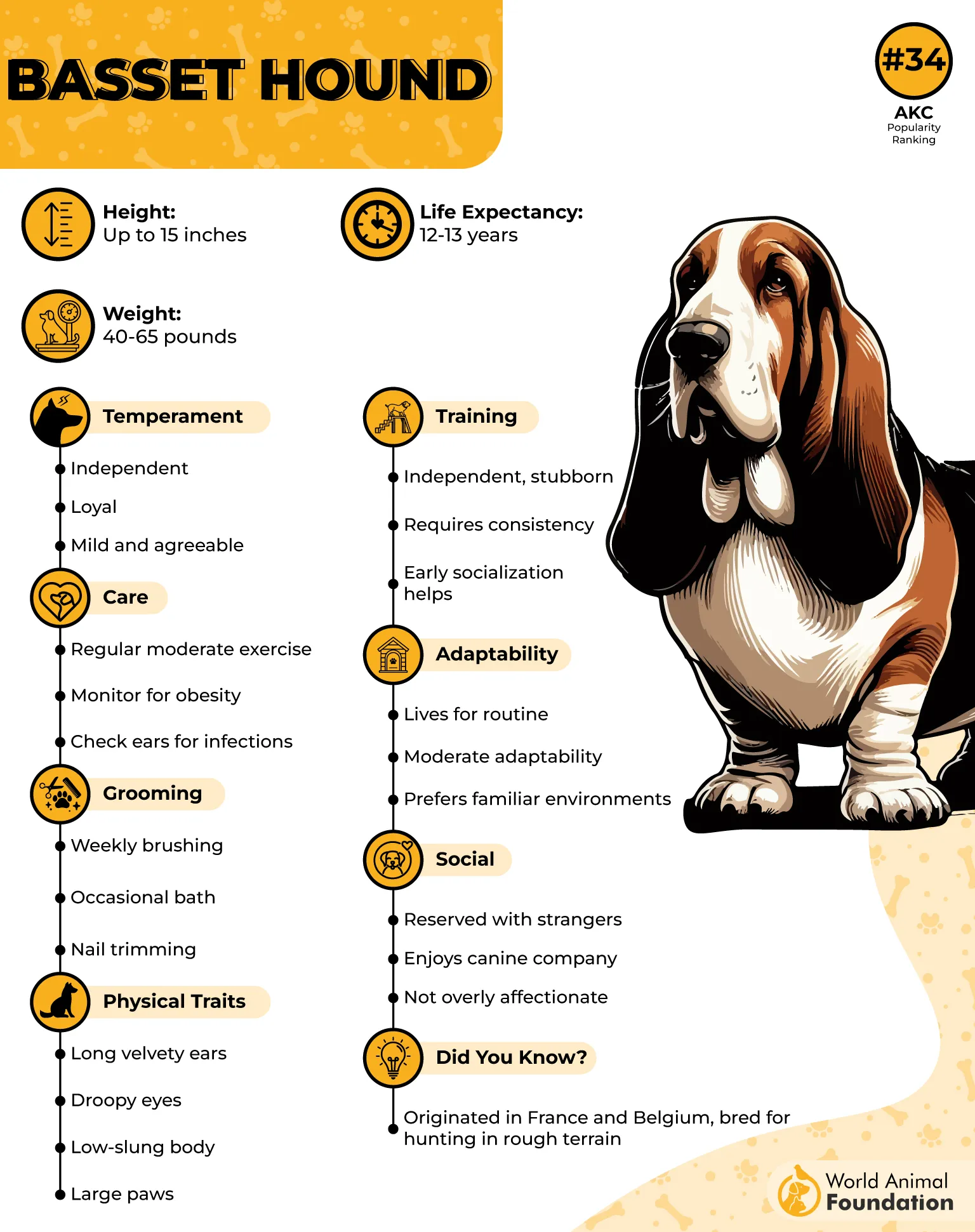
Basset Hounds are calm, friendly, and sociable. Despite their hunting background, they are usually low-energy dogs that enjoy slow walks, naps, and relaxing with their families. They generally get along well with children, other dogs, and pets.
They are also not known for being aggressive, making them better suited to companionship than protection. However, they do have a loud, distinctive bark and may bay when they catch an interesting scent, so they are not completely silent.
Personality and Care
Basset Hounds can be stubborn, especially during training. Their strong noses often take over, but food rewards can make training easier. They still need daily walks and regular activity to help prevent obesity.
They also need care around furniture and cars because their long bodies and short legs can make jumping and climbing difficult. Most importantly, these highly social dogs prefer having company rather than being left for long periods.
3. Chow Chow
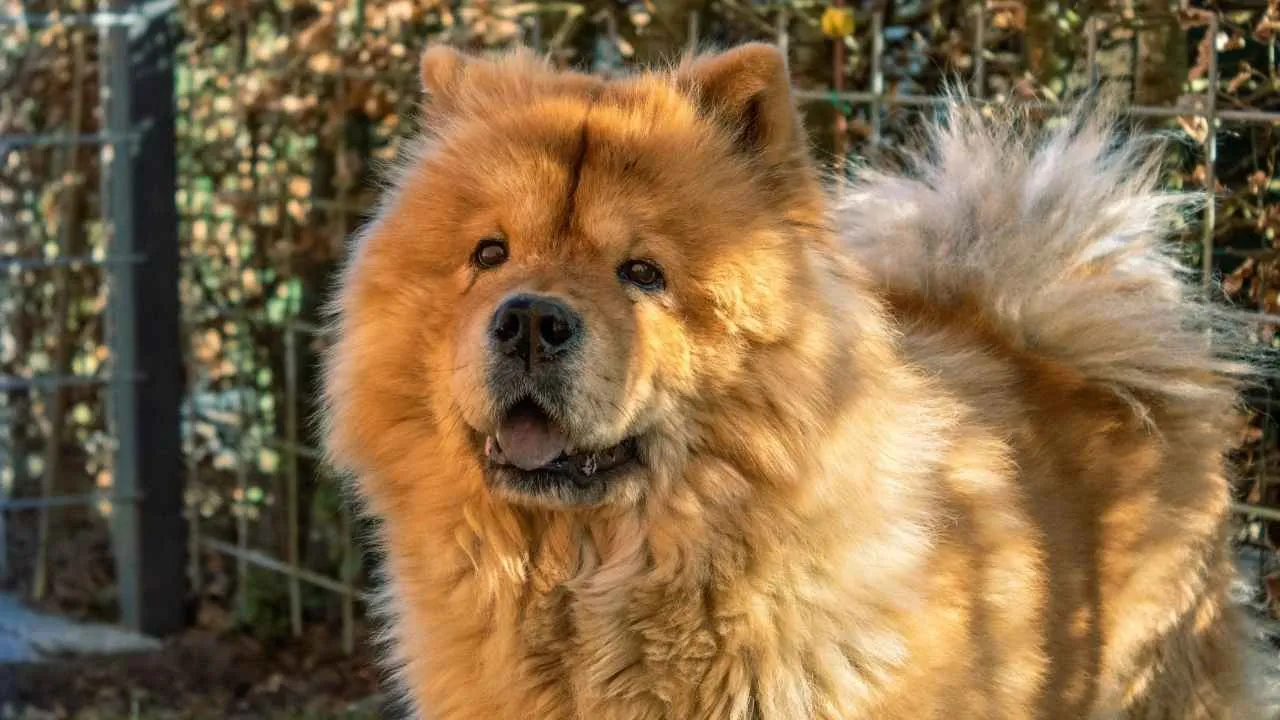
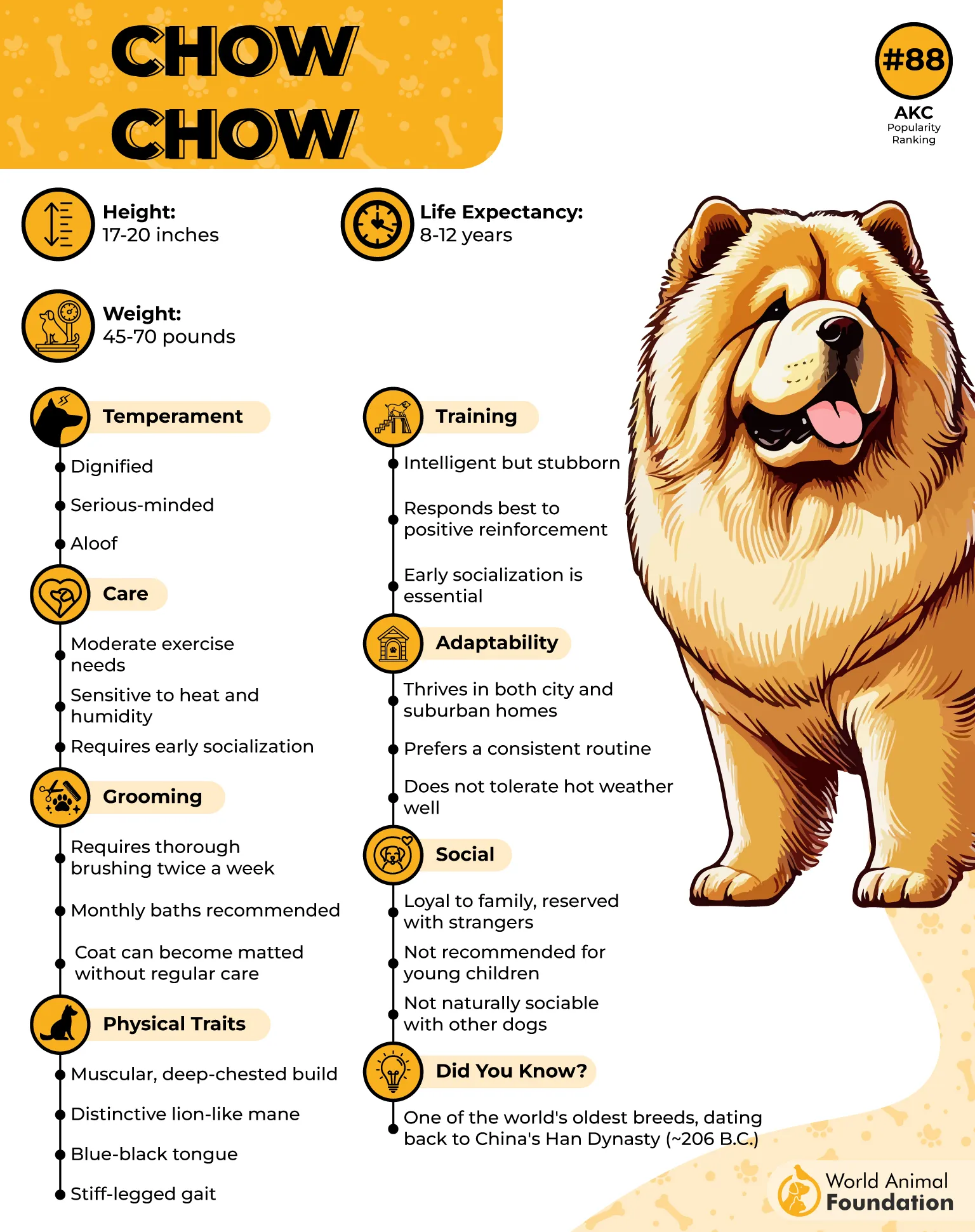
Chow Chows have a long history in China, with origins traced to the Han Dynasty. Over the years, they have worked as guard dogs, hunting dogs, cart-pullers, and companions.
Their fluffy coats, curled tails, distinctive blue tongues, and serious expressions give them a unique look that often makes people want to cuddle them.
Quiet and Independent Companions
Chow Chows are calm, low-energy, and independent. They are loyal to their families but tend to show affection in their own reserved way. They are not especially playful or eager to please, and they may prefer having their personal space respected.
One reason they fit quieter homes is that they do not bark excessively. They can also be clean, well-behaved, and fairly easy to housetrain. However, their reserved nature means they may be wary of unfamiliar people and other pets, as mentioned by PetMD.
Socialization and Care
Chow Chows are intelligent but strong-willed, so training can be challenging, especially for first-time owners. Early socialization is important to help them become more comfortable around visitors and other animals.
They can do well with older children who understand their boundaries. Their thick coats also require regular grooming, and they can overheat in hot weather.
4. Greyhound
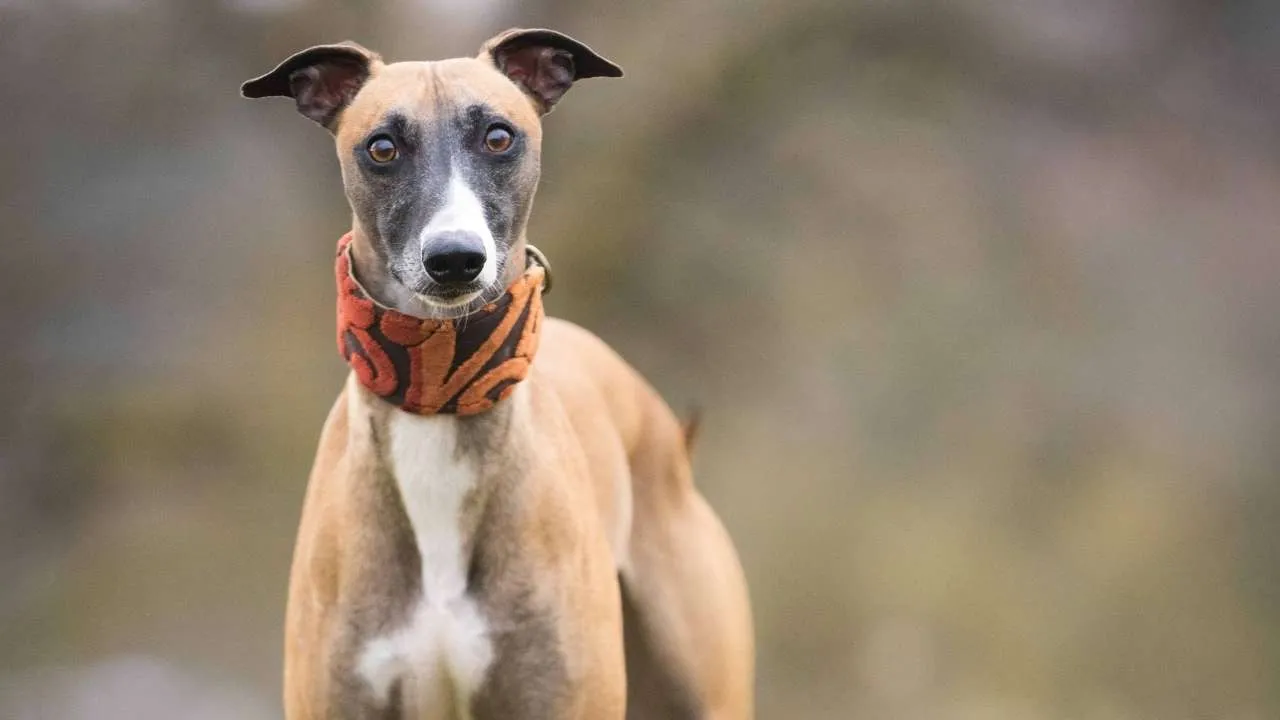
Greyhounds are an ancient sighthound breed with roots tracing back to Egypt. They were bred to hunt by sight and speed, later becoming well known for racing and coursing.
Despite their athletic background, these dogs are calm, gentle, and surprisingly relaxed at home. They are sensitive and affectionate with their families, making them a good fit for owners who want a large but peaceful companion.
Gentle and Surprisingly Quiet
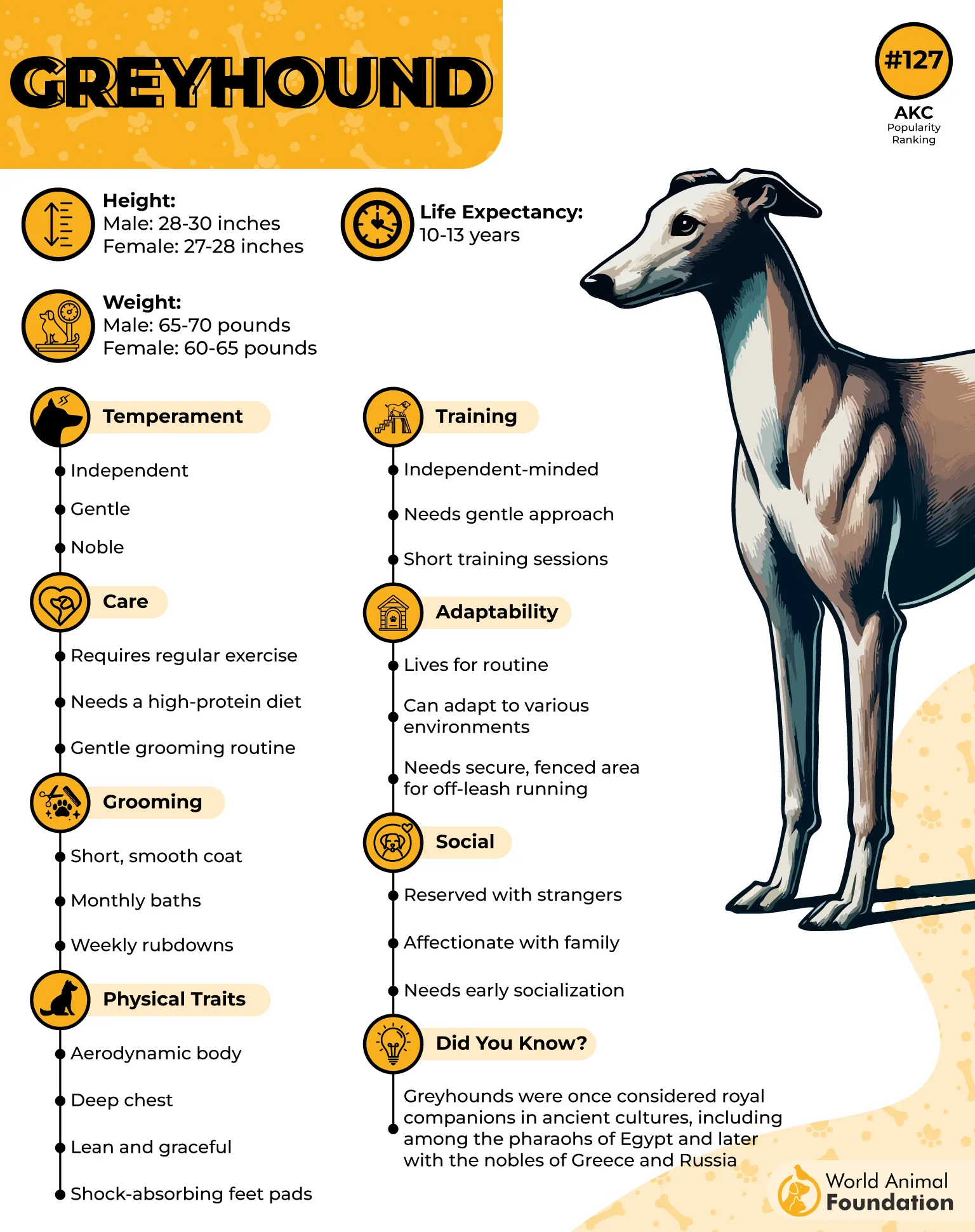
Greyhounds are affectionate with their families but can be reserved around strangers. They usually get along well with other dogs and are often tolerant of children. Despite their athletic build, they do not need hours of exercise.
They are sprinters who prefer short bursts of running followed by plenty of rest. Their quiet nature and “40 mph couch potato” reputation make them an interesting choice for people who want a large but laid-back companion.
A Strong Instinct to Chase
Greyhounds have a powerful prey drive, so their hunting instincts should not be overlooked. They may chase small animals and can be difficult to trust around pets such as rabbits.
They also need a safe place to run, even though they do not require long exercise sessions. Their short, smooth coats shed moderately and need little grooming.
5. Lhasa Apso
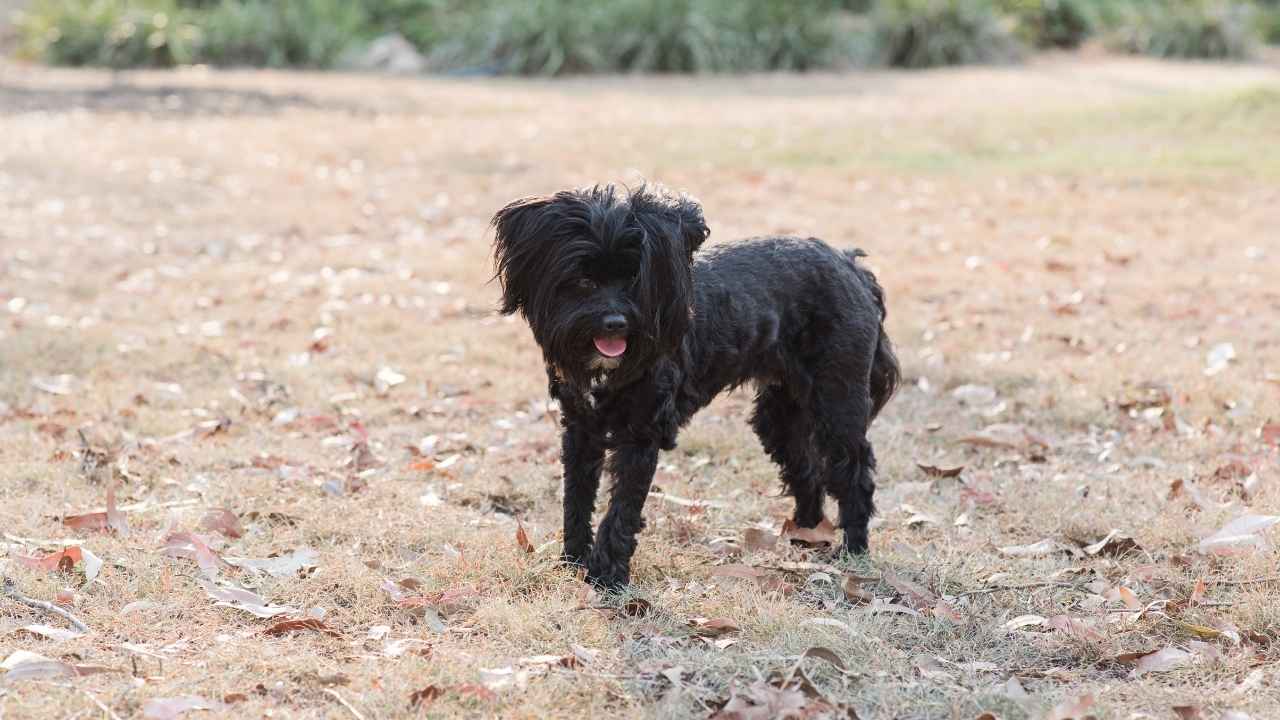
Lhasa Apsos are one of the oldest dog breeds, with roots in Tibet dating back thousands of years. They were bred to guard Buddhist monasteries and alert monks when strangers approached. Their long, thick coats helped protect them from the cold Himalayan climate.
The name Lhasa comes from Tibet’s capital, while “Apso” is often translated as “bearded.” Today, these small dogs are loyal and affectionate companions.
Alert but Independent
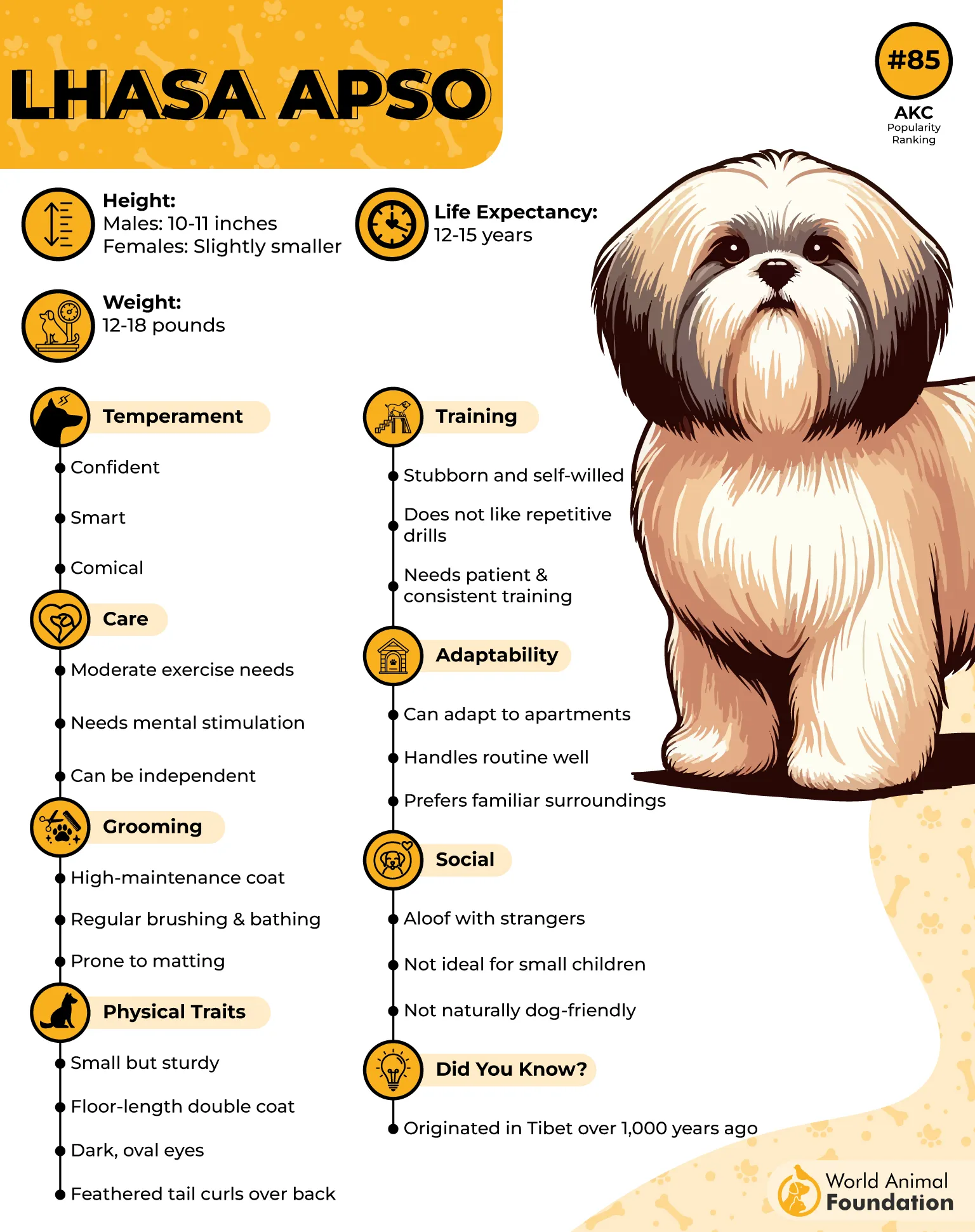
Lhasa Apsos are intelligent, curious, energetic, and playful. They are naturally alert and can be wary of strangers. Their sharp hearing and watchdog instincts can make them vocal, but training can help reduce unnecessary barking.
They are devoted to people they know and enjoy both lap cuddles and watching everything from a high spot on the sofa. They can also get along fairly well with other dogs and pets.
Training and Grooming
Britannica says Lhasa Apsos are independent and can be stubborn, so training takes patience and consistency. Positive training works well and can make the process more rewarding. Their playful minds also need daily interaction and mental stimulation to prevent boredom.
They can manage short periods without company and usually do well with simple daily walks. Their long, luxurious coats need regular brushing and grooming, although a shorter “puppy cut” can make maintenance easier.
6. Basenji
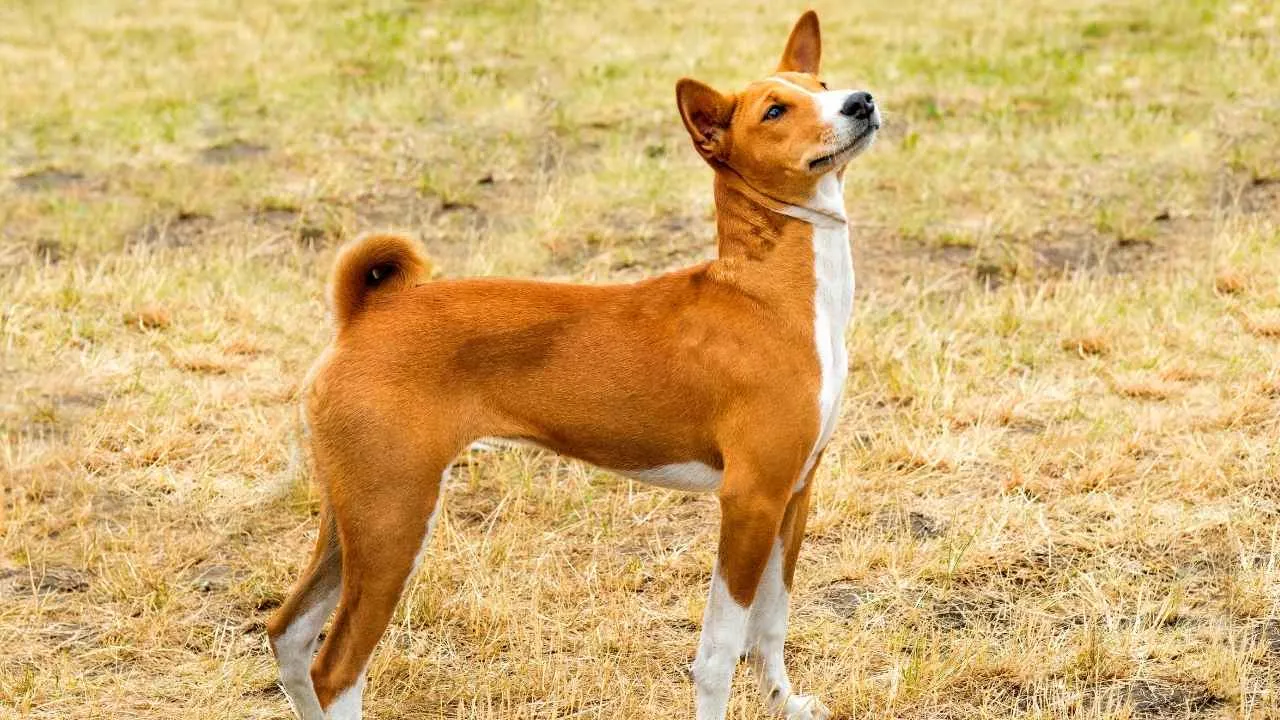
Basenjis are an ancient breed from Africa, with roots that may date back thousands of years. Ancient artwork, including paintings from Libya and Egypt, shows Basenji-type dogs living alongside people as hunting companions.
They were bred to hunt in packs and became known for their unique, quiet nature. Today, they are still fascinating companions with their catlike habits, graceful build, and famous yodeling sound.
Generally Quiet but Full of Personality
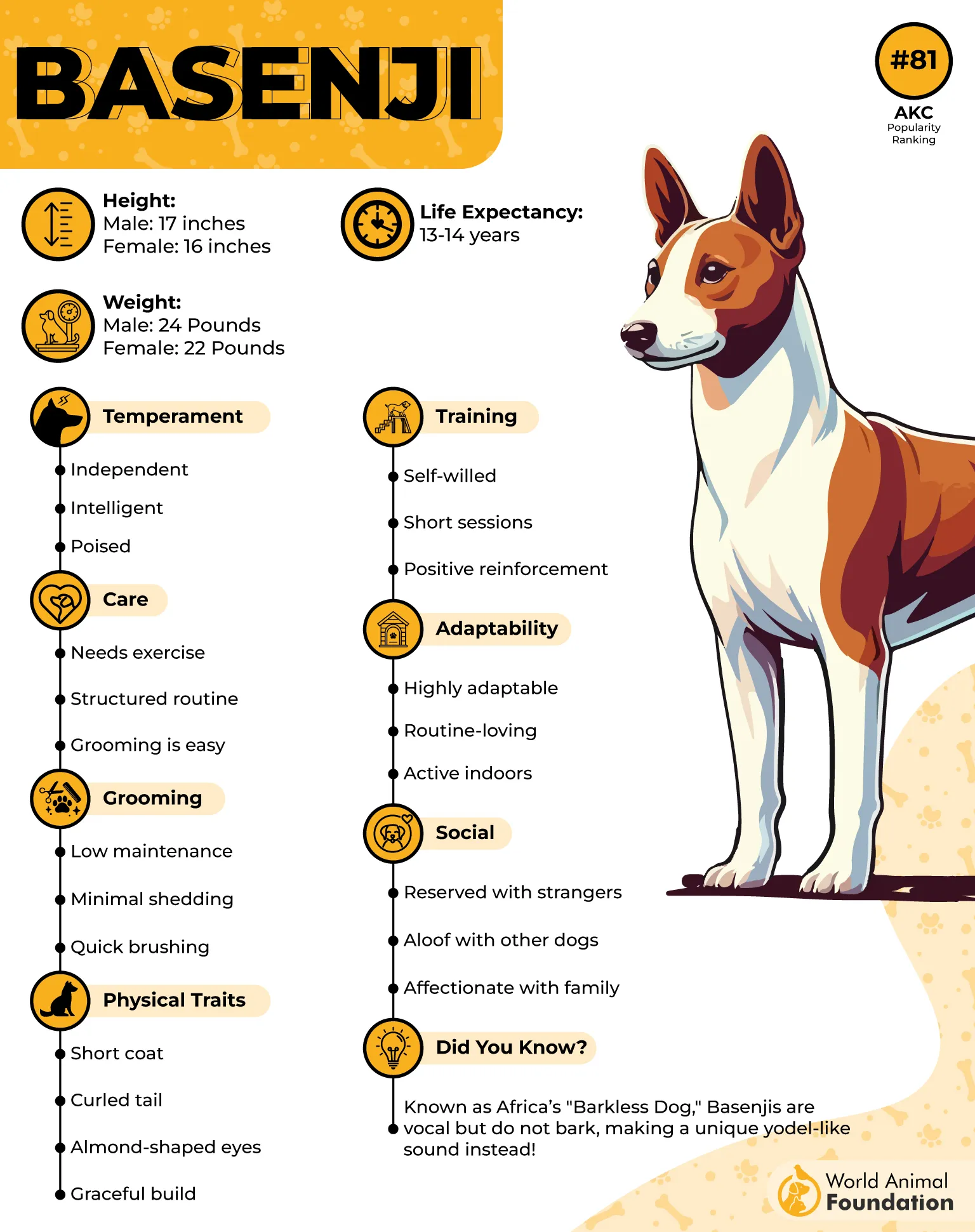
Basenjis are often called “barkless dogs” because they do not bark like most breeds. Instead, they may yodel, chortle, or make other unusual sounds when excited.
They are affectionate with their family members but can be aloof with strangers. They are clever, curious, and highly independent, so they are not always easy to train. Early socialization can help them get along with people and other dogs.
Exercise and Daily Care
Basenjis are active dogs that need daily play, training, or a good run. Without enough exercise and mental stimulation, they can become bored and turn to chewing or digging. Their strong prey drive also means they should be kept on a leash or in a secure area outdoors.
They are remarkably clean and often groom themselves like cats. Despite their quiet nature, they do not enjoy being left alone for long periods and may suffer from separation anxiety.
7. Shiba Inu
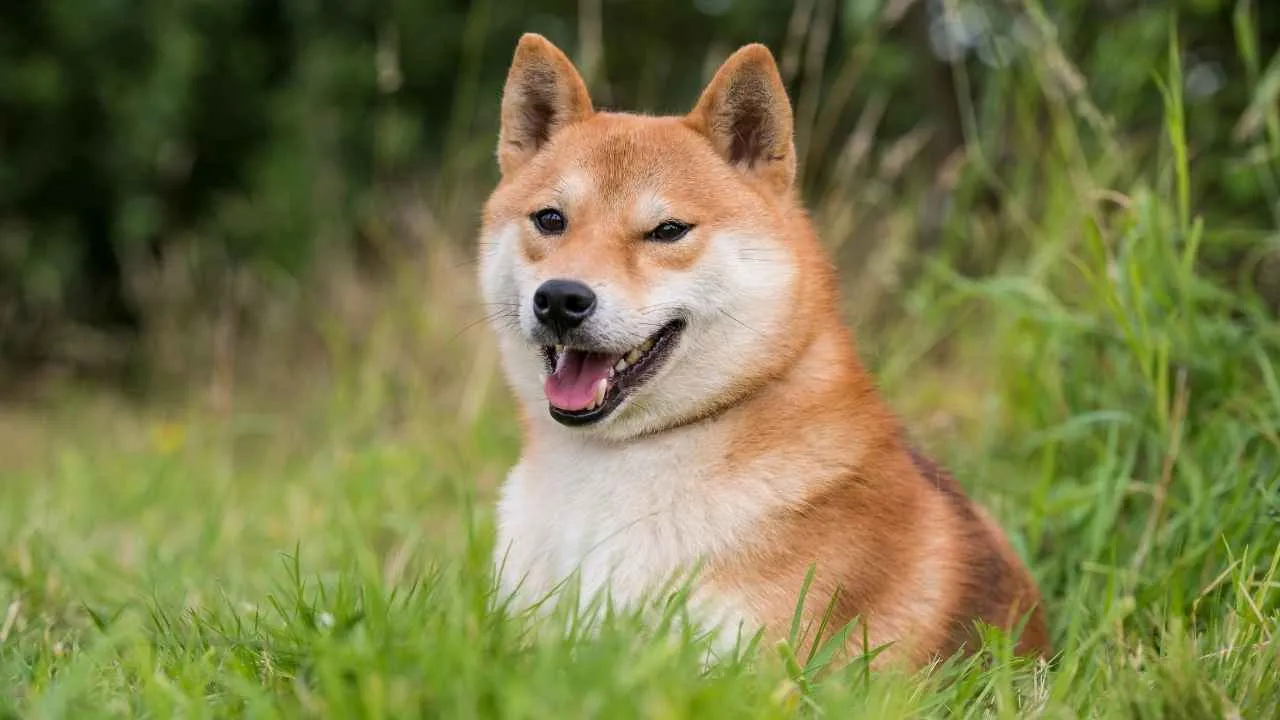
Shiba Inus are an ancient Japanese breed originally bred to hunt birds, small game, and even wild boar. Their hunting background helped shape their bold, alert, and independent nature. Today, these fox-like dogs are just as happy enjoying home life, although their curious instincts are still very much present.
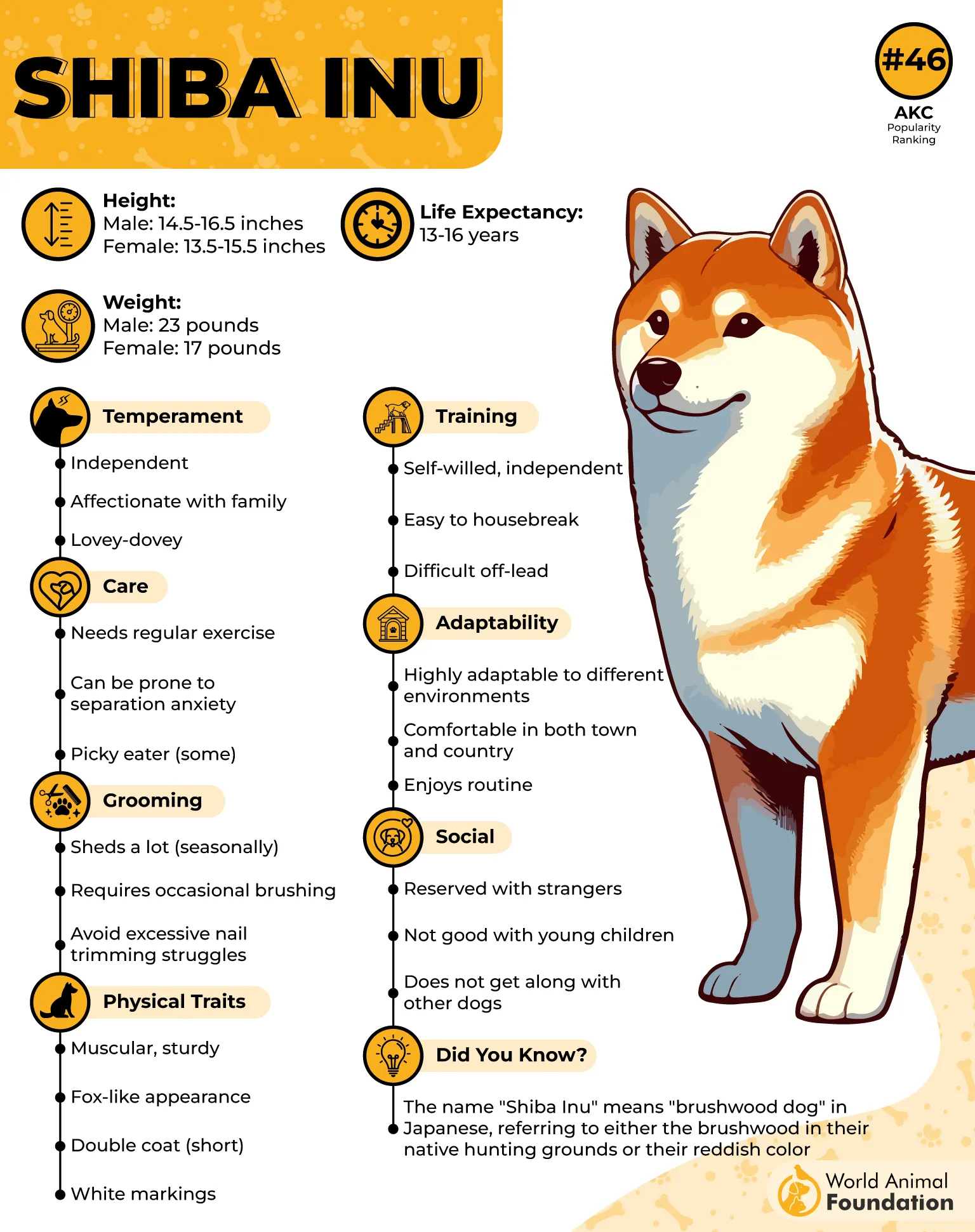
Bold and Independent
Shiba Inus are intelligent, confident, and energetic. They can be friendly with their families but often remain reserved around strangers. Their independent personality can make training challenging, so patience, consistency, and positive reinforcement are important.
Exercise and Grooming
Shibas enjoy daily walks and activities, but their curious hunting instincts mean they should not be trusted off-leash outside a secure area.
They can adapt well to both city and country living and are usually quick to become housebroken. Their double coats shed heavily and need regular grooming. They can also be excellent watchdogs, although some may bark more than expected.
Conclusion
To wrap up, a quieter dog can make everyday life much easier, especially in apartments or homes close to neighbors. But quietness is only part of the picture. The key is choosing a dog whose temperament fits your routine rather than simply looking for the breed that barks the least.
Before bringing one home, think honestly about how much time you can give to exercise, training, companionship, and mental stimulation. Even independent dog breeds need attention and care.
Choose thoughtfully, build a consistent routine, and you’ll be much more likely to have a peaceful home and a happy dog.
Looking for more quiet dog breeds? You can also check out the Bernese Mountain Dog, Cavalier King Charles Spaniel, Chinese Shar Pei, Shih Tzu, Scottish Terrier, Great Pyrenees, Great Dane, and Saint Bernard.
