




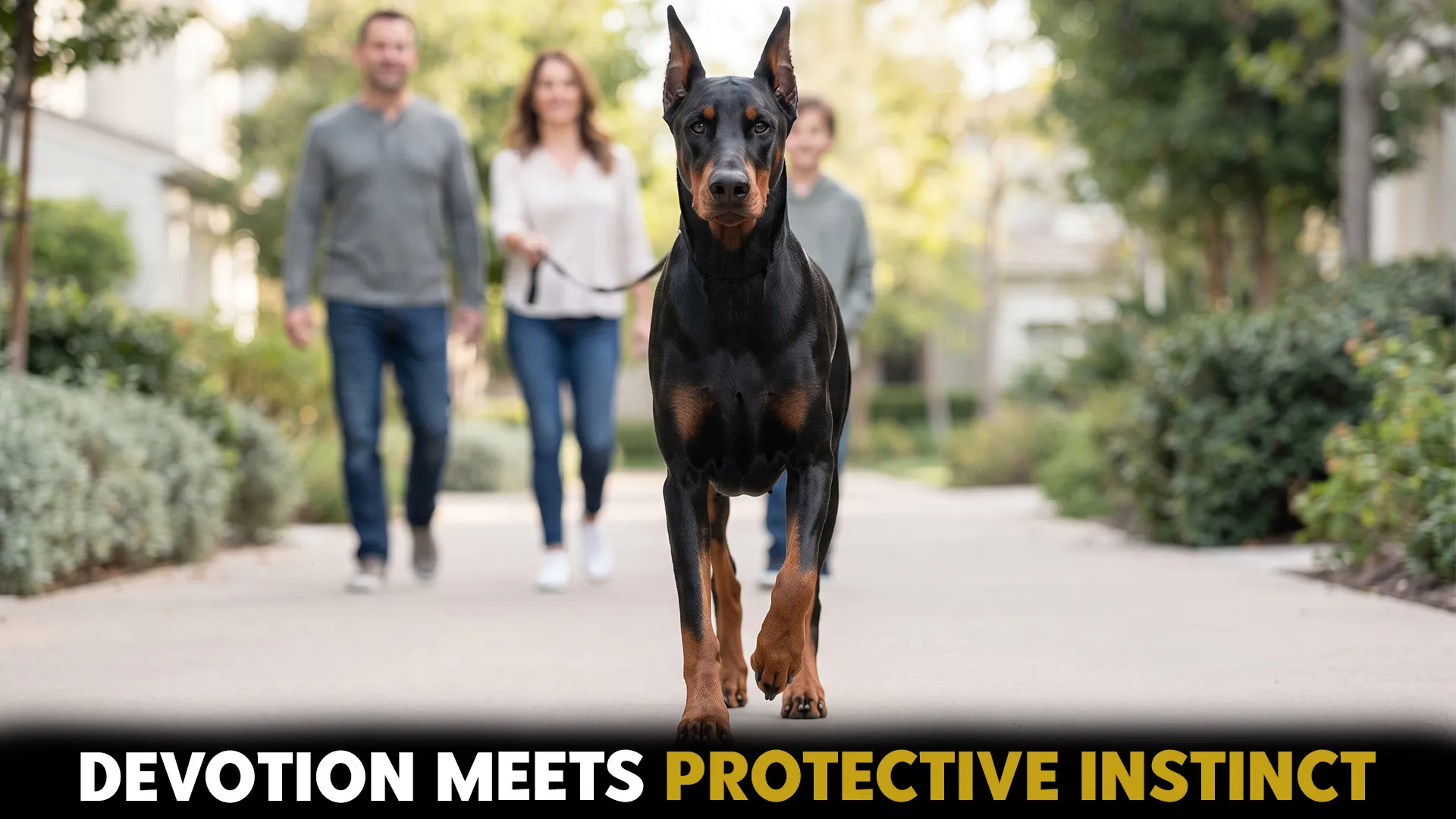
A good guard dog is not simply a dog that looks tough. The right one should know when to stay calm, notice something unusual, and remain steady around the people it loves.
That is why choosing a fiercely protective breed takes more thought than picking the biggest dog in the room. Choosing the best family protection dog isn’t as simple as picking a single breed.
Some are naturally watchful, while others shine through training, confidence, and close family bonds. But here is the catch: protection should never mean uncontrolled aggression. A well-socialized dog should be manageable, responsive, and able to settle when there is no genuine threat.
Let’s look at what makes each of these family guard dog breeds worth considering.
Protective Dog Breeds Every Family Should Consider
1. Akita
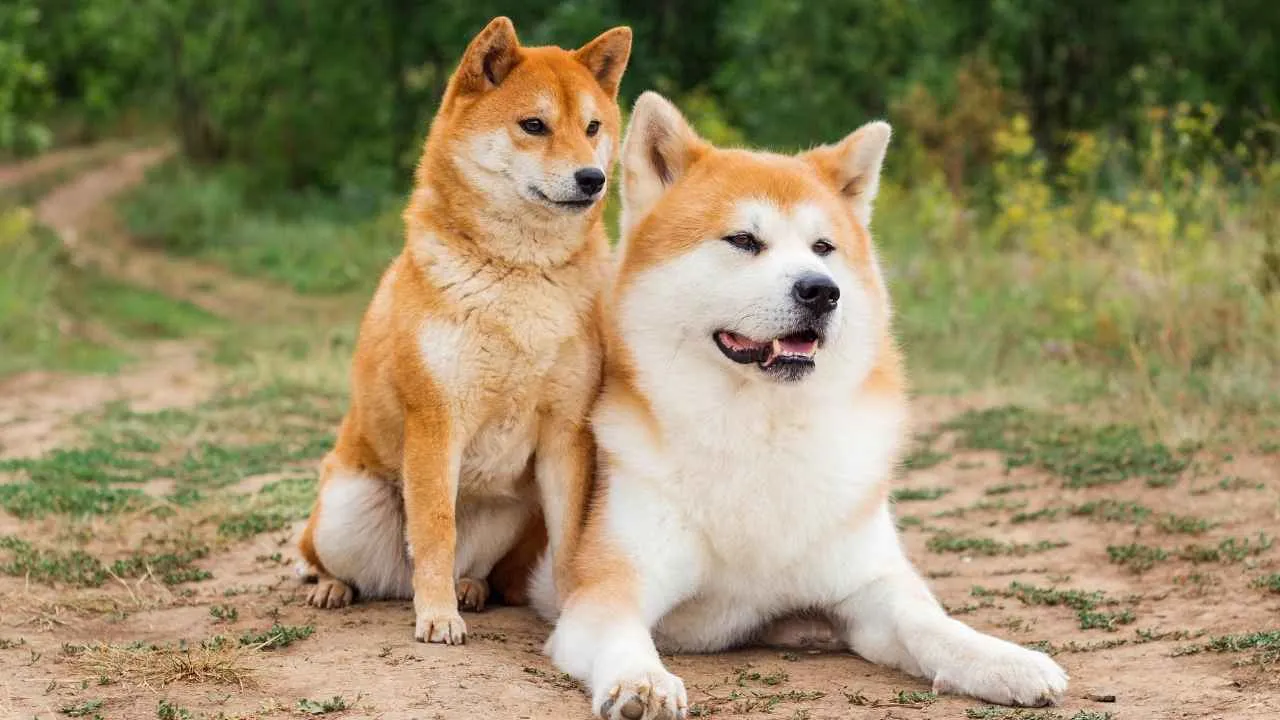
Originally bred a millennium ago as a hunting dog in northern Japan, the Akita was later adopted by the royalty as a protection dog. This large dog gained popularity in the United States after a famous author, Helen Keller, visited the country in 1937, according to Orvis.
Being independent in nature, it does not rely on its handler’s instructions and can spend hours alone, patrolling or watching the entry points of the house. It has a strong bite inhibition instinct, yet it has an incredible jaw structure. It can detect stress pheromones in humans and read body language.
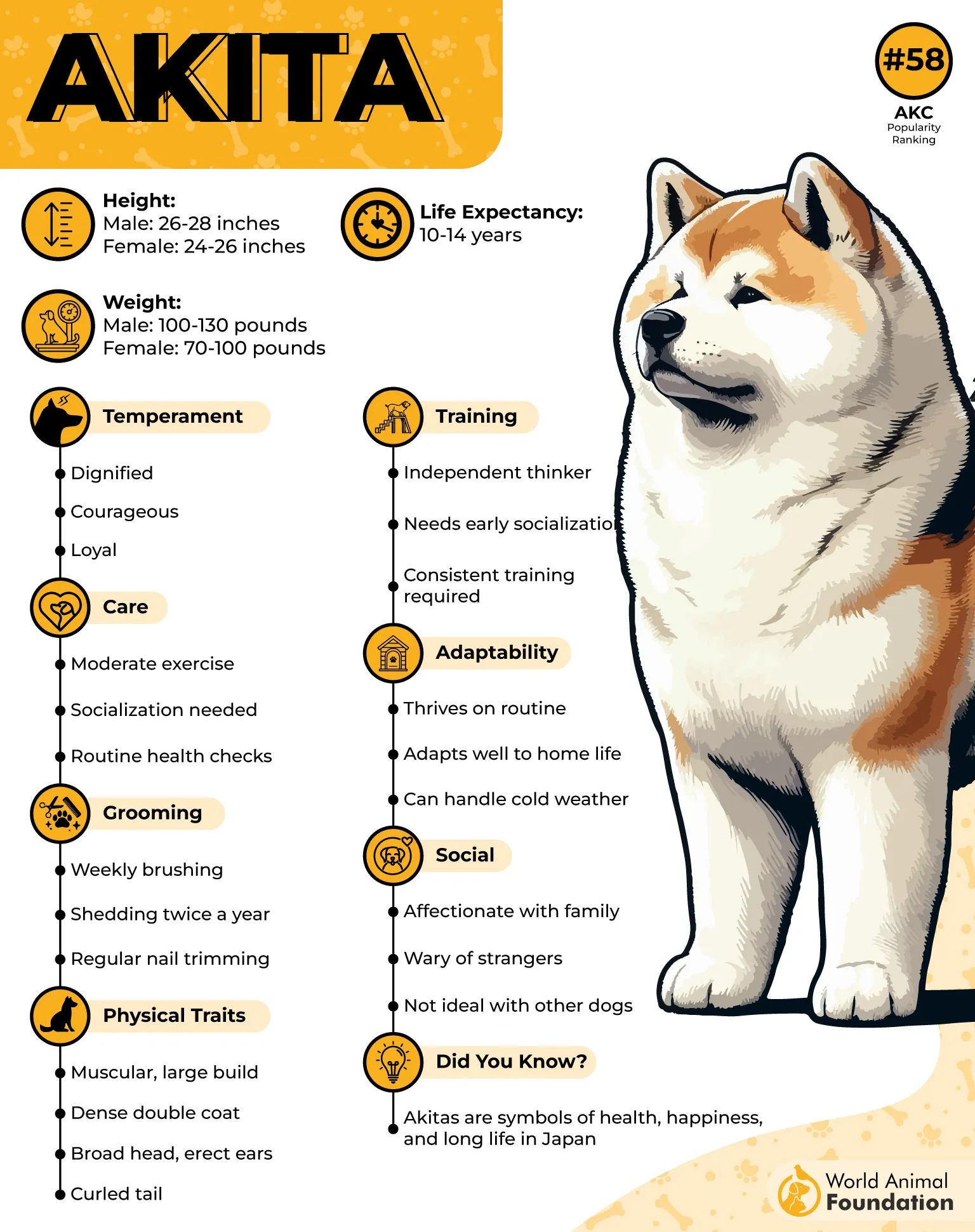
It initially uses its sheer size and stoic posture as a visual deterrent, then acts as a body blocker, and bites only in defence. It tends to patrol the boundary quietly and produces a low-frequency bark to alert the owner.
2. Bullmastiff
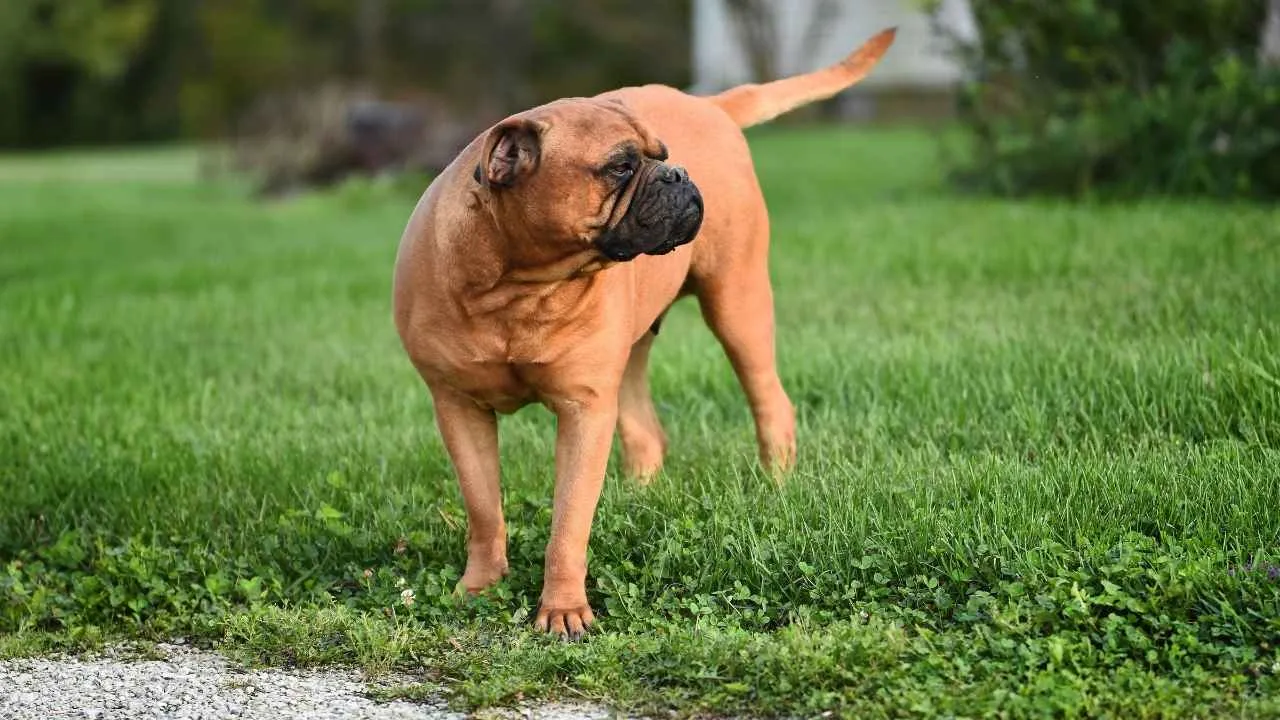
The wealthy in England developed this breed to watch over the flock and warn off strangers by crossing the English Bulldog and the Mastiff in the 19th century. With its unique coat that consists of tiger stripes, it creates camouflage at night to catch poachers.
It has a wrinkled forehead, a square muzzle, and a powerful jaw that provide immense gripping strength and neutralize the attacker’s movement. Naturally protective instincts combined with strong bonds with family members enable it to distinguish between harmless strangers and potential threats.
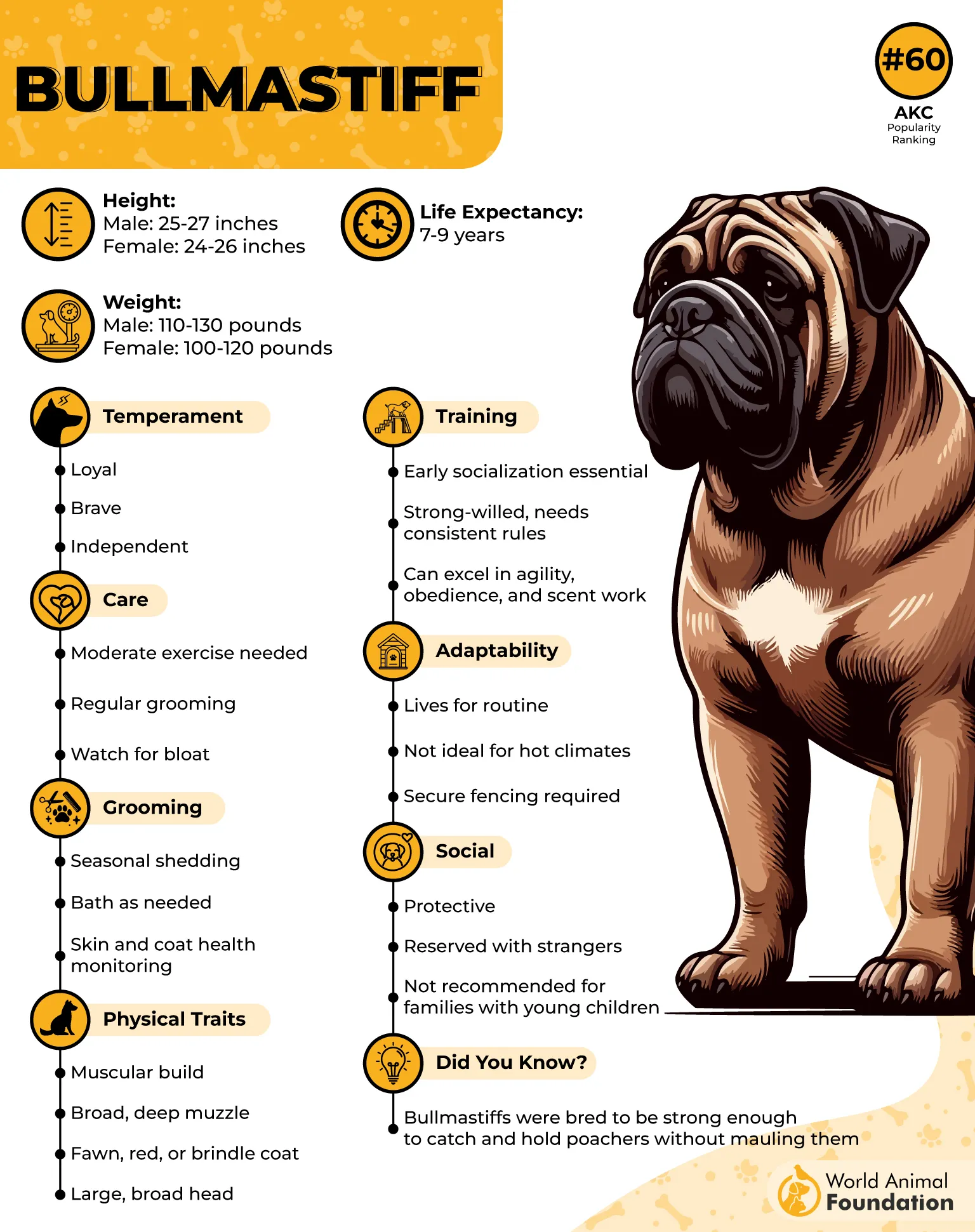
It has a calculated threshold for reactivity and does not panic easily. This guard dog breed actively monitors access points and fences because of its strong territorial instincts.
3. Doberman Pinscher
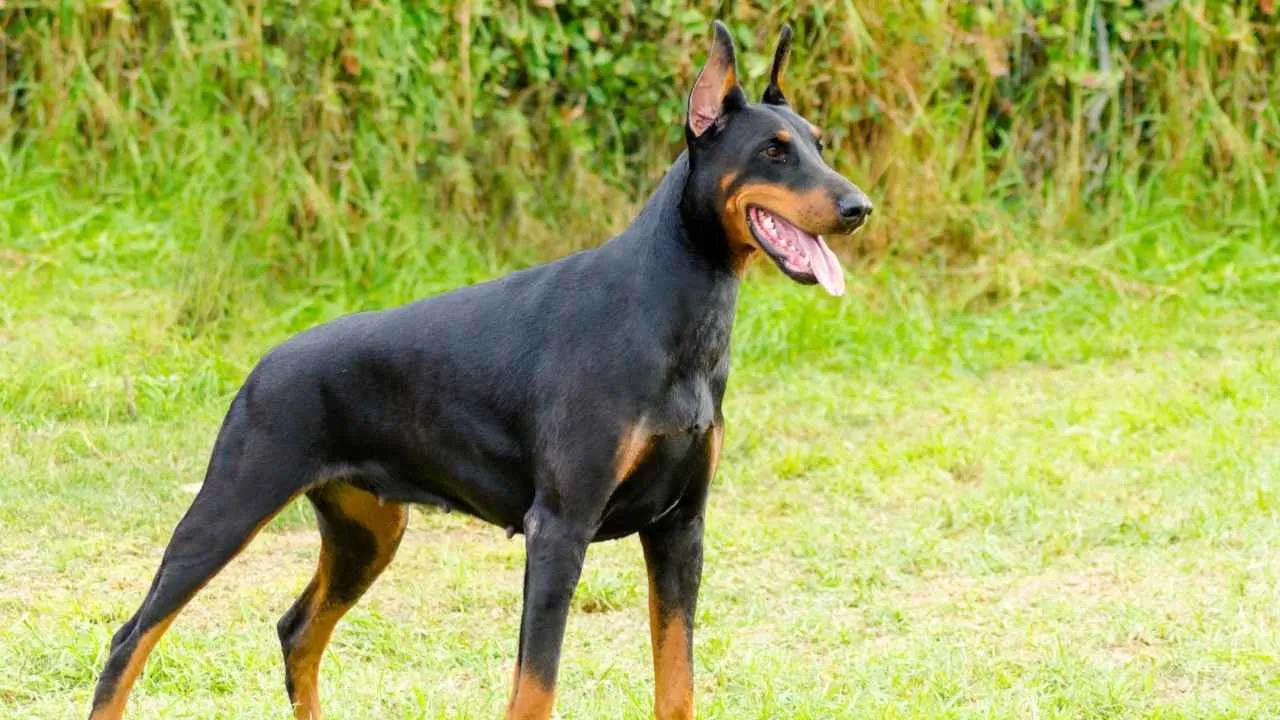
This family protection dog was originally bred in Germany in the 19th century by a German tax collector, Karl Friedrich Louis Dobermann, to protect his tax money from robbers. It is believed the loving family pet was bred by crossing German Pinscher, Black and Tan Terrier, and the Rottweiler, as reported by Orvis.
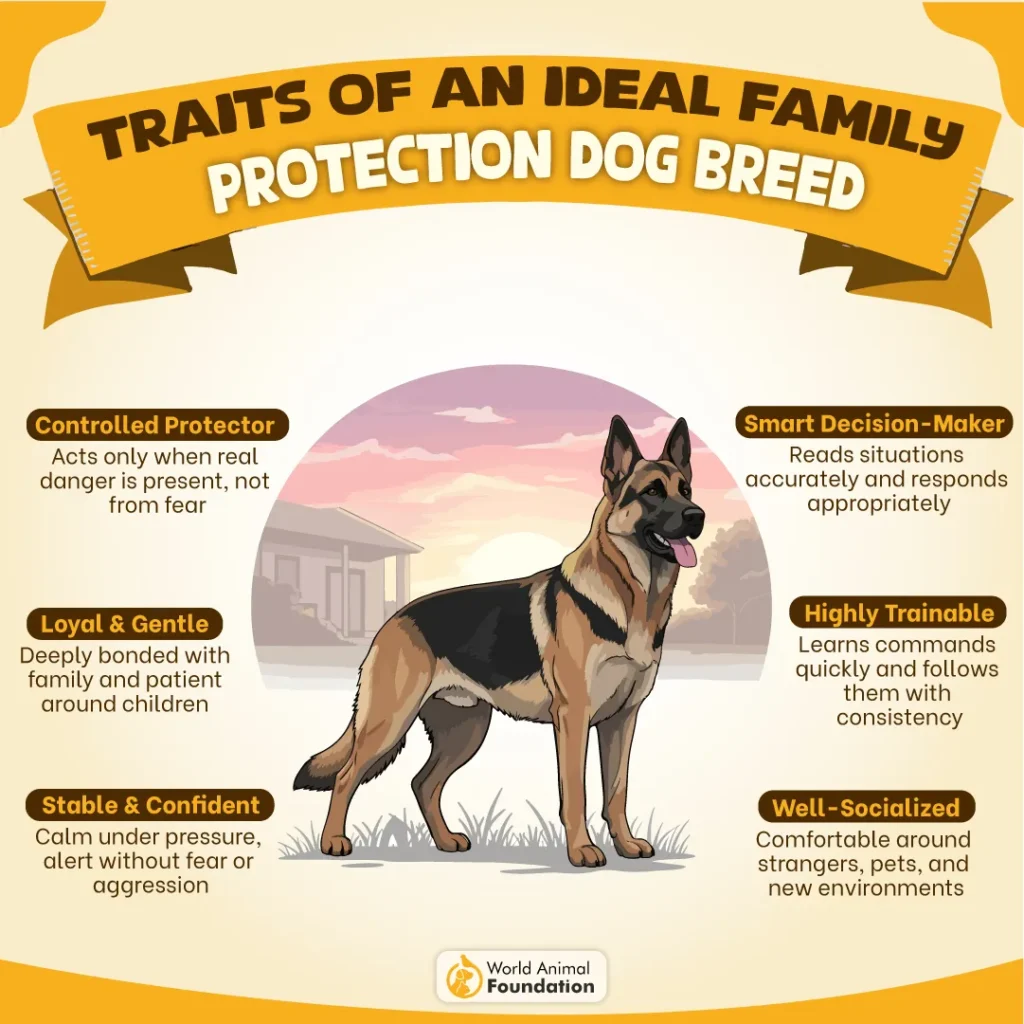
The wide jaw houses 42 incisor teeth that exhibit a perfect scissor bite. It is adapted to light, fast strikes in rapid succession rather than ‘locking down.’ With its angular hindquarters and straight forequarters, the breed excels in rapid cornering and chasing down intruders.
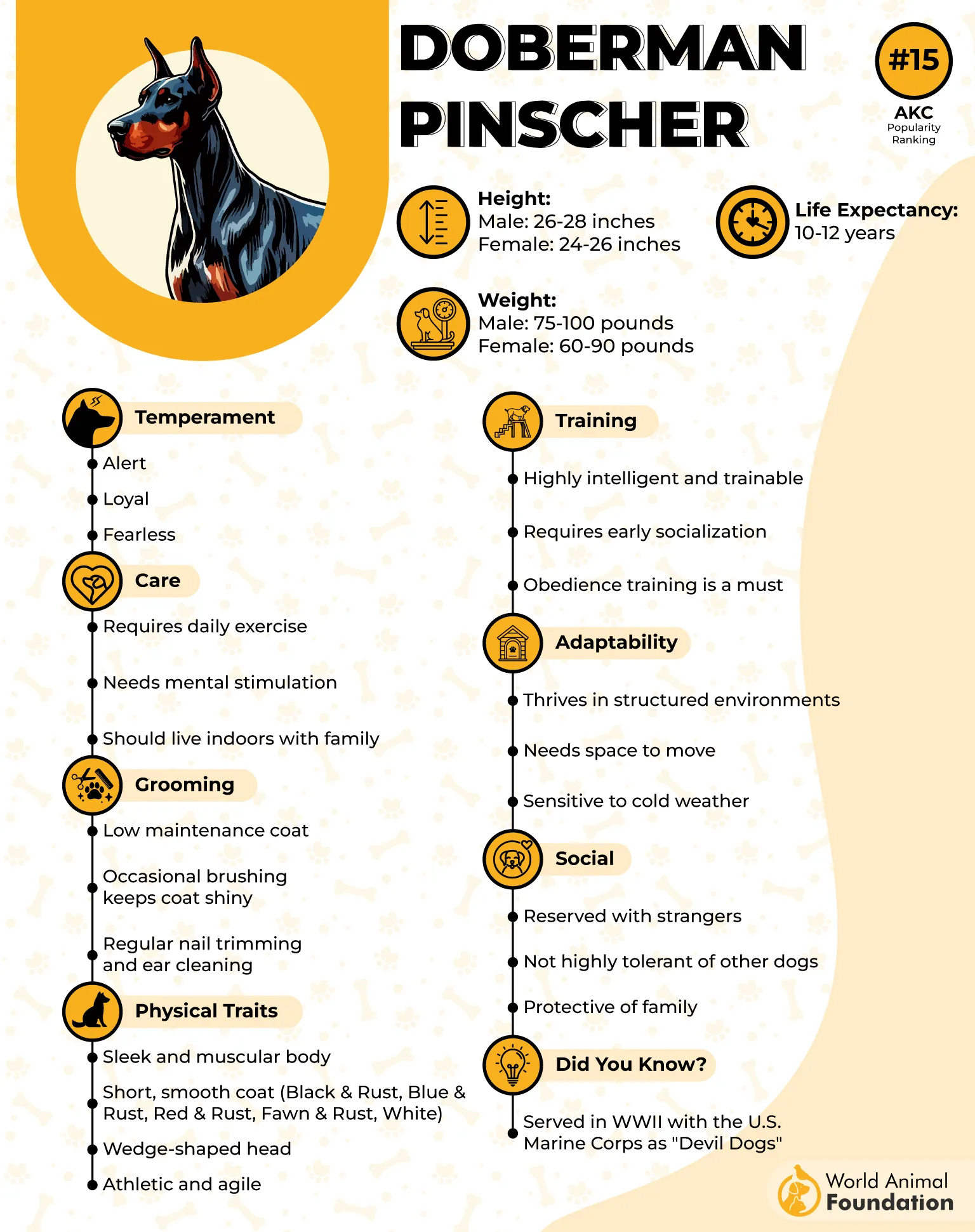
It has an incredible sense of smell and hearing. Thus, it maps out the home layout and entry gates to pay close attention. Since it was bred for high speed and agility, the breed can also be used as an ideal protection dog.
4. Rottweiler
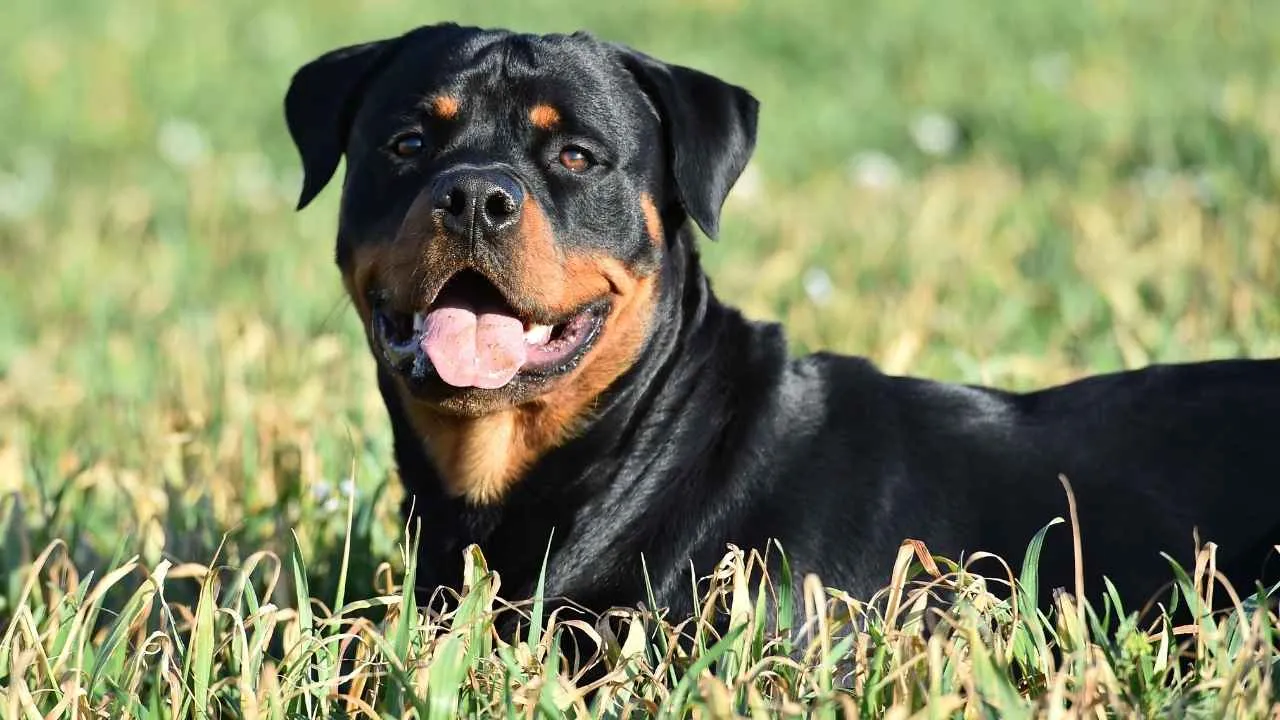
The history dates back to ancient Rome, when this breed was developed from Mastiffs. The primary purpose was to serve as a drover dog who herded livestock for the Roman army. Later, it ended up in Germany, where it was used as a police dog and to pull heavy meat carts to the market.
It has deeply muscled hindquarters that grant it explosive acceleration. Its high intelligence enables it to identify structural boundaries and retain excellent tracking.
It quietly evaluates its surroundings and only reacts when needed. Since it excels in sports like Schutzhund, it knows exactly when to protect, track, and follow commands.
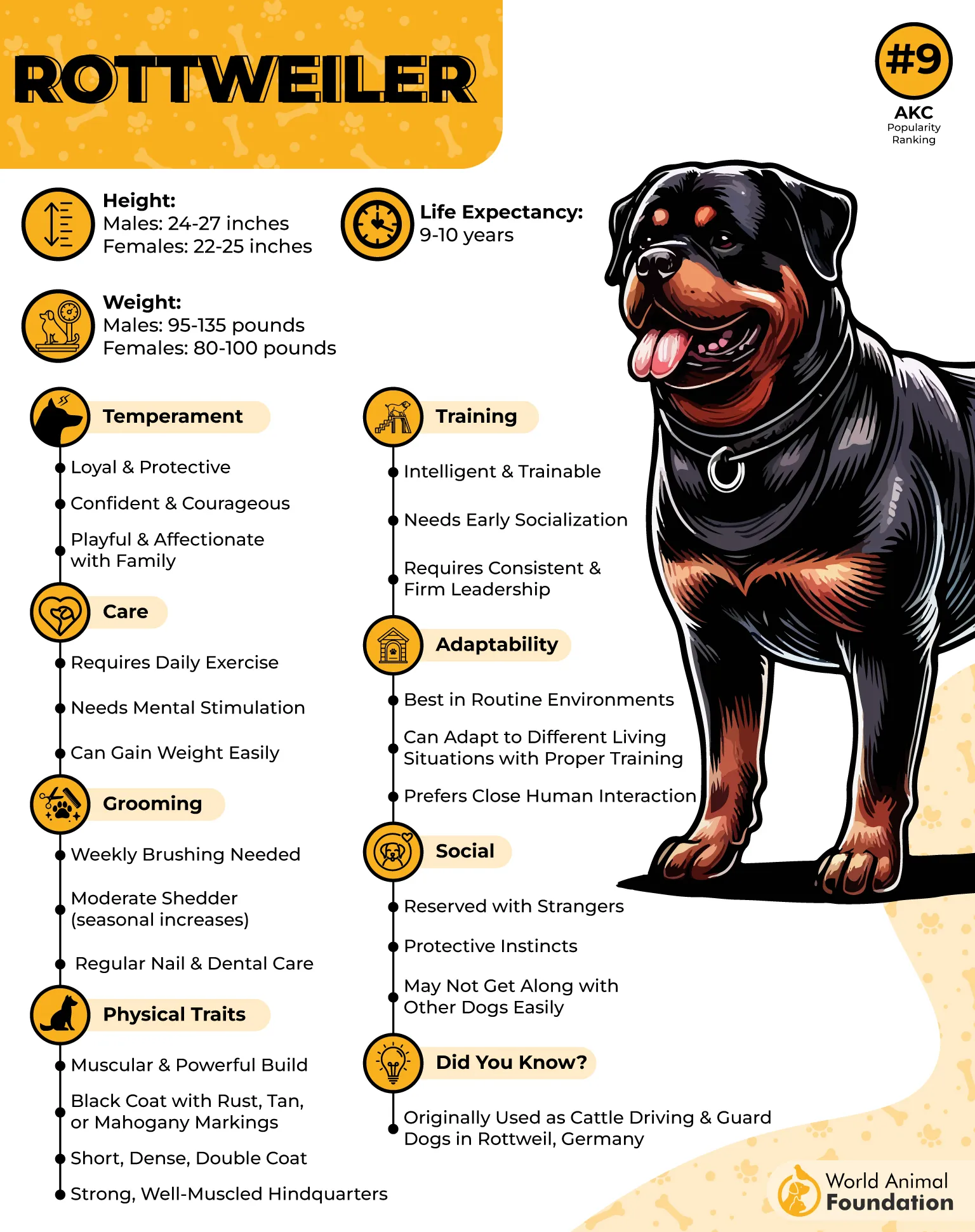
This excellent guard dog is recommended for experienced owners and rarely shows fear-based aggression. The incredibly loyal dog needs a constant job, proper training, and early socialization to behave properly.
5. Belgian Malinois
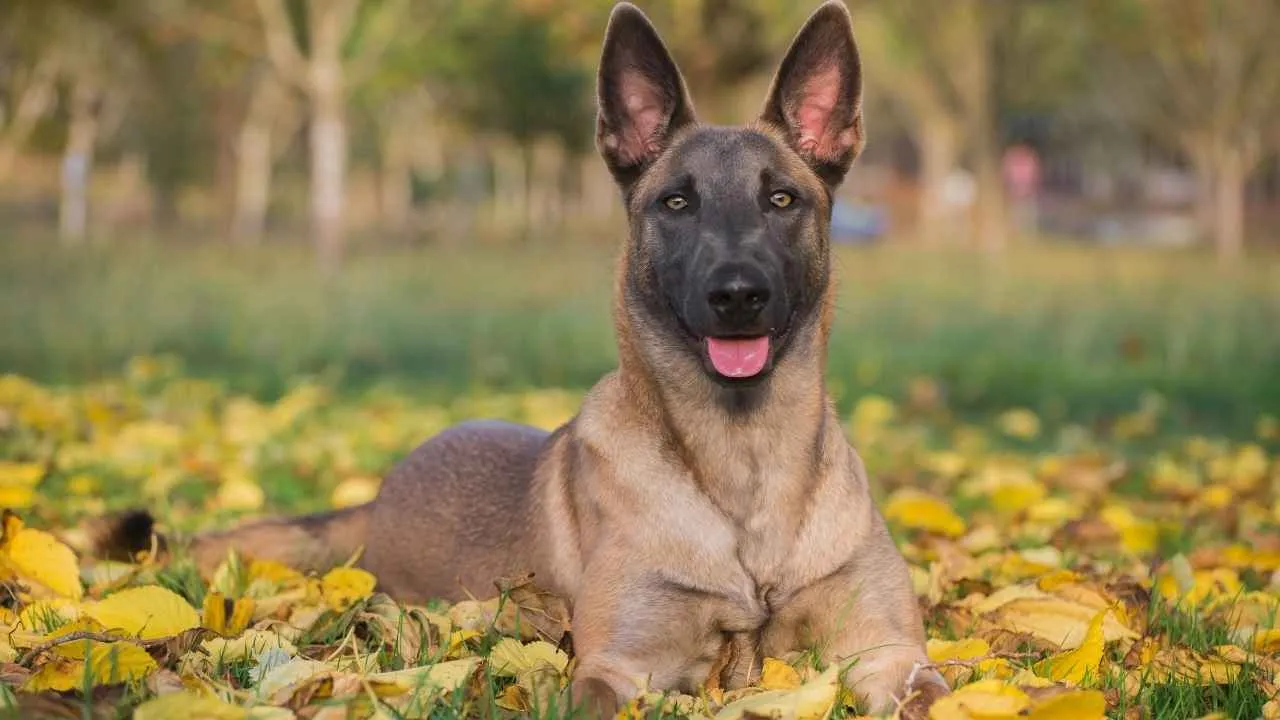
This breed was developed in the city of Mechelen in the 19th century as a herding and protection dog with a strong work ethic. It gained popularity in the United States after World War II and was officially recognized by the AKC in 1959, as per ABMC.
The square build enables rapid directional changes and high speed. With up to 300 million olfactory receptors and low-light dichromatic vision, it can detect minute environmental changes at night.
Their herding history provides a high prey drive and thus a high defense reflex. It has incredible tracking ability, which helps it excel in bomb, narcotics, and threat detection.
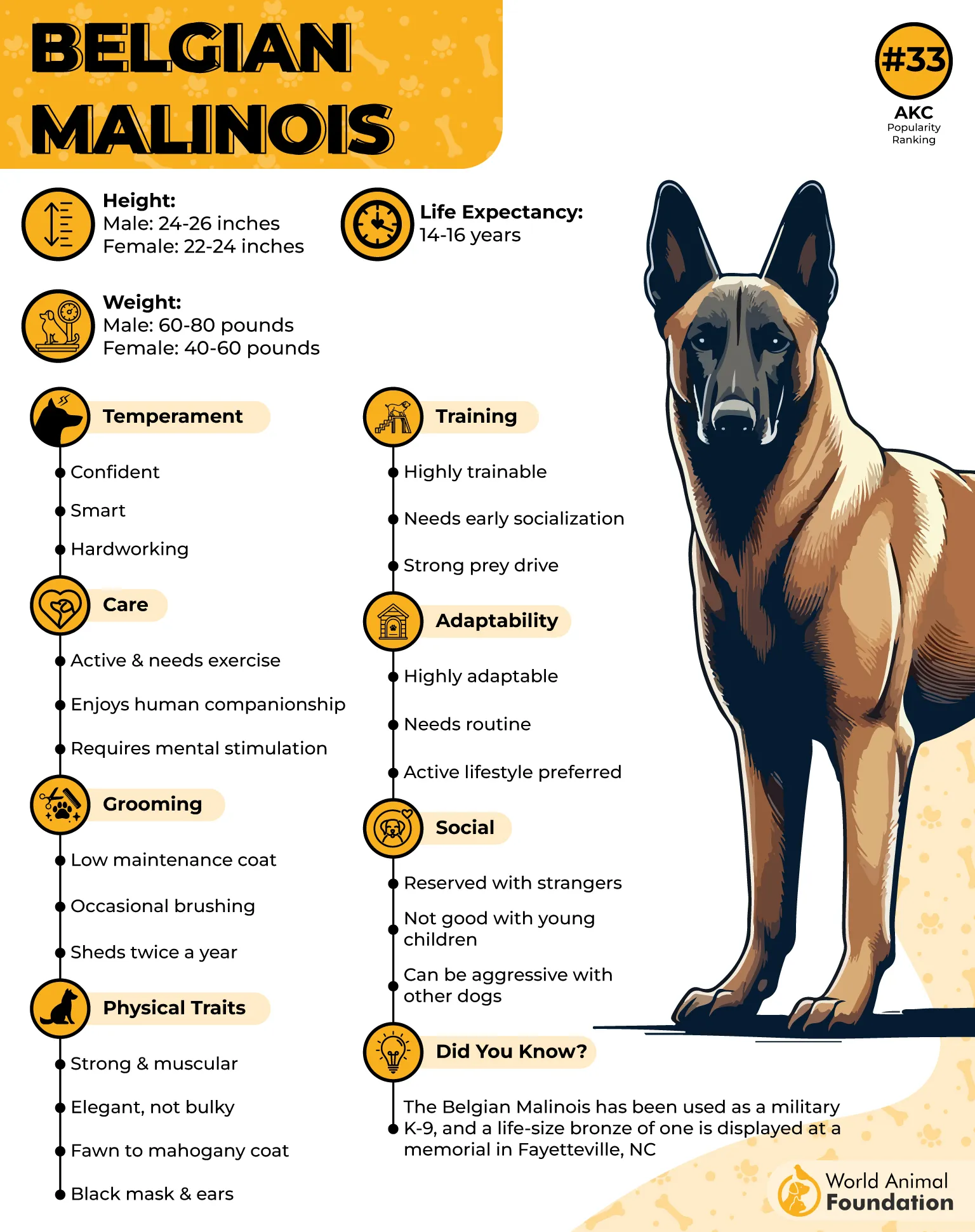
It does not easily trust strangers, but is friendly and gentle around family members. Without early training and proper socialization, it can nip at the heels of running children.
6. German Shepherd
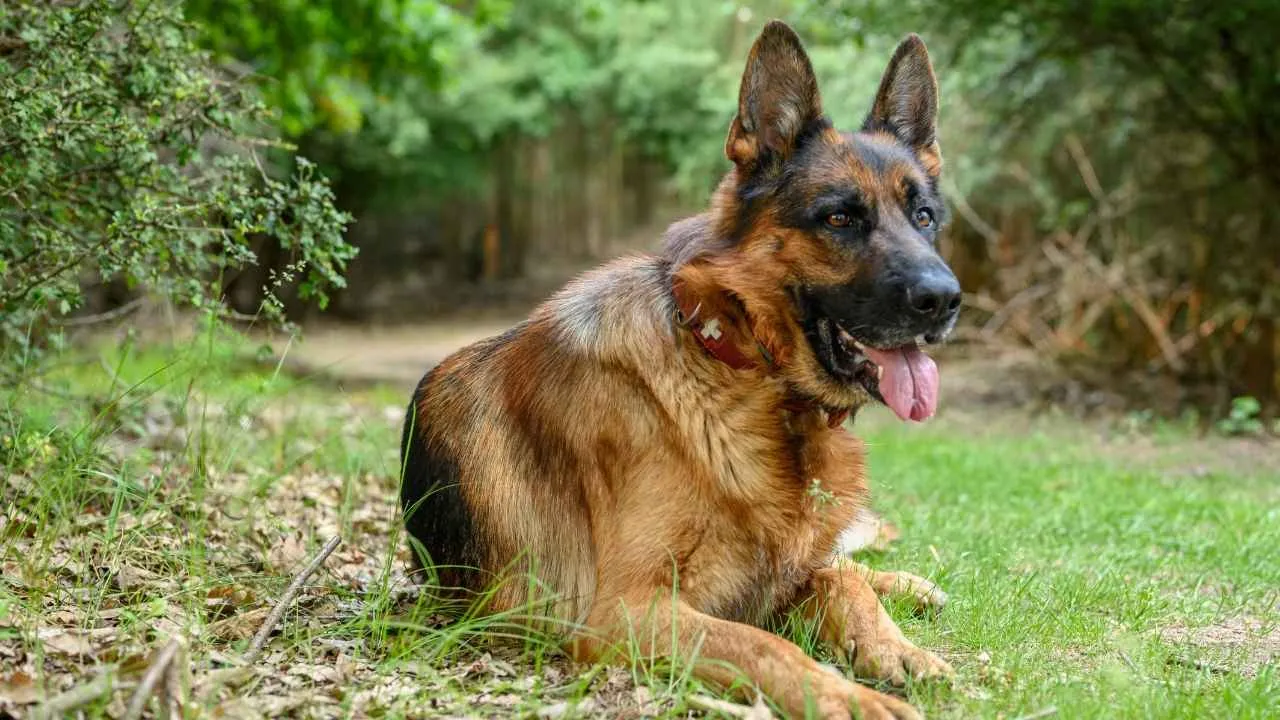
Captain Max von Stephanitz is credited with breeding this herding dog in 1899 to watch over and protect livestock from wolves. This reliable protection breed was developed by crossing various herding breeds in Germany. It was then used as a K9 and police dog in the 20th century.
This effective guard dog exhibits an athletic sprint at 30 mph, absorbing high impact in high-pressure cases. With its high low-light night vision, it can patrol boundaries efficiently at night. Because of its high emotional stability and fearlessness, it does not panic with loud noises or chaos.
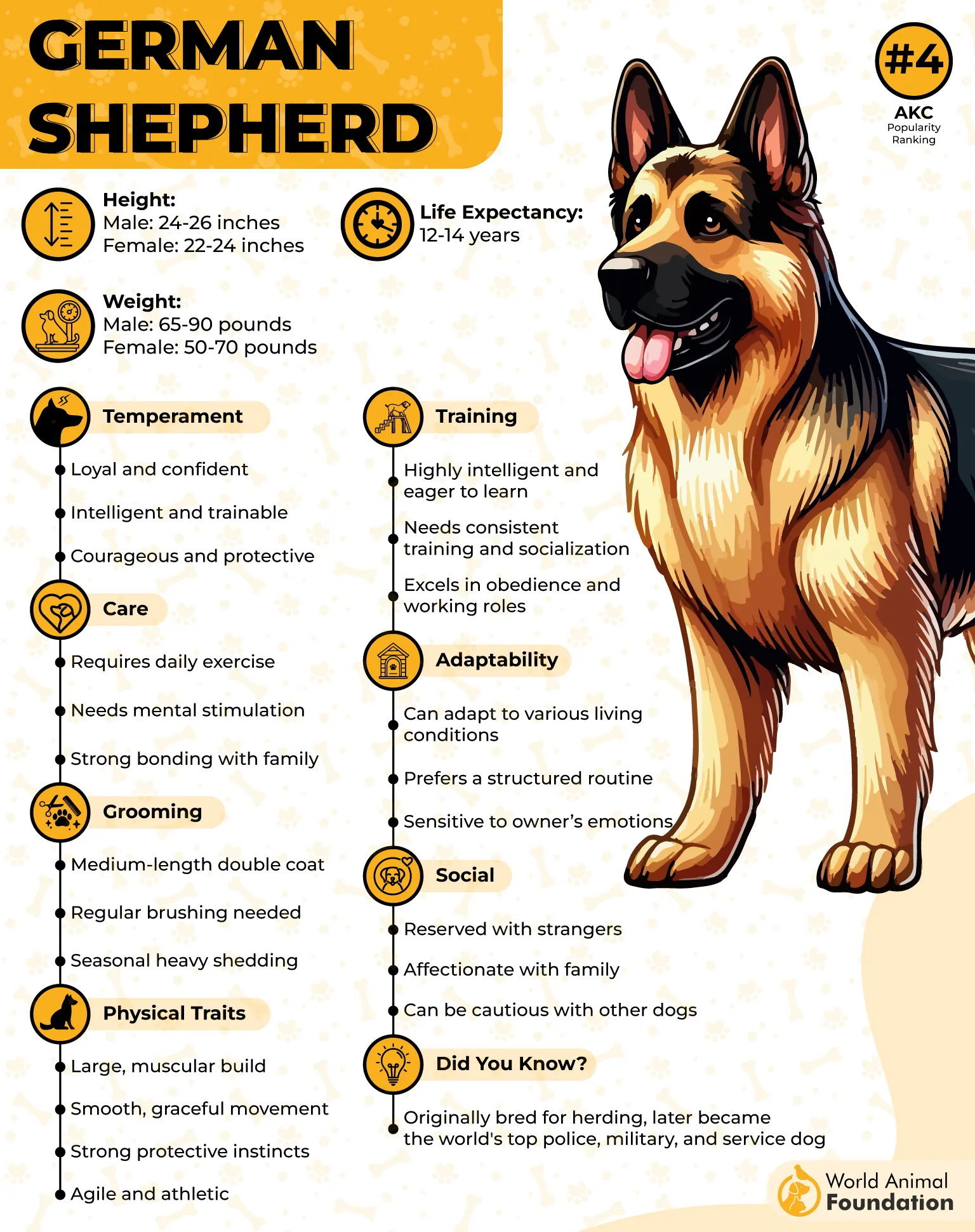
It adopts three types of protection strategies: passive deterrence (deep bark and territorial boundary), active detection (early noise alert, scent tracking, and night vision), and controlled defense (physical interception and command obedience).
7. Giant Schnauzer
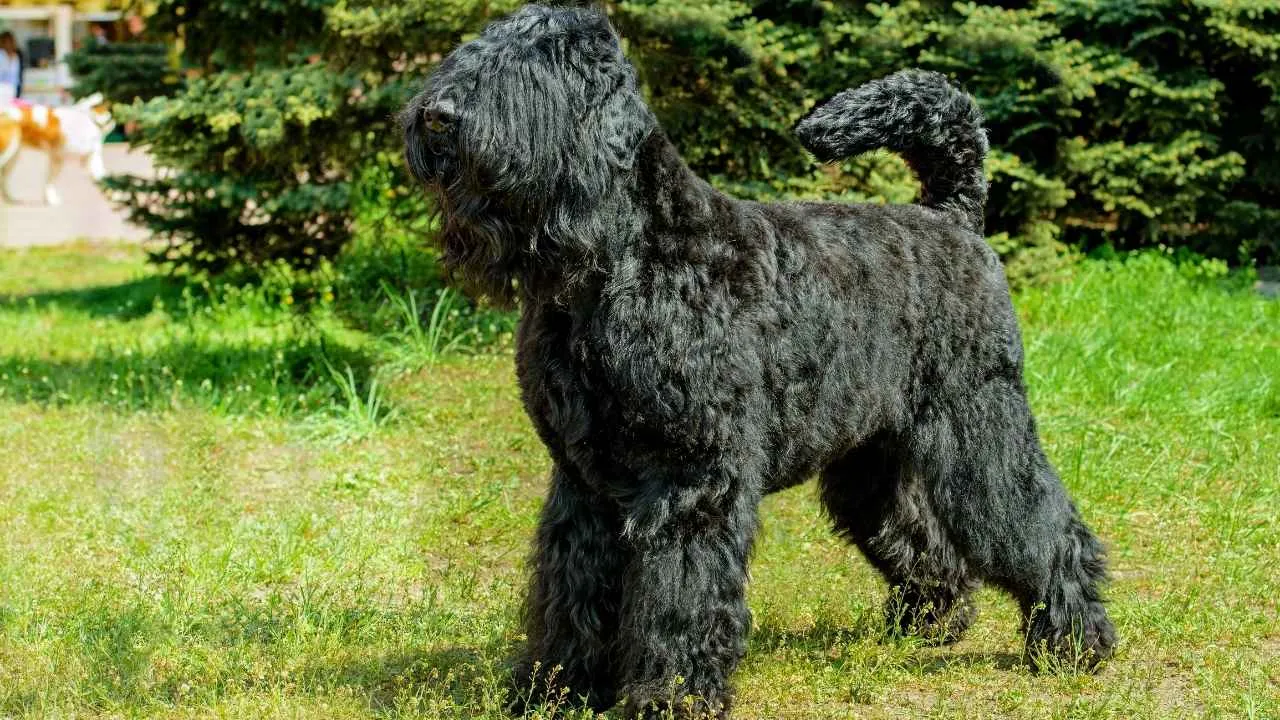
This breed was originally developed in Germany in the mid 18th century by farmers from the Standard Schnauzer. Also named ‘Riesenschnauzer’ in the native country, this large breed was designed to move cattle from farms to distant markets.
The breed runs at a high speed of 28 mph and can patrol 10 miles. It has high working intelligence and can memorize complex boundaries and operate independently without the handler’s commands. The breed does not require formal protection training and is suitable for first-time dog owners.
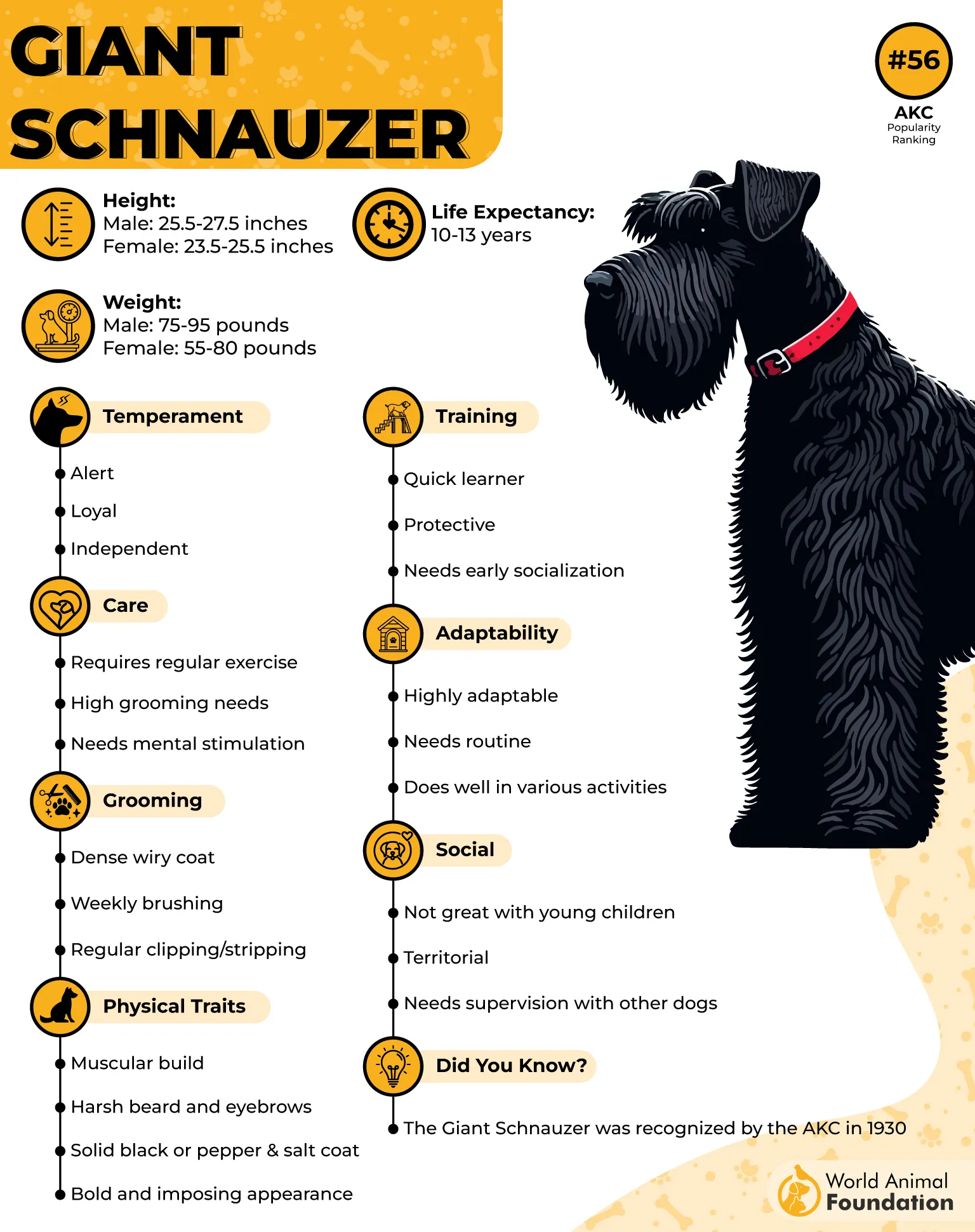
It has a dense and wiry, weather-resistant double coat that helps it endure harsh cold weather. However, the coat is hypoallergenic and has minimal grooming needs. It has an independent streak that may lead to stubbornness; thus, obedience training is important.
Conclusion
Choosing a properly trained protection dog for family life is really about finding the right balance. Strength matters, but so do temperament, trainability, socialisation, exercise needs, and your household routine.
An Akita may suit someone who appreciates independence, while a Bullmastiff offers a calmer style of companionship. A Doberman or German Shepherd may fit an active family setting that enjoys training, while the Belgian Malinois demands an especially committed lifestyle.
Rottweilers and Giant Schnauzers also bring plenty of ability, but their size and working instincts require responsible handling. The best family guardian is still a family dog first; one that can relax beside you, enjoy daily life, and respond appropriately when something truly needs attention.
