




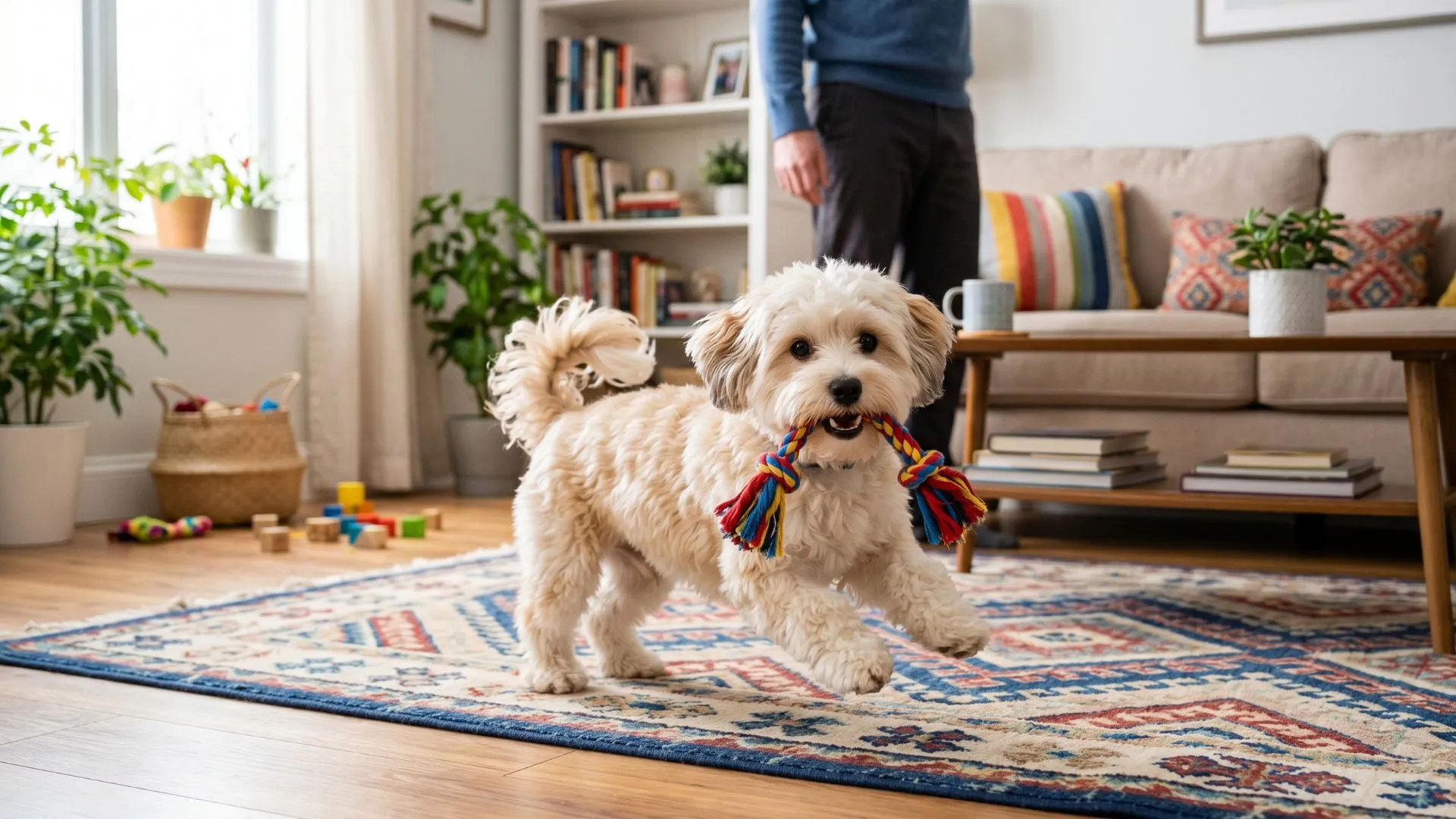
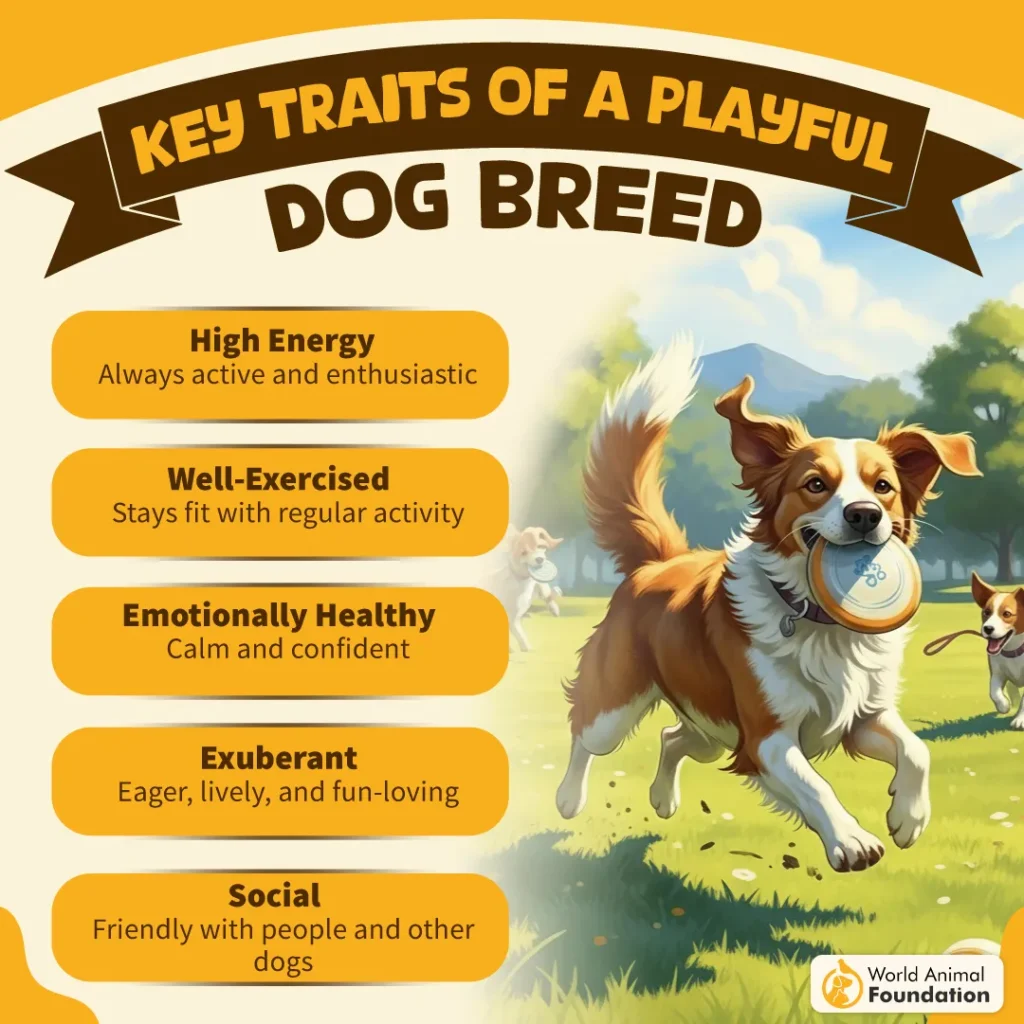
A lively home often feels even brighter with a playful dog racing through the hallway, chasing a toy, or greeting visitors like they are long-lost friends. Small dogs may be compact in size, but many of them have personalities bigger than a football stadium. They bring laughter, companionship, and endless entertainment to family and friend groups alike.
According to the American Pet Product Association, around 66% of U.S. households own a pet, showing just how important animal companions have become in everyday life. Small breeds are especially popular because they fit comfortably into many living situations while still offering plenty of energy and affection.
As actress and animal advocate Betty White once said, “Once you have had a wonderful dog, a life without one is a life diminished.” If your family enjoys fun, activity, and togetherness, these playful small dog breeds deserve a closer look.
Playful Small Dog Breeds for Lively Families and Friends
1. Papillon
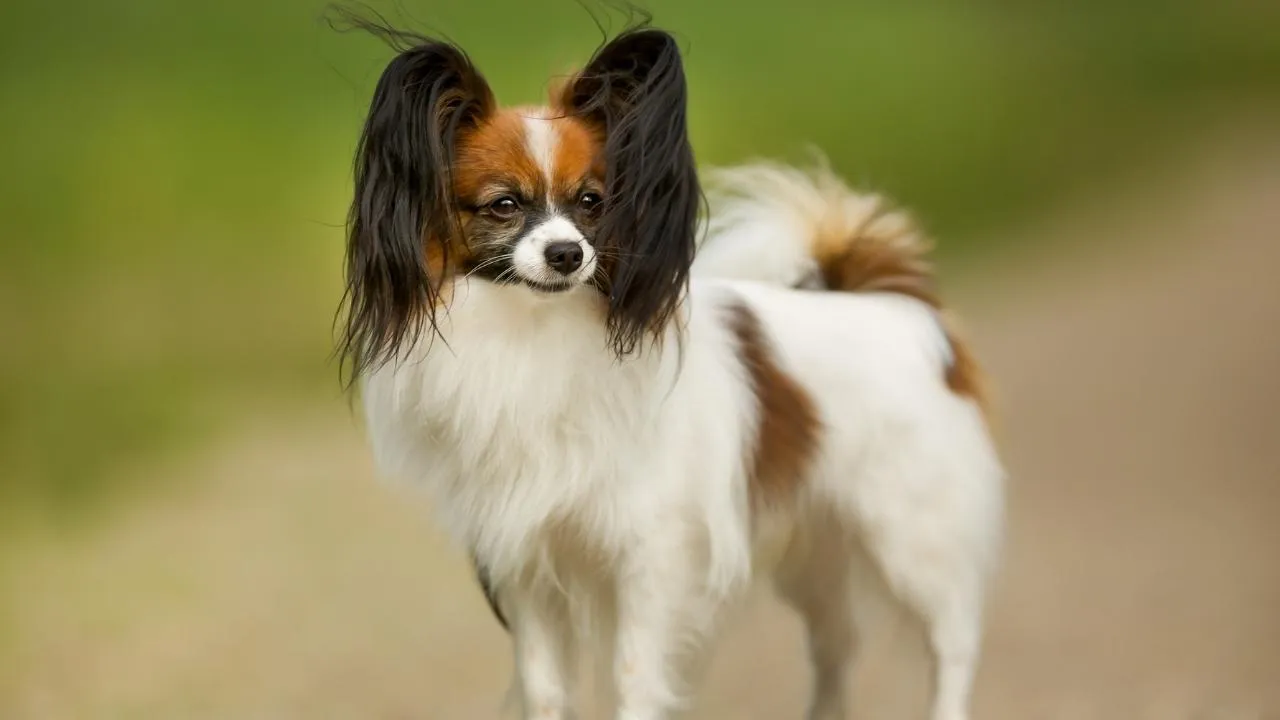
Originally bred in France and named for its signature ‘butterfly’ ears, the Papillon has also been known as a dwarf spaniel since the 13th century. It has been depicted in the ancient Spanish and Italian paintings and was also kept by famous royalty, including King Louis XIV of France and Marie Antoinette.
The triangular erect ears flare out at an angle of 45 degrees and are highly expressive; they swivel when the breed is alert or curious. It has a bouncy trot that gives a dancing appearance. The arched tail is covered in long, straight hair forming a plume. This small dog breed wags its tail when happy or excited.
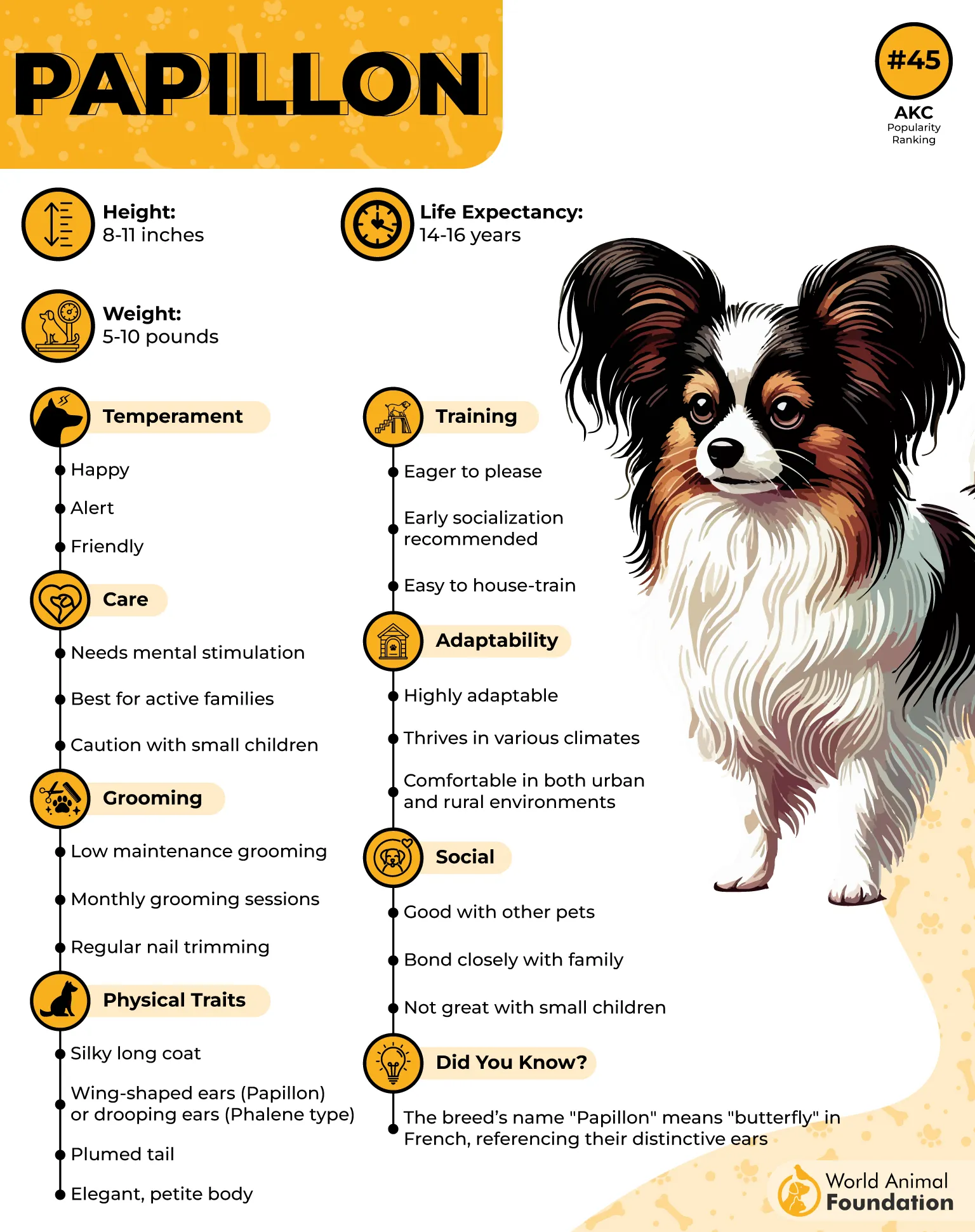
The clean coat has minimal or zero dog odor and is a low-maintenance breed. Brushing twice a week is suggested. It has moderate exercise needs (30-45 minutes a day): 2-3 walks, fetching, agility, and obedience training. Avoid high-impact exercise because of its small and delicate structure.
2. Miniature Poodle
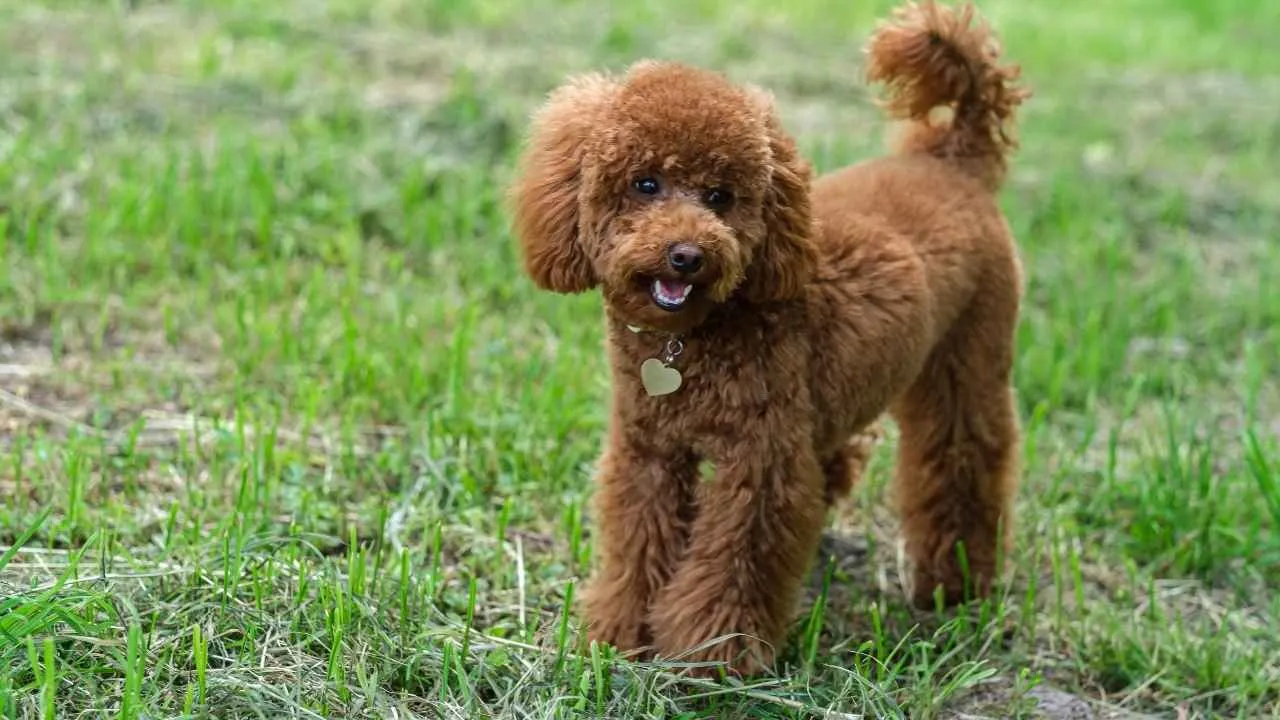
This is the most intelligent dog breed in the toy breed kingdom. Developed in Germany as a water retrieving dog, the Poodle was given the name from a German word ‘Pudelin,’ which means ‘to splash.’ A fully grown Miniature Poodle weighs around 10-15 pounds and stands 10-15 inches tall.
It sits in a ‘meerkat’ posture by gently putting its one front paw over the other like a respectable human being. It is an affectionate dog and forms strong bonds with the owner’s family. Left alone for more than 4 hours, it will develop separation anxiety. Because of its retrieving history, it tends to put harmless objects (shoes and socks) in its mouth and carries them like a trophy.
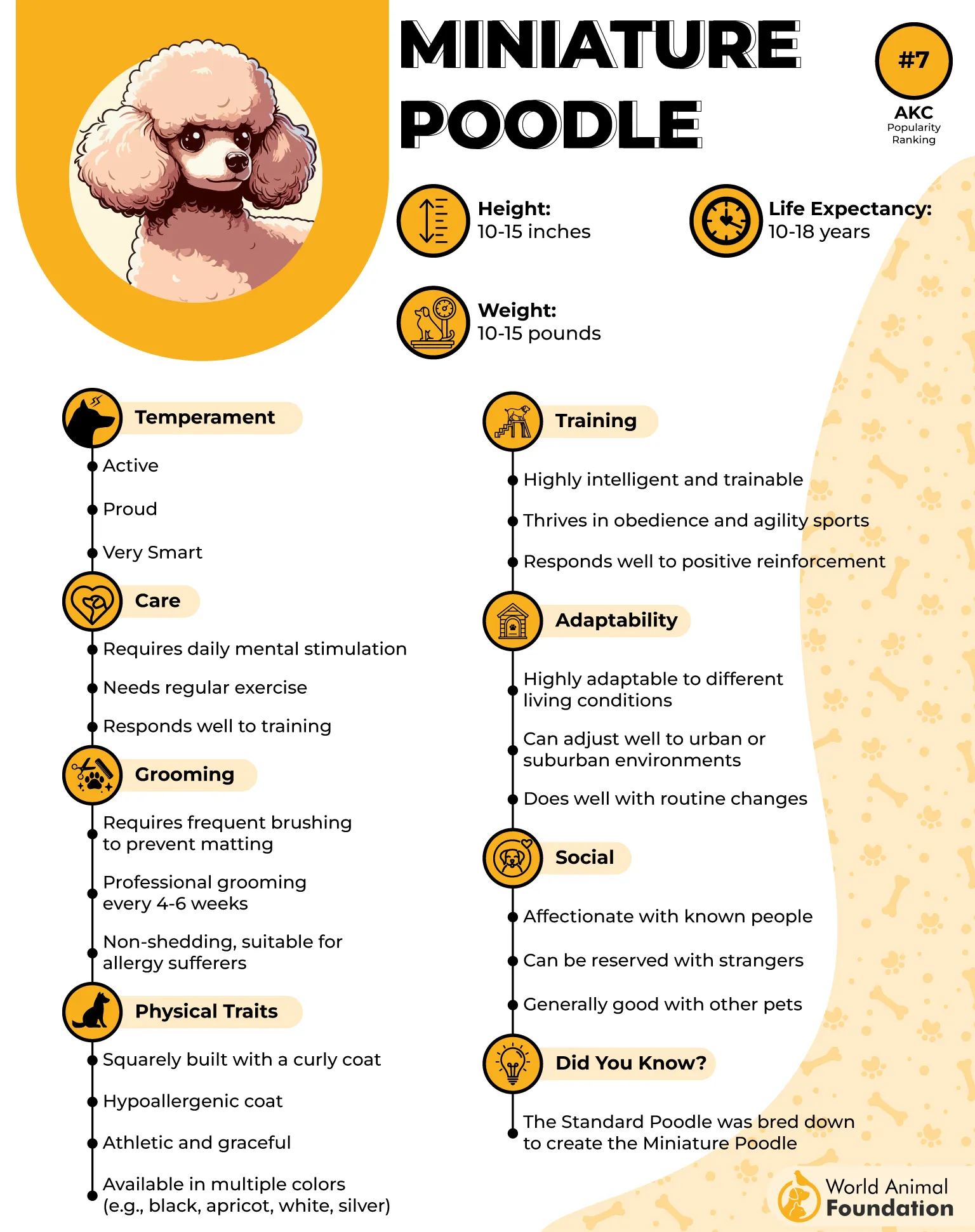
The hypoallergenic coat consists of double layers. It has curly hair that traps dander inside, reducing shedding. The breed communicates with the almond-shaped expressive eyes. This adorable tiny breed has high energy levels and has moderate-to-high exercise needs (45-90 minutes): swimming, walking, canine sports, and mental stimulation.
3. Boston Terrier
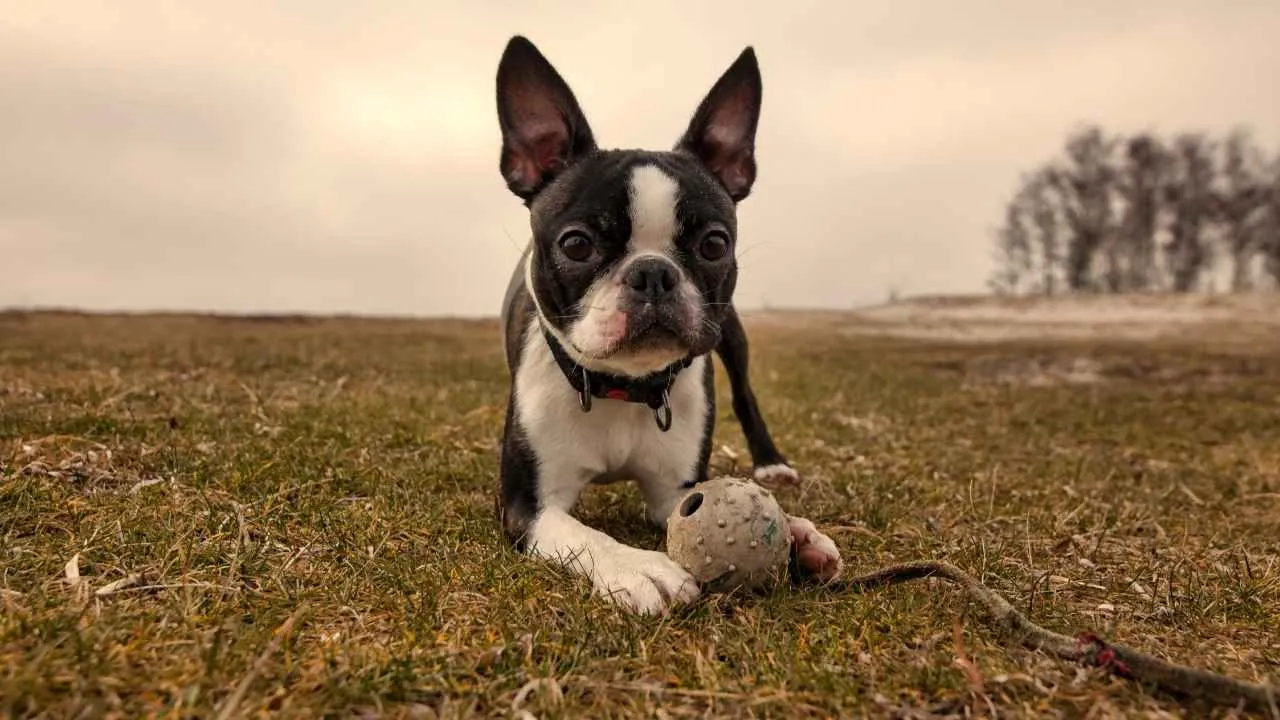
The Boston Terrier was developed in the United States as a non-sporting breed. It has erect ears and a small tail. The breed is mainly known for its ‘tuxedo coat’ with the white base and dark markings, giving it the title of the ‘American Gentleman,’ as per Wikipedia.
It has sudden short bursts of energy when it tends to move in tight circles and zoom around in the house before coming back to the resting phase. This friendly small dog breed is an incredible sun lover and crawls towards the sunbeam, lies on the floor on its back to absorb all the heat.
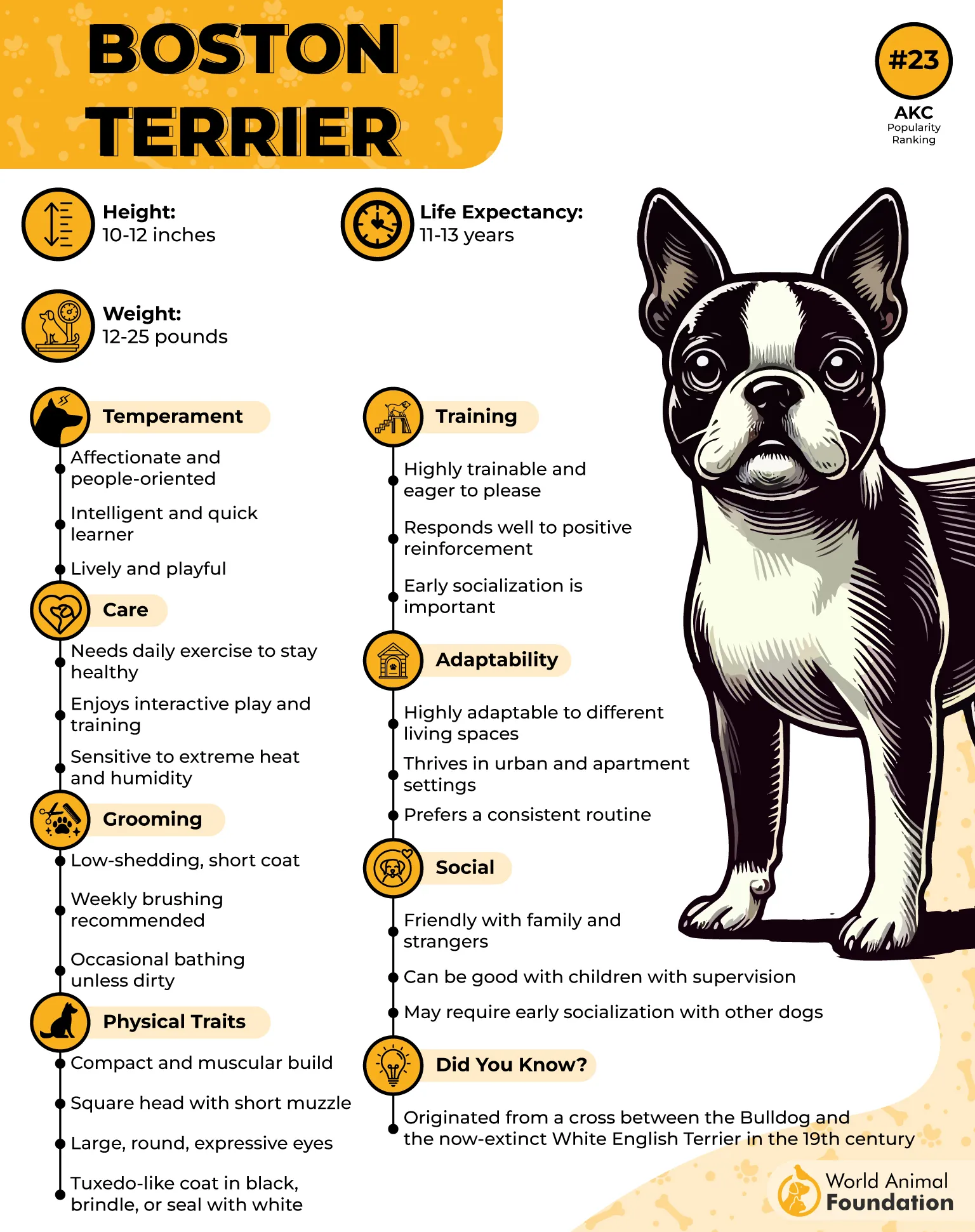
The breed has a ‘frog-dog’ sleeping posture where it sprawls out flat on its belly with its hind legs extended completely behind, just like a frog. Since it is a brachycephalic breed (has a flat face and narrowed airways), it may face difficulty in breathing and make funny sounds while sleeping.
4. Havanese
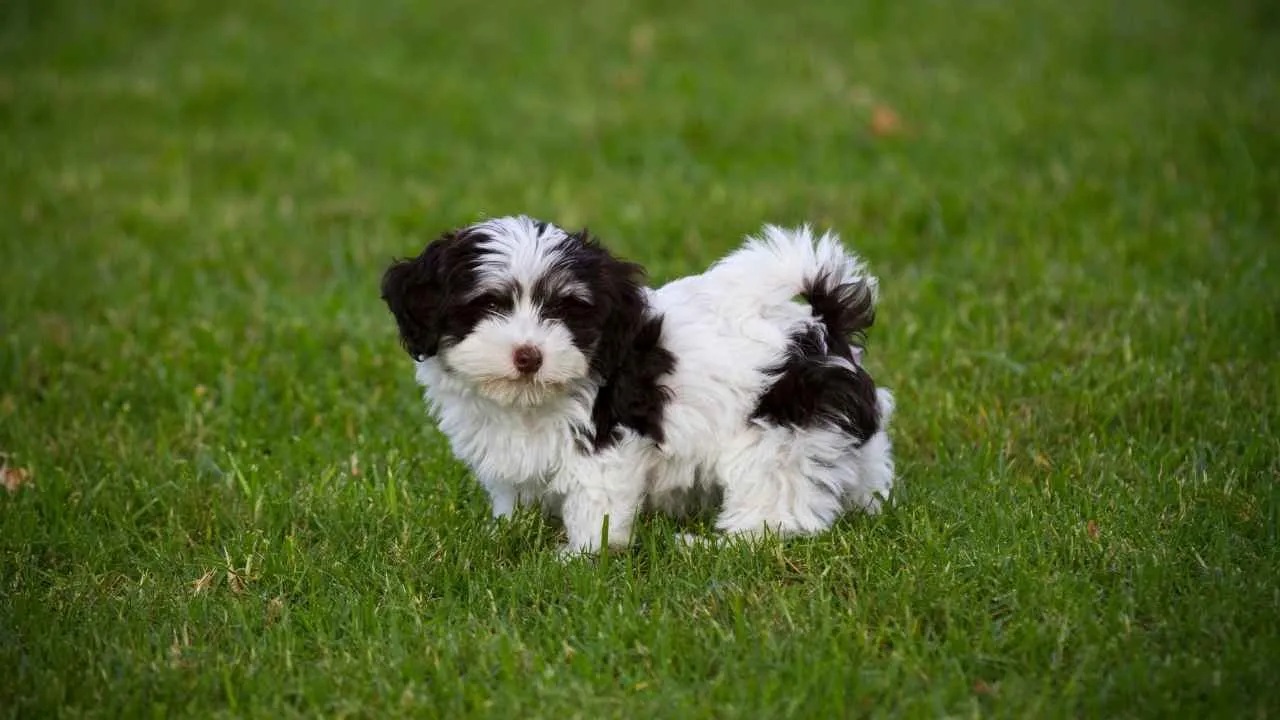
This is a small Bichon-type dog developed in Havana and is the national dog of Cuba. It was developed by crossing an extinct breed, Blanquito de la Habana (little white dog of Havana), with other Bichon-type dogs. It weighs around 7-14 pounds.
It communicates with the vocals by making chortles, groans, grumbles, and warbles based on its current mood. It emits a rumbling ‘purr’ when it wants to be cuddled. This small athletic dog loves tossing small toys in the air with the twist of the head. There is a large gap between the front and hind legs, giving it a springy and bouncy gait.
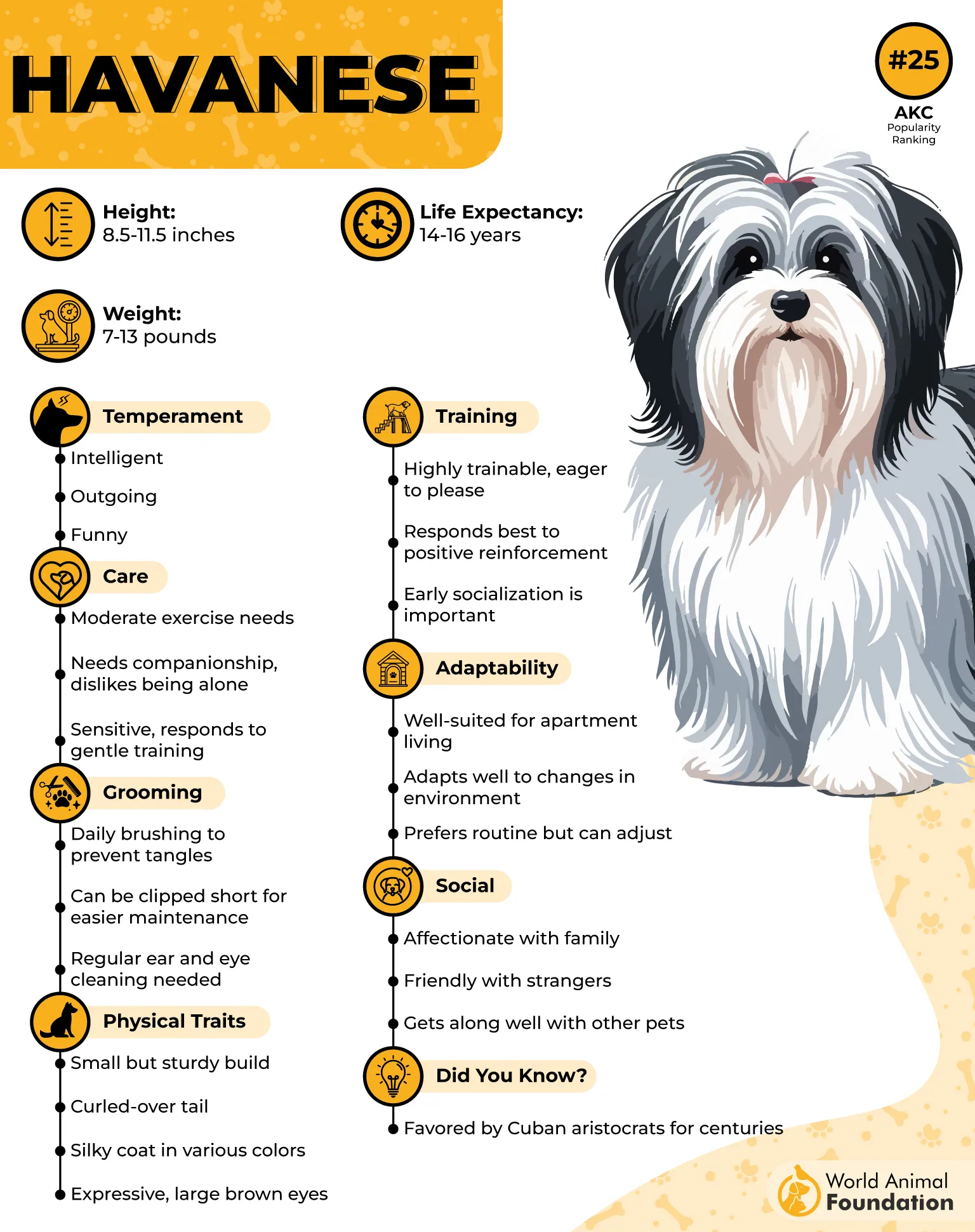
The breed is a social butterfly and makes great friends with family members, small kids, other pets, and even strangers when properly trained and socialized. It is an easy-to-train breed and requires 20-30 minutes of daily exercise: brisk walks, puzzle toys, trick learning, and agility.
5. Bichon Frise
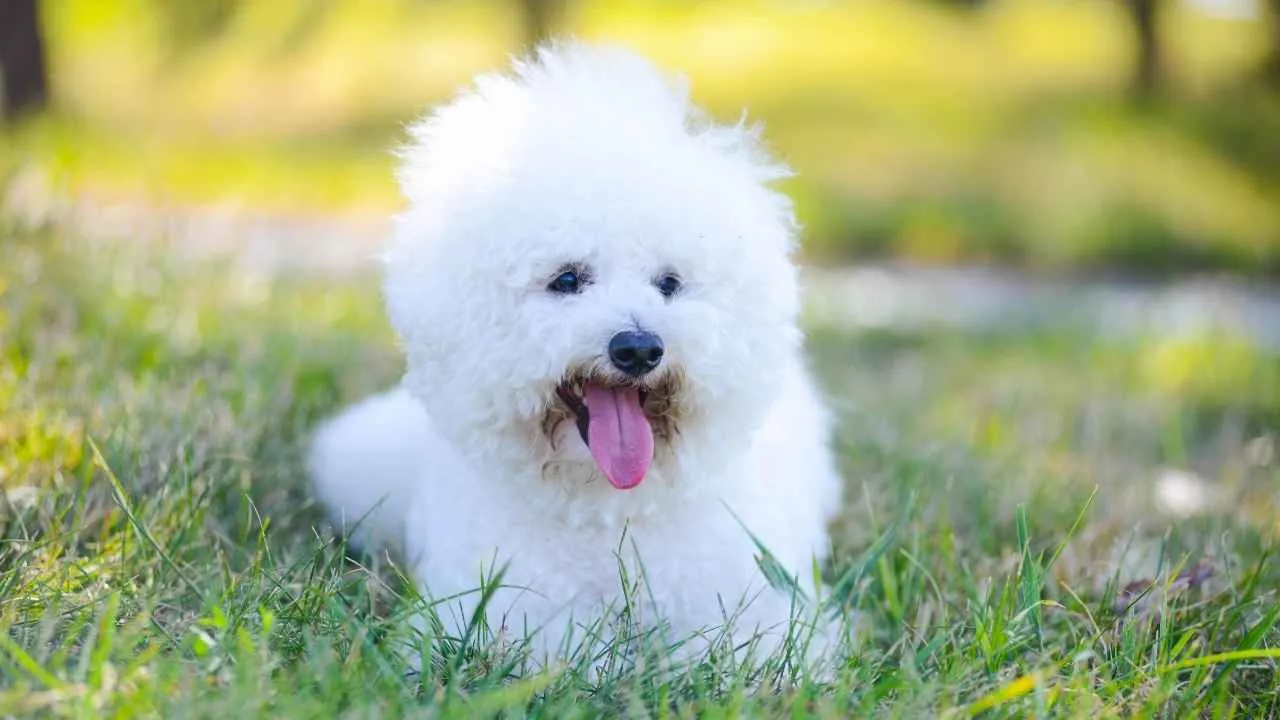
Sailors are thought to have brought this Bichon-type breed from the Mediterranean to Europe in the 14th century, and then this furry friend became popular in Spanish and French castles, according to Purina. During the French Revolution, this breed had to come out on the streets and became a circus performer for its survival.
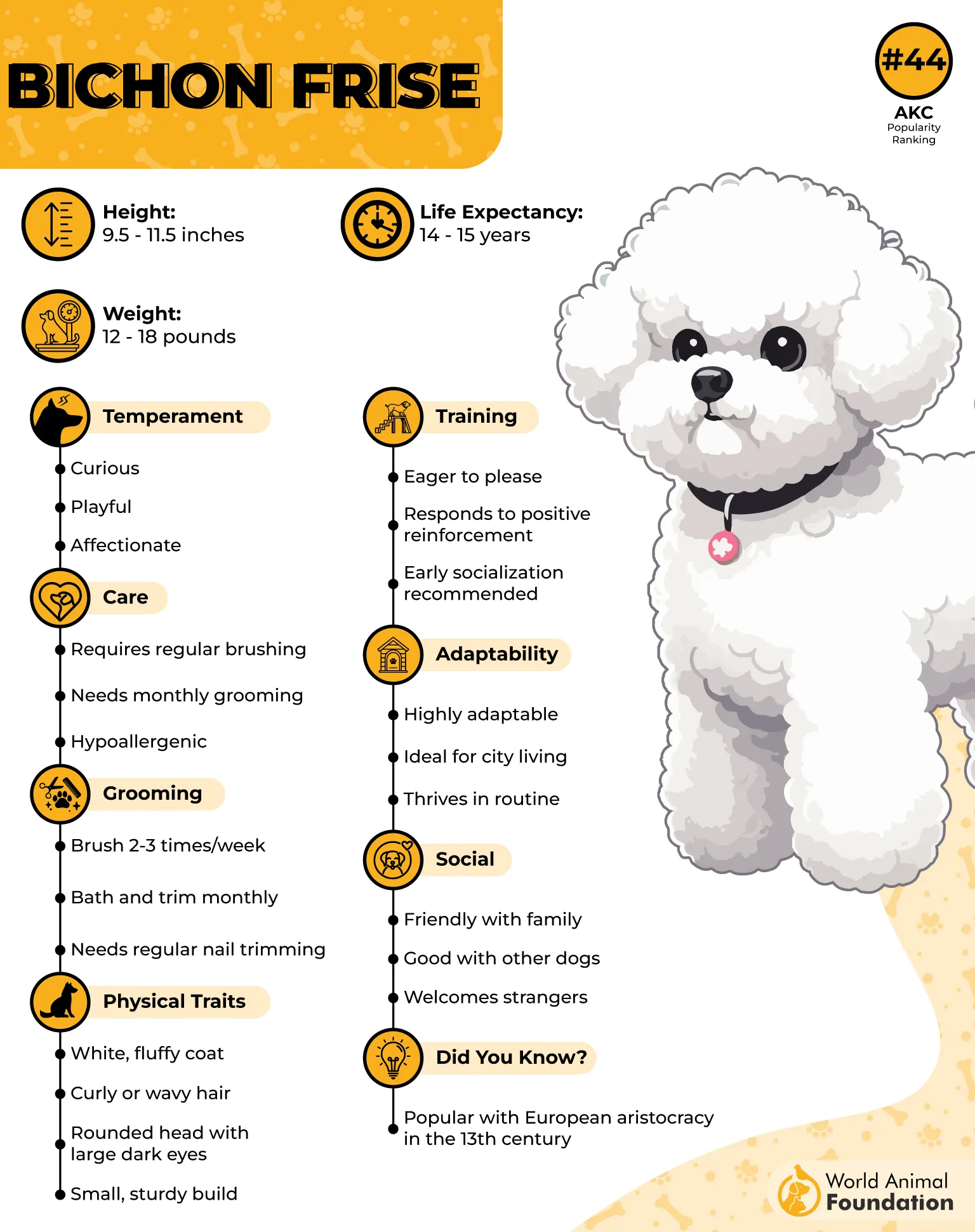
The wonderful companion is known for its short but energetic ‘Bichon Blitz,’ and also smiles with its lips upturned, showing all of its teeth. It has a habit of cobbing, where it uses its front teeth to give gentle nibbles on your clothing and skin (harmless). It has a playful nature and greets every visitor by jumping on its toes.
The floating trot enables it to keep all four legs in the air when it is excited. It tilts its teddy bear head side to side when you make sounds or talk to it. Because of its affectionate nature, it can read your body language and facial features, then act accordingly to console you. Thus, it is widely used as a therapy dog.
6. Dachshund
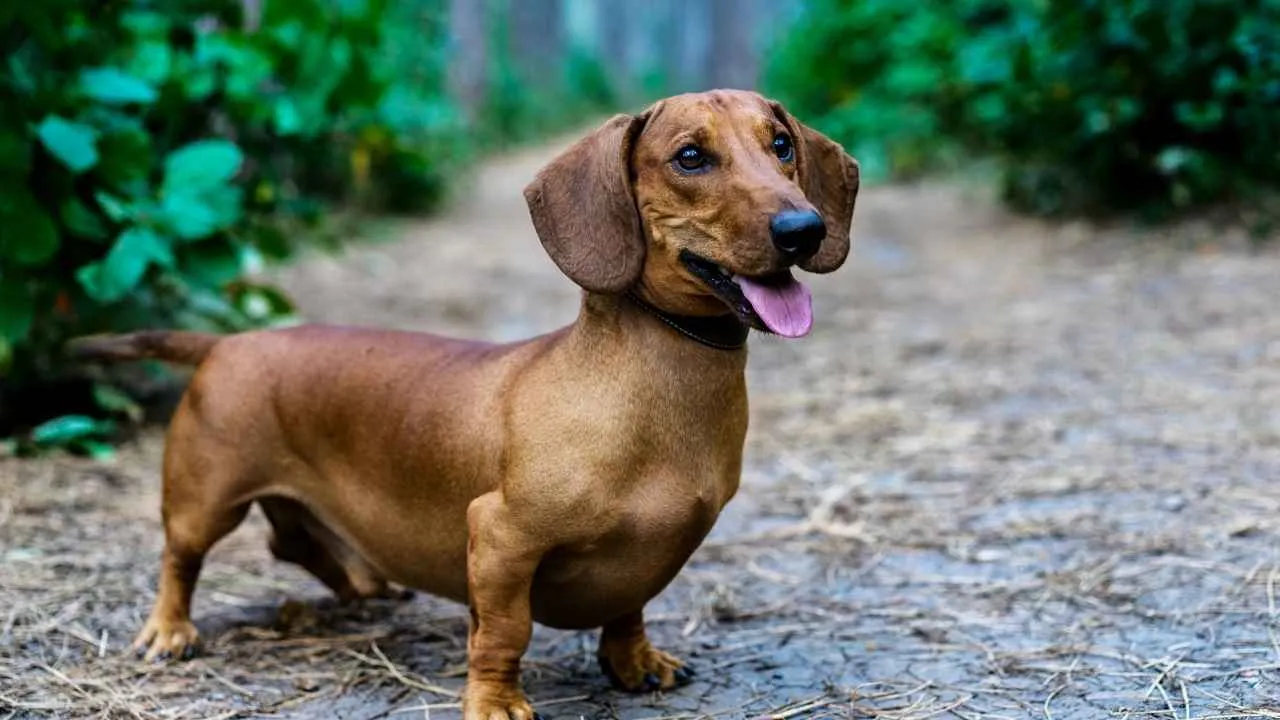
This small breed was developed in Germany as a hunting dog. The name comes from two German words, ‘Dach’ (badger) and ‘hund’ (dog), since it was specifically bred for badger hunting. It has an elongated body and short legs, allowing it to navigate through tight spaces, such as blankets, pillows, and your lap.
Because it has a long spine, it is prone to spinal injuries, such as IVDD; thus, high-impact exercise (jumping and stair climbing) is strictly prohibited. It has paddle-like front paws that help in digging. It thrives on a couch and can sleep for straight 16 hours.
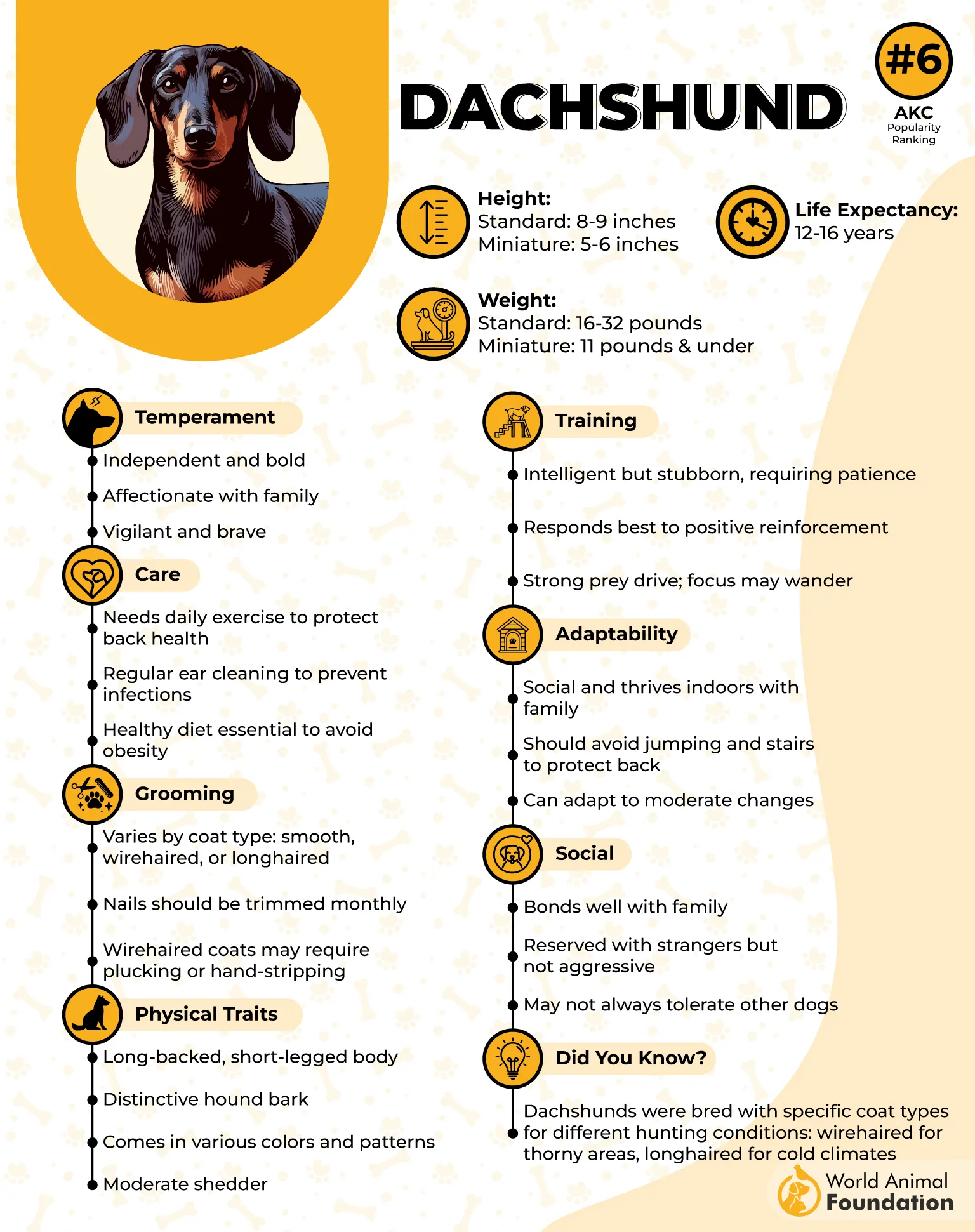
It has low-to-moderate exercise needs (30-60 minutes): sniffari, brisk walks, and indoor play. Puppies should not be exposed to high-impact exercise. The 5-minute rule is highly recommended: increase 5 minutes of exercise each month till the dog reaches 2 years of age.
7. Jack Russell Terrier
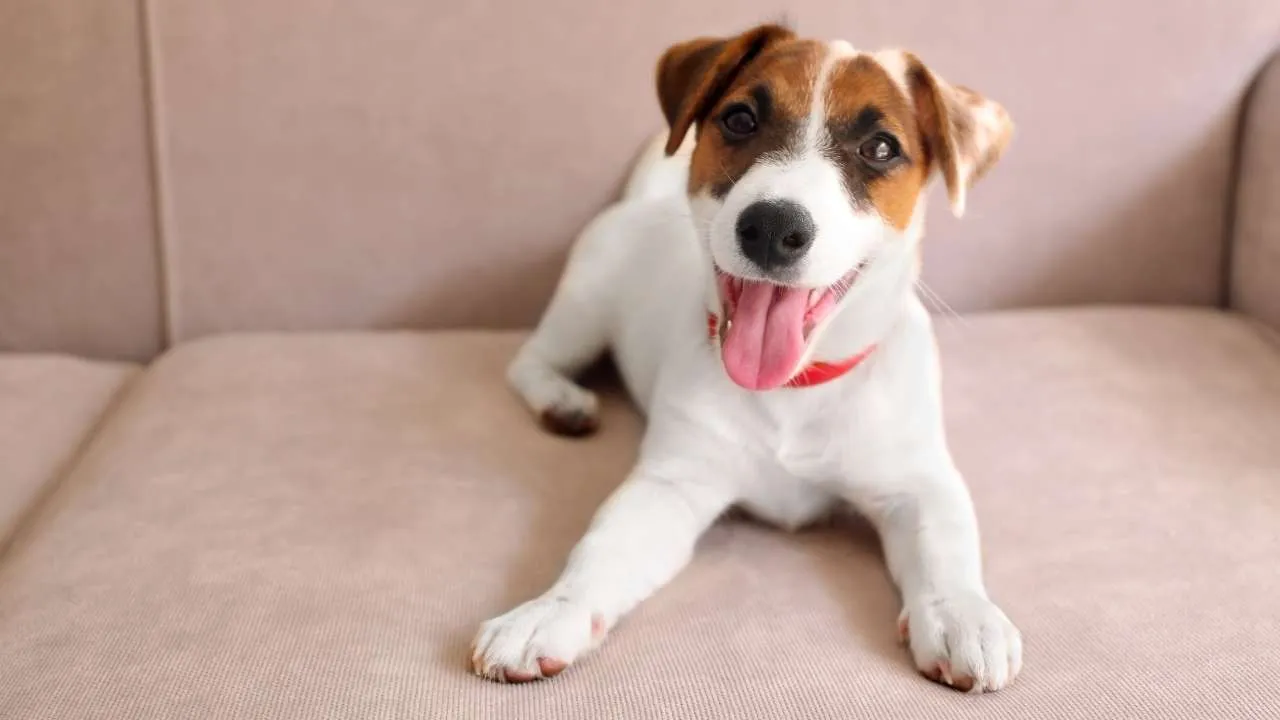
The British dog breed was developed in the 19th century for fox hunting. It was bred by Rev. John Russell with the aim of producing a dog that could go into rounds, chase, and catch the fox without killing it, as noted by the AKC. Since white dogs were less likely to be killed by hunters, Jack focused on making this breed white.
It arches its back and stretches both front legs straight out while elevating its hind quarters, giving it a ‘yoga pose.’ It also loves rolling, where it exposes its belly by curling up its back. It sleeps on its back while all four legs are hanging in the air.
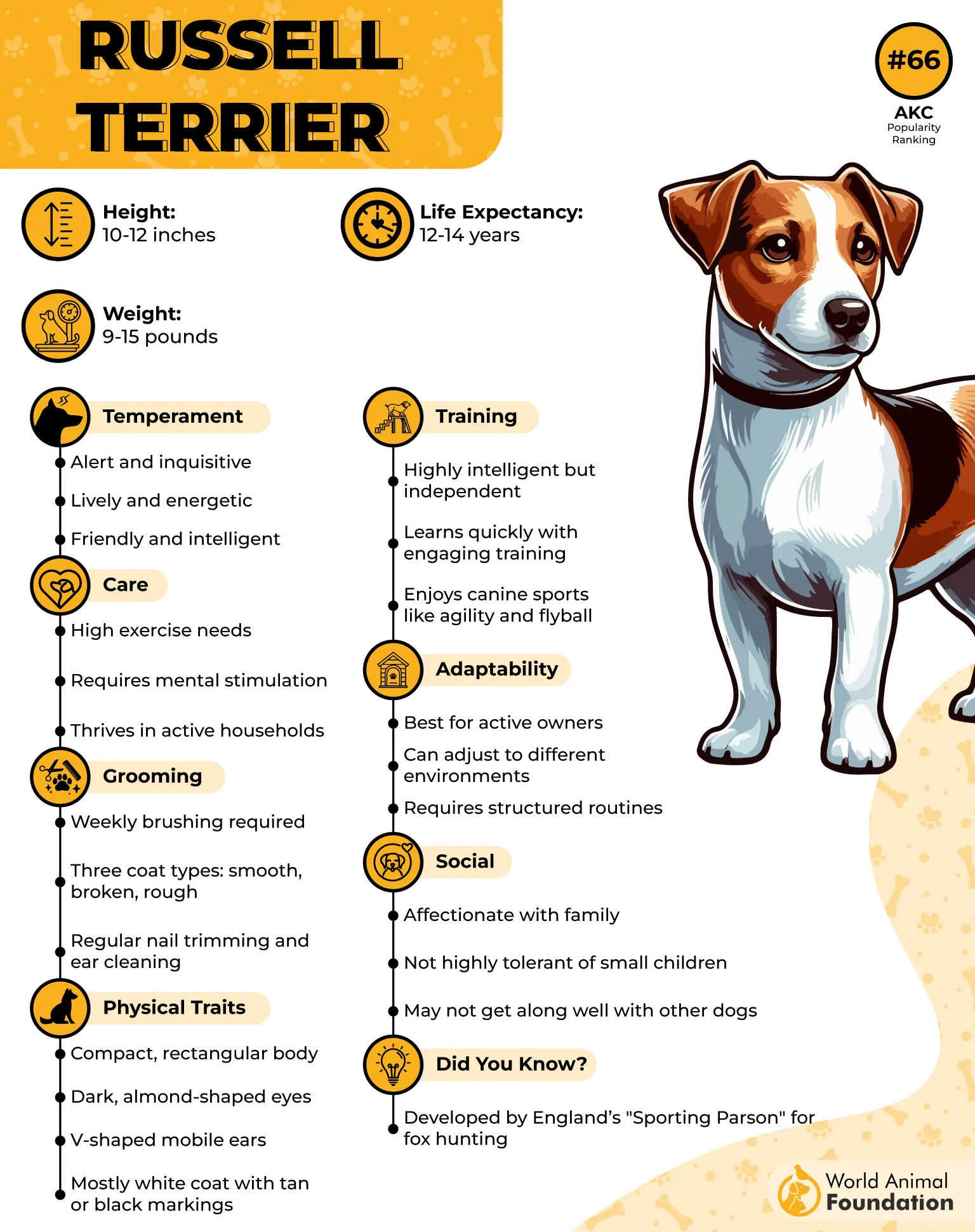
It weighs around 14-18 pounds; thus, it is portable and can be taken out to the coffee shop, on buses, and on a long vacation. It has a high metabolism, hence, it is always ready for adventures, making it a perfect companion for active families.
Conclusion
Choosing among playful small dog breeds depends on your family’s lifestyle, activity level, and personality preferences.
The Papillon offers intelligence and charm. The Miniature Poodle combines brains with versatility. The Boston Terrier brings humor and friendliness. The Havanese shines through companionship, while the Bichon Frise spreads happiness wherever it goes. The Dachshund adds courage and curiosity, and the Jack Russell Terrier delivers unmatched energy.
Each of these breeds proves that size has very little to do with personality. Small dogs can fill a home with laughter, affection, and unforgettable moments. For lively families and groups of friends, the right dog often becomes more than a pet. It becomes part of the story, part of the routine, and eventually, part of the family itself.
