




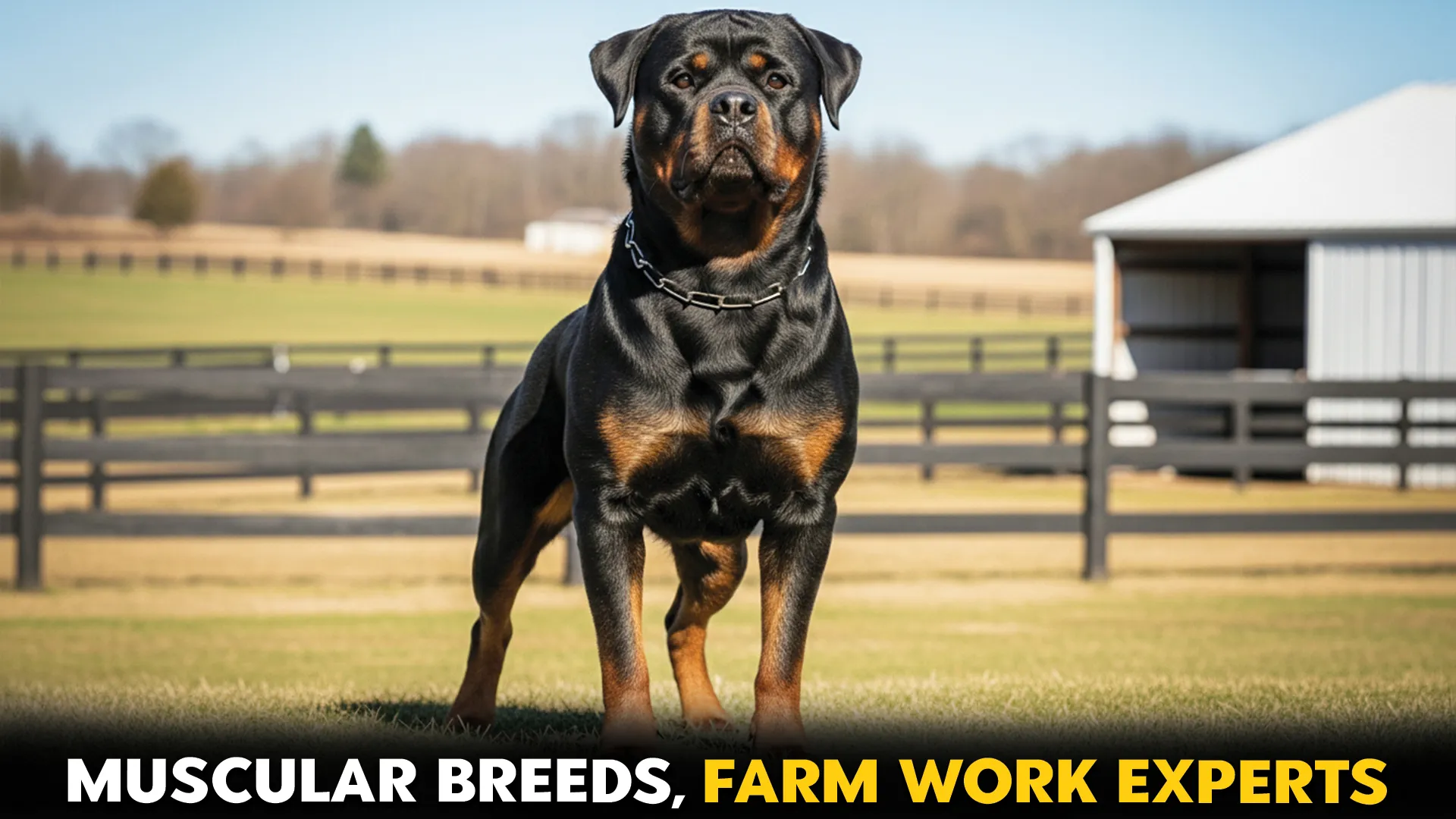
Life on a farm is fast-paced and unpredictable—and the dogs that belong there are far more than companions. They’re dependable partners, built with strength, intelligence, and loyalty to handle demanding daily tasks.
What truly sets them apart isn’t just their physical strength, but their instinct to work. Many of these dogs have been carefully bred over generations to think independently, stay alert, and respond quickly in challenging situations.
Farm life requires versatility, and the right dog can take on multiple roles with ease. Some are constantly moving, helping to manage and direct animals, while others stay calm and steady, acting as protectors of both livestock and home.
With the right balance of training and environment, these dogs become an irreplaceable part of the farm, offering strength, security, and unwavering companionship.
Key Takeaways
Meet the top muscular dog breeds that excel in farm and guard work.
See how Briards, Maremmas, and Pulis protect livestock and family with brains and brawn.
Learn which breeds thrive on herding, guarding, and mental challenges.
Get top tips for training, exercise, and raising loyal working companions.
Top Muscular Dog Breeds That Excel in Farm and Guard Work
1. Briard
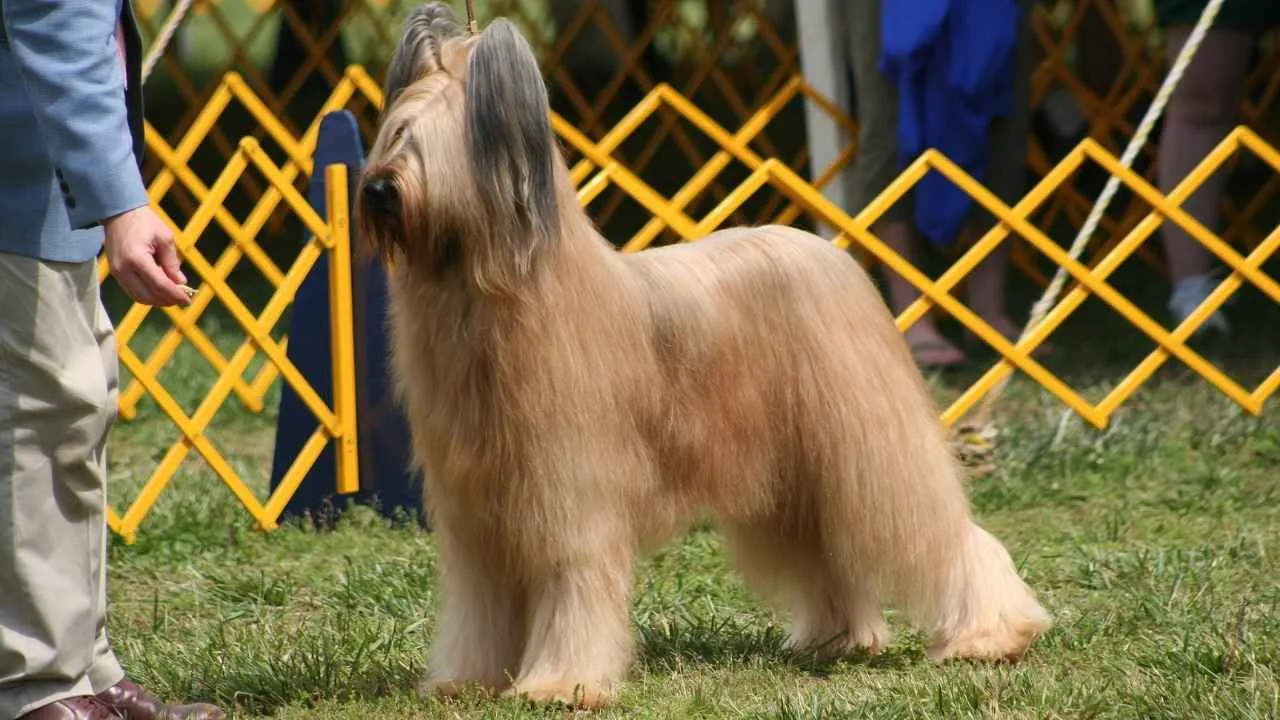
The Briard is a muscular and rugged farm dog breed with deep roots in France. It was originally bred to herd and guard livestock, often working alone and making quick decisions without commands. This independence made it highly reliable on farms.
In fact, just a few Briards could manage hundreds of sheep at once. Hill’s Pet mentions that the breed dates back to at least the 8th century and was even kept by historical figures like Napoleon Bonaparte. Strong, fearless, and full of spirit, it has long been valued as both a worker and a protector.
Appearance & Coat
The Briard has a powerful, well-built body with strong muscles and a deep chest. Despite its strength, it moves lightly and smoothly, almost like it’s gliding. Its long double coat is one of its most striking features.
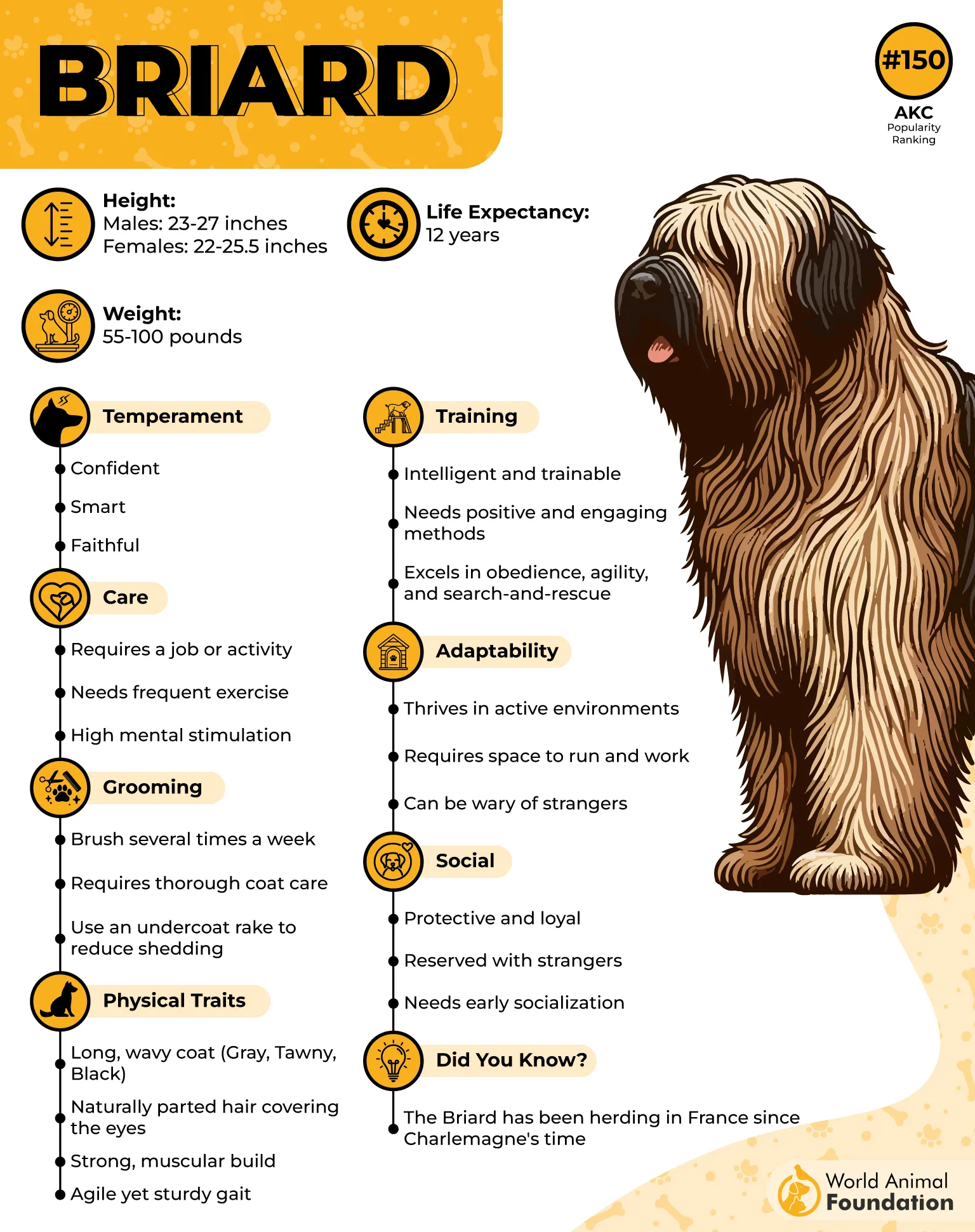
The outer coat is coarse and slightly wavy, while the undercoat is fine and dense. Hair naturally parts in the middle of the head, with long eyebrows forming a soft veil over the eyes. Common colors include black, gray, and tawny, often in rich, deep shades.
Temperament & Farm Role
This breed is alert, loyal, and naturally protective. It is never timid and takes its guarding role seriously. Around family, it is gentle, loving, and especially watchful of children, often treating them like part of its flock.
However, it can be reserved with strangers and may try to herd kids or other animals. Briards are highly intelligent but can be stubborn. They learn quickly but may ignore commands if not trained consistently. Early socialization and positive, proper training help channel their energy and natural guarding instincts.
2. Rottweiler
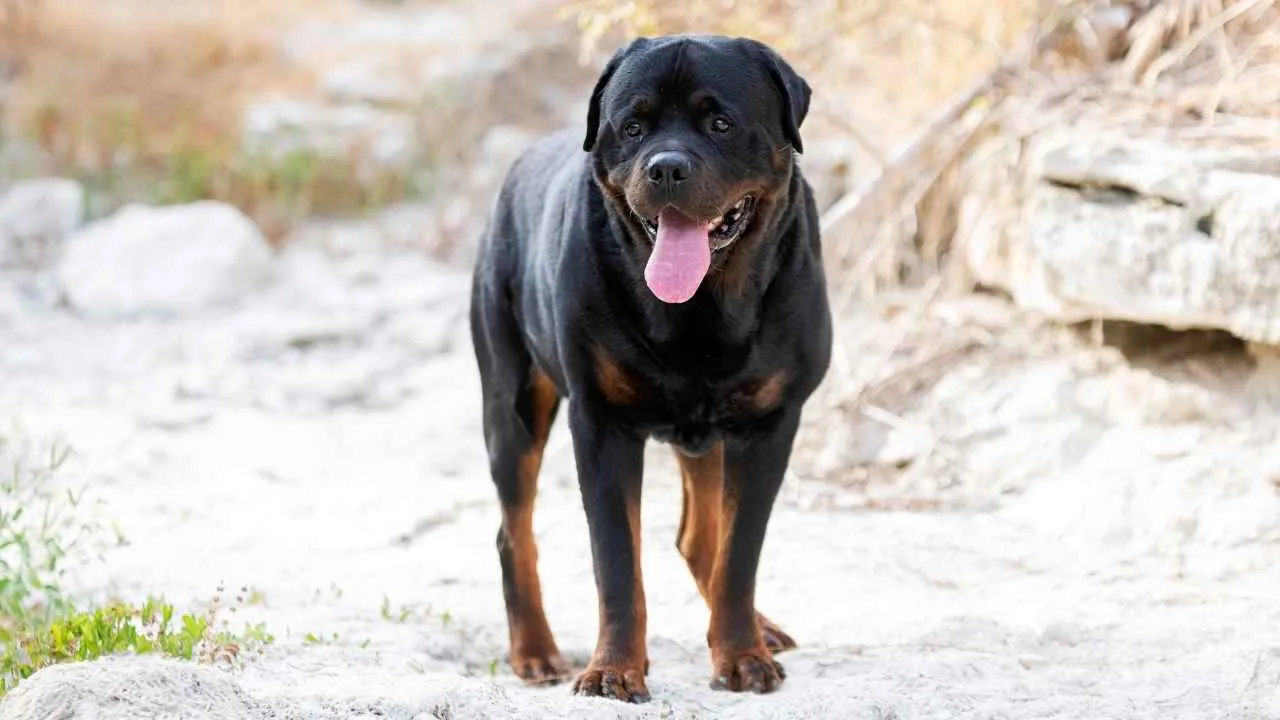
The Rottweiler is a muscular and powerful working dog with a long history of farm and guard duties. It descends from ancient Roman drover dogs that herded livestock and protected camps during military journeys.
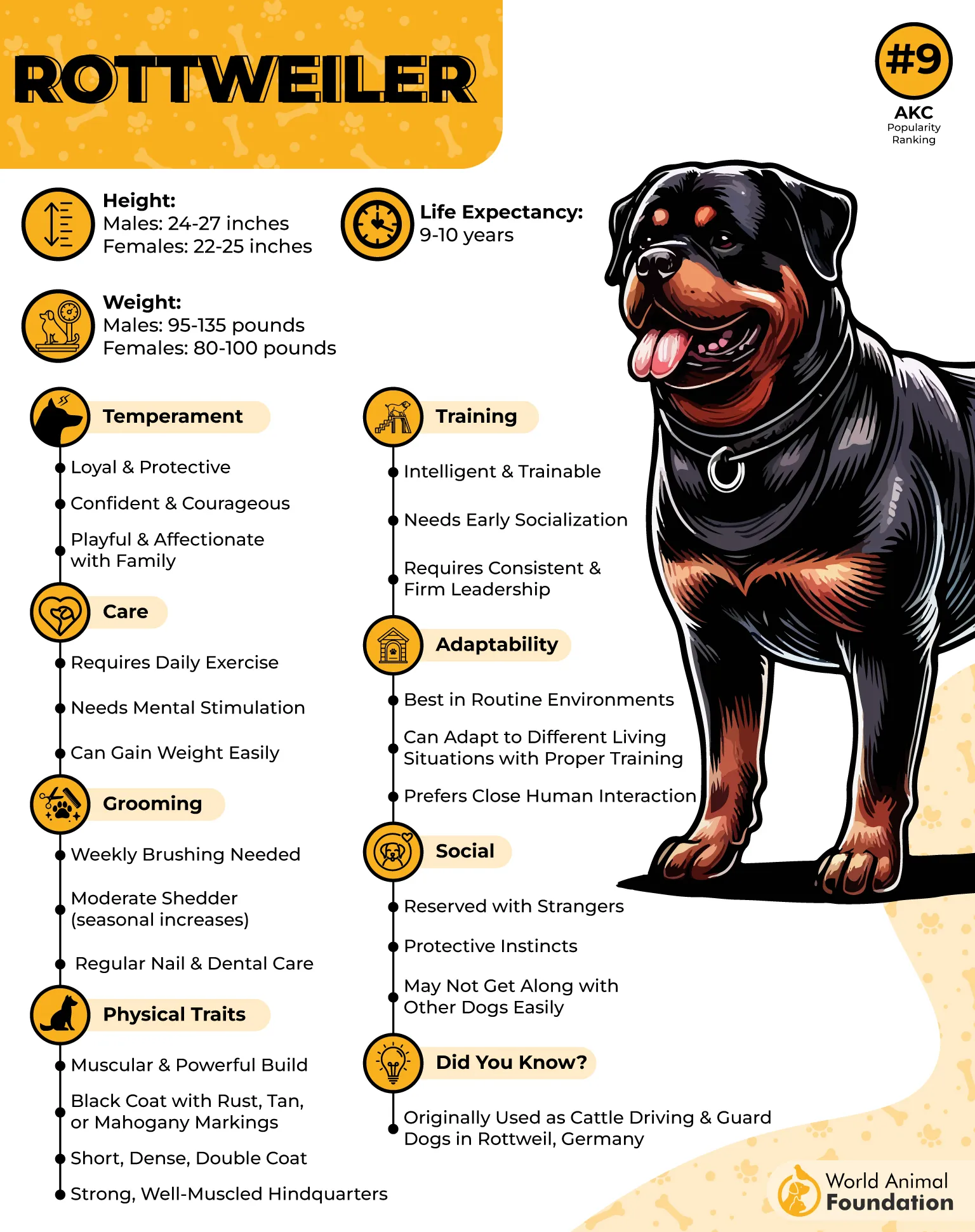
Later, in Germany, it became known as the “Butcher’s Dog” for guarding cattle and valuable goods. Strong, confident, and fearless, this breed has remained a trusted protector for centuries. Today, it still excels in guarding, herding, and service roles.
Appearance & Build
The Rottweiler has a solid, well-muscled body built for strength and endurance. Its movement is smooth and powerful, supported by strong hindquarters.
The coat is short, dense, and typically black with clear rust markings, giving it a bold and imposing look. Its calm eyes and confident posture reflect its steady and self-assured nature.
Temperament & Farm Role
Rottweilers are loyal, calm, and naturally protective. They are gentle giants and affectionate with family, but can be reserved around strangers. Their guarding instinct makes them highly reliable on farms and at home.
They are intelligent and eager to please, though sometimes strong-willed, so consistent training is important. Early socialization helps control territorial behavior. With daily exercise and mental stimulation, they become dependable workers and loving companions.
3. Polish Lowland Sheepdog
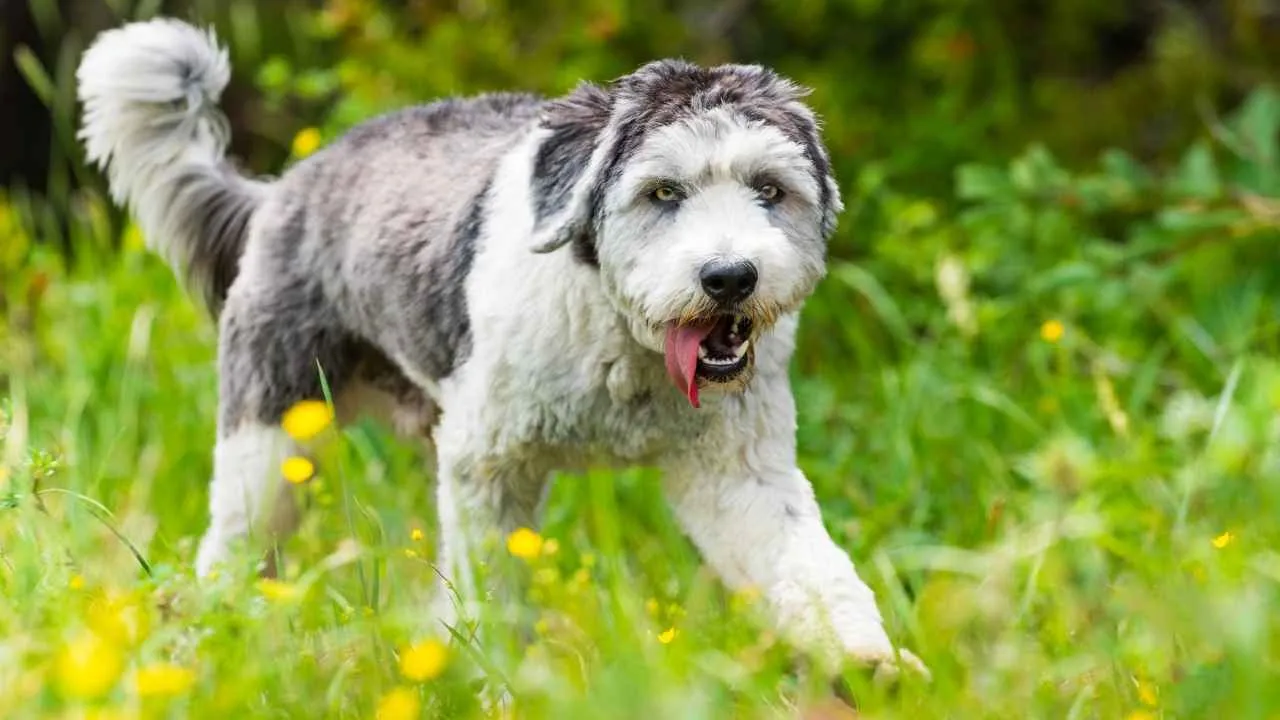
The Polish Lowland Sheepdog is a muscular breed and hardworking farm dog known for its intelligence and strong protective instincts. Originating in Poland, it was originally bred to herd and protect other livestock in tough conditions.
This breed has a long history of working independently, even helping move sheep across countries as early as the 1500s. Clever, confident, and full of energy, it remains a reliable herder and watchdog on farms today.
Appearance & Build
This breed has a compact, muscular body with a rectangular shape. It is strong without being bulky. The long, weather-resistant double coat covers the entire body, with a coarse outer layer and a soft, dense undercoat.
Hair falls over the eyes, giving it a sharp, watchful expression. The coat comes in many colors and helps protect it from harsh weather.
Temperament & Farm Role
Polish Lowland Sheepdogs are intelligent, alert, and naturally protective. They are loyal and affectionate with family but can be reserved around strangers, making them excellent watchdogs. These dogs are active and need regular exercise and mental tasks.
They enjoy having a job and may become stubborn or mischievous if bored. Early socialization and consistent, positive training help manage their independent nature. With the right guidance, they become dependable farm workers and loving companions.
4. Bergamasco Sheepdog
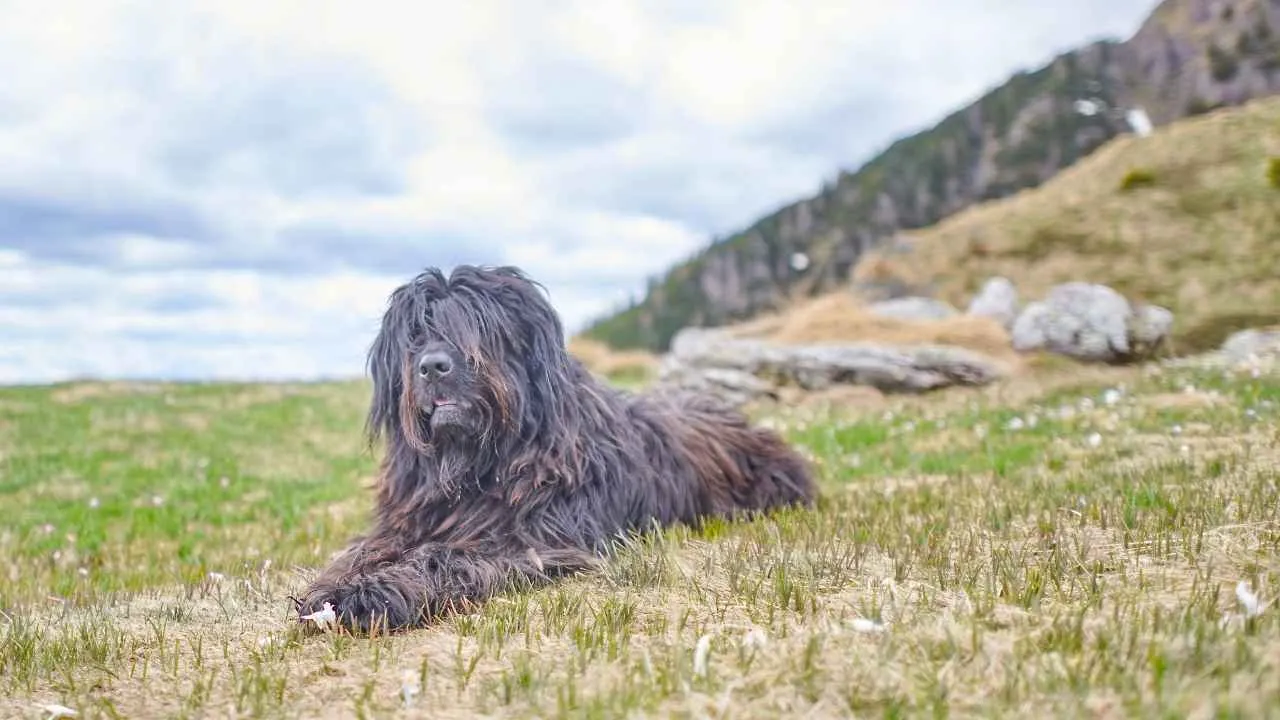
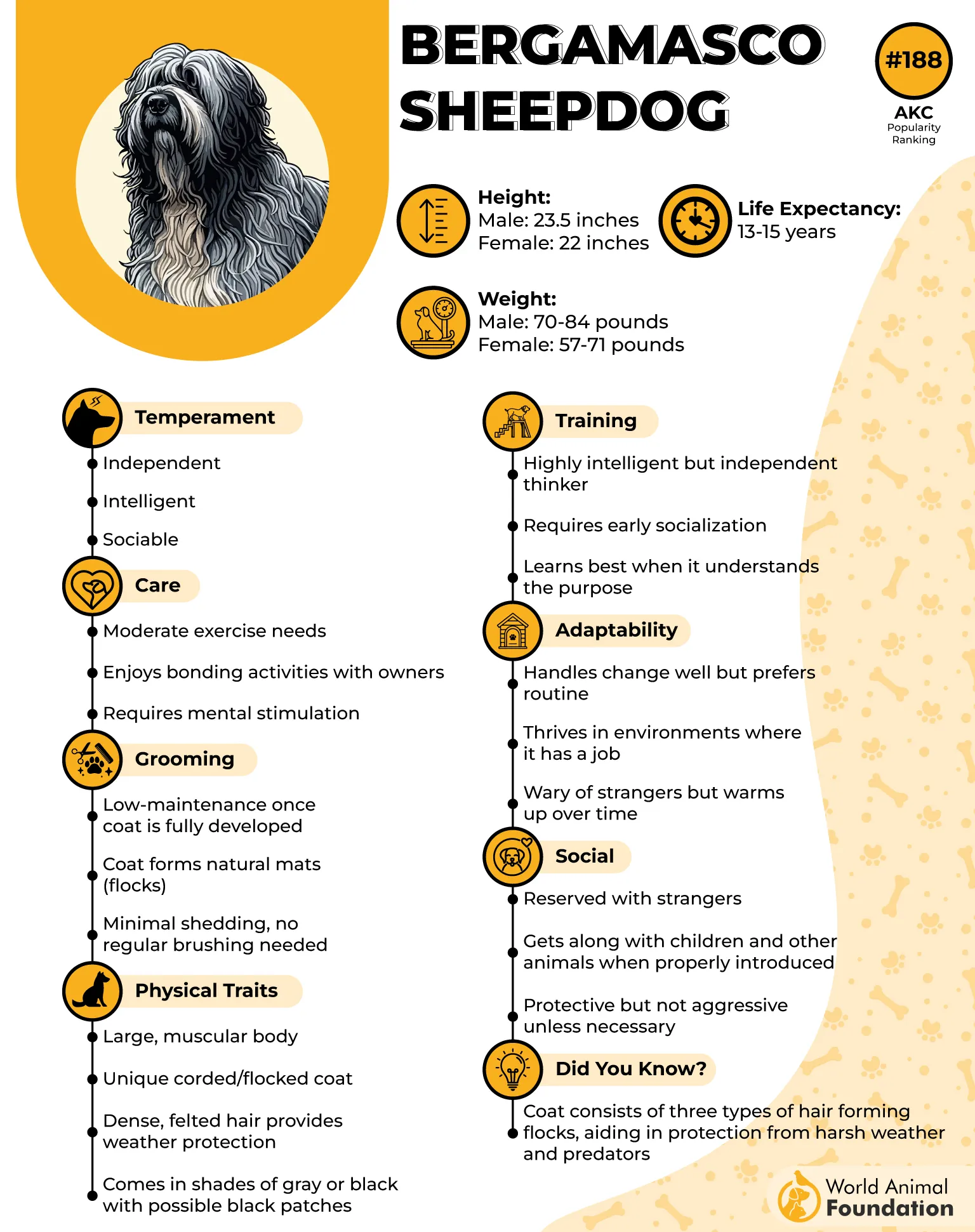
The Bergamasco Sheepdog is a powerful and intelligent farm dog with a striking, shaggy coat. Originating from the Italian Alps, this breed was developed to herd and guard livestock in harsh mountain terrain.
With a long history of working closely with shepherds, Bergamascos are independent, clever, and devoted to their tasks. They are alert, patient, and protective, making them excellent farm workers and guardians of the home.
Appearance & Build
Bergamascos are one of the most muscular dog breeds and compact with a strong, square profile. Their unique coat forms dense, flat mats called “flocks,” protecting them from cold and predators.
The coat has three types of hair that naturally weave together over time, growing long and covering the body and legs. Common colors include gray, black, and shades of gray; solid white is rare. Despite the shaggy appearance, the coat is relatively low-maintenance once the mats are formed.
Temperament & Farm Role
These are loyal, affectionate, and intelligent dogs with family. They are naturally protective but not aggressive without cause. Bergamascos excel at herding and guarding livestock, working independently while remaining obedient to a trusted owner.
Early training and socialization are important to curb stubbornness and channel their protective instincts positively. With daily activity, mental stimulation, and a “job” to do, Bergamascos thrive as both hardworking farm dogs and loving companions.
5. Puli
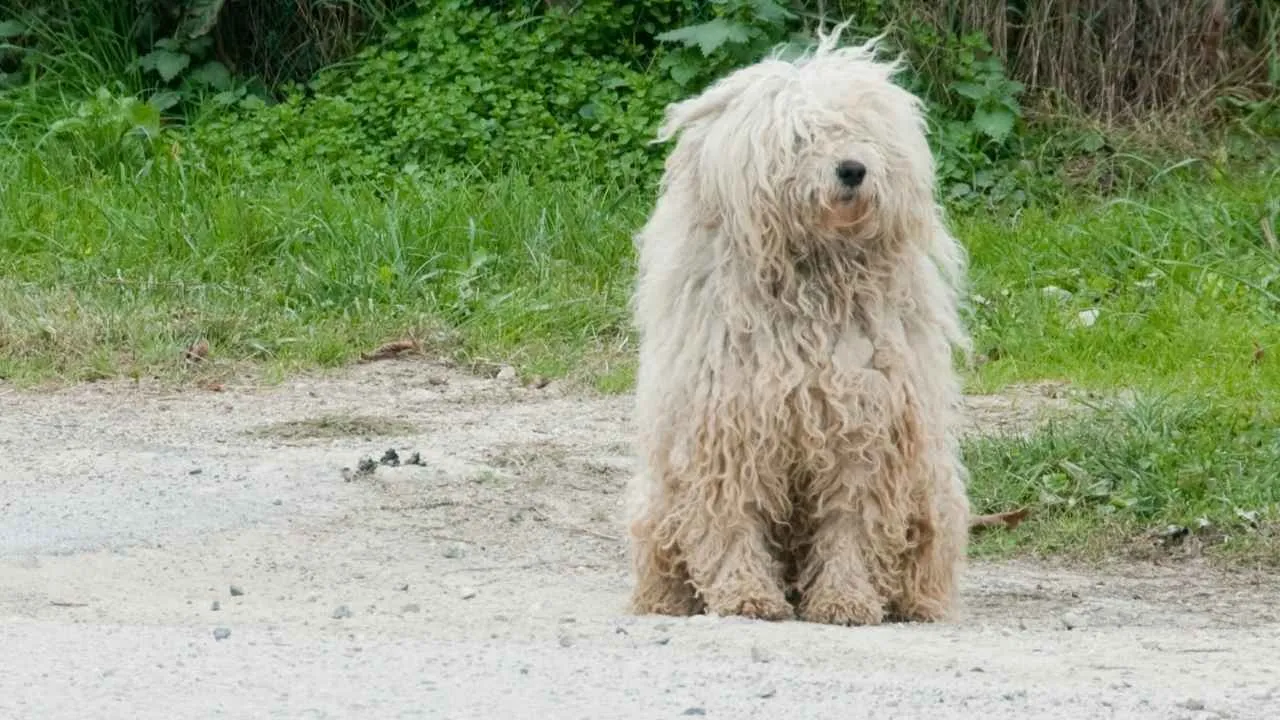
The Puli is a lively, medium-sized herding breed from Hungary, instantly recognizable for its corded coat that can reach the ground.
Beneath the striking dreadlocks lies a muscular, energetic, and agile dog. Historically bred to herd sheep and guard farms, the Puli combines intelligence, independence, and loyalty with a playful, affectionate personality.
Appearance & Build
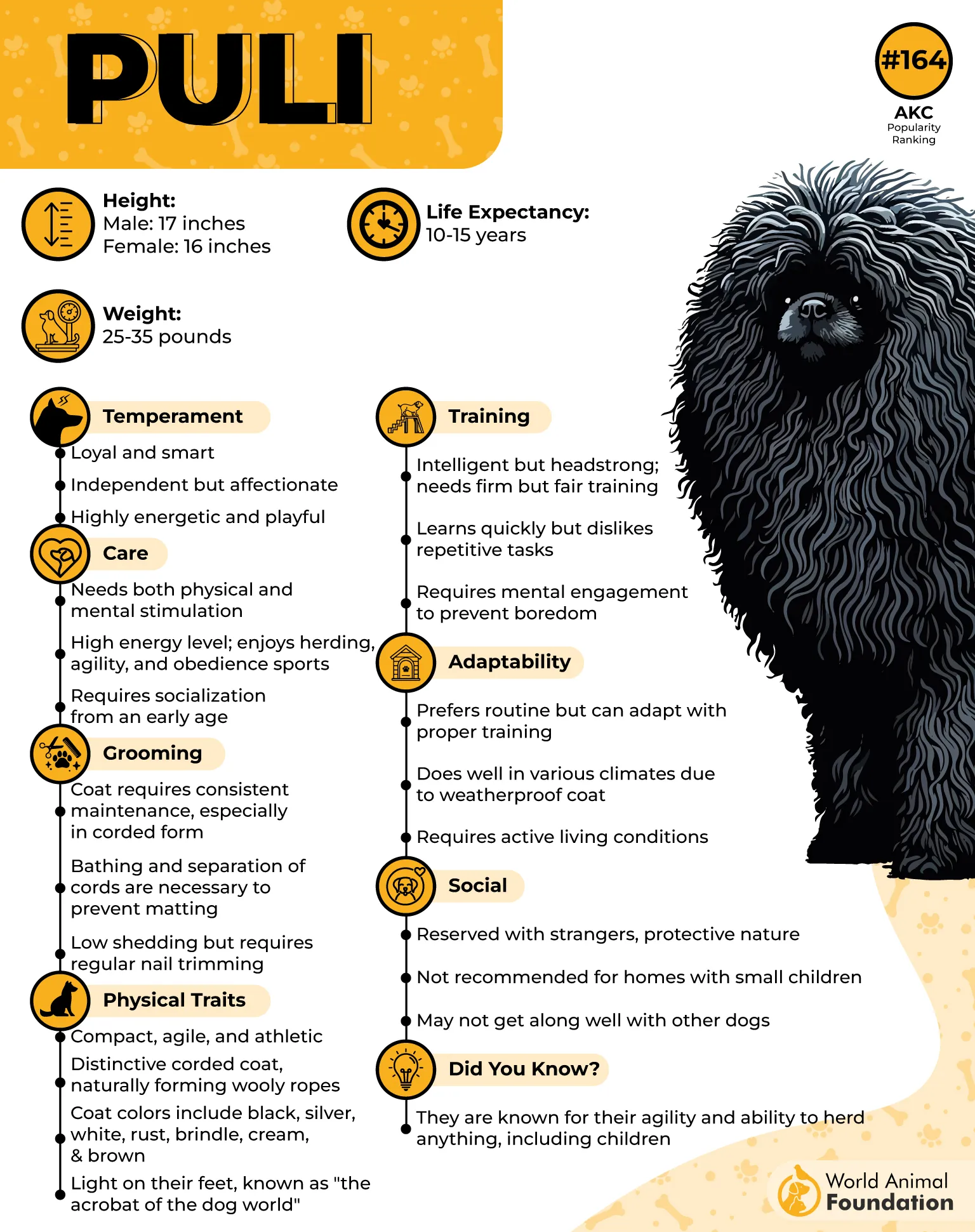
Pulik have a compact, muscular frame standing 16–17 inches tall and weighing 25–35 pounds. Their dense, double coat forms natural cords, protecting them from harsh weather and predators. Coat colors include black, gray, and occasionally cream.
The cords require careful maintenance, though owners may choose to keep the coat brushed out for convenience. According to the American Kennel Club, Pulik are light on their feet and highly agile, earning a reputation as “the acrobats of the dog world.”
Temperament & Personality
Energetic, intelligent, and devoted, Pulis thrive when involved in daily activities with their family. They bond closely with their owners and enjoy mental and physical challenges.
Naturally wary of strangers, they can be protective but are affectionate with children and other animals if properly socialized. Their herding instincts may cause them to try rounding up children or pets, so early training and consistent guidance are important.
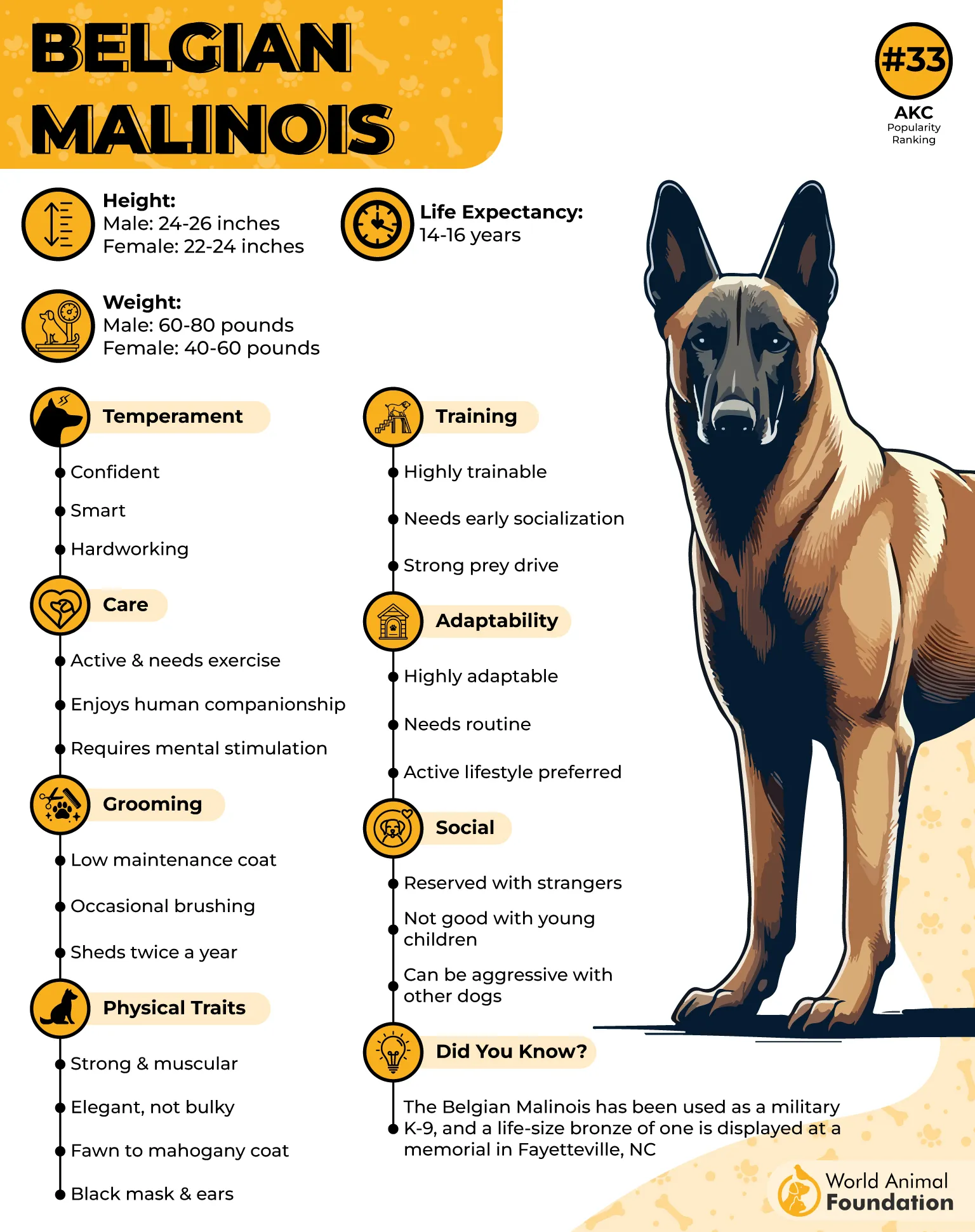
6. Belgian Malinois
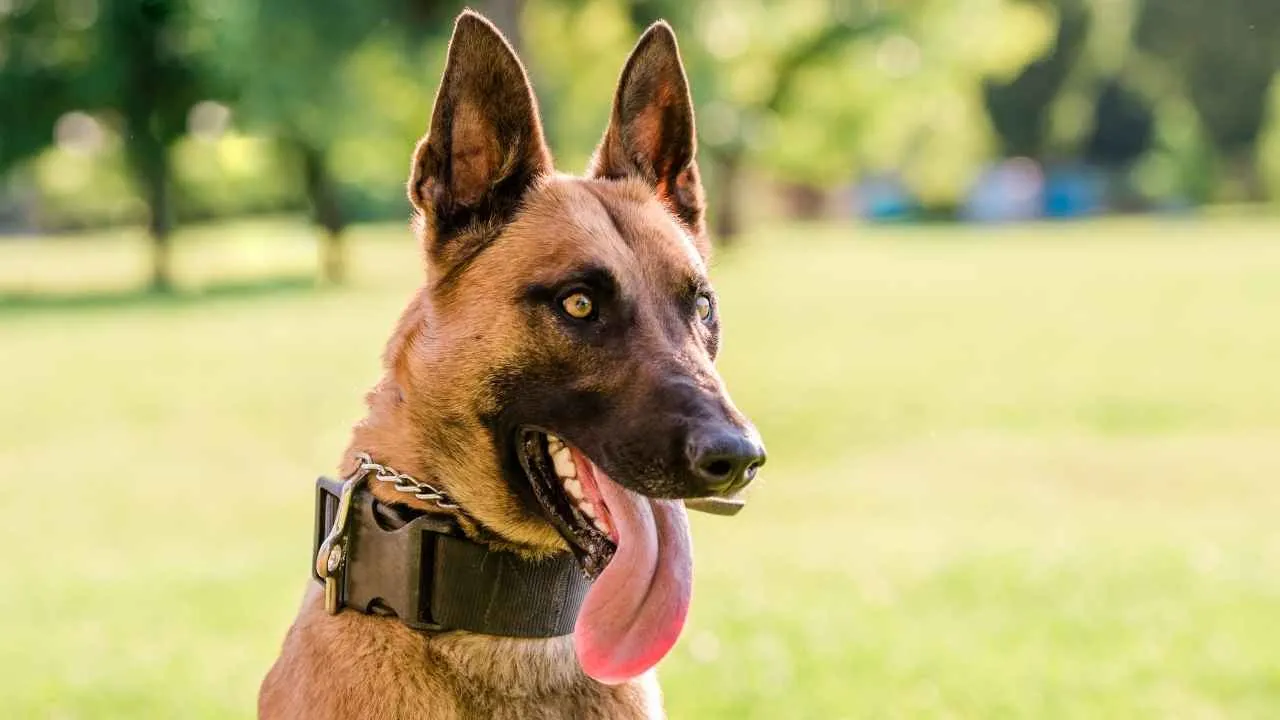
Belgian Malinois are one of four Belgian shepherd varieties, named for the villages where they originated: Malines (Malinois), Groenendael, Laekenois, and Tervuren. Their ancestry dates back to the 1880s, when they were called continental shepherd dogs.
Bred initially for herding cattle, their intelligence, speed, and trainability led them into careers in police work, military service, search and rescue, and bomb and drug detection.
Recognized by the American Kennel Club in the early 1950s, the Malinois is celebrated worldwide as a high-energy, versatile working dog with strong loyalty and protective instincts.
Appearance & Build
Belgian Malinois are squarely built, standing 22–26 inches at the shoulder. Strong and well-muscled but more elegant than bulky, they have a short fawn coat with black ears and mask that accentuate their bright, dark chocolate-colored eyes.
Proud head carriage and alert posture reflect their agility and readiness for work. These dogs are fast, agile, and capable of sustained movement, making them excellent companions for running, hiking, biking, and dog sports such as herding, agility, and obedience competitions.
Temperament & Behavior
Highly intelligent, devoted, and protective, Belgian Malinois form unbreakable bonds with their families. They are naturally alert and territorial, with strong herding instincts such as chasing and circling, and may attempt to “round up” children or small animals.
They thrive with experienced dog owners who can provide consistent training, early socialization, and opportunities for purposeful work, making them excellent working dogs and attentive companions.
7. German Shepherd
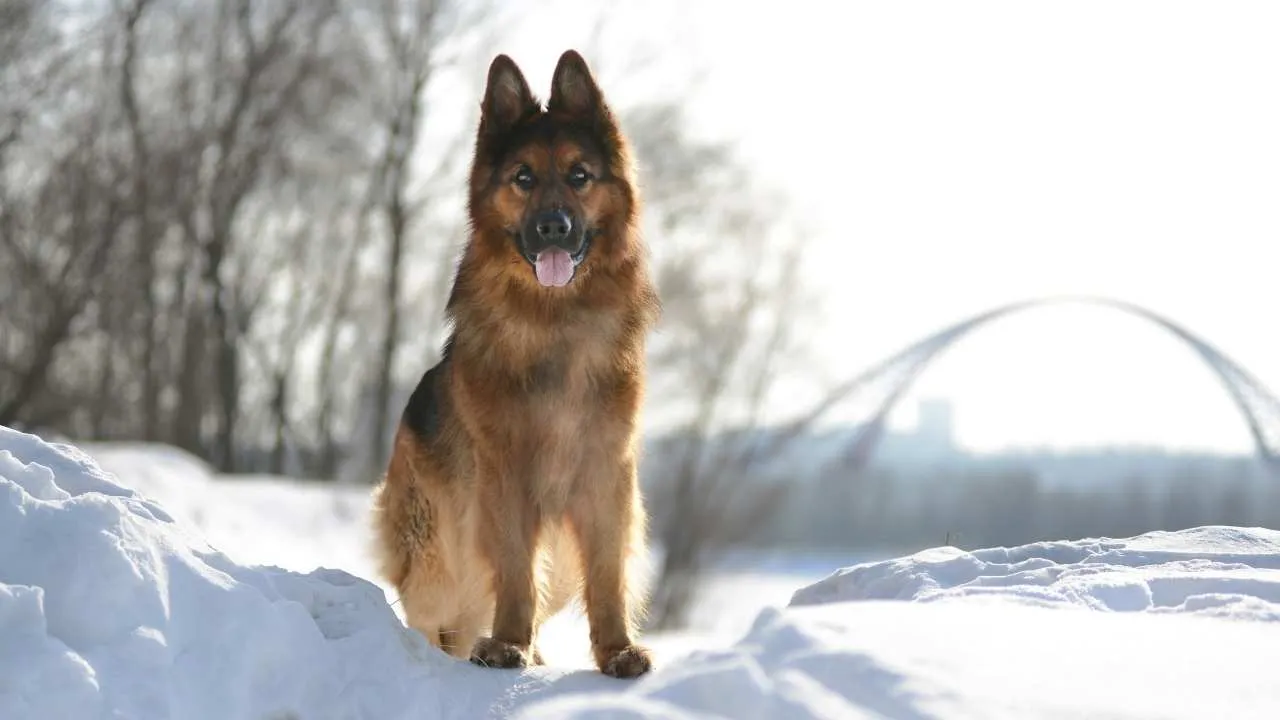
Developed in Germany in the late 19th century by Max von Stephanitz, the German Shepherd was bred primarily from regional herding dogs to create a highly trainable and versatile working breed.
Introduced to the United States in the early 1900s and recognized by the AKC in 1908, German Shepherds have excelled as herders, farm dogs, police and military dogs, service animals, and search-and-rescue companions.

Appearance & Build
German Shepherds are a large, agile, and muscular dog breed, standing up to 26 inches at the shoulder. They have a noble and smooth outline, with dense, medium-long outer hair and soft undercoat. Coat colors range from black and tan to pale gray or white.
Their strong, long-bodied build allows them to move with a free and effortless gait, capable of bursts of speed when needed. These physical traits support their energy, endurance, and versatility, making them excellent companion dogs for running, hiking, and dog sports.
Temperament & Behavior
German Shepherds are intelligent, loyal, and confident, forming strong bonds with their families. They are naturally protective and alert, which makes them excellent guard dogs and watchdogs. Herding instincts may appear as chasing or circling small children or animals, so early socialization is critical.
High-energy and active, German Shepherds require at least one to two hours of daily exercise and mental stimulation; under-stimulation can lead to destructive behaviors.
They respond best to consistent, positive-reinforcement training and benefit from tasks that engage both mind and body, such as obedience, agility, herding, or tracking.
8. Bearded Collie
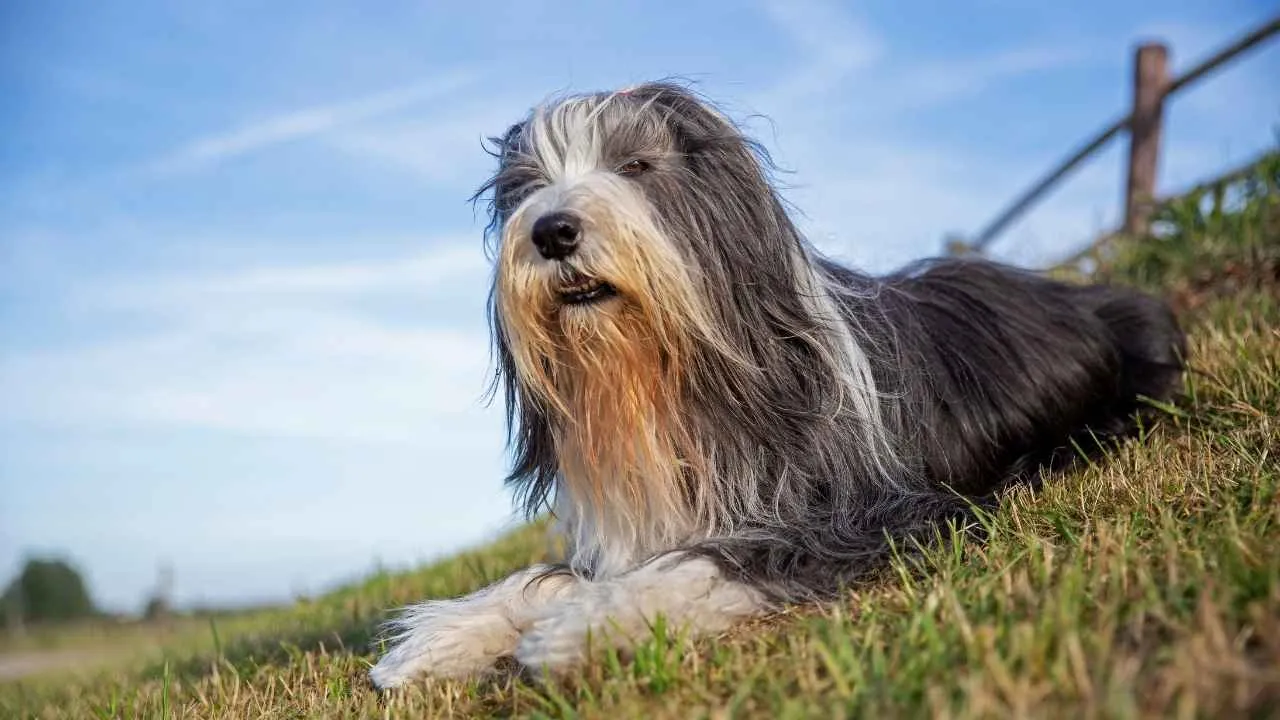
The Bearded Collie likely originated from a mix of local Scottish sheepdogs and Polish Lowland Sheepdogs brought by sailors in the 16th century. Developed as droving dogs, they were used to drive livestock over long distances from the Highlands to market towns.
The breed’s cleverness, independence, and endurance made them highly effective workers. Today, Beardies excel in herding, obedience, and dog sports, thriving when given tasks and training that challenge their mind and body.
Appearance & Build
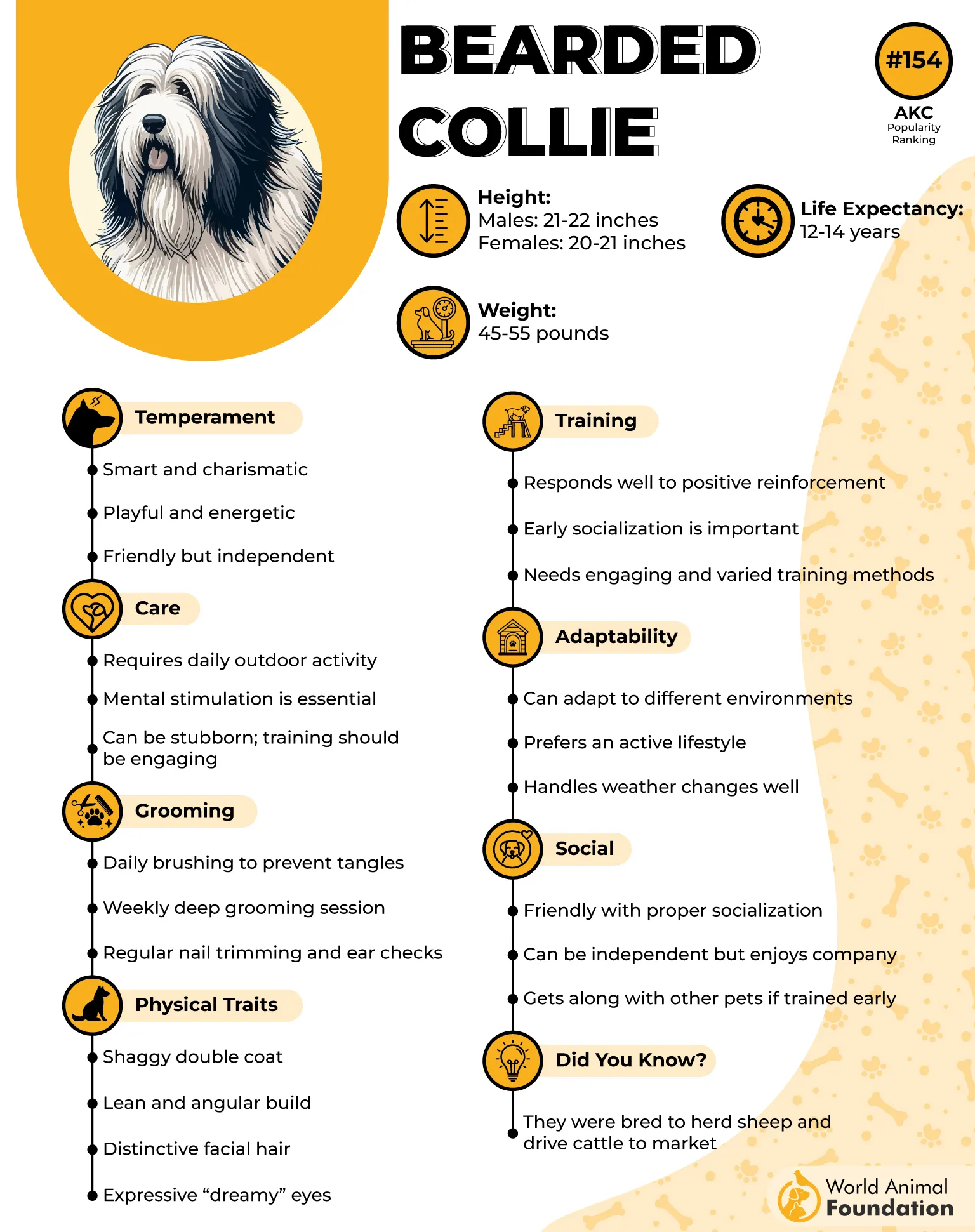
Beardies are medium-sized, standing 20–22 inches at the shoulder and weighing around 50 pounds. They have a rectangular outline, slightly longer than tall, with a dense, harsh top coat that naturally parts down the middle.
Their coat covers the head, ears, tail, and legs, giving them a shaggy, charismatic appearance. Coat colors include black, blue, fawn, or brown, often with white markings on the legs, chest, and face.
Temperament & Behavior
Beardies are affectionate, gentle, and highly social, enjoying time with both people and other animals. Naturally curious and intelligent, they require mental stimulation to prevent boredom, which can lead to mischief.
Herding instincts may manifest as chasing or nipping at children or animals, so early socialization is essential. Beardies are also known to be vocal and expressive, greeting visitors enthusiastically. With consistent training, they become well-mannered family dogs who are playful, alert, and loyal.
9. Maremma Sheepdog
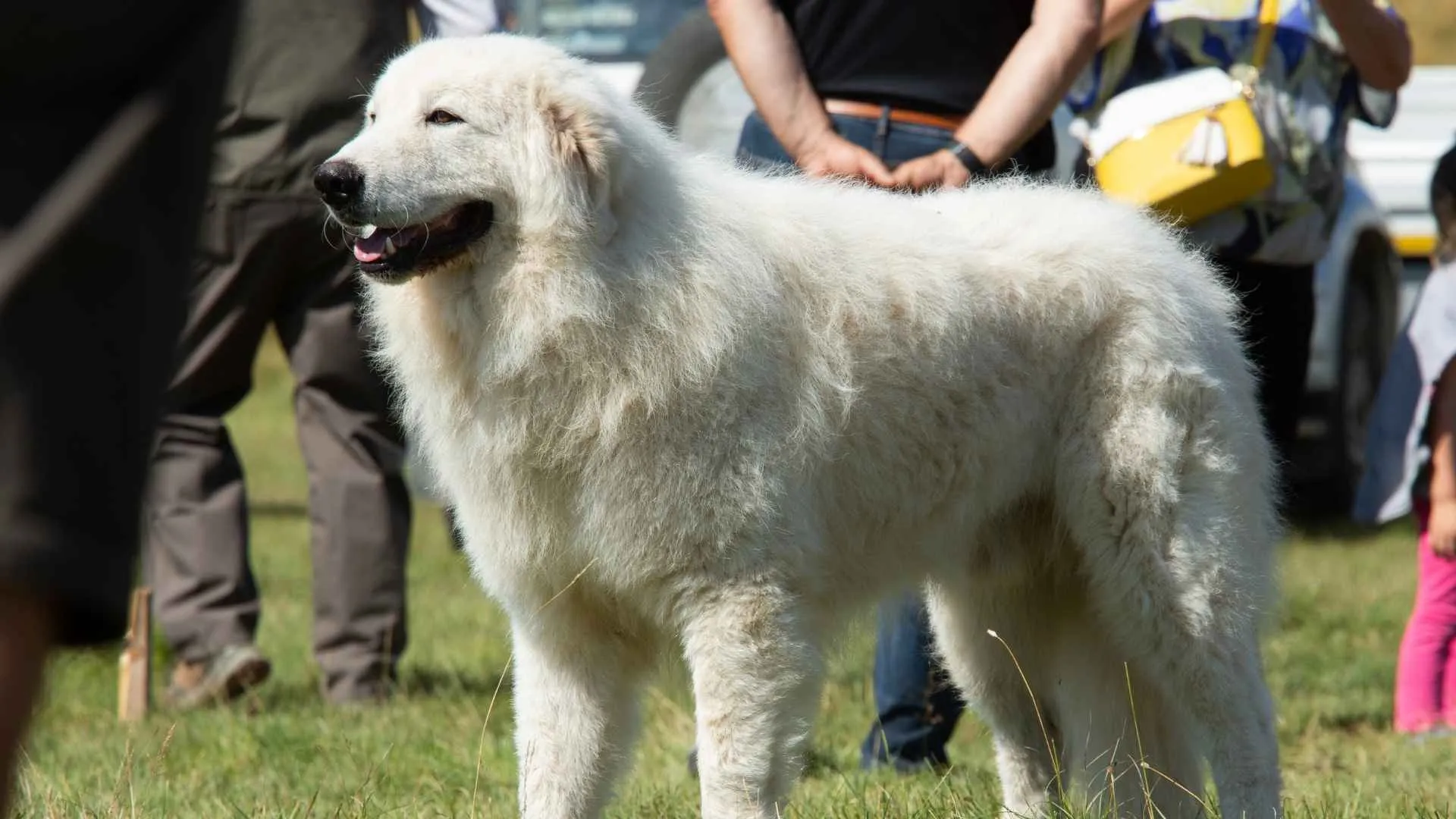
Originating in the Maremma and Abruzzo regions of Italy, the Maremma Sheepdog has been protecting flocks for over 2,000 years. Historically, they guarded sheep against wolves and other predators, wearing protective collars for neck safety.
They are best suited for properties with ample space to roam and require consistent, patient, and positive reinforcement-based training. Early socialization and obedience training are critical, as Maremmas are intelligent but independent thinkers.
Appearance & Build
Maremmas are large, sturdy dogs with a broad head, dark eyes, and a slightly rounded skull. They have a thick white coat, with a coarse protective outer layer and a dense, warm undercoat, designed to shield them from harsh weather.
Maremmas are muscular and well-proportioned, giving them the strength and endurance needed for guarding duties. Their medium-high set ears, powerful neck, and solid frame create a commanding yet noble presence.
Temperament & Behavior
Independent, intelligent, and loyal, Maremmas are devoted to their family and flock but naturally wary of strangers. They are excellent with children and other animals in the home, yet early socialization is vital to ensure confidence and reduce excessive suspicion.
Barking is a common behavior, used as a warning signal to protect their territory, so teaching a “quiet” command early is important. Maremmas possess a strong herding and guarding instinct, patrolling their area and always alert for potential threats. Without sufficient mental stimulation and purposeful work, they may become bored or restless.
10. Komondor
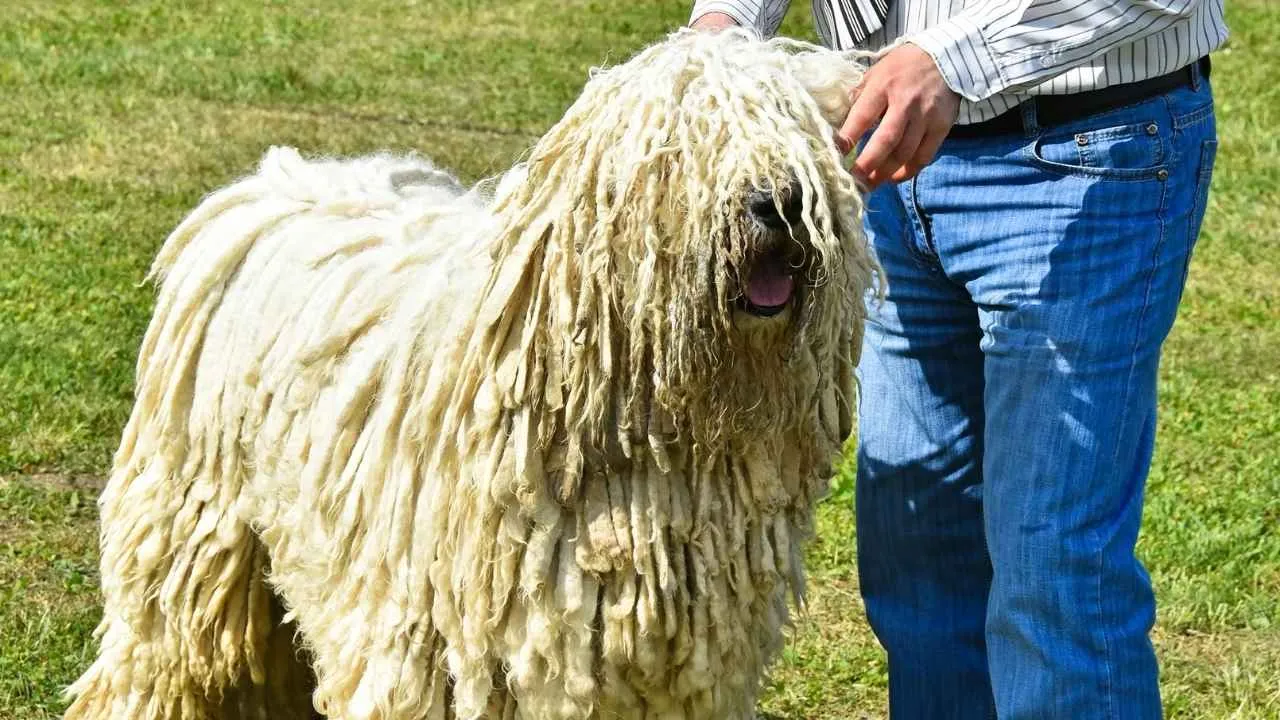
The Komondor has guarded flocks in Hungary for over a thousand years, possibly descending from the Ovtcharka of the Caucasus and brought to Hungary with the Magyars, as mentioned by Purina.
Positive reinforcement, short, varied sessions, and mental stimulation are key. Daily exercise should include at least an hour of walks, puzzle toys, or agility work, along with access to secure outdoor spaces to roam.
Appearance & Build
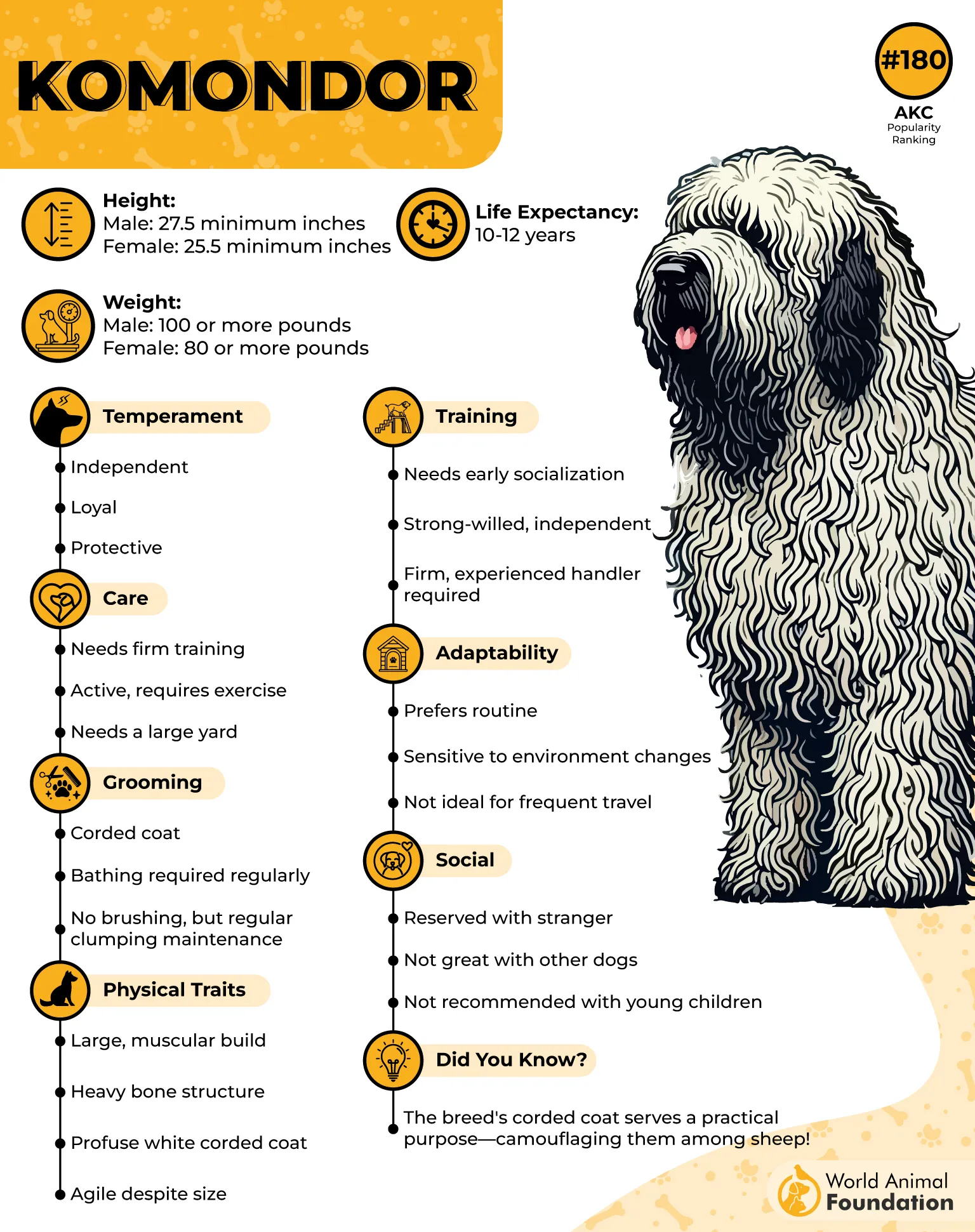
Komondorok are massive, muscular dogs with a broad chest and heavy bone structure. Their unique corded coat, formed naturally from a soft undercoat and a coarser outercoat, protects them from harsh weather and predators while helping them blend into flocks.
Males often weigh over 100 pounds and stand more than 27.5 inches at the shoulder, while females typically weigh over 80 pounds and stand taller than 25.5 inches. Despite their size, they are agile and move with long, confident strides.
Temperament & Behavior
Independent, intelligent, and protective, Komondorok are devoted to their family and wary of strangers. They have a gentle nature with children and other animals if properly socialized, but will bark to alert their owners of any perceived threat.
While calm for much of the day, they remain alert, making them excellent guardians. Early socialization is critical to ensure they grow into well-adjusted adults who respond appropriately to new people, dogs, and situations.
Conclusion
Whether you’re looking for a loyal guardian, an energetic playmate, or a hardworking farm companion, these dog breeds each bring something special to the table. Understanding their traits and giving them the right guidance ensures a harmonious and happy life together.
Bringing a dog into your home is more than just choosing a breed—it’s embracing the joy, challenges, and lifelong bond that comes with it. With patience, consistent training, and plenty of love, you can help your dog thrive and become a trusted part of your family.
Looking for more options? You can also check out the Border Collie, Labrador Retriever, Bernese Mountain Dog, Doberman Pinscher, Australian Shepherd, Great Pyrenees, and Australian Cattle Dog.
