




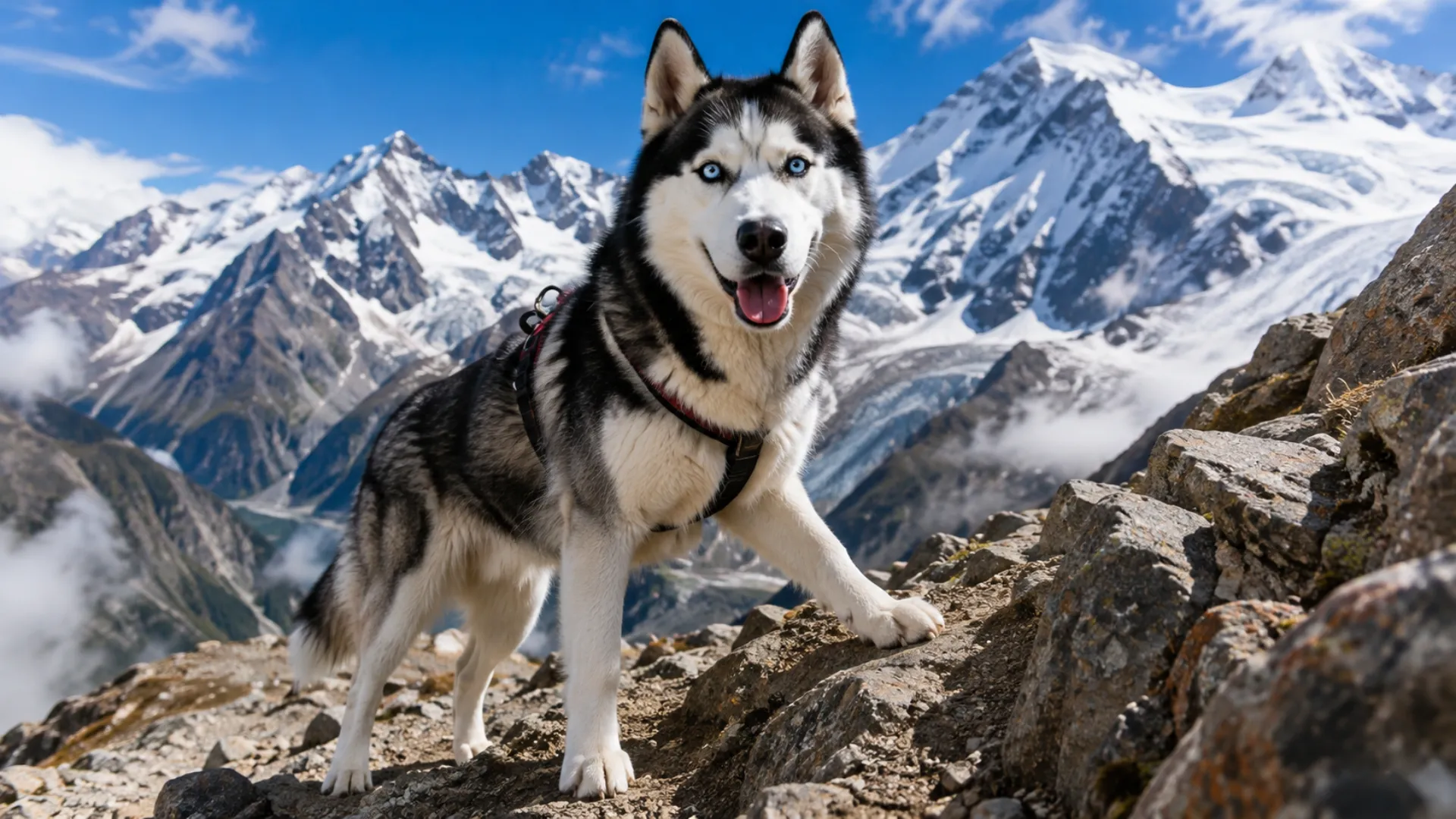
Some dogs see a steep, rocky trail and think, “Absolutely not.” Others? They’re already halfway up before you’ve finished tightening your hiking boots. For adventurous dog parents, the right canine companion can make rugged terrain feel like one giant outdoor playground.
Strong working backgrounds, endurance, agility, confident footing, and an eagerness to explore can all come in handy when trails get steep, uneven, snowy, or downright wild. Of course, enthusiasm alone doesn’t make a mountain pro.
So, lace up those boots because these rugged trail companions are ready to take climbing seriously.
Did you know?
Dogs can build mountain fitness gradually through regular walks, gentle hills, steeper trails, varied footing, and higher-elevation outings. Giving them time to adapt can help develop endurance, confidence, and comfort before tackling more demanding adventures.
Mountain-Climbing Dog Breeds Perfect for Rugged Terrain
1. Vizsla
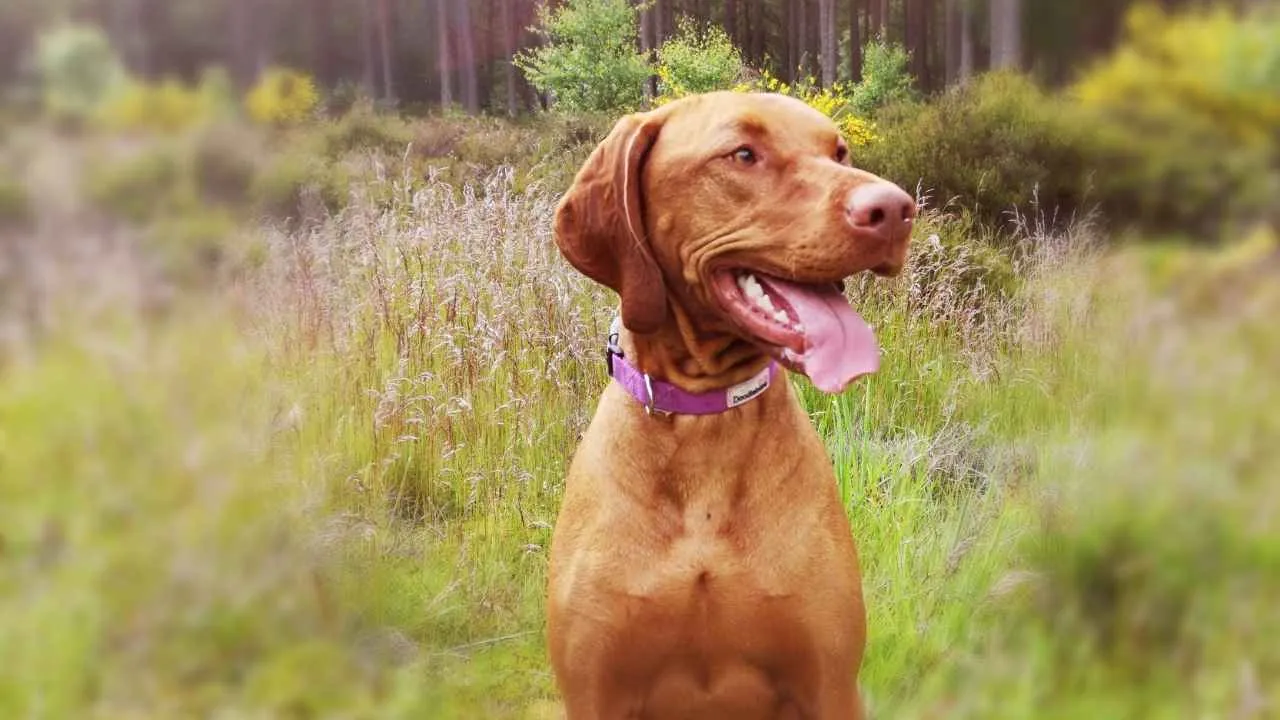
Rocky climbs are basically Vizslas’ idea of an interesting afternoon. Athletic, energetic, and built for endurance, these dogs make excellent adventure buddies, with the stamina and drive to keep going when an ordinary stroll turns into something far more demanding.
Originally bred in Hungary as hunting companions, Vizslas were developed to find, point, and retrieve game. That working background demanded speed, persistence, obedience, and a rugged constitution, giving these graceful dogs some seriously practical outdoor credentials.
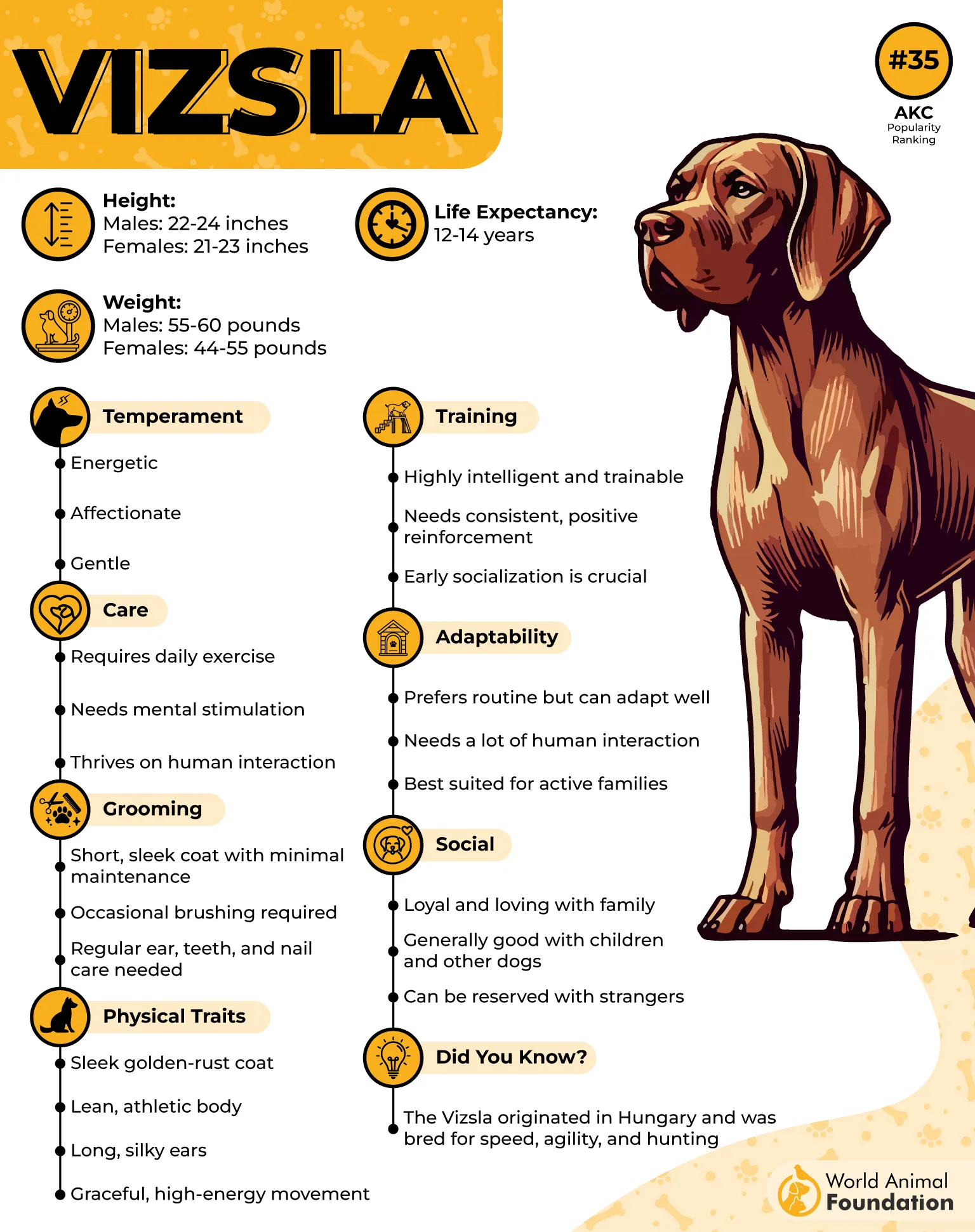
Rugged terrain gives Vizslas plenty to do, which suits dogs that enjoy running, hiking, swimming, and mental stimulation. Their smooth movement and strong stamina help turn demanding outdoor routes into the kind of busy adventure they genuinely enjoy.
Why This Breed Performs Well on Rugged Terrain
Smooth, efficient movement helps them cover uneven ground without wasting unnecessary energy.
Strong stamina keeps them moving when trails become longer, steeper, and more demanding.
2. Siberian Husky
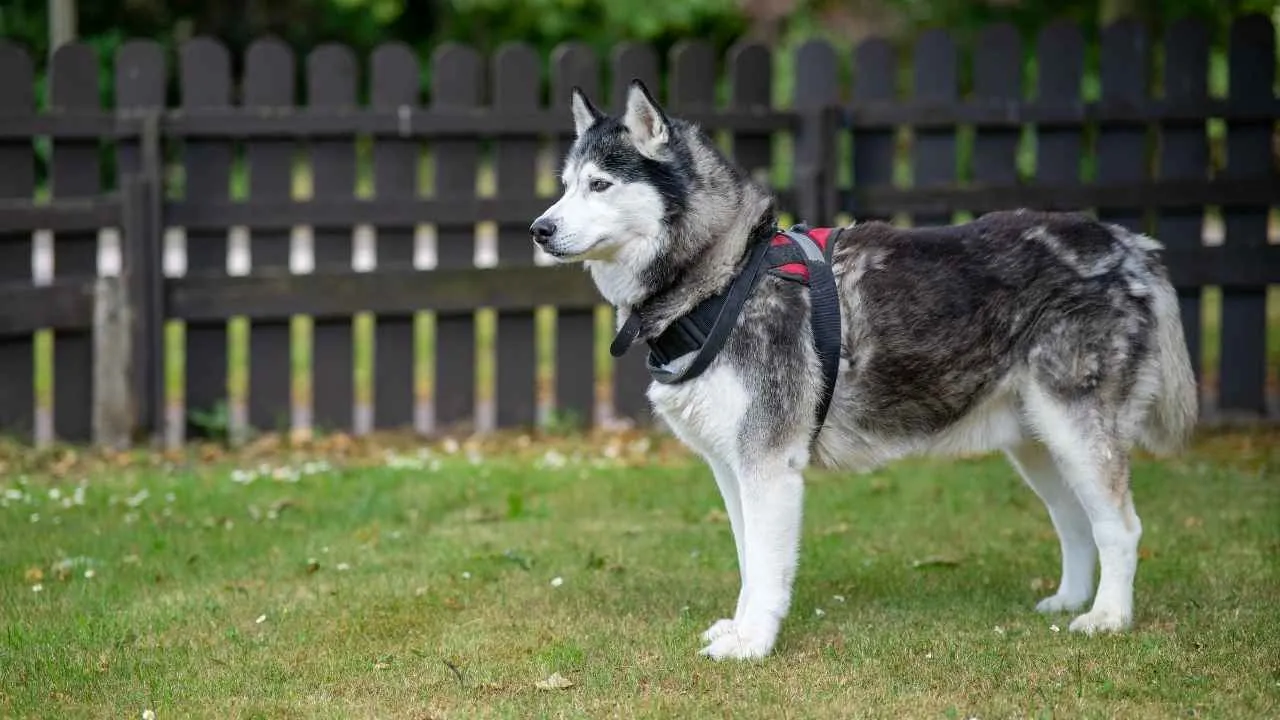
Snowy routes do not exactly send Siberian Huskies searching for the nearest sofa. These energetic working dogs are quick, nimble-footed, and built for endurance, making cold, demanding country feel much closer to familiar territory than an inconvenience.
Initially bred by the Chukchi people in Eastern Siberia, Siberian Huskies pulled loads across long distances through extreme Arctic weather. Their working history centered on cold conditions and sustained movement, which explains their enthusiasm for snowy mountains and rough terrain.
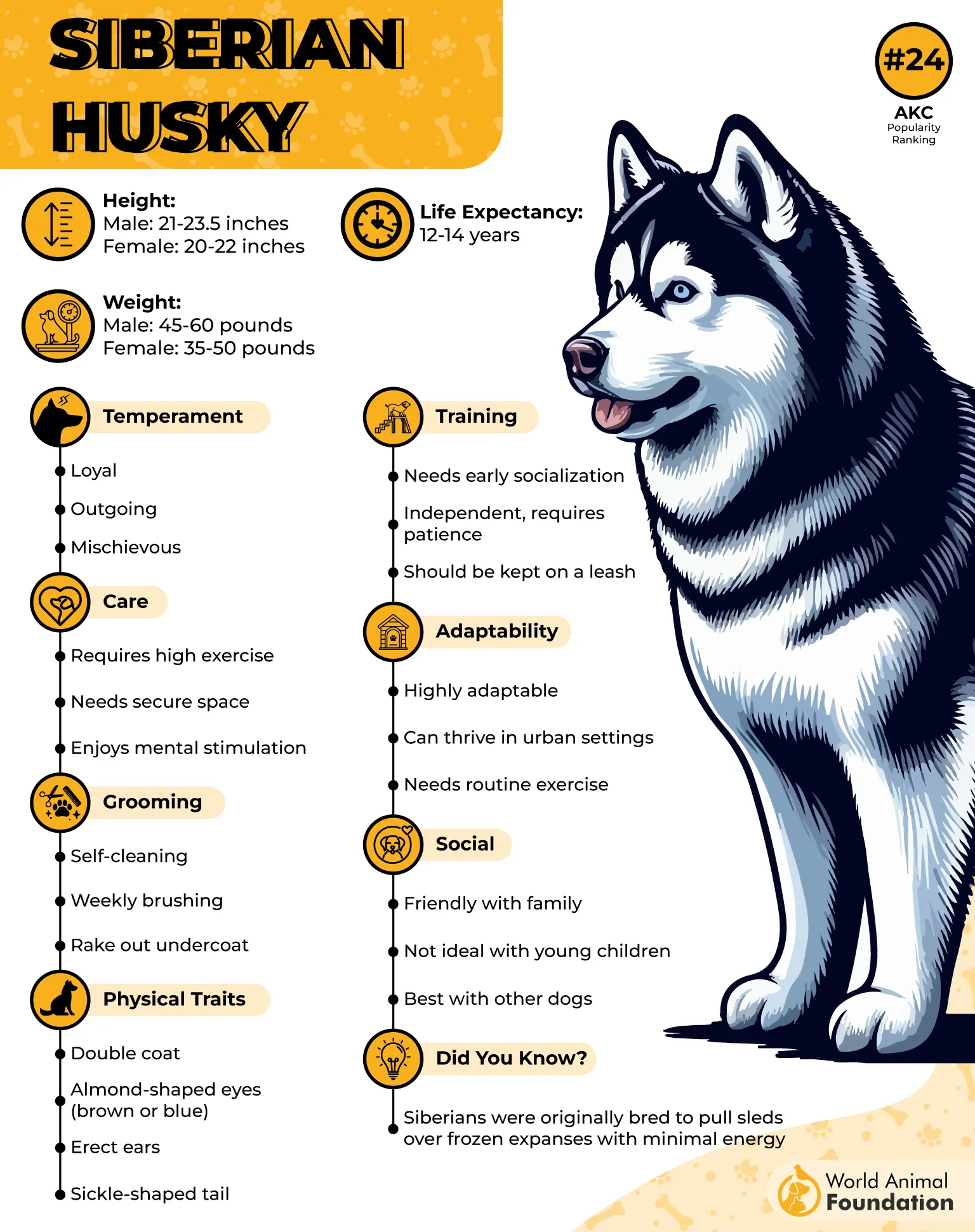
As noted by PetMD, proper training should begin during puppyhood and stay consistent because Siberian Huskies can be independent. Short, frequent sessions with positive reinforcement help, while leash training matters for dogs that may happily run off exploring on their own.
Why This Breed Performs Well on Rugged Terrain
Nimble footing helps them stay efficient across snowy, irregular, and demanding surfaces.
Cold-weather endurance supports sustained movement when mountain conditions become harsh and prolonged.
3. Bernese Mountain Dog
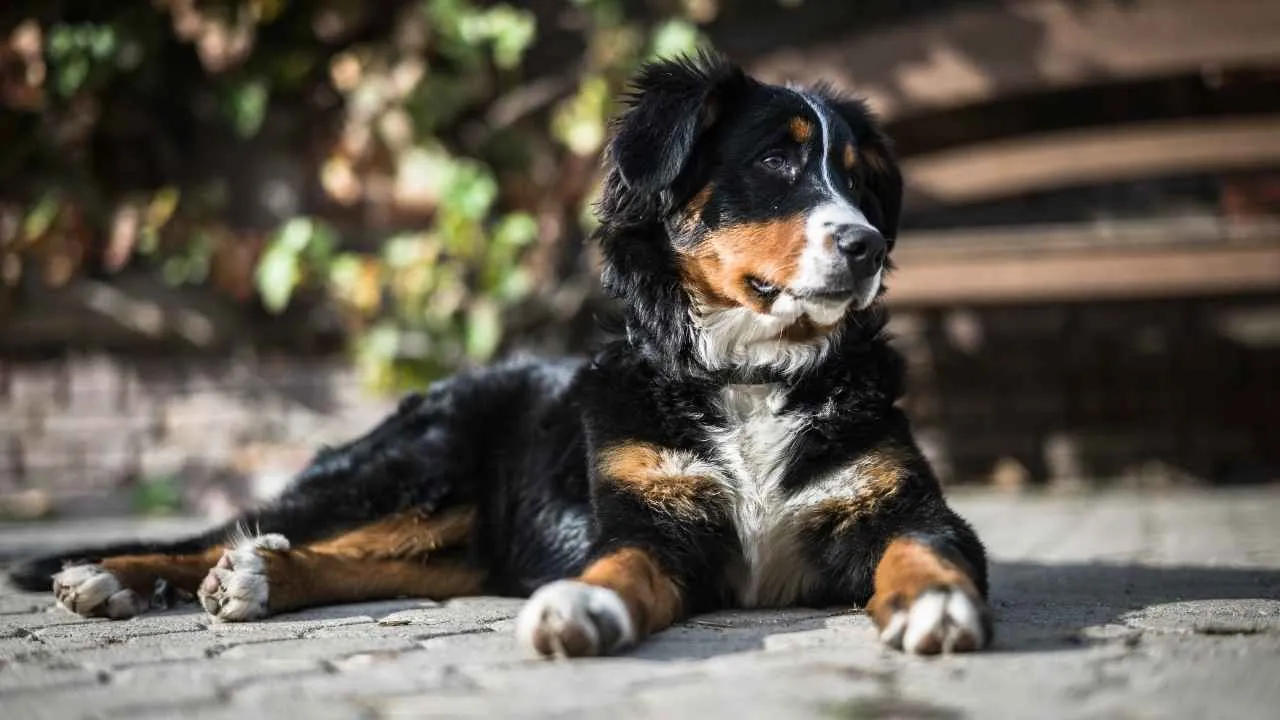
Bernese Mountain Dogs arrive with proper mountain credentials, not just a conveniently rugged name. Strong, sturdy, and suited to colder climates, these big dogs bring a calmer style outdoors, preferring purposeful movement over an endless all-day endurance marathon.
Originally bred in the Swiss Alps, Bernese Mountain Dogs worked as farm and drover dogs, herding livestock, guarding pastures, and pulling loaded carts. That background called for strength and useful movement across mountain country rather than flashy speed.
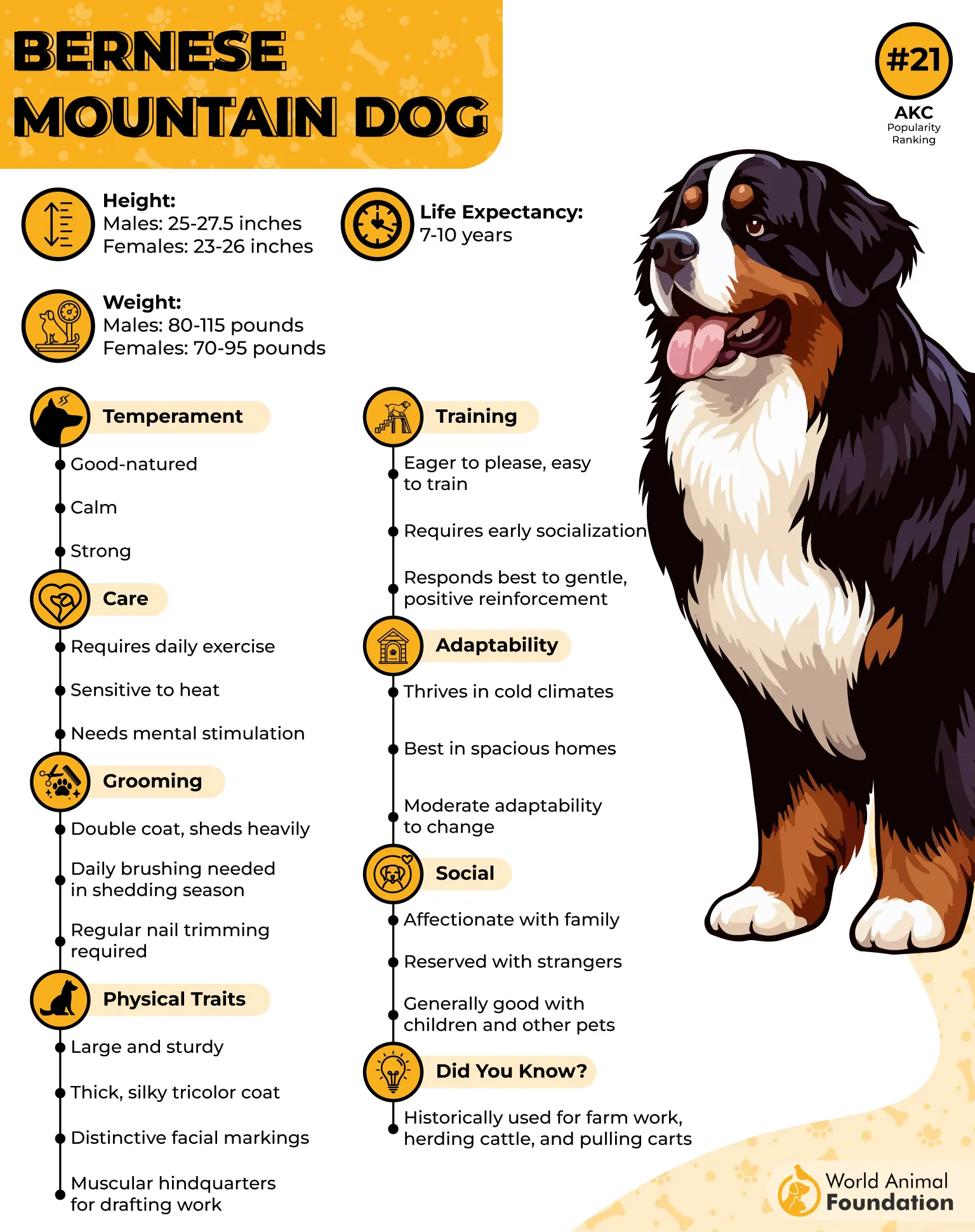
Cool-weather hikes, outdoor treks, running, and play can suit well-conditioned Bernese Mountain Dogs. However, they are not built for prolonged strenuous activity, and hot or humid weather can make demanding outdoor adventures particularly challenging for them.
Why This Breed Performs Well on Rugged Terrain
Muscular legs provide controlled power for climbing and moving across uneven mountain ground.
Steady movement helps them negotiate rough footing without relying on sudden bursts.
4. Rhodesian Ridgeback
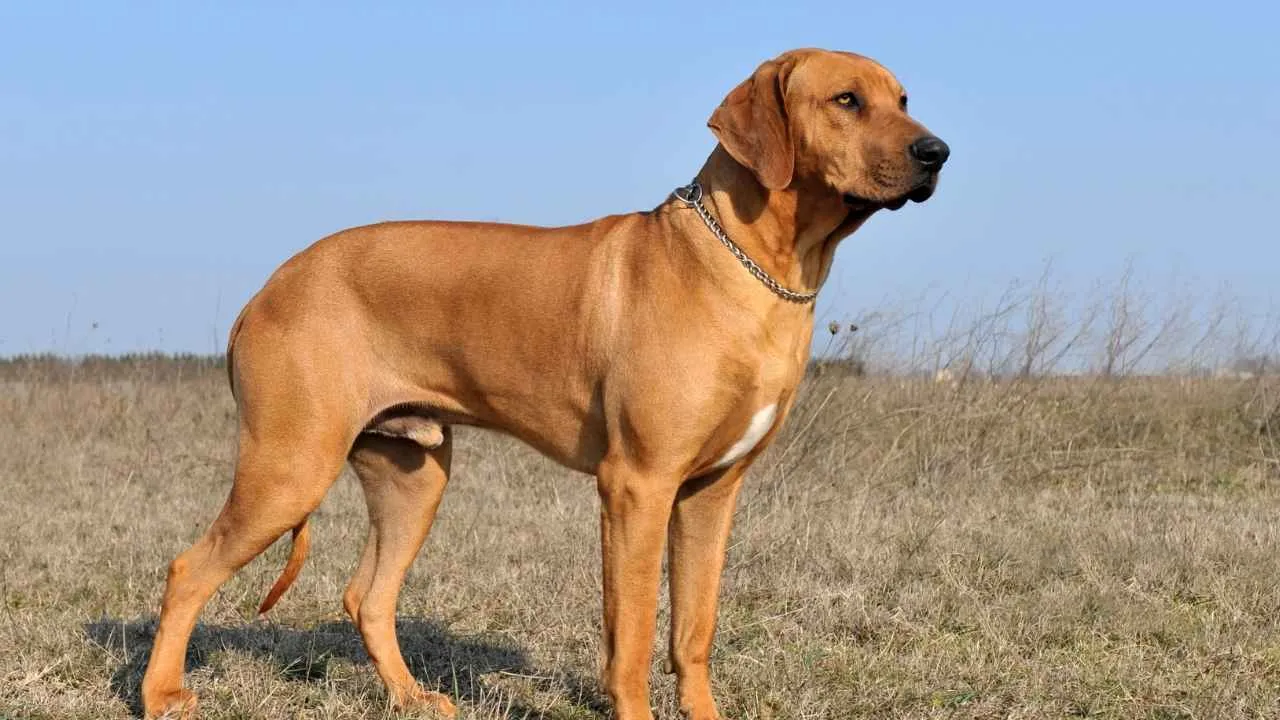
There is something wonderfully businesslike about Rhodesian Ridgebacks: powerful athletes, dignified expressions, distinctive ridges, job understood. Recognized by the AKC in 1955, these athletic dogs bring speed, stamina, and a confident working attitude to demanding outdoor ground.
Long walks and running give Rhodesian Ridgebacks a useful outlet for their athletic energy, while tracking and agility can work both mind and body. Their strong build and love of movement make active outings feel more like assignments than chores.
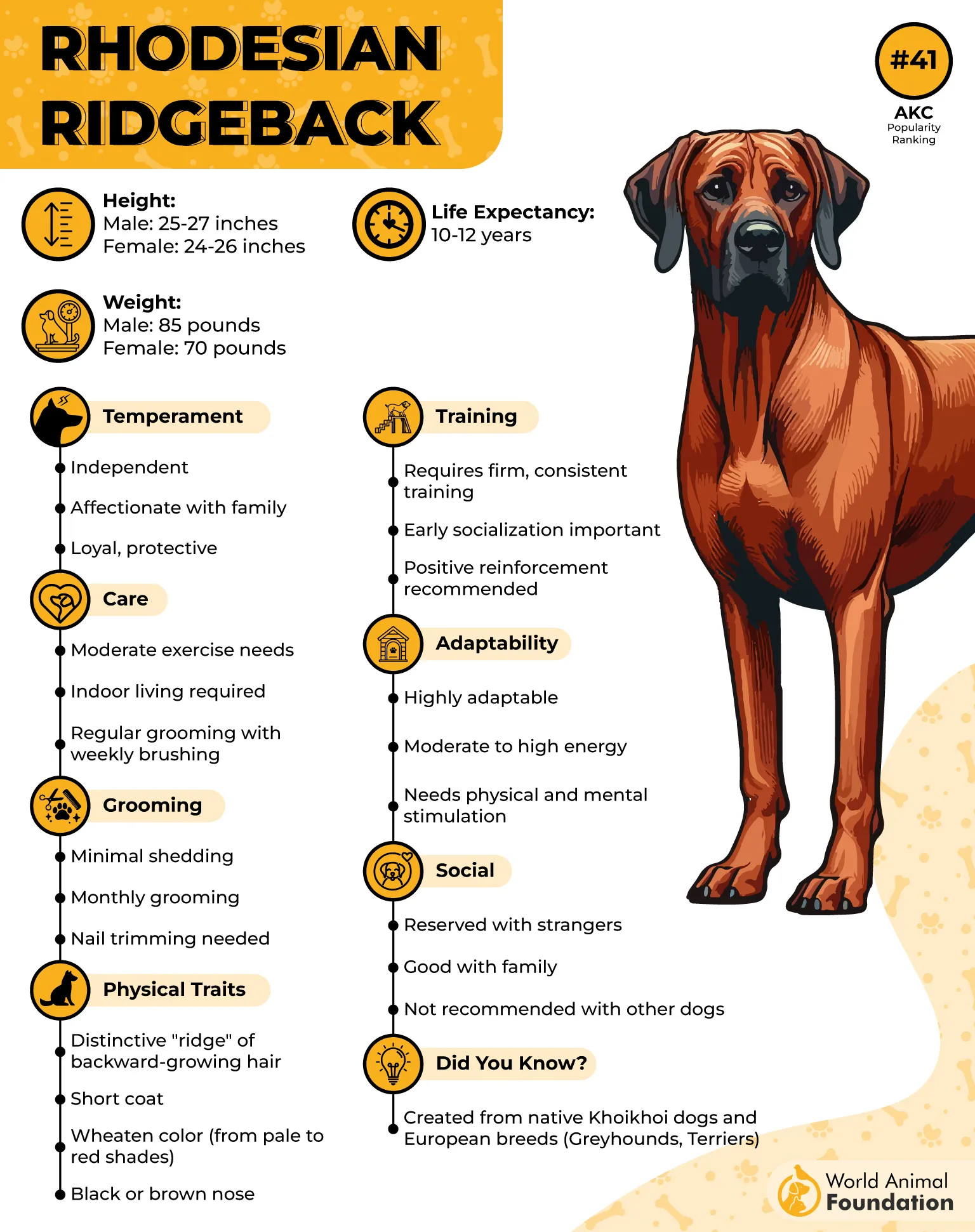
Outdoor adventures suit Rhodesian Ridgebacks because these hounds combine stamina, endurance, and an eagerness to run. They can make great hiking dogs for active owners when regular outings offer enough movement to keep their bodies and brains pleasantly occupied.
Why This Breed Performs Well on Rugged Terrain
Powerful athleticism supports quick, confident movement across demanding and changing outdoor ground.
Natural stamina helps these powerful dogs handle long, physically challenging routes, making Rhodesian Ridgebacks capable hiking companions for active owners.
5. Golden Retriever
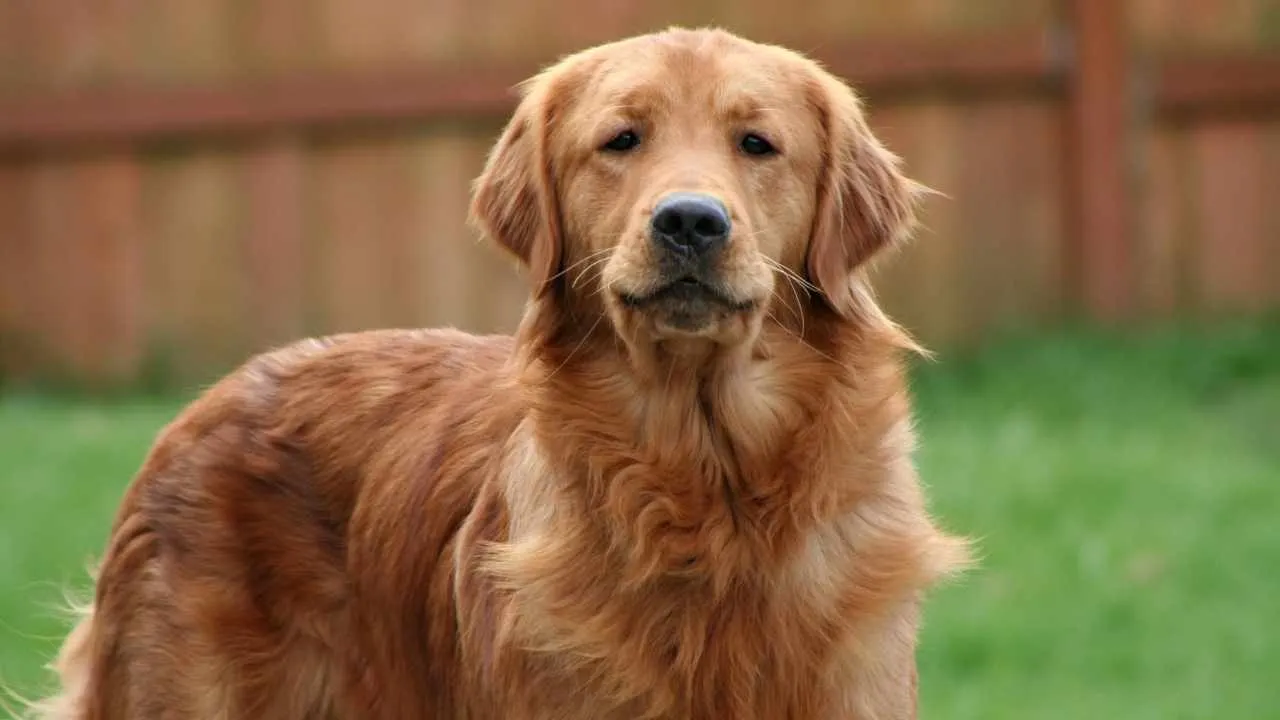
A Golden Retriever can turn a lively outdoor day into a social event. Playful, intelligent, and eager to stay involved, these active dogs enjoy movement and companionship, making adventurous routes much more appealing than an afternoon spent doing nothing.
Plenty of exercise keeps Golden Retrievers happily occupied, with walks, runs, hikes, swimming, and retrieving all on the menu. For off-leash adventures, a secure free-run dog park can also be an enjoyable option alongside regular daily activity.
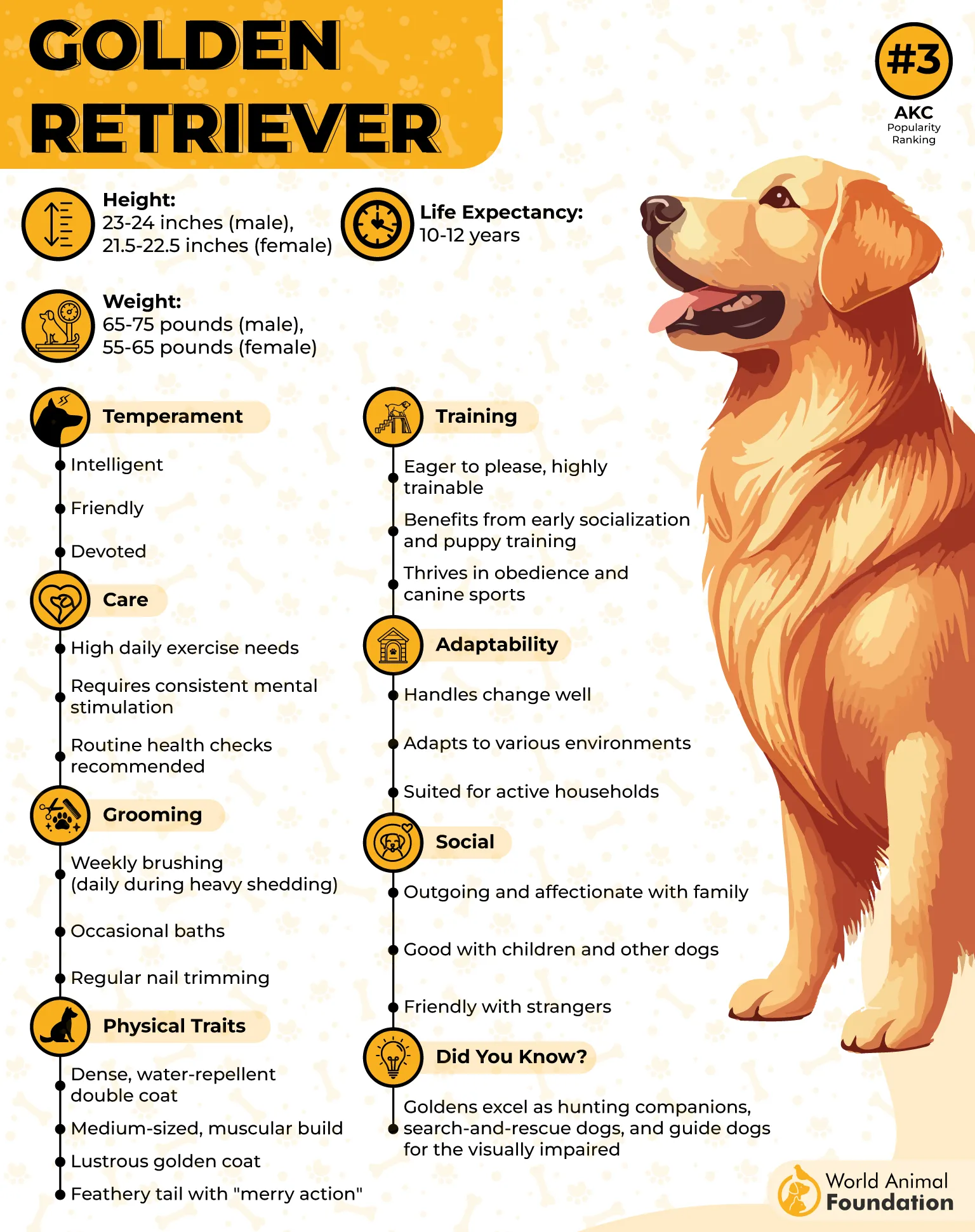
Back indoors, Golden Retrievers keep the friendliness switched on. They are affectionate family dogs that usually do well with children, other dogs, cats, and other pets when properly introduced and socialized, so busy households can suit them remarkably well.
Why This Breed Performs Well on Rugged Terrain
Smooth, powerful movement supports steady progress across uneven and demanding outdoor surfaces.
Natural versatility across land and water helps them handle changing trail conditions.
6. German Shepherd
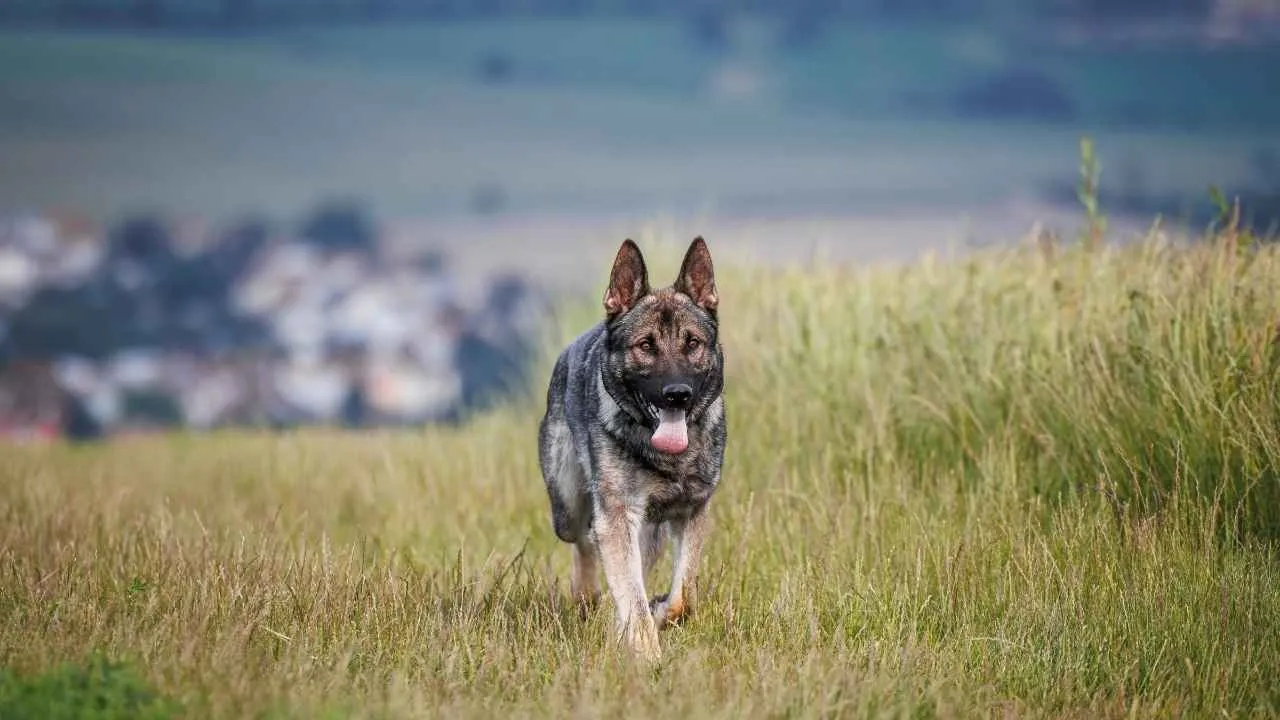
German Shepherds are the sort of dogs that seem happiest when somebody gives them a mission. Strong, agile, intelligent, and energetic, they can swap family time for serious activity quickly, making a long hiking adventure sound considerably better than lounging around.
Originally bred as a herding dog, German Shepherds carried a strong work ethic into life. Their need to run, play, and explore, plus their enthusiasm and boundless energy for all-day hikes and climbing trails, explains why mountains can keep them thoroughly engaged.
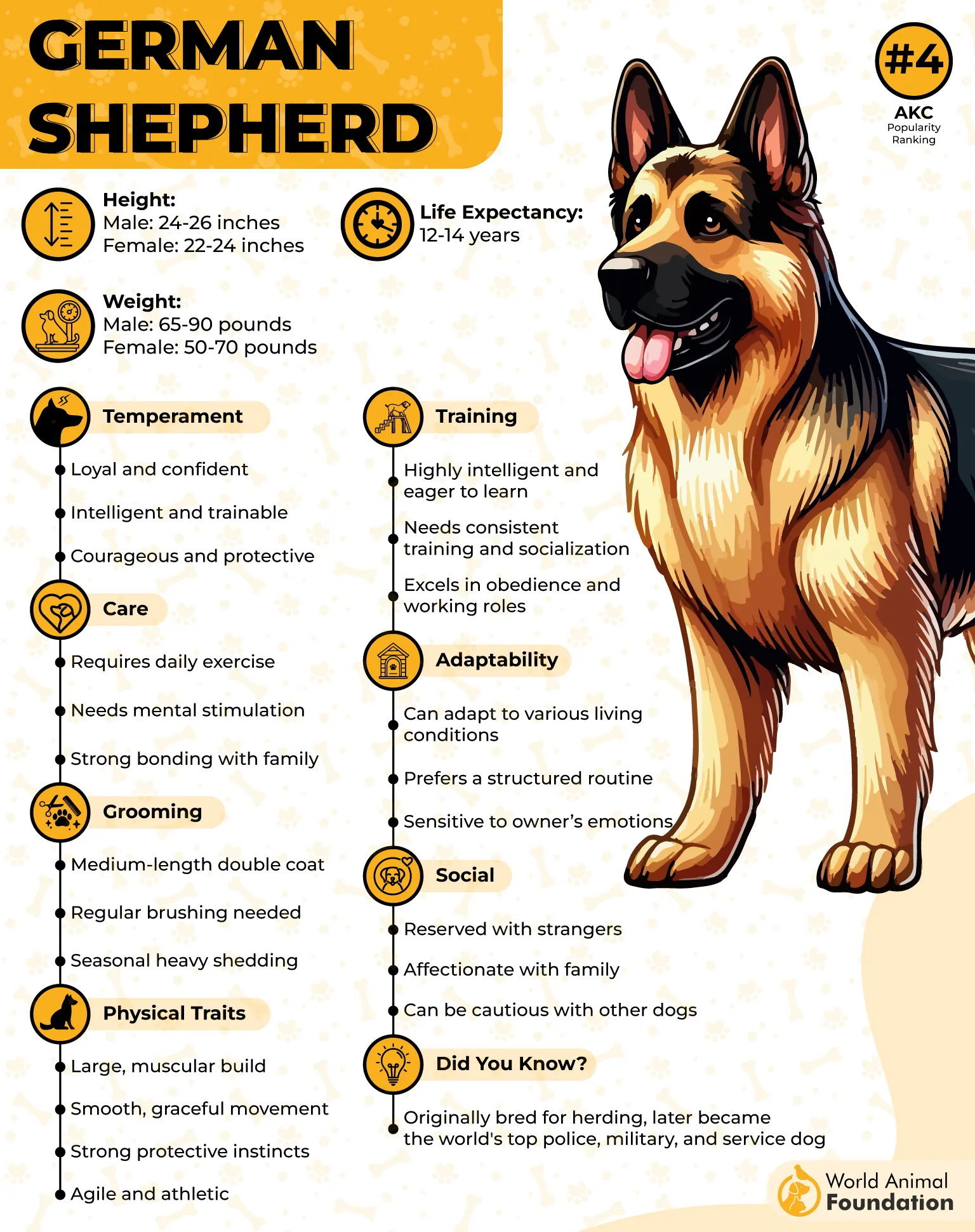
Work gets wonderfully varied with German Shepherds. Search and rescue dogs, police dogs, military dogs, service dogs, tracking dogs, and detection workers all appear in their résumé, showing how readily their intelligence and desire for purposeful tasks can be directed.
Why This Breed Performs Well on Rugged Terrain
Strong agility helps these hardy dogs navigate climbs, wooded trails, obstacles, and shifting ground with purpose.
Focused working drive keeps them engaged when rugged routes demand sustained attention.
7. Alaskan Malamute
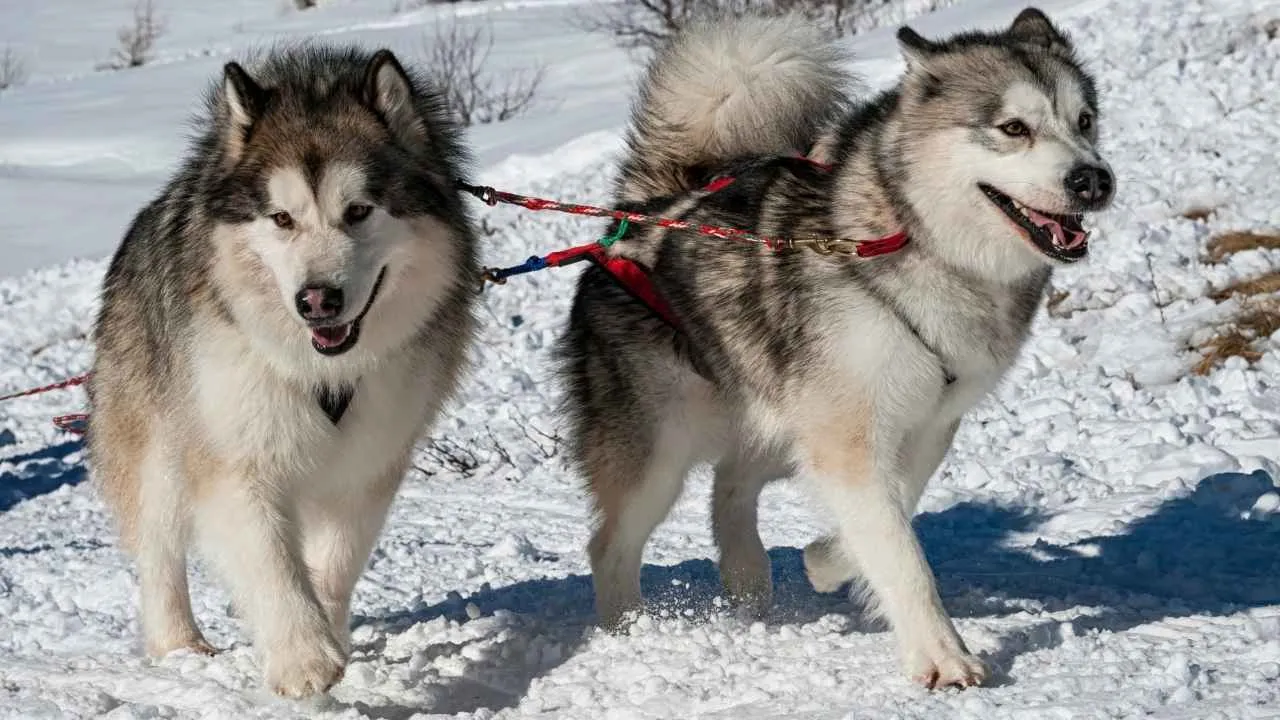
Snow, adventure, and something challenging to do can make an Alaskan Malamute look right at home. These spirited, intelligent dogs enjoy staying active, and their enthusiasm for outdoor activities gives them plenty of personality when the route gets interesting.
Initially bred alongside Alaska’s Mahlemiut people, Alaskan Malamutes were developed to haul heavy sled loads over long distances. Their tremendous endurance and working strength suit demanding mountain country, especially when cold conditions turn an ordinary outing into serious outdoor work.
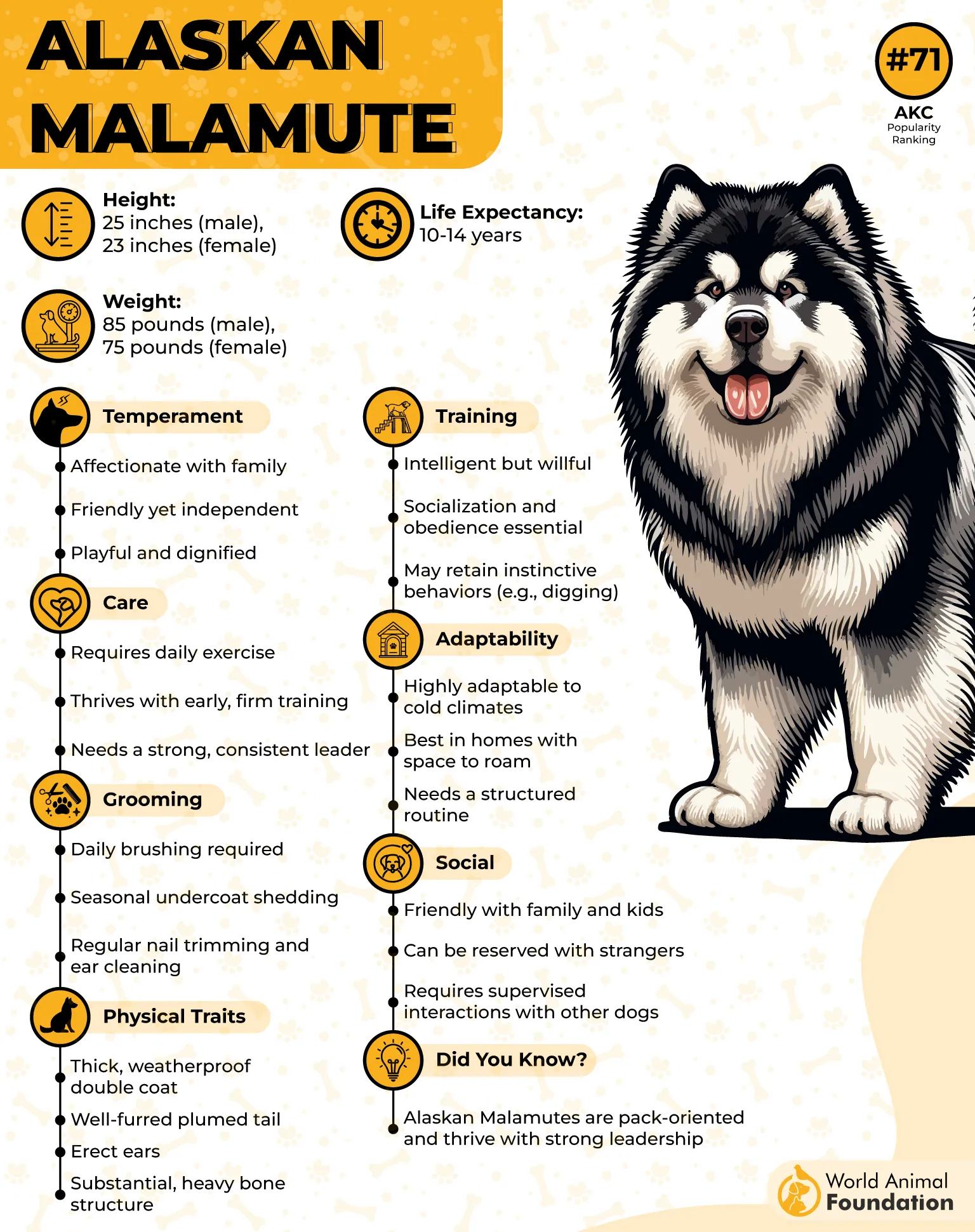
As mentioned by Purina, Alaskan Malamutes need basic manners and solid lead training because pulling comes naturally to them. Active outlets such as canicross can suit that drive, while dependable recall still should not be trusted completely outdoors.
Why This Breed Performs Well on Rugged Terrain
Their thick double coat protects harsh Arctic conditions.
Powerful shoulders and substantial bone support physically demanding movement over difficult ground.
Conclusion
Mountain trails ask plenty from a dog, and these breeds bring very different strengths to the adventure. Some shine through stamina, agility, cold-weather capability, or steady working drive, while others simply thrive when movement, challenge, and outdoor companionship become part of the plan.
The right match comes down to the adventures you enjoy and the partner you want beside you. Consider each breed’s energy, temperament, training needs, and outdoor strengths carefully. Pick wisely, prepare properly, and those rugged trails could become some of your favorite memories together.
