




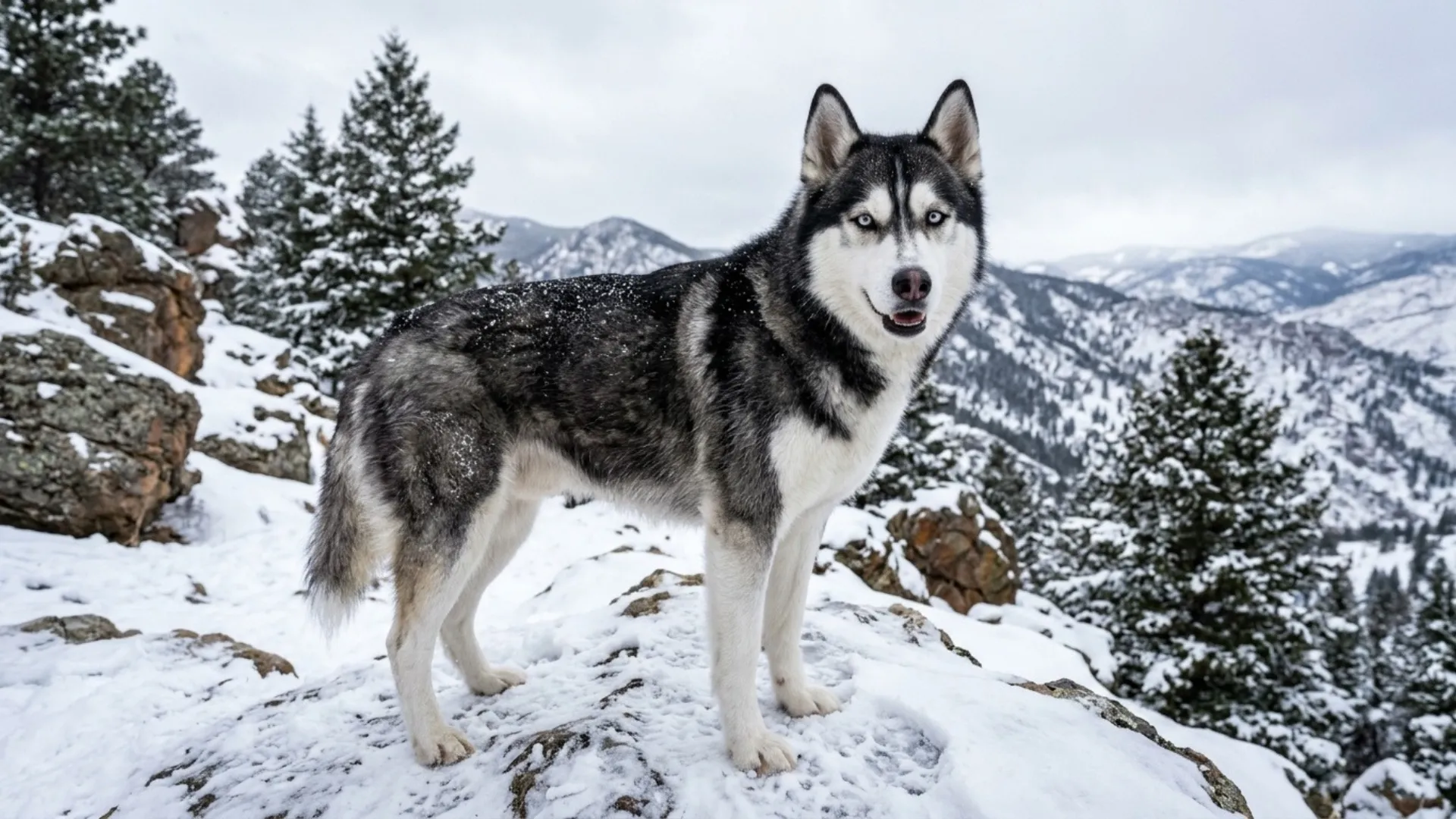
What makes certain dogs capable of handling freezing temperatures, exhausting outdoor adventures, and physically demanding work? The answer involves far more than muscle or a thick coat. A dog’s original purpose, physical structure, endurance, and temperament all influence how well it copes with challenging conditions.
Some were bred to pull heavy loads across snowy landscapes, while others spent their working lives protecting livestock, navigating rugged mountains, or covering enormous distances alongside hunters. These responsibilities shaped animals with impressive stamina and remarkable physical capabilities.
Interestingly, two dogs with similar builds can have very different abilities when faced with difficult surroundings. One may excel in cold weather, while another performs exceptionally well in rough terrain or demanding physical tasks. Their individual strengths reveal how varied canine resilience can be.
From extraordinary endurance to impressive working instincts, the following breeds have plenty of qualities that make their toughness worth a closer look.
Key Takeaways
Freezing winters, rugged mountains, and exhausting work have shaped some of the toughest dog breeds we know today.
Take the Siberian Husky, whose thick coat and efficient stride helped it travel across snowy landscapes. The Alaskan Malamute developed remarkable strength for hauling heavy freight.
Further down the list, you’ll find dogs bred for hunting dangerous animals, protecting livestock, and working alongside military personnel.
Stay with us till the end because the history of the Akita and the extraordinary abilities of the German Shepherd are worth discovering too.
Top Most Resilient Dog Breeds That Can Handle Anything
1. Siberian Husky
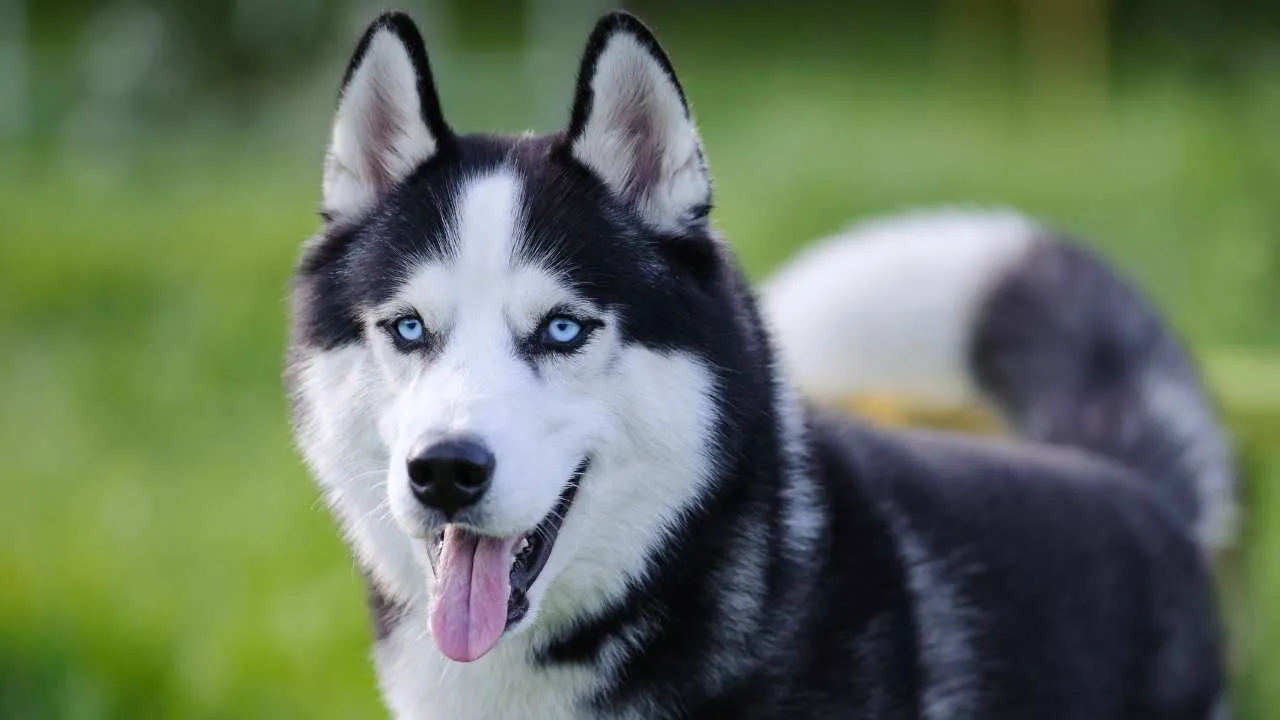
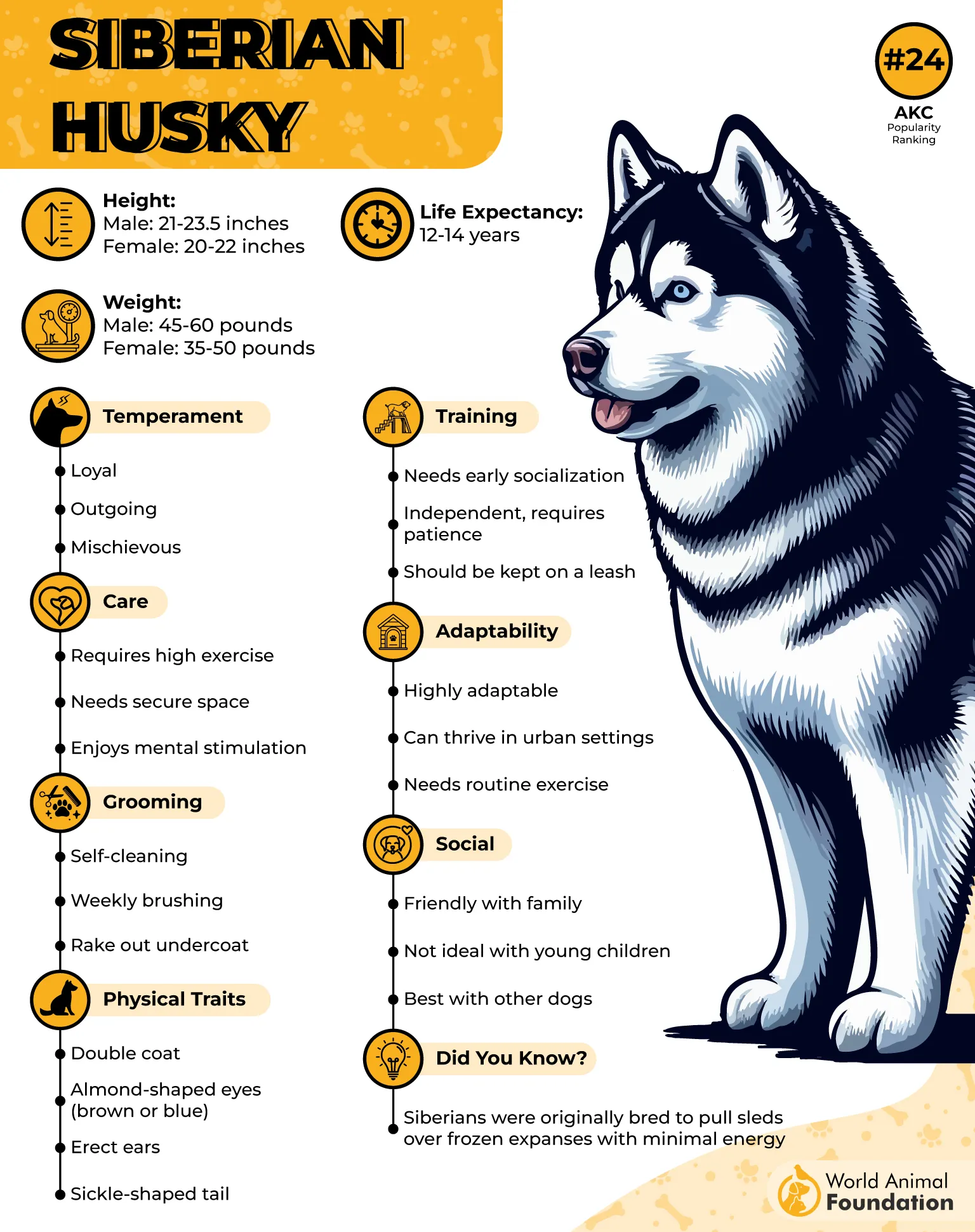
The Siberian Husky comes from northeastern Asia, where the Chukchi people relied on these dogs to pull sleds across frozen terrain. Its roots in Arctic working life make it one of the oldest sled-dog breeds, with a history shaped by long journeys and harsh winter conditions.
Endurance Built for Long Distances
This working dog breed has remarkable stamina and can run for hours when properly conditioned. Its lean frame and smooth, efficient trot help it cover long distances without wasting unnecessary energy, a valuable advantage during demanding sled journeys.
Its working instincts bring a few practical considerations:
Naturally inclined to pull when walking on a leash.
Often more playful and energetic in cooler weather.Can be difficult to recall, so secure areas are essential.
Made for Freezing Weather
According to Greencross Vets, a dense double coat protects the Husky against Arctic temperatures. Its thick undercoat provides insulation, while longer guard hairs help shed snow.
Compact, fur-covered paws also offer warmth and traction, and their curled tail can cover their muzzle while resting in cold conditions.
2. Alaskan Malamute
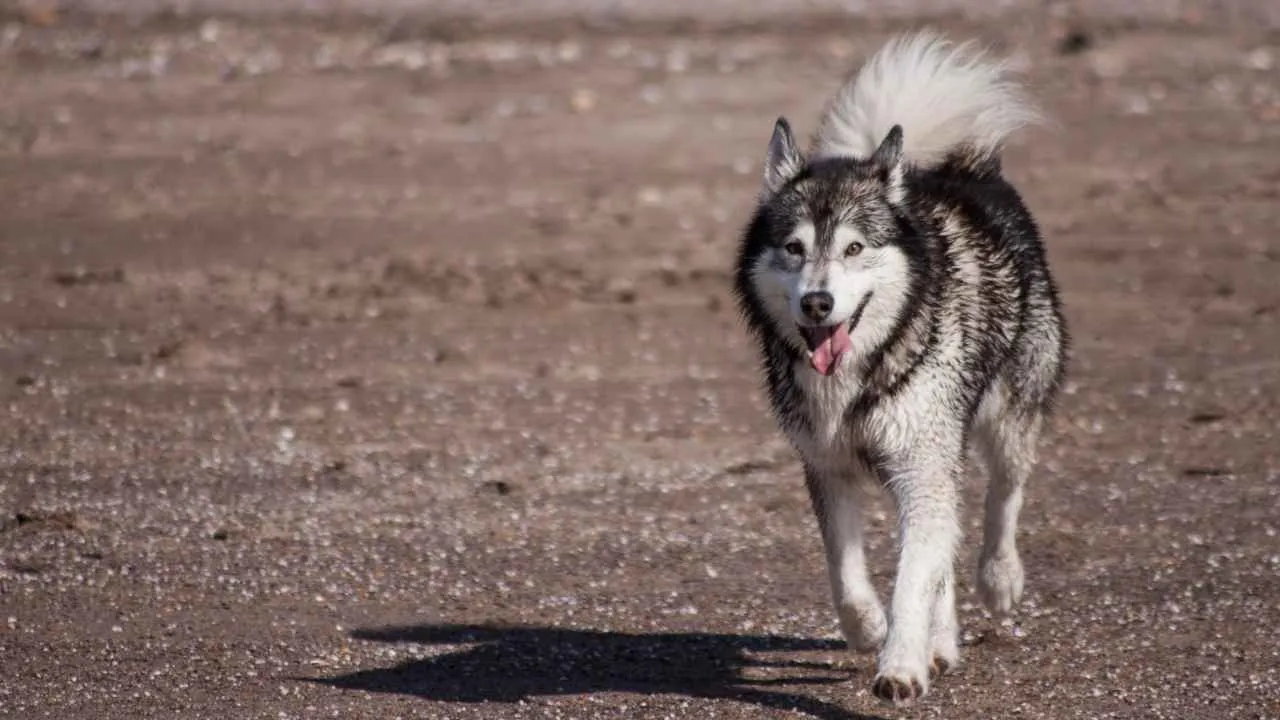
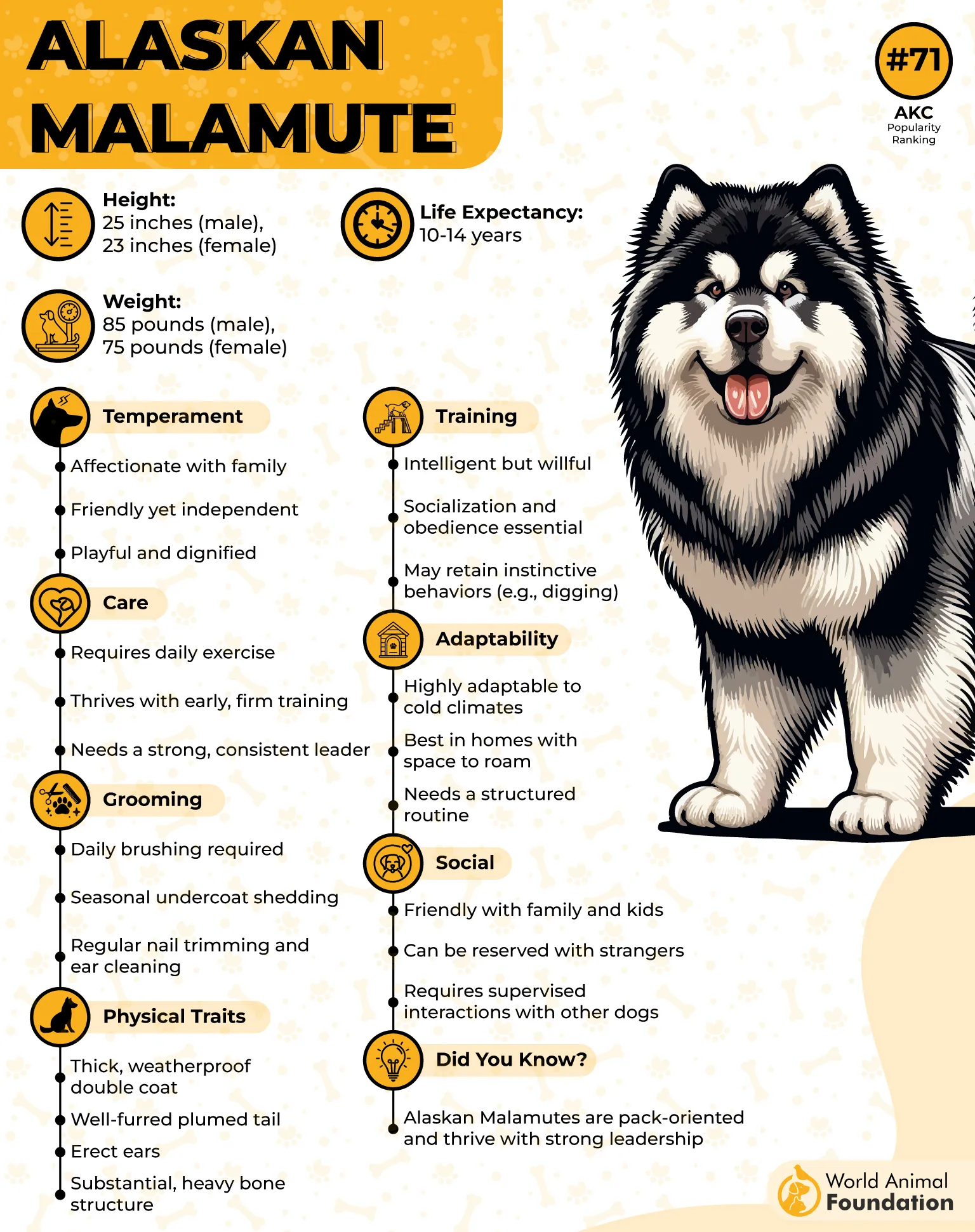
The Alaskan Malamute originated in Alaska’s Arctic regions, where it lived alongside Inuit communities along the northern coast. Hunters relied on these powerful dogs to haul large prey, including seals and bears, back to their villages. Its exact origins remain unknown.
Built for Heavy Work
An Alaskan Malamute has the strength and stamina for demanding work in freezing conditions. Bred to pull heavy sleds and freight over long distances, it maintains a steady working pace and can handle substantial loads with proper conditioning and training, as WebMD reports.
Several physical features help it manage harsh Arctic terrain:
Broad, fur-covered feet provide traction on snow and ice.
Small, upright ears help limit heat loss.
Its bushy tail can cover its muzzle while sleeping.
Strength Needs Direction
Independent and strong-willed, this purebred dog breed needs consistent training from an early age, especially to control leash pulling and improve recall. Hiking, swimming, obedience, weight-pulling, and recreational sledding offer suitable outlets for its working instincts.
3. Dogo Argentino
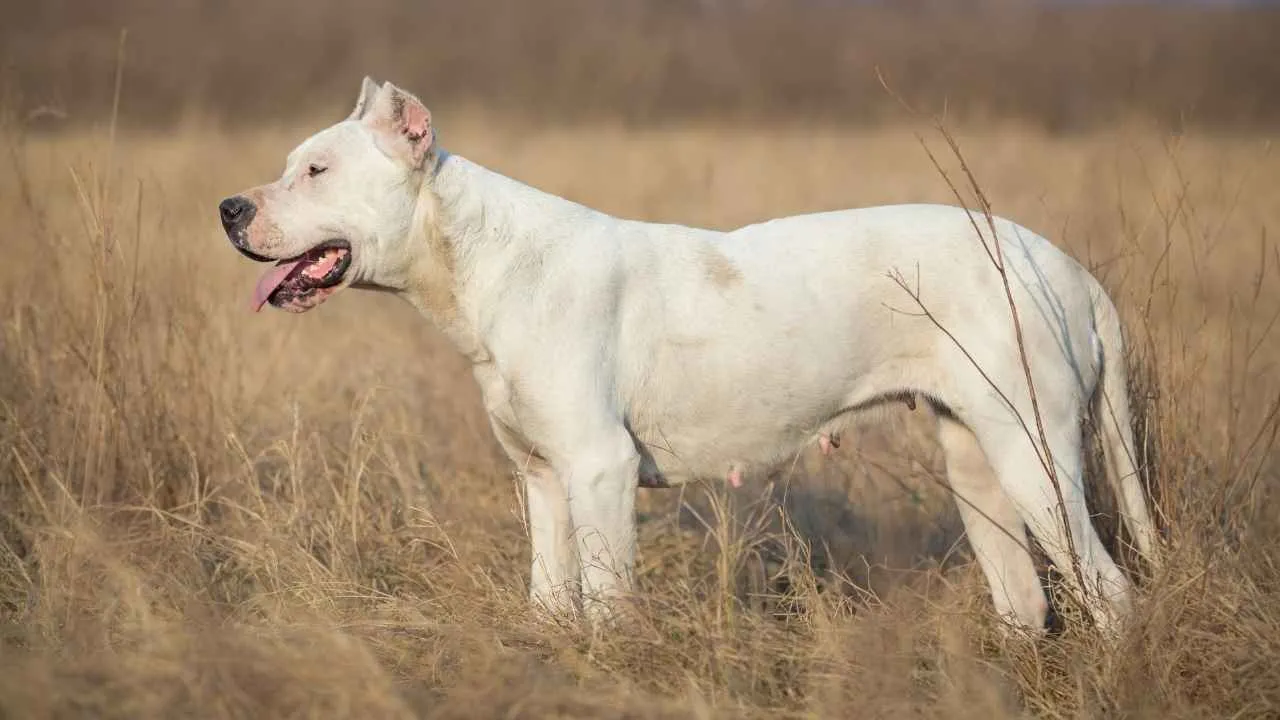
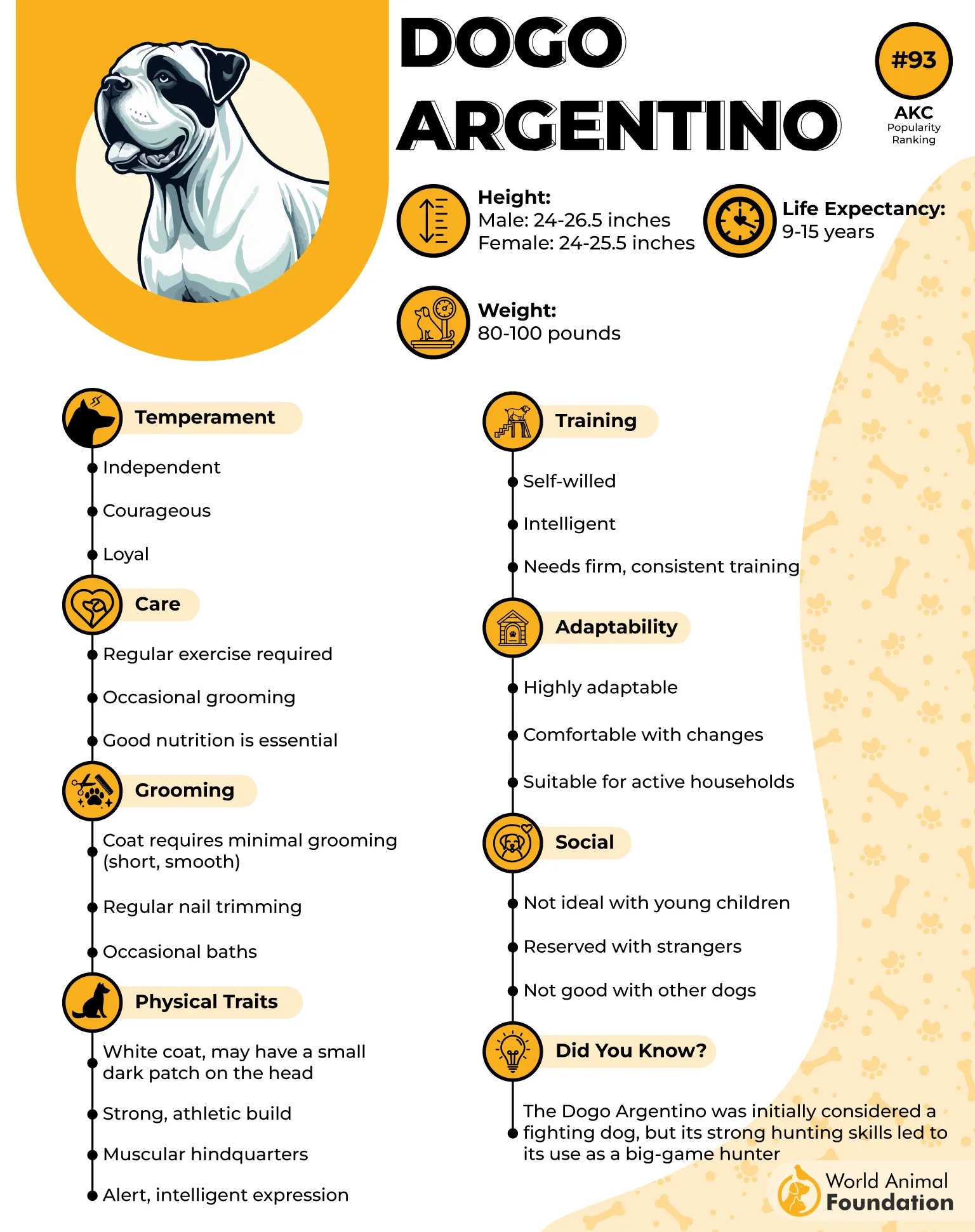
The Dogo Argentino emerged in Argentina and was first selectively bred there in 1928. Its ancestry combines a local fighting dog from Córdoba with several other breeds, including the Great Dane, Pointer, Boxer, and Bull Terrier, to create a strong, capable big-game hunting dog.
Courage Under Pressure
The Dogo Argentino was bred to locate, pursue, and catch dangerous game, demanding considerable courage and determination, as per the AKC.
Its fearless temperament and strong loyalty also make it a devoted family companion, provided it receives consistent training and early socialization.
Its physical abilities are equally important to its working role:
A keen nose for locating game.
Excellent lung capacity for demanding activity.
Powerful muscles paired with an agile build.
Plenty of Work for an Active Dog
This energetic breed needs regular physical activity and purposeful training. Fenced-yard play, swimming, hiking, and retrieving games offer useful outlets, while agility, obedience, and rally provide structured challenges. Its instinct to chase small animals also makes reliable training and secure outdoor areas important.
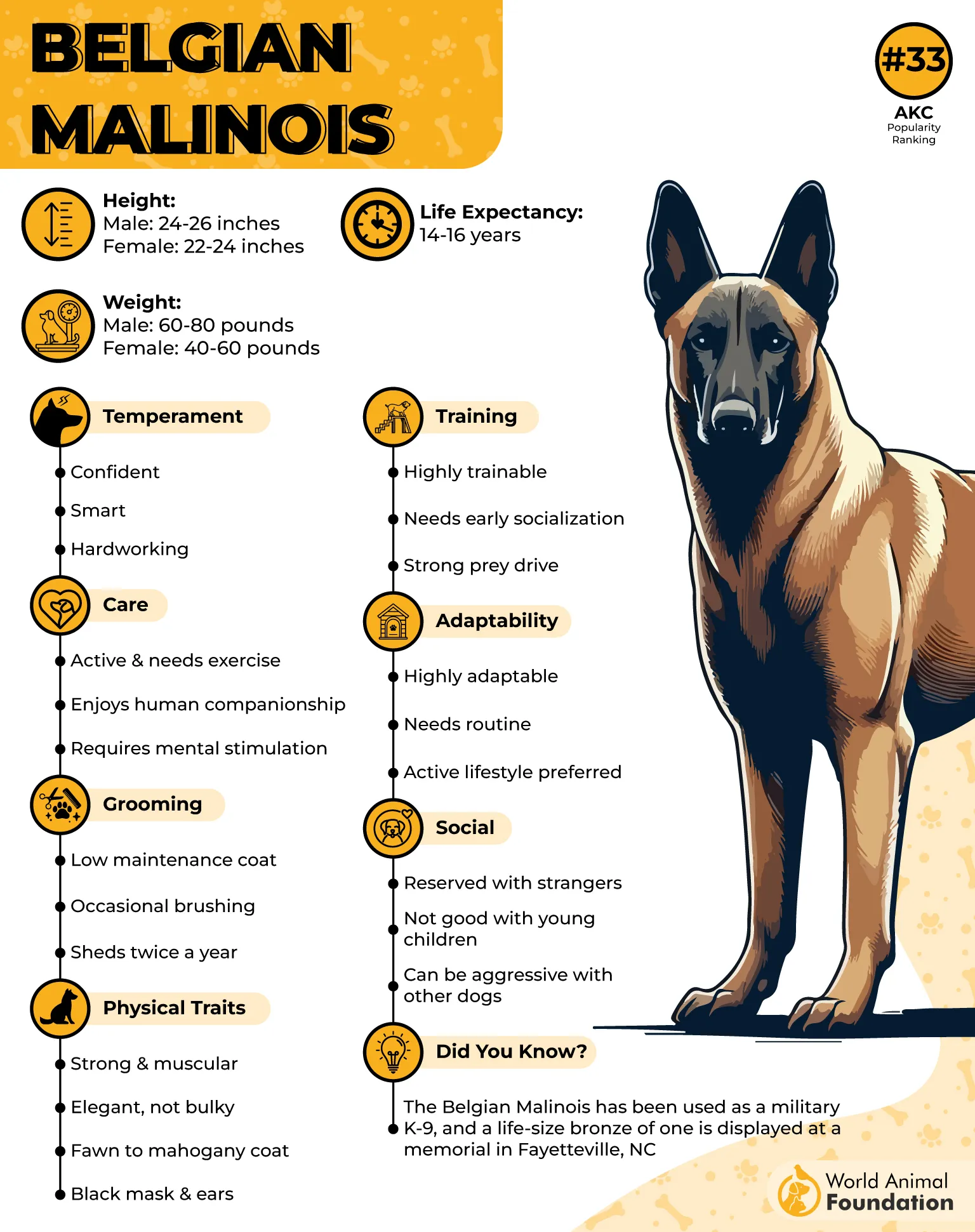
4. Belgian Malinois
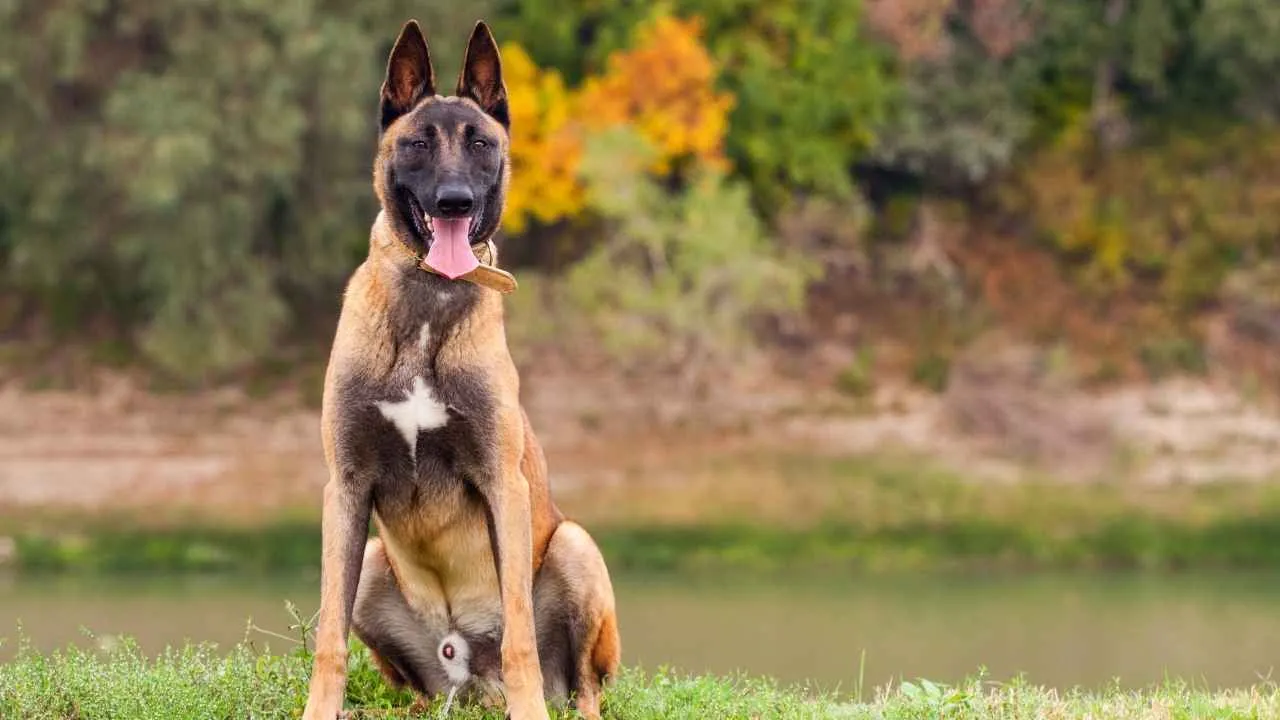
The Belgian Malinois began as a shepherding dog in Belgium, where its intelligence and agility suited livestock work and farm guarding. Serious breeding efforts began in the late 1800s, and by the 1950s, the breed had gained recognition for its guarding abilities and growing role in police and military service.
Built for Demanding Work
Speed, muscular strength, and quick thinking give the Belgian Malinois the ability to handle physically and mentally challenging assignments.
Its performance in police operations, military service, and search-and-rescue work reflects the demands this athletic breed can meet.
Its working style has some impressive details:
Performs fast, precise obedience routines.
Uses powerful, controlled gripping techniques in protection sports.
Often reaches mental maturity later, with adolescent intensity lasting into early adulthood.
Needs an Active Daily Routine
A herding dog needs substantial activity alongside its favorite person, with ordinary walks falling short of its requirements. Running, hiking, and biking suit its athletic nature, while tracking, agility, herding, and obedience sports offer demanding outlets for its abilities.
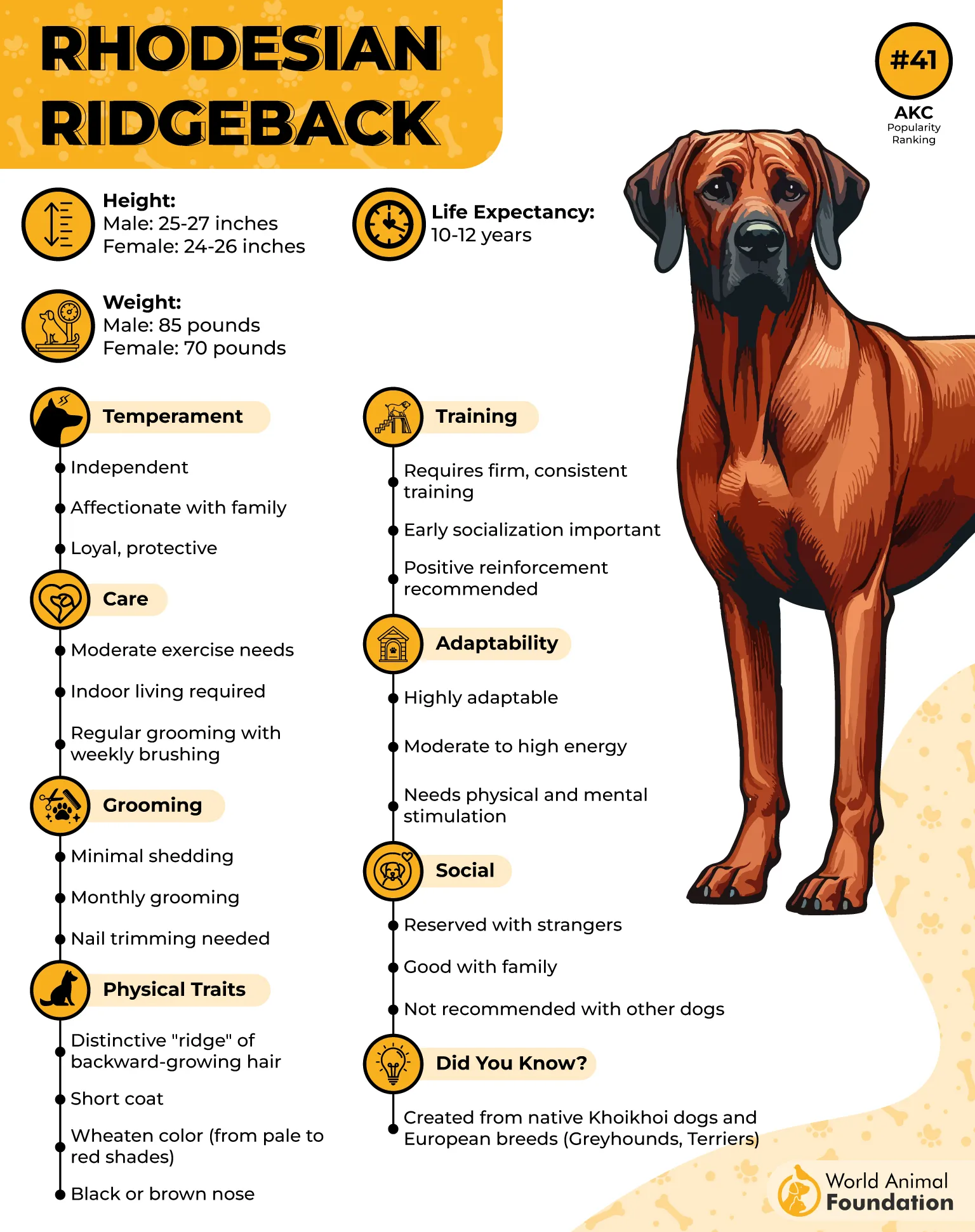
5. Rhodesian Ridgeback
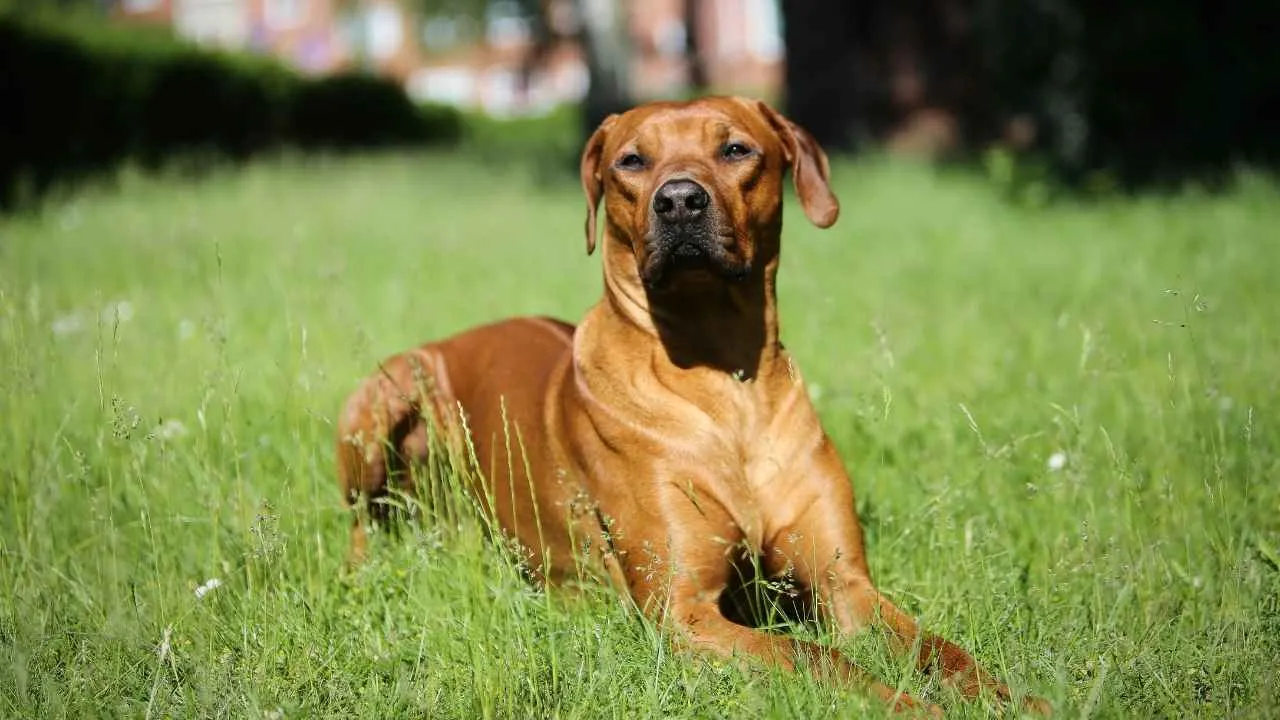
The Rhodesian Ridgeback traces its roots to 16th- and 17th-century southern Africa, when European settlers crossed their imported hunting dogs with native dogs.
By the late 1800s, these dogs had reached Rhodesia, now Zimbabwe, where hunters relied on them to track lions and hold them at bay. A formal breed standard followed in the 1920s.
Built for Long Pursuits
This hardy dog has the physical strength and efficient stride needed for demanding outdoor work. Its deep chest, powerful hindquarters, and athletic build support long-distance trotting, while its sharp eyesight and keen nose help it pick up signs of activity across open ground.
These other characteristics make this breed especially interesting:
Handles warm weather well, thanks to its short coat and athletic build.
Can be quiet and relaxed indoors.
Often leans its body against people it trusts.
Training a Determined Athlete
Young Ridgebacks have plenty of energy and often make enthusiastic running partners. Early, consistent training is important because their intelligence comes with an independent streak, and they can be selective about following commands. Agility and obedience activities can also give them a useful challenge.
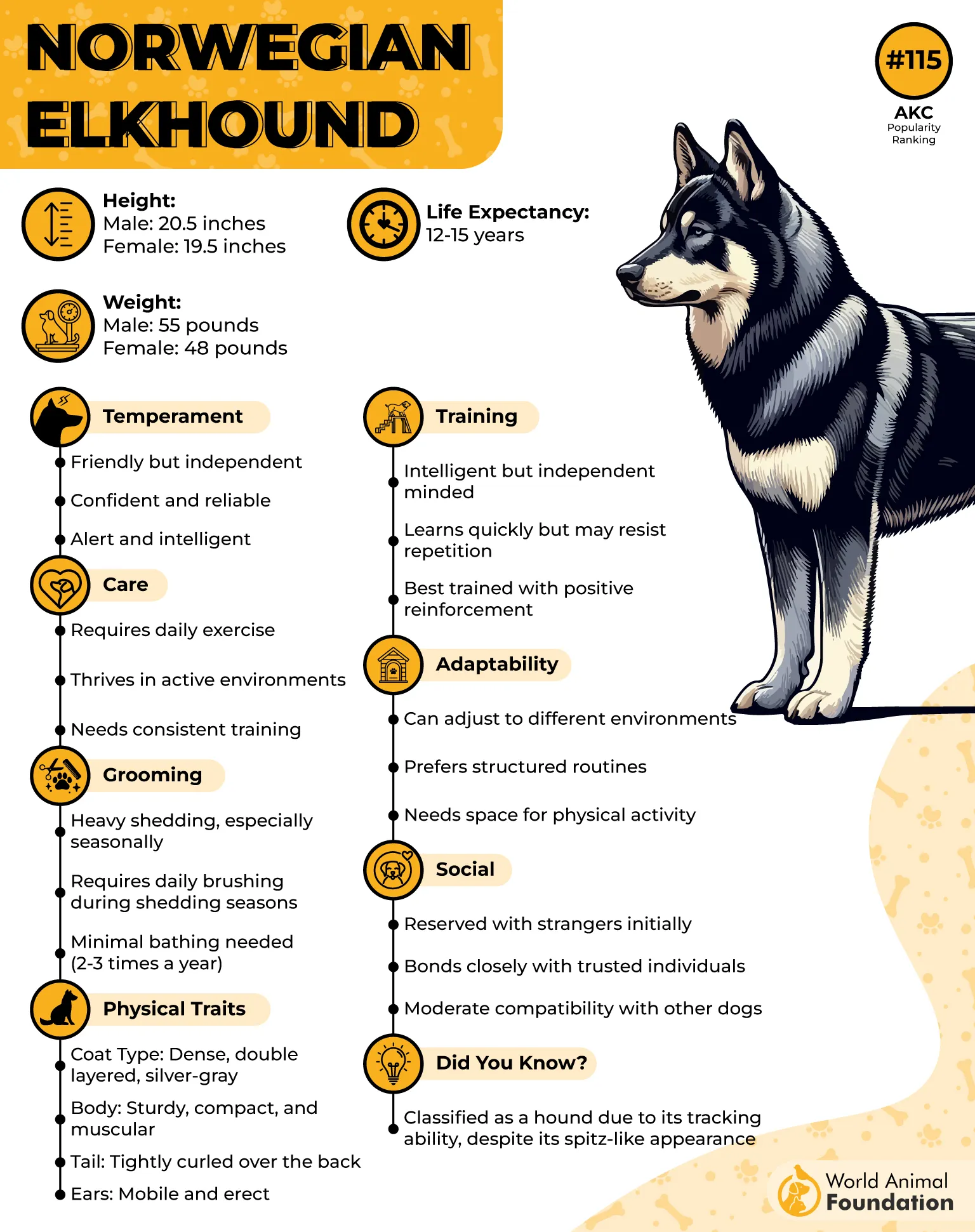
6. Norwegian Elkhound

The Norwegian Elkhound has served hunters in Scandinavia since Viking times, earning its place as a dependable partner in the pursuit of large game.
Despite its name, this breed belongs to the Spitz family and was traditionally used to hunt moose, with its name likely linked to the German word Elch.
Built for Long Hunting Days
Tracking a moose through rugged woodland calls for stamina, courage, and persistence, all of which are central to the Norwegian Elkhound’s working abilities. It can range ahead of hunters for miles, then bark continuously to keep its quarry at bay until they arrive.
Its physical adaptations also help it handle demanding northern conditions:
Dense double coat protects against cold, wind, and wet snow.
Seasonal undercoat shedding produces heavy amounts of loose fur.
Curled tail helps shield its tip from freezing temperatures.
A Sturdy Northern Build
A deep chest, muscular thighs, and strong legs give this energetic dog an athletic frame suited to long-distance travel. Its efficient trot helps cover rugged ground, while upright ears, a wedge-shaped head, and dark brown eyes complete its classic Spitz appearance.
7. Akita
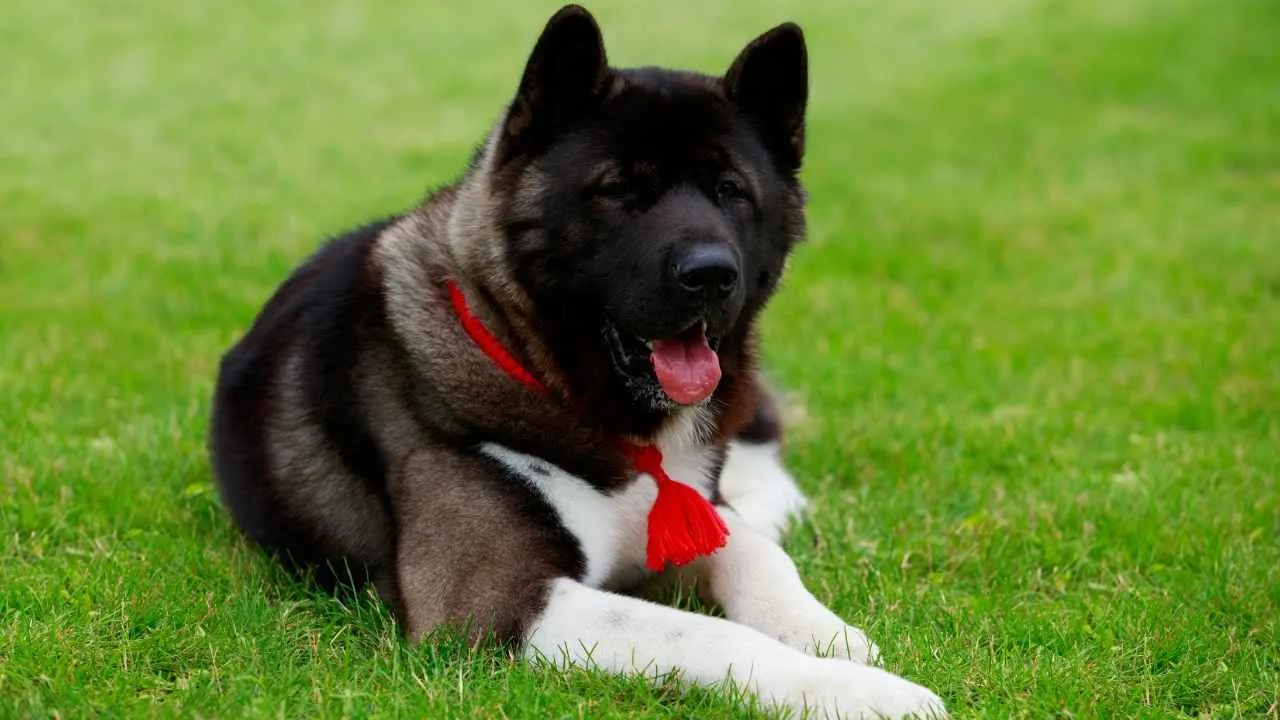
The Akita was originally bred in Japan during the 17th century, where it was valued for hunting deer, wild boar, and even bears. After coming close to extinction several times, the breed recovered and became one of seven Japanese dog breeds designated as national monuments.
Built for Bitter Winters
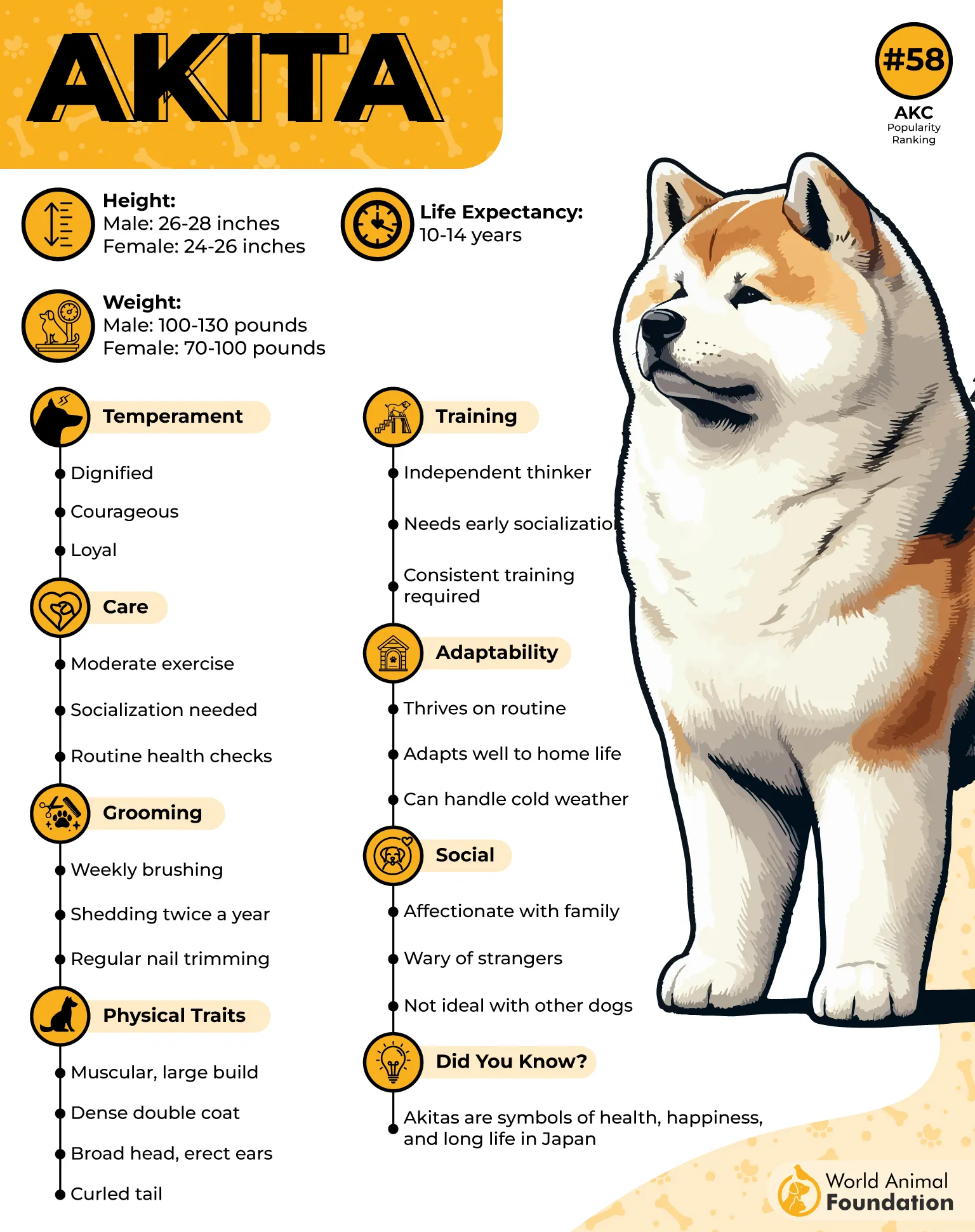
A thick double coat gives the Akita natural protection against the harsh winters of northern Japan. Its dense insulation helps retain warmth, while the outer coat sheds moisture during time spent in cold, wet conditions. Seasonal shedding also refreshes this protective layer.
Its physical structure offers a few more advantages in demanding environments:
Compact ears and a curled tail limit exposed surface area.
Strong limbs help with travel over rugged ground.
A muscular frame supports steady movement and lasting stamina.
Comfortable With a Moderate Routine
Despite their substantial size, Akitas generally need moderate daily exercise, such as a brisk walk or jog. They also enjoy energetic play and can adapt to relatively small homes when given sufficient activity. Their history as household guardians also makes indoor living a natural part of their lifestyle.
8. German Shepherd
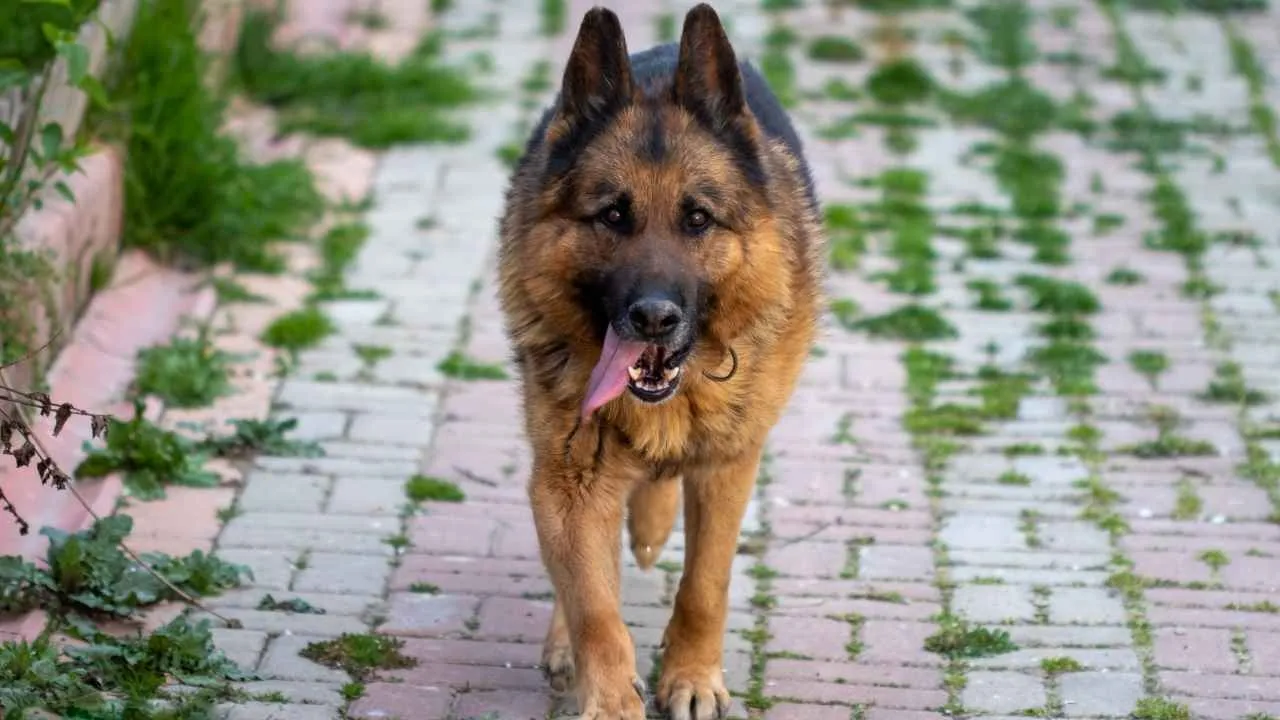
The German Shepherd developed in Germany, where breeders sought a capable flock herder and guardian. Its name briefly changed to Alsatian after the First World War, with the word “German” dropped from its official name. Kennel clubs restored the original name during the 1930s.
Built for Demanding Work
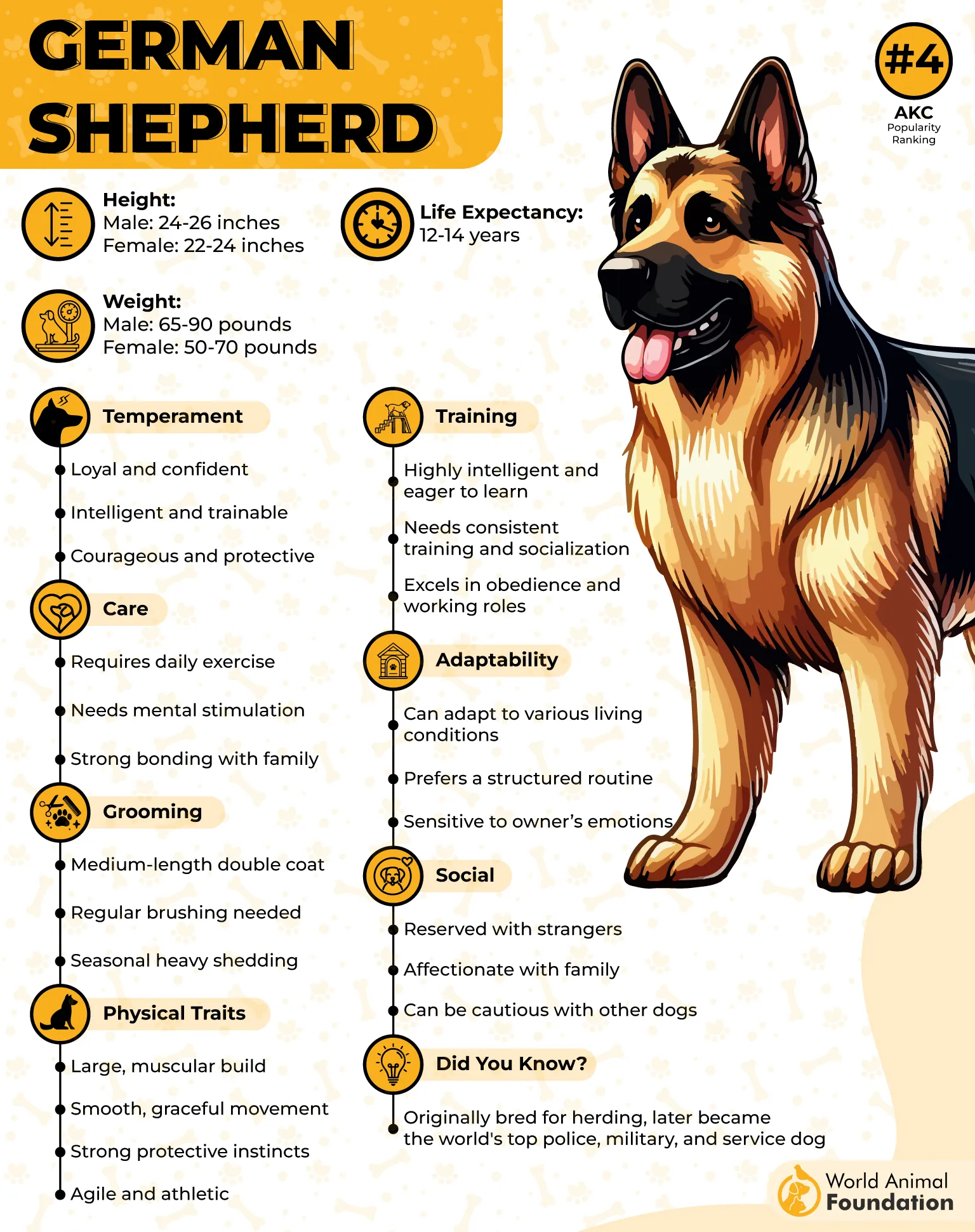
This resilient breed has the athletic ability and versatility required for physically demanding jobs. Its working roles range from police and military service to customs duties and search-and-rescue operations, where stamina and reliable performance matter.
A few physical and sensory features add to its working ability:
Its efficient “flying trot” helps cover ground with less fatigue.
Strong scenting ability supports tracking and nose work.
A dense double coat provides insulation in different weather conditions.
A Mind That Needs a Job
This intelligent breed enjoys advanced training and responds well to opportunities to learn and work with its handler. Long periods without activity or something meaningful to do can lead to frustration and destructive behavior. Herding, agility, tracking, hiking, and dock diving offer useful outlets for its energy.
9. Cane Corso
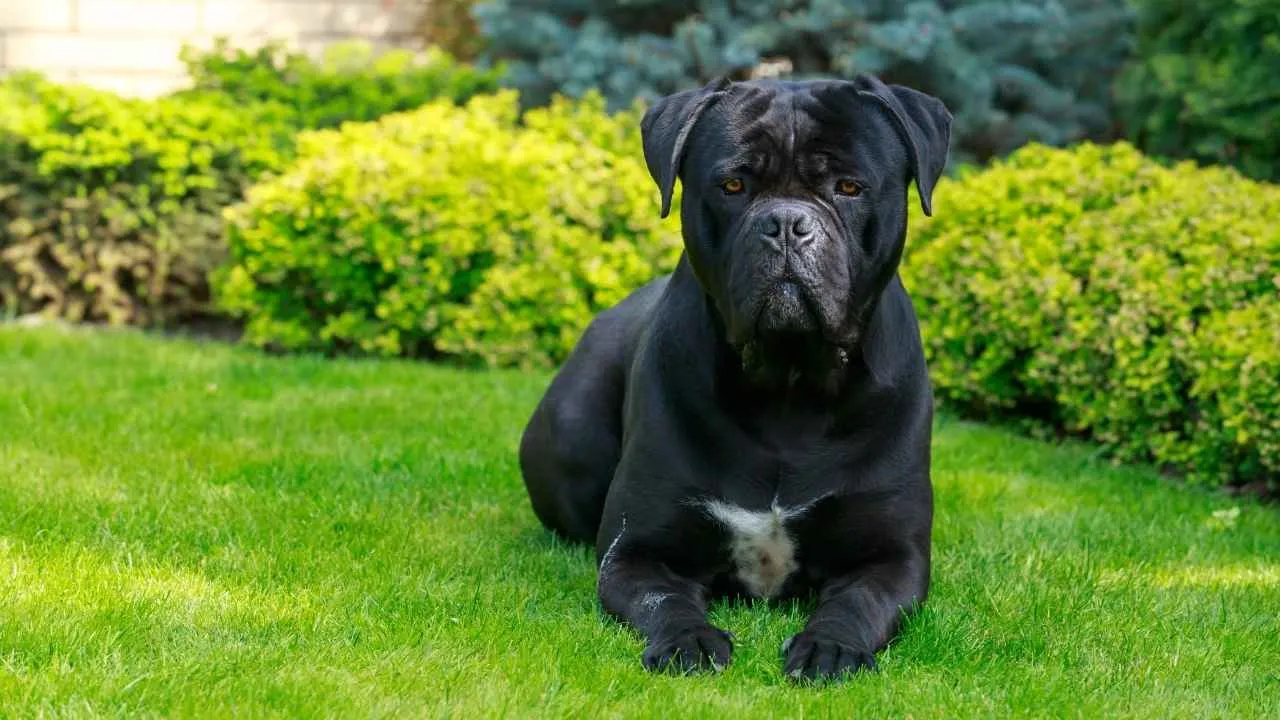
The Cane Corso descends from the Molosser dogs of ancient Greece, large mastiff-type animals valued for guarding duties. After the Romans conquered the Greek islands, they brought these dogs to Italy, where their descendants served as military dogs and later became working guardians on rural properties.
Strength With a Purpose
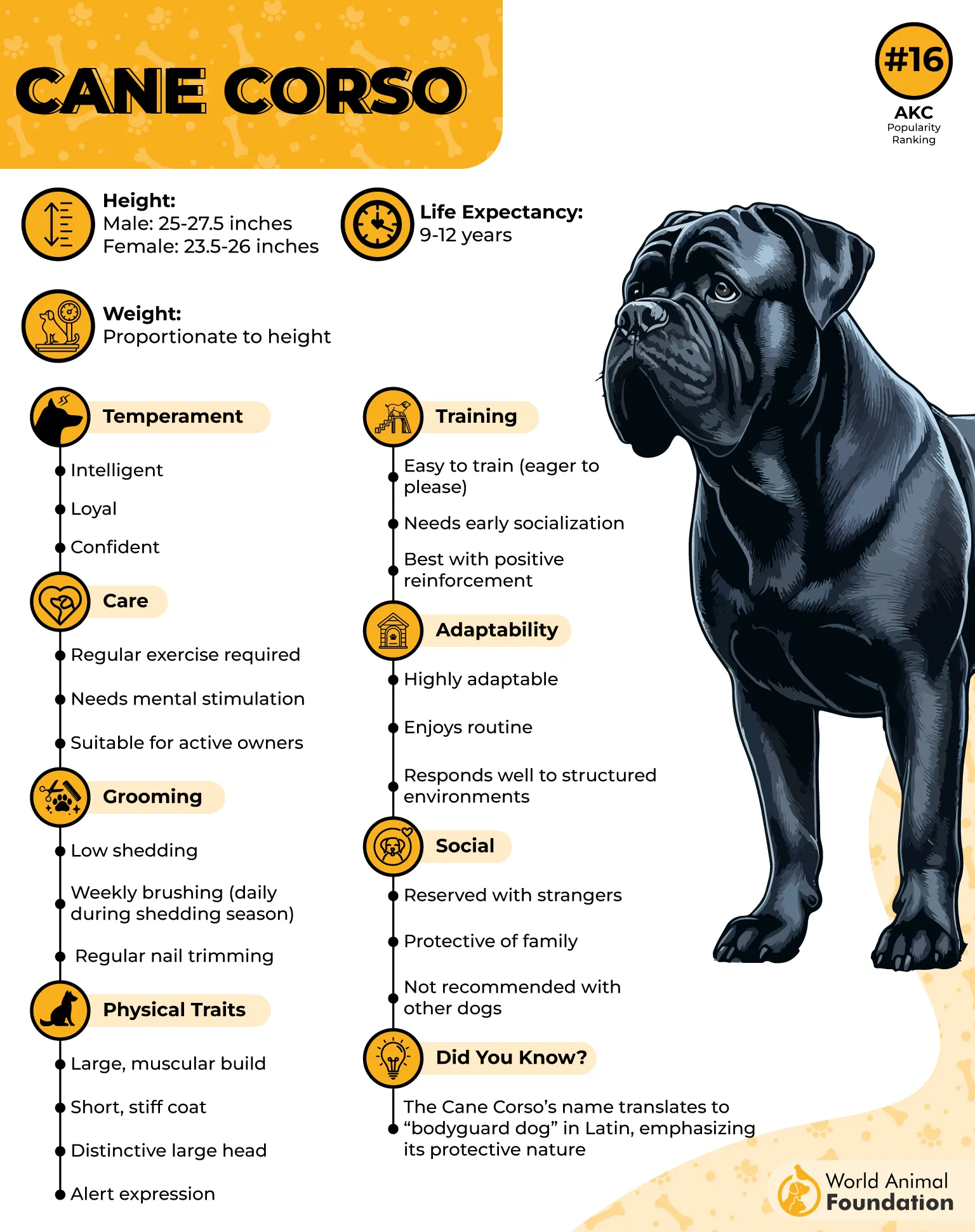
A Cane Corso has the physical power and natural guarding instincts suited to demanding responsibilities. It can be wary of unfamiliar people and animals, so early socialization is essential. Around its own family, however, this imposing dog is often deeply affectionate.
Its working nature comes with some remarkable abilities:
Learns quickly with consistent rules and handling.
Has powerful jaw and neck strength.
Can distinguish human-directed guarding duties from ordinary activity.
Needs a Job to Do
A Cane Corso requires substantial physical and mental stimulation, including brisk walks, runs, and longer outdoor outings. Hiking and cycling can suit its working nature, while tracking, obedience, agility, and dock diving offer structured activities that challenge its abilities.
10. Anatolian Shepherd Dog
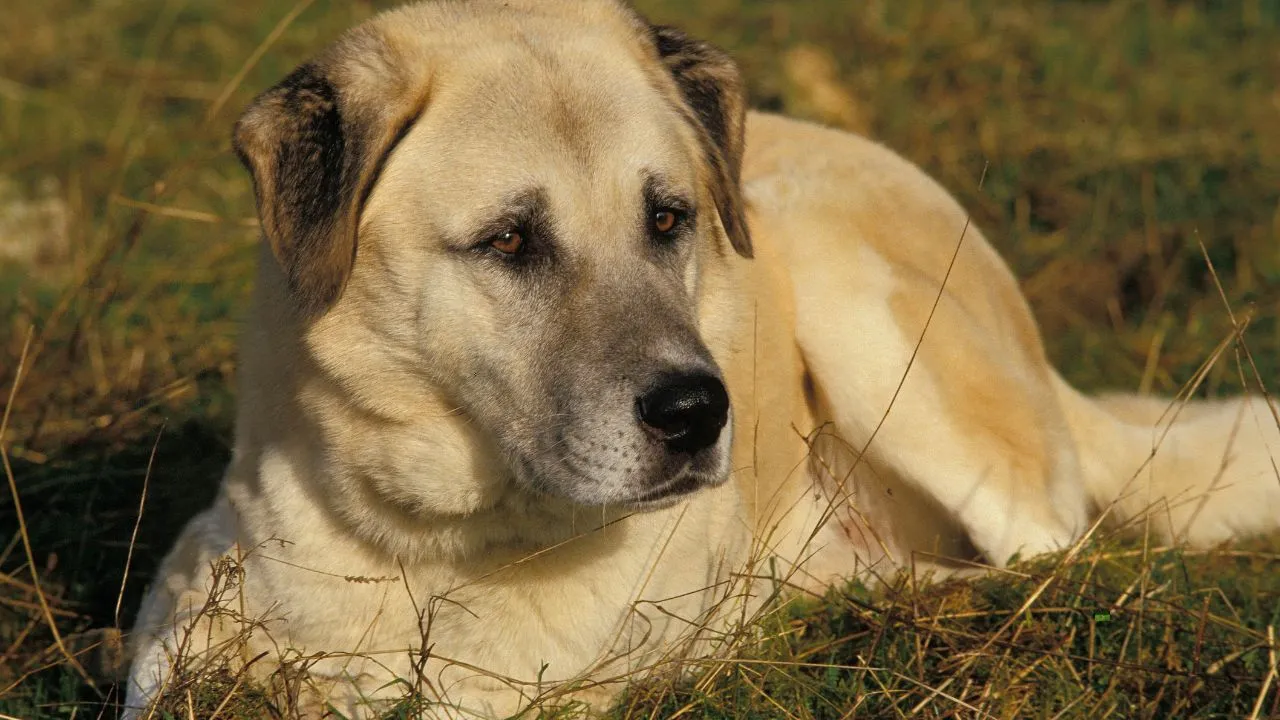
The Anatolian Shepherd Dog has guarded livestock across the rugged landscapes of central Turkey for more than 4,000 years. Nomadic shepherds relied on these powerful, independent dogs to protect their valuable flocks from wolves and bears, leaving them to patrol remote grazing grounds and respond to potential danger independently.
Built for a Demanding Job
This healthy dog was bred for the difficult work of confronting predators across open grazing land. Their strong territorial instincts and ability to make independent decisions help them protect livestock, while proper early socialization encourages safe behavior around familiar animals and people.
Their working abilities include several impressive details:
Booming bark that warns predators over long distances.
Sudden bursts of speed despite their heavy build.
Long strides suited to covering extensive grazing areas.
Space, Structure, and Firm Handling
This large guardian needs a securely fenced yard, with a tall fence and locked gate to prevent roaming. Daily walks and moderate activity generally suit its needs, but outdoor trips require a leash. Its independent nature also calls for an experienced handler who can provide consistent leadership.
Conclusion
Resilience takes different forms in the canine world, and the healthiest dog breeds often have physical qualities suited to demanding tasks. Some dogs can travel for hours through snow, others have the strength to pull heavy loads, and some were bred to face predators or work across rugged countryside. Their features and instincts reflect the tasks they once performed.
However, even healthy dogs have limits, and their needs depend on build, age, training, and surroundings. Cold-weather protection, safe exercise, proper conditioning, and mental and physical stimulation all matter. These hardy companions may suit active families, but consider the work a dog was bred to do and the care it requires before deciding whether it fits your home and lifestyle.
