




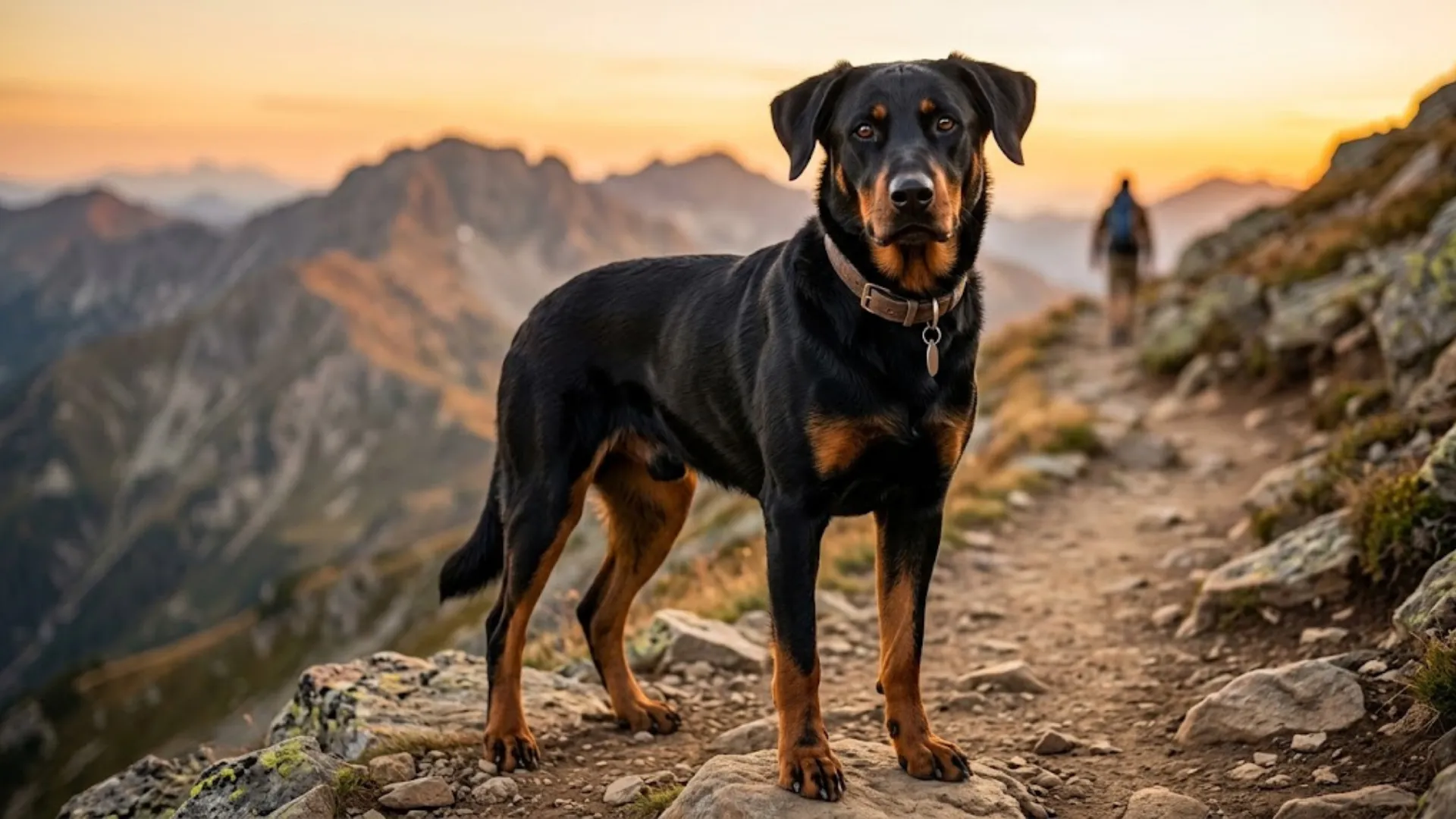
Loyalty in dogs can appear in many forms, from a companion that stays close to its family to a working breed that remains attentive to its handlers needs. Large dogs have often been selected for jobs requiring cooperation, protection, endurance, or close partnerships with people.
Over generations, those working relationships helped shape breeds known for forming deep connections with their owners.
A devoted dog still needs more than affection to thrive. Large breeds require appropriate exercise, socialization, training, mental stimulation, and sufficient living space.
A dog that is loyal and confident should be taught how to express those qualities appropriately rather than being encouraged to become overly protective.
The breeds below represent several different working traditions. German Shepherds and Beaucerons were shaped by herding and service work, while Rottweilers and Cane Corsos have strong histories as property and farm dogs.
Majestic Large Dog Breeds With Unmatched Loyalty
1. German Shepherd
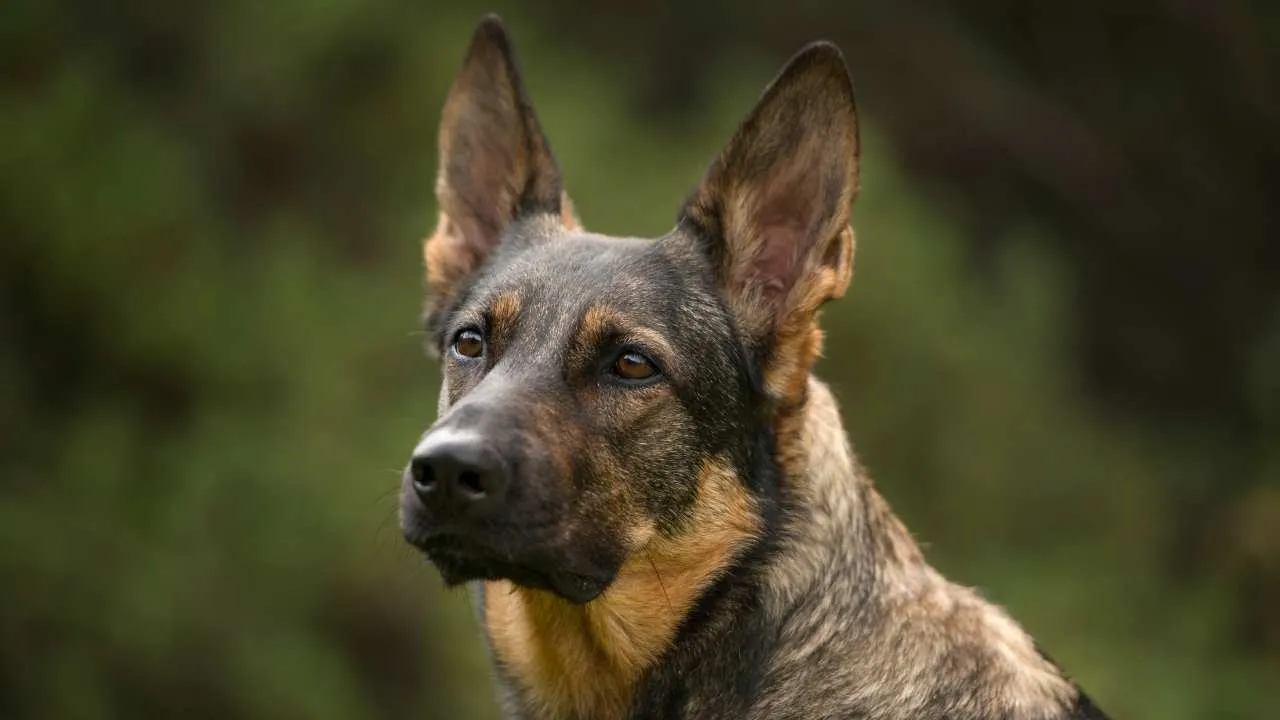
German Shepherds originated in Germany during the late nineteenth century, when breeders sought capable herding dogs with intelligence, endurance, and versatility.
Captain Max von Stephanitz played a central role in establishing the modern breed, emphasizing working ability rather than appearance alone. Their adaptability eventually led them into police service, military work, search and rescue, assistance roles, and family companionship.
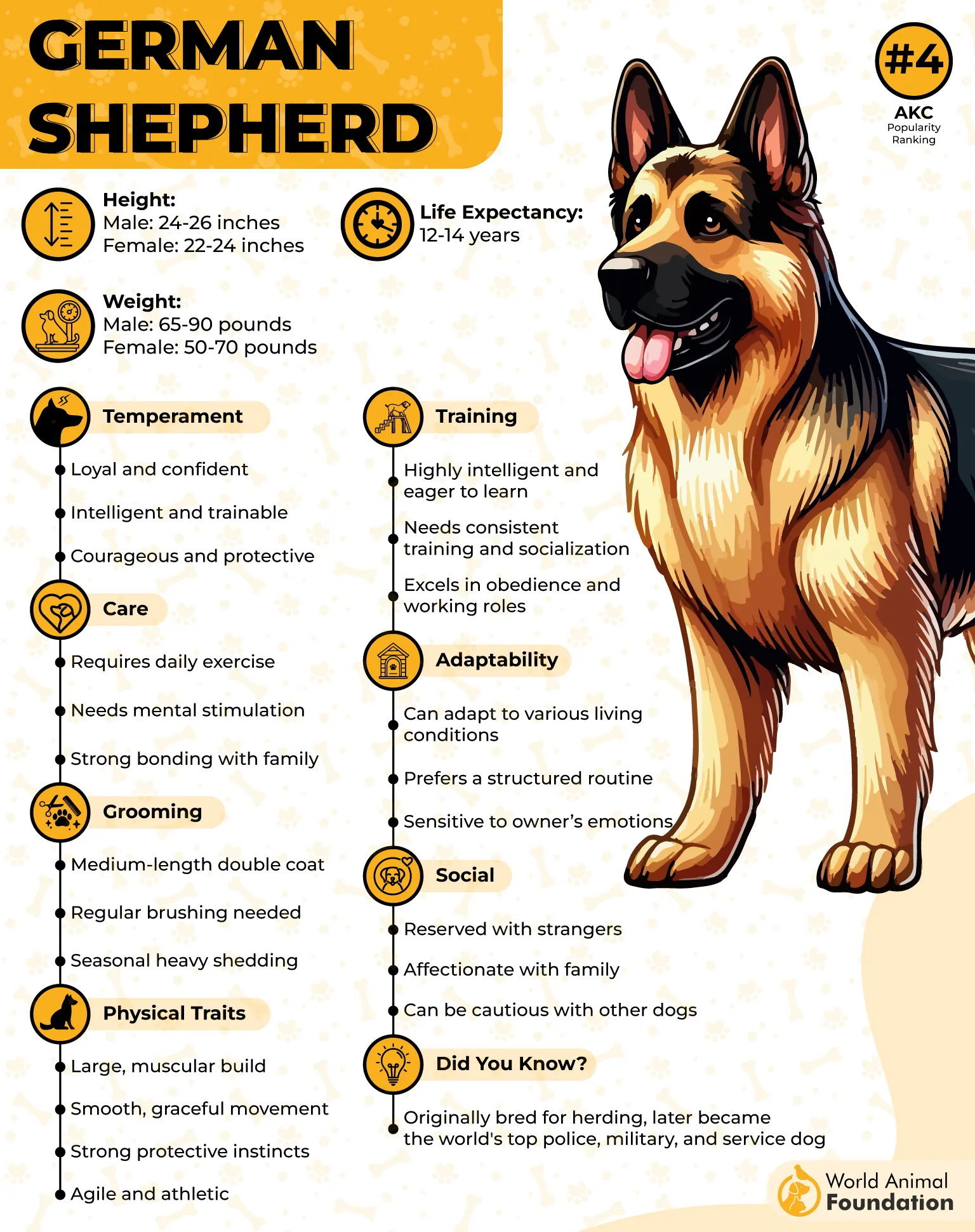
Build Their Devotion Through Meaningful Training
German Shepherds tend to thrive when they have a clear purpose and regular opportunities to learn. Daily walks, obedience exercises, scent games, retrieving, and structured problem-solving can provide useful physical and mental outlets.
Training should emphasize calm behavior, reliable recall, impulse control, and appropriate responses around people and other animals.
A Deeply Connected Working Companion
Their willingness to cooperate closely with people is one reason German Shepherds have succeeded in so many demanding roles. They can develop strong attachments to their families and often remain attentive to their owners’ activities.
Their protective potential makes early socialization particularly important so that loyalty is expressed through dependable companionship rather than unnecessary suspicion.
2. Beauceron
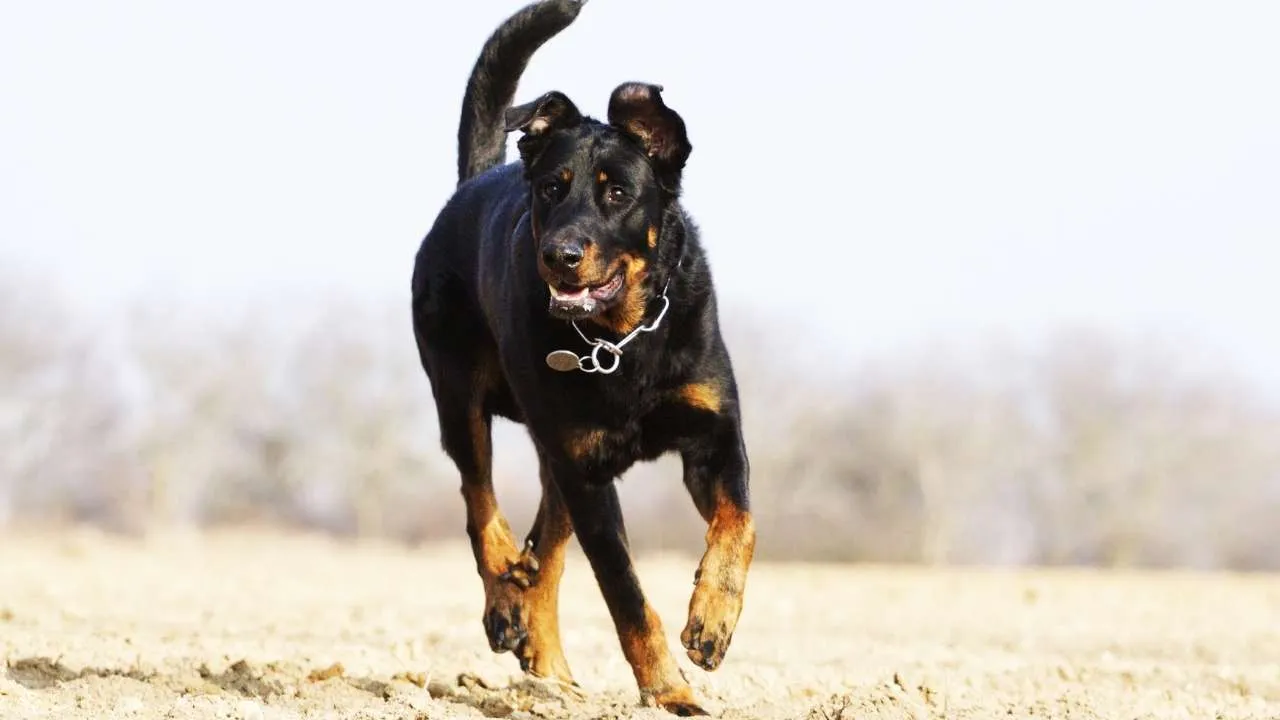
The Beauceron developed in France as a versatile farm dog used for herding and protecting livestock. Its origins can be traced to rural French working dogs that were expected to manage large flocks and respond effectively across open terrain.
The breed’s strength, intelligence, and stamina allowed it to perform a variety of demanding agricultural duties, as per Purina.
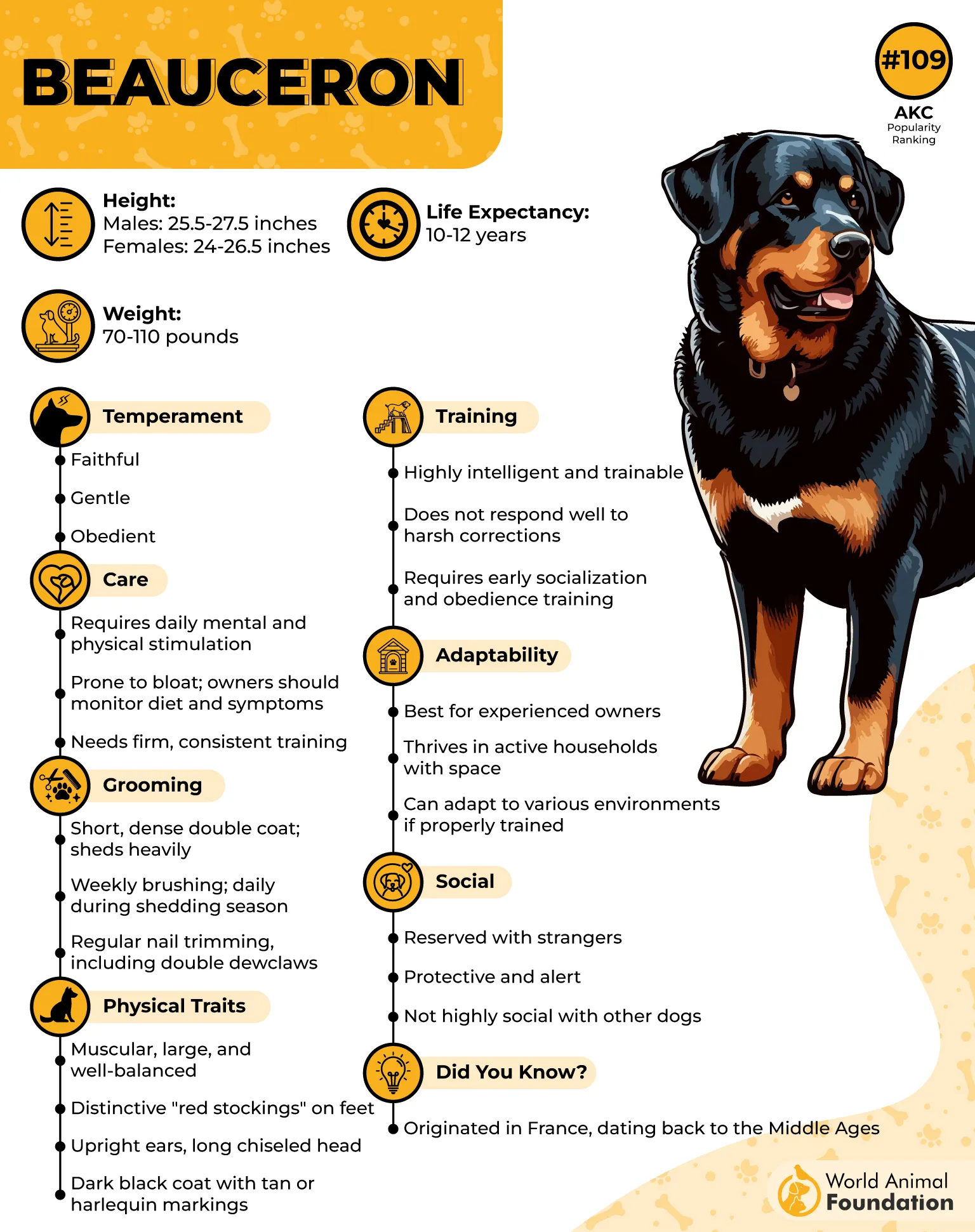
Give Their Working Brain a Daily Challenge
Beaucerons need substantial physical activity and mental engagement. Long walks, structured games, obedience training, herding-style activities, and scent work can help satisfy their energetic nature.
They respond best when training is consistent and purposeful rather than repetitive or lacking direction.
A Devoted Partner With Independent Confidence
The Beauceron can form a strong relationship with its family while retaining the self-assurance needed for independent farm work. It may naturally monitor its surroundings and remain attentive to its owner’s direction.
Early socialization and clear boundaries are essential because a powerful dog should learn how to distinguish appropriate protective behavior from unnecessary reactions.
3. Rottweiler
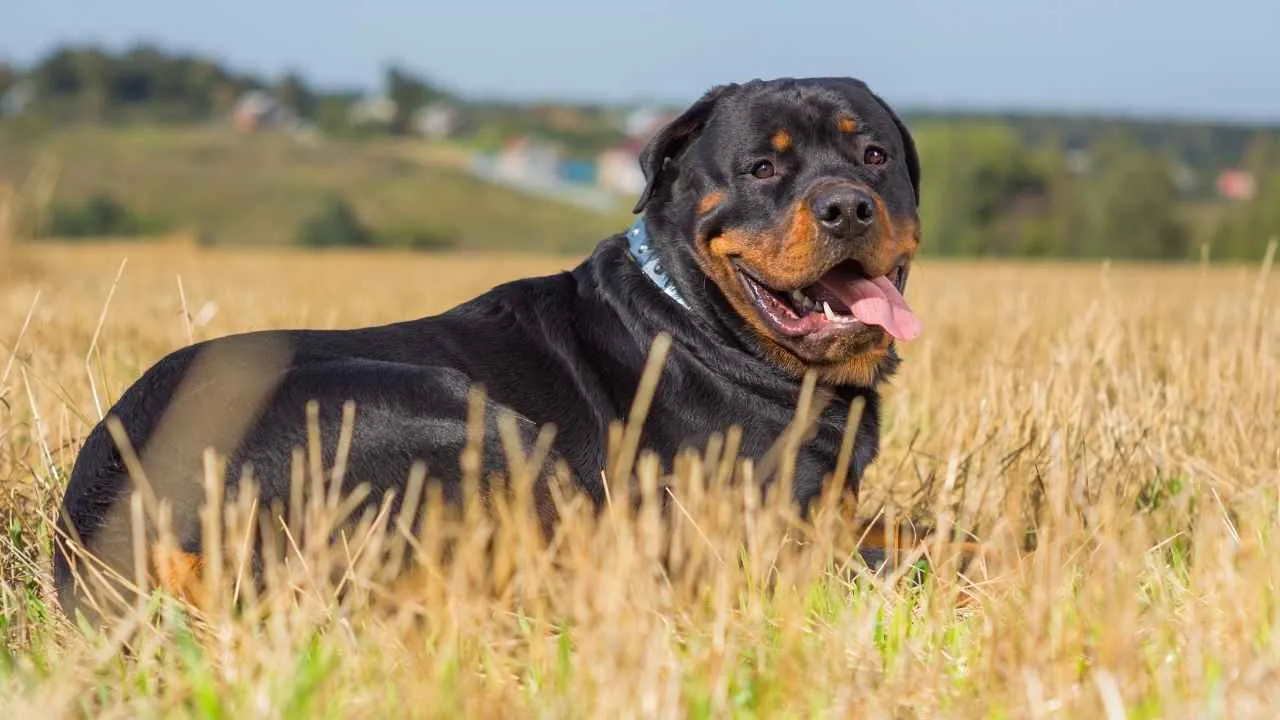
The Rottweiler has historical ties to the German town of Rottweil, where its ancestors worked alongside butchers and traders. These muscular dogs helped drive cattle, protect property, and perform various tasks requiring strength and dependability.
Their working heritage eventually developed into the confident, muscular breed recognized today.
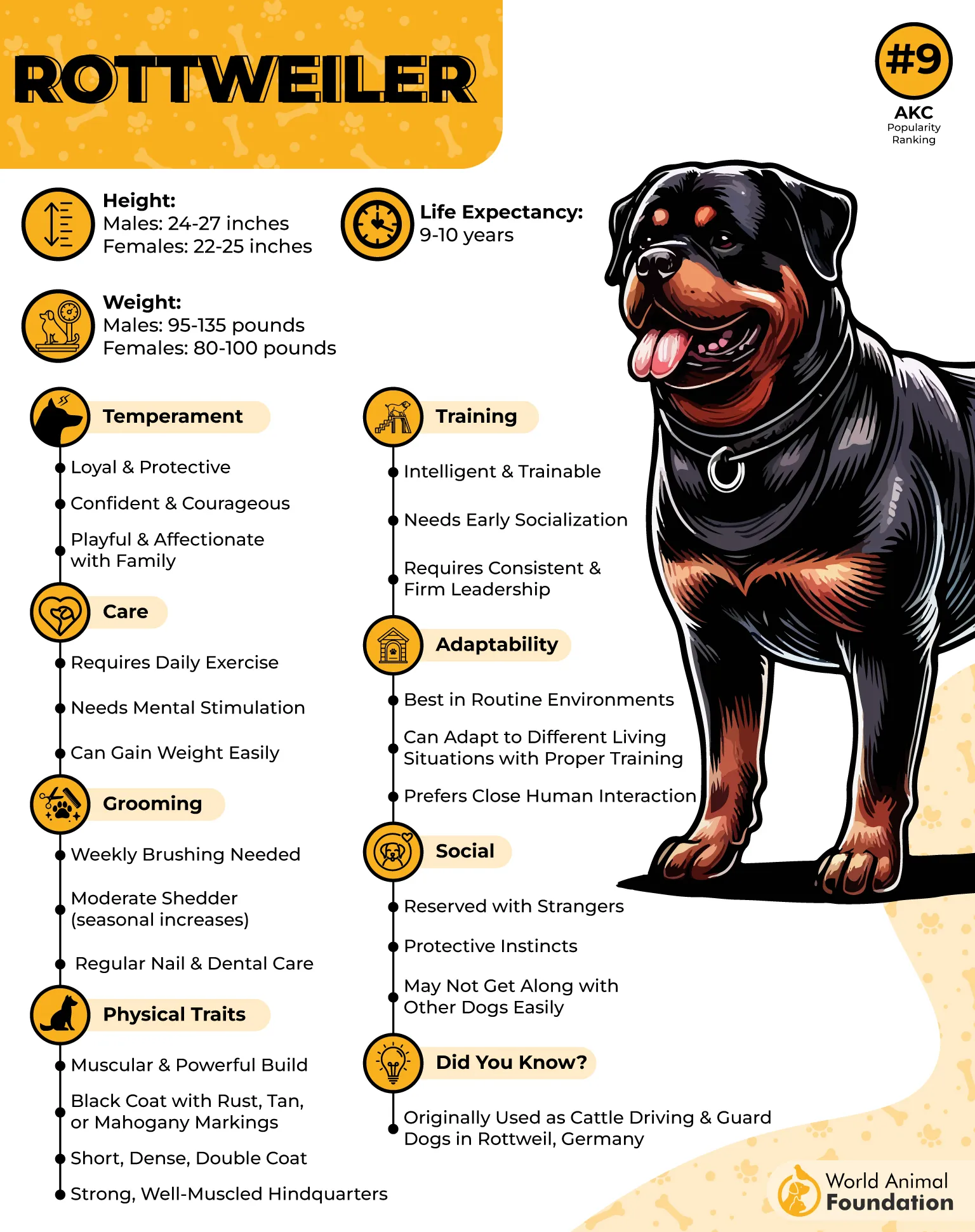
Turn Strength Into Controlled Cooperation
Rottweilers benefit from training that begins early and continues throughout their lives. Owners should focus on leash manners, calm greetings, impulse control, reliable recall, and respectful behavior around visitors.
Daily walks and mentally engaging activities can help channel their considerable physical ability in productive ways.
Fiercely Devoted to Their Inner Circle
A well-socialized Rottweiler can become deeply attached to its household and remain highly attentive to the people it considers family. Its naturally confident presence can provide reassurance without requiring constant activity.
Because of its strength and protective instincts, responsible owners should prioritize stable temperament and dependable control rather than encouraging aggressive behavior.
4. Cane Corso
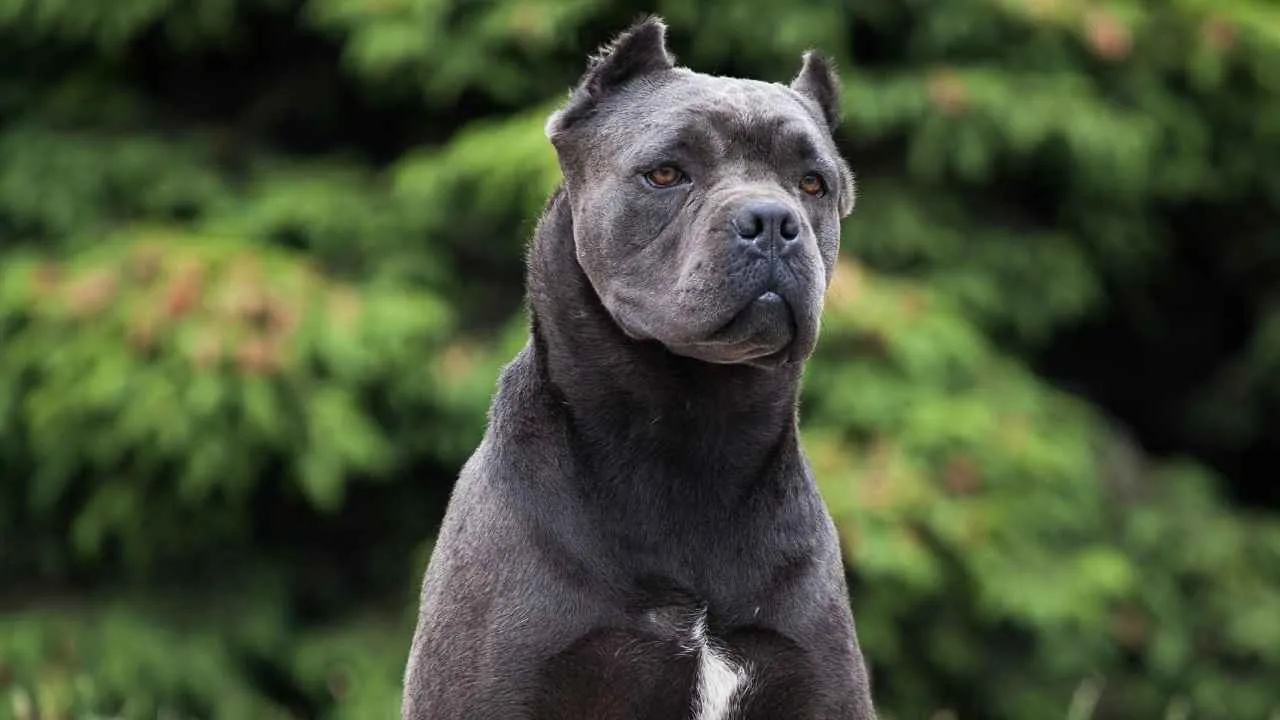
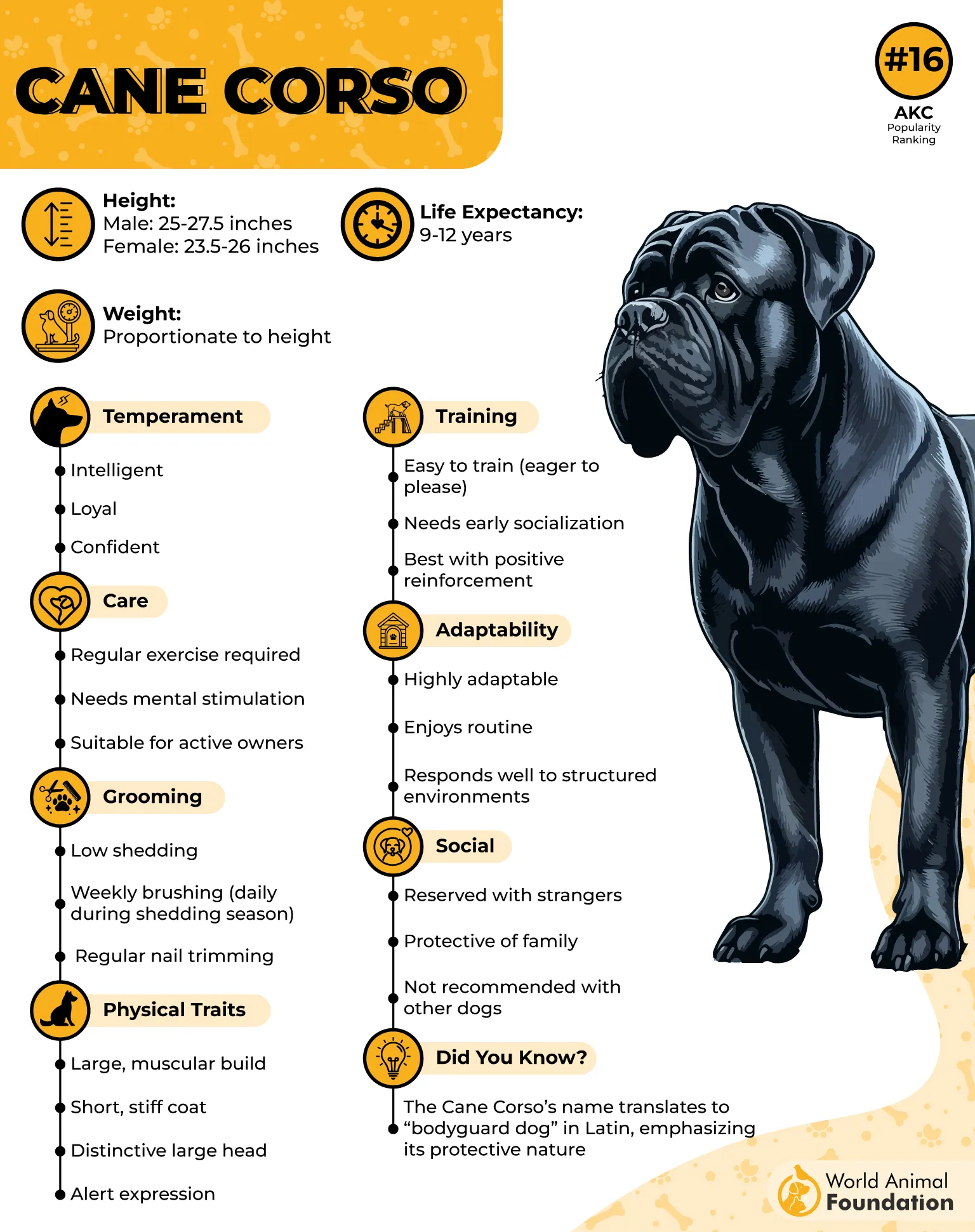
The Cane Corso is an Italian mastiff with ancient roots in rural working dogs, as per WebMD. Historically, dogs of this type assisted with property protection, livestock duties, hunting, and other demanding tasks on farms and estates.
Their imposing build and willingness to work helped them become valued as versatile guardians and working companions.
Establish Trust Through Consistent Guidance
Cane Corsos benefit from early education that teaches them how to respond appropriately to household situations.
Training should include leash skills, calm greetings, recall, impulse control, and comfortable handling. Regular socialization with different people, environments, and experiences can help a young dog develop into a confident adult.
A Powerful Dog With a Strong Family Bond
Cane Corsos often become closely attached to their owners and may naturally remain aware of activity around their home. Their serious demeanor and substantial physical presence can make them impressive companions.
That loyalty needs to be guided carefully, since an adult Cane Corso has enough strength that poor manners or uncontrolled guarding can quickly become difficult to manage.
5. Akita
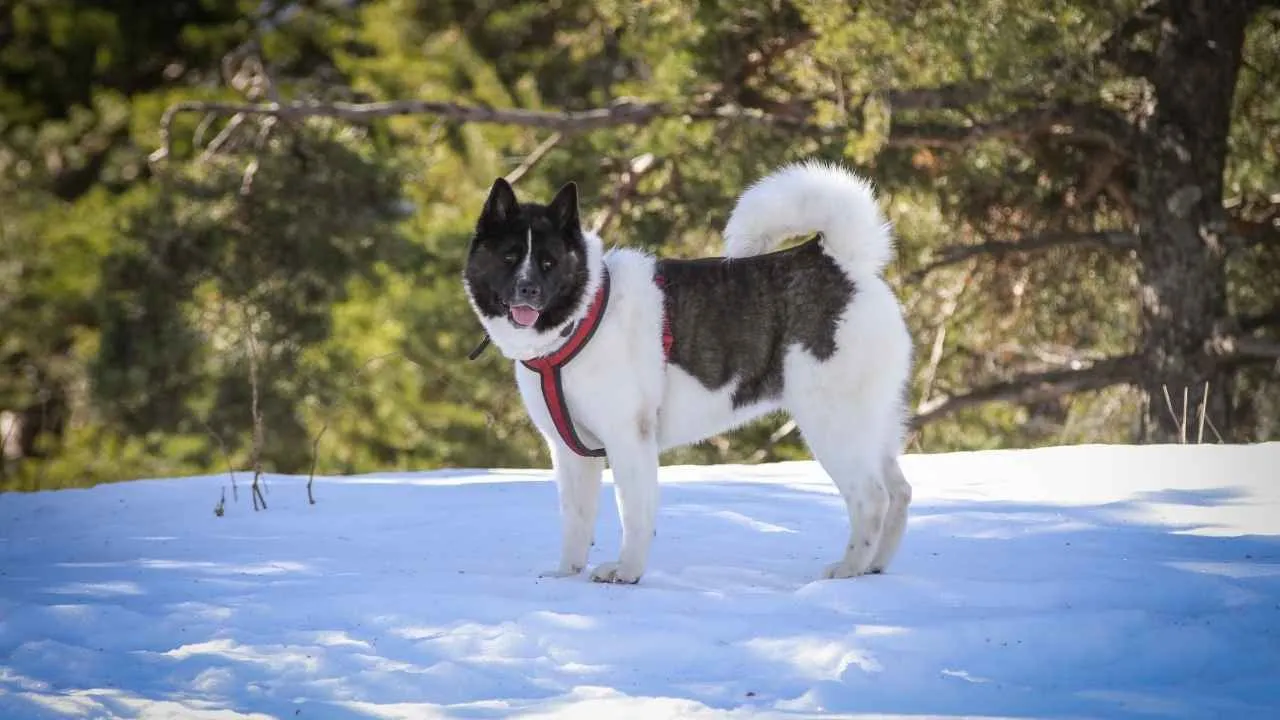
The Akita originated in northern Japan, particularly in the mountainous region of Honshu. Earlier dogs of the type were used to hunt large game, including boar and bear, and their development favored courage, strength, endurance, and independence.
The breed later became an important cultural symbol in Japan while retaining its dignified and self-assured character.
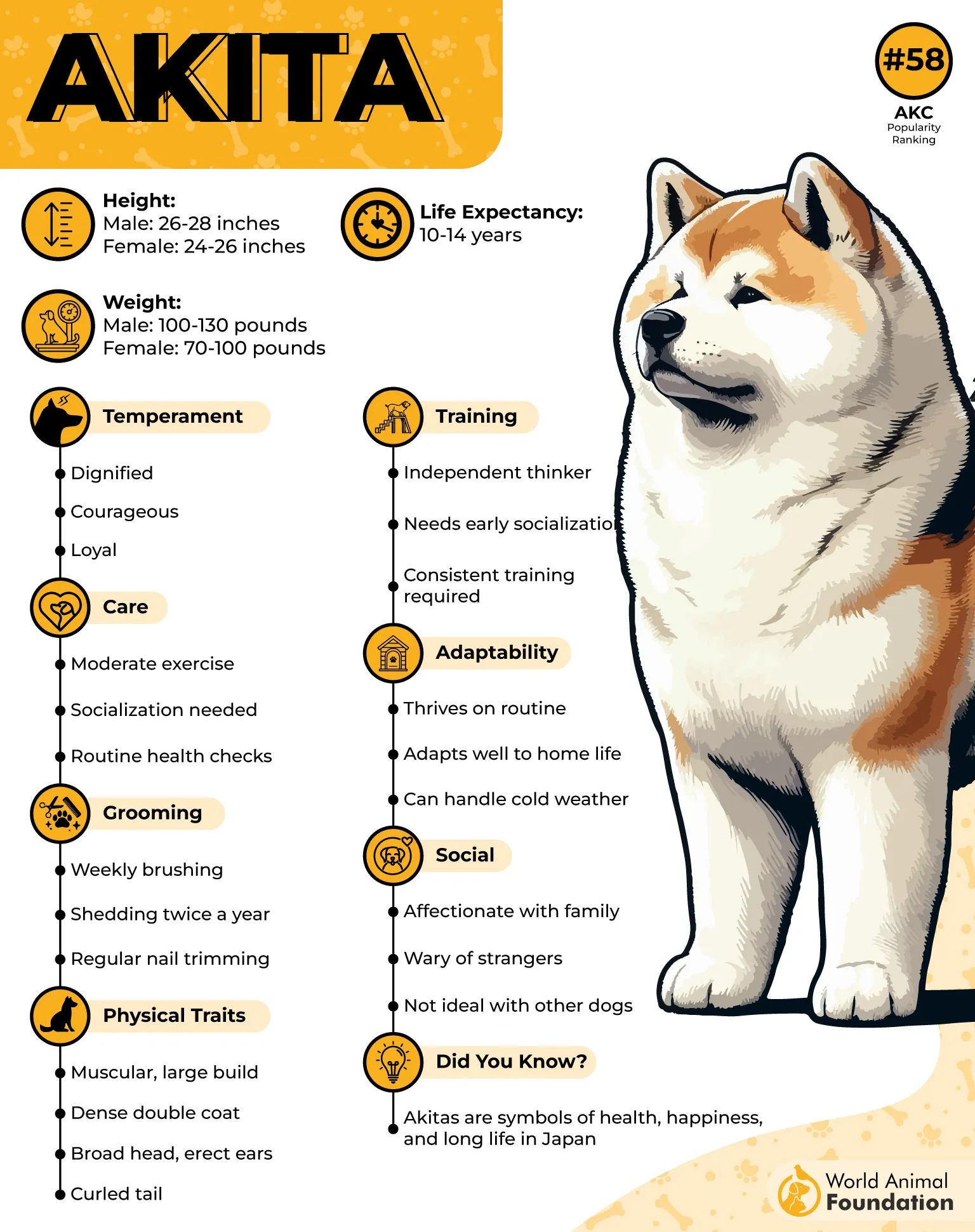
Respect Their Independent Learning Style
Akitas can be intelligent dogs but are not always eager to perform simply because a command has been given. Training should begin early and rely on patience, consistency, and clear expectations.
Regular walks and controlled exploration provide physical outlets, while obedience work and environmental exposure help build confidence and household reliability.
Loyalty Expressed With Quiet Intensity
An Akita may form an exceptionally strong attachment to its family without constantly seeking attention. Its devotion can be understated compared with the exuberant behavior of some companion breeds.
Owners should respect its reserved personality while providing thorough socialization, particularly around unfamiliar people and other dogs.
6. Newfoundland
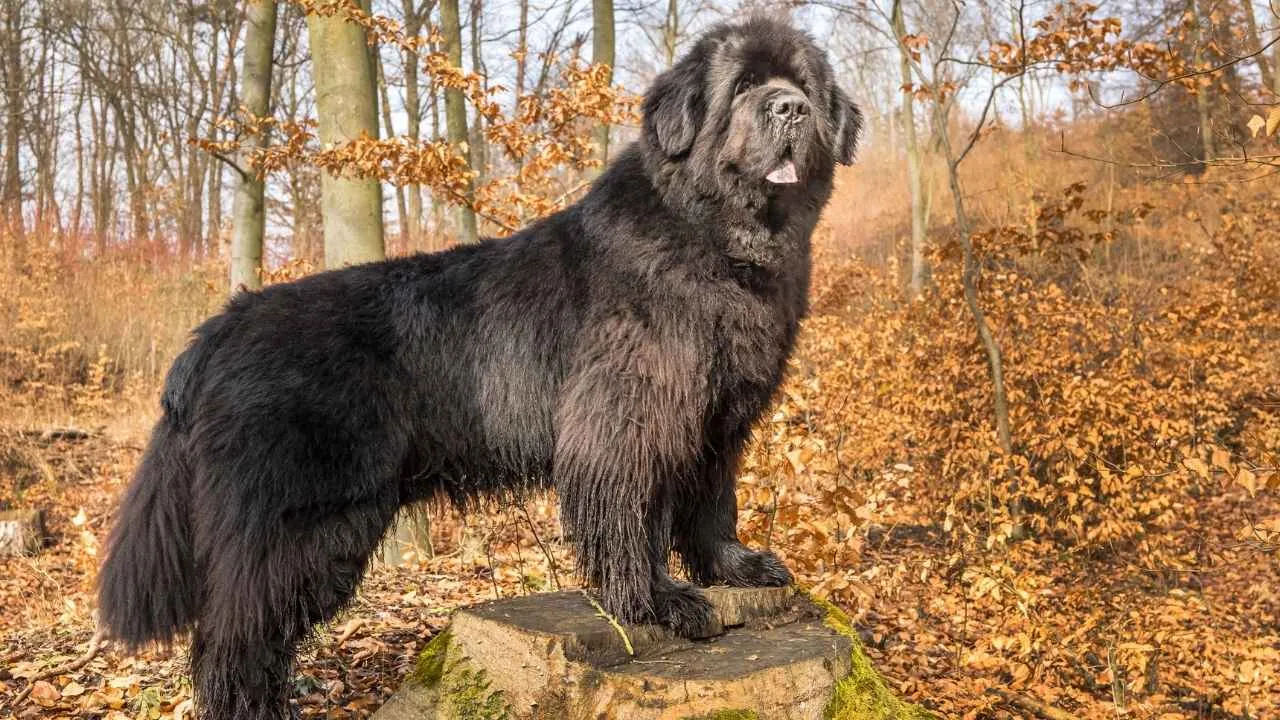
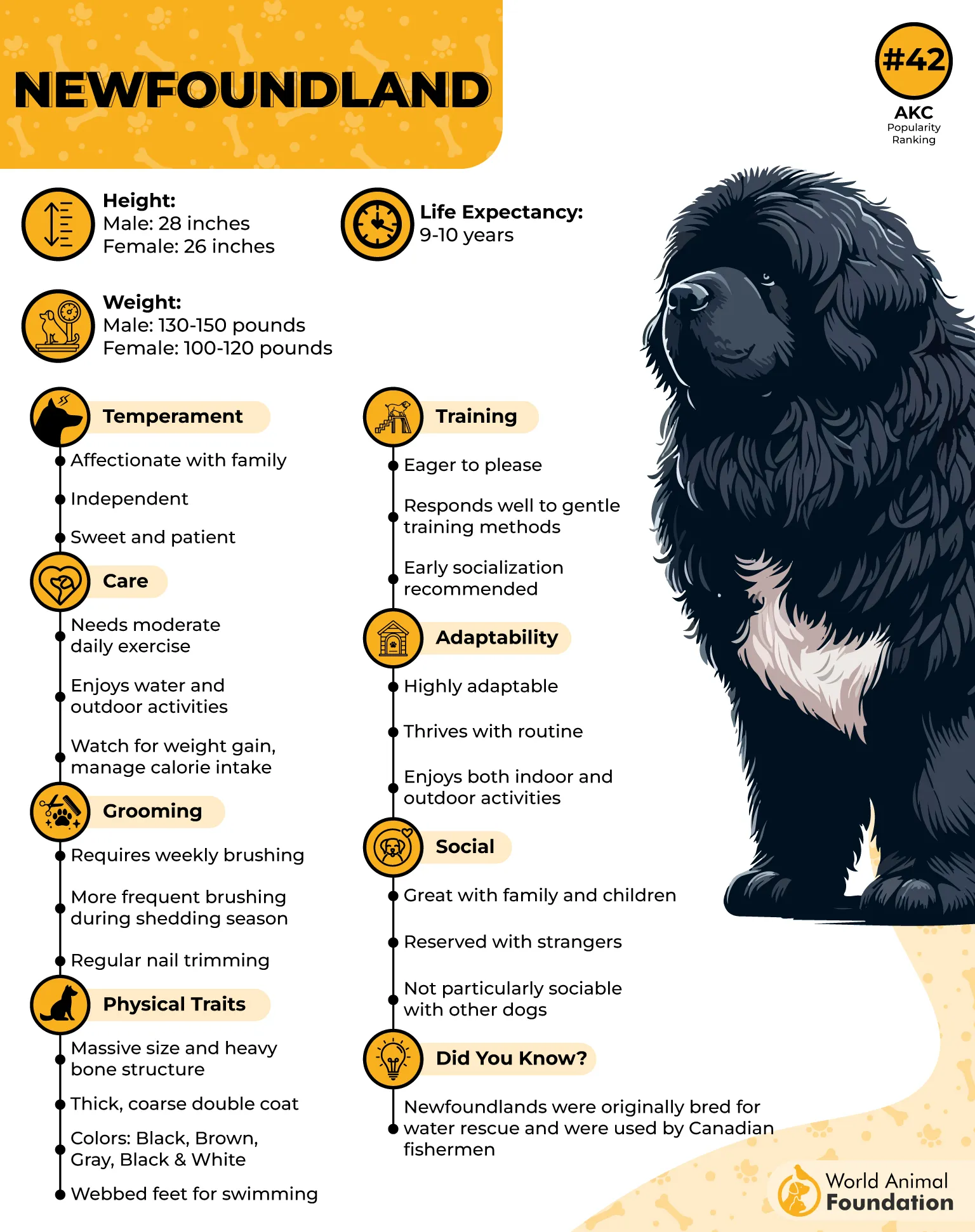
Newfoundland dogs developed on the Canadian island of Newfoundland, where they worked alongside fishermen and performed demanding tasks connected with the water, as per the AKC.
They were used for hauling equipment, retrieving objects, and assisting people in difficult aquatic situations. Their strength, swimming ability, endurance, and cooperative nature eventually made them famous as working and rescue dogs.
Let Their Strength Support Active Family Life
Newfoundlands require regular exercise suited to their size and age, with walking, swimming, and moderate outdoor activities often being appropriate.
Training should begin while they are young because an adult Newfoundland can become exceptionally powerful. Grooming is another major responsibility due to their dense double coat and tendency to shed heavily.
A Gentle Giant With a Faithful Heart
Newfoundlands are renowned for their affectionate and patient nature. Their history of working closely with people helped shape a breed that can be deeply responsive to its family.
Despite their enormous size, many are content to remain close to their owners and participate quietly in family life.
7. Great Dane
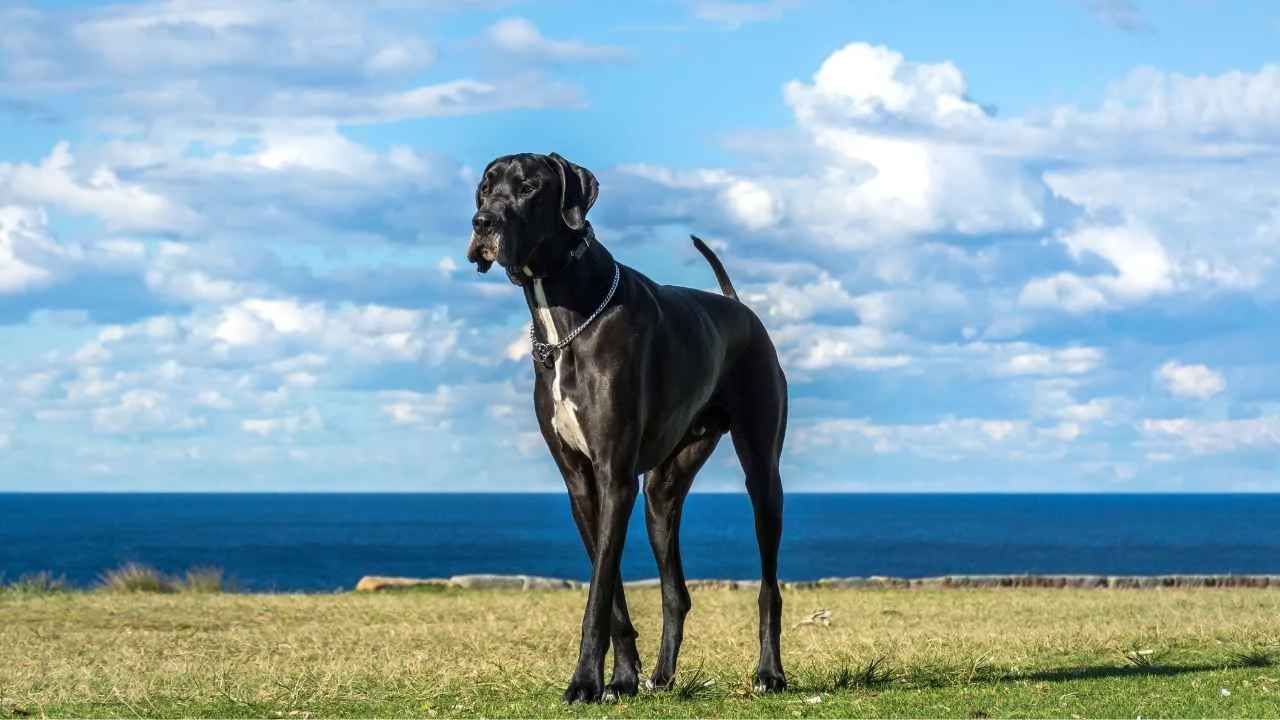
The Great Dane has historical roots in Germany despite its misleading breed name. Its ancestors were large hunting dogs used to pursue and restrain powerful game, and selective breeding gradually transformed the type into the elegant companion recognized today.
Over time, its role shifted away from demanding hunting work toward companionship and estate duties.
Balance Growth With Sensible Activity
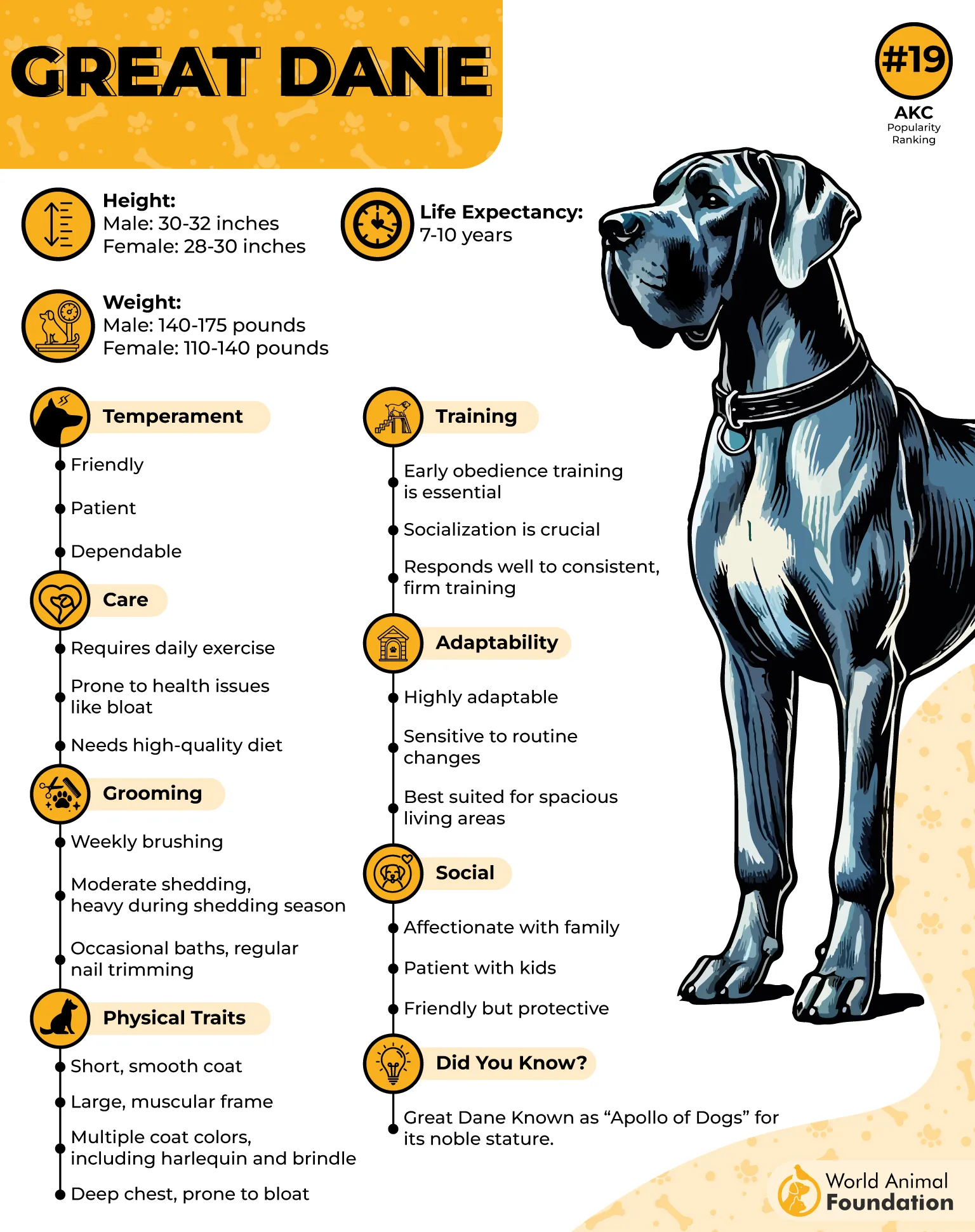
Great Danes need regular walks and moderate exercise, but young dogs require particular care while their large bodies are developing. Training should focus on leash manners, household boundaries, calm greetings, and reliable obedience before adulthood.
Mental stimulation through simple training and interactive activities can help keep them engaged without placing excessive strain on growing joints.
An Enormous Companion With a Soft Side
Their towering height can make Great Danes look intimidating, yet many of these pups are affectionate and strongly attached to their families when their exercise needs are met. They often enjoy staying close to their owners and can be surprisingly gentle in the home.
Early manners are crucial because even friendly behavior becomes difficult to manage when expressed through an exceptionally large body.
Conclusion
These majestic dogs combine intelligence, working ability, and close partnerships with their handlers, making them particularly devoted companions for owners who enjoy training their pups. Each breed has its own way of forming bonds, and loyalty should never be confused with uncontrolled protectiveness.
The right large dog depends on more than its reputation for devotion. Owners should consider exercise needs, training demands, grooming, living space, socialization requirements, and individual temperament before making a decision.
With appropriate guidance and consistent care, these remarkable breeds can become deeply devoted members of the families they share their lives with.
