




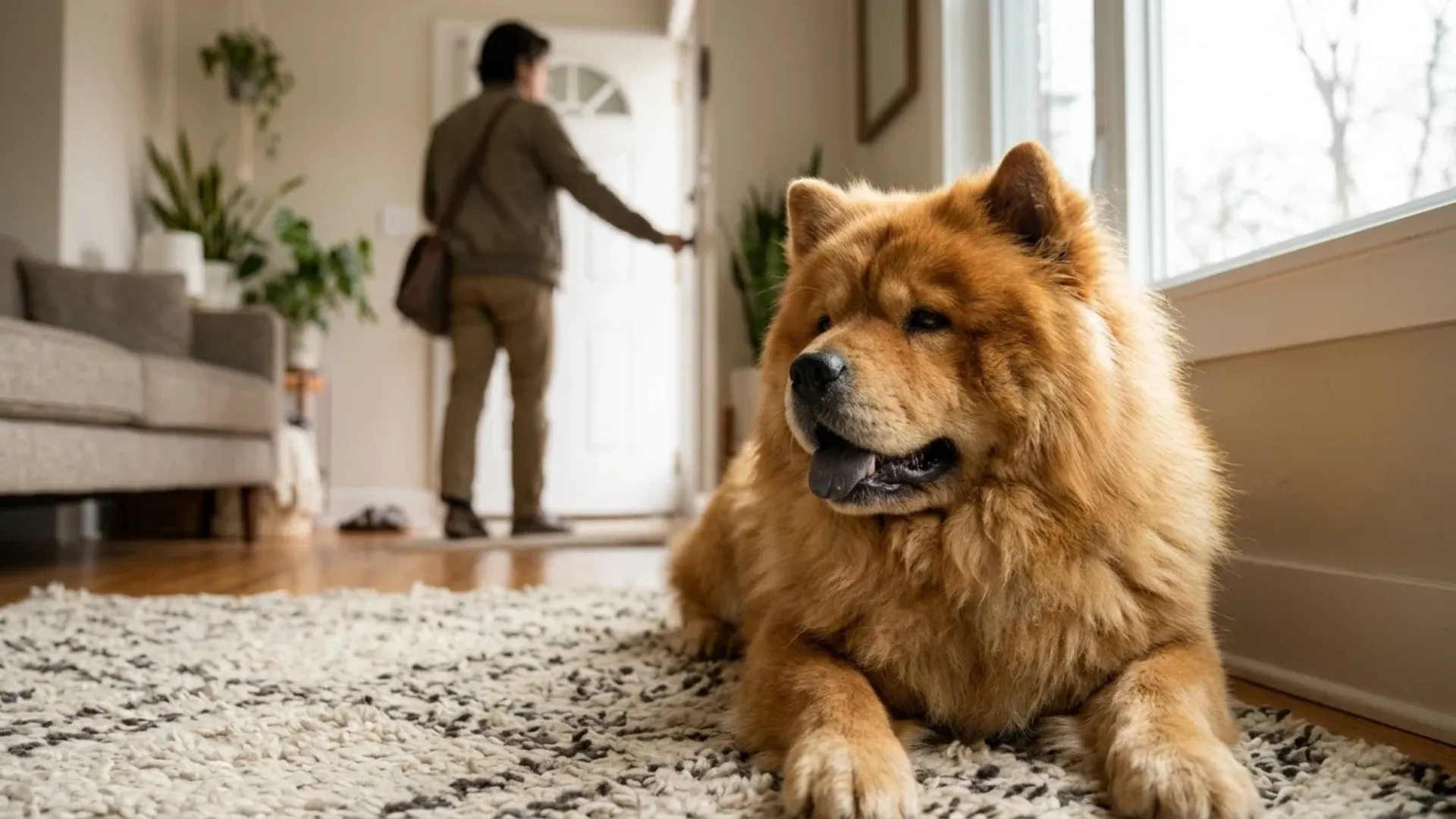
Leaving your house for a quick trip to the store often brings an over-the-top greeting from your pup, as if you were gone for decades. While that deep love feels amazing, it makes many owners ask a practical question: which dogs naturally do better when left by themselves?
The key is finding a pet that balances affection with a calm, independent mindset. Certain dogs love their owners deeply, yet they stay happy relaxing, playing with chew toys, or taking long naps when the house is quiet. A dog’s natural personality, daily workout routine, training, and early home life all play a huge role in how well it manages solo hours.
No single breed is completely immune to separation stress, and a loyal pet does not automatically enjoy endless quiet time. Young pups require frequent potty breaks and constant eyes on them, while mature dogs usually understand daily household routines much better. Ultimately, even a quiet animal needs real human attention, fun activities, and a soft place to rest.
If you want loyal dog breeds that handle being left home alone, these seven choices are great places to start. With smart preparation, your dog can learn to relax while you are away without turning your departure into a scary situation.
Loyal Dog Breeds That Handle Being Left Home Alone
1. Boston Terrier
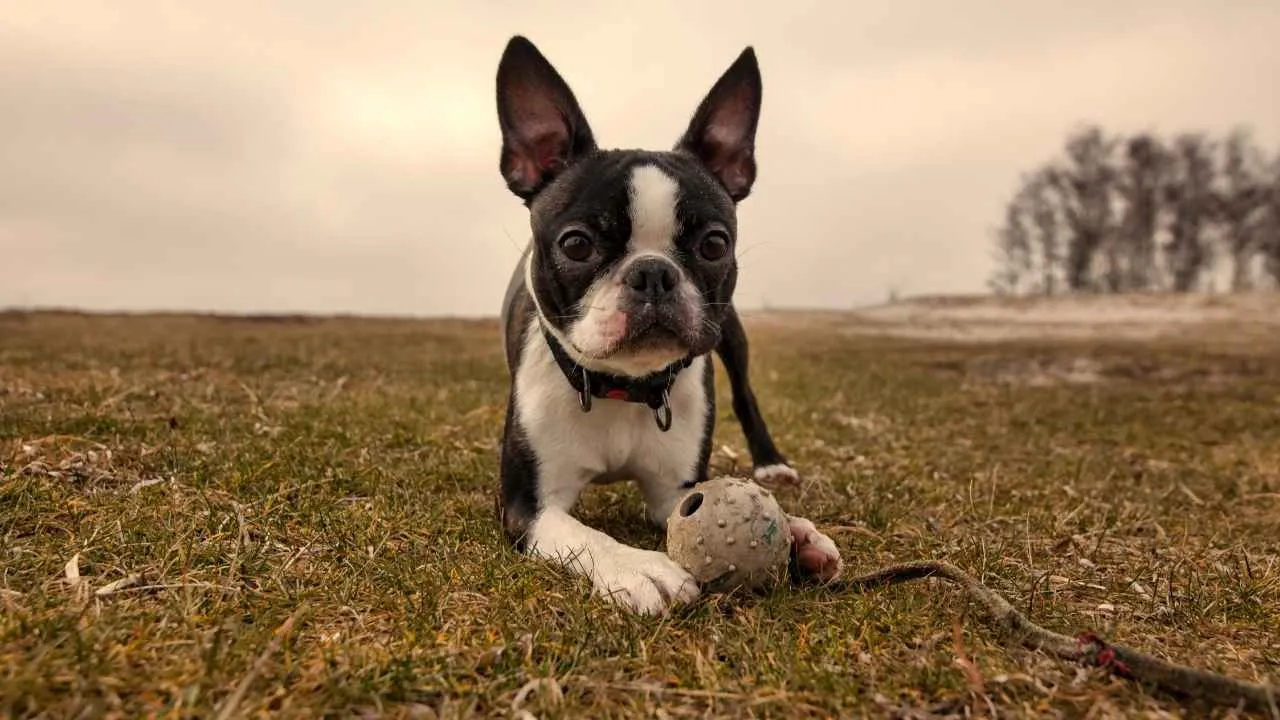
Living with a Boston Terrier is like sharing your apartment with a cheerful little buddy dressed in a fancy tuxedo. This compact housemate brings together a playful spirit and a flexible attitude, making it a wonderful fit for smaller homes or city apartments.
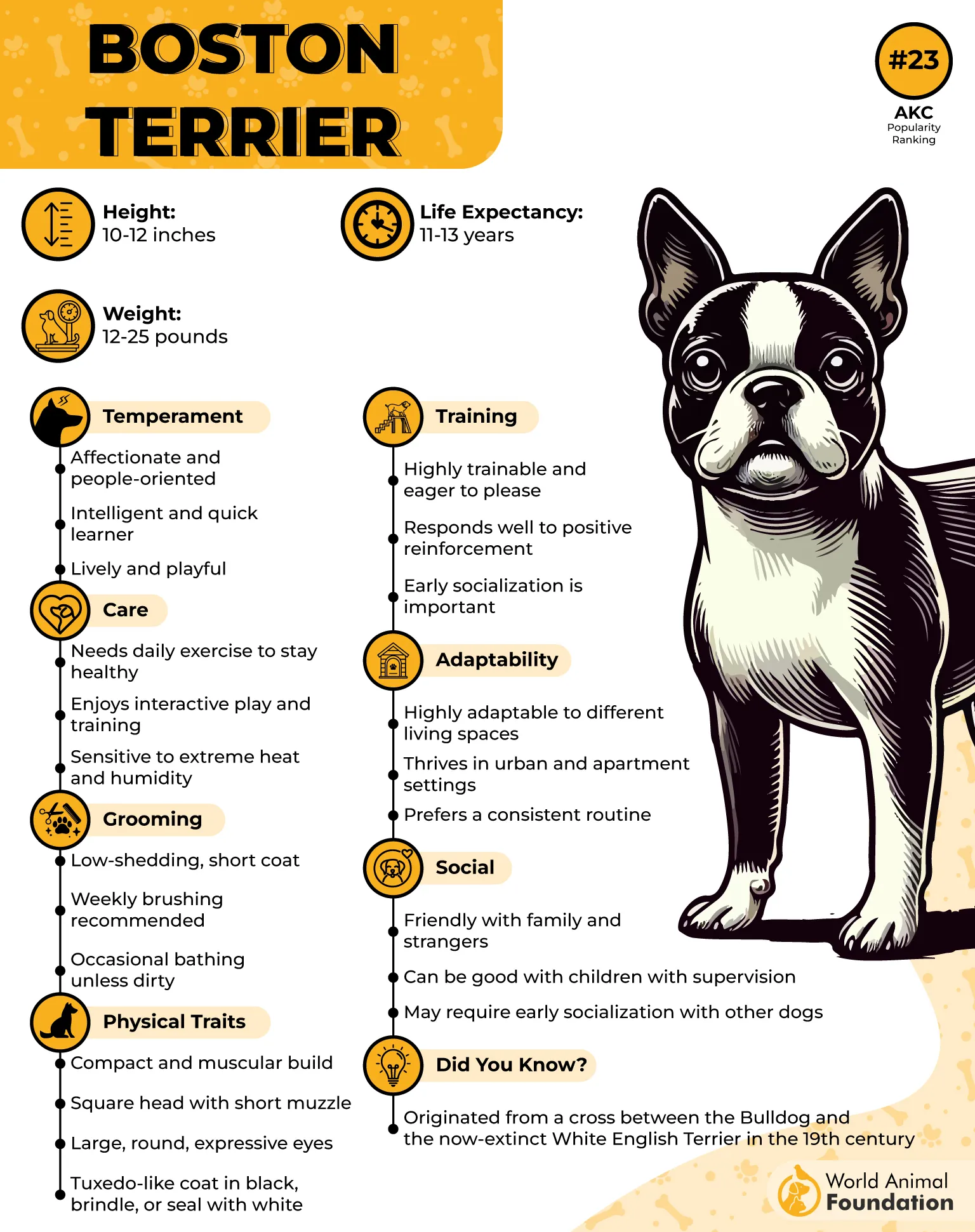
PetMD mentions that these happy companions stay high on the list for anyone looking for plenty of affection without constant clinginess. They love staying near their owners, but a confident adult easily learns to curl up on a soft rug, figure out a puzzle game, or take a peaceful nap after a morning walk. Busy owners really value their easygoing indoor habits alongside a manageable daily schedule.
However, these friendly dogs hate feeling ignored for long stretches. Also, because of their short muzzles, keeping them cool during hot weather is very important.
Care Tips
Before you head out, lead your dog through a quick neighborhood walk, a gentle game of fetch, and a fun food puzzle. Start with very short test exits, slowly adding more time as your pet gains confidence.
Always leave out fresh water, durable play items, and a shaded resting corner. Avoid heavy exercise during hot afternoons, and hire a friendly dog walker if your work shift keeps you away for many hours.
2. Chow Chow
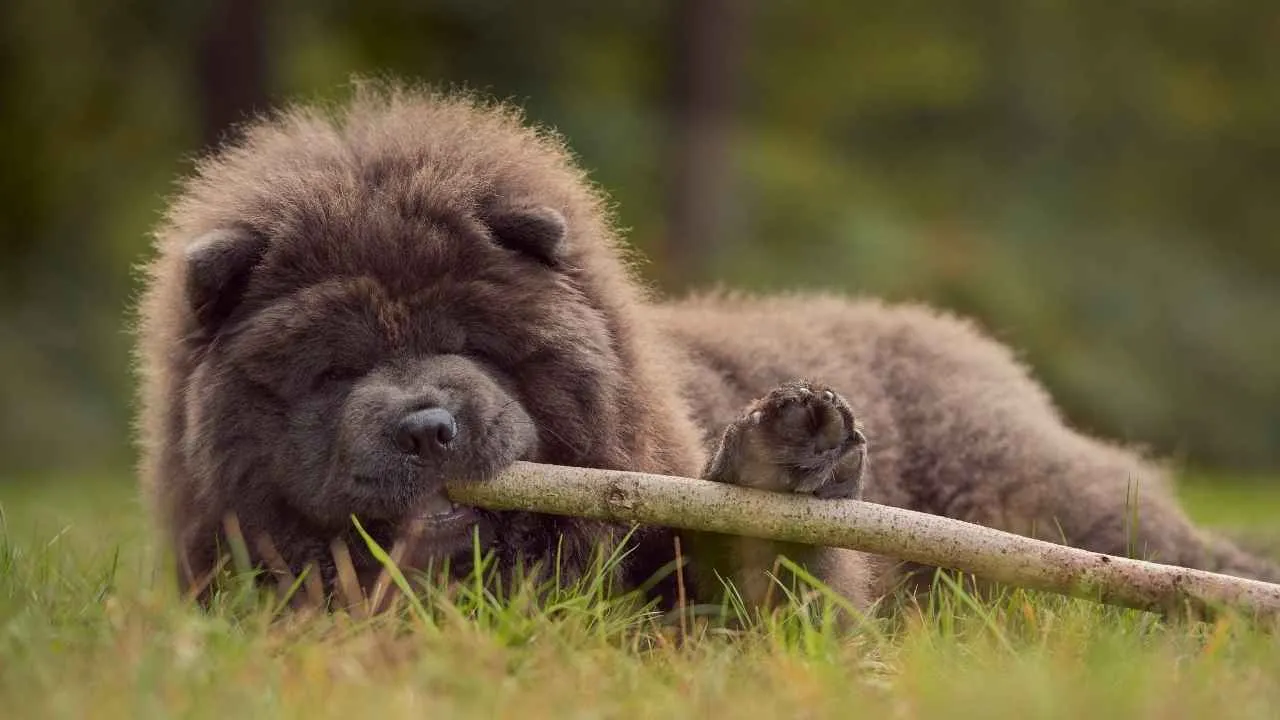
With a fluffy, lion-like mane and a calm posture, the Chow Chow acts like a mini monarch who feels no need to follow you from room to room to prove its love. This ancient breed values personal space and prefers showing affection strictly on its own terms.
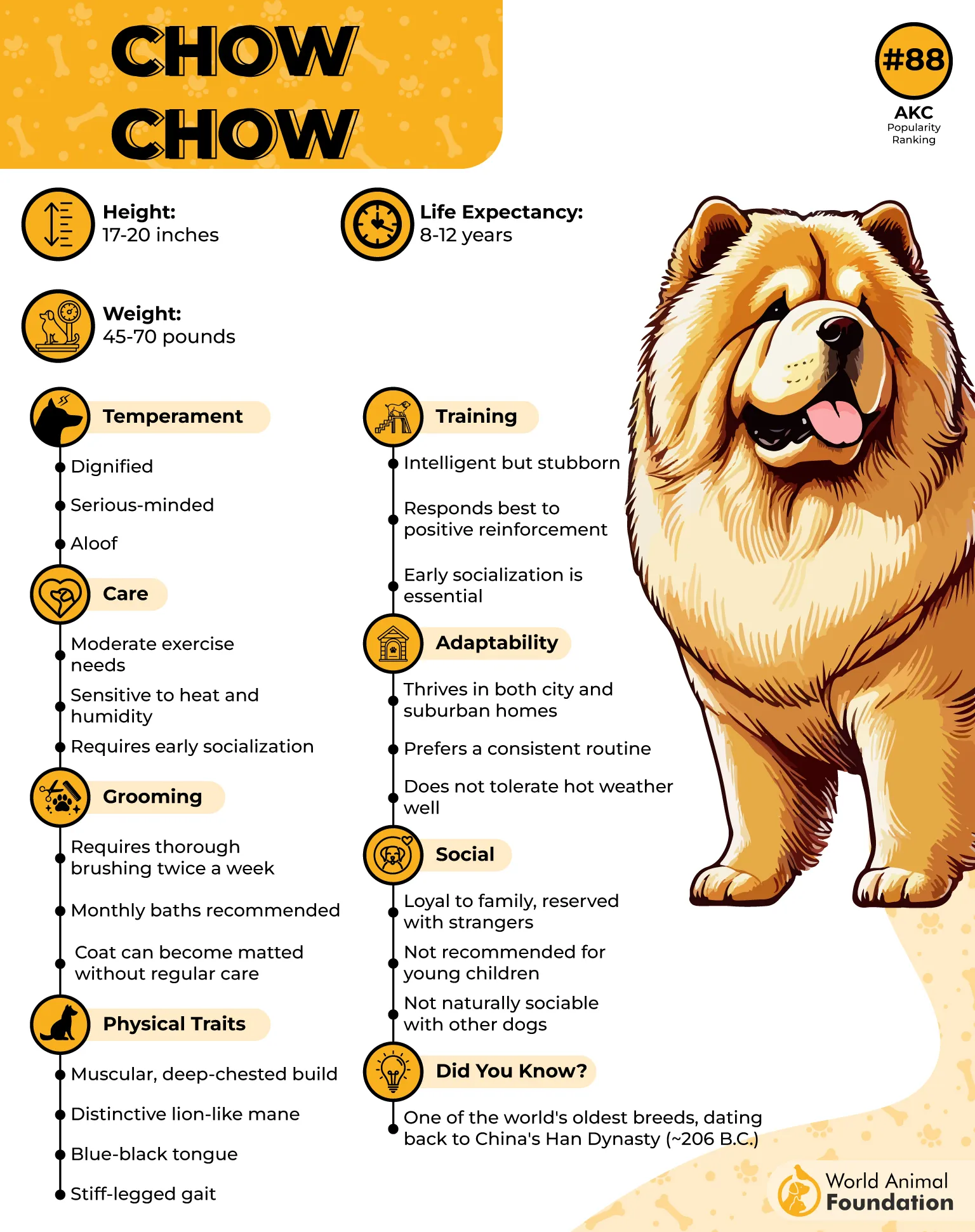
Unlike overly needy dogs that demand constant cuddles, these pets keep a dignified, quiet connection with their favorite humans. Petplan highlights that their strong reputation as an independent dog breed makes them a great match for calm homes that appreciate a peaceful, self-reliant animal.
While these majestic pets build deep bonds with their families, their quiet loyalty never replaces their basic need for human connection. A secure adult living in a familiar space will happily snooze through a quiet afternoon after a short stroll.
Care Tips
Stick to a fixed daily routine so your dog knows exactly when you leave and come back home. Brush the thick double coat often to keep shedding under control and prevent painful fur mats.
Use extra caution in hot weather, and ask a trusted friend to stop by during long workdays. Reward quiet, relaxed behavior rather than expecting an untrained dog to manage isolation on its own.
3. Whippet

Give a Whippet a cozy blanket after a quick sprint outside, and you will see a fast athlete turn into a peaceful couch potato. This sleek dog loves short bursts of outdoor running, but it happily turns into a quiet housemate once its daily energy is burned off.
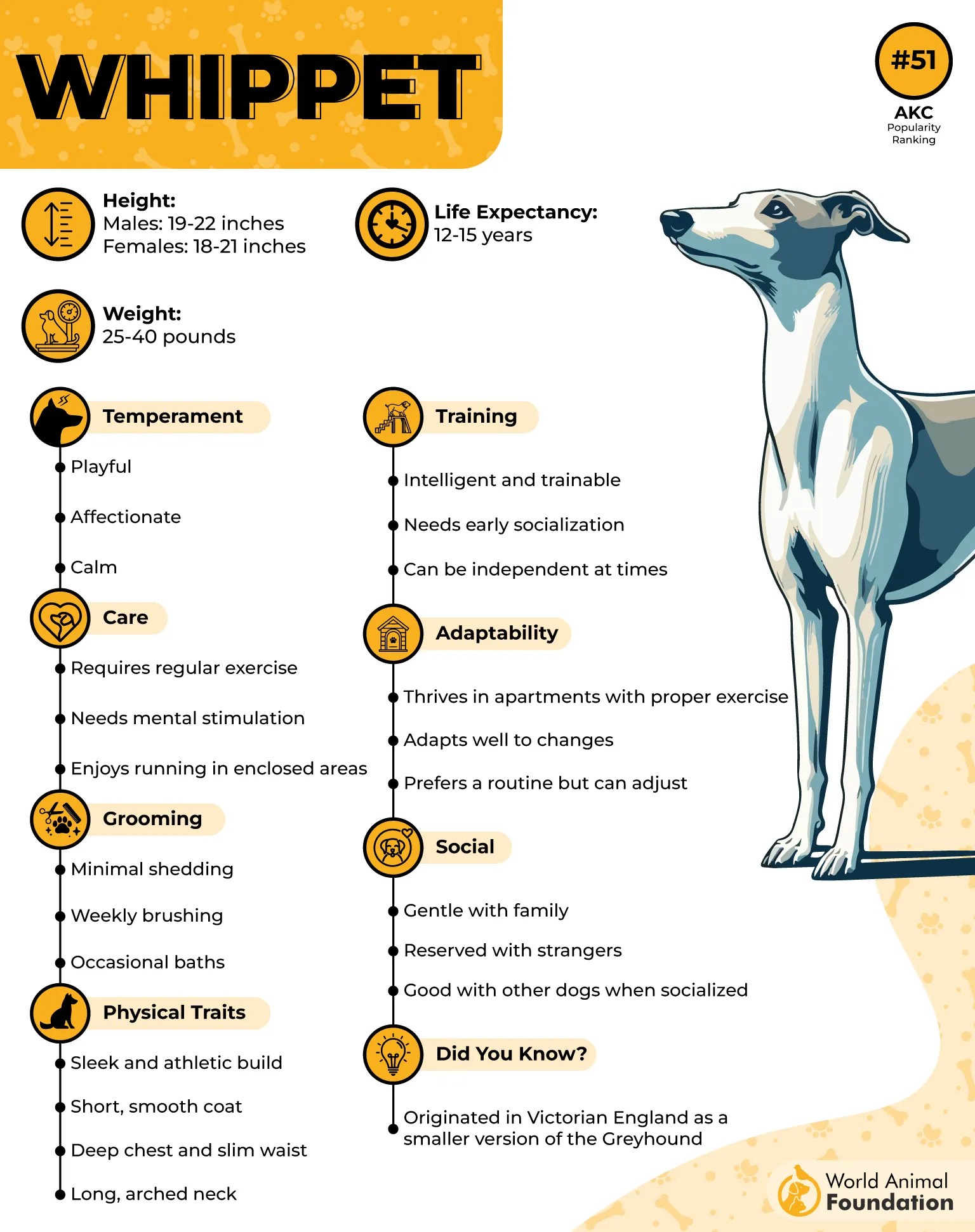
This pet stands out among independent dogs because its gentle indoor habits fit naturally into a predictable daily routine. Orvis says that these sensitive companions form tight bonds with their owners, yet a confident dog with good training easily learns to rest through brief solo intervals.
Still, these dogs are not completely low energy. Their natural love for sprinting requires safe, fenced areas, and their high prey drive means a stray cat can trigger a sudden chase.
Care Tips
Burn off excess energy with a brisk morning walk and a chance to run around in a safe, enclosed yard before you leave. Provide a padded bed, safe chew toys, and a warm indoor space clear of house hazards.
Practice short departures before trying longer hours, and watch for any signs of stress. Plan a quick lunch break drop-in instead of expecting your dog to stay isolated the entire day.
4. Basenji
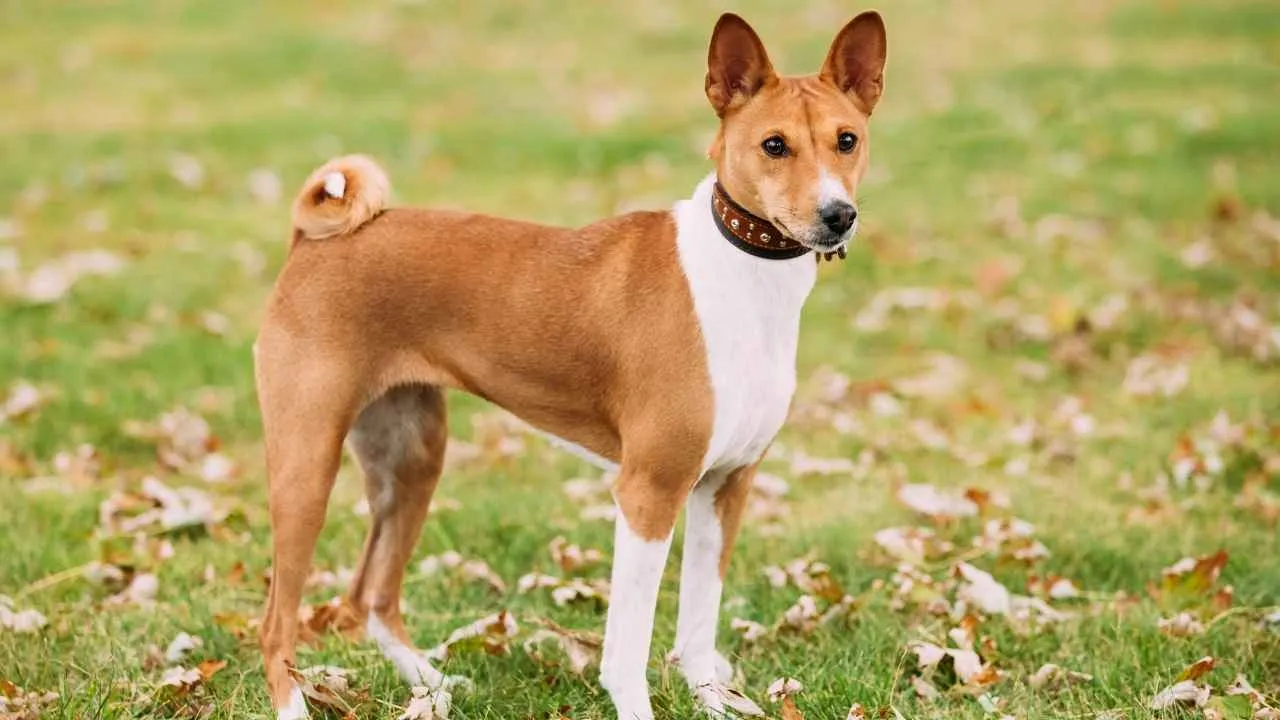
You will quickly realize the Basenji is a truly unique roommate when it trades typical barking for funny yodels, chirps, and quiet squeaks. Purina states that this clever dog combines cat-like grooming habits with sharp curiosity and a strong, self-guided personality.
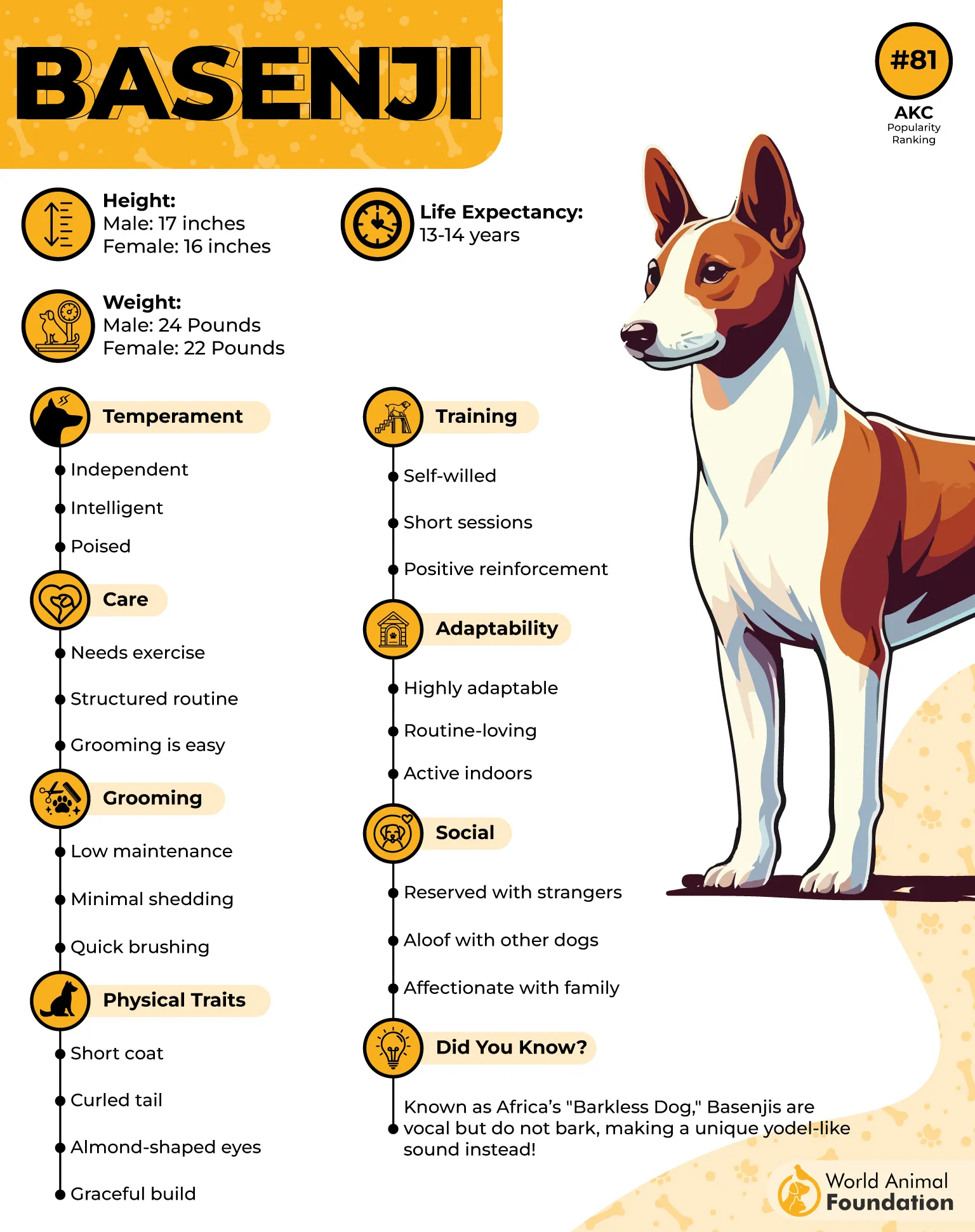
Originally bred for hunting across open African land, this animal has an athletic body, sharp senses, and a constant drive to explore its home. Its independent temperament appeals to owners who love an intelligent partner with a distinct mind of its own.
Often called a barkless dog, this breed is certainly not silent. It simply communicates through a strange vocal language, and deep boredom can bring out unexpected noise.
Care Tips
Combine daily outdoor walks with fun scent games and brain-teaser puzzle toys to satisfy your dog’s mind. Put away dangerous household objects, lock low cabinets, and check window latches before heading out.
Make sure outdoor fences are tall and sturdy, as this agile hunter will jump or dig to chase small animals. Build up solo time step by step, and book a trusted visitor for long days away.
5. Great Dane
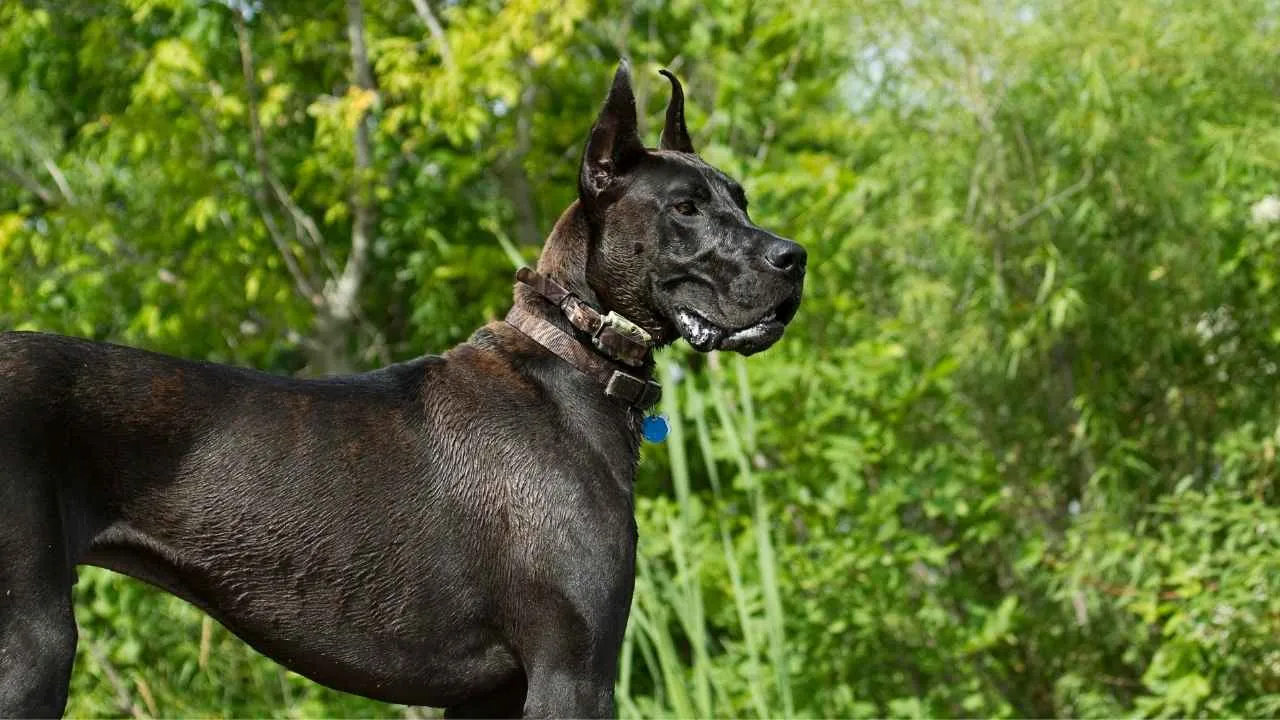
Despite having paws as big as dinner plates, the Great Dane quickly proves that a huge dog does not need constant action to stay happy inside the house. Most fully grown adults enjoy moderate daily exercise followed by long stretches of lazy lounging.

This gentle giant builds deep emotional ties with its family, yet it happily embraces quiet afternoon naps after a satisfying morning stroll. Its relaxed indoor habits appeal directly to owners who want a loving partner rather than a high-maintenance dog that demands nonstop entertainment.
However, owning a pet of this massive size comes with real responsibilities. Your home needs plenty of open floor space for easy movement, and early training stops accidental knockdowns or rough indoor play.
Care Tips
Set up a spacious, dog-proofed room with a supportive orthopedic bed and large chew items built for big dogs. Finish all physical workouts well before you leave, and avoid heavy exercise right after mealtime to protect their stomach.
Teach calm independence in small steps, and set up a mid-day visit when work keeps you away. Keep hallways clear of clutter so your dog can move around safely.
6. Shiba Inu
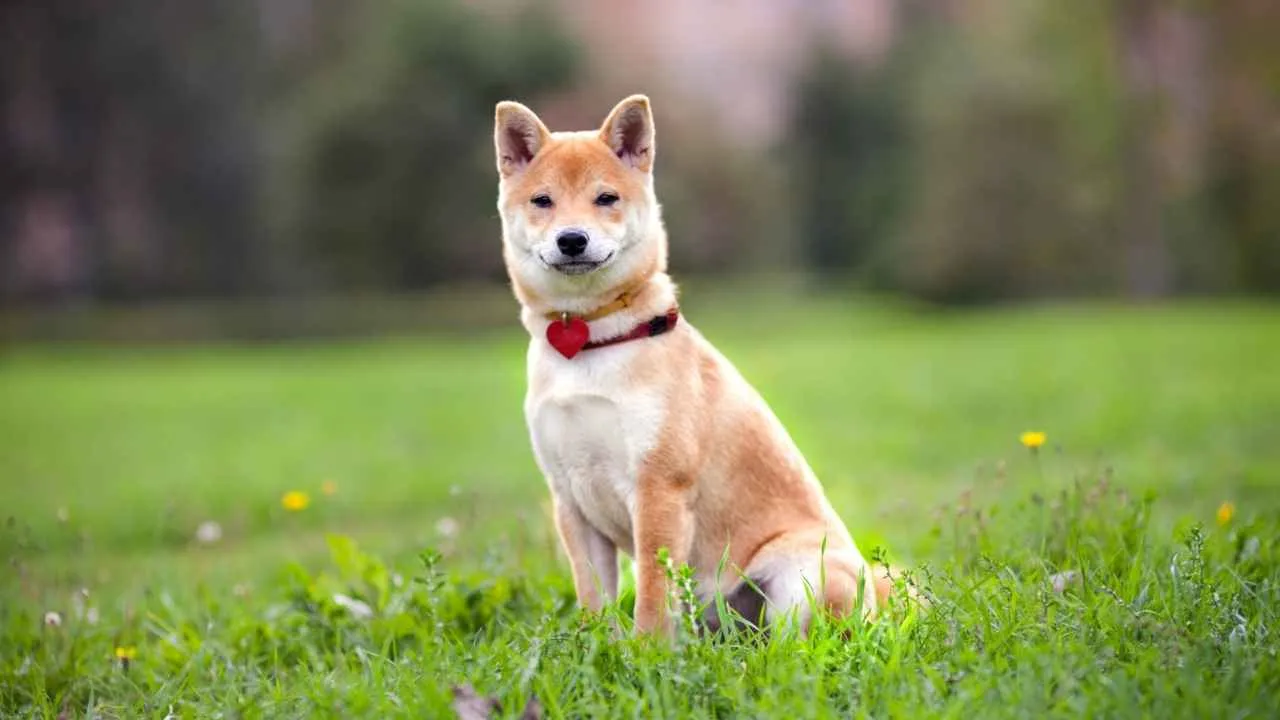
One look at a Shiba Inu gives you the feeling of a clever dog that knows every house rule, yet calmly chooses which ones to follow. This Japanese breed pairs fox-like good looks with strong confidence, keen curiosity, and a famous spirit of self-reliance.
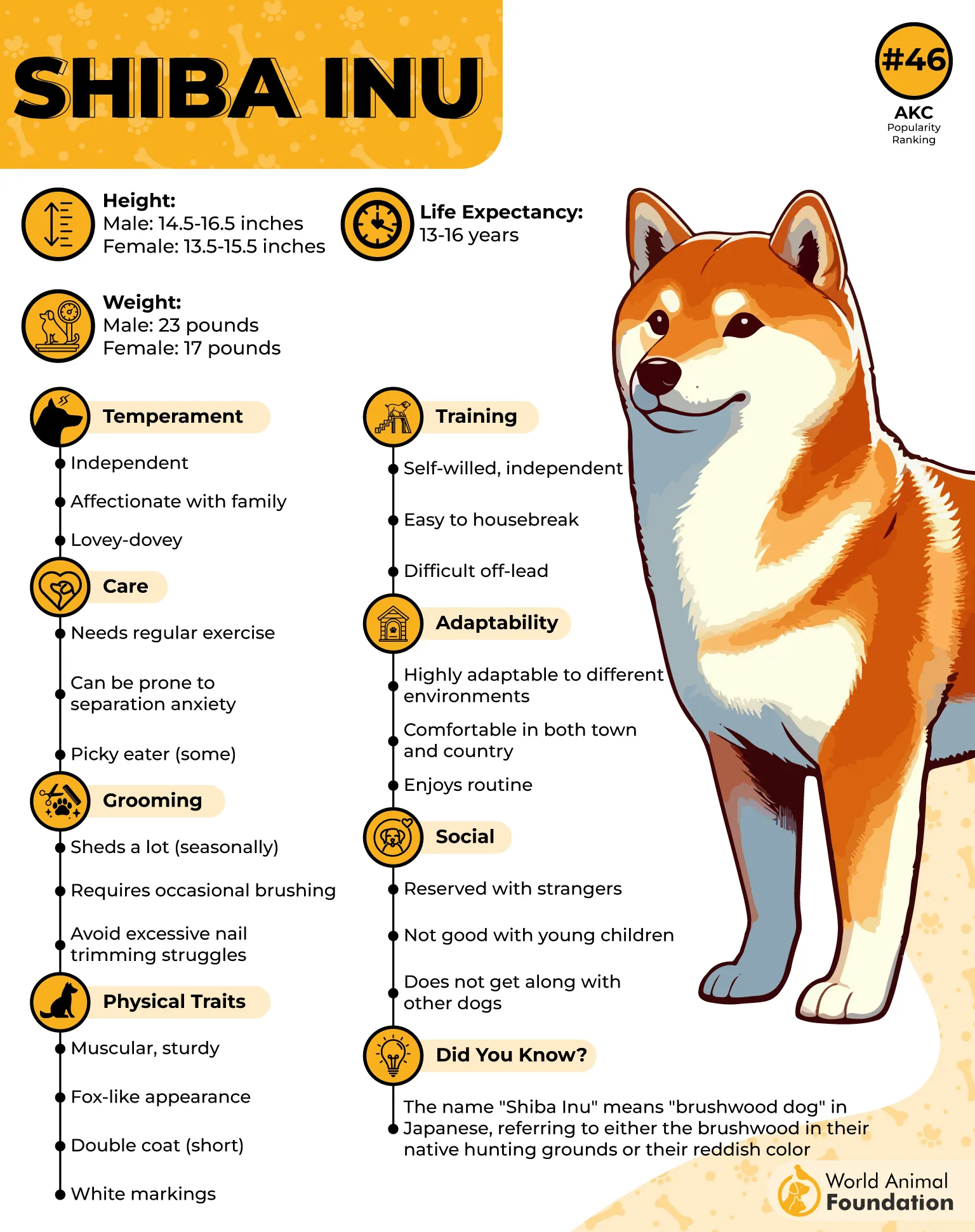
This pet easily earns its spot among dogs that value personal space without losing their tight bond with their owners. Unlike clingy breeds that need physical touch every minute, many of these dogs prefer relaxing nearby without demanding endless petting. Their devotion shows through quiet companionship rather than non-stop cuddles.
However, this self-reliant trait does not mean the dog is zero work. Leftover energy can spark destructive digging, furniture chewing, or sudden escape attempts when their environment gets boring.
Care Tips
Mix up daily outdoor walks with reward-based training and tough puzzle toys that keep their minds active. Ease into solo time by placing your dog in a comfortable, safe room with fresh water and interactive play items.
Double-check all doors, gates, and latches before leaving, and brush the coat frequently during heavy shedding seasons. Respect your pet’s boundaries and hire a trusted pet sitter during extra-long workdays.
7. Akita
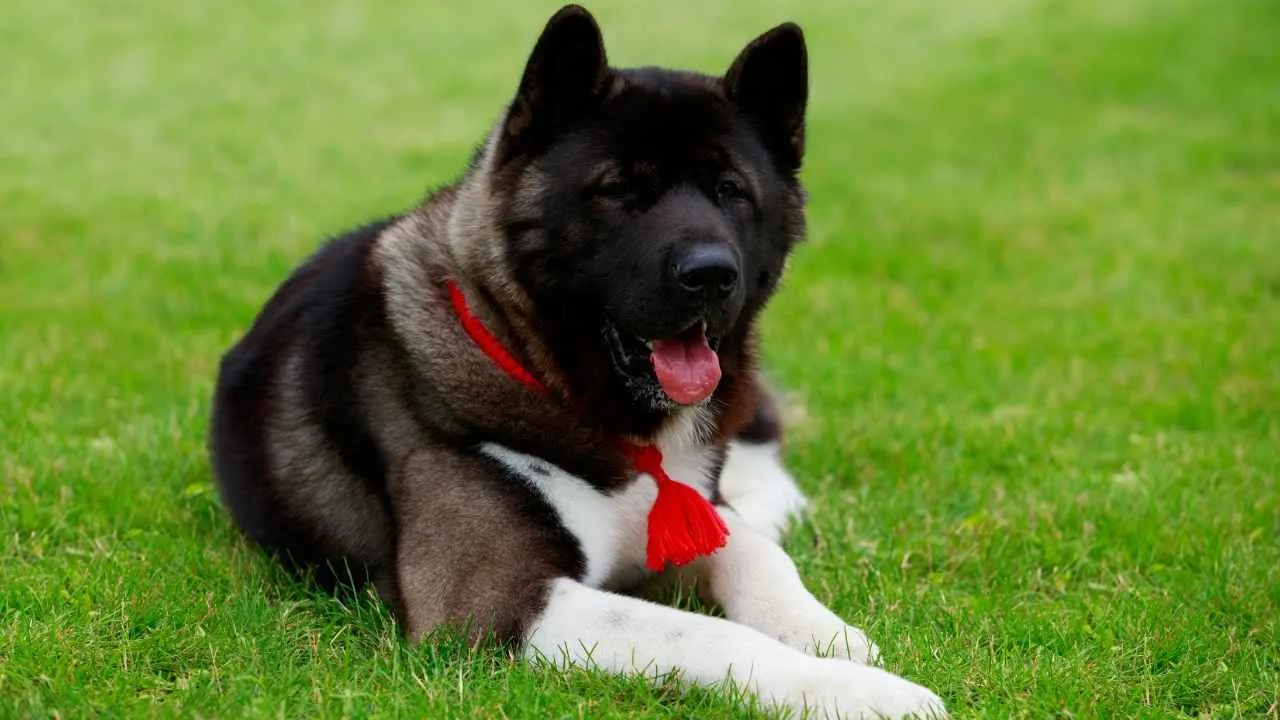
While many dogs show love with energetic licks, the Akita shows its devotion through calm watchfulness and a steady, grounding presence. Strong, noble, and deeply loyal to its family, this Japanese breed carries a legendary reputation for devotion that matches its impressive build.
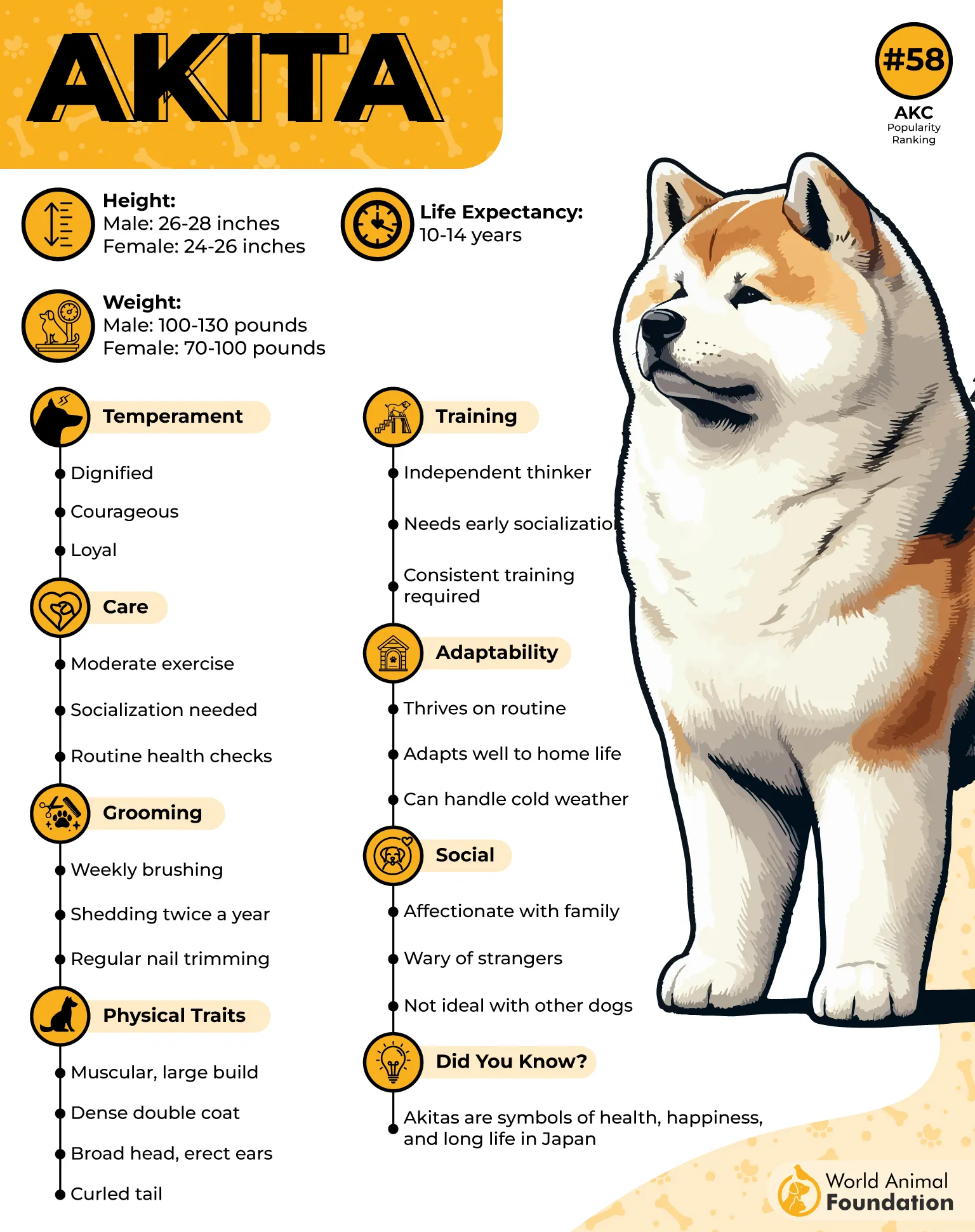
These dogs possess a self-reliant mindset, meaning a confident, well-trained adult can peacefully rest in familiar surroundings for reasonable stretches. They do not seek attention from strangers on the street, but this quiet, reserved personality should never be confused with a lack of love for their home team.
This powerful breed requires early socialization, firm guidance, and polite manners around unfamiliar people and other pets. Given their size and natural strength, good habits are essential.
Care Tips
Keep departure times consistent every day, offer good exercise before you leave, and encourage quiet solo resting from a young age. Clear unsafe items from your dog’s resting area and leave out durable enrichment toys to prevent boredom.
Brush the thick double coat regularly, adding extra grooming sessions during seasonal fur drops. Supervise all interactions with unknown animals, and consider a pet sitter for long work shifts.
Conclusion
Finding the right match for a busy home comes down to understanding how your everyday flow fits with a pet’s natural rhythm. Solitude should feel like a peaceful pause in a shared routine rather than a silent hardship, and every animal reaches that comfort level differently.
When bringing a new four-legged partner into your life, look closely at their personal history and baseline energy instead of focusing strictly on reputation. Establishing steady habits, keeping departures quiet, and building confidence in small steps will always pay off over time.
With thoughtful care, mutual trust, and quality time together when you return, you can create a calm, safe environment where your companion feels completely at ease, even when the house is still.
