




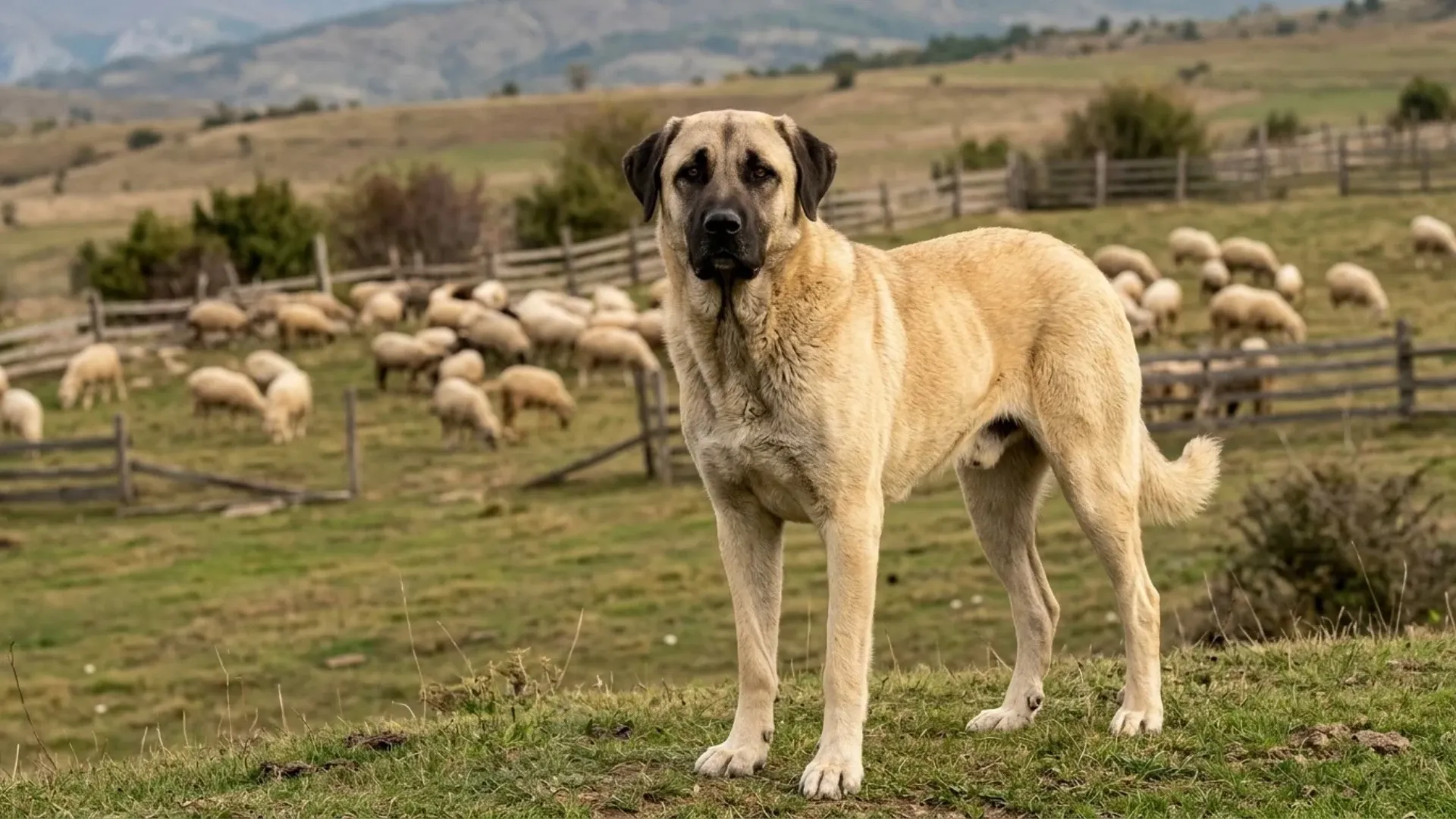
When predators prowl under the cover of night, a sturdy fence is rarely enough to keep a flock or herd safe. For thousands of years, farmers and shepherds have relied on a remarkable partnership with livestock guardian dogs: fearless, deeply devoted canines bred to think independently and stand between vulnerable animals and real danger.
Unlike herding breeds that drive and gather stock, true livestock protection dog breeds bond directly with the animals they guard, living alongside sheep, goats, cattle, and poultry as silent, watchful sentinels. Their loyalty runs so deep that they will calmly patrol acres of pasture in extreme weather, assess threats on their own, and confront wolves, coyotes, or stray predators without waiting for a human command.
Yet their fierce devotion to their flock is matched by a surprisingly gentle, patient nature toward the family and young animals in their care. Whether you manage a working homestead or simply admire the intelligence and courage of traditional working dogs, explore the most loyal breeds built to protect livestock with unwavering instinct and heart.
Loyal Dog Breeds That Excel at Livestock Protection
1. Anatolian Shepherd
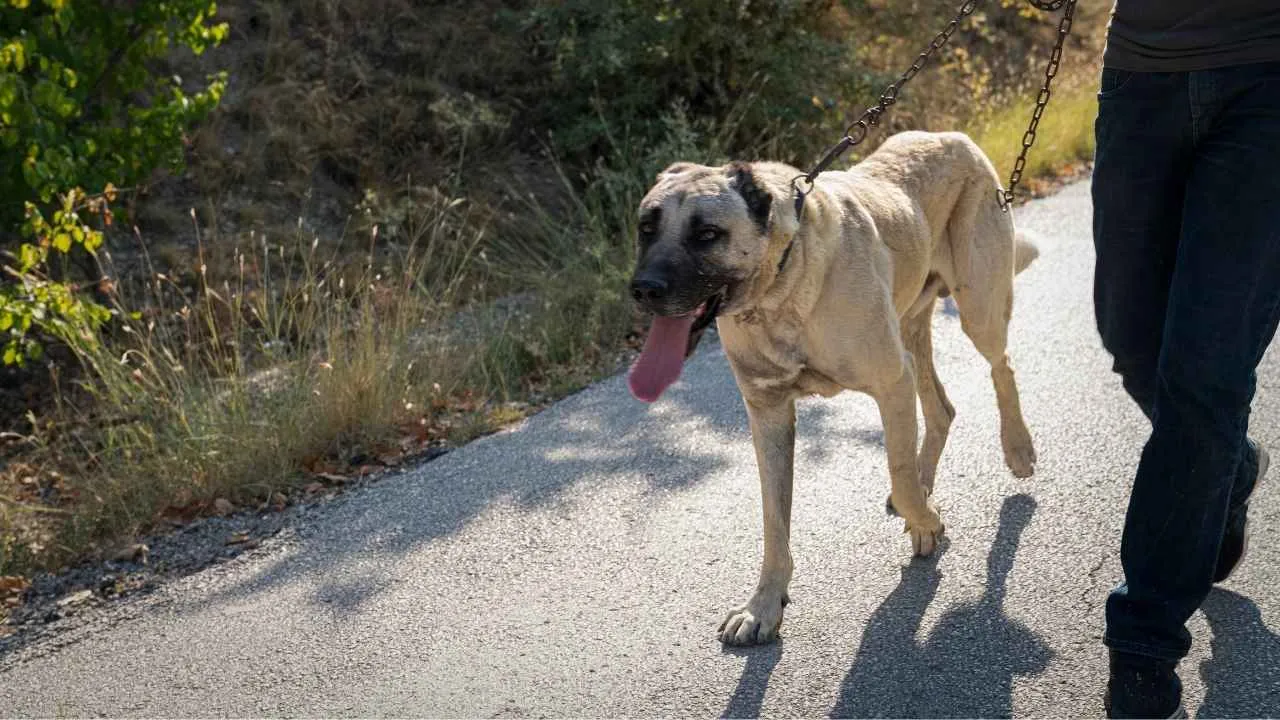
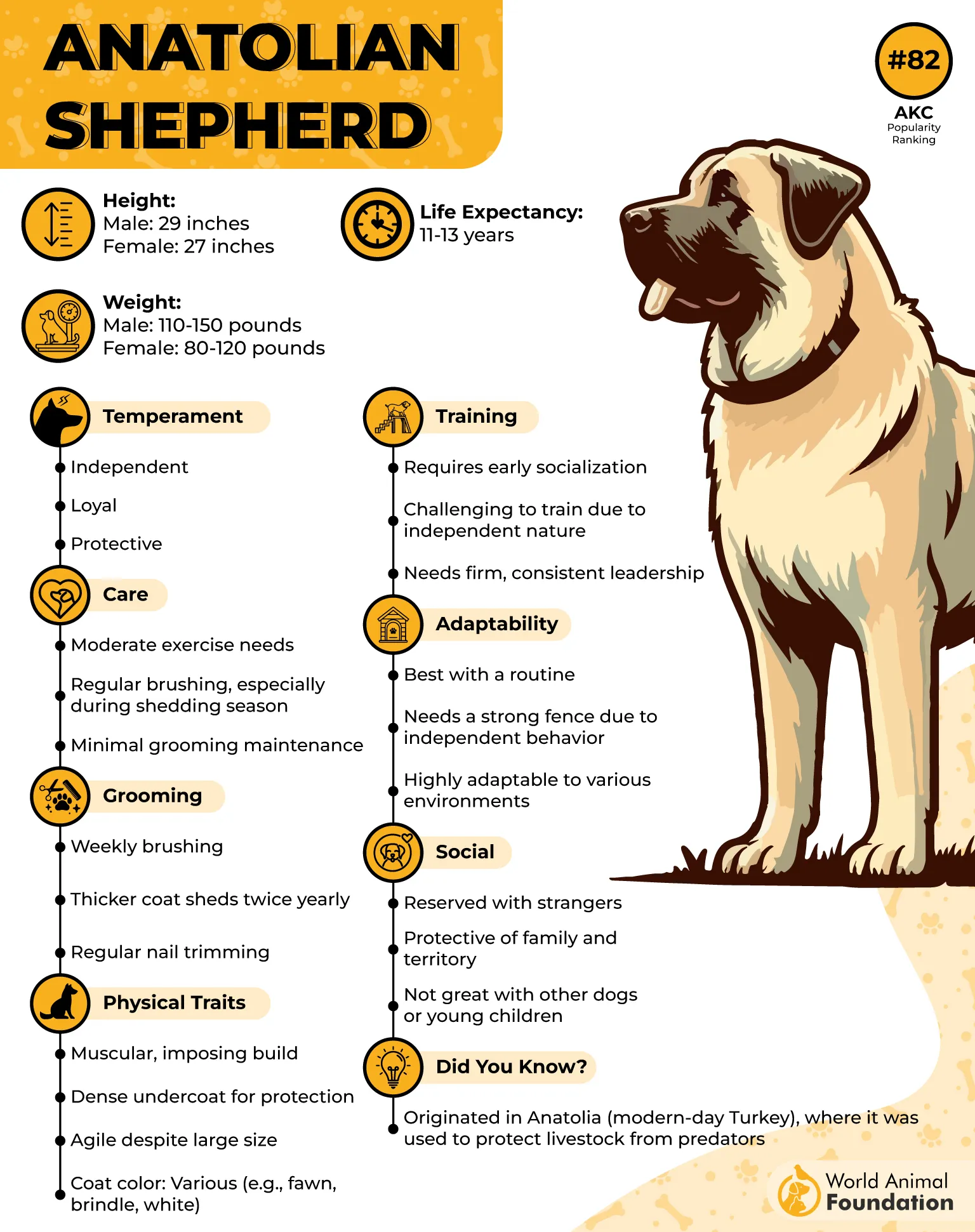
Muscular, protective, and territorial, the Anatolian Shepherd is a hardworking guardian that stays nimble despite its power. It is more than a match for the predators and rough terrain of its homeland, and it descends from some of the oldest known domestic dog lines.
At the crossroads of early civilization, sheep and goat herders developed a livestock guardian known as the Çoban Köpeği, an ancestor of today’s Anatolian Shepherd. The breed took shape in the harsh climate and varied terrain of Anatolia, also called Asia Minor, where summers are scorching and winters are snowy.
This is a no-frills breed with a timeless feel and a history that stretches back thousands of years. How can a puppy take you back in time? The ancestors of these guardians worked alongside early shepherds and nomadic herders in the Levant.
Those early guardian dogs watched one of the biggest shifts in human history, the move from hunter-gatherer life to settled farming and herding. Fast, agile, and highly responsive, Anatolians don’t usually herd sheep or cattle, but they will defend their flock and their family with everything they’ve got.
2. Great Pyrenees
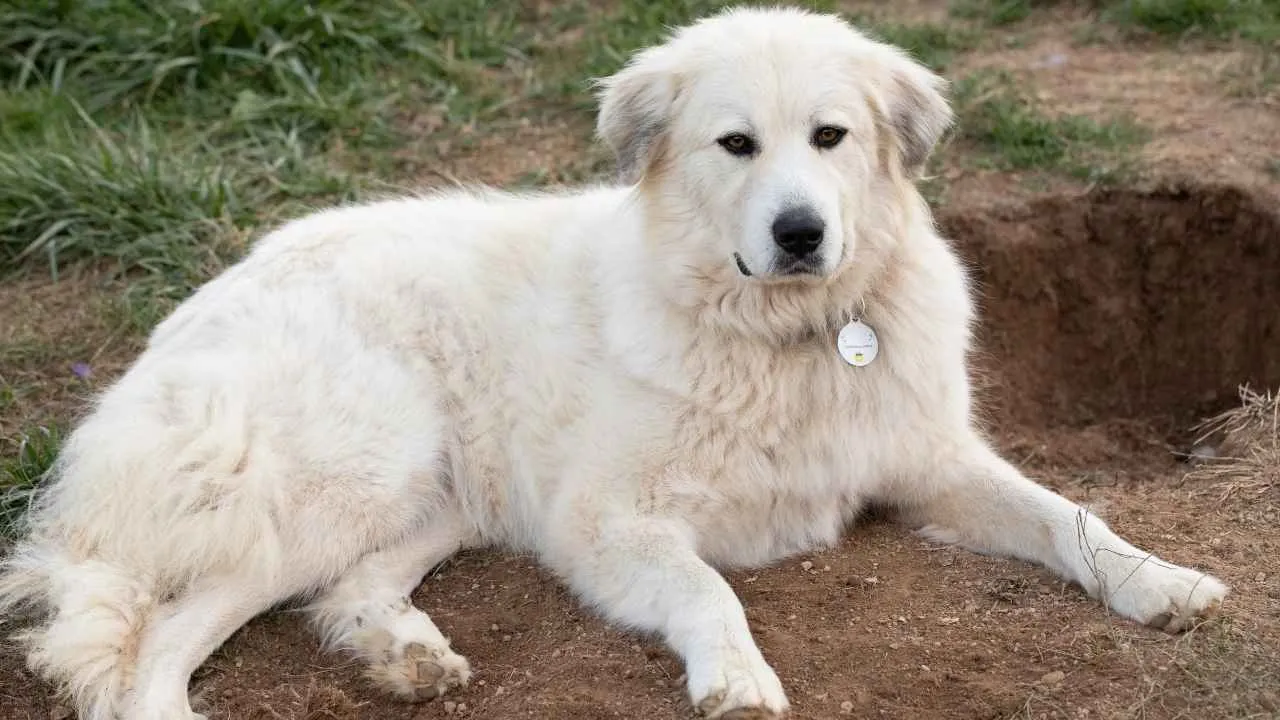
Hailing from the snowy slopes of the Pyrenees, these strong, majestic guard dogs carry a calm, almost zen air. Graceful and incredibly patient, these mostly white mountain dogs come with a dash of stubborn independence.
Watch them in action, though, and your doubts will melt away. A Great Pyrenees is such a vigilant guardian that predators like wolves often think twice and go the other way after seeing them stand their ground.
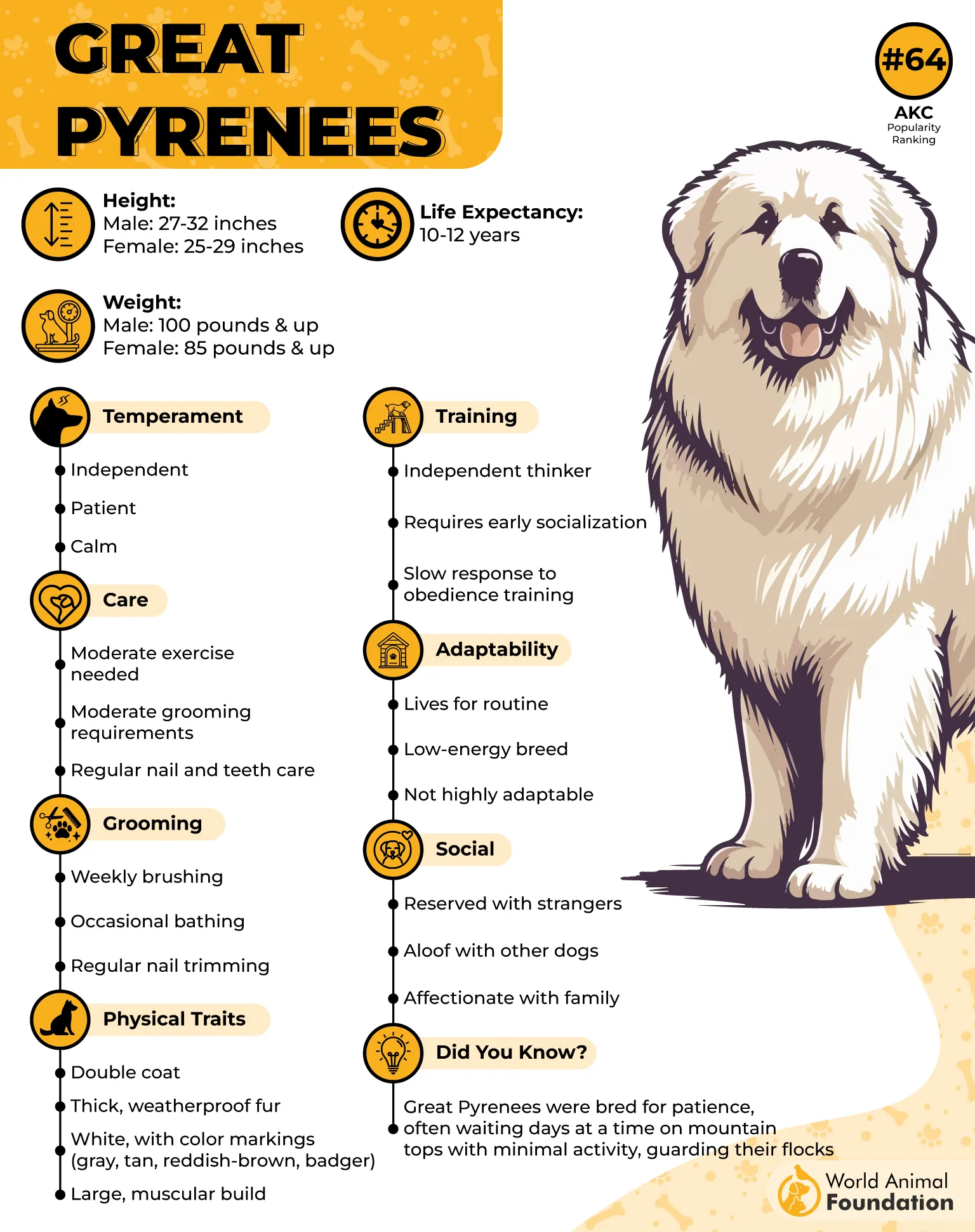
According to Modern Dog Magazine, these attentive pooches start life looking like polar bear cubs. They are a great choice for ranchers and homesteaders who are short on time, because they tend to solve problems on their own and need very little supervision to keep danger at bay.
3. Maremma Sheepdog
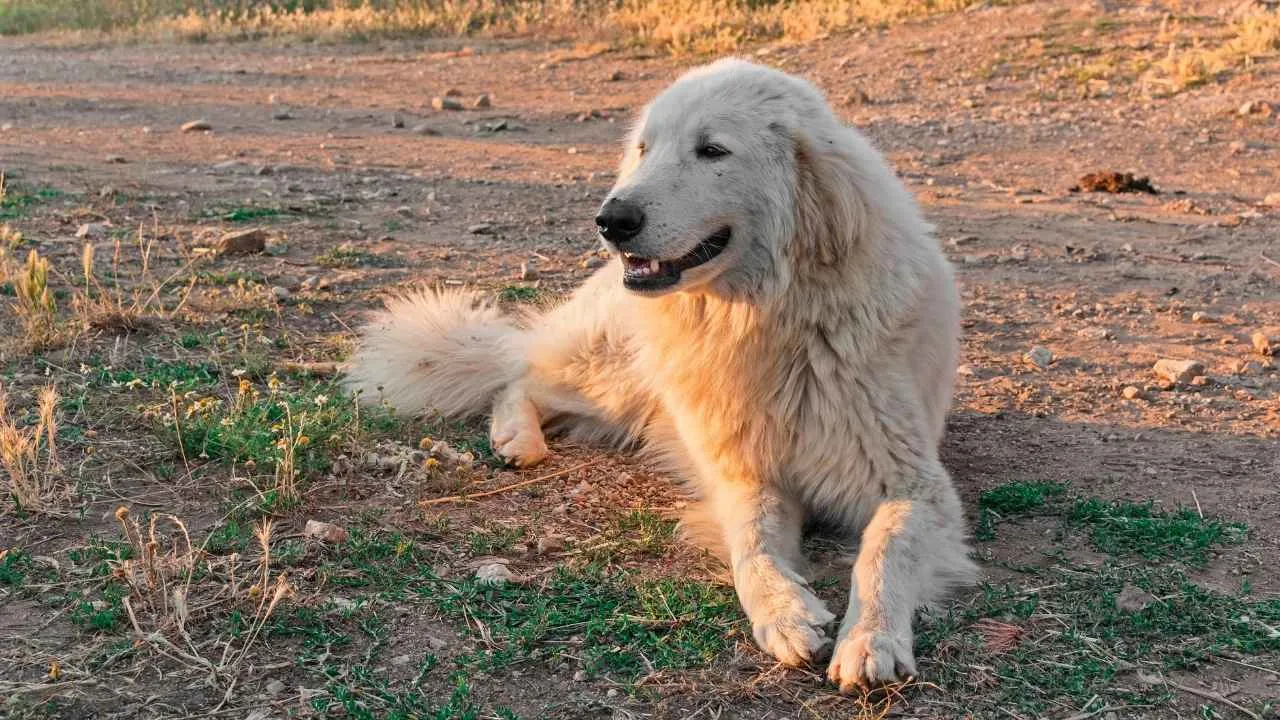
The Maremma Sheepdog, also known as the Maremmano-Abruzzese Sheepdog, is a livestock guardian breed native to central Italy. Italian shepherds have used it for centuries to protect their sheep from the Apennine wolf, which is now a protected species.
These dogs share a common ancestor with other European mountain guardian breeds, like the Great Pyrenees and Hungary’s Kuvasz.
Wikipedia describes the breed as strongly built yet lithe, able to move easily over rough ground and turn quickly. These dogs are intelligent and courageous but not aggressive.
Italian sheep farmers still rely on them wherever predators are a problem. And that’s not all: Maremmas have also been used to protect endangered animals and flocks in Australia, New Zealand, and the United States from threats like foxes and wild dogs.
4. Komondor
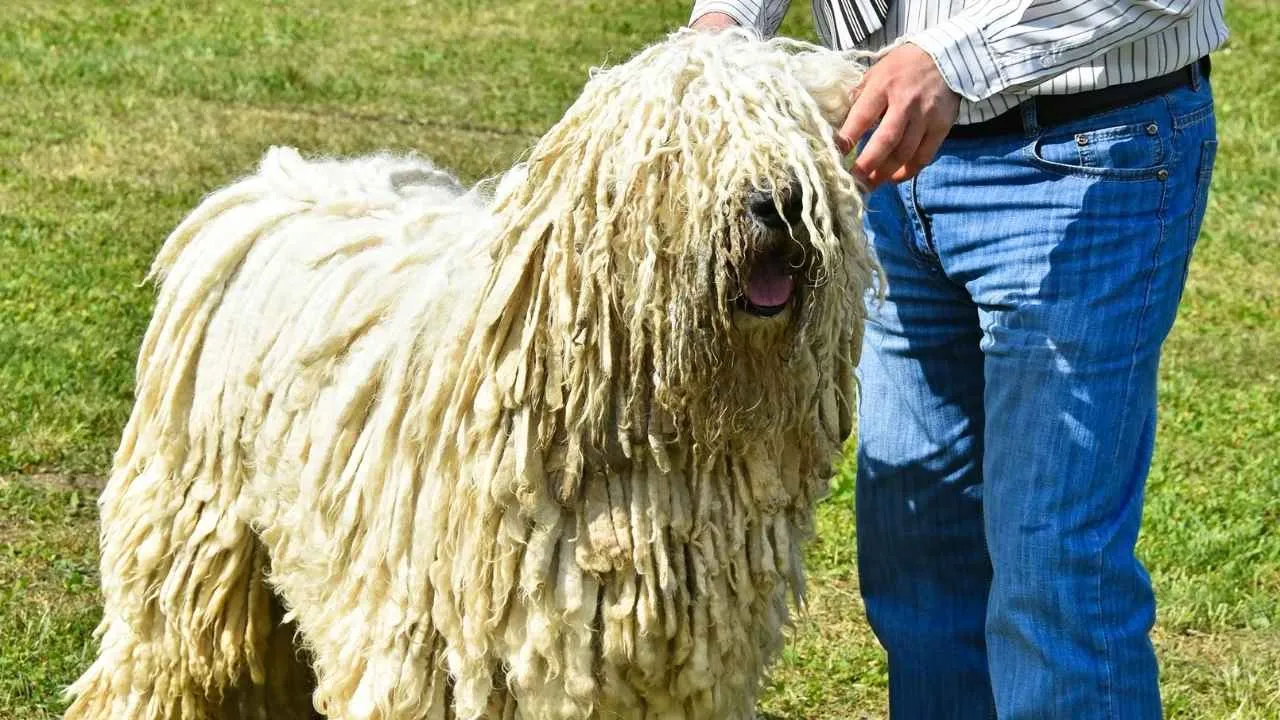
The Komondor can protect your herds from wolves and Eurasian brown bears. You won’t find a more unusual dog, or a more undercover agent, because it can vanish into a sea of lambs and sheep. Its thick white cords look a lot like dreadlocks, and they’ve even earned this flock guardian a place at prestigious dog shows.
Dressed in the perfect camouflage outfit, this sheep-like dog is neither gullible nor mellow. Never underestimate this Hungarian pup, because it will outsmart you with brains and brawn.
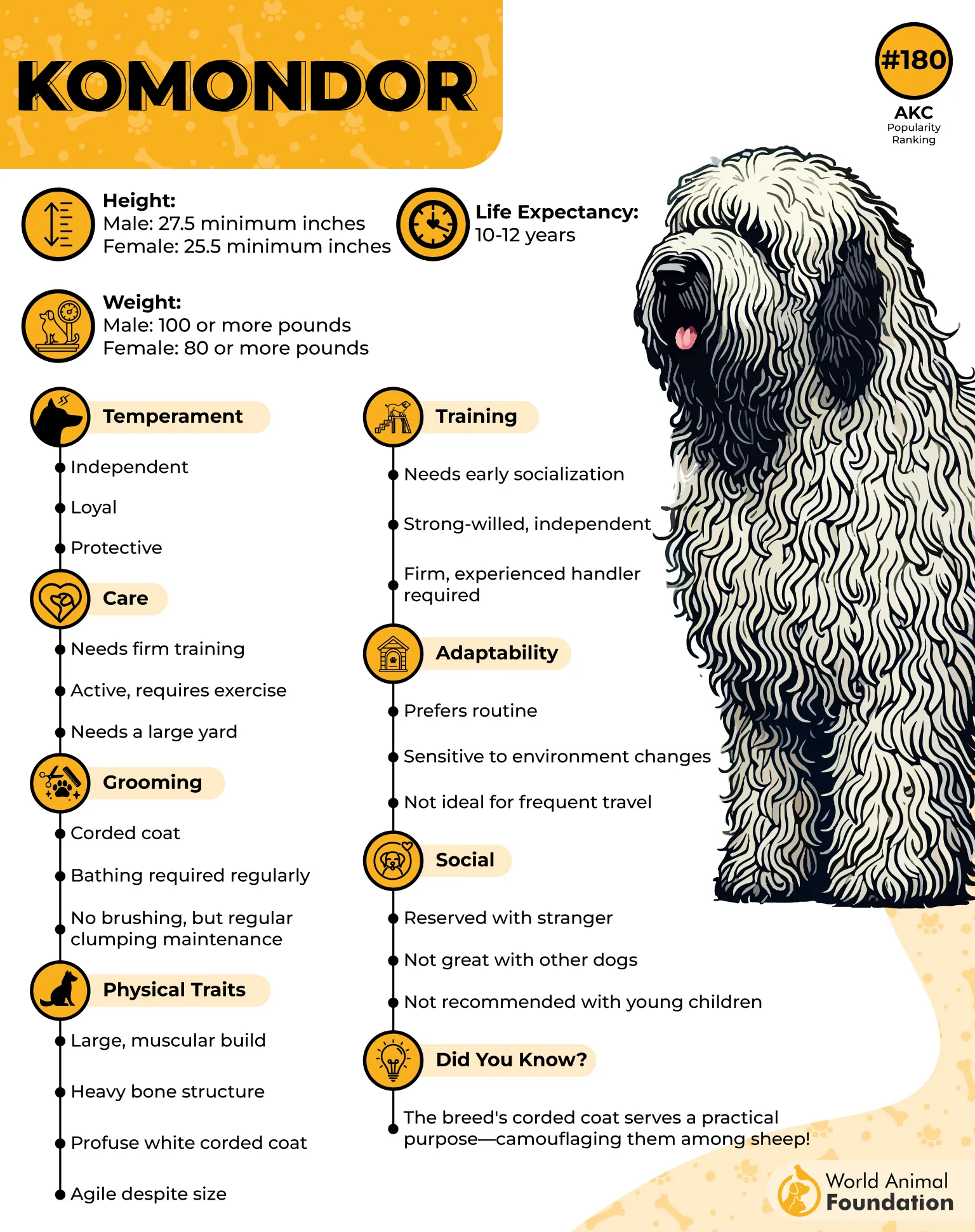
Think of a dog in sheep’s clothing with a martial arts master’s moves. It covers ground in long strides and, if a predator doesn’t back down, it answers with a powerful leap or lunge.
The Cuman (Kipchak) people, who were nomadic, brought these dogs to Hungary, and they were originally known as Cuman dogs. Komondors are known for their strength and persistence, so positive training methods work best for raising them into well-balanced adults.
5. Kuvasz
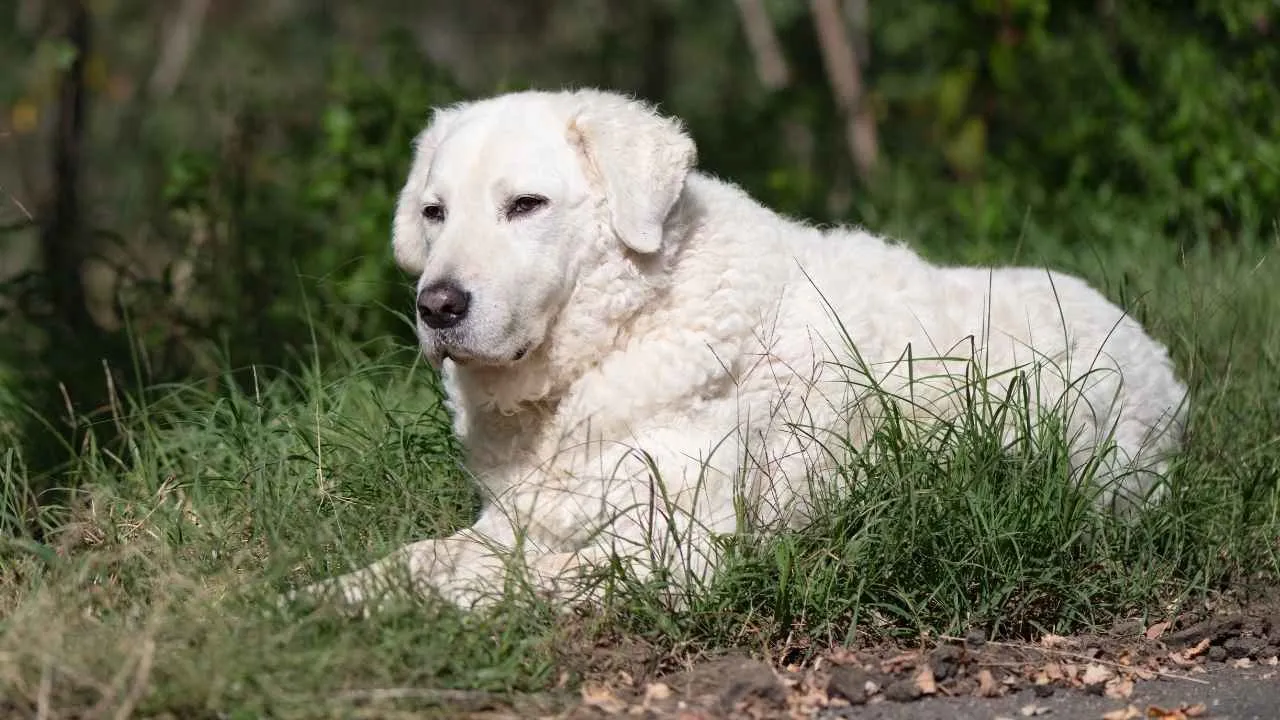
Hungary has given the world many great stories, but none quite like the legend of this companion of kings and guardian of flocks. The Kuvasz arrived in Hungary in the Middle Ages with nomadic tribes of Turkic origin, such as the Cumans (Kipchaks), who moved west in search of greener pastures.
Its name is believed to come from an old Turkish word, kawasz, meaning armed guard of the nobility. This Hungarian guardian is more than majestic. It is a loyal knight in shining armor.
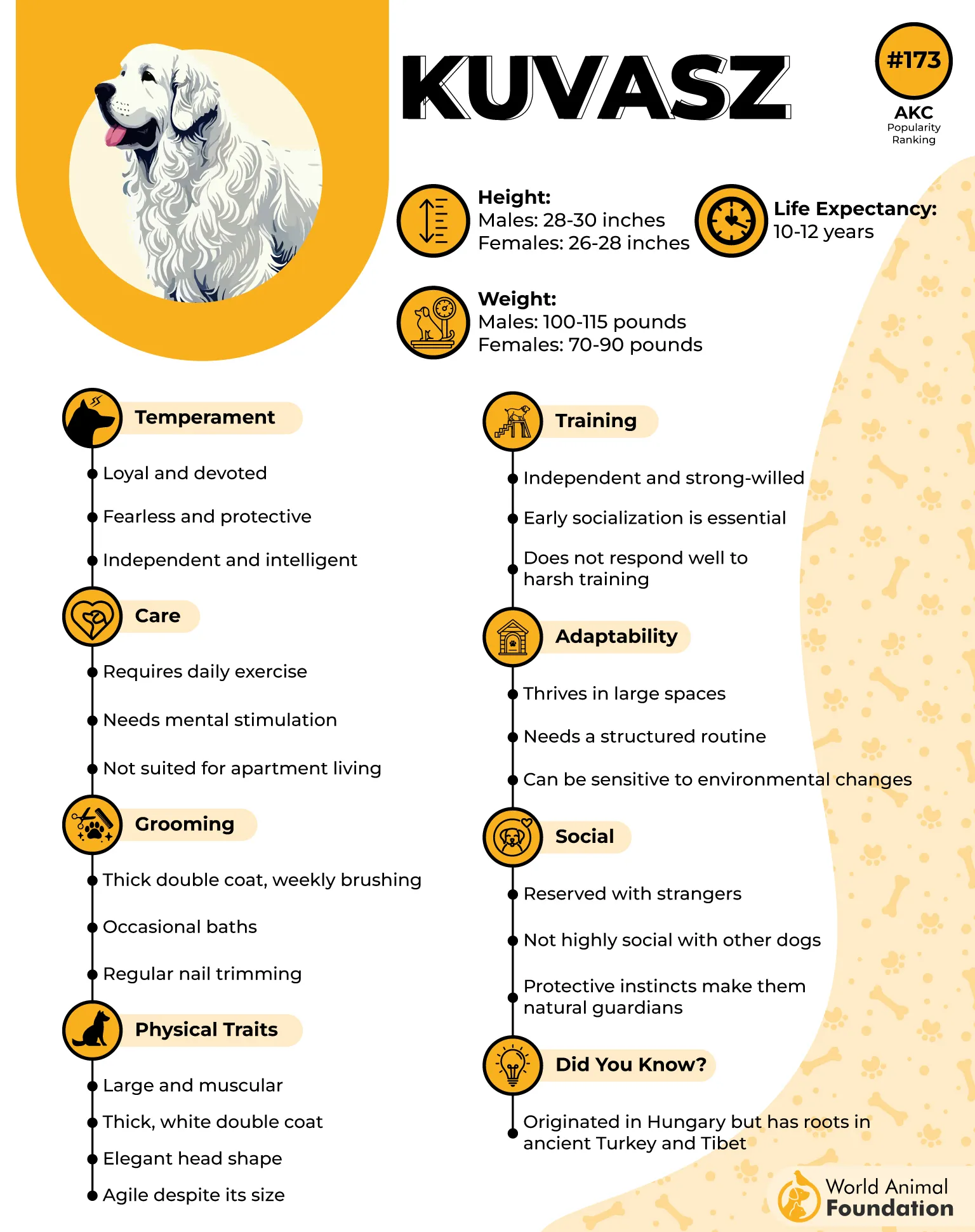
It tends to bond deeply with one family, and it is so protective that stories tell of Kuvaszok standing their ground against enemy soldiers during wartime, sometimes at the cost of their own lives.
These are not passive companions. A Kuvasz will confront intruders and drive them off. The breed descends from large ancient dogs that guarded nomads, horses, sheep, and goats from predators and thieves.
Did you know? King Matthias I, whose court was full of intrigue and treachery, reportedly trusted his Kuvasz more than his palace guards.
6. Tibetan Mastiff
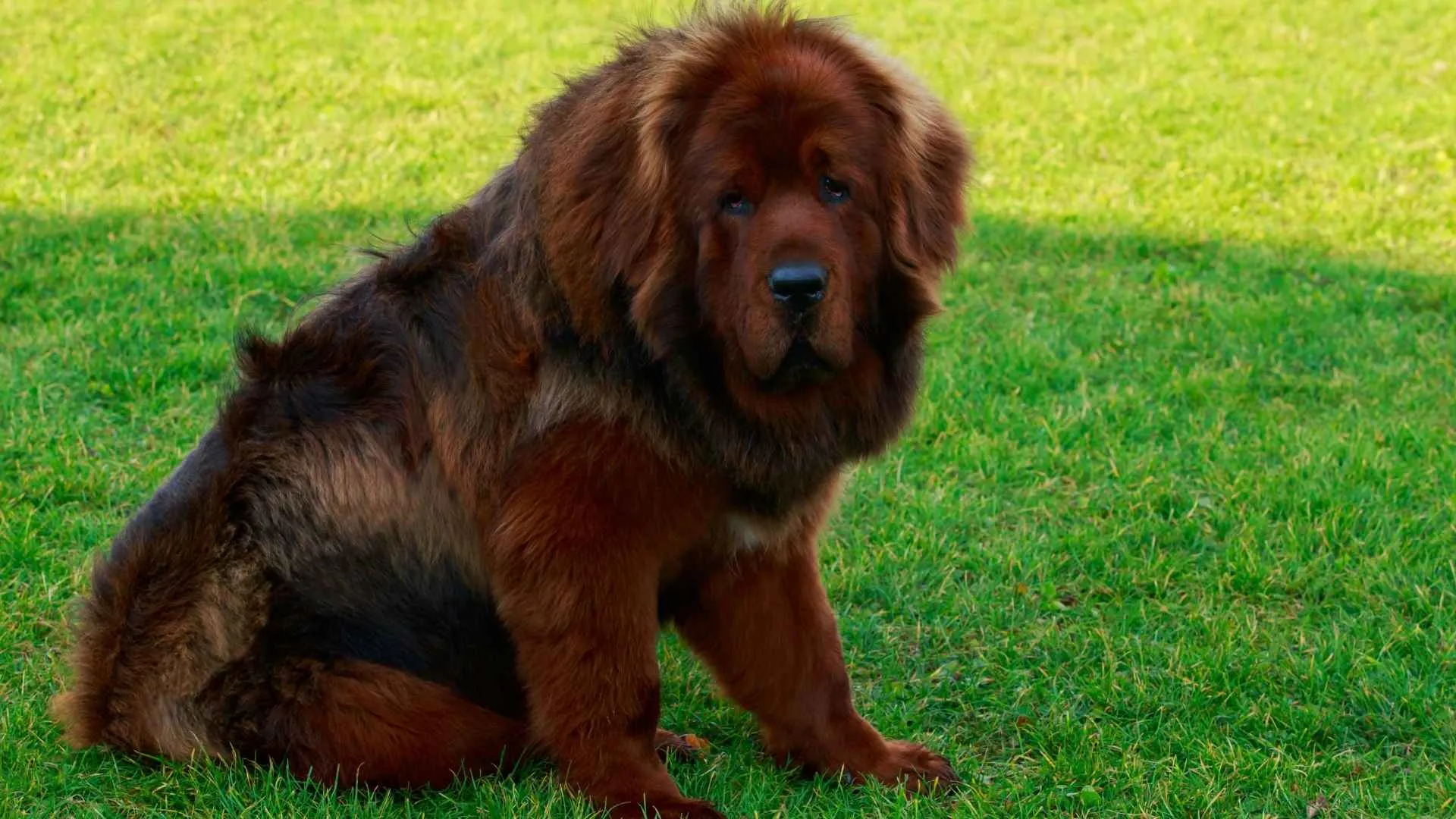
With origins lost to antiquity, this ancient breed has kept its original form for centuries. Hailing from Tibet, the “Roof of the World,” these dogs were relied on by locals to protect livestock, homes, and villages from predators like snow leopards and Himalayan wolves.
The Do Khyi, as the Tibetan Mastiff is also known, has several traits that are rare in the dog world. It is still considered a primitive breed, and females typically come into heat only once a year, usually in autumn. Otherwise, these are powerful, heavy, well-built dogs, solemn and aloof but kind at heart.
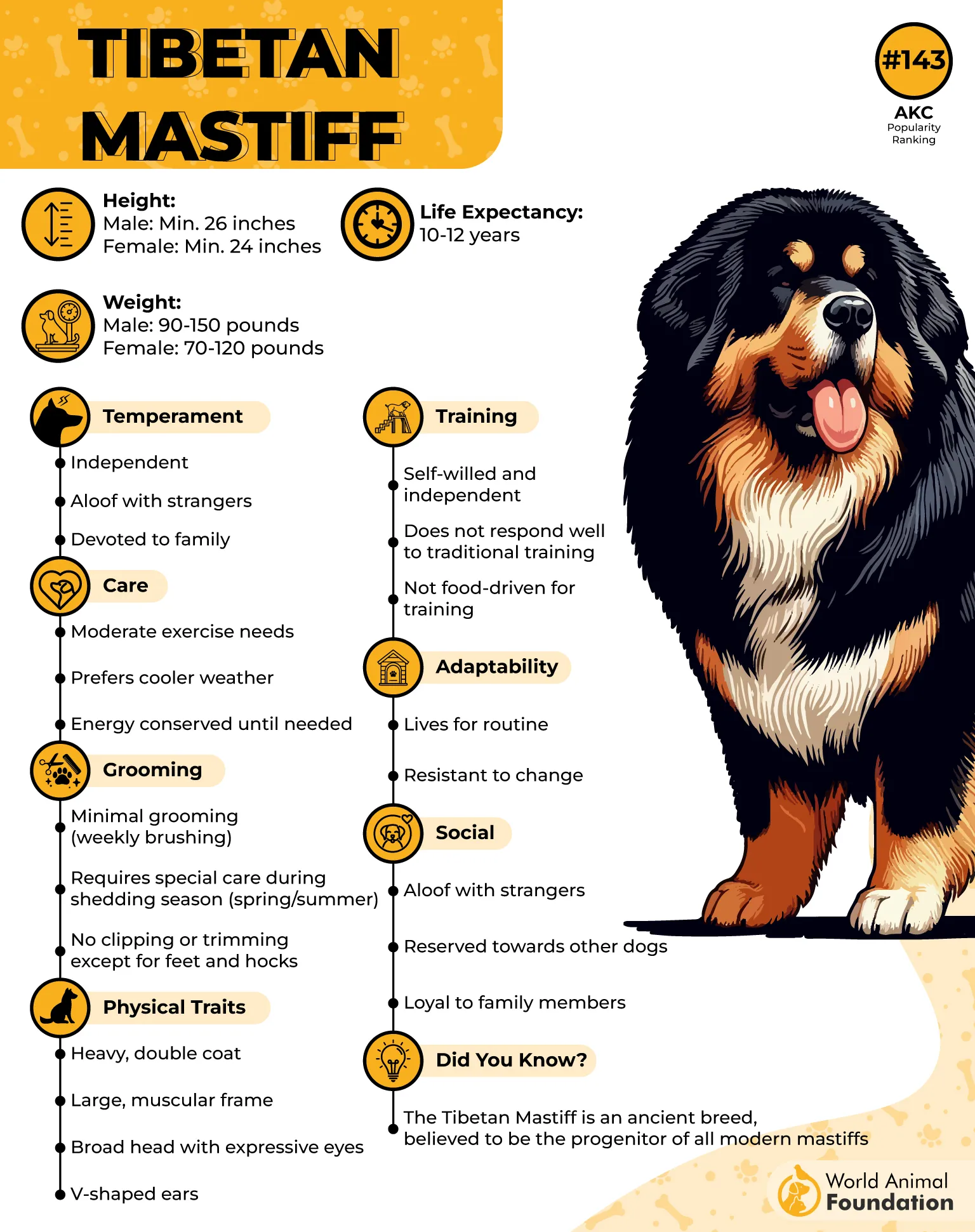
According to the Continental Kennel Club, the Tibetan Mastiff matures slowly, reaching adulthood in two to three years for females and at least four years for males. With a broad head, a strong skull, and a heavy double coat, it thrives in the freezing temperatures and high altitudes of the Himalayas.
These dogs have a strong protective instinct and a stubborn streak, so they are best suited to experienced owners. They are fiercely loyal, sharp, and impressively imposing, which makes them very effective at keeping intruders away from your property.
7. Akbash
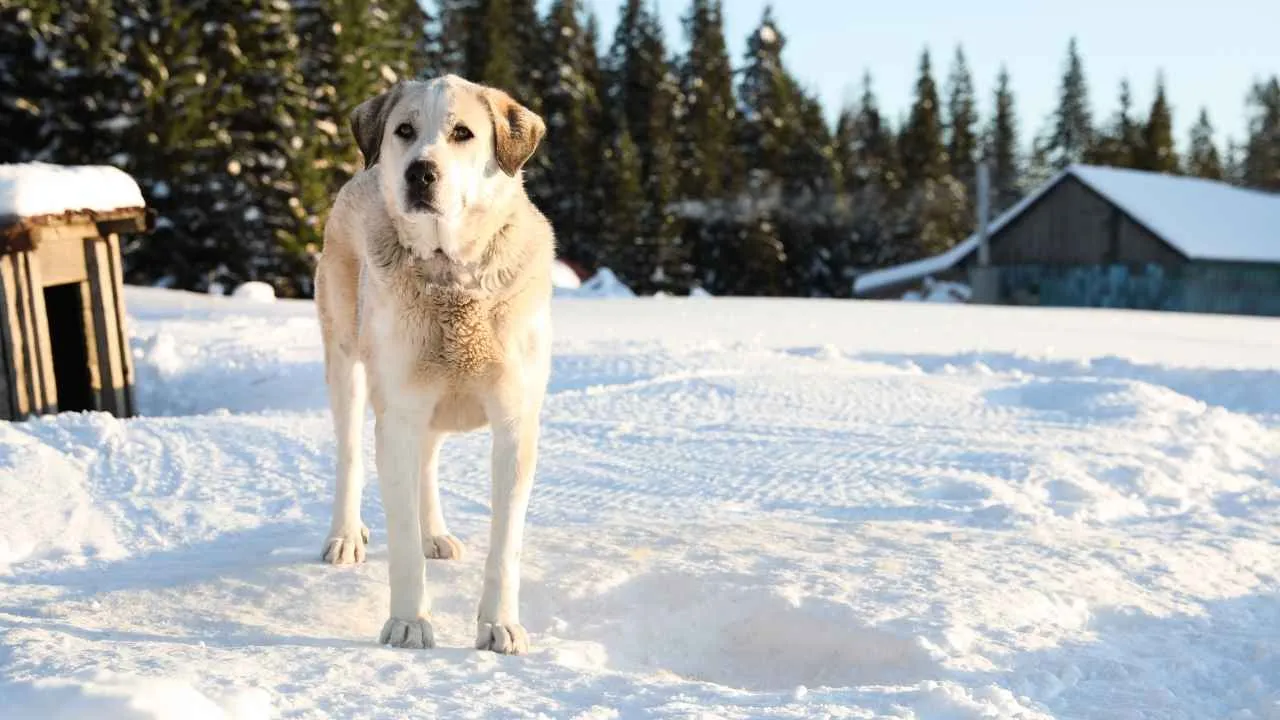
The Akbash shares part of its history with the Anatolian Shepherd. It may descend from the ancient war and hunting dogs of Mesopotamia, as well as the old herding dogs of the Middle East. This steadfast protector from Türkiye has everything a good livestock guardian needs: strength, courage, and endurance.
Shaped by the steppes and plains of Anatolia, the Akbash was originally bred to safeguard herds from large predators such as wolves and leopards. Hardy and reliable even in harsh climates, it can keep up with roving herds of sheep and cattle, and it was long a trusted helper of nomadic herders thanks to its stamina.
What you’ll need to keep up with after bringing one home is its strong work ethic, high energy, and need for physical and mental stimulation. This pup can get bored easily, so plan plenty of outdoor activities and the occasional weekend adventure to keep this loyal, protective companion happy.
Conclusion
A powerful build, an imposing look, and a long history of guarding don’t automatically make a breed the right companion, and neither does a slightly independent nature. Confidence, adaptability, devotion, and patience matter just as much in a good livestock guardian.
If you want a dog that truly stands out, look for eagerness to please, trainability, focus on the job, and emotional sensitivity, along with versatility. After all, a good guardian’s first priority is the safety and well-being of its flock and family.
