




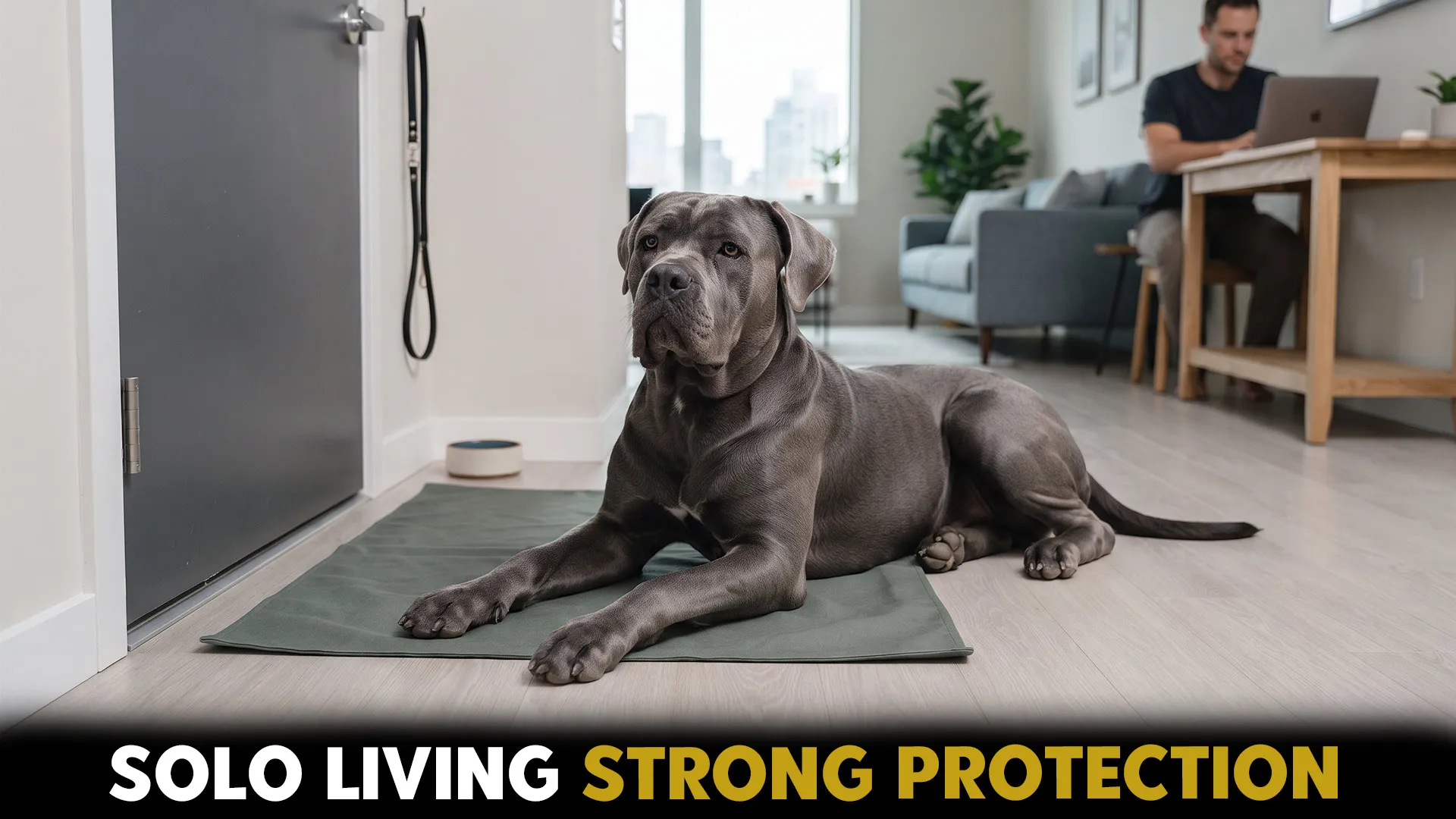
Living alone can offer plenty of independence, but having a protection dog around can add companionship as well as an extra sense of security. For someone who lives alone, a protective breed can be reassuring without necessarily requiring the demanding grooming routine associated with some high-maintenance dogs.
Low-maintenance does not mean effortless. Every dog needs proper nutrition, veterinary care, exercise, training, and socialization. However, some breeds have straightforward coats, adaptable temperaments, or exercise requirements that may be easier for a solo owner to manage.
The best guard dog breeds below come from different working backgrounds, including livestock guardians, estate protectors, hunting dogs, and traditional watchdogs. Their personalities and physical demands vary considerably, so prospective owners should consider whether the breed’s size, strength, energy level, and protective instincts fit their individual lifestyle.
Low‑Maintenance Guard Dog Breeds Perfect for Solo Living
1. Great Pyrenees
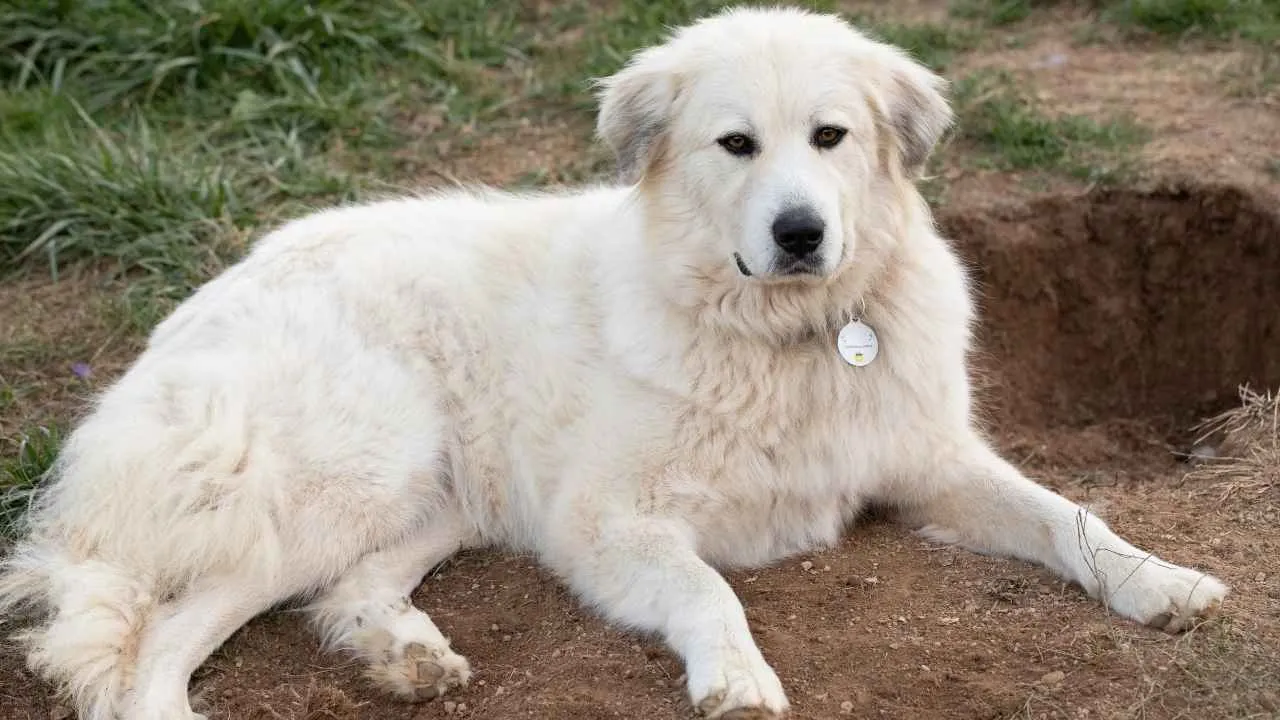
The Great Pyrenees originated in the mountainous regions between France and Spain, where these large white dogs were developed to protect livestock from predators. Their working role required patience, confidence, and the ability to monitor their surroundings without constant human direction. They eventually became valued as both livestock guardians and household companions.
A Thick Coat With Surprisingly Simple Daily Care
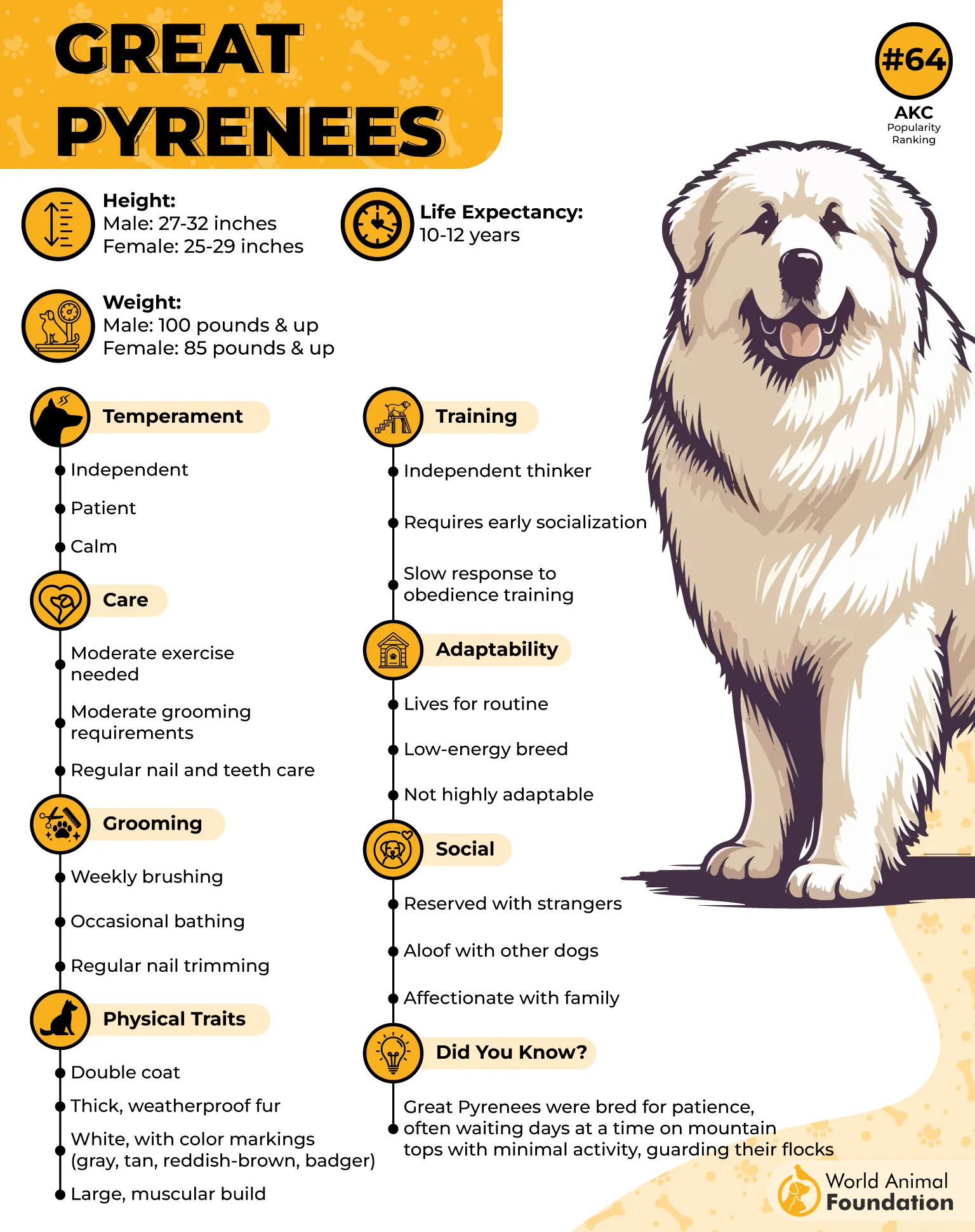
The Great Pyrenees has a dense double coat that sheds heavily during seasonal periods. Regular brushing helps remove loose hair and prevent tangles, although the coat does not typically require elaborate styling. Their mental and physical exercise needs are moderate compared with many athletic working breeds, but they still benefit from daily walks and opportunities to move around safely.
A Naturally Watchful Companion for Someone Living Alone
Great Pyrenees dogs tend to be observant and protective without needing constant activity. Their instinct to monitor their territory can make them attentive to unusual sounds or unfamiliar visitors. For a solo owner with enough space to accommodate a giant breed, their calm presence and natural guarding instincts can provide companionship alongside a strong protective instinct.
2. Mastiff
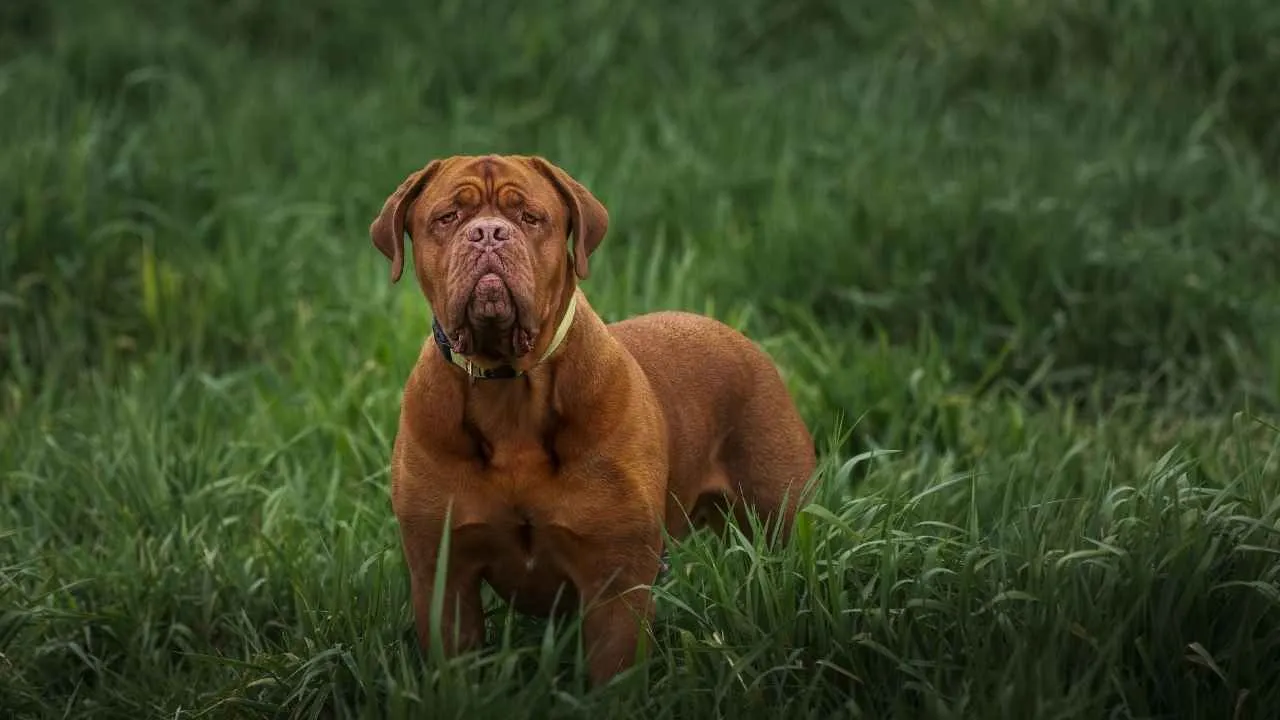
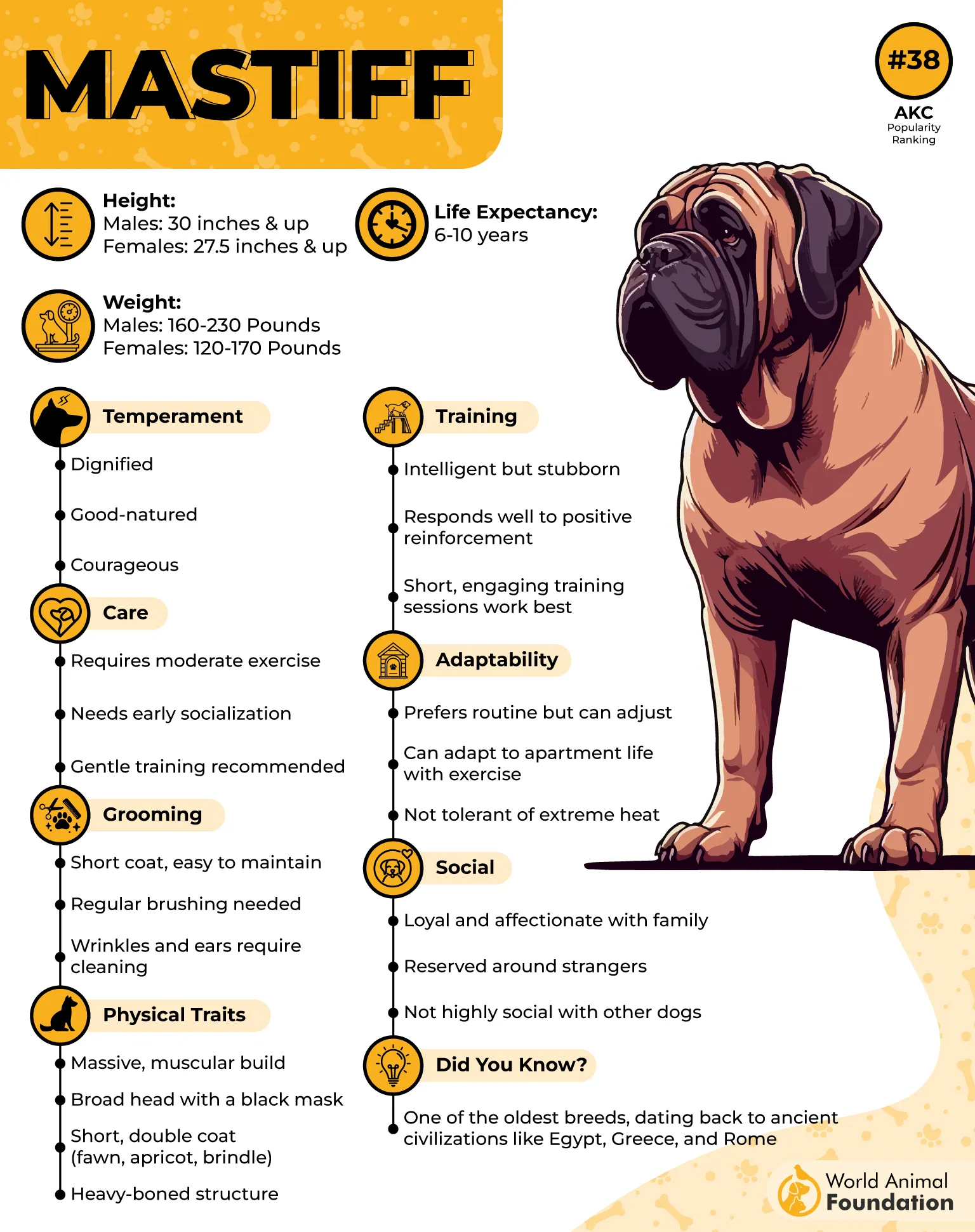
Mastiffs belong to one of the oldest groups of giant working dogs, with mastiff-type animals appearing throughout ancient history as guardians, hunters, and protectors. In Britain, they were eventually used to guard estates and property. Their imposing physical presence became one of their defining characteristics.
Short Fur That Keeps Grooming Fairly Straightforward
The Mastiff’s short coat generally does not require complicated grooming. Occasional brushing can help remove loose hair and keep the skin and coat in good condition. Because of their enormous size, however, owners should be prepared for drool, shedding, and the practical challenges that come with caring for a large dog.
A Calm Guardian for a Solo Household
Mastiffs often have a steady, composed demeanor rather than constantly demanding physical activity. Their size alone can discourage unwanted attention, while their protective background contributes to an instinct to remain aware of their surroundings. For someone living alone, a well-trained Mastiff can offer a quiet but substantial sense of security.
3. Great Dane
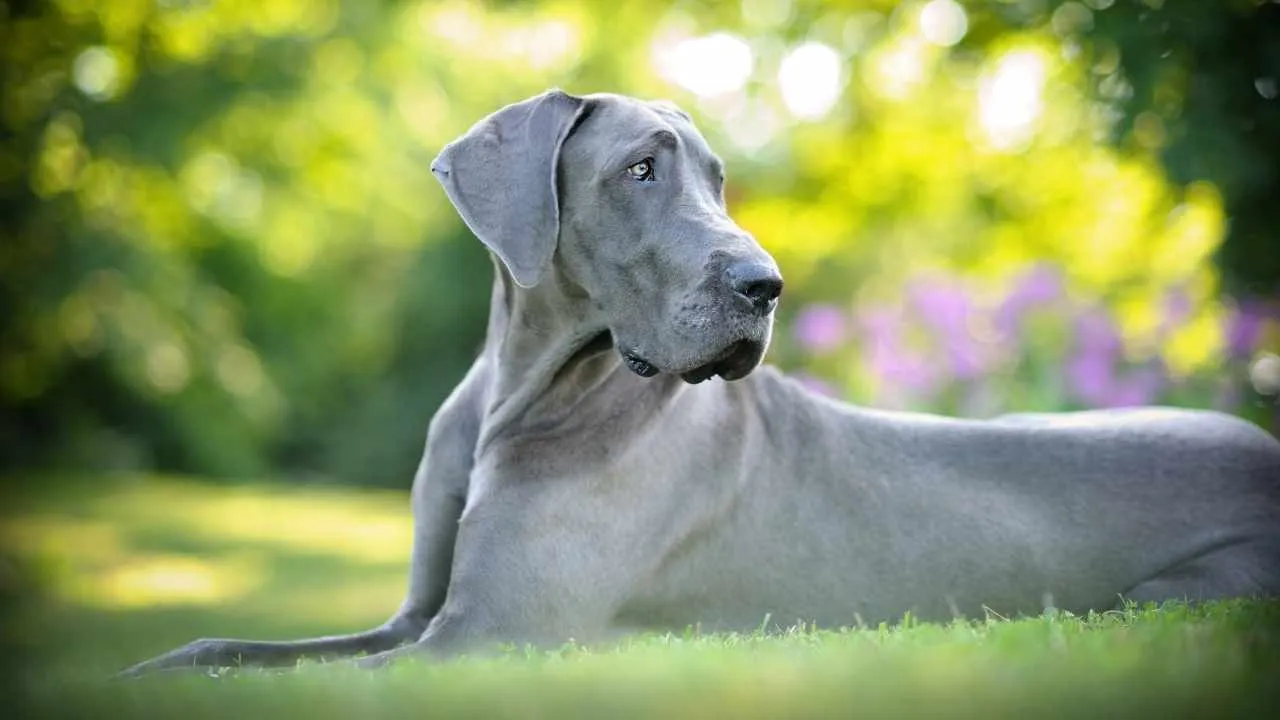
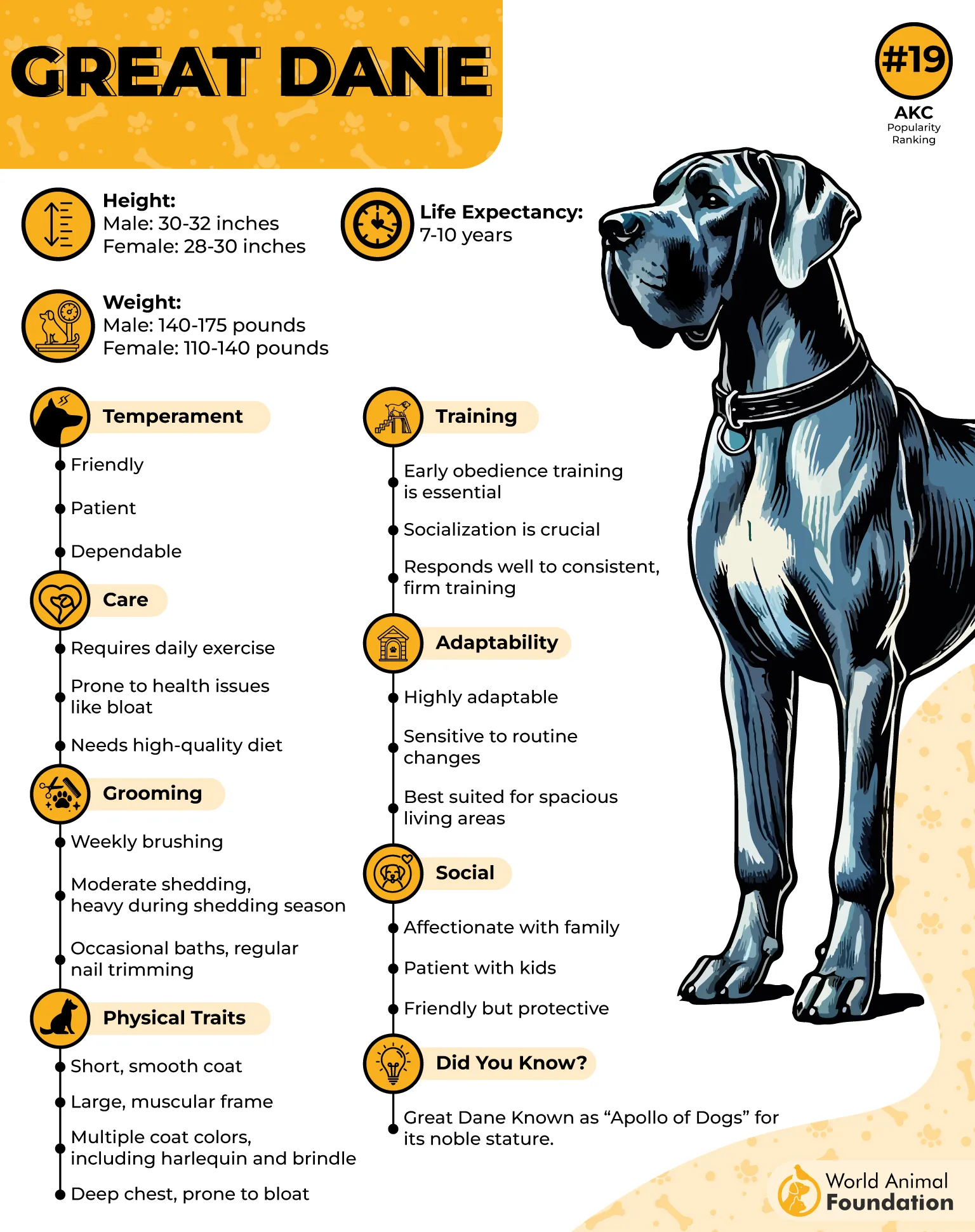
Great Danes have German roots despite their misleading breed name. Their ancestors were large hunting dogs used by European nobility to pursue formidable game, including wild boar, as per Hill’s Pet. Over generations, their role shifted toward companionship and guarding, producing the elegant giant breed familiar today.
A Sleek Coat With Little Grooming Fuss
The Great Dane’s short, smooth coat is easy to maintain and usually needs only occasional brushing. Their enormous frame means they need suitable nutrition and careful exercise, especially while young. Adult Great Danes generally benefit from regular walks rather than excessive high-impact activity.
Imposing Size With a Manageable Routine for Solo Owners
A Great Dane can be an interesting option for someone living alone who wants a large dog without a demanding grooming schedule. Their towering appearance can make them naturally intimidating, while many individuals are relaxed and affectionate inside the home. Proper training and sufficient living space are particularly important because of their sheer size.
4. Newfoundland

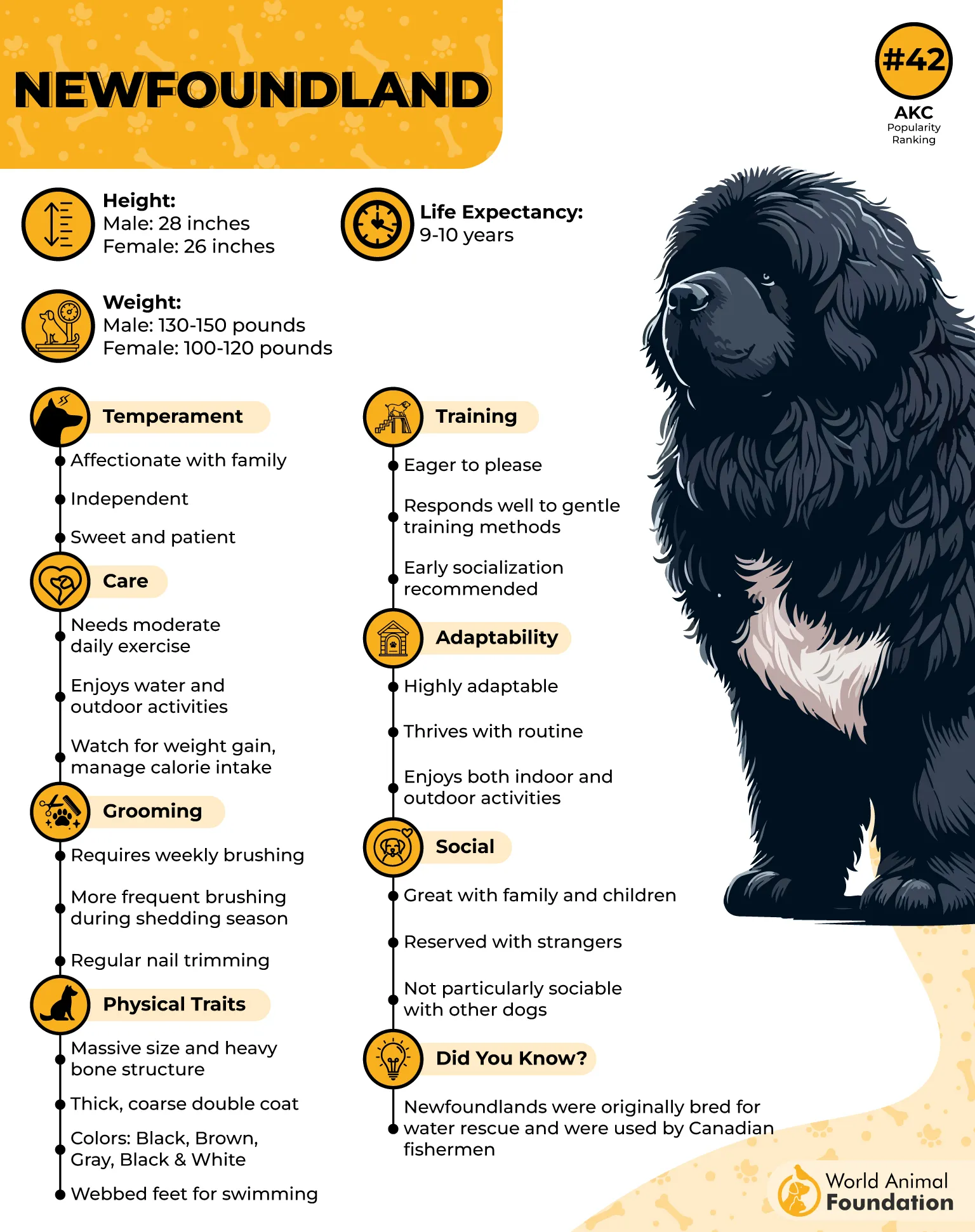
Newfoundlands were developed on the Canadian island from which they take their name. Fishermen valued these powerful dogs for their swimming ability, strength, and willingness to work around water. Their history includes hauling equipment, assisting fishermen, and rescuing people from dangerous waters.
A Heavy Coat That Requires More Brushing Than Its Temperament Suggests
Newfoundlands have thick, water-resistant double coats that shed and need regular brushing. Grooming is therefore more involved than with short-haired breeds on this list. They also appreciate regular walks and swimming opportunities, although their temperament is generally more relaxed than that of highly driven working dogs.
A Gentle Giant That Can Still Offer a Protective Presence
Newfoundlands are often known for their calm and affectionate nature, making them less overtly intimidating than some guardian breeds. Their substantial size and deep bark can nevertheless provide a noticeable presence around the home. For a solo owner who values a gentle companion with a naturally imposing build, the Newfoundland can be a distinctive choice.
5. Rhodesian Ridgeback
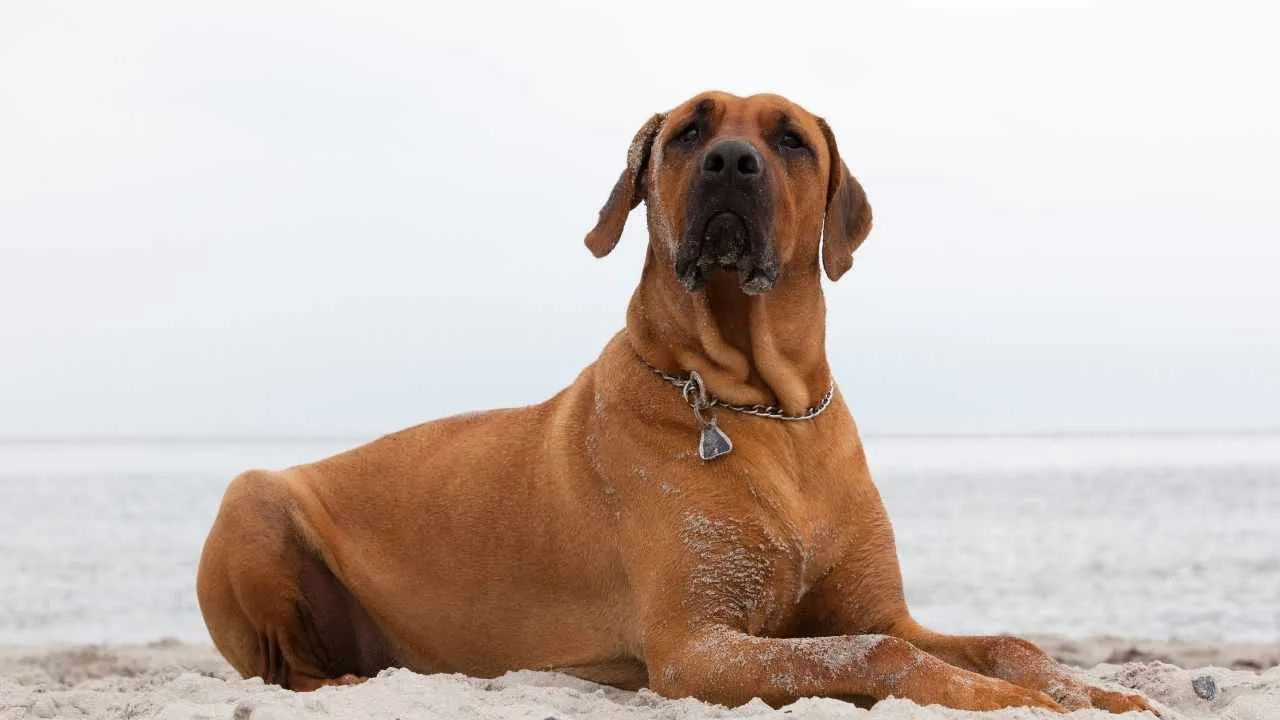
The Rhodesian Ridgeback was developed in southern Africa, where early versions of the breed were used for hunting and tracking large game, as per WebMD. Its distinctive ridge of hair along the back became one of its signature features. The breed was valued for endurance, courage, and the ability to work in challenging conditions.
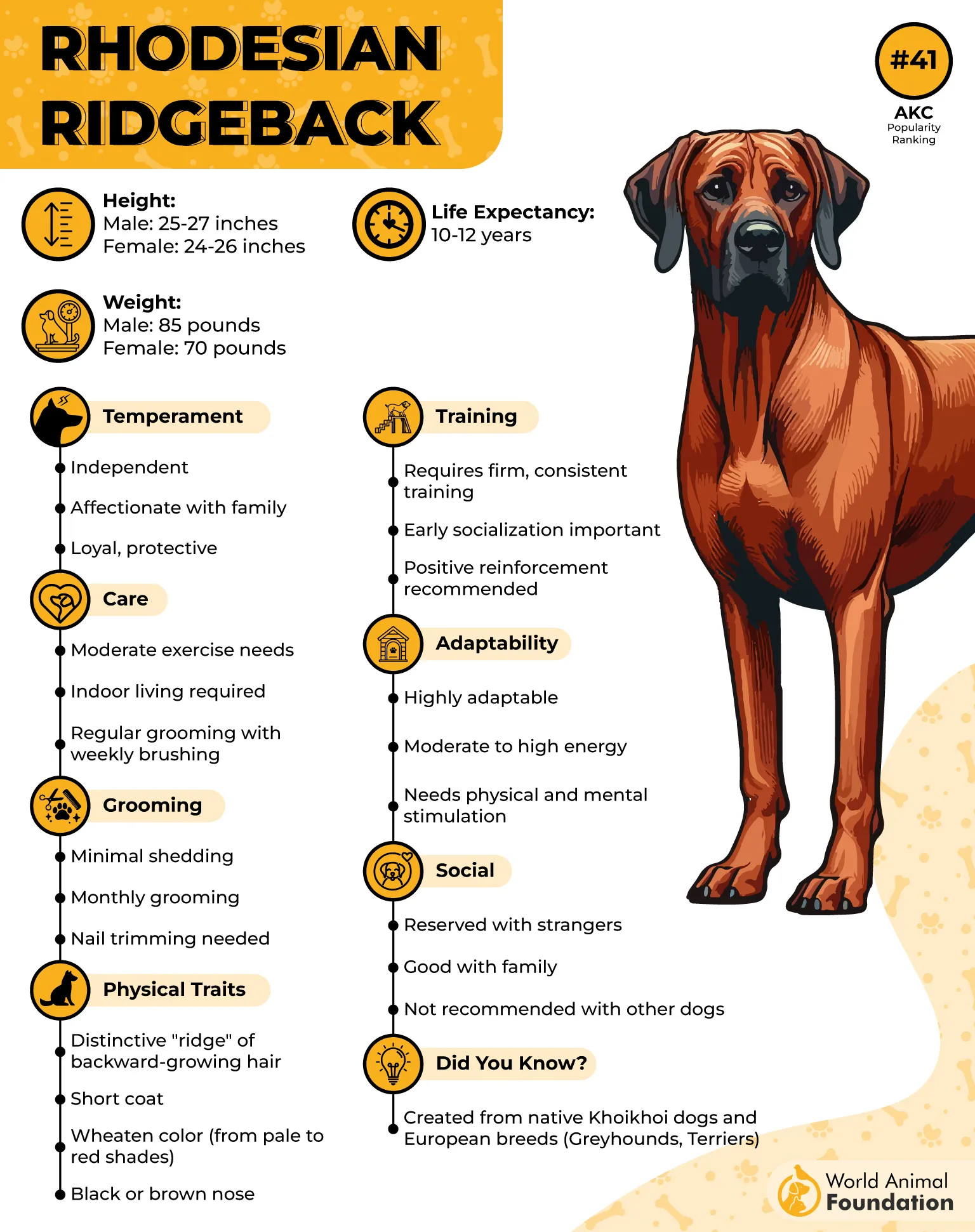
A Short Coat Without an Elaborate Grooming Routine
The Ridgeback’s short coat is one of its easier-care characteristics. Weekly brushing can help manage loose hair, while routine bathing and nail care are generally sufficient for coat maintenance. Its athletic background does mean that regular physical activity is essential.
Independent Instincts for a Person Living on Their Own
Rhodesian Ridgebacks can be confident and somewhat independent, qualities that reflect their hunting heritage. They are often alert to unfamiliar activity and can become devoted to their household. A solo owner who enjoys daily walks and structured training may find their combination of athleticism, loyalty, and natural awareness well suited to an active, independent lifestyle.
6. Cane Corso

The Cane Corso is an Italian mastiff breed with a history connected to property protection, farm work, and guarding. These powerful dogs were expected to remain attentive to their surroundings and protect homes or livestock when necessary. Their strong build and serious working temperament remain prominent characteristics of the breed.
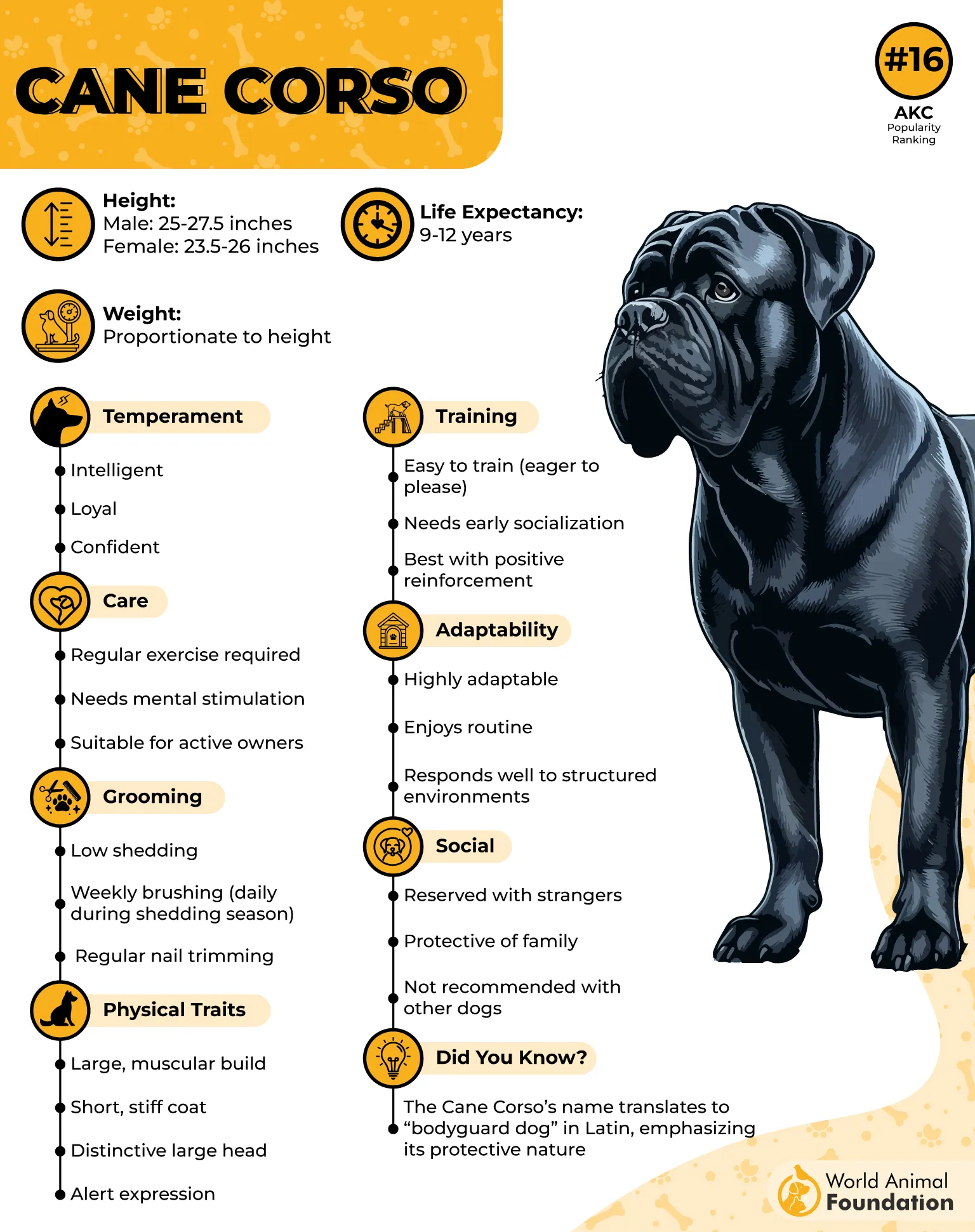
A Short Coat That Is Relatively Easy to Maintain
Cane Corsos have short coats that typically require little more than regular brushing and routine hygiene. Their grooming needs are considerably simpler than those of long-haired breeds. Their physical and mental requirements, however, are substantial, with regular exercise, training, and structured activities needed to keep them balanced.
A Serious Protector for an Experienced Solo Owner
The Cane Corso’s protective nature can be especially pronounced around its home and family. Its confidence and physical strength mean that responsible training and early socialization are essential. For an experienced owner living alone, a well-managed Cane Corso can combine close companionship with a strong instinct to monitor and protect its household.
7. Doberman Pinscher
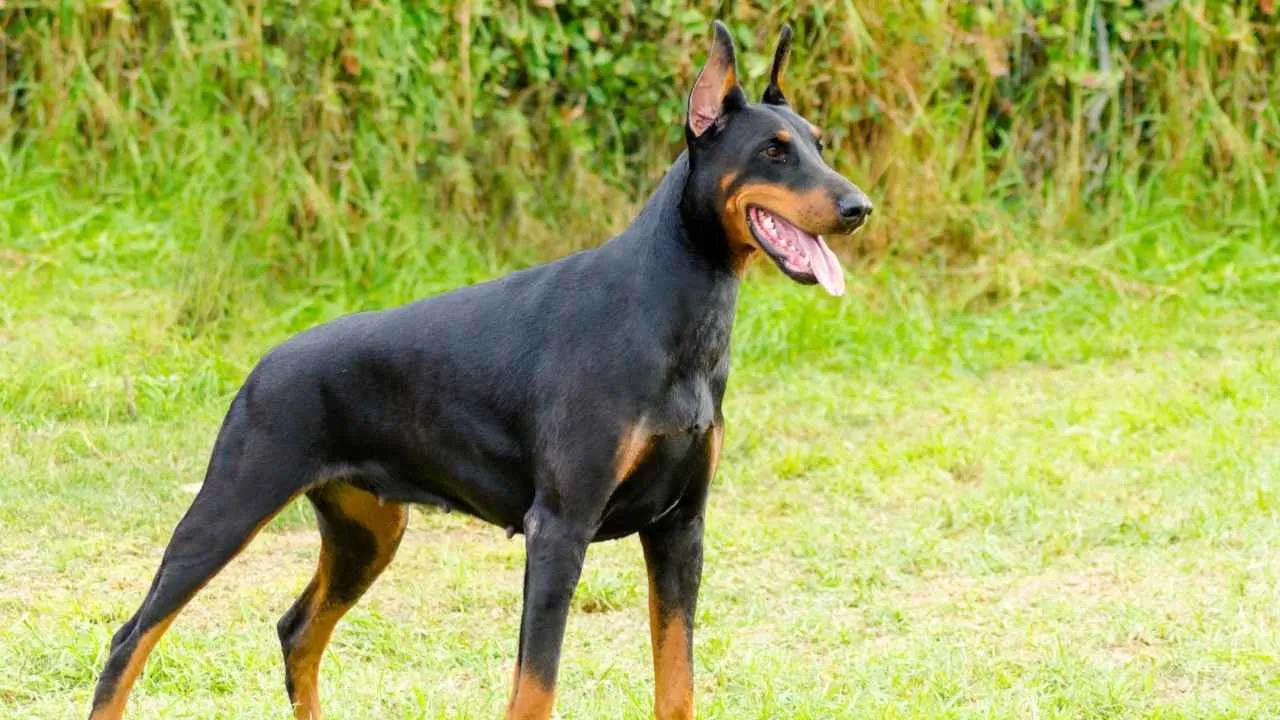
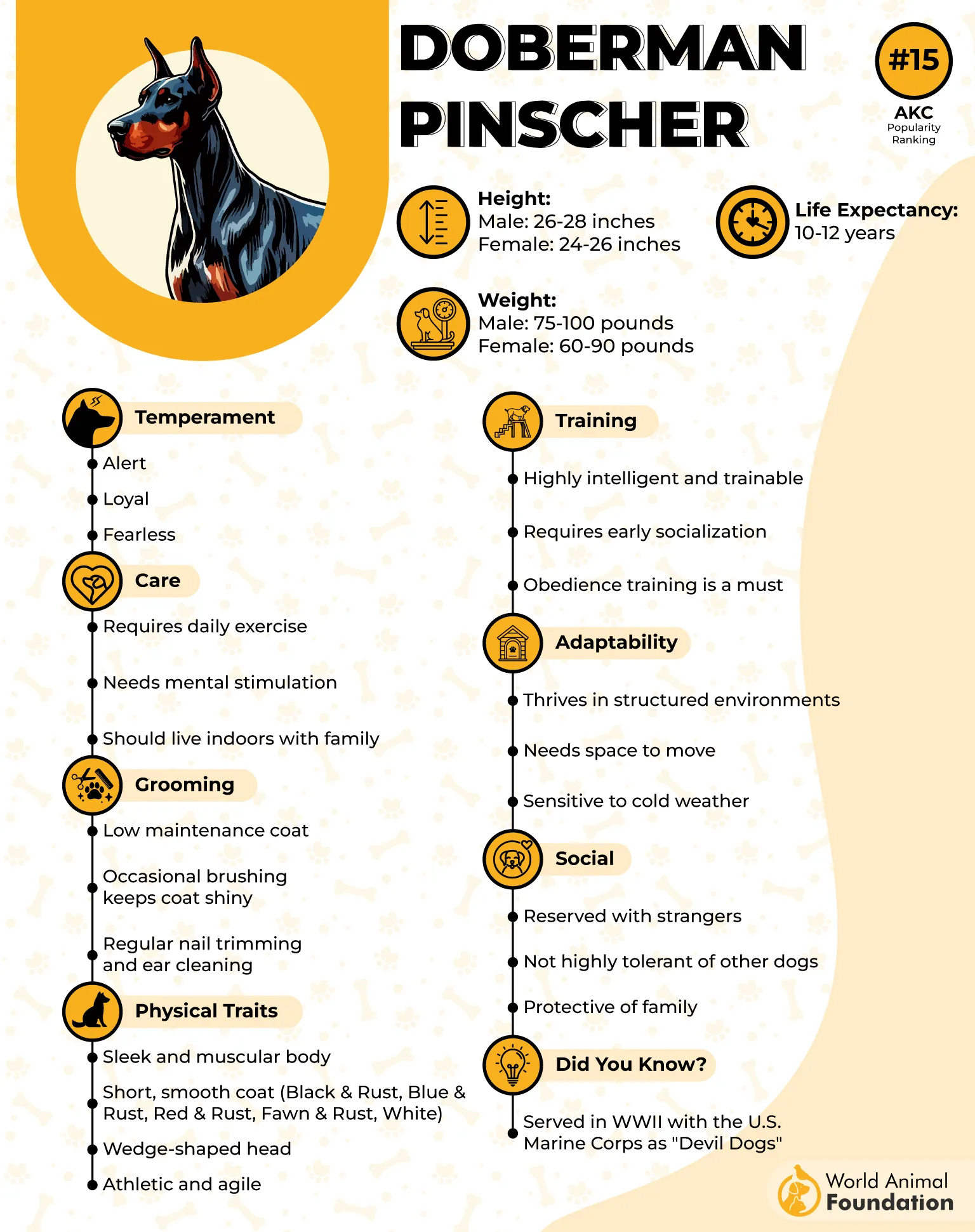
The Doberman Pinscher was developed in Germany by Karl Friedrich Louis Dobermann, a tax collector who wanted a dependable dog capable of accompanying him during his work, as per the AKC. The resulting breed combined traits from several working and guarding dogs. Dobermans later became associated with police, military, protection, and service roles.
A Smooth Coat With Minimal Grooming Demands
The Doberman’s short coat is easy to care for and generally requires only occasional brushing. This makes routine coat maintenance relatively simple compared with breeds that have long or dense fur. Exercise is a different matter, as Dobermans are energetic and benefit from daily physical and mental stimulation.
Alert and People-Focused for Solo Living
Dobermans are known for forming close bonds with their owners and remaining highly attentive to their surroundings. Their alertness and protective instincts can make them naturally responsive to unusual activity around the home. A solo owner who can provide consistent training, exercise, and companionship may find this breed particularly compatible with a security-conscious lifestyle.
8. Boxer
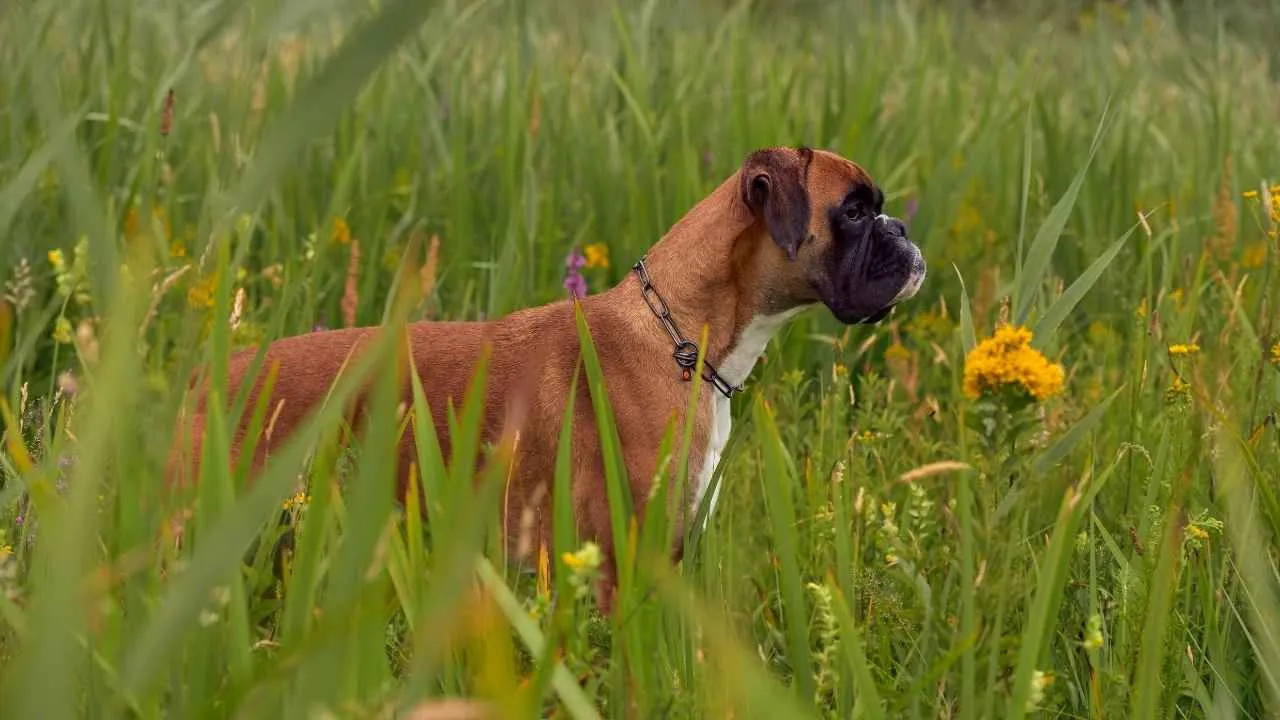
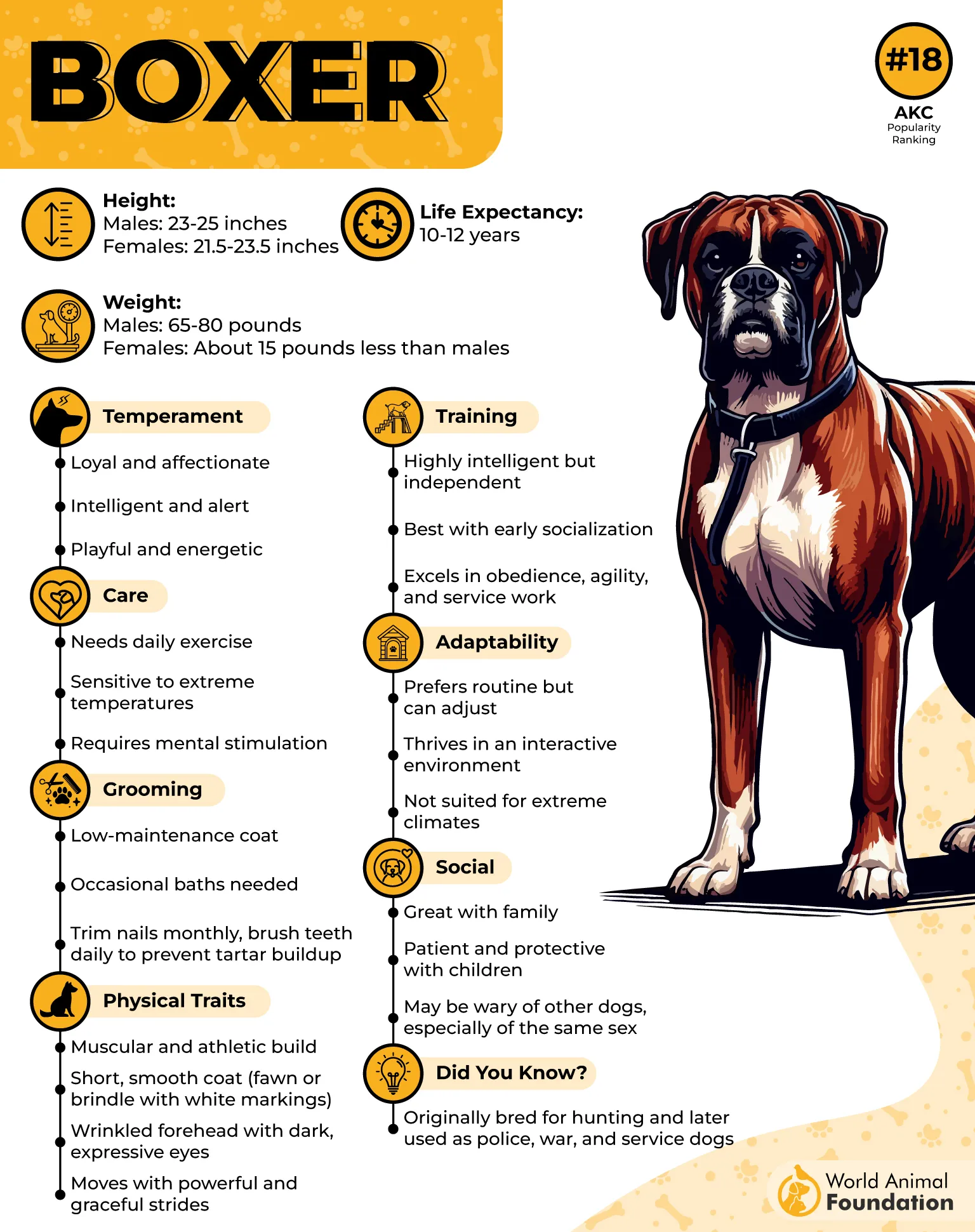
The Boxer developed in Germany from older working and hunting breeds. Historically, its ancestors were involved in hunting and handling large game before the breed took on roles as a working, guarding, and companion dog. Its athletic build and expressive personality have made it popular in many types of households.
Short Fur and Straightforward Grooming
Boxers have short coats that are generally easy to maintain. Occasional brushing helps control shedding, while regular nail trimming, bathing, and dental care round out their grooming routine. They do, however, have considerable energy and need daily exercise and play.
A Playful Watchdog for an Active Person Living Alone
Boxers combine a social personality with natural alertness. They often enjoy being involved in their owner’s activities and can become protective when something seems unusual. Their energetic nature makes them more suitable for solo owners who want an active companion rather than a dog that is content to lounge throughout the day.
9. Bullmastiff
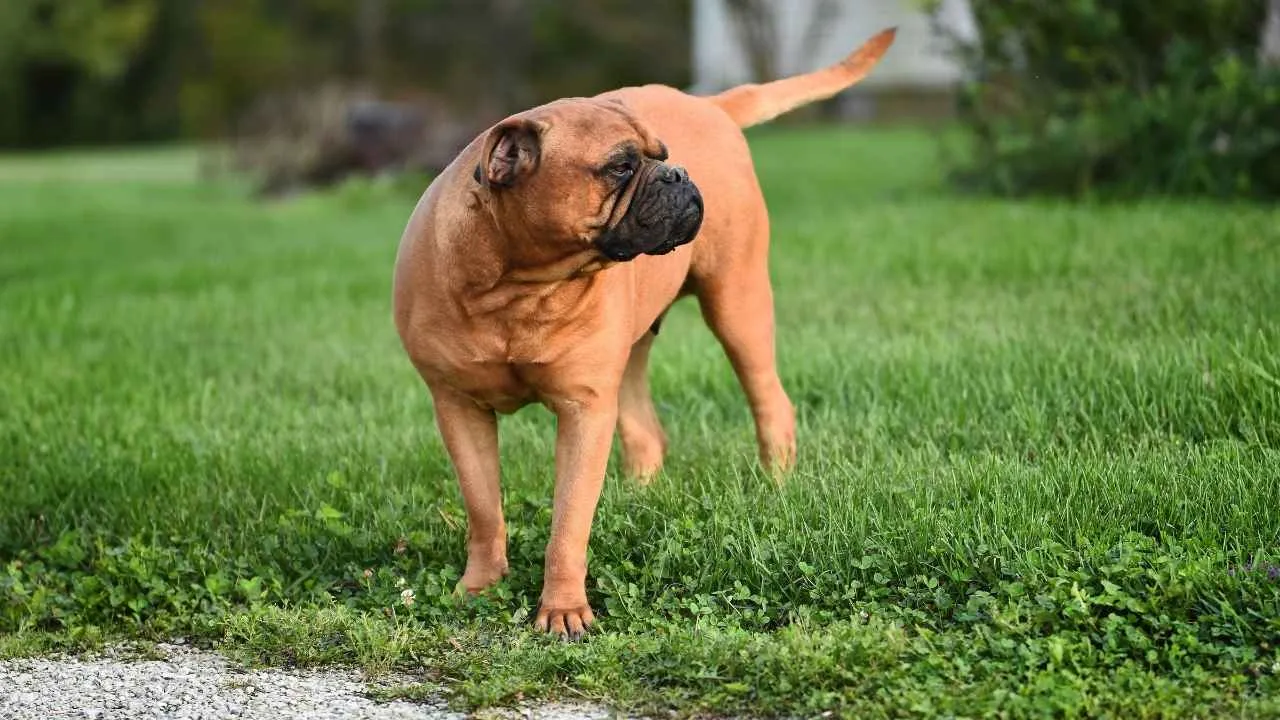
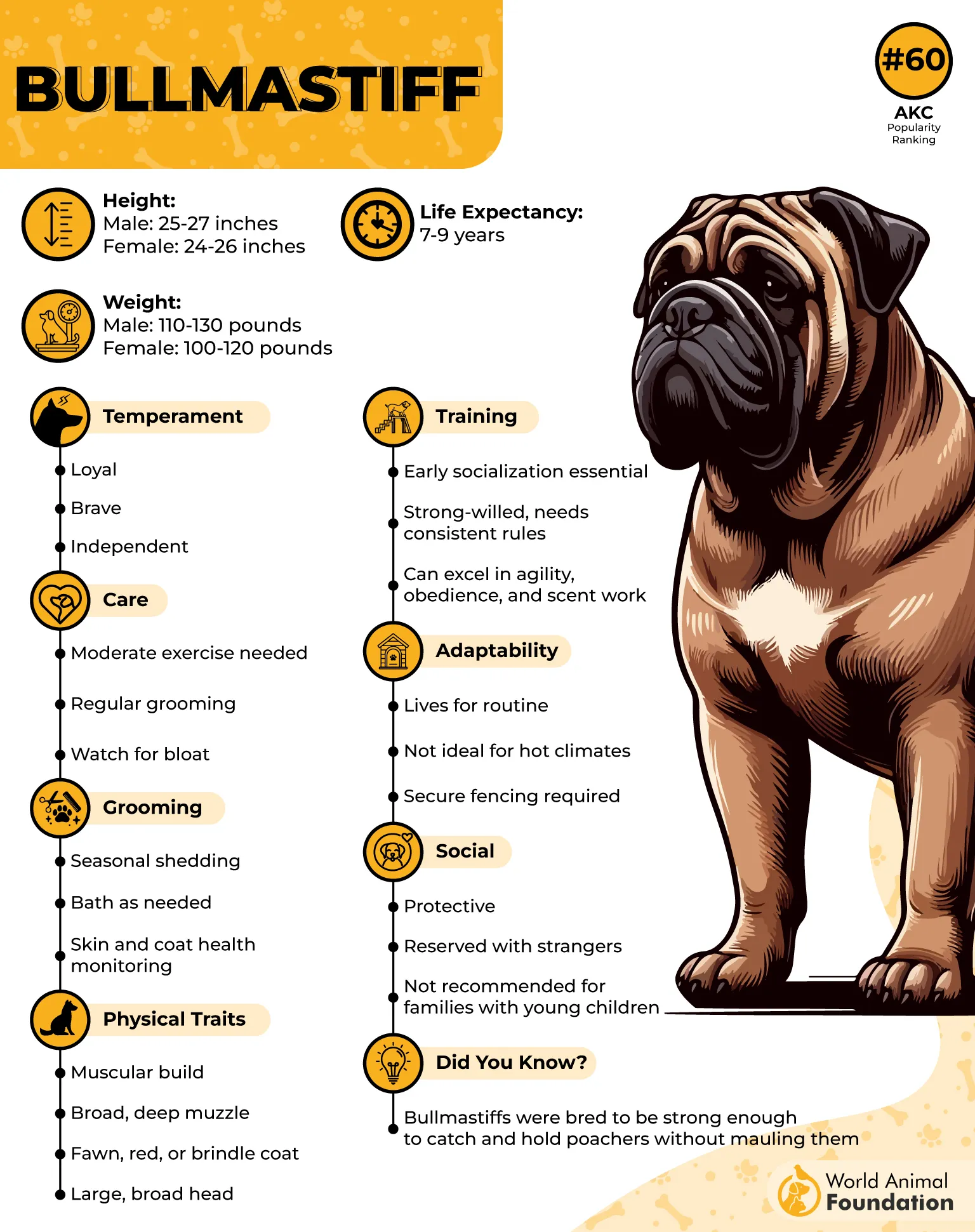
The Bullmastiff was developed in nineteenth-century Britain to help gamekeepers protect large estates from poachers. Breeders combined Mastiff-type dogs with Bulldogs to create a powerful dog capable of quietly tracking and restraining intruders. Its working history emphasized strength, courage, and controlled behavior.
Short Hair With Relatively Manageable Grooming
Bullmastiffs have short coats that are generally easy to brush and maintain. They can shed, but their grooming routine is not particularly elaborate. Their large size means owners still need to pay attention to nutrition, joint health, exercise, and general weight management.
A Quietly Protective Choice for Solo Households
Bullmastiffs can have a calm presence inside the home while remaining watchful of unfamiliar people and activity. Their substantial size and protective heritage can make them naturally imposing without requiring constant physical exertion. For someone living alone who prefers a calmer giant breed, a well-trained Bullmastiff can provide both companionship and a noticeable guarding presence.
10. Staffordshire Bull Terrier
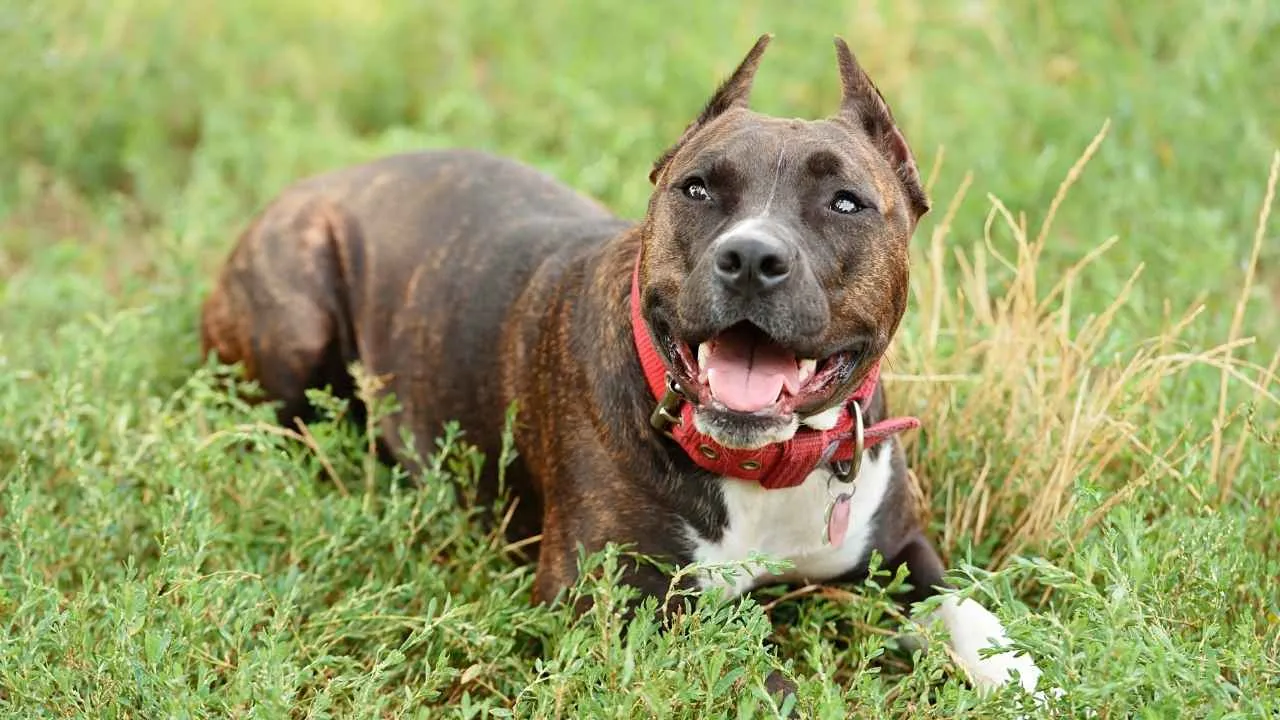
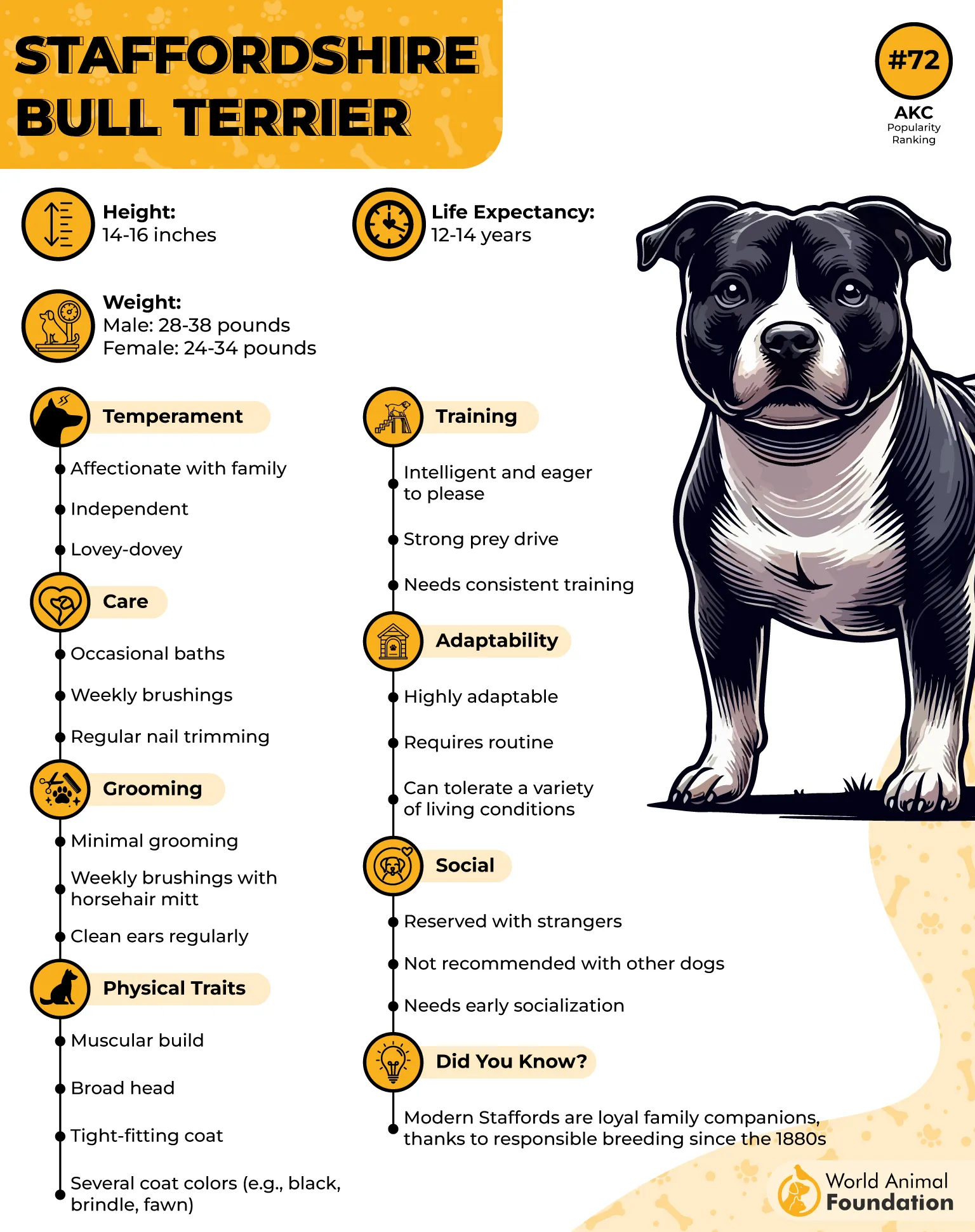
The Staffordshire Bull Terrier developed in Britain and has roots in older bull-and-terrier breeds. Although its early history involved blood sports, the modern Staffordshire Bull Terrier has become widely known as a companion and family dog. Its compact, muscular body gives it considerably more physical strength than its modest size might suggest.
A Short Coat That Is Easy to Keep Neat
The Staffordshire Bull Terrier’s smooth coat requires little grooming beyond regular brushing and routine care. Its compact body also makes everyday handling considerably easier than with giant guardian breeds. Despite its smaller stature, the breed can be energetic and benefits from regular walks, play, and training.
A Compact Protective Companion for Someone Living Alone
Staffordshire Bull Terriers can form strong bonds with their owners and are often eager to participate in household life. Their muscular appearance and confident personality can provide a sense of presence without requiring the space needed by a giant breed. For a solo owner seeking a smaller dog with a sturdy build and devoted nature, the Staffordshire Bull Terrier can be a practical companion.
Conclusion
Great Pyrenees, Mastiffs, Great Danes, Newfoundlands, Rhodesian Ridgebacks, Cane Corsos, Doberman Pinschers, Boxers, Bullmastiffs, and Staffordshire Bull Terriers represent very different approaches to protection and companionship. Some rely heavily on their size and territorial instincts, while others combine alertness with greater athletic ability or a closer working relationship with their owners.
A low-maintenance guard dog should never be interpreted as a dog that requires little responsibility. Protective breeds need appropriate socialization and training so they can distinguish ordinary situations from genuine concerns. Their size and strength also make responsible ownership particularly important.
For someone living alone, the right loyal companion depends on more than guarding ability. Available space, exercise habits, grooming tolerance, experience with energetic dogs, and the amount of time available for companionship should all be considered. With those factors in mind, the right guard dog can become both a dependable household companion and a reassuring presence for a solo owner.
