




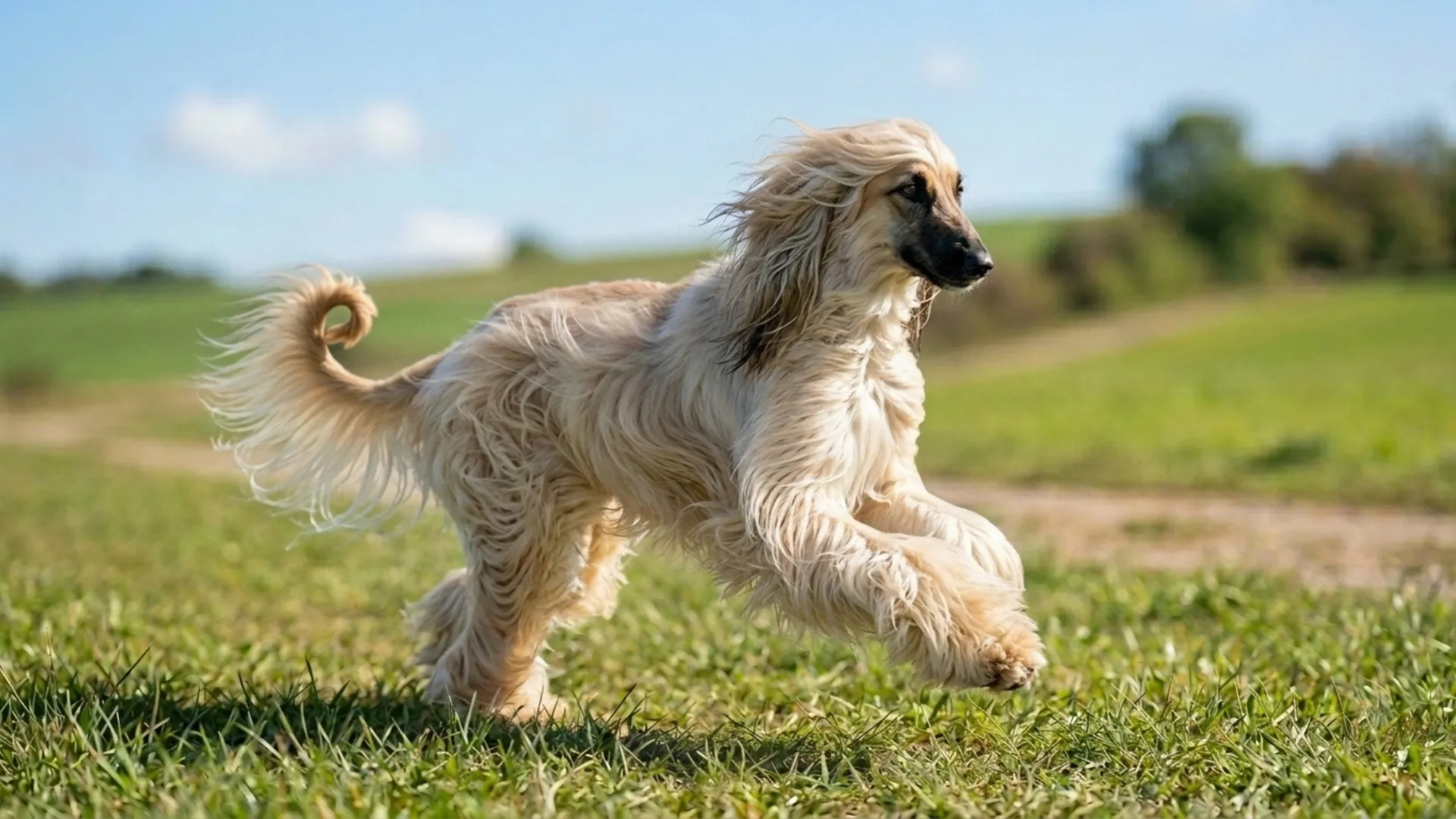
Some dogs don’t just walk into a room; they own it. Long-haired dog breeds have a way of stopping traffic, making strangers pause mid-scroll just to admire their flowing coats.
There’s something almost theatrical about a dog whose fur looks like it was styled by a professional groomer. These dogs aren’t just beautiful: they are loyal, brave, and protective companions.
According to the American Pet Products Association (APPA), nearly 71 million U.S. households own a pet dog, and many owners agree that a fluffy, long-haired dog is more than a pet; it’s a lifestyle upgrade.
Whether you’re a seasoned dog parent or just curious about these glamorous breeds, this list will help you make a smart, informed choice for your next adoption.
Remarkable Long-Haired Dog Breeds with Stunning Appearances
1. Afghan Hound
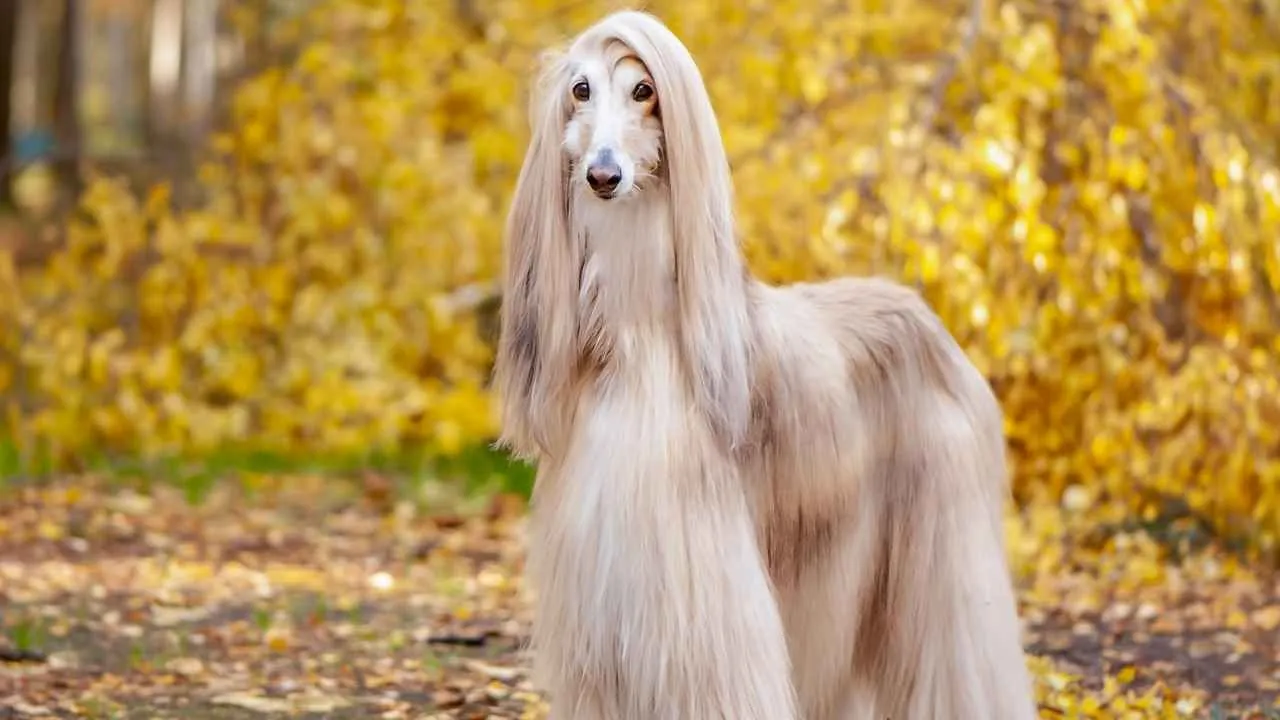
Originally bred from the Saluki that was brought from Persia to Afghanistan, the Afghan Hound was used to hunt wolves, snow leopards, hares, and gazelles. Since the ancient breed was bred to work in the rough mountains of Afghanistan, it has a long coat that protects it against harsh bushes, dangerous bites, and rough climates, according to Purina UK.
Individual hair has a thin cuticle and a thick cortex, giving silkiness to the coat, but it is prone to damage and breakage. The coat lacks an undercoat and produces less dander, thus resulting in low shedding. Its distinctive feature is the saddle. It spans from the shoulder backward and along the spine. It acts as a protective friction zone. The long fur coat on the paws protects the breed from ice, snow, and rocky terrain.
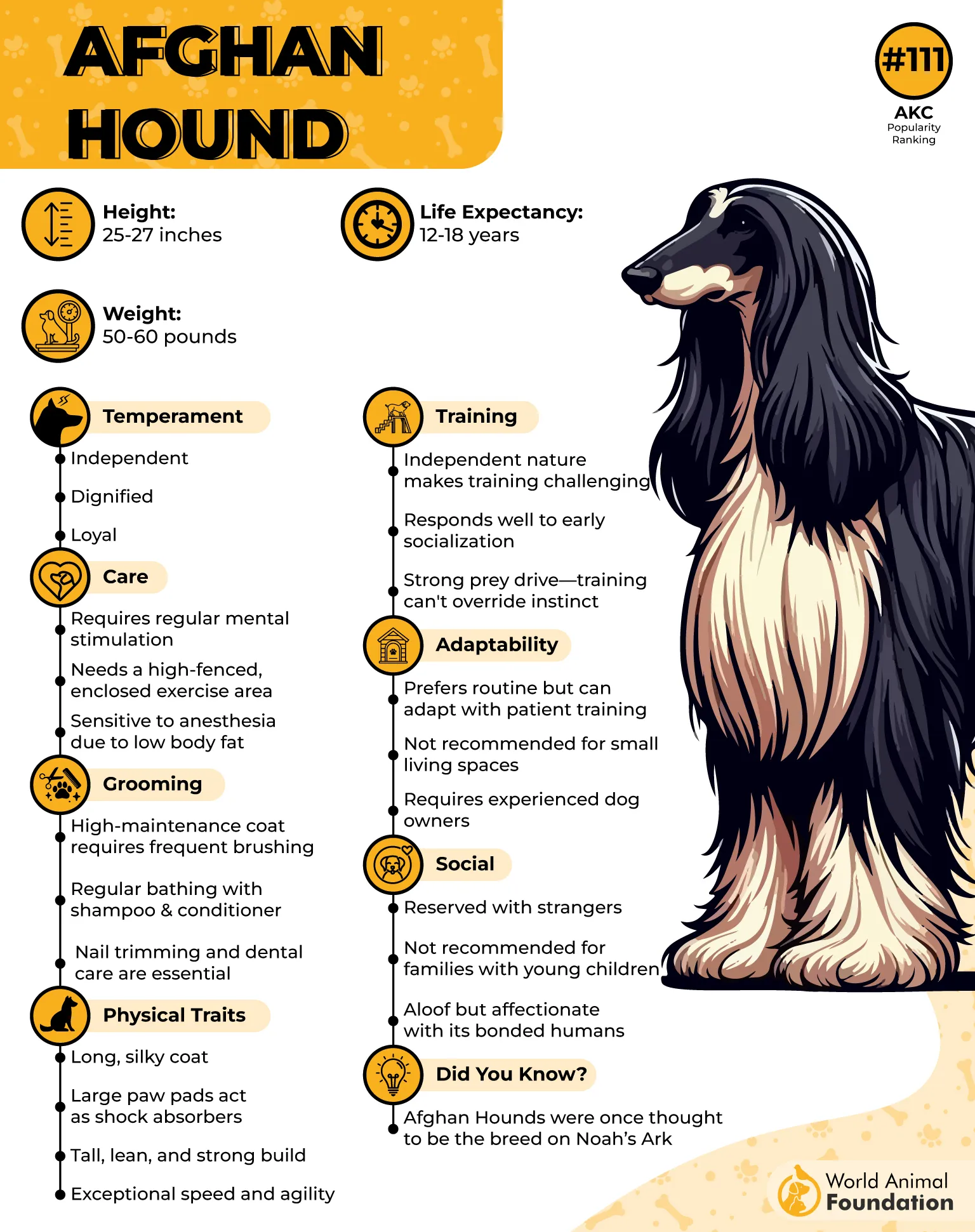
Use a leave-in conditioner before bathing to detangle the hair. Bath it after1-2 weeks. Never let it air dry. Use a blow dryer with a gentle hair setting. Use a pin brush or a fine-toothed metal comb for frequent brushing. Use a snood to clean hair around the ears and eyes.
2. English Cocker Spaniel
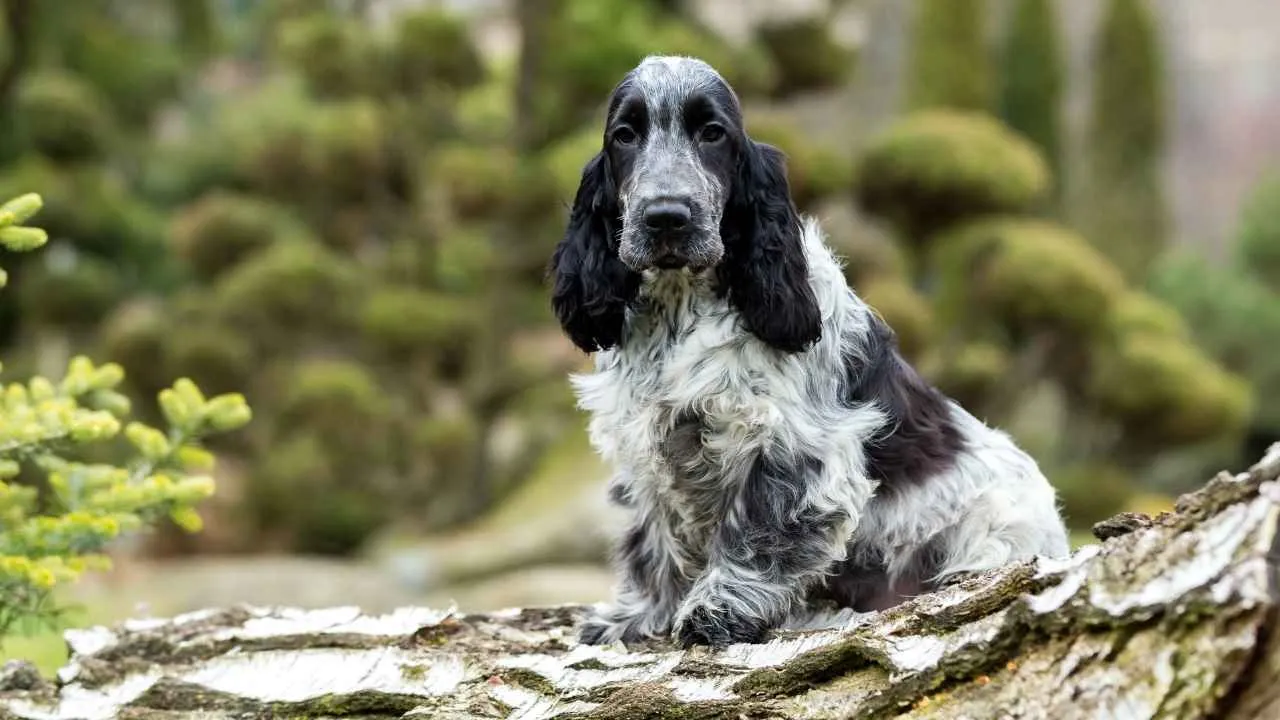
Originating in Great Britain, the English Cocker Spaniel belongs to a large group of hunting breeds from the 16th century. Because of its ability to jump over 3-5 ft and spring birds from its hiding place, it was prized internationally. It has a flat/wavy, silky coat that repels water and dirt (because of the high amount of sebum production).
The coat is thinner on the head side and gets medium on the rest of the body. The legs, abdomen, chest, and ears have long and silky featherings. The double coat acts as a perfect thermoregulator since it provides warmth in winter and cooling in summer. However, excessive sebum production may lead to seborrhea, causing the skin to be greasy.
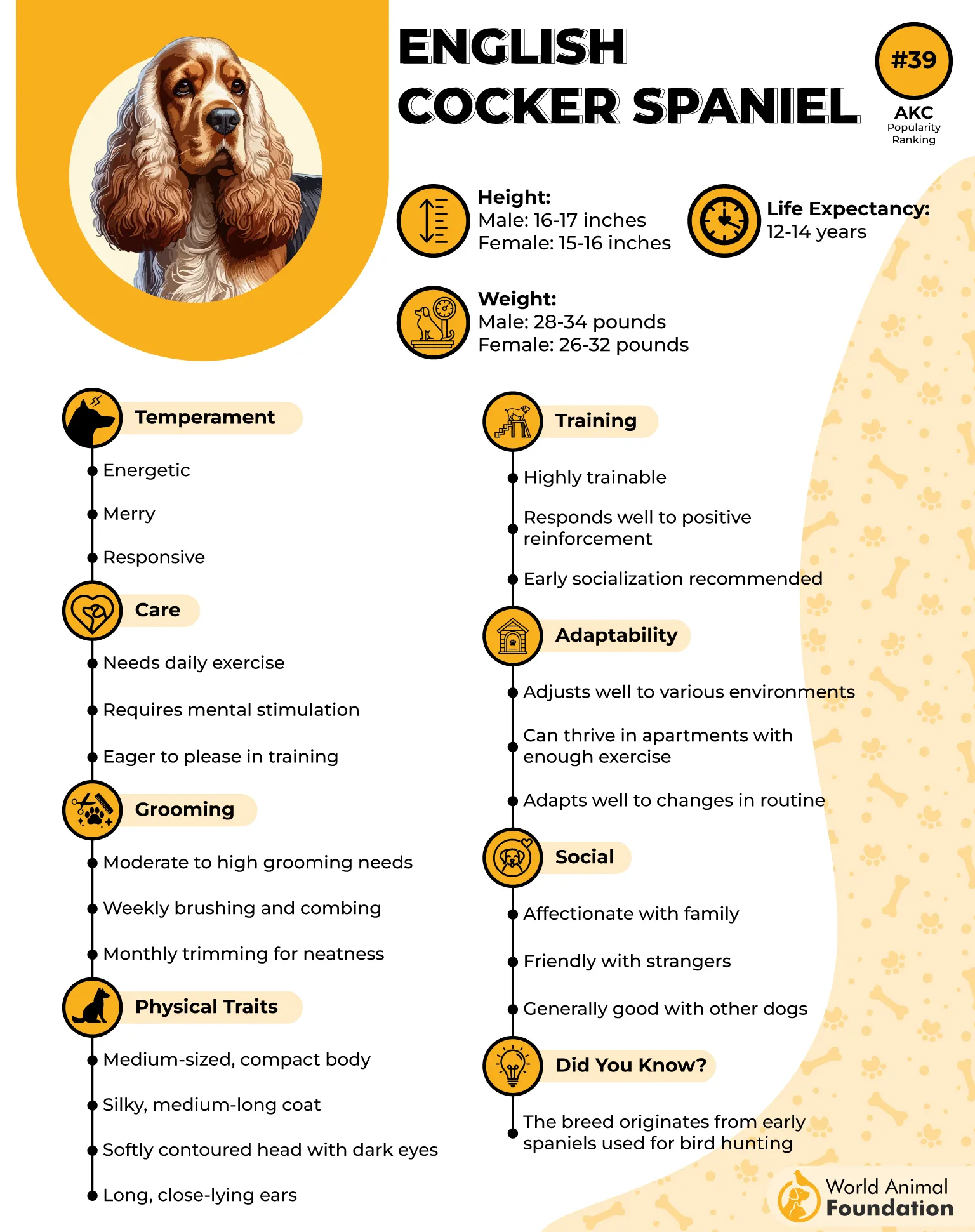
Brushing is recommended 1-2 times a week using a wide-tooth comb or a slicker brush. Use a pin brush and go for a line brushing (in the direction of growing hair) technique in wet hair. The back and sides should be hand stripped using a stripping knife.
3. Bearded Collie
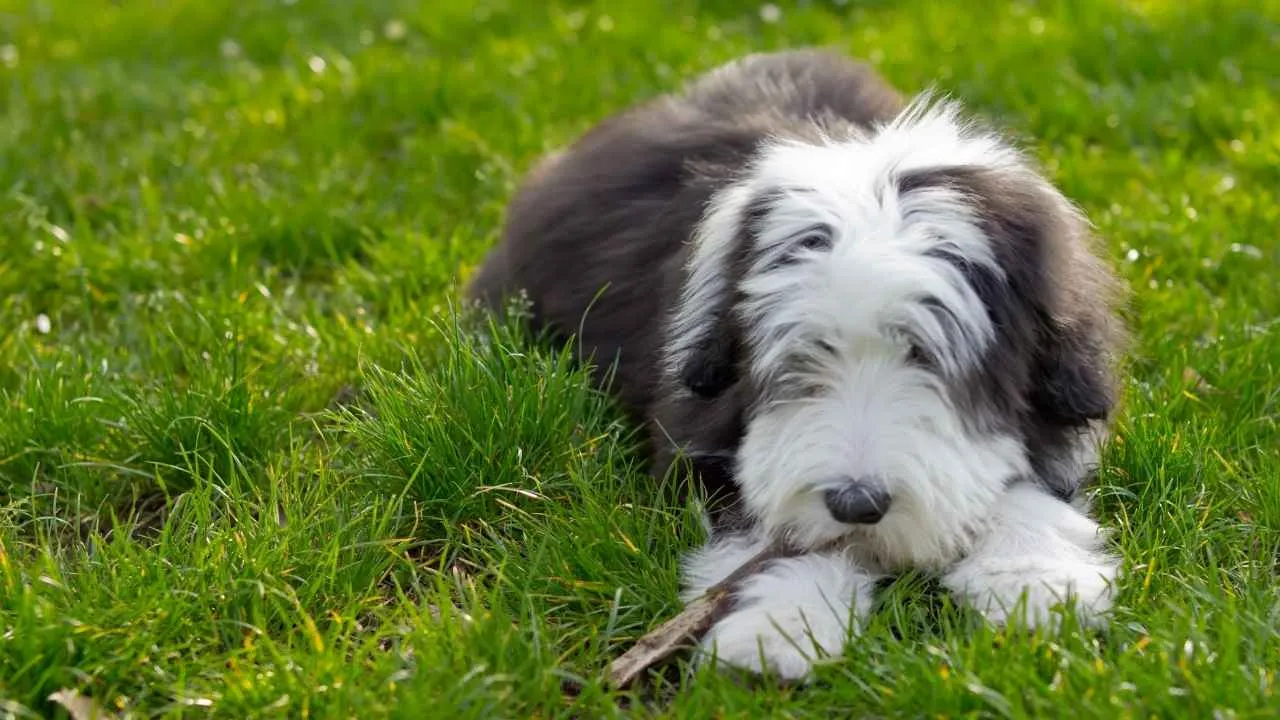
Also known as the Highland Collie or mountain collie, the history of this affectionate dog dates back to the 1500s in Scotland. Farmers have been breeding this for centuries as a herding dog. The modern breed was developed by G.O. Willison, who used to breed it after World War II for dog shows, as per the BCCA.
The shaggy dog has a coat that consists of two layers: a straight outercoat (blocks rain, wind, snow, and debris) and a furry and insulating undercoat (the thermoregulator). The cheek, chin, and lower lip have a beard formed by the long hair. There is a natural parting over the body, hair draping down to either side. Despite giving a manly look, the eyebrow fringes protect the eyes from dirt getting into them.
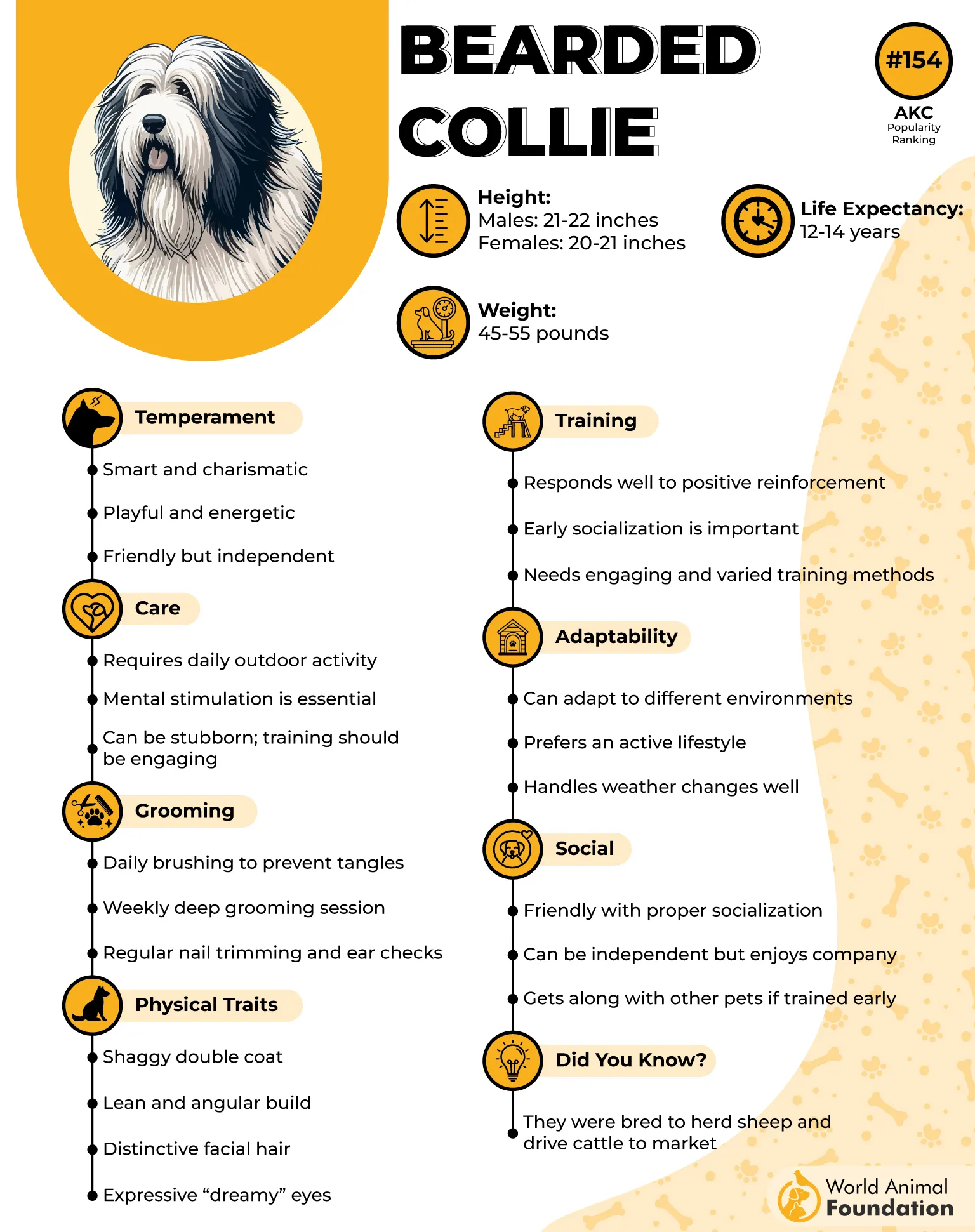
The breed required regular brushing (1-2 times a week) using a pin brush (dead hair removal from the undercoat), a slicker brush (smoothing the outercoat), a metal comb (clearing deep knots), and a conditioning spray (preventing hair from snapping). Bathe the shaggy coat after 2-4 weeks.
4. Old English Sheepdog
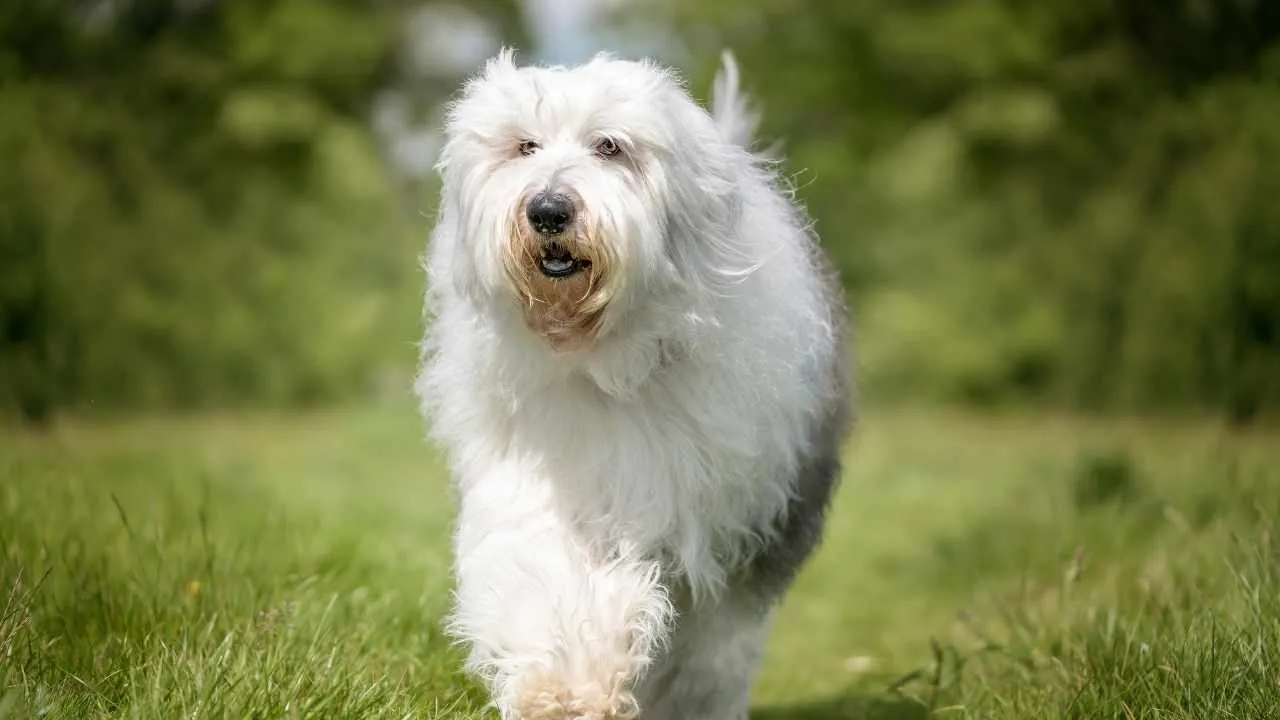
This drover dog was bred to move cattle, and “sheepdog” is just a misnomer. Originally developed in England in the 18th century by crossing a drover’s dog with a Bearded Collie and a Bergamasco, this large dog has a long tail for athletic sideways movements. It is also used as a hunting retriever and a guard dog.
The thick double coat is profuse and shaggy, and can be coarse but not curly. It comes in different shades of grey, blue, blue merle, and grizzle. The undercoat traps inside the outercoat and does not fall. The head and eyes have thick hair that protects the face from blowing debris, wind, and sunlight.
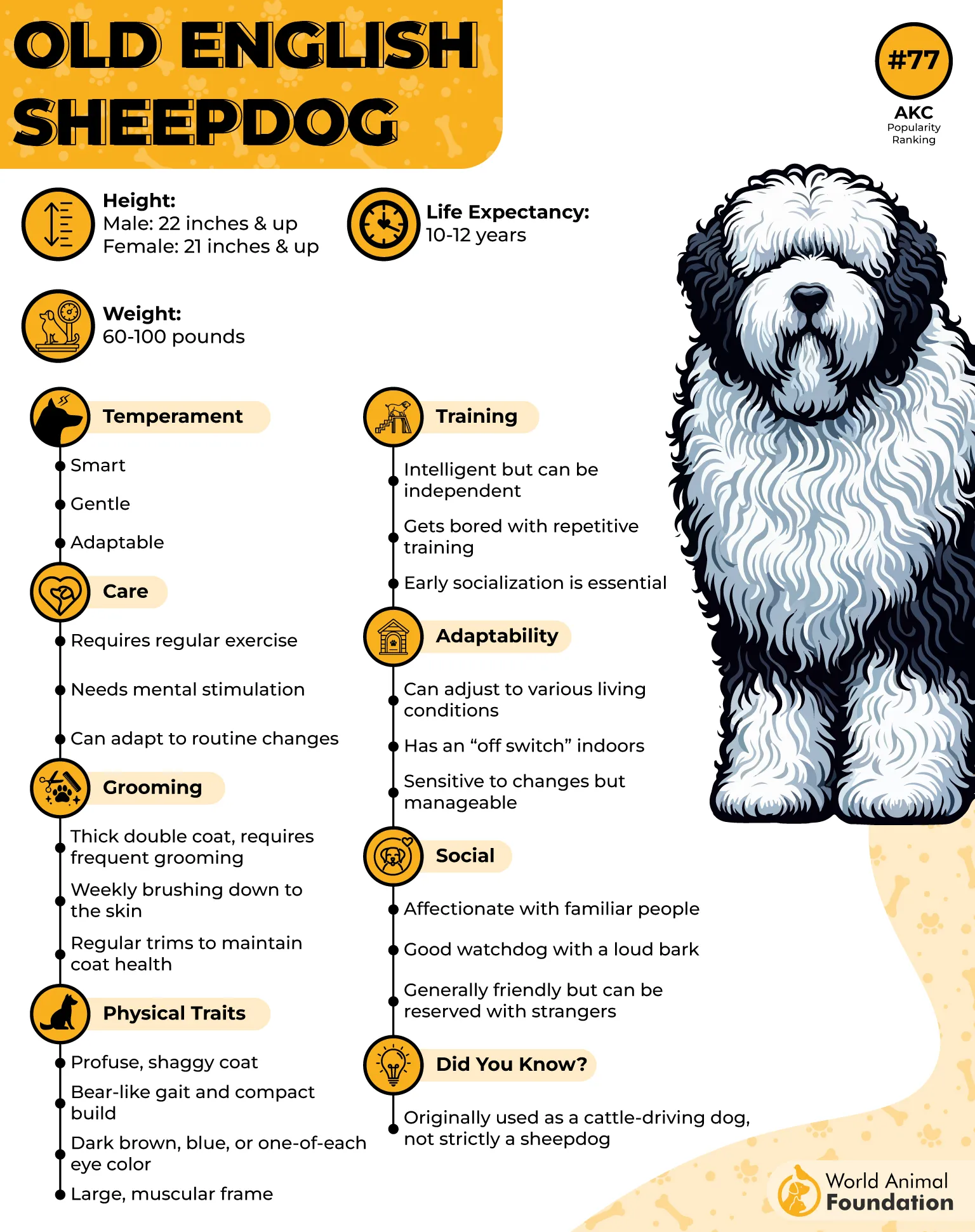
The luxurious coat needs a bath after 6-8 weeks, and use a hydrating shampoo to preserve natural oils. This energetic dog requires weekly brushing to prevent tangles and mats. An undercoat rake to remove packed dead fur. Pay close attention to ears, around the tail, and under the legs, where mats form easily.
5. Komondor
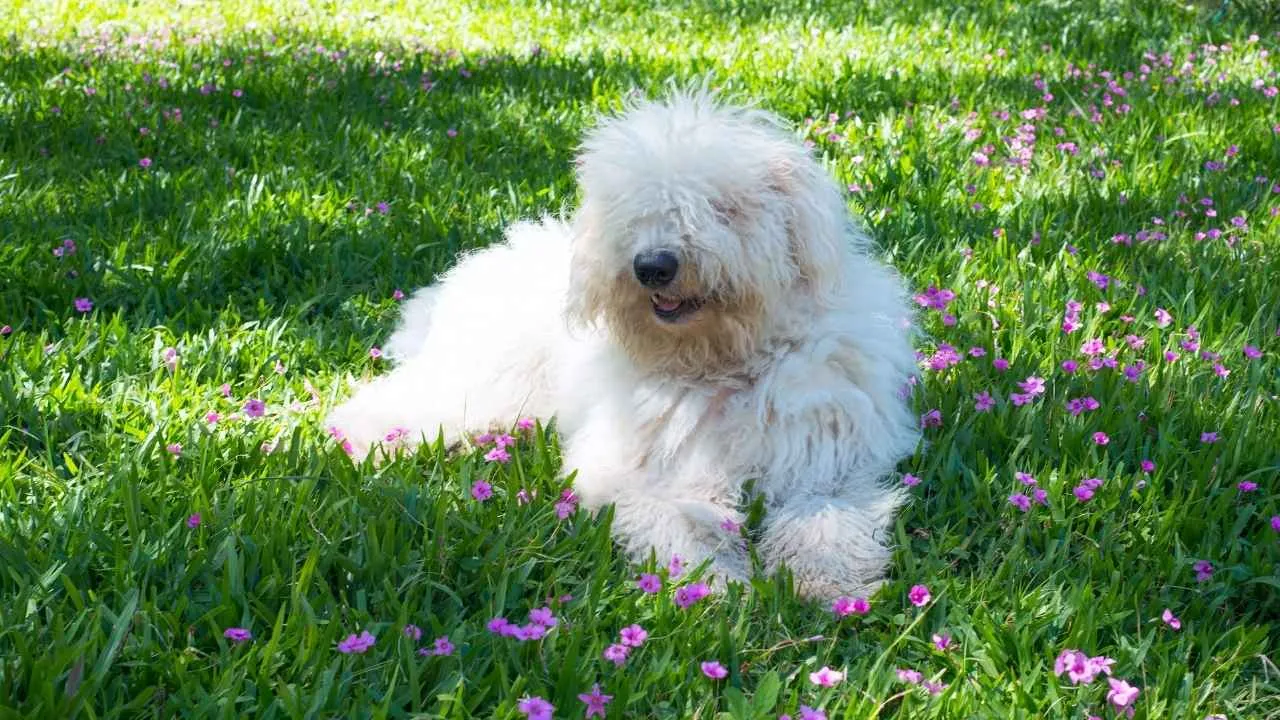
Originally bred in Hungary, this large white dog was used for herding and guarding livestock initially. The breed is fast and leaps on the predator to knock it down, protecting the livestock from large animals, such as wild boars and bears. It is also known as a ‘Hungarian Sheepdog’ or a ‘Mop Dog’ because of the long corded coat, as per Wikipedia.
Puppy is a born ‘fluffy dog.’ Later on, the outercoat is intertwined with the undercoat that grows to the floor, giving it a cord-like appearance. This coat helps it blend perfectly with the flock of sheep, creating a camouflage for the predators.
The cords trap air inside that helps regulate temperature. Since the coat weighs 15-30 pounds, it protects the body from being injured by the powerful jaws of the attacker.
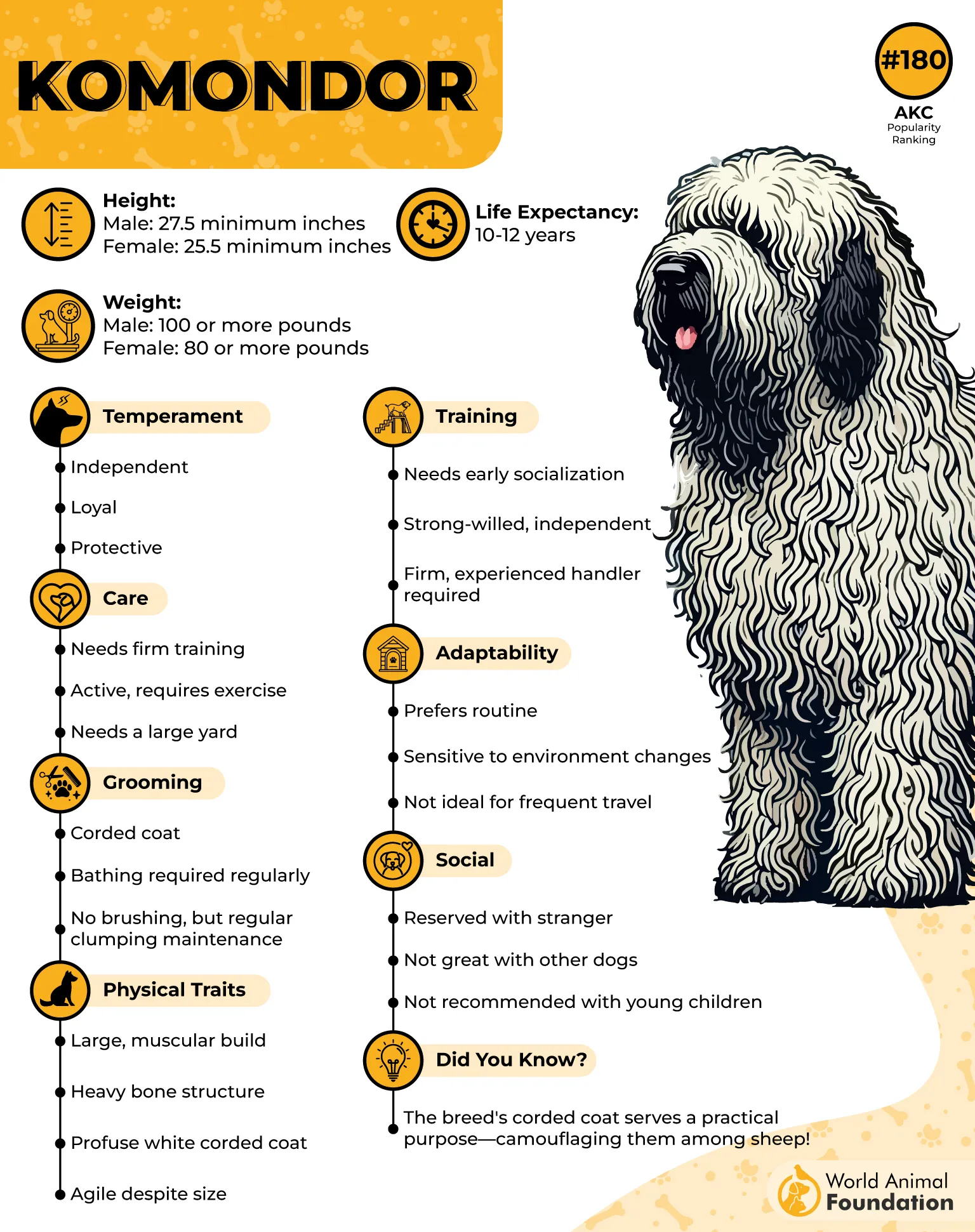
Unlike other dogs, this highly energetic dog has different grooming requirements: instead of regular brushing, you need to separate the dog’s dreadlocks manually to keep it tangle-free and moisture-free. It requires a bath after every 3-4 months, and the cords take up to 3 days to dry.
6. Samoyed
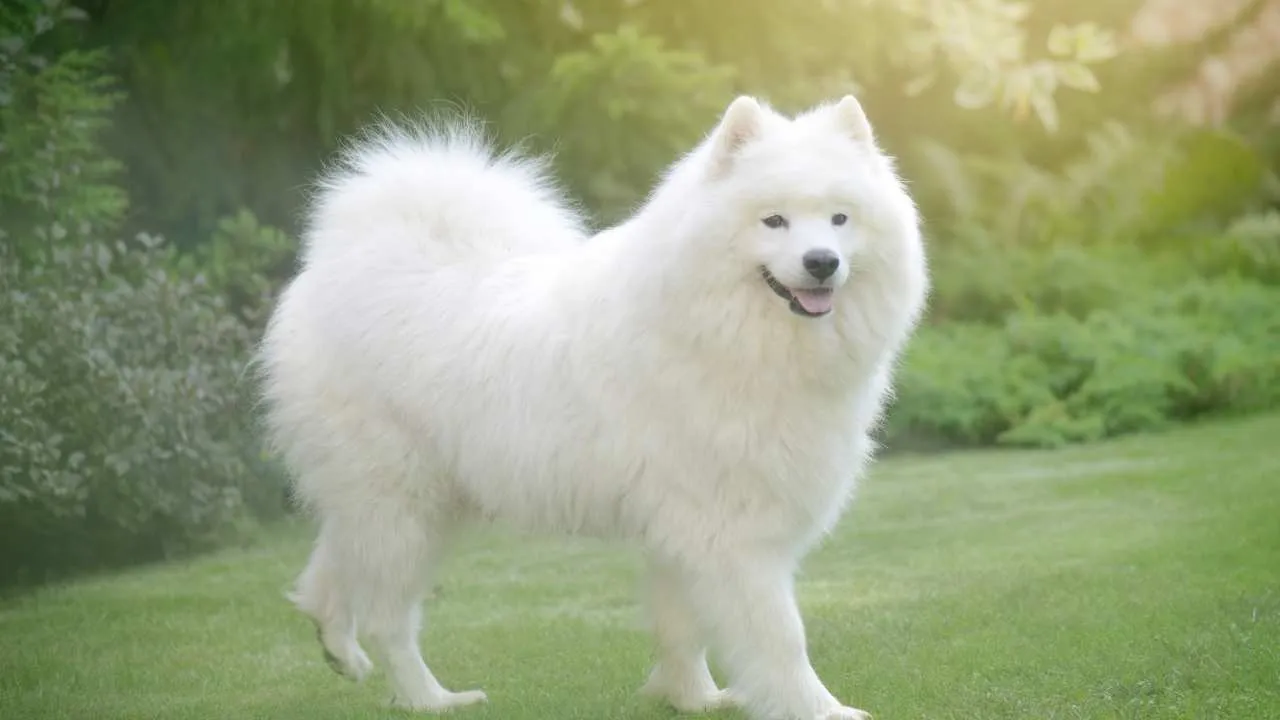
Initially bred as a Siberian sled dog and named after semi-nomadic Samoyedes, the Samoyed is a small dog breed evolved to move, guard, and herd reindeer herds. The double coat consists of a soft and woolly undercoat and a harsh outercoat with silver tips. The coat ‘blows’ twice a year (during summer and spring).
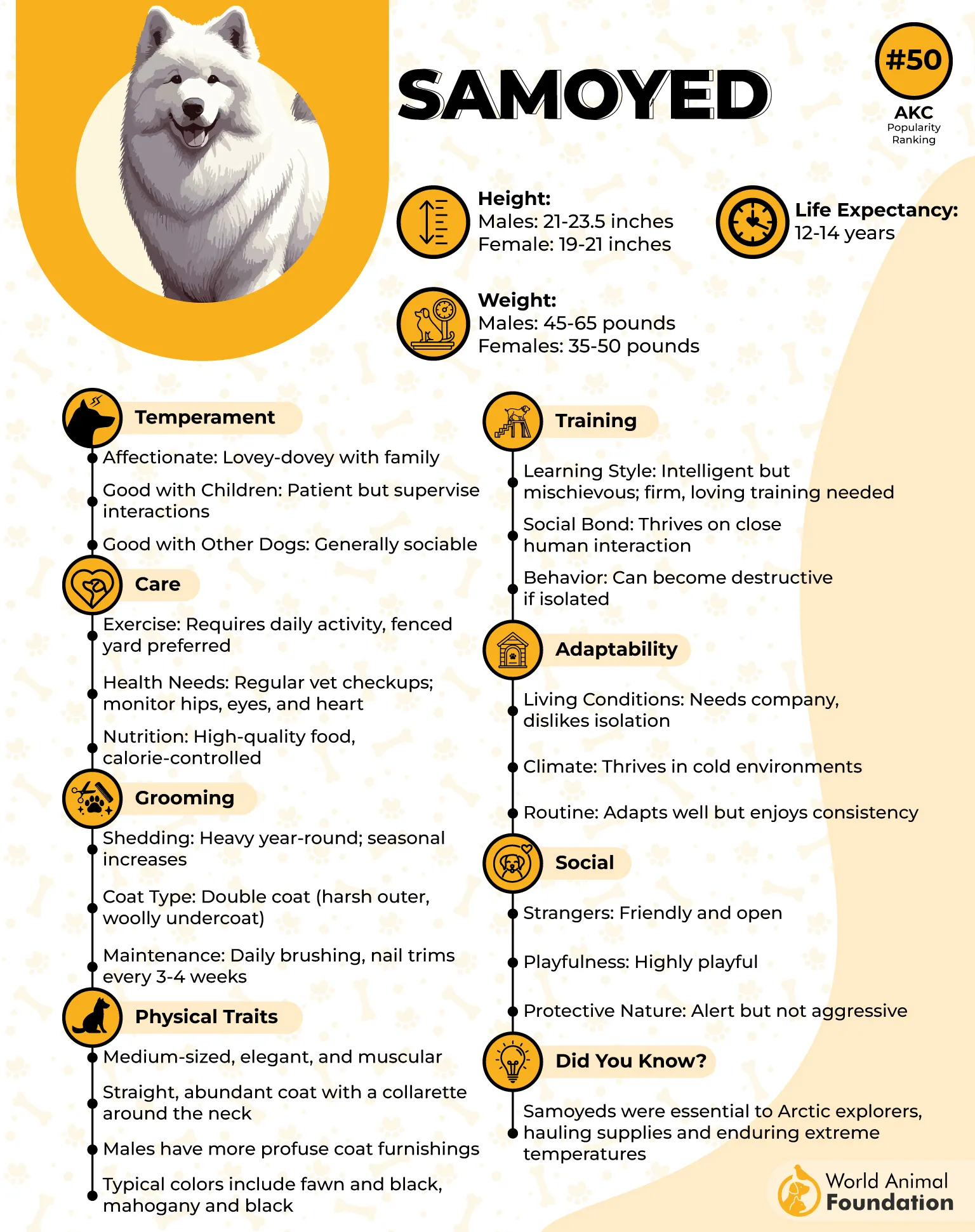
The undercoat traps in dead air and provides insulation, while the outercoat has long hair that penetrates into the undercoat and repels water and dirt. The silver tipping on the coat reflects sunlight, helping the long-haired breed tolerate solar radiation in snowy landscapes.
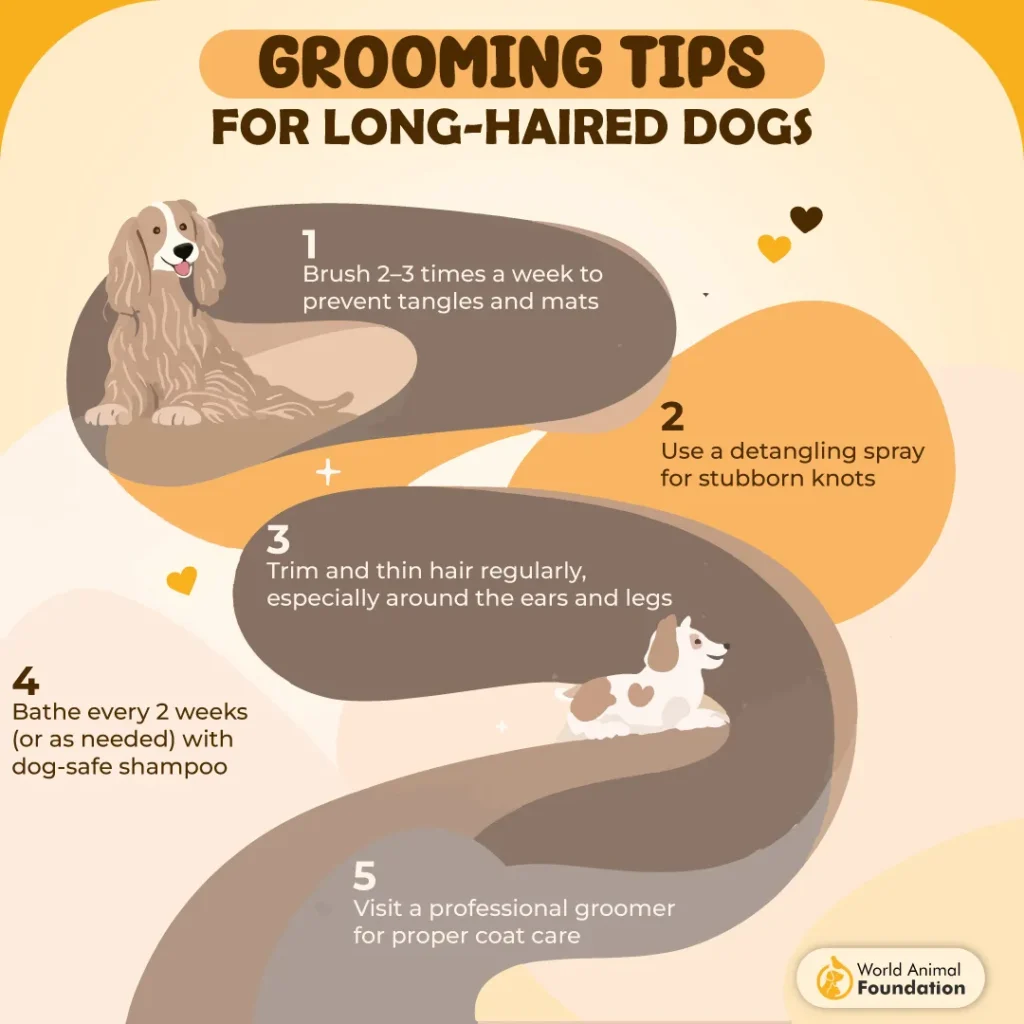
It is a high-maintenance breed that requires brushing three times a week using a metal comb or a slicker brush. Adopt the ‘pat and pull’ motion to avoid damage and pain. It does not require frequent baths, and regular bathing (after 4-8 weeks) is enough.
7. Portuguese Sheepdog
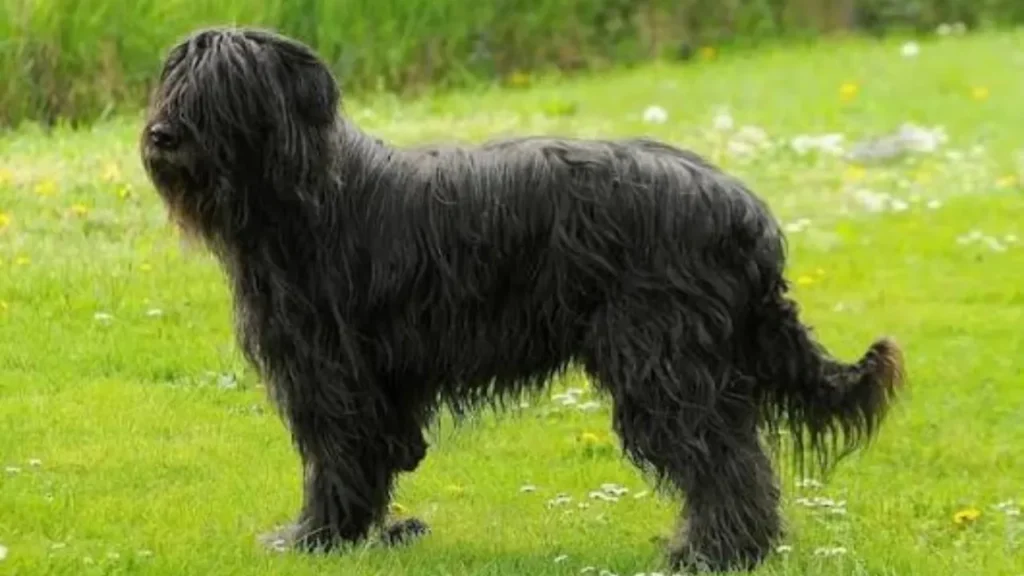
This medium-sized dog breed was developed in Portugal as a herding dog. Also known as ‘Macaque Dog,’ (the monkey dog) for having a lively attitude and a furry face. It excels in dog agility trials, obedience training, tracking, and flyball. It has a natural mustache, beard, and bushy eyebrows.
The hair can be straight or slightly wavy and has no undercoat. The coat comes in a variety of colors: grey, wolf-grey, fawn, yellow, chestnut, and black. The goat-like tactile quality of the coat prevents twigs, dust, or burs. There is dense hair between the toes and in the limbs that protects the feet from getting injured while traveling on rocky terrain.
The unique coat requires regular weekly brushing with a pin brush or a metal comb. Gently comb the hair around the eyes and the muzzle to prevent vision obstruction and remove food debris. Since the breed remains clean, it requires only occasional bathing. The nails need to be trimmed after 2-3 weeks.
Conclusion
Long-haired dogs are more than just a pretty aesthetic; they are living proof that nature has a serious flair for design. From the royal stride of the Afghan hound to the corded coat of the Komondor, each breed carries a story in its coat. These breeds demand time, grooming, and genuine commitment.
But in return? They give you the kind of loyalty and personality that makes every tangle and tumble hair worth it. Choose wisely, groom consistently, and enjoy the head-turns at the dog park. These dogs will never disappoint you anywhere.
