




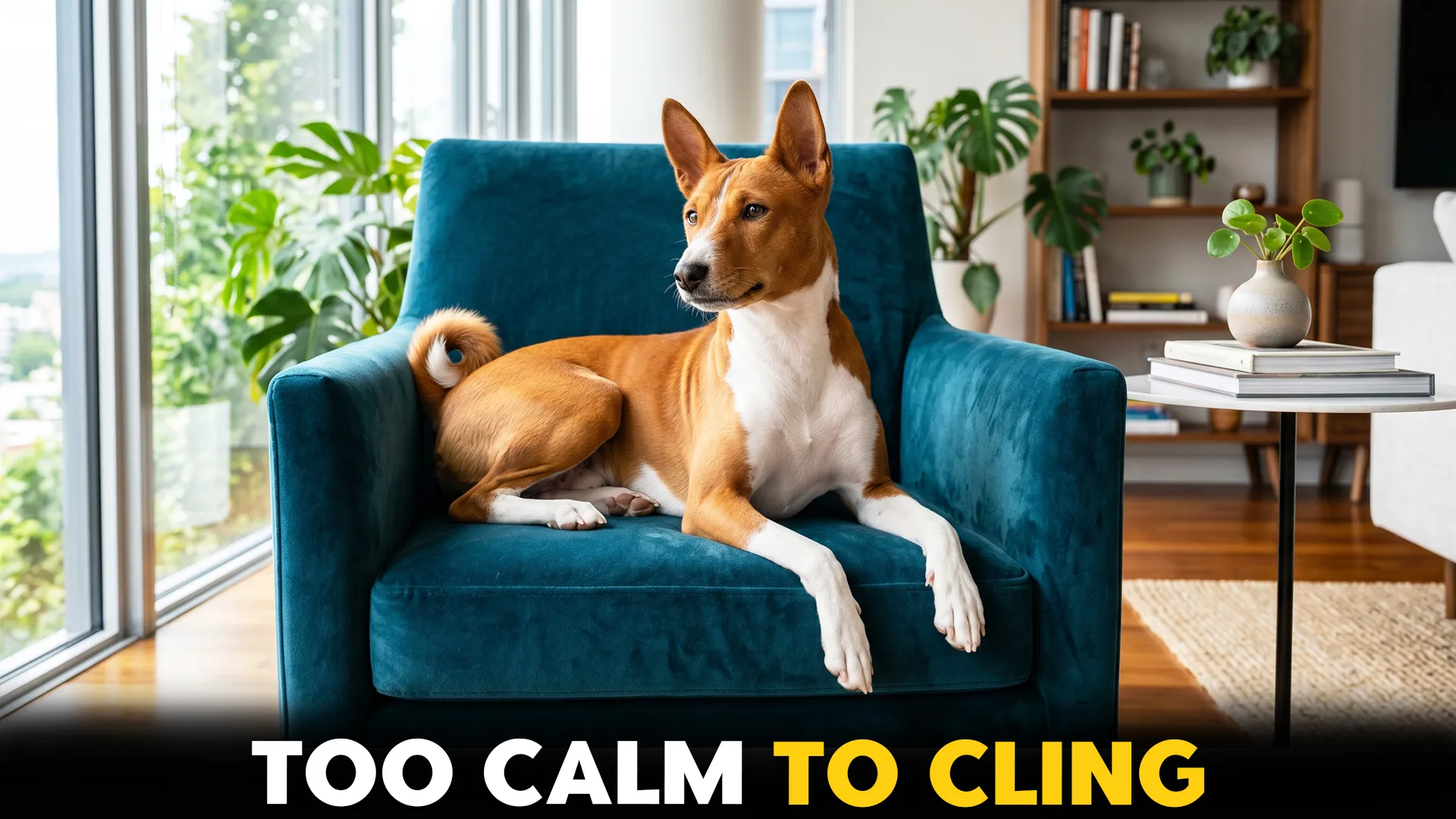
Some dogs act like you disappearing for 20 minutes is a betrayal of the highest order. Others? They stretch, sigh dramatically, and go back to sleep as if nothing happened. This guide is for the second category—the emotionally self-sufficient legends of the dog world.
These breeds were shaped by history, work roles, and survival situations where humans weren’t hovering 24/7. That’s why they’re way more comfortable with alone time than your average “follow-you-like-a-shadow” pup.
You can leave them at home for a few hours and finish your chores calmly. They would surely not showcase any destructive behaviors!
Let’s get into the independent icons.
Independent Dog Breeds That Thrive When Left Alone
1. Greyhound
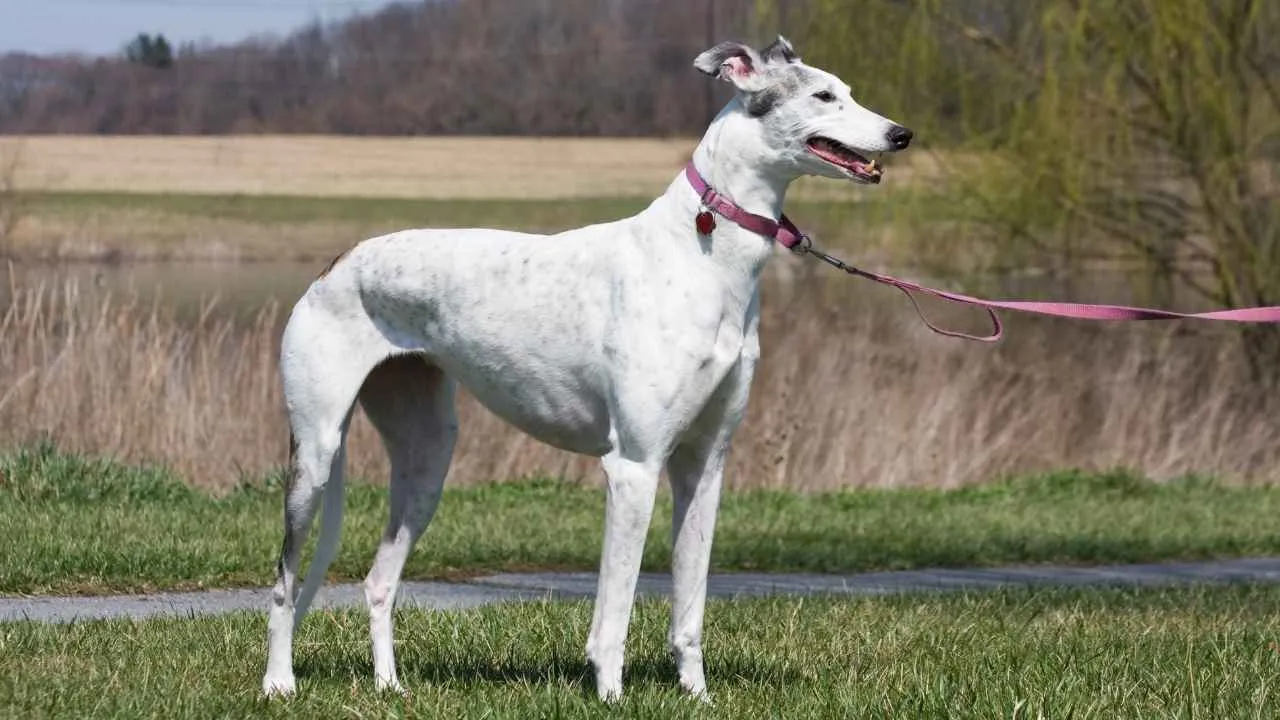
Greyhounds look like elite athletes, but their daily lives are closer to those of retired celebrities who refuse to leave the couch. Despite being one of the fastest dogs on the planet, they are famously low-energy indoors and often spend most of their day sleeping deeply in short bursts.
What makes these adult dogs independent is their racing and coursing backgrounds, in which they had to perform bursts of high-speed action and then completely disengage afterward. That on-off energy cycle translates into home life, where they’re totally fine being left alone for work hours as long as their basic exercise needs are met.
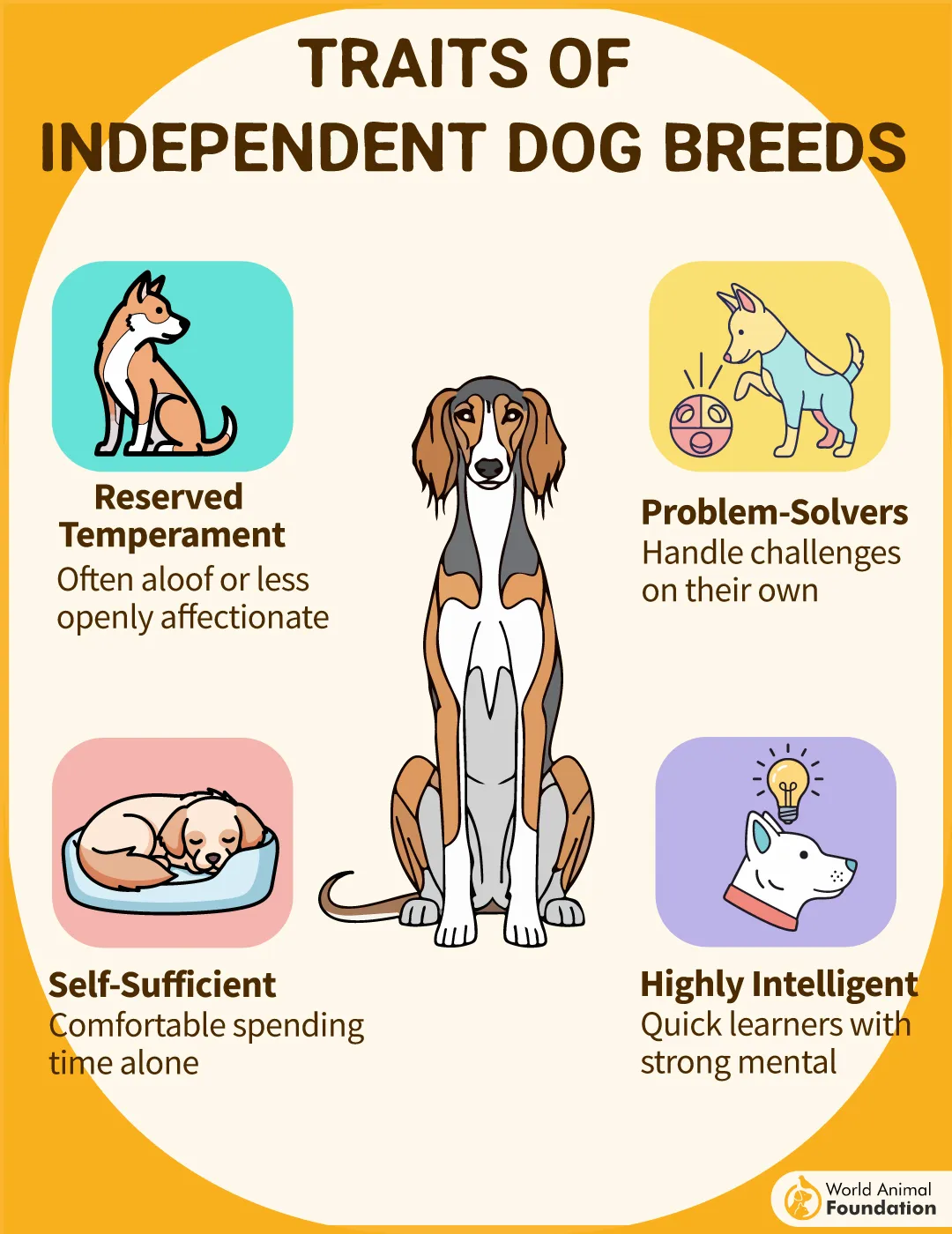
Adoption groups in Europe and the US often report that retired racing Greyhounds adjust surprisingly well to apartments because they don’t demand constant stimulation. Many owners say their Greyhound behaves like a “silent roommate who just sleeps 80% of the time.”
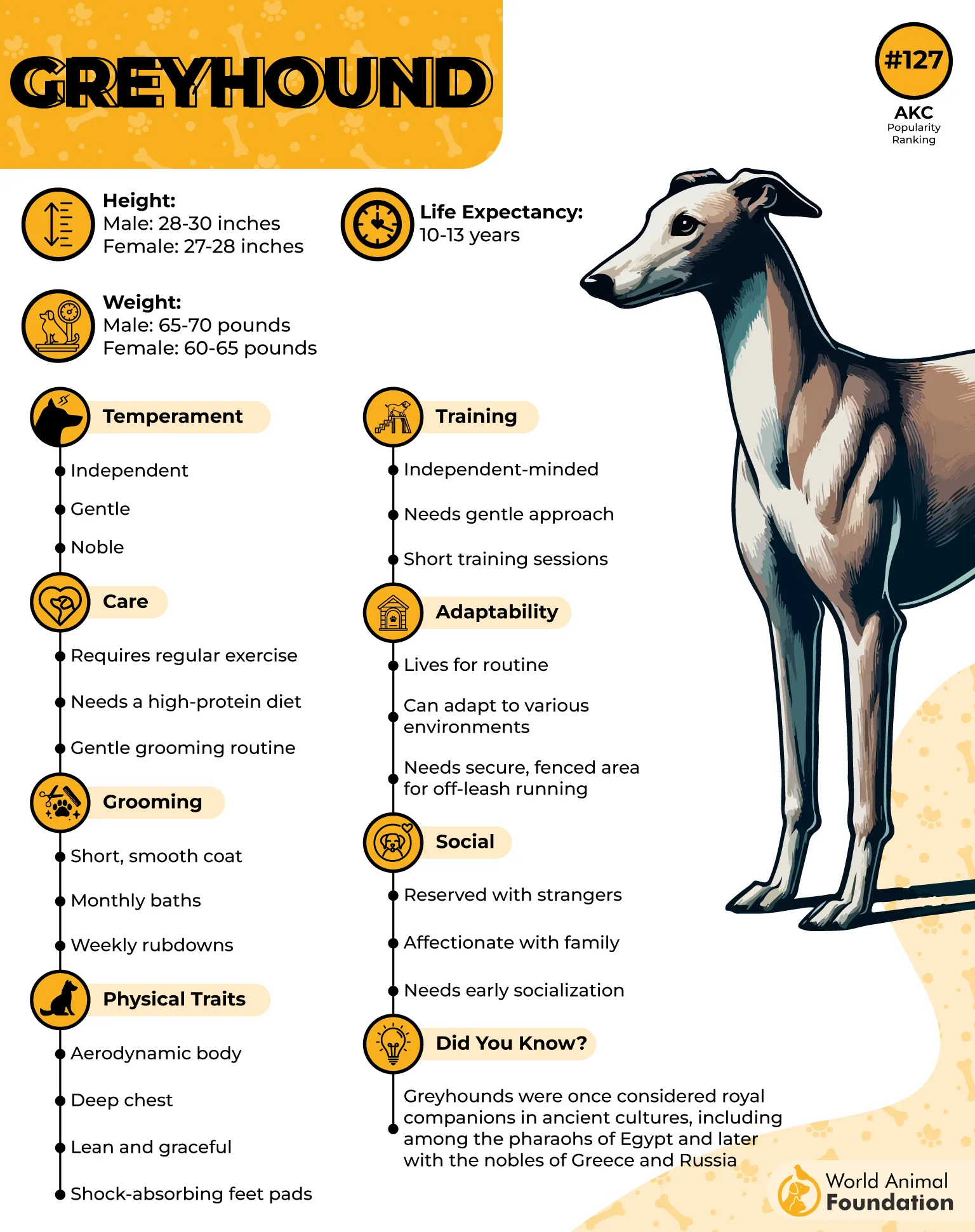
Veterinary behavior research frequently classifies them as low risk for separation anxiety compared with highly social companion breeds. They are not clingy by default, and instead rely more on routine than emotional reassurance.
In real-world homes, these wonderful companions tend to choose one favorite sleeping spot and basically rotate between sleeping positions like it’s a full-time job.
2. Basenji
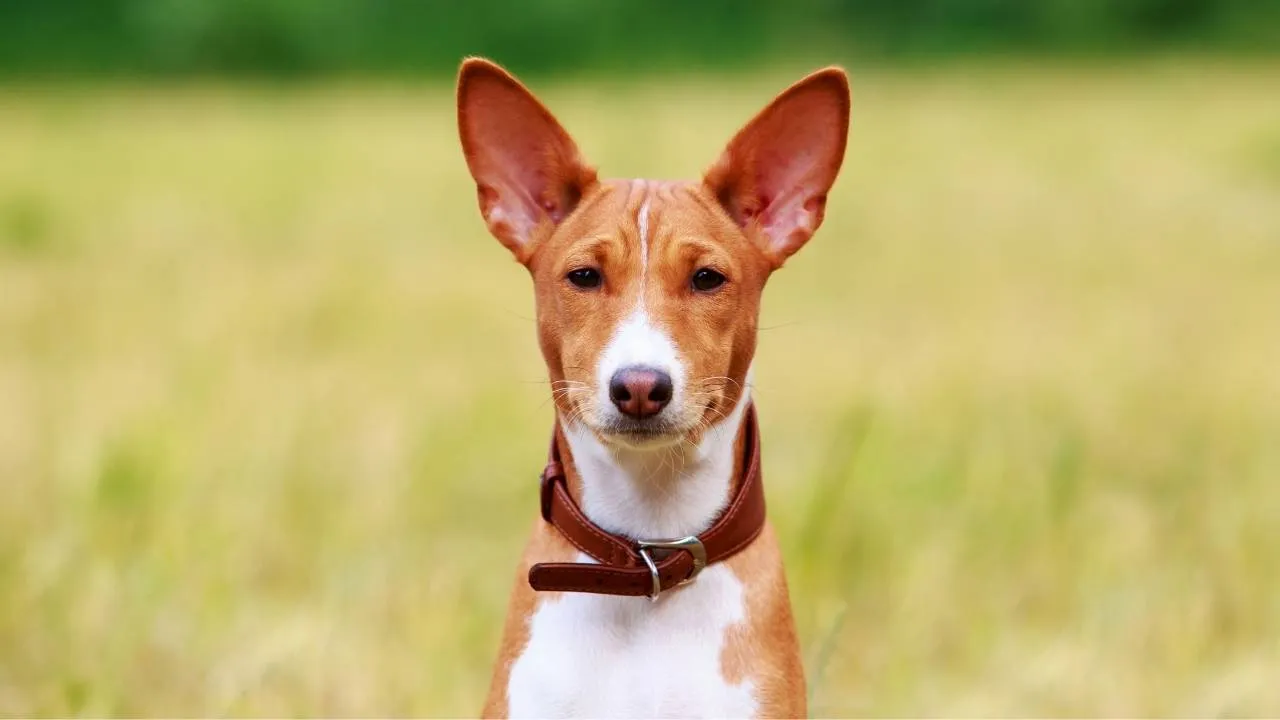
The Basenji is the definition of “built different.” Known as the barkless dog, this breed communicates through unique vocalizations such as yodels, chirps, and occasional dramatic sounds that seem to question reality.
Originally from Central Africa, they were considered among the best dog breeds for hunting small game in dense forests where human guidance wasn’t always possible. This created a naturally independent thinker who doesn’t constantly look for instructions or approval.
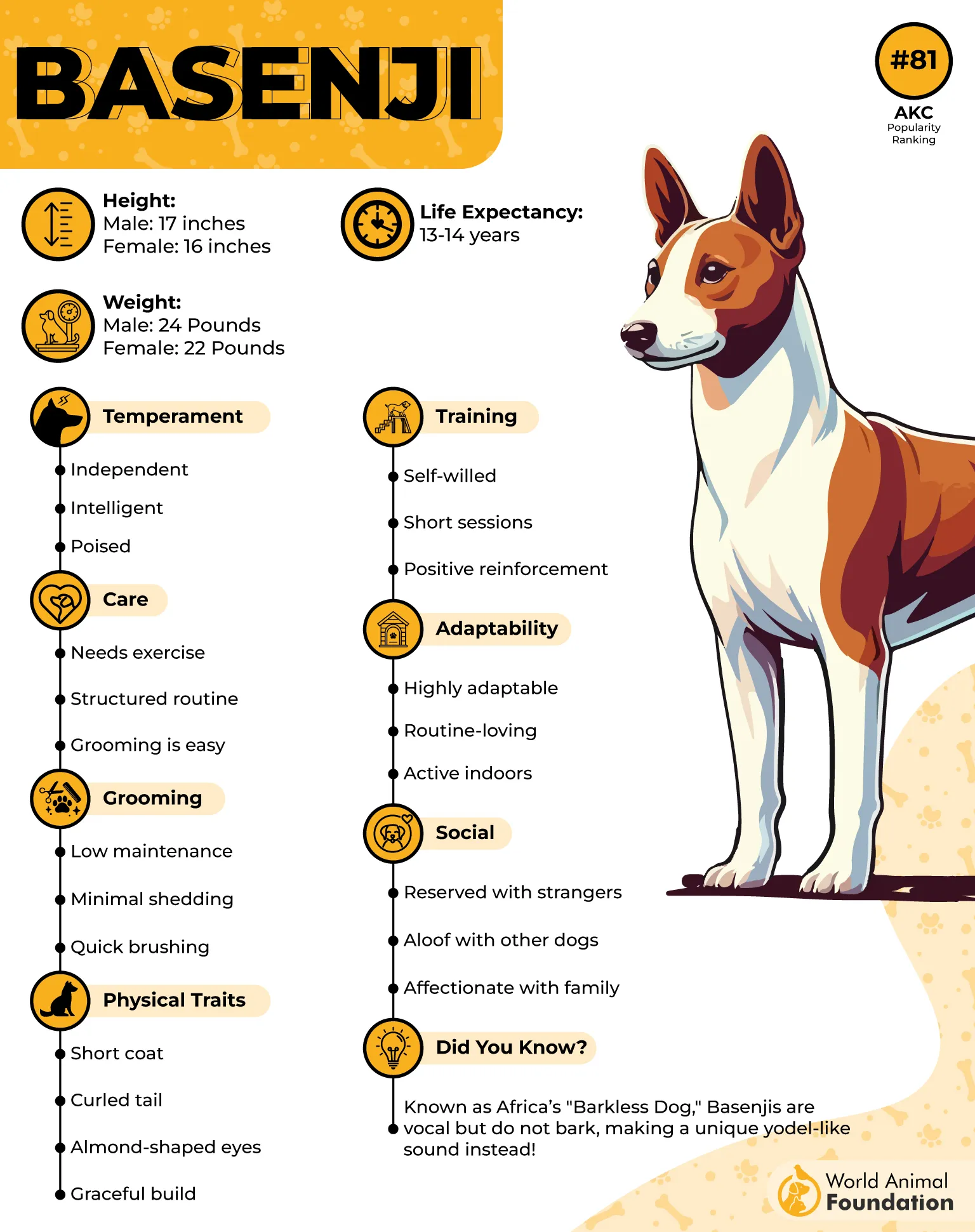
At home, they behave almost like cats—clean, selective with affection, and very intentional about when they interact. They are not overly emotionally dependent, which makes them surprisingly comfortable being alone during the day.
However, boredom is their main enemy. Without stimulation, they will invent their own entertainment, which can include opening cabinets, climbing furniture, or “redecorating” your space in unexpected ways.
Owners and breed communities often describe them as intelligent but self-willed companions who respond only to emotional pressure, not to logic or consistency.
3. Shiba Inu
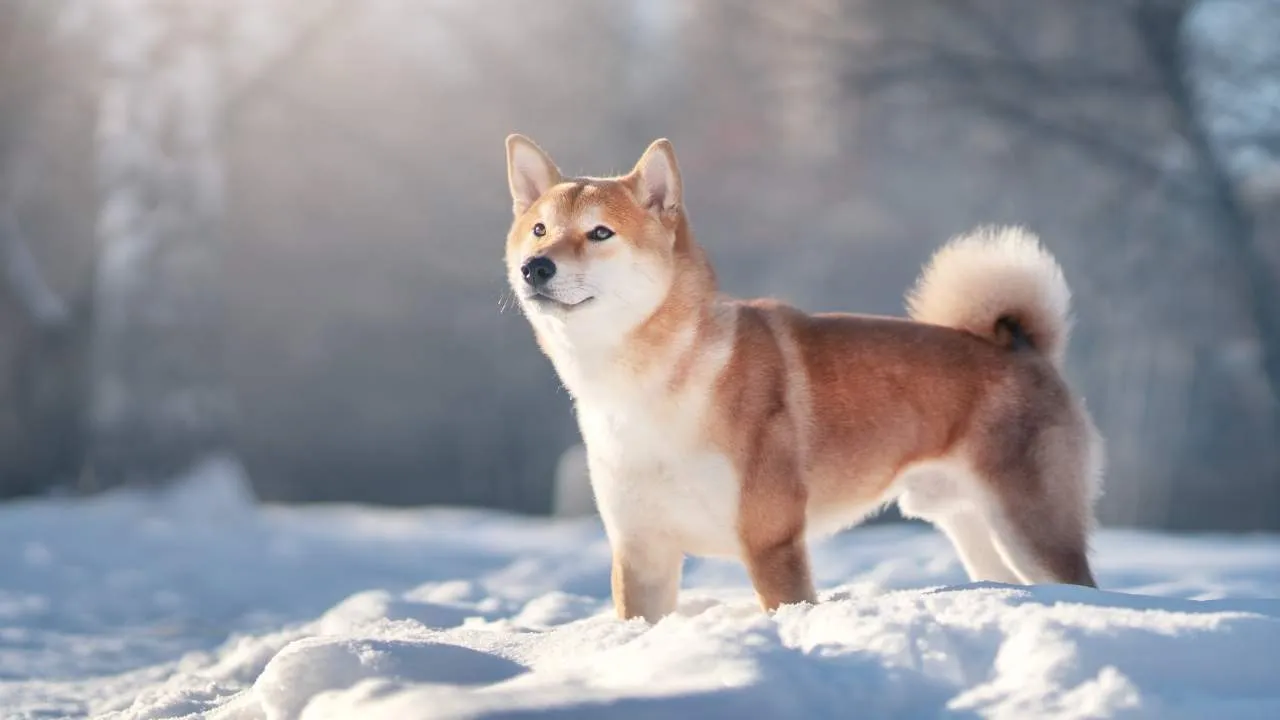
Shiba Inus are internet-famous for their dramatic expressions, but beneath the memes is a deeply independent personality. They are clean, self-aware, and often behave like they are politely tolerating human existence.
This breed originated in Japan as a hunting dog for rugged mountainous terrain, where it worked independently and made split-second decisions without human direction. That history is still very visible in their modern behavior.
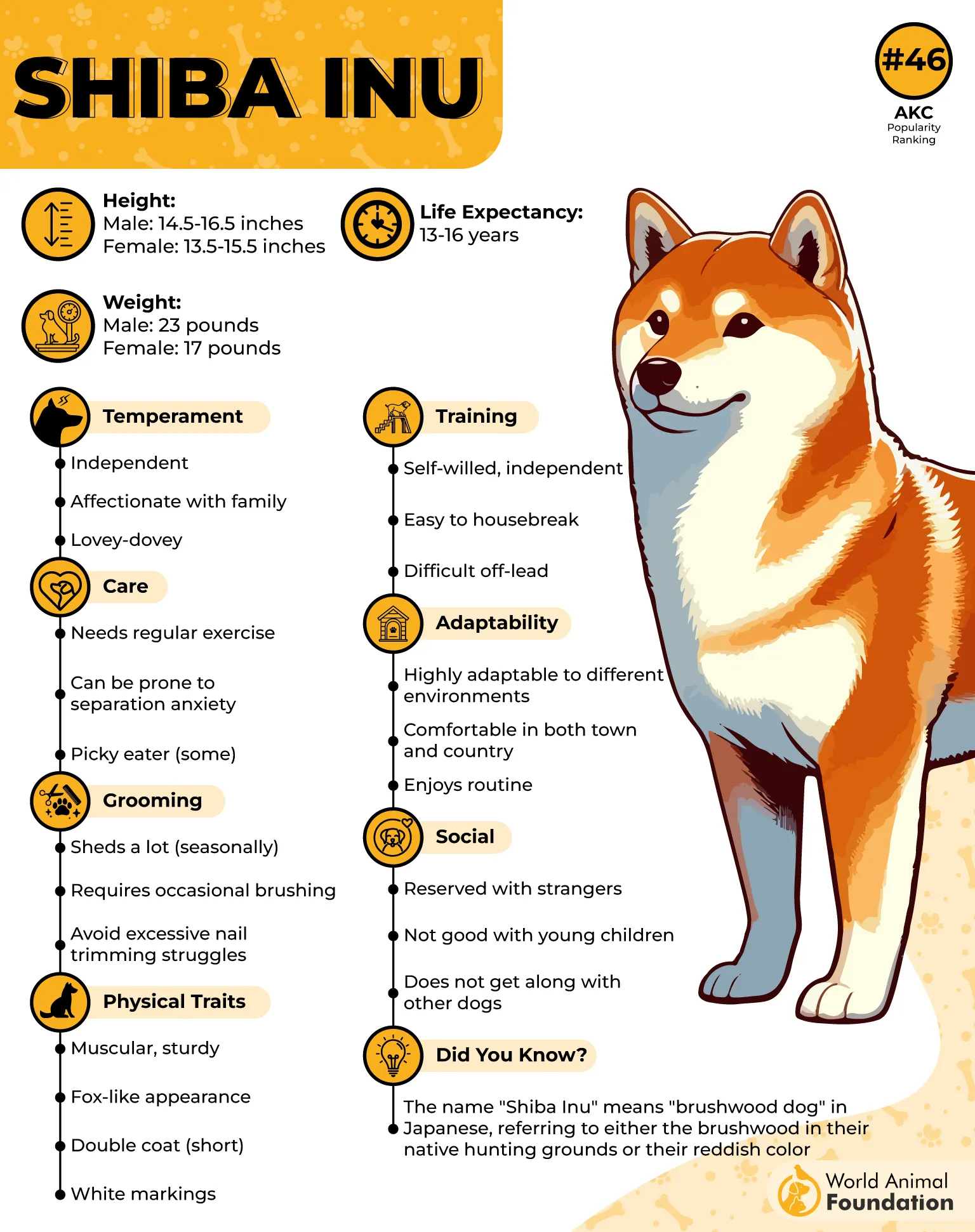
They are known for strong boundaries and a preference for autonomy, often choosing when they want attention rather than constantly seeking it. That’s why they handle alone time better than many highly social breeds.
They are also famously clean dogs, often grooming themselves and avoiding mess, which reinforces their “I’ve got my life together” vibe. However, they are emotionally expressive when something strongly displeases them, which is where the infamous “Shiba scream” comes in.
Behaviorists often compare them to cats because they balance affection with strong independence, making them ideal for owners who respect personal space.
4. Chinese Shar-Pei
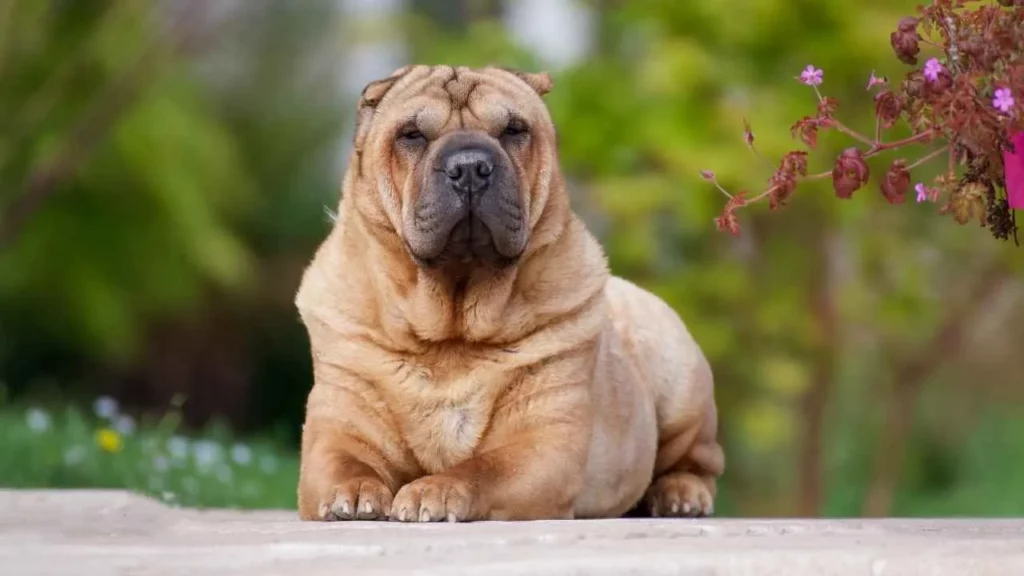
The Chinese Shar-Pei is instantly recognizable because of its deep wrinkles, but its personality is just as unique—quiet, reserved, and very self-reliant. This breed has roots in rural China, where it worked as a farm guardian and general-purpose working dog.
Unlike highly social breeds that constantly seek interaction, Shar-Peis are naturally more introverted. They tend to observe their environment rather than actively engage with everything happening around them.
These Chinese dogs were bred to protect property and livestock, often spending long hours without direct human supervision. That working background makes them comfortable with solitude when their environment feels stable and predictable.
They can be stubborn, but that stubbornness actually contributes to their ability to stay calm on their own rather than becoming anxious or overly reactive. They don’t typically spiral into panic when left alone if they are properly trained early.
Many modern owners describe them as “low-maintenance emotionally, high-maintenance personality-wise,” meaning they are independent but require consistency.
5. Chow Chow
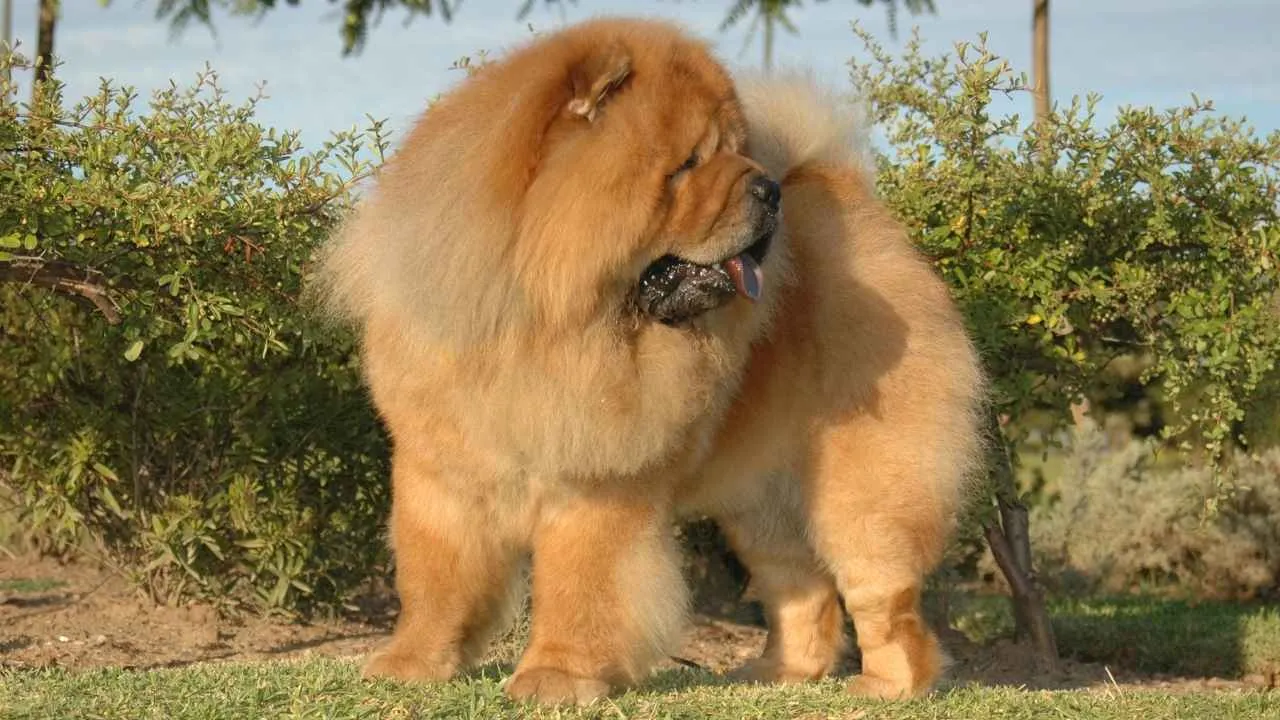
Chow Chows look like fluffy teddy bears but behave more like dignified, emotionally reserved nobles. They are among the oldest dog breeds in the world, with origins dating back to ancient China, where they served as guard dogs, hunters, and even temple protectors.
This breed was historically expected to work independently, often making decisions without human input. That has shaped their modern personality into something calm, aloof, and extremely self-contained.
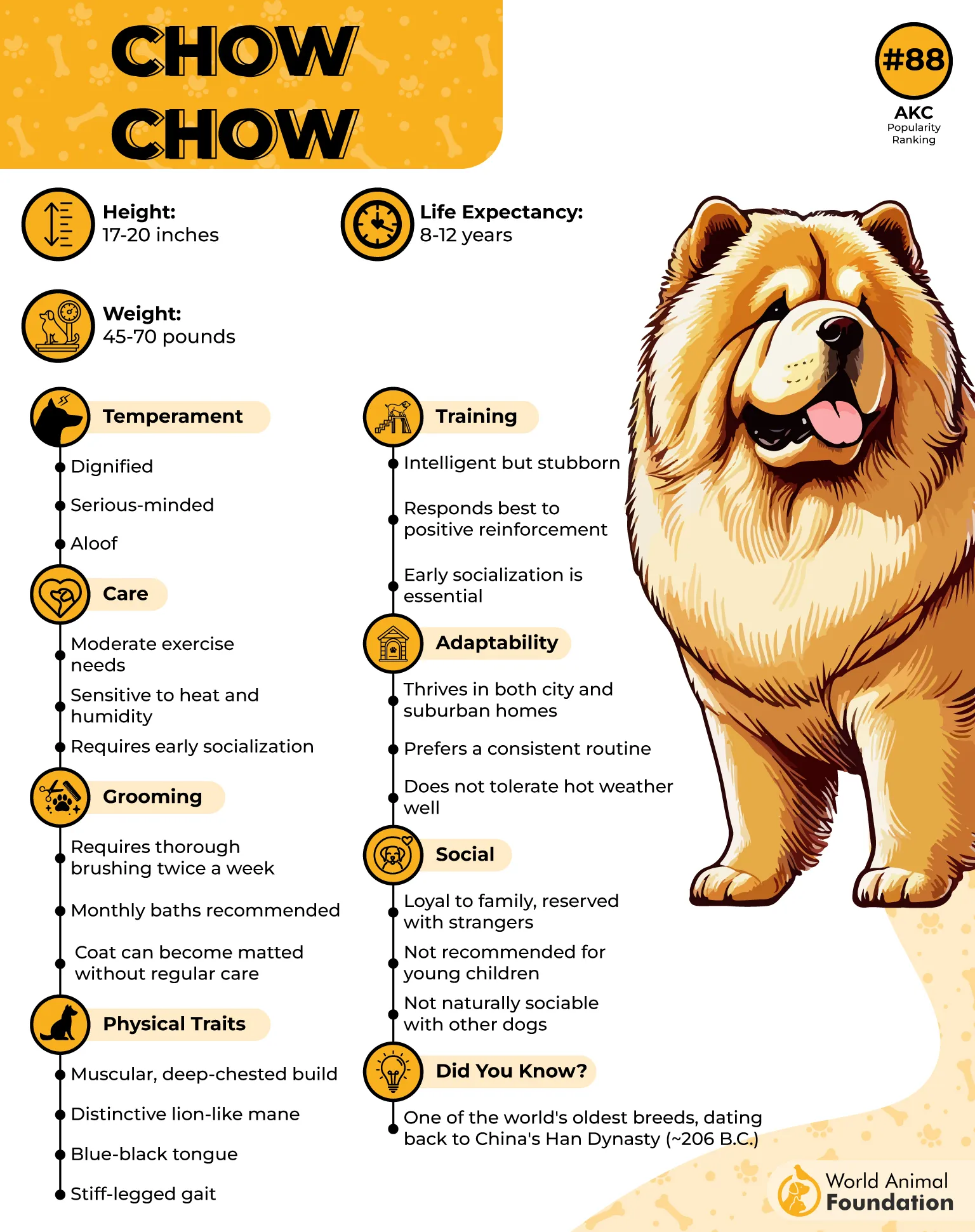
Chow Chows are not typically attention-seeking and are perfectly fine occupying their own space for long periods. They are known for choosing when they want affection rather than constantly requesting it.
Purina states that they can be left alone for typical work hours as long as they are well-trained and properly socialized, though they do best in structured environments. Without structure, their independence can turn into territorial behavior.
Owners often joke that Chow Chows don’t ignore you—they decide your importance on a case-by-case basis.
6. Basset Hound
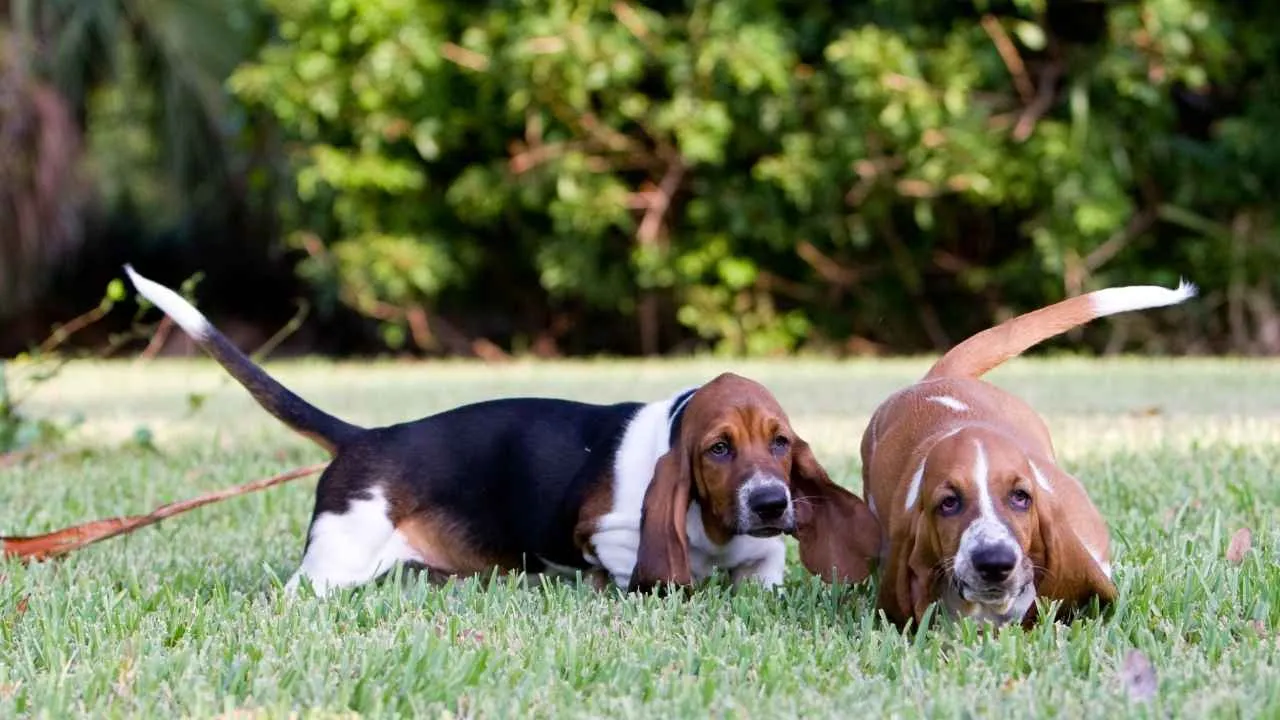
Basset Hounds are basically the definition of slow living. With their droopy eyes and laid-back movement, they give off strong “I’ll deal with it later” energy.
They were bred for scent tracking in hunting scenarios, where they would follow trails independently over long distances. That scent-driven focus makes them less emotionally dependent on constant human attention.
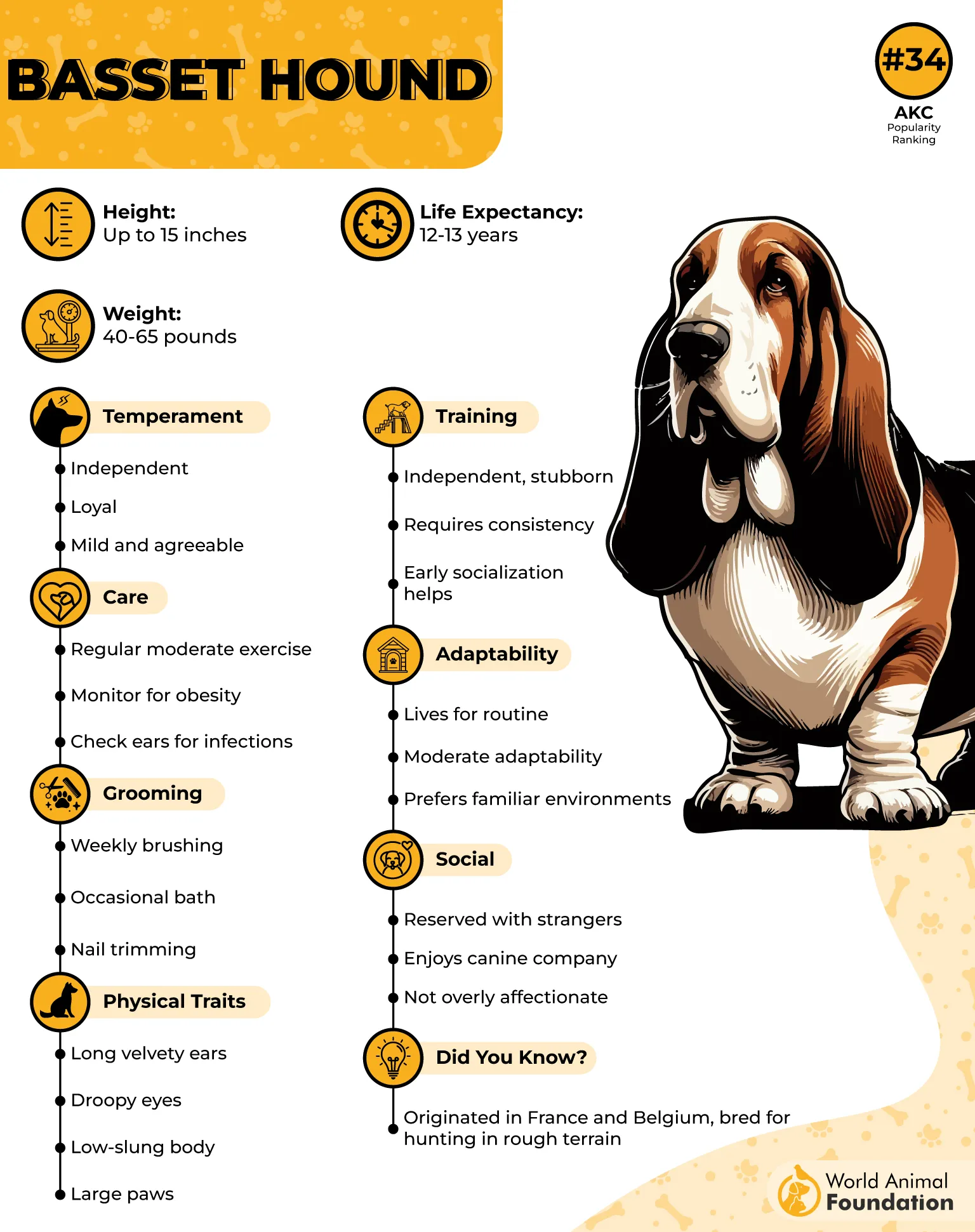
At home, they are usually content doing their own thing, especially if they have interesting smells to explore. Their independence is less about dominance and more about low-energy self-entertainment.
They are not as prone to intense separation anxiety as highly social companion breeds, particularly when their exercise needs are met. They are more likely to nap than panic when left alone.
Many owners describe them as “lazy detectives” who are always mid-case, investigating something that smells interesting.
7. Lhasa Apso
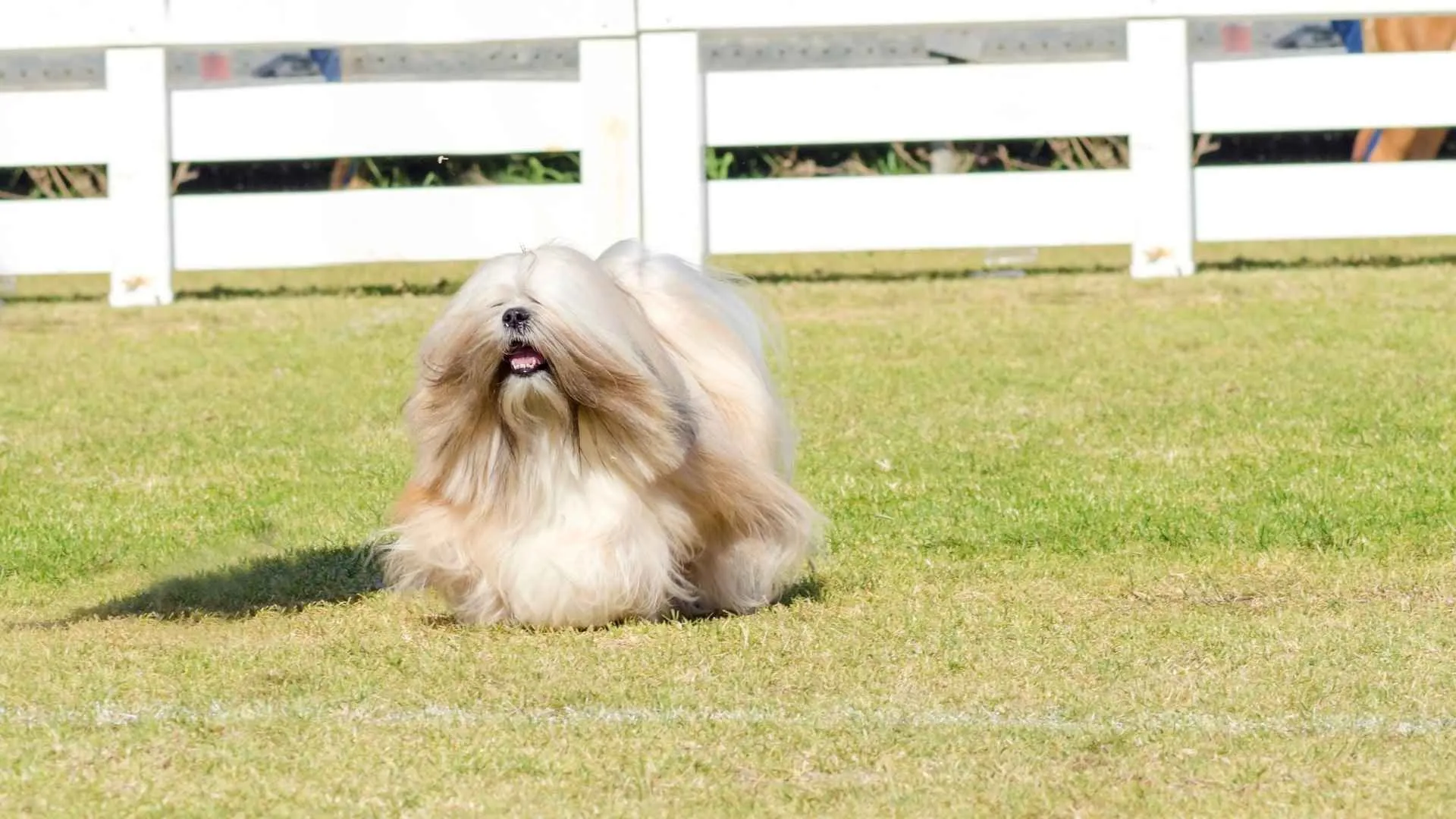
The Lhasa Apso has a royal past—literally bred in Tibetan monasteries as an indoor sentinel. These dogs were responsible for alerting monks to intruders while remaining calm and self-sufficient inside sacred spaces.
That history created a breed that is both alert and independent, comfortable spending long periods without direct human attention. They are not needy in the emotional sense but remain observant and aware.
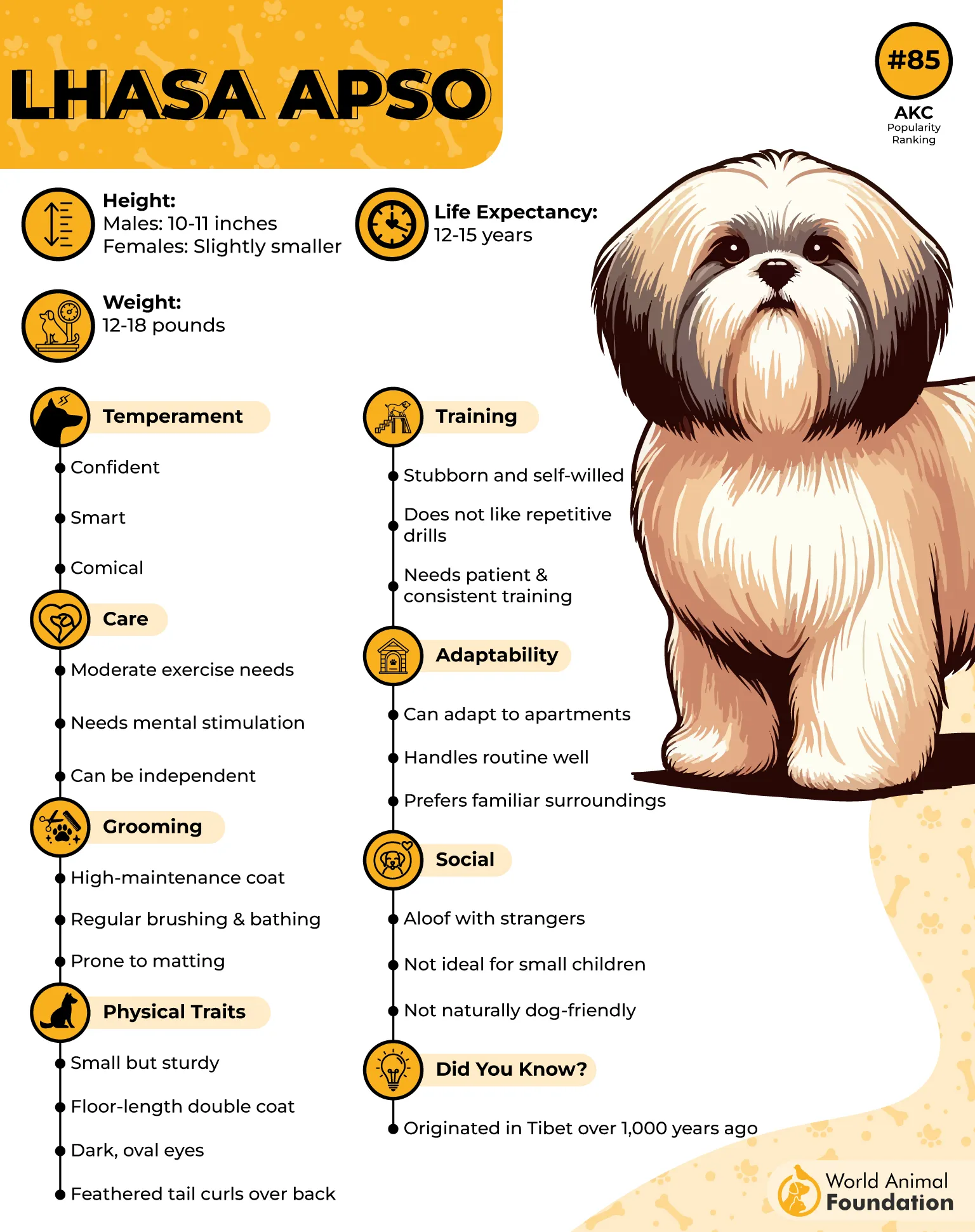
The AKC claims that they bond strongly with their families but do not rely on constant interaction to feel secure. This makes them suitable for owners who have structured routines and predictable schedules.
They can tolerate being alone during typical working hours if they are mentally engaged and not under-stimulated. However, they do prefer a stable environment where rules are consistent.
Breed enthusiasts often describe them as “small dogs with big security guard energy but minimal emotional dependence.”
8. Great Pyrenees
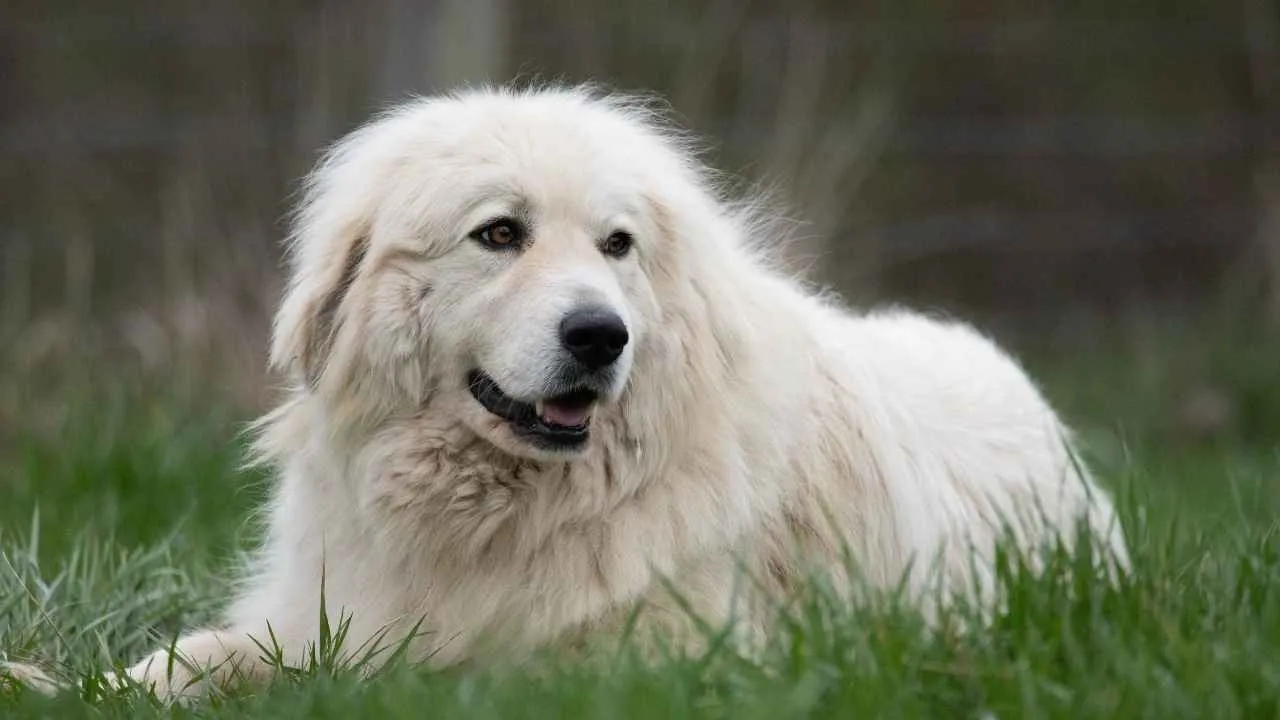
The Great Pyrenees is a giant mountain guardian bred to protect livestock across vast, remote terrains. Their job often required them to make independent decisions without human supervision for hours or even days.
This working background is why they are extremely calm, patient, and self-directed dogs. They are not attention-demanding and often prefer to observe their surroundings quietly.
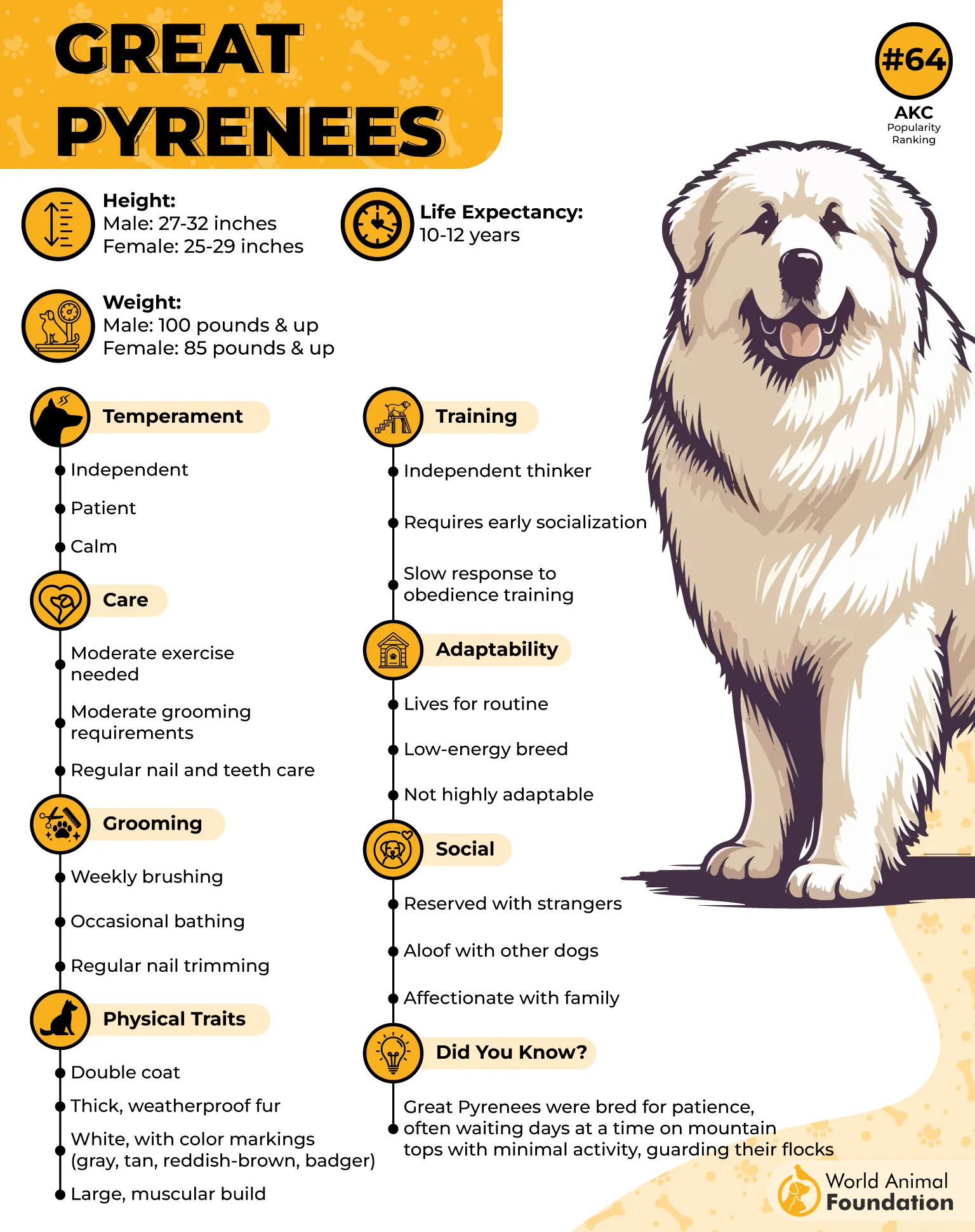
They are affectionate with family but not in a clingy way—they show loyalty through presence rather than constant interaction. This makes them surprisingly good at handling alone time when properly trained.
They do best when they have a job or purpose, even if it’s just guarding a yard or household space. Without structure, their independence can turn into stubbornness or roaming behavior.
Livestock guardian dog experts often highlight their “self-governing instinct” as one of the strongest in the canine world.
9. Irish Wolfhound
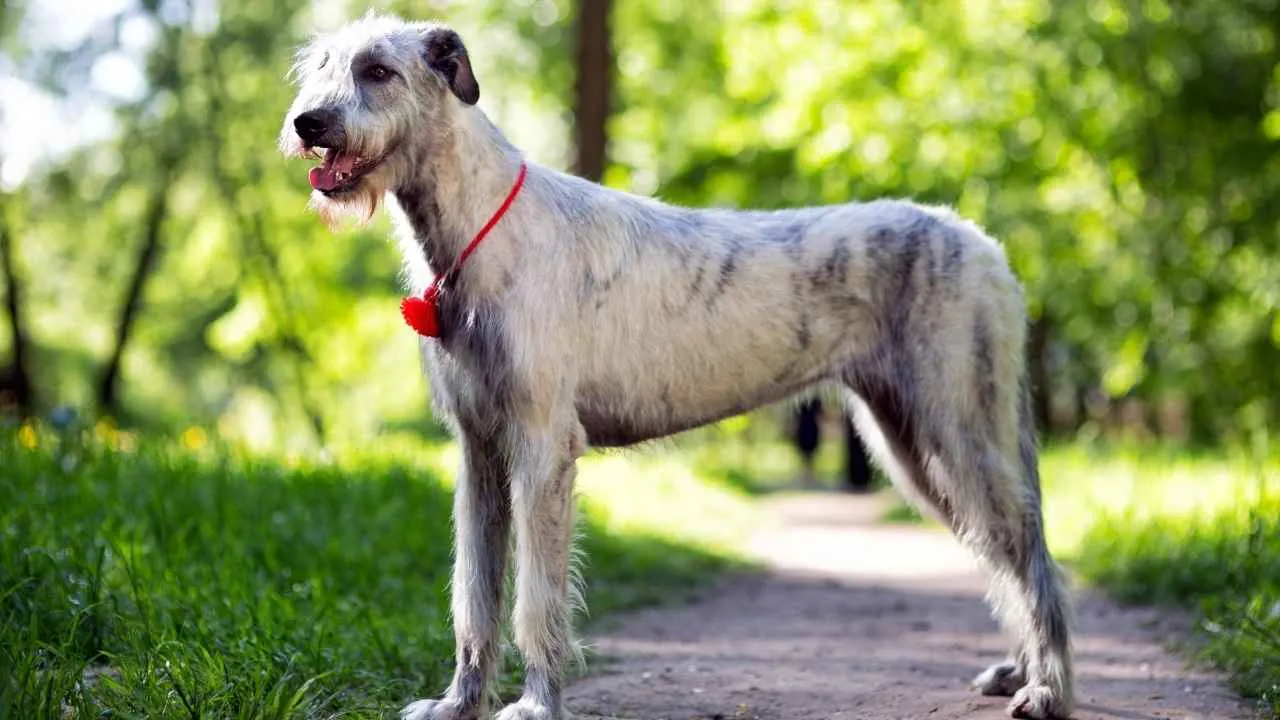
The Irish Wolfhound is massive in size but gentle in personality, often described as a quiet introvert trapped in a giant body. Despite their intimidating height, they are calm, slow-moving, and deeply low-drama.
Historically bred to hunt wolves and large game, they often worked in open environments where they had to operate independently or in small groups. That history contributes to their relaxed, self-sufficient temperament.
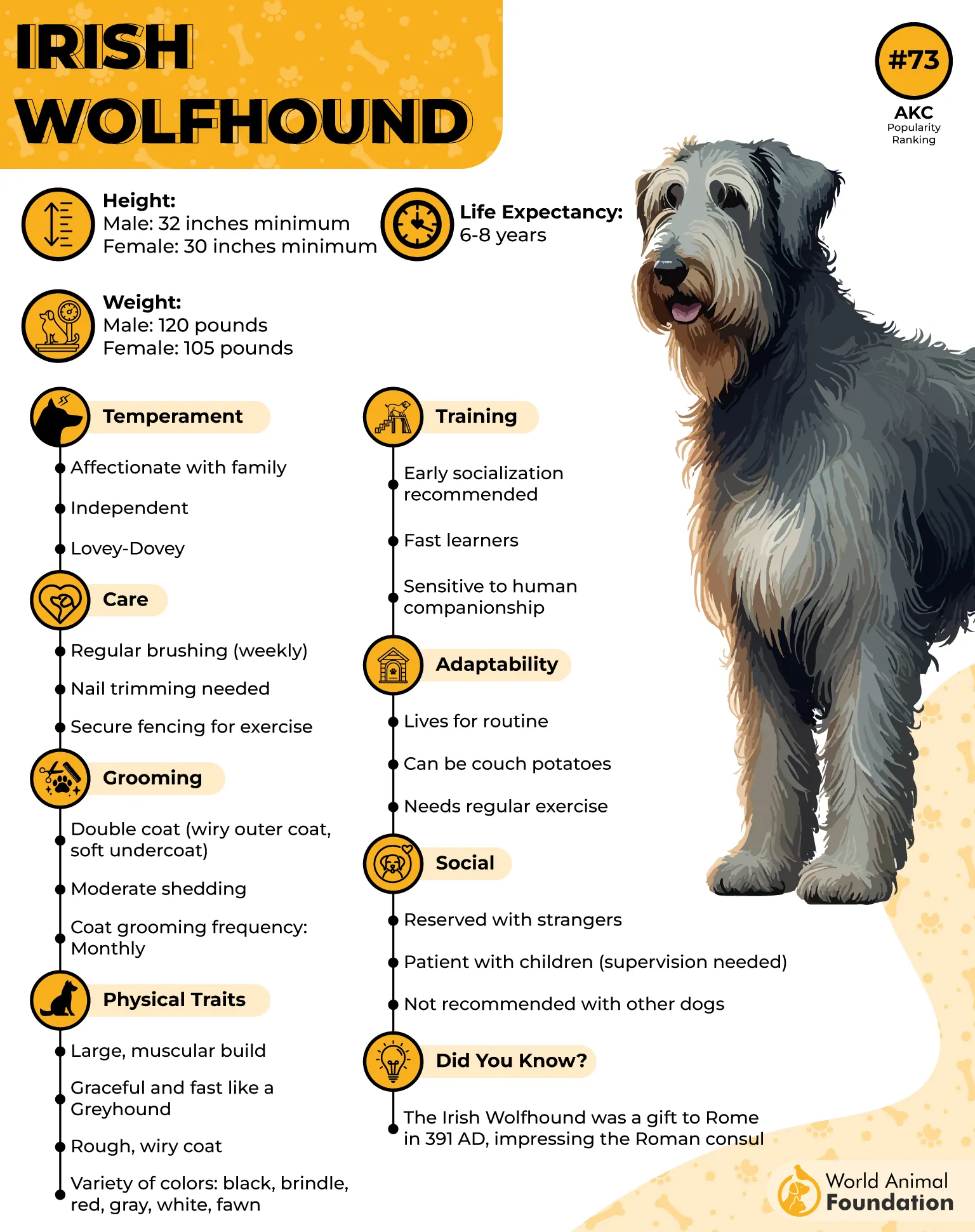
They are not attention-seeking and prefer long naps over constant engagement, making them easygoing companions in quiet households. The Royal Kennel Club says their emotional energy is extremely balanced compared to more reactive breeds.
They can tolerate being alone for reasonable periods if they are comfortable in their environment and not overstimulated beforehand. They are more likely to sleep than experience distress.
Owners often describe them as “gentle giants who act like they’re permanently recovering from a peaceful meditation retreat.”
10. Afghan Hound
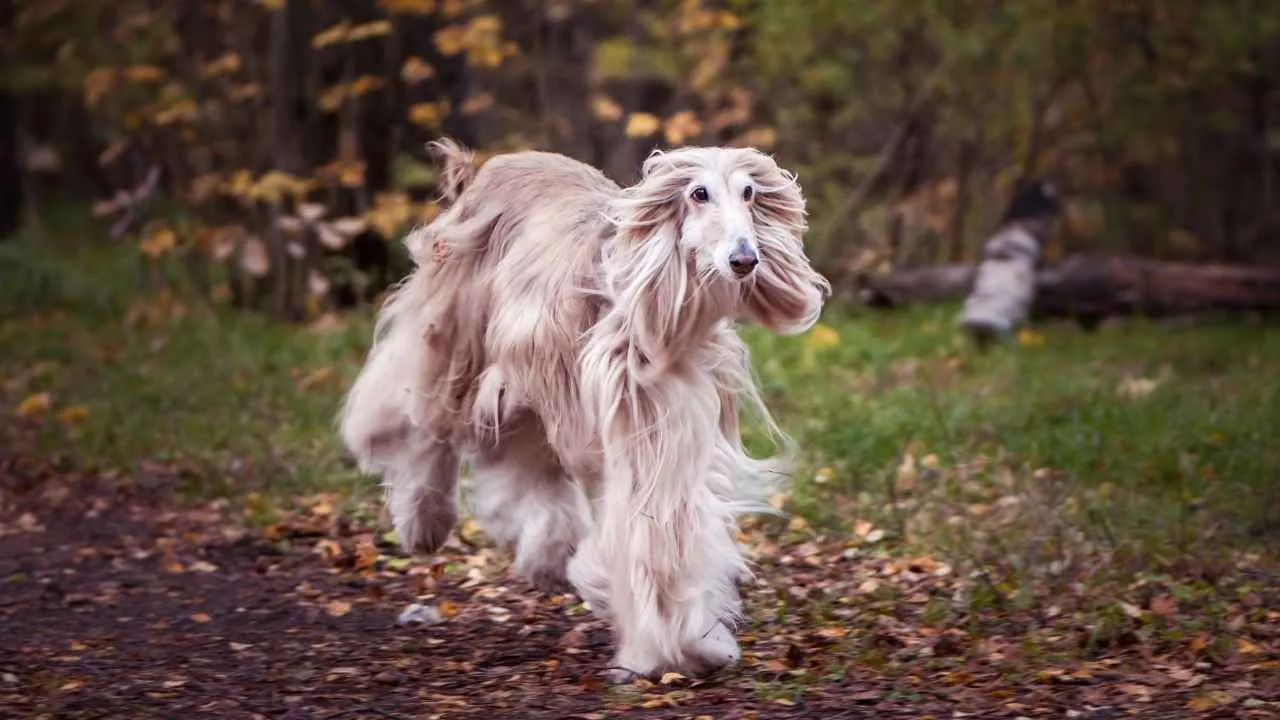
The Afghan Hound is elegance personified, but emotionally, it is one of the most independent dog breeds. Originally bred for hunting in harsh mountainous terrain, they were required to make decisions without constant human input.
This has resulted in a breed that is aloof, intelligent, and extremely self-directed. They often prefer observing rather than engaging, especially in unfamiliar environments.
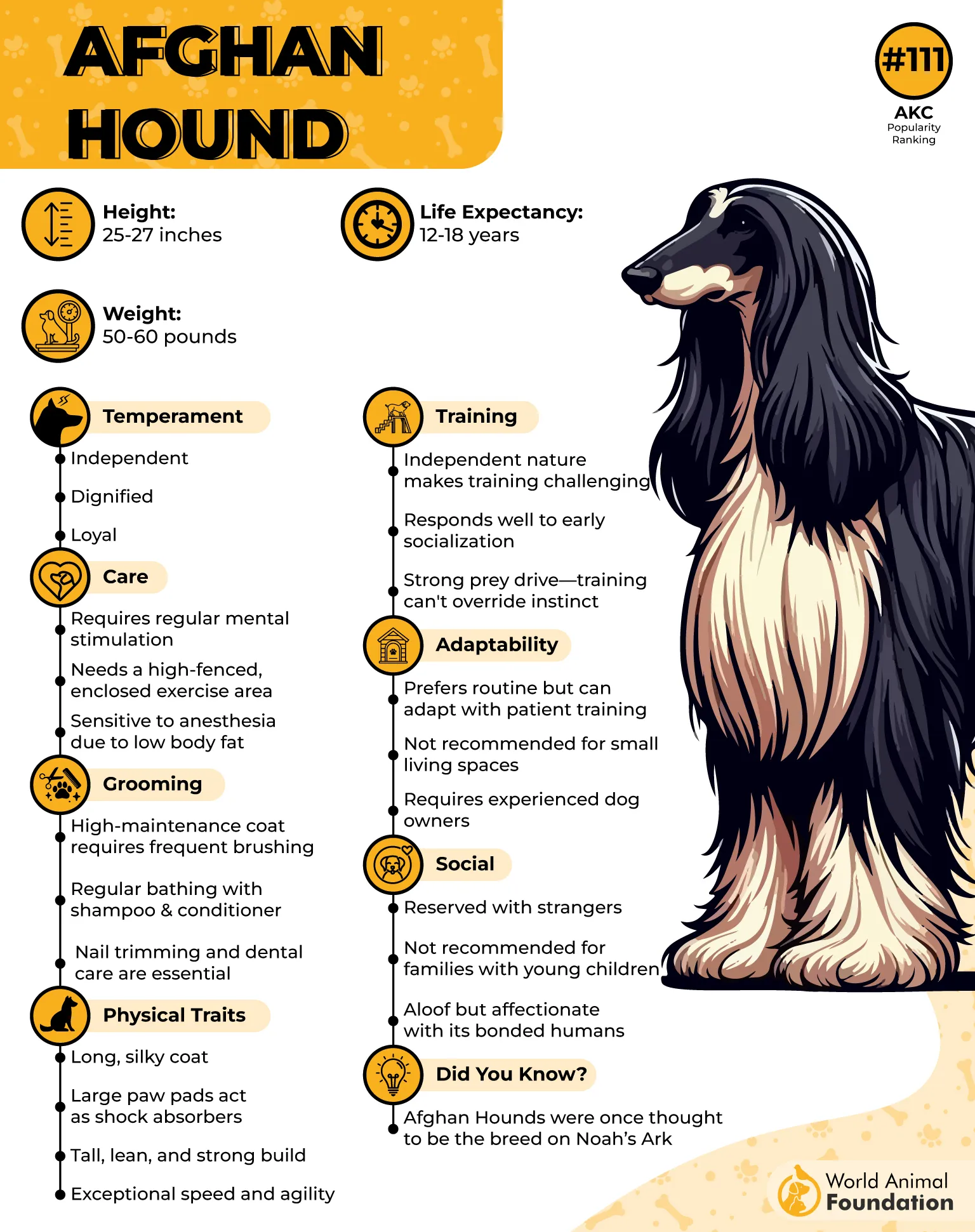
They are comfortable spending time alone as long as their physical and environmental needs are met. They don’t constantly seek reassurance or attention like highly social breeds.
However, these hound dogs can be stubborn and selective about obedience, which is part of their independent charm. They do things on their terms, not yours.
Breed experts often describe them as “royal but detached,” with a personality that prioritizes autonomy over approval.
Conclusion
Independent dog breeds are not distant or emotionally unavailable—they’re just wired differently. Their history as hunters, guardians, and working dogs shaped them into animals that don’t require constant human validation to feel secure.
For busy owners, these breeds can be a great match because they balance companionship with personal space. The key is understanding that independence still needs structure, exercise, and mental stimulation.
Boston Terriers, Miniature Schnauzers, and French Bulldogs are other dogs that tend to be okay when left alone!
When that balance is right, you get a dog that respects your time, enjoys your presence, and doesn’t fall apart every time you leave the house.
