




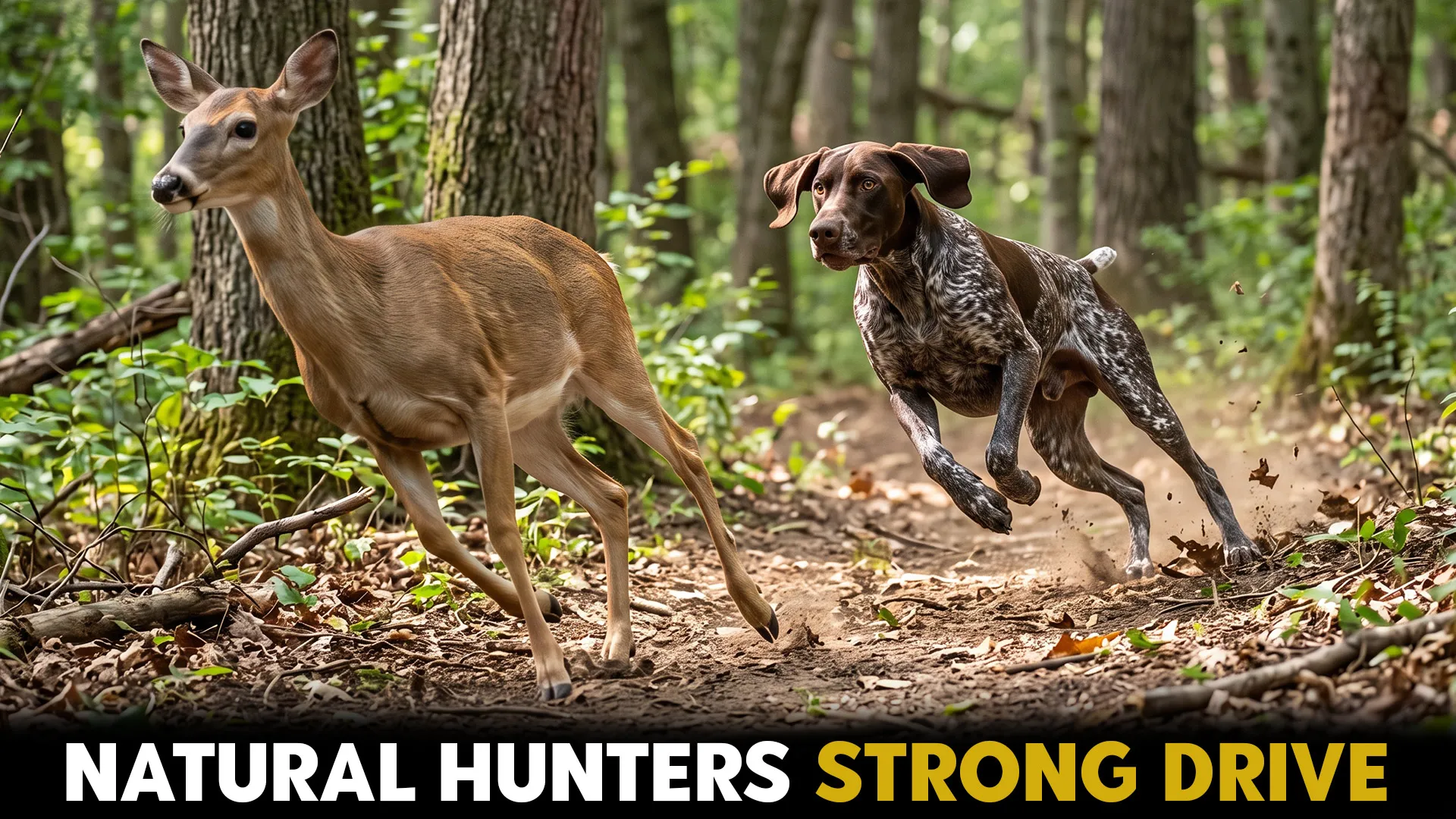
Some breeds get excited as soon as they see a squirrel or a big animal like a wolf or a wild boar. This is not because they have found a friend, but now it is time to show off their strength and make the master happy by catching and taking these predators like a trophy. A strong hunting drive is engraved in the minds of these breeds.
Not only are these breeds wild and ferocious, but there is also another side of the coin as well. They carry a soft heart that beats for the people they love. Stay committed to an active routine, and they will thrive with your hobbies and will make your working life easier.
While being wild outdoors, it loves to stay on the couch and play with family members indoors. Let us dive into the details and find the perfect match for you.
Incredible Dog Breeds With Natural Hunting Instincts
1. Labrador Retriever
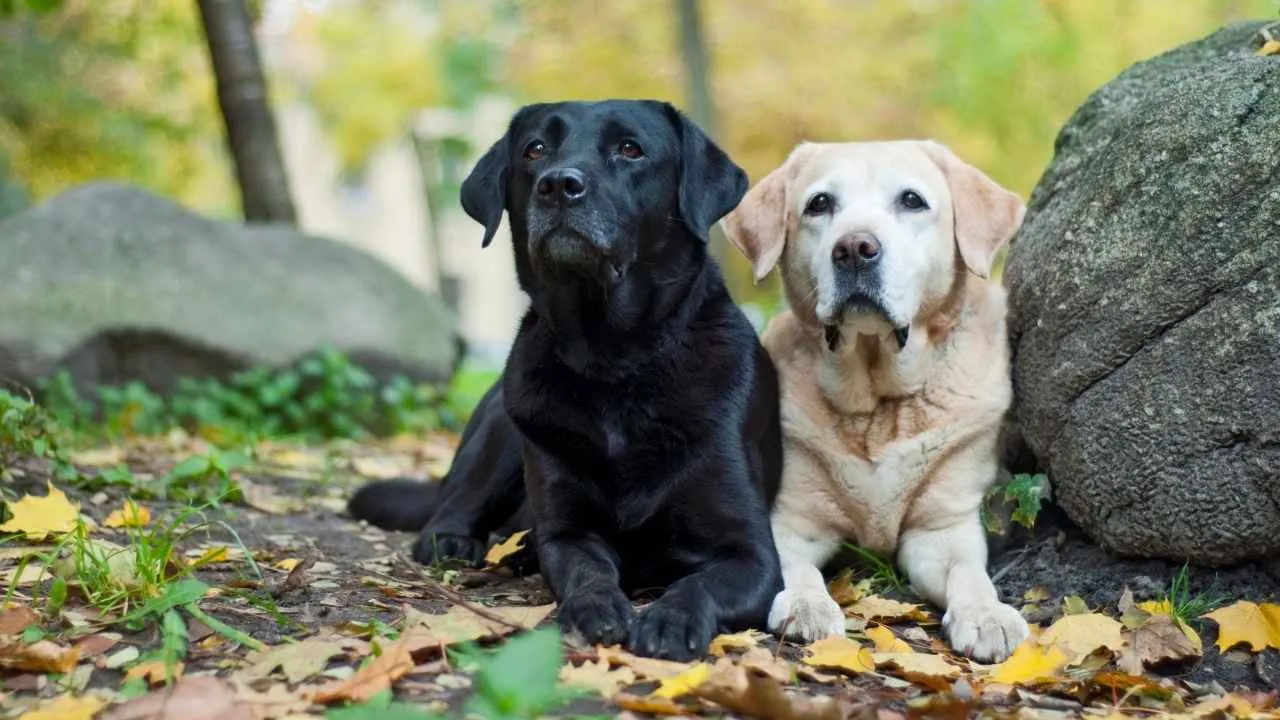
The ancestors of the modern Labrador Retrievers were found in Newfoundland in the 19th century and were called St. John’s water dogs. They were originally used for fishing boats. The English nobility brought this dog for retrieving and used it as a gun dog. The dog was then selectively bred to be the dog we know today.
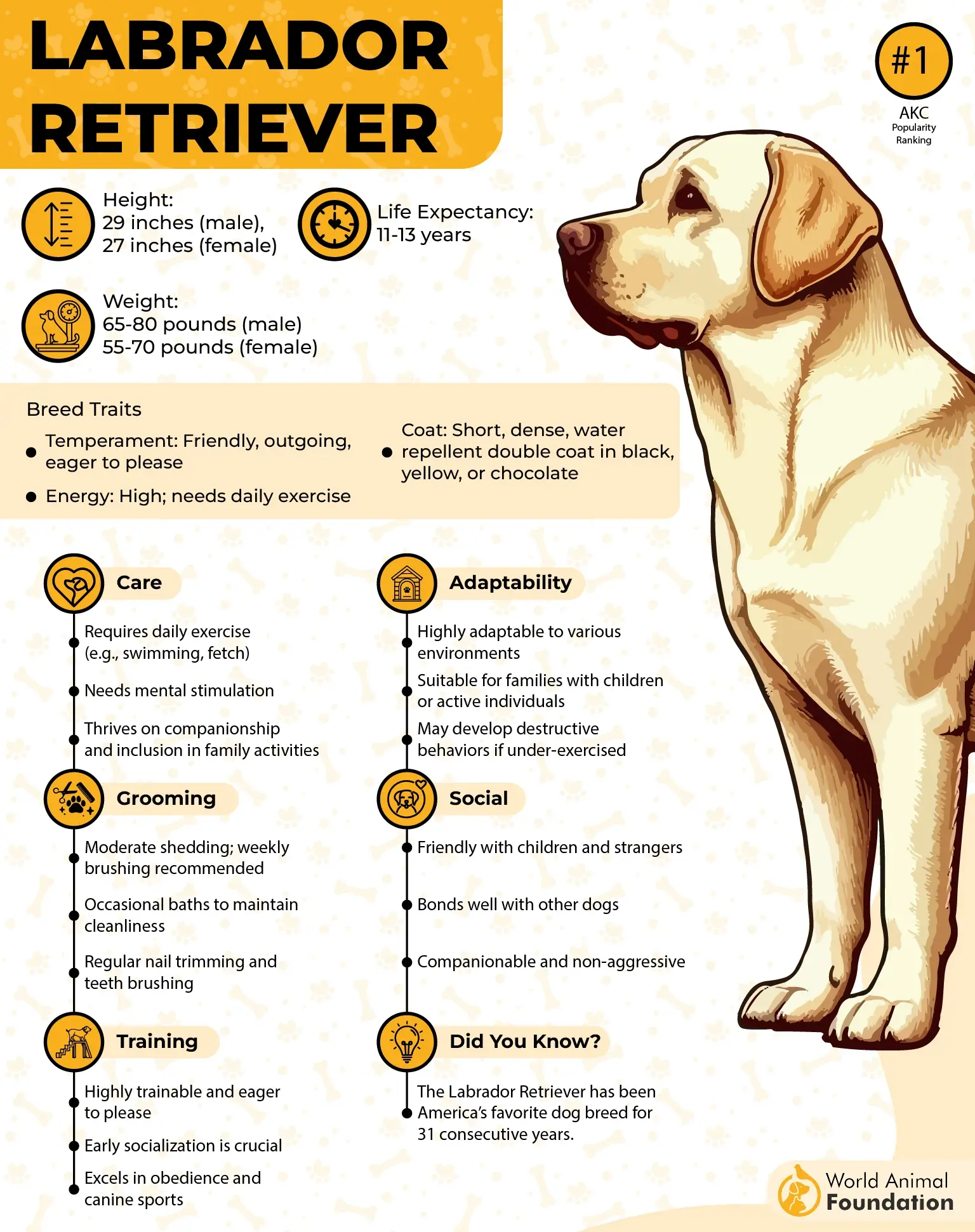
The medium-sized dog has webbed feet that provide exceptional propulsion against strong water currents. It is widely used for waterfowl hunting and has an ‘otter tail’ that acts as a rudder and maintains balance. The breed is highly trainable because of strong intelligence and is used in hunting, search and rescue, therapy, and assistance work.
The strong hindquarters (the “drive”) give it the explosive power needed to burst into top speeds and leap out of water quickly. The well-developed nasal cavity helps it smell well in both water and on land. The ‘soft mouth’ enables it to retrieve upland birds without physically damaging them.
2. German Shorthaired Pointer
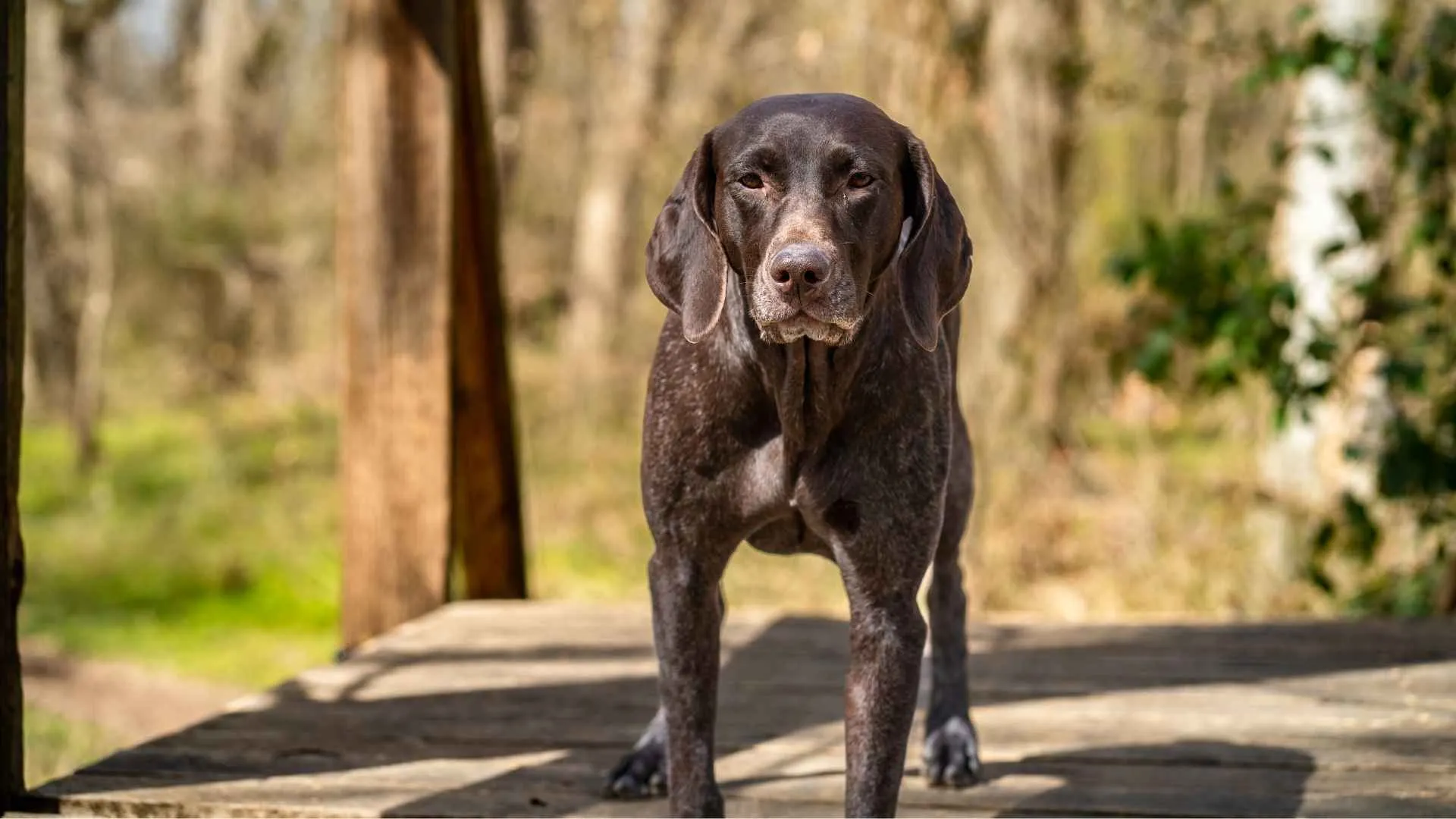
Also known as the ‘bird dog,’ the GSP is used for hunting by pointing, signaling, and catching the prey. It points the location of the prey with its nose and waits for the signal from the handler to flush the animals. It makes a great family dog and is always ready for an outdoor activity, as per PetMD.
The dog is also known as the ‘Swiss Army Knife’ because of its strong hunting instincts. It has a symmetrical body that increases speed and agility. The chest is extended down to the elbow joint to give it power without detracting from flexibility. The longer muzzle allows it to grab game and carry it for extended periods of time.
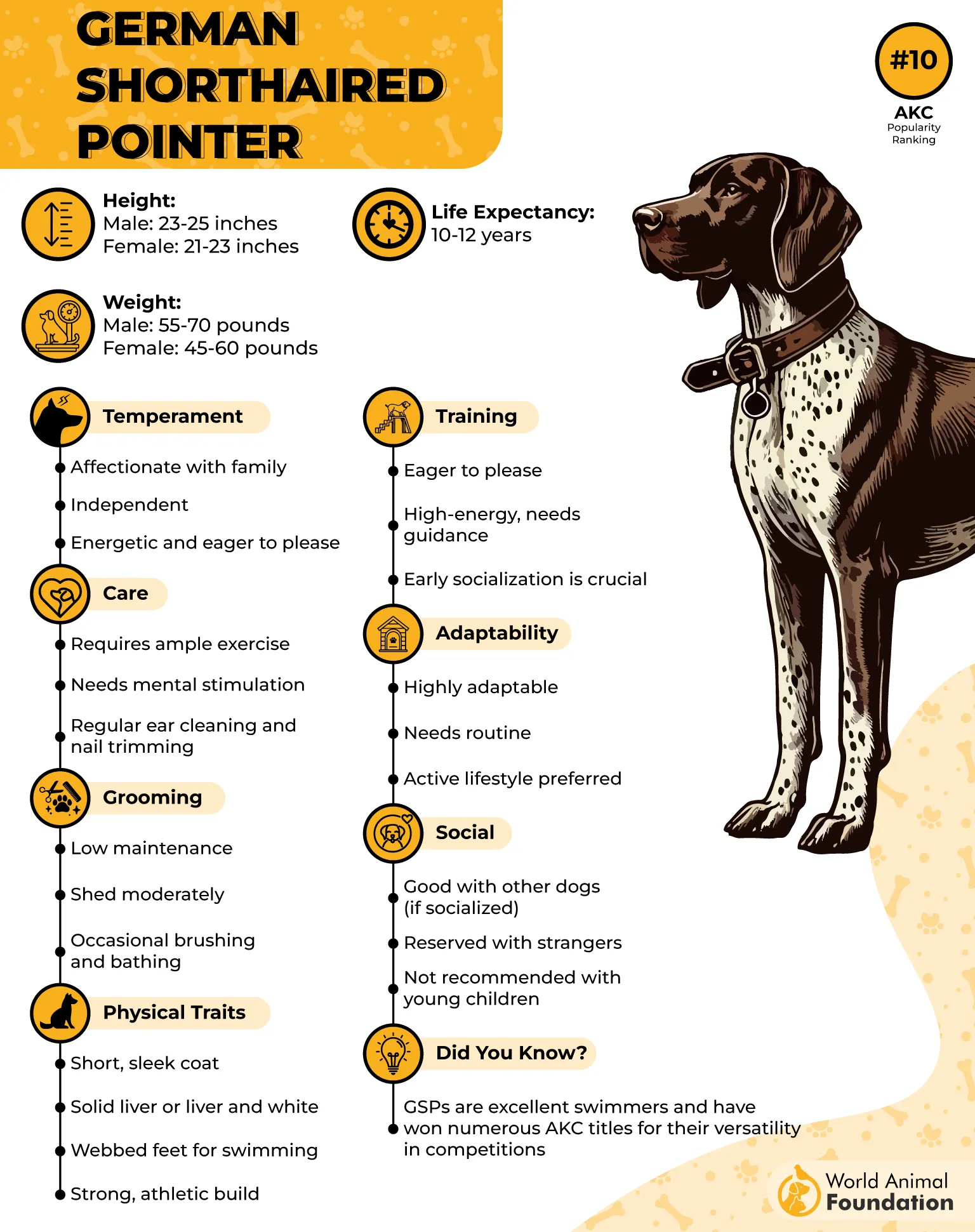
The short, dense, and taut coat is water-resistant and protects its skin from harsh weather and thorny bushes. The breed needs 1.5-2 hours of regular exercise and mental stimulation: daily walk, cycling, jogging, fetching, scent work, and dock diving.
3. English Springer Spaniel
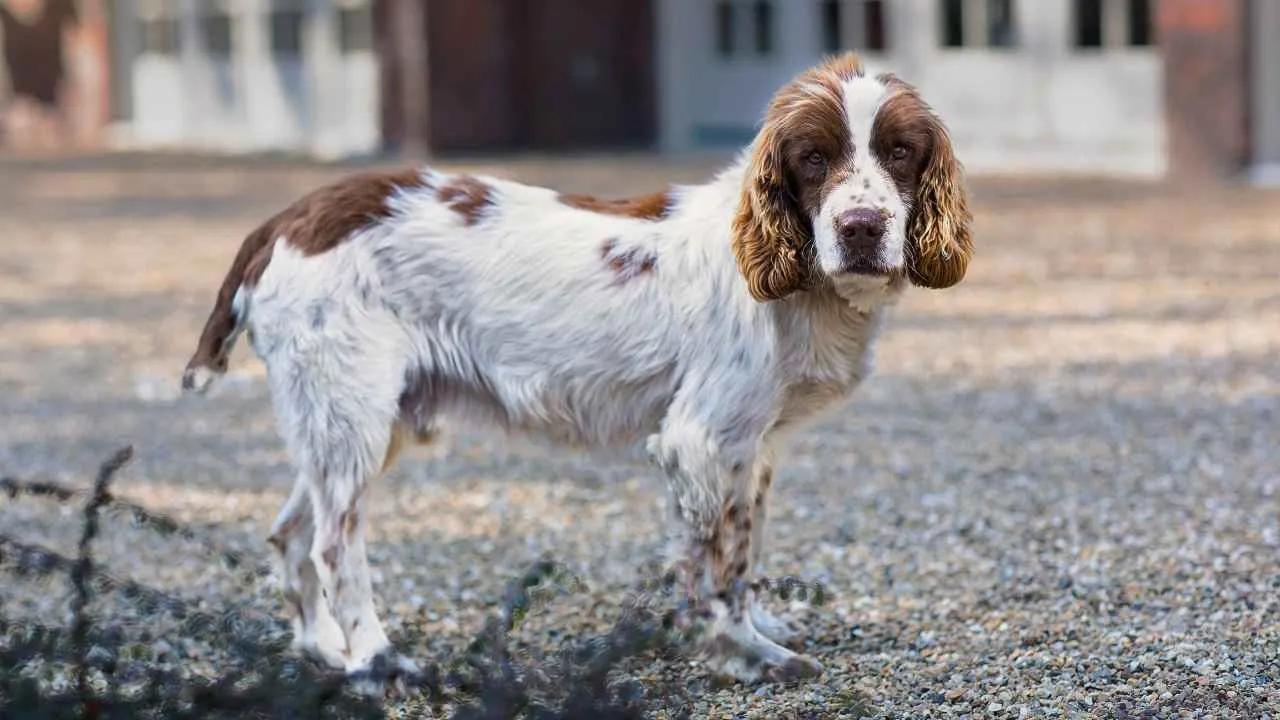
All Spaniel dogs are named after Spain, as it was considered the origin country. They all have a resemblance to the Springer, which was depicted in the artwork in the 16th century. Springer Spaniels are the larger breed, while the Cocker is the smaller dog, as per Orvis.
It has a low center of gravity and high power-to-weight ratio, giving it the explosive strength to “spring” forward and flush out hidden game. The breed is skilled at ‘springing’ game; it would flush its prey out into the air. Typically, this would be scouting through grass and bracken to find birds and startle them out, and then the hunter shoots at the prey.
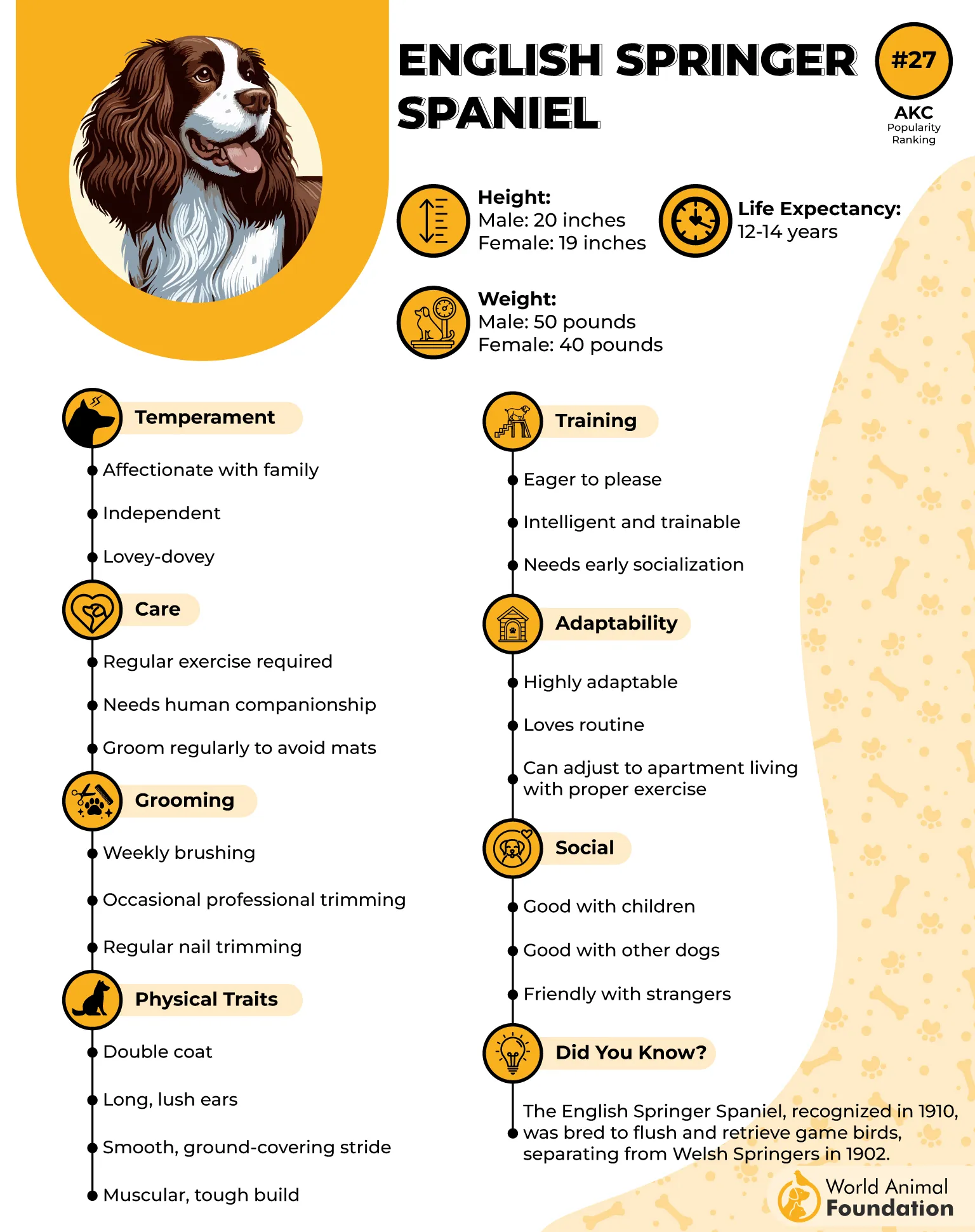
The well-angulated hind legs act as a spring, providing enough propulsion to jump over obstacles. It can continuously hunt for 8 hours. The energetic breed needs daily vigorous exercise for 1-5-2 hours: 2-3 walks, agility sports, scent work, and nose work.
4. Weimaraner
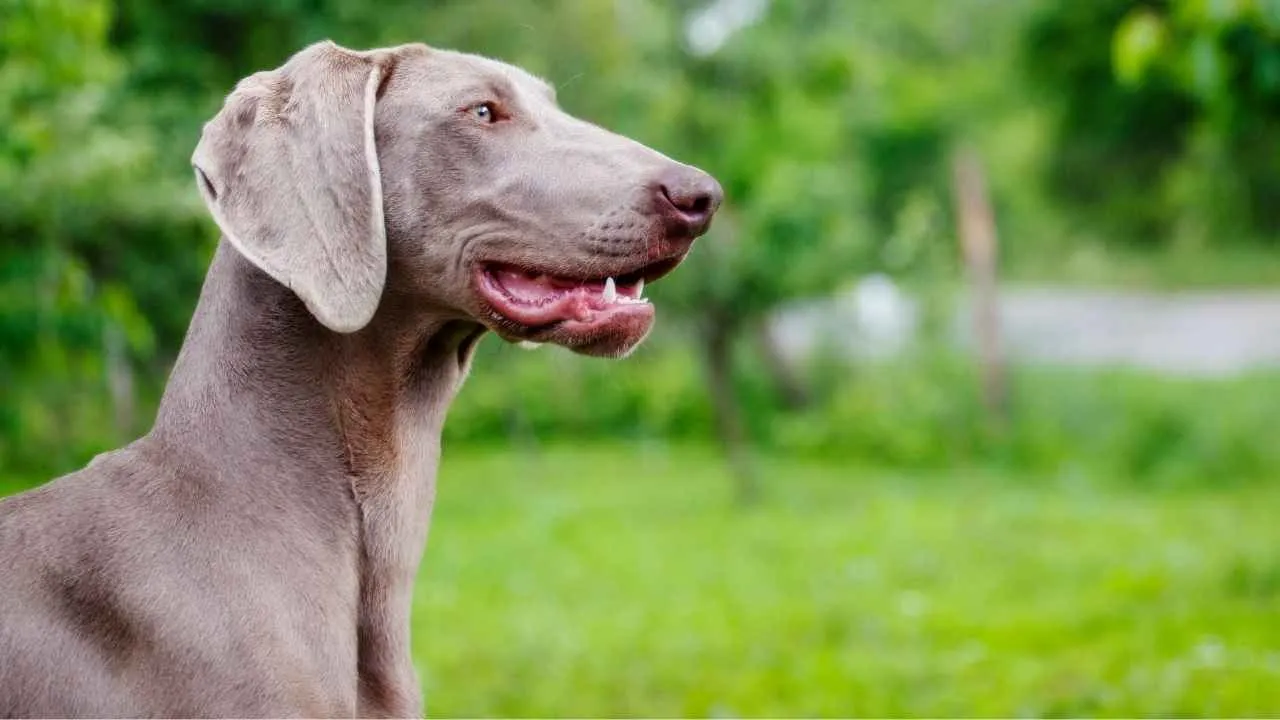
Originally bred as a gun dog and a companion for nobility, the Weimaraner was named after the Grand Duke of Weimar who developed this breed. It was first called the ‘Weimar Pointer’ in the 19th century; however, traces of a similar dog have been found in the 13th-century ruins. The breed is considered to be a cross of the Bloodhound and the German Shorthaired Pointer.
Also known as the ‘Gray Ghost,’ the breed is built for raw stamina, explosive speed, and versatile tracking. The hardy dog has a body that is slightly longer than it is tall, enabling a powerful stride. The keen sense of smell and speed make it an excellent pointer and a retriever.
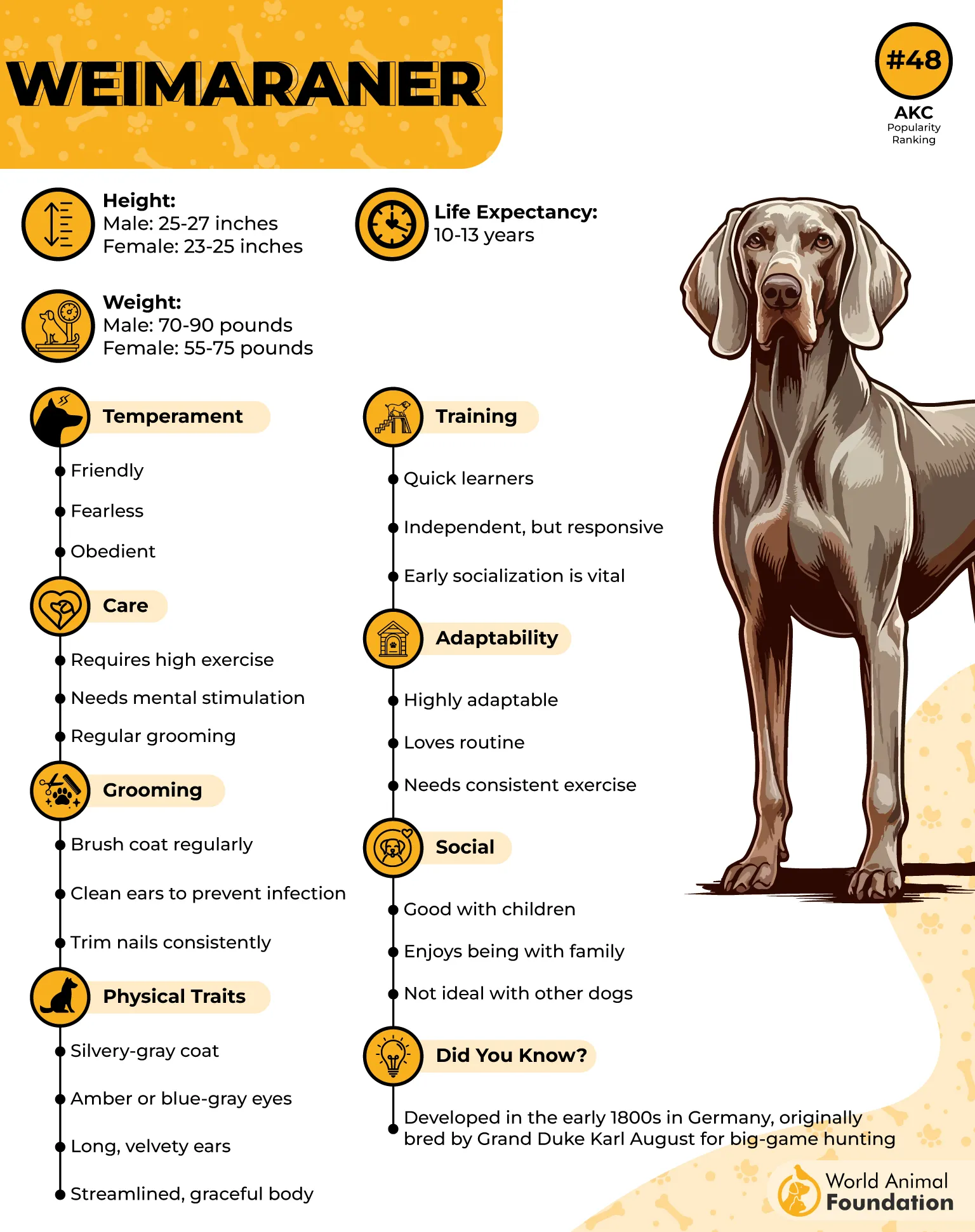
The breed makes strong bonds with the owner, making it a fiercely loyal companion. The silver-to-mouse-gray short coat acts as camouflage in late-fall and winter woodlands and protects it against abrasive damage.
5. Bluetick Coonhound
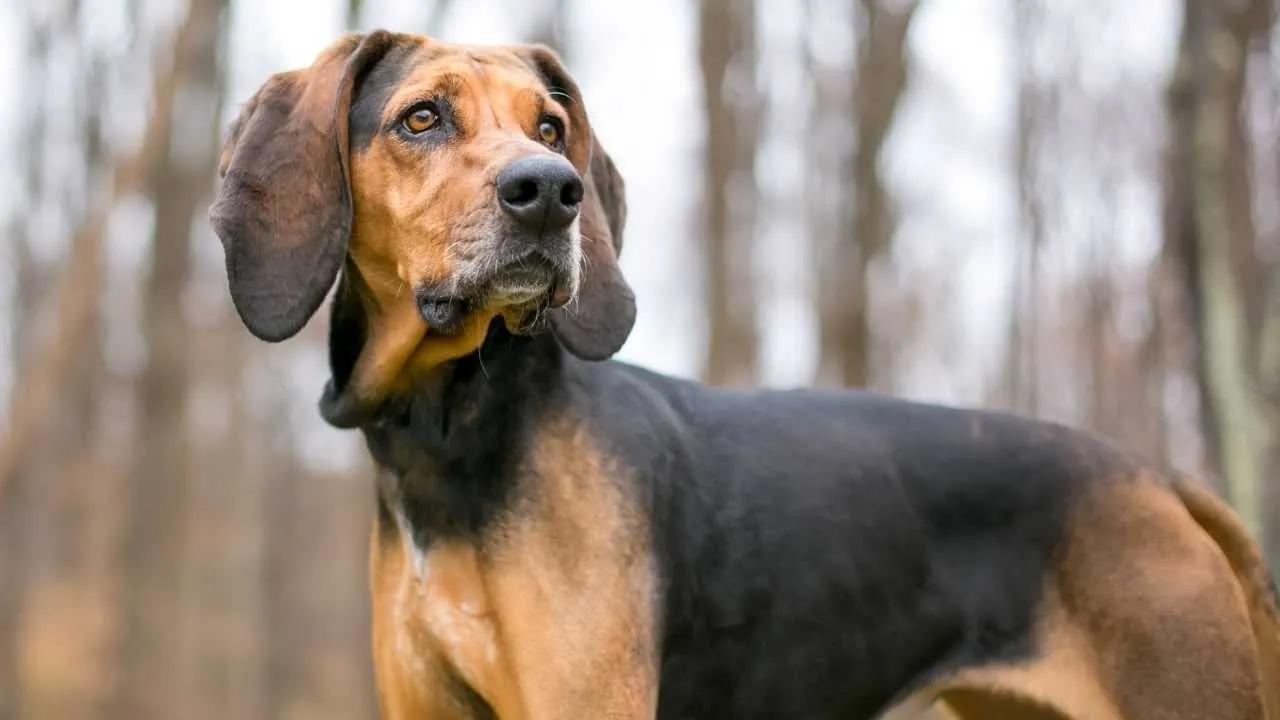
Developed in the United States, traces of this ancient hunting dog have been found prior to the foundation of the country. It is the descendant of the French Hound that was given to George Washington. The breed was recognized by the United Kennel Club in 1946.

The versatile dog has an exceptional sense of smell and is known for ‘cold trail,’ making it track down faint and old scents. It has moderately loose skin, especially at the neck and throat, which aids scent work and protects the breed from the dangerous bites of predators.
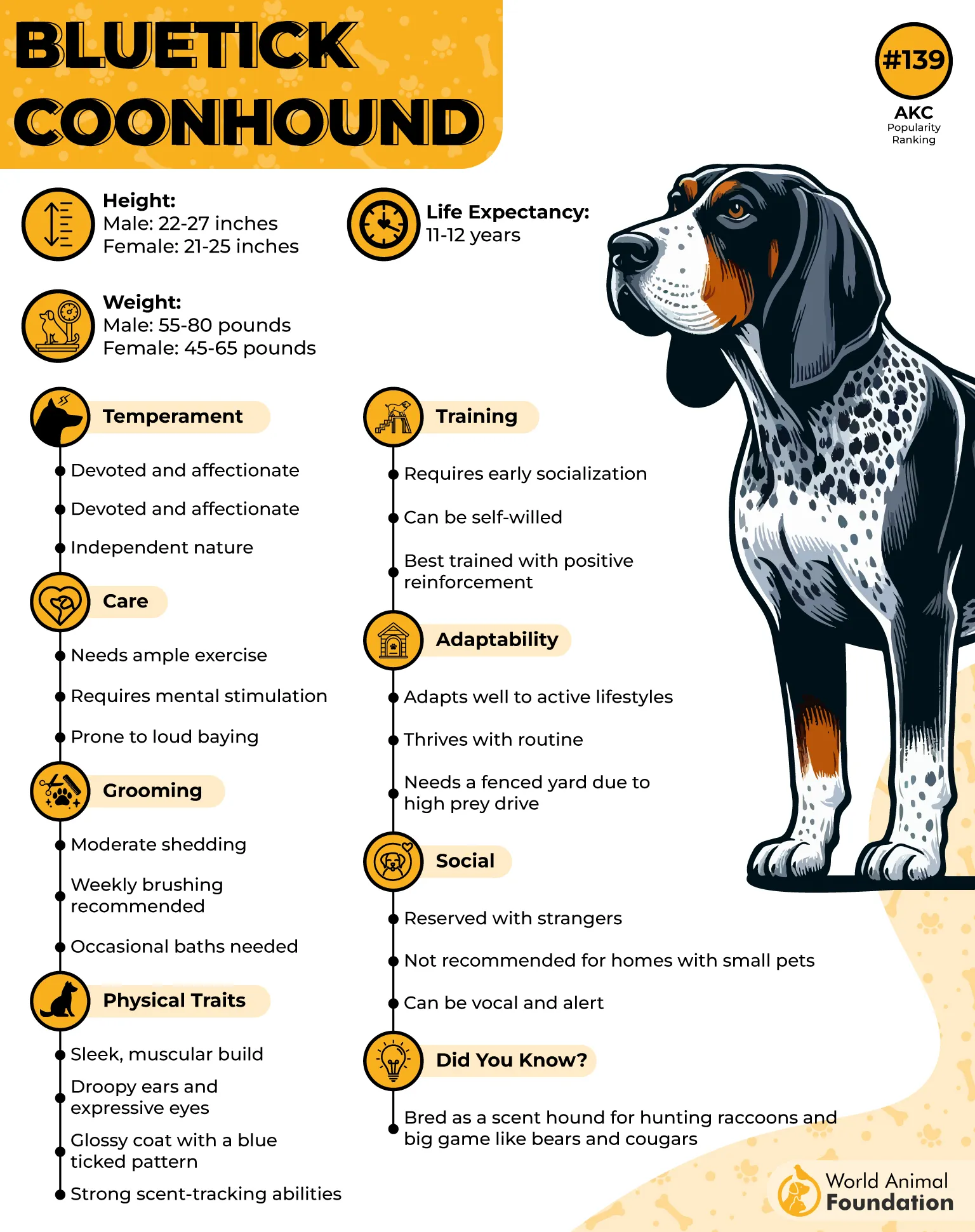
The loin is built for endurance tracking rather than sprinting. It has a loud and musical howl that helps pinpoint the dog’s location miles away. The hunting dog requires 60-90 minutes of daily exercise: brisk walks, jogging, hiking (twice a day), interactive play toys, and canine sports.
6. Vizsla
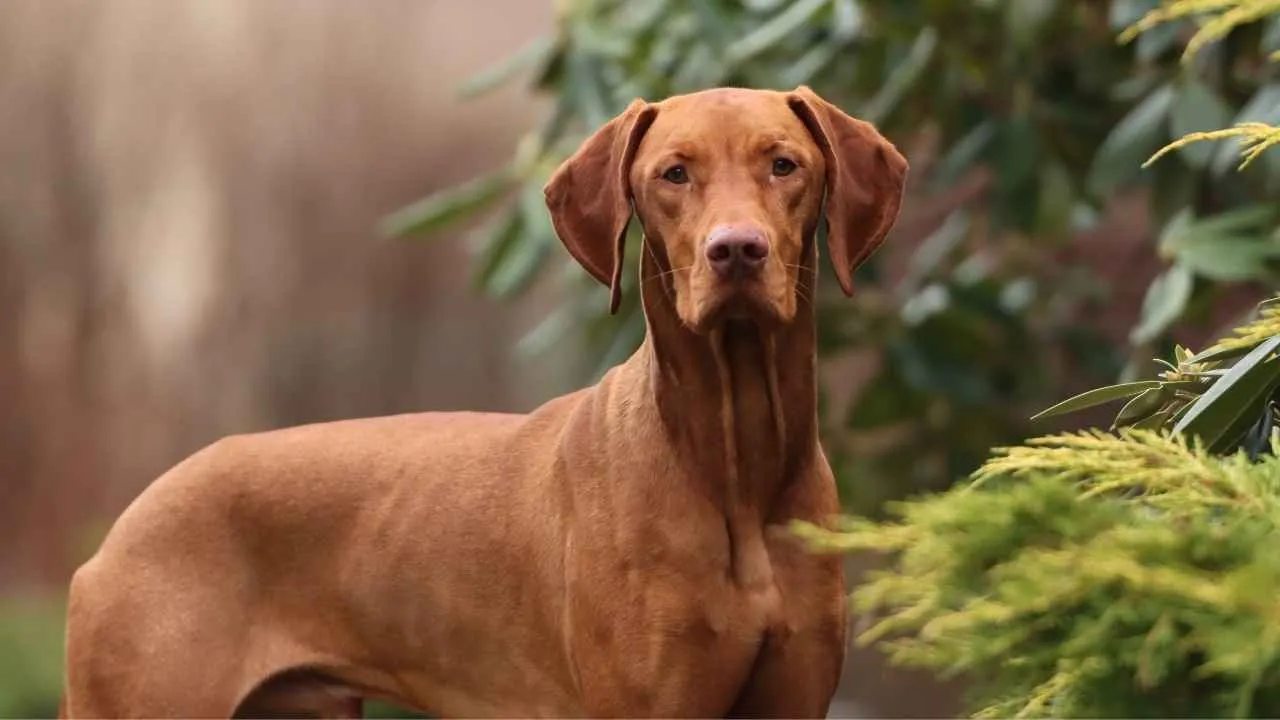
Originally bred in Hungary as a hunting companion, the Vizsla is a good house dog that actively excels in athletic activities. The Hungarian name literally translates to ‘pointer.’ It is not recommended for apartment living because of the high energy level and sporting build.
It is an exceptional hunt-point-retrieve (HPR) dog and runs at a speed of 40 mph. The friendly dog has a high prey drive and a powerful nose that lets it work for hours without tiring. After enough outdoor activities, it makes a great indoor companion.
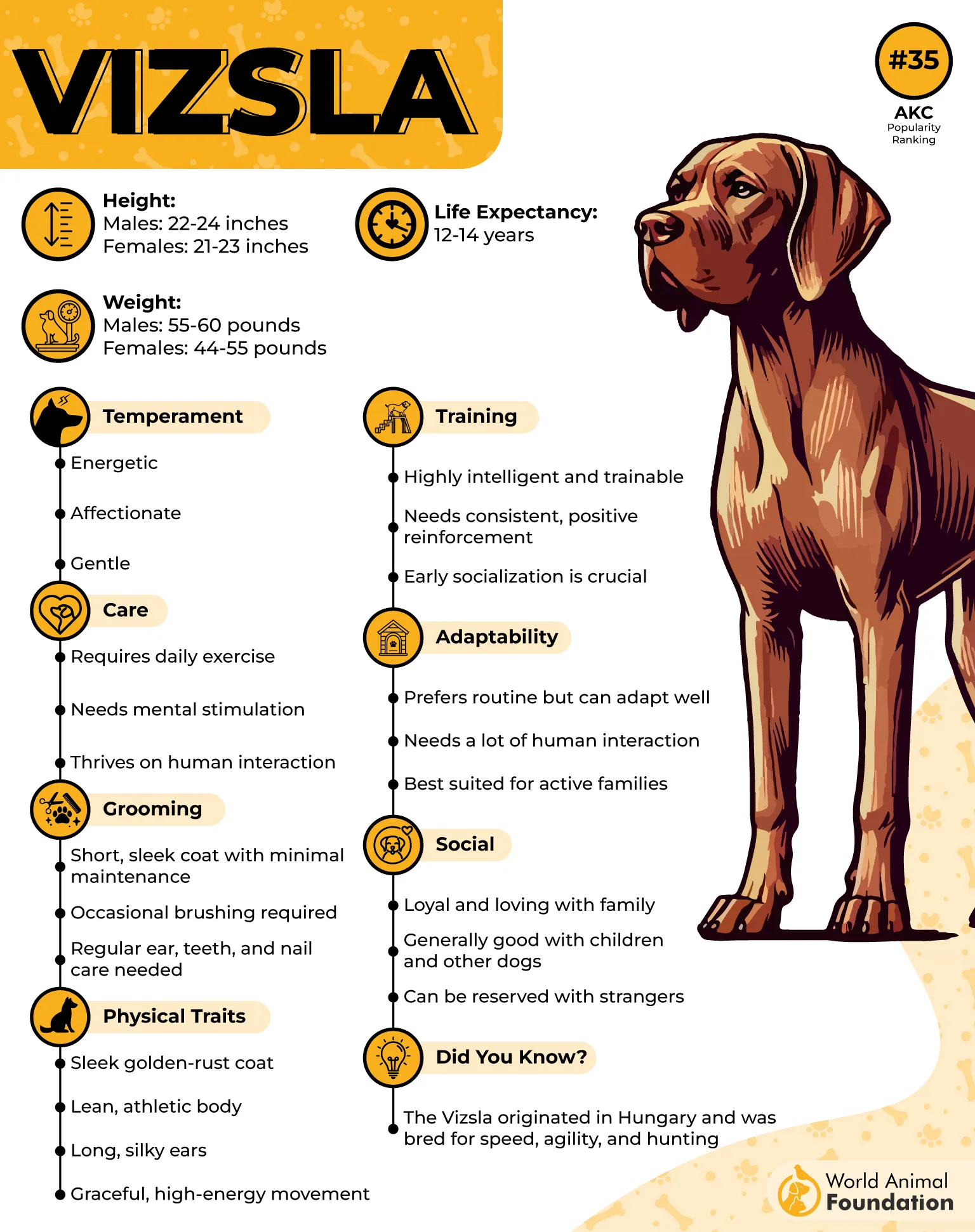
It is generally a healthy dog breed and lives up to 12-14 years. It requires a minimum of 1-2 hours of daily physical and mental stimulation: off-leash training, fetching, and brisk walks. Puppies under 18 months should not be exposed to high-impact exercise.
7. Treeing Walker Coonhound
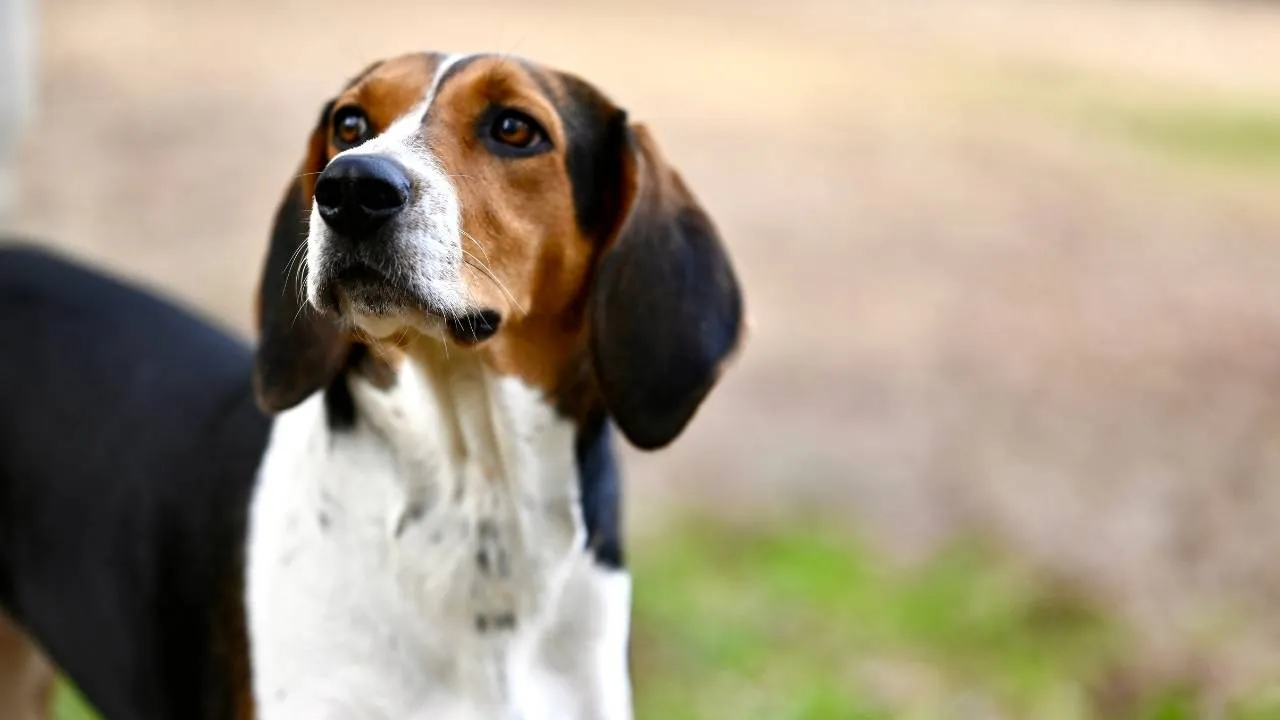
Descended from English Foxhounds brought to America by British colonialists, it was originally known as the English Coonhound. It was eventually named after Thomas Walker, who is credited with the modern development of the breed. The primary goal of the breed was raccoon hunting, as noted by the AKC.
The breed chases its game to the trees. Being a ‘hot-nosed’ dog, it is more likely to abandon older scents. It forces animals to climb up the tree and keeps on barking till the handler comes. It is a social dog that makes strong bonds with family members, children, and other pets.
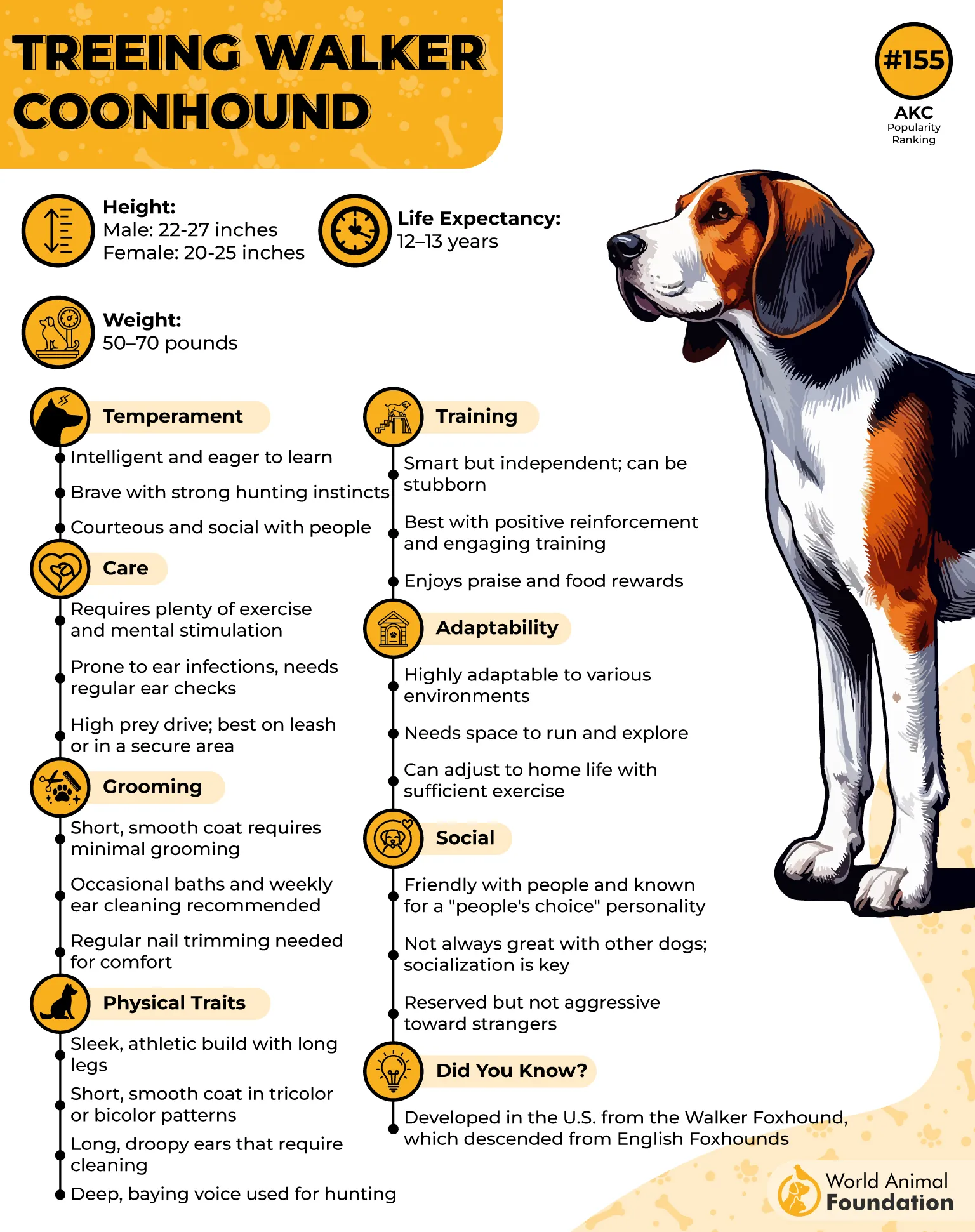
While muscular, it is not overly stocky, which keeps it agile enough to navigate rough terrain and leap over logs. It needs intense exercise for 60-90 minutes daily: hide-and-seek, scent lineups, puzzle toys, and dog sport.
Conclusion
Just like humans have different vibes and natures, there are different categories of dogs. Some are laid-back and thrive on lounging, some love limited physical activities and love to sit with their owners to watch their favorite Netflix show, while others are built for flushing birds, catching upland game, and retrieving downed birds. Just for the fun!
Each breed discussed in this article brings something magical to the table. Labrador loves to retrieve game, whether for hunting or rescuing, and the Coonhound tracks down and corners small game in the tree. Just do proper research and adopt a breed that suits your lifestyle.
