




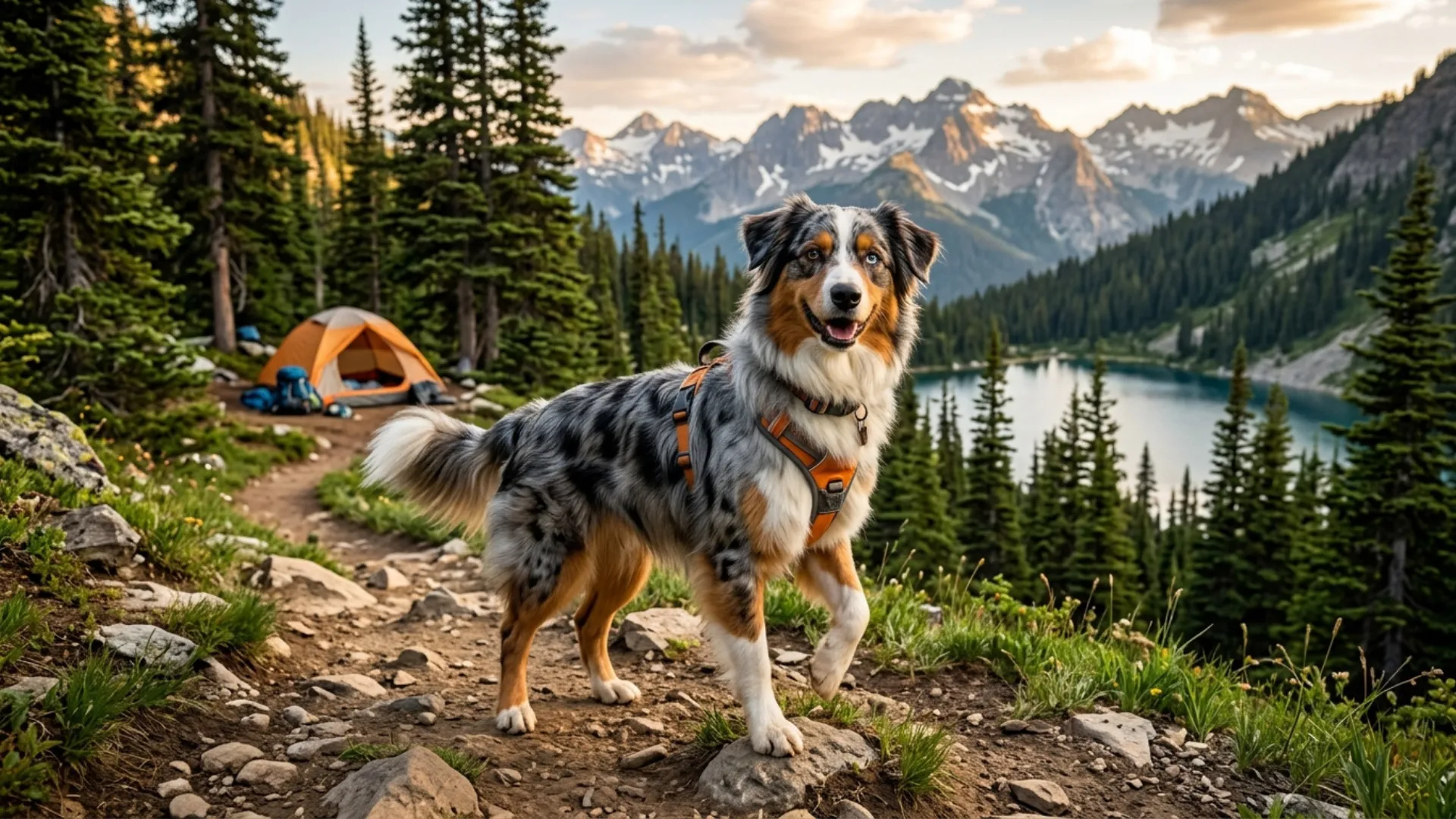
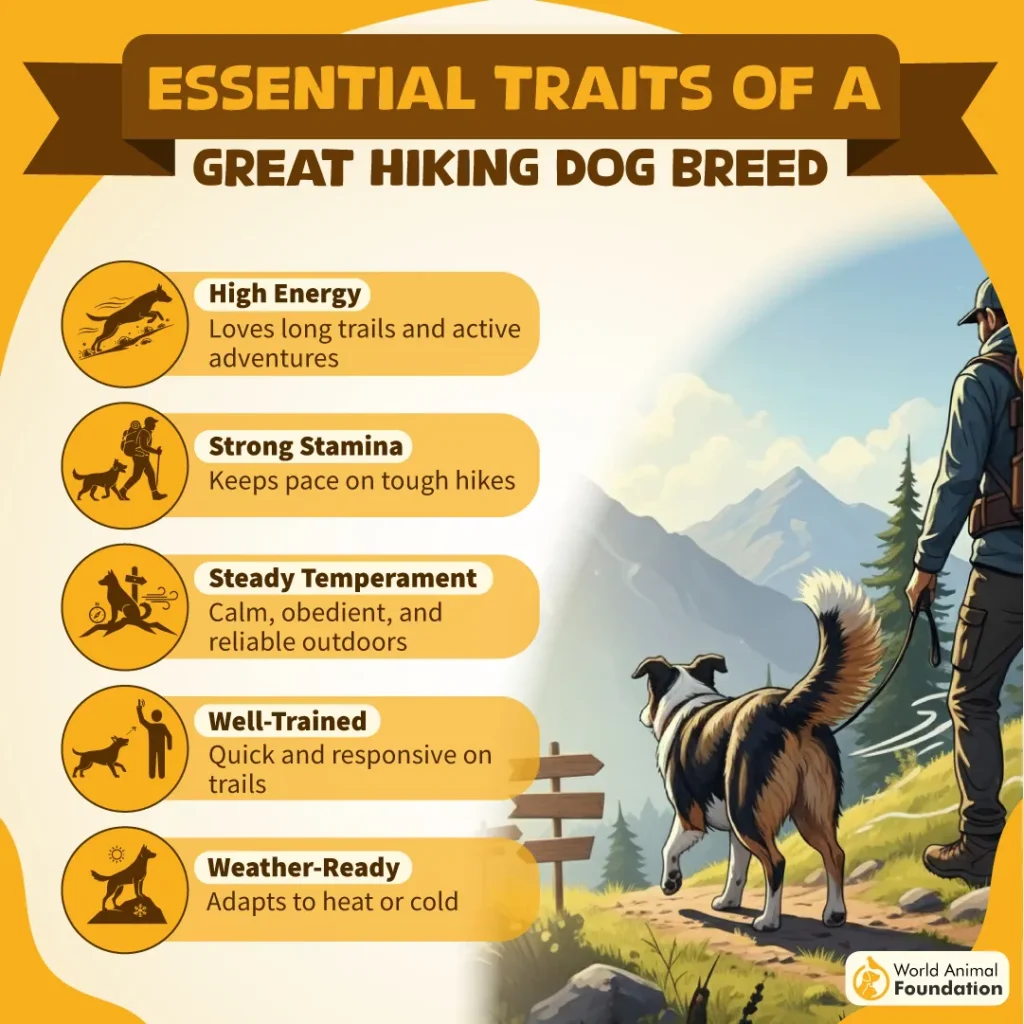
Some dogs are at their happiest out in the great outdoors. They thrive on physical activity, rather than lounging around on the couch all day.
It’s only after a full day of hiking, running, playing, and jumping that these dogs are finally ready to settle into your lap. In many ways, these breeds are shaped by generations of instincts their ancestors relied on for survival.
Plenty of dog owners joke that their four-legged companions are practically waiting by the door with the leash in their mouth.
In this guide, we’ll walk through dog breeds with the stamina, intelligence, and adventurous spirit to thrive outdoors, making every hike or adventure safer, more enjoyable, and a lot more fun.
Ideal Dog Breeds for Wilderness Adventures and Fun
1. Labrador Retriever
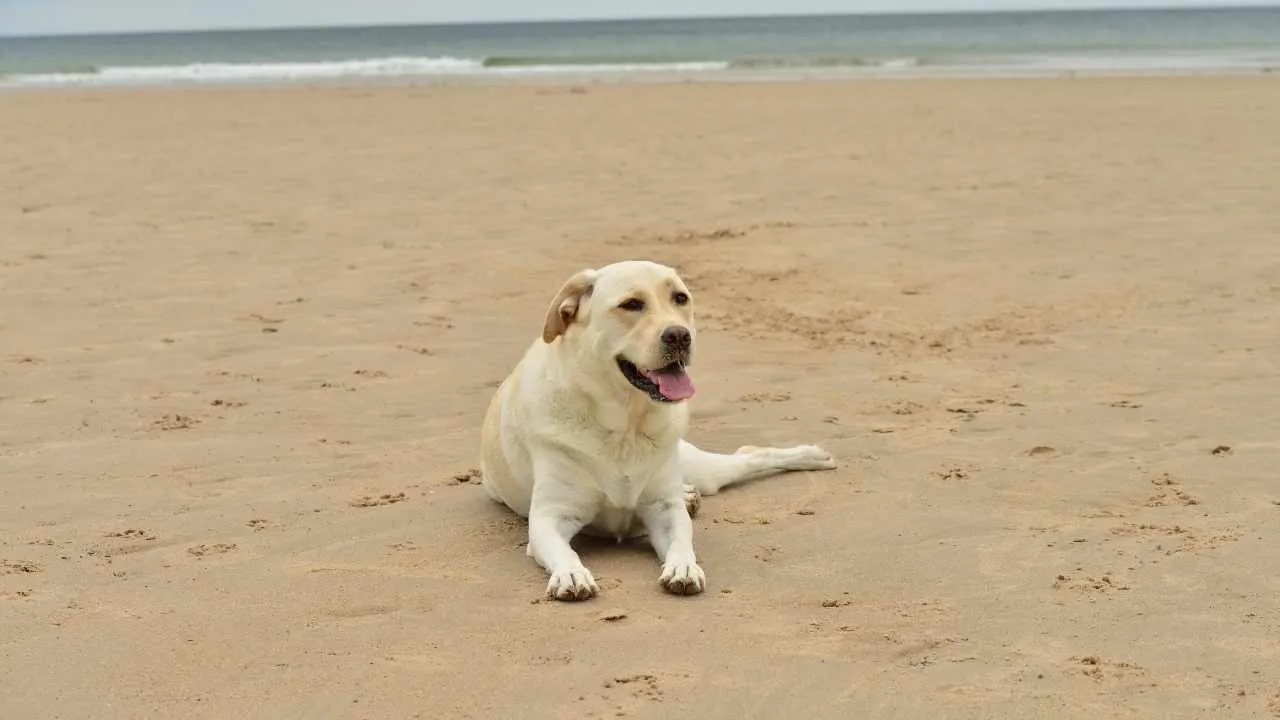
The predecessors of the modern Labrador originated in Newfoundland, Canada, where the breed was originally known as the St. John’s water dog and worked alongside fishermen on boats. British nobles later brought some of these dogs to England, where they were refined into gun dogs and eventually became the Labrador Retriever we know today, according to Petplan.
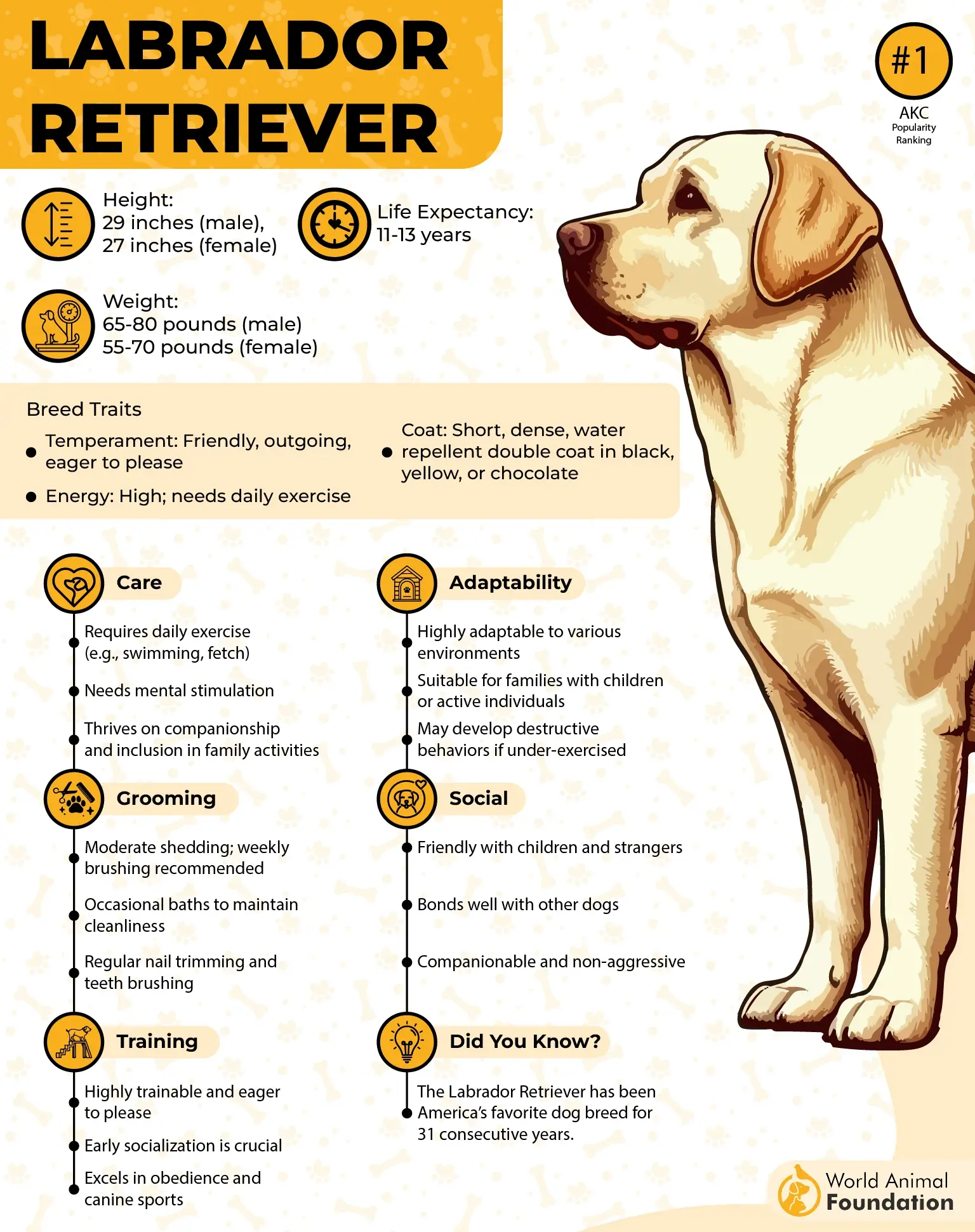
Thanks to their water-resistant double coat and webbed feet, Labs make excellent swimming companions. Their distinctive “otter tail” acts almost like a rudder, helping with balance and direction whether they’re swimming or navigating rough terrain. Their muscular legs also give them the power needed for running and clearing obstacles with ease.
The breed is known for having a “soft mouth,” allowing them to retrieve game without damaging it, and for the famous “Lab smile,” that happy, squinty-eyed grin paired with a wagging tail whenever they’re excited. Labs generally need about 60 to 90 minutes of daily exercise and mental stimulation to stay happy and balanced.
2. Siberian Husky
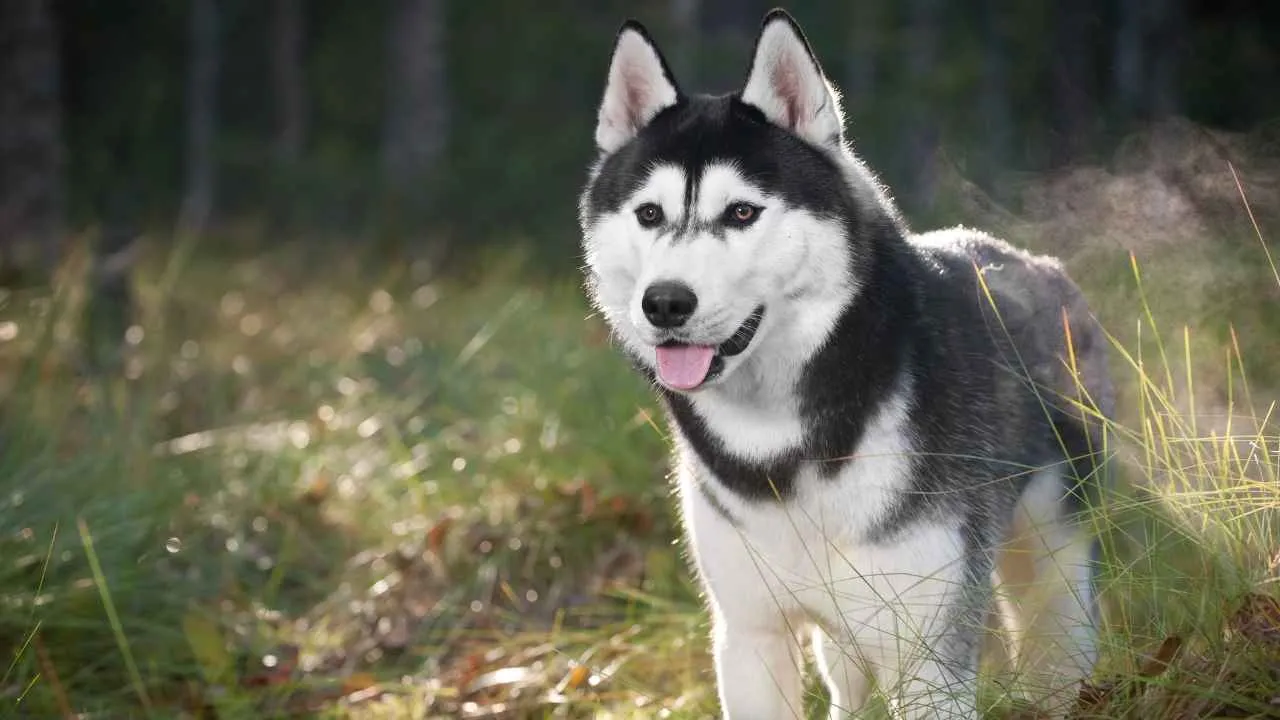
One of the oldest northern sled dog breeds, the Siberian Husky has been native to Siberia for roughly 3,000 years. Originally bred to pull heavy loads over long distances, huskies are a friendly, non-aggressive breed known for getting along well with family, children, and other pets.
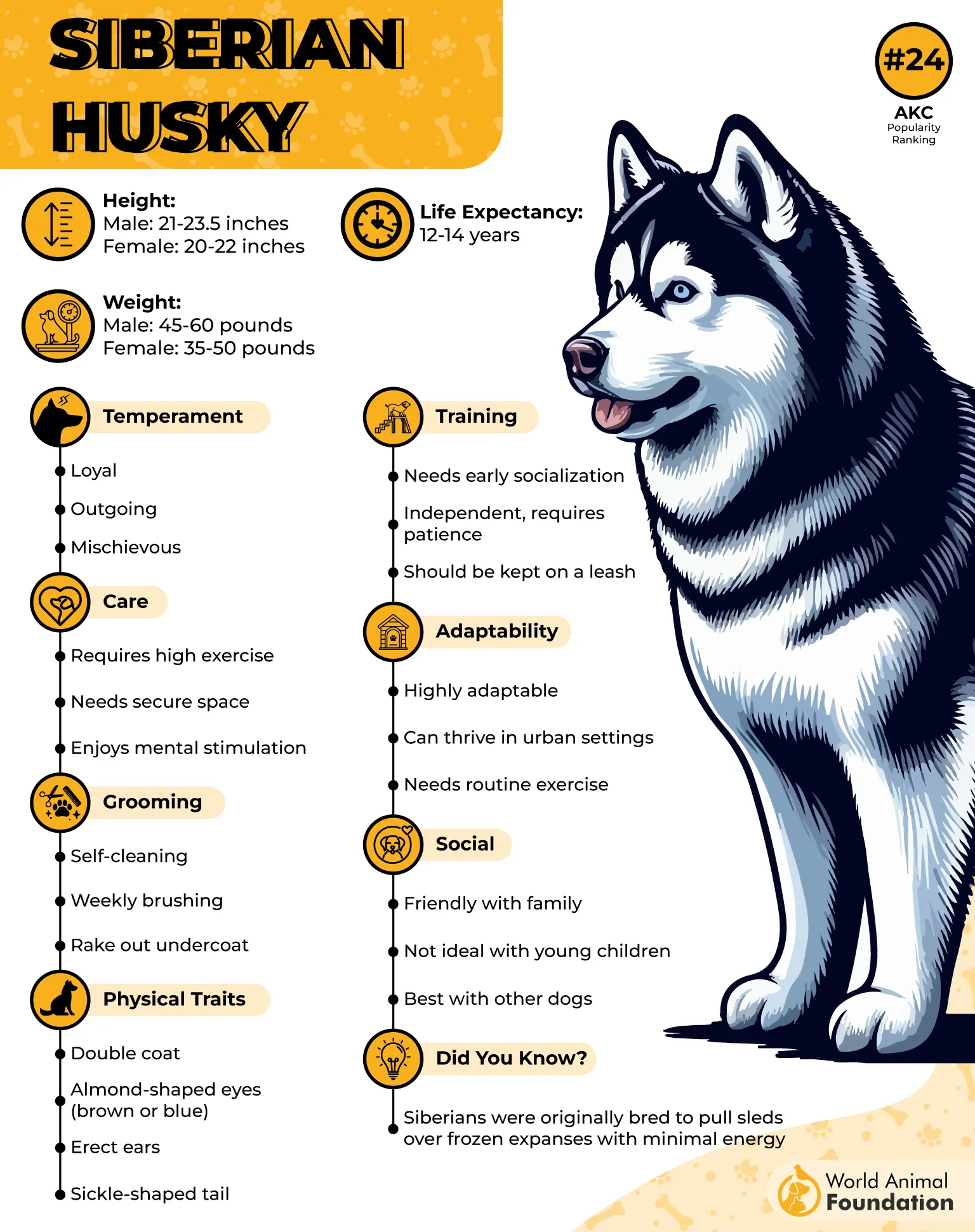
Huskies have a remarkable ability to burn fat almost exclusively for fuel, which helps stave off early muscle fatigue during long treks. Their tough, padded feet act almost like built-in snowshoes, while a specialized circulatory system helps warm cold blood before it reaches their core, protecting them from frostbite. They’re also known for their distinctive “woo-woo” vocalizations instead of typical barking.
As independent thinkers, huskies often prefer working things out on their own rather than waiting for constant direction, which can sometimes come across as stubbornness. This is a high-energy working breed built for an active lifestyle, typically needing 1 to 2 hours of daily exercise; think off-leash running, puzzle toys, and scent-based activities.
3. German Shorthaired Pointer
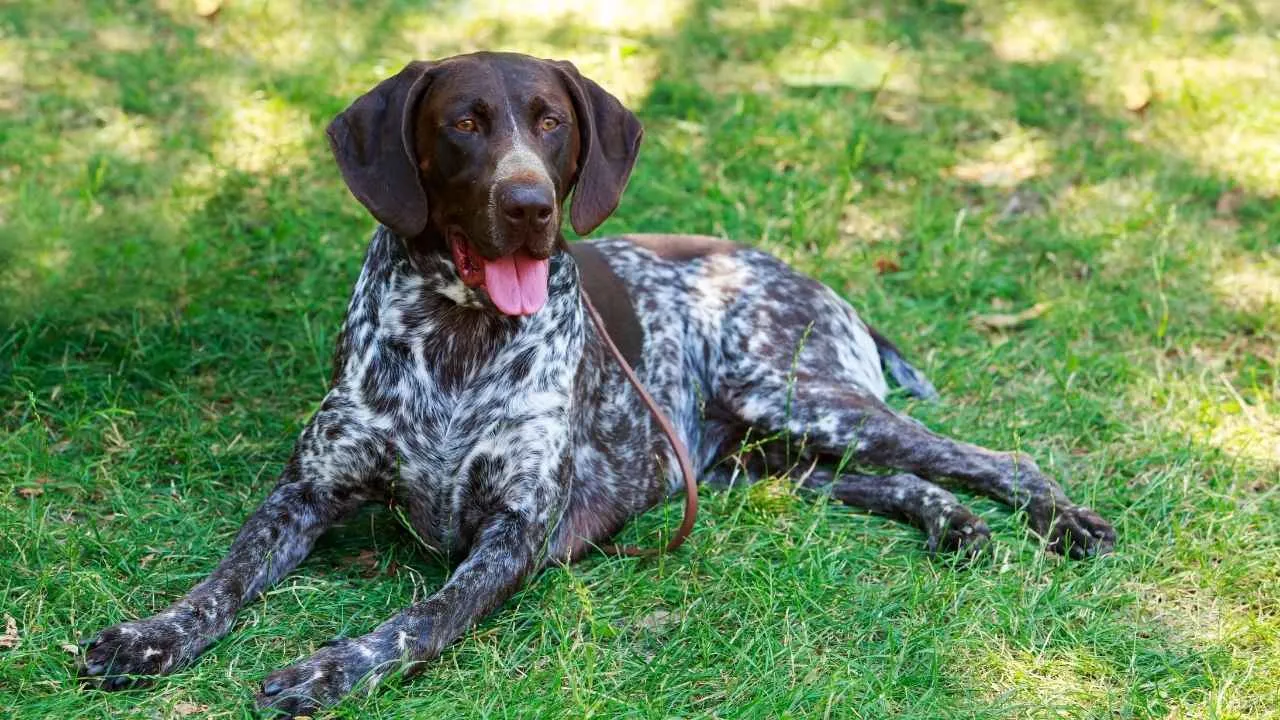
This versatile hunting breed traces back to the 19th century, though similar dogs are believed to have existed as early as the 17th century. The German Shorthaired Pointer was developed by crossing the Bloodhound with the Spanish Pointer, and it was largely refined into its more elegant modern form in England, according to Orvis.
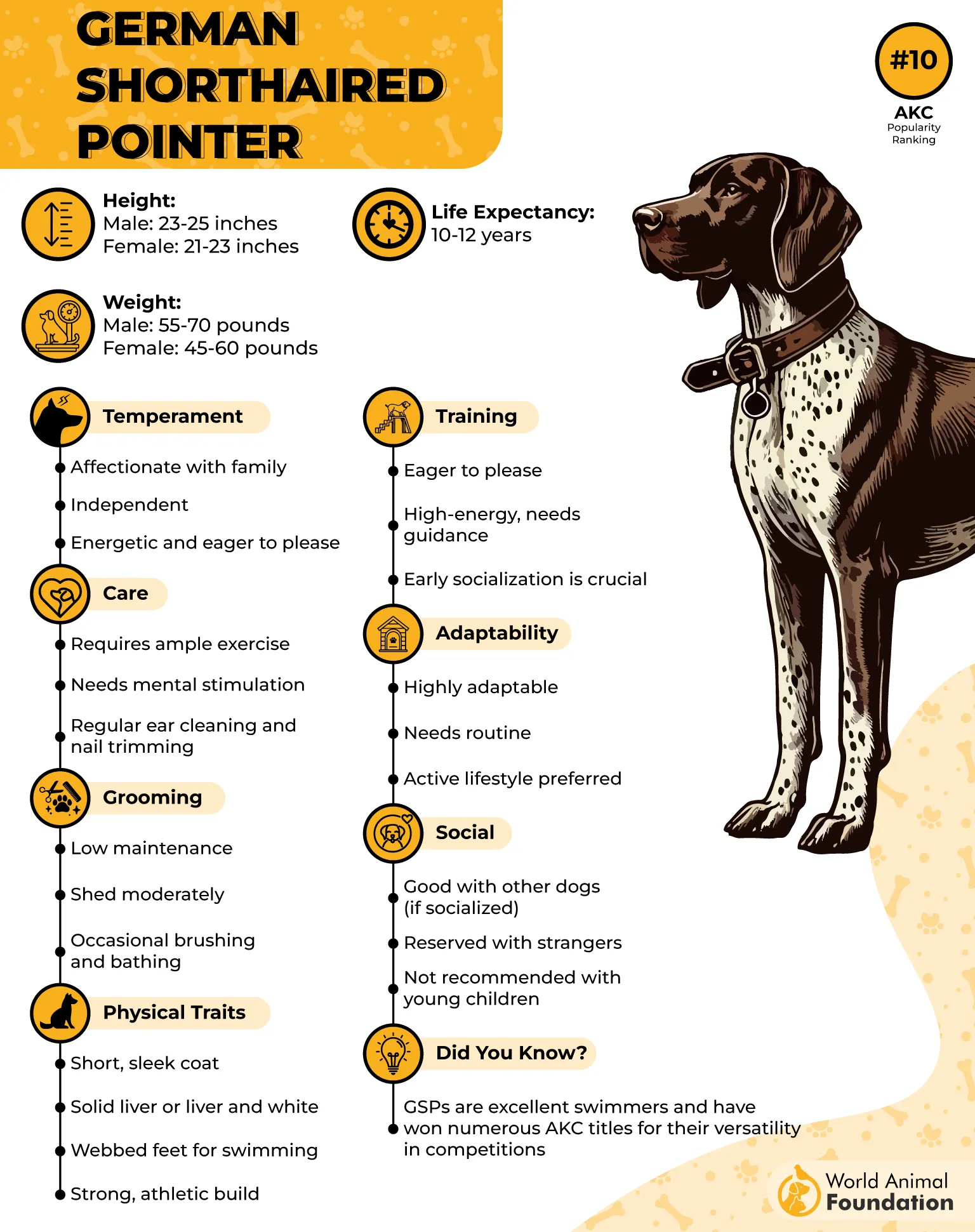
With over 220 million scent receptors, this breed has an exceptional sense of smell, giving it a natural talent for tracking game or navigating unfamiliar terrain. Sinewy muscles and powerful hind legs allow it to sprint up to 40 mph, and it’s famous for its classic point: freezing mid-stride, lifting one paw, and aiming its nose straight at the target.
GSPs are known for grumbling, groaning, and “talking” to their owners, whether they’re happy, bored, or just demanding dinner. They’re also notorious water lovers and thrive in swimming and water-based activities.
This is a highly energetic breed, needing about 1 to 2 hours of vigorous daily exercise, including fetching, swimming, hiking, running, puzzle toys, and scent work.
4. Border Collie
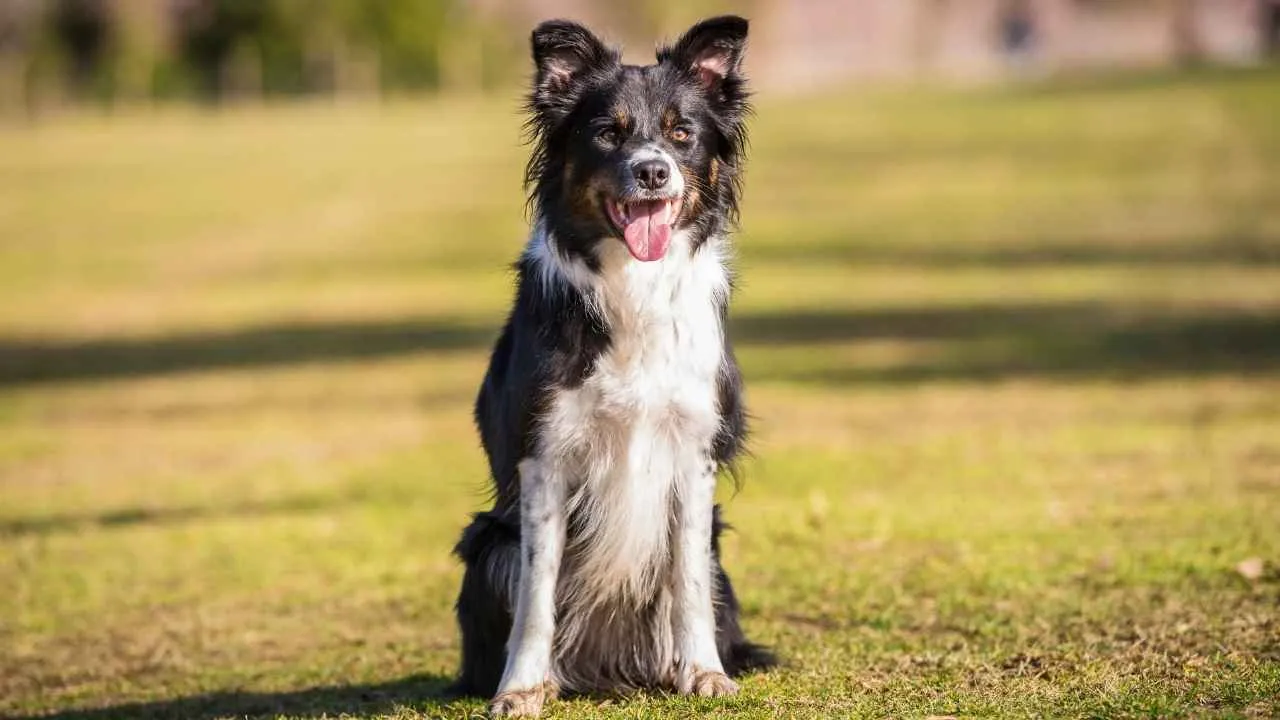
The Border Collie’s history traces back to Roman Britain, when the Romans brought their own livestock and herding dogs during the invasion. Even after the Romans left, these dogs remained in the region. Later, Viking raiders introduced their own spitz-type herding dogs, which crossed with the existing herding breeds already there, eventually giving rise to the Border Collie.
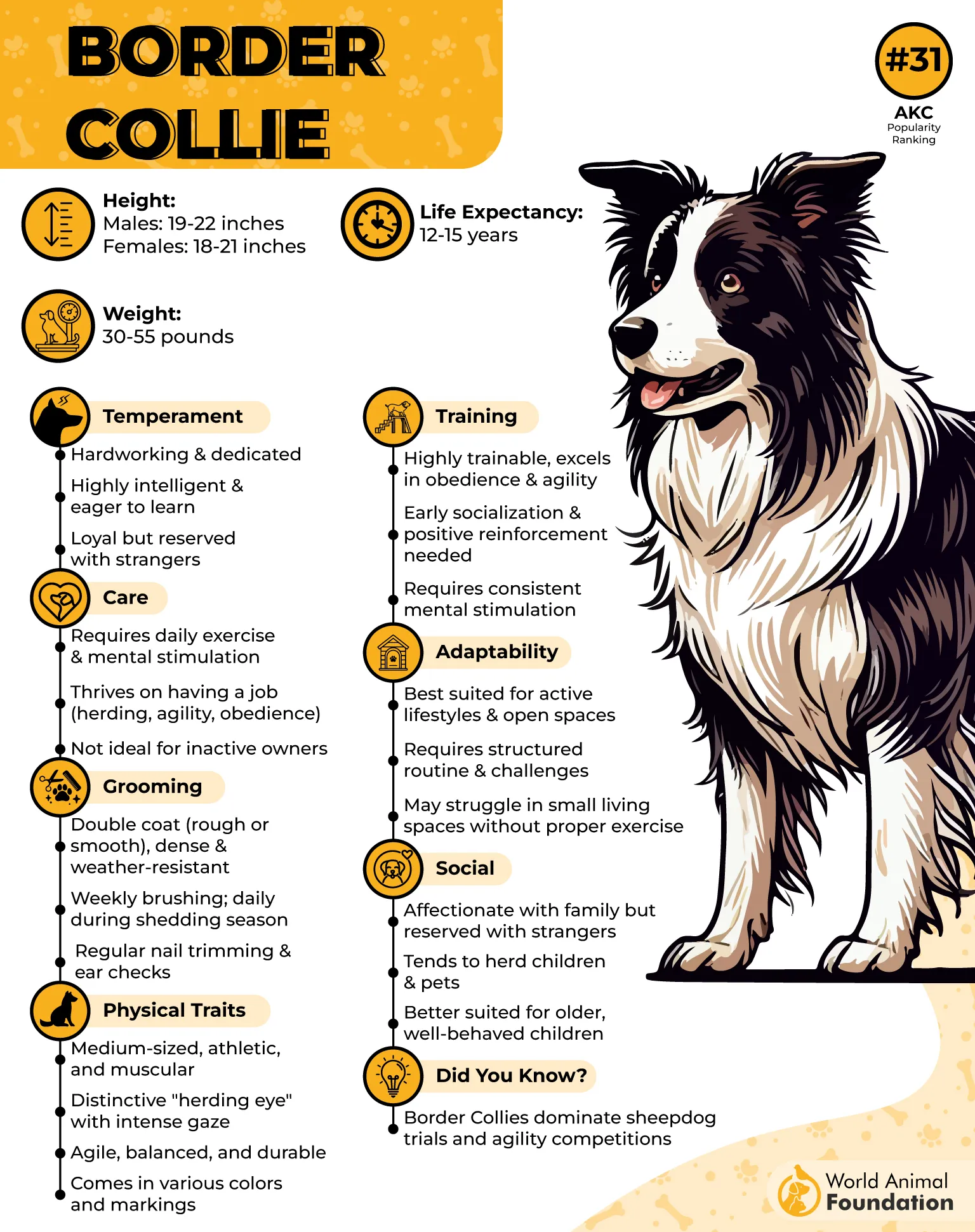
Powerful hindquarters give this breed explosive jumping ability, while its unique movement style, a low, efficient trot, lets it cover long distances without wasting energy. Thanks to generations of herding work, Border Collies also have an incredibly intense, focused gaze and concentration.
Widely considered the most intelligent dog breed, Border Collies don’t just play with toys; they treat games like fetch as a high-stakes team sport.
As natural Velcro dogs, they tend to stay close to their owners at all times. This breed needs serious daily exercise, around 1.5 to 3 hours, including running, fetching, and hiking.
5. Australian Shepherd
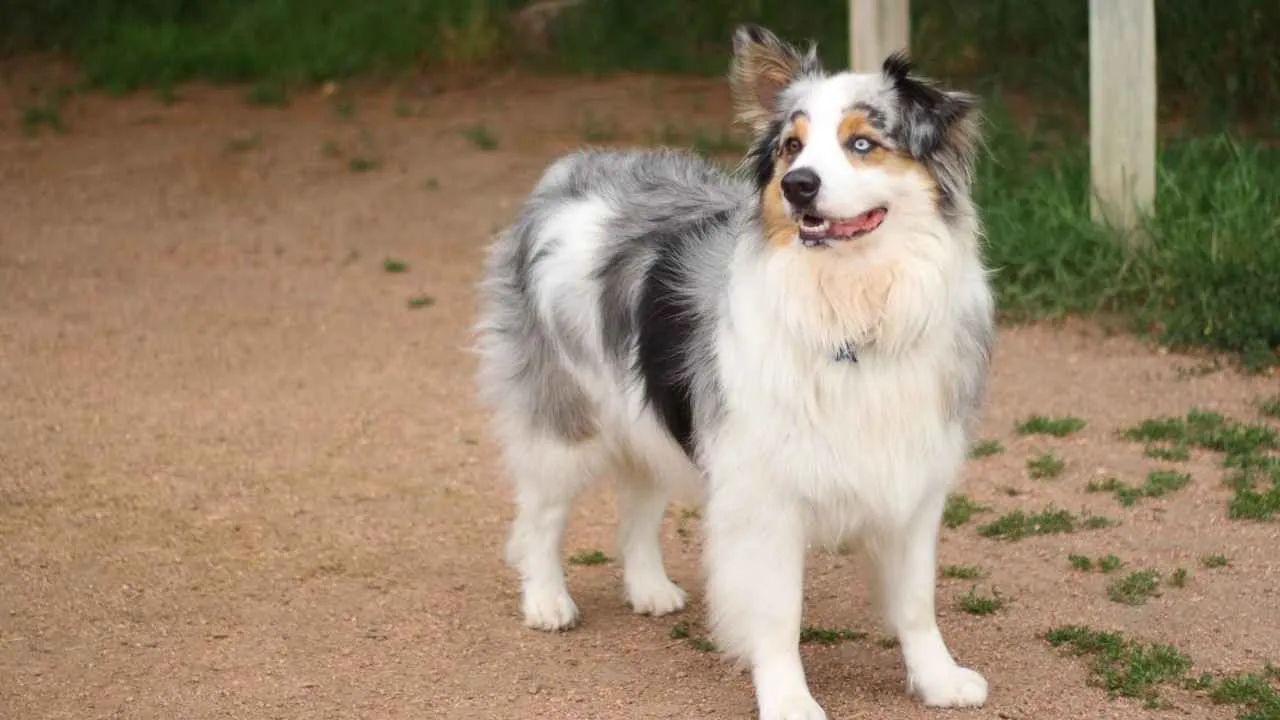
This American breed was originally developed for herding, famously used with sheep before also proving itself with cattle. Today, Australian Shepherds are widely seen in obedience, scent work, agility, disc-dog competitions, search and rescue, and field trials, according to Purina.
They move with a balanced, light-footed trot that handles uneven terrain gracefully, and their moderate weight-to-height ratio gives them the ability to burst into quick sprints and change direction on a dime.
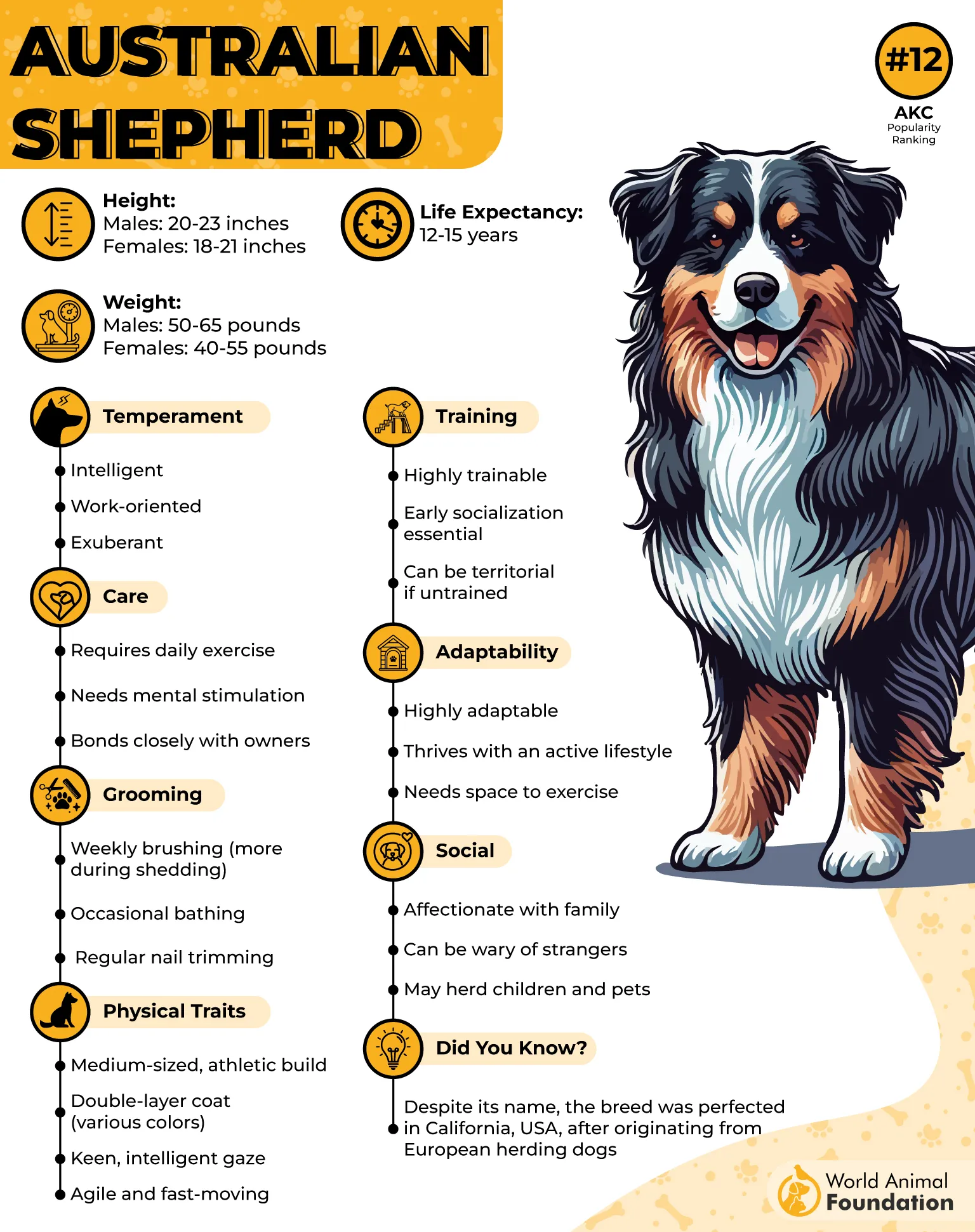
They’re also known for randomly flopping dramatically onto their back or belly, just for the fun of it. Because of their strong herding instincts, they may sometimes nip at the heels of children, a habit worth training out early.
This great outdoor companion needs about 1 to 2 hours of daily exercise, such as running, hiking, frisbee, swimming, flyball, dog sports, and plenty of mental stimulation. For grooming, a pin brush and metal comb work well for detangling, but their coat should never be shaved, as it can lead to skin issues.
6. Vizsla
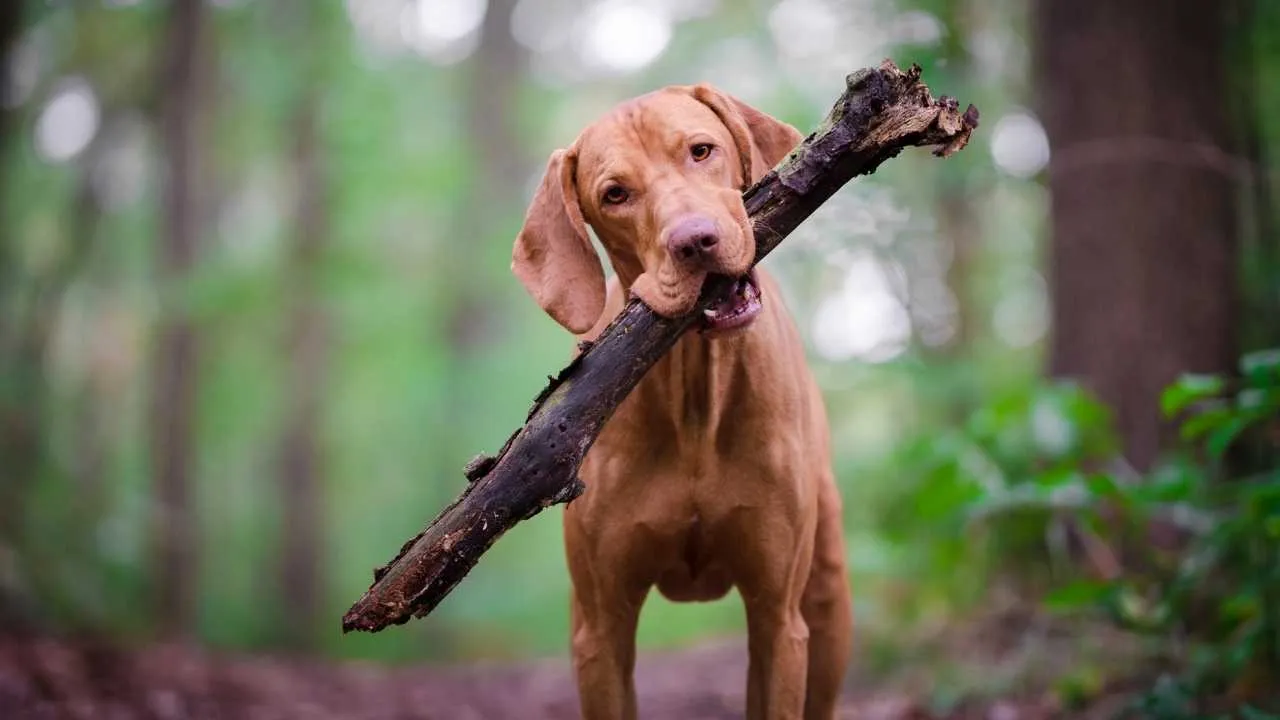
This Hungarian breed, the Vizsla, took its more modern form in the 20th century through crosses with the Weimaraner and various Pointers. But its roots go back much further, to the 11th and 12th centuries, when this ancient dog hunted alongside the Magyars and their falcons. Later crossbreeding with Pointers was mainly done to strengthen the breed’s survival.
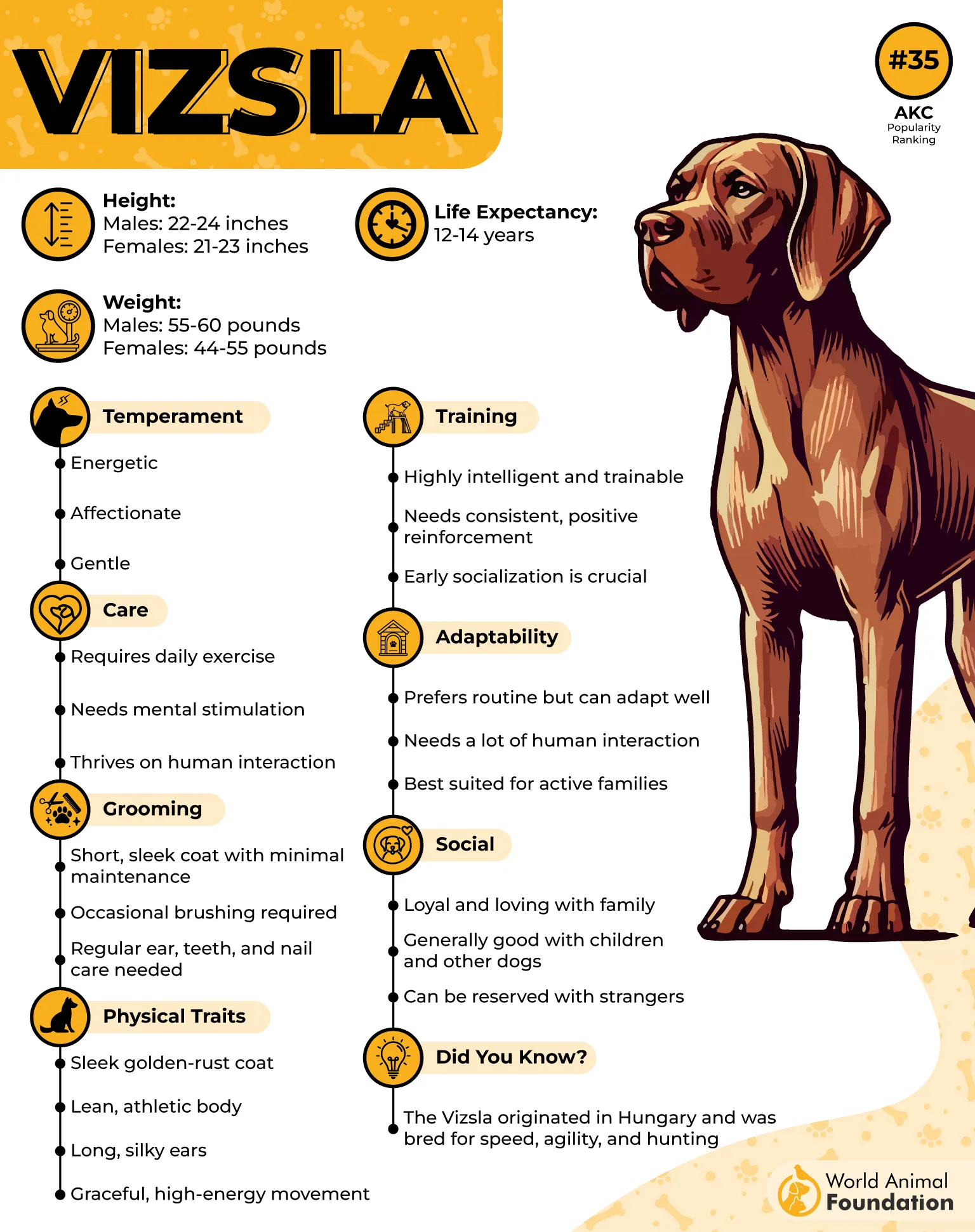
Vizslas move with a ground-covering trot built for energy efficiency, and having been bred to point, hunt, and retrieve, they carry an exceptional sense of smell. Their fast-twitch muscles allow them to reach speeds up to 40 mph. They’re also remarkably expressive dogs, “talking” through soft groans, gentle nibbles, and even high-pitched yodels.
Despite their high energy, Vizslas love nothing more than flopping completely onto their backs, paws in the air, soaking up the sun, a behavior often called “roaching.” They need about 45 to 60 minutes of vigorous daily exercise, including running, hiking, fetching, puzzle toys, scent work, and games of hide-and-seek.
7. Weimaraner
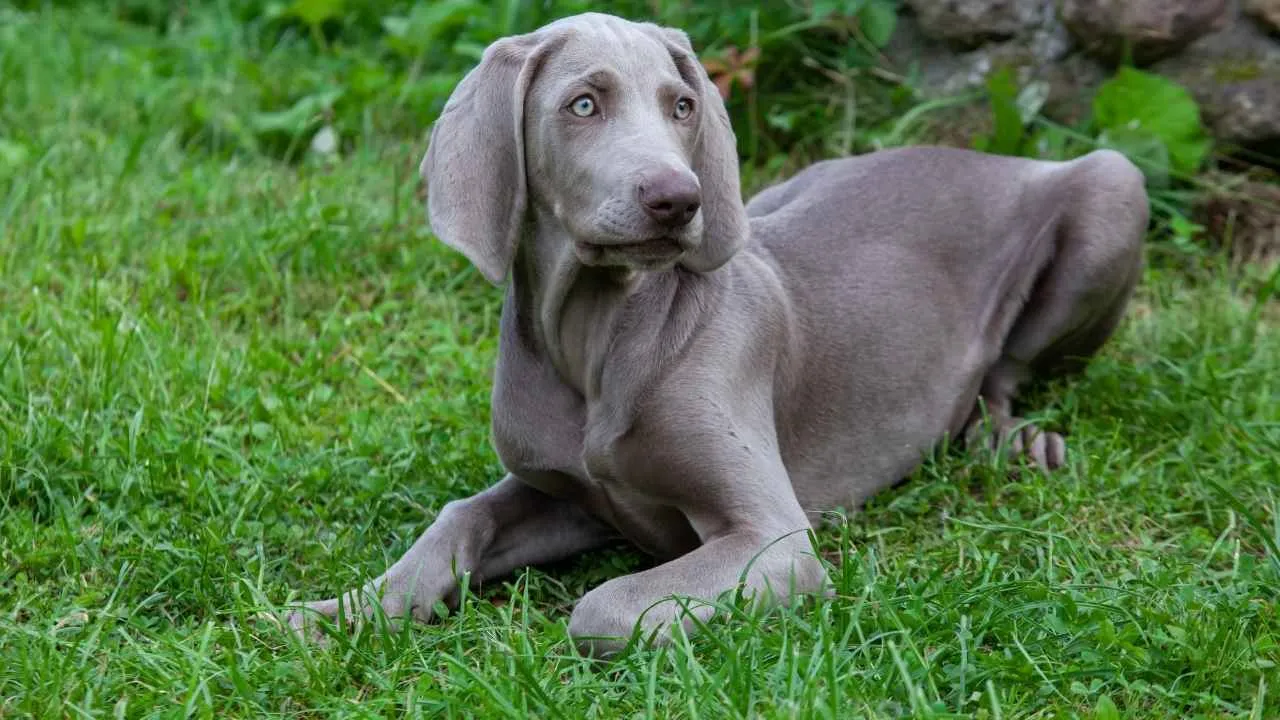
The Weimaraner’s history dates back to the 19th century, when it was known as the “Weimar Pointer,” developed as both a companion for nobility and a skilled gun dog. The breed’s popularity got a notable boost after President Dwight D. Eisenhower owned a Weimaraner named Heidi.
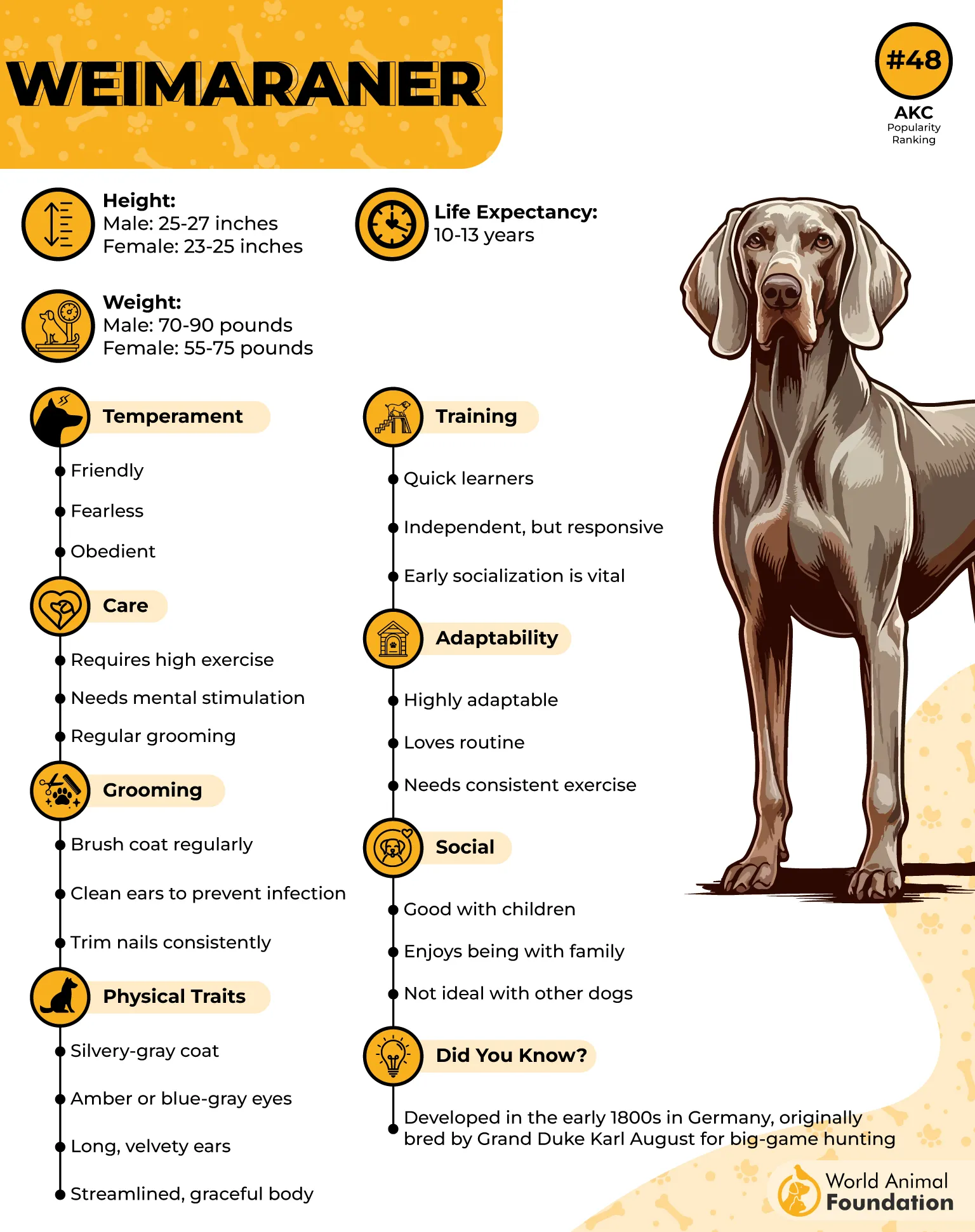
Weimaraners have a lean body and deep chest cavity that support efficient lung capacity, along with a strong physiological system that processes energy quickly, allowing them to sustain effort over long distances. Their short, sleek, tight coat also offers decent protection against the elements.
This dignified breed forms deep bonds with its owners and has an amusing habit of carrying around a sock, shoe, or other personal item as a kind of comfort object. Weimaraners have boundless energy and need about 1 to 2 hours of daily exercise, including scent work, agility courses, and indoor play.
Conclusion
There are fun-loving dogs, and then there are dogs that were simply born to lounge. If you’re someone who loves outdoor adventures, you’ll want the best dog breed that matches your energy, one built for long hikes, capable of pulling sleds, or eager to take on canine sports. And here’s the thing: none of these dogs need to be massive to have serious stamina. That kind of endurance comes down to strong muscles and sharp, focused minds just as much as size.
Every breed on this list carries a long history of selective breeding behind it. Some come from hunting backgrounds; others carry deep-rooted herding instincts, but each one brings something unique to the table. Whichever you choose, just be ready to offer a structured routine, an active lifestyle, and plenty of attention in return.
