




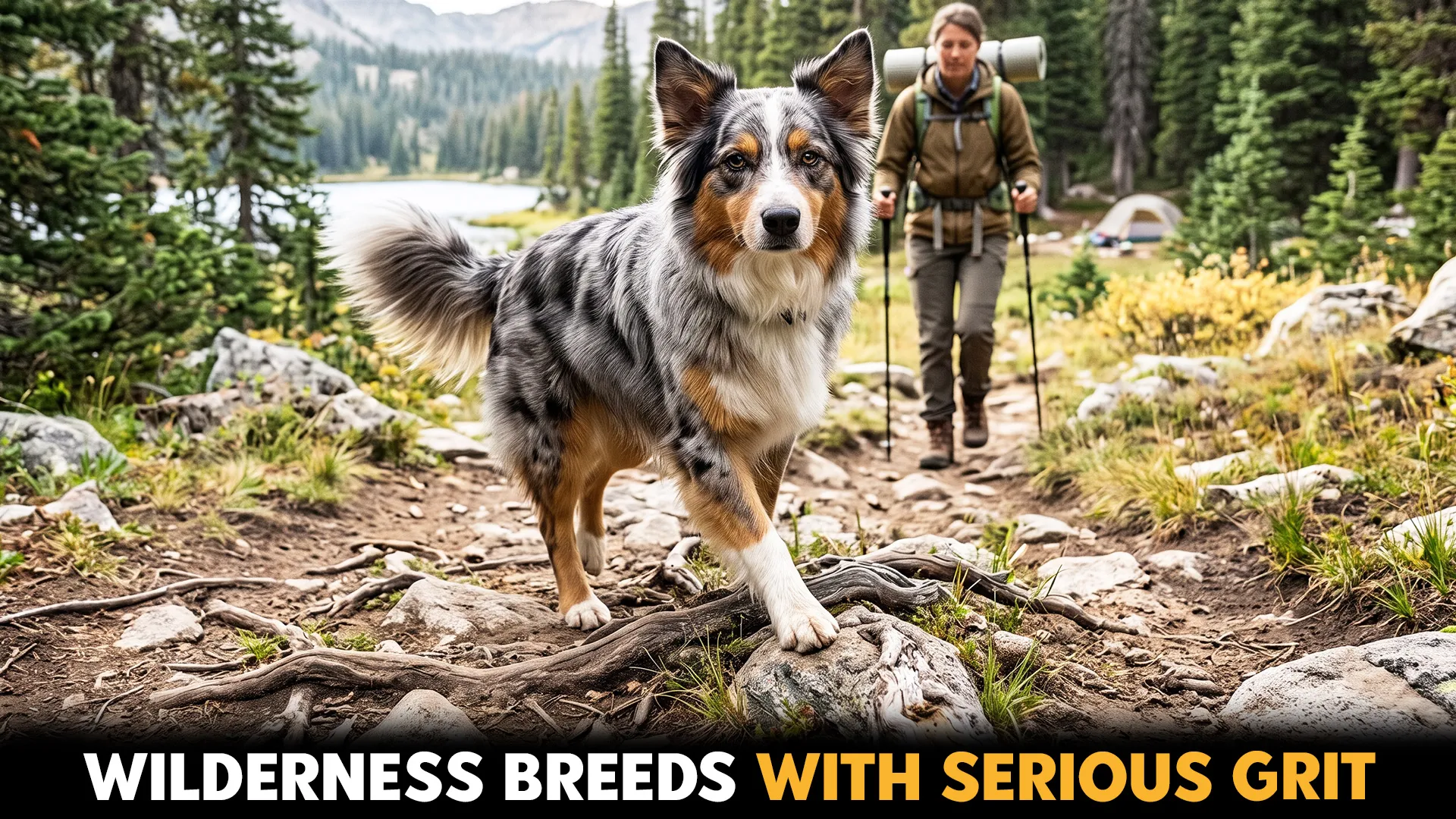
Some dogs are happiest near a couch, a snack bowl, and approximately zero weather. Others look at forests, mountains, muddy trails, freezing mornings, and long hikes like someone just handed them the best weekend itinerary ever. For people who genuinely spend a lot of time outdoors, choosing a breed with the right stamina, confidence, trainability, and environmental tolerance can make wilderness life way more enjoyable.
That does not mean every athletic dog automatically belongs in the backcountry. Different breeds handle heat, cold, altitude, wildlife, rough terrain, and long-duration exercise in very different ways, and even tough dogs still need conditioning, hydration, rest, paw care, parasite prevention, and sensible weather management.
If your dream life includes camping, backpacking, trail running, hiking, farm work, road trips, or just spending more time under open skies than under fluorescent lights, these seven breeds deserve a serious look.
Ideal Dog Breeds for a Wilderness Lifestyle
1. Siberian Husky
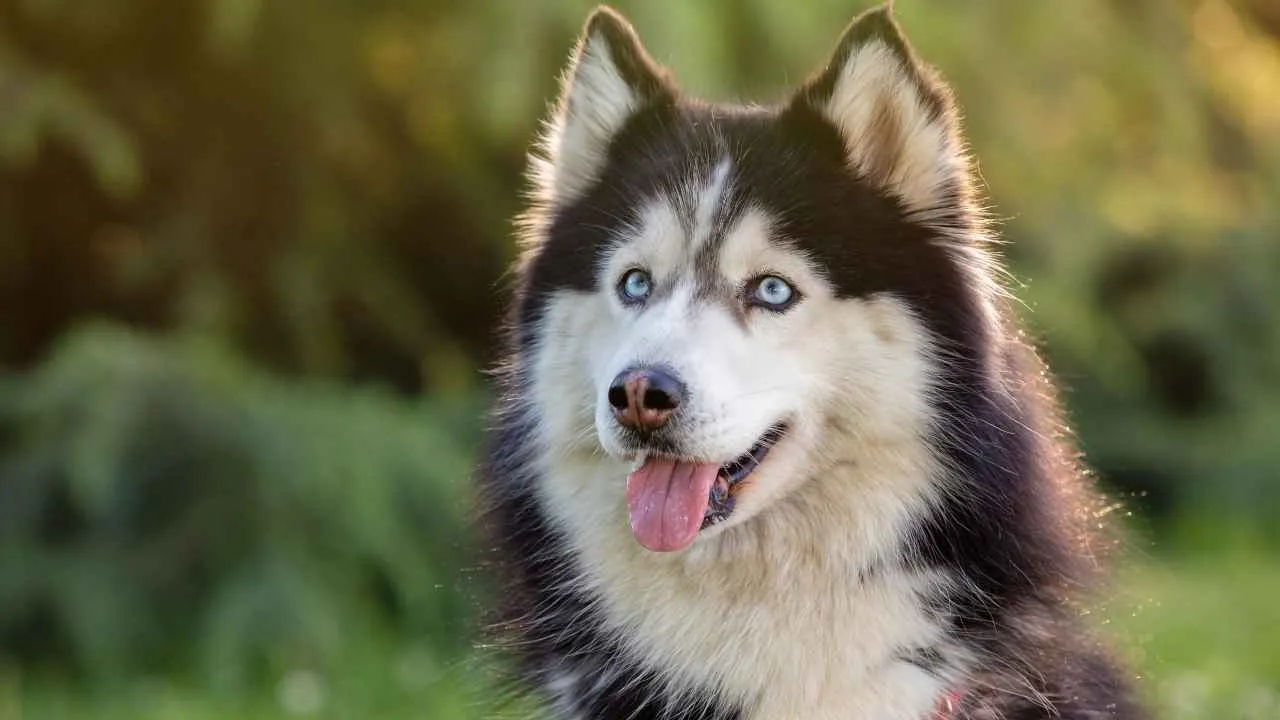
The Siberian Husky was built for movement across cold, demanding terrain. Originally bred by the Chukchi people of northeastern Asia, Huskies served as endurance sled dogs, capable of transporting light loads over long distances in harsh conditions.
Their biggest wilderness advantage is endurance, not brute pulling power. Huskies are relatively light and efficient, with a gait and body structure designed to conserve energy while covering distance.
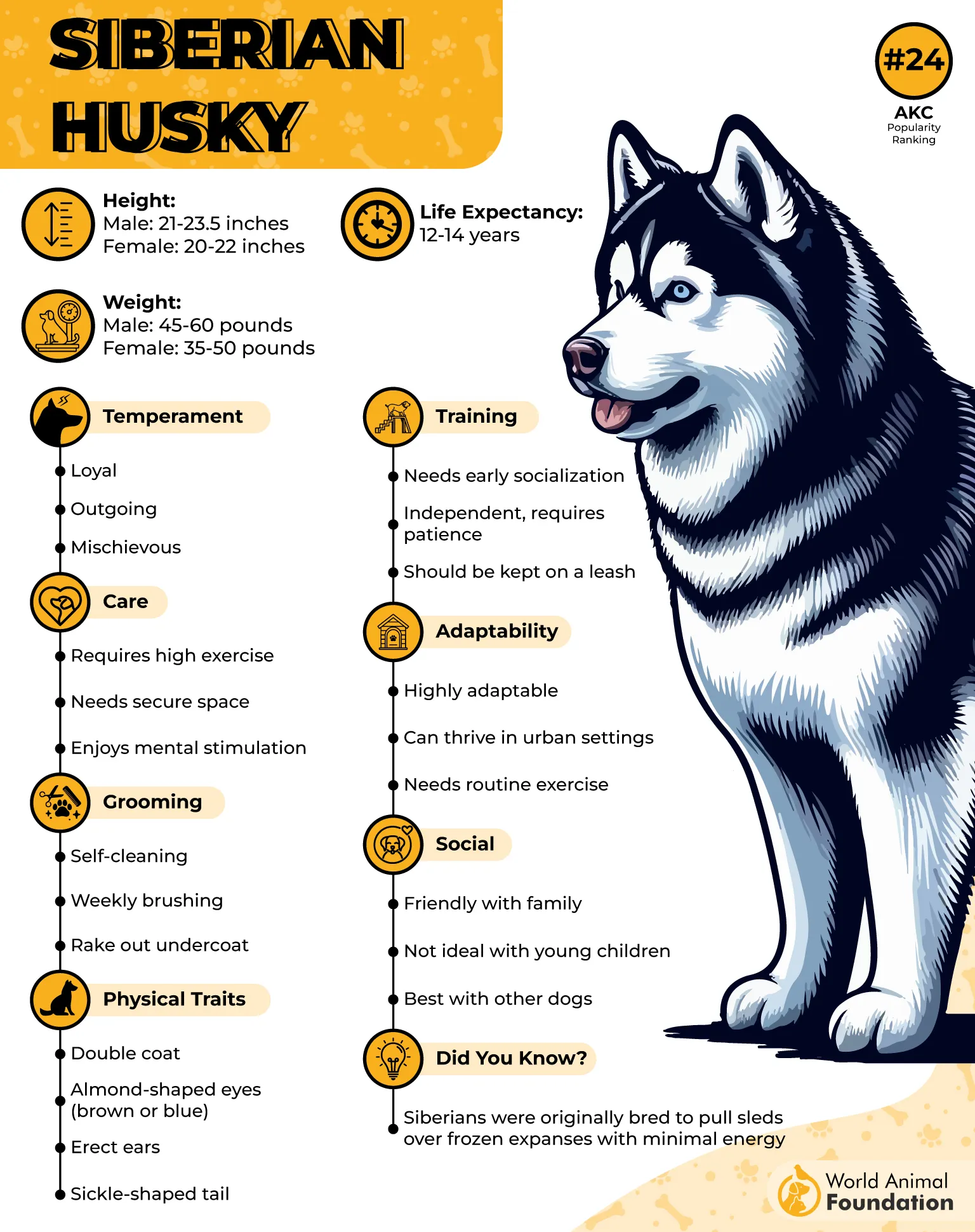
One of the best dog breeds for adventures, this breed really shines in cold conditions. Their dense double coat helps protect them from low temperatures, snow, and wind, but that same insulation means owners must be extremely cautious in hot weather.
Their independent personality is the part many new owners underestimate. Siberian Huskies were expected to work with a team and make decisions while moving, which means they are intelligent but not always obsessed with obeying every command instantly.
2. Alaskan Malamute
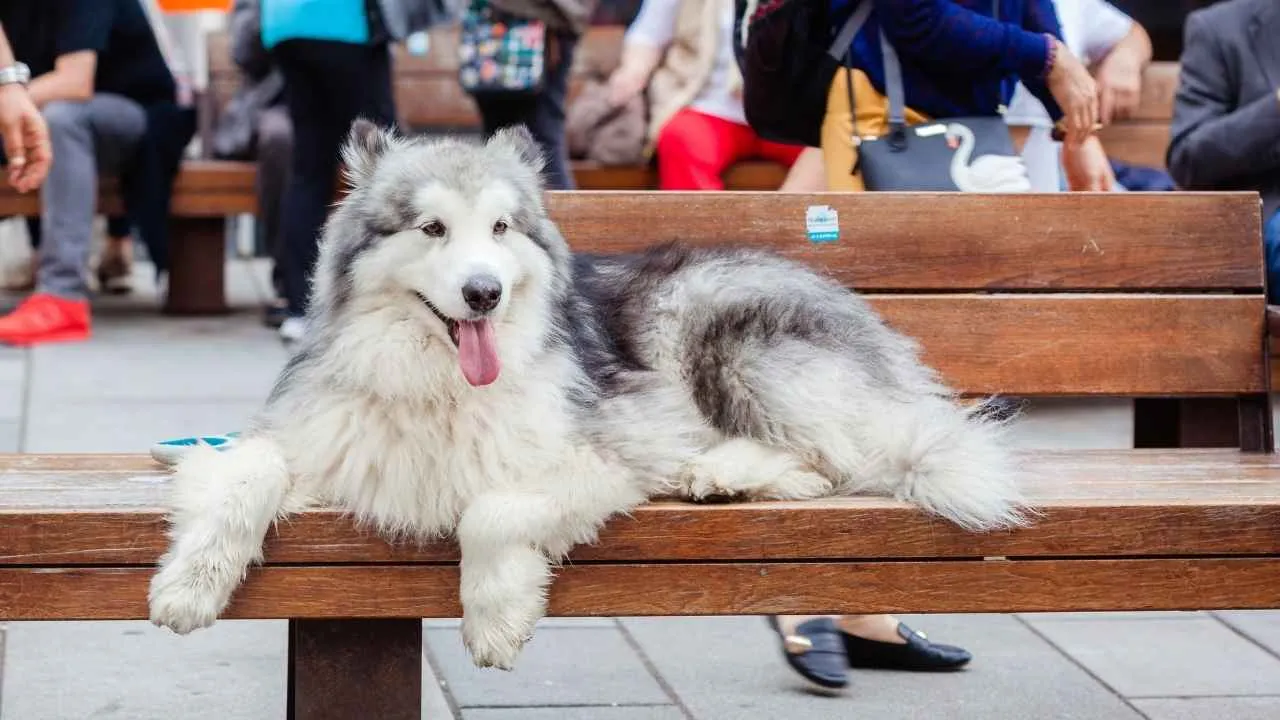
The Alaskan Malamute is the heavyweight expedition specialist of the northern breeds. Historically developed to haul substantial loads over long distances, Malamutes were valued for strength, endurance, and reliability rather than pure racing speed.
That heavy-duty build can be useful for wilderness owners interested in pulling sports, backpacking, trekking, or other structured cold-weather activities. Their broad chests, strong shoulders, thick bones, and muscular frames allow them to handle physically demanding work when properly conditioned.
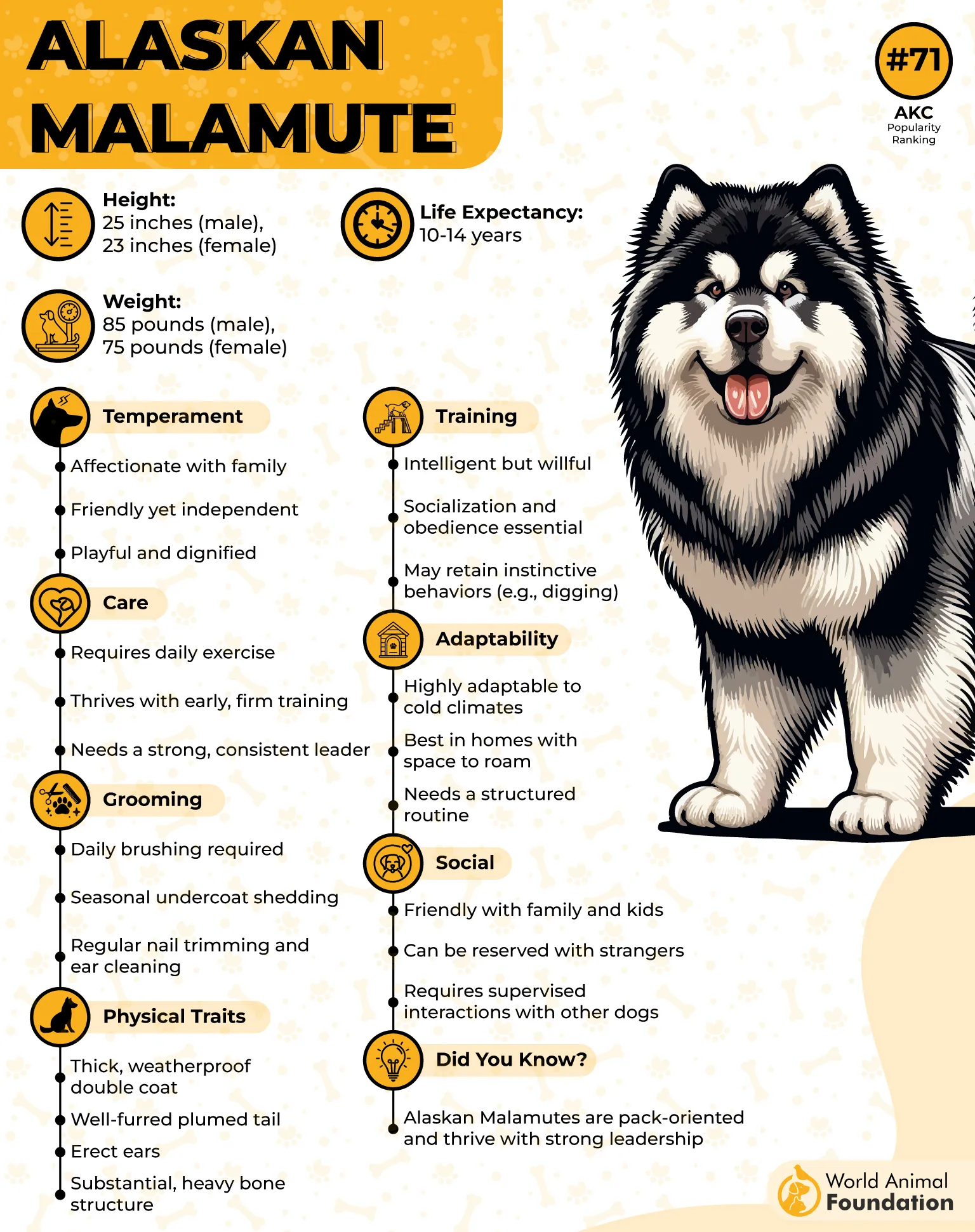
The Royal Kennel Club says they are much better suited to cold climates than hot ones. Their thick double coat provides excellent insulation, but you must reduce summer exercise and time it carefully to prevent overheating. Early mornings, shaded trails, plenty of water, and avoiding intense activity during heat are non-negotiable.
Their temperament is confident and independent, which can be both impressive and mildly chaotic. Malamutes are intelligent but may decide your suggestion is just one option among several. Training works best when it is consistent, rewarding, and engaging rather than repetitive.
3. Australian Cattle Dog
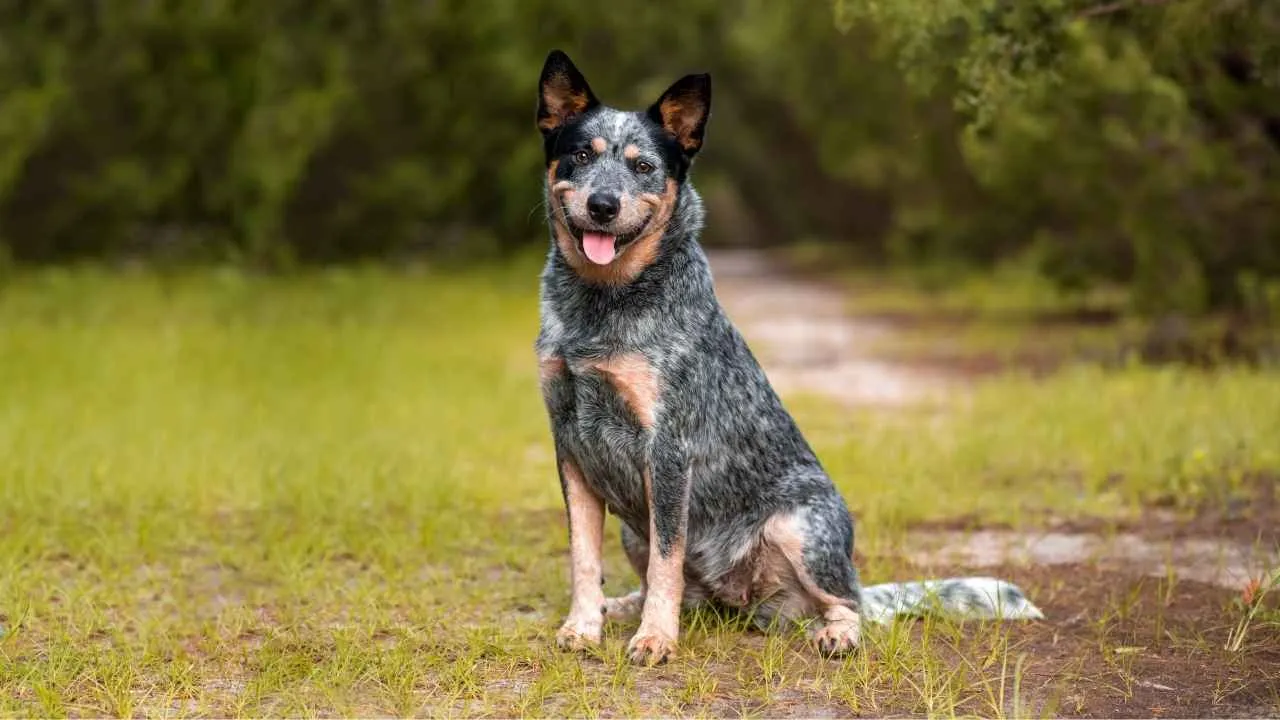
The Australian Cattle Dog is built for people who consider “active lifestyle” a baseline rather than a weekend hobby. Developed to move cattle across vast Australian properties, these dogs were selected for stamina, toughness, intelligence, and the ability to keep working in demanding conditions.
One of their biggest advantages in wilderness environments is durability. Cattle Dogs are compact, muscular, agile, and surprisingly powerful for their size, which helps them handle rough ground without carrying the bulk of a giant breed.
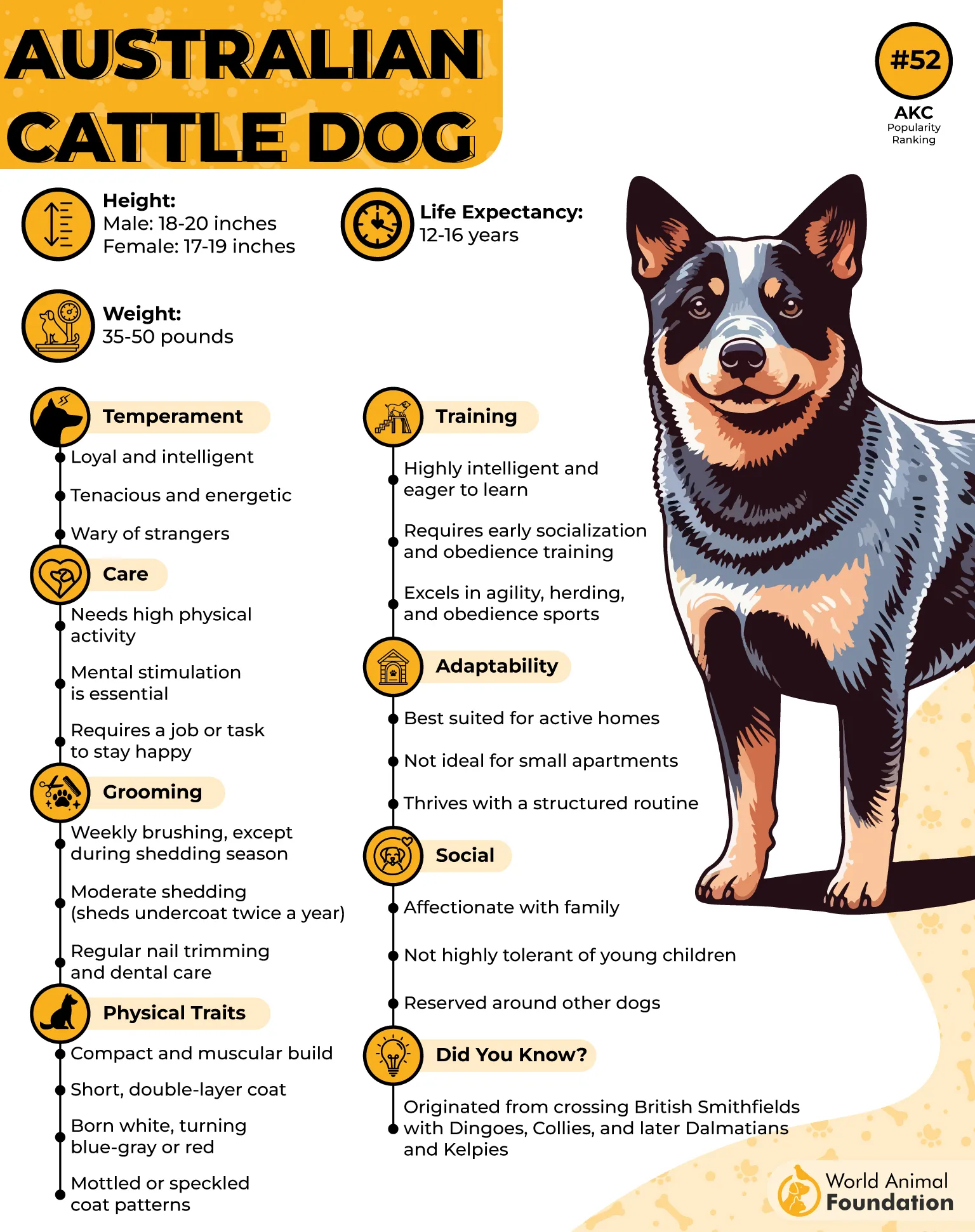
Mentally, they are just as intense. Australian Cattle Dogs are problem solvers who thrive on jobs, routines, and training challenges, so wilderness life can suit them beautifully when it includes real engagement.
Their strong herding instincts can create some unique outdoor moments. Fast-moving wildlife, cyclists, runners, or other dogs may trigger chase or controlling behavior, so impulse control and recall training are especially useful. The goal is to channel those instincts rather than letting your dog appoint itself regional movement supervisor.
4. Rhodesian Ridgeback
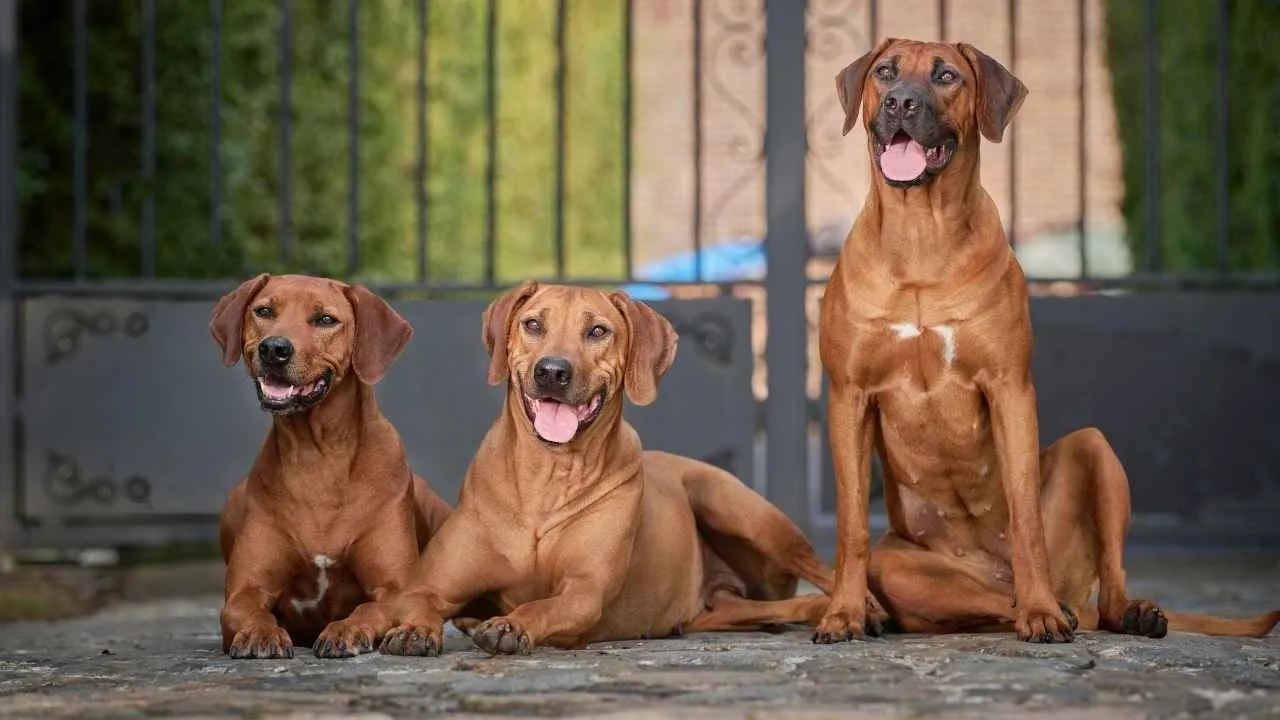
The Rhodesian Ridgeback brings a very different type of wilderness toughness. Developed in southern Africa for hunting and guarding, Ridgebacks were bred to handle heat, distance, and demanding terrain while working around large game.
Warm-climate outdoor enthusiasts may find the Ridgeback especially appealing. Their short coat suits heat better than the heavy insulation of northern breeds, though even heat-tolerant dogs can still suffer from heatstroke. Smart timing, shade, hydration, and pacing are always part of responsible adventure planning.
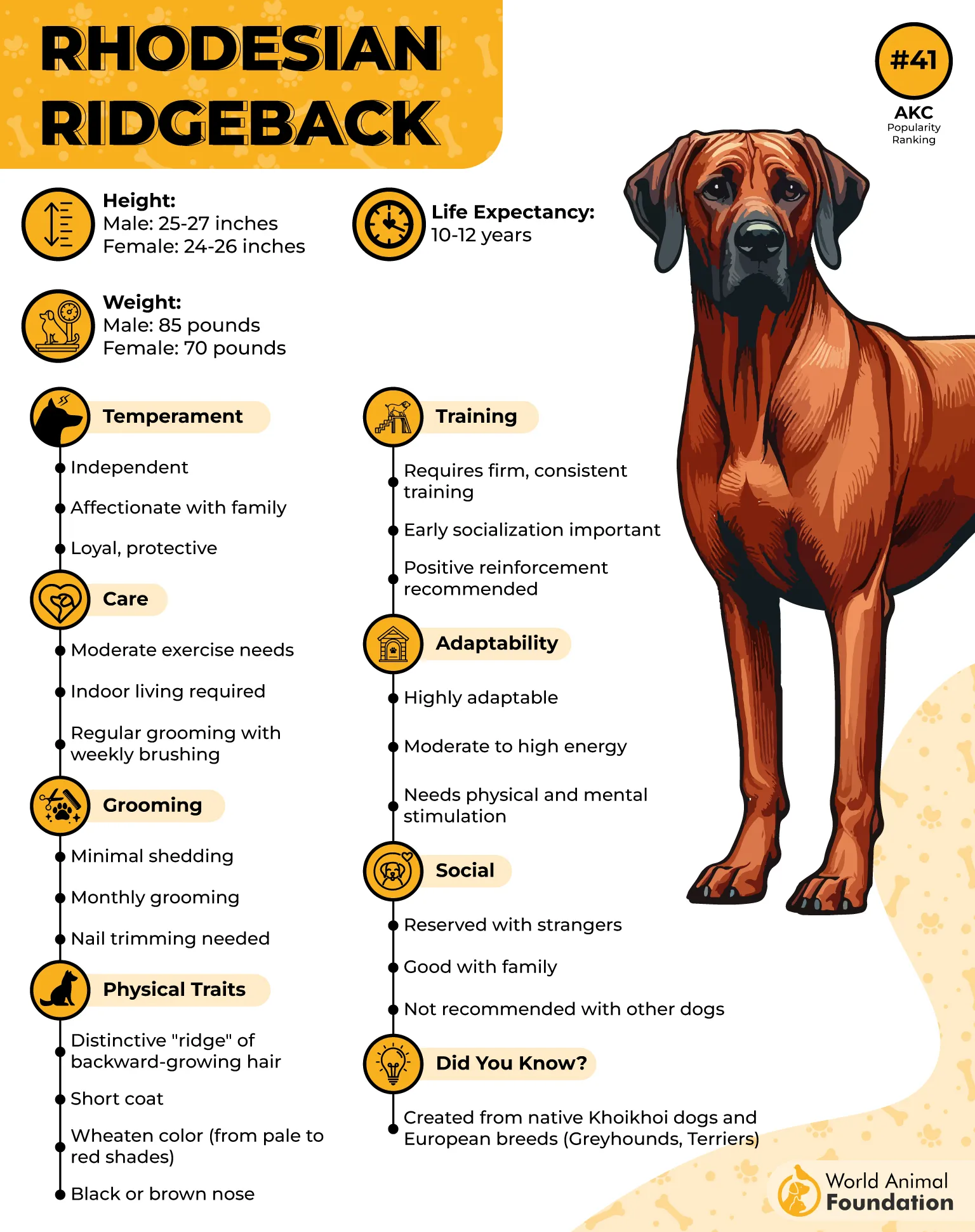
Ridgebacks tend to be athletic without looking hyperactive every second of the day. They often enjoy long walks, hiking, running, and exploration, but many settle surprisingly well indoors after enough activity. That balance can be great for owners who want a serious outdoor dog without living with constant indoor chaos.
Their independence, however, should not be underestimated. Ridgebacks were historically expected to work with confidence and make decisions, so they may be less eager to repeat obedience drills just because someone asked nicely.
5. German Shorthaired Pointer
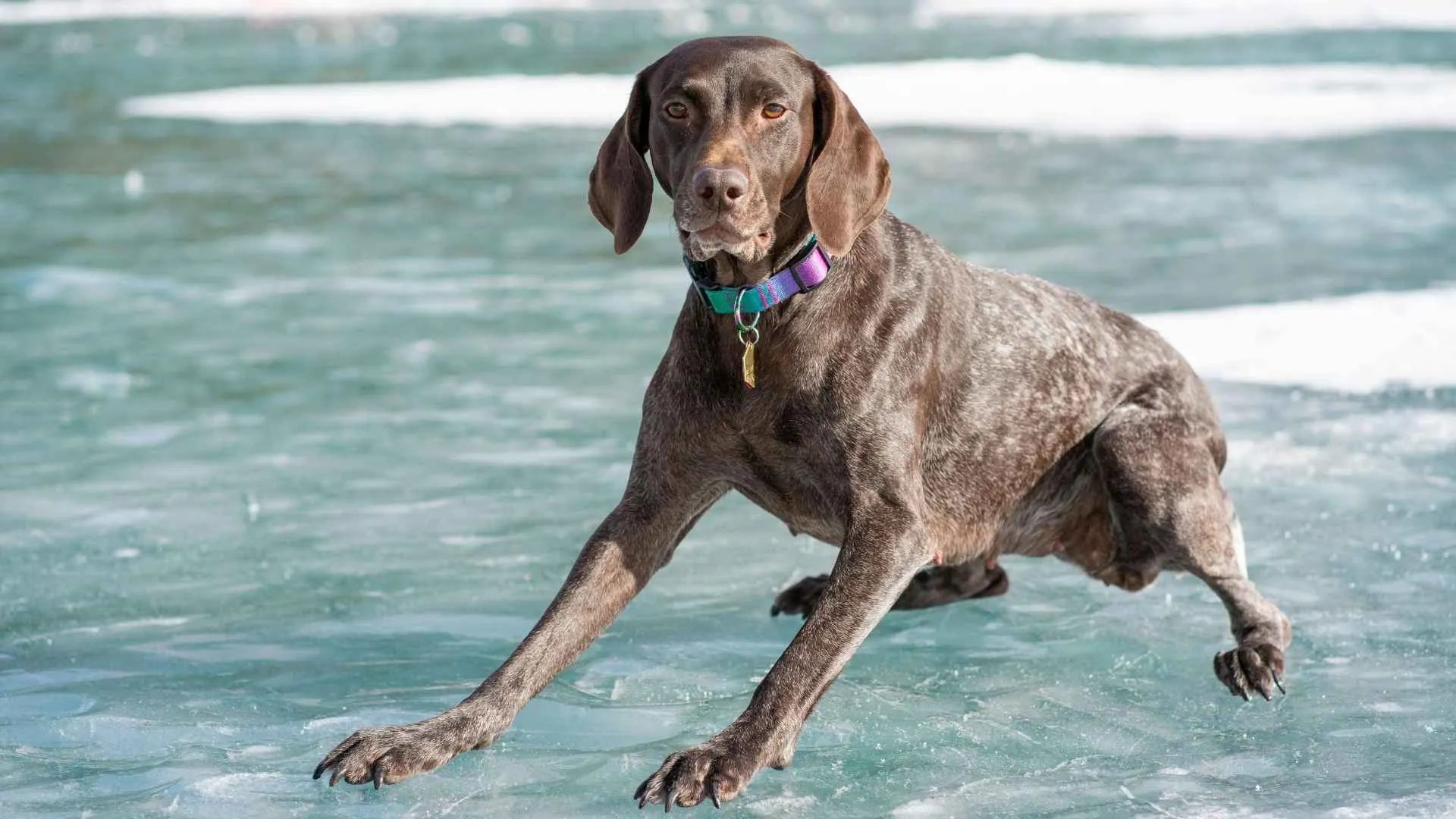
The German Shorthaired Pointer is basically an outdoor athlete with a nose attached. Developed as a versatile hunting dog, the GSP was designed to track, point, retrieve, and work across different terrain, which gives the breed a seriously impressive wilderness résumé.
Their stamina is one of their greatest strengths. When properly conditioned, healthy adult GSPs can handle long hikes, trail running, hunting, swimming, and other demanding activities. They are built for sustained movement and often seem happiest when their day includes both physical effort and mental work.
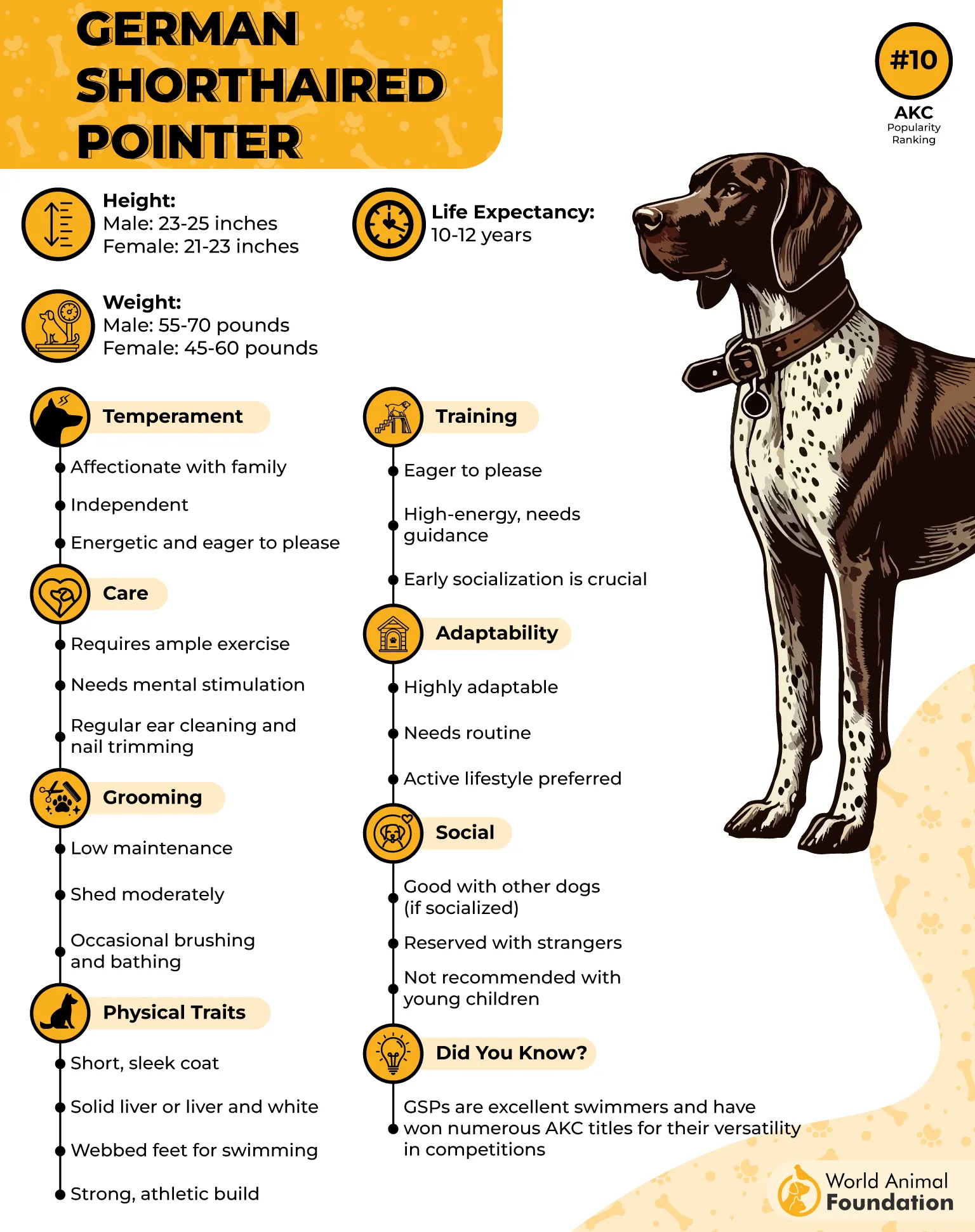
The breed’s nose adds another layer of wilderness fun. Scent work, tracking games, field exercises, and controlled searching can turn a normal hike into a more satisfying experience. A tired GSP is often not just a dog that ran ten miles—it is a dog that also had something interesting to think about.
Their enthusiasm does come with management challenges. Young GSPs can be intense, bouncy, and constantly ready to go, which may overwhelm people who want a relaxed camping buddy. They also have strong hunting instincts, so that wildlife encounters can be extremely stimulating.
6. Australian Shepherd
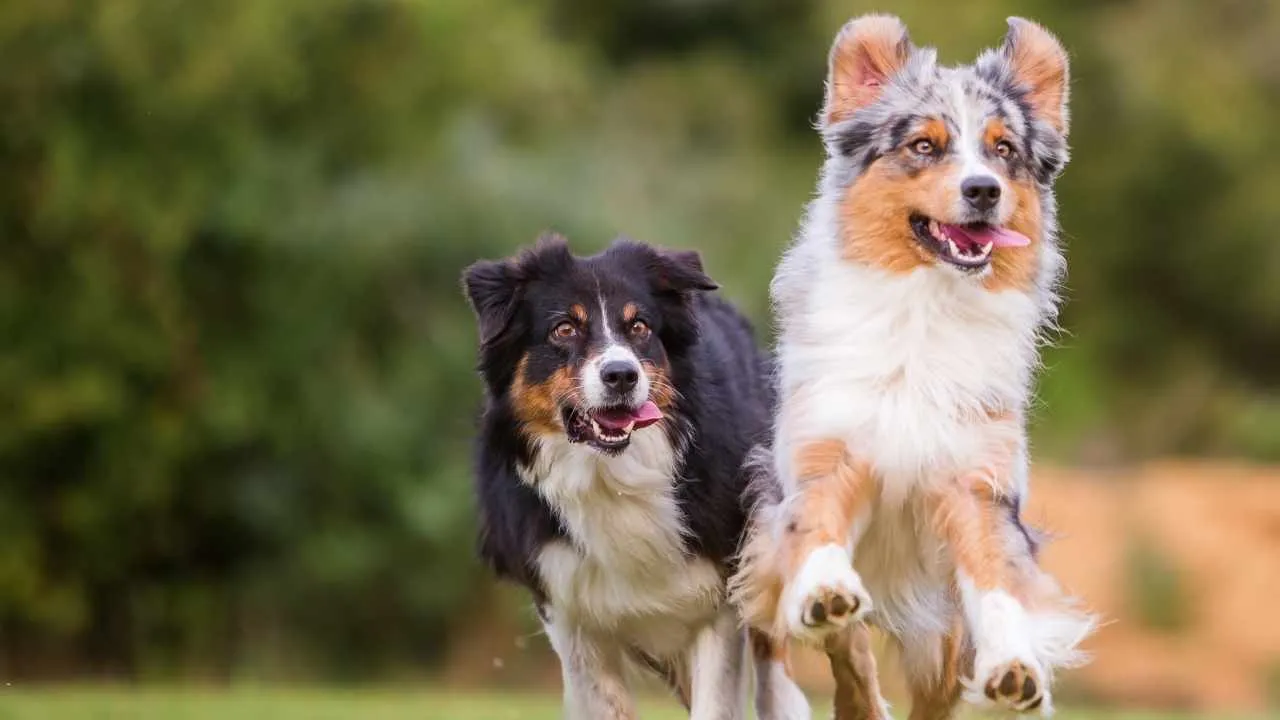
The Australian Shepherd is one of those dogs that seems happiest when life feels like an ongoing project. Despite the name, the breed was developed primarily in the United States as a hardworking herding dog, prized for intelligence, agility, and responsiveness.
These energetic dogs are extremely versatile outdoors. They can enjoy hiking, camping, agility, trail work, herding, trick training, obedience, and even canine sports that involve problem-solving and speed. Their athletic bodies let them move confidently across rough terrain without the mass of a giant working breed.
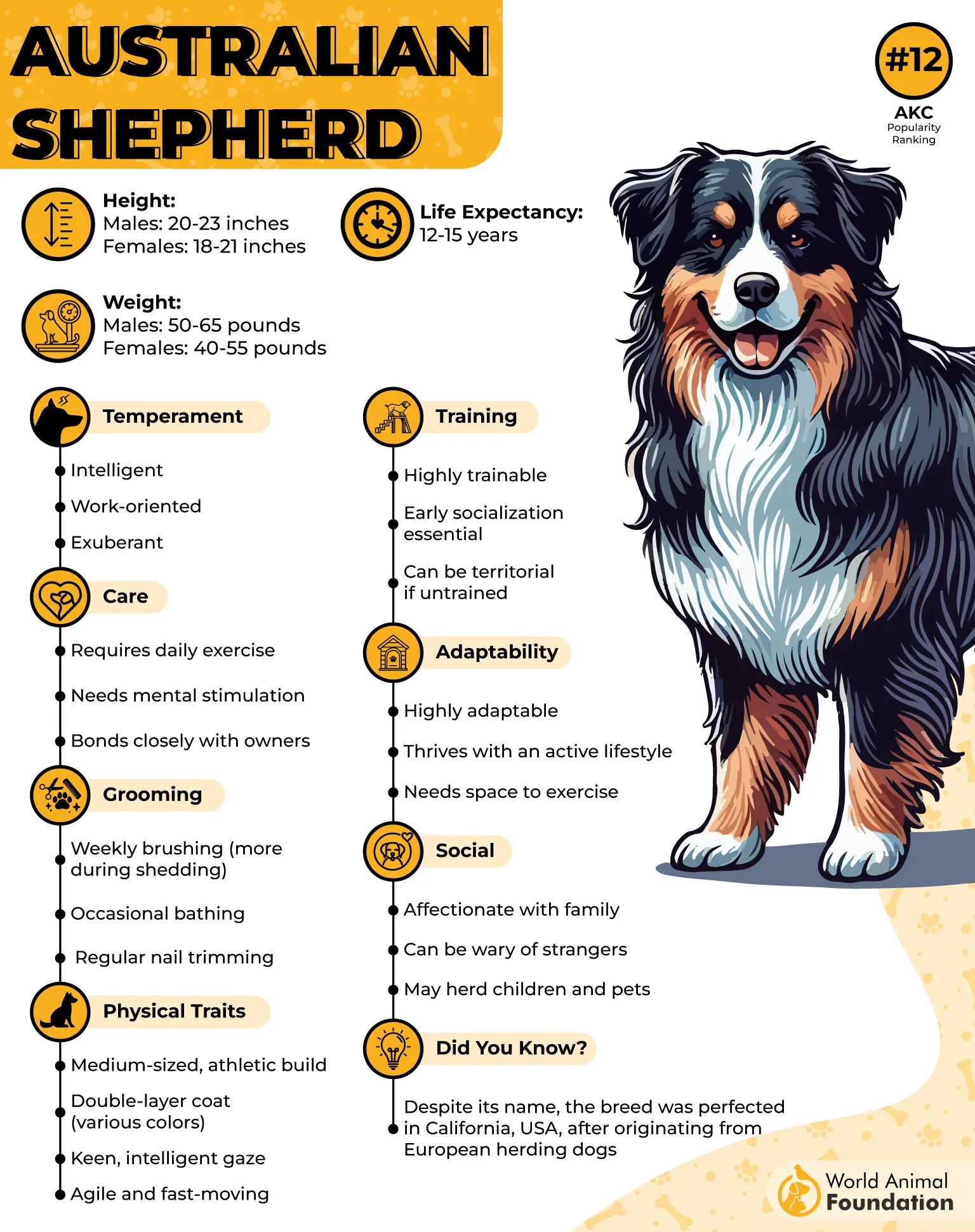
Physical and mental stimulation are essential. An Australian Shepherd that gets only physical exercise may still have enough brain energy left to reorganize the household in deeply unhelpful ways. Wilderness adventures become more satisfying when pet parents include training stops, scent searches, directional cues, or little tasks along the way.
Aussies can also be naturally alert and may try to control movement around them, especially if herding instincts are strong. Socialization and calm exposure to wildlife, strangers, cyclists, and unfamiliar trail environments help keep that intensity manageable.
7. Border Collie
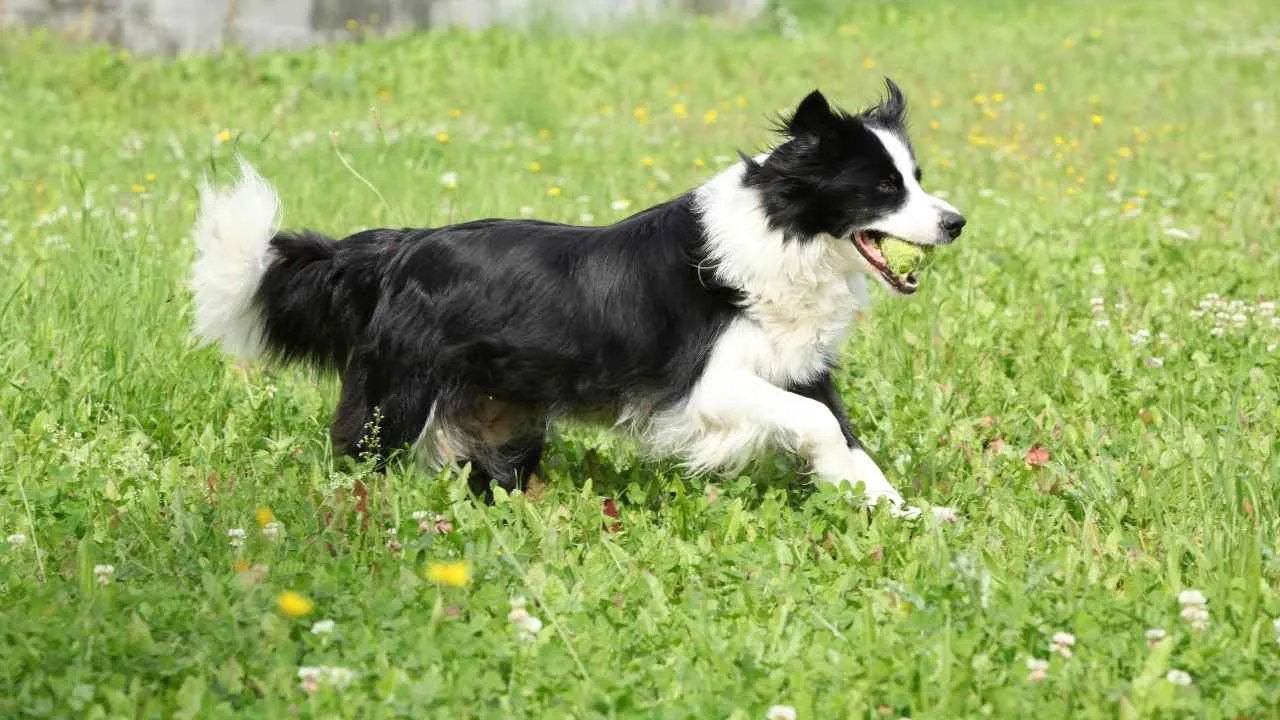
The Border Collie has a reputation for being ridiculously smart, and wilderness life gives that brain plenty to work with. Developed along Britain’s border regions for sheep herding, Border Collies were selected for responsiveness, stamina, precision, and the ability to control livestock across challenging terrain.
Physically, they are built for endurance and agility rather than brute strength. They can cover ground efficiently, change direction instantly, navigate uneven terrain, and keep working for long periods. On the trail, that athleticism makes them look like they are playing a completely different sport from everyone else.
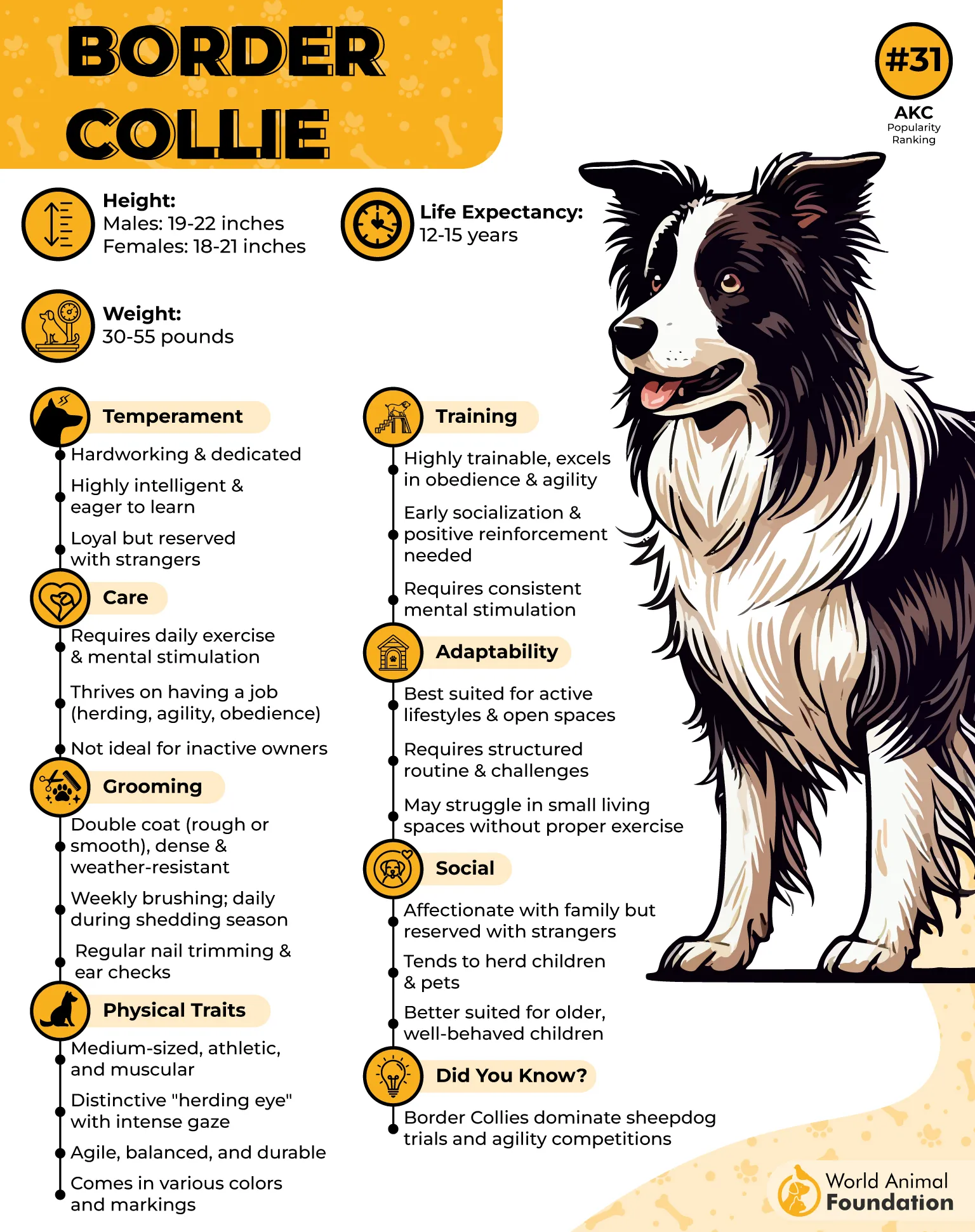
The flip side is that their brain never really clocks out. A Border Collie that receives long hikes but no mental challenge may still end the day asking, “Cool, but what was the actual assignment?” Mixing physical exercise with learning, problem-solving, and purposeful games usually creates a much more satisfied dog.
They are best for people who genuinely enjoy an active, engaged relationship with their dog. Casual owners may find the breed too intense, while outdoorsy people who love training often see that intensity as the whole point.
Conclusion
The ideal wilderness dog depends heavily on what kind of wilderness life you actually live.
The best adventure dog is ultimately the one whose energy level, climate tolerance, personality, and working instincts fit your real life. Choose thoughtfully, train consistently, respect the environment, and plan for your dog’s safety as seriously as your own.
