




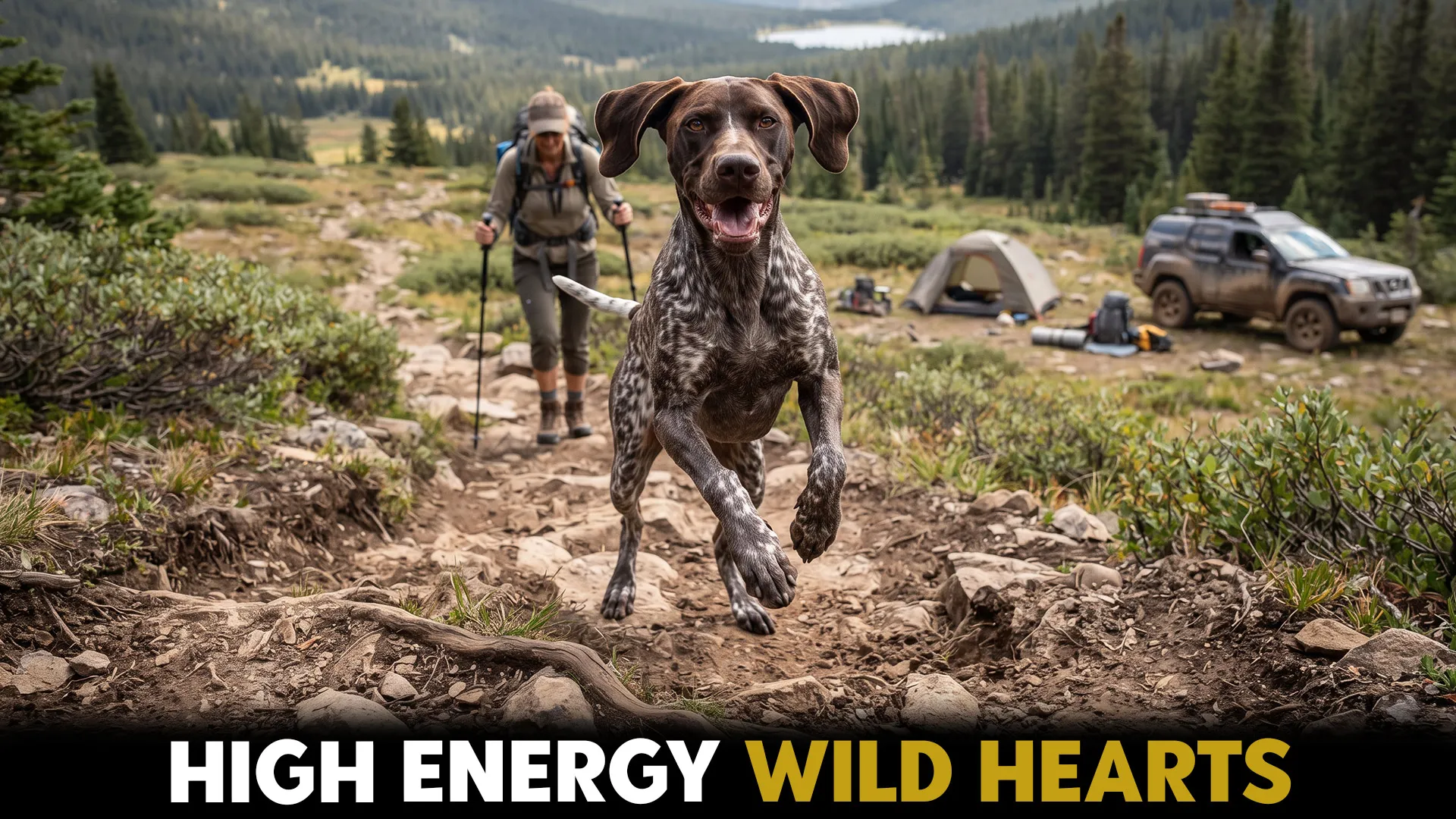
Nothing beats hitting the trail with a dog who is just as excited about the adventure as you are. From early morning hikes to nights under the stars, the right canine companion can turn a simple getaway into an unforgettable experience.
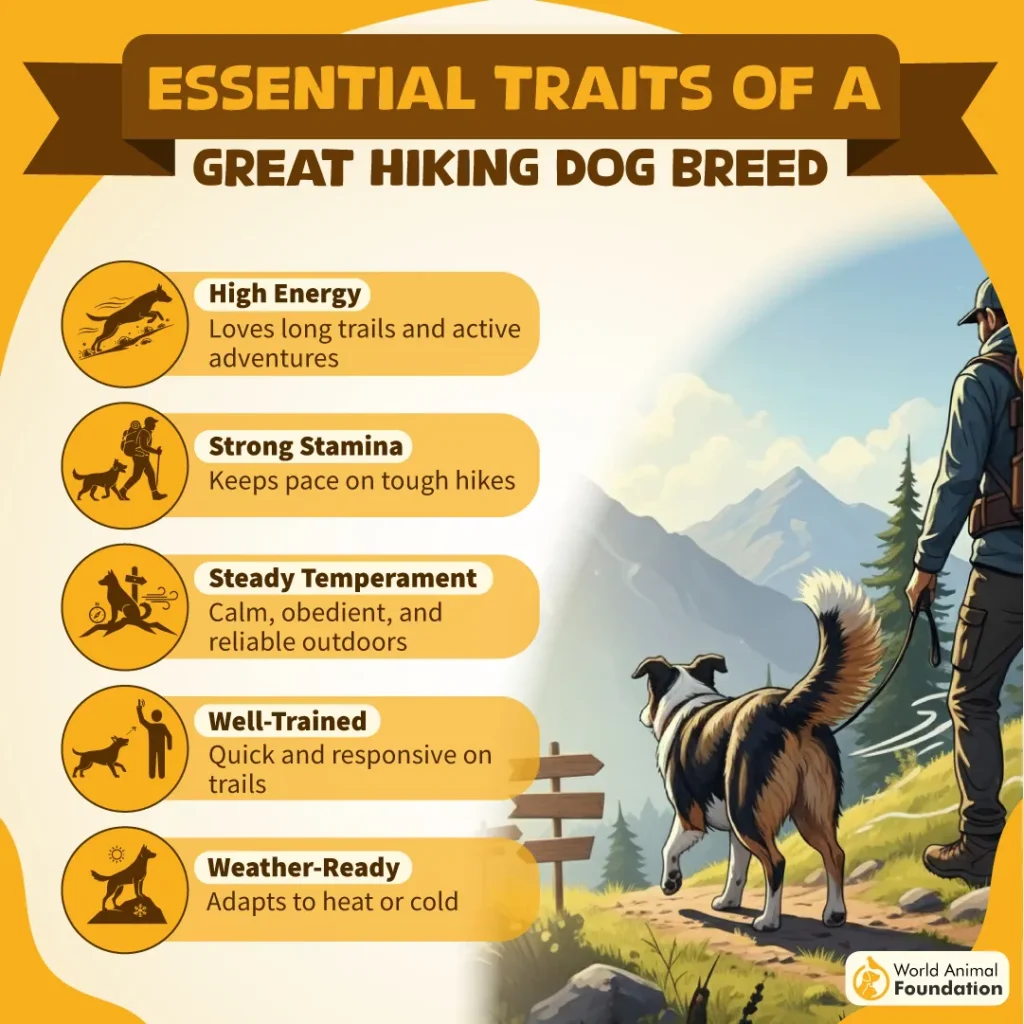
Not every dog is built for long hikes or active camping trips. A good adventure buddy should be physically fit, comfortable on different types of terrain, responsive to commands, and able to keep up without tiring too quickly.
Also consider age, health, and any physical limitations before heading into the backcountry.
So, which dogs are ready to lace up for the next adventure? We’ve rounded up seven of the best dog breeds known for their athletic nature, endurance, and love of staying active.
Key Takeaways
Meet energetic dogs like Weimaraners, Vizslas, and Border Collies.
See why Australian Cattle Dogs thrive on active outdoor adventures and make excellent hiking partners.
Discover how Alaskan Malamutes and Rhodesian Ridgebacks handle rugged getaways.
Find out what each breed needs for exercise, training, and outdoor fun.
High‑Energy Dog Breeds for Camping and Hiking Getaways
1. Australian Cattle Dog
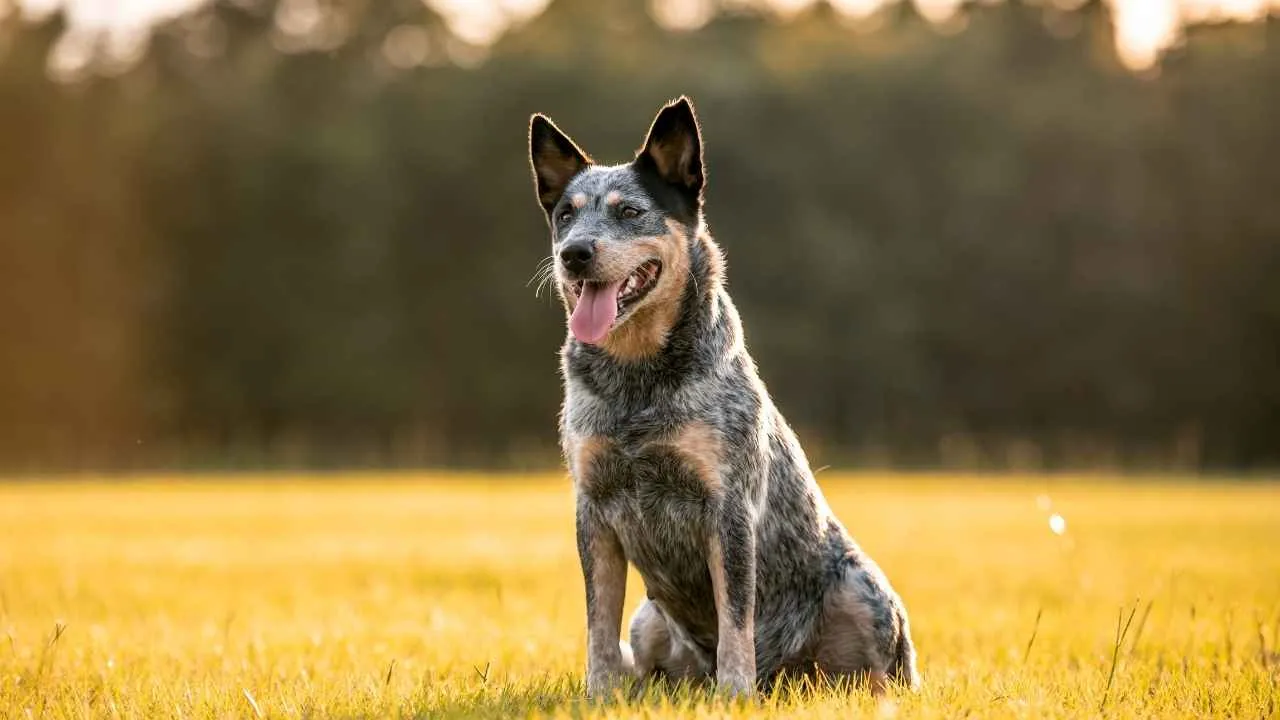
Descended from the dingo, Australian Cattle Dogs were developed to herd animals. They are known for their intelligence, stamina, and nonstop energy.
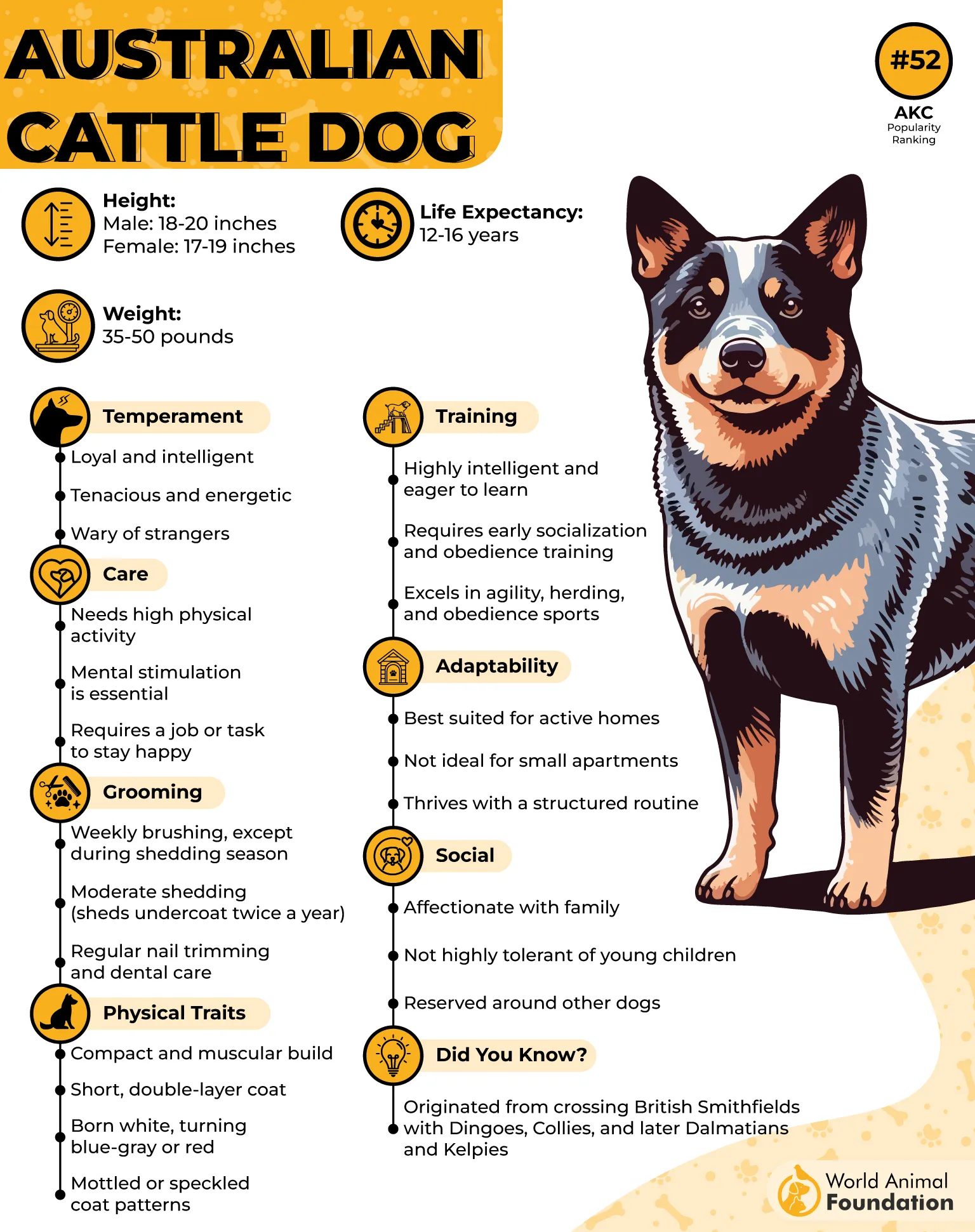
Their stocky, muscular build helps them handle active days outdoors. They have short, dense undercoats and straight, water-resistant outer coats, which help them cope with both hot and cold climates.
Energy and Outdoor Adventures
Australian Cattle Dogs need plenty of exercise and mental stimulation. Running, jogging, fetch, frisbee, agility, tracking, and advanced training can keep them busy.
They enjoy spending time outdoors and can become restless when kept inside for too long. Their rugged coats also make them well suited to outdoor activities in different weather conditions.
Training and Temperament
These dogs learn quickly and love having a job, but they can also be independent and headstrong. They bond closely with their owners and may become especially attached to one person.
According to PetMD, they can be wary of strangers and may nip or use their teeth when herding. Early socialization and proper training are important.
2. Weimaraner
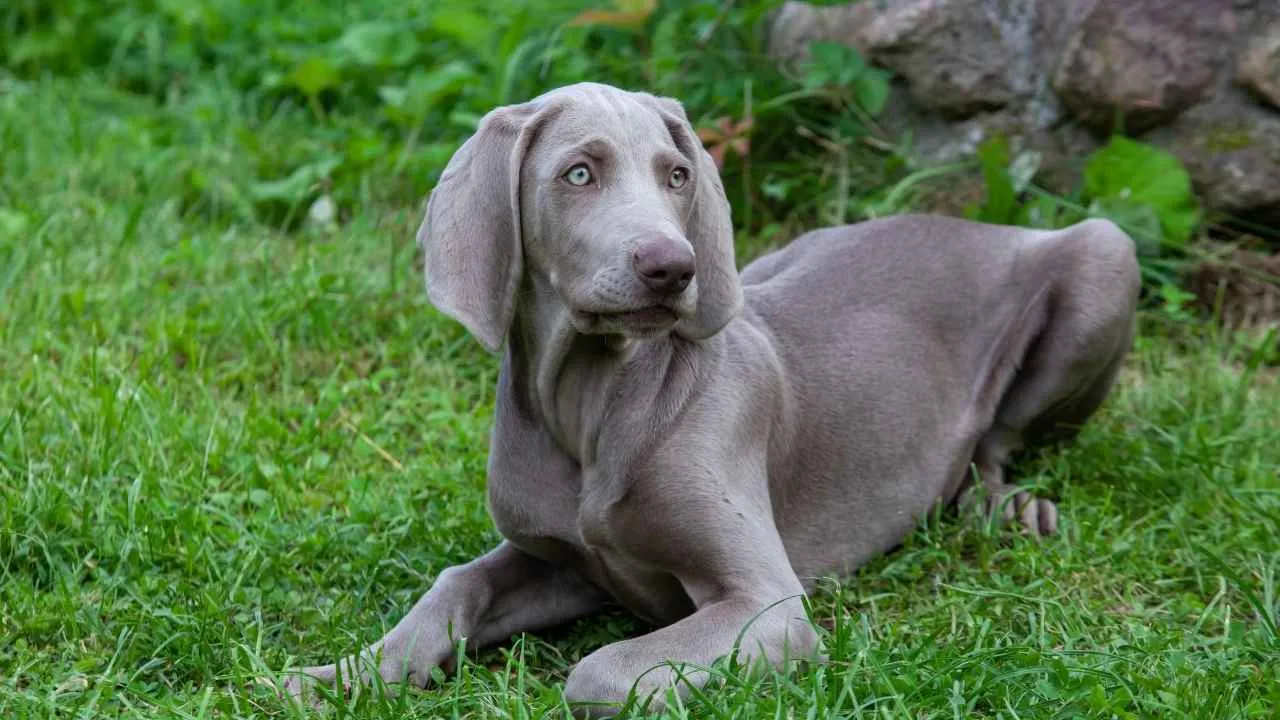
Weimaraners were developed in Germany as hunting companions known for tracking ability, speed, courage, and endurance. They are friendly, fearless, obedient, and highly trainable.
Their short, sleek coats need little grooming, while their striking silver-gray or blue-gray coloring gives them a distinctive look. They were bred to work outdoors but also to live closely with people.
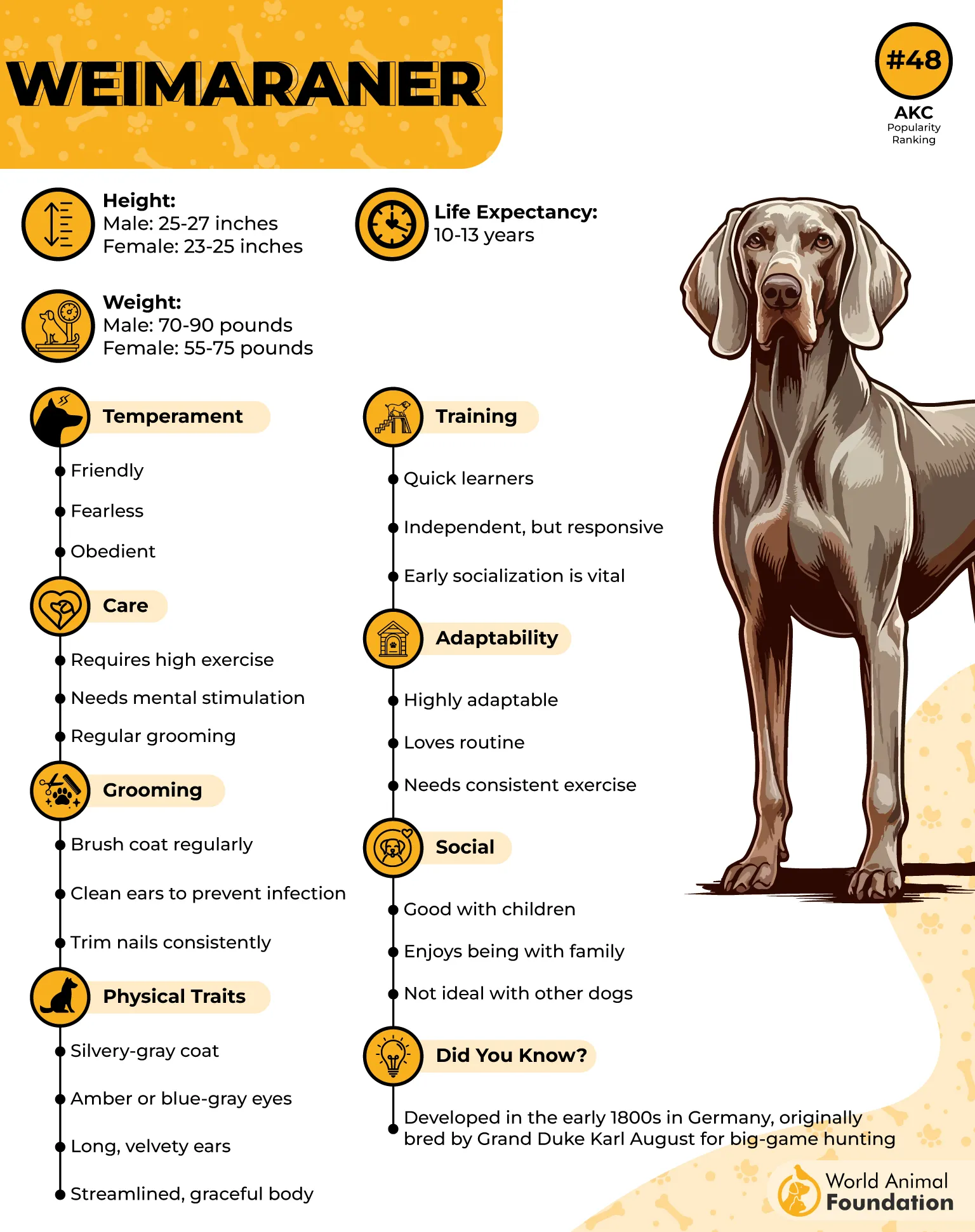
Energy and Outdoor Adventures
Weimaraners are high-energy dogs that need plenty of physical activity and mental stimulation. They enjoy running, exercising, and spending time outdoors with their families, making active getaways a great outlet for their energy.
They are happiest when both their bodies and minds stay busy. However, they are not meant to live outdoors and prefer being close to their people.
Training and Temperament
These affectionate dogs love human attention and often want to stay by their owners’ sides. They can be suspicious of strangers and may bark, while their hunting background can make them likely to chase smaller animals.
Consistent training and early socialization can help them become well-mannered around people and other dogs. They may also roam or find ways out of gates, so they should be supervised during outdoor adventures.
3. German Shorthaired Pointer
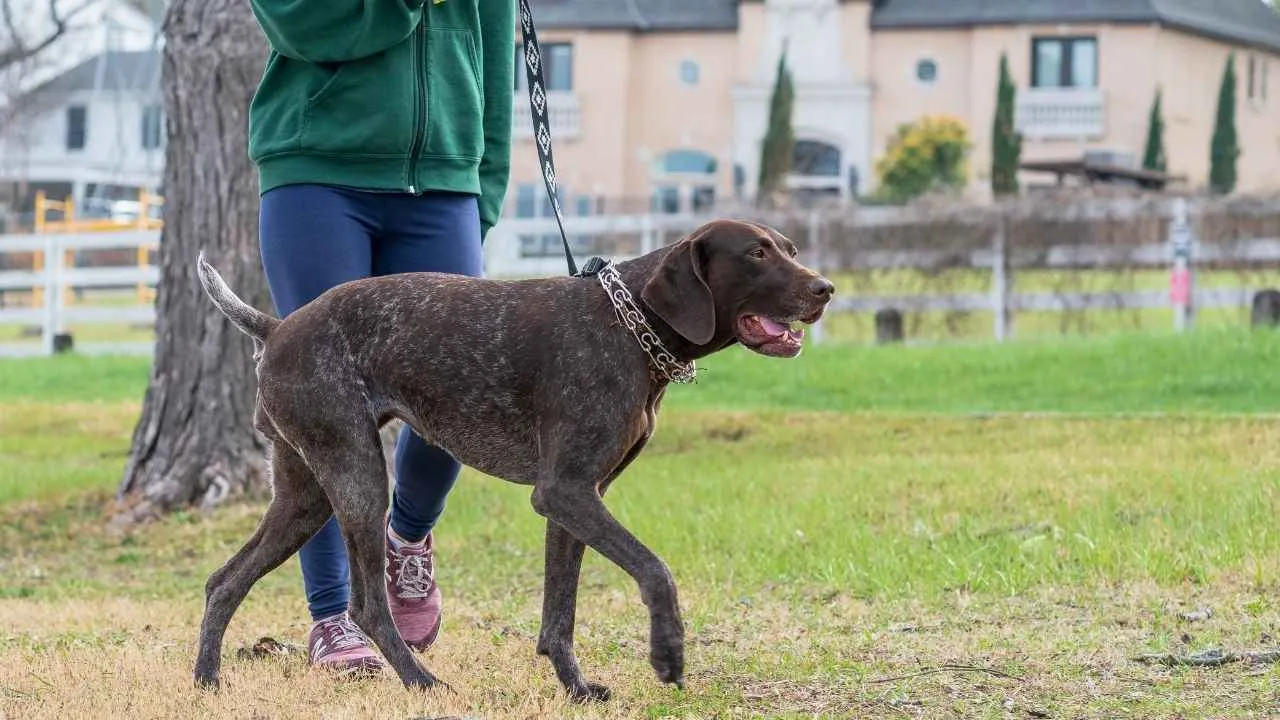
German Shorthaired Pointers are active, loving, and people-oriented dogs with a strong desire to stay busy. They were bred as hunting dogs and are known for their speed, agility, and endurance.
As “bird dogs,” they can locate game by following scents and pointing toward them. Their patched and ticked coats are short and fairly easy to maintain.
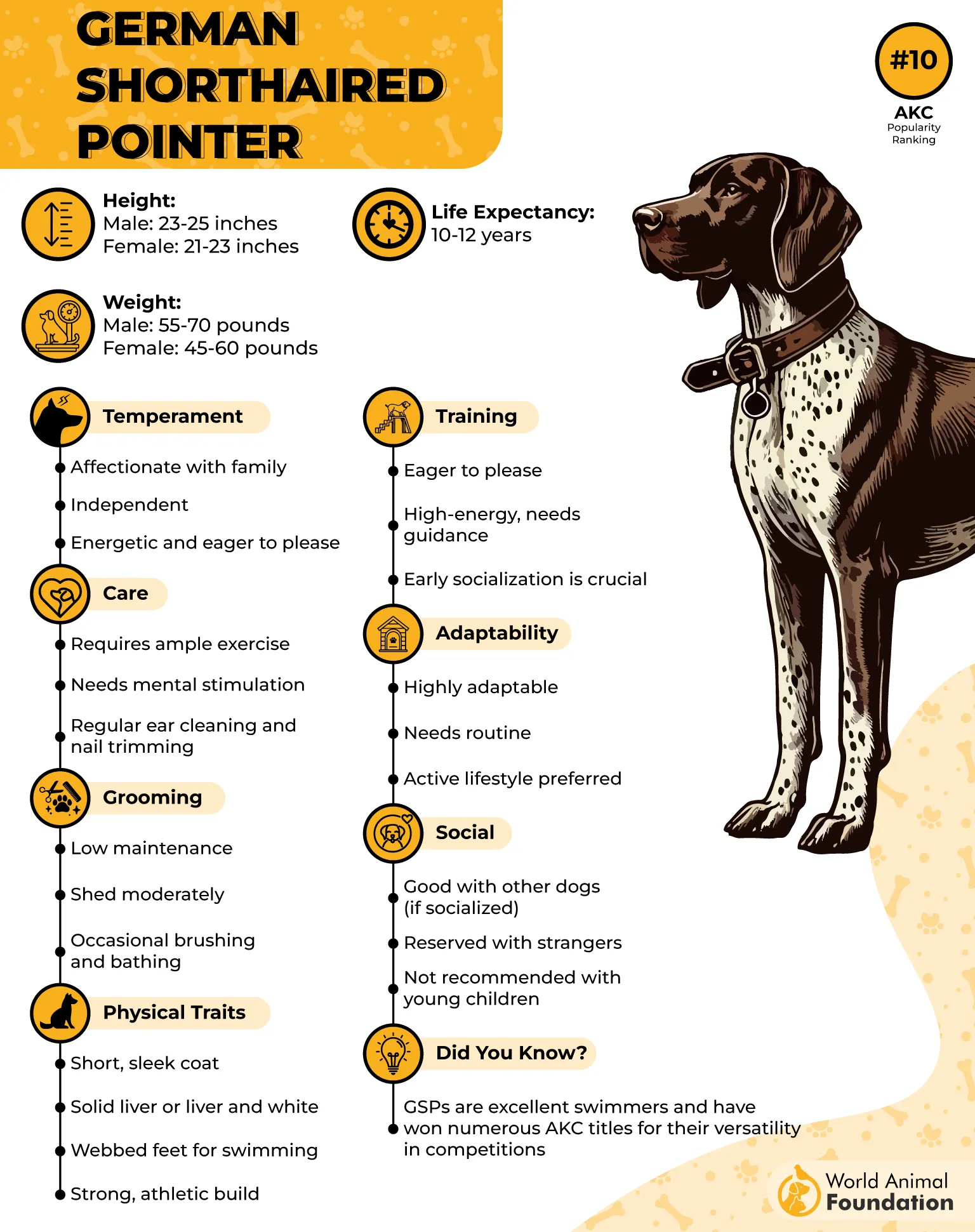
Energy and Outdoor Adventures
German Shorthaired Pointers have high energy levels and need plenty of physical and mental activity. They enjoy running, hunting, tracking, retrieving, and exploring outdoor spaces.
Their adventurous nature makes them natural companions for active families who enjoy spending time outside. They are also playful and intelligent, so outdoor activities can give them both exercise and a chance to stay mentally engaged.
Training and Temperament
These dogs are loyal and affectionate and enjoy being close to their families. Hill’s Pet says they generally do well with children and other dogs, but they can be distracted by their hunting instincts.
Small pets and unfamiliar cats may not always be a good fit. They learn well with training but need an active owner who can provide enough exercise, attention, and companionship.
4. Vizsla
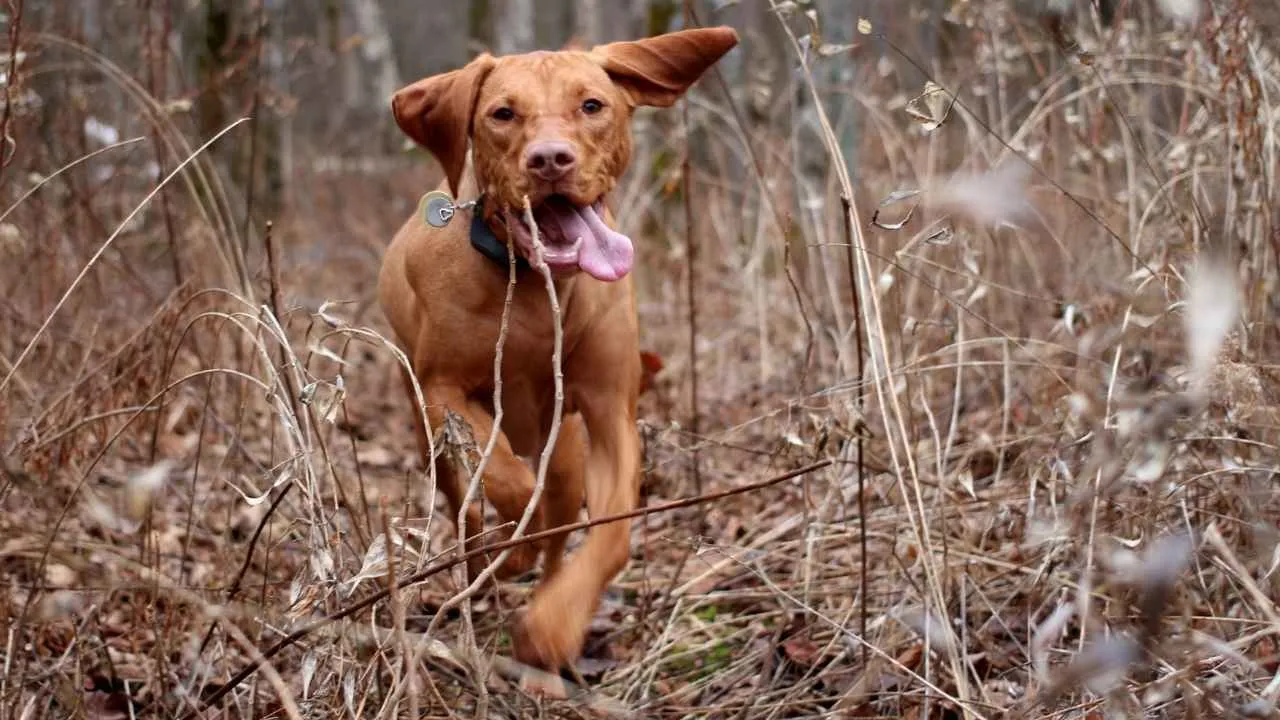
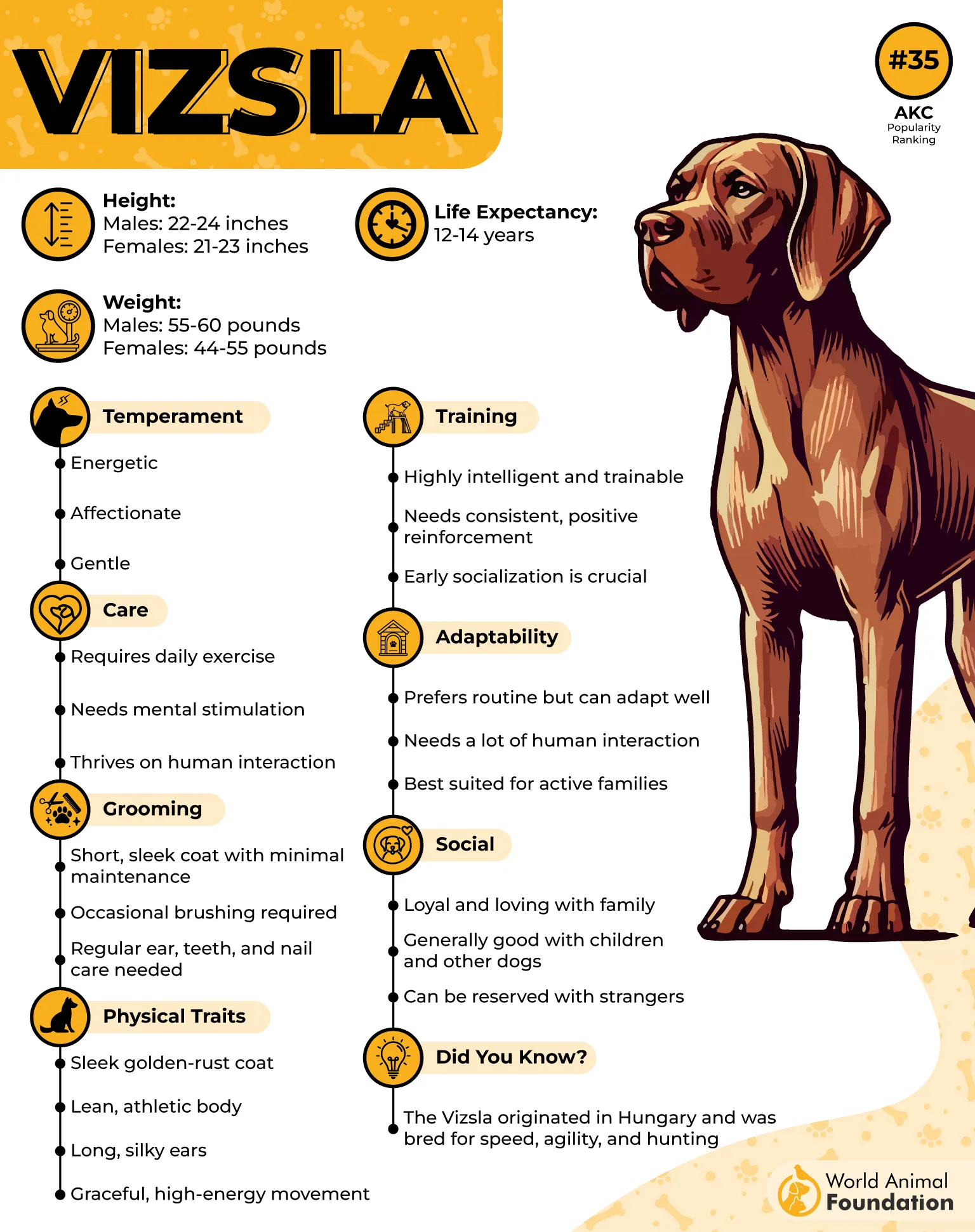
Vizslas were developed in Hungary as hunting companions and are known for tracking, pointing, and retrieving game. They are energetic, intelligent, and eager to please. Their smooth red-golden coats need only simple grooming, while their athletic nature makes them well-suited to active outdoor lifestyles.
Energy and Outdoor Adventures
Vizslas have energy to spare and need regular physical and mental stimulation. They enjoy running, jogging, swimming, agility, walking, and other outdoor activities.
They love working closely with their owners and can happily spend long days exploring. They need more than a quick walk and do best when they have safe spaces to run and stay active.
Training and Temperament
These affectionate dogs form very close bonds with their families and are often called “Velcro dogs” because they want to stay near their people. They can be gentle, friendly, and good with children, strangers, and other pets.
They learn quickly and respond best to kind, positive training. Because they may wander while following game, recall training is important. They can also become restless when left alone for too long.
5. Border Collie
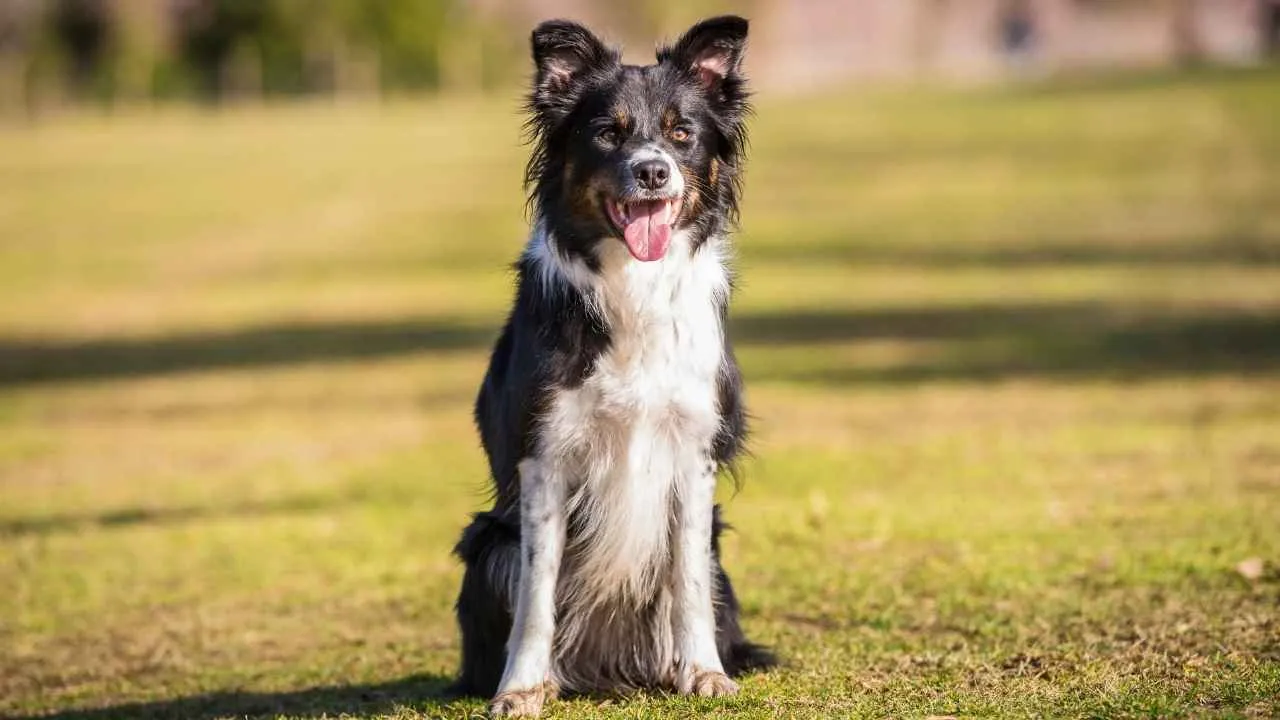
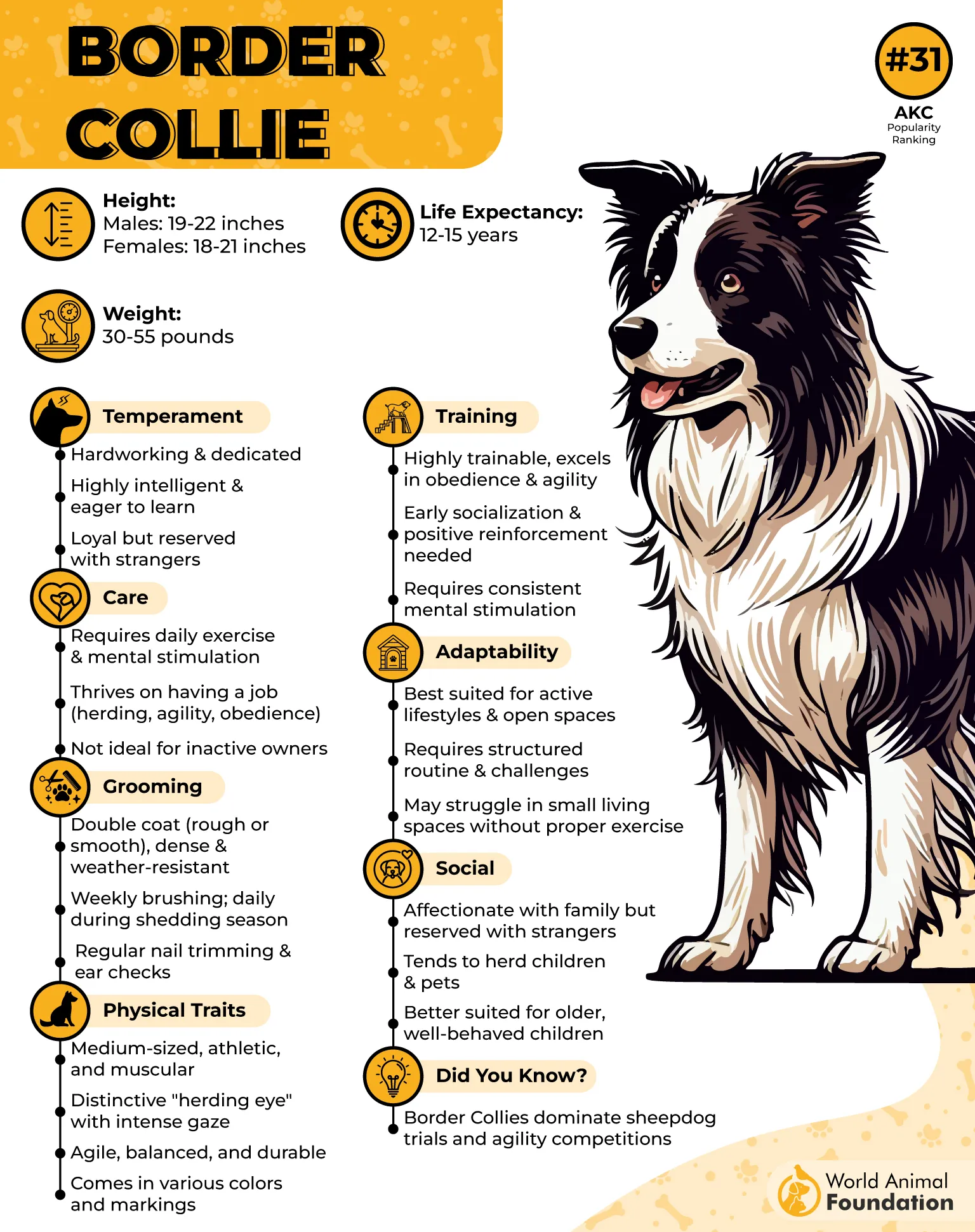
Border Collies are high-energy working dogs originally bred to herd livestock on farms in Great Britain. They are known for their exceptional intelligence, agility, and strong work drive.
Their nimble build allows them to make quick, sharp movements, while their playful nature makes them enthusiastic companions for owners with an active lifestyle.
Energy and Outdoor Adventures
Border Collies need physical and mental challenges every day. They enjoy hiking, Frisbee, agility, and activities that give them a job to do.
Their abundant energy means they can become bored if they do not have enough to keep them busy. Without regular stimulation, they may turn to digging, chewing, or other unwanted behaviors.
Training and Temperament
These dogs learn tasks quickly and form close bonds with their owners and families. They are playful and interactive but can be aloof with unfamiliar people, dogs, or other animals.
Their natural herding instincts can also make them try to herd anything that moves. They suit extremely active owners who have the time for exercise, training, and daily mental challenges.
6. Alaskan Malamute
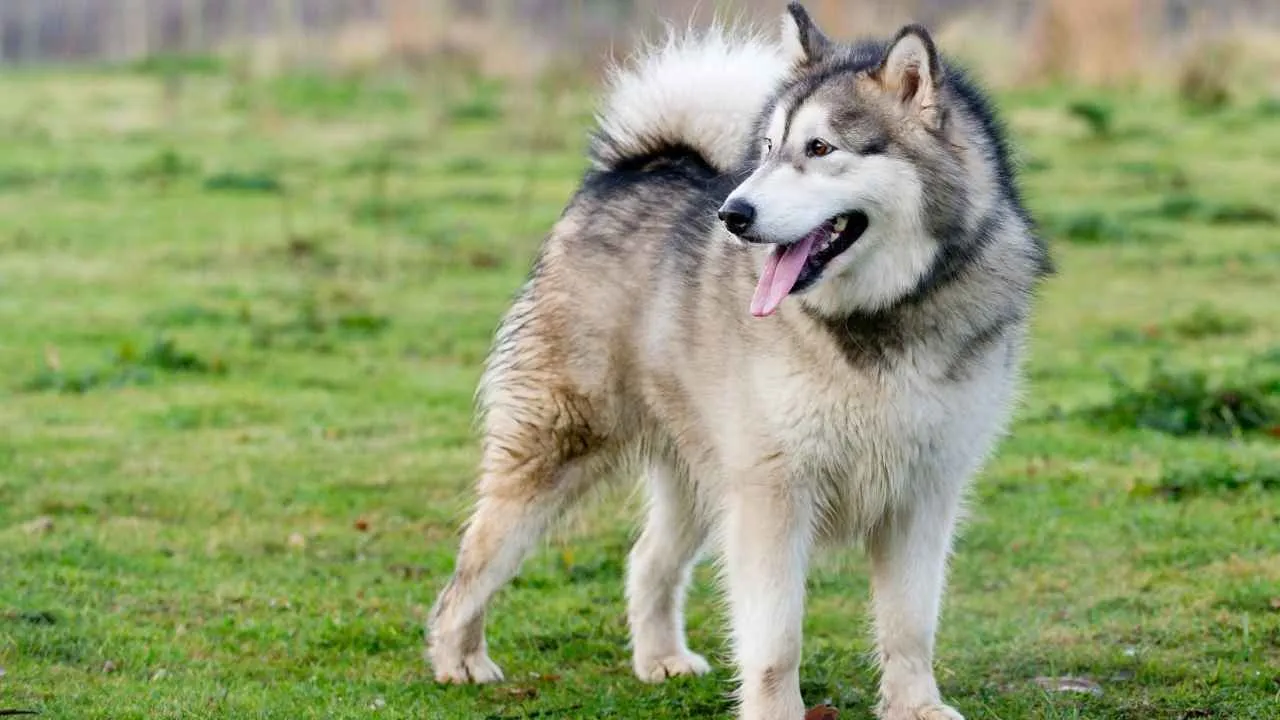
Alaskan Malamutes were originally bred as sled dogs in Alaska, where they hauled heavy goods over long distances. Their strong bodies and thick coats reflect their working background.
Today, they are affectionate, social dogs that enjoy being part of family activities. They are also known for their playful yelps, howls, and “woo woo” sounds.
Energy and Outdoor Adventures
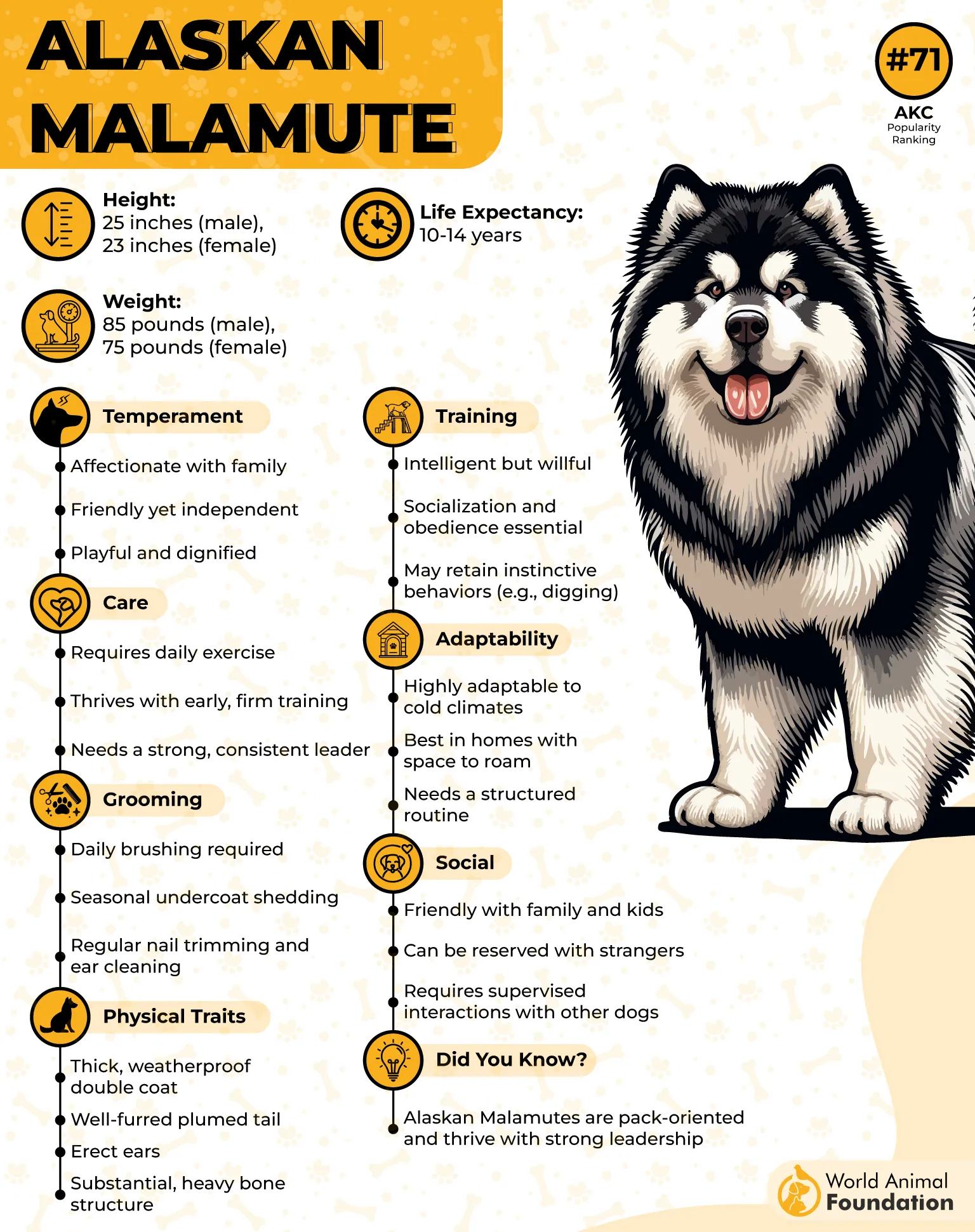
Malamutes need significant daily exercise to stay physically and mentally engaged. They enjoy hiking, long walks, pulling activities, agility, obedience, swimming, and other outdoor sports.
Early-morning hikes can be better in hot weather. Without enough activity, they may look for their own entertainment by digging or chewing.
Training and Temperament
These dogs are intelligent, social, and affectionate, but they can also be willful. Consistent structure and positive reinforcement training are important. Early socialization helps them interact well with people and other dogs. They can have a strong prey drive and may chase smaller animals.
7. Rhodesian Ridgeback
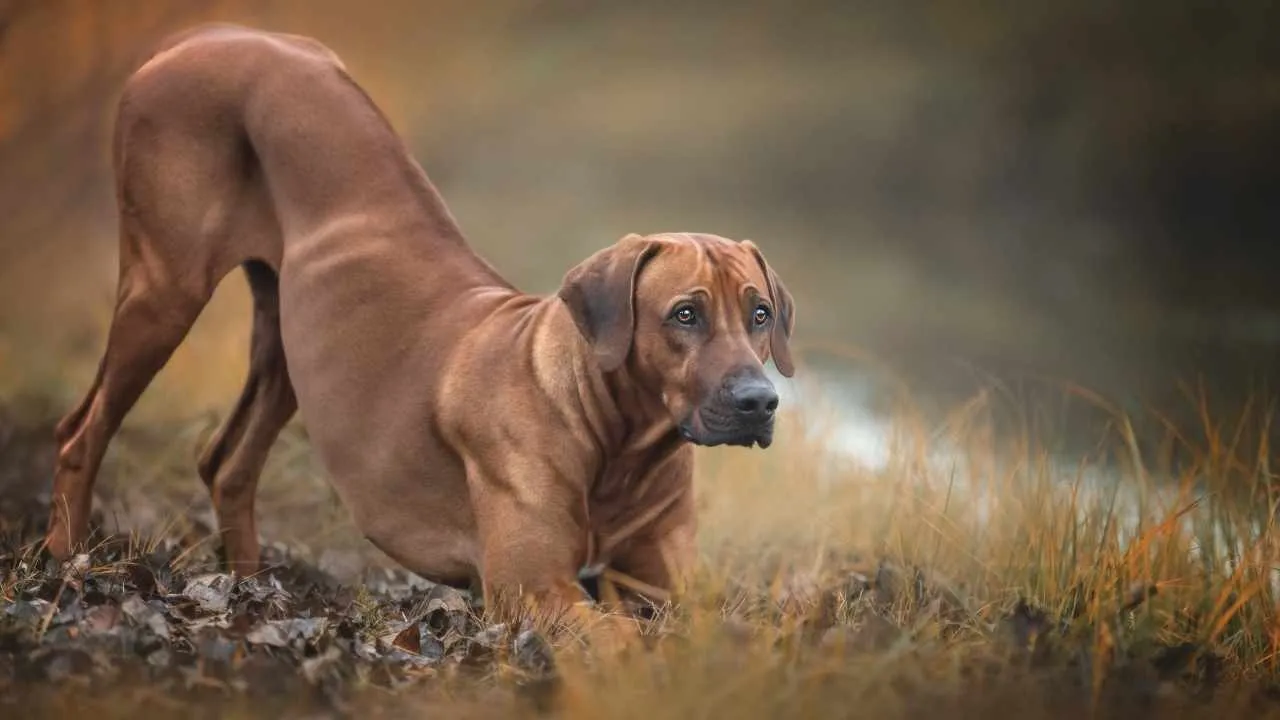
Rhodesian Ridgebacks are powerful, athletic dogs originally used to hunt lions in South Africa. Their strength, courage, and independence remain important parts of the breed today.
They are loyal and affectionate with their families and are known for the distinctive ridge of hair running along their backs, according to Omlet. Their sleek coats also need minimal grooming.
Energy and Outdoor Adventures
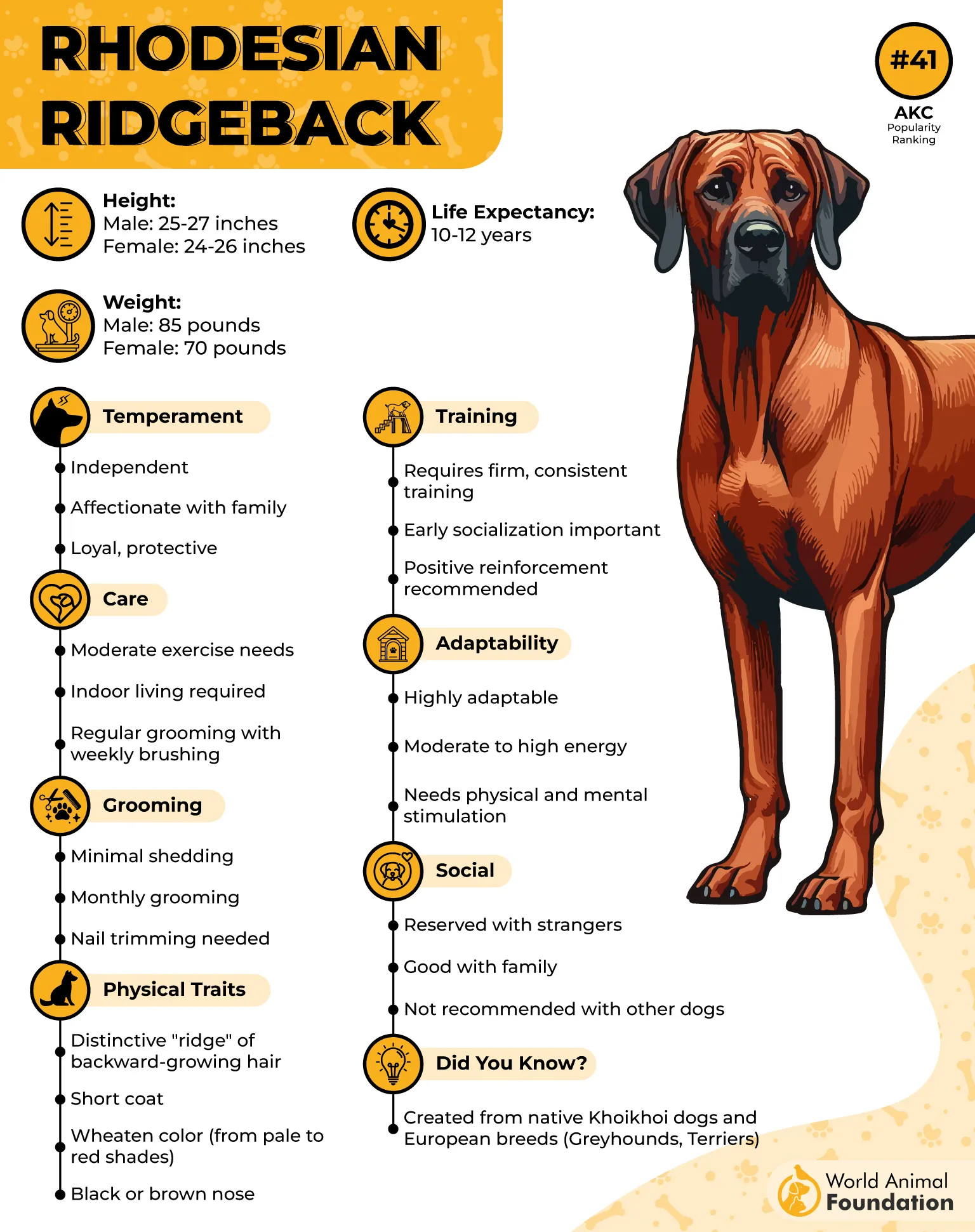
Rhodesian Ridgebacks have plenty of energy, especially when young. They enjoy regular walks, running, jogging, and opportunities to exercise in safely enclosed areas.
Their strong prey drive means they should be kept on a lead or in secure spaces outdoors. Agility, tracking, obedience, and active play can also help keep them engaged and prevent boredom.
Training and Temperament
These dogs are incredibly intelligent but can be stubborn, so early, firm, and consistent training is important. They are often aloof with strangers and can be protective of their families. Some may also be aggressive toward unfamiliar dogs.
Early socialization can help them become more comfortable around people and other animals. They can be affectionate, playful companions, but their strength and size mean young children and seniors may need extra care around them.
Conclusion
Camping and hiking can be even more enjoyable with a dog that loves to stay active and explore. These high-energy breeds bring plenty of stamina, athleticism, and enthusiasm to outdoor adventures, while their different personalities and training needs make each one unique.
Before planning your next getaway, consider your dog’s energy level, fitness, training, and ability to handle the trail.
Choose activities that suit their abilities, prepare for the conditions, and give them time to rest along the way. After all, the best adventure is one you and your dog can enjoy together from the first step to the final mile.
