




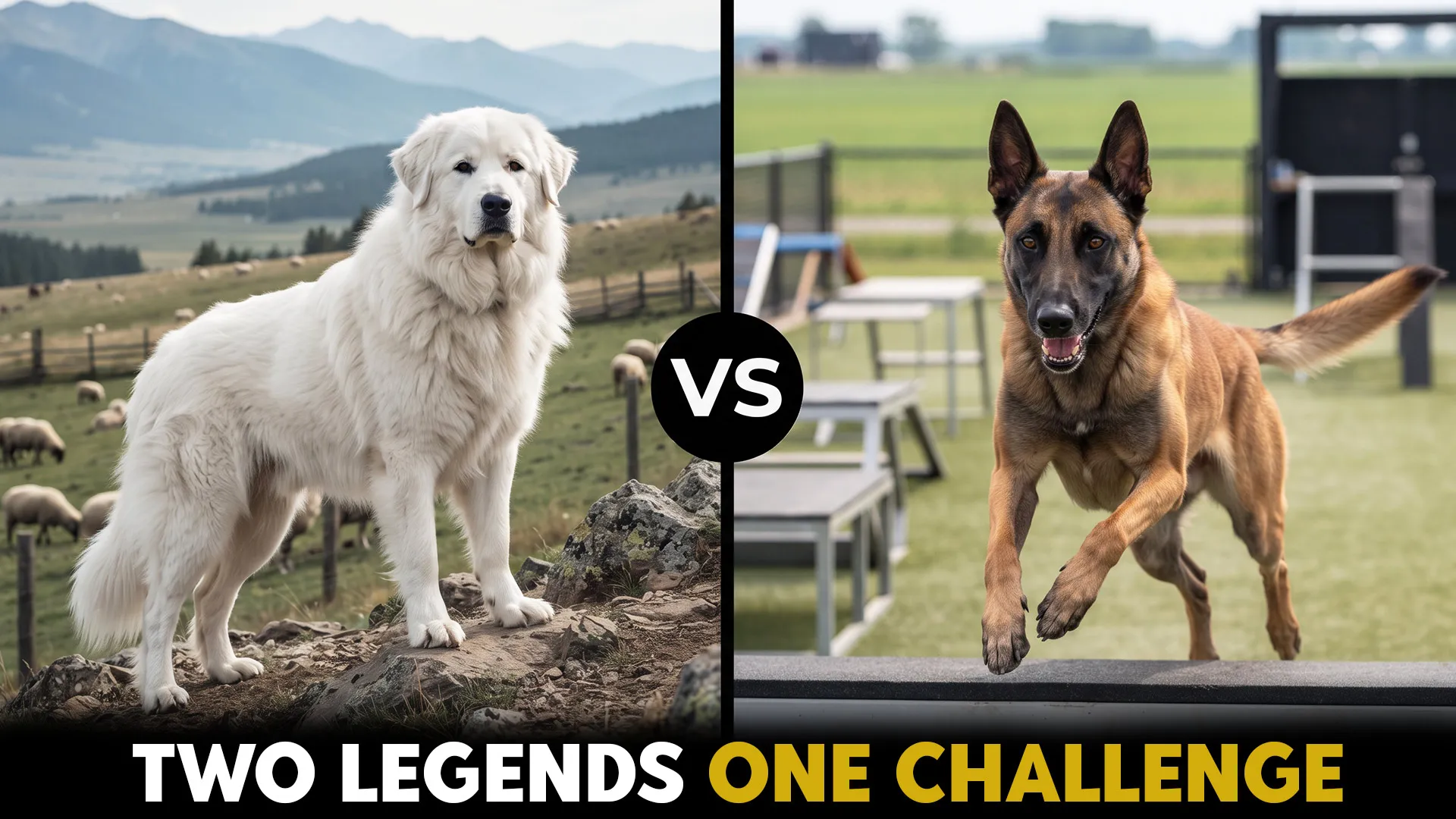
If dogs had job titles, the Great Pyrenees would be the calm security guard keeping watch from a distance, while the Belgian Malinois would be the special officer who never clocks out.
Both breeds are seriously hardworking, but they show their intensity in very different ways. One was bred to think independently while protecting livestock out in remote mountain terrain. The other was bred to work hand in hand with humans, tackling demanding tasks with impressive precision.
Choosing between them isn’t just about size or looks. It comes down to understanding how each dog thinks, works, and fits into everyday life. Let’s dig into which of these remarkable working breeds truly takes intensity to the next level.
Great Pyrenees vs. Belgian Malinois: Which working dog is more intense
Origins, History & Primary Purpose
These two breeds couldn’t be more different at their core. The Great Pyrenees is an ancient livestock guardian, while the Belgian Malinois is a high-drive herding and working breed built for a completely different job.
Great Pyrenees: Bred thousands of years ago to protect livestock from predators like wild boars and wolves, this breed’s ancestors were the white mountain guardian dogs kept by nomadic shepherds in Asia. After migrating to the Pyrenees Mountains, the breed evolved into the independent-thinking guardian we know today, now cherished as both a family companion and a reliable protector.
Belgian Malinois: This breed got its start in the Flanders region of Belgium in the late 1800s, originally working as a farm dog. According to the AKC, it was officially distinguished from three similar breeds (the Tervuren, Groenendael, and Laekenois) in 1891 based on coat type.
Size, Build & Overall Appearance
The Great Pyrenees is a gentle giant with a thick, heavy coat, while the Belgian Malinois is a lean, athletic, medium-to-large dog built for speed and agility.
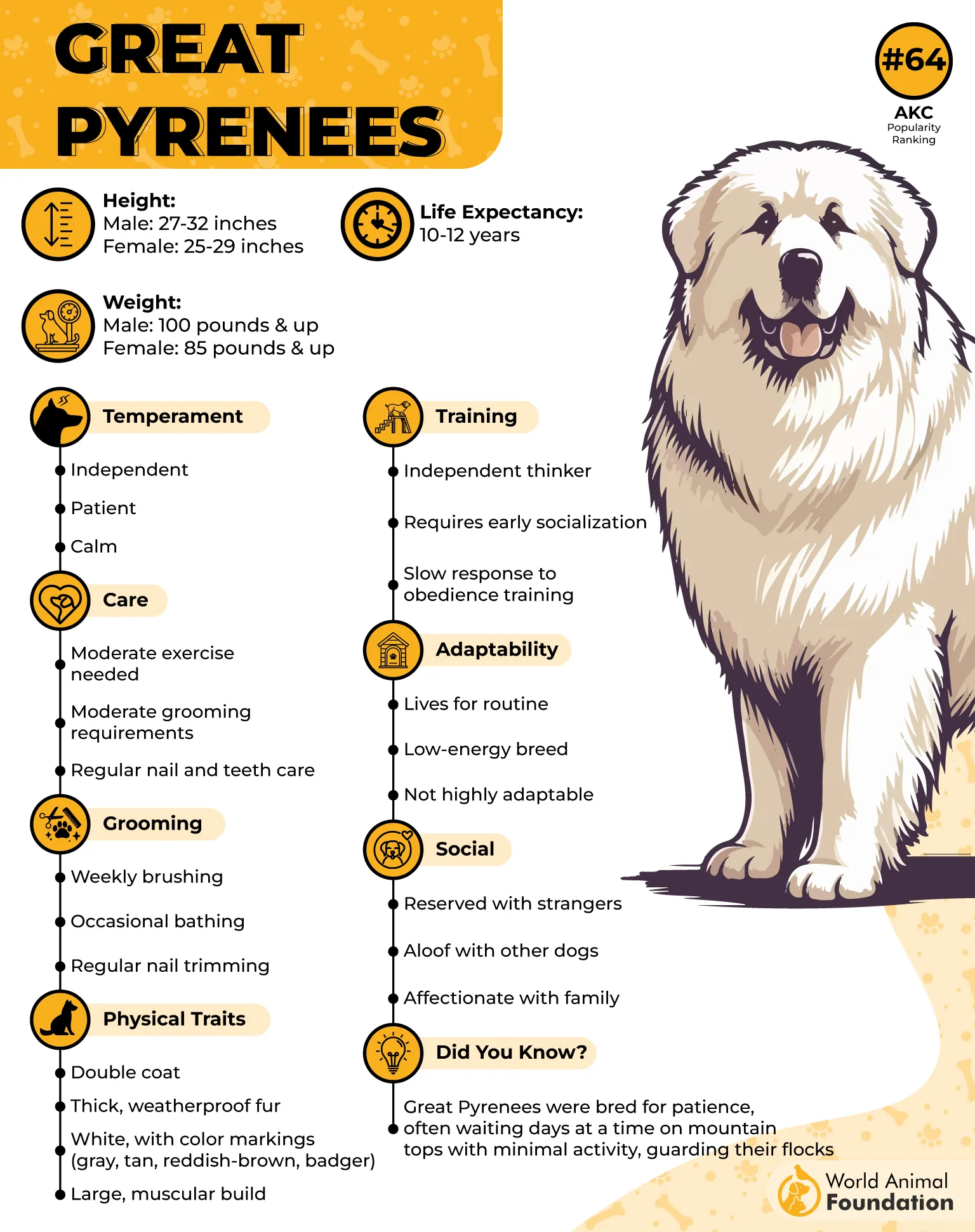
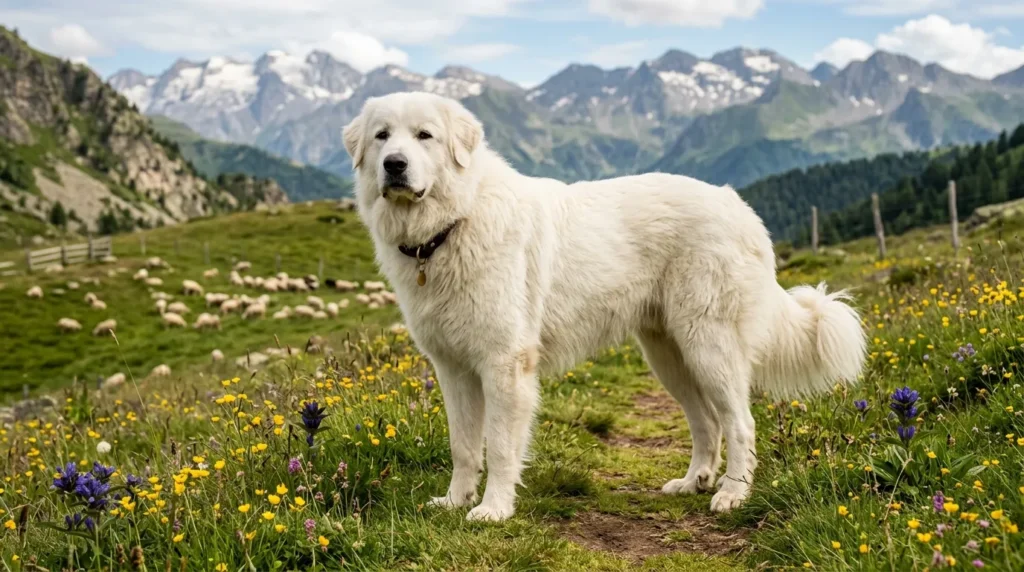
Great Pyrenees: Standing 25-32 inches tall and weighing anywhere from 85 to over 130 pounds, the Pyrenees has a wedge-shaped head that stays proportionate rather than heavy. Other signature features include almond-shaped eyes, small V-shaped ears, a short neck, a plumed tail, and double dewclaws on the hind legs.
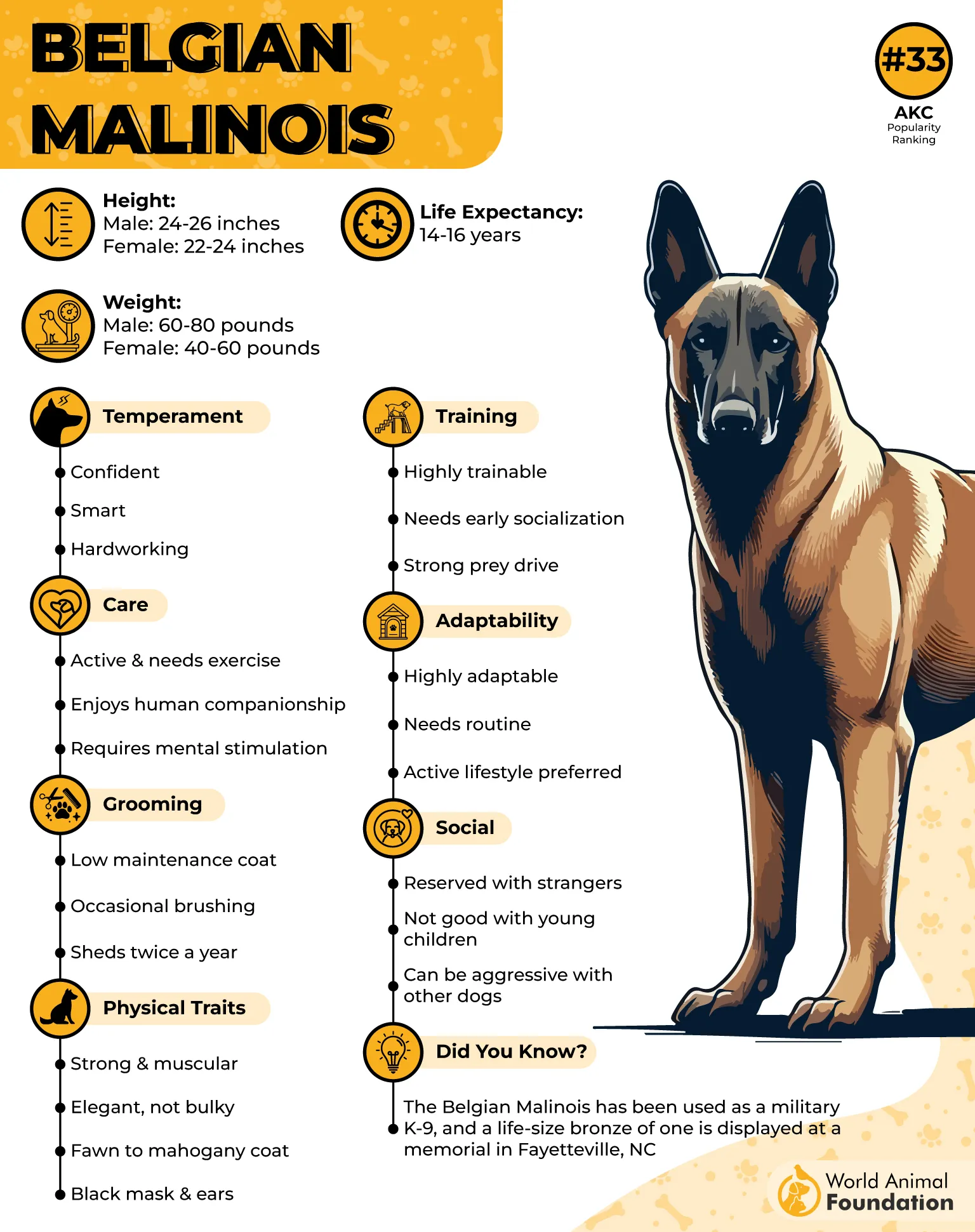
Belgian Malinois: This breed stands 22-26 inches tall and weighs between 40 and 80 pounds. With a square profile and lean build, the Malinois is made for covering long distances quickly. It also has a long, chiseled head, triangular erect ears, and a low tail that curves upward when the dog is in motion.
Coat Types, Grooming & Maintenance
The Pyrenees needs regular grooming to manage its thick, weather-resistant double coat, while the Malinois is fairly low-maintenance thanks to its short, tight coat.
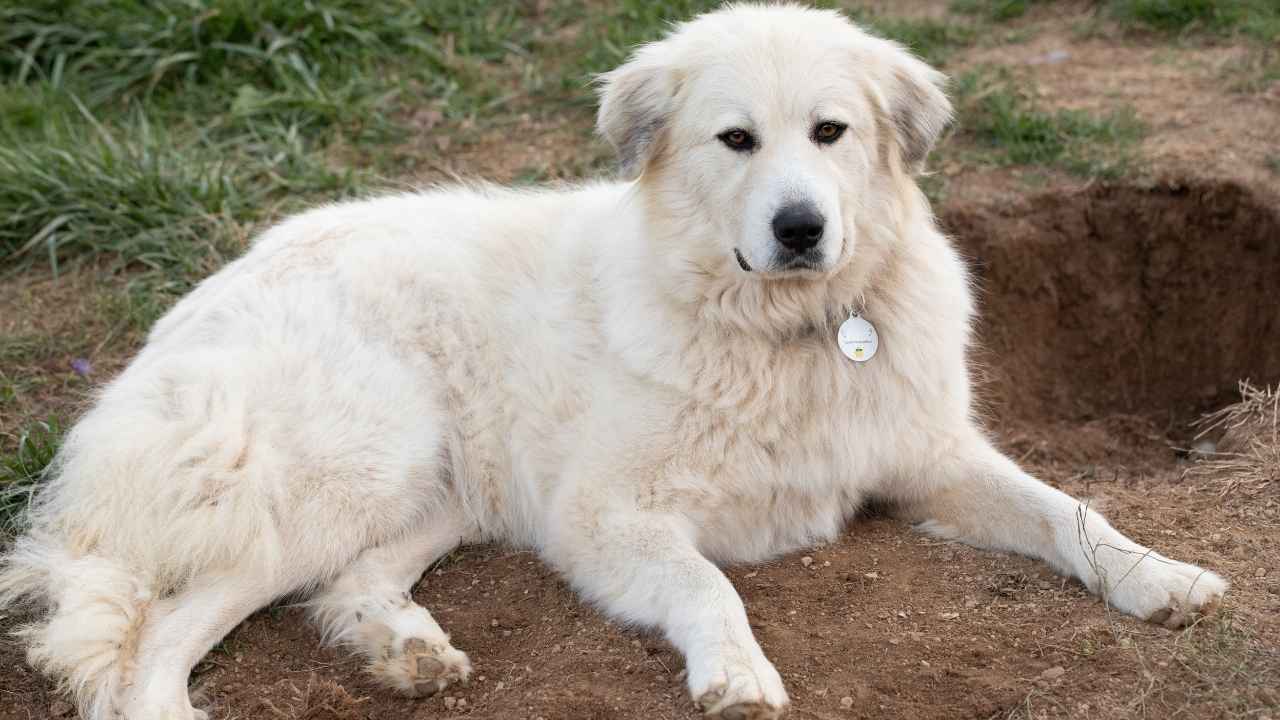
Great Pyrenees: This breed’s coat features a long, coarse white outer layer paired with a soft, woolly undercoat. The outer coat shields the dog from harsh weather and protects against predator bites, while the undercoat helps regulate body temperature.
Expect heavy shedding during spring and summer, so weekly brushing with an undercoat rake, slicker brush, and detangling spray is key to keeping loose hair under control.
Belgian Malinois: This breed has short hair on the legs and head, with slightly longer “collarettes” around the neck and a bit of fringe on the tail and hindquarters.
Their coat should never be clipped or shaved. Brushing once or twice a week with a rubber grooming mitt and a firm slicker brush is all it takes to keep them looking neat.
Temperament, Personality & Behavior
The Belgian Malinois is a high-energy, laser-focused herding breed, while the Great Pyrenees is calm, independent, and built to be a steady guardian.
Great Pyrenees: Bred to guard livestock across snowy, rugged terrain, this breed keeps a constant, watchful eye over its “flock.” Alert and fearless, it tends to be reserved around strangers but affectionate with family, kids, and other pets.
Indoors, the Pyrenees settles into a calm, easygoing nature, and thanks to its independent streak, it’s used to working without much guidance from its handler.
Belgian Malinois: Bred as a herding dog, the Malinois is almost always switched “on,” which is exactly why it excels in police and military work. It’s a true Velcro dog that forms an intense bond with its owner.
With a strong prey drive and natural herding instincts, it may nip at the heels of kids or anything that moves quickly. According to PetMD, boredom can also bring out destructive tendencies in this breed.
Trainability, Independency & Responsiveness
Both breeds are highly intelligent, but their thinking styles couldn’t be more different. The Malinois thrives on constant direction and picks up new skills fast, while the Pyrenees prefers to think for itself and isn’t particularly motivated to please people.
Great Pyrenees: This breed’s sharp intelligence means it can get bored quickly with repetitive or overly long training sessions, making standard obedience drills fairly pointless. That independent streak can also come across as stubbornness, which is best managed through consistent training and early socialization.
Belgian Malinois: Loyal and affectionate as they are, Malinois dogs aren’t the best match for first-time owners. Without enough mental stimulation, they can turn to destructive habits like chewing or digging. This breed genuinely needs a job to stay balanced, and it’s quick to bark at outside noises to protect its home turf.
Energy Levels, Activity Needs & Work Drive
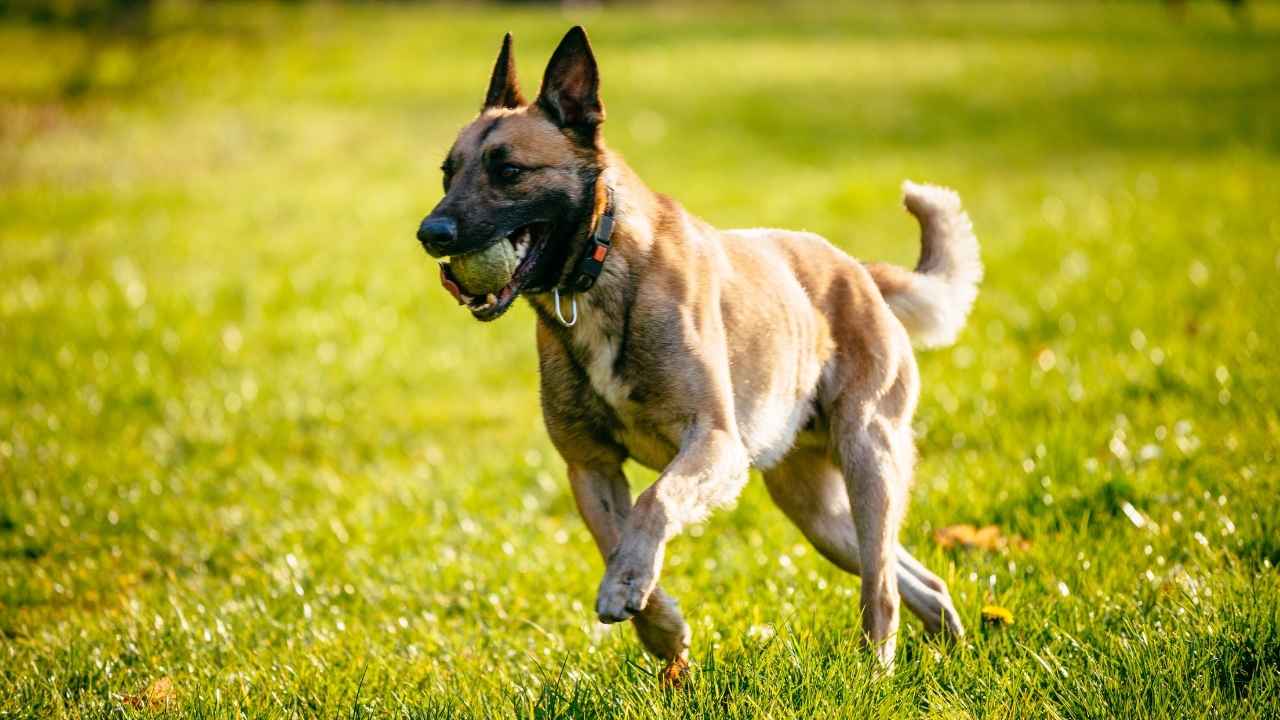
The Great Pyrenees fits best in relaxed yet secure homes, while the Belgian Malinois is a hyper-athletic working breed that needs a genuinely active handler to keep up.
Great Pyrenees: Despite its massive size, this breed is surprisingly low-energy at home, often sleeping up to 18 hours a day. Every so often, though, it’ll surprise you with a short burst of zoomies and jumping around the house. If you’ve got open space, a 4-foot fence is recommended for safe patrolling, and mental stimulation is still a must, even for this laid-back giant.
Belgian Malinois: This high-energy breed often holds onto its hyperactive “land shark” puppy phase until it’s 3 to 5 years old. It needs plenty of high-intensity exercise to burn off that extra energy and genuinely thrives when given a job or purpose to focus on.
Health Concerns, Average Lifespan & Durability
The Belgian Malinois tends to live a bit longer, averaging 12-14 years and holding up remarkably well under high-intensity activity, while the Great Pyrenees typically lives 10-12 years.
Great Pyrenees: This breed benefits from relatively good genetic diversity compared to many other pedigree dogs. With excellent nutrition and consistent vet care, some Pyrenees can even reach 14 years.
That said, Orvis notes the breed is prone to certain heritable and age-related issues, including orthopedic problems, bloating, eye conditions, and dental issues.
Belgian Malinois: Resilient as they are, Malinois dogs can still be prone to specific genetic health concerns like hip and elbow dysplasia, PRA, epilepsy, hypothyroidism, and dental disease. Factors like weight management, breeding quality, and activity level all play a big role in how long they live.
Working Roles, Canine Instincts & Traits
These two breeds operate on completely different working systems. The Pyrenees is an independent, largely nocturnal guardian, while the Malinois is a human-focused herder that needs constant purpose to stay fulfilled.
Great Pyrenees: Originally bred as a livestock guardian, the Pyrenees is now widely used to protect estates and property thanks to its strong territorial instincts. Its gentle nature also makes it a great therapy dog, while its heightened alertness at night makes it well-suited for personal protection work.
Belgian Malinois: This breed instinctively takes charge of a “herd,” nipping at heels and circling to keep things in order. As a watchdog, it’s incredibly perceptive, picking up on both its surroundings and its handler’s emotions.
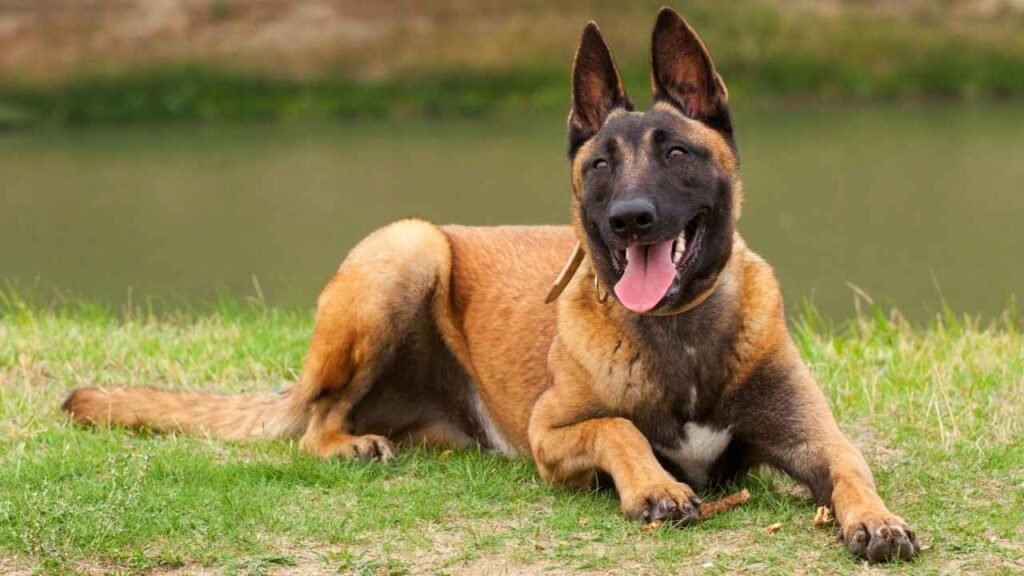
That sharp focus is exactly why it’s so widely used in law enforcement, detection work, search and rescue, and competitive dog sports.
Lifestyle Compatibility & Owner Suitability
The Great Pyrenees is a calm, independent protector, while the Belgian Malinois is an intense, high-energy working breed best suited for experienced owners.
|
Features |
Belgian Malinois |
Great Pyrenees |
|---|---|---|
|
Ideal Owner |
Active owners looking for an intelligent partner and ready to provide a constant job or purpose |
Owners who can offer firm leadership, steady socialization, and secure, high fencing |
|
Family & Companionship |
Fiercely loyal and people-oriented, with intense prey drive and herding instincts |
Gentle, patient, and protective around family and children |
|
Living Space |
Can adapt to apartment living as long as it gets enough outdoor time |
Best suited to homes with large yards in suburban or rural settings |
Conclusion
The Great Pyrenees carries a quiet intensity, calmly protecting, observing, and making its own decisions without much fuss. Its real strength lies in patience and quiet confidence. The Belgian Malinois, on the other hand, is intense in motion. It craves work, chases challenges, and operates with a level of drive few breeds can match in energy, responsiveness, and determination.
For most people, the Belgian Malinois is the more intense working dog overall. Its exercise needs, mental demands, and constant need for purpose make it one of the more challenging breeds to keep up with. That said, never underestimate the Great Pyrenees. Behind that calm, gentle expression is a fearless guardian that’s been protecting livestock and families for centuries.
