




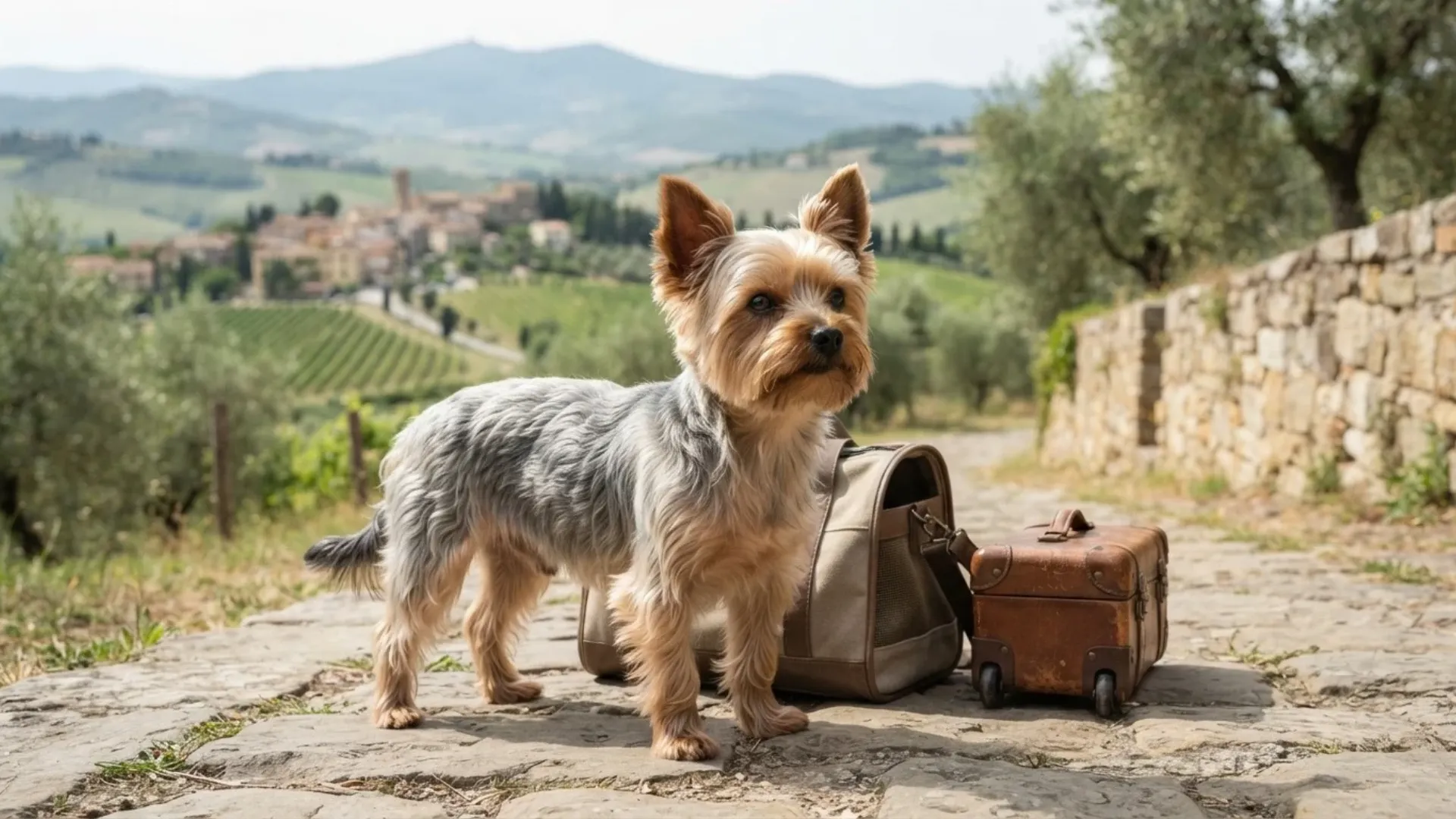
Some people collect passports. Others collect pet hair on every seat, suitcase, and hotel blanket. If you belong to the second group, you already know a trip feels incomplete without a wet nose pressed against the car window.
The right dog can turn a long drive into a comedy show, a quiet cabin into a cozy hideout, and an unfamiliar city into home.
But not every pup is built for life on the move. Some need space, routine, and a backyard bigger than your budget. Others happily hop from a carrier to a café patio like seasoned jet-setters.
Below are dog breeds that tend to fit a travel-loving lifestyle, small enough to manage, social enough to enjoy new places, and charming enough to make strangers ask, “Can I pet your dog?”
Great Dog Breeds for Those Who Love to Travel
1. Beagle
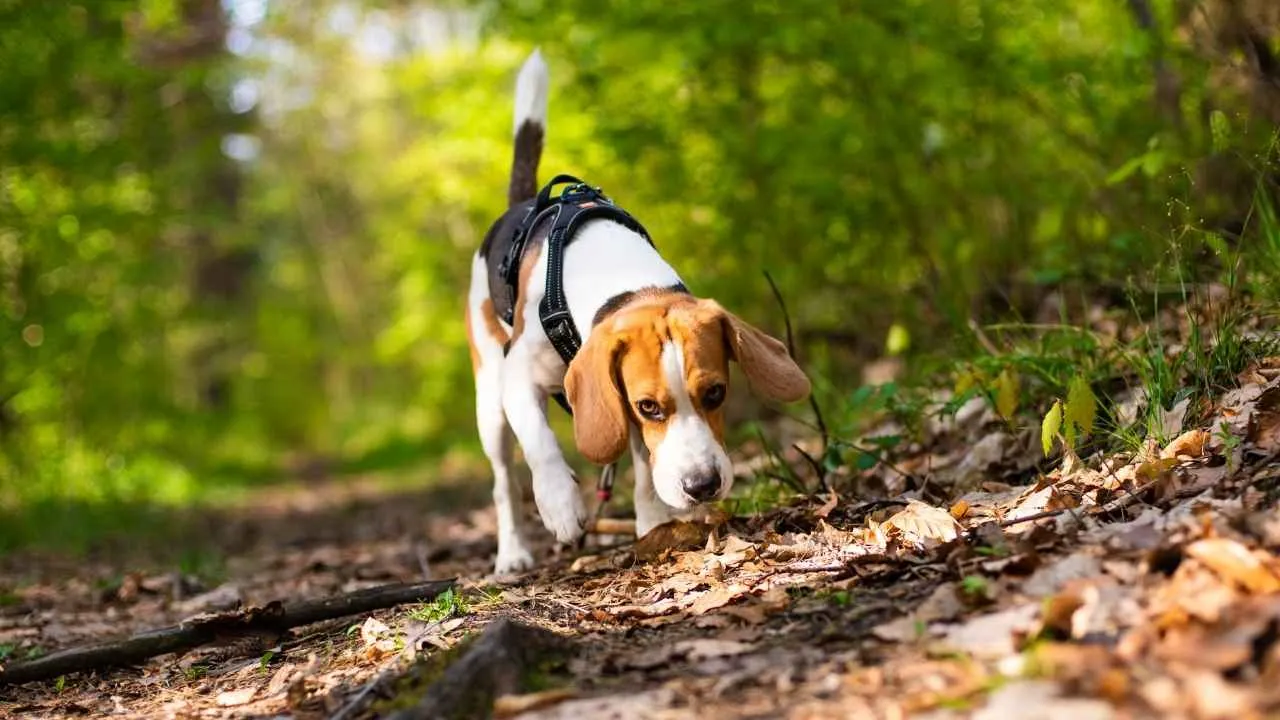
The breed has been around since Ancient Greece in 400 BCE. Documents suggest that the primary purpose of the breed was to serve as a hunting dog, particularly for rabbits. It is known to have developed from the Foxhound, the Harrier, and the Kerry Beagle.
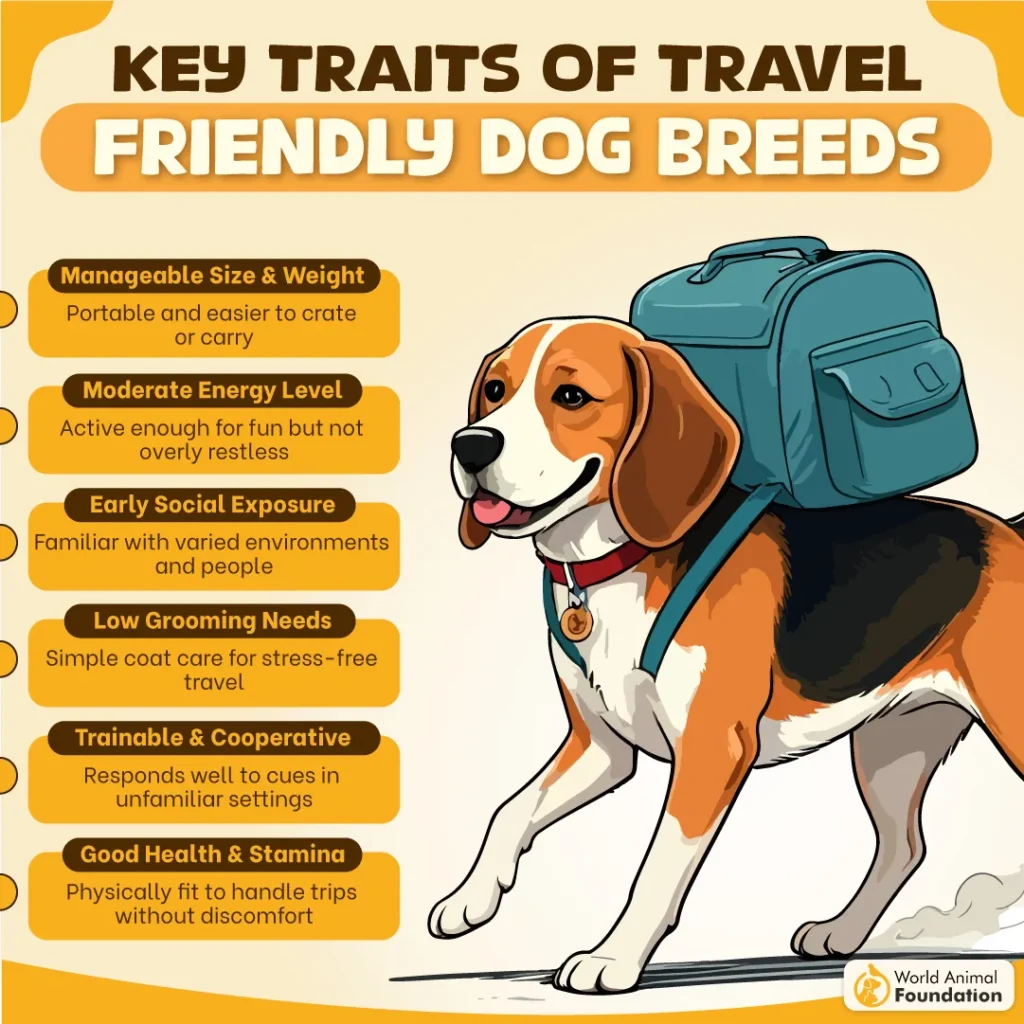
Standing around 13-15 inches tall, the small dog is highly portable and has a weather-resistant coat; thus, it can endure any weather condition. With up to 220 million olfactory receptors, it has strong environmental mapping. The white-tipped tail allows the owner to locate the dog in dense bushes.
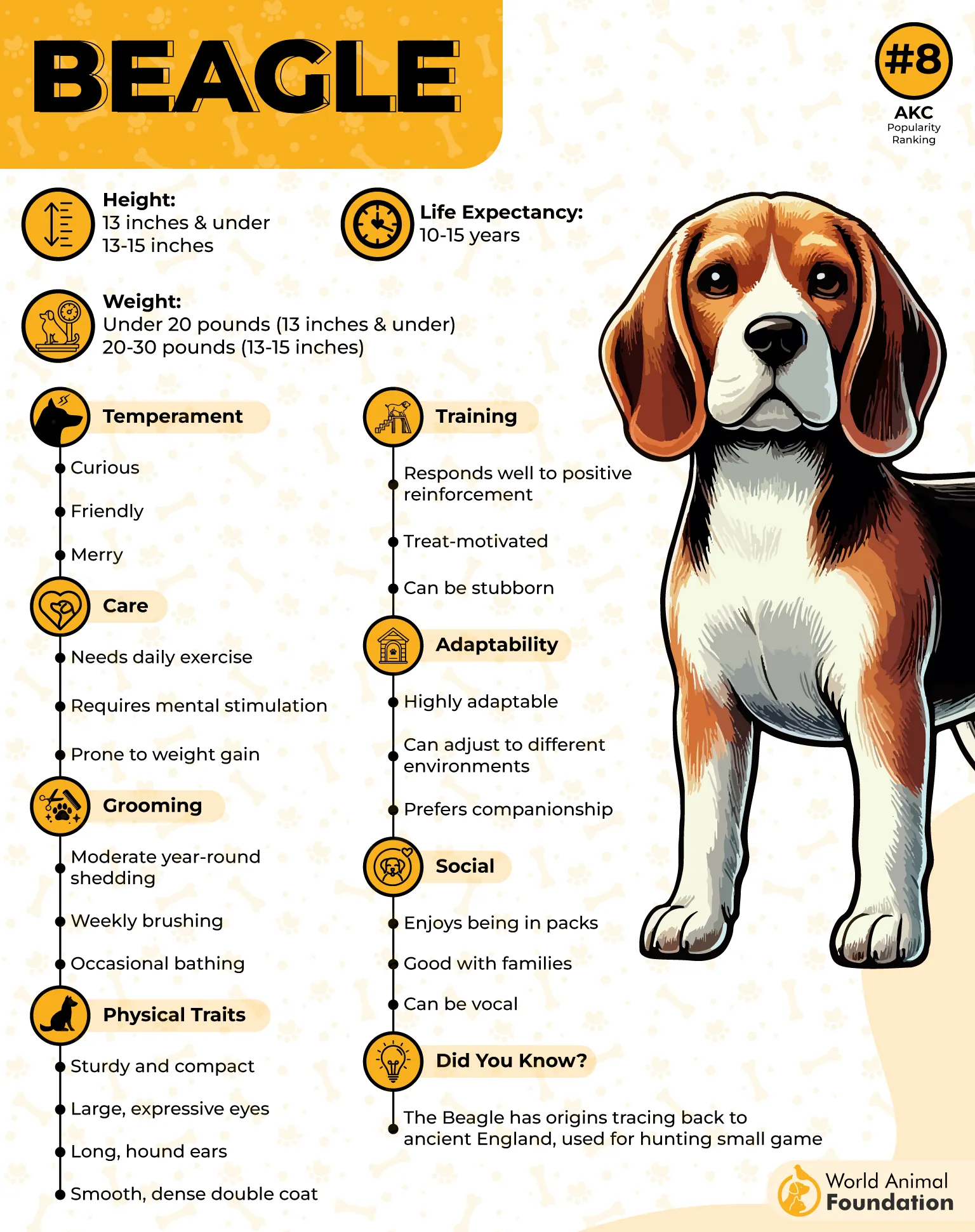
It has low conspecific aggression and does not overreact around other dogs and strangers. Built for endurance, the breed can hike for around 10 miles a day. Being highly food motivated, it is quite biddable.
2. Cavalier King Charles Spaniel

This toy dog of Spaniel type was originally bred in England with an average lifespan of 8-12 years. Also known as Blenheim, it was once favored by King Charles and Queen Victoria, as per Wikipedia.
Since the ancestors were bred to flush out birds and small game, the travel dog has an innate drive to explore outdoor environments and track scent. The energy automatically sets to a higher level while hiking. The active mode switches off indoors. However, the breed is prone to overheating because of its brachycephalic nature.
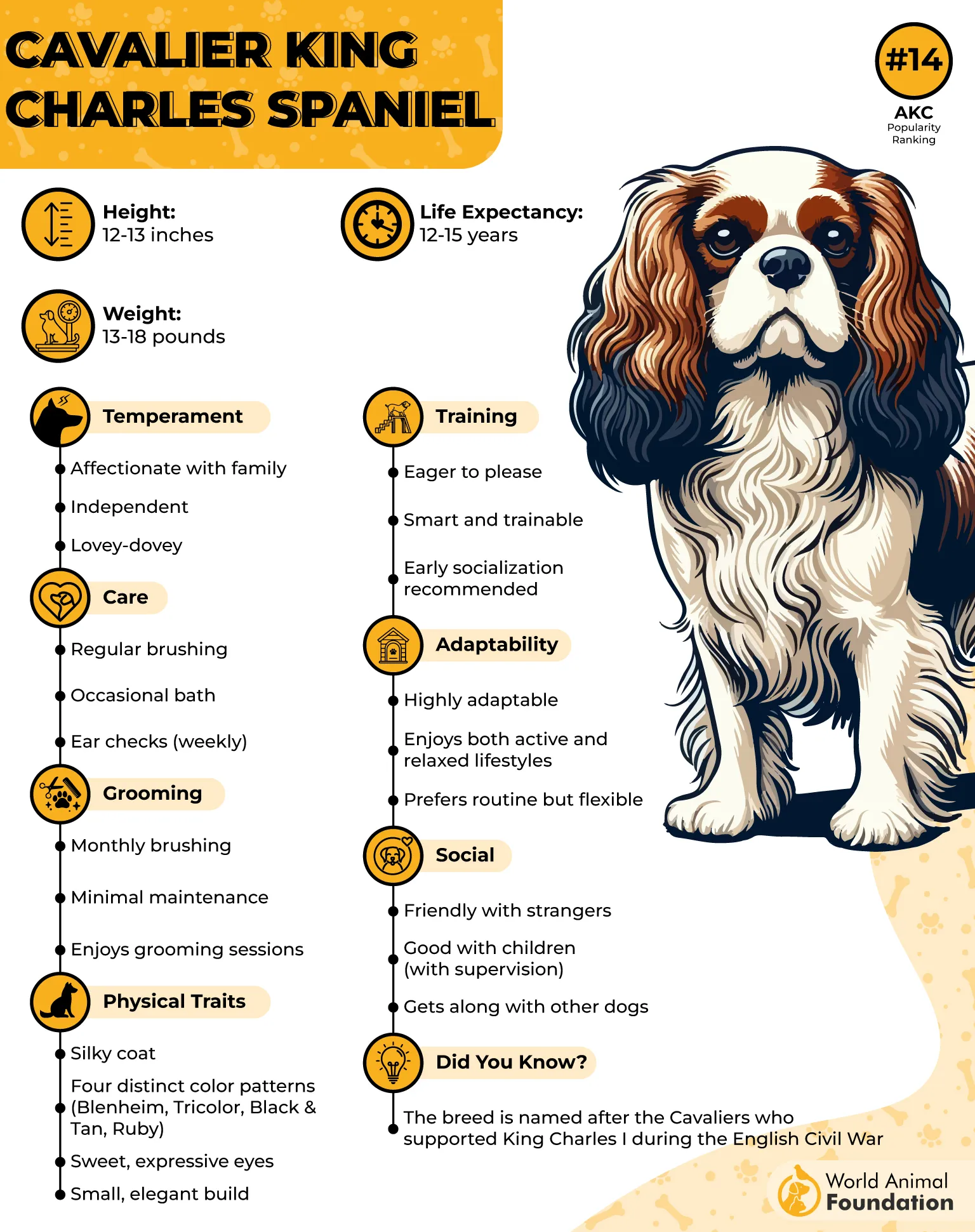
It does not have a yappy nature, making it ideal for hotel rooms and airplanes. Keep the breed on a fixed leash as it can chase a small moving object because of hunting instincts.
3. Dachshund
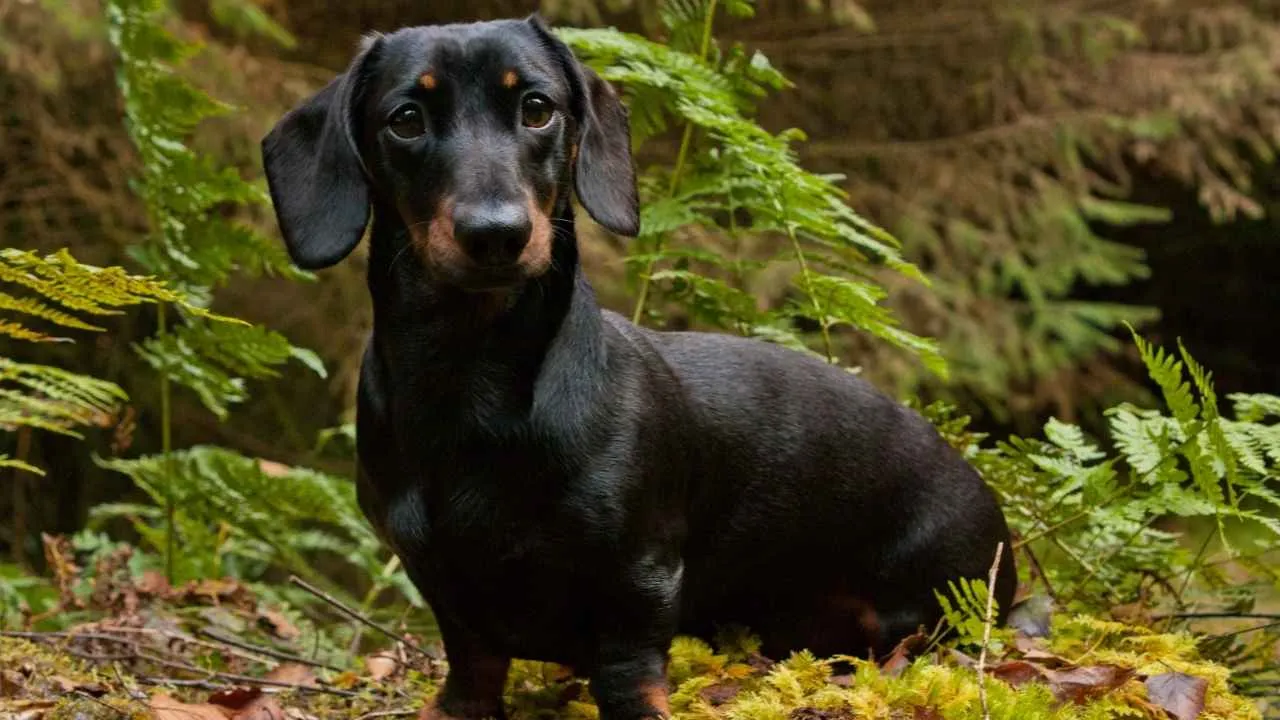
The history dates back to Germany, where the breed was developed some 600 years ago as a badger-hunting breed, as noted by the AKC. With its low-slung body, it tends to navigate through tight spaces easily. However, it is prone to certain health concerns because of short legs and a flexible spine.
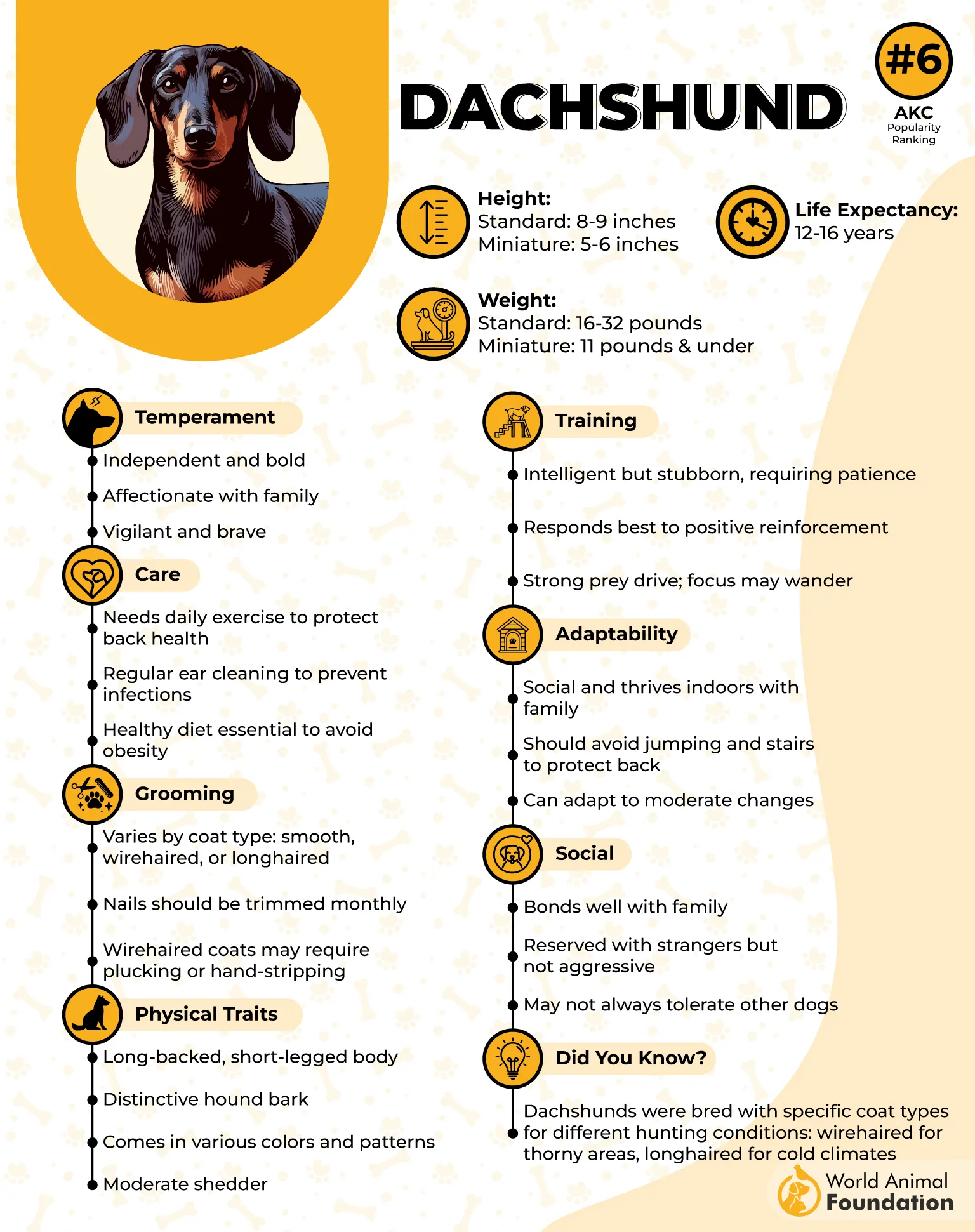
The broad front feet paired with paddle-shaped front legs allow it to clear debris, scramble over loose rocks, and navigate unstable wilderness paths. The loose and flexible skin acts as armor outdoors. Three different coat types are designed for different travel destinations.
The great watchdog has a booming bark and tends to alert the owner of a potential threat. The breed is ideal for ‘sniffari’ because of its incredible sense of smell and hunting instincts.
4. Yorkshire Terrier
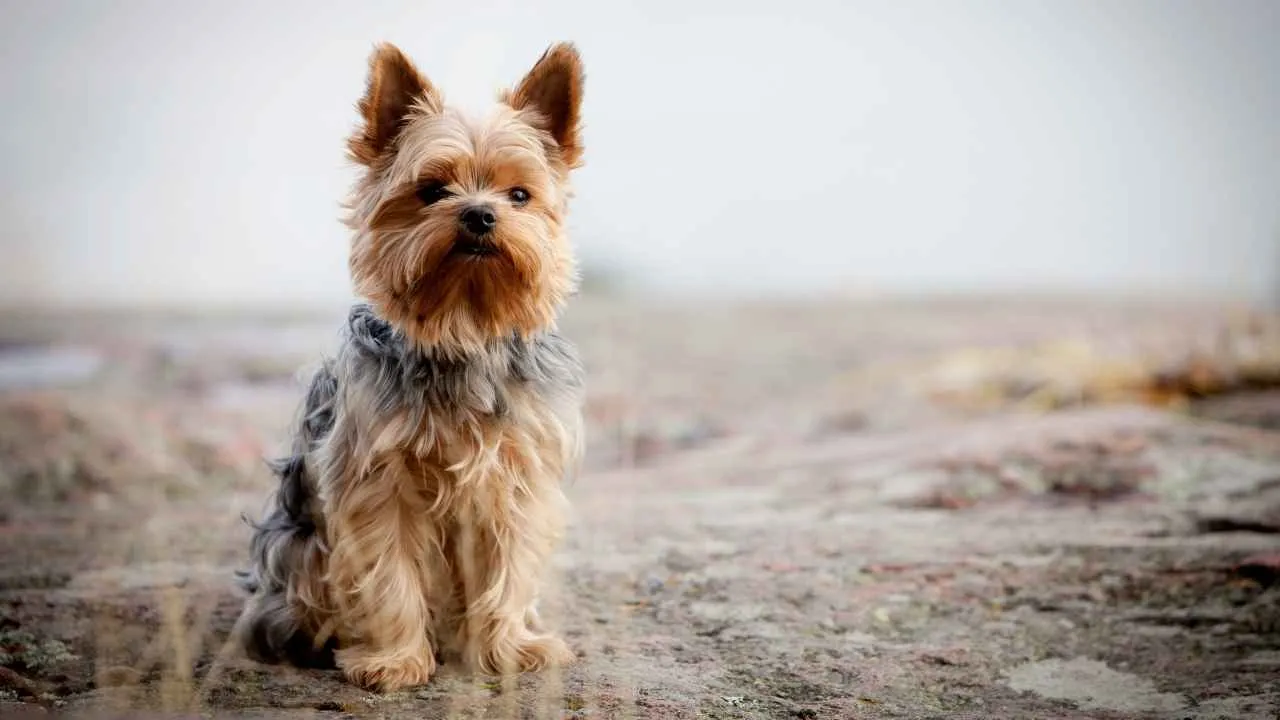
Descended from the Waterside Terrier, the Yorkie is the cross between the Clydesdale Terrier, Paisley, and the Black-and-Tan English Terrier. It was bred as a rat-catcher for the textile and cotton mills in Yorkshire.
The little dog creates minimal ground reaction force while jumping or walking as it weighs no more than 7 pounds. It has a moderate bone-to-muscle density ratio and a level back that provides excellent agility. It has a high reactivity threshold and does not panic easily with loud noises.
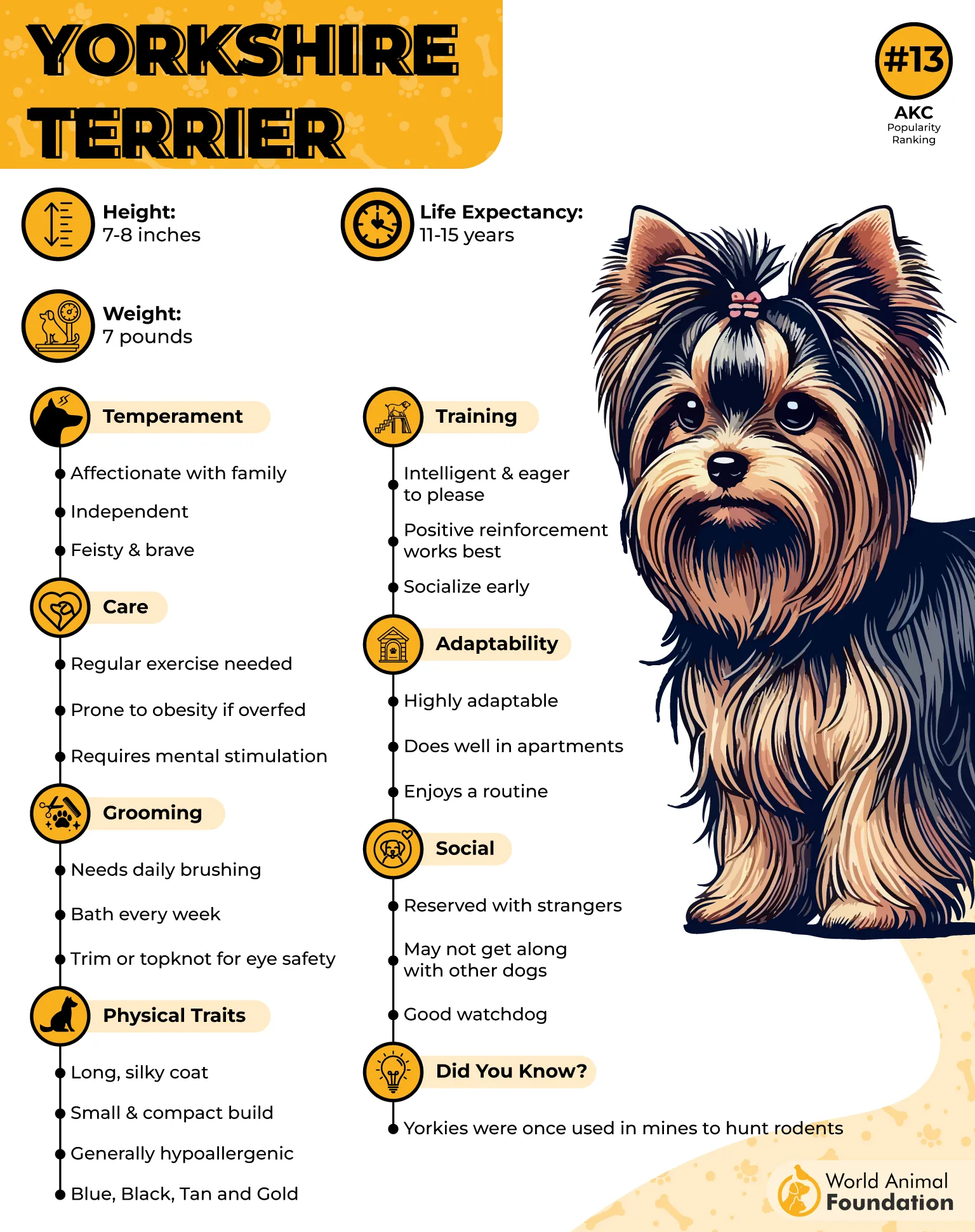
Since it is a small dog, it has a small bladder too and needs to go to the litter box every 2 to 3 hours. Thus, keeping puppy pee pads is highly recommended. It lacks an undercoat, so always keep a blanket or sweater while traveling to a colder place.
5. Shih Tzu
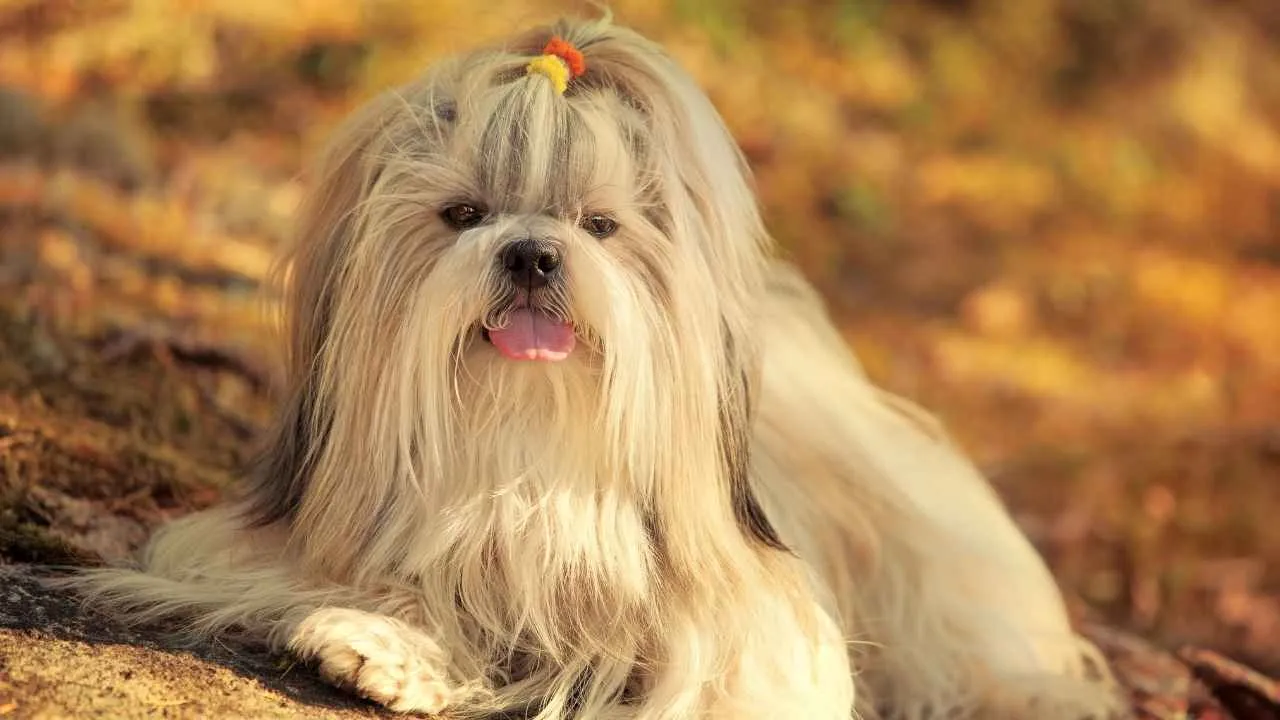
The ancient dog breed was originally developed in the Forbidden City in the 17th century by crossing the Lhasa Apso and the Pekingese. It was first named the ‘Lhasa Lion Dog,’ according to Purina.
It is generally a low-energy breed and fulfills its exercise and mental stimulation requirements within 20-30 minutes. Despite being a good watchdog, it lacks a high prey drive or territorial aggression, making friends with strangers when introduced properly. Since it is incredibly sensitive to airflow issues, stress, and extreme temperatures, it should never be allowed in a cargo hold.
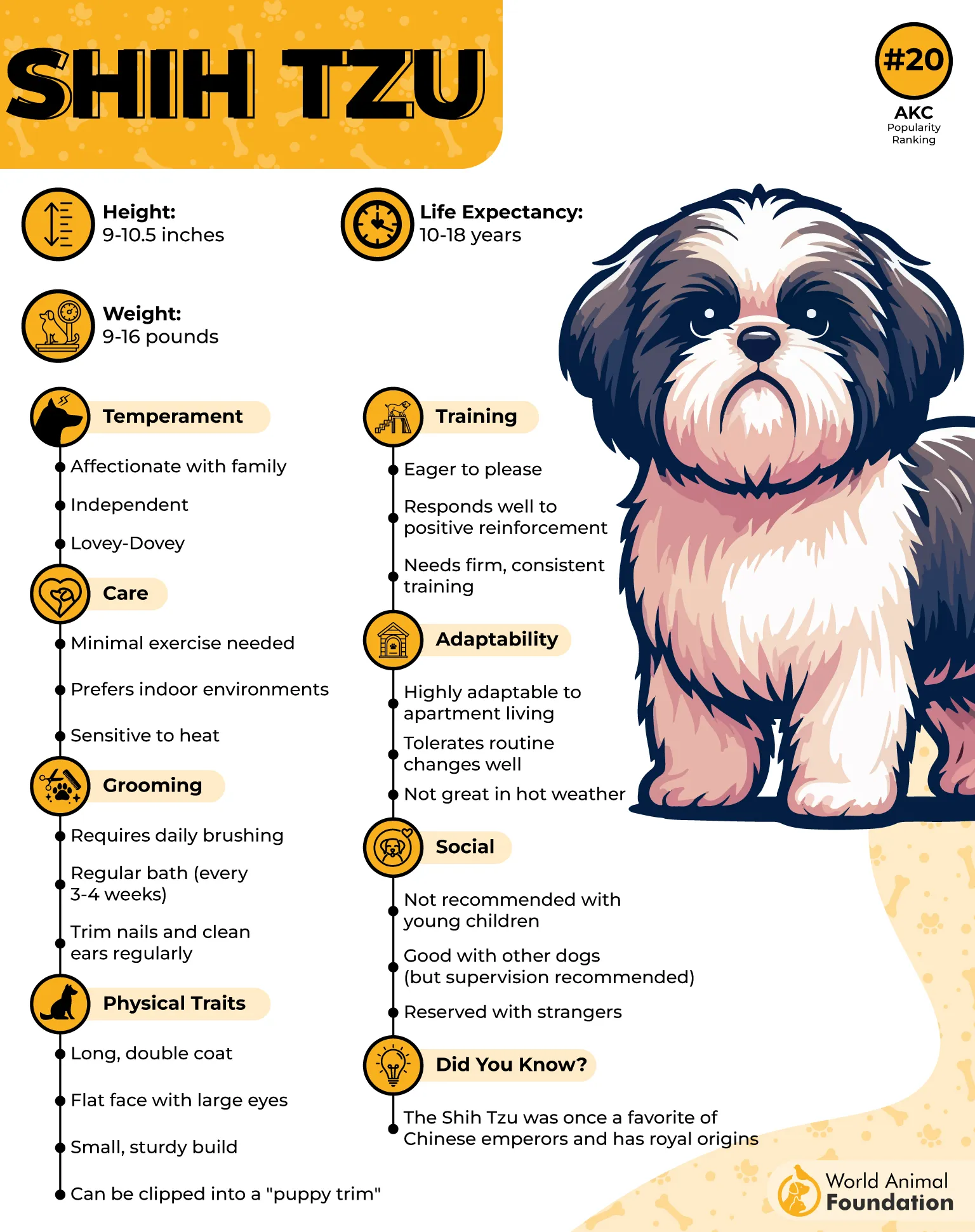
Being prone to motion sickness, the breed is suggested to be fed light food before traveling internationally and to keep it hydrated. Go for a vet check-up before long-distance travel.
6. Maltese

The exact origin of the breed is still unknown; however, it is believed the breed arrived in Central Europe through Asia and is closely related to the Tibetan Terrier. The wealthy Britishers then favored it in the 14th century.
It is considered a hypoallergenic breed because of the continuously growing hair that sheds minimally. The velcro dog tends to follow you from room to room as it forms strong bonds with the owner. The breed has an advanced social intelligence and actively monitors the facial expressions and moods of the people around.
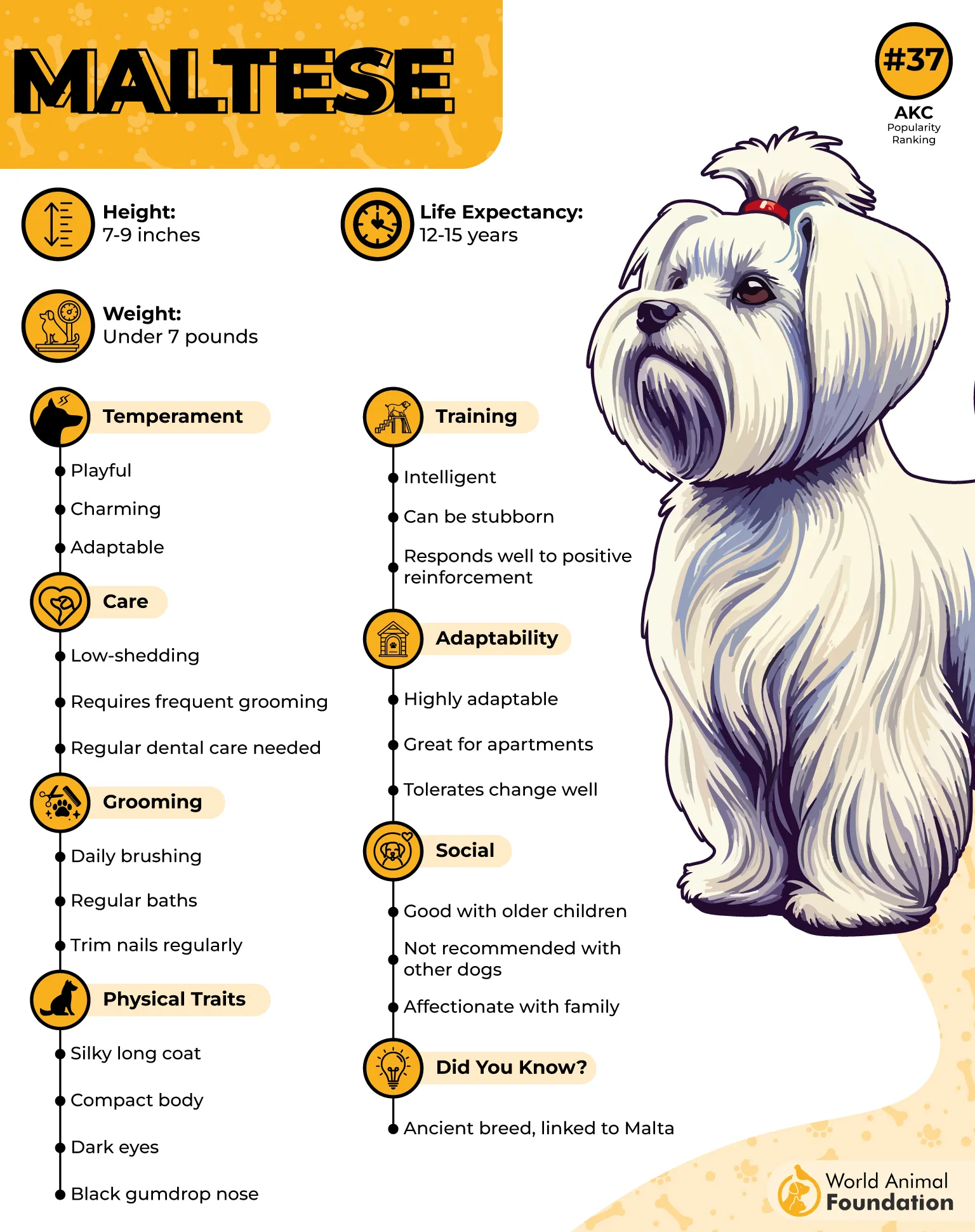
The breed has a fragile structural system and is prone to bone- and joint-related issues, such as luxating patella. Thus, places where the dog has to jump are not recommended.
7. Chihuahua
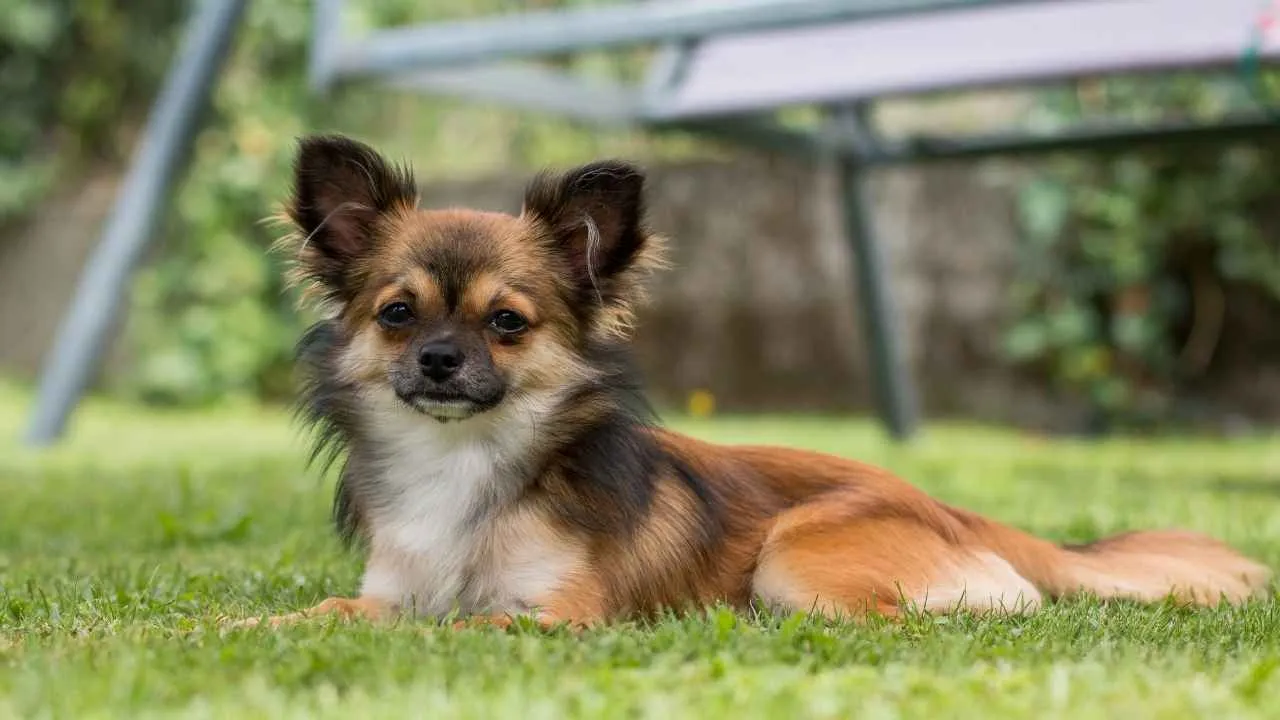
The smallest dog in the canine kingdom was developed in Mexico from a now-extinct small breed, the Techichi. It was bred in the 19th century and was officially recognized by the AKC in 1904.
The small dog possesses surprising stamina and can tackle multi-mile mountain hikes since it requires only 1/4 to 1/2 a cup of food per day, making it ideal for extended backpacking trips. The fiercely loyal breed has a Terrier-like alertness that keeps it naturally focused.
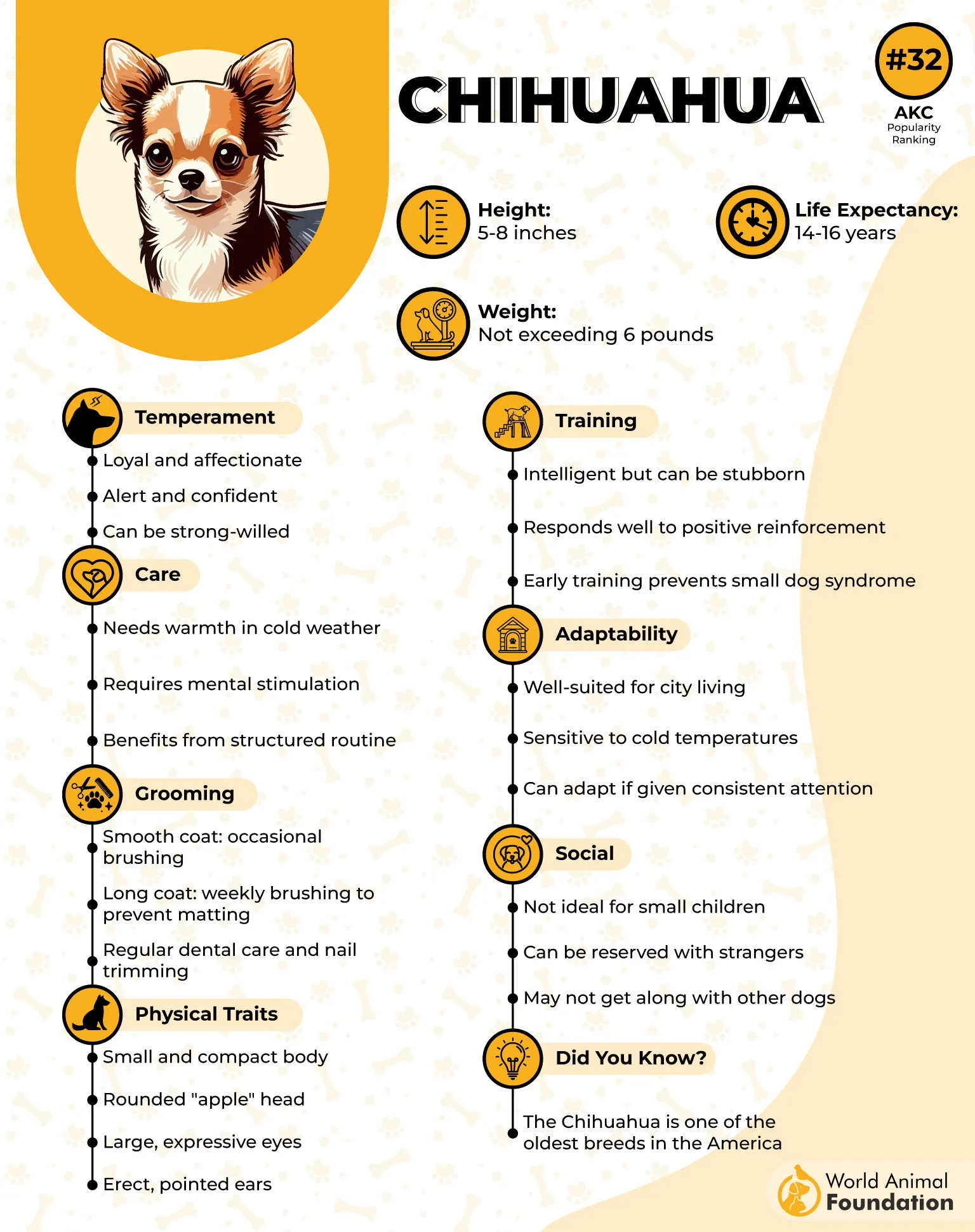
Always use a wide and supportive harness instead of a collar since it is highly prone to neck injuries. Keep soft dental chews, as chewing actively lowers stress levels during long hotel stays.
8. Bichon Frise
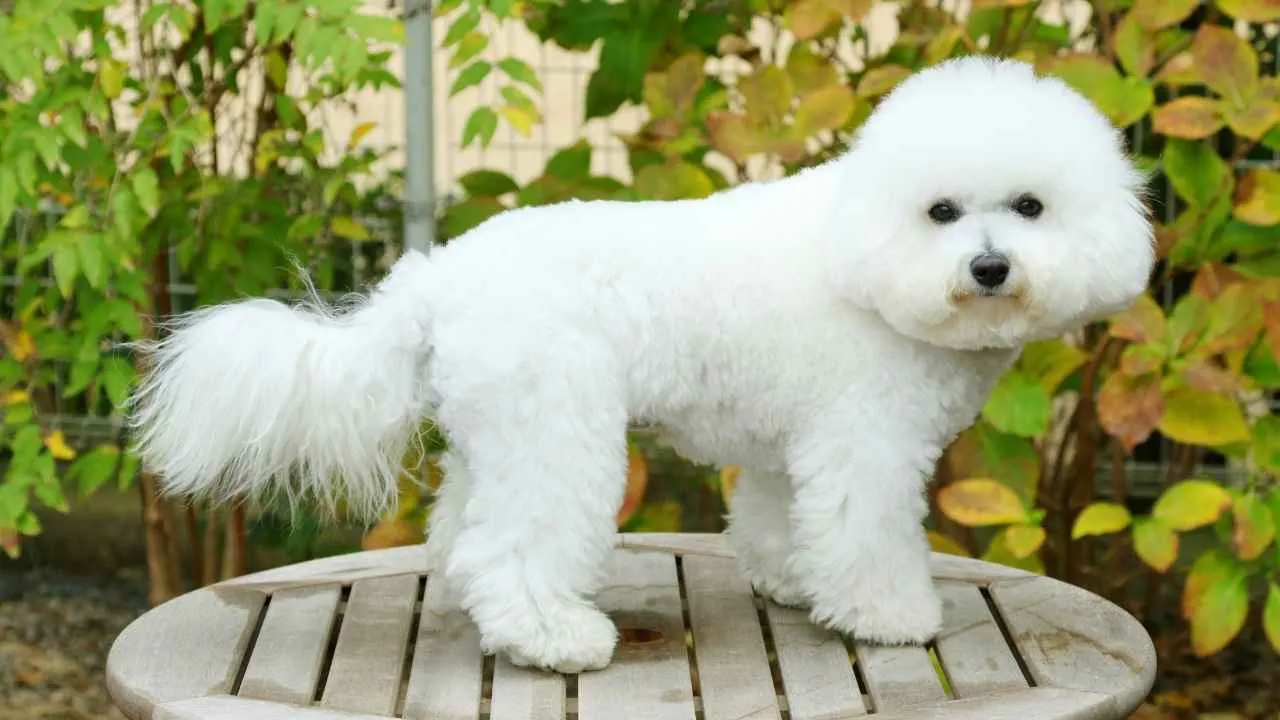
The affectionate and non-sporting breed has its ancestors living in Tenerife, on the Canary Islands. The white dog breed was brought to Europe in the 13th century and instantly became the royalty favorite.
Because of its circus and street dog history, the breed has low environmental fear and an eager-to-please nature. Known for the ‘Bichon Blitz,’ the dog has short bursts of energy followed by a prolonged resting phase. It has a moderate energy level and prefers lounging over strenuous exercise.
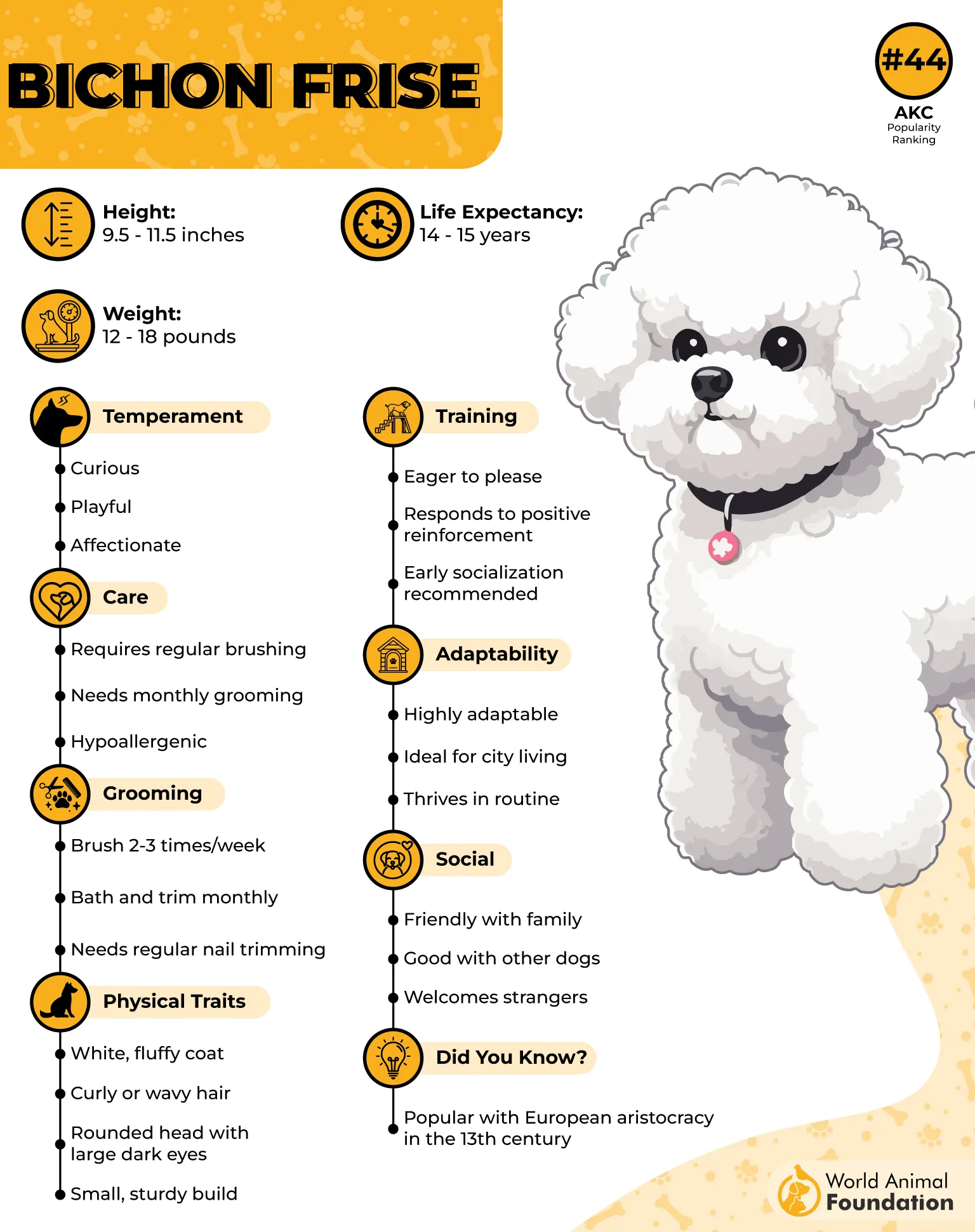
The curly coat may tangle easily, so pay close attention to areas, such as ears, armpits, and legs, while traveling to avoid severe matting. Water safety is important as the coat can easily get waterlogged.
9. French Bulldog
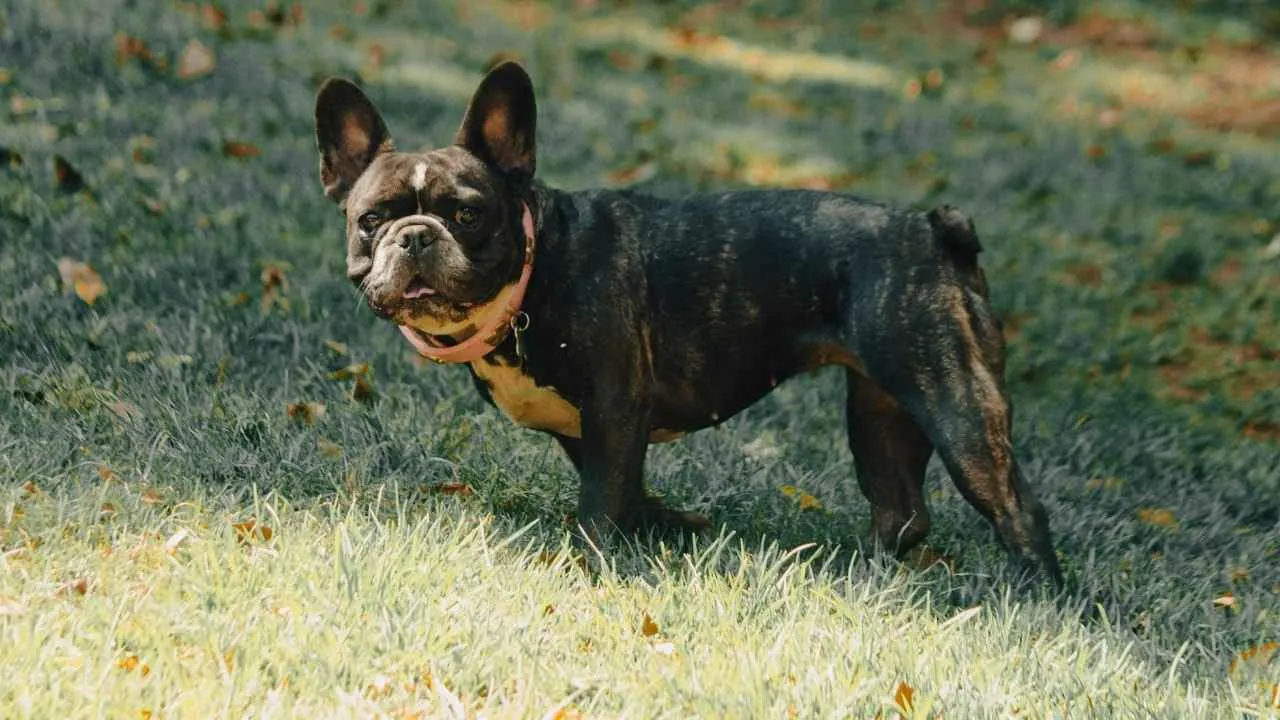
It was developed as a mini version of a Bulldog. It has been depicted in the ancient paintings of famous artists, including Henri de Toulouse-Lautrec. It entered America in the 19th century and became a great family dog.
Because of its high body density and short legs, the Frenchie lacks natural buoyancy, making it a poor swimmer. It is also prone to spine-related issues, such as IVDD; thus, jumping and climbing are not recommended. The dog can easily walk for 10-15 minutes continuously. However, always keep a dog backpack or stroller.
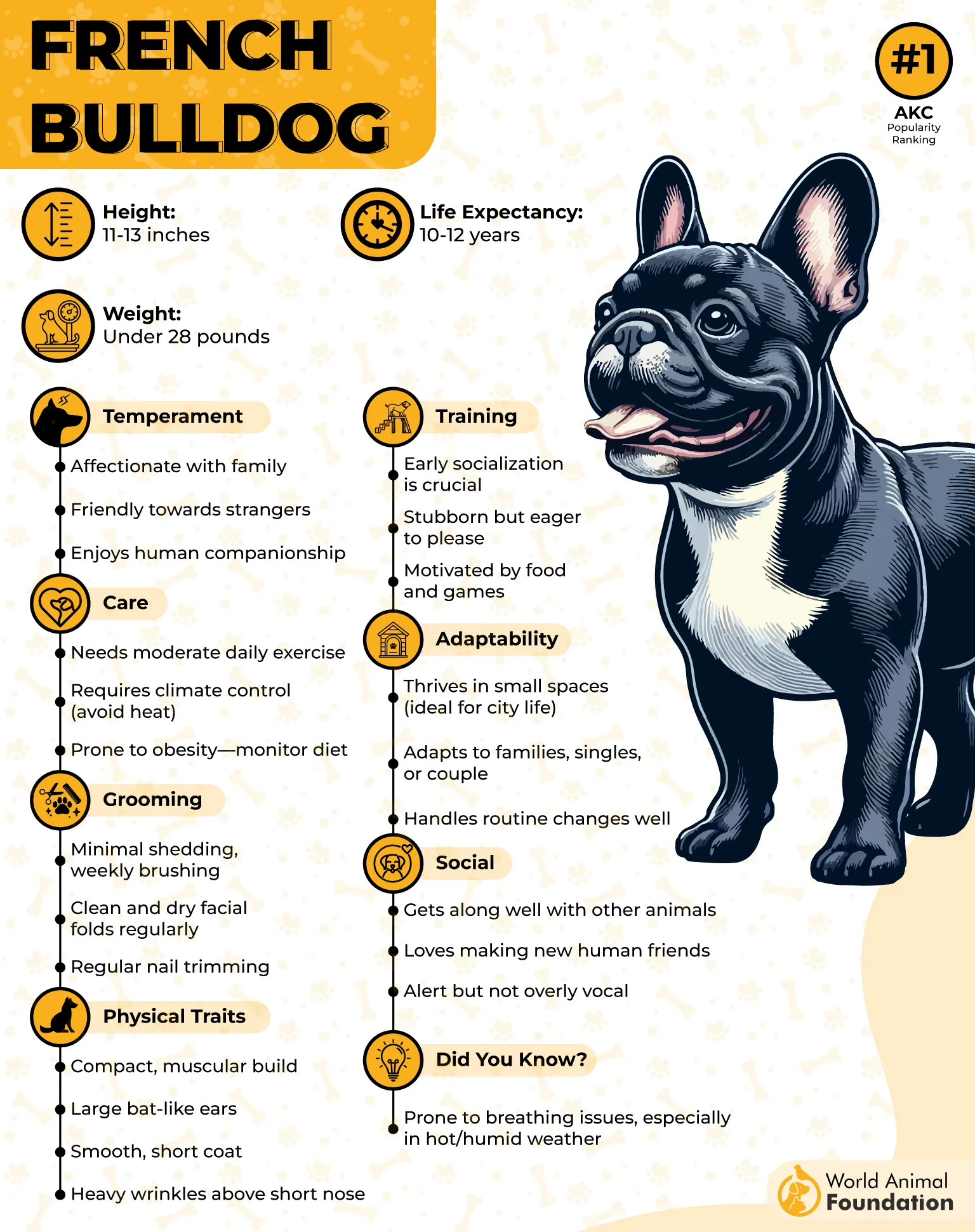
It has a laid-back and low-endurance nature and prefers to sit on your lap or sleep on the couch for hours. The breed is ideal for car travel, road trips, and air travel.
Conclusion
Traveling with a dog is not always picture-perfect. There will be muddy paws, surprise barking, a forgotten leash, and at least one moment when your dog looks at you like you personally invented the rain. Still, those little disruptions often become the best memories.
The right breed can make the journey feel lighter, funnier, and far less lonely. Choose based on your real routine, not just a cute face on social media. Think about size, energy, grooming, health needs, and how your dog handles new people and places.
