





Sable is one of those coat patterns that catches your eye before you understand what makes it different. Instead of one flat shade covering every hair, the coat can combine a lighter base with darker tips, producing a layered appearance that looks richer around the back, ears, neck, and tail.
The amount of dark pigment can vary widely, which is why one sable coat may look almost golden while another appears heavily shaded. Genetics determine much of this variation, while coat texture and length can change how strongly the pattern is seen.
Puppies can also change noticeably as their adult coats develop over time, making early coloring an imperfect guide to their eventual appearance. For anyone drawn to dogs with depth, variation, and contrast in their coats, sable offers plenty of visual character as the color matures.
The sable colored dog breeds ahead explore that beauty closely, with each entry bringing its own shape, shading, and personality to the picture.
Key Takeaways
Some sable dogs look golden from a distance, yet their coats can reveal darker bands and tips when you look closer.
German Shepherds are a great example, with sable shades that may deepen over time, followed by Shetland Sheepdogs with their wide range of golden and mahogany tones.
Belgian Malinois and Keeshond bring their own details to the pattern, from a dark facial mask to the lighter markings around the eyes.
The final three bring plenty more to discover, especially the Poodle, where sable coloring can be difficult to find and is strongest during puppyhood.
Gorgeous Dog Breeds Featuring Sable Coat Patterns
1. German Shepherd
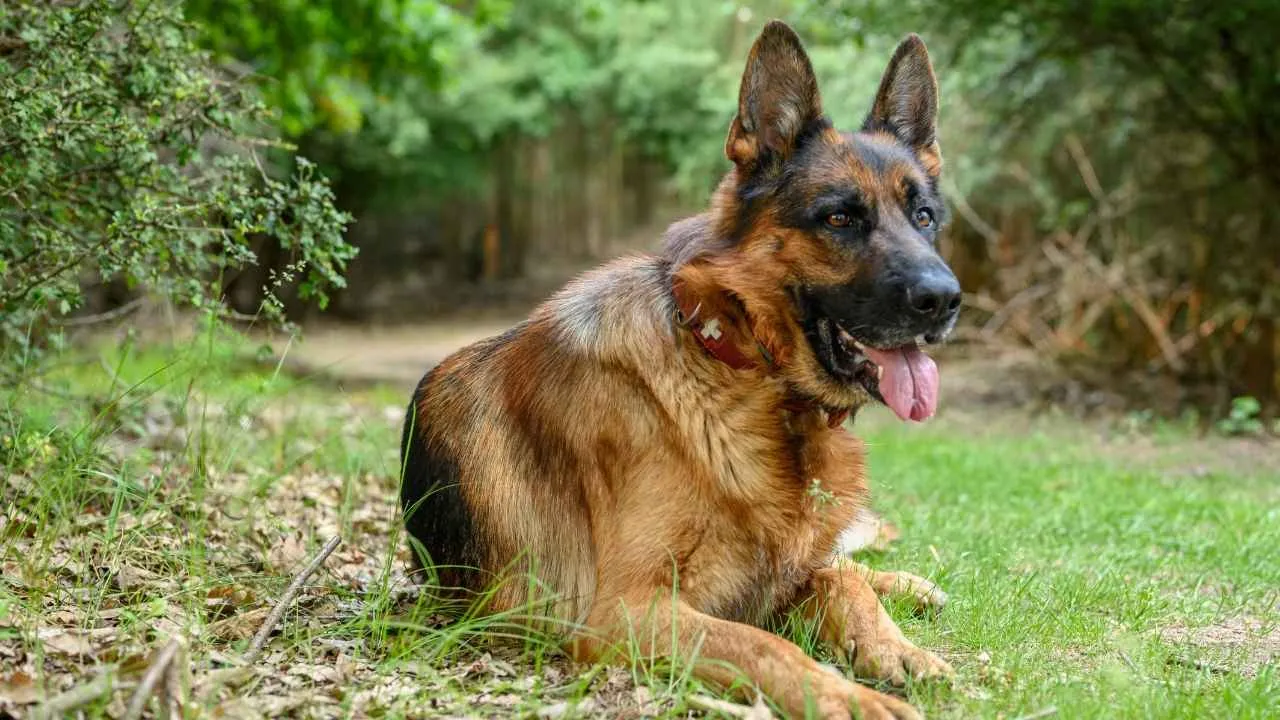
German Shepherd was originally bred as a sheep-herding dog, guiding straying animals back toward the flock without barking and causing panic. Its early working roots reach into the 7th century, with the breed shaped from several types of sheep-herding dogs.
Sable, Strand by Strand
Sable German Shepherds have an agouti coat pattern, meaning each hair has a lighter base with darker banding and often black-tipped ends. The result can range from pale tan with a light overlay to deep red-brown with heavier shading across the coat, as the Royal Kennel Club claims.
A closer look reveals details that can change its appearance:
Shade may deepen as puppies mature
Black tipping can redistribute with age
Some coats take on a wolf-gray cast
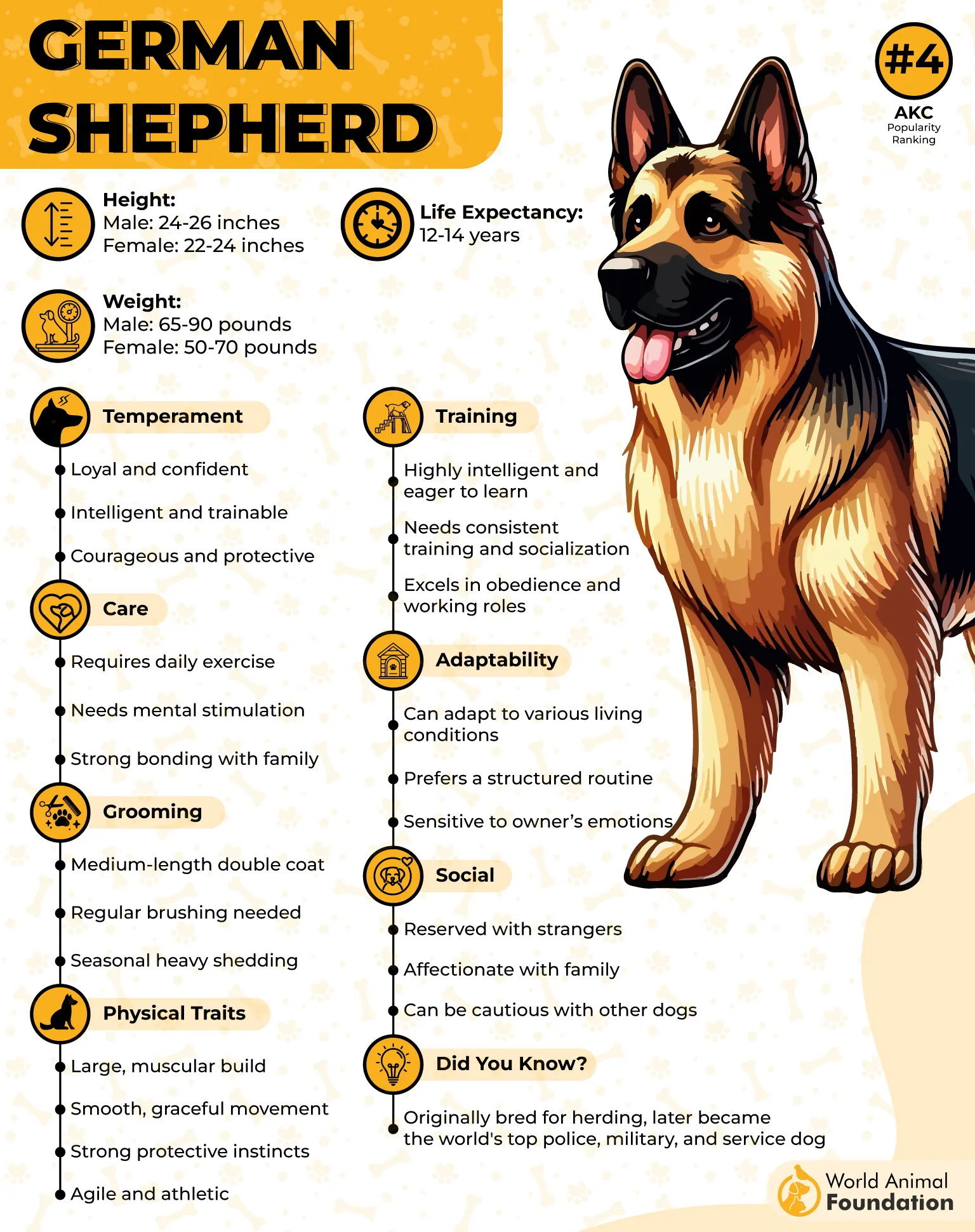
More Than a Color
The sable pattern of this sable dog comes from an ASIP gene variant that influences where dark pigment appears along individual hairs. Seasonal changes, coat length, and pigment distribution can also alter how strongly the shading appears at different times.
2. Shetland Sheepdog
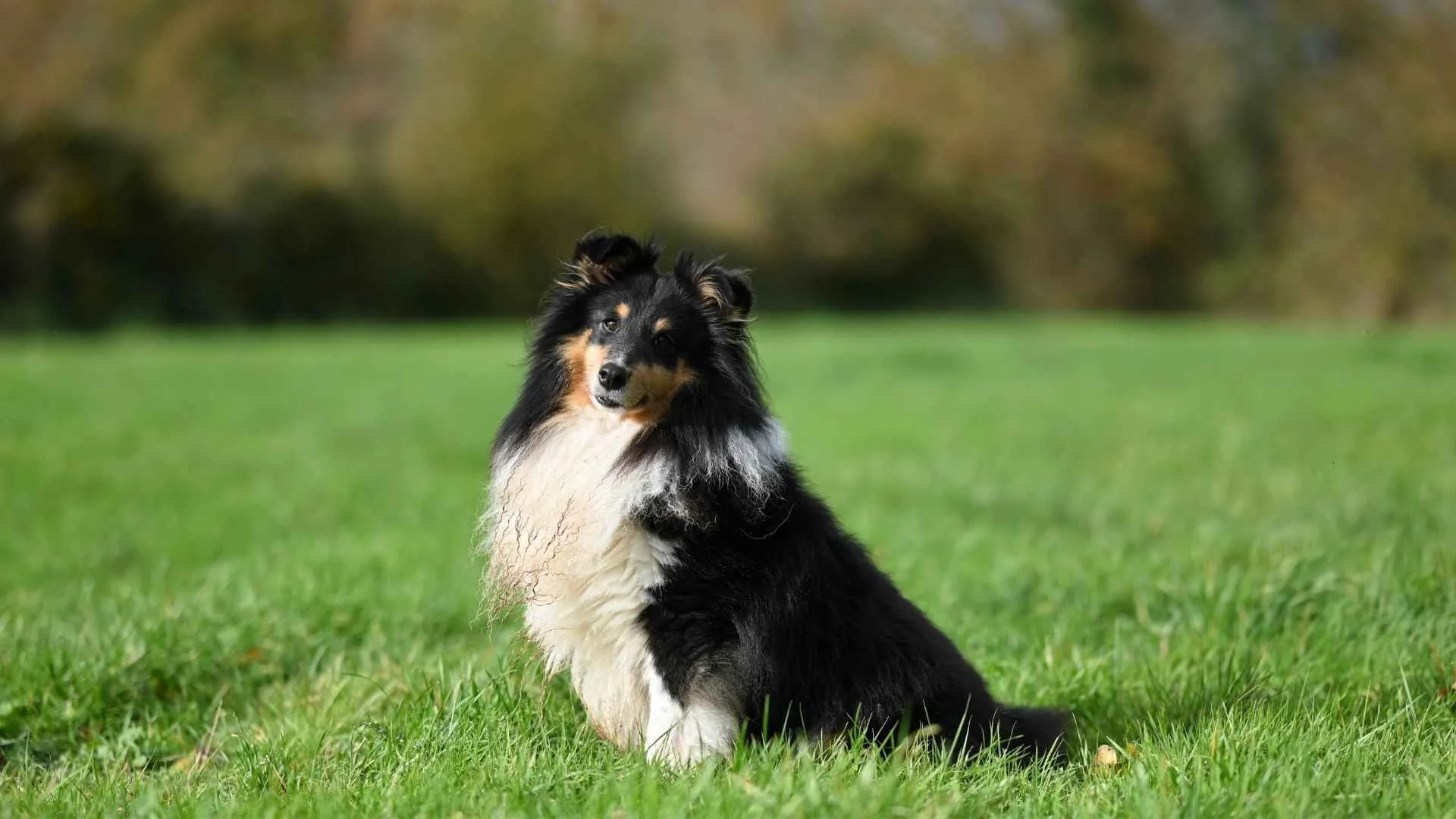
Shetland Sheepdog originated in the Shetland Islands, where agile little herders worked with sheep, chickens, and ponies while sometimes alerting families to danger. The breed was first registered with the American Kennel Club in 1911, after its English Kennel Club recognition in 1909.
Sable in Focus
Shelties have a double coat with a rough, water-resistant outer layer and a dense, soft undercoat that helps regulate warmth across different weather conditions. Its sable coloring can range from pale gold to deep mahogany, sometimes appearing in mottled sable merle patterns.
Here’s a look at the coat that brings out three specific details:
Sable may range from golden to mahogany brown
Sable merle creates a faded, mottled appearance
White or tan markings can vary in amount
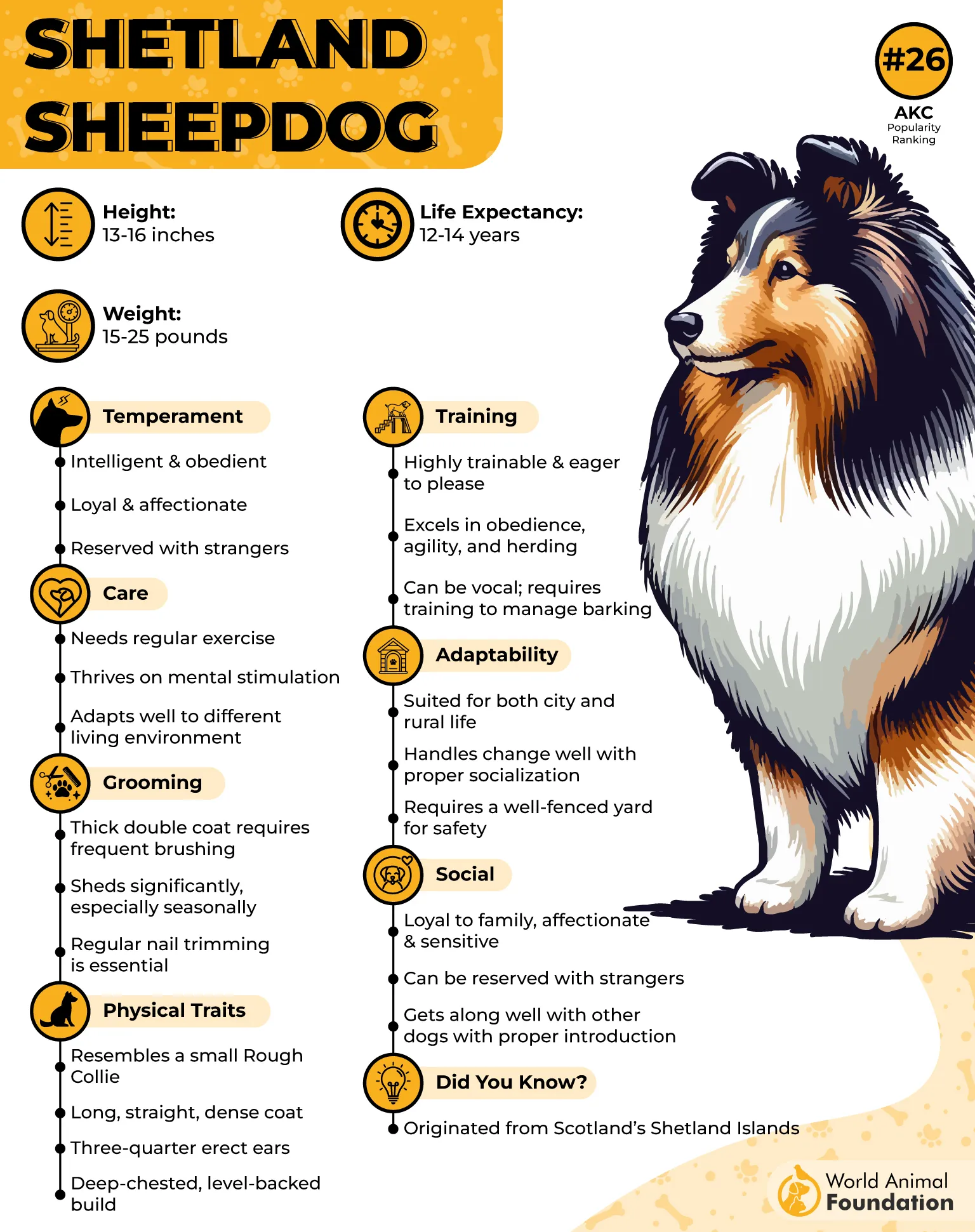
A Busy Little Mind
Shetland Sheepdog is affectionate and playful, although unfamiliar people may initially receive a reserved response. About an hour of daily activity suits its energetic nature, while puzzle toys and nose work give this highly intelligent breed something to figure out.
3. Belgian Malinois
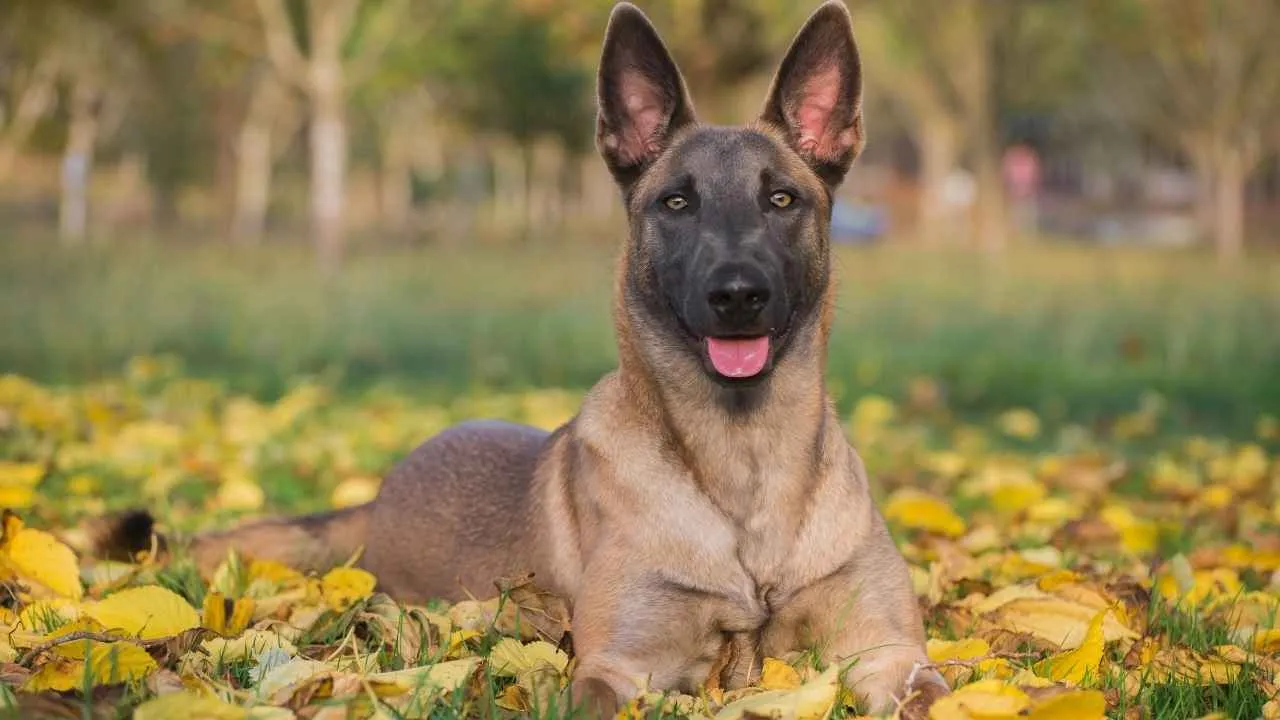
Belgian Malinois takes its name from Mechelen, or Malines, Belgium, where the breed’s roots reach back to the late 1800s as a herding and farm dog.
The first Malinois arrived in the United States in 1911, while its AKC classification later shifted from Miscellaneous to Working and eventually Herding.
Sable by Nature
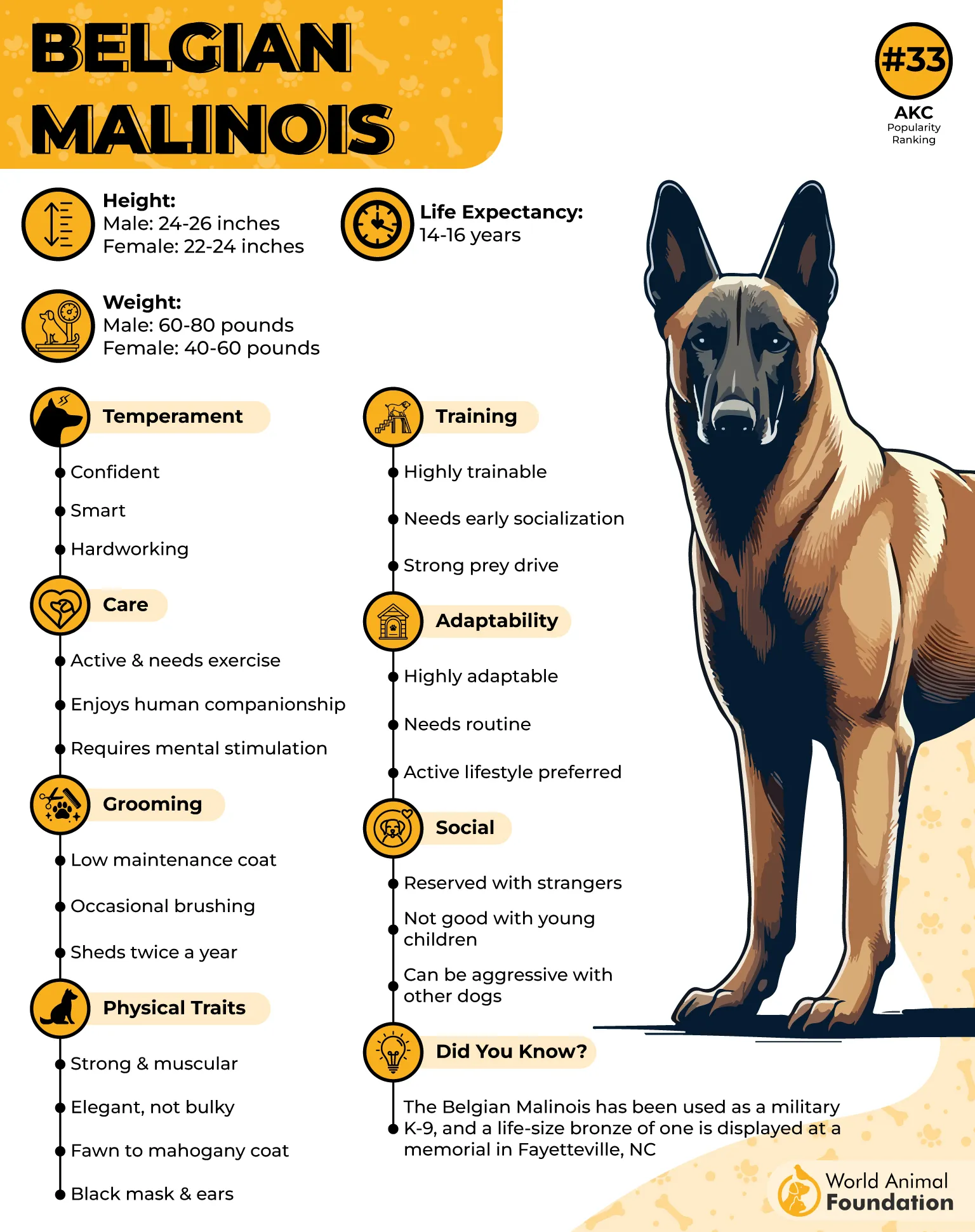
The AKC notes that this purebred dog has a sable pattern with a black mask as its standard color pattern, with the coat ranging from fawn to reddish-brown beneath darker hair tips.
The amount of black shading, mask size, and depth of the yellow base pigment can differ noticeably from one dog to another.
A more detailed look at the pattern shows:
Individual hairs carry several bands of color
One sable gene can produce the pattern
Sable coats can range from light to very dark
Serious Working Drive
Belgian Malinois is widely used in military, police, service, and search-and-rescue work because it responds quickly to cues and can handle demanding tasks. Its high energy and sharp intelligence call for purposeful engagement rather than a routine built around basic household activity.
4. Keeshond
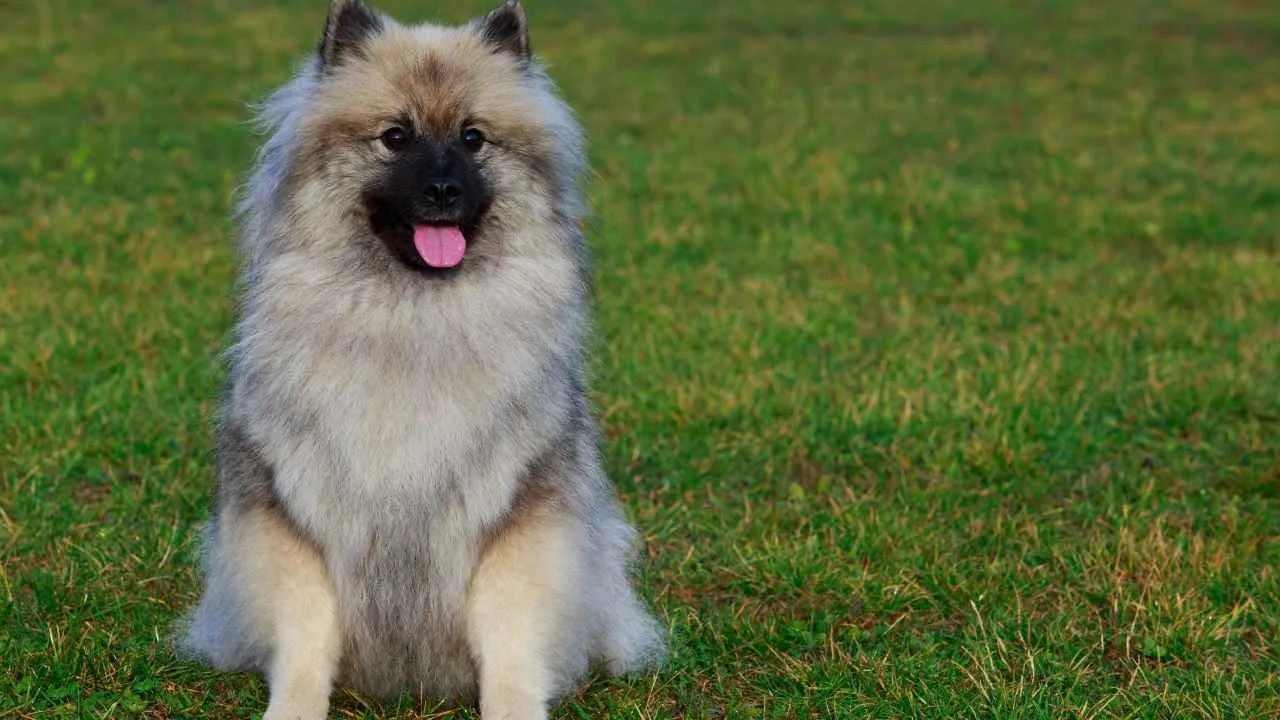
Keeshond was once kept by 18th-century working-class villagers to guard barges traveling along Holland’s canals and rivers, often staying close to the boats during long journeys. Those duties gave the breed its familiar nickname, “Dutch barge dog,” while German speakers also knew it as the Wolfspitz.
A Coat Full of Detail
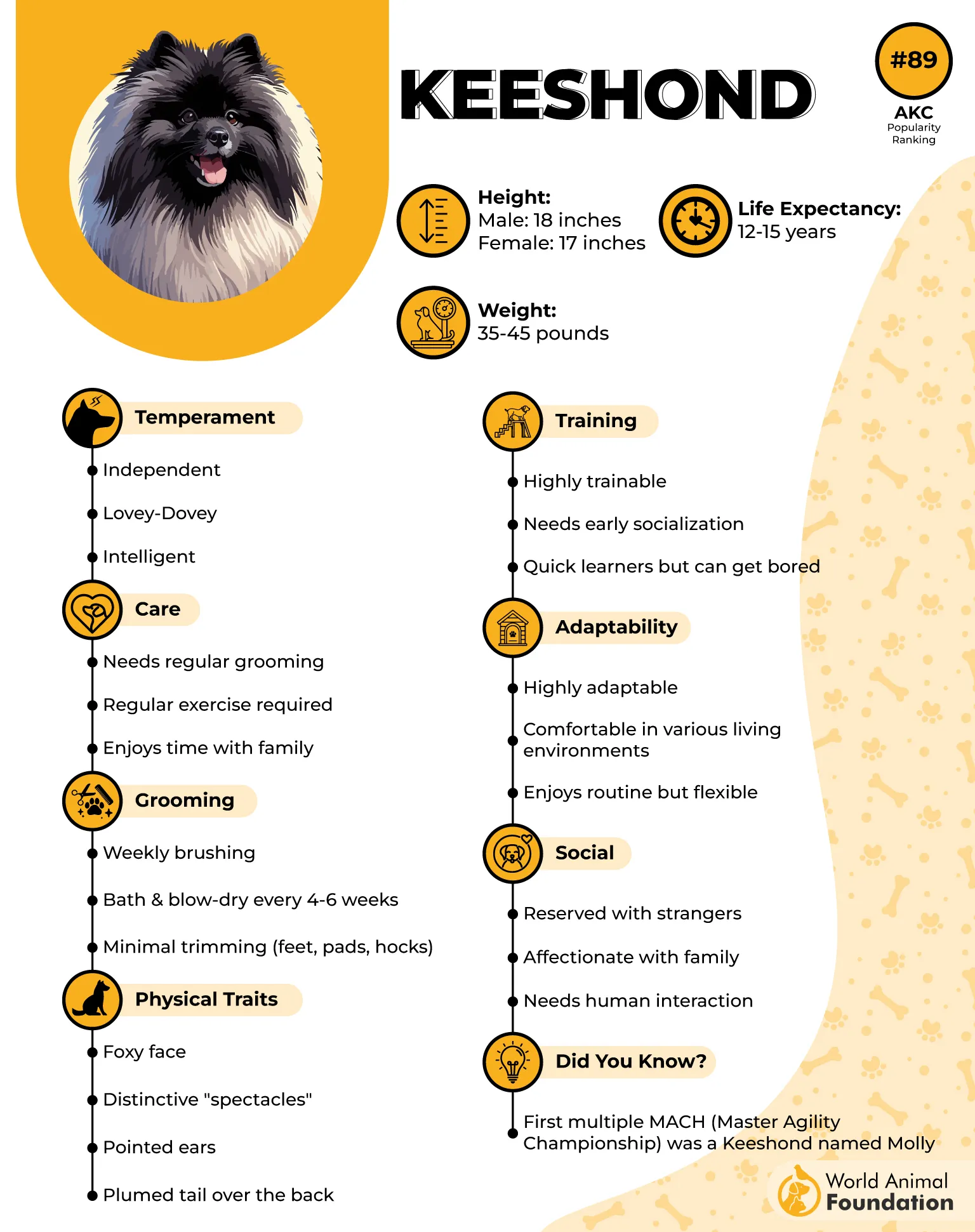
Keeshond brings a striking sable pattern through combinations of gray, black, cream, and tawny hairs, with shades ranging from faint to deep, as the CKCUSA noted. The agouti pattern adds banding and highlights, while the face carries a dark mask with lighter “spectacles” around the eyes.
The coat pattern includes several precise markings:
Silvery or cream leg points
A lighter shoulder ring
Dark and light tail shading
Friendly by Nature
This dog breed is described as friendly, outgoing, and affectionate with people as well as other dogs. That social side can also make separation difficult, with some individuals experiencing anxiety when they cannot accompany their favorite people.
5. Pomeranian
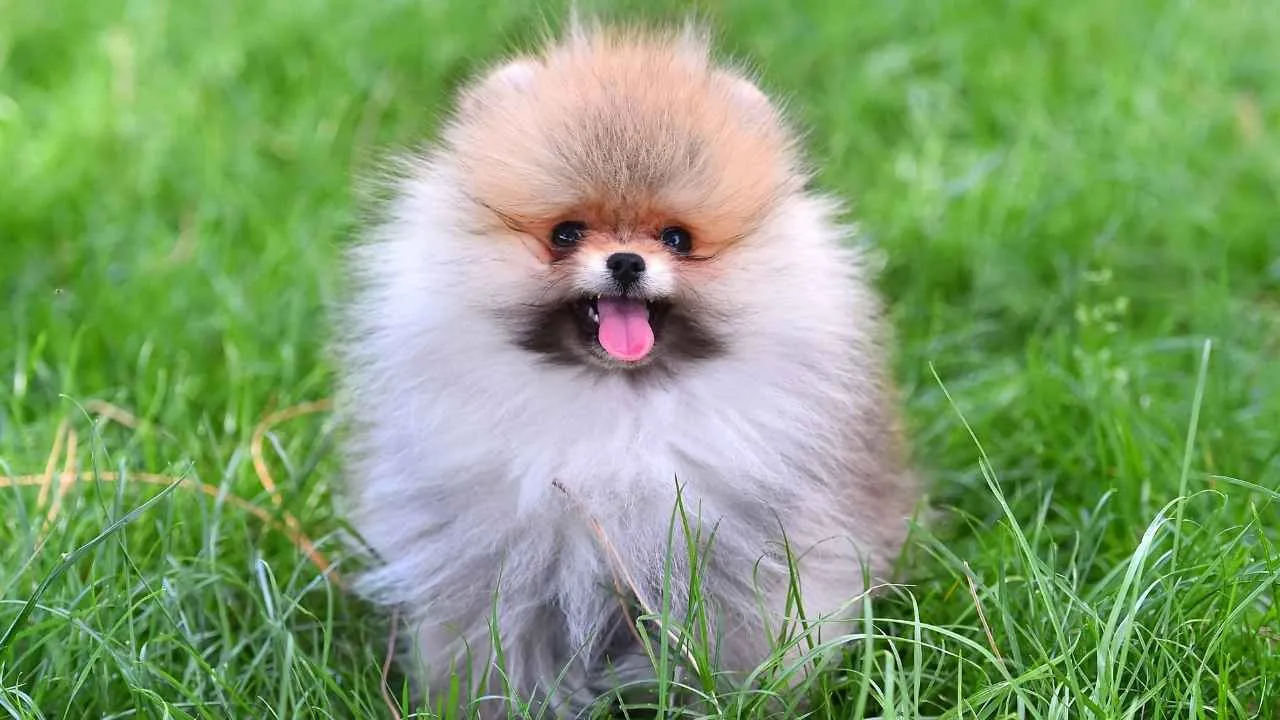
Pomeranian has roots in Arctic working dogs, with its name linked to Pomerania, a Baltic Sea region in northern Europe. Early Poms were used for guarding homes, pulling sledges, and protecting livestock before the breed became much smaller in England and gained its familiar toy-sized form.
The Sable Effect
The sable coloring of this little beautiful dog comes from darker-tipped hairs layered over a lighter base, creating shading that can range from subtle to quite pronounced. The pattern may involve black, dark orange, or chocolate tips, with the saddle across the back being a defining location.
The pattern can take several forms:
Dark tips may frame the eyes
Sable can extend onto the ruff
Long strands may shade the tail
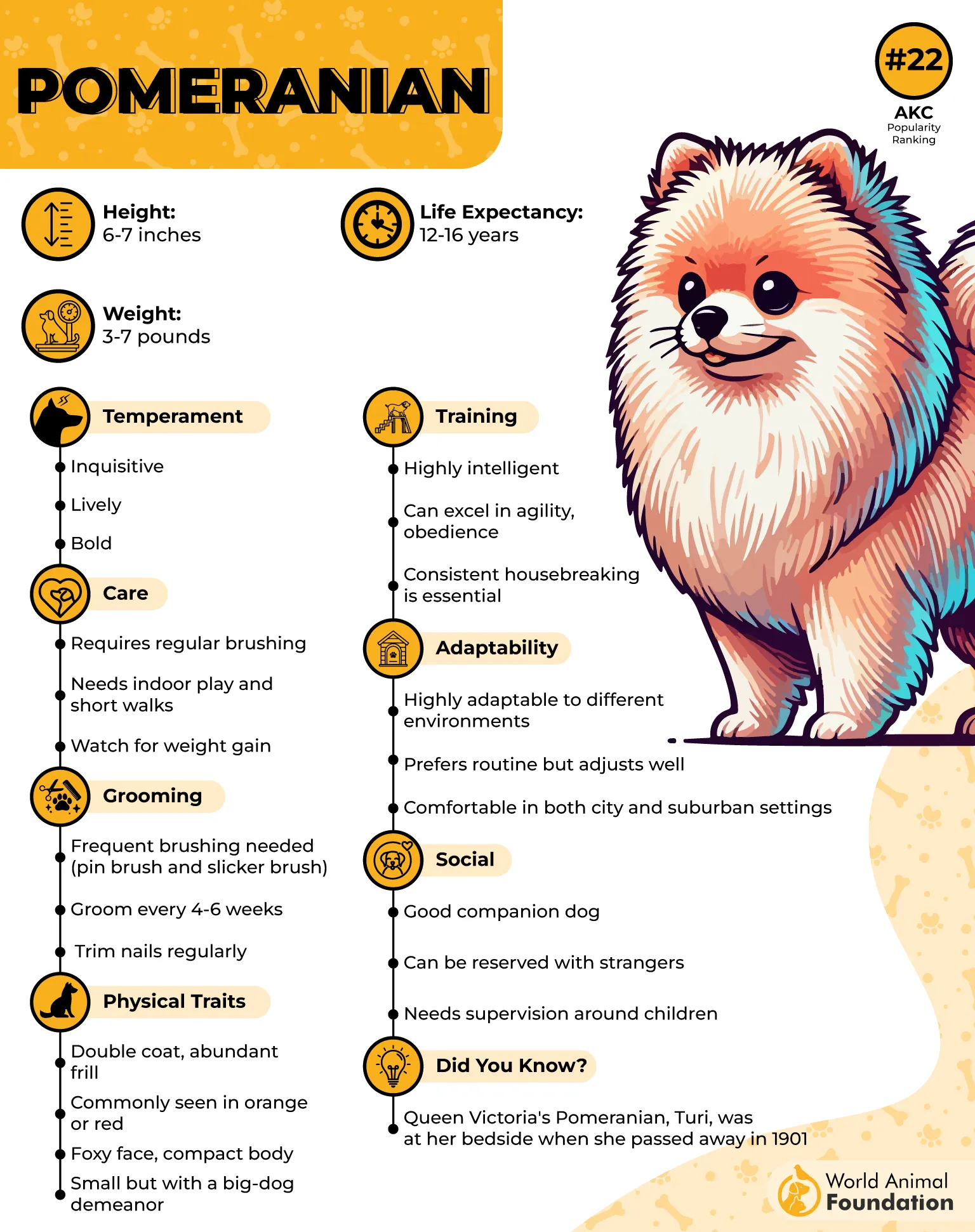
Small Dog, Serious Opinions
Pomeranian is highly alert and can react vocally to activity around the home, making training important when barking becomes excessive. Its intelligence also supports obedience work, while a bold and independent streak calls for positive reinforcement and consistent practice.
6. Siberian Husky
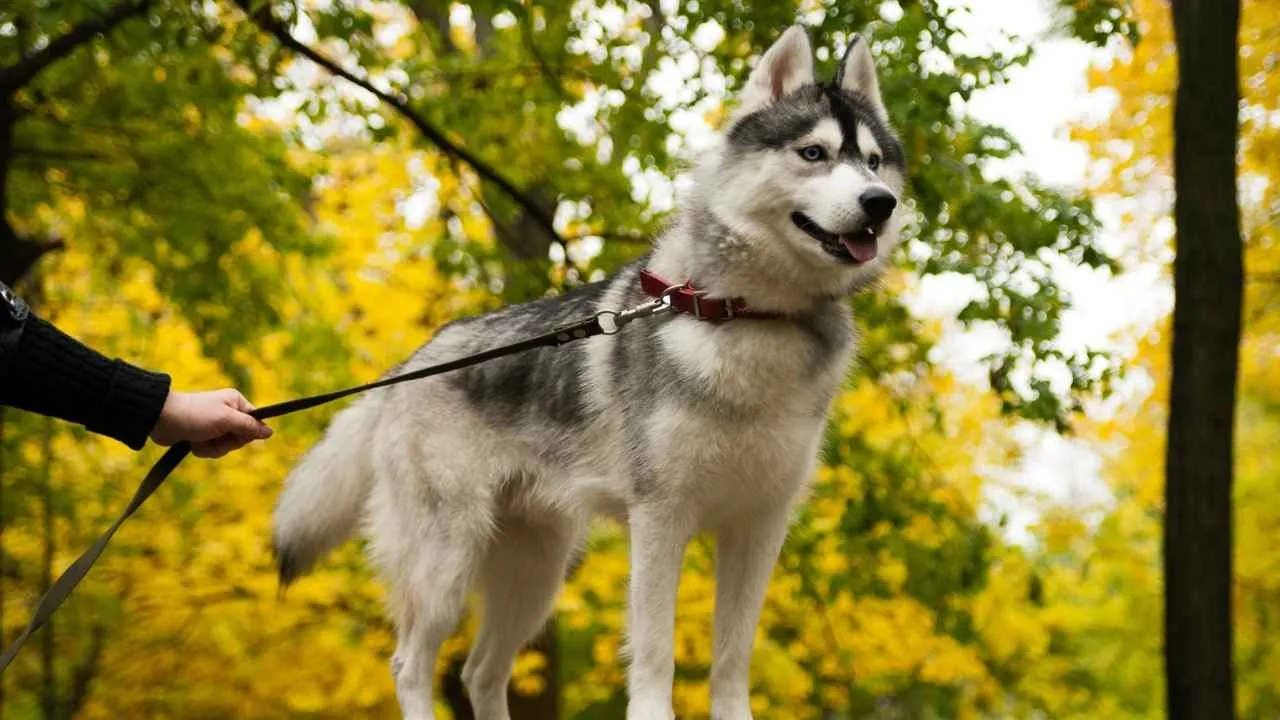
Siberian Husky began its working life alongside Indigenous Siberians, traveling across vast tundra in severe cold while helping people cover long distances.
The breed later reached Alaska during the Gold Rush era, where it pulled sleds and competed in sled-dog races in the late 1800s and early 1900s.
Sable in Detail
Siberian Huskies can have a reddish or copper undercoat beneath guard hairs that become black toward their tips. This combination creates the sable pattern, with black points distinguishing it from red coats that have brown points.
Some distinct details appear within the pattern:
Copper-toned undercoat beneath the outer hairs
Red coloring near the skin
Black-tipped guard hairs
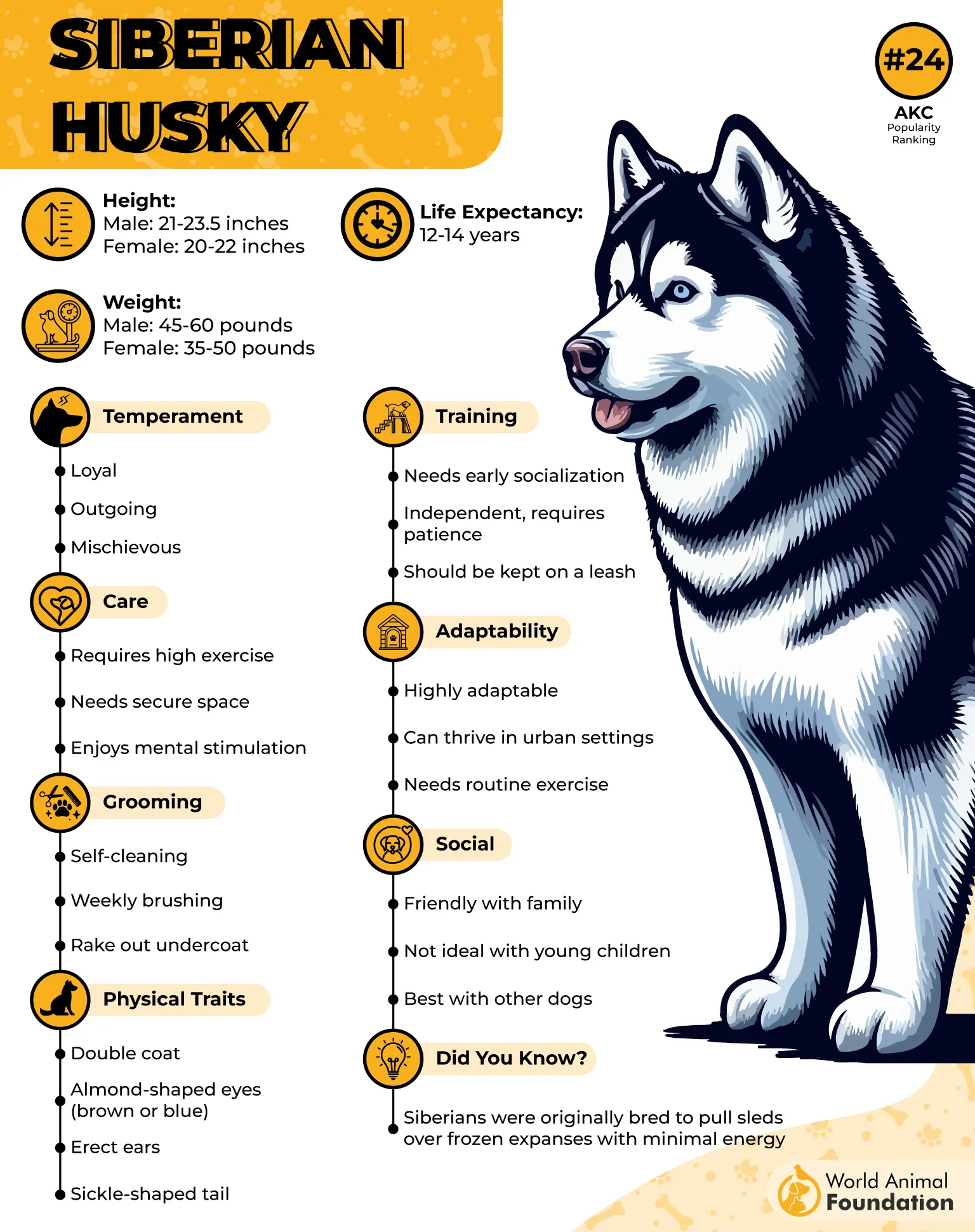
A Social Character
Siberian Huskies enjoy human and canine company and may fill a home with howls, growls, and whimpers when interacting with people. Long periods alone can be difficult for this social breed, while frequent visitors often give it plenty of opportunities for interaction.
7. Poodle
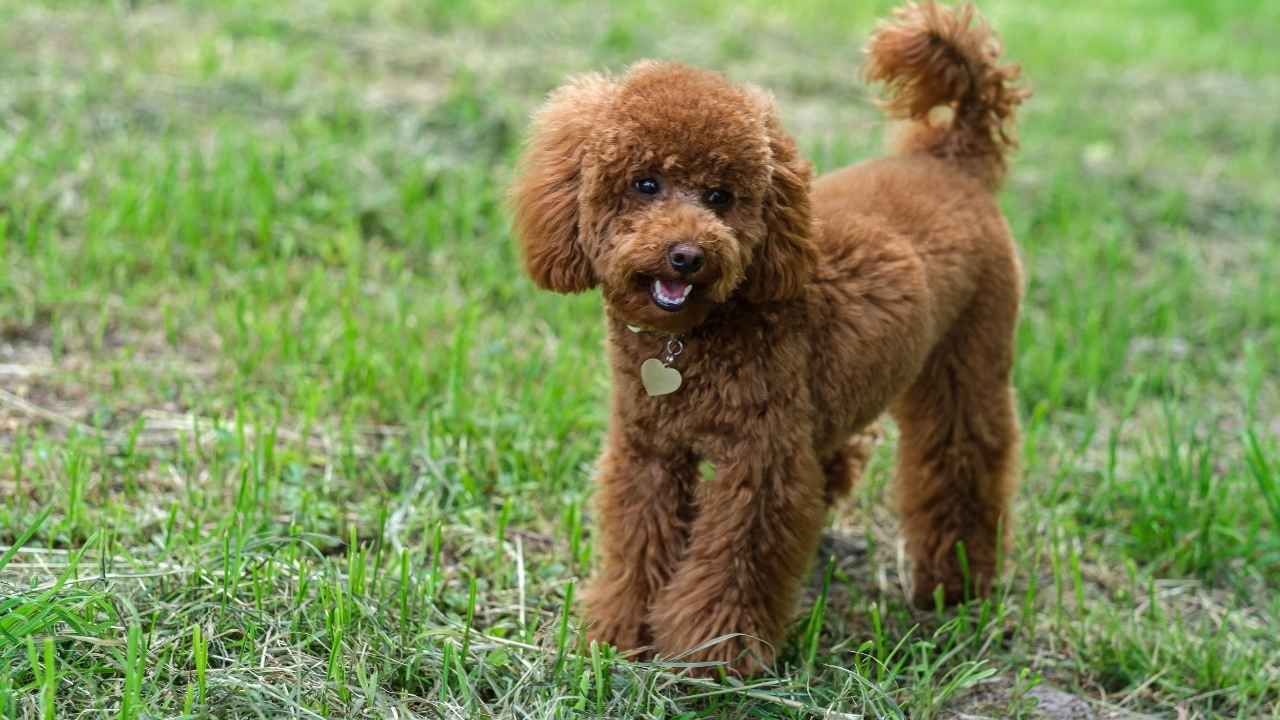
Poodle began as a duck-hunting dog in Germany, with the Standard variety descending from the Barbet and Hungarian Water Hound more than four centuries ago. Its skill at retrieving waterfowl later caught the attention of French nobility and helped spread the breed throughout Europe.
Sable, in Rare Form
Poodles can occasionally display sable coloring, with a base coat tipped in black, creating a layered effect that is especially noticeable during puppyhood. The black tips often fade with age, and the dominant gene behind this coloring remains poorly understood among breeders.
A few details make this color especially unusual:
Sable puppies are difficult to find
Black-tipped fur is strongest when young
Toy Poodles can have different base shades
A Clever Companion
They are highly perceptive and may anticipate what their person wants before receiving a clear request. Direct instructions matter because this intelligent breed can begin solving problems independently, sometimes producing results that were never intended.
Conclusion
The layered look of a sable coat comes from more than one simple shade. Darker tips can sit over lighter hair, creating depth that changes with age, coat growth, and lighting. In the dog world, few dog breeds show this type of variation as clearly, with some dogs becoming darker or lighter as their puppy coat develops when dog ages.
Coat care is another part of the picture, especially when a dog’s coat needs regular brushing. Owners should also think about activity, training, temperament, and companionship needs before bringing one home. The color may catch your eye first, but life with two dogs or one can still depend on everyday personality and care requirements.
