




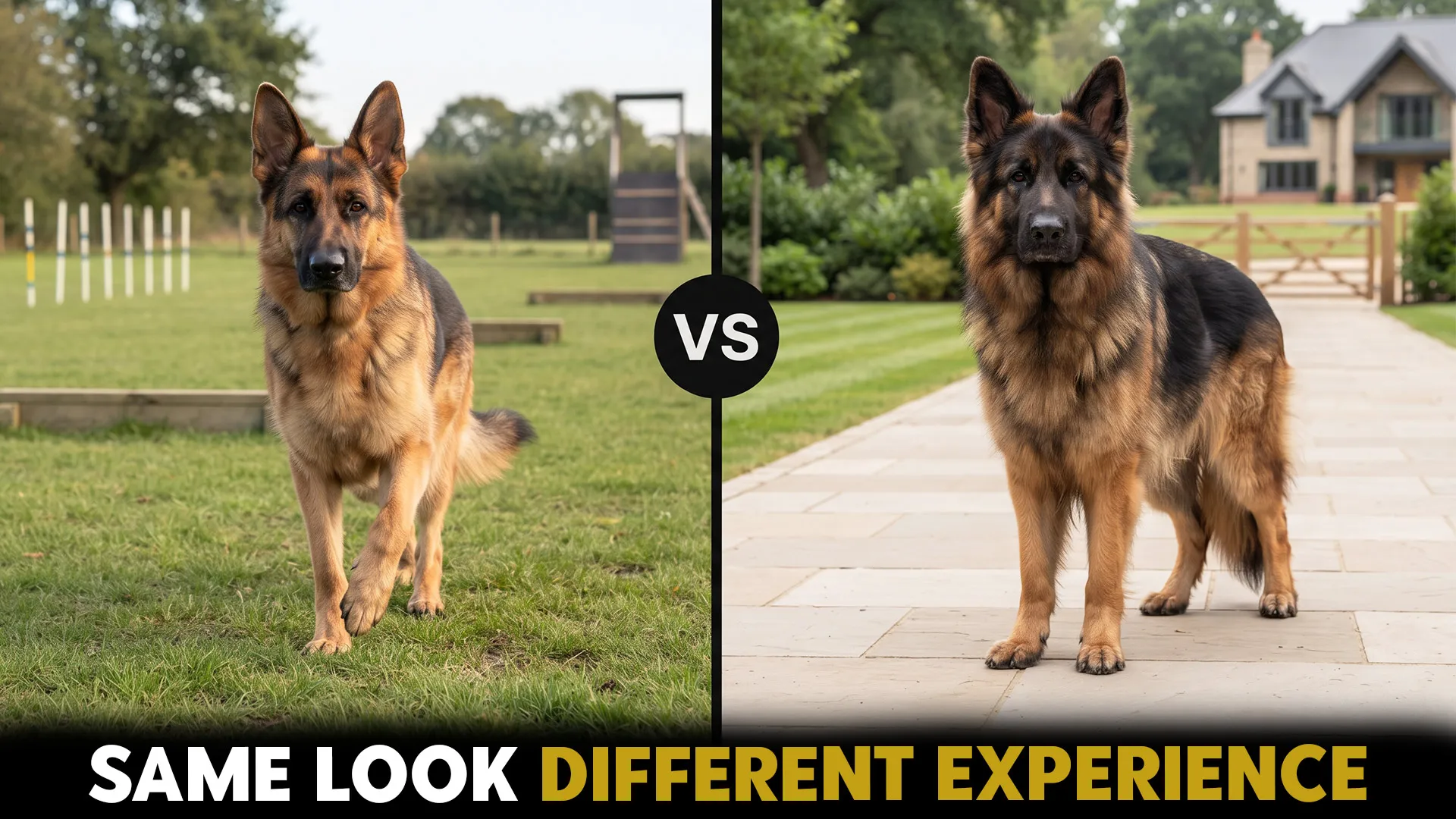
At first glance, these two breeds could pass for close relatives. Upright ears, expressive faces, sturdy bodies, and that unmistakable shepherd silhouette create an immediate resemblance.
Look a little closer, though, and the most obvious difference starts to emerge: one is a well-established working breed, while the other was developed as a much larger shepherd type.
Although the German Shepherd and King Shepherd look alike at first glance, a closer look reveals several differences in their size, temperament, and physical features. The German Shepherd has a long history of herding and working roles, while the King Shepherd was developed to combine a larger build with desirable working-dog qualities.
This German Shepherd vs. King Shepherd Dog guide looks past the familiar appearance to explore their origins, size, personality, exercise, training, grooming, guarding instincts, health, and everyday family life.
German Shepherd vs. King Shepherd Dog: Key Traits Compared
1. Origins & Purpose
Long before either dog became a household companion, the German Shepherd had a job to do. Captain Max von Stephanitz played a central role in developing the German Shepherd dog in Germany during the late 19th century, selecting dogs for sound structure, stamina, intelligence, and useful working ability.
Those qualities gave the breed a remarkably broad career. The American Kennel Club recognizes that German Shepherds bred for herding later became valued for police work, military service, search-and-rescue, detection, assistance, and other demanding roles.
The King Shepherd breed arrived much later in the United States. Breeders drew from German Shepherd lines and other large breeds like Alaskan Malamutes to create a substantial shepherd with a steady character and strong companion qualities. The Shiloh Shepherd developed separately, so the two should not be treated as the same type of dog.
That difference in origin shapes the comparison: the German Shepherd has a long, documented working legacy, while the King Shepherd represents a newer chapter in shepherd development.
2. Size & Build
Put the two dogs beside each other and size quickly steals the spotlight.
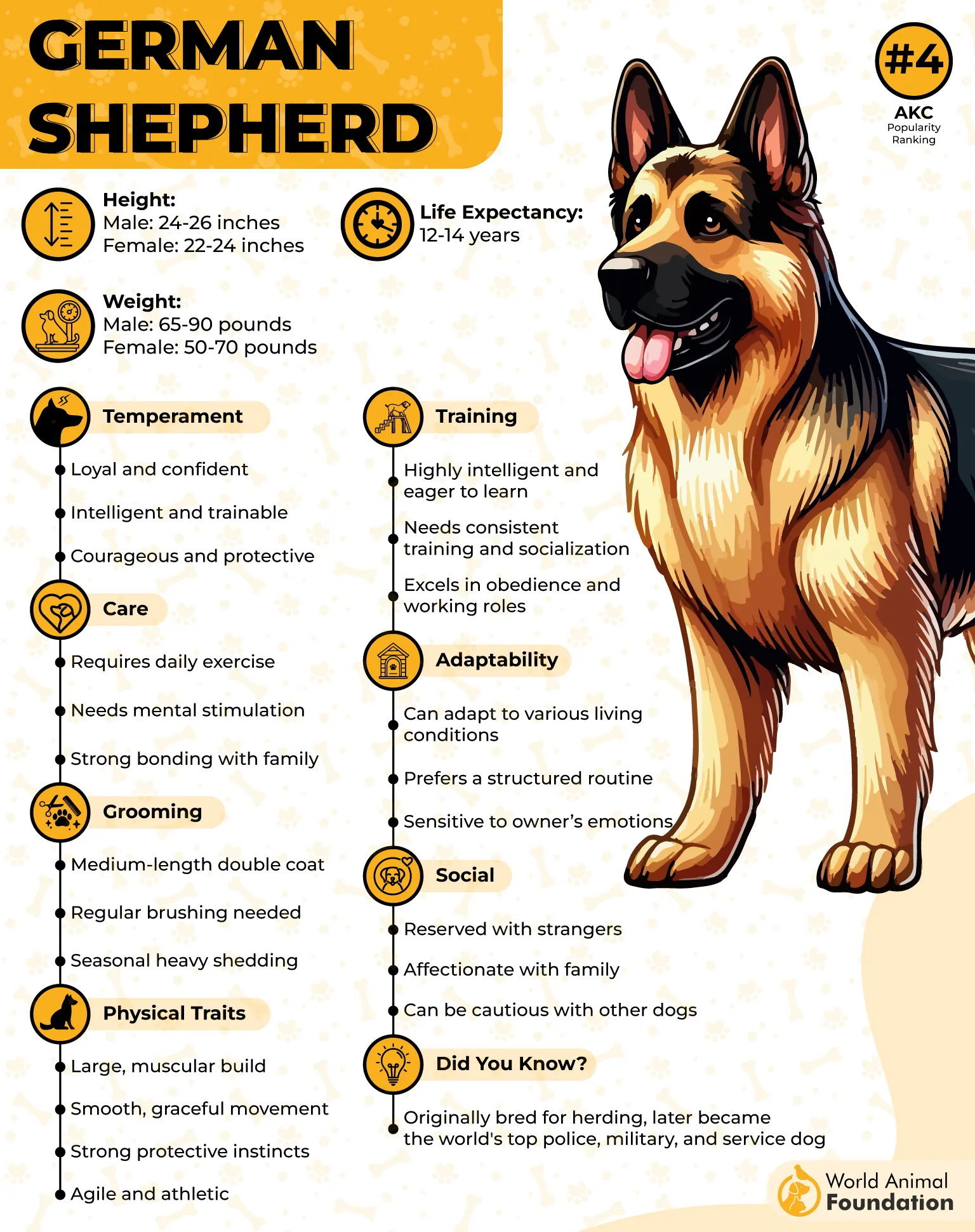
A German Shepherd generally stands around 22–26 inches and weighs roughly 50–90 pounds, with male dogs tending toward the upper end. Athletic proportions give the breed a balance of muscular power and agility, making quick movement look almost effortless.
The King Shepherd takes that familiar outline and adds considerably more substance. Depending on the registry and bloodline, mature dogs can stand above 27 inches and weigh more than 100 pounds.
That large size changes more than the silhouette. Food costs, equipment, transportation, sleeping space, and physical handling all become bigger considerations.
Both qualify as large dogs, but the heavier frame of the King Shepherd can make the difference especially noticeable in everyday living.
3. Pricing & Availability
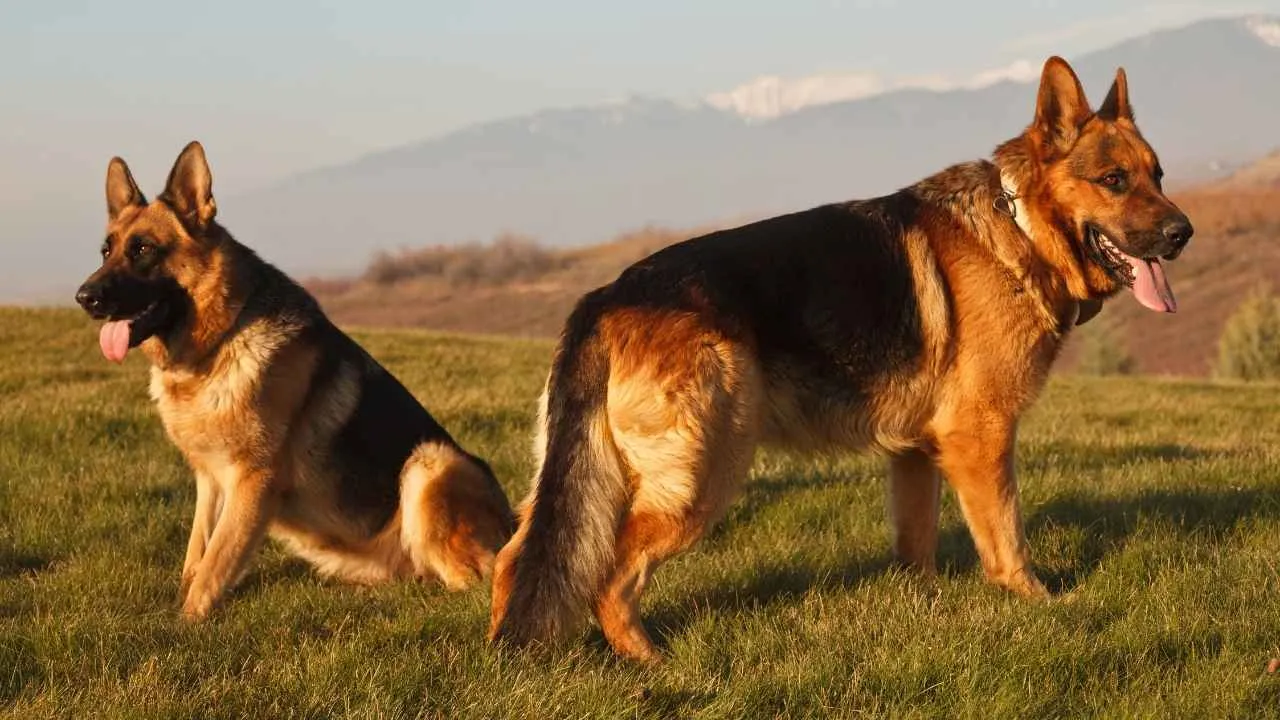
Finding German Shepherd puppies is usually easier because this established breed has widespread popularity, numerous breeders, rescue organizations, and established lines in many regions. From a reputable breeder, expect to pay around $2,000–$4,000 in the U.S.
King Shepherd puppies can take more searching because this breed remains comparatively uncommon. Current sources commonly place their price around $1,500–$3,000, although pedigree, breeder reputation, location, health testing, and included care can push the figure higher or lower.
Those figures are puppy prices, not the full cost of ownership. Food, veterinary care, grooming, training, supplies, and transportation can add considerably to the first-year budget. When comparing purebred dogs, a lower asking price should never outweigh responsible breeding and documented health care.
Before putting down a deposit, look for a reputable breeder who provides parental health records, transparent breeding information, and details about early development. A current listing is only a starting point, so verify the breeder and puppy’s records before making your choice.
4. Temperament & Personality
Some shepherds greet familiar people with quiet devotion, then switch into serious observation when a stranger enters the picture. That balance helps explain the German Shepherd’s enduring appeal as a companion.
Petplan says that close family bonds come naturally to this active breed, with affection showing through following their people around, staying nearby, and eagerly participating in household routines. A confident upbringing can help these dogs remain composed instead of becoming unnecessarily wary.
The King Shepherd was developed with companionship in mind too. Its personality is affectionate, dependable, and family-oriented, giving the imposing body a softer side at home. King shepherds tend to form strong attachments when they receive steady interaction and clear boundaries.
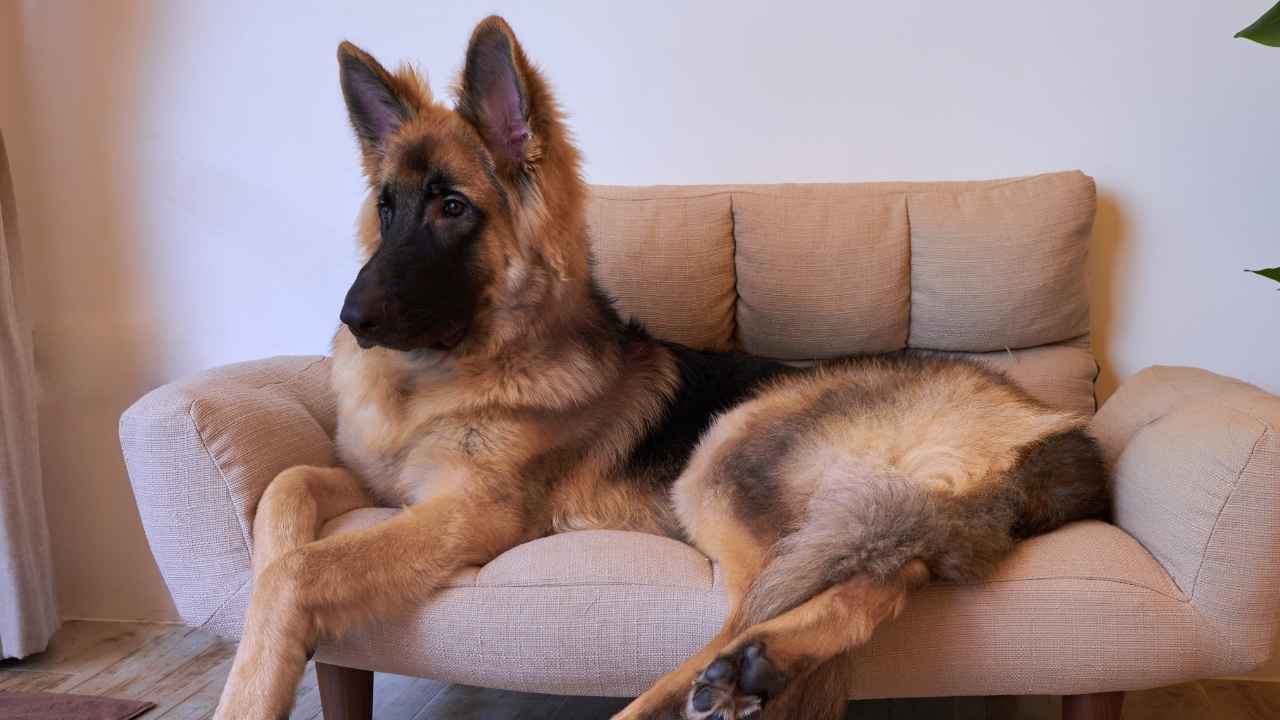
Individual personality still varies considerably. Genetics, upbringing, environment, and daily experiences all influence whether a particular dog grows into a social butterfly, a reserved observer, or something in between.
5. Exercise Needs & Energy Level
A shepherd with nothing to do for hours can invent its own entertainment, and those ideas rarely involve your furniture staying untouched.
PetMD mentions that German Shepherds have a high energy profile and need regular exercise alongside activities that give their minds somewhere to focus. Long walks, retrieving, tracking, agility, scent work, and outdoor exploration can turn restless energy into productive movement.
The King Shepherd also needs daily activity, although its heavier build calls for sensible conditioning rather than endless high-impact exercise. Age, joint health, and individual activity level should shape the routine.
A balanced household can suit either dog when the daily schedule includes movement, exploration, and enough mental stimulation to keep boredom away.
6. Trainability & Obedience
Give a shepherd a puzzle, a task, or a new command, and watch how quickly those wheels start turning.
The German Shepherd has earned its reputation through jobs requiring concentration, precision, and responsiveness. Clear communication, positive reinforcement, rewards, and variety can make training sessions productive without turning them into dull drills.
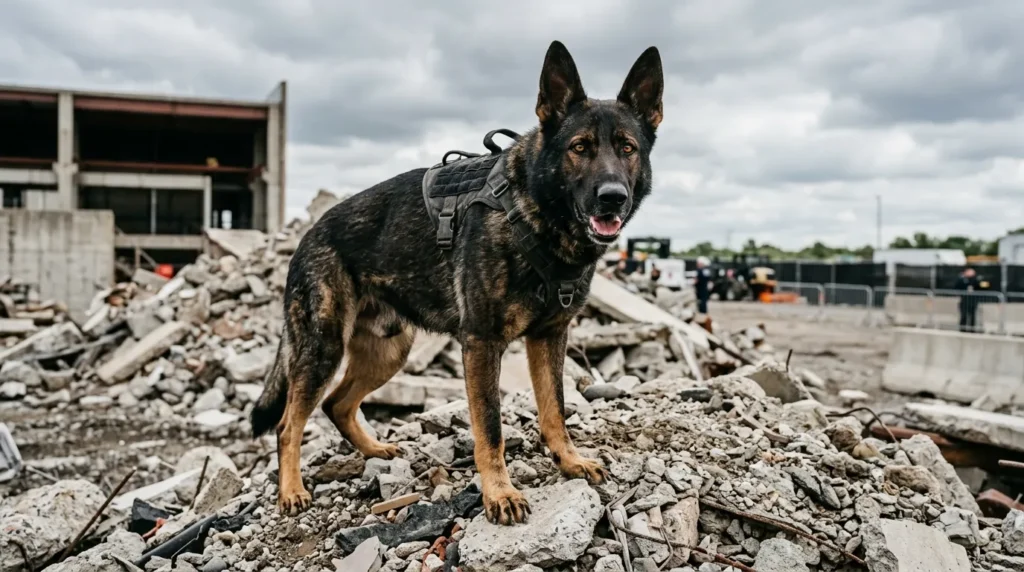
The King Shepherd carries much of that working-dog responsiveness through its German Shepherd foundation. Short lessons, practical commands, scent games, and structured activities can keep learning fresh.
Neither dog needs harsh handling to understand expectations. Consistent training gives both breeds clearer boundaries, while changing up activities prevents learning from becoming a parade of repetitive tasks.
7. Grooming Needs & Shedding
The shepherd coat has a habit of making itself known around the house.
German Shepherds commonly carry dense double coats that shed year-round, with heavier seasonal shedding periods adding another layer of loose fur. Regular brushing removes dead hair before it settles across carpets, furniture, and clothing.
King Shepherd coats can vary in texture and length, with some individuals carrying a fuller, long-haired appearance. More feathering means more brushing around areas that can collect knots and debris.
Coat care does not need to become an exhausting ritual. Consistent brushing, nail care, dental hygiene, and routine skin checks help keep the coat healthy and the dog comfortable.
8. Guarding Instincts & Alertness
Some dogs notice a new sound. A shepherd notices the sound, checks where it came from, and decides whether it deserves further attention.
The German Shepherd’s alert nature grew alongside its working history. After its early herding role, the breed became widely valued for police, military, detection, service, and protection work, where awareness and responsiveness mattered.
The King Shepherd was developed with guardian qualities woven into its overall design. Its substantial build adds physical presence, but size alone does not create a reliable guardian.
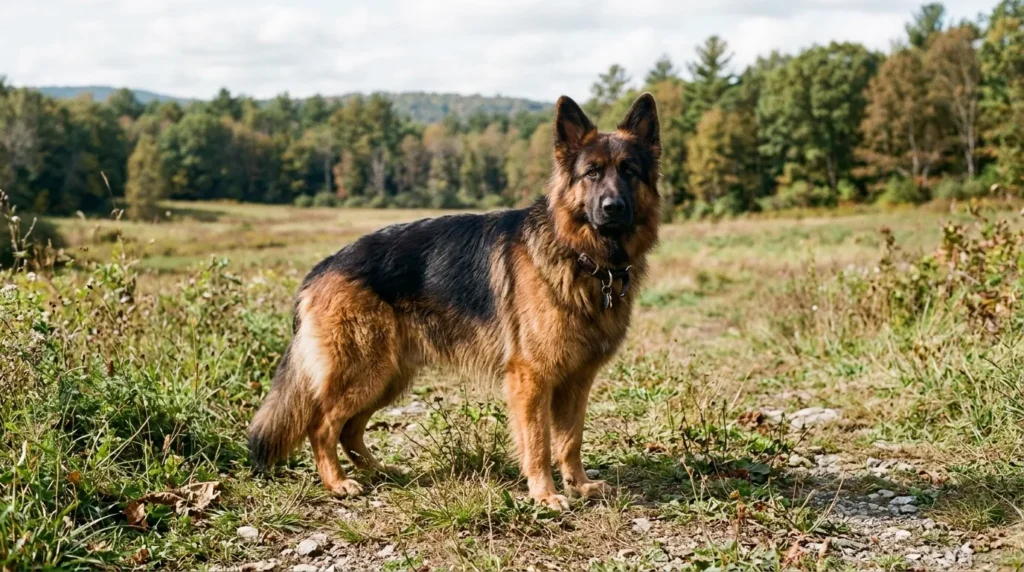
Good protection depends on control as much as instinct. Early socialization, sensible exposure to different people and environments, and dependable obedience can teach a powerful dog when to stay alert and when to settle.
9. Health & Lifespan
A big dog needs more than a big appetite; long-term care deserves equal attention.
German Shepherds have an average lifespan of around 9–13 years, as Purina describes. These dogs can face conditions involving the hips, elbows, spine, skin, and other systems. Degenerative myelopathy and certain inherited concerns also appear in the breed.
King Shepherd health information is less extensive because the population is smaller and the breed has a more recent development history. That makes breeder transparency particularly valuable when investigating potential health issues.
Weight deserves attention for both. Carrying unnecessary pounds can place additional strain on joints and movement, so sensible nutrition, age-appropriate activity, veterinary checkups, and responsible breeding all have a role in reducing avoidable health problems.
10. Which Loyal Dog Should You Choose?
The final decision becomes clearer when you stop asking which dog looks more impressive and start asking which one fits your actual routine.
The German Shepherd offers a deeply established working background, athletic structure, broad availability, and a long record across service and performance roles. That combination can suit households ready to invest time in exercise, learning, and structured companionship.
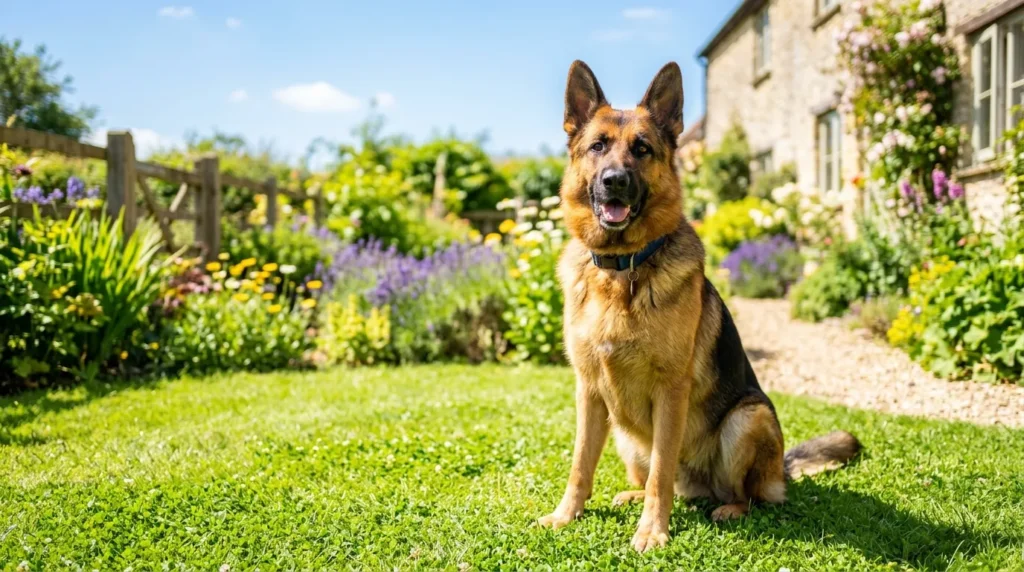
The King Shepherd offers a different experience: the familiar shepherd character wrapped in a substantially larger frame. More room, greater physical strength, potentially higher food costs, and limited availability can all influence day-to-day ownership.
Your home matters too. Think about space, grooming tolerance, outdoor access, handling experience, veterinary budget, and the amount of time available for activity and companionship.
Neither dog should be chosen simply because the other looks similar. Understanding those differences makes choosing a companion far more practical than judging a dog by appearance alone.
Conclusion
The German Shepherd vs. King Shepherd comparison reveals two dogs connected by appearance and working heritage but separated by meaningful differences in development, scale, availability, and daily demands.
One carries generations of established working history in an athletic package. The other takes familiar shepherd qualities into a notably heavier body with a newer breed history and a smaller pool of breeders.
Both can become deeply loyal companions when their physical needs, training, environment, and social lives receive thoughtful attention. The right match comes down to understanding what your household can provide every day, and choosing the dog whose needs fit naturally into that reality.
