




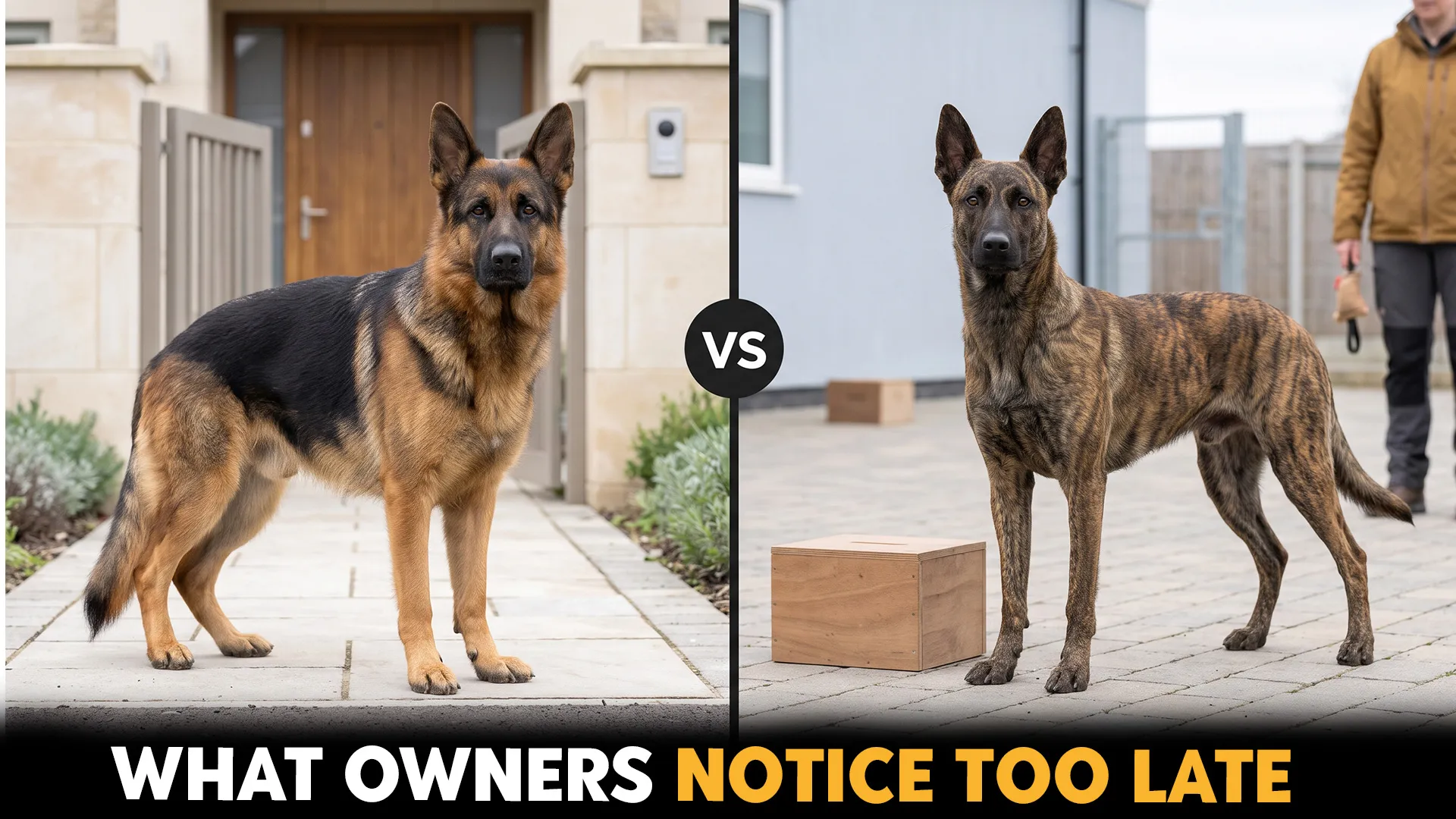
At first glance, the German Shepherd and Dutch Shepherd might seem almost interchangeable. Both are athletic, intelligent, loyal, and naturally drawn to having a job to do.
But choosing between these two breeds isn’t as simple as comparing their appearance. Their personalities, energy levels, and everyday needs reveal some important differences that potential owners should know.
The German Shepherd is one of the most recognizable dog breeds in the United States, often seen in family homes, police units, and other working environments. The Dutch Shepherd, meanwhile, is much rarer outside its homeland in the Netherlands.
So, which breed is easier to train, better suited to family life, or more demanding when it comes to daily exercise? Their shared working background can make the differences easy to overlook, but understanding what sets them apart can help you decide which dog better fits your lifestyle.
German Shepherd vs. Dutch Shepherd: What Owners Often Miss
Size & Build Differences
German Shepherd
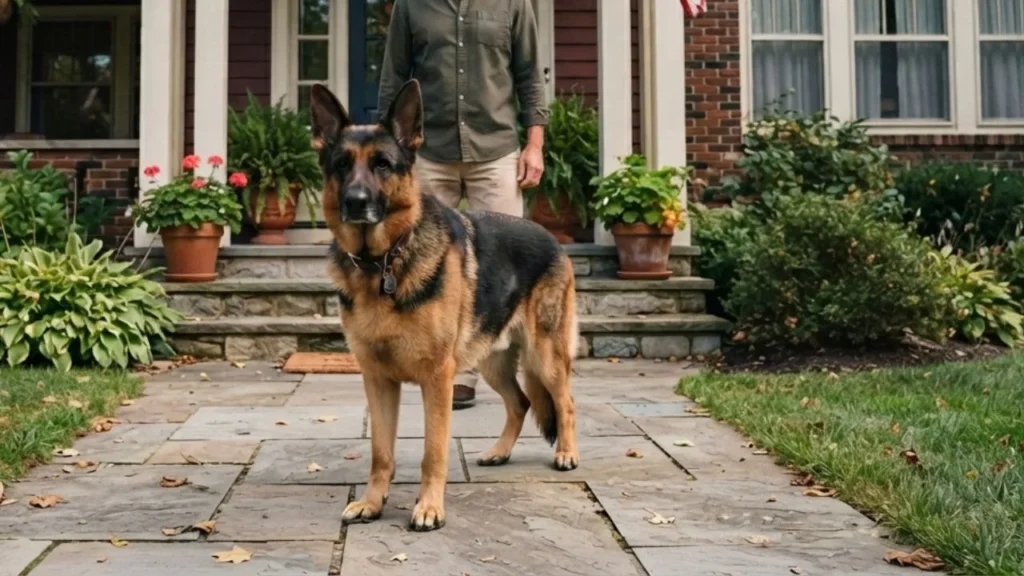
The German Shepherd is a large, muscular dog with a body that is longer than it is tall. They typically weigh 50–90 pounds and stand 22–26 inches tall.
Their strong hindquarters, straight backs, upright ears, and long muzzles give them a confident appearance. They have dark, almond-shaped eyes and long, bushy tails.
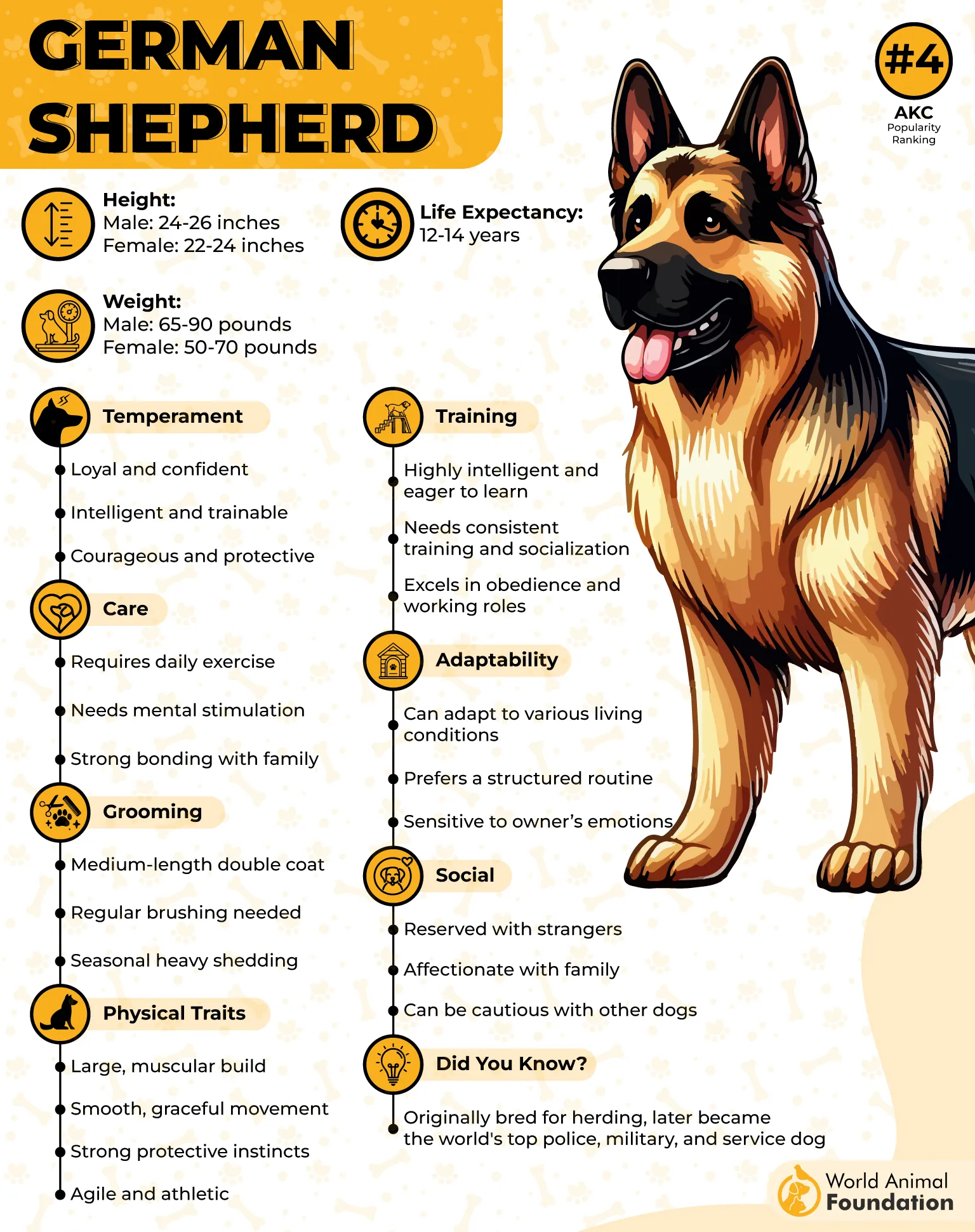
Their coats can be short or long, with a dense outer layer and undercoat. Black and tan is the most familiar color combination, but they also come in black and red, black and silver, sable, gray, and solid black.
Dutch Shepherd
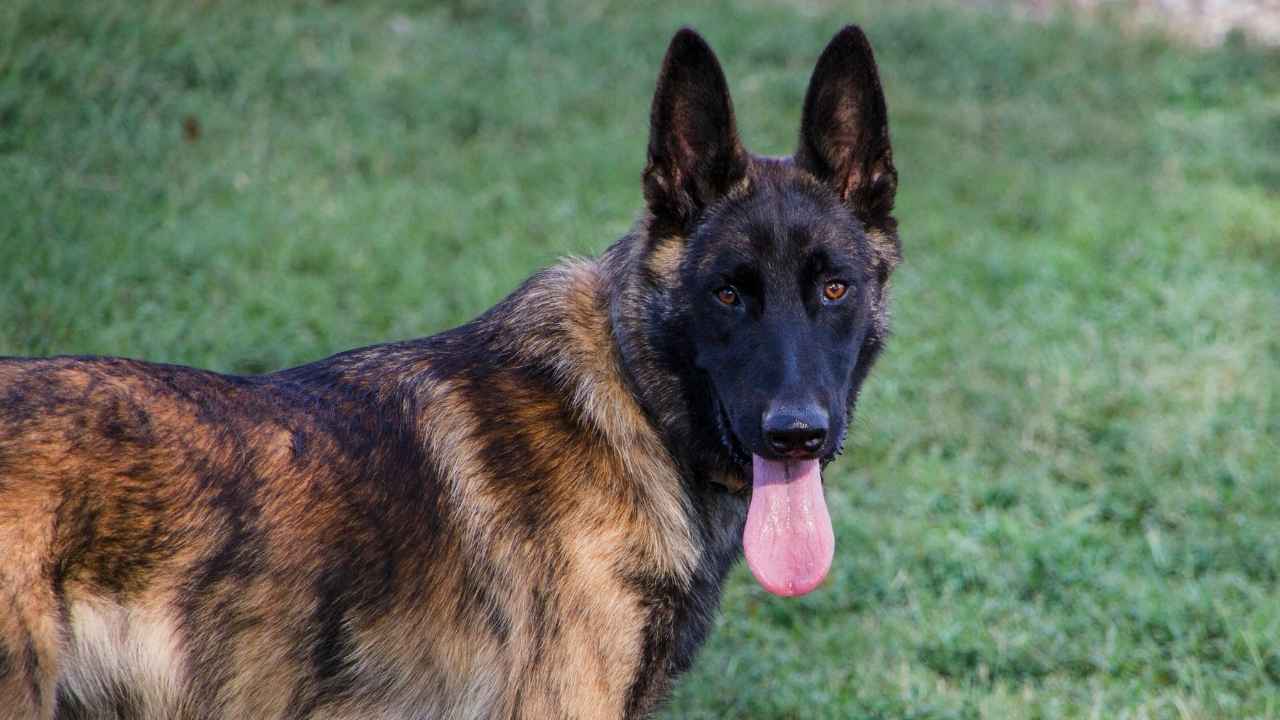
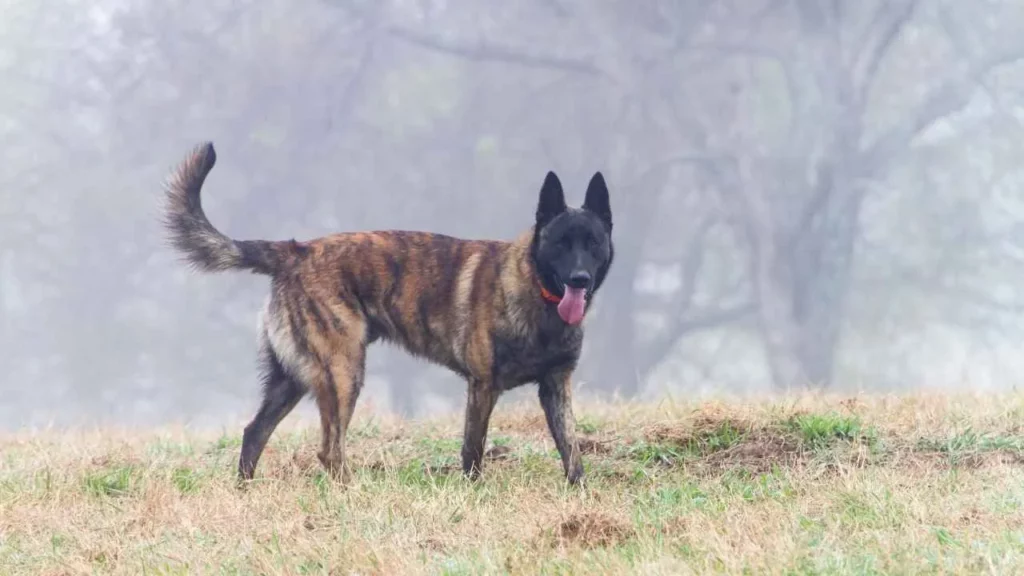
The Dutch Shepherd is a medium-sized, athletic dog with a muscular build and slightly stockier appearance. They typically weigh 42–70 pounds and stand 21–25 inches tall. Their upright ears, almond-shaped eyes, long muzzle, and slightly boxier head give them an alert expression.
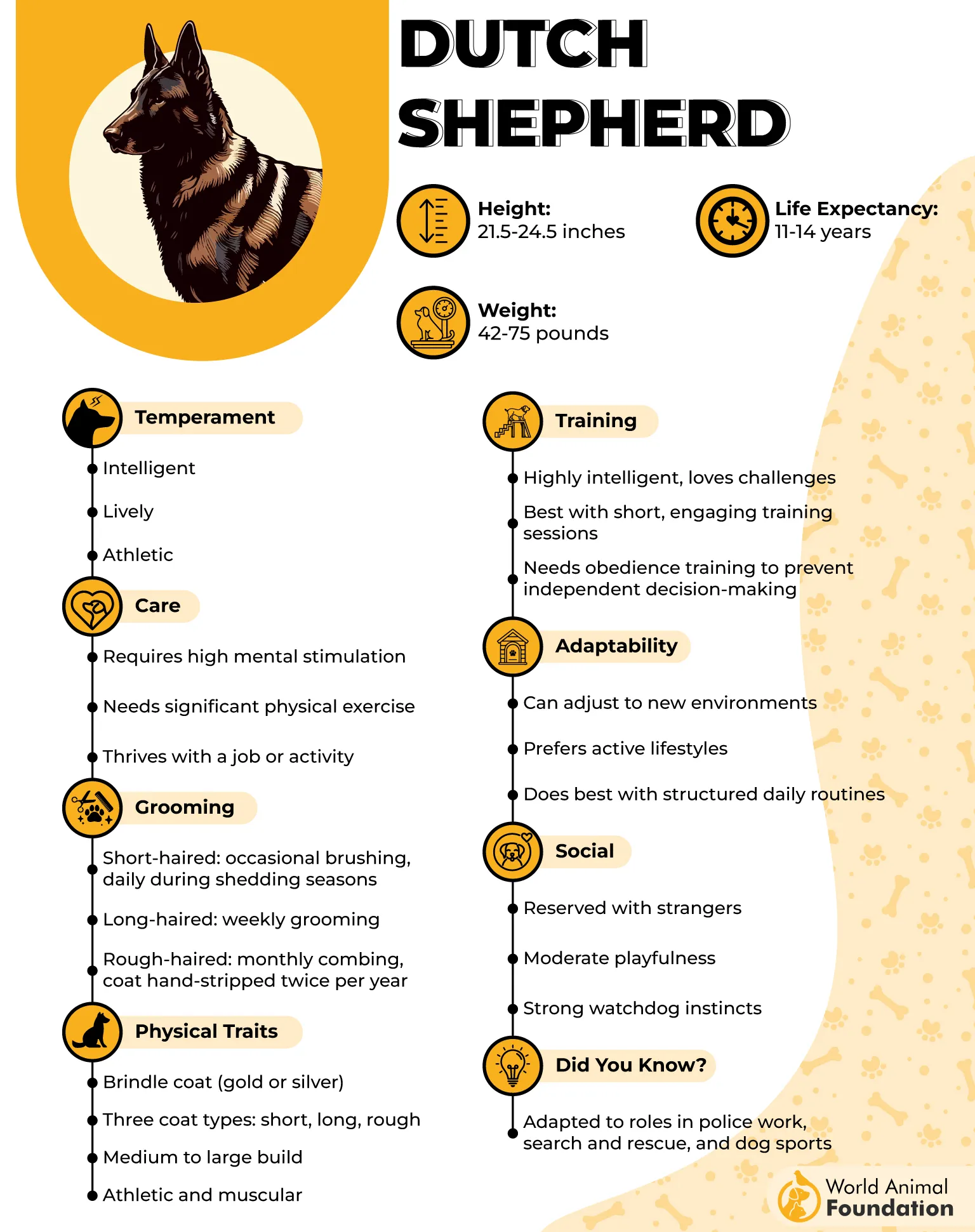
Their most distinctive feature is their brindle coat, which comes in gold or silver shades.
Unlike German Shepherds, they have three coat varieties: short-haired, long-haired, and rough-haired, as noted by the AKC. All three have a woolly undercoat, but their outer coats differ in length and texture.
Temperament & Personality
German Shepherd
German Shepherds are known for their loyalty, intelligence, and protective nature. They are usually gentle and affectionate with their families but can be reserved around strangers.
Their alert personalities also make them natural watchdogs, and they may bark when bored or when something seems unusual. With early socialization and consistent training, they can become well-mannered family companions and do well with children under supervision.
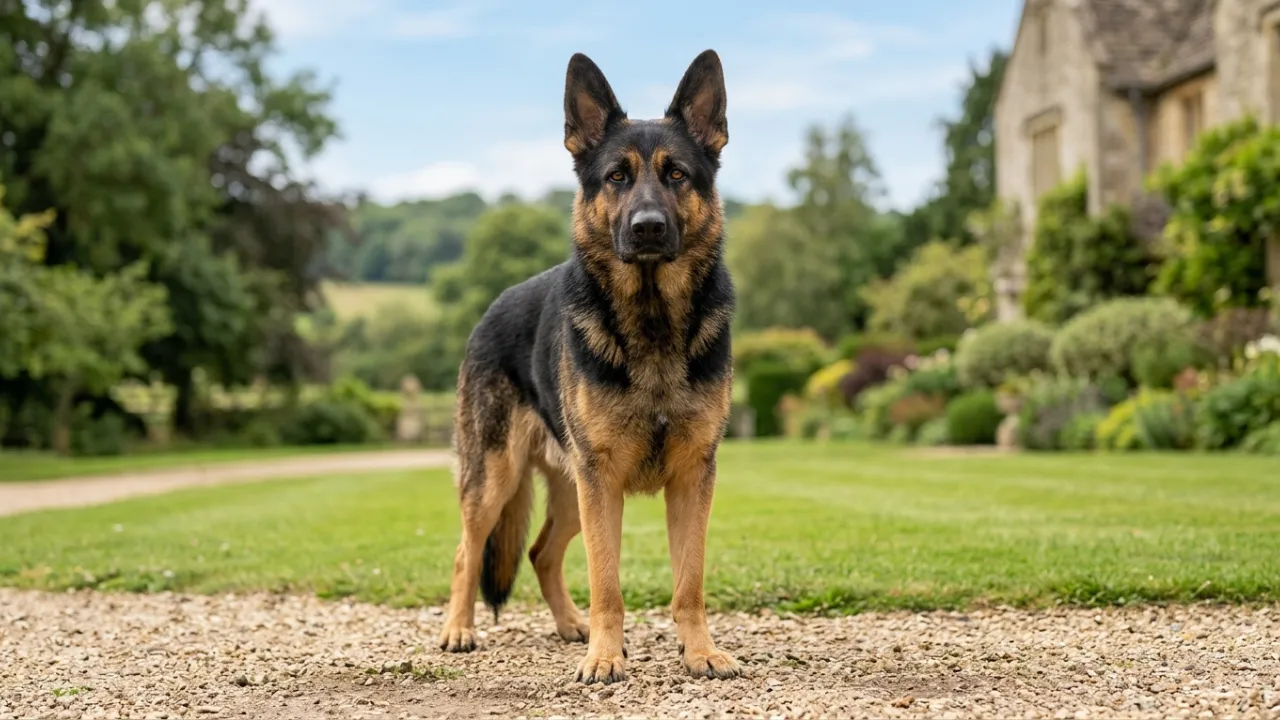
These dogs also have a playful side and enjoy having something to do. Whether they’re learning new commands, playing with toys, or working on scent-based activities, they thrive when their minds stay occupied.
Dutch Shepherd
Dutch Shepherds are intelligent, loyal, and energetic dogs that love staying active. They form strong bonds with their families and can be quite affectionate, especially when it’s time to relax.
However, they’re usually more interested in play, exploration, and adventure throughout the day than spending hours lounging on the sofa.
Their determined and hardworking personalities make them suitable for demanding roles, including military and K9 work. They need regular exercise, mental challenges, and proper socialization to feel comfortable around strangers, children, and other animals.
A Dutch Shepherd that gets enough activity and engagement is more likely to be a happy and settled companion.
Exercise & Energy Levels
German Shepherd
German Shepherds have high energy levels and need plenty of daily exercise to stay physically fit and mentally satisfied.
A short walk around the neighborhood won’t be enough for these active dogs. They benefit from around two to three hours of combined physical activity and mental stimulation each day.
Some activities they particularly enjoy include:
Brisk walks, jogging, and running with their owners.
Fetch, hiking, and exploring new places.
Scent walks and treat-finding games.
Puzzle toys and other indoor challenges.
German Shepherds also enjoy swimming and playing in dog parks when properly socialized. A fenced yard gives them extra room to play, but they still need regular attention and outdoor activities.
Without enough exercise, they may become frustrated and develop habits like excessive barking, digging, and chewing.
Dutch Shepherd
Dutch Shepherds are equally energetic and need an active lifestyle with plenty of opportunities to run, play, and explore.
They generally need around 60 to 90 minutes of daily physical and mental activity, as noted by PetMD. They are not dogs that will happily spend most of the day lounging indoors.
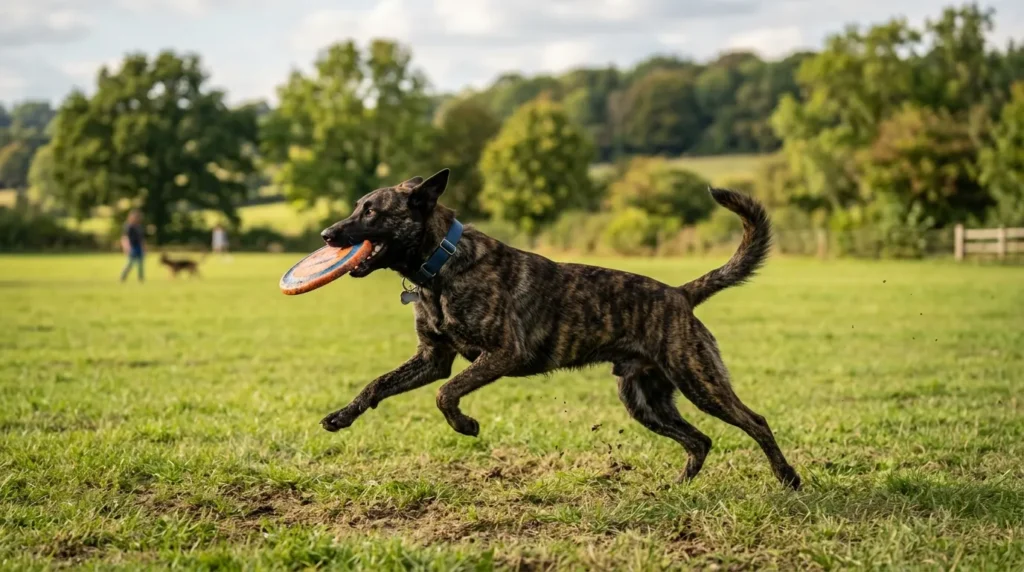
Their favorite activities include:
Running, jogging, and playing frisbee.
Hiking and exploring outdoor trails.
Agility, obedience, and nose work.
Fetch and interactive puzzle games.
Dutch Shepherds also enjoy swimming and activities that challenge their intelligence. They often excel in dog sports and benefit from having a regular job or activity to focus on.
When their exercise and mental stimulation needs are met, they are generally calmer and more settled at home.
Training & Intelligence
German Shepherd
German Shepherds are highly intelligent dogs that learn commands quickly and generally respond well to consistent training. They thrive on positive reinforcement, treats, and toys, making training an excellent way to strengthen their bond with their owners.
Early obedience classes and socialization are important to help them become confident and well-mannered adults.
However, their intelligence comes with strong instincts. German Shepherds have a natural drive to chase smaller animals, so they should be kept on a leash or inside a fenced yard when outdoors.
They may also be wary of unfamiliar dogs and strangers, making early exposure to different people, animals, and environments especially important.
Dutch Shepherd
Dutch Shepherds are equally intelligent and eager to learn, with a strong work ethic that makes them highly trainable. They respond best to consistent, positive reinforcement and short, active training sessions that keep them focused and interested.
Once they master basic commands like sit, stay, and come, they can move on to more advanced cues and activities.
These dogs enjoy tasks that challenge both their minds and bodies. Their willingness to follow directions makes them excellent candidates for obedience training, agility, and other working activities.
Early socialization is equally important, while regular exercise helps prevent boredom and keeps them focused during training.
Vocal Behavior
German Shepherd
German Shepherds are naturally vocal dogs and often use barking to communicate. They may bark to alert their owners when something seems unusual, especially because of their protective instincts.
They can also become noisy when bored or when they aren’t getting enough exercise and mental stimulation. Keeping them active and providing consistent training can help manage unnecessary barking.
Dutch Shepherd
Dutch Shepherds are energetic, intelligent working dogs that need plenty of physical and mental stimulation. Although they can become restless when bored, the information provided does not establish a specific barking tendency for this breed.
Keeping them engaged with regular exercise, training, and activities can help prevent boredom-related behavior.
Coat & Grooming
German Shepherd
German Shepherds have a thick double coat with a soft undercoat and a dense, coarse outer layer. They shed regularly throughout the year, with heavier shedding during spring and fall.
Daily brushing helps remove loose hair and keep their coat in good condition. Greencross Vets mentions that long-coated German Shepherds may need extra attention because of their longer, silkier hair.
Baths are only needed occasionally, as frequent washing can strip the coat of its natural protective oils. During heavy shedding seasons, bathing with a suitable dog shampoo can help manage loose hair. Regular tooth brushing is also important for their dental care.
Dutch Shepherd
Dutch Shepherds have a dense, weather-resistant brindle coat that comes in three varieties: short-haired, long-haired, and rough-haired. They shed moderately throughout the year, with increased shedding during spring and fall.
Weekly brushing is usually enough to remove loose hair and maintain a healthy coat, although extra brushing may be needed during seasonal shedding.
They are relatively low-maintenance when it comes to grooming and rarely need frequent baths because of their water-resistant coats. Bathing is generally only necessary when they become visibly dirty or smelly.
Health Issues & Lifespan
German Shepherd
German Shepherds have an average lifespan of 12–14 years. However, they are prone to several inherited and breed-related health conditions. Common concerns include:

Hip dysplasia
Elbow dysplasi
Hemophilia (in males)
Exocrine pancreatic insufficiency (EPI)
Degenerative myelopathy
Perianal fistula
Atopic dermatitis
Hemangiosarcoma
Bloat and gastric dilatation-volvulus (GDV)
Dilated cardiomyopathy
Epilepsy
Pannus
Dutch Shepherd
Dutch Shepherds typically live 11–14 years and are generally considered a healthy breed. They are less prone to certain joint, heart, and digestive conditions than German Shepherds, but some health issues can still occur, including:
Hip dysplasia
Elbow dysplasia
Bloat and gastric dilatation-volvulus (GDV)
Glaucoma
Hypothyroidism
Atopic dermatitis
Skin allergies
Herding Abilities
German Shepherd
German Shepherds were originally bred for herding livestock, and their intelligence, alertness, and strong working instincts make them capable herding dogs. They are naturally attentive and responsive to direction, which helps them learn commands and manage different tasks.
Their protective instincts also make them effective guardians of livestock. Even today, their ability to follow instructions and stay focused makes them valuable in a variety of working roles.
Dutch Shepherd
Dutch Shepherds also have a strong herding background, having originally been developed to work with livestock in the Netherlands. Their intelligence, athletic build, and determined nature help them handle active herding tasks.
They are quick learners who respond well to consistent training and enjoy having a job to do. Their strong work ethic and high energy levels make them well suited to activities that challenge both their physical abilities and intelligence.
Conclusion
German Shepherds and Dutch Shepherds share many qualities, including intelligence, loyalty, athleticism, and strong herding instincts. However, they differ in size, coat types, temperament, grooming needs, and certain health risks.
Both breeds need consistent training, plenty of exercise, and regular mental stimulation to stay happy and well-behaved.
Before choosing between them, think about your daily routine, activity level, and the time you can dedicate to training and care. Meet both breeds if possible and speak with reputable breeders about their individual needs.
After all, the best companion isn’t necessarily the one with the most impressive working abilities, but the one whose needs fit naturally into your life.
