




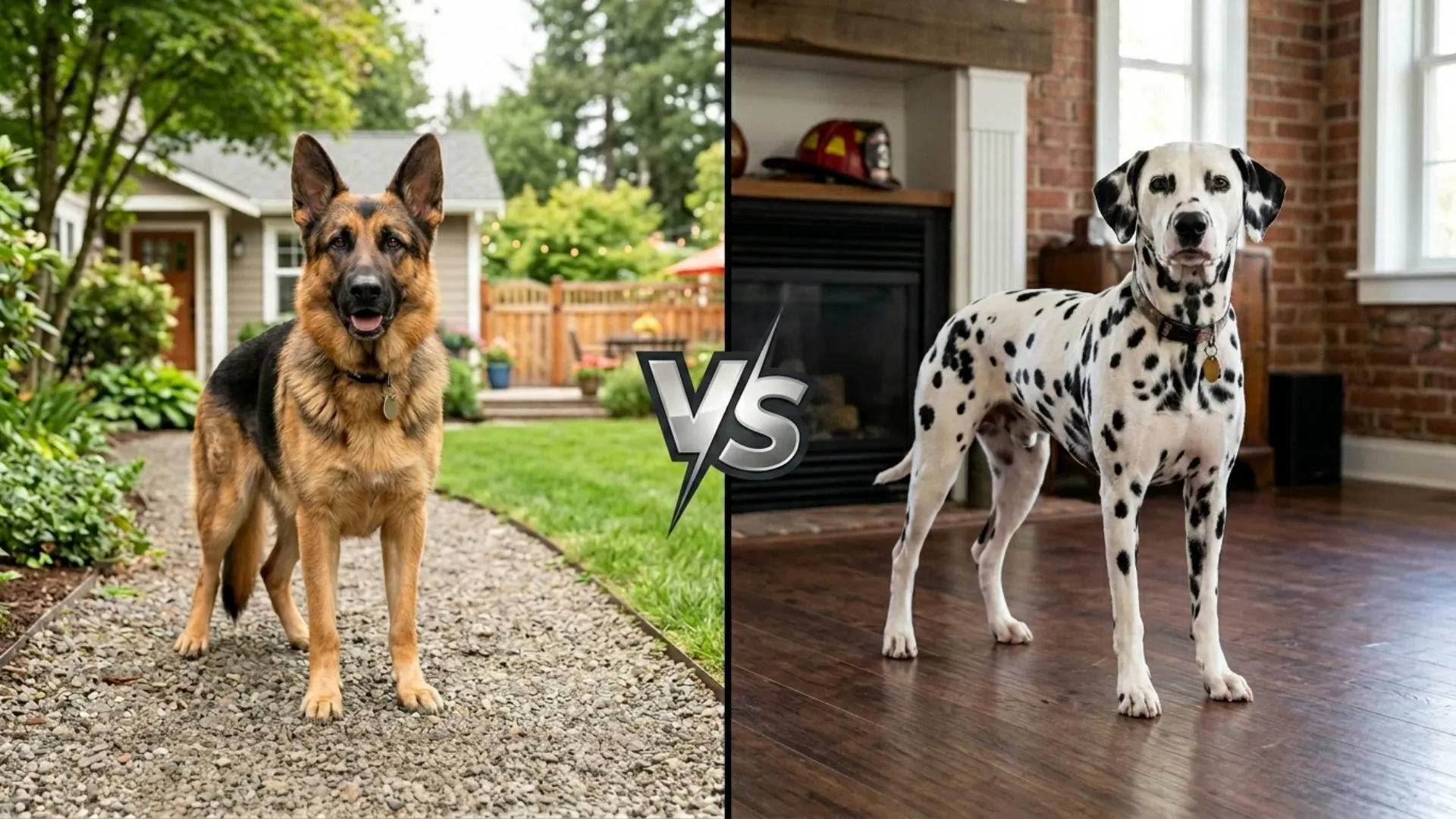
Trying to choose between a German Shepherd and a Dalmatian can feel like a tough call. Both breeds are loyal, energetic, intelligent, and easy to train. They also have strong working roots, so they need more than a quick walk and a soft bed.
Big choice? Really. Good family matches? Yes. Around the world, many families love these dogs for different reasons. Some owners prefer a protective guard dog, while others want a playful running partner for their kids.
The German Shepherd often stands out for its focused temperament and confident nature. The Dalmatian brings excitement, charm, and nonstop energy into daily life.
In this guide, you will clearly find which dog fits your home, routine, and personality best before choosing your next pet.
German Shepherd vs. Dalmatian
The German Shepherd and the Dalmatian are both loved around the world, but they shine in very different ways.
One is known as a dependable working and guard dog, while the other stands out for its playful charm and famous spotted coat. Both can become a wonderful family pet, yet first-time owners may struggle without enough time, structure, and daily care.
German Shepherd
The German Shepherd is a German breed of medium- to large-sized dog. It was first developed in 1899 by Max von Stephanitz using traditional German herding dogs.
According to Wikipedia, the German Shepherd originally worked as a sheep herder before moving into police work, search and rescue, warfare, and disability support roles. Its loyal nature and sharp mind quickly made it popular across the world.
After World War I, the breed gained international attention and later became one of the most popular dogs in the U.S.
Dalmatian
The Dalmatian is famous for its white coat and black spots. This active breed started as a hunting dog; they later worked beside firefighters during the horse-drawn carriage era. Its roots trace back to the historical region of Dalmatia and Korčula.
Now that you know their backgrounds, let’s explore the key differences that make each breed unique for modern families.
Size & build Differences
The German Shepherd and Dalmatian may both look athletic, but their body styles feel very different in daily life. One breed carries a bold, powerful frame, while the other moves with light speed and smooth balance. Their body design also affects comfort, movement, and the type of home they enjoy most.
German Shepherd Body Type
The German Shepherd has a large, muscular body with a strong and confident stance. Most males stand around 24 to 26 inches tall and weigh an average of 65 to 90 pounds. Females are slightly smaller.
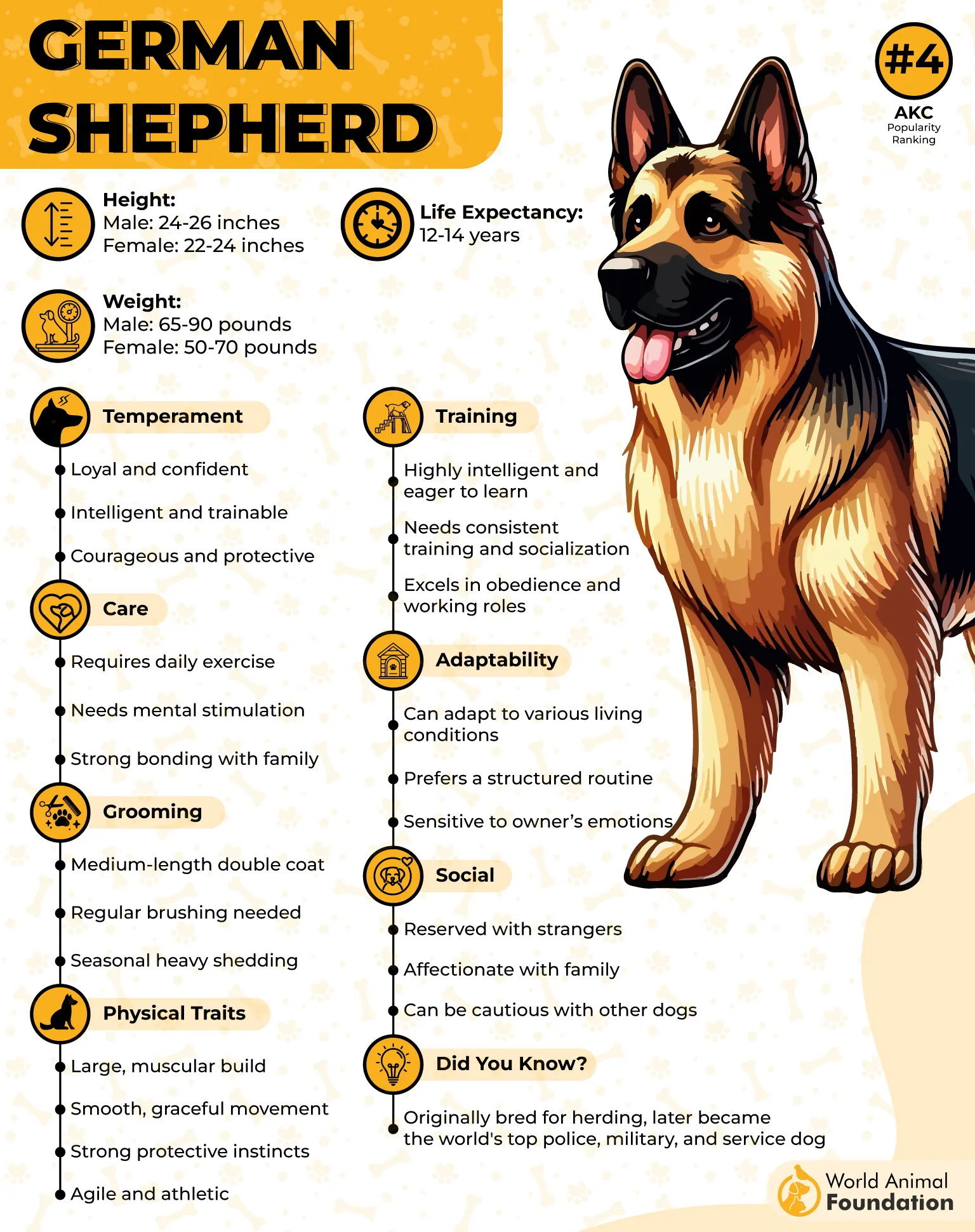
Their deep chest and solid legs support active jobs, outdoor adventures, and demanding work. Strong genetics also helped shape this German Shepherd for herding and protection roles. Many people feel safer around this powerful breed because of its alert posture and sturdy size.
Dalmatian Body Type
The Dalmatian has a lean and athletic build. According to the American Kennel Club, a Dalmatian stands between 19 and 23 inches tall at the shoulder.
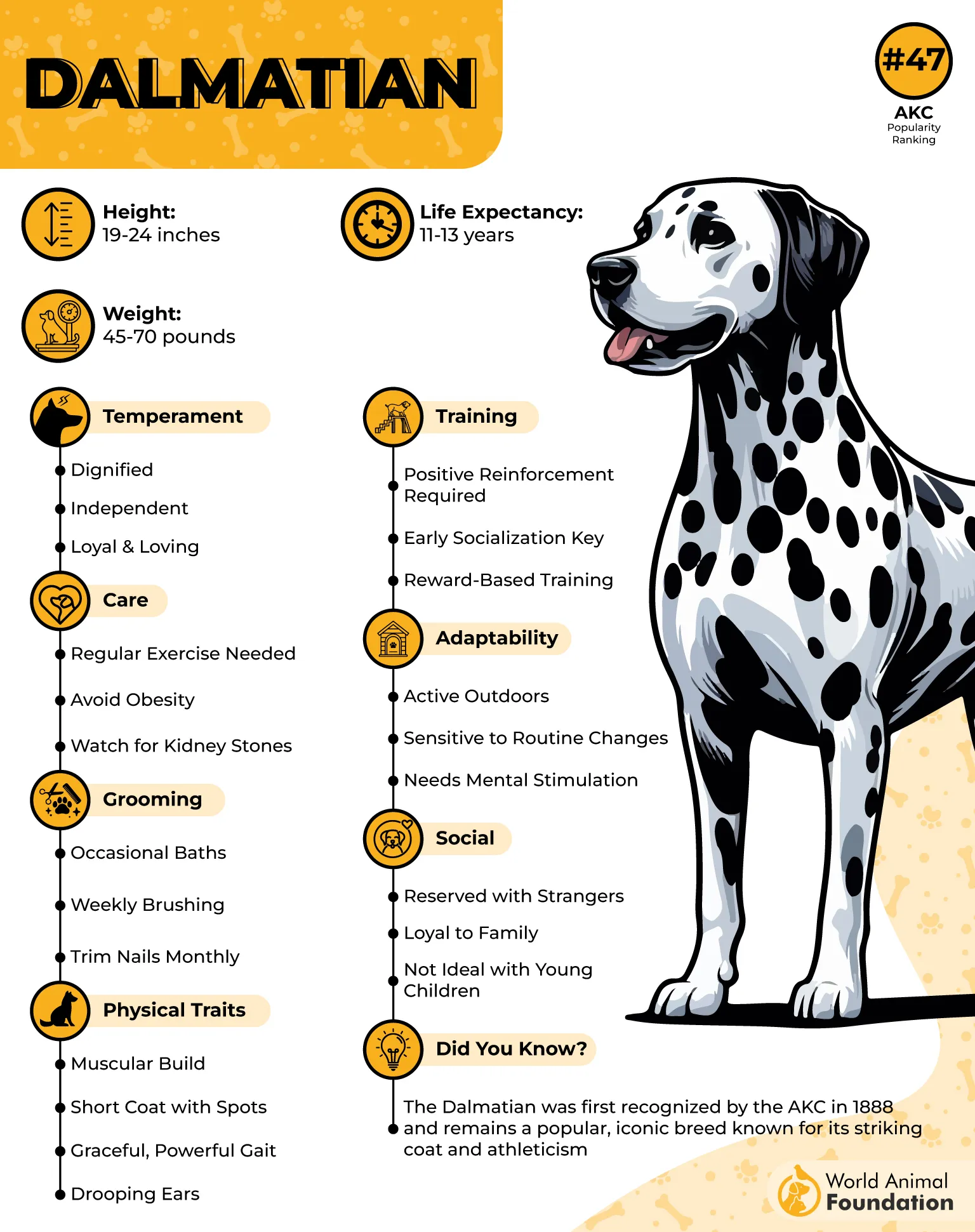
Its body stays light on its feet, which helps during long runs and active play. The spotted coat also makes the breed easy to recognise. Compared to the German Shepherd, the Dalmatian moves with a smoother and more effortless gait.
Which Size Fits Better?
German Shepherds usually do better in larger homes with outdoor space. Dalmatians may adjust more easily to smaller homes if they get enough daily activity. Your lifestyle will help you find the best fit.
Temperament & Personality
The German Shepherd and the Dalmatian both bring strong personality traits into family life, but they show affection in very different ways. One stays calm and watchful, while the other fills the house with excitement and nonstop fun.
German Shepherd Personality
The German Shepherd is known for its protective temperament around loved ones. German Shepherds form deep bonds with family members and like staying close to the people they trust most. Its calm, focused, and steady nature helps it stay alert without acting wild.
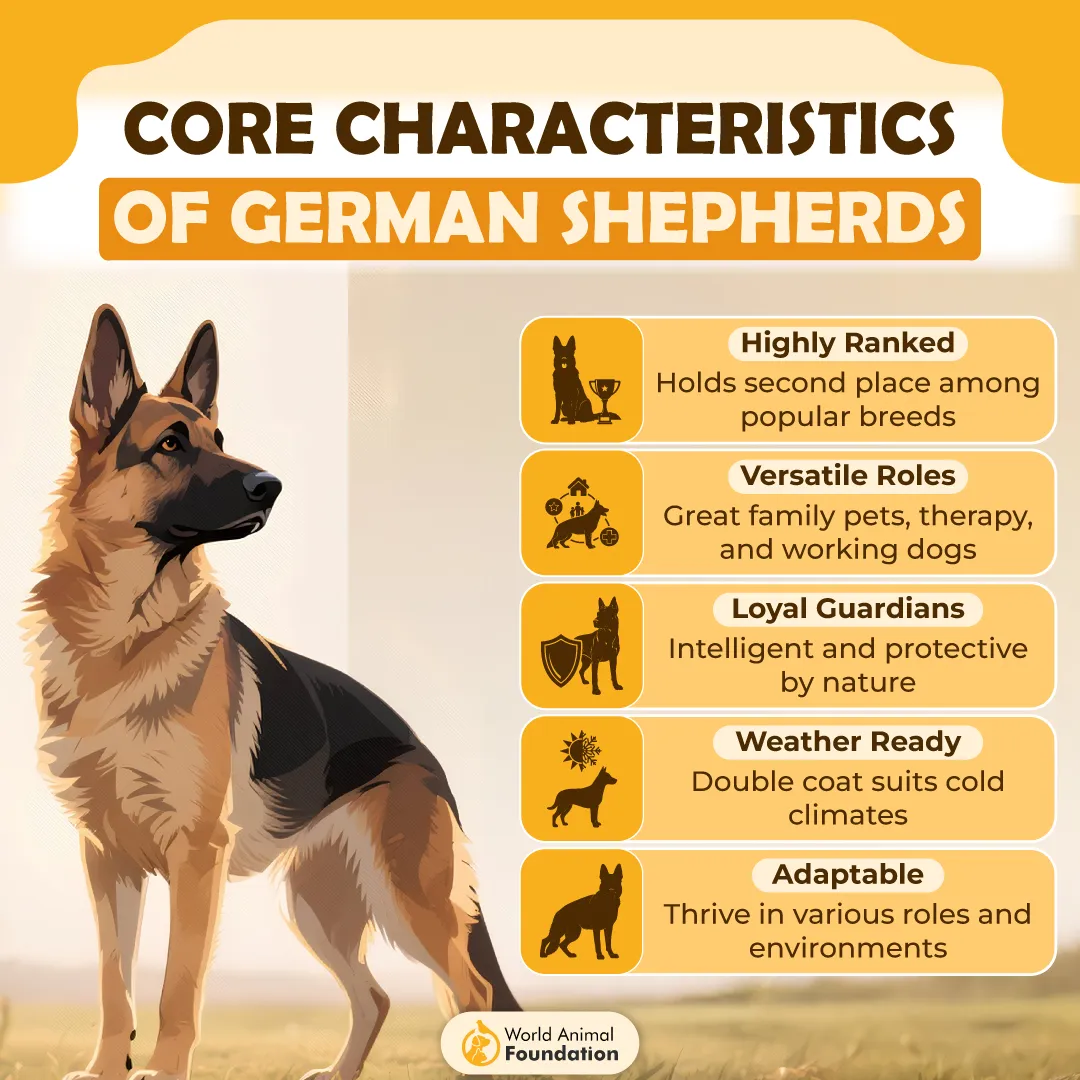
According to PetMD, German Shepherds are very loyal and gentle with their family, though they may seem reserved around strangers. Many owners love how dependable this breed feels during daily life. With proper training, the German Shepherd becomes a confident companion for adults and kids alike.
Dalmatian Personality
The Dalmatian has a fun-loving and social personality. It enjoys active homes filled with games, walks, and outdoor fun. This breed loves being around people and often stays excited during playtime.
Dalmatians are also loyal to their family and usually good with children, though some experts feel their high energy may overwhelm very small kids. Their playful spirit keeps homes lively and full of movement.
Family Lifestyle Match
German Shepherds often fit quieter homes with structured routines. Dalmatians usually enjoy busy households with constant activity. On average, active families may enjoy the Dalmatian more, while calmer homes may prefer the steady nature of the German Shepherd.
Exercise & Energy Levels
The German Shepherd and Dalmatian both live at a fast pace, but they use their energy in different ways. These highly energetic breeds need daily movement, mental challenges, and outdoor time to stay happy and healthy.
German Shepherd Activity Needs
German Shepherds need regular walks, training sessions, and brain games every day. Activities like hiking, fetch, tracking, and obedience work help keep them focused and confident.
Their strong genetics as working dogs give them high stamina and sharp focus. Without enough exercise, boredom can lead to chewing, barking, or destructive habits. German Shepherd enjoys structure, and a steady routine often makes training much easier for active owners.
Dalmatian Activity Needs
Dalmatians are full of nonstop energy and love active lifestyles. Running, jogging, and long outdoor adventures fit this breed perfectly.
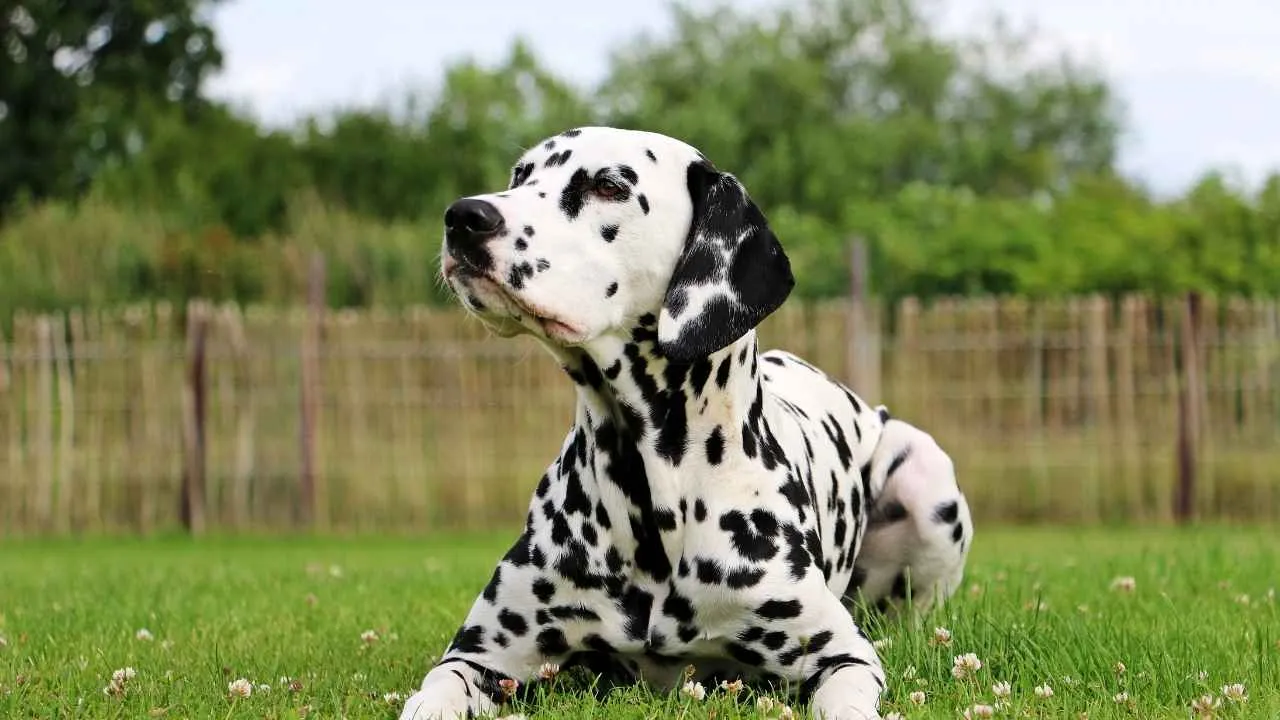
According to Hill’s Pet, Dalmatians are highly energetic, playful, and sensitive dogs that need regular physical and mental activity. Without enough movement, they can quickly get into mischief. Their athletic bodies help them maintain a strong running pace for long periods.
Which Breed Handles Busy Families Better?
Both breeds need daily exercise, but the Dalmatian usually needs more nonstop activity on average. Inactive homes may struggle with either breed. German Shepherds fit structured routines better, while Dalmatians suit families with constant movement and outdoor fun.
Training & Intelligence
Both the German Shepherd and Dalmatian enjoy mental challenges and active routines. These breeds learn best with patient owners and consistent training every day.
German Shepherd Learning Style
The German Shepherd is a highly intelligent breed that learns commands very quickly. Police and service groups value this dog for its focus and discipline.
According to Britannica, German Shepherds enjoy training but may test a handler’s determination at times. Their confident nature and sharp memory often make learning easier than for the average family dog.
Dalmatian Learning Style
The Dalmatian has a playful and independent personality. Patience helps keep lessons clear and enjoyable. While a Dalmatian may lose focus after small bits of repetition, consistent practice can still shape a very intelligent companion.
Which Breed Is Easier to Teach?
German Shepherds usually stay more focused during lessons. Dalmatians need shorter and more fun sessions. Early routines, praise, and rewards help both breeds build better habits.
Vocal Behavior
German Shepherds and Dalmatians both use their voices in different ways. One breed stays alert and protective, while the other often barks from excitement and playful energy.
German Shepherd Sounds
German Shepherds usually react quickly to strangers or unusual sounds. Their alert barking helps owners find possible problems around the home.
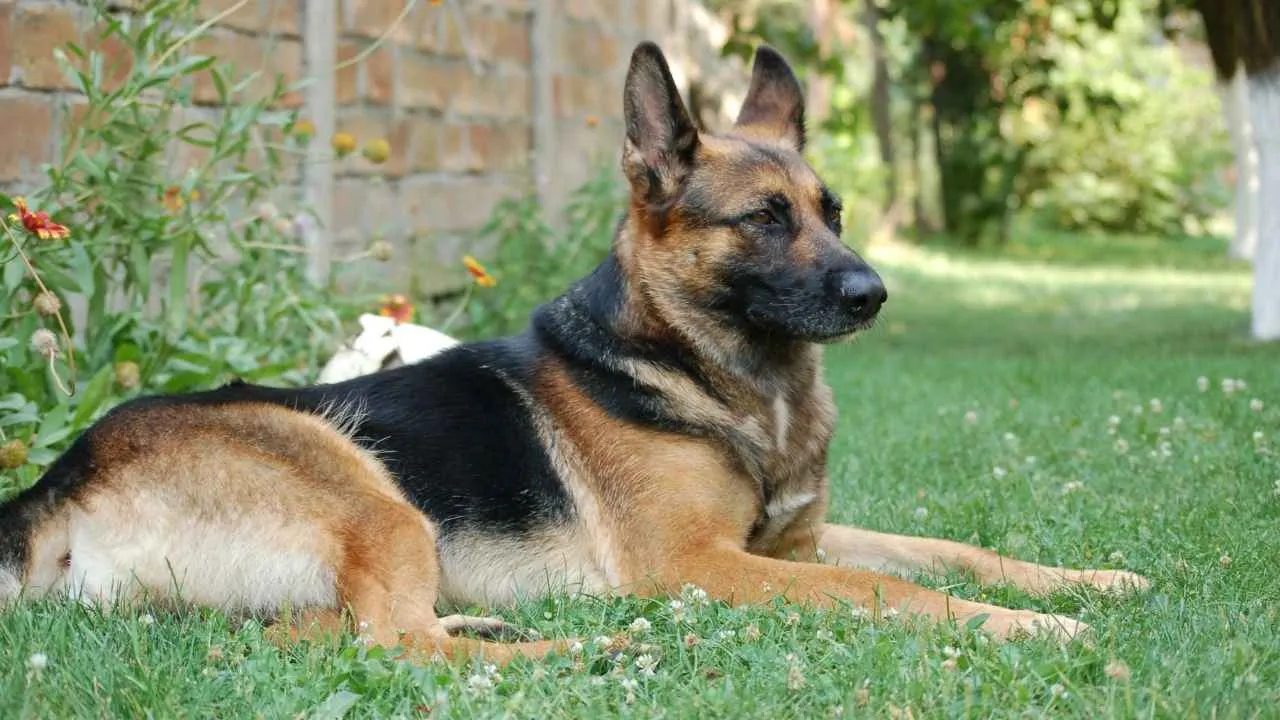
German Shepherds often sound confident and controlled, which is why many people trust them as protectors. With proper training, their vocal habits become clearer and easier to manage. They are also highly trainable, so owners can reduce unnecessary barking over time.
Dalmatian Sounds
Dalmatians often bark during games, walks, or moments of excitement. On average, active dogs bark more when they feel bored or restless. Regular exercise and attention help keep noise levels lower.
Since this breed is also trainable, short lessons and calm routines make quieter behaviour easier to maintain in busy neighbourhoods.
Coat & Grooming
German Shepherds and Dalmatians both need regular grooming, but their coats feel very different. One has a thick double layer, while the other carries a sleek spotted coat with lighter care needs.
German Shepherd Coat Care
German Shepherds have a thick double coat that sheds heavily during seasonal changes. Regular brushing helps remove loose fur and keeps the coat clean and healthy.
During shedding seasons, owners may need to brush several times each week to control hair around the house. Good grooming also supports healthy skin and keeps the coat shiny.
Dalmatian Coat Care
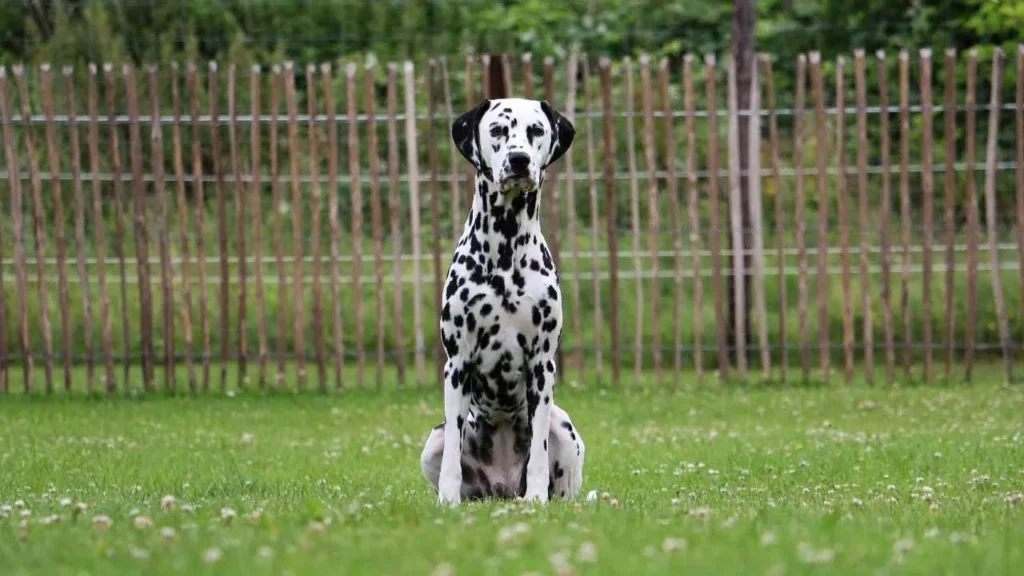
Dalmatians have short, smooth hair and unique black or liver-colored spots. Their grooming routine feels lighter, but loose hair still appears often around the home. According to Purina, their short and hard hair sheds throughout the year. Weekly brushing usually helps keep the coat neat and clean.
Grooming Time Comparison
German Shepherds need more brushing and coat care than Dalmatians. Both breeds benefit from regular baths and skin checks. Busy owners may find the Dalmatian simpler to groom because of its shorter coat.
Health Issues & Lifespan
Both the German Shepherd and Dalmatian are strong and active pets, but like many purebred dogs, they can be prone to certain health problems. Good care, early vet visits, and balanced routines help improve their quality of life and long-term comfort.
German Shepherd Health Concerns
The German Shepherd is often prone to hip and joint problems like hip dysplasia and elbow dysplasia, which affect movement and comfort. Other issues may include degenerative spinal conditions and digestive problems.
Responsible breeding plays a big role in reducing these risks because genetics strongly affect long-term health. According to a Pawlicy Advisor, the average lifespan of a German Shepherd is between 9 and 13 years.
Common conditions include elbow hygroma, von Willebrand disease, and degenerative myelopathy. Not all dogs develop these issues, but awareness is important for owners.
Dalmatian Health Concerns
Dalmatians are active and fun pets, but they can be prone to some health issues. One of the most common is urinary problems, especially bladder stones linked to uric acid buildup. According to PDSA, they may also face atopy, epilepsy, deafness, and hip dysplasia.
Because of these risks, regular vet checkups are very important. Early care helps prevent serious complications and supports better daily health. With good management, this breed can live an active life and stay more confident and comfortable as it grows.
On average, Dalmatians live around 10 to 13 years. This depends on genetics, diet, and exercise routines. Some dogs stay healthy longer with proper care and early screening.
Helping Dogs Live Longer
Healthy food, daily exercise, and routine vet visits help both breeds stay strong. Early checkups allow quick treatment of hidden issues. With proper care, both breeds can live a more active, confident, and comfortable life as loving family companions.
Are German Shepherds & Dalmatians better for home security vs. good dogs for families?
Both the German Shepherd and Dalmatian bring value to a home, but in very different ways.
Why German Shepherds Shine in Protection
The German Shepherd is widely trusted as a natural guard dog, noted by Orvis. Many owners rely on this breed because it stays alert, confident, and aware of its surroundings.
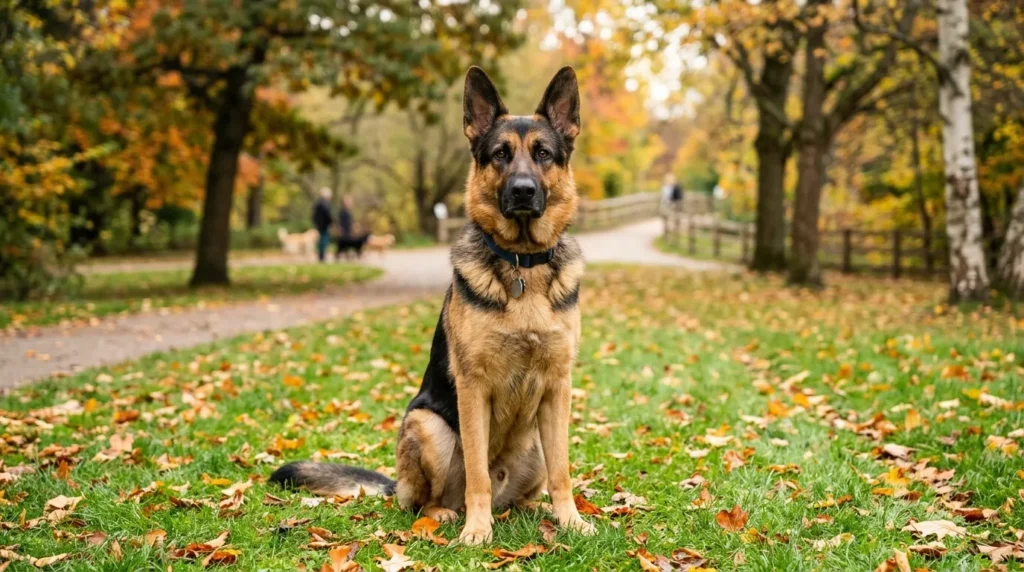
It quickly notices strangers and unusual activity. This makes it a strong choice for home security. The German Shepherd is also deeply loyal to family members, which adds emotional safety along with physical protection.
Why Dalmatians Win Hearts in Active Homes
Dalmatians bring energy, fun, and movement into daily life. They were originally used as hunting and carriage dogs, but today they thrive in active homes with plenty of exercise. According to Royal Canin, with proper care and regular activity, they can live a healthy and balanced life.
Their playful nature makes them great around children and busy family routines. They enjoy games, walks, and shared outdoor time.
Which Breed Makes the Better Family Dog?
Both breeds can be good companions, but the choice depends on lifestyle. German Shepherds suit families wanting security and structure, while Dalmatians fit energetic homes with active schedules. The right match helps families feel clearer and more comfortable in daily life.
Conclusion
Choosing between a German Shepherd and a Dalmatian depends on lifestyle and daily needs. The German Shepherd stands out as a highly intelligent and trainable breed with strong protective instincts and steady temperaments.
It offers focus, loyalty, and reliable home security, making it a great choice for structured families. On the other hand, the Dalmatian brings energy, fun, and a lively spirit that picks up any active home. On average, both dogs need time, care, and attention to thrive.
Each dog is different, so families must look at space, routine, and activity level before deciding. When people find the right match, it becomes easier to enjoy daily life together. The right choice always creates happier families and a stronger bond with a loving pet.
