




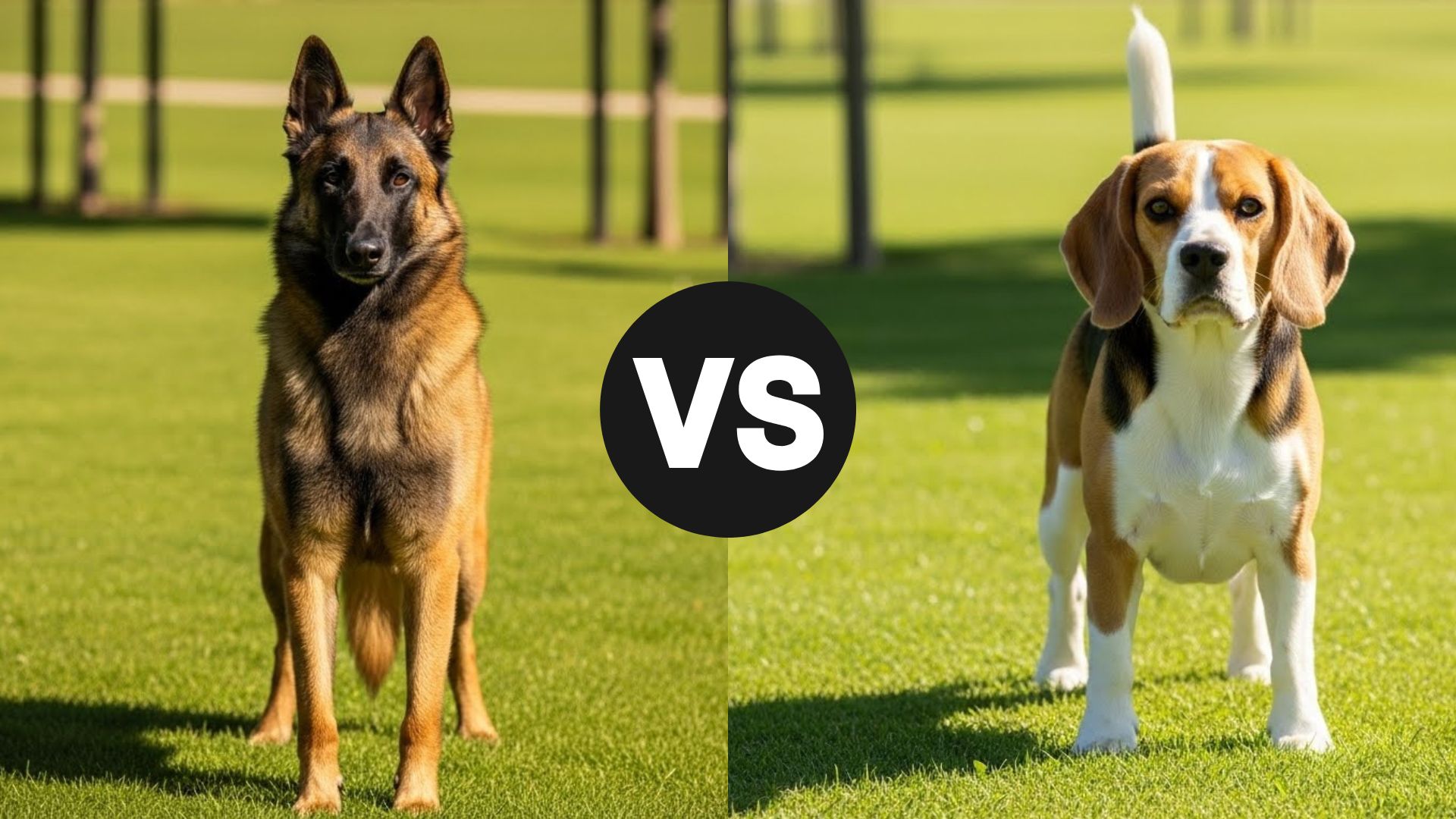
Have you ever looked at two very different dogs and wondered which one would really fit your home? Maybe one looks serious and ready to guard, while the other bounces around like a tiny clown. Both can be wonderful dogs, but in very different ways.
When you put the bold and brilliant German Shepherd next to the cheerful, scent-driven Beagle, you’re looking at two dogs that couldn’t be more different—yet both are adored worldwide.
One is known for its unmatched intelligence, loyalty, and working ability; the other captures hearts with its playful spirit, gentle nature, and incredible nose.
If you’re torn between these two beloved breeds, this comparison will help you understand what truly sets them apart in personality, lifestyle needs, and overall compatibility.
Whether you’re seeking a devoted protector or a joyful family companion, the right choice depends on what you value most in a dog.
German Shepherd vs. Beagle
Overview
When people talk about German Shepherd vs Beagle, they are really talking about two very different stars of the dog world. German Shepherd dogs are big, strong, and serious-looking, with a long history as a herding dog and guardian.
The Beagle is smaller, rounder, and much more silly on the surface, a scent Hound that wants to smell every single leaf on a walk. Put them together, and you see a clear size and energy contrast, but also the same bright eyes that say I want to be your friend.
In daily family life, German Shepherd dogs often act like careful bodyguards. They stay close to their person, watch the house, and stay alert even during quiet naps. Many owners love how loyal and protective they feel.
The Beagle, on the other hand, usually behaves like the funny cousin at every party. This breed is playful, sociable, and always ready for food, games, and extra attention from kids and other pets.
And here is the best part. Beagle vs German Shepherd is not about which is the best dog breed in the whole world. It is about which one is the perfect match for your lifestyle and preferences. One leans into protection, training, and serious work.
The other leans into play, walks, and social fun. Once you understand those differences, choosing between them feels much less scary and much more exciting.
Origins & Purpose
Both breeds started as working dogs, not just couch companions. The German Shepherd was developed in Germany in the late 1800s as a herding dog to move and guard sheep all day long.
Max von Stephanitz wanted a highly intelligent, athletic dog that could work hard, follow commands, and protect farm animals, so he carefully combined several local herding types to shape the breed.
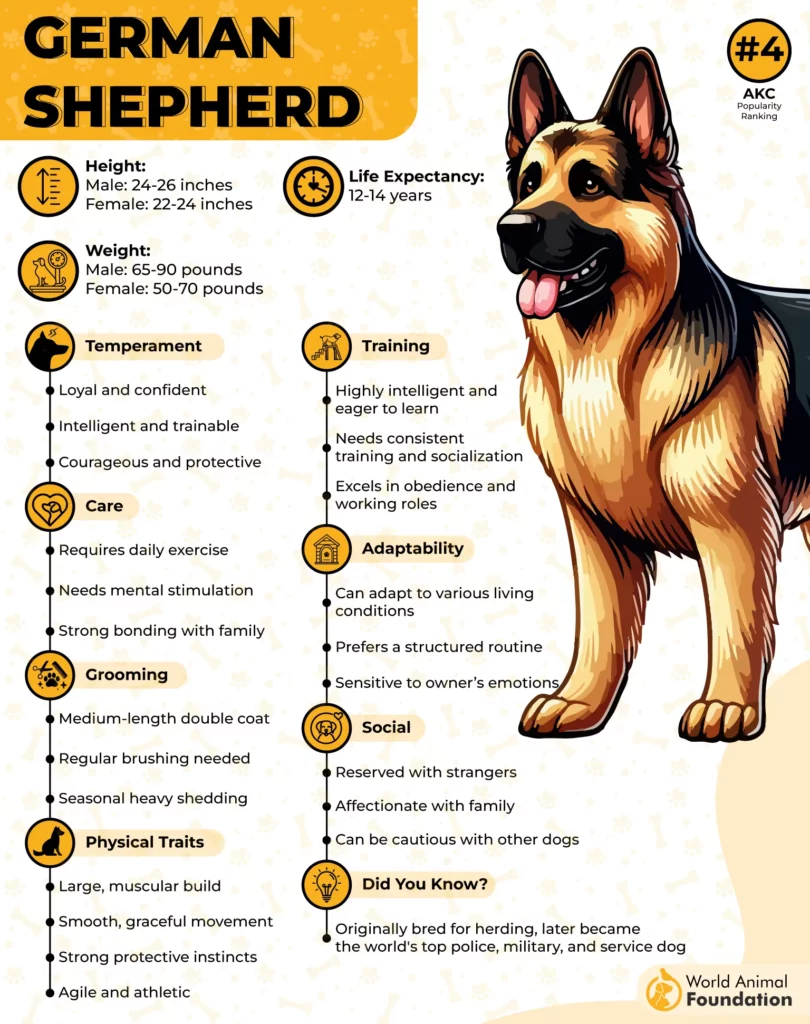
Today, German Shepherd dogs still shine in jobs related to protection, search and rescue, and service work for humans in many parts of the world.
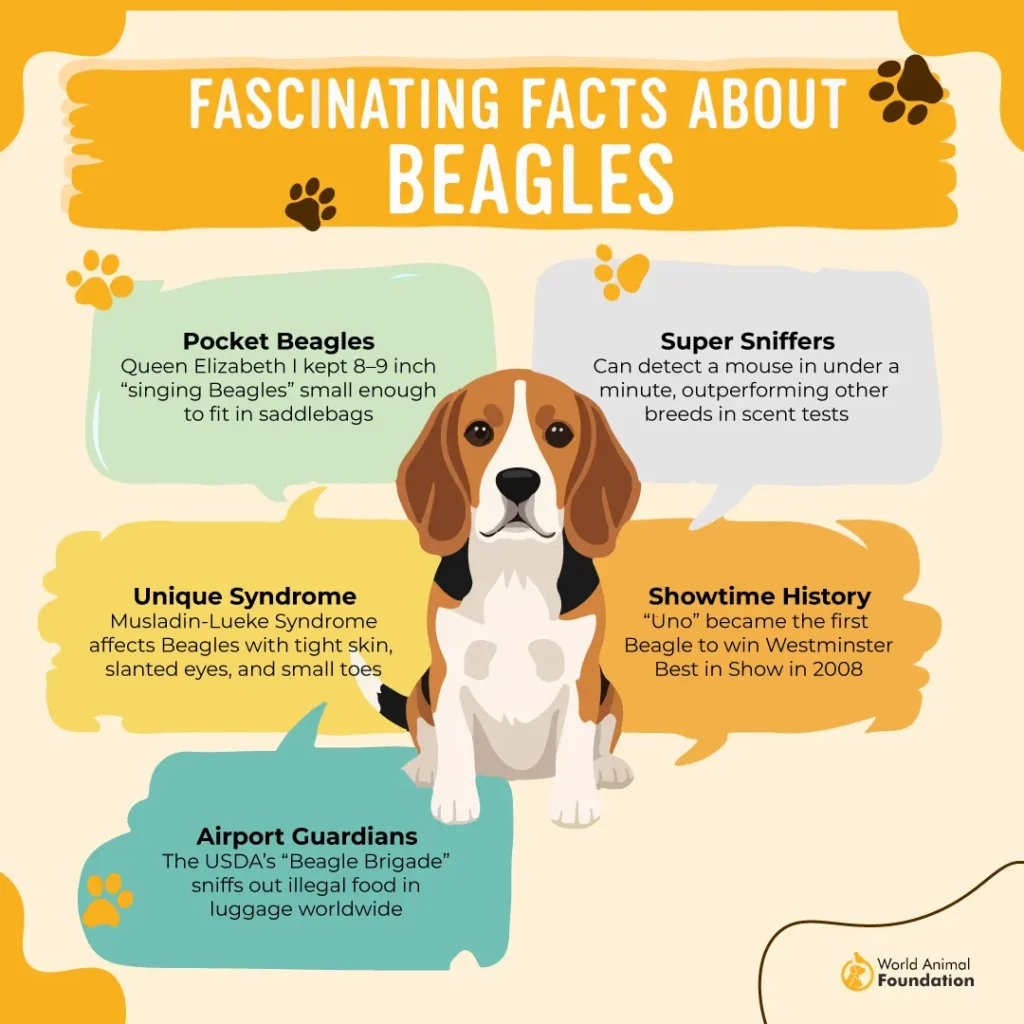
The Beagle began in England as a hunting breed that followed scent trails on long days in the field. Packs of Beagles would chase rabbits and other smaller animals, using their amazing sense of smell and loud bark to help hunters keep track of them.
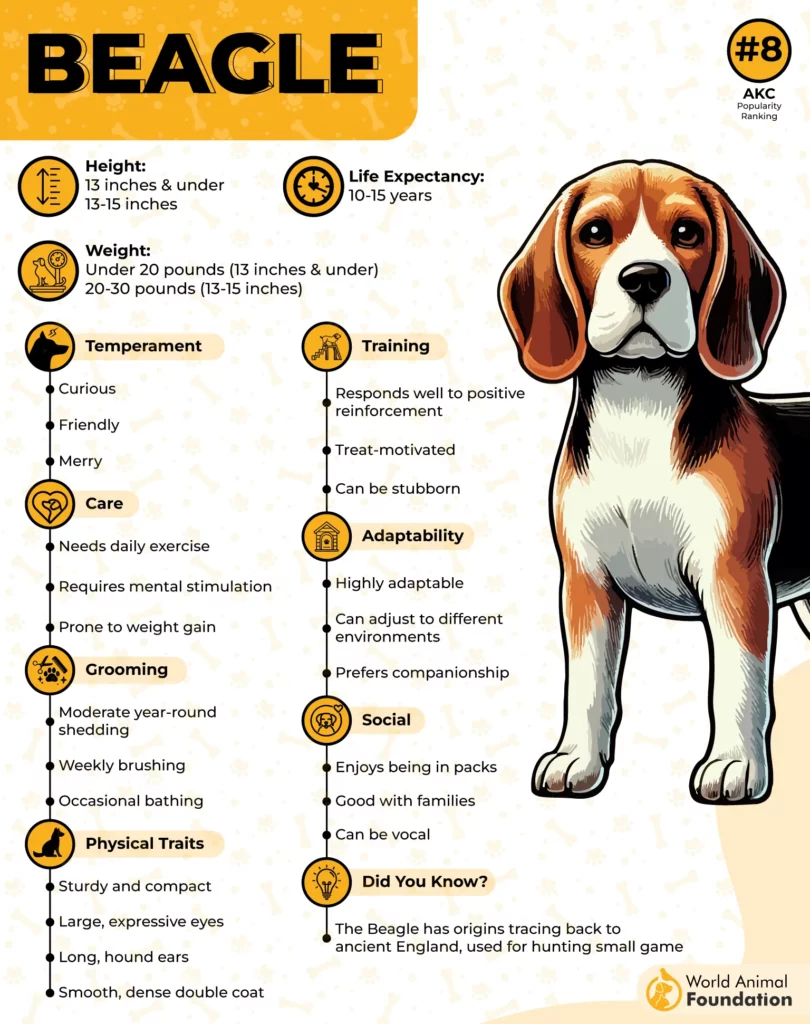
Over time, careful breeding turned this dog into a cheerful, sturdy companion that still loves to track scents for fun. Now the breed is popular as a family pet, and the American Kennel Club lists it as one of the favorite hounds for active homes.
Size and Build
You can see the size differences from the moment these two walk into a room. The German Shepherd is a large, strong, athletic dog with a deep chest and long body that was built to move all day.
This breed often gives off a serious, powerful air, even when just walking across the yard or resting near the door.
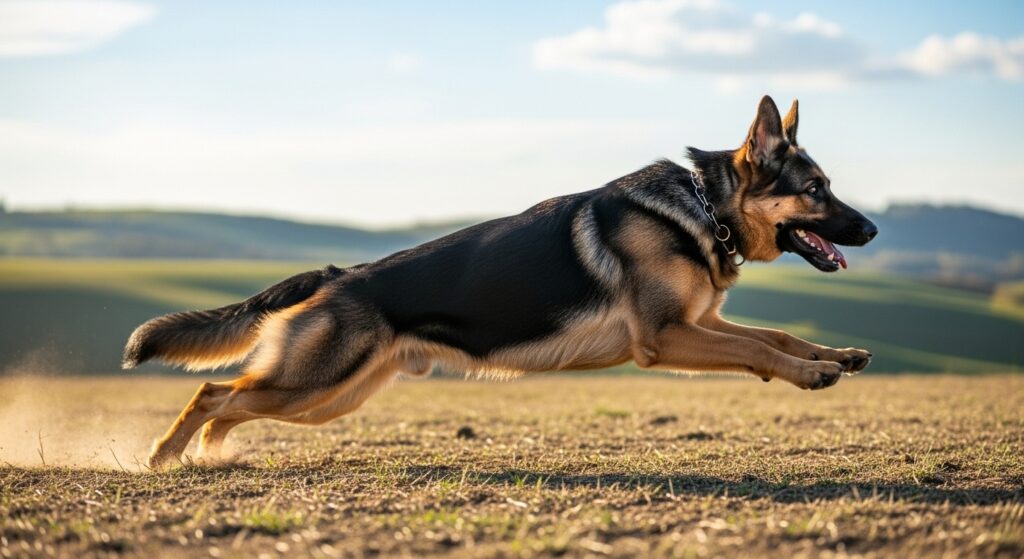
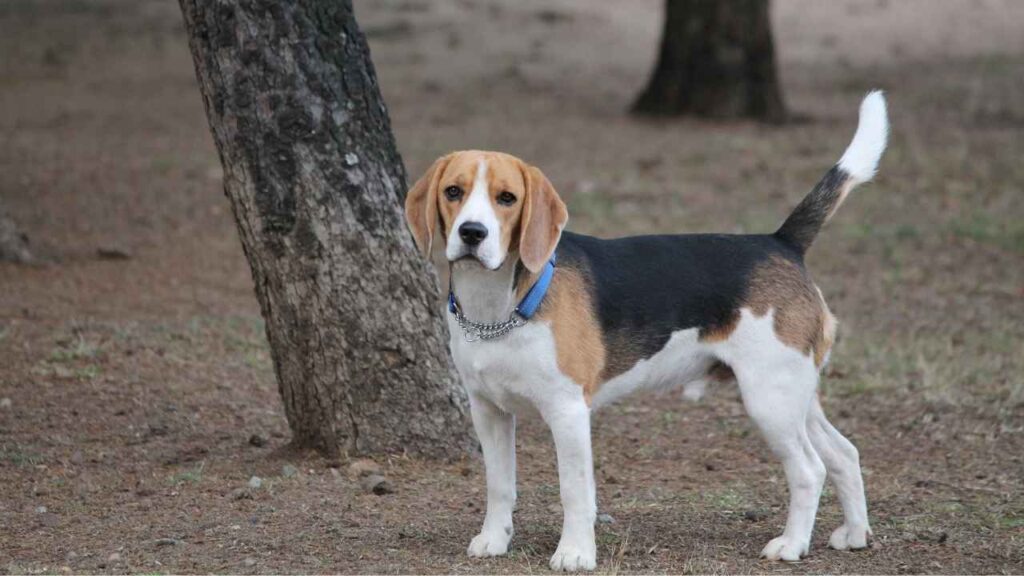
The Beagle is compact, sturdy, and much easier to lift into the car. This dog has a solid little frame, long soft ears, and a tail that often waves high when it is happy.
Both breeds have a double coat that helps them handle cold weather, but the thicker, fuller coat on many German Shepherd dogs gives them a more dramatic look.
When you think about size and build, you can almost feel how different daily life will be with each dog just based on how much space they fill.
Temperament & Behavior
Temperament is where their personalities really split. German Shepherd dogs are famous for being loyal, protective, and very focused on their owners, as noted by Britannica. They are usually calm and confident in the home, but can switch to alert guard mode in a heartbeat if something feels wrong.
With early socialization and proper training, they can be gentle with kids, patient with a family cat, and polite with other dogs while still staying ready to protect when needed.
The Beagle is usually the joker of the family. This breed is playful, sweet, and very sociable with humans and pets. It loves to greet guests, join games with kids, and follow any interesting smell it can catch.
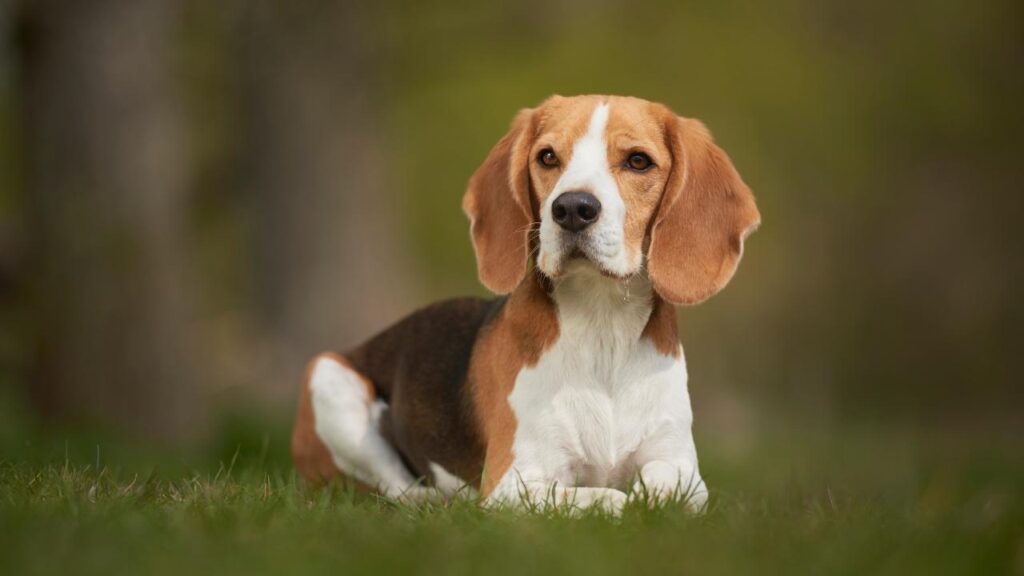
A Beagle is rarely shy, but it can be stubborn, and that stubborn streak can cause trouble when you really need the dog to listen. Life with this little Hound often feels light, noisy, and full of funny moments.
Both breeds can have wonderful behavior with the right guidance. A German Shepherd that lacks socialization can become nervous or pushy, and may try too hard to guard every person and object. A bored Beagle can bark, dig, and chase anything that moves.
Good owners stay consistent, give clear rules, and remember that every dog is an individual, not a stereotype. That is why patience, kind leadership, and real knowledge about temperament matter more than any label.
Energy Levels & Exercise Needs
Both breeds need a fair amount of daily exercise, but they use that energy in different ways. A German Shepherd usually does best in an active household where people enjoy regular activity, training games, and long outings.
This breed is energetic, driven, and happiest when its mind and body both have jobs to do. Mental stimulation, like scent games, simple problem-solving tasks, or obedience drills, keeps these dogs calmer inside the house.
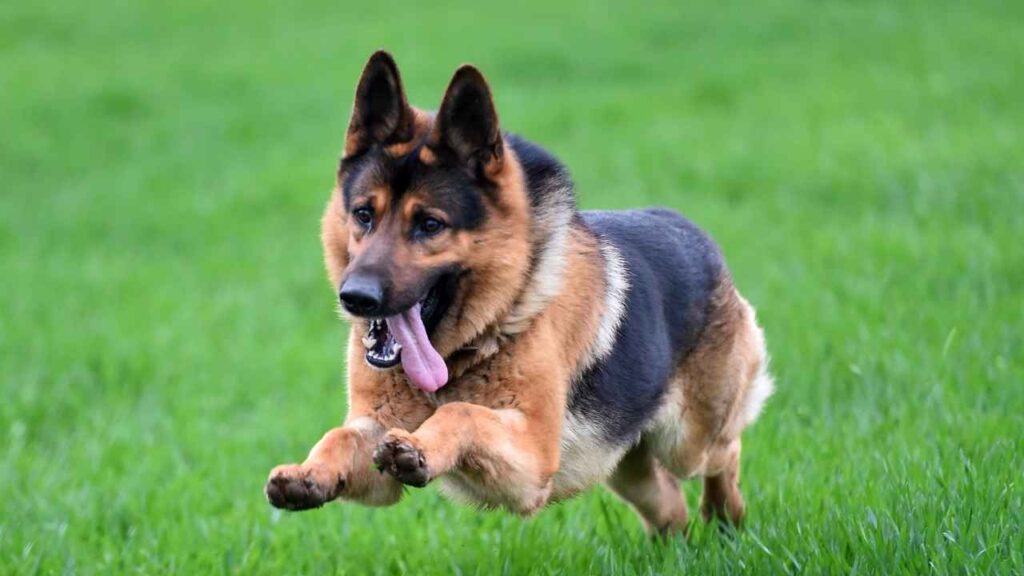
The Beagle also needs good daily exercise, just not always at such an intense level. Long, slow walks where it can sniff every post, explore every corner, and meet social friends are perfect.
A Beagle loves playing simple games, chasing toys, and joining family activities in the yard, as noted by Petplan. Without enough exercise, both breeds can become noisy, destructive, or restless, so regular movement is one of the easiest ways to keep them healthy and happy.
Trainability & Behavior Challenges
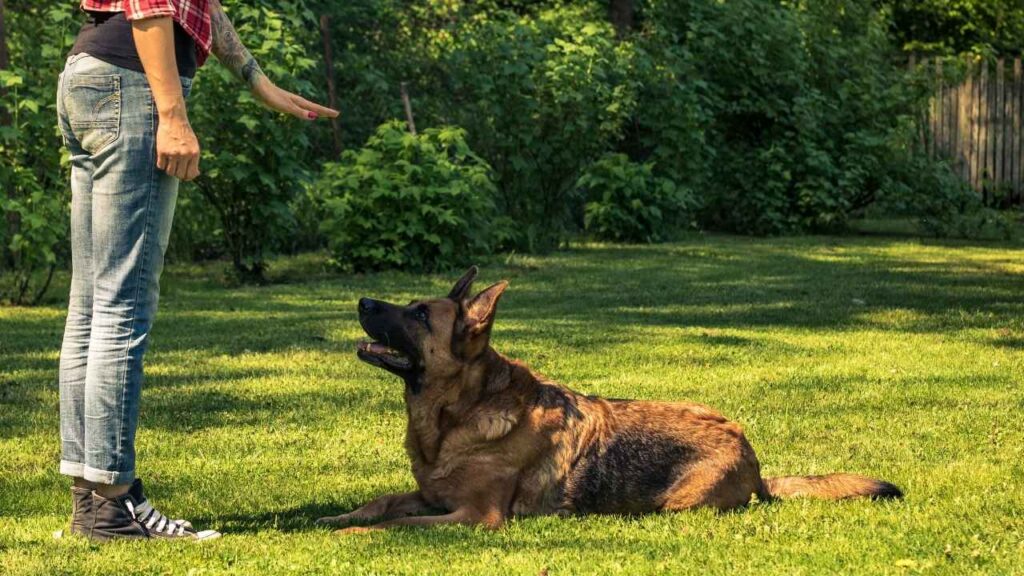
German Shepherd dogs are often seen as some of the most easily trained dogs in the dog world. They are highly intelligent, eager to work, and usually love to train if the person stays clear and fair. They are not just trainable, they are smart in ways that surprise you.
With consistent training, many German Shepherds master obedience training, protection work, and all kinds of fun tricks. They pick up new cues fast and enjoy problem-solving tasks that let them use both nose and brain.
Beagles can also learn a lot, but they are famous for being nose-driven and a bit stubborn. Many owners joke that their Beagle hears them just fine and simply chooses not to respond. Short fun sessions, plenty of food rewards, and a light playful tone help a lot.
Watching training videos, asking a local trainer for guidance, and kindly using proper training tools can turn this little scent machine into a polite companion who still keeps its charm.
Both breeds need early socialization and steady rules to avoid behavior issues later in life. A bored or anxious German Shepherd can become overprotective, while an under-exercised Beagle can get into constant trouble with bins, shoes, and garden beds.
People sometimes blame a German Shepherd when things go wrong, but often the real cause is poor planning and weak leadership. Good owners lead with calm energy, raise their pup with patience and structure, and check in with a vet or trainer whenever they feel stuck.
Coat Maintenance
Coat care is another daily difference between these two. The German Shepherd has a thick double coat that sheds a lot, especially when the seasons change. Regular brushing keeps the coat healthier, lowers loose hair around the house, and gives you quiet time with your dog.
Many owners also notice that brushing lets them check the skin for early health issues, such as hot spots or itching.
The Beagle coat is short and smooth, so many people feel it is lower maintenance. A quick brush a few times a week and the occasional bath are usually enough. This breed does shed, but the small hairs are easier to ignore than the big clumps from a shepherd.
Neither breed is perfect for people with strong allergies, yet a clean home, good vacuum habits, and regular grooming do help. In both cases, simple coat care is a chance to touch, talk, and build trust with your dog.
Health & Lifespan
Health is a big part of choosing any dog breed. On average, a Beagle often lives a little longer than a German Shepherd, with many reaching their early teens when cared for well. Beagles can still face health problems such as ear infections, back issues, and some allergies, so regular vet checks really matter.
Keeping this dog at a healthy weight with sensible food portions and daily exercise does a lot for long-term quality of life.
German Shepherd dogs are strong but can be more prone to joint and spine concerns. Hip and elbow dysplasia, some digestive troubles, and a few immune-related conditions are seen more often in this breed.
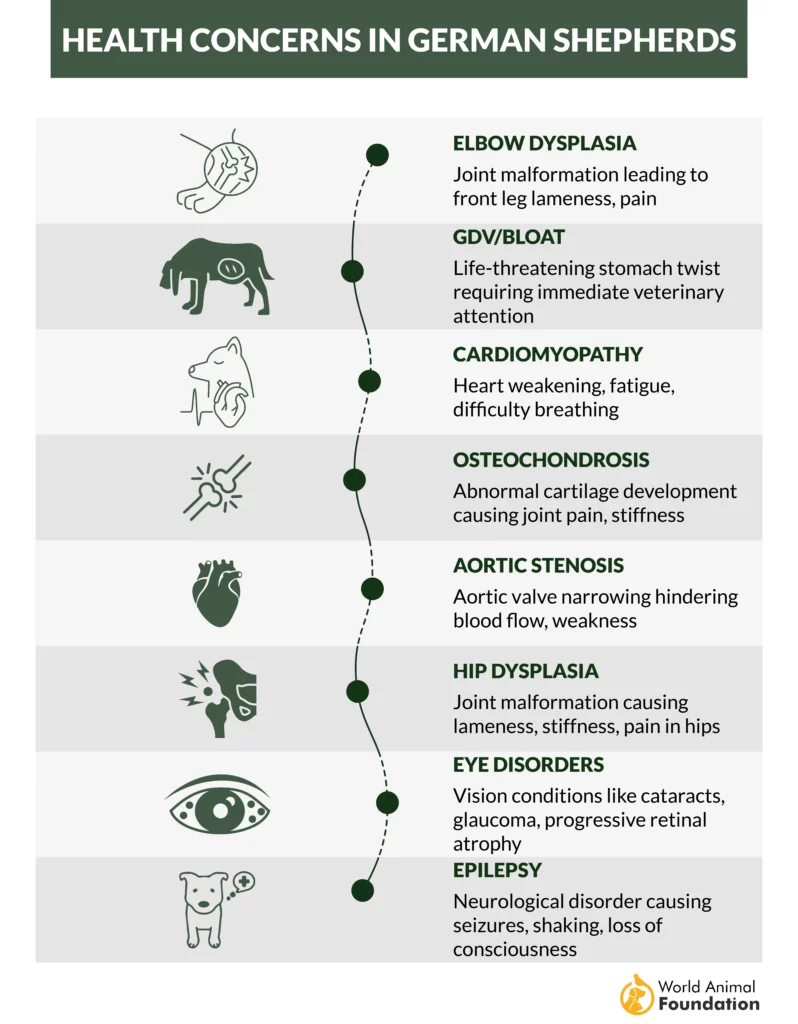
Responsible breeders test their male and female dogs, share honest histories, and work hard to lower the risk of serious health issues in puppies. Good food, moderate exercise, and regular vet visits all help your adult dog stay as healthy as possible.
For both breeds, the choices humans make matter a lot. Picking a good breeder or trusted rescue dog group, asking clear questions, and setting money aside for vet care are simple but powerful steps.
What you can expect is this. With care, attention, and love, most German Shepherds and Beagles reward you with many years of loyal company.
German Shepherd vs. Beagle: Which Breed Is Right for You?
So, which one is the right dog for you in this big German Shepherd vs Beagle question? The answer depends a lot on your lifestyle, your energy, and how much time you can immerse yourself in training and play.
A German Shepherd usually suits a person who likes structure and wants a dog with real protection instincts. This breed has a strong working drive and clear appeal for people who enjoy being outside, teaching new skills, and feeling that steady, loyal presence at their side.
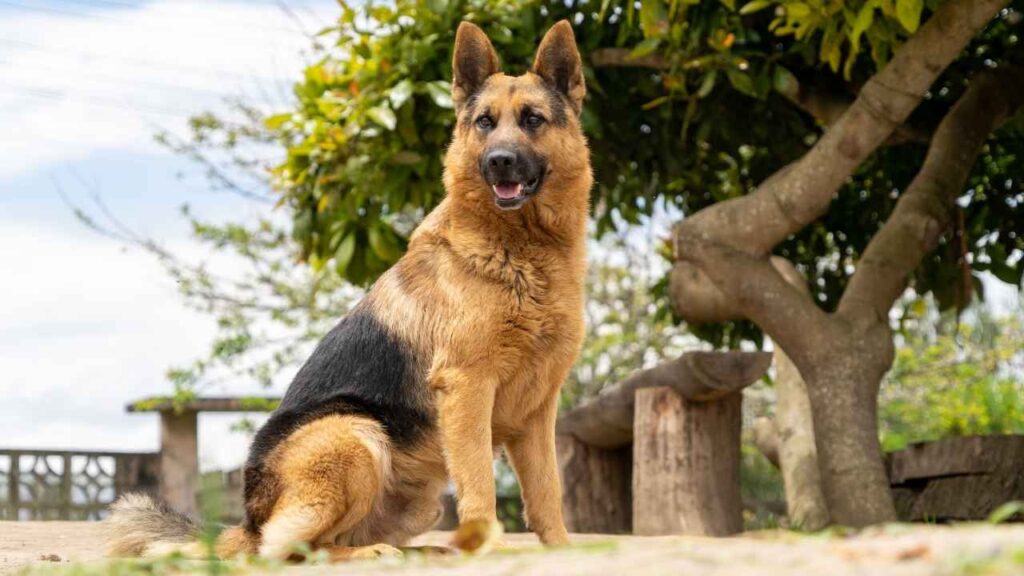
Imagine that dog walking beside you every day like a calm shadow.
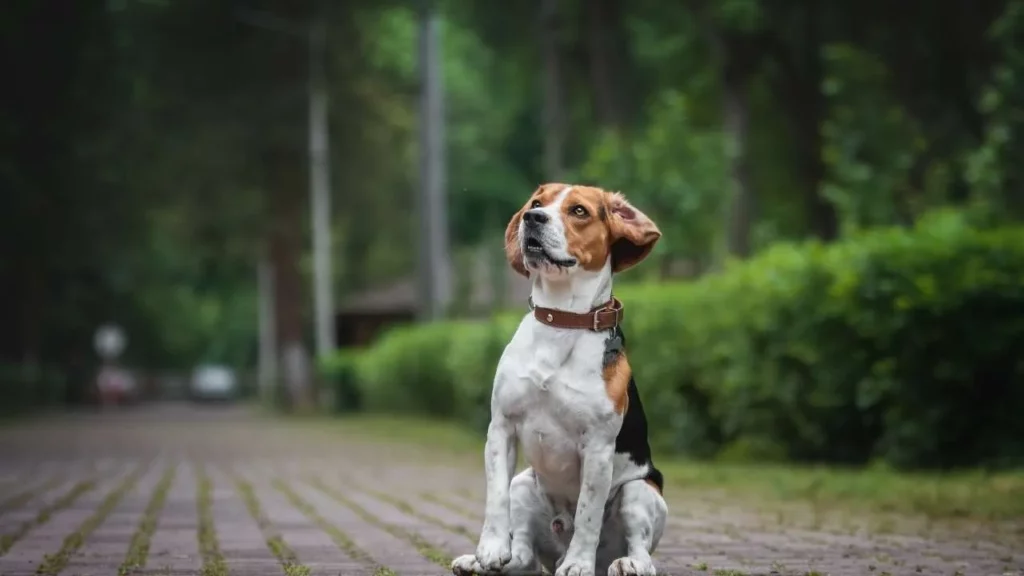
A Beagle often fits smaller homes and more easygoing routines, though it still needs plenty of walks and play. This breed loves social time with kids and other pets and often treats every visitor as a possible new friend.
If you smile at silly personalities, enjoy watching your dog playing scent games, and like a more relaxed approach to training, a Beagle may feel perfect. Just remember that stubborn streak and be ready with patience and snacks.
You will see wild claims about the strongest bite or scary stories that do not reflect most real dogs. In the end, none of that noise matters as much as the quiet moments at home. Be honest about your preferences, your space, and the activity you can give.
If you do that, Beagle vs German Shepherd turns from a hard choice into a simple guide toward the dog you always wanted.
Conclusion
At the end of the day, there is no single perfect choice for every home. Both German Shepherds and Beagles can grow into affectionate dogs that follow you from room to room and curl up beside you when life feels heavy.
If you give them time, care, and attention, they return it with loyalty, fun, and a sense of quiet protection that is hard to describe.
Take things slow, read a little more, and if you can, meet each breed in person before you decide. Talk with good breeders or rescue groups, ask them to check health records, and trust your gut when you meet the pup in front of you.
When your lifestyle, your heart, and your new dog all match, the result is simple. You feel lucky every single day that this dog chose your family.
