





Have you ever dreamed of a dog that learns tricks with joy?
Imagine a furry friend who wags its tail at every lesson! Some dogs love learning, following cues, and spending time with people. With the right approach, training can become a fun part of your day. It can also build trust and strengthen your bond.
Still, each dog has its own needs, energy level, and learning style. Some enjoy outdoor games, while others love learning clever new tasks. Early socialization helps puppies feel safe around people and other pets.
Positive training with treats, praise, and play can make learning easier. But how do you choose the right dog for your home? This guide explores seven friendly dog breeds that are fun to train. You’ll learn what makes each one special and how to find a companion that fits your family and daily life.
Friendly Dog Breeds You’ll Love to Train
Here is the list of the friendliest dog breeds.
1. Labrador Retriever
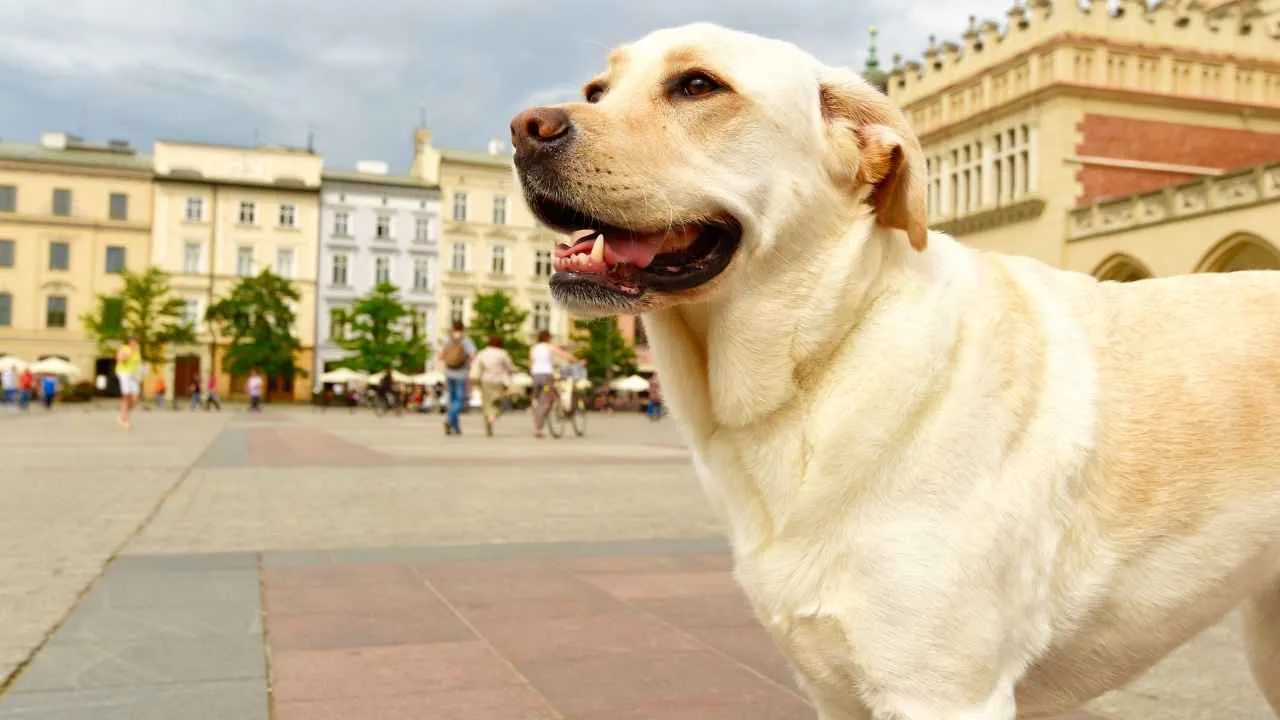
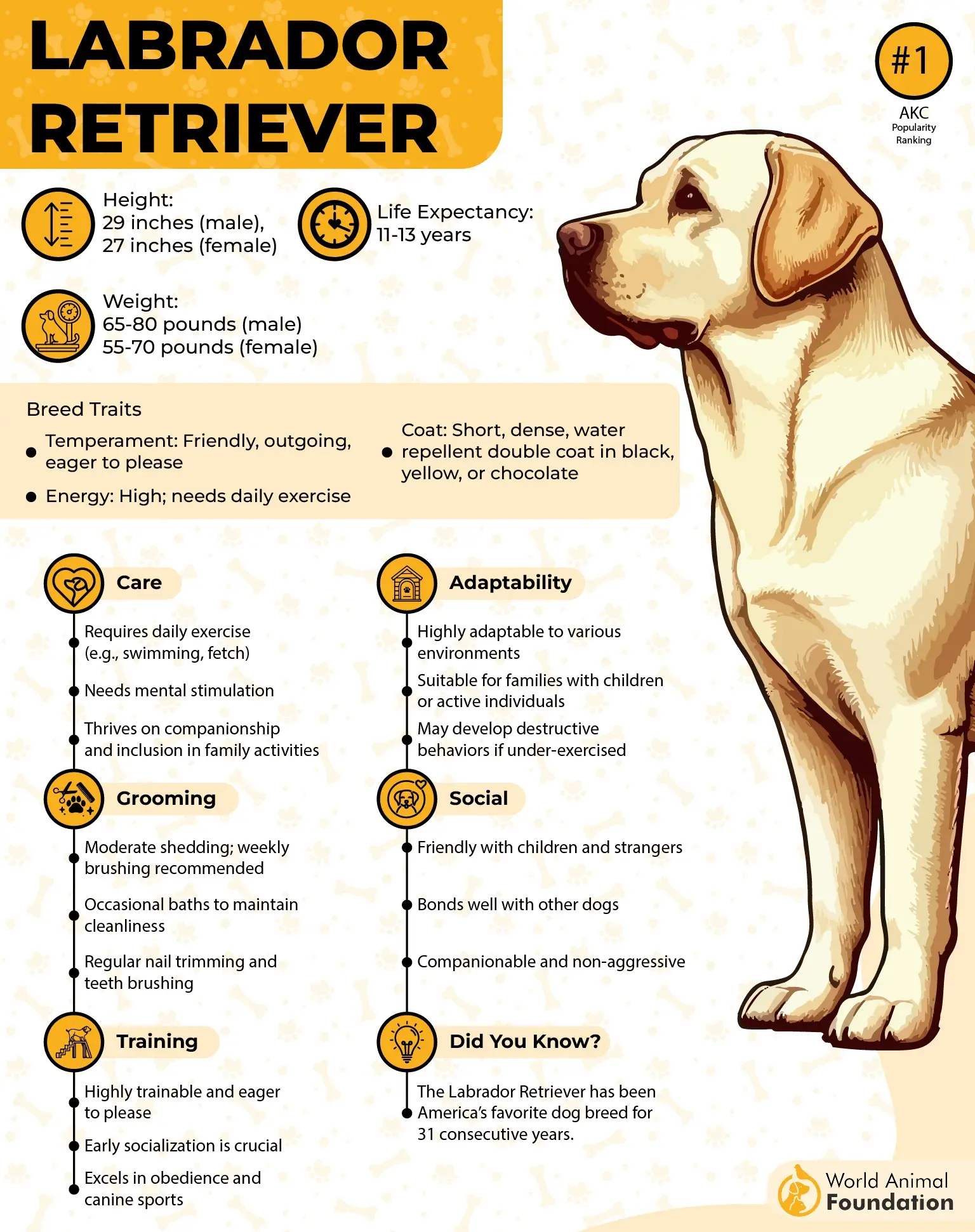
The Labrador Retriever is a popular breed with an affectionate personality. According to Wikipedia, Labs are often friendly, energetic, and playful. Originally bred as sporting and hunting dogs, they now thrive in many family homes.
Their loyalty and gentle nature help them form strong bonds with their families. Many people consider them among the friendliest dog breeds. Their willing temperament also makes them easy to train.
With the right skills, a Lab can serve as a guide dog, assistance dog, or therapy dog. Some also support rescue teams. These roles show how Labs can work closely with people and learn tasks that help others.
Making Training Fun for Your Lab
Turn lessons into games to keep your Lab engaged. Use a favorite ball to reward a good response. Teach one clear cue at a time, then praise success. Practice calm greetings to prevent jumping on visitors.
You can also hide toys for your dog to find. These activities give an energetic Labrador Retriever a useful job. Keep sessions brief and end on a positive note.
2. Golden Retriever
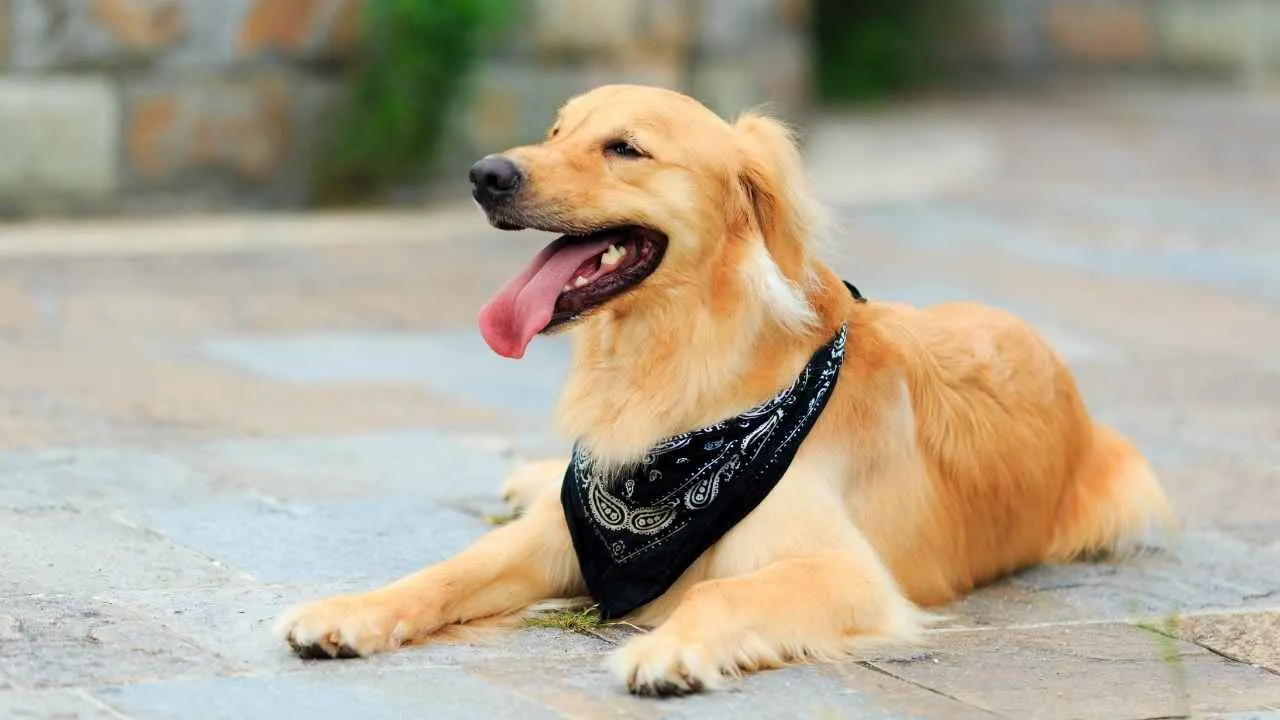
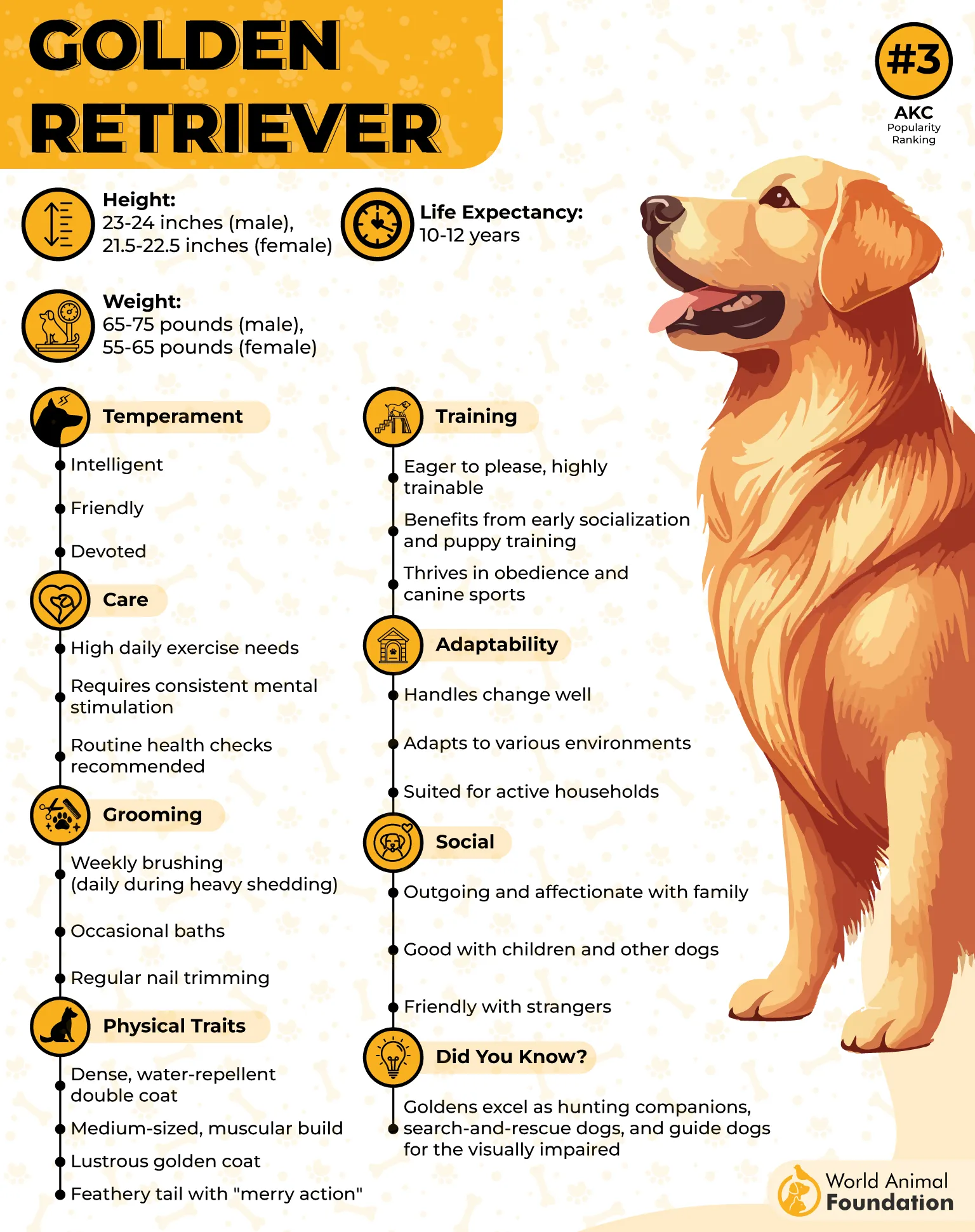
The Golden Retriever is a loving family pet with a warm, social temperament. According to PDSA, Goldens suit active families because they’re high-energy, calm, and intelligent. Their affectionate nature makes them a popular choice for homes with children.
They are extremely loyal and eager to please, which helps them learn household rules. Often seen as one of the most trainable dog breeds, they can also suit first-time dog owners who understand the needs of a larger dog.
Their friendly nature can help them get along with other dogs when socialised well as puppies. Although they may seem patient, children must treat them with care and respect. These traits make them a strong ideal choice for families ready to meet their needs.
Building Good Habits Early
Consistent training helps young Goldens learn how to greet guests without jumping. Practice calm greetings at the door and reward quiet behavior.
Teach your dog to walk on a loose leash before busy outings. Golden Retrievers need space and daily activity, so an apartment may require extra planning. With clear rules and kind guidance, they can grow into well-mannered companions.
3. Cavalier King Charles Spaniel
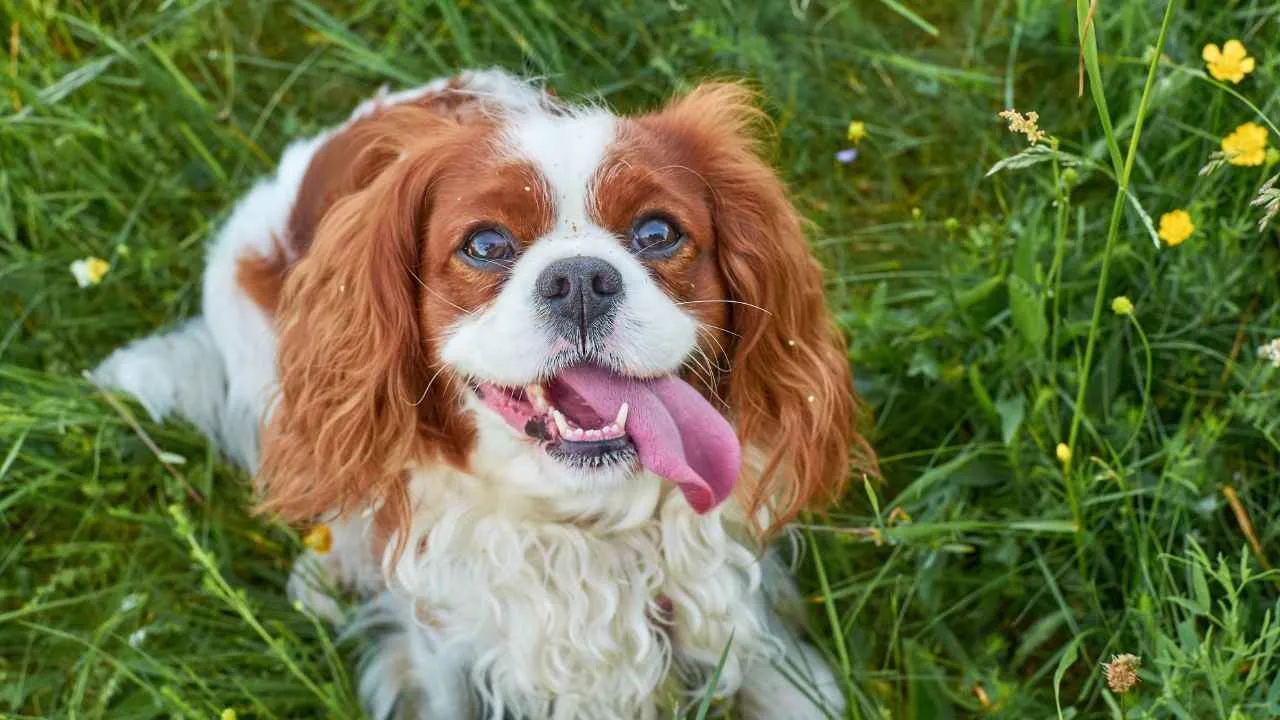
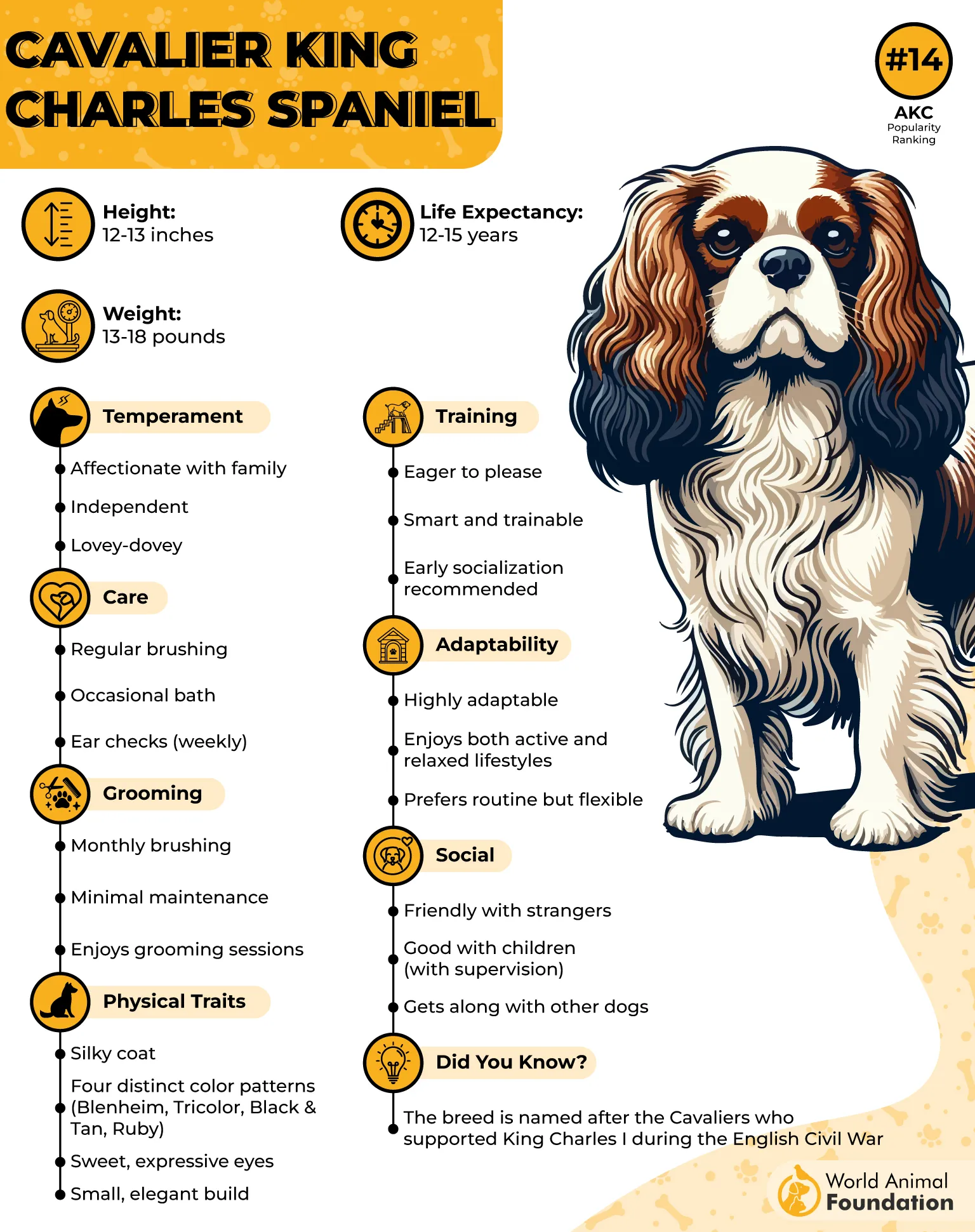
According to Hill’s Pet, the Cavalier King Charles Spaniel is affectionate, playful, and intelligent. This friendly dog breed was specifically bred to be a companion dog. Its gentle nature makes it a wonderful companion for people who enjoy close bonds with their pets.
Cavaliers bond closely with their families and show deep loyalty through their eagerness to please. Their sweet expression has earned them a special place among fans of this smile dog breed. As a highly trainable small dog breed, Cavaliers can learn simple commands with kind guidance.
They enjoy sitting on a lap and sharing quiet moments with loved ones. Their gentle personality can suit apartments and families seeking a smaller pet. They can also get along well with children when treated with care.
Keeping Lessons Gentle and Positive
Teach your Cavalier simple cues, such as “come” and “settle.” Use small treats and soft praise to reward each success. You can also hide a toy and invite your dog to find it. These games keep lessons fun without adding pressure.
Before bringing one home, pet parents should consider the breed’s health and care needs. Although Cavaliers enjoy being calm indoors, they still need daily walks, play, and time with their family.
4. Miniature Poodle
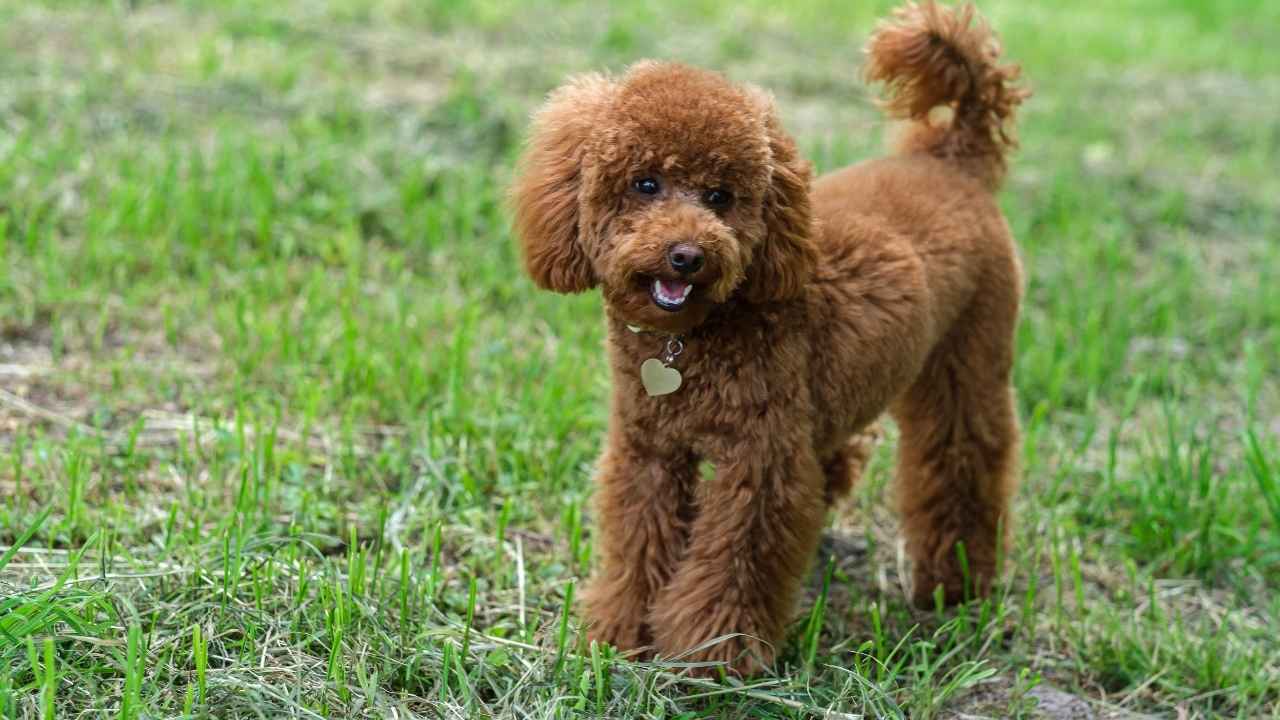
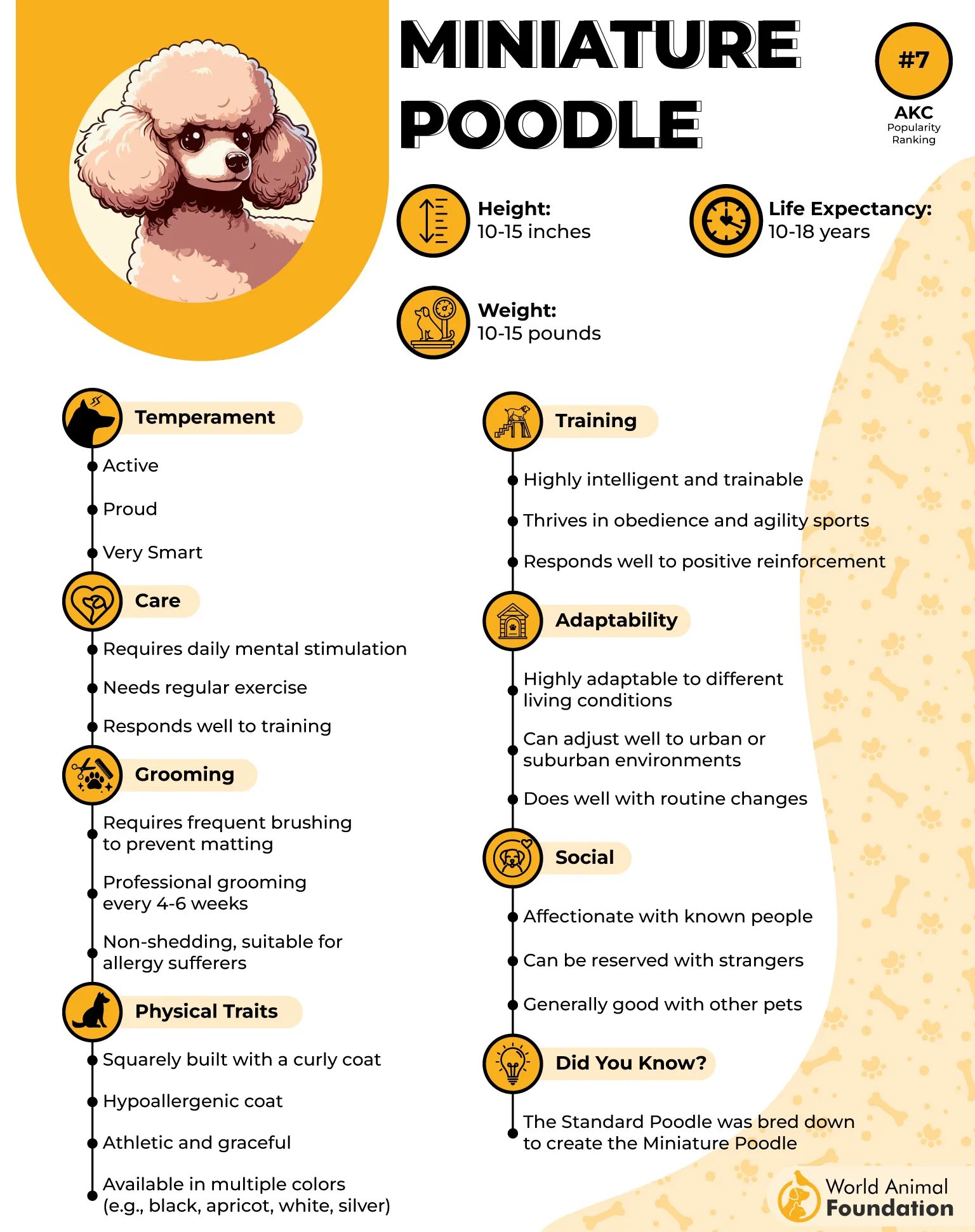
According to Purina, the Miniature Poodle is a smaller version of the Standard Poodle. This friendly breed is known for its intelligence, agility, and trainability. Often viewed as one of the smartest dog breeds, Miniature Poodles are quick learners who enjoy mastering new skills.
Their affectionate nature and lively temperament also make them popular family pets. As one of the most trainable dog types, they can be easy to train with clear cues and rewards. Proper socialization helps them feel comfortable around other pets in a multi-pet household.
Their adaptable nature suits many homes and lifestyles. Although some people seek them for their hypoallergenic coats, no dog is completely allergy-free. Their high energy levels also mean they need physical exercise and mental stimulation to stay happy.
Give That Clever Mind a Job
Puzzle toys and trick games offer fun ways to challenge a Miniature Poodle. Try teaching a new command or hiding treats for your dog to find.
These tasks can prevent boredom and unwanted habits. Coat care matters, too. Regular brushing helps prevent tangles, while professional trims keep curls neat. With enough activity and care, this clever companion can be a great option for many families.
5. Papillon
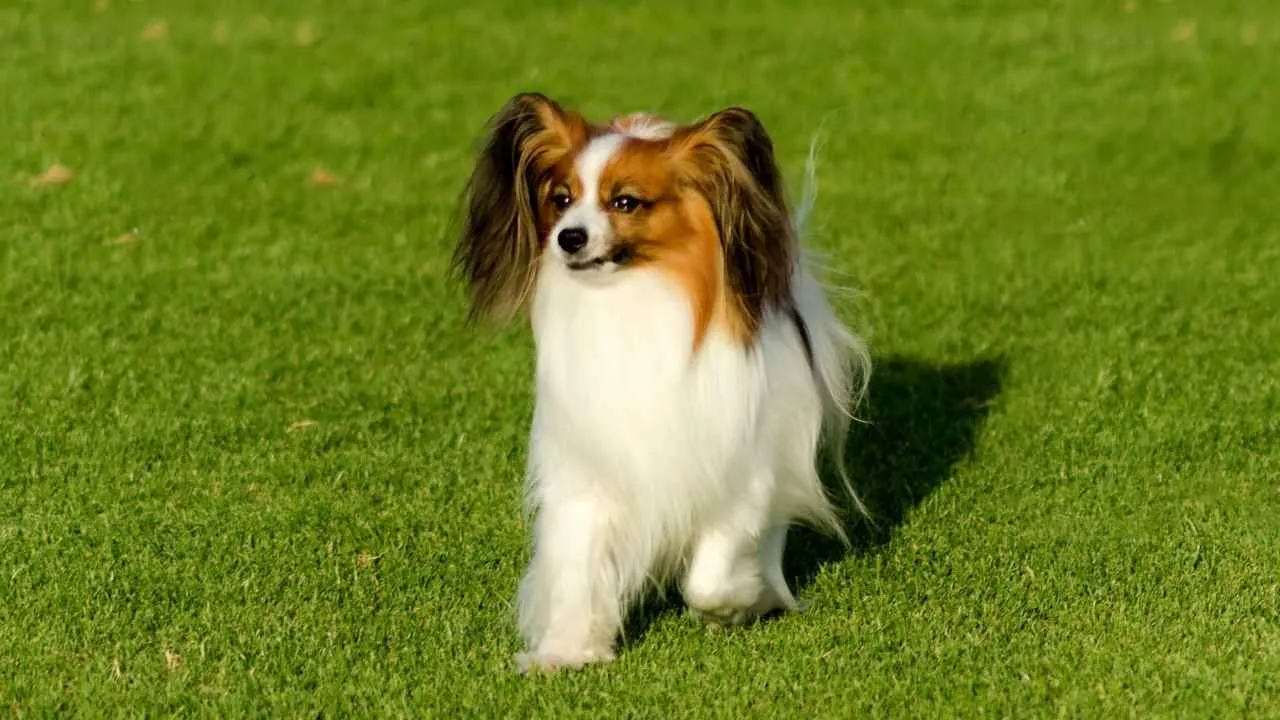
The Papillon is a lively toy breed with a long history and a striking look. According to Britannica, it dates back to the 16th century and was once known as the dwarf spaniel. European royalty admired these dogs, and artists included them in famous paintings.
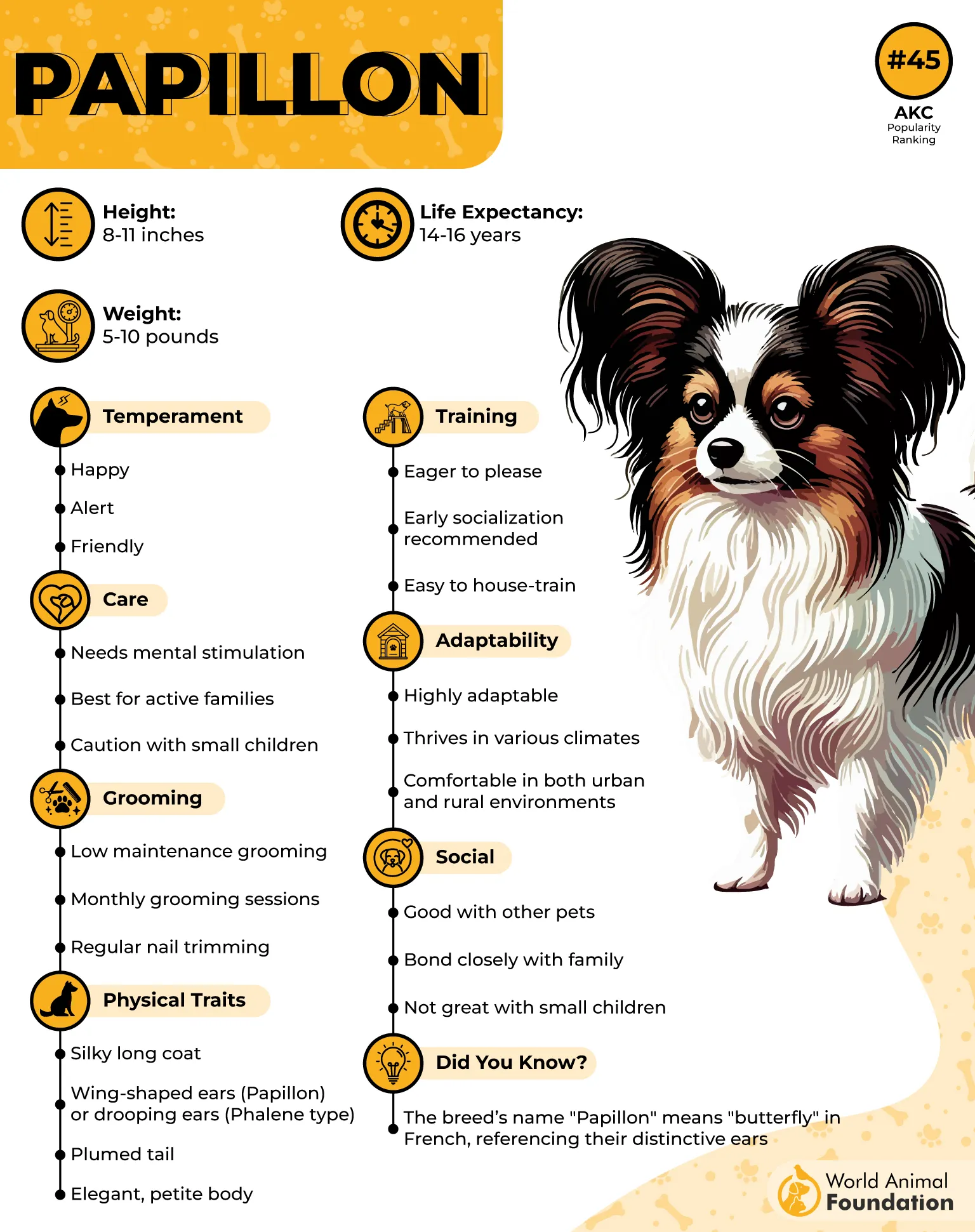
The name Papillon means “butterfly” in French, referring to its upright ears. This highly intelligent dog has an outgoing nature and a gentle temperament. Its people-oriented personality helps it form close bonds with its owners.
Originally bred as a companion, the Papillon can suit first-time pet parents who want an alert, energetic friend. Its enthusiasm and curiosity make it an engaging companion. Although small, this breed has a confident spirit and enjoys being involved in daily life. With the right care, it can be a wonderful addition to a suitable home.
Training Your Papillon Through Fun Activities
Use positive reinforcement to reward good responses with treats and praise. Short sessions can help this easily distracted dog stay focused. Teach recall, simple tricks, or basic agility tasks to keep lessons enjoyable. Its strong sense of curiosity makes hide-and-seek games another useful option.
Early training helps develop good habits and clear responses to cues. While some Papillons may learn tasks for a service dog role, suitability depends on the individual dog. These small dogs require gentle handling, especially around young children.
6. English Springer Spaniel
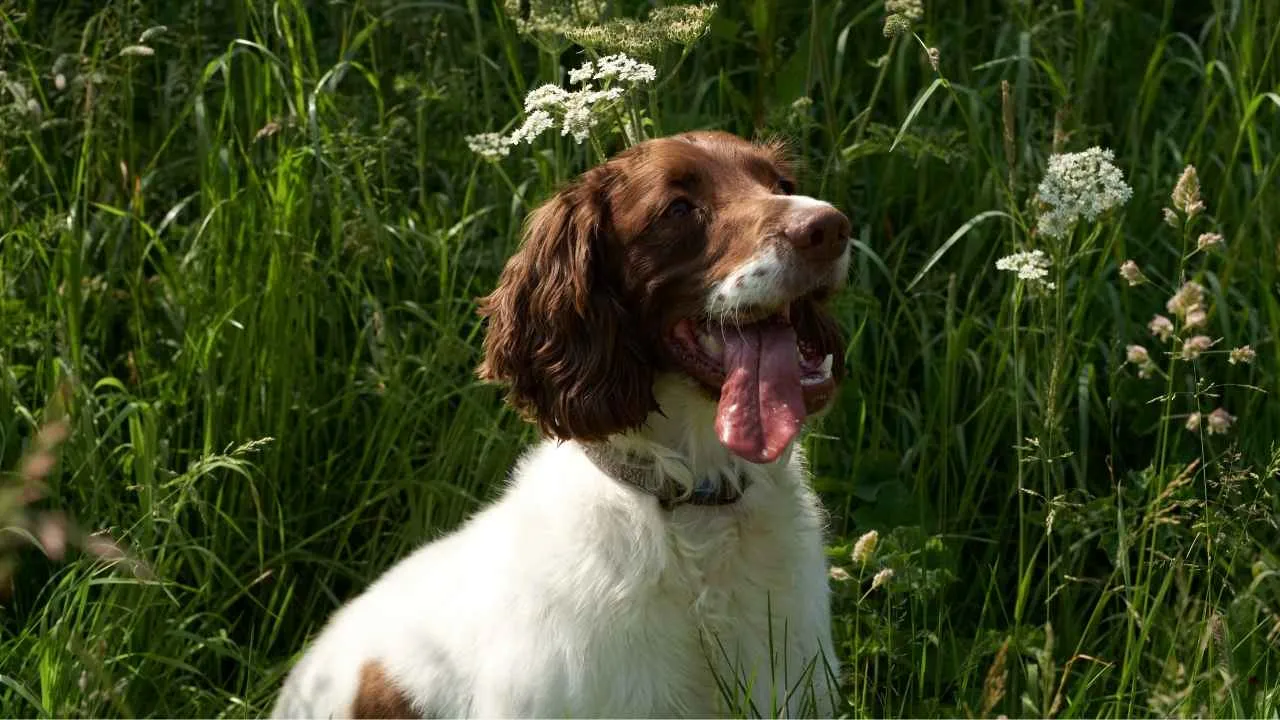
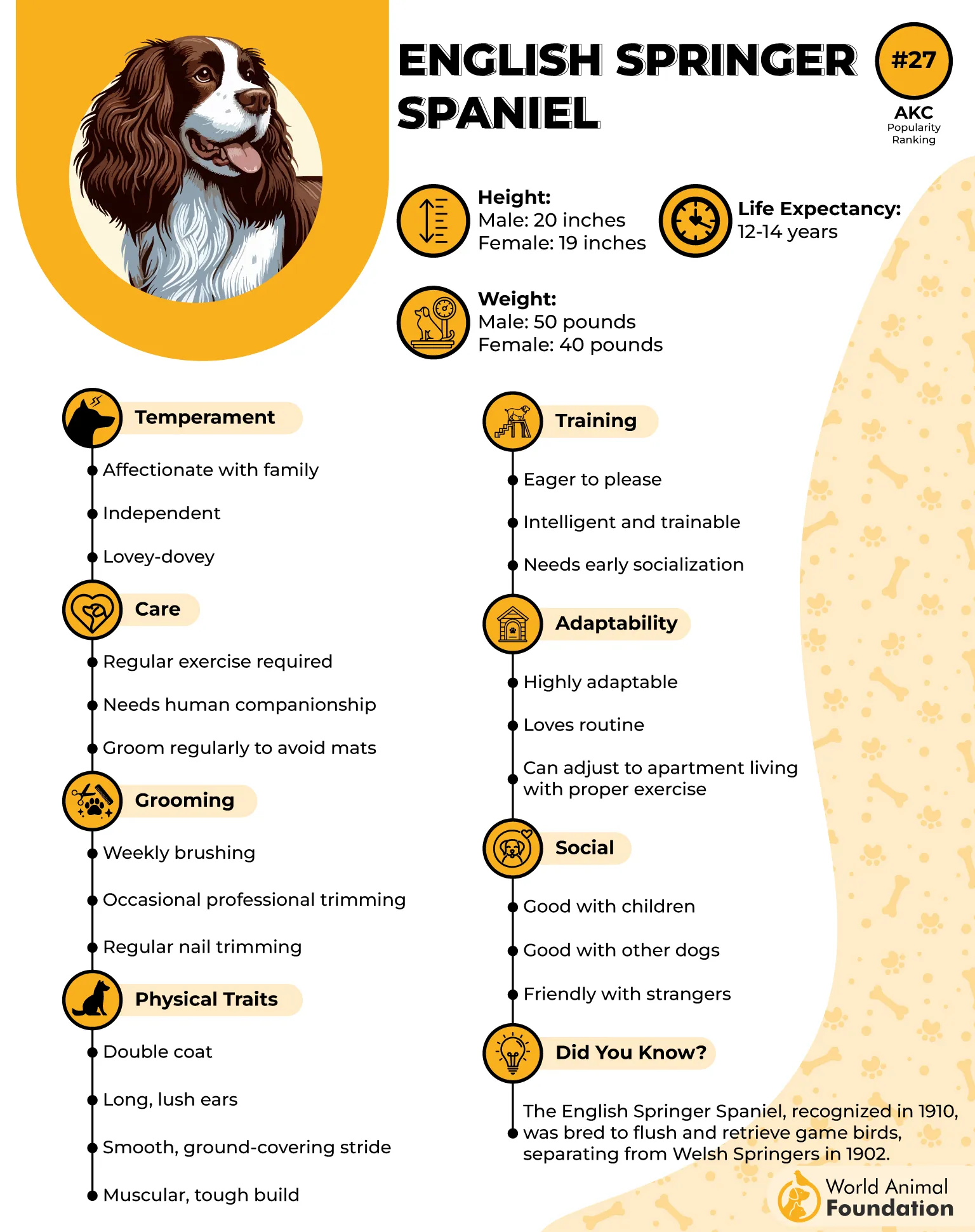
The English Springer Spaniel is a hunting dog known for its strength, stamina, and sweet nature. According to the American Kennel Club, Springers were bred to work closely with humans in the field. Their sporting history explains their teamwork and willingness to follow guidance.
This trainable dog breed has a unique personality that blends an active working spirit with an affectionate companion’s charm. Springers are highly social and enjoy learning alongside their owners.
Their friendly temperament can help them welcome new people when properly introduced. They may also get along well with children and other pets. For active households, this breed can be the best option.
Turn Energy Into Teamwork
Hide treats for scent games, practice retrieving, or teach commands outdoors. These activities support quick learning and keep lessons interesting. Start recall and leash training early, especially where tempting scents may distract your dog.
Springers need daily movement and tasks that engage their minds. Moderate exercise alone may not satisfy every dog. Some may become a barking dog when excited or bored, so reward quiet behavior. Their need for company also means they may struggle when left alone for long periods.
7. Shetland Sheepdog
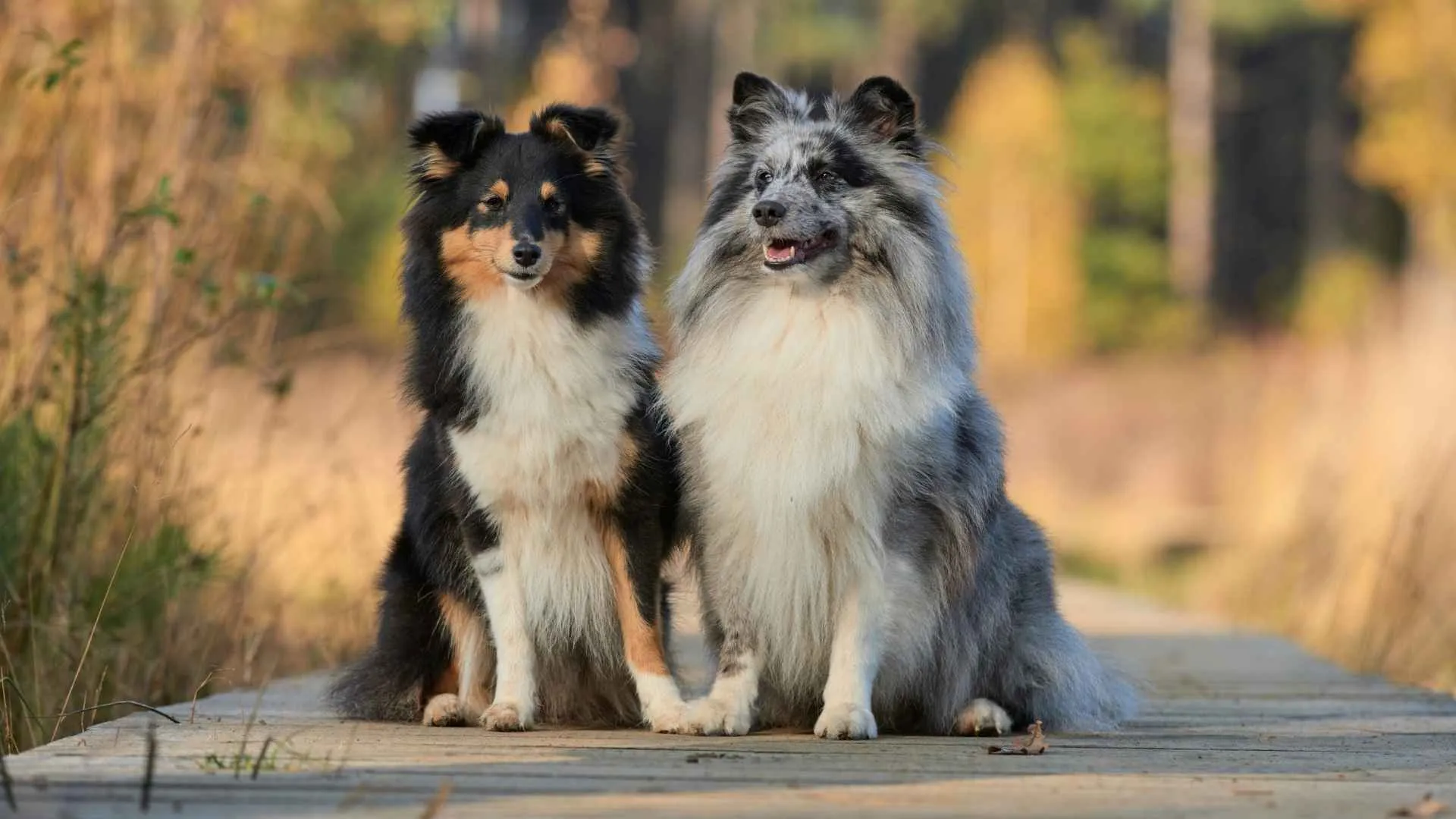
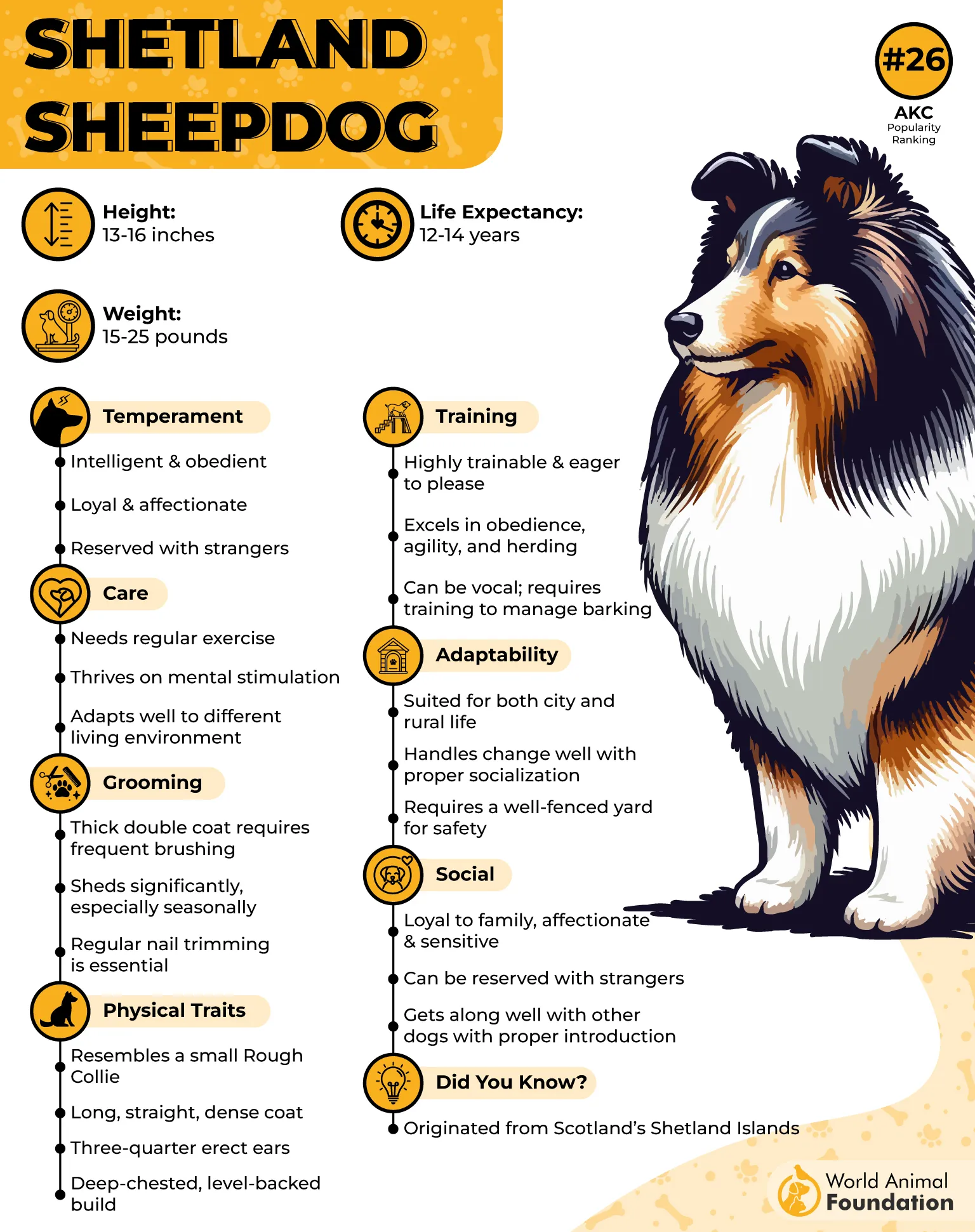
The Shetland Sheepdog, often called the Sheltie, is a herding dog from Scotland’s Shetland Islands. According to WebMD, these dogs once helped protect and herd sheep, and their history may include links to spaniels and Scottish collies.
Their working roots helped shape an alert, protective temperament. Shelties are eager to follow cues and can learn routines quickly. Often considered a highly trainable dog breed, they are capable of mastering obedience and agility tasks.
These dogs are known for their friendly personalities and charming nature. Their small-to-medium size and varied coat colors add to their appeal. With the right guidance, a Sheltie can thrive in a home that offers plenty of activity and attention.
Challenge Your Sheltie’s Mind
Teach new commands, set up simple agility tasks, or practice cues in different settings. These activities build focus and help your dog adapt to new situations. Calm introductions can help Shelties feel safer around strangers.
Some bark at unfamiliar sounds, so reward quiet responses. Although obedient, they also need chances to make choices and develop independence. This working dog needs both movement and mental challenges to stay content.
Conclusion
Choosing the best dog breed means finding a companion that suits your home and lifestyle.
The Labrador Retriever and Golden Retriever may appeal to families who want eager, affectionate dogs. Cavaliers and Papillons offer smaller options with their own care needs.
Miniature Poodles stand out for their cleverness, while English Springer Spaniels thrive with active owners. Shetland Sheepdogs enjoy tasks that challenge their minds. Although certain breeds tend to be easy to train, temperament varies between individual dogs.
Even the friendliest dog breed needs patience, early socialization, and kind guidance. Most dogs can learn good habits through positive reinforcement training, never fear or harsh punishment. Consider each breed’s characteristics, energy, size, playfulness, and adaptability before deciding.
While some dogs excel in demanding roles, including military work, your perfect dog is one whose needs fit your home environment and whose affection makes your bond special.
