




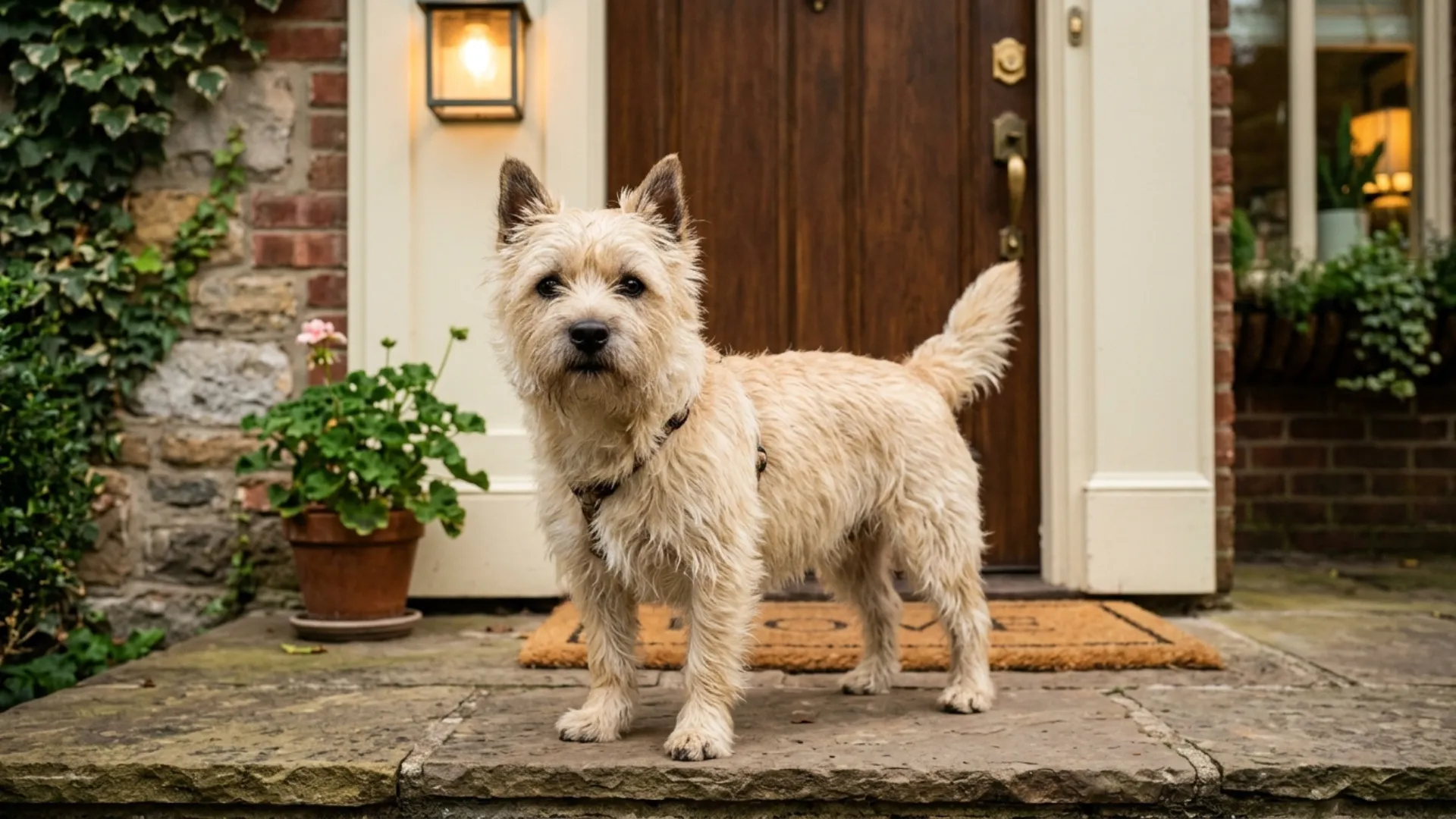
Ever wondered why two dogs can look like they’re cut from the same classic blueprint… yet feel completely different once you know them?
It’s strange.
Almost unfair.
On one side… the steady, hardworking presence of the English Shepherd. Calm. Capable. Always watching. On the other… the quick, elegant spark of the Shetland Sheepdog. Light on its feet. Sharp-minded. Almost too clever for its own good.
And here’s where things get interesting…
Most people expect “herding dogs” to behave the same. Same energy. Same instincts. Same personality.
But reality?
It doesn’t work that way.
One is built like a grounded worker who never clocks out…
The other moves like a thinker in motion, always one step ahead.
Similar roots. Very different souls.
And once you see the contrast… You can’t unsee it.
So let’s break it down—side by side—and discover what truly separates these two classic dog breeds.
English Shepherd vs. Shetland Sheepdog: Compare Classic Dog Breeds
Breed Origins & Functional Background
The English Shepherd and the Shetland Sheepdog come from very different working needs, even though both were shaped as herding dogs.
Both the English Shepherd and the Shetland Sheepdog were bred to assist farmers in managing livestock, showcasing their herding instincts and intelligence, which are essential traits for working dogs.
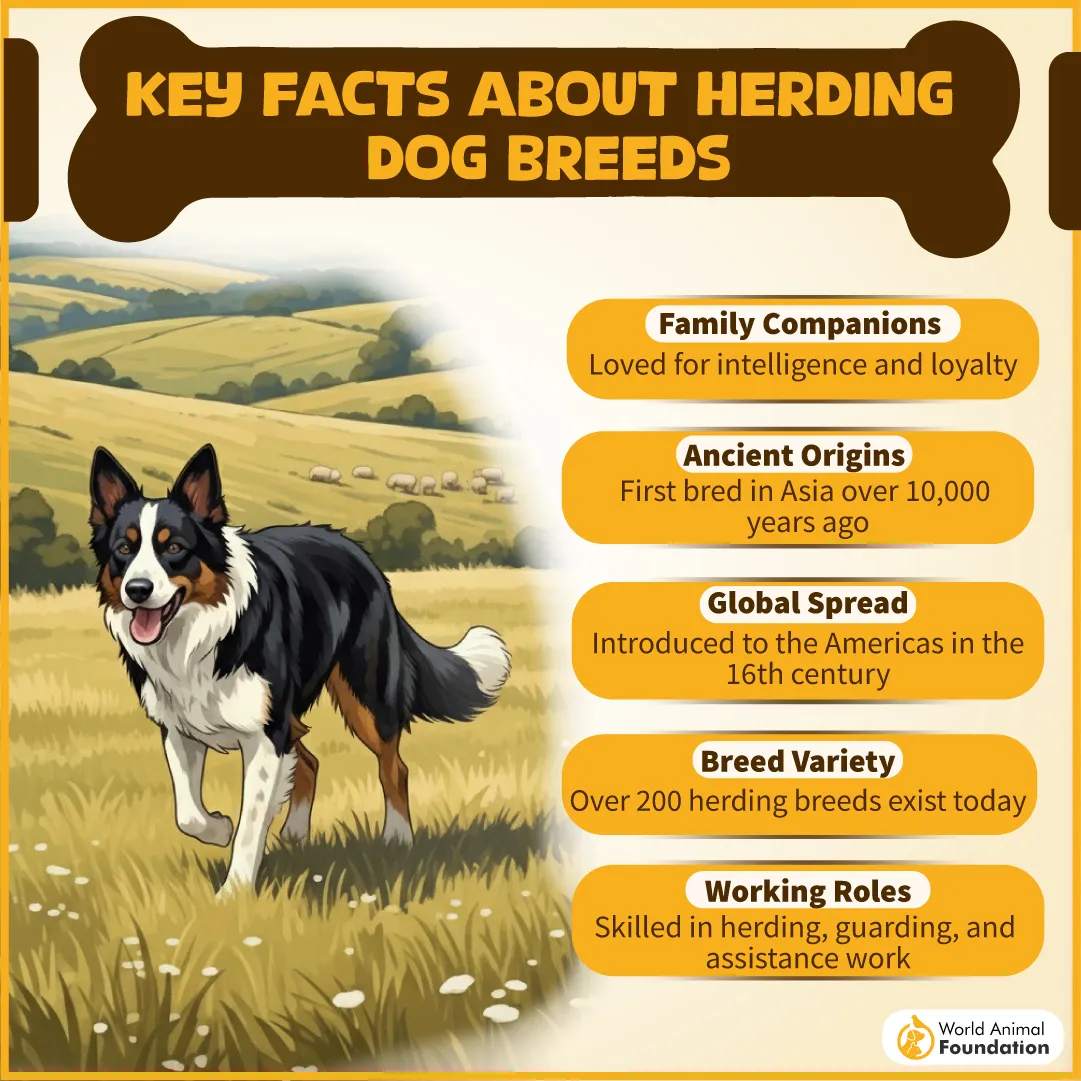
The English Shepherd developed on American farms where open land demanded a dog that could handle long hours of livestock movement, property guarding, and flexible farm duties.
The English Shepherd is a landrace breed preserved for all-purpose farm utility with a varied appearance.
It learned to operate with steady independence, staying aware of its surroundings while quietly guiding animals across wide rural spaces without constant direction.
The Shetland Sheepdog, on the other hand, traces its roots to the Shetland Islands, where harsh weather and limited grazing land required a smaller, faster herder.
It was used to manage sheep, ponies, and poultry in tight, rocky areas where quick thinking mattered more than covering distance. This environment shaped a dog that reacts instantly to movement, often anticipating livestock shifts before they fully happen.
While the English Shepherd reflects a broader farm-working role with endurance and calm problem-solving, the Sheltie developed around precision work in compact spaces, relying on speed and alert responsiveness.
One is built for sustained coverage across open ground… the other for quick control in close quarters. Both carry strong herding instincts today, but their origins still influence how they approach work, space, and decision-making in very different ways.
Physical Characteristics & Body Structure
The English Shepherd and the Shetland Sheepdog may share herding roots, but their physical build tells two very different stories.
The English Shepherd is a medium-sized farm dog standing 18 to 24 inches tall and weighing 40 to 70 pounds. It carries a solid, work-driven frame under a thick double coat, designed to handle long hours of movement across fields and uneven ground.
English Shepherd is built as a balanced, moderately built utility worker. Its body feels powerful yet balanced, built for steady pacing rather than quick bursts, with a strong rear that helps it push livestock forward without losing control or rhythm, as noted by the United Kennel Club.
By contrast, the Shetland Sheepdog stands 13 to 16 inches tall and weighs 15 to 25 pounds. It has a lighter and more compact structure shaped for agility and fast directional changes. Its frame is refined and nimble, allowing it to pivot quickly while guiding animals in tighter spaces.
The coat is long and flowing, often giving a fuller outline than the body underneath, which helps it stay protected in harsh wind and cold while working outdoors.
Facial expression and posture also set them apart in daily life. The English Shepherd often appears calm and grounded, with a practical working stance that reflects endurance and patience during long herding tasks.
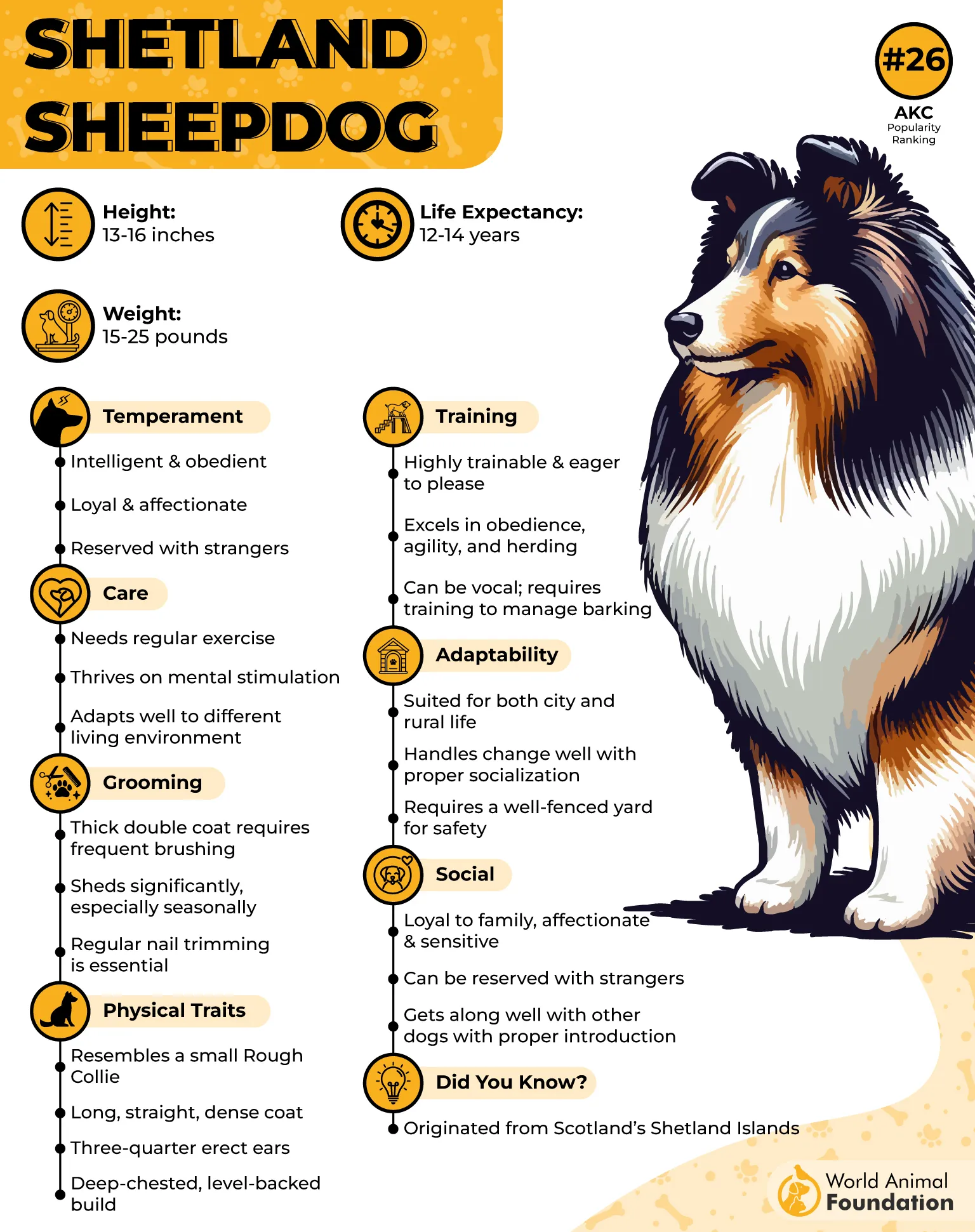
The Sheltie, meanwhile, carries a sharper alertness in its expression, often reacting instantly to sound or movement, which fits its quick-response herding style. Shelties resemble a Rough Collie in miniature, with a long, wedge-shaped head and a distinctive facial expression.
Even their movement patterns highlight the contrast—one moves with steady, grounded power suited for covering distance, while the other travels with light, quick steps that make sudden turns and fast corrections effortless in compact working areas.
Temperament & Behavioral Profile
The English Shepherd and the Shetland Sheepdog both thrive on connection with people, but their behavior shows different emotional rhythms.
The English Shepherd tends to form a steady, grounded bond with its family, often staying close and quietly observing household activity rather than demanding attention, as stated by Wikipedia.
It is naturally protective in a calm way, preferring to assess situations first before reacting, especially when unfamiliar animals or visitors enter its space.

The Shetland Sheepdog shows a more reactive and expressive temperament. It is highly tuned to human emotions and household energy, often responding quickly to changes in tone, movement, or routine.
This sensitivity makes it eager to participate in daily activities, but it also means it can become vocal when excited or alert to anything unusual in its environment.
Without enough engagement, it may become restless, showing it through persistent vocalizing or repetitive behaviors like chewing.
The Sheltie, however, thrives on structured learning and interactive challenges, often excelling when training feels like a game or performance.
Its strong chase instinct can appear suddenly in everyday moments, especially when small animals or fast movement trigger its herding drive, making supervision important in open spaces.
While both breeds are intelligent and trainable, the Shetland Sheepdog is often noted for its affectionate nature and adaptability as a family pet, whereas the English Shepherd is recognized for its versatility in working roles and strong herding instincts.
Activity Requirements & Energy Levels
The English Shepherd and the Shetland Sheepdog both need regular exercise, but their energy use and recovery styles are quite different.
The English Shepherd has a flexible activity range—some individuals are highly active, while others are more moderate—but all require regular daily exercise to stay balanced.
What stands out is its ability to switch off once indoors, shifting from an active working mindset to a calm, settled companion without needing constant stimulation.
The Sheltie, in comparison, usually needs about an hour of structured daily activity that blends physical movement with mental engagement. It enjoys walks, interactive games, and training sessions that challenge its quick thinking.
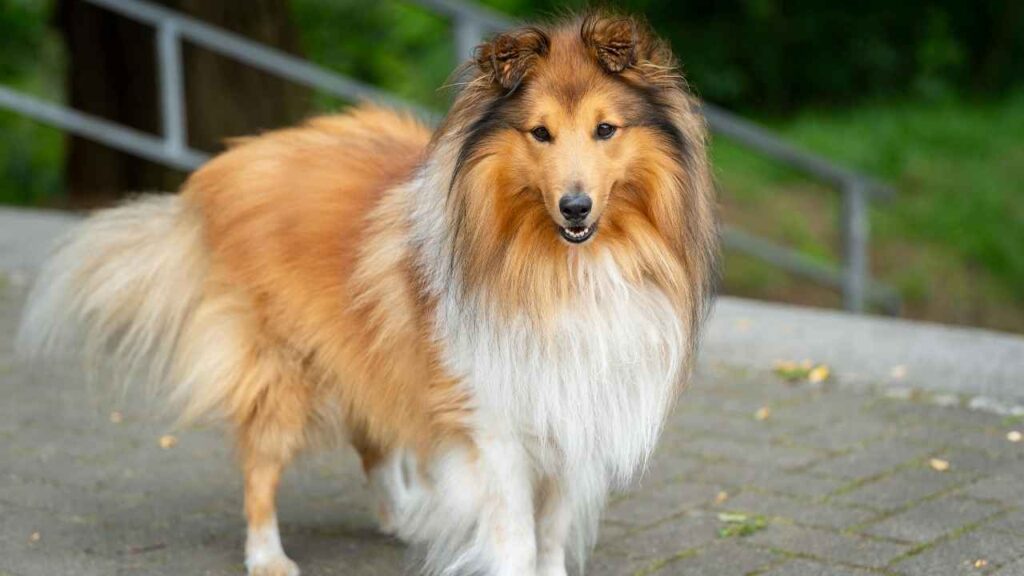
Even after exercise, it often remains mentally alert and ready for more interaction, especially if something interesting catches its attention.
During activity, the English Shepherd tends to work with steady focus and purpose, pacing itself and conserving energy for longer tasks rather than short bursts.
The Sheltie brings a faster, more reactive style, thriving in quick direction changes and mentally engaging routines where precision and timing matter.
Both breeds adapt well to active households, but the English Shepherd fits a rhythm of balanced work and rest, while the Sheltie prefers a more consistently engaging routine that keeps both body and mind actively involved throughout the day.
Trainability, Intelligence & Learning Ability
The English Shepherd and the Shetland Sheepdog are both highly trainable, but they learn in very different ways. The English Shepherd picks up lessons quickly and tends to remember them for life once properly taught.
However, it does not enjoy repetitive, mechanical drills. It learns best through varied, real tasks where training feels like part of work or a daily activity rather than structured repetition.
The Sheltie, on the other hand, is known for extremely fast learning and sharp command retention. It can understand new instructions in very few repetitions and often responds immediately when training begins early in puppyhood, as stated by Orvis.
This makes early guidance important, as delaying structured learning can lead to a more independent and reactive mindset later.
In training style, the English Shepherd responds well to calm direction and practical engagement, especially when lessons are mixed with movement or real responsibilities.

It prefers meaningful challenges over repetitive exercises and can disengage if training becomes too predictable.
The Sheltie thrives on structured training and mental challenges, often excelling in obedience, agility, and other competitive canine sports. It is highly sensitive to tone and responds best to gentle correction, praise, and reward-based learning, making precision and consistency key to its success.
Coat Maintenance & Grooming Needs
The English Shepherd and the Shetland Sheepdog both have coats that demand attention, but the level of maintenance differs noticeably.
The Shetland Sheepdog is known for its beautiful, fluffy coat and is often seen in agility competitions, while the English Shepherd has a more functional coat suited for working conditions, reflecting their different breeding purposes.
The English Shepherd carries a dense double coat that requires deep, full-body brushing at least once a week to keep it healthy and free from mats.
Grooming is not just surface work—owners often need to reach down to the skin, especially after outdoor activity, where dirt and debris easily collect in the thick underlayer.
The Sheltie also has a long double coat, but its care routine is slightly lighter and more flexible. Regular brushing is still important, especially during seasonal shedding, but it does not usually require the same intensive full-coat maintenance as heavier farm-bred working dogs.
Bathing is occasional, though attention to ears, nails, and teeth is essential for overall upkeep.
English Shepherds have double coats that require daily grooming to prevent matting, and neglecting this can lead to the need for a complete shave. Its thick fur can trap moisture and mud easily, making consistent maintenance important after outdoor work sessions.
The Sheltie’s coat, while abundant, is more manageable in everyday life, though it still sheds noticeably and needs routine care to avoid tangles. Its grooming routine often fits around its active but more adaptable household lifestyle, making upkeep more predictable for regular family care.
Both English Shepherds and Shetland Sheepdogs can face grooming challenges due to their dense coats, which can become matted if not properly maintained.
Average Lifespan & Longevity
The English Shepherd and the Shetland Sheepdog both form close bonds with families, but their lifestyle needs and life patterns differ in practical ways. The English Shepherd is typically a larger, long-term companion built for active households with space to move.
It enjoys outdoor time in a secure yard but still relies on indoor living, where it stays close to its people. Its tolerance for cold is decent, but heat can become a concern, making indoor access important throughout the year.
The Sheltie is a smaller, lighter companion that adapts more easily to varied living spaces, including homes with limited outdoor areas, as long as daily activity is provided.
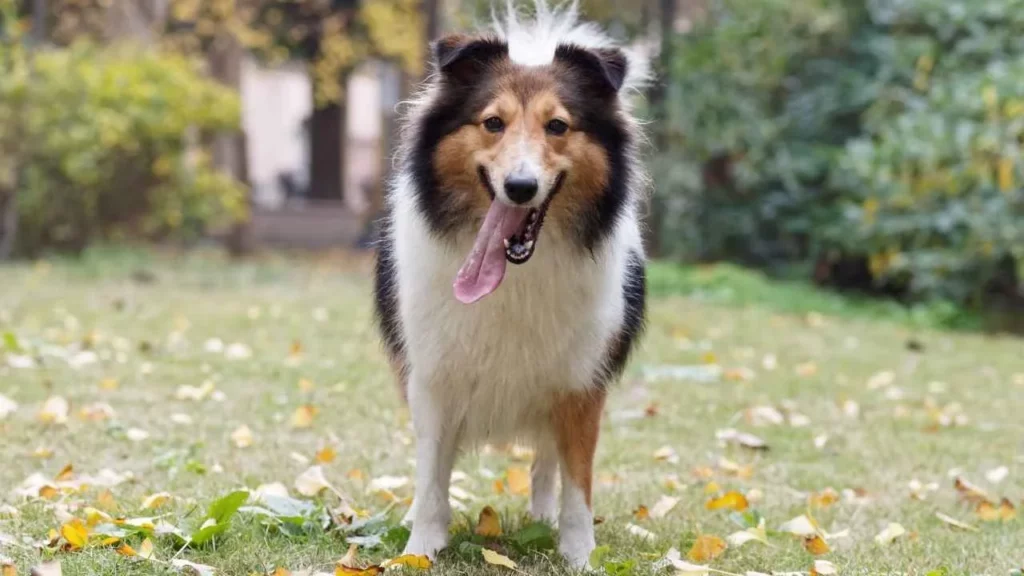
Its compact size and agility make it more flexible in urban or suburban routines compared to larger farm-working breeds. It generally enjoys being part of family life indoors and remains closely connected to its household environment.
In terms of lifespan, the English Shepherd typically shares many years with its family, often forming long, steady bonds through its working-life temperament. It thrives best in homes where space allows for movement and structured activity, rather than confinement.
The Sheltie, on the other hand, is known for a slightly longer average lifespan and tends to maintain its lively, alert nature well into its senior years.
Both breeds are friendly and sociable with children and other pets, but one leans toward spacious, active living while the other fits more comfortably into smaller, flexible environments.
Suitability for Family Life vs. Guard Duties
The English Shepherd and the Shetland Sheepdog both adapt well to family environments, but they fit into daily life in noticeably different ways, especially when it comes to protective instincts and household roles.
The English Shepherd tends to take a calm, watchful approach in family settings. This guard dog stays close to its people, quietly monitoring activity and stepping in only when something feels unfamiliar or out of place.
This steady awareness makes it well-suited for homes where a composed, reliable presence is valued more than constant alertness or reaction.
The Shetland Sheepdog is more reactive and expressive in its behavior. It quickly notices changes in sound, movement, or routine and often responds with barking to signal attention.
This makes it an active “alert” style companion that keeps the household aware of everything happening around it, especially in busy environments.
In family life, the English Shepherd is often seen as a grounded, protective companion that blends into daily routines without much disruption.
The Sheltie brings more engagement and responsiveness, thriving in homes where interaction, communication, and structured activity are part of everyday living.
Conclusion
Both dogs come from strong herding backgrounds, yet they suit very different lifestyles. One brings a calm, steady presence that fits naturally into spacious homes and predictable routines, offering quiet protection and dependable companionship.
The other adds energy, alertness, and sharp responsiveness, thriving in active households where interaction and mental stimulation are part of daily life. Neither is better or worse—they simply serve different needs shaped by history and temperament.
Choosing between them depends on whether you value composed stability or lively engagement in a family companion.
